Unlock your full potential by mastering the most common Transmission System Operations interview questions. This blog offers a deep dive into the critical topics, ensuring you’re not only prepared to answer but to excel. With these insights, you’ll approach your interview with clarity and confidence.
Questions Asked in Transmission System Operations Interview
Q 1. Explain the difference between a transmission line and a distribution line.
The key difference between transmission and distribution lines lies in their voltage level, capacity, and purpose within the power system. Think of it like a highway system: transmission lines are the major interstate highways carrying massive amounts of power over long distances, while distribution lines are the local roads that branch out to deliver power to individual homes and businesses.
Transmission lines operate at high voltages (typically 115 kV and above), transporting large quantities of electricity generated at power plants over hundreds of kilometers to substations. They are designed for high power throughput and long-distance transmission, with robust construction and sophisticated protection systems.
Distribution lines, on the other hand, operate at lower voltages (typically below 69 kV), distributing electricity from substations to end-users. They are characterized by lower capacity, shorter distances, and simpler protection schemes. They’re more like the smaller roads and streets connecting homes to the main highway.
In essence, transmission lines are the backbone of the power grid, while distribution lines form the final delivery network.
Q 2. Describe the role of SCADA in Transmission System Operations.
Supervisory Control and Data Acquisition (SCADA) is the central nervous system of transmission system operations. It’s a computerized system that monitors and controls the entire transmission network in real-time. Imagine it as a sophisticated dashboard showing the status of every component – from voltage levels and power flows to equipment temperatures and breaker positions.
SCADA achieves this by employing a network of Remote Terminal Units (RTUs) and Programmable Logic Controllers (PLCs) located at substations and along transmission lines. These RTUs and PLCs collect data from various sensors and equipment and transmit it to a central control center. Operators at the control center use this data to visualize the system, make operational decisions, and remotely control equipment like circuit breakers and transformers.
Key roles of SCADA in Transmission System Operations include:
- Real-time monitoring: Continuous monitoring of voltage, current, power flow, and equipment status.
- Alarm management: Immediate alerts for abnormal operating conditions or equipment failures.
- Remote control: Ability to remotely operate circuit breakers, transformers, and other equipment.
- Data logging and analysis: Recording historical data for analysis and optimization.
- Power system stabilization: Supporting automatic control actions to maintain system stability.
Without SCADA, efficient and reliable operation of a modern power transmission system would be practically impossible.
Q 3. What are the key components of a power system stabilizer (PSS)?
A Power System Stabilizer (PSS) is a crucial component of a power plant’s control system, designed to enhance the stability of the power system, especially during disturbances. Think of it as a shock absorber for the power grid.
Key components of a PSS include:
- Speed measurement: Measures the generator’s rotor speed deviation from synchronous speed.
- Power measurement: Measures the generator’s active power output.
- Signal processing unit: Processes the speed and power signals to calculate the stabilizing signal.
- Excitation system input: The stabilizing signal is fed back to the excitation system to adjust the generator’s excitation voltage.
The PSS works by detecting deviations in the generator’s rotor speed and power output during disturbances (e.g., a sudden load change or fault). It then generates a supplementary stabilizing signal to adjust the generator’s excitation voltage, damping out oscillations and preventing system instability. This prevents large swings in voltage and frequency that can lead to cascading failures across the grid.
Q 4. Explain the concept of power flow analysis and its importance.
Power flow analysis is a crucial technique used to determine the steady-state operation of a power system. It’s like a detailed map showing how power flows through the entire network under various operating conditions. It helps us understand voltage levels, power flows, and losses within the system.
This analysis utilizes a set of non-linear algebraic equations known as the power flow equations. These equations describe the relationship between voltage magnitudes, voltage angles, and power injections at each bus (node) in the system. Solving these equations provides a comprehensive picture of the system’s state.
The importance of power flow analysis is multifaceted:
- Planning and design: Determining the capacity of transmission lines, transformers, and generators, identifying potential bottlenecks, and optimizing the placement of new equipment.
- Operation and control: Monitoring the system’s performance in real-time, identifying potential overloads, and guiding operational decisions.
- Security assessment: Evaluating the system’s resilience to disturbances and contingencies, such as loss of generation or transmission lines.
Sophisticated software tools are used to perform power flow analysis, incorporating various system parameters and contingencies to provide accurate and reliable results. This ensures the secure and efficient operation of the power grid.
Q 5. How does state estimation improve the accuracy of system monitoring?
State estimation significantly enhances the accuracy of system monitoring by combining real-time measurements from various sources with a mathematical model of the power system. Think of it as a sophisticated filter that refines raw data to provide a more reliable picture.
Real-time measurements often contain errors due to noise, meter inaccuracies, and communication delays. State estimation uses these measurements, along with the known system topology and parameters, to estimate the system’s true state—voltages, angles, and power flows at each bus. It employs sophisticated algorithms, often based on weighted least squares, to optimally weigh the available measurements and minimise the overall error.
This refined data enhances system monitoring by:
- Improving accuracy: Reducing the impact of measurement errors on the system’s overall state estimation.
- Detecting bad data: Identifying and removing erroneous measurements from the analysis.
- Enhanced situational awareness: Providing operators with a clearer and more accurate picture of the system’s state, facilitating better decision-making.
- Improved control: Enables more precise control actions to maintain system stability and efficiency.
State estimation is crucial for reliable and efficient system operation, especially in large and complex power systems.
Q 6. Describe different types of transmission line protection schemes.
Transmission line protection schemes are crucial for ensuring the safety and reliability of the power system. These schemes automatically isolate faulty sections of a transmission line to prevent cascading failures. Imagine them as firefighters quickly containing a blaze to prevent it from spreading.
Several types of protection schemes exist:
- Distance protection: Measures the impedance along the transmission line. If the impedance exceeds a predefined threshold, it indicates a fault and triggers the circuit breakers to isolate the faulty section. It’s fast and effective but susceptible to inaccuracies due to line parameters and load changes.
- Differential protection: Compares the currents entering and leaving a protected zone. Any significant difference suggests a fault within the zone, triggering circuit breakers.
- Overcurrent protection: Measures the current flowing through the line. If the current surpasses a preset limit, it indicates an overload or fault, activating circuit breakers. This is simple but can be slow and lead to unnecessary tripping.
- Pilot protection: Uses communication channels to coordinate the actions of circuit breakers at both ends of the line. By exchanging information, it achieves faster fault isolation and reduces the risk of false tripping.
Choosing the right protection scheme depends on several factors, including line length, voltage level, fault types, and system configuration. Modern systems often utilize a combination of schemes for enhanced reliability and speed.
Q 7. What are the challenges associated with integrating renewable energy sources into the transmission system?
Integrating renewable energy sources like solar and wind power into the transmission system presents several significant challenges. These sources are inherently intermittent and geographically dispersed, unlike conventional power plants.
Key challenges include:
- Intermittency and variability: Solar and wind power output fluctuates significantly depending on weather conditions. This necessitates advanced forecasting and grid management techniques to maintain system balance and stability.
- Geographic dispersion: Renewable energy resources are often located far from load centers, requiring extensive transmission infrastructure to transport the power efficiently.
- Voltage and frequency regulation: The intermittent nature of renewable sources can lead to voltage and frequency fluctuations. Grid operators must employ advanced control strategies and ancillary services to manage these variations.
- System stability: The lack of inertia in many renewable generation sources can negatively impact system stability, especially during disturbances. Solutions involve advanced control systems and energy storage technologies.
- Grid infrastructure upgrades: Integrating large amounts of renewable energy often necessitates upgrades to the existing transmission infrastructure to accommodate increased capacity and improve resilience.
Overcoming these challenges requires a comprehensive approach involving advanced grid technologies, improved forecasting, energy storage solutions, and smart grid management strategies.
Q 8. Explain the function of a transformer in a power system.
Transformers are essential components in power systems, acting as voltage changers. They allow us to efficiently transmit electricity over long distances. Think of them as voltage ‘converters’. High voltage transmission lines minimize energy loss during long-distance travel. However, this high voltage isn’t safe or practical for homes and businesses. Transformers step down the voltage to safer levels for consumption. Conversely, at power generation plants, transformers step up the voltage to high levels for efficient transmission. This process involves electromagnetic induction: a changing magnetic field induces a voltage in a secondary coil, thus changing the voltage level. The ratio of turns in the primary and secondary coils determines the voltage transformation ratio.
For example, a step-up transformer at a power plant might increase the voltage from 25 kV (kilovolts) to 500 kV for transmission, while a step-down transformer in a substation near a city might reduce it back to 11 kV for distribution networks and finally to 230V for household use. This efficient voltage management is crucial for a stable and reliable power grid.
Q 9. How do you handle contingencies like transmission line outages?
Handling transmission line outages requires a swift and coordinated response. The first step is detection – sophisticated protection systems quickly identify the outage. This triggers an automatic response, often isolating the faulty line to prevent cascading failures. The system then reconfigures itself, rerouting power flow around the outage using alternative paths. This is achieved through a complex process involving switching operations managed by the Transmission System Operator (TSO). The TSO utilizes real-time data, power flow analysis, and contingency analysis to determine the optimal way to restore power. The goal is to minimize disruption to customers and maintain grid stability. If the outage is severe or widespread, load shedding may be necessary – strategically reducing power consumption in certain areas to balance supply and demand, preventing a complete system collapse.
Imagine a major highway being closed – traffic is rerouted using alternative routes. Similarly, a transmission line outage forces the power system to find alternative pathways for electricity.
Q 10. What are the different types of faults that can occur in a transmission system?
Transmission systems are susceptible to various types of faults. These can be broadly categorized as:
- Phase-to-ground faults: One phase comes into contact with the ground, resulting in a current flow to the ground. This is the most common type of fault.
- Phase-to-phase faults: Two phases make contact, creating a short circuit between them.
- Three-phase faults (or three-phase-to-ground faults): All three phases come into contact with each other and/or ground, which is the most severe type of fault leading to a complete loss of power in that section.
- Open conductors: A break or disconnect in a conductor, leading to interruption of power flow.
These faults can be caused by various factors such as lightning strikes, equipment malfunction, insulation failure, or even wildlife interference. Protecting against these faults is crucial for maintaining grid reliability, and is achieved through protective relays and circuit breakers that automatically isolate the faulty section of the grid.
Q 11. Describe the role of FACTS devices in enhancing transmission system stability.
Flexible AC Transmission Systems (FACTS) devices are power electronic-based systems that enhance the controllability and stability of transmission systems. They dynamically adjust voltage, current, and impedance, improving power flow and stability. Some key examples include:
- Thyristor-Controlled Series Compensators (TCSC): These devices improve power transfer capability by controlling the reactance of transmission lines. This helps prevent oscillations and improve stability.
- Static Synchronous Compensators (STATCOM): These provide fast voltage support and reactive power compensation, enhancing voltage stability and improving transient stability during faults.
- Unified Power Flow Controllers (UPFC): These are more versatile devices offering combined control over voltage magnitude, phase angle, and active power flow.
Think of FACTS devices as ‘smart valves’ in the power system, enabling dynamic control of power flow, enhancing system resilience and minimizing disruptions.
Q 12. Explain the importance of voltage stability in transmission system operation.
Voltage stability is paramount in transmission system operation because sustained low voltage can lead to cascading failures and widespread blackouts. When the demand for power exceeds the supply capacity at a given voltage level, a voltage collapse can occur. This is because low voltage reduces the power transfer capability of the lines and can trigger protective relays to trip, leading to more widespread outages. Maintaining voltage stability ensures that all equipment operates within acceptable voltage limits, preventing damage and maintaining the reliable supply of power to consumers.
Maintaining sufficient reactive power is vital for voltage stability. Reactive power, unlike active power, doesn’t directly contribute to energy consumption but is crucial in maintaining voltage levels.
Q 13. What are the key performance indicators (KPIs) for a transmission system?
Key Performance Indicators (KPIs) for a transmission system focus on reliability, efficiency, and security. Examples include:
- System Average Interruption Duration Index (SAIDI): The average time a customer experiences an interruption.
- System Average Interruption Frequency Index (SAIFI): The average number of interruptions a customer experiences.
- Customer Average Interruption Duration Index (CAIDI): The average time it takes to restore power to a customer after an interruption.
- Transmission Loss Factor: Percentage of power lost during transmission.
- Voltage Stability Margin: How close the system is to a voltage collapse.
- Load Carrying Capability: The maximum power that can be transmitted reliably.
These KPIs provide insights into the performance and efficiency of the transmission system, allowing for continuous improvement and proactive maintenance.
Q 14. How does the transmission system operator (TSO) ensure grid reliability?
The TSO employs various strategies to ensure grid reliability. These include:
- Preventive Maintenance: Regular inspection and maintenance of equipment to prevent failures.
- Contingency Planning: Analyzing potential disruptions and developing strategies to mitigate their impact.
- Real-time Monitoring: Continuous monitoring of system parameters using Supervisory Control and Data Acquisition (SCADA) systems to detect anomalies and potential problems.
- Protection Systems: Deploying sophisticated protection relays and circuit breakers to isolate faulty equipment quickly and prevent cascading failures.
- Load Forecasting and Management: Predicting power demand and implementing load management strategies to balance supply and demand.
- Grid Modernization: Investing in smart grid technologies to improve grid flexibility, resilience, and efficiency.
- Emergency Response Plans: Having detailed procedures and trained personnel to handle emergency situations.
By combining these strategies, the TSO proactively manages and controls the grid to ensure a reliable and secure supply of electricity.
Q 15. Explain the concept of reactive power compensation.
Reactive power compensation is crucial for maintaining a stable and efficient power transmission system. Think of it like this: active power (measured in watts) is the actual power doing the work, like running your appliances. Reactive power (measured in VARs – Volt-Ampere Reactive), on the other hand, is like the support system, enabling the flow of active power. It’s needed to maintain voltage levels and ensure efficient energy transfer.
Without sufficient reactive power, voltage drops can occur, leading to instability and potentially causing equipment damage or system collapse. Compensation involves adding reactive power sources to the system to counteract these drops. This is often achieved using devices such as:
- Capacitor banks: These provide leading reactive power, compensating for the lagging reactive power consumed by inductive loads like motors and transformers.
- Synchronous condensers: These are essentially large synchronous motors running without mechanical load, capable of providing or absorbing reactive power as needed.
- Static VAR compensators (SVCs): These are sophisticated electronic devices offering fast and precise reactive power control, often used in critical locations.
For example, imagine a long transmission line supplying a large industrial area with many inductive motors. The line’s inductance consumes significant reactive power, causing voltage sags at the load end. Installing a capacitor bank near the load will provide the necessary reactive power, improving voltage regulation and system efficiency. The selection of the compensation method depends on factors like the size of the load, the distance of transmission, and the required response time.
Career Expert Tips:
- Ace those interviews! Prepare effectively by reviewing the Top 50 Most Common Interview Questions on ResumeGemini.
- Navigate your job search with confidence! Explore a wide range of Career Tips on ResumeGemini. Learn about common challenges and recommendations to overcome them.
- Craft the perfect resume! Master the Art of Resume Writing with ResumeGemini’s guide. Showcase your unique qualifications and achievements effectively.
- Don’t miss out on holiday savings! Build your dream resume with ResumeGemini’s ATS optimized templates.
Q 16. Describe the different methods used for transmission line maintenance.
Transmission line maintenance is vital for ensuring the reliability and safety of the power grid. It’s a multifaceted process encompassing various methods, each designed to address specific needs and conditions:
- Preventive Maintenance: This involves scheduled inspections and cleaning of equipment such as insulators, conductors, and towers. This helps identify potential problems early on, preventing more serious issues down the line (pun intended!). Examples include visual inspections using drones, thermography to detect hotspots, and corona testing to assess insulator condition.
- Corrective Maintenance: This involves repairing or replacing equipment that has failed or is malfunctioning. This could range from fixing a broken insulator to replacing a damaged section of conductor. This is often reactive, triggered by an incident or a performance degradation.
- Condition-Based Maintenance: This utilizes data-driven analysis to predict maintenance needs. Advanced sensors and monitoring systems track equipment performance parameters, allowing for proactive maintenance before a failure occurs. This method improves efficiency by optimizing maintenance schedules.
- Emergency Maintenance: This involves immediate repairs following unplanned outages or emergencies. This often entails swift response times and specialized crews capable of handling high-voltage situations.
These maintenance methods are frequently applied using a combination of ground-based crews and specialized aerial lift equipment. Safety protocols are paramount and rigorously followed during all maintenance activities to protect personnel and prevent accidents. The specific approach to maintenance is often tailored to the type of transmission line (overhead or underground), the voltage level, and the environmental conditions.
Q 17. What is the significance of N-1 security criterion in transmission planning?
The N-1 security criterion is a fundamental principle in transmission planning, guaranteeing grid reliability and resilience. It essentially means that the system should remain operational even after the loss of any single component (N-1), such as a transmission line, transformer, or generator. This criterion ensures that the power system can withstand unexpected events without causing widespread outages.
Meeting the N-1 criterion involves comprehensive system analysis, which takes into account factors such as line flows, voltage levels, and generator capabilities under various contingency scenarios (i.e., simulations of component failures). This helps engineers identify potential weaknesses in the system and design solutions to mitigate the risk of cascading failures. For example, adequate redundancy in transmission lines might involve multiple parallel paths for power flow, so if one line trips, power can still be routed through the others.
The importance of this criterion is amplified by its implications for preventing major blackouts. A failure to meet N-1 could result in cascading outages – a chain reaction where one failure triggers a sequence of others, potentially leading to a large-scale power failure. The economic and social consequences of such events are immense, making N-1 compliance critical for the reliable operation of the power system.
Q 18. Explain the impact of load forecasting on transmission system operations.
Load forecasting is an essential aspect of transmission system operations, directly impacting how the grid is planned, operated, and maintained. Accurate load predictions are the foundation for efficient and reliable power delivery. These forecasts help anticipate electricity demand at various times of day and year, allowing operators to:
- Optimize generation scheduling: By knowing anticipated demand, operators can dispatch the appropriate mix of generation sources (e.g., nuclear, hydro, solar, gas) to meet anticipated demand efficiently and economically.
- Plan for transmission upgrades: Forecasts help determine the capacity needed in the transmission grid to deliver power reliably to consumers, identifying where upgrades and expansions might be necessary to meet future demand.
- Improve grid stability: Accurate load forecasting assists in the prevention of grid instability by enabling operators to proactively manage reactive power and voltage levels across the system.
- Reduce operational costs: By efficiently managing generation and transmission resources, accurate load forecasts can significantly lower operational costs.
Poor load forecasting, on the other hand, can lead to scenarios where generation might not meet demand (causing outages or load shedding), or where excessive generation might be maintained, leading to wasted resources and inefficiency. Advanced forecasting techniques, leveraging machine learning and historical data, are becoming increasingly prevalent to improve the accuracy and detail of load predictions.
Q 19. How does a power system stabilizer improve the damping of low-frequency oscillations?
Power system stabilizers (PSS) are crucial components in modern power systems, primarily designed to enhance the damping of low-frequency oscillations (LFOs). These oscillations, typically in the range of 0.1 to 2 Hz, can be triggered by disturbances such as sudden load changes or generator faults. If left unchecked, LFOs can lead to system instability and even widespread blackouts.
A PSS works by injecting supplementary stabilizing signals into the generator’s excitation system. These signals are calculated based on the system’s frequency and rotor speed deviations. By strategically adjusting the generator’s excitation, the PSS provides additional damping to the oscillations, helping to stabilize the system. Think of it as a shock absorber for the power system, reducing the amplitude of the oscillations and bringing the system back to equilibrium more quickly.
The design and tuning of a PSS is a complex process that requires careful consideration of the system dynamics and characteristics. Inappropriate tuning can actually worsen stability, highlighting the importance of expertise and advanced control techniques. The PSS’s effectiveness is evaluated by simulating various fault scenarios and analyzing the system’s response using specialized software tools.
Q 20. What are the challenges associated with high-voltage direct current (HVDC) transmission?
High-voltage direct current (HVDC) transmission offers several advantages over traditional alternating current (AC) transmission, including enhanced long-distance power transfer and asynchronous grid interconnection. However, it also presents unique challenges:
- Converter station costs: HVDC systems require expensive converter stations at both ends of the transmission line to convert AC to DC and vice versa. These stations contain complex and high-powered equipment, increasing initial investment costs.
- Voltage source converter (VSC) technology complexity: While VSC-based HVDC systems offer superior controllability, their design and operation are significantly more complex compared to traditional line-commutated converter (LCC) systems.
- Reactive power compensation: HVDC lines don’t inherently provide reactive power support, requiring additional compensation equipment to maintain voltage stability at the receiving end.
- Harmonic filtering: Converters generate harmonic currents that need to be filtered to prevent interference with other parts of the grid. These filters add to the system’s complexity and cost.
- Fault detection and protection: Protecting HVDC lines from faults requires specialized protection schemes that are more intricate than those used in AC systems.
Despite these challenges, the advantages of HVDC in certain applications – such as long subsea cables or interconnecting asynchronous grids – often outweigh the drawbacks, driving its increasing adoption globally. The ongoing development of advanced converter technology and control algorithms continues to address these challenges and improve the cost-effectiveness and reliability of HVDC transmission.
Q 21. Explain the function of a circuit breaker in a transmission system.
A circuit breaker is a crucial safety and control device in a transmission system, acting as a switch that can quickly interrupt the flow of current under fault conditions. It’s a critical component in protecting equipment, preventing cascading failures, and ensuring the safety of personnel. Imagine it as a highly sophisticated and rapid-acting fuse, far more capable and precise.
When a fault occurs (e.g., a short circuit, ground fault, or insulation failure), the circuit breaker detects the abnormal current and interrupts the flow within milliseconds. This prevents damage to the equipment and the potential for a cascading failure, where one fault could trigger a chain reaction leading to widespread outages. Different types of circuit breakers are used in transmission systems, categorized by their operating mechanisms (e.g., oil, air, vacuum, SF6 gas), voltage levels, and breaking capacity.
The rapid interruption of the fault current is vital. Prolonged fault currents can generate excessive heat, causing damage to transformers, generators, and transmission lines. The proper operation of circuit breakers is essential for maintaining grid stability and reliability and they form the backbone of protection schemes.
Q 22. Describe the role of a protective relay in safeguarding transmission equipment.
Protective relays are the first line of defense for transmission equipment, acting as the nervous system of the power grid. They continuously monitor various parameters like current, voltage, and frequency. When an anomaly, such as a fault (short circuit), overload, or ground fault, is detected exceeding pre-defined thresholds, the relay instantly trips circuit breakers to isolate the faulted section. This prevents cascading failures and protects expensive equipment from damage. Think of them as highly sophisticated, incredibly fast-acting circuit breakers controlled by intelligent microprocessors. Different relays protect different aspects of the system; some might protect transformers, others transmission lines, and some even protect against specific fault types. For example, a distance relay measures the impedance to a fault and trips the breaker accordingly, while an overcurrent relay simply detects excessive current flow.
For example, imagine a lightning strike hitting a transmission line. The resulting surge of current will be detected by the protective relays at both ends of the line. The relays will quickly assess the situation and trip the circuit breakers, isolating the damaged section and preventing the fault from spreading to the rest of the grid. This rapid response minimizes downtime and prevents wider blackouts.
Q 23. What are the different types of transmission towers?
Transmission towers come in a variety of designs, primarily categorized by their structural configuration and the voltage level they support. The choice of tower type depends on factors like terrain, environmental conditions, and the required line capacity. Some common types include:
- Lattice towers: These are the most common type, featuring a network of interconnected steel members forming a rigid structure. They are versatile and suitable for various voltage levels and terrains. Subtypes include single-circuit, double-circuit, and tangent (straight section) towers.
- Tubular steel towers: These use tubular steel members, offering higher strength-to-weight ratios compared to lattice towers, making them suitable for spans in challenging terrain.
- Self-supporting towers: Designed to withstand high winds and ice loads without guy wires, these towers are preferred in rugged or densely populated areas.
- Guyed towers: These use guy wires for additional support, making them cost-effective for areas with less demanding environmental conditions. They are often used at river crossings or in areas with limited space.
The selection of a specific tower type is a critical aspect of transmission line design, requiring careful consideration of various engineering, environmental, and economic factors. For instance, a lattice tower might be chosen for its cost-effectiveness in a flat, open area while a self-supporting tower may be necessary for a mountain pass.
Q 24. Explain the concept of power system modeling.
Power system modeling is the process of creating a simplified mathematical representation of a power system. This representation, typically implemented using software packages, allows engineers to analyze system behavior under various operating conditions and to plan for future expansion or upgrades. It’s like building a scaled-down model of the power grid to test scenarios without actually affecting the real system.
These models can range from simple to highly complex, depending on the level of detail required. Simple models might represent the power system using simplified equivalent circuits, while complex models incorporate detailed components, such as transmission lines, transformers, generators, and loads, along with their associated parameters. The accuracy of the model significantly impacts the results of the simulations, hence careful selection of models and parameters is crucial. Commonly used software include PSS/E, PowerWorld Simulator, and ETAP.
These models are used for various purposes, including steady-state analysis (power flow studies), transient stability analysis (simulating the system’s response to disturbances), and short-circuit studies (assessing the effects of faults). For instance, a power flow study could be used to determine the voltage levels at different points in the system under a particular load condition. Similarly, a transient stability study can simulate the system’s response to a fault to assess its stability.
Q 25. Describe the impact of weather conditions on transmission system operations.
Weather conditions significantly impact transmission system operations, posing both operational and safety challenges. Extreme weather events can cause outages, damage equipment, and disrupt power supply.
- High winds: Strong winds can cause conductors to sway excessively, leading to conductor galloping (large-amplitude oscillations) or even breakage. This can lead to short circuits or complete outages.
- Ice and snow: Accumulation of ice and snow on conductors increases their weight and can cause them to sag, leading to ground faults or flashovers (electrical discharges through the air).
- Lightning: Lightning strikes can directly damage transmission lines and equipment, causing faults and outages. Effective grounding and surge protection are crucial in mitigating lightning damage.
- Extreme temperatures: Both extreme heat and cold can affect conductor sag and resistance, impacting power flow and potentially causing equipment damage. Heat can also increase the risk of wildfires.
Transmission system operators use advanced weather forecasting and monitoring systems to anticipate and mitigate weather-related risks. They may implement preventative measures, such as de-icing operations or increased conductor clearances, during periods of severe weather. Real-time monitoring of the system’s response to weather events is crucial to ensure quick identification and resolution of any problems. For example, in anticipation of an ice storm, the operator might increase line patrols and prepare crews for repair work. Effective communication and coordination between operators and field crews are vital during such events.
Q 26. What are the safety precautions involved in working on high-voltage transmission lines?
Working on high-voltage transmission lines is extremely dangerous and requires stringent safety precautions. The most important factor is to ensure the line is completely de-energized before any work is undertaken. This process involves a series of steps, including:
- Lockout/Tagout (LOTO): This critical procedure involves physically locking out the circuit breaker that supplies power to the line, preventing accidental re-energization. Each worker involved in the task must place their individual lock on the breaker.
- Grounding: Once the line is de-energized, grounding conductors are installed to ensure that no voltage is present on the line. This is done to prevent the unintentional build-up of static electricity or any induction from other nearby lines.
- Voltage verification: Before commencing any work, a thorough voltage verification test must be performed using appropriate insulated test equipment to confirm that the line is indeed de-energized and grounded safely. This is not to be skipped, even if the LOTO procedure has been meticulously followed.
- Personal protective equipment (PPE): Workers must wear appropriate PPE, including insulated gloves, safety helmets, and arc-flash protective clothing, to protect themselves from potential hazards.
- Proper training and supervision: All workers must receive thorough training on safe working procedures for high-voltage lines and must always work under the supervision of a qualified supervisor.
Failure to adhere to these safety procedures can result in severe injury or fatality. Every step is crucial to minimize risk, and deviations from established protocols are strictly prohibited.
Q 27. How are transmission system expansions planned and implemented?
Transmission system expansions are planned and implemented through a rigorous process that involves several stages.
- Load forecasting: The process begins with forecasting future electricity demand to determine the need for expansion. This involves analyzing population growth, economic development, and future energy consumption patterns.
- System studies: Once the need for expansion is determined, detailed system studies are conducted to evaluate different expansion options. These studies typically include power flow studies, stability studies, and short-circuit studies, which help in analyzing the impact of each proposed expansion on the overall system performance.
- Environmental impact assessment (EIA): An EIA is required to assess the environmental impact of the proposed expansion and to identify ways to mitigate any negative effects. This is a crucial step to ensure environmental sustainability and compliance with environmental regulations.
- Permitting and approvals: Obtaining necessary permits and approvals from regulatory bodies is a critical step, which can be time-consuming.
- Design and engineering: The detailed design and engineering of the new transmission lines, substations, and other equipment are carried out. This includes selecting appropriate equipment, designing tower structures, and determining the optimal route for new lines.
- Construction and commissioning: The actual construction of new facilities is undertaken, and once completed, the new facilities are rigorously tested and commissioned to ensure their safe and reliable operation.
The entire process is iterative, involving continuous monitoring and adjustments based on new data and changing circumstances. Effective project management and stakeholder engagement are vital for successful implementation.
Q 28. Explain the role of communication networks in transmission system operation.
Communication networks are the backbone of modern transmission system operation, enabling real-time monitoring, control, and protection of the power grid. They facilitate the seamless flow of information between various system components, including substations, control centers, and field crews. Without robust communication networks, the efficient and reliable operation of the transmission system would be severely hampered.
These networks employ a variety of technologies, including SCADA (Supervisory Control and Data Acquisition) systems, microwave links, fiber optic cables, and cellular networks. SCADA systems provide operators with real-time data on system parameters such as voltage, current, and frequency, allowing them to monitor the system’s status and make informed decisions. This allows for prompt identification of any anomalies and immediate remedial actions. For instance, a sudden drop in voltage at a substation would immediately be flagged by the SCADA system, allowing operators to take corrective measures before it affects wider parts of the network.
Communication networks also play a critical role in protective relaying, enabling faster fault detection and isolation. The data from protective relays are transmitted quickly to the control center, allowing for rapid tripping of circuit breakers and minimizing the impact of faults. Furthermore, they facilitate communication between control centers and field crews, enhancing coordination during maintenance, repair, and emergency situations. The reliability and resilience of the communication network are crucial to the overall stability and security of the transmission system. Redundancy and fail-safe mechanisms are often incorporated to ensure minimal disruption in case of network failures.
Key Topics to Learn for Transmission System Operations Interview
- Power System Analysis: Understanding power flow studies, fault analysis, and stability assessments. Practical application includes predicting system behavior under various operating conditions and identifying potential vulnerabilities.
- Transmission Line Protection: Deep dive into relaying principles, protection schemes, and fault location techniques. Practical application involves ensuring the reliable and safe operation of the transmission system by quickly isolating faults.
- SCADA/EMS Systems: Familiarity with Supervisory Control and Data Acquisition (SCADA) and Energy Management Systems (EMS) functionalities, data interpretation, and operator interface. Practical application includes monitoring system performance in real-time and making informed control decisions.
- Power System Stability: Understanding different types of stability (angle, frequency, voltage) and the factors influencing them. Practical application includes optimizing system operation to maintain stability and prevent blackouts.
- Economic Dispatch and Optimal Power Flow (OPF): Knowledge of principles and algorithms for efficient power generation scheduling and optimal power flow management. Practical application includes minimizing operating costs while maintaining system reliability and security.
- State Estimation: Understanding the principles of state estimation and its role in real-time system monitoring and control. Practical application involves accurately determining the system’s operating state based on available measurements.
- Reactive Power Control and Voltage Regulation: Understanding the importance of reactive power control and voltage regulation for maintaining system voltage stability and power quality. Practical application includes managing reactive power sources to optimize voltage profiles across the transmission network.
- Transmission Planning and Expansion: Familiarity with the process of planning and expanding transmission systems to meet future power demand. Practical application includes assessing the long-term needs of the grid and proposing upgrades or new infrastructure.
Next Steps
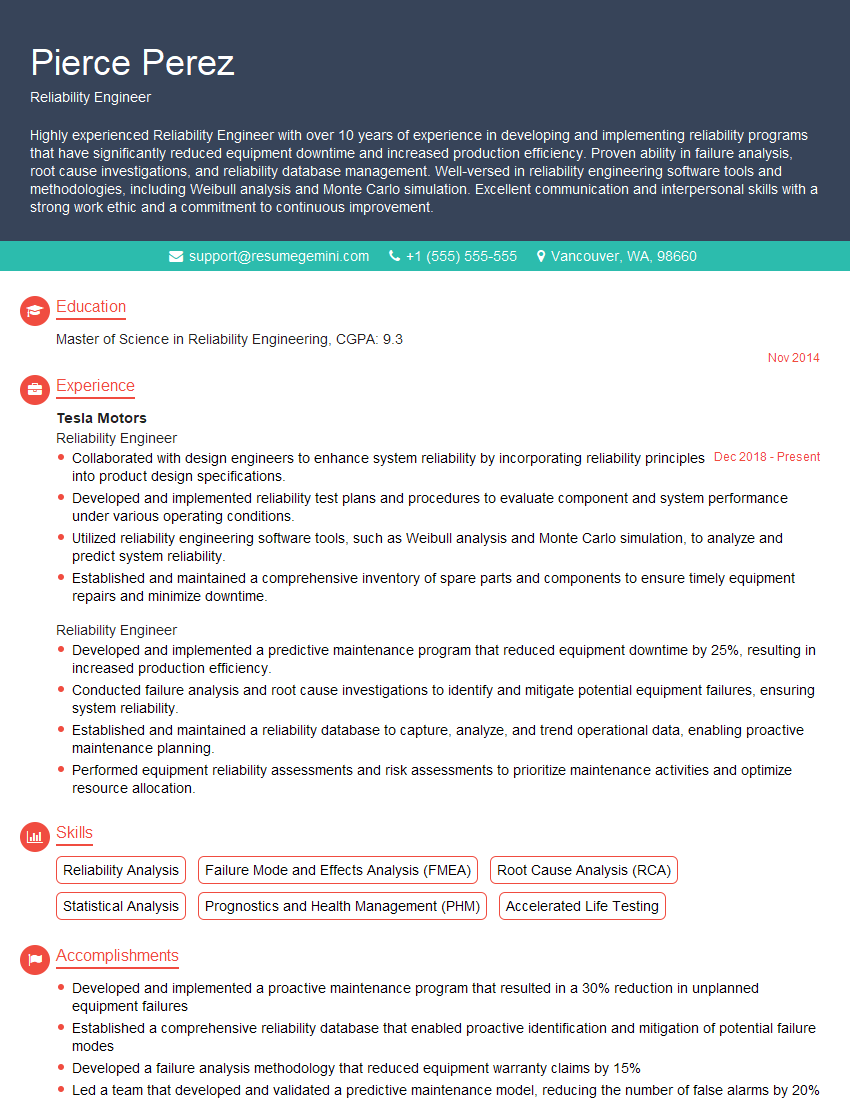
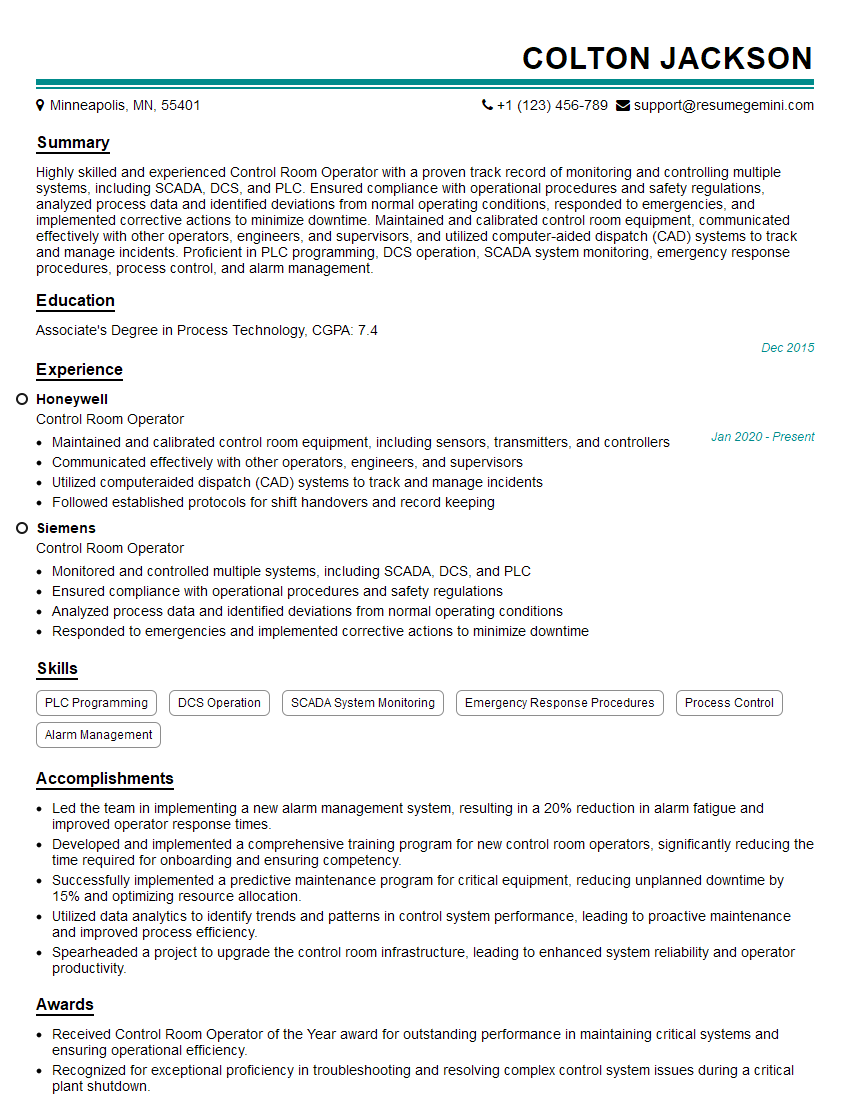
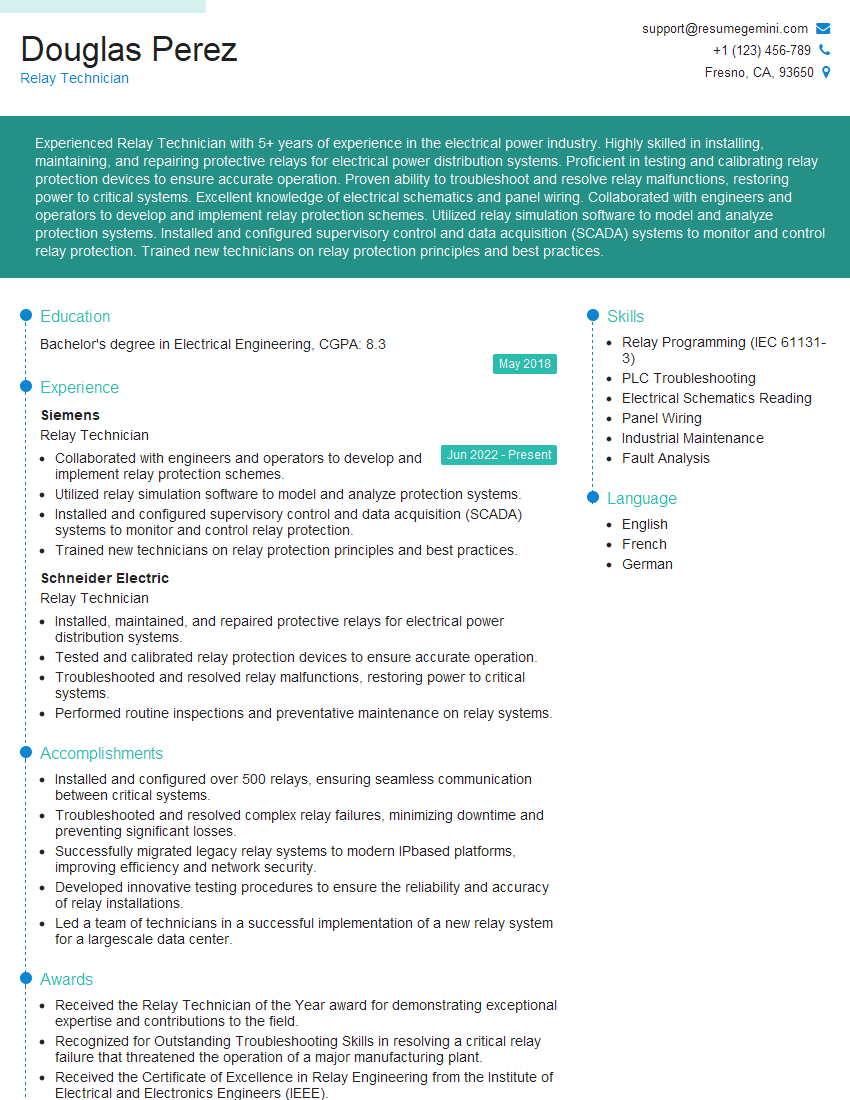
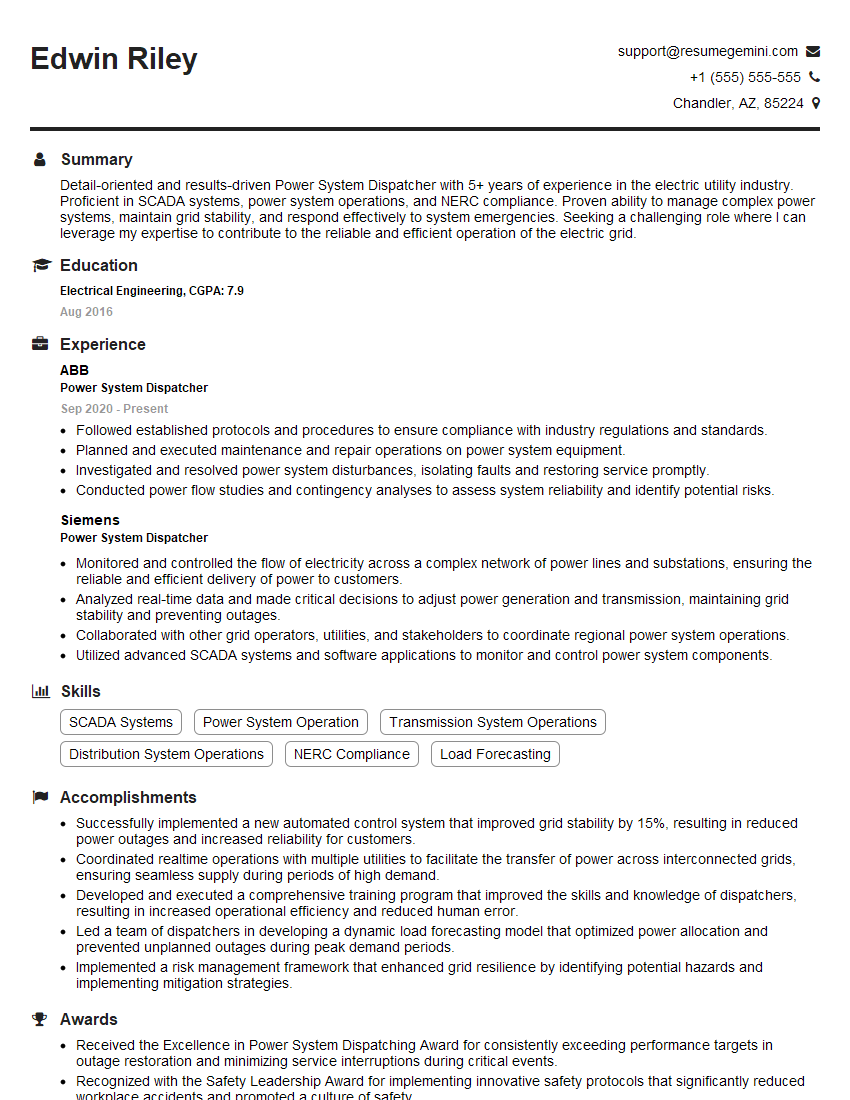
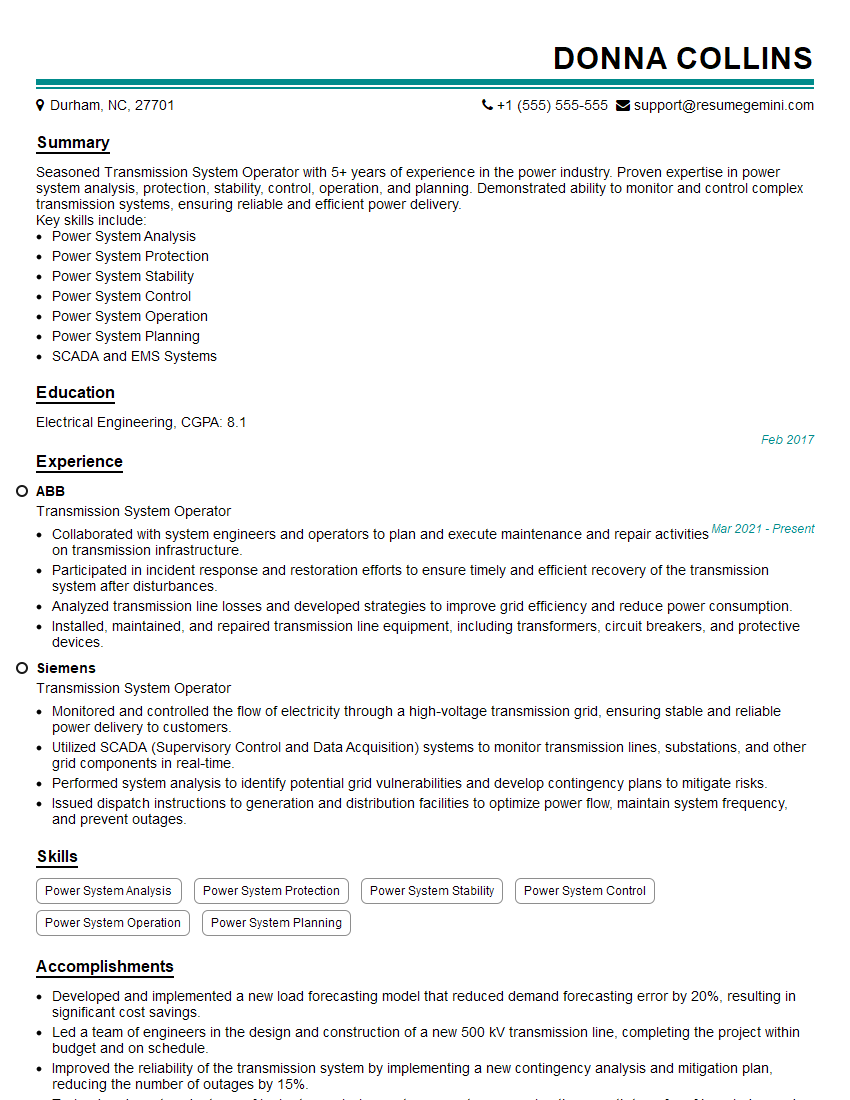
Mastering Transmission System Operations is crucial for a successful and rewarding career in the energy sector, opening doors to leadership roles and advanced technical expertise. A well-crafted resume is your first step towards landing your dream job. Make sure your resume is ATS-friendly to ensure it gets noticed by recruiters. To build a professional and impactful resume that highlights your skills and experience effectively, we strongly recommend using ResumeGemini. ResumeGemini provides a user-friendly platform and offers examples of resumes tailored to Transmission System Operations to help you create a compelling application.
Explore more articles
Users Rating of Our Blogs
Share Your Experience
We value your feedback! Please rate our content and share your thoughts (optional).
What Readers Say About Our Blog
To the interviewgemini.com Webmaster.
Very helpful and content specific questions to help prepare me for my interview!
Thank you
To the interviewgemini.com Webmaster.
This was kind of a unique content I found around the specialized skills. Very helpful questions and good detailed answers.
Very Helpful blog, thank you Interviewgemini team.