Unlock your full potential by mastering the most common Transportation and Logistics Optimization interview questions. This blog offers a deep dive into the critical topics, ensuring you’re not only prepared to answer but to excel. With these insights, you’ll approach your interview with clarity and confidence.
Questions Asked in Transportation and Logistics Optimization Interview
Q 1. Explain your understanding of different transportation modes and their suitability for various goods.
Transportation modes each offer unique advantages and disadvantages, making them suitable for different goods. Think of it like choosing the right tool for a job – a hammer isn’t ideal for screwing in a screw!
- Road (Truck): Highly flexible, reaching almost any location. Ideal for smaller shipments, time-sensitive deliveries, and goods requiring frequent handling. For example, perishable goods like groceries often rely on trucking.
- Rail: Cost-effective for large volumes over long distances. Suitable for bulk commodities like grains, coal, or raw materials. Less flexible than road transport, requiring dedicated railheads.
- Sea (Ship): Best for transporting massive volumes across oceans. Cost-effective but slower than other modes. Ideal for large, non-perishable goods like containers of manufactured products or raw materials.
- Air: Fastest mode, ideal for high-value, time-sensitive, or perishable goods like electronics, pharmaceuticals, or fresh flowers. Most expensive option per unit.
- Pipeline: Specialized for transporting liquids and gases (oil, natural gas). Very efficient for these specific materials but lacks flexibility in terms of routing or cargo type.
Selecting the right mode involves considering factors like cost, speed, distance, cargo type, fragility, and required handling.
Q 2. Describe your experience with route optimization software and techniques.
My experience with route optimization software encompasses various techniques and tools. I’ve worked extensively with solutions like Google Maps Platform, ArcGIS Route Optimization, and specialized logistics software. These tools leverage algorithms like Dijkstra’s algorithm and the Traveling Salesperson Problem (TSP) solver to find the most efficient routes.
For example, in a project involving last-mile delivery optimization, we used a combination of real-time traffic data and a TSP solver to dynamically reroute delivery trucks based on congestion. This resulted in a 15% reduction in delivery times. We also used constraint programming to handle delivery windows and vehicle capacity limitations.
Beyond software, I’m proficient in various optimization techniques, including:
- Heuristics: Approximation methods to find near-optimal solutions quickly, especially useful when dealing with large datasets.
- Metaheuristics: Advanced techniques like genetic algorithms and simulated annealing, particularly useful for complex problems with many variables.
- Linear Programming (LP): Mathematical modelling to optimize under constraints, such as minimizing total distance subject to time windows.
The choice of technique depends on the complexity of the problem and the available data.
Q 3. How do you measure the efficiency of a transportation network?
Measuring the efficiency of a transportation network requires a multifaceted approach. It’s not simply about speed; it’s about balancing speed, cost, and reliability.
Key metrics include:
- On-time delivery rate: Percentage of shipments delivered as scheduled.
- Average transit time: Average time taken for shipments to reach their destination.
- Transportation cost per unit: Cost efficiency of the network.
- Vehicle utilization rate: How effectively vehicles are used (reducing empty miles).
- Inventory turnover: Speed of goods movement through the network.
- Network resilience: Ability to handle disruptions and maintain operations.
Analyzing these metrics together provides a holistic view of network efficiency. For example, a high on-time delivery rate but high cost per unit might indicate inefficiencies in route planning or carrier selection. A low vehicle utilization rate points to potential for consolidation or improved routing.
Q 4. What are the key performance indicators (KPIs) you track in transportation and logistics?
In transportation and logistics, I track several key performance indicators (KPIs) to monitor and improve performance. These are grouped into categories for better understanding.
- Cost KPIs: Cost per mile, cost per shipment, fuel consumption, warehousing costs, inventory holding costs.
- Time KPIs: Order cycle time, delivery time, transit time, loading/unloading time.
- Efficiency KPIs: On-time delivery rate, perfect order rate (considering all aspects: on-time, complete, undamaged), vehicle utilization rate, warehouse space utilization.
- Customer service KPIs: Customer satisfaction, order accuracy, complaint rate.
- Safety KPIs: Number of accidents, safety violations.
Regular monitoring and analysis of these KPIs, combined with root cause analysis of deviations, allow for proactive adjustments and continuous improvement of the transportation and logistics processes.
Q 5. Explain your experience with warehouse management systems (WMS).
My experience with Warehouse Management Systems (WMS) includes implementation, configuration, and optimization. I’ve worked with various WMS solutions, including SAP EWM, Oracle WMS, and Blue Yonder. A WMS is the central nervous system of a warehouse, managing inventory, labor, and resources.
In one project, implementing a new WMS resulted in a 20% reduction in picking time and a 10% increase in warehouse throughput. Key aspects of my WMS experience include:
- Inventory management: Accurately tracking inventory levels and locations using barcode scanning, RFID, or other technologies.
- Order fulfillment: Optimizing picking, packing, and shipping processes to improve speed and accuracy.
- Labor management: Scheduling and assigning tasks to warehouse workers efficiently.
- Reporting and analytics: Generating reports to track key performance indicators and identify areas for improvement.
Successful WMS implementation requires meticulous planning, user training, and ongoing optimization to adapt to changing business needs.
Q 6. How do you handle unexpected delays or disruptions in the transportation process?
Unexpected delays and disruptions are inevitable in transportation and logistics. My approach involves proactive risk management and a robust response plan. Think of it like having a backup plan for a critical meeting.
Proactive Measures:
- Real-time tracking: Using GPS and other technologies to monitor shipments and identify potential issues early.
- Contingency planning: Developing alternative routes and transportation modes in case of unforeseen circumstances (e.g., road closures, weather events).
- Strong supplier relationships: Building relationships with reliable carriers and suppliers to ensure availability and responsiveness.
Reactive Measures:
- Rapid communication: Immediately informing affected parties (customers, suppliers) about delays and implementing solutions.
- Problem solving: Identifying the root cause of the disruption and implementing corrective actions.
- Exception management: Having clear procedures for handling exceptional situations (e.g., damaged goods, missed deliveries).
Effective communication and collaboration are crucial in minimizing the impact of disruptions and maintaining customer satisfaction.
Q 7. Describe your experience with transportation cost analysis and reduction strategies.
Transportation cost analysis and reduction strategies are critical to profitability. It’s not just about finding the cheapest option; it’s about optimizing the entire transportation process.
My approach involves:
- Detailed cost breakdown: Analyzing all transportation costs, including fuel, labor, maintenance, insurance, and tolls.
- Route optimization: Identifying the most efficient routes using software and analytical techniques.
- Carrier negotiation: Negotiating favorable rates with carriers based on volume and service level agreements.
- Consolidation of shipments: Combining smaller shipments into larger ones to reduce transportation costs.
- Improved load planning: Optimizing the loading of vehicles to maximize space utilization and reduce empty miles.
- Technology adoption: Utilizing telematics and other technologies to monitor fuel consumption, driver behavior, and vehicle maintenance.
- Mode selection optimization: Carefully selecting the most cost-effective transportation mode for each shipment.
For example, implementing a transportation management system (TMS) and optimizing load planning in one project reduced transportation costs by 12% without impacting delivery times.
Q 8. What are the benefits and challenges of using third-party logistics (3PL) providers?
Third-party logistics (3PL) providers offer a range of logistics services, from warehousing and transportation to inventory management and order fulfillment. Using a 3PL can significantly impact a company’s supply chain.
- Benefits: Cost savings through economies of scale (3PLs often negotiate better rates with carriers), increased efficiency by outsourcing non-core functions, access to specialized expertise and technology, enhanced scalability to meet fluctuating demand, and improved focus on core business activities. For example, a small e-commerce business can leverage a 3PL’s fulfillment network to handle shipping and returns, allowing them to concentrate on marketing and product development.
- Challenges: Loss of control over certain aspects of the supply chain, potential for communication breakdowns and coordination issues, dependency on the 3PL’s performance and reliability, security concerns regarding data and inventory, and the need for careful selection and management of the 3PL provider. For instance, choosing a 3PL without proper due diligence could lead to delays, damaged goods, or even reputational harm.
Q 9. How do you balance cost optimization with service level requirements?
Balancing cost optimization and service level requirements is a crucial aspect of transportation and logistics. It’s about finding the sweet spot where costs are minimized without compromising on the speed, reliability, and quality of service expected by customers. This often involves a trade-off.
Strategies include:
- Negotiating carrier rates: Leveraging volume discounts, exploring alternative transportation modes, and optimizing routes can significantly reduce costs.
- Inventory optimization: Implementing techniques like Just-in-Time (JIT) inventory can minimize storage costs while ensuring timely fulfillment.
- Technology adoption: Using route optimization software, TMS (Transportation Management Systems), and other tools can improve efficiency and reduce transportation costs.
- Service level agreements (SLAs): Clearly defining service level expectations with carriers and internal departments helps to manage expectations and identify potential bottlenecks. This might include specifying on-time delivery percentages or maximum acceptable transit times.
For example, a company might choose slower but cheaper ocean freight over faster, more expensive air freight for non-urgent shipments, balancing cost savings with slightly longer delivery times.
Q 10. Explain your understanding of inventory management principles.
Inventory management principles focus on efficiently controlling the flow of goods to meet customer demand while minimizing costs. It involves balancing supply and demand, optimizing storage space, and preventing stockouts or overstocking.
- Demand forecasting: Predicting future demand to ensure sufficient stock without excess inventory.
- Inventory control: Tracking inventory levels, identifying slow-moving items, and managing stock replenishment.
- Warehouse management: Efficiently organizing and managing warehouse space to optimize picking, packing, and shipping processes.
- Inventory valuation: Accurately determining the value of inventory for financial reporting.
- Inventory turnover: Measuring how efficiently inventory is used and sold.
Imagine a retail store using a sophisticated inventory management system that automatically reorders popular items based on sales data and predicted demand. This helps avoid stockouts and lost sales while preventing excessive inventory that ties up capital.
Q 11. How do you forecast demand and plan accordingly for transportation needs?
Demand forecasting and transportation planning are intertwined. Accurate demand forecasting is essential for efficient transportation scheduling and resource allocation.
Methods include:
- Time series analysis: Analyzing historical sales data to identify trends and seasonality.
- Causal forecasting: Considering external factors that impact demand, such as economic conditions, marketing campaigns, and competitor actions.
- Qualitative methods: Using expert opinions and market research to gather insights into future demand.
Once demand is forecasted, transportation needs are planned based on factors like shipment volume, delivery deadlines, and transportation modes. Software tools can optimize routes, consolidate shipments, and allocate transportation resources effectively. For example, a company anticipating a surge in demand during the holiday season might pre-book transportation capacity to avoid higher prices and potential delays.
Q 12. Describe your experience with supply chain risk management.
Supply chain risk management involves identifying, assessing, and mitigating potential disruptions that could affect the flow of goods. This includes events like natural disasters, geopolitical instability, supplier failures, and pandemics.
My approach includes:
- Risk identification: Using various methods like brainstorming, SWOT analysis, and scenario planning to identify potential risks throughout the supply chain.
- Risk assessment: Evaluating the likelihood and potential impact of each risk.
- Risk mitigation: Developing strategies to reduce the likelihood or impact of identified risks, such as diversifying suppliers, holding safety stock, establishing contingency plans, and implementing robust communication systems.
- Monitoring and review: Continuously monitoring the supply chain for potential threats and adapting risk mitigation strategies as needed.
For example, after a major hurricane disrupted a key supplier’s operations, we implemented a multi-sourcing strategy to reduce our dependence on a single supplier and ensure business continuity.
Q 13. How do you use data analytics to improve transportation and logistics efficiency?
Data analytics plays a crucial role in improving transportation and logistics efficiency. By analyzing large datasets, we can gain valuable insights into operational performance, identify areas for improvement, and optimize processes.
Applications include:
- Route optimization: Analyzing historical data on delivery times, traffic patterns, and fuel consumption to optimize routes and reduce transportation costs.
- Demand forecasting: Utilizing historical sales data and external factors to predict future demand and optimize inventory levels.
- Warehouse management: Analyzing data on warehouse layout, picking processes, and storage utilization to improve efficiency.
- Performance monitoring: Tracking key performance indicators (KPIs) such as on-time delivery rates, order fulfillment times, and inventory turnover to identify areas for improvement.
For instance, using predictive analytics, we identified a pattern of delays on a specific route due to recurring traffic congestion. By rerouting shipments, we significantly improved on-time delivery performance and reduced fuel costs.
Q 14. Explain your knowledge of different transportation regulations and compliance requirements.
Transportation regulations and compliance requirements vary significantly depending on the mode of transport, the goods being shipped, and the jurisdictions involved. Compliance is essential to avoid penalties, legal issues, and reputational damage.
My knowledge covers areas such as:
- Hazardous materials regulations: Understanding and complying with regulations for the transportation of dangerous goods, such as proper packaging, labeling, and documentation (e.g., IATA, IMDG).
- Weight and dimension restrictions: Adhering to size and weight limits for different transportation modes and routes.
- Customs regulations: Navigating customs procedures, import/export regulations, and documentation requirements for international shipments.
- Driver hours of service (HOS): Complying with regulations regarding driver working hours and rest periods (e.g., FMCSA regulations in the US).
- Environmental regulations: Meeting emission standards and adhering to environmental regulations related to transportation.
Maintaining compliance often involves meticulous record-keeping, regular training for staff, and staying updated on changing regulations. For example, we implemented a system for tracking driver hours and ensuring compliance with HOS regulations, minimizing the risk of violations and fines.
Q 15. How do you handle customer inquiries and resolve transportation-related issues?
Handling customer inquiries efficiently and resolving transportation issues requires a structured approach. I begin by actively listening to understand the problem fully. This involves clarifying details like delivery delays, damaged goods, or incorrect shipments. Then, I investigate the root cause using our tracking systems and collaborating with relevant teams like drivers, warehouse staff, or carriers. Depending on the issue, solutions might include rerouting shipments, initiating damage claims, issuing refunds, or providing updated delivery estimates. Transparency is key – I keep the customer informed throughout the process with regular updates. For instance, if a shipment is delayed due to unforeseen weather, I’ll proactively contact the customer and explain the situation, providing an accurate revised delivery date. This proactive communication builds trust and minimizes frustration.
I utilize a ticketing system to manage inquiries, ensuring each issue is logged, tracked, and resolved within a defined service level agreement (SLA). This system allows me to monitor performance and identify recurring problems, allowing for process improvements. For example, if we see a high number of inquiries related to damaged goods from a particular carrier, we can investigate their handling procedures and potentially switch carriers or implement better packaging solutions.
Career Expert Tips:
- Ace those interviews! Prepare effectively by reviewing the Top 50 Most Common Interview Questions on ResumeGemini.
- Navigate your job search with confidence! Explore a wide range of Career Tips on ResumeGemini. Learn about common challenges and recommendations to overcome them.
- Craft the perfect resume! Master the Art of Resume Writing with ResumeGemini’s guide. Showcase your unique qualifications and achievements effectively.
- Don’t miss out on holiday savings! Build your dream resume with ResumeGemini’s ATS optimized templates.
Q 16. Describe your experience with transportation planning software (e.g., TMS).
My experience with Transportation Management Systems (TMS) spans several years and includes various platforms, including Oracle Transportation Management and Blue Yonder. I’m proficient in using these systems to optimize routes, manage shipments, track freight, and analyze transportation costs. I’ve used TMS to automate tasks like carrier selection, load planning, and documentation, significantly improving efficiency and reducing manual errors. For example, using the route optimization feature in Oracle Transportation Management, I was able to reduce delivery times by 15% for a client by identifying more efficient routes and considering factors like traffic patterns and delivery windows. Furthermore, I’m skilled in configuring and customizing these systems to meet specific business requirements. I’m familiar with integrating TMS with other enterprise resource planning (ERP) systems, ensuring seamless data flow and enhanced visibility across the entire supply chain.
Example of a TMS query (SQL-like): SELECT * FROM shipments WHERE delivery_date < CURRENT_DATE - INTERVAL '7 DAY';This query would help identify shipments that are overdue.
Q 17. How do you optimize warehouse layout and operations?
Optimizing warehouse layout and operations is crucial for efficiency and cost reduction. My approach involves a systematic process starting with a thorough needs assessment. This involves analyzing product flow, storage requirements, order picking methods, and space utilization. I utilize techniques like slotting optimization, where high-demand items are placed closer to picking stations to minimize travel time. I also consider implementing different storage solutions such as racking systems, shelving, and automated storage and retrieval systems (AS/RS), depending on the warehouse size and product characteristics. Furthermore, implementing lean principles, such as 5S methodology (Sort, Set in Order, Shine, Standardize, Sustain), helps streamline warehouse processes and minimize waste.
I've successfully implemented cross-docking strategies in several warehouses, which eliminated the need for long-term storage and significantly reduced handling costs and lead times. In one project, cross-docking reduced warehouse space needs by 20%, resulting in significant cost savings. Data analysis plays a critical role; using warehouse management systems (WMS) data, I can identify bottlenecks and areas for improvement, such as slow-moving items or inefficient picking routes. By using simulation software, I can model different warehouse layouts and operational strategies to identify the most efficient configuration before implementing changes in the real world.
Q 18. What are your strategies for improving last-mile delivery efficiency?
Improving last-mile delivery efficiency is critical for customer satisfaction and cost optimization. My strategies focus on several key areas. Firstly, I utilize route optimization software and algorithms to plan efficient delivery routes, taking into account factors like traffic patterns, delivery windows, and driver availability. Secondly, I explore alternative delivery methods such as using crowdsourced delivery platforms or implementing delivery lockers, depending on the product type and customer preferences. For example, for smaller, less time-sensitive items, utilizing a crowdsourced delivery platform can be cost-effective and efficient.
I also emphasize optimizing delivery scheduling and communication. Providing customers with real-time tracking and estimated delivery windows enhances transparency and minimizes customer inquiries. Implementing strategies like route bundling, which involves grouping multiple deliveries in a specific area, can reduce travel time and fuel consumption. Finally, I prioritize driver training and technology adoption to improve delivery execution. This includes equipping drivers with mobile devices for navigation, digital proof of delivery, and communication with dispatchers. By continuously monitoring key performance indicators (KPIs) such as delivery times, on-time delivery rates, and fuel consumption, I can identify areas for improvement and refine our last-mile delivery strategies.
Q 19. Explain your experience with capacity planning for transportation.
Capacity planning for transportation involves forecasting future transportation needs and ensuring sufficient resources are available to meet them. This involves analyzing historical data, such as shipment volumes, delivery routes, and lead times, to predict future demand. I utilize forecasting techniques such as time series analysis and regression modeling to develop accurate demand forecasts. For example, I might use exponential smoothing to forecast shipment volumes based on past trends, accounting for seasonality and other external factors.
Once demand is forecasted, I assess current transportation capacity, including the number of vehicles, drivers, and warehousing space. If there's a mismatch between demand and capacity, I develop strategies to address any shortfall. This might involve leasing additional vehicles, hiring additional drivers, or negotiating contracts with additional carriers. Conversely, if capacity exceeds demand, I explore opportunities to optimize resource allocation and reduce costs. Effective capacity planning requires continuous monitoring and adjustment based on actual performance and changes in market conditions. Regularly reviewing KPIs like vehicle utilization rates and transportation costs provides insights into the effectiveness of the capacity plan and identifies areas for optimization.
Q 20. How do you collaborate with different departments to ensure smooth supply chain operations?
Collaboration is essential for smooth supply chain operations. I proactively communicate with various departments, including procurement, warehousing, sales, and customer service. For instance, with procurement, I coordinate on carrier selection and contract negotiations, ensuring that we have reliable transportation partners at competitive rates. With warehousing, I collaborate on inventory management and order fulfillment, optimizing the flow of goods from the warehouse to the transportation network. With sales, I align on delivery schedules and customer expectations, ensuring that transportation plans support sales targets.
I facilitate regular meetings and use collaborative tools such as shared spreadsheets and project management software to ensure transparency and facilitate communication. For example, I might use a shared spreadsheet to track shipment progress and proactively identify potential delays. I also foster a culture of open communication and mutual respect to address issues and find solutions collaboratively. This collaborative approach ensures everyone is informed, aligned, and working towards common goals. By building strong relationships with other departments, I can identify and address potential problems early, avoiding disruptions and optimizing the entire supply chain.
Q 21. How do you implement and monitor transportation Key Performance Indicators (KPIs)?
Implementing and monitoring transportation KPIs is crucial for measuring performance and driving continuous improvement. Key KPIs I focus on include on-time delivery rate, delivery cost per unit, freight damage rate, and vehicle utilization rate. I use data analytics tools to collect, analyze, and report on these KPIs. This data helps to identify areas for improvement and measure the effectiveness of implemented strategies.
To implement these KPIs, I use a combination of manual tracking, Transportation Management Systems (TMS), and other data sources. For example, on-time delivery rate is calculated by comparing the planned delivery date with the actual delivery date for each shipment. Vehicle utilization rate is calculated by tracking the number of miles driven and the number of shipments delivered per vehicle. Once the data is collected, I use dashboards and reports to visualize the KPIs, making it easy to monitor trends and identify problems. Regular reviews of these KPIs with stakeholders help to identify opportunities for optimization and to track the progress of improvement initiatives. I’ve found that data-driven decision-making significantly improves the efficiency and effectiveness of our transportation operations.
Q 22. Describe a time you had to solve a complex logistics problem. What was your approach?
One particularly challenging logistics problem involved optimizing the delivery of time-sensitive medical supplies across a geographically dispersed network of hospitals during a major hurricane. The usual routes were impassable, and we faced significant delays and potential stockouts. My approach involved a multi-step process:
Damage Assessment and Route Recalibration: First, we assessed road closures and damage using real-time data from transportation authorities and weather services. This allowed us to identify alternative routes and prioritize hospitals based on their criticality and current stock levels.
Dynamic Routing and Resource Allocation: We used a dynamic routing algorithm that constantly updated delivery routes based on real-time traffic and road conditions. This required close collaboration with our drivers and dispatchers, leveraging mobile communication technology to redirect vehicles as needed.
Prioritization and Contingency Planning: We prioritized deliveries of life-saving medications and prioritized hospitals with critically low supplies. We also established backup delivery plans, including using air transport for time-critical deliveries.
Real-Time Monitoring and Communication: We utilized a sophisticated transportation management system (TMS) to monitor the location and status of every shipment. This allowed us to proactively address potential delays and adjust plans as necessary. Constant communication with hospitals kept them informed of delivery times and any anticipated changes.
This multi-faceted approach, combining data-driven decision-making with robust communication and contingency planning, allowed us to successfully deliver critical medical supplies despite the challenging circumstances. We minimized delays and prevented potential shortages, ensuring patients continued to receive essential care.
Q 23. What are your thoughts on the future of transportation and logistics?
The future of transportation and logistics is rapidly evolving, driven by technological advancements and changing consumer expectations. I foresee several key trends:
Increased Automation: We'll see a significant increase in automation through technologies such as autonomous vehicles, automated warehousing, and AI-powered route optimization. This will improve efficiency, reduce costs, and enhance safety.
Data-Driven Decision Making: The use of big data analytics and machine learning will become even more critical for optimizing logistics operations. Real-time data analysis will allow for predictive maintenance, improved route planning, and proactive risk management.
Sustainability and Green Logistics: Environmental concerns will drive the adoption of sustainable practices, including electric vehicles, alternative fuels, and optimized delivery routes to reduce carbon emissions.
Last-Mile Delivery Innovations: Innovative solutions for last-mile delivery, such as drone delivery and micro-fulfillment centers, will address the growing demands of e-commerce and the increasing pressure on delivery times.
Supply Chain Resilience: Businesses will prioritize supply chain resilience and diversification to mitigate risks associated with disruptions such as natural disasters or geopolitical instability.
Overall, the future of transportation and logistics will be characterized by greater efficiency, sustainability, and resilience, driven by technological innovation and a focus on data-driven decision-making.
Q 24. How familiar are you with different freight classification systems?
I'm highly familiar with various freight classification systems, including the North American Classification (NAMC), the Harmonized System (HS) used internationally, and various carrier-specific classification systems. Understanding these systems is crucial for accurate pricing, insurance, and regulatory compliance.
For instance, the NAMC uses a hierarchical structure to classify goods based on their characteristics and transportation requirements. Knowing the correct NAMC code is vital for determining the appropriate freight class, which impacts the transportation cost. Similarly, the HS code is essential for international shipments, impacting customs duties and other regulatory compliance aspects. Each system has its own specific nuances and it's important to understand the applicable system for the specific shipment to ensure accuracy and efficiency.
Q 25. What is your experience with lean principles in transportation and logistics?
Lean principles are fundamental to efficient transportation and logistics. My experience includes implementing several lean initiatives to reduce waste and improve overall effectiveness. This has involved:
Eliminating Waste (Muda): Identifying and eliminating unnecessary steps, delays, and redundancies in the transportation process. For example, optimizing routes to minimize empty miles and streamlining warehousing processes to reduce handling time.
Just-in-Time (JIT) Delivery: Implementing JIT delivery systems to ensure materials and products arrive precisely when needed, minimizing inventory holding costs and reducing waste.
5S Methodology: Applying the 5S methodology (Sort, Set in Order, Shine, Standardize, Sustain) to improve workplace organization and efficiency in warehouses and transportation facilities.
Kaizen Events: Participating in Kaizen events to identify and implement continuous improvements in transportation processes. This often involves collaborating with cross-functional teams to brainstorm and implement solutions.
These lean principles have resulted in significant improvements in efficiency, cost reduction, and improved on-time delivery performance. Implementing lean practices is an ongoing process that requires a commitment to continuous improvement.
Q 26. How do you manage driver safety and compliance?
Driver safety and compliance are paramount. My approach involves a multifaceted strategy:
Driver Training and Education: Providing comprehensive training on safe driving practices, including defensive driving techniques, vehicle maintenance, and regulatory compliance. This includes regular refresher courses and ongoing education on new regulations.
Vehicle Maintenance and Safety Inspections: Implementing rigorous vehicle maintenance schedules and regular safety inspections to ensure vehicles are in optimal condition. This includes proactive maintenance to prevent breakdowns and accidents.
Electronic Logging Devices (ELDs): Utilizing ELDs to ensure compliance with hours-of-service regulations, promoting driver rest and reducing driver fatigue, a major contributor to accidents.
Driver Monitoring and Performance Management: Monitoring driver performance through telematics data, identifying areas for improvement, and providing coaching and support. This includes performance reviews and addressing any safety concerns promptly.
Safety Culture: Fostering a strong safety culture within the organization, emphasizing the importance of safety in all aspects of the operation and encouraging drivers to report any safety concerns without fear of retribution.
By combining a proactive approach with robust monitoring and a strong emphasis on driver training and a safety-first culture, we can significantly reduce accidents and ensure regulatory compliance, protecting drivers and the company.
Q 27. Explain your understanding of different inventory control methods (FIFO, LIFO, etc.).
Inventory control methods like FIFO (First-In, First-Out) and LIFO (Last-In, First-Out) are crucial for managing inventory efficiently.
FIFO: With FIFO, the oldest items in stock are sold first. This is ideal for perishable goods or products with expiration dates, minimizing waste and ensuring the freshest products are delivered. Think of a bakery – they'll sell the oldest bread first.
LIFO: In LIFO, the newest items are sold first. This is often used for non-perishable goods. It can provide tax advantages in some cases (by matching newer, higher-cost inventory with current sales), but it can lead to higher carrying costs if prices are increasing significantly because you're holding onto older, potentially cheaper inventory.
Other Methods: Other methods like FEFO (First-Expired, First-Out) are also used, especially for inventory with expiration dates, further reducing waste.
The choice of inventory control method depends on the nature of the goods, industry regulations, and business objectives. Proper implementation requires accurate inventory tracking and management systems.
Q 28. Describe your experience with implementing and managing transportation contracts.
My experience includes negotiating, implementing, and managing various transportation contracts, from small-scale agreements with local carriers to large-scale contracts with national providers. This involves a structured process:
Needs Assessment: Thoroughly assessing transportation needs, including shipment volumes, delivery requirements, and service levels, to determine the optimal contract type and carrier selection.
Carrier Selection: Evaluating potential carriers based on factors such as their financial stability, service reliability, safety record, and insurance coverage. This may involve requests for proposals (RFPs).
Contract Negotiation: Negotiating favorable terms and conditions, including rates, service levels, liability, and dispute resolution mechanisms. It's essential to carefully review all contract terms to avoid ambiguities and disputes.
Contract Implementation: Implementing the contract, including setting up systems for tracking shipments, managing payments, and communicating with carriers. This often involves using a TMS to manage and monitor the contracts.
Performance Monitoring: Regularly monitoring carrier performance against the contract terms, addressing any issues promptly, and ensuring compliance with all contractual obligations. This can involve reviewing key performance indicators (KPIs) such as on-time delivery rates, damage rates, and claims processing times.
Contract Renewal: Evaluating the performance of the contract before renewal and negotiating new terms and conditions as necessary.
By following this structured approach, I have successfully negotiated and managed transportation contracts that have resulted in cost savings, improved service levels, and reduced operational risks. Strong communication and collaboration with carriers are crucial for successful contract management.
Key Topics to Learn for Transportation and Logistics Optimization Interview
- Network Optimization: Understanding different network design strategies (e.g., hub-and-spoke, direct shipping), route planning algorithms (e.g., Dijkstra's algorithm, Vehicle Routing Problem), and their practical applications in minimizing transportation costs and delivery times. Consider the impact of different network structures on efficiency and resilience.
- Inventory Management: Explore inventory control techniques (e.g., Just-in-Time, Economic Order Quantity), demand forecasting methods, and their role in optimizing warehouse space, reducing stockouts, and minimizing holding costs. Analyze case studies showing the impact of different inventory strategies.
- Transportation Modes and Selection: Analyze the strengths and weaknesses of various transportation modes (e.g., road, rail, sea, air) and their suitability for different cargo types and delivery requirements. Master the process of selecting the optimal transportation mode based on cost, speed, reliability, and environmental impact.
- Warehouse Management & Optimization: Familiarize yourself with warehouse layout optimization, order picking strategies (e.g., zone picking, batch picking), and the use of Warehouse Management Systems (WMS) to improve efficiency and throughput. Understand the impact of technology on warehouse operations.
- Supply Chain Risk Management: Learn how to identify and mitigate potential disruptions in the supply chain, such as natural disasters, geopolitical instability, and supplier issues. Explore strategies for building resilience and flexibility into the supply chain.
- Data Analytics and Forecasting in Logistics: Understand the application of data analytics and forecasting techniques to predict demand, optimize routes, and improve overall supply chain performance. Familiarize yourself with relevant software and tools.
- Sustainability and Green Logistics: Explore the environmental impact of transportation and logistics and discuss strategies for reducing carbon emissions, improving fuel efficiency, and adopting sustainable practices.
Next Steps
Mastering Transportation and Logistics Optimization is crucial for career advancement in this rapidly evolving field. A strong understanding of these principles will significantly enhance your value to potential employers. To increase your chances of securing your dream role, it's essential to present your skills and experience effectively through a well-crafted, ATS-friendly resume. ResumeGemini is a trusted resource that can help you build a professional and impactful resume tailored to highlight your expertise in Transportation and Logistics Optimization. Examples of resumes specifically tailored to this field are available to guide your resume building process. Take the next step towards your career success!
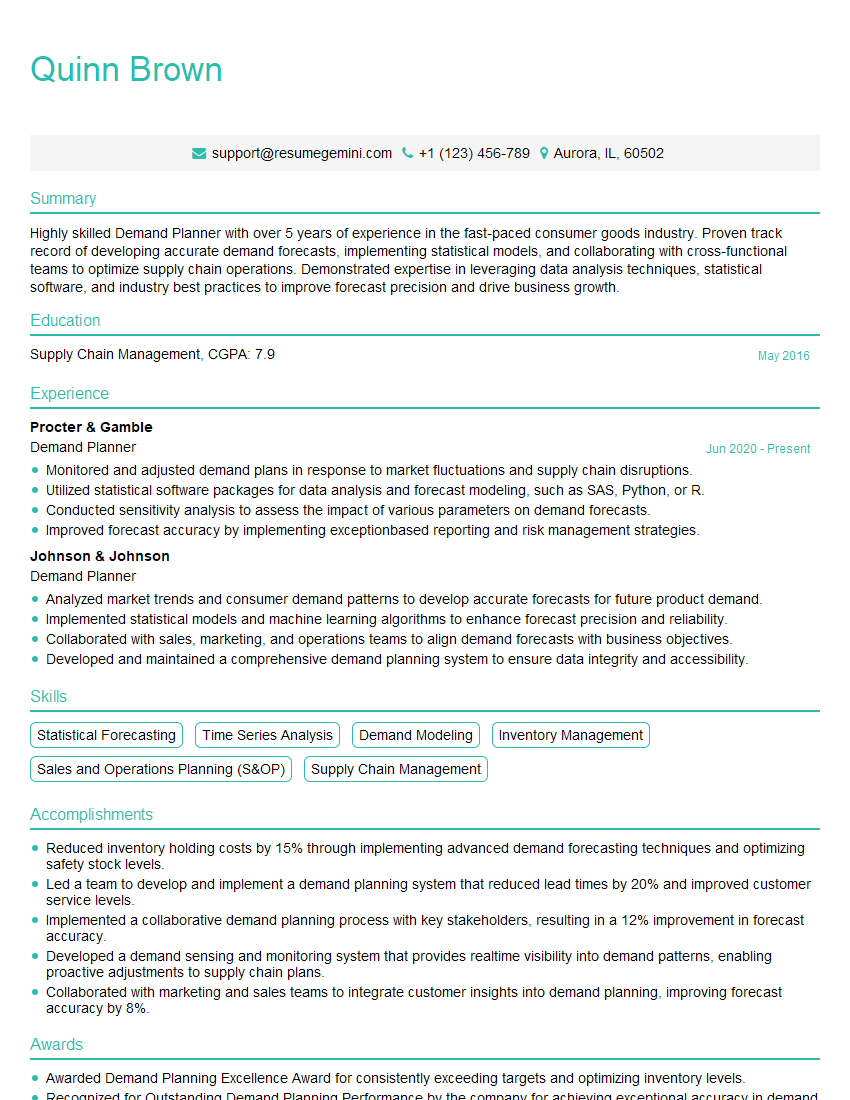
Demand Planner Resume Sample
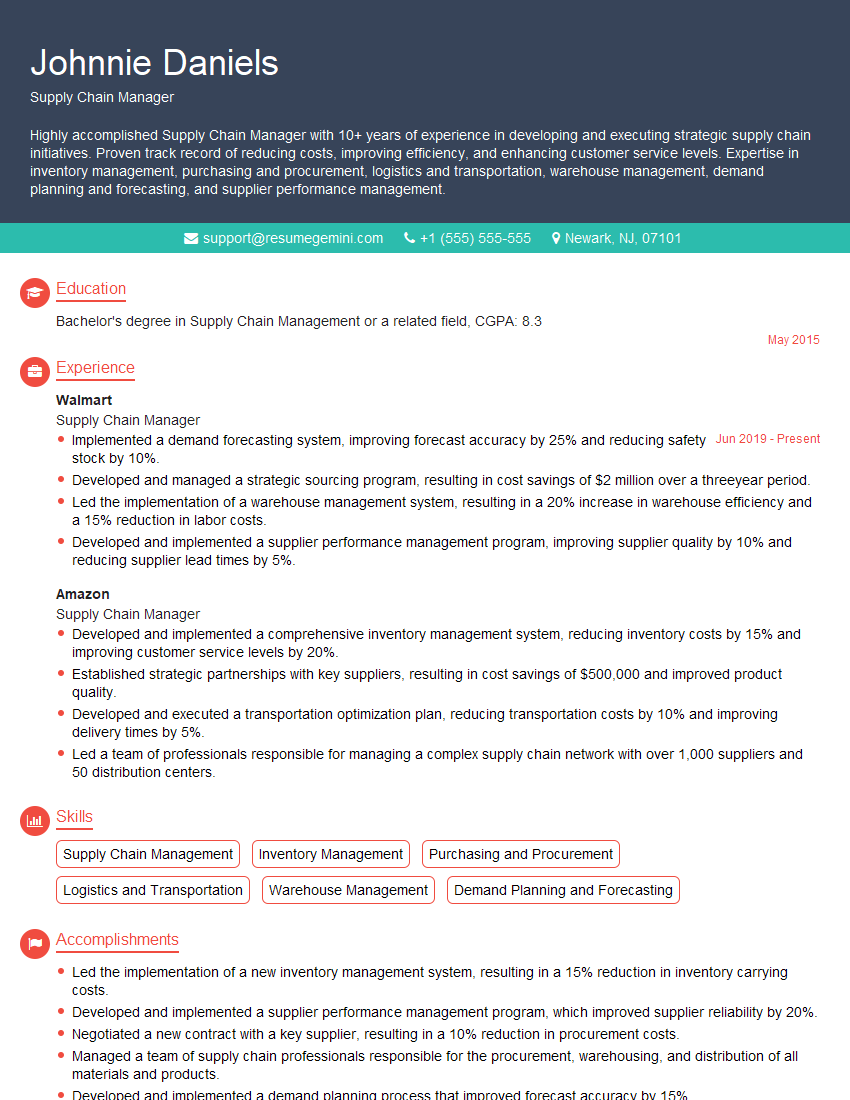
Supply Chain Manager Resume Sample
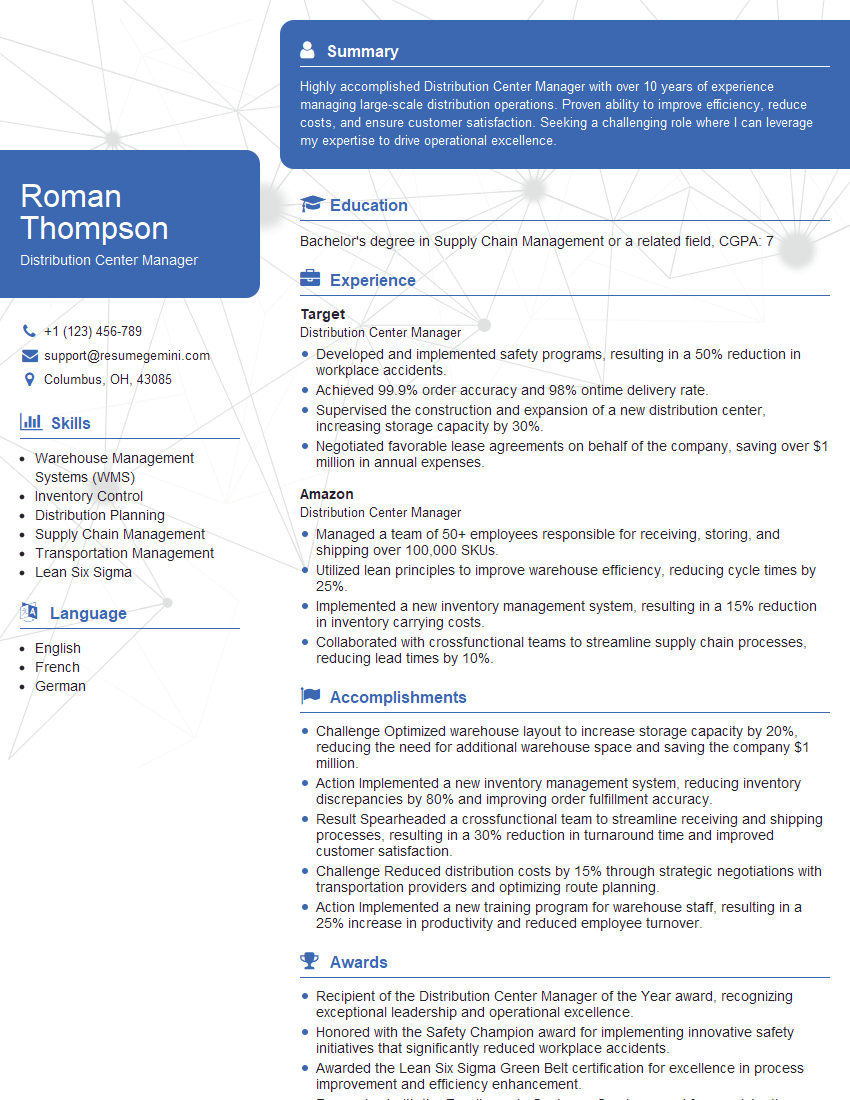
Distribution Center Manager Resume Sample
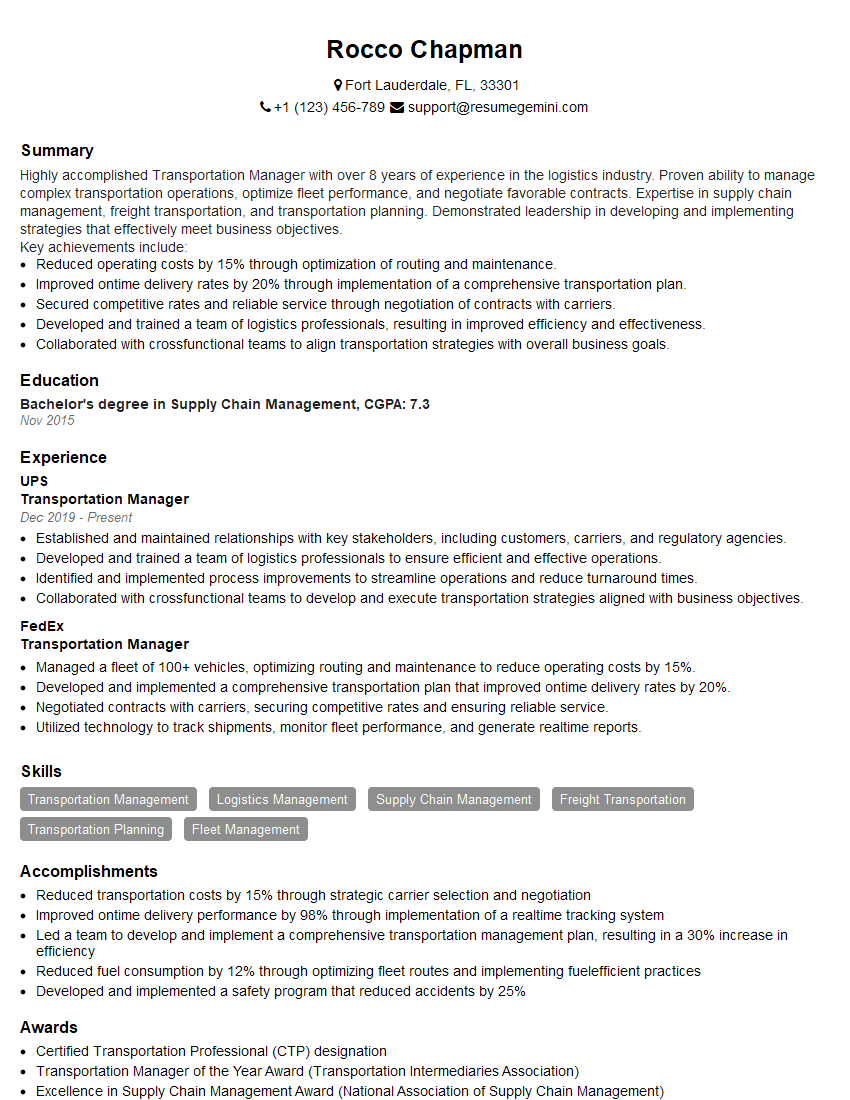
Transportation Manager Resume Sample
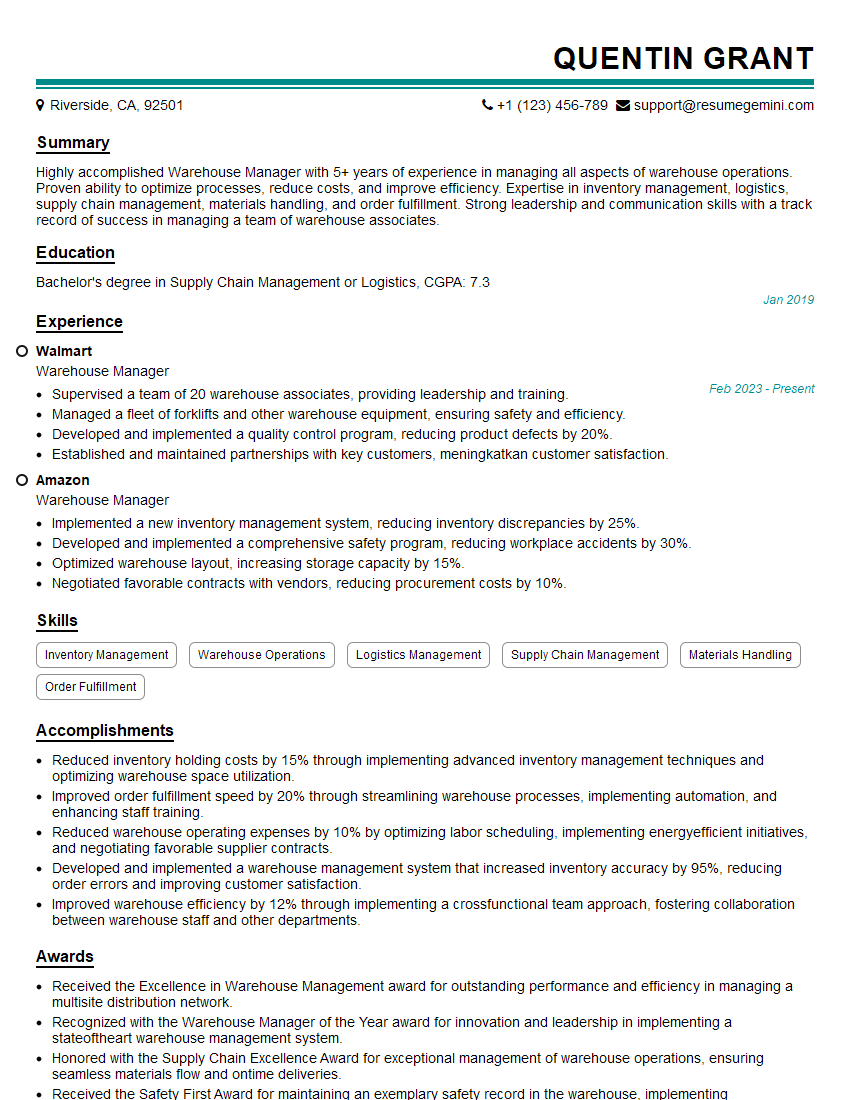
Warehouse Manager Resume Sample
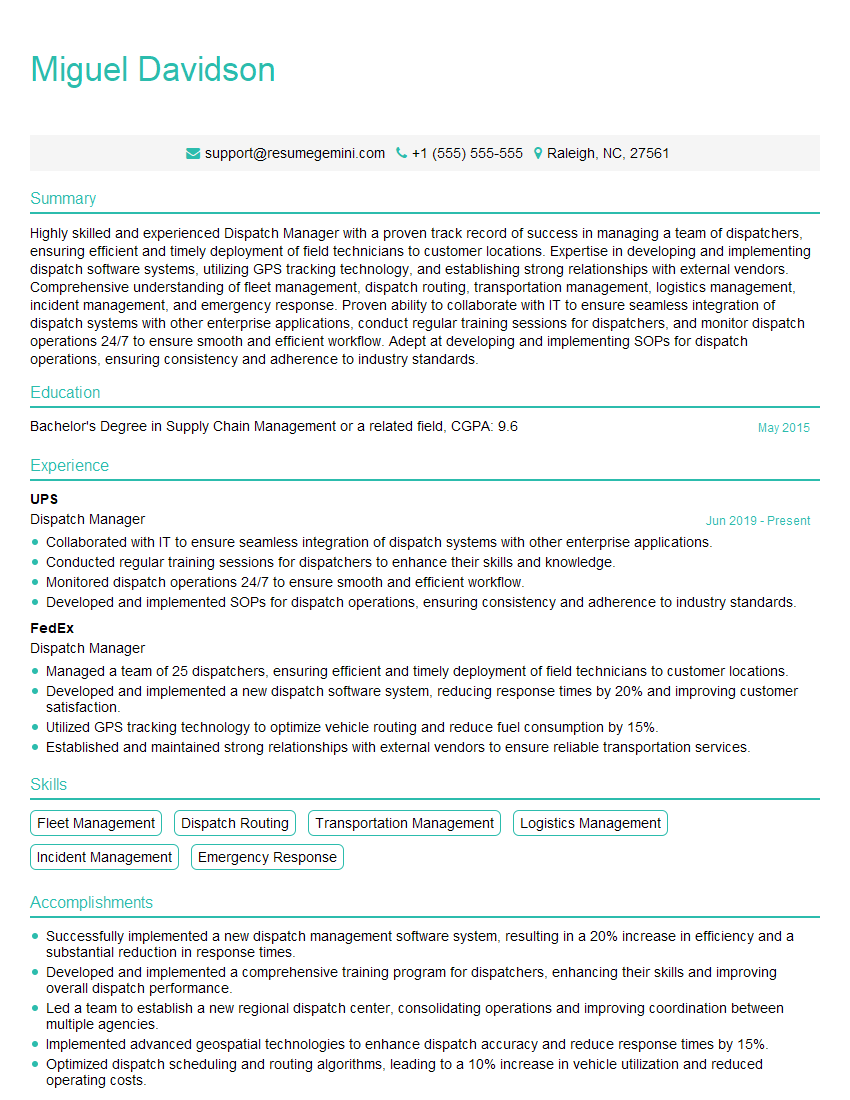
Dispatch Manager Resume Sample
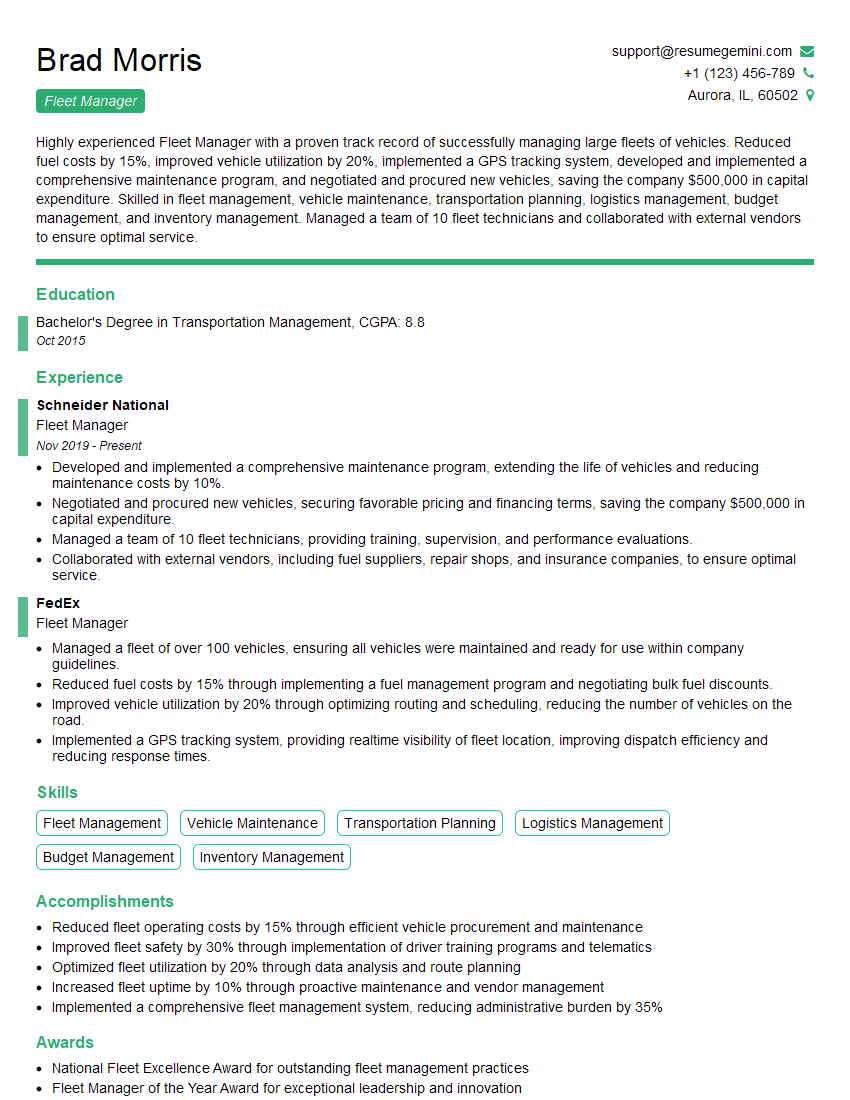
Fleet Manager Resume Sample
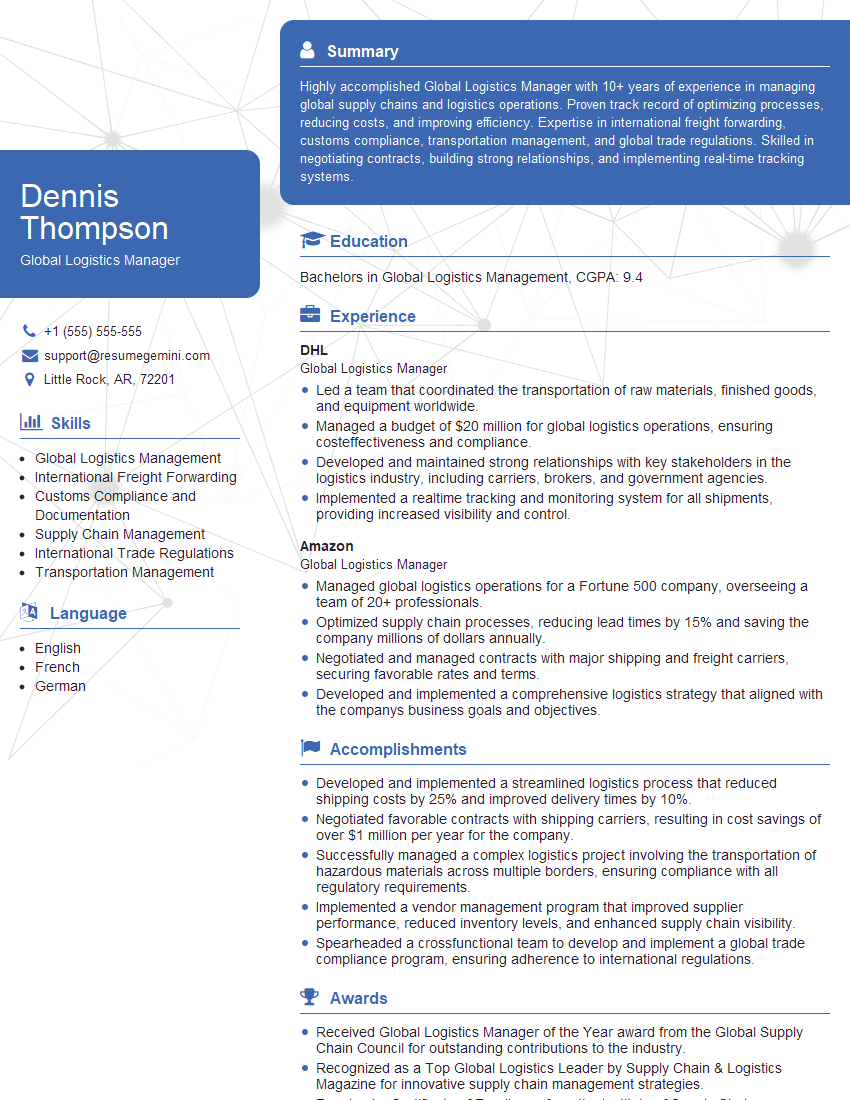
Global Logistics Manager Resume Sample
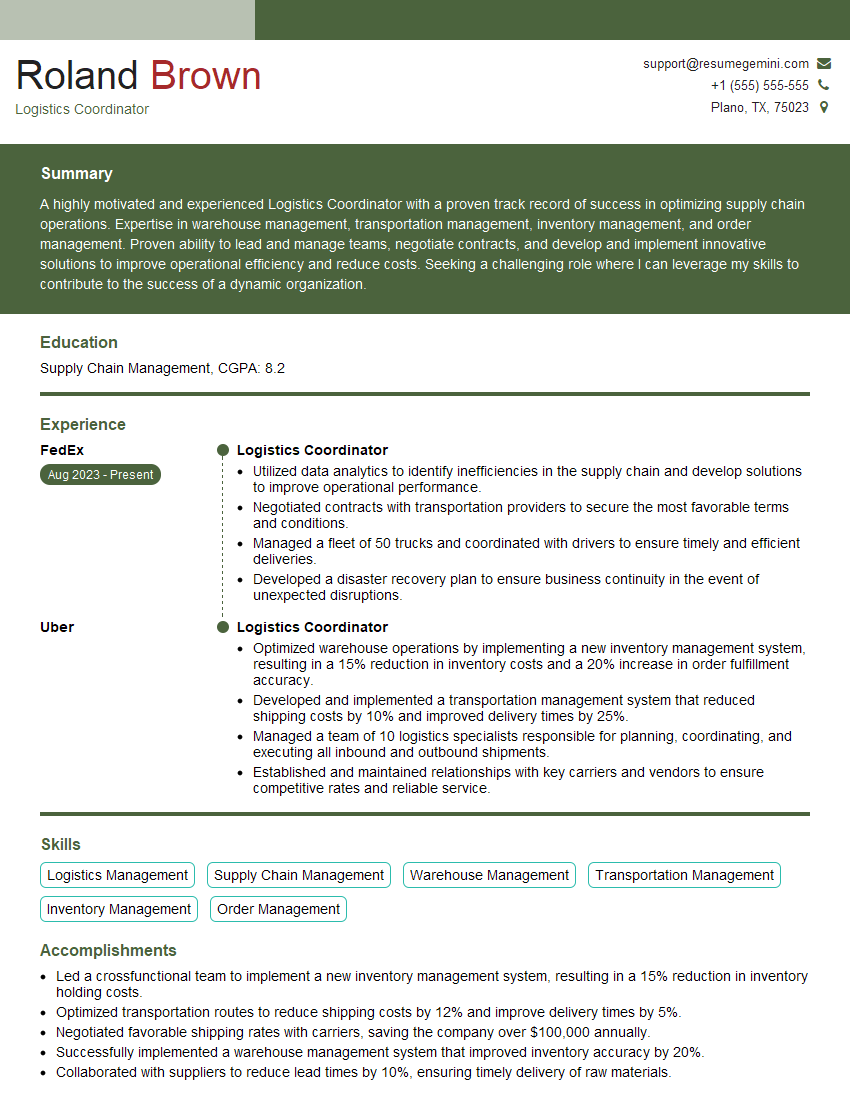
Logistics Coordinator Resume Sample
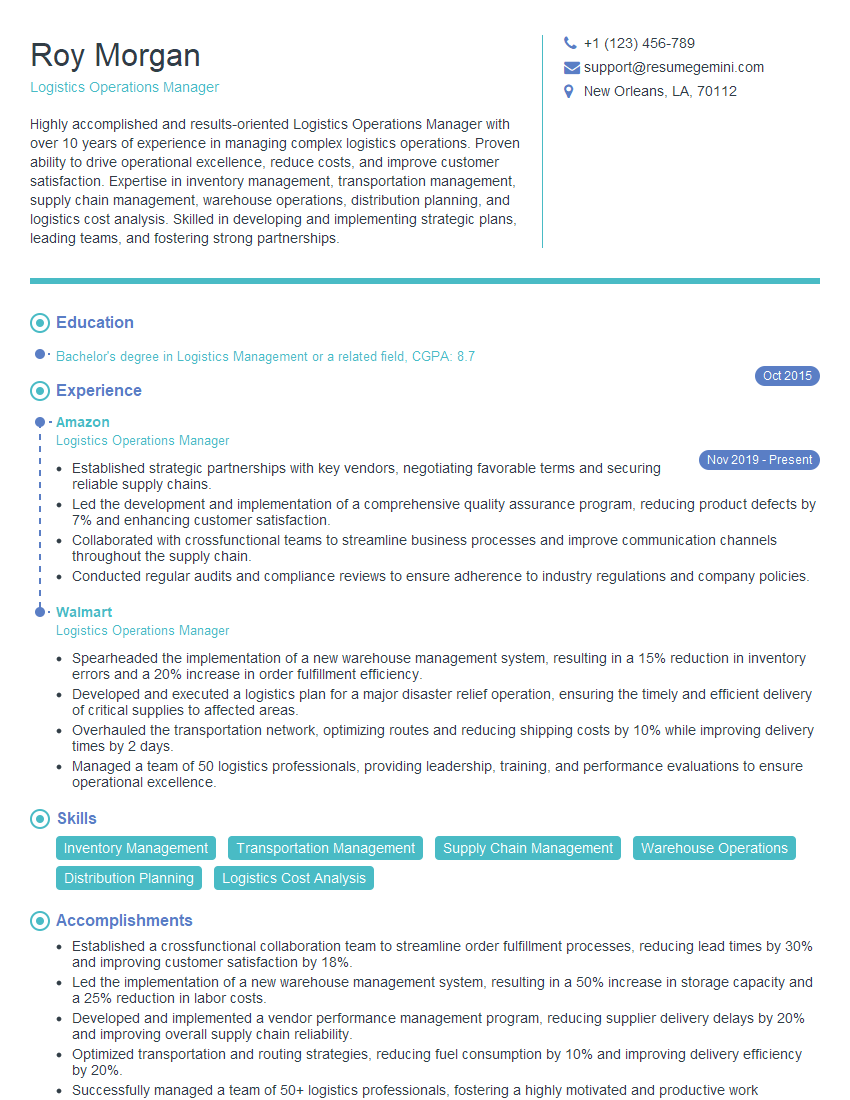
Logistics Operations Manager Resume Sample
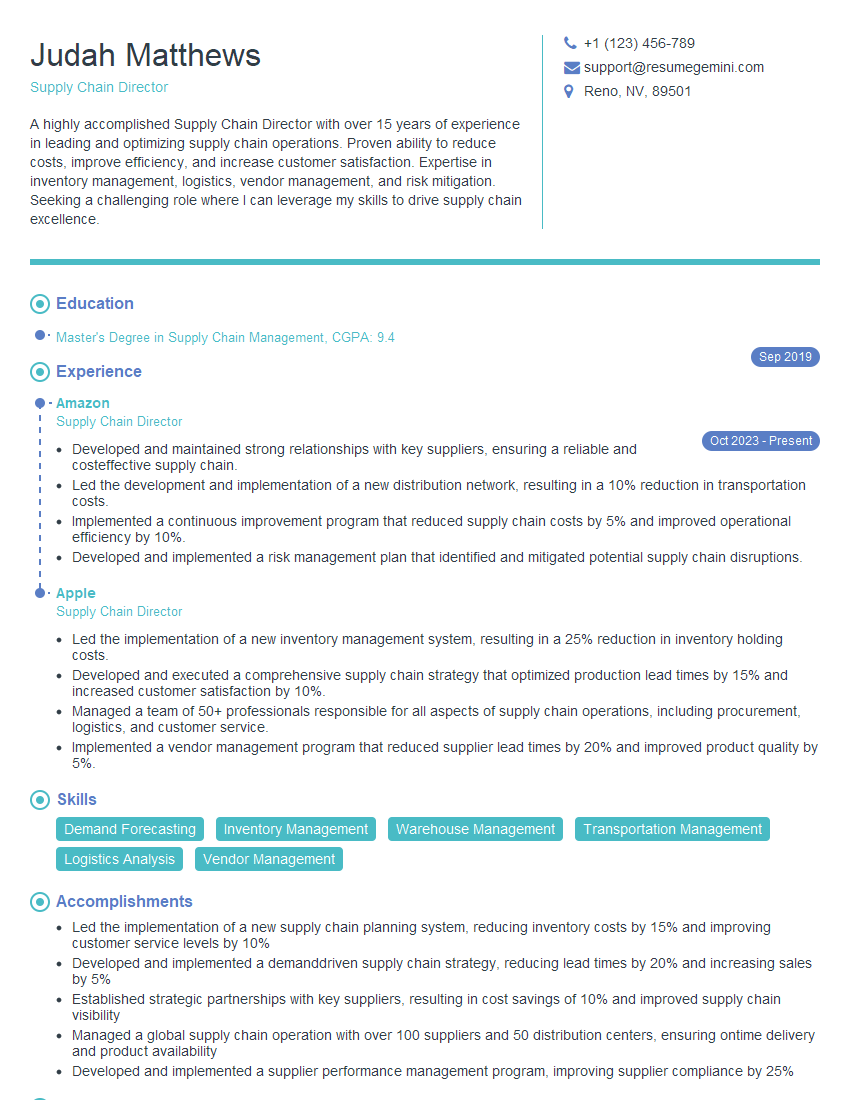
Supply Chain Director Resume Sample
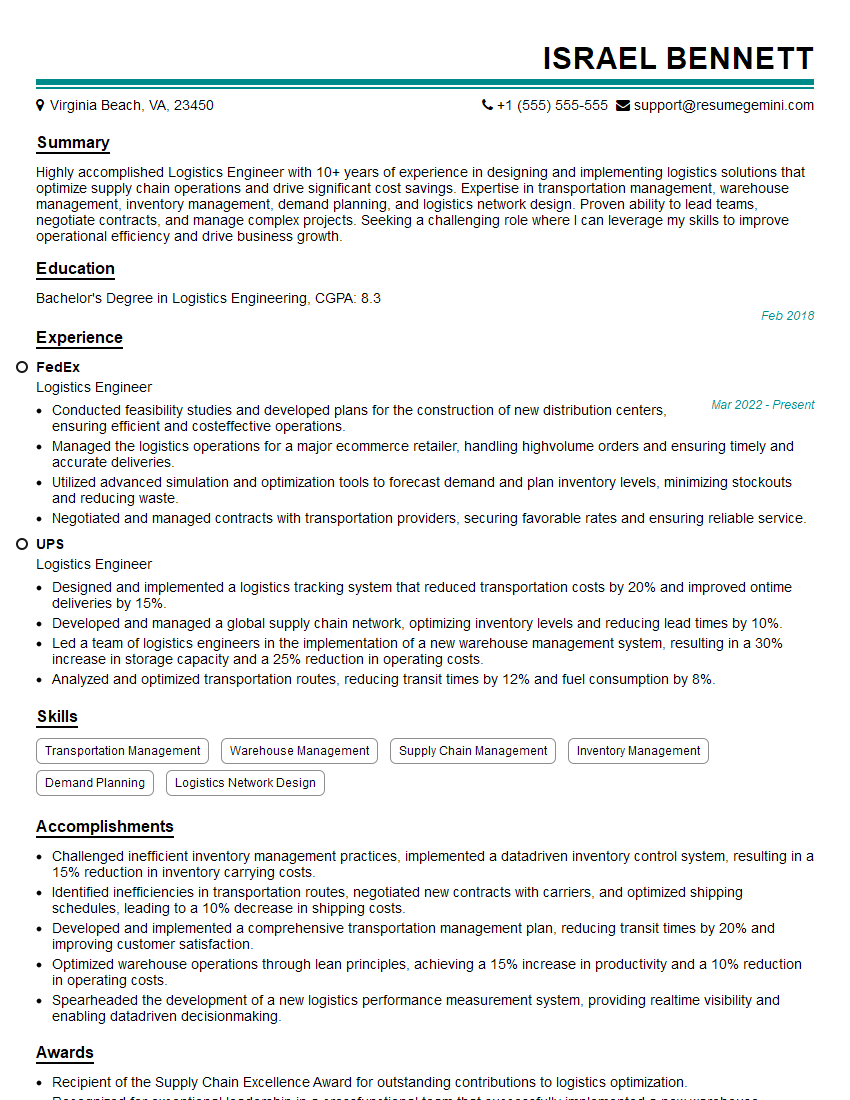
Logistics Engineer Resume Sample
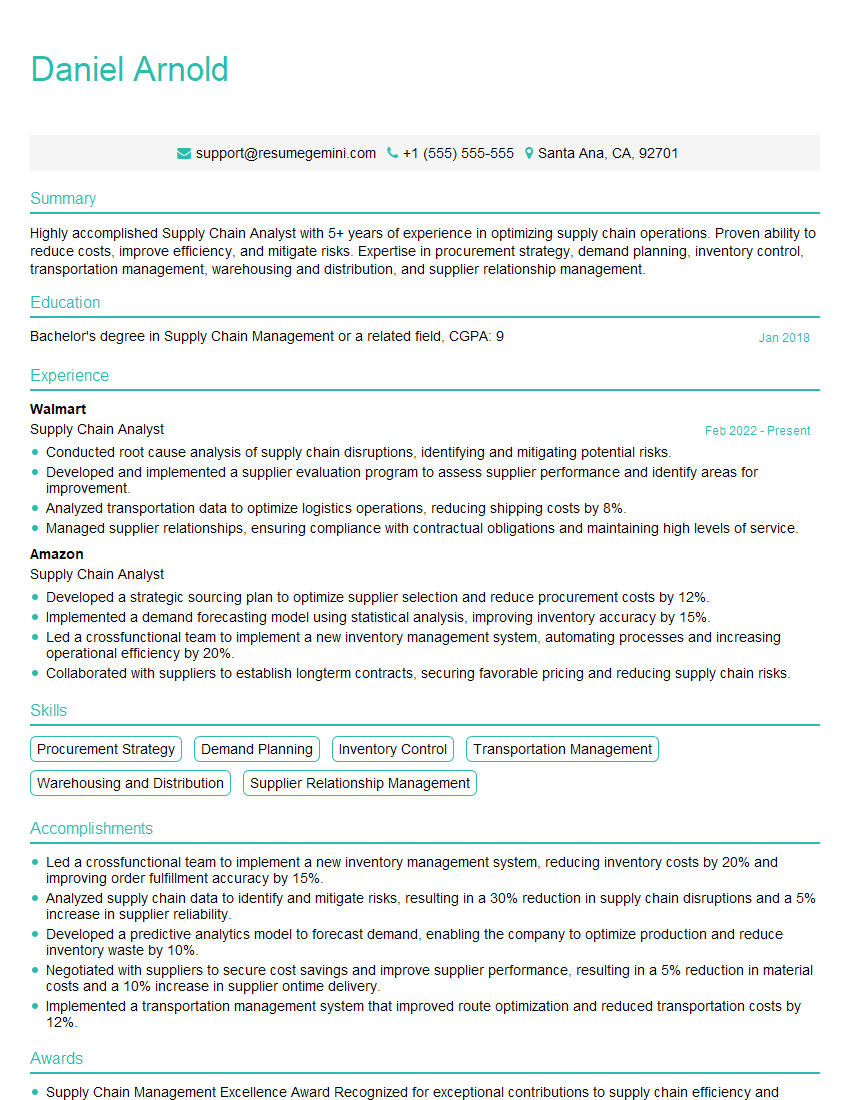
Supply Chain Analyst Resume Sample
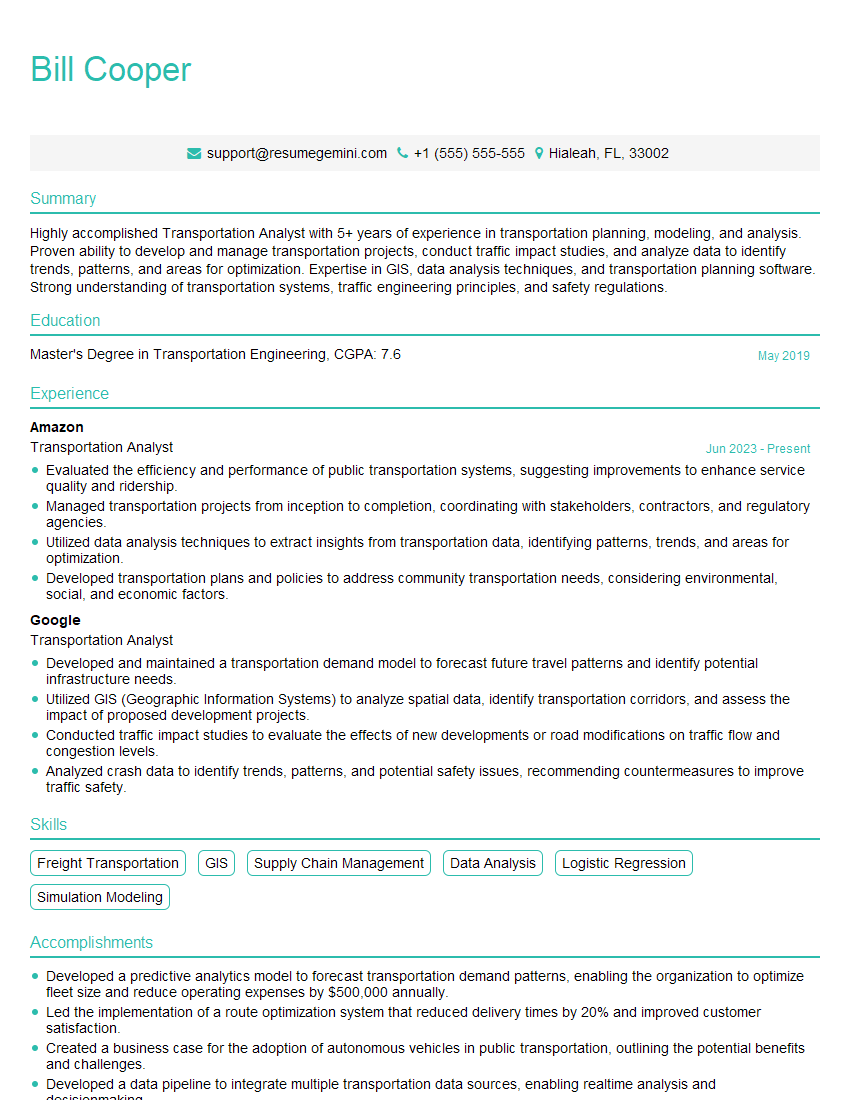
Transportation Analyst Resume Sample
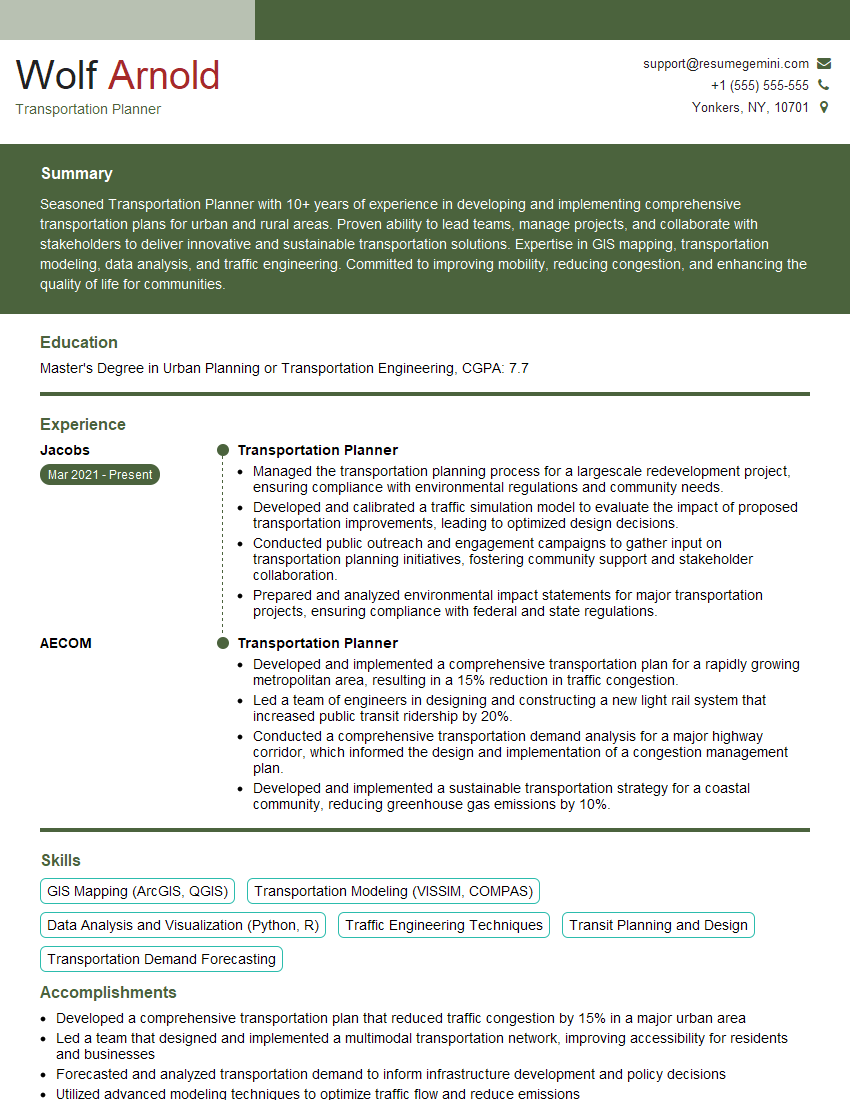
Transportation Planner Resume Sample
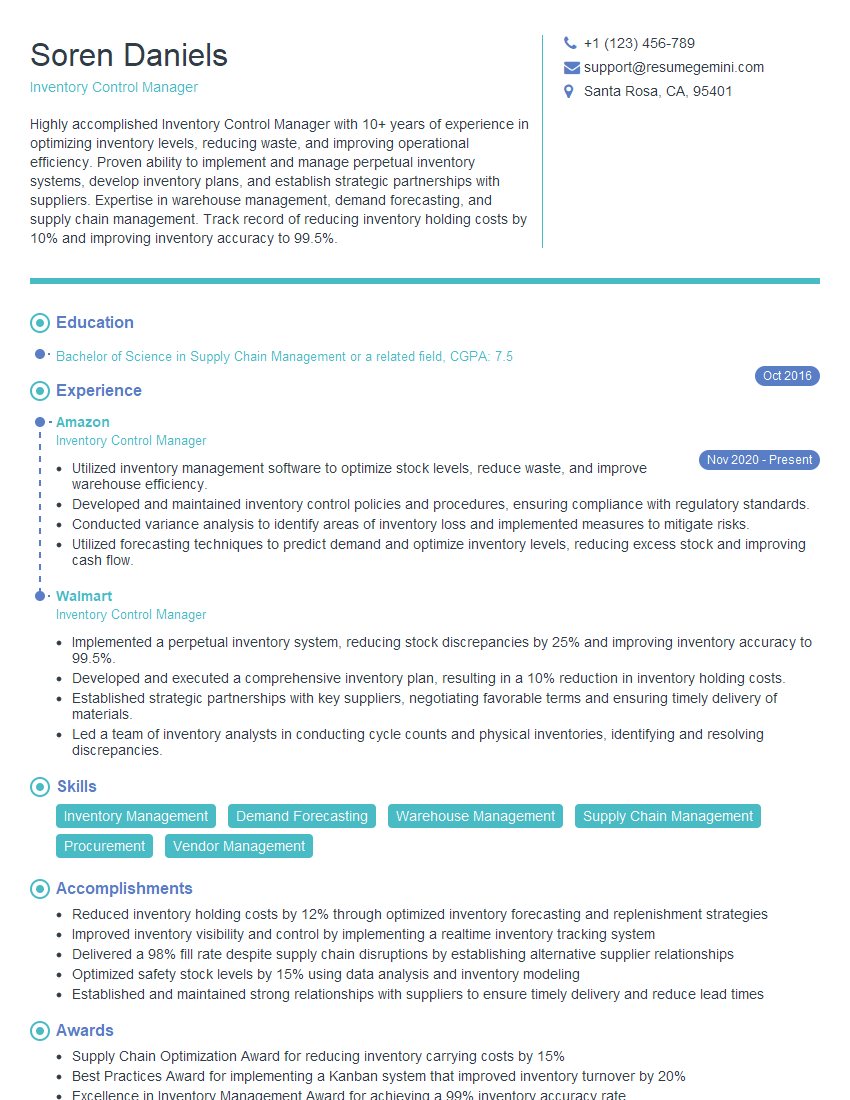
Inventory Control Manager Resume Sample
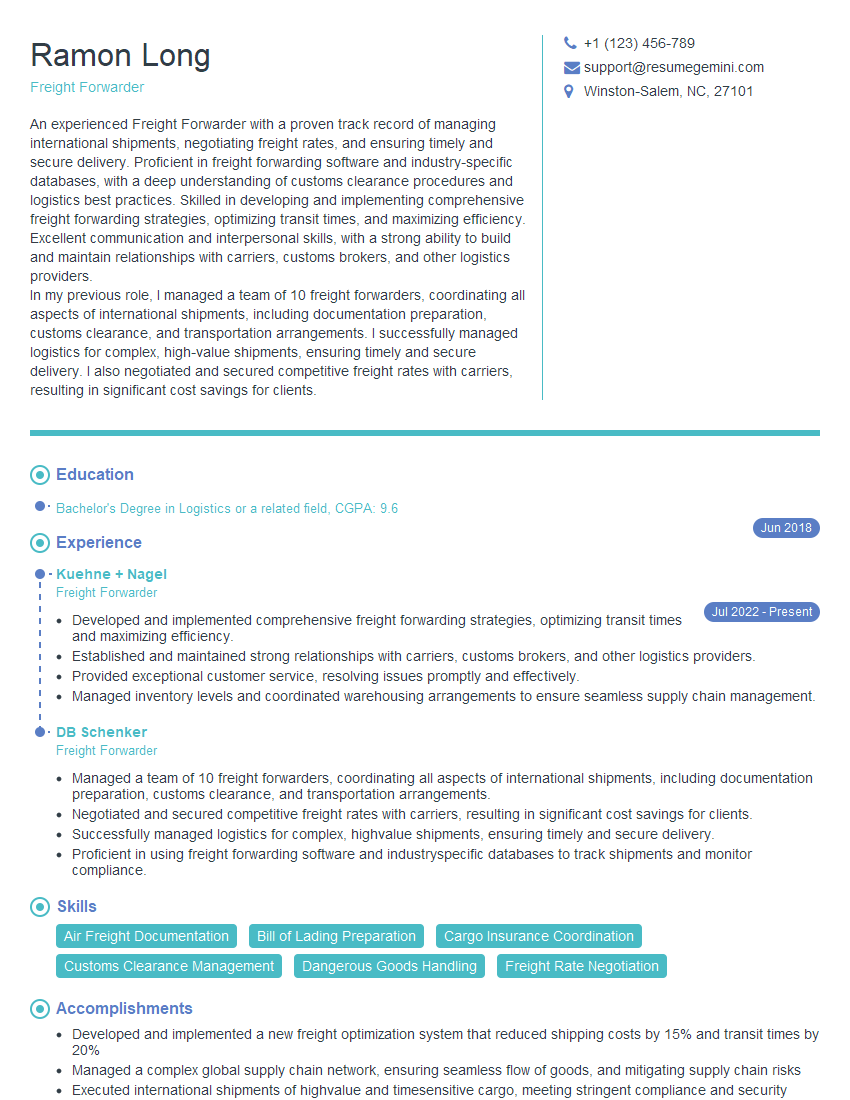
Freight Forwarder Resume Sample
- Demand Planner
- Supply Chain Manager
- Distribution Center Manager
- Transportation Manager
- Warehouse Manager
- Dispatch Manager
- Fleet Manager
- Global Logistics Manager
- Logistics Coordinator
- Logistics Operations Manager
- Supply Chain Director
- Logistics Engineer
- Supply Chain Analyst
- Transportation Analyst
- Transportation Planner
- Inventory Control Manager
- Freight Forwarder
Explore more articles
Users Rating of Our Blogs
Share Your Experience
We value your feedback! Please rate our content and share your thoughts (optional).
What Readers Say About Our Blog
To the interviewgemini.com Webmaster.
Very helpful and content specific questions to help prepare me for my interview!
Thank you
To the interviewgemini.com Webmaster.
This was kind of a unique content I found around the specialized skills. Very helpful questions and good detailed answers.
Very Helpful blog, thank you Interviewgemini team.