Every successful interview starts with knowing what to expect. In this blog, we’ll take you through the top Turbine Synchronization interview questions, breaking them down with expert tips to help you deliver impactful answers. Step into your next interview fully prepared and ready to succeed.
Questions Asked in Turbine Synchronization Interview
Q 1. Explain the process of turbine synchronization.
Turbine synchronization is the process of connecting a generator, driven by a turbine (e.g., steam, gas, hydro), to an existing electrical power system or grid. It’s a critical operation ensuring a seamless and safe transition, preventing damage to equipment and maintaining the stability of the power system. Think of it like carefully merging two lanes of highway traffic – you need to match speeds and directions precisely to avoid a collision.
The process involves gradually matching the generator’s voltage, frequency, and phase angle with the grid’s before closing the circuit breaker connecting it. This careful matching prevents surges, oscillations, and potential damage to the generator and the grid itself. Failure to synchronize properly can lead to significant problems.
Q 2. Describe the necessary conditions for safe turbine synchronization.
Safe turbine synchronization demands precise matching of several key parameters:
- Frequency: The generator’s frequency must match the grid’s frequency (typically 50Hz or 60Hz, depending on the region). A small difference can lead to significant mechanical stress.
- Voltage: The generator’s voltage must be very close to the grid’s voltage. A large voltage difference will cause a large inrush current, potentially damaging equipment.
- Phase Angle: The generator’s voltage waveform must be in phase with the grid’s waveform. This is crucial; an out-of-phase connection creates a large current surge, potentially causing severe damage. The phase angle is typically visually checked with a synchronoscope.
- Phase Sequence: The phase rotation of the generator must match the grid’s phase rotation. This is essential to ensure the proper direction of power flow.
These conditions are monitored using sophisticated instrumentation, and the synchronization process is only completed once all parameters are within acceptable tolerances.
Q 3. What are the potential consequences of improper turbine synchronization?
Improper turbine synchronization can lead to several severe consequences:
- High Inrush Currents: Large current surges can damage the generator windings, transformers, and circuit breakers.
- Mechanical Stress: Frequency and phase mismatches can create significant mechanical stress on the turbine and generator shaft, potentially leading to damage or failure.
- System Instability: Incorrect synchronization can cause oscillations or instability in the power system, potentially leading to widespread blackouts.
- Equipment Damage: The consequences can range from minor damage requiring repairs to catastrophic failures requiring extensive replacements.
- Personnel Safety Hazards: Severe damage can create hazardous conditions endangering personnel.
The cost of repairing or replacing damaged equipment, coupled with potential revenue losses due to outages, can be substantial.
Q 4. How do you ensure frequency and voltage matching during synchronization?
Frequency and voltage matching is achieved through careful control of the turbine’s speed and the generator’s excitation system. The turbine’s speed is adjusted to bring the generator’s frequency close to the grid frequency. This is often done manually, though automatic synchronizers are increasingly common. The generator’s excitation system, typically a voltage regulator, controls the generator’s voltage to match the grid voltage. This involves adjusting the field current of the generator’s rotor to regulate the output voltage.
Advanced systems utilize automatic voltage regulators (AVRs) and governors to precisely adjust these parameters in real-time, ensuring smooth and safe synchronization. Digital controllers are common now, and they can provide precise control, monitoring and logging of synchronization events.
Q 5. Explain the role of protective relays in turbine synchronization.
Protective relays play a vital role in turbine synchronization by monitoring various parameters and instantly tripping the circuit breaker if any unsafe conditions are detected. These relays prevent damage to equipment and ensure the overall stability of the power system. They act as the last line of defense.
Key relays include:
- Distance Relays: Detect faults along the transmission line.
- Differential Relays: Protect the generator and transformer against internal faults.
- Overcurrent Relays: Detect excessive currents during synchronization.
- Underfrequency/Overfrequency Relays: Detect deviations from nominal frequency.
- Loss-of-excitation Relays: Detect loss of excitation in the generator.
These relays operate extremely fast, disconnecting the generator from the grid within milliseconds if a fault is detected.
Q 6. What are the different methods of turbine synchronization?
Turbine synchronization can be accomplished through several methods:
- Manual Synchronization: This traditional method relies on the operator visually monitoring the frequency, voltage, and phase angle using a synchronoscope and manually closing the circuit breaker at the precise moment.
- Automatic Synchronization: Automated systems use sophisticated control algorithms to automatically match the generator’s parameters to the grid and close the circuit breaker when conditions are met. This is safer and more efficient than manual methods.
- Semi-Automatic Synchronization: This method combines elements of both manual and automatic synchronization, allowing for operator oversight while utilizing automated features for precise parameter matching.
The choice of method depends on the size and complexity of the power system, the level of automation available, and safety requirements.
Q 7. Describe the function of a synchronoscope.
A synchronoscope is an instrument used to visually indicate the phase angle difference between the generator and the grid voltage. It displays a rotating pointer on a dial. When the pointer is at zero, it indicates that the generator’s voltage is in phase with the grid’s voltage. The speed of the pointer’s rotation indicates the frequency difference. This is a critical tool, especially in manual synchronization.
A synchronoscope allows operators to visually confirm the correct phase relationship before closing the circuit breaker. This visual confirmation increases the safety of the synchronization process, reducing the risk of damage from large current surges due to phase mismatches.
Modern digital systems often provide this data digitally, replacing the traditional electromechanical synchronoscope, though the basic principles remain the same.
Q 8. How do you handle synchronization issues during transient conditions?
Handling synchronization issues during transient conditions requires a multifaceted approach. Transient conditions, like sudden load changes or grid disturbances, can significantly impact turbine synchronization. The key is to ensure the turbine’s control system responds quickly and effectively to maintain stability and prevent damage. This involves leveraging sophisticated governor controls and protection systems.
For instance, if a sudden load increase occurs on the grid, the turbine’s governor should immediately increase fuel input (for gas or steam turbines) to maintain its speed and prevent it from falling out of synchronization. Conversely, a sudden load decrease requires a rapid reduction in fuel input to avoid overspeeding. Advanced systems utilize fast-acting valves and sophisticated algorithms to precisely control these adjustments. Additionally, protection systems are designed to detect impending synchronization problems (e.g., excessive frequency deviation) and initiate protective actions such as tripping the turbine to avoid cascading failures.
Imagine a large power plant with multiple turbines. During a major outage in a neighboring power grid, there will be a significant drop in system frequency. The governors of the remaining turbines will detect this and respond accordingly by adjusting their output power to maintain frequency and prevent a system-wide collapse. This demonstrates the crucial role of robust transient response capabilities in maintaining a stable grid.
Q 9. Explain the concept of load sharing between turbines.
Load sharing, in the context of turbine synchronization, refers to the distribution of the overall power demand among multiple turbines operating in parallel. The goal is to distribute the load equally (or according to a pre-determined schedule), minimizing stress on individual units and ensuring optimal efficiency and longevity.
This is achieved primarily through the coordinated action of the turbines’ governors. Each governor acts independently but is designed to respond to changes in system frequency and voltage. For example, if the overall system load increases, the system frequency will slightly decrease. The governors of all the turbines will detect this drop in frequency and will automatically increase their power output to compensate. The distribution of the increase is typically proportional to their rated capacity, ensuring fair load sharing.
Consider a situation where two steam turbines are running in parallel supplying power to a city. One turbine handles 60% and the other handles 40% of the base load. If demand increases, both turbines will increase their output proportionally to maintain the load-sharing ratio. This precise balancing prevents overloading of any single unit, which is crucial for preventing equipment damage and prolonging their operational lifetime.
Q 10. What are the common causes of synchronization failures?
Synchronization failures can stem from several sources, often interconnected. Here are some common causes:
- Frequency mismatch: The incoming turbine’s frequency must closely match the grid frequency before synchronization. A significant difference can lead to a violent surge of current and failure.
- Voltage mismatch: Similar to frequency, voltage levels must be closely aligned to prevent high inrush currents and damage.
- Phase angle difference: The phase angle of the incoming turbine’s voltage must be within acceptable limits relative to the grid. A large phase difference can result in heavy transient currents and synchronization failure.
- Governor malfunction: A faulty or improperly tuned governor can prevent the turbine from responding appropriately to changes in load or frequency, leading to instability and failure to synchronize.
- Protection system malfunctions: Incorrectly configured or faulty protection relays can trip the turbine prematurely during synchronization, preventing a successful connection.
- Mechanical issues: Problems within the turbine itself (e.g., shaft misalignment, bearing issues) can prevent it from operating at the required speed or stability.
Troubleshooting requires systematically checking each of these aspects, examining operational logs, and using specialized testing equipment to pinpoint the exact cause of the failure.
Q 11. Describe your experience with different types of turbines (e.g., gas, steam).
My experience encompasses both gas and steam turbines. While the underlying principles of synchronization are similar, the specific challenges and characteristics differ.
Steam Turbines: These typically exhibit slower response times due to the inherent thermal inertia of the steam system. Synchronization requires careful monitoring of steam pressure, temperature, and flow rate. Precise control of the steam valves is critical for smooth synchronization. I’ve worked on projects involving large steam turbines in power generation plants, focusing on the intricacies of coordinating multiple units in parallel operation, ensuring efficient load sharing, and adapting to changing grid conditions.
Gas Turbines: Gas turbines are generally faster-responding and offer more rapid control due to the quicker response of combustion processes. However, their inherent sensitivity to rapid load changes necessitates meticulous governor tuning and protection system settings. My experience includes optimizing the control systems of gas turbines used in combined cycle power plants, achieving seamless integration with steam turbines, and developing strategies to mitigate transient effects during rapid load adjustments.
In both cases, a deep understanding of the turbine’s dynamic characteristics and the interaction between the governor, protection system, and the power grid is critical for successful synchronization and ongoing stable operation.
Q 12. How do you troubleshoot synchronization problems?
Troubleshooting synchronization problems is a systematic process that starts with gathering data.
- Review operational logs and alarms: This initial step helps identify potential points of failure.
- Inspect protection relay settings: Checking for any misconfigurations or malfunctions is crucial.
- Check synchronization equipment: Verify the proper functioning of synchroscope, voltage and frequency meters, and other relevant instrumentation.
- Analyze voltage and frequency waveforms: Detailed analysis using oscilloscopes can highlight discrepancies and imbalances during the synchronization process.
- Examine governor performance: Checking the governor’s responsiveness and tuning is key. Inspect the governor’s operational logs for any anomalies.
- Assess mechanical condition of the turbine: Any mechanical issues can affect the ability to maintain stable speed, impacting synchronization.
- Perform simulations: Using specialized software, simulations can replicate the synchronization process to help identify potential causes of failure under different scenarios.
Often, the problem isn’t a single component failure but rather a combination of factors. A systematic approach, combining data analysis, equipment inspection, and simulation, is essential for efficient troubleshooting.
Q 13. Explain the importance of governor control in synchronization.
Governor control is paramount in turbine synchronization. The governor is the brains of the operation, responsible for maintaining the turbine’s speed and power output while responding dynamically to changes in grid conditions. A well-tuned and responsive governor is crucial for ensuring stable synchronization and preventing oscillations or instability.
During synchronization, the governor regulates the fuel supply (or steam flow for steam turbines) to match the speed of the incoming turbine to that of the grid. It maintains the desired frequency and handles load sharing effectively. A sophisticated governor uses feedback loops to constantly monitor the turbine’s speed, grid frequency, and voltage, making necessary adjustments to keep the turbine in sync.
For example, imagine a scenario where the grid experiences a sudden increase in load. The grid frequency dips slightly. The governor, sensing this drop, will automatically increase fuel input to increase the turbine’s power output, helping to restore grid frequency and maintain synchronization. Without proper governor control, the turbine could fall out of synchronization, leading to grid instability or damage to the equipment.
Q 14. What safety measures are essential during turbine synchronization?
Safety is paramount during turbine synchronization. Several measures are essential to protect personnel and equipment:
- Lockout/Tagout procedures: Strict adherence to lockout/tagout procedures is vital to prevent accidental startup or operation during maintenance or repair.
- Proper grounding: Ensuring proper grounding prevents electrical shocks and protects against surges.
- Interlocks and safety systems: These prevent synchronization under unsafe conditions (e.g., if critical parameters are outside specified limits).
- High-speed protection relays: These relays are designed to detect faults and quickly trip the turbine to prevent damage in case of a synchronization failure.
- Regular inspection and maintenance: Preventive maintenance schedules ensure all safety systems are functioning correctly.
- Trained personnel: Operators must receive thorough training in safe synchronization procedures and emergency response protocols.
- Clear communication: Efficient communication between operators is crucial during synchronization and emergency situations.
Failure to implement these safety measures can lead to significant risks, including personal injury, equipment damage, and even grid instability. A comprehensive safety plan is essential for all turbine synchronization operations.
Q 15. Describe your experience with SCADA systems in relation to turbine synchronization.
SCADA (Supervisory Control and Data Acquisition) systems are crucial for monitoring and controlling turbine synchronization. They provide a centralized interface displaying real-time data from various parameters like frequency, voltage, and power output of the incoming generator and the grid. This allows operators to visually assess the synchronization conditions before and during the process. In my experience, I’ve worked extensively with SCADA systems from various vendors, including GE and Siemens. These systems provide crucial alarm functionalities, alerting operators to potential issues like frequency deviations or excessive voltage discrepancies, preventing damage to equipment or grid instability. For example, I once used a SCADA system to identify a slow-responding protection relay which could have led to a problematic synchronization, allowing for its timely replacement before an incident occurred.
Beyond monitoring, many modern SCADA systems offer automated synchronization capabilities, reducing the chance of human error. This automation, however, still requires experienced operators to oversee the process and intervene if necessary.
Career Expert Tips:
- Ace those interviews! Prepare effectively by reviewing the Top 50 Most Common Interview Questions on ResumeGemini.
- Navigate your job search with confidence! Explore a wide range of Career Tips on ResumeGemini. Learn about common challenges and recommendations to overcome them.
- Craft the perfect resume! Master the Art of Resume Writing with ResumeGemini’s guide. Showcase your unique qualifications and achievements effectively.
- Don’t miss out on holiday savings! Build your dream resume with ResumeGemini’s ATS optimized templates.
Q 16. Explain the role of excitation systems in turbine synchronization.
Excitation systems are vital for controlling the voltage and reactive power of a generator, directly influencing its synchronization. They work by adjusting the magnetic field in the generator’s rotor, thus influencing the generated voltage. During synchronization, a precise control of the generator’s voltage is paramount to prevent large current surges. Imagine trying to connect two spinning tops – if they’re not spinning at precisely the same speed, they’ll clash. Similarly, if the generator’s voltage isn’t precisely matched to the grid’s voltage, you risk significant transient currents, potentially damaging equipment.
Modern excitation systems use sophisticated control algorithms, often incorporating Automatic Voltage Regulators (AVRs), to maintain stable voltage even under transient conditions. The AVR continuously monitors the generator’s terminal voltage and adjusts the excitation accordingly to ensure a smooth synchronization. Malfunctioning excitation systems can result in synchronization failures or instability in the electrical grid, therefore, regular testing and maintenance are crucial.
Q 17. How do you handle out-of-phase synchronization?
Out-of-phase synchronization occurs when the incoming generator’s frequency and voltage are close but not perfectly matched with the grid, leading to a significant inrush current when the breaker closes. The severity depends on the phase angle difference. Handling this requires immediate action to prevent damage.
The first step is to immediately prevent the synchronization. If this occurs during automatic synchronization, a quick intervention involving the protection system is necessary. This will often trigger alarms in the SCADA system alerting the operators to the problem. The operator must then identify the cause of the phase difference and correct it before attempting synchronization again. This usually involves adjusting the generator’s speed very carefully and monitoring parameters closely. In severe cases, a complete restart might be needed. There are various mitigation strategies depending on the design of the protection relay, including slower closing of circuit breakers and employing special synchronization equipment to minimise the impact of the phase angle difference.
Q 18. What are the implications of different synchronization speeds?
Different synchronization speeds directly impact the magnitude of transient currents during the synchronization process. A slow synchronization minimizes the magnitude of these currents. Conversely, a fast synchronization can cause high transient currents which might damage equipment if not adequately mitigated. This is particularly true for large generators or systems with weak grid connections.
The ideal synchronization speed depends on the system’s characteristics and the capabilities of the protection and control systems. A slower synchronization, while safer, requires more precise control and can increase the synchronization time. Rapid synchronization is often desirable for quick restoration of power following an outage but demands more robust protection systems capable of handling the larger transient currents.
Q 19. Explain the concept of automatic synchronization.
Automatic synchronization utilizes sophisticated control systems and algorithms to automate the process of connecting a generator to the grid. This is typically achieved by using sensors to monitor parameters like frequency, voltage, and phase angle. Specialized hardware and software then compare these measurements against pre-set thresholds, automatically initiating the synchronization process when the conditions are optimal.
The advantages include increased speed, improved accuracy, and a reduced likelihood of human error. However, a solid understanding of the automatic synchronization system’s logic, limitations, and potential failures is crucial for operators. A well-designed system will include robust safety features and override capabilities for manual intervention in emergency situations. For instance, the system should prevent synchronization if parameters deviate significantly from the setpoints to prevent grid instability.
Q 20. Describe your experience with various synchronization methods (e.g., manual, automatic).
My experience encompasses both manual and automatic synchronization methods. Manual synchronization necessitates a highly skilled operator with a thorough understanding of the electrical grid parameters, using instruments to match frequency, voltage, and phase before closing the breaker manually. It requires keen observation and meticulous attention to detail. In my earlier role, I regularly performed manual synchronizations on smaller generating units, honing my skills in precise parameter matching and ensuring safe connection.
Automatic synchronization, as discussed previously, offers a more efficient and potentially safer alternative for larger and more complex systems. However, thorough knowledge of the underlying algorithms, safety features, and failure modes is critical. I have extensive experience in configuring and troubleshooting automatic synchronization systems, ensuring their proper operation and providing operators with reliable tools. Both methods require extensive training and strict adherence to safety protocols.
Q 21. How do you ensure the stability of the power grid after synchronization?
Ensuring grid stability after synchronization involves several key aspects. First, a proper understanding of the grid’s overall dynamic response is crucial. This includes considering factors such as the grid’s stiffness, the generator’s inertia constant, and the system’s overall damping characteristics.
Robust protection systems are essential to quickly isolate faults and prevent cascading failures. This may include protective relays sensitive to overcurrent, overvoltage, or frequency deviations. Adequate reactive power support from the generator and grid is critical for maintaining voltage stability. In addition, proper generator governor control is essential to maintain frequency stability after synchronization. The governor regulates the generator’s power output in response to frequency changes, thereby ensuring the grid’s frequency remains stable. Regular maintenance and testing of all the equipment involved are crucial for maintaining operational reliability and preventing unforeseen issues.
Q 22. Explain your understanding of reactive power control during synchronization.
Reactive power control is crucial during turbine synchronization to ensure a smooth and stable transition. It’s about managing the voltage and current fluctuations that occur when connecting a generator to the grid. Without proper reactive power management, you risk voltage instability, leading to potential damage to equipment or even a system blackout.
Imagine trying to seamlessly merge two rivers of different flow rates. Reactive power is like the difference in water levels – a sudden merge without careful control could cause a surge or a drop. We use several methods to manage this, including:
- Excitation systems: These control the field current of the generator, directly influencing the reactive power output. We adjust the excitation to match the grid voltage and avoid surges.
- Static VAR compensators (SVCs): These devices rapidly inject or absorb reactive power, providing quick voltage support during synchronization. They act like a buffer, smoothing out voltage fluctuations.
- Power electronic converters: Advanced systems use power electronics to precisely control both active and reactive power flow, ensuring seamless synchronization even under challenging conditions.
For example, in a large power plant, we carefully monitor the reactive power balance before synchronization, and use the excitation system and SVCs to adjust the generator’s reactive power output until it matches the grid’s characteristics, ensuring a stable transition.
Q 23. What are the challenges associated with synchronizing large turbines?
Synchronizing large turbines presents unique challenges due to their high inertia and power output. The sheer size and power involved mean even small discrepancies can have significant consequences.
- High inertia: Large turbines have a substantial moment of inertia, meaning they’re slow to respond to changes in speed and power. This necessitates precise control and timing during synchronization to avoid oscillations or instability.
- Large power swings: Mismatch in frequency or voltage during synchronization can lead to massive power swings, potentially stressing the turbine and grid infrastructure.
- Complex protection systems: Protecting such a large and powerful machine requires sophisticated protection systems capable of identifying and responding to various fault conditions during synchronization.
- System stability: Integrating a large turbine into the grid can impact overall system stability. Careful planning and analysis are crucial to ensure smooth integration without jeopardizing the grid’s stability.
For instance, during the commissioning of a new 500MW turbine, we had to implement a sophisticated synchronization strategy that included phased synchronization with careful monitoring of voltage and frequency to prevent oscillations and maintain grid stability. We also used a sophisticated simulation model to predict and mitigate potential risks before actual synchronization.
Q 24. How do you maintain the synchronization of turbines during varying load conditions?
Maintaining synchronization during varying load conditions relies on sophisticated governor and excitation systems. These systems automatically adjust the turbine’s speed and reactive power output to compensate for changing loads and maintain frequency and voltage stability.
Think of a car maintaining a constant speed on a hilly road. The governor is like the car’s engine control system, automatically adjusting power to maintain speed despite changing terrain (load). The excitation system is like the steering – fine-tuning the generator’s voltage to match grid conditions. In practice, this involves:
- Automatic Voltage Regulators (AVRs): These maintain constant terminal voltage despite changing loads by adjusting the generator’s excitation.
- Governor systems: These maintain constant frequency by adjusting the turbine’s speed in response to changing load demands. They constantly monitor the grid frequency and adjust the turbine’s fuel input to maintain synchronism.
- Load-frequency control: This higher-level system coordinates the output of multiple turbines to maintain grid frequency and stability across a wide area.
For example, when a large industrial facility suddenly increases its demand, the governor will increase the turbine’s speed, while the AVR will maintain the generator’s voltage, ensuring continued synchronization.
Q 25. Describe your experience with turbine synchronization testing and commissioning.
My experience includes numerous turbine synchronization testing and commissioning projects spanning various turbine types and sizes. This involves meticulous planning, execution, and analysis to ensure safe and reliable operation.
The process typically involves:
- Pre-commissioning checks: Thorough inspection of all equipment and systems, including instrumentation, protection relays, and control systems.
- Synchronization testing: Step-by-step testing of the synchronization process under various operating conditions, carefully monitoring voltage, frequency, and current. This often involves simulated fault conditions.
- Protection relay testing: Verifying the proper operation of the protection relays to ensure they trip correctly under fault conditions.
- Performance testing: Evaluating the turbine’s performance under various load conditions to verify efficiency and stability.
- Commissioning documentation: Detailed documentation of all testing procedures, results, and observations.
One project involved commissioning a new gas turbine for a power generation facility. We conducted extensive testing, including simulations of various fault scenarios, to ensure the synchronization process was robust and safe. Thorough documentation ensured that the facility could easily troubleshoot and maintain the system in the future.
Q 26. How do you address synchronization issues related to generator protection?
Synchronization issues related to generator protection are critical. Miscoordination can lead to unnecessary trips or failures to clear actual faults. Careful coordination of protection schemes is paramount.
Addressing these issues requires:
- Proper setting of protection relays: Relays must be precisely set to prevent unwanted tripping during synchronization while ensuring they operate correctly during faults. This involves a careful balance, often requiring advanced simulations.
- Coordination between different protection schemes: Various protection schemes (e.g., overcurrent, differential, distance protection) must be coordinated to ensure they operate in the correct sequence and don’t conflict.
- Use of selective protection: Implementing protection schemes that isolate only the faulty section of the system, preventing widespread outages.
- Testing and verification: Rigorous testing of the protection system is crucial to ensure its effectiveness and proper coordination.
In one instance, a miscoordination between the generator’s differential protection and the busbar protection caused unnecessary tripping during synchronization. We resolved this by carefully adjusting the relay settings and performing extensive testing, ensuring that only actual faults would trip the system.
Q 27. Explain the impact of harmonics on turbine synchronization.
Harmonics can significantly impact turbine synchronization, leading to instability and even damage. Harmonics are non-sinusoidal components of the voltage or current waveforms. They introduce distortion, which can disrupt the smooth synchronization process.
The effects of harmonics include:
- Torque pulsations: Harmonics can cause pulsating torques on the turbine shaft, leading to vibrations and potential damage.
- Overheating: Increased harmonic currents can lead to overheating of generators and transformers.
- Malfunction of protection relays: Harmonics can cause incorrect operation of protection relays, potentially leading to unnecessary tripping or failure to clear actual faults.
- Voltage distortion: High levels of harmonic distortion can affect the quality of the power supplied to the grid, causing problems for other equipment.
Mitigation strategies include using harmonic filters, employing active power filters, and designing the system to minimize harmonic generation. Proper selection of equipment and careful design are crucial in minimizing these issues. For example, we once encountered significant harmonic distortion during synchronization that was traced to a faulty rectifier. Replacing the faulty equipment solved the problem.
Q 28. Describe your experience with different types of protection schemes for turbine synchronization.
My experience encompasses various protection schemes for turbine synchronization, each with its advantages and disadvantages. The choice of scheme depends on factors like turbine size, grid characteristics, and cost considerations.
Common protection schemes include:
- Differential protection: This is a very sensitive protection scheme that compares the currents entering and leaving the generator. Any imbalance indicates a fault within the generator.
- Overcurrent protection: This protects against excessive currents caused by short circuits. However, it is less sensitive than differential protection.
- Distance protection: This measures the impedance to the fault and operates if it falls within a predefined zone. It is effective for faults on transmission lines connected to the generator.
- Rate-of-change-of-frequency protection: This scheme is useful for detecting sudden changes in grid frequency, which can indicate a major system disturbance.
- Loss-of-excitation protection: This detects a loss of excitation in the generator, which can lead to instability.
In a recent project, we implemented a combination of differential and distance protection for a large turbine-generator unit, providing comprehensive protection against various fault scenarios. The selection was based on a detailed risk assessment considering the specific characteristics of the system.
Key Topics to Learn for Turbine Synchronization Interview
- Fundamentals of Turbine Operation: Understanding the basic principles of various turbine types (gas, steam, hydro) and their operating characteristics is crucial. This includes understanding speed, torque, and power relationships.
- Synchronization Process: Master the steps involved in synchronizing a turbine generator to the power grid. This includes understanding frequency matching, voltage matching, and phase angle alignment. Practice explaining the process step-by-step.
- Protective Relaying and Safety Systems: Familiarize yourself with the various protection schemes in place to prevent damage during synchronization, including overspeed, overvoltage, and reverse power protection. Know how these systems work and interact.
- Troubleshooting and Problem Solving: Be prepared to discuss common synchronization issues and how to troubleshoot them. This might involve analyzing system behavior, identifying potential causes, and proposing solutions. Consider common faults and their consequences.
- Control Systems and Automation: Understanding the role of automatic synchronization systems, governor control, and excitation systems is key. Be able to explain how these systems contribute to a smooth and safe synchronization process.
- Parallel Operation and Load Sharing: Once synchronized, turbines operate in parallel. Understand how load is shared between generators and the implications for system stability. Explore concepts like droop characteristics.
- Instrumentation and Monitoring: Familiarize yourself with the instrumentation used to monitor turbine performance during synchronization and operation. Understanding the data provided is essential for diagnostics and troubleshooting.
Next Steps
Mastering turbine synchronization opens doors to exciting and rewarding career opportunities in power generation and energy management. A strong understanding of these concepts is highly sought after by employers. To maximize your job prospects, create an ATS-friendly resume that showcases your skills and experience effectively. ResumeGemini is a trusted resource that can help you build a professional and impactful resume, tailored to highlight your expertise in turbine synchronization. Examples of resumes tailored to this field are available within ResumeGemini to guide you.
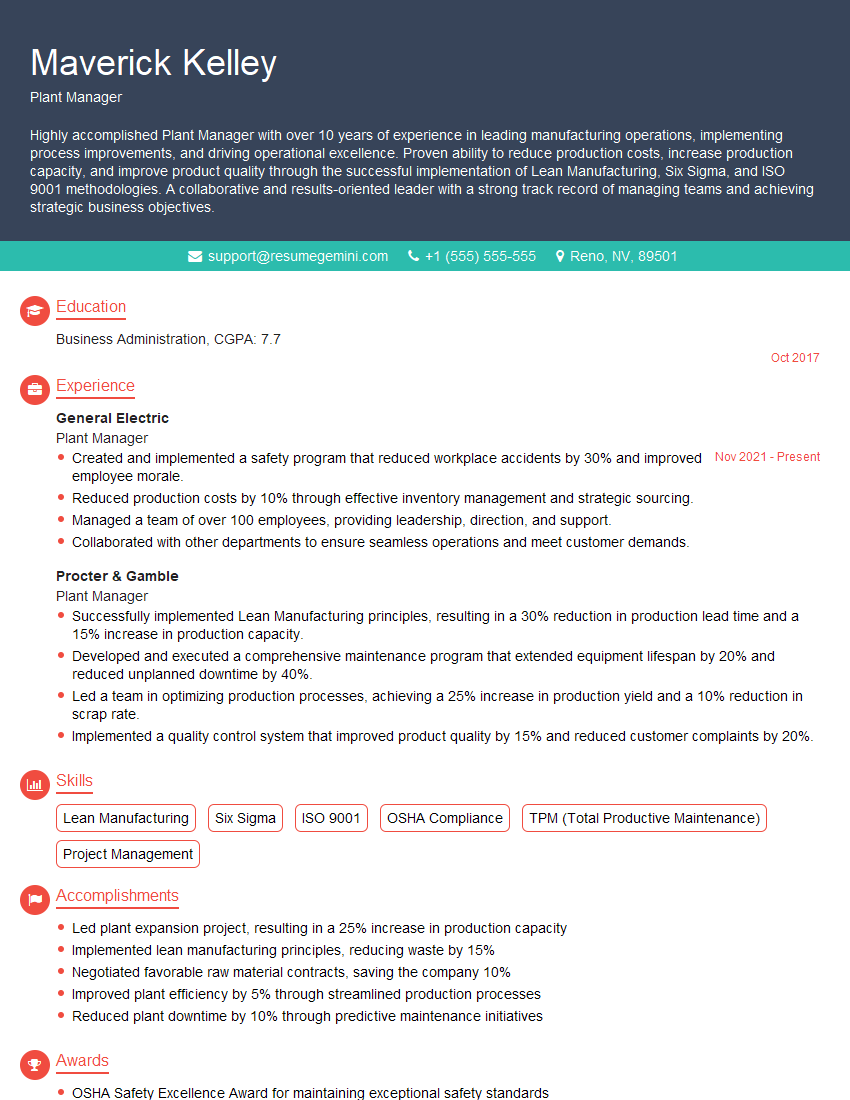
Plant Manager Resume Sample
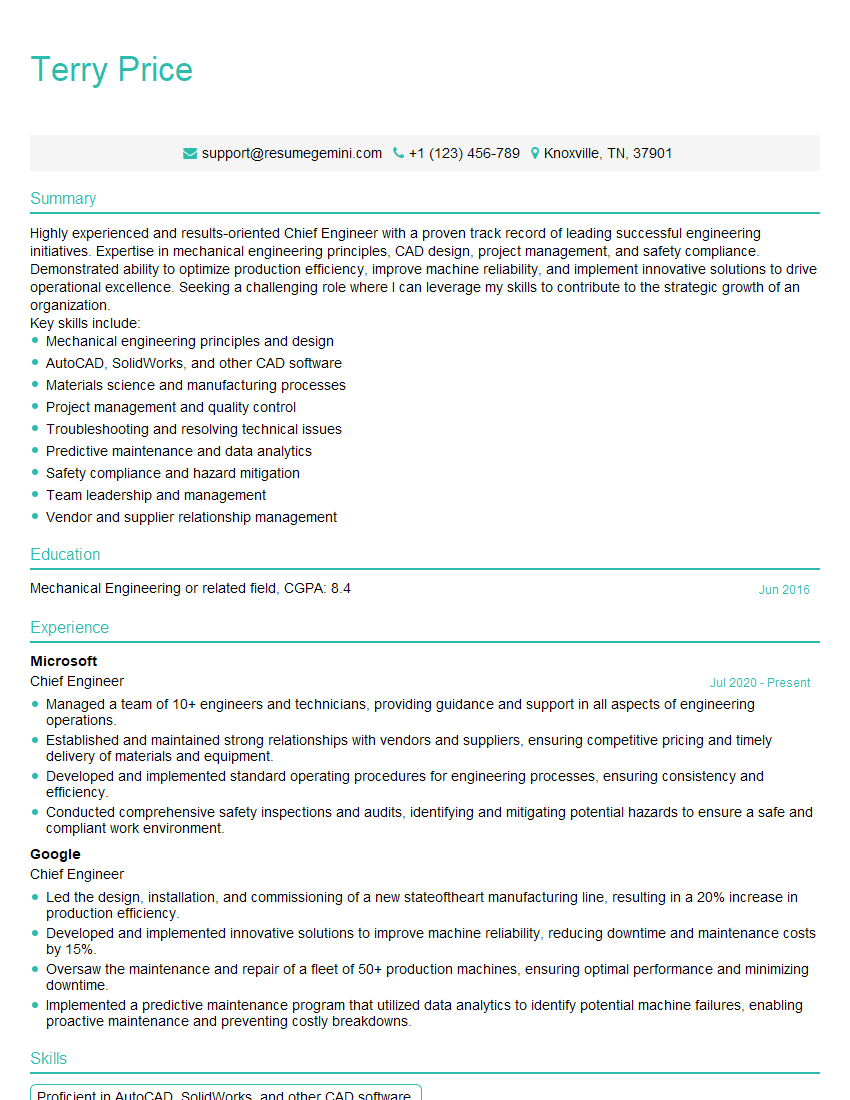
Chief Engineer Resume Sample
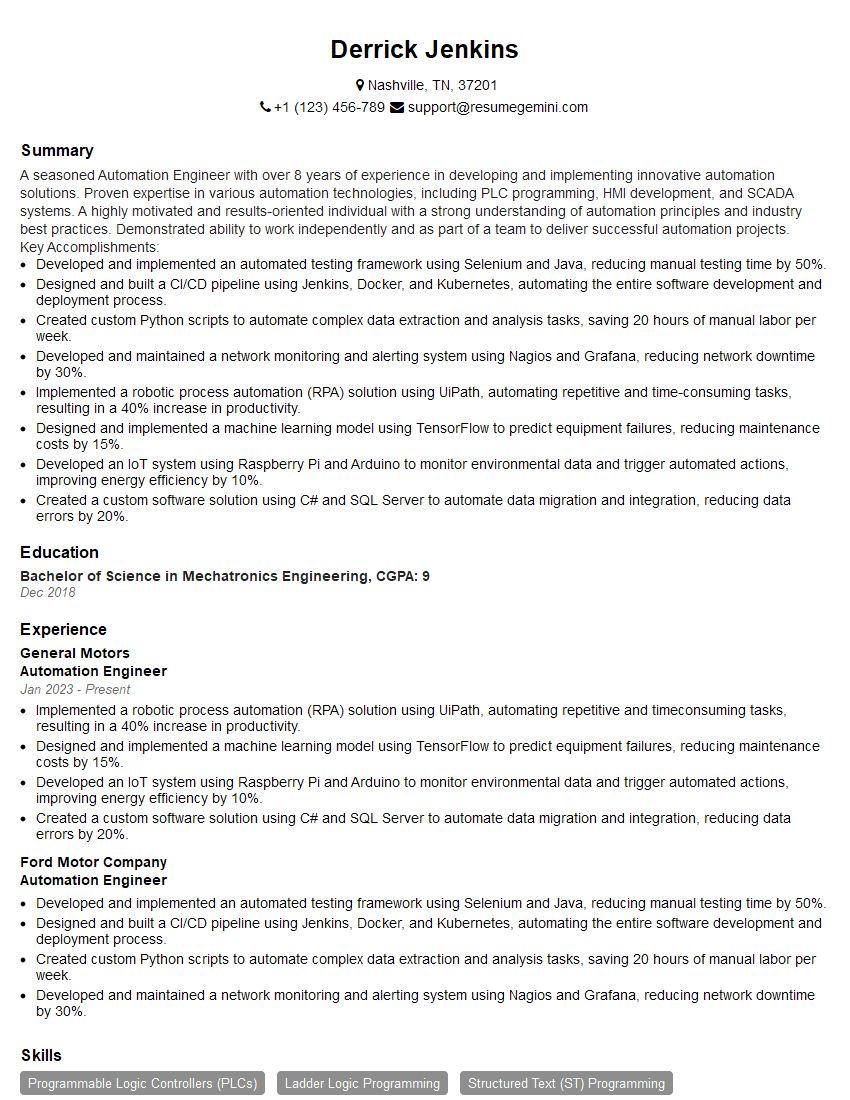
Automation Engineer Resume Sample
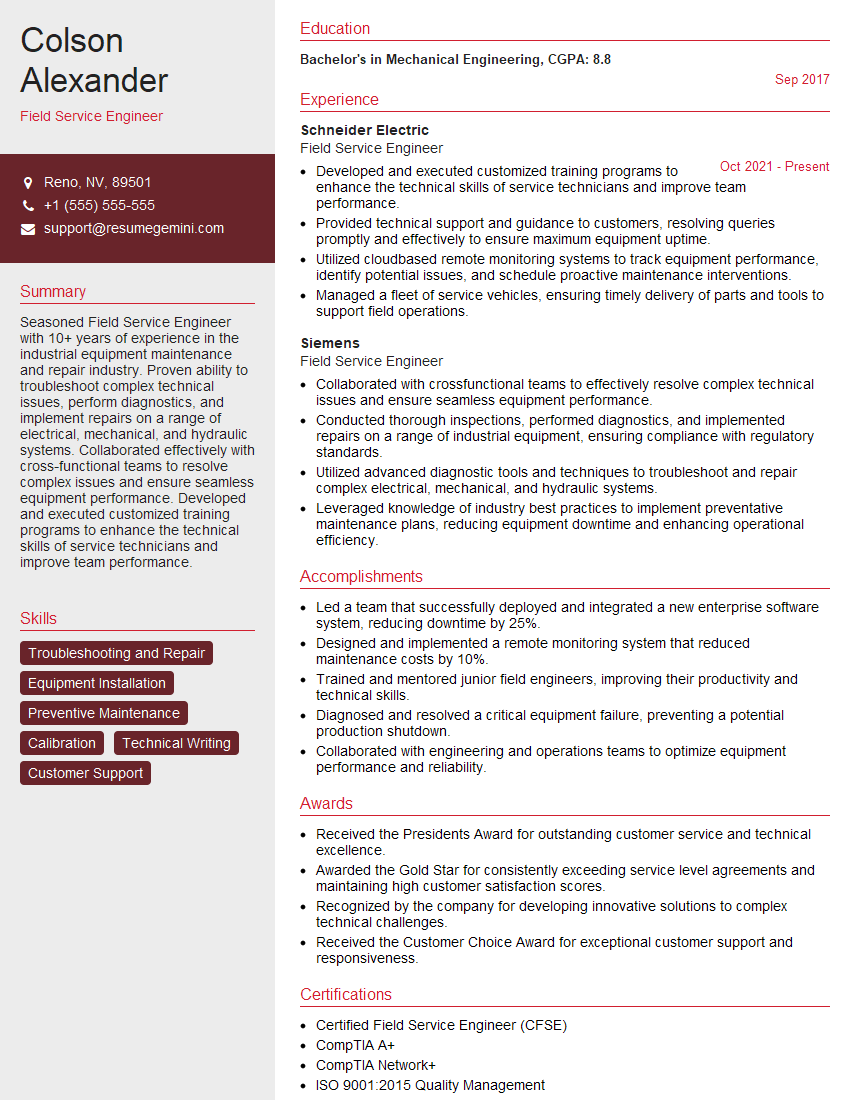
Field Service Engineer Resume Sample
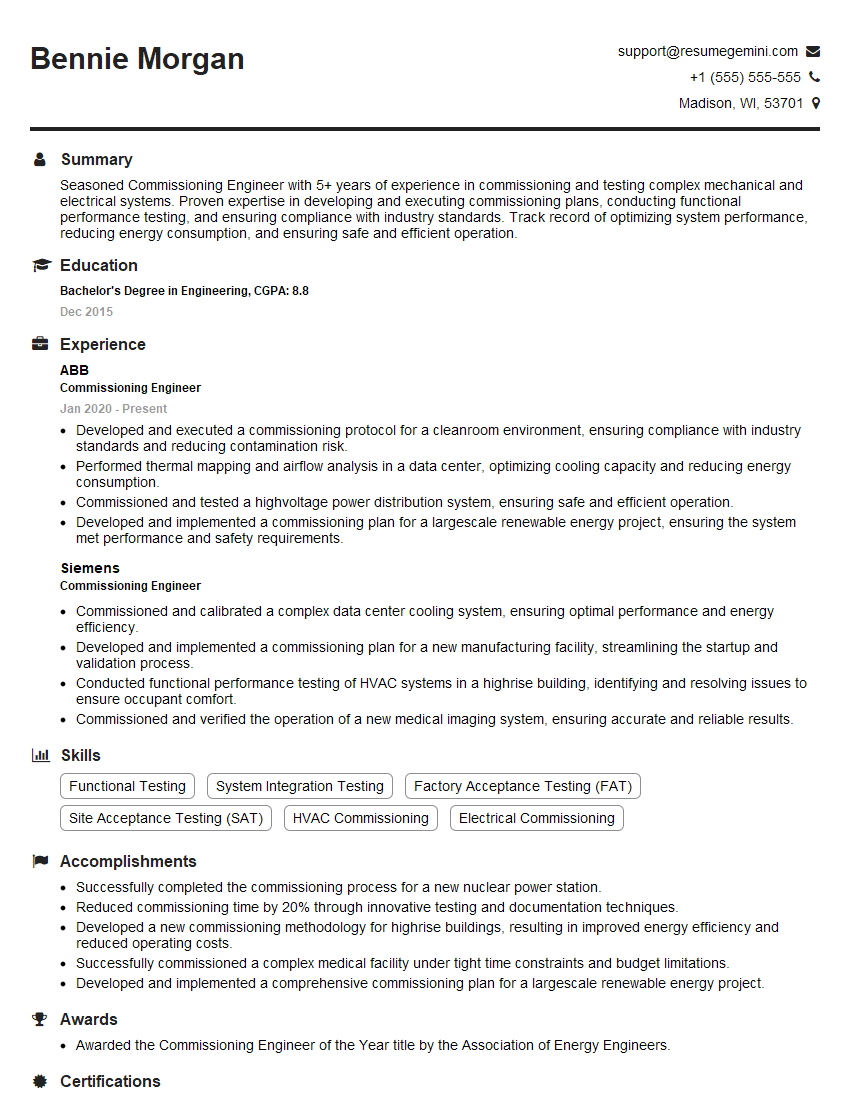
Commissioning Engineer Resume Sample
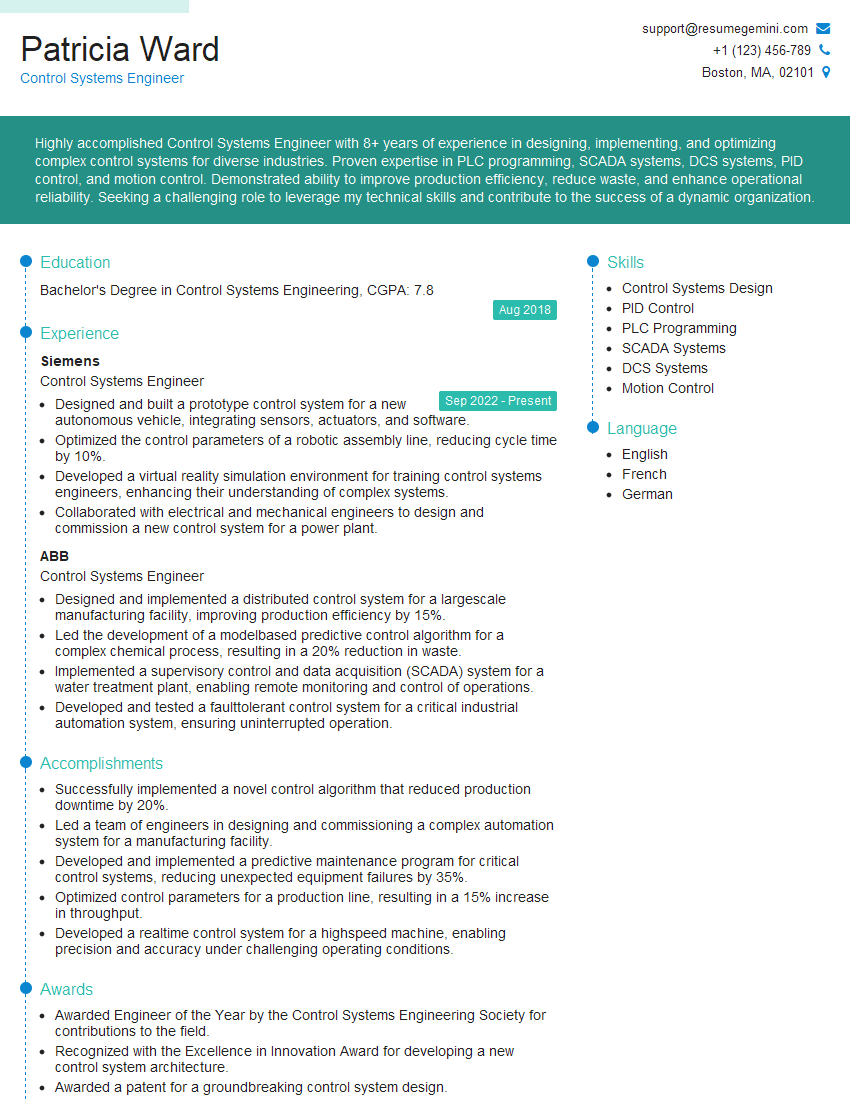
Control Systems Engineer Resume Sample
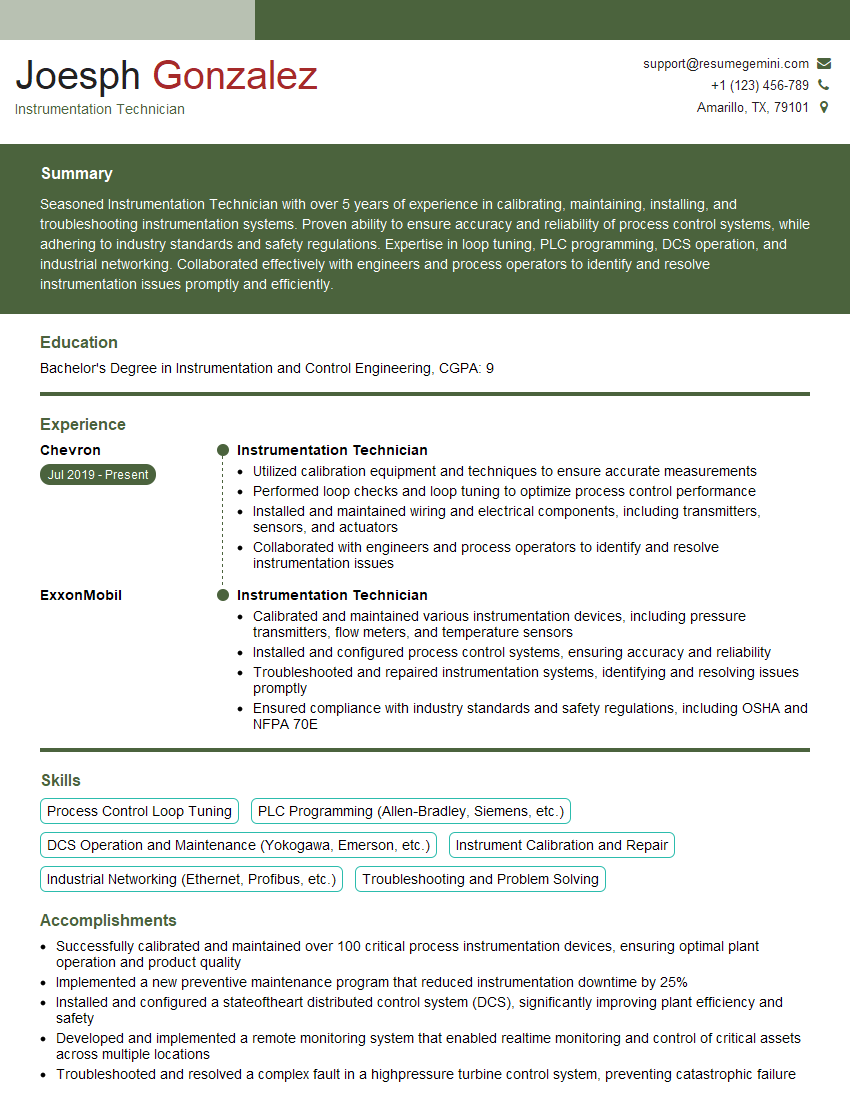
Instrumentation Technician Resume Sample
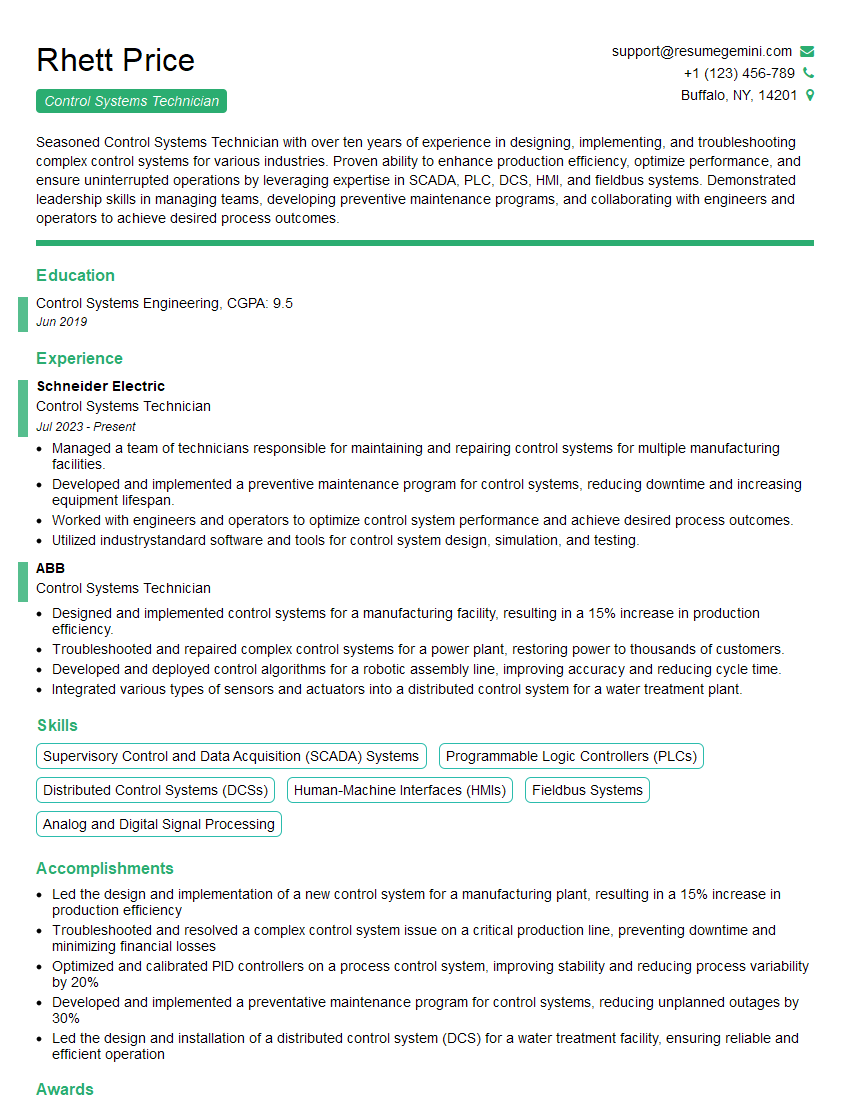
Control Systems Technician Resume Sample
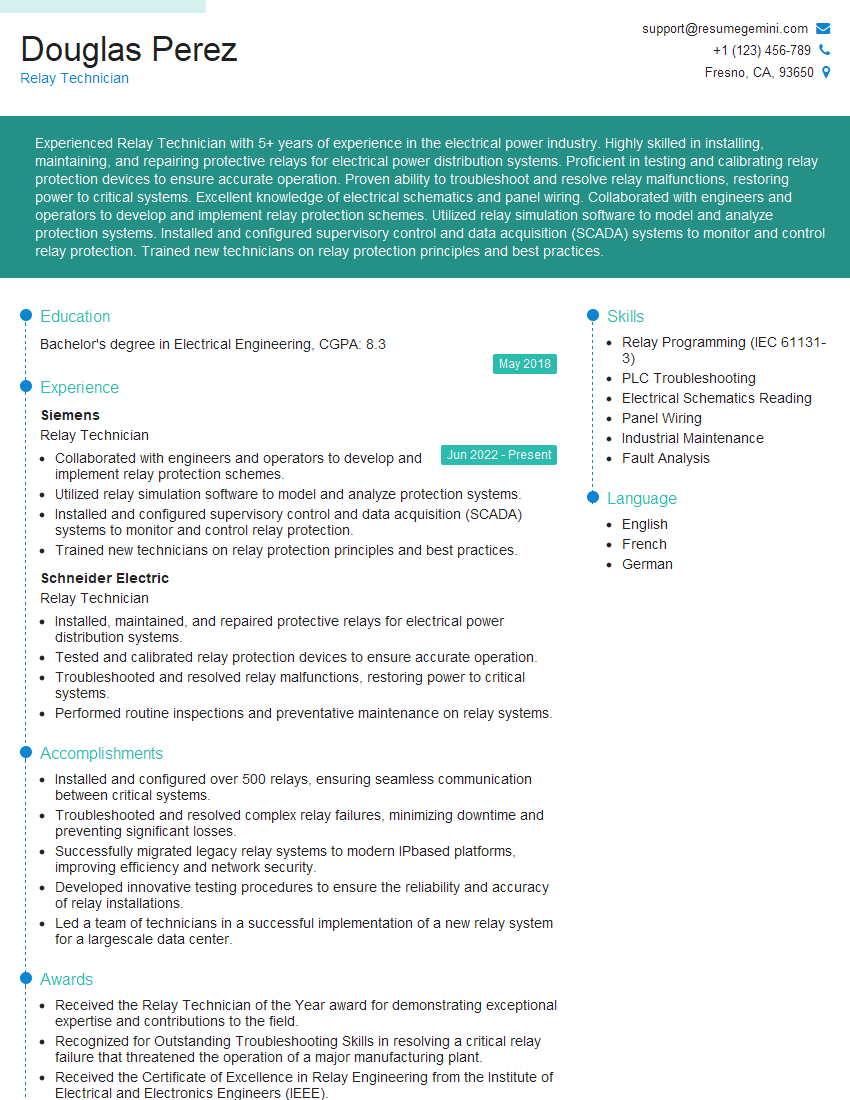
Relay Technician Resume Sample
Explore more articles
Users Rating of Our Blogs
Share Your Experience
We value your feedback! Please rate our content and share your thoughts (optional).
What Readers Say About Our Blog
To the interviewgemini.com Webmaster.
Very helpful and content specific questions to help prepare me for my interview!
Thank you
To the interviewgemini.com Webmaster.
This was kind of a unique content I found around the specialized skills. Very helpful questions and good detailed answers.
Very Helpful blog, thank you Interviewgemini team.