The thought of an interview can be nerve-wracking, but the right preparation can make all the difference. Explore this comprehensive guide to Urinary Incontinence Surgery interview questions and gain the confidence you need to showcase your abilities and secure the role.
Questions Asked in Urinary Incontinence Surgery Interview
Q 1. Describe the different types of urinary incontinence.
Urinary incontinence is the involuntary leakage of urine. It’s categorized into several types, primarily based on the underlying cause.
- Stress Urinary Incontinence (SUI): This is the most common type, occurring when physical exertion like coughing, sneezing, or laughing increases abdominal pressure, forcing urine out. Imagine a leaky faucet – pressure increases the flow.
- Urge Urinary Incontinence (UUI): This involves a sudden, strong urge to urinate followed by involuntary leakage. It’s often associated with overactive bladder. Think of a fire hydrant suddenly bursting open.
- Mixed Urinary Incontinence: This is a combination of both stress and urge incontinence, experiencing symptoms of both SUI and UUI.
- Overflow Urinary Incontinence: This happens when the bladder doesn’t empty completely, causing a constant dribbling. Think of an overfilled water balloon that leaks slowly.
- Functional Urinary Incontinence: This isn’t related to bladder dysfunction itself but rather due to physical or cognitive impairments preventing a person from reaching the toilet in time. This could be due to mobility issues or dementia.
Q 2. Explain the surgical options for stress urinary incontinence.
Surgical options for stress urinary incontinence aim to restore the support of the urethra, preventing leakage. The most common procedures include:
- Mid-urethral Sling: This minimally invasive procedure involves placing a small mesh sling under the urethra to provide support. It’s often performed as an outpatient procedure with a relatively quick recovery time. There are different types of slings, including tension-free and retropubic slings.
- Burch Colposuspension: This is an open surgical procedure where the urethra and bladder neck are suspended to a more superior position using sutures. It’s more invasive than a sling procedure but can be highly effective.
- Autologous Fascial Sling: This technique uses the patient’s own tissue (usually from the abdominal fascia) to create a sling. It avoids the use of synthetic mesh, potentially decreasing the risk of complications related to mesh.
The choice of procedure depends on various factors, including the patient’s anatomy, overall health, and preference. A thorough evaluation is always necessary.
Q 3. What are the contraindications for a mid-urethral sling procedure?
Contraindications for a mid-urethral sling procedure are situations where the procedure might be risky or ineffective. These include:
- Active urinary tract infection: Infection can increase the risk of complications post-surgery.
- Severe pelvic organ prolapse: Significant prolapse often requires more extensive surgery.
- Urethral stricture: Narrowing of the urethra can make the sling placement difficult or ineffective.
- Significant connective tissue disorders: Conditions like Ehlers-Danlos syndrome can affect wound healing and sling stability.
- Prior pelvic radiation: Radiation therapy can weaken tissues, increasing the risk of complications.
- Patient refusal or lack of informed consent: The patient must understand the risks and benefits before proceeding.
A detailed patient history and physical examination are crucial to identify any contraindications.
Q 4. Discuss the risks and complications associated with a Burch colposuspension.
A Burch colposuspension, while effective, carries certain risks and potential complications:
- Bladder injury: Accidental perforation of the bladder during surgery is possible.
- Urethral injury: Damage to the urethra can lead to stricture or incontinence.
- Infection: As with any surgery, infection is a risk.
- Hematoma: Bleeding can lead to the formation of a blood clot.
- Voiding dysfunction: Difficulty emptying the bladder can occur post-operatively.
- Chronic pelvic pain: This is a rare but possible long-term complication.
- Recurrence of incontinence: While uncommon, the surgery may not completely resolve incontinence.
These risks are usually minimized with careful surgical technique and proper post-operative care. Open communication with the patient is crucial to manage expectations.
Q 5. How do you assess a patient’s candidacy for surgery?
Assessing a patient’s candidacy for surgery involves a comprehensive evaluation:
- Detailed history: This includes the type and severity of incontinence, previous treatments, and overall health.
- Physical examination: A pelvic exam assesses the anatomy and identifies any other pelvic floor issues.
- Urodynamic studies: These tests measure bladder function and pressure to diagnose the cause of incontinence and assess severity.
- Imaging studies: Imaging, such as ultrasound or MRI, can help visualize pelvic structures and identify any anatomical abnormalities.
- Patient expectations and preferences: It’s essential to understand the patient’s goals for surgery and their understanding of the potential risks and benefits.
A multidisciplinary approach, often involving urologists, urogynecologists, and physical therapists, is frequently beneficial for complex cases.
Q 6. What pre-operative preparations are crucial for urinary incontinence surgery?
Pre-operative preparations for urinary incontinence surgery are crucial for a successful outcome:
- Complete medical history and physical examination: Identifying any underlying medical conditions that could affect the surgery.
- Assessment of renal function: Ensuring proper kidney function is essential before surgery.
- Pre-operative antibiotics: To reduce the risk of infection.
- Bowel preparation: This is often necessary, particularly for abdominal surgeries.
- Voiding trial: Assessing the patient’s ability to urinate before surgery helps predict post-operative voiding function.
- Patient education: Thorough explanation of the procedure, risks, benefits, and post-operative care is vital.
The specific preparations will vary depending on the type of surgery chosen and the individual patient’s needs.
Q 7. Describe the post-operative care for patients undergoing a sling procedure.
Post-operative care following a sling procedure focuses on minimizing complications and promoting recovery:
- Pain management: Pain medication is prescribed to manage discomfort.
- Catheter management: A urinary catheter is usually placed temporarily, typically removed within 1-2 days.
- Fluid intake: Adequate fluid intake helps prevent complications.
- Activity restrictions: Gradual increase in physical activity is recommended to prevent strain and complications.
- Follow-up appointments: Regular follow-up appointments monitor healing and assess the success of the procedure.
- Pelvic floor physiotherapy: This can help improve pelvic floor muscle strength and function.
Patients should be educated on potential complications and when to seek medical attention. Open communication and ongoing support are vital throughout the recovery process.
Q 8. What are the common complications following a urethral bulking agent injection?
Urethral bulking agents, while generally safe and effective for treating stress urinary incontinence (SUI), can have some complications. These are usually minor and self-limiting, but awareness is crucial for patient management.
- Urinary Retention: This is one of the most common complications, where the injected material may partially obstruct the urethra, leading to difficulty emptying the bladder. It’s usually transient and responds to bladder catheterization. I always inform patients about this possibility pre-operatively.
- Urinary Tract Infection (UTI): The procedure carries a small risk of introducing bacteria, leading to a UTI. Prophylactic antibiotics are sometimes used, and we emphasize proper hygiene post-procedure. One patient I recall, a 68-year-old woman, experienced a mild UTI which was readily managed with antibiotics.
- Bleeding: Minor bleeding from the injection site is possible, but significant bleeding is rare. We meticulously assess the patient’s bleeding risk factors before the procedure.
- Immediate Incontinence: In some instances, patients might experience worsening incontinence immediately after the injection. This is usually temporary, as the bulking agent settles.
- Migration of Agent: Although uncommon, the injected material might migrate from the intended site, reducing effectiveness or causing unexpected complications. Careful injection technique is essential to minimize this risk.
Managing expectations is key. I always discuss potential complications with my patients beforehand, emphasizing that most are minor and temporary.
Q 9. How do you manage post-operative urinary retention?
Post-operative urinary retention (POUR) is a significant concern after incontinence surgery, potentially leading to discomfort and complications. Management involves a stepwise approach.
- Assessment: The first step is to determine the severity of retention, often through bladder scan or catheterization. We need to differentiate between simple overflow incontinence and complete inability to void.
- Conservative Management: In many cases, particularly mild retention, conservative measures are successful. This can include encouraging fluid intake, promoting bladder emptying techniques (such as double voiding), and using medication to relax the bladder muscles (e.g., anticholinergics or alpha-blockers).
- Intermittent Catheterization: If conservative methods fail, intermittent self-catheterization (ISC) is an option, teaching the patient safe and hygienic techniques. This allows the bladder to empty regularly preventing distention and potential damage.
- Indwelling Catheter: In some cases, particularly when there is significant bladder distension or infection, an indwelling catheter may be necessary temporarily, but we actively seek to remove it as soon as possible to minimize risks of infection.
- Surgical Intervention: In rare instances, persistent POUR may necessitate a surgical intervention, such as removal of obstructing tissue or revision of the surgical repair, however, this is uncommon with careful surgical planning.
Close monitoring and patient education are crucial in managing POUR. We often schedule follow-up appointments within days post-surgery to check bladder function.
Q 10. What are the different types of urethral slings?
Urethral slings are a common surgical approach for SUI. The aim is to provide support to the urethra, reducing its descent during physical activity and thus preventing leakage.
- Retropubic Slings (TVT, TVT-O, TOT): These slings are placed beneath the urethra, passing through the retropubic space, a region above the pubic bone. TVT (Tension-free Vaginal Tape) is a classic example, while TVT-O (Obturator) and TOT (Transobturator) variations have been developed to minimize complications.
- Transobturator Slings: These slings pass through the obturator foramen, an opening in the pelvis, avoiding the retropubic space. This approach is thought to reduce the risk of bladder injury but may have a higher risk of leg pain.
- Single-incision slings (MIS slings): These are becoming increasingly popular due to their minimally invasive nature and usually utilize small incisions in the perineum, offering reduced trauma to the surrounding tissues.
- Autologous slings: In this approach, the surgeon uses a patient’s own tissue (typically fascia lata or rectus abdominis fascia) to create the sling. This avoids implant-related issues, but the surgical procedure can be more complex.
The choice of sling depends on patient factors such as anatomy, comorbidities and surgical experience. The ongoing evolution in sling technology aims to improve both efficacy and safety profile.
Q 11. Explain the principles of tension-free vaginal tape (TVT) surgery.
The TVT procedure is designed to provide support to the urethra without causing excessive tension. The principle is simple yet elegant.
- Mid-urethral Support: A synthetic mesh tape is placed beneath the mid-urethra, offering support to the urethra and reducing stress on the sphincter mechanism. The placement avoids the need for sutures, thereby lessening the trauma caused by the procedure.
- Tension-Free Fixation: The tape’s ends are fixed to the abdominal wall fascia on either side, however, the key is to achieve tension-free fixation. This is crucial to prevent excessive pressure on the urethra and to reduce the risk of complications. The surgeon carefully adjusts the tension to achieve optimal support without creating constriction.
- Minimally Invasive Approach: TVT is a minimally invasive procedure, performed through small incisions. This is critical in reducing patient pain, reducing the risk of infection and overall improving the recovery time.
A successful TVT procedure achieves a balance between urethral support and absence of excessive tension or constriction. This approach significantly reduces the chances of urinary retention and improves the success rate of the procedure.
Q 12. Describe your experience with minimally invasive techniques in urinary incontinence surgery.
My experience with minimally invasive techniques (MIT) in urinary incontinence surgery has been overwhelmingly positive. The shift toward MIT has revolutionized the field, improving outcomes for patients and enhancing surgical efficiency.
- Laparoscopic Surgery: Although less common for SUI than slings, laparoscopic approaches offer precise visualization and allow for complex repairs.
- Robotic Surgery: Robotic platforms offer enhanced precision and dexterity, particularly beneficial in complex cases or when significant pelvic floor reconstruction is required. However, access to the technology and surgeon expertise remains a limiting factor.
- Single-incision slings and other minimally invasive slings: This is the most common method today and has become my preferred method for the majority of patients eligible for surgery.
I’ve found that MIT results in significantly reduced post-operative pain, shorter hospital stays, faster recovery times, and improved cosmetic results. This improved patient experience contributes to greater patient satisfaction and better quality of life. Moreover, the reduced trauma contributes to lower infection rates.
Q 13. How do you manage pain in post-operative urinary incontinence patients?
Post-operative pain management is a critical aspect of urinary incontinence surgery. A multimodal approach is usually the most effective.
- Analgesics: We generally start with non-steroidal anti-inflammatory drugs (NSAIDs) or paracetamol (acetaminophen) for mild to moderate pain. Opioids are reserved for severe pain and used judiciously to minimize side effects. Patient-controlled analgesia (PCA) pumps can be helpful in the initial post-operative period.
- Nerve Blocks: In select cases, regional nerve blocks can provide significant pain relief. These reduce the requirement for oral analgesics and thus reduce side-effects such as constipation or nausea.
- Physiotherapy: Pelvic floor physiotherapy plays a vital role, both pre- and post-operatively. Physiotherapists can teach patients exercises to improve pelvic floor muscle strength, promoting faster recovery and reducing pain.
- Other modalities: Other pain management strategies include heat packs, ice packs, and TENS (Transcutaneous Electrical Nerve Stimulation).
Close monitoring of pain levels is essential. We actively engage patients, adjusting the pain management plan based on their feedback and clinical assessment. I always explain the pain management strategies to my patients prior to the procedure.
Q 14. What are the key differences between retropubic and transobturator slings?
Retropubic and transobturator slings are two commonly used types of mid-urethral slings, each with distinct advantages and disadvantages.
| Feature | Retropubic Sling (e.g., TVT) | Transobturator Sling (e.g., TOT) |
|---|---|---|
| Surgical Approach | Sling placed through retropubic space | Sling passed through obturator foramen |
| Bladder Injury Risk | Higher risk | Lower risk |
| Leg Pain Risk | Lower risk | Higher risk (potential for nerve injury) |
| Mesh Erosion Risk | Higher risk (but reducing with improved material) | Lower risk |
| Dyspareunia (painful intercourse) | Variable | Variable |
| Surgical Technique | More technically demanding | Generally considered easier to learn |
The optimal choice depends on various patient-specific factors, including anatomical considerations, surgeon expertise, and individual risk profiles. Pre-operative discussion with the patient and a careful surgical planning is paramount.
Q 15. Describe your experience with the use of mesh in urinary incontinence surgery.
My experience with mesh in urinary incontinence surgery is extensive. I’ve witnessed its evolution from the early days of polypropylene meshes to the current generation of materials designed to minimize complications. Initially, mesh was largely used in mid-urethral slings for stress urinary incontinence (SUI), offering a minimally invasive approach. However, over time, the use of mesh expanded to include various procedures for pelvic organ prolapse (POP) repair, often involving the bladder, urethra, and rectum. My approach considers patient-specific factors – anatomical differences, co-morbidities, and surgical expertise – when determining mesh appropriateness. For example, in younger, healthier patients, I might consider a tension-free vaginal tape (TVT) or transobturator tape (TOT) procedure with mesh. For patients with extensive pelvic organ prolapse and significant comorbidities, a less invasive approach with no mesh might be preferred, depending on the patient’s preference and individual circumstances.
The success rates, though high initially, are constantly under scrutiny because of complications associated with mesh. I always weigh carefully the advantages of mesh against its potential risks.
Career Expert Tips:
- Ace those interviews! Prepare effectively by reviewing the Top 50 Most Common Interview Questions on ResumeGemini.
- Navigate your job search with confidence! Explore a wide range of Career Tips on ResumeGemini. Learn about common challenges and recommendations to overcome them.
- Craft the perfect resume! Master the Art of Resume Writing with ResumeGemini’s guide. Showcase your unique qualifications and achievements effectively.
- Don’t miss out on holiday savings! Build your dream resume with ResumeGemini’s ATS optimized templates.
Q 16. What are the potential long-term complications associated with mesh use?
Potential long-term complications associated with mesh use in urinary incontinence surgery are a serious concern, and open communication with patients about these risks is paramount. These complications can include:
- Mesh erosion: The mesh can work its way through the tissue and become visible or palpable through the vagina, urethra, or skin, leading to pain, infection, and the need for further surgery. Think of it like a foreign body reaction – the body attempts to expel the mesh.
- Infection: Mesh can act as a nidus for infection, potentially leading to serious complications like abscess formation. This requires prompt and sometimes aggressive treatment with antibiotics and potential surgical removal of the mesh.
- Pain: Chronic pain, often described as pelvic pain, dyspareunia (painful intercourse), or urinary symptoms, is a relatively common complaint after mesh surgeries. This pain is often difficult to manage and can significantly impact quality of life.
- Obstruction: In rare cases, mesh can obstruct the urethra or other organs, resulting in urinary retention or other complications.
- Neurological complications: These can include paresthesias (numbness or tingling sensations) and bowel or bladder dysfunction.
The risk of these complications varies depending on the type of mesh used, the surgical technique, and patient-specific factors. Recent advancements in mesh materials and surgical techniques aim to minimize these complications, but complete elimination of risk isn’t achievable.
Q 17. How do you counsel patients on the potential risks and benefits of surgery?
Counseling patients regarding urinary incontinence surgery is a crucial aspect of my practice. I employ a patient-centered approach where I begin by thoroughly understanding their symptoms, expectations, and concerns. I ensure they understand the various treatment options, both surgical and non-surgical, and I explain the risks and benefits of each in clear, understandable terms, avoiding medical jargon.
For surgical options, I discuss the specific procedure, including the use of mesh, its advantages, and potential complications. I frequently present real-life case studies, similar to their situation, demonstrating both successful outcomes and potential complications that could arise. I use visuals, diagrams, and even videos to illustrate the procedures. The conversation focuses on realistic expectations, emphasizing the fact that surgery isn’t always a guaranteed solution for everyone. We discuss alternatives, including lifestyle modifications, pelvic floor physical therapy, and medication. Shared decision-making remains central to the process, ensuring the patient is actively involved in deciding on the best course of action for them.
Finally, I emphasize the importance of post-operative care and follow-up appointments to monitor healing and address any potential problems promptly.
Q 18. How do you differentiate between stress, urge, and mixed incontinence?
Differentiating between stress, urge, and mixed urinary incontinence requires a careful history and physical examination. The patient’s description of their symptoms provides the primary clue.
- Stress incontinence: This is characterized by involuntary leakage of urine during activities that increase abdominal pressure, such as coughing, sneezing, laughing, or exercising. Essentially, pressure overwhelms the urethral sphincter’s ability to hold urine.
- Urge incontinence: This involves a sudden, strong urge to urinate followed by involuntary leakage. The urge is often overwhelming, leaving little time to reach a toilet. This is typically associated with overactivity of the detrusor muscle (the bladder muscle).
- Mixed incontinence: This is the most common type, combining symptoms of both stress and urge incontinence. Patients experience leakage with exertion and also have sudden urges with involuntary loss.
A detailed history, including frequency, urgency, volume of leakage, and associated symptoms, is essential for determining the type of incontinence. A physical exam, focusing on pelvic floor muscle strength and examination of the urethra, adds further clarification. In some cases, additional diagnostic tests like urodynamics are necessary for a precise diagnosis.
Q 19. What imaging studies are used in evaluating urinary incontinence?
Several imaging studies can help evaluate urinary incontinence, each offering different information:
- Ultrasound: A non-invasive technique using sound waves to create images of the bladder and pelvic organs. It helps assess bladder volume, residual urine, and the presence of any structural abnormalities like pelvic organ prolapse.
- Cystourethroscopy: A procedure where a thin, flexible tube with a camera (cystoscope) is inserted into the urethra to visualize the bladder and urethra. This helps identify abnormalities such as bladder stones, tumors, or urethral strictures that could contribute to incontinence.
- Voiding cystourethrography (VCUG): This involves taking X-rays of the bladder while it’s filling and emptying. It’s useful for detecting vesicoureteral reflux (backflow of urine from the bladder to the kidneys) which can sometimes contribute to incontinence.
- MRI and CT scans: These are less frequently used for initial evaluation of urinary incontinence but can be valuable in cases of complex anatomy or suspected pelvic organ prolapse.
The choice of imaging study depends on the patient’s clinical presentation and the suspected cause of incontinence.
Q 20. Explain the role of urodynamics in the diagnosis and management of incontinence.
Urodynamics play a critical role in the diagnosis and management of incontinence. It’s a series of tests that measure bladder and urethral function. Think of it as a functional assessment of the lower urinary tract. It’s not always necessary, but it’s especially important in cases where the diagnosis is unclear or when surgical intervention is being considered.
Urodynamic studies may include:
- Cystometry: Measuring bladder pressure and volume as the bladder fills and empties to assess bladder capacity and compliance.
- Urethral pressure profilometry: Measuring the pressure within the urethra to assess its ability to maintain continence.
- Video urodynamics: Combining cystometry with fluoroscopy (real-time X-ray imaging) to visualize bladder filling and emptying and identify anatomical abnormalities.
The information gathered from urodynamic studies helps determine the type and severity of incontinence, guide treatment decisions, and predict the success of surgery. For example, in a case of suspected stress incontinence, urodynamics can help determine the adequacy of urethral closure pressure. In urge incontinence, urodynamics can help identify overactive bladder contractions. The findings can influence surgical techniques, guide the choice of implants, and enhance the likelihood of a successful outcome.
Q 21. How do you assess the success of a urinary incontinence surgery?
Assessing the success of urinary incontinence surgery involves a multi-faceted approach. It’s not solely about the absence of leakage; it also considers the patient’s overall quality of life.
Key aspects of assessment include:
- Leakage assessment: This is usually measured using standardized questionnaires, such as the UDI-6, and by documenting the number of pads used per day or the presence of leakage during standardized activities. Significant reduction or elimination of incontinence episodes is crucial.
- Patient-reported outcomes: Patient satisfaction and quality of life are paramount. Patients complete questionnaires that evaluate their overall satisfaction with the surgery, their experience of urinary symptoms, and their sexual function.
- Physical examination: A pelvic examination assesses the anatomical correction achieved by the surgery. Specifically, in prolapse repairs, the surgeon verifies the restoration of the normal anatomical position of the pelvic organs.
- Urodynamic follow-up: In some cases, urodynamic studies may be repeated post-operatively to assess the function of the lower urinary tract and determine the long-term impact of the intervention. This is particularly helpful in evaluating cases of mixed incontinence.
A successful surgery is often defined not only by the absence of leakage but also by improved quality of life for the patient. A patient may have occasional leakage but still report a significant improvement in their daily activities and overall satisfaction with the outcome.
Q 22. What are the alternative treatment options for urinary incontinence besides surgery?
Before considering surgery for urinary incontinence, we explore a range of conservative treatment options. These are often the first line of defense and can significantly improve symptoms for many patients. These options are tailored to the individual’s type of incontinence (stress, urge, mixed, overflow) and underlying causes.
- Pelvic floor muscle training (Kegel exercises): These exercises strengthen the muscles supporting the bladder and urethra, helping to prevent leakage. We guide patients on proper technique and provide regular assessments to monitor progress. Think of it like strengthening any other muscle group; consistency is key.
- Bladder training: This involves gradually increasing the intervals between urination and reducing fluid intake to improve bladder capacity and control. It’s like retraining your bladder to hold more urine over time.
- Lifestyle modifications: This encompasses weight management (if overweight or obese), dietary changes (reducing caffeine and alcohol intake, which can irritate the bladder), and managing constipation (which can exacerbate incontinence). Small changes can have a big impact.
- Medications: Certain medications, such as anticholinergics for urge incontinence or alpha-blockers for men with benign prostatic hyperplasia (BPH), can effectively manage symptoms. The choice depends heavily on individual patient factors and the assessment of risks and benefits.
- Pessaries: These are devices inserted into the vagina to support the urethra and bladder, providing mechanical support for stress incontinence. They offer a non-surgical option for selected patients.
- Absorbent products: Pads and protective underwear can provide a practical solution for managing leakage, especially in the short term or while other treatments are being implemented. They offer dignity and security, improving a patient’s quality of life.
The decision to proceed with surgery is made only after a thorough evaluation of these less invasive options and their efficacy in alleviating the patient’s symptoms.
Q 23. Discuss your experience with robotic-assisted urinary incontinence surgery.
Robotic-assisted surgery has revolutionized the field of urinary incontinence surgery. My experience with it has been overwhelmingly positive. The enhanced precision and visualization afforded by the robotic system allow for minimally invasive procedures, leading to smaller incisions, less pain, shorter hospital stays, and faster recovery times compared to traditional open surgery.
Specifically, I frequently utilize robotic assistance for procedures like sacrocolpopexy (for pelvic organ prolapse that contributes to incontinence) and mid-urethral slings (for stress incontinence). The dexterity of the robotic arms allows for precise placement of implants and sutures, minimizing trauma to surrounding tissues. This translates to improved surgical outcomes and reduced risk of complications, such as nerve damage or bladder injury. For instance, I recall a patient with severe stress incontinence who underwent a robotic sacrocolpopexy. Her recovery was remarkably swift, and she reported significant improvement in her quality of life within weeks.
However, it’s crucial to note that robotic surgery is not suitable for every patient. Factors like the complexity of the case, the surgeon’s experience with the robotic system, and the availability of the technology influence the decision-making process.
Q 24. Describe your experience with managing patients with recurrent urinary incontinence.
Managing patients with recurrent urinary incontinence is a challenging but important aspect of my practice. It requires a thorough investigation to identify the underlying cause of the recurrence. This often involves a detailed history, physical examination, urodynamic studies (to assess bladder function), and imaging (to rule out anatomical issues). The initial surgery might not have addressed the root problem, or there may be new contributing factors.
For example, a patient who experienced recurrence after a mid-urethral sling might have developed a bladder infection or have underlying pelvic organ prolapse that needs addressing. In such cases, we might need to revise the previous surgery, address any other co-morbidities, or consider alternative surgical techniques. A multi-disciplinary approach often proves beneficial, sometimes involving collaboration with physical therapists and other specialists.
Patient education and realistic expectations are crucial. It is vital that patients understand that the success of treatment varies, and recurrence can happen. We develop a strategy to prevent future recurrences, emphasizing lifestyle changes and regular follow-up care. Psychological support can also play a vital role in managing the frustration and anxiety associated with recurrent incontinence.
Q 25. How do you address patient concerns and anxieties regarding urinary incontinence surgery?
Addressing patient concerns and anxieties regarding urinary incontinence surgery is paramount. Many patients feel embarrassed or ashamed to discuss their condition, fearing judgment or stigma. I always begin by creating a safe and comfortable environment where they can openly share their feelings and ask questions without hesitation.
I explain the procedure in simple, non-technical terms, using analogies to help them understand the mechanics. I present a range of treatment options, carefully outlining the risks, benefits, and expected outcomes of each approach. I address their specific concerns patiently and honestly, emphasizing that the surgery aims to improve their quality of life and restore their dignity.
I find it helpful to share success stories and show before-and-after images to demonstrate the positive impact of surgery. I also encourage patients to discuss their concerns with other women who have undergone similar procedures. This approach empowers them and helps alleviate anxiety.
Q 26. What are the latest advancements in the field of urinary incontinence surgery?
The field of urinary incontinence surgery is constantly evolving, with exciting advancements improving outcomes and minimizing invasiveness. Some notable areas include:
- Minimally invasive techniques: The continued refinement of laparoscopic and robotic techniques allows for smaller incisions, less pain, and faster recovery times.
- New materials and implants: Developments in biocompatible materials are improving the durability and efficacy of implants used in procedures like mid-urethral slings and sacrocolpopexy.
- Improved imaging techniques: Advanced imaging modalities, such as 3D ultrasound and MRI, provide better visualization of pelvic anatomy, leading to more accurate surgical planning and reduced complications.
- Regenerative medicine: Research is underway to explore the use of stem cells and other regenerative therapies to repair damaged tissues and improve continence.
- Artificial intelligence (AI): AI is being integrated into surgical planning and execution, potentially leading to improved precision and personalized treatment strategies.
These advancements are driving a shift towards less invasive, more personalized, and effective approaches to urinary incontinence surgery, improving the lives of countless patients.
Q 27. Describe your experience with managing complications related to urinary incontinence surgery.
Managing complications related to urinary incontinence surgery is a crucial part of my practice. While rare, complications can occur, and prompt recognition and management are essential. Potential complications include infection, bleeding, nerve damage, bladder injury, and implant erosion.
My approach involves meticulous surgical technique, careful patient selection, and close post-operative monitoring. I provide patients with clear instructions on recognizing potential complications and instruct them to contact me immediately if any problems arise. Should complications occur, we use a variety of methods, including medications, additional procedures, or even re-operation, depending on the severity and nature of the issue. For instance, a patient who developed a urinary tract infection after a sling procedure was treated successfully with antibiotics and close monitoring. A different patient requiring a revision procedure due to implant erosion was managed promptly with effective corrective measures and follow-up care.
Open communication with the patient is vital throughout the process. Transparent discussion helps build trust and allows patients to actively participate in their care. A supportive and proactive approach ensures the best possible outcome, even when complications arise.
Q 28. What is your approach to patient education regarding post-operative care and recovery?
Patient education is a cornerstone of successful post-operative care and recovery after urinary incontinence surgery. I provide detailed instructions on pain management, wound care, activity restrictions, and dietary recommendations. We discuss expected recovery timelines and potential complications. I emphasize the importance of following prescribed medication regimens and attending all follow-up appointments.
I encourage patients to ask questions and express any concerns they may have. I use visual aids, written materials, and online resources to support their understanding. Furthermore, I often connect patients with support groups or online forums, where they can share experiences and learn from others who have undergone similar procedures. The focus is on empowering them to take an active role in their healing process and fostering a sense of hope and optimism.
In essence, comprehensive education facilitates a smooth recovery, reduces complications, and ensures long-term success, maximizing patient satisfaction.
Key Topics to Learn for Urinary Incontinence Surgery Interview
- Anatomy and Physiology of the Lower Urinary Tract: Understand the intricate workings of the bladder, urethra, and surrounding pelvic floor muscles. This forms the foundation for comprehending incontinence mechanisms.
- Types of Urinary Incontinence: Master the classification of incontinence (stress, urge, overflow, mixed) and their distinct pathophysiologies. Be prepared to discuss diagnostic approaches for each type.
- Surgical Techniques for Incontinence: Familiarize yourself with a range of surgical procedures, including mid-urethral slings, colposuspension, and other advanced techniques. Understand the indications, contraindications, and potential complications of each.
- Pre-operative Patient Assessment and Planning: Discuss the importance of a thorough patient history, physical examination, and relevant investigations (urodynamics, cystoscopy) in guiding surgical decision-making.
- Post-operative Care and Management: Outline the key aspects of post-operative care, including pain management, catheter management, and follow-up strategies to optimize patient outcomes.
- Complications and Management: Be prepared to discuss potential complications (e.g., infection, bleeding, urinary retention) and their effective management strategies.
- Minimally Invasive Techniques: Understand the advantages and limitations of minimally invasive surgical approaches in urinary incontinence surgery and their impact on patient recovery.
- Current Research and Trends: Stay abreast of the latest advancements in surgical techniques, materials, and technologies used in the field.
- Ethical Considerations: Be prepared to discuss ethical considerations related to patient autonomy, informed consent, and shared decision-making in surgical planning.
Next Steps
Mastering Urinary Incontinence Surgery is crucial for career advancement in urology and related specialties. Demonstrating a comprehensive understanding of these surgical techniques, coupled with strong problem-solving skills, will significantly enhance your interview performance and job prospects. To maximize your chances of securing your dream role, crafting an ATS-friendly resume is paramount. ResumeGemini is a trusted resource that can help you build a professional and impactful resume tailored to highlight your expertise in Urinary Incontinence Surgery. Examples of resumes tailored to this specialization are available to guide you through the process.

Clinical Trials Manager Resume Sample

Regulatory Affairs Specialist Resume Sample

Nurse Practitioner Resume Sample

Physician Assistant Resume Sample

Urologist Resume Sample

Clinical Nurse Specialist Resume Sample
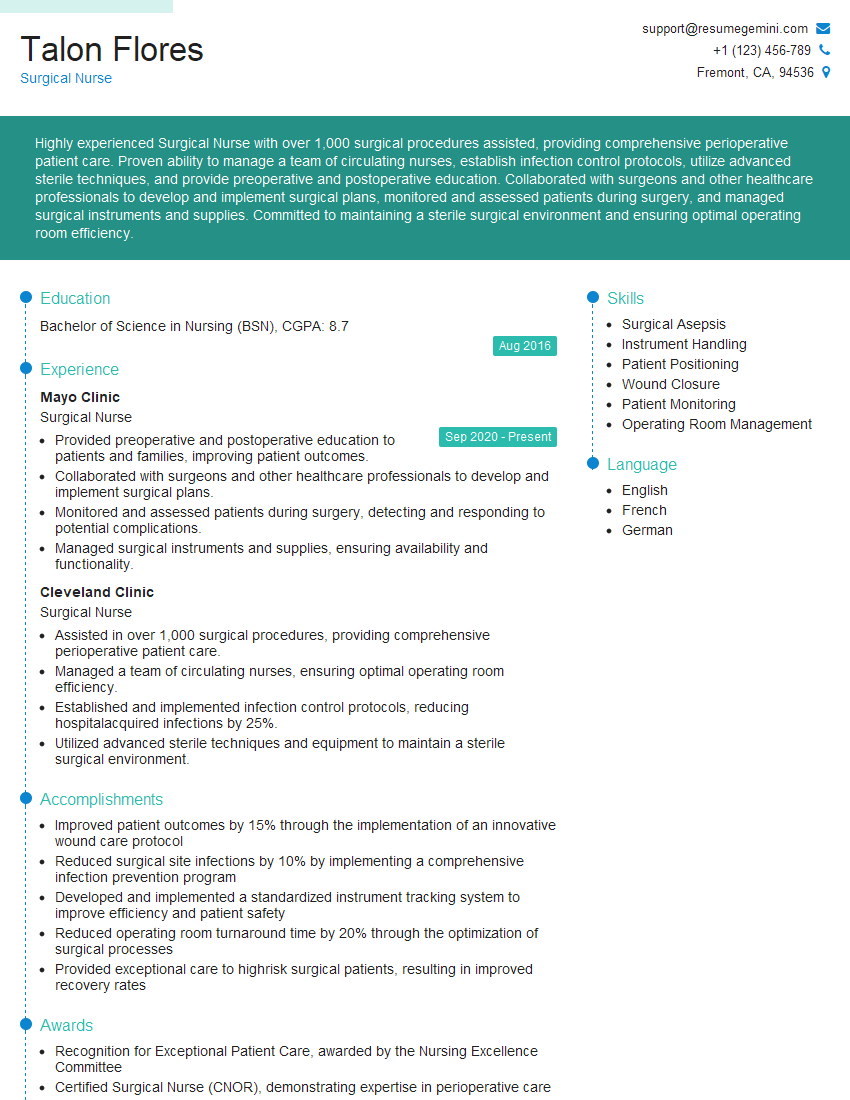
Surgical Nurse Resume Sample
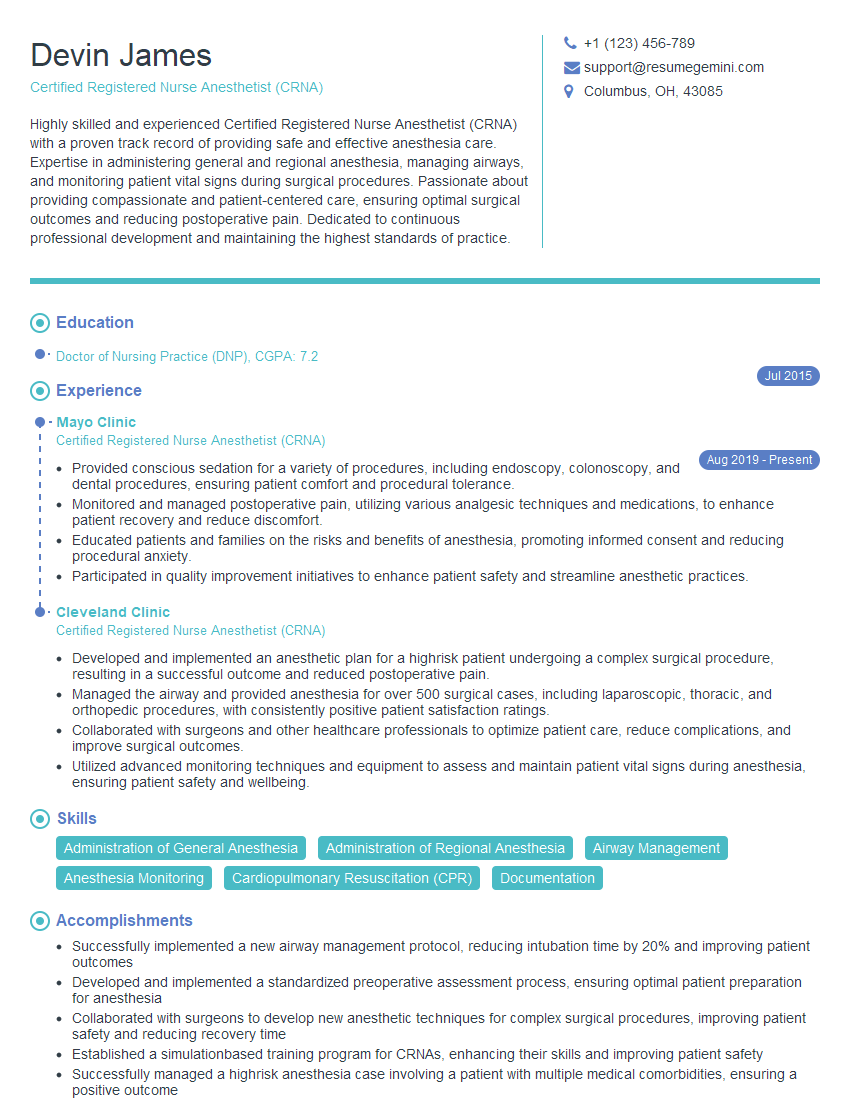
Certified Registered Nurse Anesthetist (CRNA) Resume Sample
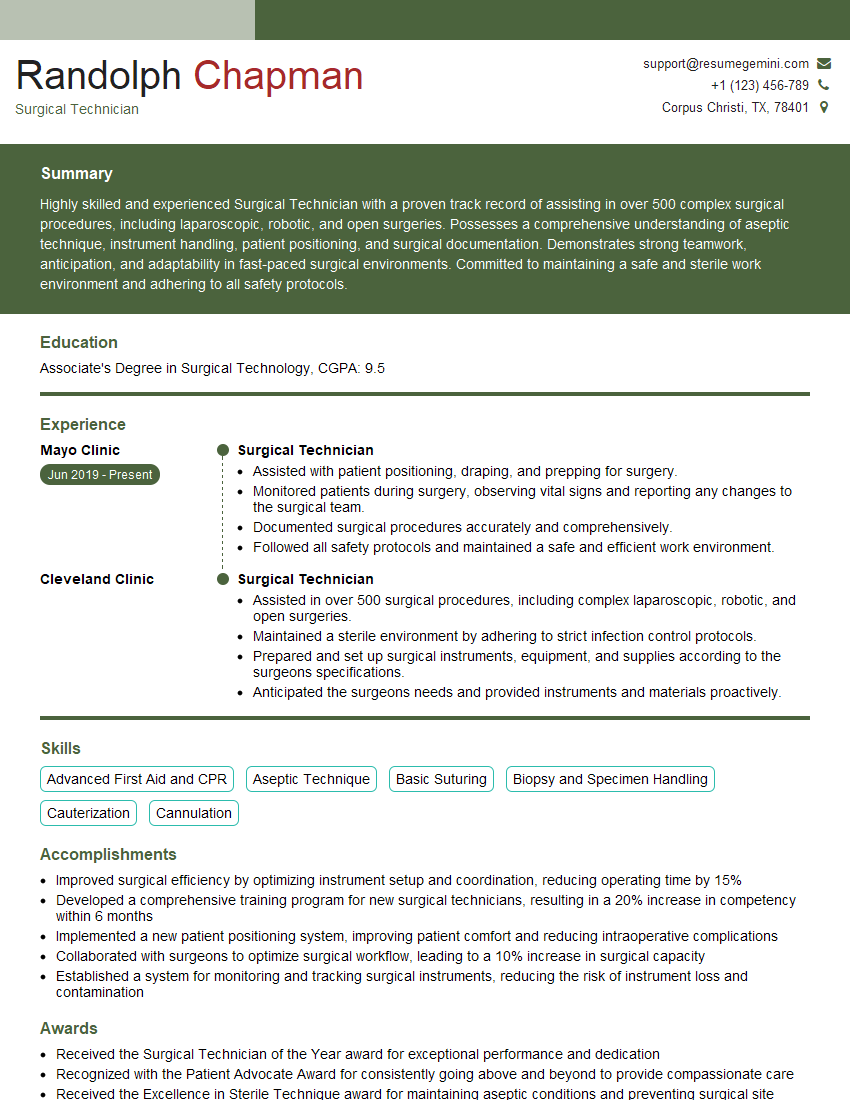
Surgical Technician Resume Sample

Surgical Coordinator Resume Sample
Explore more articles
Users Rating of Our Blogs
Share Your Experience
We value your feedback! Please rate our content and share your thoughts (optional).
What Readers Say About Our Blog
To the interviewgemini.com Webmaster.
Very helpful and content specific questions to help prepare me for my interview!
Thank you
To the interviewgemini.com Webmaster.
This was kind of a unique content I found around the specialized skills. Very helpful questions and good detailed answers.
Very Helpful blog, thank you Interviewgemini team.