Every successful interview starts with knowing what to expect. In this blog, we’ll take you through the top Use of Gas Detection Instruments (e.g., PID, FID, GC) interview questions, breaking them down with expert tips to help you deliver impactful answers. Step into your next interview fully prepared and ready to succeed.
Questions Asked in Use of Gas Detection Instruments (e.g., PID, FID, GC) Interview
Q 1. Explain the principle of operation of a Photoionization Detector (PID).
A Photoionization Detector (PID) works on the principle of photoionization. A UV lamp inside the PID emits high-energy photons. When these photons collide with gas molecules, they can ionize them if the molecules have a sufficiently low ionization potential. These ions are then collected by electrodes within the detector, generating a small electrical current. The strength of this current is directly proportional to the concentration of the detectable gas. Think of it like this: the UV lamp is shining a powerful light, and some gases are sensitive enough to ‘glow’ when hit by this light; the brighter the glow, the more of that gas is present.
Different gases have different ionization potentials, meaning some require more energy to be ionized than others. The UV lamp in a PID typically uses a specific wavelength, so only certain gases will be ionized and therefore detected. For instance, a common wavelength is 10.6 eV, which can detect many volatile organic compounds (VOCs), but not methane which requires higher energy.
Q 2. What are the limitations of a PID?
While PIDs are excellent for detecting many VOCs, they do have limitations. Firstly, they are not sensitive to all gases. Gases with high ionization potentials will not be detected. Secondly, the presence of interfering substances can affect the accuracy of readings; for example, a high concentration of one gas might saturate the detector, preventing the accurate detection of another. Thirdly, they are generally less sensitive than other techniques like FID for certain gases. Finally, the UV lamp has a limited lifespan and needs periodic replacement. Imagine trying to use a flashlight with a very weak battery—you wouldn’t get a good view in a dark room, and eventually, the battery would die.
Q 3. Describe the principle of operation of a Flame Ionization Detector (FID).
A Flame Ionization Detector (FID) operates by burning the sample gas in a hydrogen-air flame. The combustion process creates ions, which are then collected by electrodes, producing a measurable current. The intensity of this current is directly related to the concentration of combustible organic compounds in the sample. It’s like lighting a match near a gas leak – the bigger the leak, the bigger and brighter the flame.
The FID’s response is primarily dependent on the number of carbon atoms in the molecule being detected. More carbon atoms generally lead to a stronger signal. The flame itself ionizes the carbon atoms making them detectible.
Q 4. What types of gases can be detected by an FID?
FIDs are primarily used to detect hydrocarbons and other combustible organic compounds. This makes them exceptionally useful in applications such as monitoring emissions from industrial processes or analyzing the composition of petroleum products. They are very effective at detecting methane, ethane, propane, butane, and many other similar organic compounds. However, they do not directly detect inorganic gases like carbon monoxide (CO), carbon dioxide (CO2), or nitrogen oxides (NOx).
Q 5. What are the advantages and disadvantages of using an FID?
Advantages of FID: High sensitivity for hydrocarbons, wide dynamic range, relatively simple design and operation, robust and reliable.
- High sensitivity: FIDs are highly sensitive to hydrocarbons, allowing for the detection of even trace amounts.
- Wide dynamic range: They can measure a broad range of concentrations.
- Robustness: They are known for their durability and relatively low maintenance requirements.
Disadvantages of FID: Destructive technique, requires a continuous supply of hydrogen and air, not suitable for all gases, can be affected by water vapor.
- Destructive: The sample gas is consumed during the combustion process.
- Gas supply: Needs a constant supply of hydrogen and air.
- Limited scope: Ineffective for many inorganic gases.
Q 6. Explain the principle of operation of a Gas Chromatograph (GC).
A Gas Chromatograph (GC) is an analytical technique used to separate and analyze the components of a mixture of gases or volatile liquids. The process begins by injecting a sample into a heated column. The column is packed with a stationary phase (a material that interacts differently with various components of the sample) and the mixture is carried through the column by a carrier gas (usually helium or nitrogen). Different components of the mixture interact differently with the stationary phase, causing them to move through the column at different rates. This separation allows for the identification and quantification of individual components. Imagine it like a race track: different cars (gas molecules) have different speeds based on their properties and how they interact with the track.
Once the components are separated, they reach a detector that measures their concentration, creating a chromatogram – a visual representation of the separated compounds and their relative amounts.
Q 7. What are the different types of GC detectors?
Gas chromatography utilizes various detectors depending on the application and the types of compounds being analyzed. Some common types include:
- Flame Ionization Detector (FID): As described previously, excellent for hydrocarbons.
- Thermal Conductivity Detector (TCD): A universal detector, meaning it responds to most compounds, although with less sensitivity than specialized detectors.
- Electron Capture Detector (ECD): Highly sensitive to halogenated compounds.
- Mass Spectrometer (MS): Provides structural information about the compounds being separated. Often used in conjunction with a GC (GC-MS).
- Photoionization Detector (PID): As previously described, suitable for detecting many VOCs.
The choice of detector depends heavily on the specific analytical goals and the nature of the sample.
Q 8. How do you select the appropriate gas detection instrument for a specific application?
Selecting the right gas detection instrument depends heavily on the specific gases you need to detect, their concentrations, the environment, and the required response time. Think of it like choosing the right tool for a job – a hammer won’t help you screw in a screw!
- Target Gases: Different instruments excel at detecting different types of gases. Photoionization detectors (PIDs) are great for volatile organic compounds (VOCs), while flame ionization detectors (FIDs) are better suited for hydrocarbons. Gas chromatography (GC) provides detailed analysis of complex gas mixtures.
- Concentration Range: Each instrument has a specific detection range. A low-concentration VOC might need a PID with high sensitivity, while a high-concentration methane leak might require a FID with a wider range.
- Environment: Consider factors like temperature, humidity, and the presence of interfering substances. Some instruments are more robust than others in harsh environments.
- Response Time: How quickly do you need a reading? PIDs and FIDs offer relatively fast response times, making them suitable for real-time monitoring, whereas GC analysis typically takes longer.
- Portability vs. Benchtop: Portable instruments are ideal for field work, while benchtop GCs are better for lab settings where precision is paramount.
Example: A refinery monitoring for hydrocarbon leaks would likely use FIDs due to their sensitivity to hydrocarbons and wide concentration range. A paint shop monitoring for VOC emissions would use a PID, which is highly sensitive to VOCs.
Q 9. Explain the importance of calibration and maintenance for gas detection instruments.
Calibration and maintenance are crucial for accurate and reliable gas detection. Think of it like regularly servicing your car – neglecting it leads to decreased performance and potentially dangerous situations. Improperly calibrated or maintained instruments can provide inaccurate readings, leading to false alarms or worse, undetected hazardous situations.
- Calibration: Ensures the instrument’s readings accurately reflect the actual gas concentration. It involves comparing the instrument’s response to a known concentration of the target gas (using a calibrated gas standard).
- Maintenance: Includes tasks like cleaning the sensors, checking for leaks, and replacing parts as needed. Regular maintenance ensures the instrument’s longevity and prevents unexpected failures.
Consequences of Neglect: Inaccurate readings can lead to worker exposure to hazardous gases, environmental violations, and costly equipment damage. Regular calibration and maintenance are essential for safety, compliance, and economic reasons.
Q 10. Describe the process of calibrating a PID.
PID calibration involves exposing the sensor to a known concentration of a calibration gas (usually isobutylene or toluene) and adjusting the instrument’s response to match the known value. This ensures accurate readings across the instrument’s operational range.
- Prepare the instrument: Turn off the PID, remove any protective covers, and ensure it is properly connected to a power source and any associated data logging equipment.
- Connect the calibration gas: Attach a calibrated gas cylinder with a known concentration of the target gas to the PID’s calibration port using a clean, leak-free tubing.
- Zero the instrument: Purge the sensor with clean, filtered air to establish a baseline reading of zero.
- Span the instrument: Expose the sensor to the calibration gas, allowing it to reach a stable reading. Adjust the instrument’s calibration settings until the reading matches the known concentration of the calibration gas.
- Verify the calibration: Repeat steps 3 and 4 a few times to ensure consistency and accuracy.
- Document the calibration: Record the calibration date, time, calibration gas used, and any relevant observations.
Important note: Always follow the manufacturer’s instructions for specific calibration procedures. Incorrect calibration can lead to inaccurate readings, compromising safety.
Q 11. Describe the process of calibrating an FID.
FID calibration involves adjusting the instrument’s response to a known concentration of a calibration gas, typically methane or propane. This ensures accurate readings across the FID’s operational range. The process involves adjusting the flow rates of fuel (hydrogen) and air to optimize the flame and achieve a stable baseline.
- Prepare the instrument: Turn on the FID and allow it to warm up. Ensure that the fuel (hydrogen), air, and carrier gas (usually nitrogen) supplies are properly connected and regulated.
- Establish the baseline: Introduce a carrier gas only into the FID to establish a stable baseline reading (which should be close to zero).
- Introduce the calibration gas: Introduce a known concentration of the calibration gas into the FID. The FID’s response should then be adjusted to match the known concentration.
- Adjust parameters: Fine-tuning might involve adjusting the hydrogen and air flow rates for optimal flame condition and response.
- Verify the calibration: Repeat the process multiple times to ensure consistent readings.
- Document the calibration: Record the calibration date, time, calibration gas, gas concentration, and any relevant observations.
Caution: FID uses a flame and flammable gases, always follow the manufacturer’s safety guidelines and wear appropriate personal protective equipment.
Q 12. How do you troubleshoot a malfunctioning PID?
Troubleshooting a malfunctioning PID usually involves checking the sensor, lamp, and electronics. A systematic approach is key.
- Check the lamp: Ensure the lamp is functioning and has sufficient power. A faulty lamp will result in poor or no readings.
- Inspect the sensor: Check for contamination. Dirt or other substances on the sensor can affect its response. Cleaning may resolve this.
- Verify gas flow: Make sure the sampling system is providing adequate gas flow to the sensor. Restricted flow can lead to inaccurate readings.
- Check the electronics: Inspect the wiring and connectors for any loose connections or damage.
- Calibration: Recalibrate the PID using a known gas concentration. This can help determine if the problem is with the instrument’s electronics or the sensor.
- Consult the manual: Refer to the instrument’s manual for further troubleshooting guidance and diagnostic codes.
Example: If the PID shows a consistently low reading, the lamp might be weak or the sensor could be contaminated. A consistently high reading might indicate sensor drift or contamination.
Q 13. How do you troubleshoot a malfunctioning FID?
Troubleshooting a malfunctioning FID often focuses on gas flows, the flame, and the detector.
- Check gas flows: Verify that the fuel (hydrogen), air, and carrier gas (nitrogen) flows are within the manufacturer’s specified range. Incorrect flow rates can extinguish the flame or cause poor response.
- Inspect the flame: Observe the flame for its stability and color. A weak or unstable flame suggests problems with gas flow or the igniter.
- Check for leaks: Inspect the gas lines and connections for any leaks that might affect the gas flow and the flame.
- Examine the detector: Check for any physical obstructions or contamination in the detector. Cleaning might be needed.
- Calibration: Recalibrate the FID using a known concentration of calibration gas. This helps distinguish between sensor issues and instrument issues.
- Consult the manual: The instrument manual may provide additional diagnostic information and troubleshooting steps.
Example: A fluctuating baseline reading often indicates problems with gas flow. No flame or a weak, sputtering flame points to insufficient gas flow or a malfunctioning igniter.
Q 14. How do you troubleshoot a malfunctioning GC?
Troubleshooting a malfunctioning GC is a more complex process, requiring understanding of its different components (carrier gas system, injector, column, detector).
- Check carrier gas flow: Ensure adequate flow rate and pressure. Insufficient flow affects separation and peak shape.
- Inspect the injector: Check for leaks, septum integrity, and proper injection technique. Issues here result in poor peak shapes or no peaks at all.
- Examine the column: Ensure it’s properly installed and not damaged. Contamination or column degradation affects separation efficiency.
- Check the detector: Verify its response and settings. The detector may need cleaning or recalibration.
- Analyze the chromatogram: Look for characteristic signs of problems, such as poor peak resolution, tailing peaks, or unusual peak shapes.
- Systematic approach: Address each component methodically. Isolate the issue by systematically testing each part of the system.
- Consult manuals and experts: GC troubleshooting often requires expert knowledge and the manufacturer’s documentation.
Example: Broad, poorly resolved peaks could indicate column contamination or damage. No peaks at all could point to injector problems or a detector malfunction. Systematically checking each stage allows for targeted troubleshooting and repair.
Q 15. What safety precautions should be taken when using gas detection instruments?
Safety is paramount when using gas detection instruments. Think of these instruments as sophisticated tools; misuse can lead to serious consequences. Here’s a breakdown of crucial safety precautions:
- Proper Training: Before operating any instrument, receive thorough training on its specific use, calibration procedures, and emergency response protocols. This includes understanding the hazards associated with the gases being detected.
- Personal Protective Equipment (PPE): Always wear appropriate PPE, including safety glasses, gloves, and potentially a respirator, depending on the gases being measured and the concentration levels. Never assume a gas is safe; always treat it with caution.
- Calibration and Maintenance: Regular calibration and maintenance are non-negotiable. A malfunctioning instrument can provide inaccurate readings, leading to dangerous situations. Follow the manufacturer’s instructions diligently.
- Environmental Considerations: Be aware of your surroundings. Avoid using instruments in explosive atmospheres unless the instrument is specifically designed and certified for such environments (intrinsically safe). Ensure good ventilation.
- Emergency Procedures: Familiarize yourself with emergency procedures in case of gas leaks or instrument malfunctions. Know the location of emergency exits and safety showers.
- Lockout/Tagout Procedures: If working on or near equipment that could release hazardous gases, follow strict lockout/tagout procedures to prevent accidental exposure.
- Working in Teams: When possible, work with a buddy system. Having another person present can provide assistance and improve safety in potentially hazardous environments.
For example, imagine using a PID to monitor VOCs in a confined space. Without proper ventilation and a respirator, you risk inhaling harmful concentrations.
Career Expert Tips:
- Ace those interviews! Prepare effectively by reviewing the Top 50 Most Common Interview Questions on ResumeGemini.
- Navigate your job search with confidence! Explore a wide range of Career Tips on ResumeGemini. Learn about common challenges and recommendations to overcome them.
- Craft the perfect resume! Master the Art of Resume Writing with ResumeGemini’s guide. Showcase your unique qualifications and achievements effectively.
- Don’t miss out on holiday savings! Build your dream resume with ResumeGemini’s ATS optimized templates.
Q 16. What are the common safety hazards associated with gas detection?
Gas detection, while vital for safety, presents several inherent hazards. These hazards often stem from the gases themselves or the environment where they’re present:
- Toxicity: Many gases are toxic, even at low concentrations. Inhalation can lead to headaches, dizziness, nausea, respiratory problems, or even death. Carbon monoxide (CO) is a classic example, being odorless and deadly.
- Flammability/Explosivity: Flammable and explosive gases pose a significant fire and explosion risk. Methane, propane, and ethylene are common examples. A simple spark can ignite a flammable atmosphere.
- Oxygen Deficiency: In some environments, oxygen levels may be depleted, leading to hypoxia (lack of oxygen). This can impair judgment and lead to unconsciousness and death. Confined spaces are particularly prone to this.
- Exposure to Corrosive Gases: Certain gases are highly corrosive and can damage equipment, materials, and even human skin and respiratory systems. Examples include chlorine and hydrogen fluoride.
- Instrument Malfunction: A faulty gas detector can give false readings, leading to a false sense of security and increased risk of exposure.
For instance, working in a sewer without proper gas detection could lead to exposure to hydrogen sulfide (H2S), a highly toxic and flammable gas. Similarly, welding without proper ventilation can create an oxygen-deficient environment.
Q 17. Explain the concept of gas detection limits of detection (LOD) and quantification (LOQ).
The Limit of Detection (LOD) and Limit of Quantification (LOQ) are crucial parameters in gas detection, defining the instrument’s sensitivity and the reliability of its measurements.
LOD represents the lowest concentration of a gas that the instrument can reliably detect above background noise. It’s the point where you can confidently say the gas is present. Think of it as the whisper you can just barely hear above the background hum.
LOQ, on the other hand, represents the lowest concentration that can be measured with acceptable accuracy and precision. It’s the point where you can not only detect the gas but also quantify its amount with reasonable certainty. This is like being able to distinguish not just the whisper but also its volume.
The difference lies in certainty. LOD focuses on detection, while LOQ prioritizes accurate quantification. LOQ is typically higher than LOD. These limits are crucial for ensuring the reliability of your measurements and making informed decisions based on the data.
For example, if the LOD for methane is 1 ppm and the LOQ is 5 ppm, you can detect methane at 1 ppm, but you can only accurately quantify its concentration when it’s at least 5 ppm. Below 5 ppm, the measurement might be too uncertain for reliable quantification.
Q 18. How do you interpret the data obtained from a gas detection instrument?
Interpreting gas detection data requires a systematic approach. It goes beyond simply reading a number; it involves understanding the context and ensuring the data’s validity.
- Check Calibration: Before interpreting any data, verify that the instrument was properly calibrated. Uncalibrated instruments produce unreliable results.
- Understand the Units: Pay close attention to the units of measurement (ppm, ppb, %, etc.). Misinterpreting units can lead to serious errors.
- Consider the Gas Type: The interpretation varies depending on the gas being measured and its associated health and safety risks. A reading of 10 ppm of methane is significantly different from 10 ppm of hydrogen cyanide.
- Analyze Trends: Don’t just look at a single reading; monitor the gas concentration over time. Trends can reveal leaks or changing conditions.
- Compare to Thresholds: Compare your measurements to established exposure limits (e.g., OSHA PELs or ACGIH TLVs) to assess the risk level.
- Evaluate the Instrument’s Capabilities: Remember the instrument’s LOD and LOQ. Measurements below the LOQ are less reliable for quantification.
- Context is Key: Consider the surrounding environment and the potential sources of the detected gas.
For example, if a PID detects a sudden spike in VOC concentration, it may indicate a leak. Analyzing the trend over time and comparing it to established limits helps in determining the severity of the situation and the necessary response.
Q 19. What are the different types of gas sampling techniques?
Several gas sampling techniques exist, each suited for different applications and gas types. The choice depends on factors such as the gas’s properties, the environment, and the desired accuracy.
- Direct Sampling: This involves placing the instrument’s sensor directly into the atmosphere where the gas is present. It’s simple and direct but might not be suitable for all environments.
- Passive Sampling: A passive sampler uses a diffusion tube or badge to absorb the gas over a period. This is useful for long-term monitoring but provides less immediate results.
- Grab Sampling: A sample of the gas is collected in a container (e.g., Tedlar bag) for later analysis in a laboratory. This allows for more detailed analysis using techniques like Gas Chromatography (GC).
- Continuous Monitoring: The instrument continuously measures the gas concentration, providing real-time data. This is ideal for identifying sudden changes or leaks.
- Remote Sampling: A sample is taken remotely, often using tubing to transport the gas to the detector. This is particularly helpful for hazardous or inaccessible areas.
For instance, a continuous monitoring system is ideal for a chemical plant to continuously monitor for hazardous gases, while grab sampling might be used for regulatory compliance, providing a snapshot of gas concentrations at a specific time.
Q 20. Explain the importance of proper gas sampling techniques.
Proper gas sampling techniques are critical for obtaining accurate and representative measurements. Incorrect sampling can lead to erroneous conclusions, potentially causing significant safety risks or misinterpretations.
- Representative Sample: The sample should accurately reflect the overall gas concentration in the area. Incorrect sample location can skew the results.
- Avoiding Contamination: Contamination from other gases or environmental factors can significantly affect the results. Using clean sampling equipment and avoiding cross-contamination is crucial.
- Appropriate Sampling Rate: For continuous monitoring, the sampling rate should be appropriate to capture transient events or changes in concentration. Too slow a rate might miss important fluctuations.
- Sensor Interference: Some gases can interfere with the detector’s response. Understanding potential interferences and taking necessary precautions (e.g., using filters) is important.
- Sample Stability: Certain gases are reactive or unstable, so rapid analysis might be needed to prevent sample degradation.
Imagine trying to assess the air quality in a room by only sampling near a window. This would not accurately represent the overall air quality. Proper sampling would involve taking multiple samples from different locations within the room.
Q 21. How do you ensure the accuracy and reliability of gas detection measurements?
Ensuring the accuracy and reliability of gas detection measurements requires a multi-faceted approach:
- Regular Calibration: Calibrate instruments regularly according to the manufacturer’s instructions and using certified calibration gases. This ensures that the instrument is providing accurate readings.
- Preventive Maintenance: Regularly inspect and maintain the instrument. This includes checking the sensor, filters, tubing, and batteries to ensure they are in good working order.
- Bumps Test: Before each use, perform a bump test to verify that the sensor is responding properly. This involves exposing the sensor to a known concentration of the target gas.
- Quality Control: Use certified calibration gases and follow established protocols during calibration and sampling. Maintain detailed records of all calibration and maintenance activities.
- Sensor Selection: Choose the right sensor for the specific gas you are monitoring. Different sensors have different sensitivities and selectivities.
- Environmental Factors: Be aware of how environmental factors (temperature, humidity, pressure) can affect the readings and take appropriate measures to compensate or mitigate their influence.
- Cross-Contamination Prevention: Use clean sampling equipment and techniques to prevent cross-contamination, which can lead to inaccurate readings.
For example, a poorly maintained FID with a dirty flame tip will provide inaccurate readings. Regular calibration and maintenance are key to ensuring reliability.
Q 22. Describe your experience with different types of gas detection sensors.
My experience with gas detection sensors spans a wide range of technologies, primarily focusing on Photoionization Detectors (PIDs), Flame Ionization Detectors (FIDs), and Gas Chromatographs (GCs). Each offers unique advantages and limitations depending on the target analyte and application.
PIDs are excellent for detecting volatile organic compounds (VOCs) – think things like benzene, toluene, or xylene – by ionizing them with UV light. They’re relatively simple to use and maintain, making them ideal for general VOC screening. However, they have limitations in detecting non-ionizable gases like methane and carbon monoxide.
FIDs, on the other hand, are exceptionally sensitive to hydrocarbons. They utilize a hydrogen flame to ionize the sample, offering superior detection limits for many hydrocarbons compared to PIDs. This makes them crucial in applications like monitoring methane leaks in natural gas pipelines. However, FIDs are not suitable for polar compounds or inorganic gases.
GCs are the workhorses for complex gas analysis, offering superior separation and identification of multiple components in a sample. They employ various detectors (like FID, TCD, or ECD) to precisely quantify the constituents of a mixture. The GC is indispensable when identifying unknown substances or accurately quantifying a complex mix of gases in situations like environmental monitoring or process control.
I’ve also had experience with electrochemical sensors, which are commonly used for detecting specific toxic gases like carbon monoxide, hydrogen sulfide, and oxygen. Each sensor technology has its strengths and weaknesses, and the selection depends heavily on the specific application needs.
Q 23. What are the regulatory requirements for gas detection in your industry?
Regulatory requirements for gas detection vary widely based on the industry and specific location. In my experience, the overarching principle is to maintain a safe working environment for personnel and the surrounding community. This often involves compliance with standards set by OSHA (Occupational Safety and Health Administration) in the US, or equivalent agencies in other countries.
For example, in the oil and gas industry, regulations mandate the use of specific gas detection equipment, calibration schedules, and worker training programs. Specific regulations often cover the detection of flammable gases (methane, propane, etc.), toxic gases (hydrogen sulfide, carbon monoxide), and oxygen deficiency. Permit-required confined space entry often necessitates the continuous monitoring of multiple gases with appropriate safety protocols.
Furthermore, environmental regulations play a key role. Stack gas monitoring is crucial, and emission limits are strictly enforced. The use of calibrated and validated gas detection equipment is mandatory for compliance reporting and ensuring that emissions stay within legal limits. Record-keeping and documentation requirements are also strictly enforced, emphasizing the importance of properly maintained calibration logs and detection data.
Q 24. Describe a situation where you had to troubleshoot a gas detection instrument.
During a routine inspection of a refinery’s flare system, a PID sensor showed unusually low readings despite the expected presence of VOCs. Initially, I suspected a sensor malfunction. However, after a thorough visual inspection, I discovered a clogged filter. The filter was visibly contaminated with particulate matter.
My troubleshooting process involved:
- Visual Inspection: Checking for obvious issues like leaks, debris, or damage.
- Sensor Calibration: Verifying the sensor’s calibration against known gas standards to rule out a calibration drift.
- Filter Replacement: Replacing the clogged filter with a new one.
- Zeroing and Spanning: Following proper procedures to recalibrate the instrument after filter replacement.
- Functional Test: Testing the sensor with known gas concentrations to confirm its proper functioning.
After replacing the filter and recalibrating, the sensor readings returned to normal, confirming the filter was the root cause. This situation highlighted the importance of routine maintenance and regular visual checks in preventing unexpected downtime and ensuring accurate readings.
Q 25. How do you ensure the safety of yourself and others when working with gas detection instruments?
Safety is paramount when working with gas detection instruments. My approach is multi-faceted and incorporates several key measures:
- Proper Training: Ensuring comprehensive training on the safe operation, calibration, and maintenance of all gas detection equipment. This includes understanding the limitations of each instrument.
- Personal Protective Equipment (PPE): Always using appropriate PPE, such as safety glasses, gloves, and respiratory protection, depending on the specific hazard.
- Calibration and Maintenance: Rigorously adhering to scheduled calibration and maintenance procedures to ensure the accuracy and reliability of the equipment. This also involves maintaining detailed records of all calibrations.
- Lockout/Tagout Procedures: Following appropriate lockout/tagout procedures when working on or near gas lines or equipment.
- Emergency Procedures: Understanding and practicing emergency response procedures, including evacuation plans and the use of emergency equipment.
- Working in Teams: Whenever possible, working with a partner to ensure a second set of eyes and enhanced safety awareness.
Moreover, before starting any work, conducting a thorough risk assessment and implementing the appropriate control measures is crucial to mitigating potential hazards.
Q 26. What are the limitations of using gas detection instruments for leak detection?
While gas detection instruments are invaluable for leak detection, they do have limitations:
- Sensitivity and Detection Limits: Each instrument has a specific detection limit, meaning it may not detect leaks below a certain concentration. This is particularly true for small, dispersed leaks.
- Interference: Other gases or substances in the ambient air can interfere with readings, leading to false positives or negatives.
- Location of Leak: Gas detectors primarily indicate the presence of a leak, but pinpointing the precise location of the leak often requires further investigation, possibly using other methods such as leak detectors with a probe or ultrasonic detectors.
- Sampling Bias: The placement of the gas detector is crucial. Improper placement can lead to inaccurate readings, underestimating or overestimating the severity of the leak.
- Type of Gas: Not all gas detectors are created equal. A detector designed for methane will not effectively detect other gases like carbon monoxide or hydrogen sulfide.
For instance, a PID might miss a small leak of methane (a non-ionizable gas), highlighting the importance of understanding the limitations of each sensor’s detection capabilities.
Q 27. What software or data analysis tools are you familiar with for GC data?
My experience with GC data analysis includes proficiency in several software packages. I am highly familiar with Chromatography Data System (CDS) software from various vendors (Agilent, Shimadzu, etc.), which allows for peak identification, quantification, and report generation. This software typically includes features like automated integration, peak deconvolution, and library searching for compound identification.
I also have experience with data processing software like MATLAB and Python (using libraries like NumPy, SciPy, and pandas). These tools allow for more advanced data manipulation, statistical analysis, and the development of custom algorithms for data processing. For example, I have used Python to automate the analysis of large datasets, generating custom reports and visualizations to efficiently communicate the data to stakeholders.
Furthermore, I am comfortable working with spreadsheet software like Microsoft Excel and Google Sheets for basic data manipulation, charting, and report generation. The choice of software always depends on the complexity of the data and the specific analysis required.
Q 28. Describe your experience working with different types of gas samples (e.g., ambient air, stack gas).
My experience encompasses working with a diverse range of gas samples, including ambient air, stack gas, and process streams. Each sample type presents unique challenges and requires different sampling and analytical techniques.
Ambient air sampling often involves the use of passive or active samplers to collect samples for subsequent laboratory analysis by GC. The analysis focuses on detecting VOCs, greenhouse gases, and other pollutants. Data interpretation frequently involves comparison with environmental regulations and background levels.
Stack gas analysis is critically important for regulatory compliance and process optimization. I’ve used specialized sampling probes and systems to extract representative samples from industrial stacks. The analyses often focus on quantifying regulated pollutants like SOx, NOx, CO, and particulate matter. The interpretation of this data is crucial for optimizing combustion processes and ensuring compliance with emission standards.
Process stream gas analysis is vital for process monitoring and control in industries like petrochemicals and refineries. This often involves online gas analyzers with sensors like FIDs, TCDs, or electrochemical sensors to continuously monitor gas compositions and ensure process stability and safety. Data from these analyses is used in real-time to adjust process parameters.
In each case, proper sampling techniques are critical to ensure the accuracy and reliability of the subsequent analysis. This includes ensuring representative sampling, minimizing contamination, and correctly handling the sample to prevent changes in composition before analysis.
Key Topics to Learn for Use of Gas Detection Instruments (e.g., PID, FID, GC) Interview
- Principles of Gas Detection: Understand the fundamental principles behind each instrument type (PID, FID, GC) – ionization, detection limits, and response times.
- Calibration and Maintenance: Master the procedures for calibrating and maintaining PID, FID, and GC instruments, including troubleshooting common issues.
- Instrument Selection: Learn to select the appropriate instrument based on the specific gas or gas mixture being detected and the application requirements.
- Sample Handling and Preparation: Understand proper sample collection and preparation techniques to ensure accurate and reliable results.
- Data Analysis and Interpretation: Develop skills in interpreting data generated by these instruments, identifying potential sources of error, and drawing meaningful conclusions.
- Safety Procedures: Become proficient in the safe handling and operation of gas detection instruments, including personal protective equipment (PPE) requirements and emergency procedures.
- Practical Applications: Explore real-world applications of these instruments across various industries (e.g., environmental monitoring, industrial safety, process control).
- Regulatory Compliance: Familiarize yourself with relevant safety regulations and industry standards related to gas detection and monitoring.
- Troubleshooting and Problem Solving: Practice diagnosing and resolving common problems encountered during the operation and maintenance of these instruments.
- Advanced Techniques: Explore advanced techniques like data logging, remote monitoring, and integration with other analytical systems (where applicable based on job description).
Next Steps
Mastering the use of gas detection instruments like PID, FID, and GC is crucial for career advancement in many scientific and industrial fields. These skills are highly sought after, opening doors to exciting and rewarding opportunities. To maximize your job prospects, create a strong, ATS-friendly resume that highlights your expertise. ResumeGemini is a trusted resource that can help you build a professional resume that showcases your skills and experience effectively. Examples of resumes tailored to professionals specializing in the use of gas detection instruments are available on ResumeGemini to guide you.

Project Engineer Resume Sample
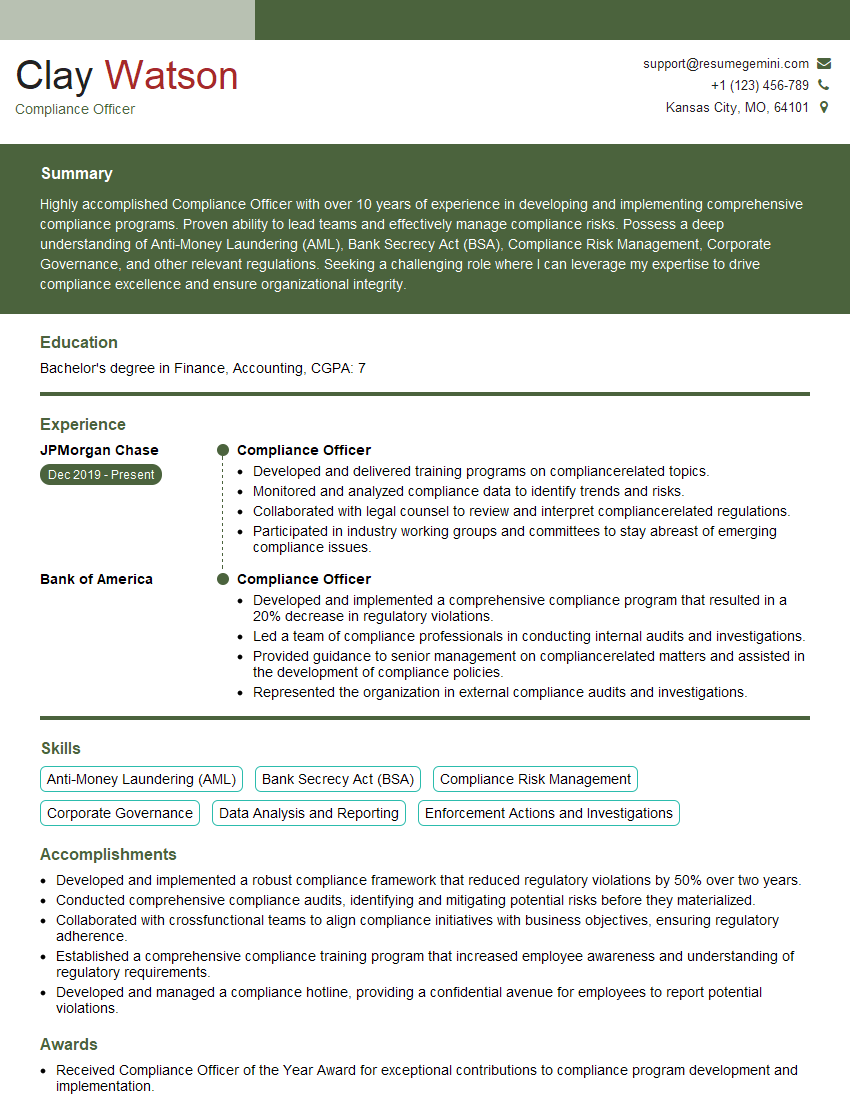
Compliance Officer Resume Sample
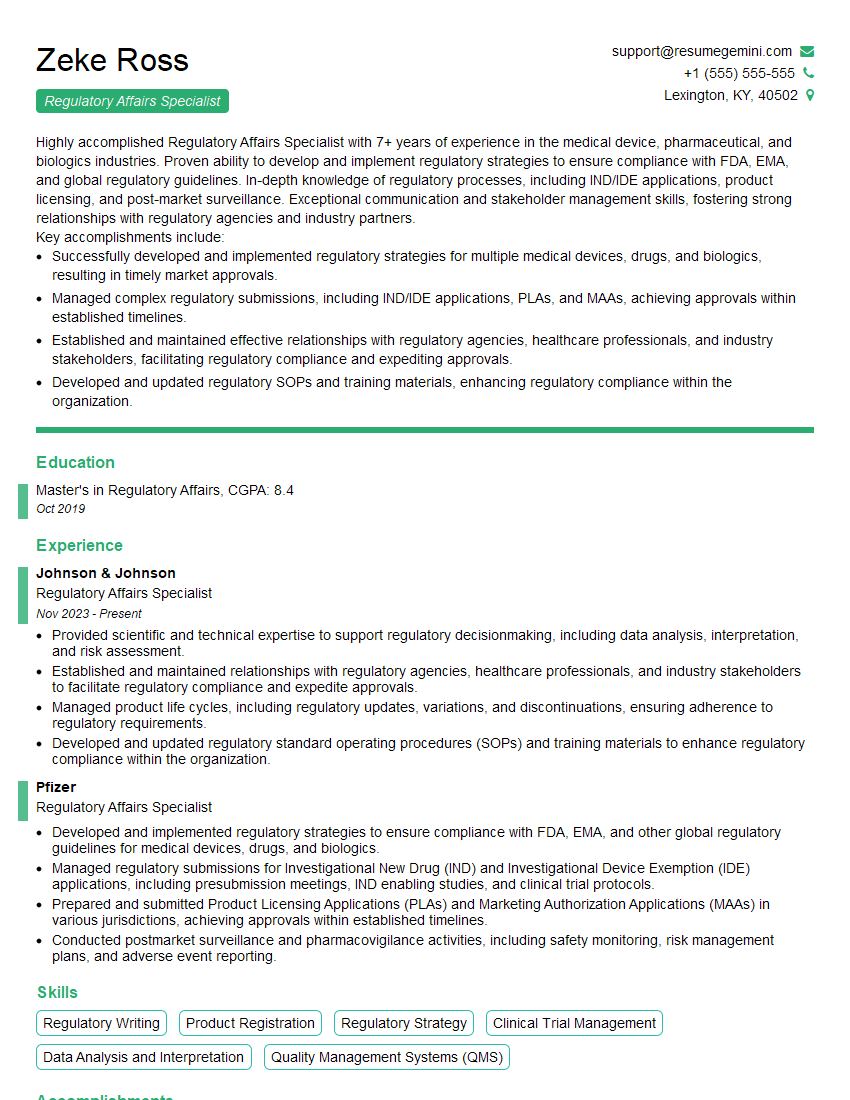
Regulatory Affairs Specialist Resume Sample
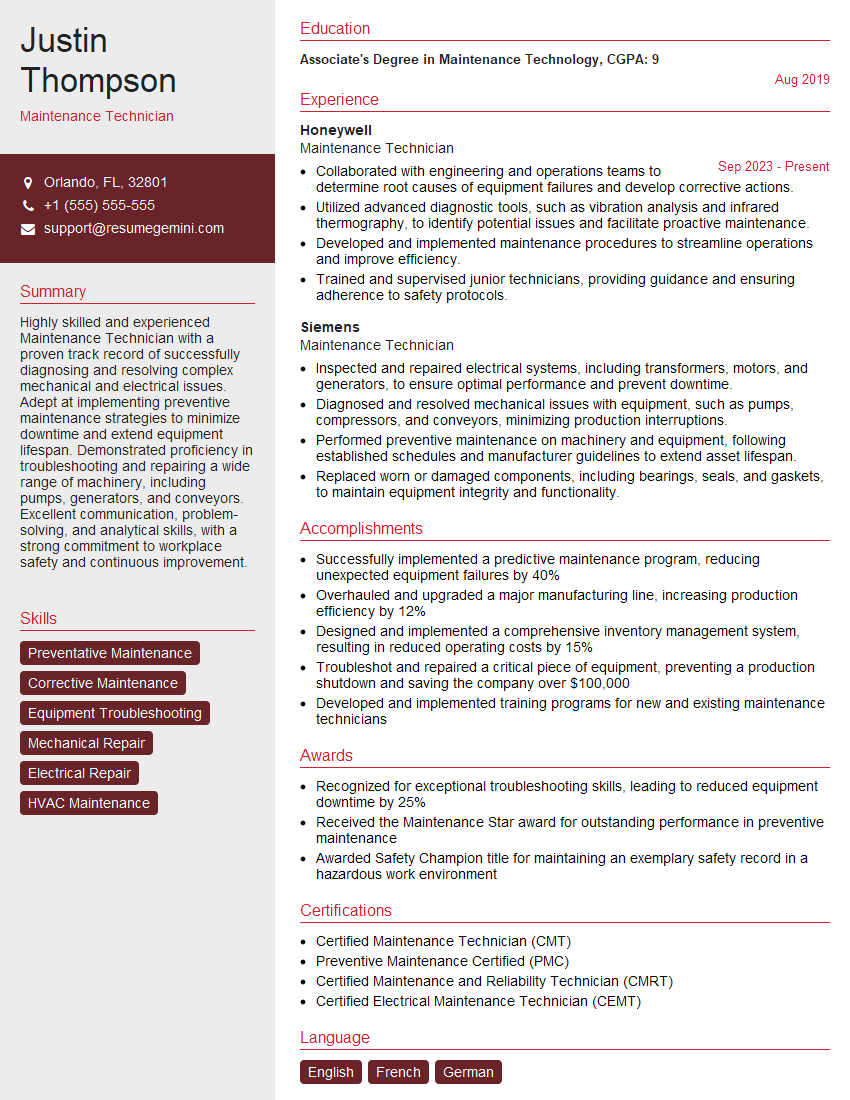
Maintenance Technician Resume Sample
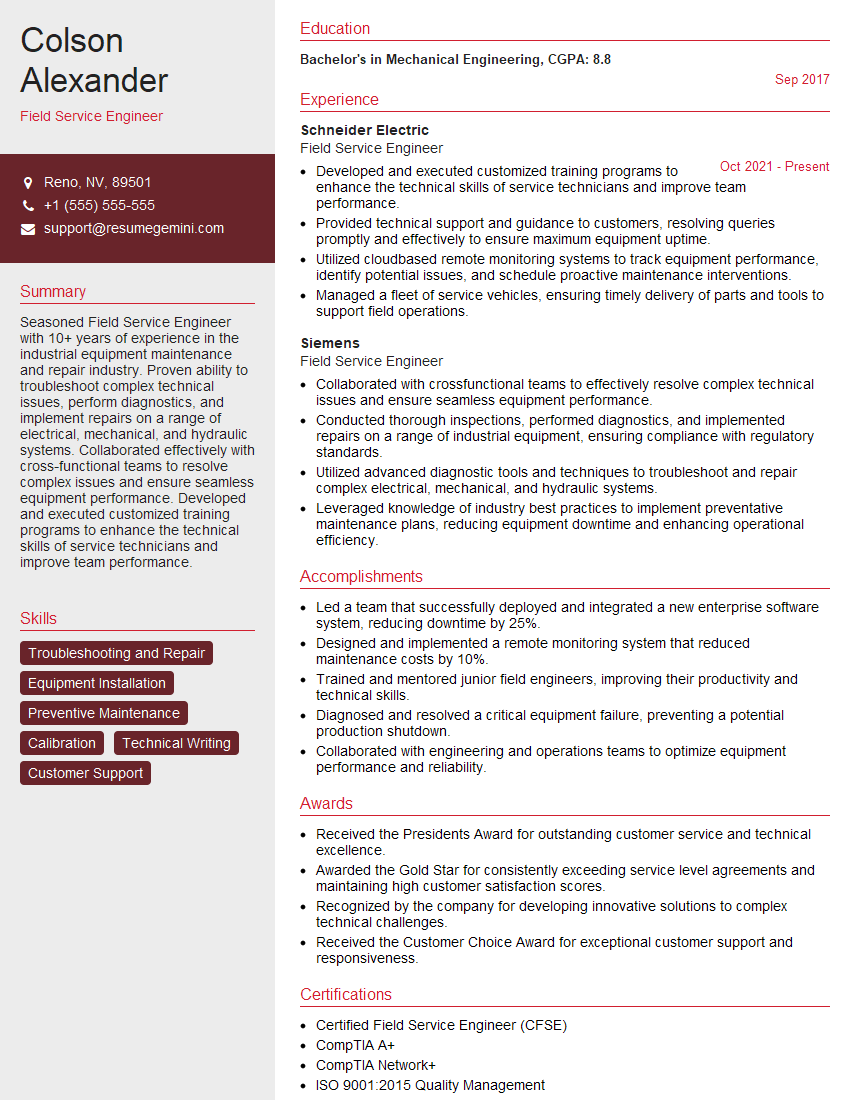
Field Service Engineer Resume Sample
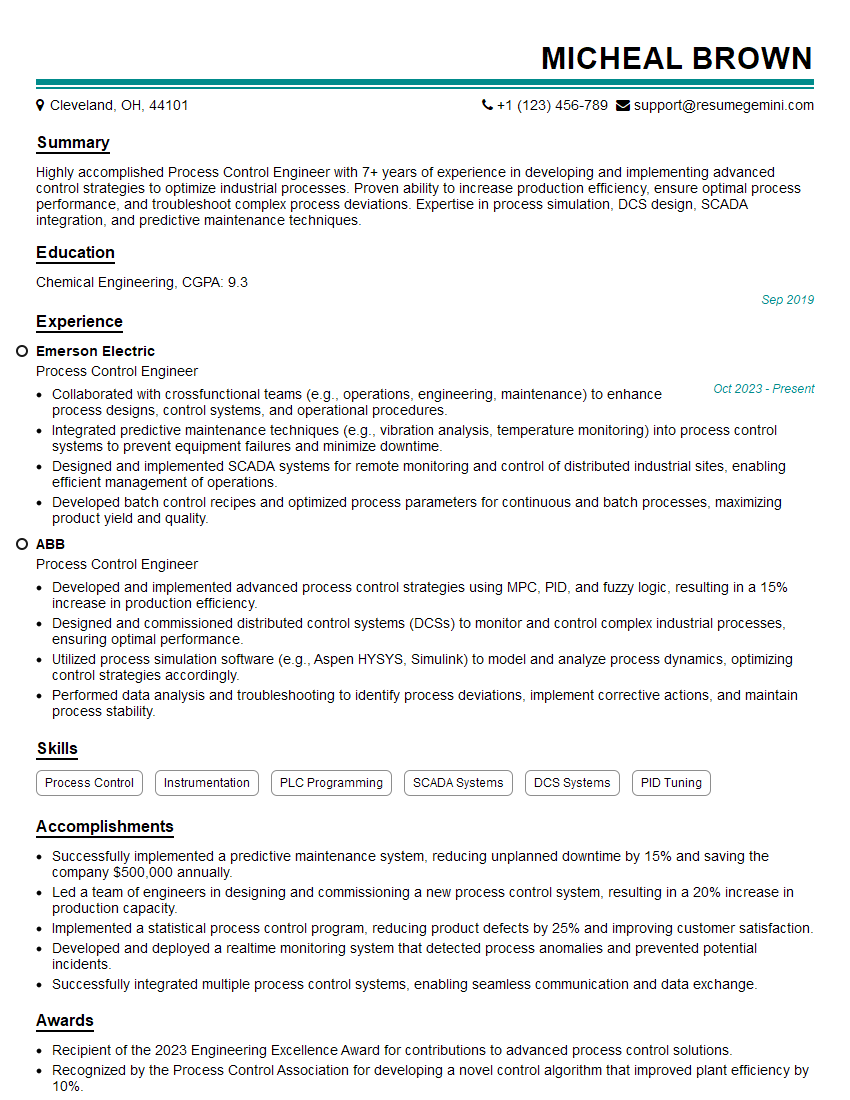
Process Control Engineer Resume Sample
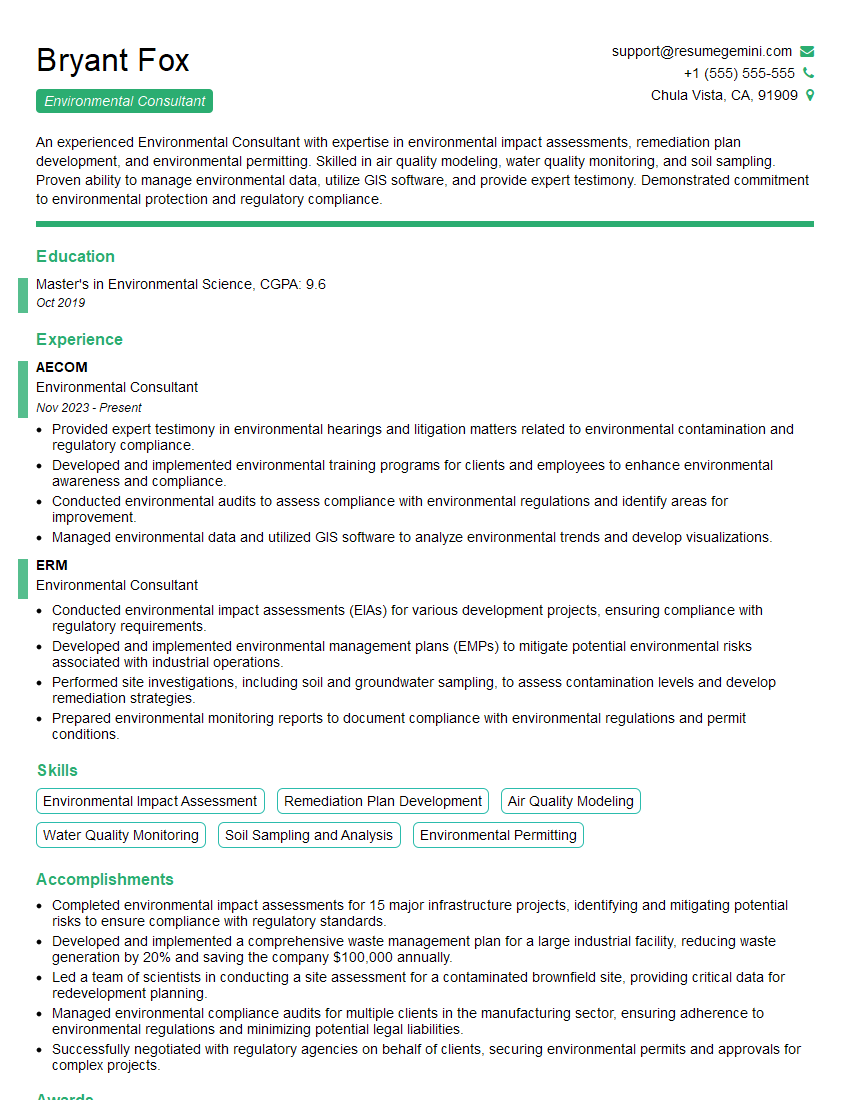
Environmental Consultant Resume Sample

Health and Safety Manager Resume Sample
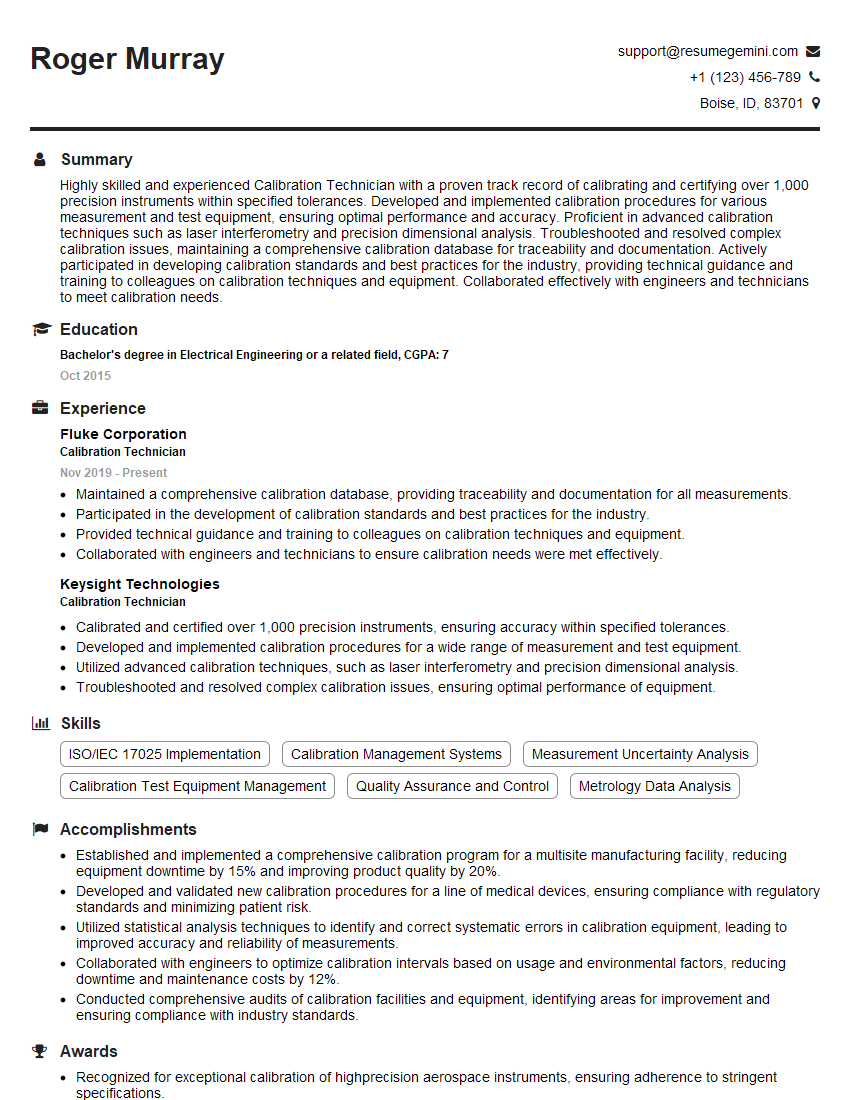
Calibration Technician Resume Sample
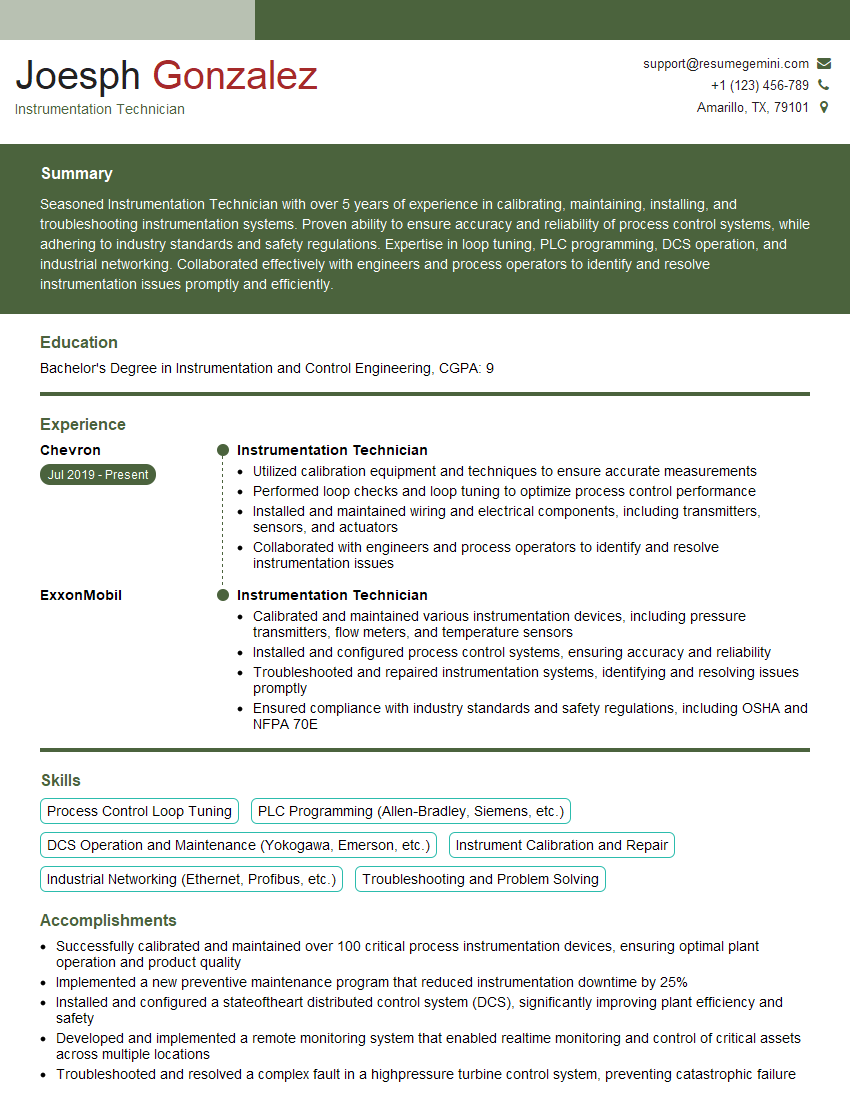
Instrumentation Technician Resume Sample
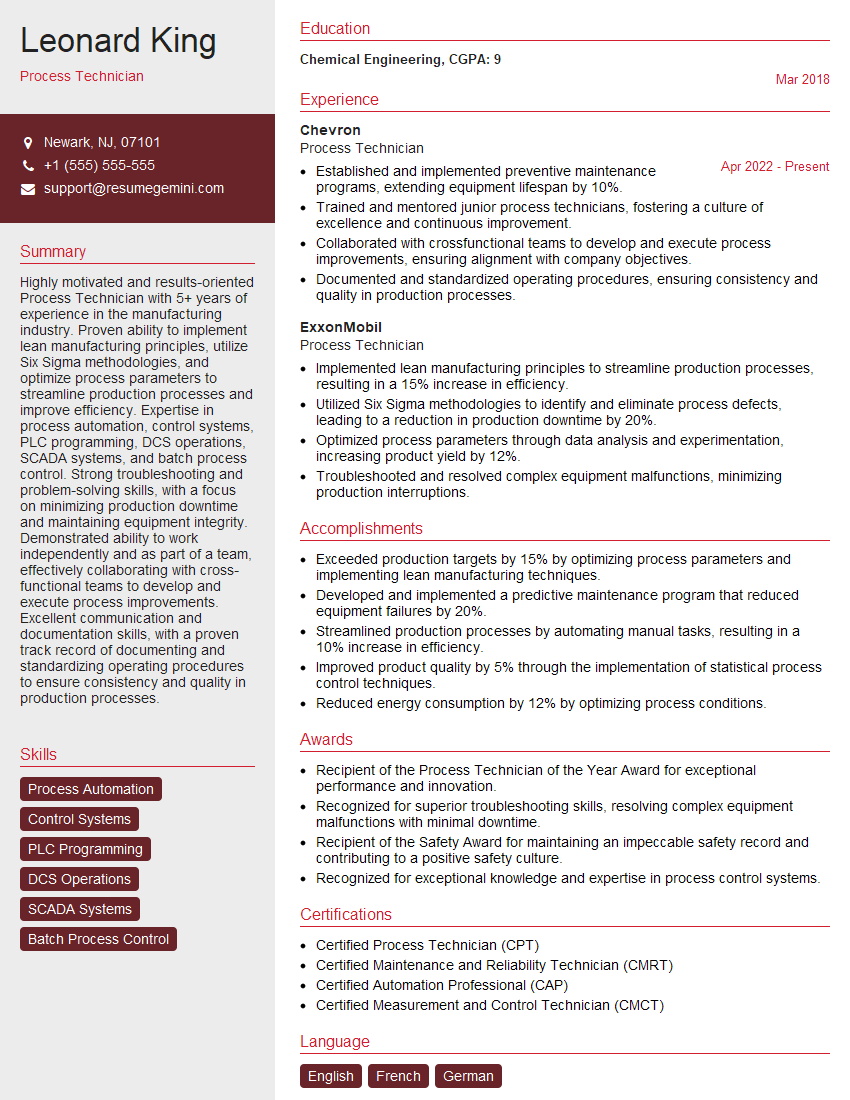
Process Technician Resume Sample

Analytical Chemist Resume Sample
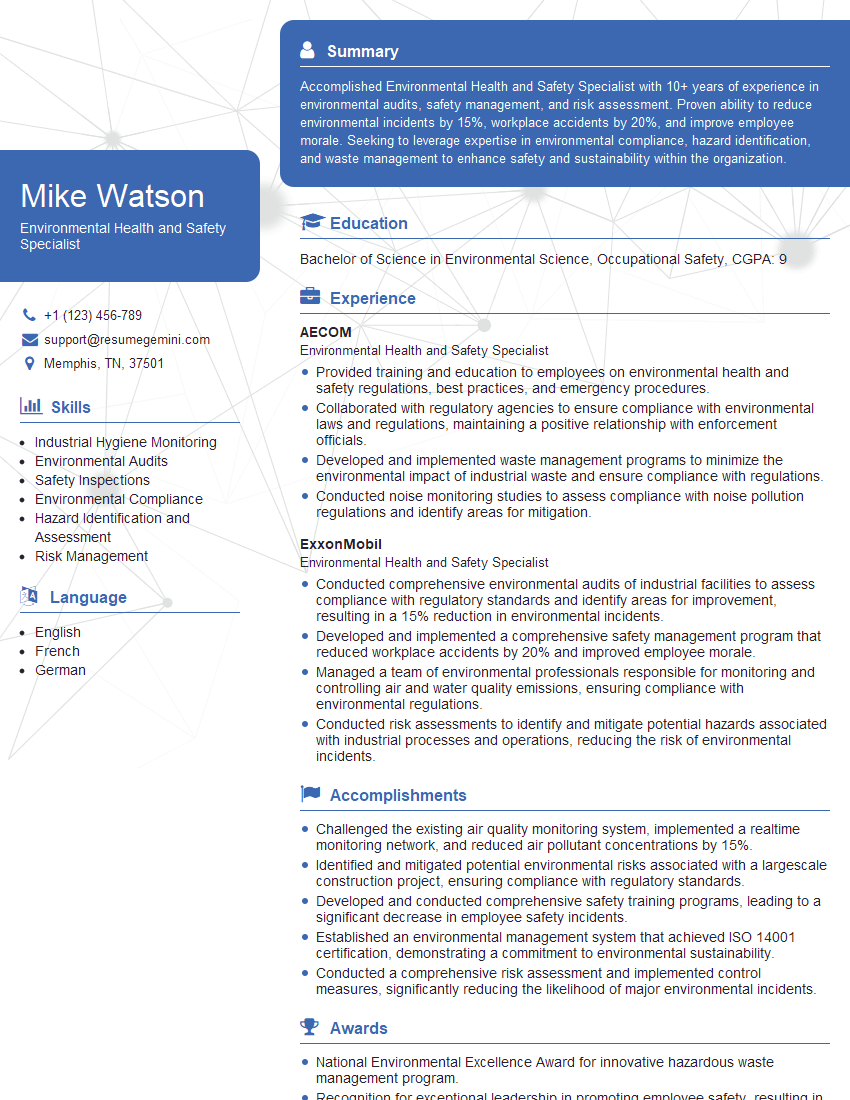
Environmental Health and Safety Specialist Resume Sample

Laboratory Analyst Resume Sample
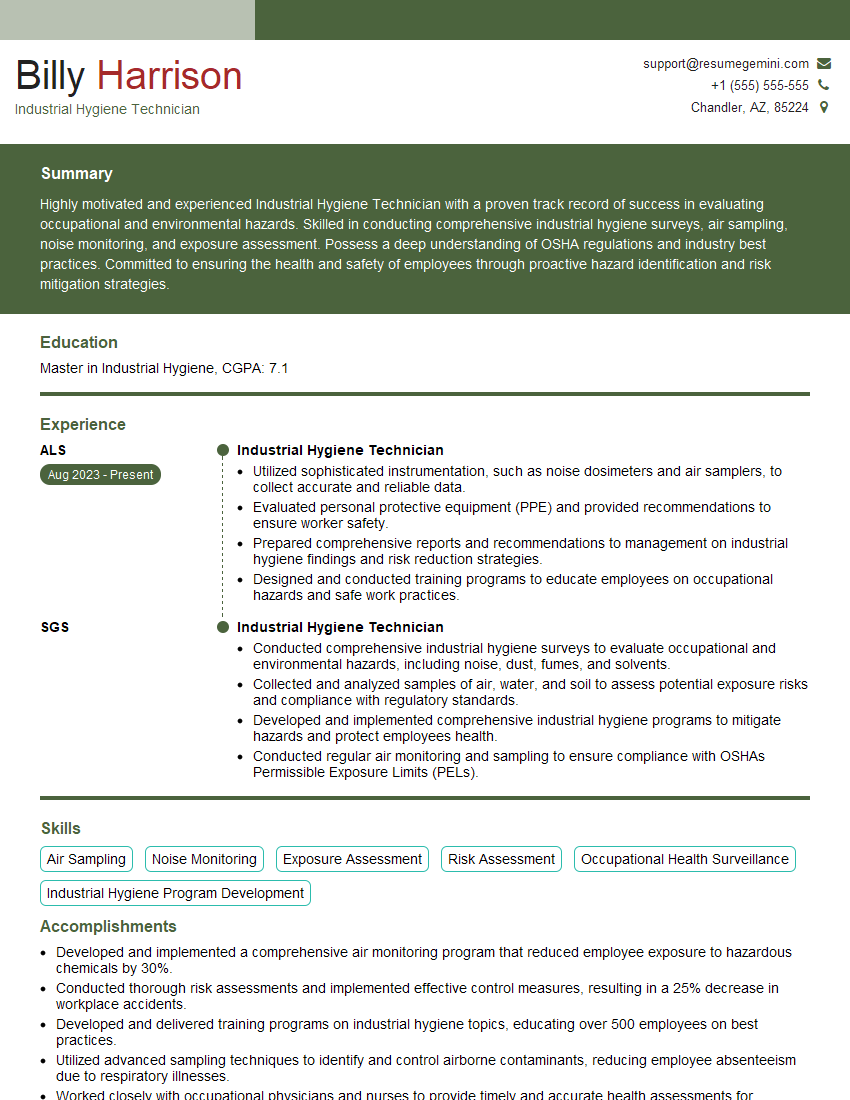
Industrial Hygiene Technician Resume Sample

Safety Officer Resume Sample

Quality Control Inspector Resume Sample
- Project Engineer
- Compliance Officer
- Regulatory Affairs Specialist
- Maintenance Technician
- Field Service Engineer
- Process Control Engineer
- Environmental Consultant
- Health and Safety Manager
- Calibration Technician
- Instrumentation Technician
- Process Technician
- Analytical Chemist
- Environmental Health and Safety Specialist
- Laboratory Analyst
- Industrial Hygiene Technician
- Safety Officer
- Quality Control Inspector
Explore more articles
Users Rating of Our Blogs
Share Your Experience
We value your feedback! Please rate our content and share your thoughts (optional).
What Readers Say About Our Blog
To the interviewgemini.com Webmaster.
Very helpful and content specific questions to help prepare me for my interview!
Thank you
To the interviewgemini.com Webmaster.
This was kind of a unique content I found around the specialized skills. Very helpful questions and good detailed answers.
Very Helpful blog, thank you Interviewgemini team.