Interviews are opportunities to demonstrate your expertise, and this guide is here to help you shine. Explore the essential Using Art as a Therapeutic Tool interview questions that employers frequently ask, paired with strategies for crafting responses that set you apart from the competition.
Questions Asked in Using Art as a Therapeutic Tool Interview
Q 1. Describe your experience using art therapy modalities with different age groups.
My experience spans diverse age groups, from young children to adults. With children, I often use play therapy techniques integrated with art. This might involve using finger paints to express emotions, creating collages to represent family dynamics, or drawing stories to unpack anxieties. For example, a child struggling with a new sibling might create a drawing reflecting their feelings of jealousy or displacement; we then use the image as a starting point for conversation and processing those emotions. Adolescents frequently benefit from more abstract art forms like sculpting or mixed media, allowing them to explore identity and self-expression. Adults often engage in more introspective art forms such as painting or journaling alongside their artwork, helping them explore past traumas or present challenges. In working with seniors, I find that reminiscing through art projects – perhaps recreating scenes from their childhood or painting portraits of loved ones – can be exceptionally therapeutic and foster a sense of connection and legacy.
Q 2. Explain the ethical considerations involved in art therapy.
Ethical considerations in art therapy are paramount. Maintaining client confidentiality is crucial. This includes protecting the artwork itself from unauthorized viewing and ensuring all discussions remain private. Informed consent is another key ethical principle; clients need a thorough understanding of the process, their rights, and the limits of confidentiality before starting therapy. Boundaries are essential – establishing clear professional boundaries and avoiding dual relationships are vital for maintaining the integrity of the therapeutic relationship. For example, accepting gifts or engaging in social interactions outside of therapy sessions could compromise the therapeutic process and violate ethical guidelines. Cultural sensitivity is also critical; I am careful to consider the cultural context of each client’s artwork and avoid imposing my own interpretations or biases. Finally, ethical considerations also extend to referrals, ensuring that clients receive the appropriate level and type of care if their needs are beyond my scope of practice.
Q 3. How do you establish rapport and build trust with clients using art therapy?
Building rapport and trust is foundational in art therapy. I start by creating a safe and non-judgmental space, emphasizing that there are no right or wrong answers in art therapy. I begin by simply engaging in conversation, allowing the client to share what they’re comfortable with. I might ask open-ended questions like, “What inspires you?” or “What materials feel most appealing to you today?” I encourage exploration and self-discovery, rather than directing their creative expression. I closely observe their body language and verbal cues, adjusting my approach as needed to ensure they feel comfortable and respected. Showing genuine interest in their artwork and their process is key. For example, I might ask about the colors they chose or the symbols they’ve incorporated. Building on these initial connections, a trusting therapeutic relationship naturally develops over time.
Q 4. What are the key theoretical frameworks you utilize in your art therapy practice?
My practice integrates several theoretical frameworks. Psychodynamic theory helps me understand how unconscious processes manifest in artwork, allowing me to explore underlying conflicts or patterns. Jungian psychology informs my interpretation of symbolism and archetypes in client’s artwork, providing valuable insights into their inner world. Person-centered therapy emphasizes creating a supportive environment where clients feel empowered to explore their experiences authentically. I also draw upon Gestalt therapy principles to encourage clients to embrace their present experience and integrate fragmented aspects of their self. Finally, I regularly apply attachment theory to understand how early relationships impact the client’s current capacity for connection and trust.
Q 5. Describe your approach to assessing client needs through art-making.
Assessing client needs through art-making is a holistic process. I observe the client’s choice of materials (e.g., vibrant colors suggesting energy versus muted colors indicating depression), their process (e.g., meticulous detail demonstrating control versus chaotic strokes indicating anxiety), and the content of their artwork (e.g., recurring symbols or themes revealing unconscious patterns). I also observe their interactions with me and the materials, noting any hesitation or resistance. This information, combined with verbal feedback, helps me understand their emotional state, coping mechanisms, and underlying issues. For instance, a client consistently using dark colors and sharp lines might suggest underlying anger or frustration, while another might express their anxieties through fragmented or incomplete artwork. This assessment informs the development of personalized therapeutic goals and intervention strategies.
Q 6. How do you interpret and analyze client artwork in an ethical and sensitive manner?
Interpreting client artwork ethically and sensitively requires a nuanced approach. I avoid imposing my own interpretations and instead focus on collaborative meaning-making. I guide the client in exploring their own artwork, asking open-ended questions to facilitate self-discovery. For example, instead of saying “This red color represents anger,” I might ask, “What does this red feel like to you? What does it remind you of?” The client’s perspective is paramount, and the focus is on understanding their experiences and feelings through their art. I always prioritize the client’s emotional well-being and avoid interpretations that might be stigmatizing or judgmental. My aim is to create a safe space for self-exploration and healing, rather than providing definitive diagnoses based solely on the artwork.
Q 7. Discuss your experience in integrating art therapy with other therapeutic approaches.
I frequently integrate art therapy with other therapeutic approaches. For instance, I’ve successfully combined art therapy with Cognitive Behavioral Therapy (CBT) to help clients challenge negative thought patterns and develop healthier coping strategies. The artwork becomes a visual representation of their thoughts and emotions, making it easier to identify and modify maladaptive thinking patterns. I’ve also used art therapy alongside dialectical behavior therapy (DBT), utilizing art as a means of emotional regulation and mindfulness. In other cases, I’ve combined art therapy with play therapy for children, using art as a non-verbal means of communication and emotional expression. The key is to choose complementary approaches that enhance each other and address the client’s specific needs in a holistic and integrated manner.
Q 8. How do you address challenging behaviors or emotional outbursts during art therapy sessions?
Challenging behaviors or emotional outbursts in art therapy are opportunities for deeper understanding and processing. My approach prioritizes safety and containment. I first ensure the client and I are safe, then I use a combination of strategies. This might involve calmly validating their feelings (‘I can see you’re feeling very upset right now’), offering a sensory grounding technique (deep breaths, focusing on a specific object), or gently redirecting their energy into the art-making process. For example, if a client is intensely angry, I might suggest working with clay to sculpt their anger, allowing for a physical release. If they are overwhelmed, I might offer a calming activity like coloring or painting with soothing colors. The key is to create a safe space where they feel heard and understood, even amidst intense emotions. It’s crucial to reflect back their feelings in a non-judgmental way and then help them find creative ways to express those feelings without causing harm to themselves or others. Sometimes a brief break is also necessary to de-escalate the situation, before resuming the session.
Q 9. Explain your understanding of transference and countertransference in the context of art therapy.
Transference and countertransference are crucial concepts in art therapy, reflecting the dynamic interplay between the client and therapist. Transference refers to the client unconsciously projecting feelings, thoughts, and behaviors from past relationships onto the therapist. In art therapy, this might manifest as a client unconsciously creating artwork that resembles a significant person in their life or expressing intense emotions that seem disproportionate to the current situation. For example, a client might create a fiercely angry painting, unknowingly reflecting anger towards a parent. Countertransference, conversely, refers to the therapist’s unconscious emotional reactions to the client. These reactions can be influenced by the client’s transference, the therapist’s own unresolved issues, or the nature of the therapeutic relationship. A therapist might feel unusually protective of a client, or experience intense frustration. Recognizing and managing both transference and countertransference is vital for effective therapy. Supervision and self-reflection are key tools for maintaining objectivity and ensuring the therapeutic process remains focused on the client’s needs.
Q 10. How do you adapt your art therapy techniques to meet the specific needs of clients with diverse backgrounds and abilities?
Adapting art therapy to diverse backgrounds and abilities is paramount. I begin by considering the client’s cultural context, including their beliefs, values, and artistic traditions. This may mean incorporating culturally relevant materials or adapting techniques to align with their worldview. For clients with physical disabilities, I provide adaptive art materials, such as larger brushes, easels, or assistive technology. For clients with cognitive differences, I simplify instructions, use visual aids, and focus on the process of art-making rather than the final product. Communication styles are also adjusted to match the client’s individual needs. For example, a non-verbal client may benefit from using a communication board or alternative communication methods while working on art. The focus is always on fostering self-expression and creativity in a way that feels safe, comfortable, and accessible to each individual.
Q 11. Describe your experience working with clients experiencing trauma.
Working with clients experiencing trauma requires a sensitive and trauma-informed approach. I prioritize building trust and safety through creating a therapeutic relationship built on empathy and understanding. I avoid pressuring clients to discuss traumatic experiences before they are ready and allow them to work at their own pace. Art provides a non-verbal avenue for expressing trauma, making it less overwhelming than verbal processing. Techniques like sand tray therapy, collage, and expressive drawing can be particularly useful. I emphasize the client’s strengths and resilience, focusing on what they have survived and how they have coped. I also work in collaboration with other professionals, such as psychiatrists or social workers, to ensure comprehensive care. Throughout the process, I am mindful of vicarious trauma, ensuring that I have adequate self-care strategies in place to maintain my own well-being.
Q 12. How do you maintain confidentiality and protect client privacy in your art therapy practice?
Confidentiality and client privacy are fundamental to my practice. I adhere strictly to ethical guidelines and legal regulations, ensuring all information shared during sessions remains confidential unless mandated to be disclosed by law, such as in cases of suspected child abuse or harm to self or others. I obtain informed consent from clients before initiating therapy, explaining my confidentiality policies clearly. I maintain secure storage of client records, both physical and electronic, and utilize appropriate encryption and password protection. I also discuss with clients the boundaries of confidentiality at the beginning of treatment and throughout the therapy process as needed.
Q 13. How do you document client progress and outcomes in art therapy?
Documentation of client progress and outcomes in art therapy is essential for evaluating treatment effectiveness and ensuring accountability. I maintain detailed session notes that include observations of the client’s artwork, verbalizations, emotional state, and any significant events that occurred during the session. I use a combination of qualitative and quantitative methods. Qualitative data includes descriptions of the artwork’s content, symbolism, and expressive qualities. Quantitative data might involve measuring changes in standardized assessment scores related to symptoms or functioning. I regularly review these notes with the client, allowing them to contribute to and evaluate their own progress. This collaborative approach ensures that the documentation process also promotes client engagement and reflection.
Q 14. Describe a successful outcome you achieved using art therapy.
One particularly rewarding outcome involved a young woman who struggled with severe anxiety and social isolation. Through art therapy, she gradually began to express her feelings of loneliness and fear through her artwork. Initially, her paintings were dark and chaotic, reflecting her internal turmoil. As sessions progressed, her artwork evolved, becoming brighter and more hopeful. She began incorporating elements that represented her hopes and dreams, and her verbal expression improved. By the end of treatment, her anxiety significantly decreased, and she was able to form healthier relationships. Her final artwork was a vibrant landscape depicting a sunlit path leading towards a peaceful village; a powerful visual representation of her journey towards healing and connection.
Q 15. How do you handle situations where a client is resistant to engaging in art therapy?
Resistance in art therapy is common. It often stems from feelings of vulnerability, distrust, or a lack of understanding about the process. My approach focuses on building rapport and establishing a safe therapeutic relationship. I begin by acknowledging their hesitation and validating their feelings. Instead of pushing them into creating, I might start with a simple conversation about art, asking about their past experiences or preferences. We might explore different mediums together, just looking at textures or colors. This non-threatening introduction helps to reduce anxiety and create a sense of control. If resistance persists, I offer alternative approaches, such as guided imagery or talking about art instead of creating it. The goal is to gradually increase engagement at the client’s pace. For example, with a client hesitant to paint, we might start by simply selecting colors together or exploring different textures of paper. This gentle approach can ultimately lead to a deeper level of engagement and self-expression.
Career Expert Tips:
- Ace those interviews! Prepare effectively by reviewing the Top 50 Most Common Interview Questions on ResumeGemini.
- Navigate your job search with confidence! Explore a wide range of Career Tips on ResumeGemini. Learn about common challenges and recommendations to overcome them.
- Craft the perfect resume! Master the Art of Resume Writing with ResumeGemini’s guide. Showcase your unique qualifications and achievements effectively.
- Don’t miss out on holiday savings! Build your dream resume with ResumeGemini’s ATS optimized templates.
Q 16. What are your professional development goals in art therapy?
My professional development goals in art therapy revolve around expanding my expertise in trauma-informed care and incorporating technology into my practice. I’m particularly interested in gaining more proficiency in using digital art platforms to engage clients who are digitally native or might find traditional mediums challenging. Furthermore, I plan to deepen my understanding of neurodiversity and adapt my therapeutic approach to cater to clients with autism spectrum disorder or other neurodevelopmental differences. Continuous learning is crucial; I aim to attend workshops and conferences to stay updated on the latest research and best practices in the field. Finally, I’d like to further develop my skills in supervision and training, potentially mentoring other aspiring art therapists.
Q 17. What are the limitations of art therapy and how do you address them?
Art therapy, while highly beneficial, has limitations. One is the difficulty in interpreting art created by clients, as it’s subjective and influenced by personal experiences and cultural backgrounds. To address this, I emphasize a collaborative approach. I actively engage clients in a dialogue about their artwork, focusing on their feelings and experiences rather than attempting definitive interpretations. Another limitation is that art therapy may not be suitable for all individuals, such as those with severe cognitive impairments or certain physical limitations. In such cases, I collaborate closely with other healthcare professionals to determine the most appropriate treatment plan, potentially recommending other therapeutic modalities. Finally, access to art materials and resources can be a barrier. I work with clients and organizations to overcome this, ensuring access to affordable or adapted materials when needed.
Q 18. Describe your experience with different art media and their therapeutic applications.
My experience spans various art media, each offering unique therapeutic applications. Clay, for instance, allows for tactile exploration and can be especially helpful for clients processing anger or needing a sensory outlet. The malleable nature of clay provides a tangible way to shape and reshape emotions. Painting offers freedom of expression through color and form; I’ve found it particularly effective for clients exploring their identities or emotional states. Drawing provides a more detailed approach, sometimes useful for clients who need to meticulously express complex thoughts or memories. Collage can facilitate self-discovery through the process of selecting and assembling various materials, symbolizing the integration of diverse aspects of the self. Ultimately, I choose the medium that best resonates with each client’s personality, needs, and therapeutic goals.
Q 19. How do you incorporate creativity and innovation into your art therapy sessions?
Creativity and innovation are essential to effective art therapy. I encourage exploration by introducing unconventional materials like natural elements (leaves, twigs) or recycled objects to foster creativity. We might collaborate on creating a unique art project based on client interests, such as making a collaborative mural, designing a fantastical creature, or building a miniature landscape representing their internal world. I often incorporate music, movement, or storytelling into sessions to create multi-sensory experiences, enhancing emotional expression and engagement. I’m always searching for new techniques and approaches; for example, I recently incorporated digital art tools, like Procreate, to engage younger clients who are comfortable with technology. Flexibility and adaptation are key; I believe the art therapy process should be tailored to the unique needs and preferences of each individual.
Q 20. How do you ensure the safety and well-being of clients during art therapy sessions?
Client safety and well-being are paramount. Before starting any art therapy session, I establish clear boundaries and expectations, ensuring clients understand that they can stop the session at any time. I create a physically and emotionally safe space, free from judgment and pressure. I utilize appropriate materials and techniques, taking into account potential safety hazards, particularly with sharp objects or potentially messy media. If a client expresses suicidal or self-harming ideation, I follow established safety protocols, which include immediate intervention and contacting emergency services when necessary. I maintain thorough documentation of sessions, including any safety concerns or incidents, adhering to ethical guidelines and confidentiality standards.
Q 21. Describe your knowledge of relevant legal and regulatory requirements related to art therapy practice.
My understanding of legal and regulatory requirements is comprehensive. I am well-versed in HIPAA (Health Insurance Portability and Accountability Act) regulations concerning client confidentiality, ensuring the protection of sensitive information. I adhere to the ethical guidelines of the American Art Therapy Association (AATA), maintaining professional boundaries and providing competent and responsible care. This includes obtaining informed consent, documenting sessions appropriately, and managing potential conflicts of interest. I am aware of the legal implications of working with vulnerable populations and adhere to reporting requirements mandated by law, including reporting child abuse or neglect. I maintain professional liability insurance to address potential legal risks and am committed to continuous learning to stay up-to-date with evolving legal and ethical standards in art therapy.
Q 22. Explain your understanding of the role of supervision in art therapy practice.
Supervision is absolutely crucial in art therapy, acting as a cornerstone for ethical practice and professional growth. It’s a process where a seasoned art therapist guides and mentors a less experienced colleague, providing a safe space for reflection, case conceptualization, and ethical decision-making. Think of it as a skilled navigator guiding a ship through sometimes turbulent waters.
A good supervisor helps us examine our work critically, ensuring we’re implementing techniques effectively and ethically. They help us explore countertransference – our own emotional responses to clients – which is vital in maintaining objectivity and providing appropriate care. We discuss challenging cases, explore alternative approaches, and refine our skills in a supportive environment. For instance, a supervisor might help me navigate a client’s resistance to a particular art modality, or guide me on how to best manage my own emotional responses when working with a client experiencing trauma.
Regular supervision also provides crucial support for our own wellbeing. The emotional demands of art therapy can be significant, and supervision ensures we have a place to process these experiences, preventing burnout and sustaining our capacity to effectively serve clients.
Q 23. How do you ensure cultural sensitivity and competence in your art therapy work?
Cultural sensitivity and competence are paramount in art therapy. It’s not simply about acknowledging different cultures; it’s about understanding how cultural background deeply shapes an individual’s experiences, worldview, and artistic expression. My approach involves continuous learning and self-reflection.
- Self-Awareness: I regularly examine my own biases and assumptions, recognizing how my cultural background may influence my interpretations of a client’s art. For example, I might need to adjust my understanding of certain symbols or colors that hold different meanings in diverse cultures.
- Culturally-Informed Techniques: I adapt my therapeutic approach to fit the individual’s cultural context. This includes using art materials familiar to the client or integrating elements from their cultural traditions into the therapy process. If a client feels more comfortable using sand trays based on their cultural familiarity, I would certainly adapt to that.
- Collaboration: I actively seek consultation when necessary, especially when working with clients from cultures significantly different from my own. This might include seeking guidance from colleagues with expertise in a particular culture or consulting relevant cultural resources. If I was unfamiliar with a specific tradition’s implications for art-making, I would seek the expertise of someone familiar with that tradition.
- Respect for Values: I ensure I respect the client’s beliefs and values, avoiding any imposition of my own cultural norms. A client’s religious or spiritual practices are particularly important to consider in how they might influence their feelings about art making.
Essentially, cultural competence is an ongoing process of learning, adaptation, and respectful collaboration. It’s about meeting the client where they are, understanding their unique perspective, and providing a culturally safe and empowering therapeutic experience.
Q 24. Describe your experience with group art therapy.
Group art therapy offers a unique and powerful therapeutic setting. I’ve extensively utilized it with diverse populations, including adolescents struggling with identity, adults managing stress, and older adults coping with loss. The group dynamic creates a sense of community and shared experience, providing a supportive environment for exploration and self-discovery.
My approach involves structuring sessions around a common theme or activity that encourages interaction and communication. For example, a group focused on managing anxiety might start with a guided meditation followed by a collaborative art project focused on expressing emotions. We’ll explore the resulting artwork, using it as a catalyst for discussions about anxieties and coping strategies.
The group setting allows for valuable learning from others. Clients witness how others cope, learn from each other’s experiences, and realize they are not alone in their struggles. I also employ structured activities like sculpting or collaborative murals that require group cooperation, encouraging teamwork and social skill development. It’s a very rich and dynamic therapeutic space.
Q 25. How do you manage challenging interpersonal dynamics within a group art therapy setting?
Managing challenging interpersonal dynamics in group art therapy requires proactive and skillful intervention. It’s about creating a safe and respectful environment where all members feel heard and valued, while simultaneously addressing conflict constructively.
- Setting Clear Ground Rules: Establishing clear expectations for respectful communication and behavior from the outset is critical. These rules are collaboratively developed with the group, fostering a sense of ownership and responsibility.
- Mediation and Facilitation: When conflicts arise, I act as a mediator, facilitating open communication and helping group members understand each other’s perspectives. I use reflective listening techniques to help them express their feelings and explore solutions collaboratively.
- Individual Attention: I address individual concerns and needs privately when necessary, providing personalized support and helping clients to manage their interactions with others within the group context. This might involve working separately with a particularly disruptive member to help them develop coping mechanisms for expressing feelings more constructively.
- Process Focus: I regularly draw the group’s attention to the dynamics within the group itself, helping them recognize patterns of interaction and reflect on how they are affecting the overall therapeutic process. This allows the group to become self-regulating in many cases.
Ultimately, managing challenging dynamics is about creating a culture of respect, understanding, and collaborative problem-solving within the group. It involves a blend of proactive planning, skillful facilitation, and individualized support.
Q 26. What are your preferred methods for evaluating the effectiveness of art therapy interventions?
Evaluating the effectiveness of art therapy interventions is a multifaceted process. It’s not simply about quantifiable results, but also about observing qualitative changes in the client’s emotional, social, and creative functioning. I utilize a range of methods for a comprehensive assessment.
- Qualitative Data: I analyze clients’ artwork, noting changes in themes, colors, and styles over time. This provides insight into shifts in their emotional state, self-perception, and coping mechanisms. For example, a gradual shift from dark, muted colors to brighter, more vibrant hues might signify a move towards increased hope and optimism.
- Client Self-Report: I regularly engage in client feedback sessions, allowing clients to articulate their experiences and perceptions of progress. This may involve structured questionnaires or informal conversations.
- Behavioral Observations: I observe changes in clients’ behavior, including improved self-esteem, increased social interaction, and reduced symptoms of anxiety or depression. This is usually noted through clinical observation and interactions during the sessions.
- Standardized Measures: In some cases, I utilize standardized psychological assessments to measure changes in specific symptoms or psychological constructs. This provides a more objective measure of progress, but is only one part of the assessment, used in conjunction with qualitative information.
By combining these methods, I obtain a comprehensive understanding of the impact of art therapy, leading to more effective treatment planning and adjustment as needed.
Q 27. Describe your approach to working with clients who have mental health diagnoses such as anxiety or depression.
Working with clients experiencing anxiety or depression requires a sensitive and tailored approach. Art therapy offers a unique avenue for exploring and processing these conditions non-verbally.
My approach often involves using expressive art modalities that allow clients to safely express their emotions. For example, I might encourage journaling alongside art-making to help clients verbalize feelings that are difficult to express directly. For anxiety, I might use calming art processes like watercolor painting or mindful drawing to promote relaxation and self-soothing. With depression, clay sculpting can help express internal feelings of heaviness or stagnation, creating a tangible representation of what they are experiencing.
I help clients build self-awareness through reflective questioning about their artwork and process. This involves guiding them to explore the meaning and symbolism in their creations, connecting their art to their inner world. We explore themes of self-compassion, coping skills, and self-efficacy through this exploration. Creating art helps them externalize their internal experience which can be a crucial step toward healing and self-acceptance. We work collaboratively to set realistic goals and celebrate successes along the way.
Q 28. How do you integrate art therapy into a holistic treatment plan involving other professionals?
Integrating art therapy into a holistic treatment plan requires seamless collaboration with other professionals. This collaborative approach ensures comprehensive support for the client, leveraging the strengths and expertise of each team member.
My approach involves regular communication with other professionals such as psychiatrists, psychologists, social workers, and family therapists. I share relevant information from art therapy sessions, such as observations about the client’s emotional state, coping mechanisms, and progress. For instance, I might share information about a client’s increased self-esteem reflected in their artwork, which can help inform the psychiatrist about medication adjustments or the social worker about their progress in social interactions.
I also actively participate in case conferences and team meetings, contributing my unique perspective to treatment planning. We work together to coordinate interventions, ensuring a consistent and cohesive approach. For example, if a client is working on managing their anger with a psychologist using cognitive behavioral techniques, we might use art therapy to help them express their anger in a safe and creative way, reinforcing their therapeutic learning in another modality. The goal is to create a truly integrated and holistic therapeutic experience for the client, ensuring that all avenues of support are considered.
Key Topics to Learn for Using Art as a Therapeutic Tool Interview
- Theoretical Foundations: Understanding the theoretical underpinnings of art therapy, including various therapeutic approaches (e.g., psychodynamic, humanistic, cognitive-behavioral) and their application in different settings.
- Therapeutic Modalities: Familiarity with diverse art mediums (painting, sculpting, collage, etc.) and their therapeutic potential. Understanding how to adapt techniques to suit individual client needs and goals.
- Client Assessment and Treatment Planning: Developing comprehensive assessment strategies to identify client needs and create individualized treatment plans incorporating art therapy interventions.
- Ethical Considerations and Boundaries: Understanding ethical guidelines and professional boundaries within the context of art therapy, including confidentiality, dual relationships, and cultural sensitivity.
- Practical Application: Demonstrating practical experience in conducting art therapy sessions, analyzing client artwork, and documenting progress. Being able to articulate successful case studies or examples.
- Group Therapy Facilitation: Experience or understanding of facilitating group art therapy sessions, managing group dynamics, and addressing potential challenges within a group setting.
- Documentation and Record Keeping: Understanding the importance of accurate and thorough documentation of client sessions, progress notes, and treatment plans complying with relevant regulations.
- Collaboration and Consultation: Ability to collaborate effectively with other healthcare professionals (e.g., psychiatrists, social workers) and to engage in consultation to optimize client care.
- Self-Reflection and Professional Development: Demonstrating a commitment to ongoing professional development and self-reflection to enhance therapeutic skills and address personal biases.
Next Steps
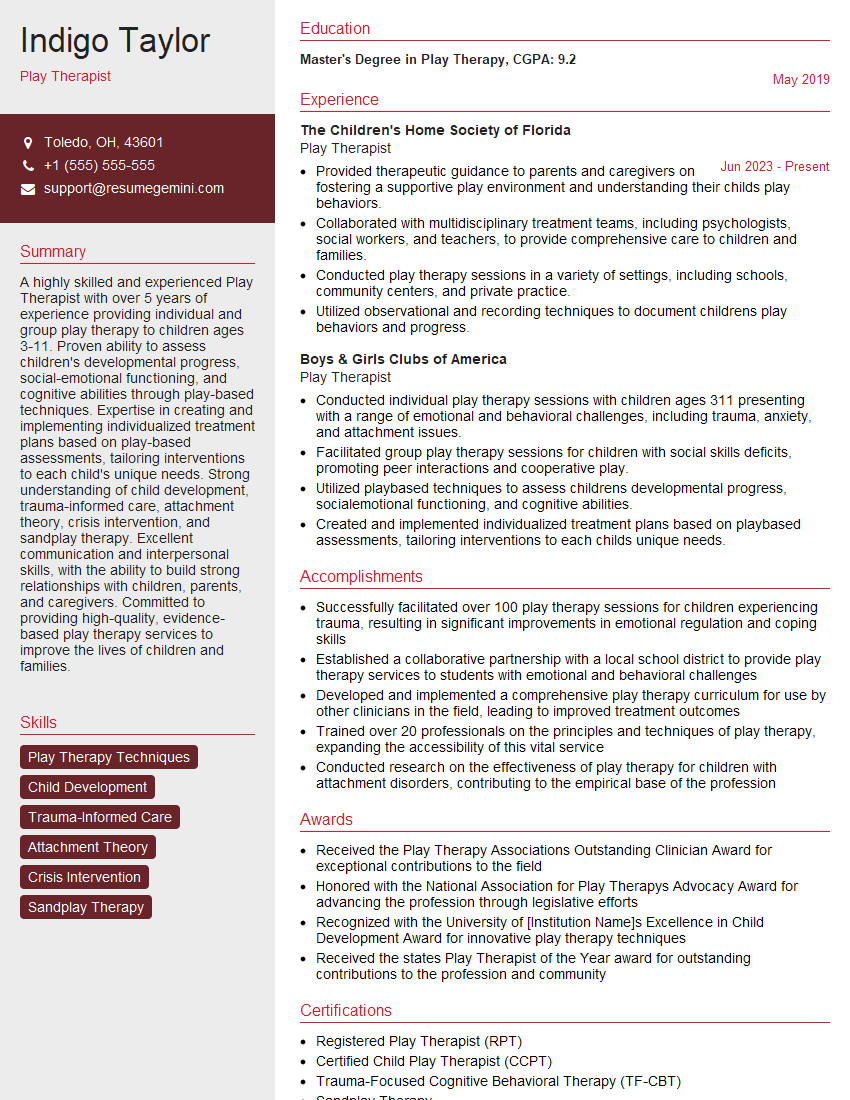
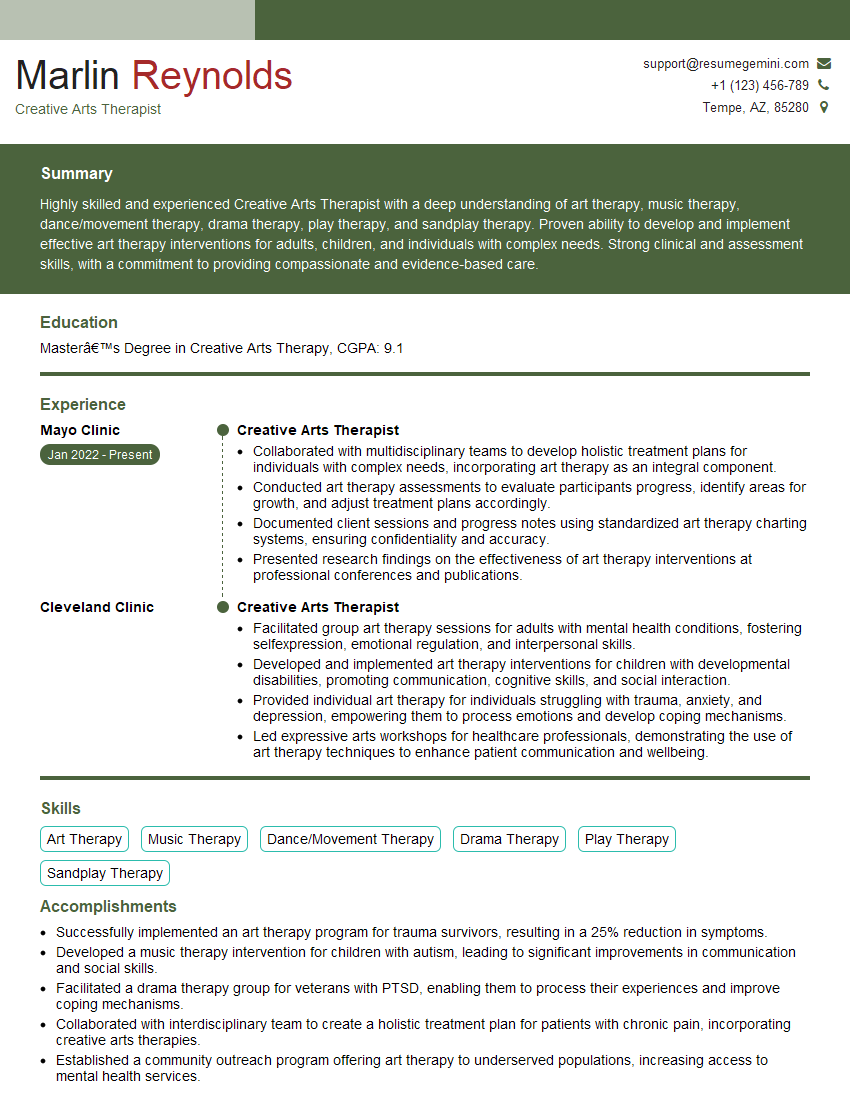
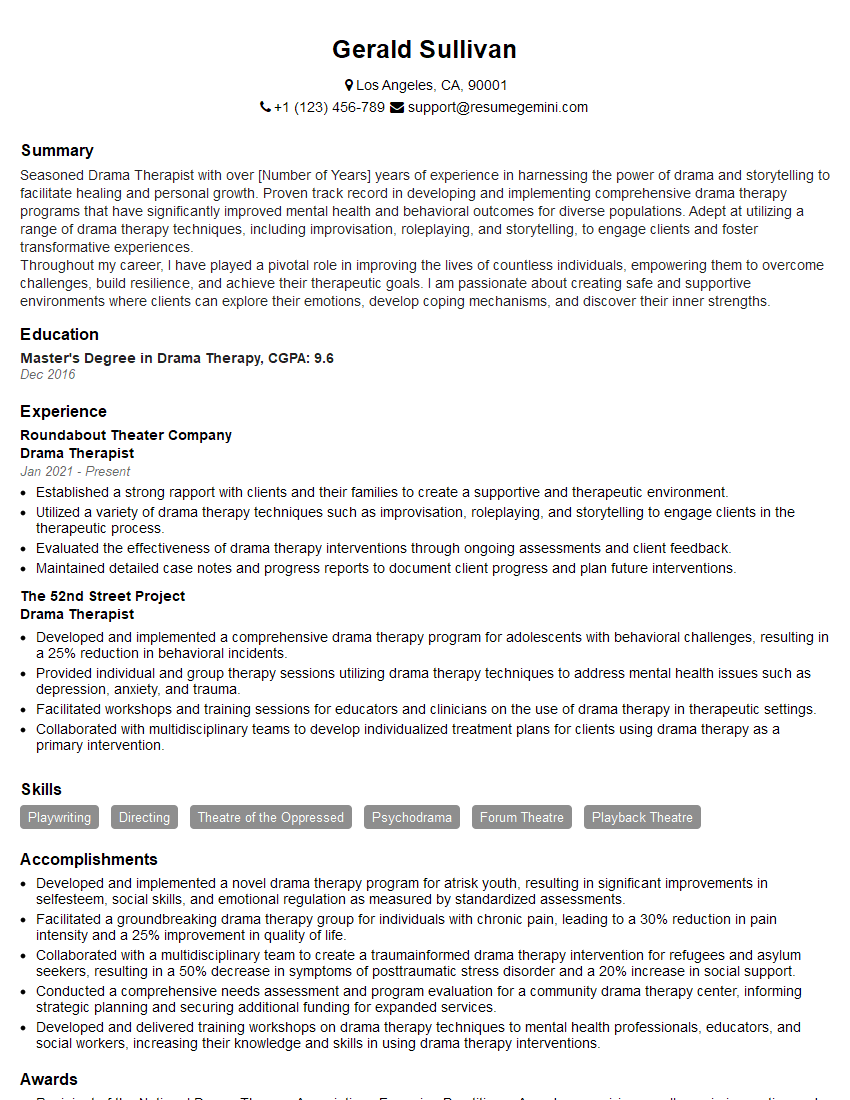
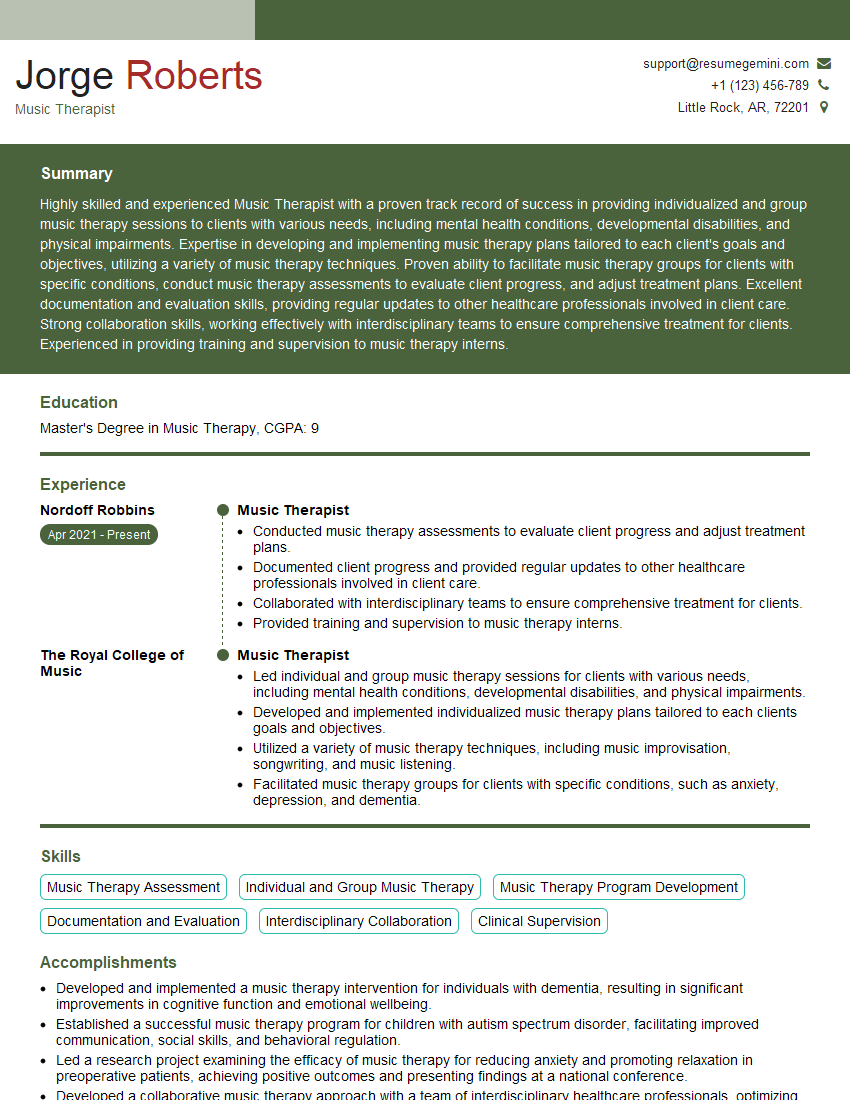
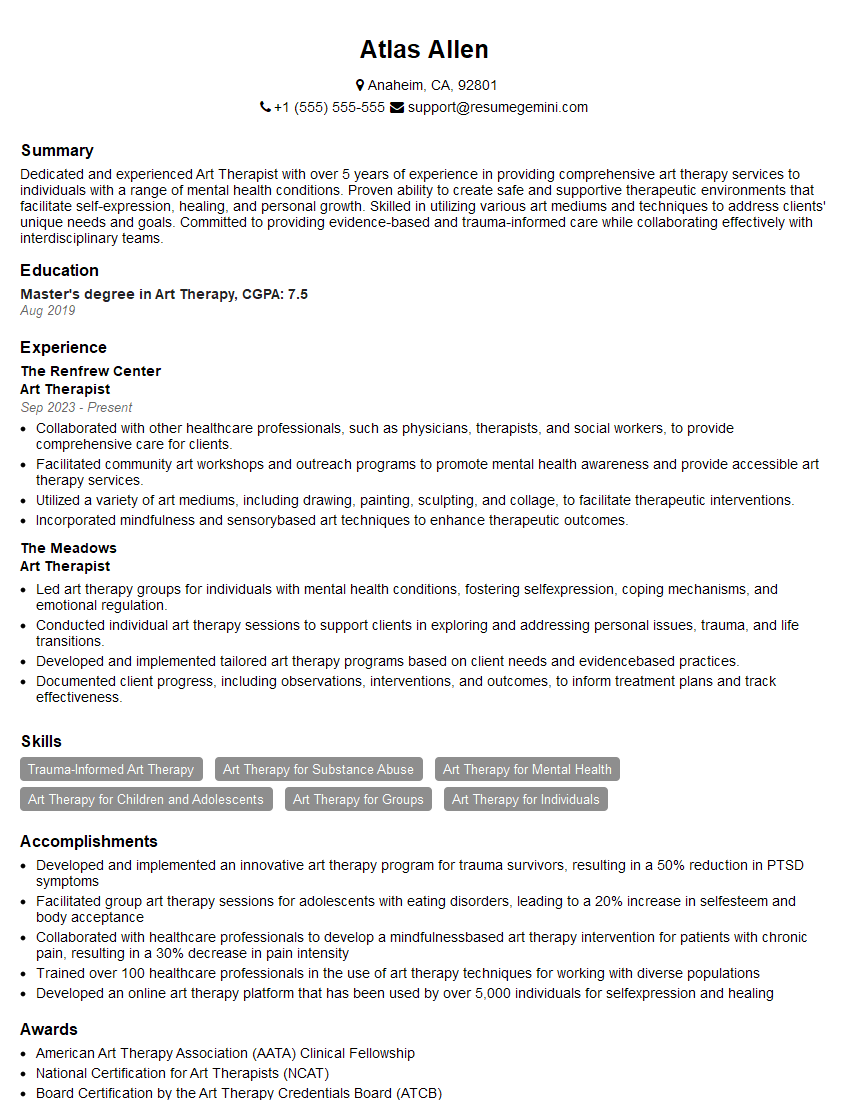
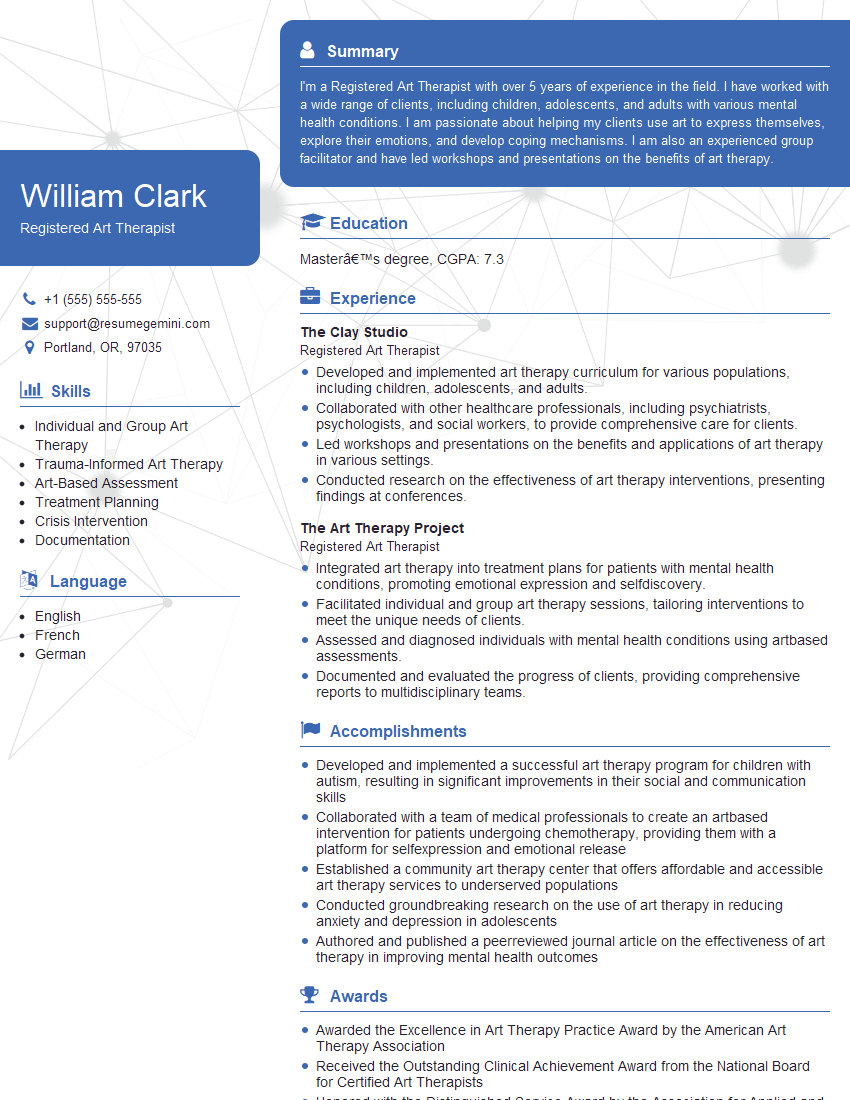
Mastering the art of using art as a therapeutic tool opens doors to fulfilling and impactful careers, offering opportunities to make a real difference in people’s lives. To maximize your job prospects, it’s crucial to present your skills and experience effectively. Creating an ATS-friendly resume is key to getting noticed by potential employers. ResumeGemini is a trusted resource that can help you build a professional resume that showcases your unique strengths and qualifications. Examples of resumes tailored to Using Art as a Therapeutic Tool are available to guide your process, ensuring your application stands out from the competition.
Explore more articles
Users Rating of Our Blogs
Share Your Experience
We value your feedback! Please rate our content and share your thoughts (optional).
What Readers Say About Our Blog
To the interviewgemini.com Webmaster.
Very helpful and content specific questions to help prepare me for my interview!
Thank you
To the interviewgemini.com Webmaster.
This was kind of a unique content I found around the specialized skills. Very helpful questions and good detailed answers.
Very Helpful blog, thank you Interviewgemini team.