Every successful interview starts with knowing what to expect. In this blog, we’ll take you through the top Using measuring and layout tools interview questions, breaking them down with expert tips to help you deliver impactful answers. Step into your next interview fully prepared and ready to succeed.
Questions Asked in Using measuring and layout tools Interview
Q 1. What are the different types of measuring tapes and when would you use each?
Measuring tapes come in various types, each suited for different tasks. The most common are:
- Steel tapes: These are durable and accurate, ideal for long-distance measurements and outdoor applications where precision is crucial. Think surveying land or laying out foundations. They’re less flexible than other types.
- Fiberglass tapes: Lighter and more flexible than steel tapes, making them easier to handle for overhead or around-corner measurements. They’re less prone to stretching, but their accuracy might be slightly lower than steel tapes, especially over long distances. Perfect for interior work.
- Cloth tapes: These are inexpensive and readily available but less durable and accurate than steel or fiberglass tapes. Primarily used for quick, less critical measurements, like measuring fabric or simple room dimensions.
- Electronic measuring tapes: These digital tapes provide instant readings with measurement stored in memory and often include additional features like calculating area or volume. These are becoming increasingly popular in professional settings for efficiency.
Choosing the right tape depends entirely on the job. For a precise building foundation, a steel tape is essential. For measuring curtains, a cloth tape is sufficient.
Q 2. Explain the process of using a level to ensure a surface is perfectly level.
Leveling a surface ensures it’s perfectly horizontal or vertical. Here’s how to use a level:
- Place the level on the surface: Ensure the level is long enough to span a significant portion of the area you’re checking. The longer the level, the more accurate the reading.
- Observe the bubble: The level typically has a bubble in a vial. A level surface is indicated when the bubble rests exactly in the center of the vial’s markings. If the bubble is off-center, the surface is uneven.
- Adjust as needed: If the bubble is not centered, you need to adjust the surface until the bubble is perfectly aligned. This might involve shimming under low areas using wedges or adjusting supporting structures.
- Repeat: Check multiple points across the surface to confirm its levelness. Large surfaces may require several level checks to ensure evenness across the entire area.
For instance, when installing cabinets, a level is paramount for ensuring they sit perfectly level and plumb (vertical).
Q 3. How do you accurately measure angles using a protractor or other tools?
Measuring angles accurately is crucial in many trades. Here’s how to use a protractor and other tools:
- Protractor: Align the protractor’s baseline with one side of the angle. The intersection of the other side with the protractor’s arc indicates the angle’s degree. Ensure the center point of the protractor is on the vertex (the point where the two lines meet) of the angle.
- Angle finder: Digital angle finders provide a faster and potentially more precise reading. They often have a magnetic base for hands-free operation. Simply place it against the angle and read the digital display.
- Clinometer: Used to measure angles of elevation or depression. Useful for tasks requiring measurement of slopes and angles in relation to the horizon.
For example, when cutting roof rafters, using a protractor or angle finder ensures that the cut angle is precisely what is needed for proper fit and water runoff.
Q 4. Describe your experience using a laser level or other laser measuring devices.
Laser levels and laser measuring devices have revolutionized layout and measurement. My experience includes using both rotary laser levels (for establishing horizontal and vertical planes over large areas) and laser measuring tools (for precise point-to-point distances). Rotary lasers are incredibly useful for large-scale projects like setting grades on a building site or ensuring the levelness of a large slab. Laser measuring tools are indispensable for accurate and quick measurements in various scenarios, even in tight spaces where a tape measure wouldn’t be suitable.
I am proficient in understanding the different modes and features these devices offer, including self-leveling capabilities, various measuring units, and data storage functions.
One memorable project involved using a laser level to ensure the perfect alignment of a series of suspended ceilings in a large office building – a task that would have been significantly more challenging and time-consuming without this technology.
Q 5. How would you handle a situation where your measuring tools are not calibrated?
Uncalibrated tools lead to inaccurate measurements, potentially causing significant problems. If I suspect my tools are not calibrated, I would:
- Verify Calibration: Check the tool’s calibration certificate or markings. Many tools have a date stamp for their last calibration.
- Compare Measurements: Use a second, known-to-be-accurate measuring tool to verify the readings of the potentially uncalibrated one. Repeat several measurements to confirm the disparity.
- Calibrate or Replace: Depending on the tool, I might attempt calibration myself (following manufacturer guidelines) or send it to a professional calibration service. If the tool is beyond repair or too costly to calibrate, replacement is necessary.
- Document Issues: Any discrepancies should be documented with specific measurements to ensure the issue is addressed and does not reappear.
Using uncalibrated tools can result in costly rework or even structural problems. Maintaining well-calibrated tools is a crucial aspect of responsible workmanship.
Q 6. What safety precautions do you take when using measuring and layout tools?
Safety is paramount when using measuring and layout tools. My safety practices include:
- Eye Protection: Always wear safety glasses or goggles, particularly when using laser levels to prevent eye damage.
- Proper Handling: Use measuring tapes correctly, avoiding sudden jerking or dropping which could cause injury. Never use a tape measure to lift a heavy item.
- Clear Work Area: Keep the work area free of clutter and obstructions to prevent trips and falls.
- Awareness of Surroundings: Be aware of your surroundings, especially when working at heights or near moving machinery.
- Tool Maintenance: Ensure all tools are in good working order and free of damage. Report damaged tools to the appropriate authorities immediately.
Neglecting safety procedures can lead to serious injury, so these precautions are essential to ensuring a safe and productive work environment.
Q 7. How do you interpret blueprints and technical drawings to perform layouts?
Interpreting blueprints and technical drawings is fundamental to accurate layout. I begin by:
- Understanding the Scale: Identify the scale of the drawing (e.g., 1:100, 1/4” = 1’), which is essential to accurately translate the drawing dimensions to the real world.
- Identifying Key Features: Note all important dimensions, locations of walls, doors, windows, and other features.
- Analyzing Details: Carefully examine details such as offsets, angles, and elevations, paying close attention to any notes or specifications.
- Transferring Dimensions: Accurately transfer dimensions from the drawing to the worksite using measuring tools and layout methods such as using a chalk line, marking tools, or laser levels.
- Verifying Measurements: Double-check all measurements to ensure accuracy before beginning any construction or installation.
I visualize the 2D drawing in 3D to understand spatial relationships. For example, if a blueprint shows a particular offset in a wall, I have to ensure I transfer that exact distance during layout to avoid errors in the final structure. Thorough understanding and verification are critical for success.
Q 8. Explain your experience using CAD software for layout and design work.
My experience with CAD software is extensive, encompassing various platforms like AutoCAD, Revit, and MicroStation. I’m proficient in 2D drafting and 3D modeling, using these tools to create detailed construction layouts, incorporating features like precise dimensioning, annotations, and material specifications. For example, in a recent project involving a large-scale warehouse, I used AutoCAD to design the structural layout, including column placement, beam sizing, and foundation details, ensuring everything was precisely scaled and coordinated. This allowed for seamless transition from design to construction. I’m also experienced in using CAD to create shop drawings, ensuring accurate communication between the design team and the fabrication shop. This minimizes errors and ensures components fit perfectly on site.
Furthermore, my proficiency extends to utilizing CAD for clash detection and coordination with other disciplines’ models (MEP, structural, etc.). This preemptive problem-solving greatly reduces costly on-site revisions. I regularly employ parametric modeling techniques to efficiently adjust designs based on changing requirements or client feedback, ensuring optimal resource utilization.
Q 9. Describe your experience using total stations or other surveying equipment.
I possess considerable experience operating total stations and other surveying equipment, including GPS receivers and levels. My skills extend to setting up instruments, performing precise measurements, and processing data using specialized software. For instance, during a recent road construction project, I used a total station to accurately stake out the road centerline, ensuring its alignment with the design plans. This involved setting up the total station at known control points, taking precise measurements to establish the road’s layout, and then using robotic total stations for increased efficiency. I’m comfortable calculating coordinates, elevations, and distances, and I thoroughly understand the principles of error propagation and adjustment. This experience extends to utilizing level instruments for precise elevation determination, crucial for grading and drainage design. I’m adept at performing both conventional and RTK GPS surveys, recognizing their respective advantages and limitations. Data processing is also a key part of my skillset, ensuring accurate and reliable results.
Q 10. How do you ensure accurate transfer of measurements from plans to the worksite?
Accurately transferring measurements from plans to the worksite is crucial and involves a multi-step process. It starts with a thorough review of the plans, verifying all dimensions and details. I then utilize various methods depending on the project’s scale and complexity. For smaller projects, I might employ direct transfer using a tape measure and a level, meticulously checking and double-checking every dimension. For larger projects, I would employ a total station or GPS technology, enabling precise transfer of coordinates to establish key points on the site. Regardless of the method, I always use a systematic approach, starting with establishing known control points and working outwards. Clear and consistent marking techniques are essential – using chalk lines, paint, or stakes clearly labeled with corresponding plan dimensions. Regular checks and cross-references are performed throughout the process to minimize errors. Finally, thorough documentation and photographic evidence are maintained for future reference.
For example, when laying out the foundation for a new building, I’d first establish a baseline and then use the total station to accurately locate the corners of the foundation, ensuring they align precisely with the plan dimensions. This precision is then verified through multiple measurements and cross-checking before any excavation or construction begins.
Q 11. How do you account for tolerances and variations in measurements?
Tolerances and variations in measurements are inherent realities of construction. I account for them by understanding the acceptable limits specified in the project plans and relevant building codes. For instance, a tolerance of +/- 1/8 inch might be acceptable for the dimensions of a wall, while stricter tolerances are required for critical elements like steel connections. During the layout process, I meticulously record all measurements, noting any deviations from the planned dimensions within the allowed tolerances. When deviations exceed these tolerances, I immediately investigate the cause and work with the project team to find a solution. This might involve adjustments to the layout, re-checking measurements, or even consulting with the design team to determine if plan revisions are necessary. Accurate record-keeping is crucial to ensure that all variations are documented, enabling the project team to anticipate and manage potential challenges proactively.
Q 12. How would you handle discrepancies between measured dimensions and the plans?
Discrepancies between measured dimensions and the plans require immediate attention. My first step would be to thoroughly re-check all measurements, ensuring accuracy and eliminating human error. This includes verifying the instrument calibration and checking for any environmental factors that might affect measurements. If the discrepancy persists after re-checking, I would then compare the measurements to the original survey data to rule out potential errors in the initial site survey. If the error still exists, I meticulously document the discrepancy, including photos and detailed descriptions of the measurements taken. I would then immediately communicate this issue to the project manager and design team for consultation and collaborative resolution. Depending on the nature and magnitude of the discrepancy, this might involve adjusting the construction sequence, modifying the design, or negotiating a change order. The goal is always to ensure that the final construction aligns with the approved plans while maintaining the highest levels of quality and safety.
Q 13. Explain your experience with different types of layout markings (chalk lines, paint, etc.)
My experience encompasses a wide range of layout marking techniques, selected based on the project’s needs and the substrate involved. Chalk lines are perfect for quick, temporary markings on surfaces like concrete floors. Paint provides more durable markings, particularly useful for permanent features or those that may be exposed to the elements. I also use spray paint for larger areas and marking specific points. For precise points, I often use stakes, ensuring they are firmly driven into the ground and clearly labeled. I understand the importance of using appropriate marking materials – for instance, using specialized paints suited for specific surfaces to ensure visibility and durability. In some scenarios, I’ve also used electronic marking tools that integrate with total stations, allowing for automated marking of precise points and lines. The choice of marking method is always influenced by factors such as cost, the permanence required, visibility, and ease of removal after construction is complete.
Q 14. What is your experience with establishing benchmarks and control points?
Establishing benchmarks and control points is fundamental to accurate surveying and layout. My experience includes setting up both temporary and permanent benchmarks using precise leveling techniques. I understand the importance of selecting stable, easily accessible locations that won’t be disturbed during construction. Permanent benchmarks are typically established using durable materials like concrete markers, ensuring long-term stability. I utilize total stations and GPS receivers to accurately determine the coordinates and elevations of these benchmarks, creating a reliable reference network for all subsequent measurements. These control points are the foundation upon which the entire layout is built, ensuring accuracy and consistency throughout the project. Regular checks and re-measurements are performed to ensure their continued stability and accuracy, especially in environments prone to ground movement or other disruptive factors. Meticulous documentation, including detailed descriptions of location and elevations, is maintained, facilitating future reference and verification.
Q 15. How do you verify the accuracy of your layout work?
Verifying the accuracy of layout work is paramount. It involves a multi-step process that begins even before the first mark is made. I always start by double-checking the original plans and specifications, looking for any discrepancies or potential errors. Then, I meticulously measure all key dimensions and angles using multiple tools for redundancy – a laser measure for long distances, a steel tape measure for detailed work, and a combination square for precise angles. After marking the layout, I perform a thorough visual inspection, checking for symmetry, consistency, and adherence to the plans. Finally, I use a variety of checks depending on the context; for instance, using the Pythagorean theorem to verify right angles (a² + b² = c²), or measuring diagonals to confirm squareness. This layered approach minimizes errors and ensures the project starts on a solid foundation.
For example, when laying out the foundation for a house, I would not only measure each side individually but also measure the diagonals to ensure they are equal, thus confirming the squareness of the foundation. Any discrepancies are investigated and corrected before proceeding.
Career Expert Tips:
- Ace those interviews! Prepare effectively by reviewing the Top 50 Most Common Interview Questions on ResumeGemini.
- Navigate your job search with confidence! Explore a wide range of Career Tips on ResumeGemini. Learn about common challenges and recommendations to overcome them.
- Craft the perfect resume! Master the Art of Resume Writing with ResumeGemini’s guide. Showcase your unique qualifications and achievements effectively.
- Don’t miss out on holiday savings! Build your dream resume with ResumeGemini’s ATS optimized templates.
Q 16. Describe a time you had to troubleshoot a measurement or layout problem.
During a recent project involving a complex curved wall, I encountered a significant layout challenge. The initial measurements, based solely on the architect’s drawings, resulted in a noticeable discrepancy in the final curve. My troubleshooting involved several steps. First, I revisited the original drawings, checking for scale inconsistencies or errors in the curve’s definition. Then, I employed a different measurement technique, using a flexible tape measure to trace the curve directly onto the structure and compare it to the plans. This revealed a slight deviation in the radius specified on the blueprint. The solution was to consult with the architect and the site engineer; we collaborated to create a revised layout, incorporating on-site adjustments that ensured a smooth and accurate curve. The final result was a visually appealing and structurally sound curved wall.
Q 17. How familiar are you with different units of measurement (metric, imperial)?
I’m proficient in both metric and imperial units of measurement. My experience encompasses projects utilizing both systems, and I’m comfortable converting between them seamlessly using readily available conversion tools and my own mental conversion strategies based on commonly used approximations. Understanding the nuances of each system, such as the preferred units for different applications (e.g., millimeters for fine detail work versus meters for larger structures in metric), is crucial for efficient and accurate work. This ensures precision and prevents costly errors arising from unit misunderstandings.
Q 18. What software or applications do you use for digital measuring or layout?
In my workflow, I utilize a range of software for digital measuring and layout. For precise measurements and creating digital layouts, I frequently employ AutoCAD, Revit, and SketchUp. These tools allow me to import blueprints, create detailed drawings, and perform accurate calculations. For field measurements and data collection, I often use laser measuring tools with Bluetooth connectivity that integrate with mobile apps and cloud-based platforms for data sharing and analysis. This integration streamlines the process from initial design to on-site implementation.
Q 19. How do you ensure the safety of yourself and others when working with layout tools on a construction site?
Safety is my top priority. Before starting any layout work, I always assess the site for potential hazards, including uneven terrain, overhead obstructions, and the presence of energized equipment or moving machinery. I ensure that I and anyone working with me wear appropriate personal protective equipment (PPE), including safety glasses, gloves, and hard hats. I establish clear communication protocols with my team members, establishing safety zones and ensuring everyone is aware of their surroundings. When using power tools, I always operate them in accordance with manufacturer’s instructions and company safety regulations. Furthermore, I regularly inspect tools for any damage or defects, removing them from service immediately if necessary.
Q 20. Explain your experience using templates and jigs for consistent layouts.
Templates and jigs are indispensable for ensuring consistent and accurate layouts, particularly in repetitive tasks. I have extensive experience designing and using custom jigs for tasks such as drilling multiple holes at precise intervals or creating consistently sized and shaped components. For instance, when installing a series of identical cabinets, I’d construct a jig to ensure accurate spacing and alignment. This saves time, reduces errors, and guarantees uniformity throughout the project. Templates, often made from sturdy materials like plywood or metal, are employed for cutting intricate shapes or precisely marking outlines. They provide a reliable guide, eliminating the need for repeated measurements and minimizing human error.
Q 21. How do you manage a complex layout with multiple dimensions and angles?
Managing complex layouts with multiple dimensions and angles requires a systematic approach. I begin by thoroughly reviewing the plans and breaking down the layout into smaller, manageable sections. I then establish a clear reference point, often a key structural element, from which I can measure and mark all other points. Trigonometry and geometrical principles are frequently employed to calculate angles and distances, especially when dealing with non-orthogonal angles. I prefer to use a combination of digital tools (CAD software) and traditional measuring instruments, leveraging the strengths of both for enhanced accuracy and visualization. This phased approach allows for the effective management of complex layouts, ensuring precision and minimizing potential errors.
Q 22. What is your understanding of coordinate geometry and its application to layout?
Coordinate geometry is the foundation of precise layout. It uses a system of coordinates (typically X and Y) to define the location of points in a two-dimensional space. In layout, this means we can accurately pinpoint the position of any element relative to a known reference point. For example, imagine a building plan. Each corner, door, and window can be assigned specific X and Y coordinates, ensuring everything is placed precisely as designed. This is particularly crucial in large-scale projects where even small errors can have significant consequences.
In practice, I use coordinate geometry extensively by employing software like AutoCAD or similar CAD programs, which utilize this system to create and manipulate drawings. The software allows me to input coordinates directly, or to use tools which automatically calculate coordinates based on measurements. This ensures that the final layout is accurate and consistent with the design. The precision offered by coordinate geometry is invaluable in avoiding costly rework due to dimensional inaccuracies.
Q 23. Explain your familiarity with different types of marking devices (e.g., scribers, marking gauges)
Marking devices are essential for transferring measurements and creating accurate layouts. I’m familiar with a wide range, including:
- Scribers: These are sharp, pointed tools used to mark lines on surfaces. Different scribers exist for various materials, some with hardened tips for tougher jobs. Precision is key here – a slight slip can lead to errors. I always ensure the scriber is held perpendicular to the surface to avoid skewed lines.
- Marking Gauges: These tools allow for precise marking of lines parallel to an edge. They’re incredibly useful for creating repetitive measurements like those needed in woodworking or metalworking. The gauge’s setting needs to be checked regularly for accuracy. I often double-check the measurements with a separate measuring tool to prevent cumulative errors.
- Marking Knives: Useful for marking softer materials, creating precise scoring lines before cutting or bending.
- Layout Squares: These provide right angles for accurate marking and layout. Regular checking for squareness is crucial for reliable results.
The selection of the marking device is dictated by the material being worked on and the precision required. I choose the tool that offers the best balance of accuracy and efficiency for the task at hand.
Q 24. How do you deal with difficult-to-measure areas or irregular shapes?
Dealing with irregular shapes or difficult-to-measure areas requires a combination of techniques. Simple shapes can be broken down into smaller, more manageable components, and measured individually. For example, a complex curve can be approximated by a series of chords or tangents. I then sum the individual measurements to get an overall dimension.
For more complex irregular shapes, I utilize specialized measuring tools like flexible rulers or curve-drawing tools to trace the shape and accurately capture the dimensions. In some cases, digital methods provide superior accuracy. For instance, I might use a 3D scanner to capture the shape digitally and then utilize the resulting point cloud to determine precise dimensions and areas through specialized software. This provides incredibly detailed and accurate measurements, overcoming limitations of traditional methods.
Q 25. How do you maintain and care for your measuring and layout tools?
Proper maintenance is crucial for the longevity and accuracy of measuring and layout tools. My routine includes:
- Cleaning: After each use, I clean tools thoroughly to remove debris and prevent corrosion. I use appropriate cleaning solutions depending on the tool material.
- Storage: Tools are stored in a designated, organized space to prevent damage and accidental misplacement. This also helps avoid potential damage from impacts or drops.
- Sharpening: Scribers, marking knives, and other sharp tools need regular sharpening to maintain accuracy. I use appropriate sharpening stones or tools according to the tool’s material and design.
- Calibration/Verification: Steel tapes, levels, and other precision instruments should be periodically checked against a known standard to verify their accuracy. I have a calibrated master tool for this verification.
- Protection: Tools are kept in protective cases when not in use to prevent damage.
Neglecting maintenance can lead to inaccurate measurements and potentially costly errors in projects. Regular upkeep ensures the tools remain reliable and precise.
Q 26. Describe your experience with using electronic distance measurement (EDM) equipment.
I have extensive experience with Electronic Distance Measurement (EDM) equipment. EDM uses electromagnetic waves to measure distances accurately, eliminating the need for manual taping, which increases speed and reduces potential errors associated with manual techniques. I’ve used total stations, which combine EDM with an electronic theodolite to provide both distance and angle measurements, allowing for precise three-dimensional coordinates.
I’m proficient in setting up EDM equipment, taking accurate measurements, understanding atmospheric corrections (temperature, pressure, humidity) which significantly impact accuracy. I’m aware of the various error sources and can apply appropriate correction techniques. My experience extends to using EDM in various environments, including challenging terrains and conditions. This makes it a valuable tool in my workflow and essential for large-scale projects where manual measuring would be impractical or too time-consuming.
Q 27. What are some common sources of error in measurement and how do you minimize them?
Errors in measurement can stem from several sources:
- Tool Calibration: Incorrectly calibrated tools are a major source of error. Regular calibration is essential.
- Environmental Conditions: Temperature, humidity, and even wind can affect measurements. Applying appropriate corrections helps to minimize this.
- Human Error: Misreading scales, incorrect alignment of tools, or parallax errors are common human-related mistakes. Careful attention to detail and double-checking measurements are crucial.
- Tool Wear: Worn or damaged measuring tools can lead to inaccuracies. Regular inspection and maintenance are vital.
- Improper Technique: Incorrect use of tools, such as not holding a tape measure taut, will affect results.
Minimizing these errors requires a meticulous approach, including employing proper techniques, using calibrated tools, correcting environmental effects, and always double-checking measurements. This often involves repeating measurements using different techniques and tools to ensure accuracy and consistency.
Q 28. Explain your experience working with laser scanners or 3D modeling software for layout purposes.
My experience with laser scanners and 3D modeling software for layout purposes is significant. Laser scanners provide high-density point clouds, offering detailed representations of existing structures or sites. This data is then imported into software like Revit or other 3D modeling packages to create accurate as-built models. I can use this data for various layout tasks, including:
- Clash Detection: Identifying conflicts between different building systems before construction begins.
- Existing Conditions Modeling: Creating highly accurate models of existing structures for renovation or expansion projects.
- Site Surveying: Generating precise topographical maps for site planning.
- Layout Verification: Checking if the actual construction conforms to the design.
My proficiency includes the operation of various laser scanners, point cloud processing, and integration with 3D modeling software. This technology dramatically improves layout accuracy and efficiency, particularly in complex or large-scale projects. The digital models allow for better visualization, coordination and problem-solving.
Key Topics to Learn for Using Measuring and Layout Tools Interview
- Understanding Measurement Units: Mastering metric and imperial systems, conversions, and precision in measurements for various applications.
- Selecting Appropriate Tools: Choosing the right measuring tools (rulers, tape measures, calipers, levels, laser measurers) based on the task and required accuracy. Understanding the limitations of each tool.
- Accurate Measurement Techniques: Developing proficiency in taking precise measurements, minimizing errors, and understanding sources of potential inaccuracy.
- Layout Tools & Techniques: Familiarity with various layout tools (squares, levels, marking gauges, chalk lines) and their applications in construction, design, and manufacturing.
- Interpreting Drawings & Specifications: Accurately interpreting technical drawings, blueprints, and specifications to translate them into practical measurements and layouts.
- Troubleshooting Measurement Discrepancies: Identifying and resolving inconsistencies between measurements and plans, understanding potential sources of error, and implementing corrective actions.
- Safety Procedures: Adhering to safety regulations and best practices when using measuring and layout tools, including proper handling and storage.
- Software Applications: Familiarity with CAD software or other digital tools used for design, layout and measurement verification (if applicable to the specific role).
Next Steps
Mastering the use of measuring and layout tools is crucial for career advancement in many fields, demonstrating precision, attention to detail, and problem-solving skills highly valued by employers. A well-crafted resume is key to showcasing these abilities to potential recruiters. To make your resume stand out and get noticed by Applicant Tracking Systems (ATS), focus on creating a clear, concise, and keyword-rich document. ResumeGemini is a trusted resource to help you build a professional and effective resume, ensuring your skills and experience shine. Examples of resumes tailored to Using measuring and layout tools are provided to guide you through the process.
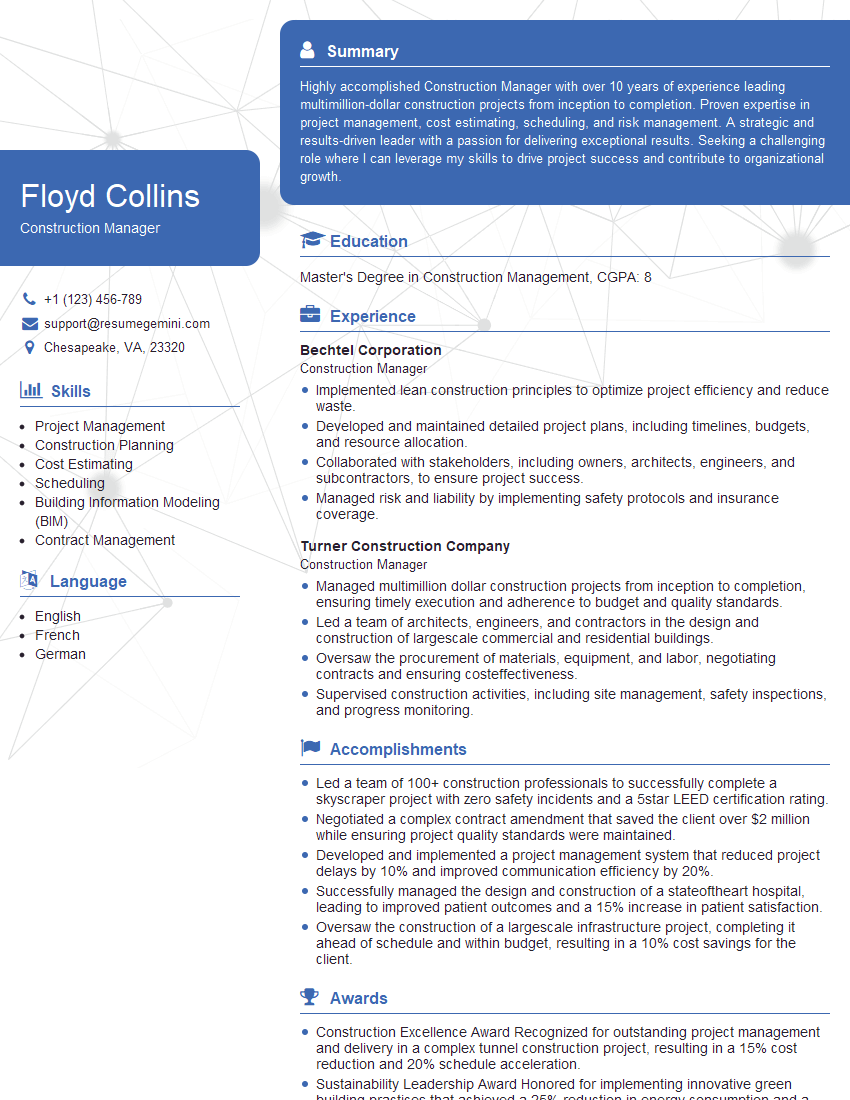
Construction Manager Resume Sample

Project Engineer Resume Sample

Estimator Resume Sample

Architectural Designer Resume Sample
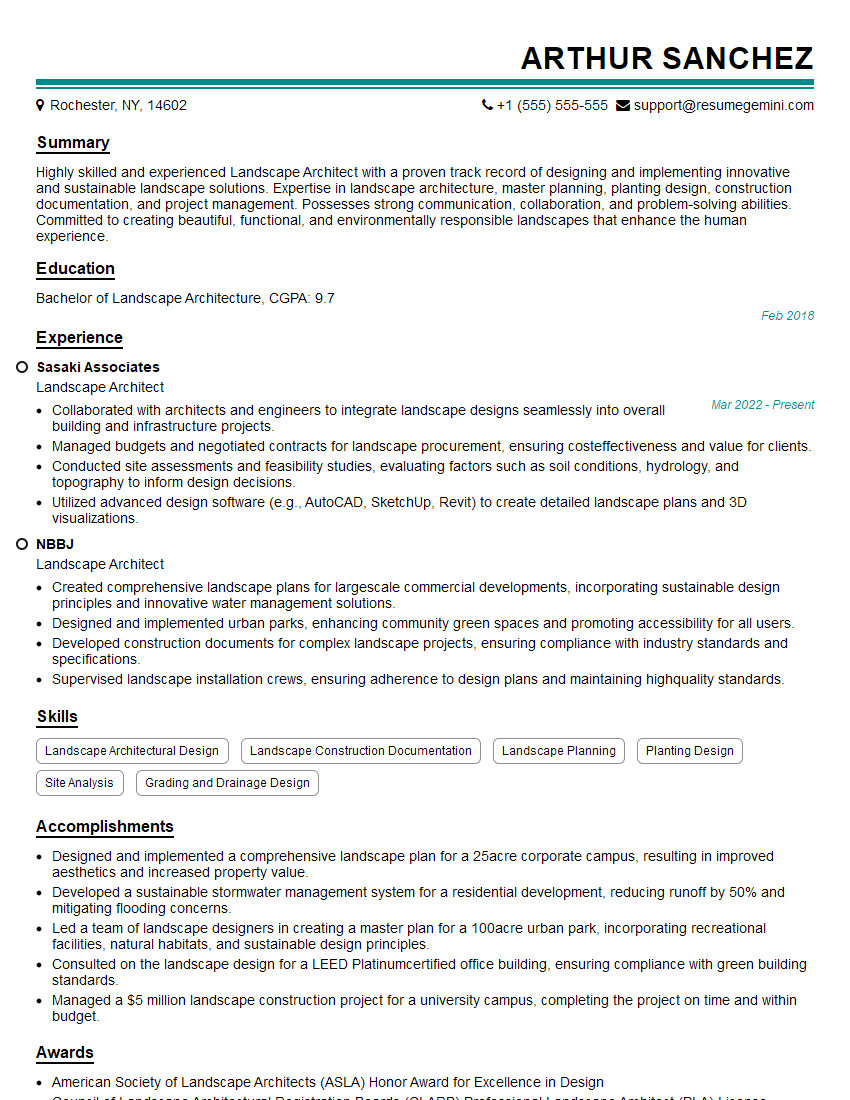
Landscape Architect Resume Sample
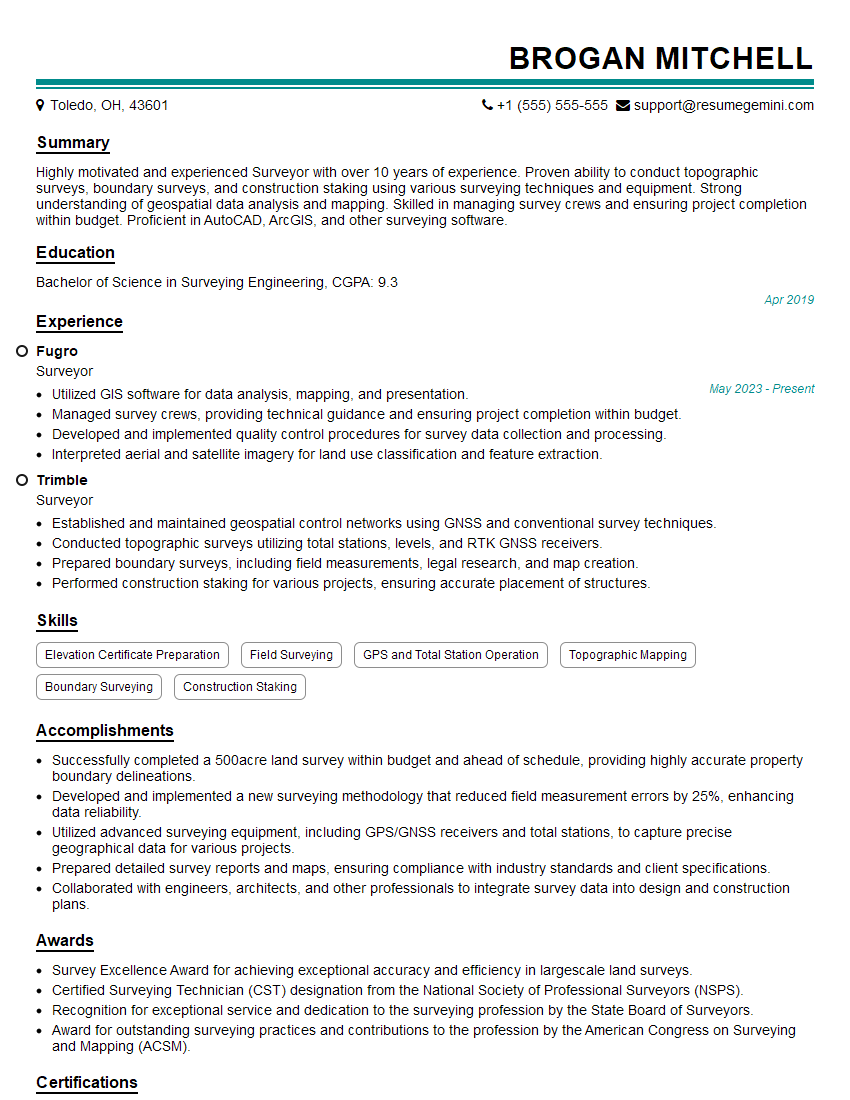
Surveyor Resume Sample

Civil Engineer Resume Sample
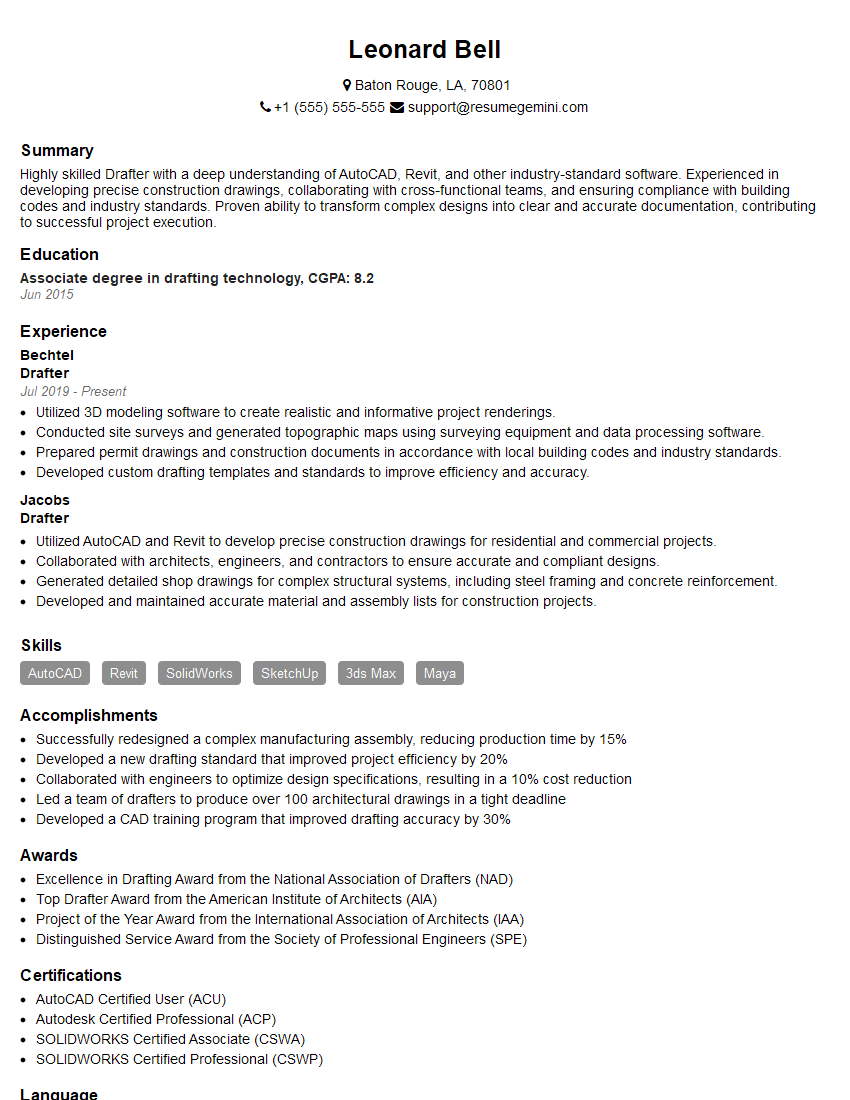
Drafter Resume Sample

Technical Designer Resume Sample

Manufacturing Technician Resume Sample

Interior Designer Resume Sample
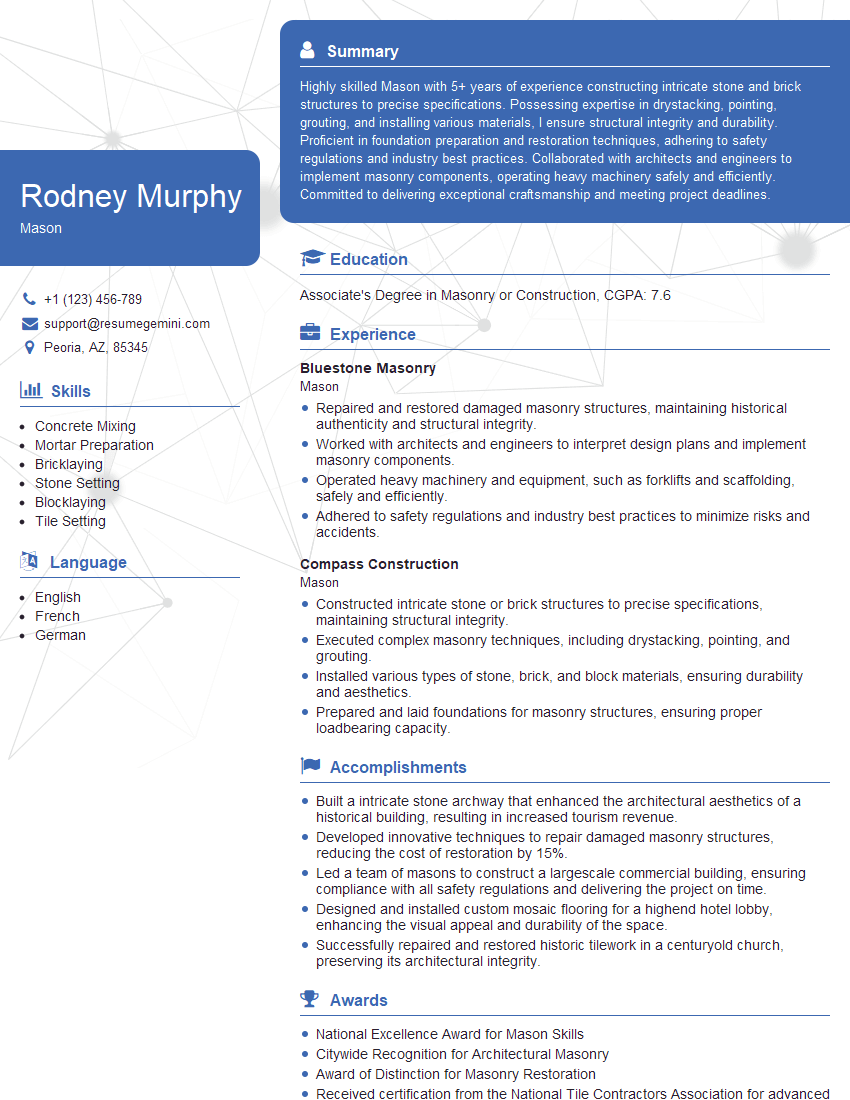
Mason Resume Sample

Carpenter Resume Sample
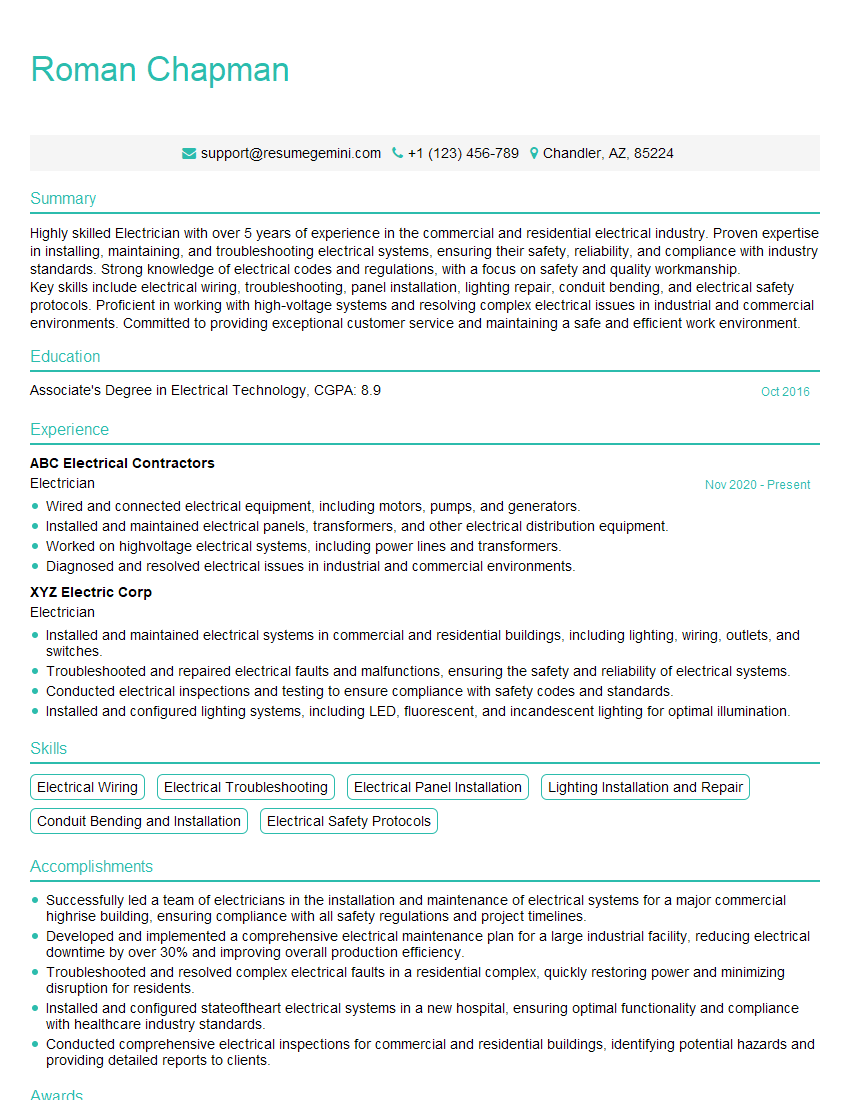
Electrician Resume Sample

Plumber Resume Sample

Sheet Metal Worker Resume Sample

Welder Resume Sample
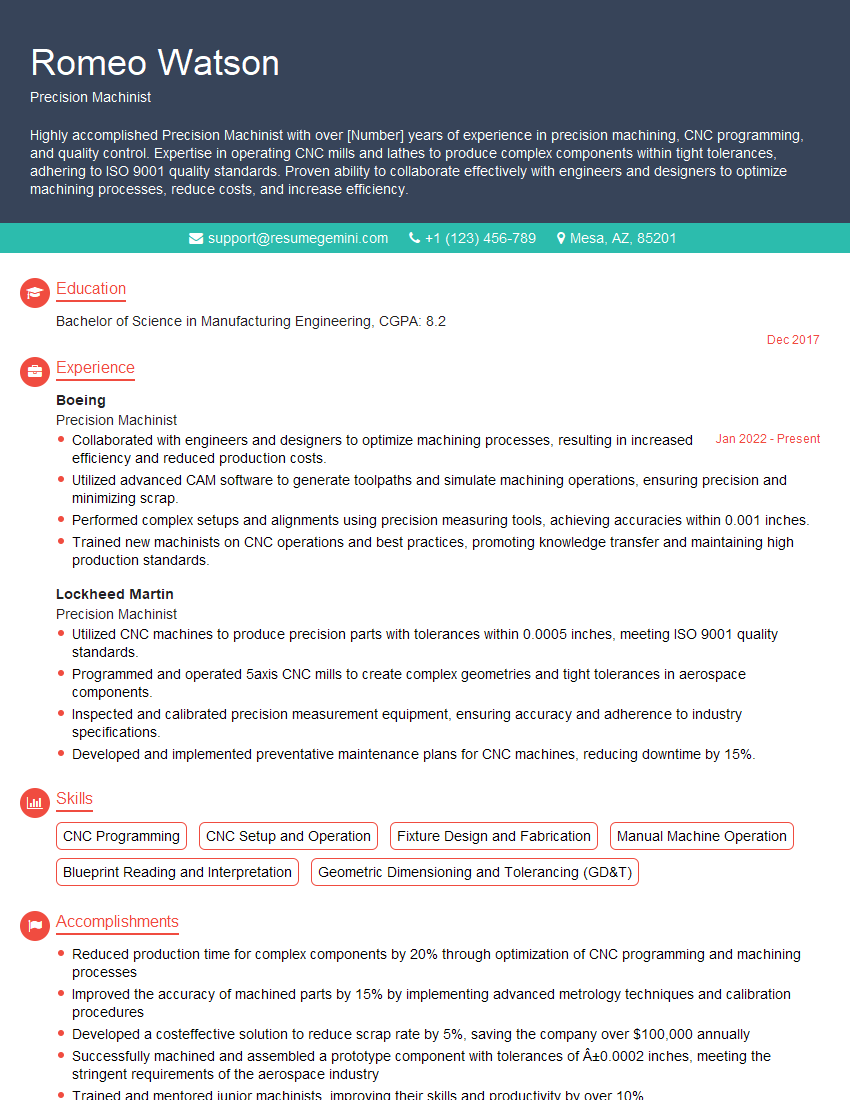
Precision Machinist Resume Sample

Pattern Maker Resume Sample
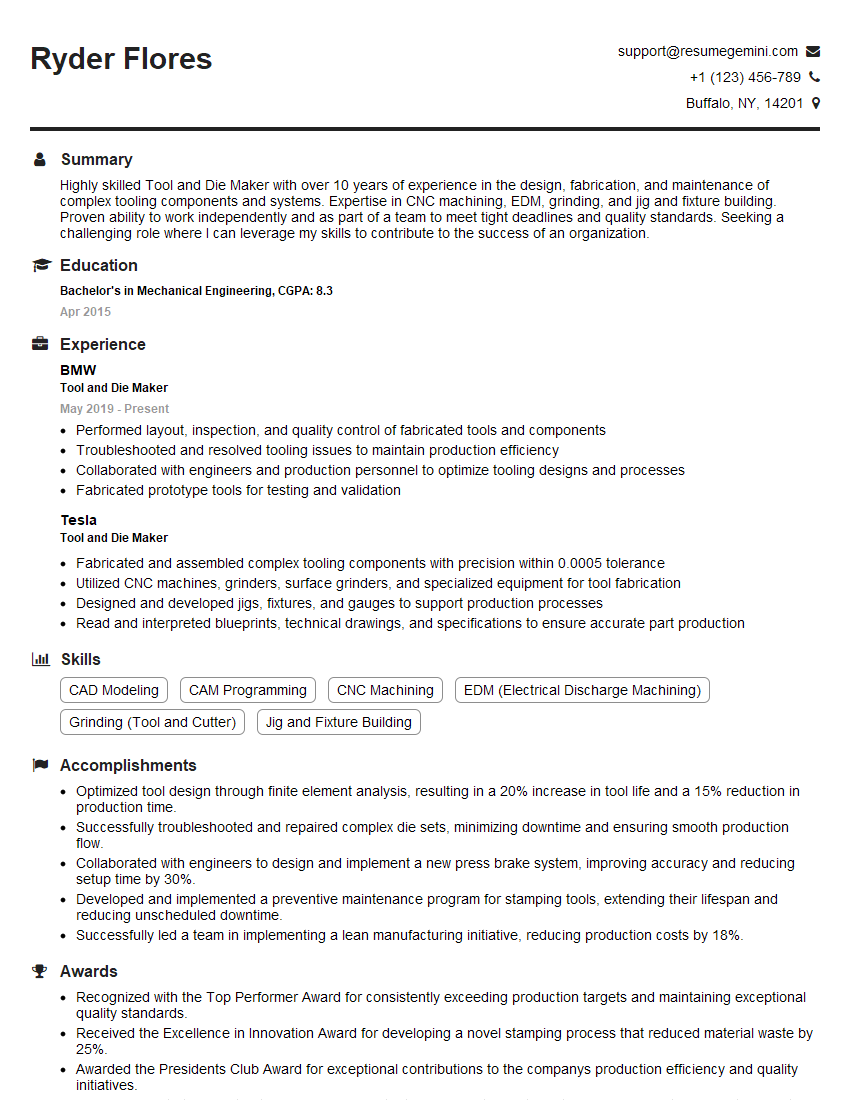
Tool and Die Maker Resume Sample

Quality Control Inspector Resume Sample
- Construction Manager
- Project Engineer
- Estimator
- Architectural Designer
- Landscape Architect
- Surveyor
- Civil Engineer
- Drafter
- Technical Designer
- Manufacturing Technician
- Interior Designer
- Mason
- Carpenter
- Electrician
- Plumber
- Sheet Metal Worker
- Welder
- Precision Machinist
- Pattern Maker
- Tool and Die Maker
- Quality Control Inspector
Explore more articles
Users Rating of Our Blogs
Share Your Experience
We value your feedback! Please rate our content and share your thoughts (optional).
What Readers Say About Our Blog
To the interviewgemini.com Webmaster.
Very helpful and content specific questions to help prepare me for my interview!
Thank you
To the interviewgemini.com Webmaster.
This was kind of a unique content I found around the specialized skills. Very helpful questions and good detailed answers.
Very Helpful blog, thank you Interviewgemini team.