Feeling uncertain about what to expect in your upcoming interview? We’ve got you covered! This blog highlights the most important Using various tools and materials, such as hammers, drills, saws, and levelers interview questions and provides actionable advice to help you stand out as the ideal candidate. Let’s pave the way for your success.
Questions Asked in Using various tools and materials, such as hammers, drills, saws, and levelers Interview
Q 1. Describe your experience using different types of hammers (claw hammer, sledgehammer, ball-peen hammer).
Hammers are fundamental tools, and each type excels in specific applications. The claw hammer is my everyday workhorse, perfect for driving nails straight and removing them. Its balanced weight and curved claw make it efficient for various tasks, from framing walls to basic carpentry. The sledgehammer, on the other hand, is a powerhouse used for demolition or driving large stakes. Its substantial weight requires a strong swing and careful control to avoid injury. Finally, the ball-peen hammer, with its rounded striking face and peen (opposite end), is invaluable for metalwork. The peen allows for shaping and riveting, while the ball face can deliver precise blows without damaging the workpiece. I’ve used all three extensively, and understanding their unique strengths is crucial for selecting the right tool for the job. For example, I wouldn’t try to demolish a concrete slab with a claw hammer, nor would I use a sledgehammer to hang a picture.
Q 2. What safety precautions do you take when using a circular saw?
Safety is paramount when using a circular saw. Before even turning it on, I always ensure the blade is sharp and properly installed. I also check that the guard is functioning correctly. Loose clothing or jewelry is a strict no-no—they can get caught in the blade. I always use appropriate hearing protection and eye protection: safety glasses at minimum, and often a face shield for added protection. Furthermore, I maintain a firm grip and never force the saw through the material. Maintaining a clear workspace free of obstructions is crucial. I always make sure I have a secure footing and ample light. I take multiple passes when cutting thick material rather than forcing the saw through. I also regularly inspect the saw’s condition to ensure everything is functioning correctly and safely.
Q 3. Explain the proper technique for using a drill to create pilot holes.
Creating pilot holes prevents wood from splitting and makes drilling easier and more accurate. My technique begins with selecting the correct drill bit size; it should be slightly smaller than the screw’s shaft. I then carefully position the drill bit on the marked spot, ensuring it’s perpendicular to the surface. I use a slow, steady speed at the start, gradually increasing it as the bit penetrates the wood. It’s crucial to avoid applying too much pressure, allowing the drill bit to do its work. If the wood is particularly hard, I might use a lubricant like beeswax to minimize friction and heat buildup. I’ve found that practicing consistent pressure and speed helps achieve clean, accurate pilot holes every time. I’ve had experiences where neglecting pilot holes resulted in splitting the wood, so I never skip this step when necessary.
Q 4. How do you ensure accuracy when using a level?
Accuracy with a level is fundamental for any construction or installation project. To ensure accuracy, I always start by checking the level itself to ensure it’s calibrated. I then carefully place the level along the surface I’m checking, ensuring complete contact along its entire length. I take my time and check the bubble position in the vial, ensuring it’s perfectly centered. For more complex surfaces, I may use a combination of levels, such as a smaller level for fine adjustments and a longer level to check larger areas. If the bubble is not centered, I make adjustments until it is, double-checking for accuracy. A slight adjustment can greatly improve the final results. I’ve learned over the years that patience and attention to detail are key to ensuring accuracy when using a level.
Q 5. What are the different types of saws and their applications?
There’s a saw for nearly every material and task. Hand saws, like coping saws (for intricate cuts) and hacksaws (for metal), are great for precision work. Circular saws are power tools ideal for straight cuts in wood and other materials. Jigsaw puzzles are perfect for curved and intricate cuts in various materials. Reciprocating saws, also known as sawsall, are versatile and used for demolition and rough cuts. Mitre saws provide incredibly accurate angled cuts, essential for picture frames or joinery. The choice of saw depends entirely on the material, the type of cut required, and the precision needed. For example, a fine-toothed hand saw is better for precise cuts in delicate woodwork than a rough-cutting circular saw.
Q 6. How do you select the appropriate drill bit for a specific material?
Selecting the right drill bit is critical for efficient and safe drilling. The material dictates the bit’s type and size. For wood, I’d use a wood bit, the size matching the screw or dowel. For metal, I’d use a high-speed steel (HSS) bit, potentially with a cobalt additive for harder materials. For masonry, a masonry bit with a carbide tip is necessary. The bit’s diameter should match the hole’s intended size. Trying to force a too-small bit will result in damage, and a too-large bit risks ruining the project. I always carefully examine the material and select the drill bit accordingly, and I’ve found it’s always better to start with a slightly smaller bit, especially in hardwoods, to avoid splitting.
Q 7. Describe your experience with various types of wood and their properties.
My experience encompasses a wide range of wood types, each with its own properties. Hardwoods like oak and maple are strong, durable, and dense, ideal for furniture and flooring. They are more challenging to work with but yield stunning results. Softwoods like pine and fir are easier to work with but less durable, ideal for framing and less demanding applications. I’ve also worked with exotic hardwoods like mahogany and cherry, prized for their beauty and workability but often more expensive. Understanding the grain, hardness, and tendency to warp is crucial for choosing the right wood for each project. For instance, you wouldn’t use soft pine for high-stress furniture applications. Choosing the wrong wood can result in structural failure or aesthetic issues.
Q 8. Explain the importance of using the correct safety gear when working with power tools.
Safety gear isn’t just a suggestion; it’s your first line of defense against serious injury when working with power tools. Think of it like a race car driver’s protective suit – essential for minimizing risk.
Eye Protection: Safety glasses or a face shield are crucial to protect against flying debris, which can cause blindness or serious eye damage. I always wear them, even for seemingly simple tasks.
Hearing Protection: Many power tools are incredibly loud. Prolonged exposure to loud noises can lead to hearing loss. Earmuffs or earplugs are a must-have.
Respiratory Protection: When working with materials like sawdust or chemicals, a dust mask or respirator is essential to prevent inhaling harmful particles. I always use a dust mask when working with hardwoods.
Hand Protection: Gloves protect your hands from cuts, splinters, and abrasions. I choose gloves based on the material I’m working with – leather for rough work, nitrile for finer tasks.
Foot Protection: Steel-toed boots protect your feet from falling objects or accidental impacts. I would never work with power tools without them.
Ignoring safety gear is not an option; it’s a recipe for disaster. A minor injury can quickly escalate into something much worse, impacting both your health and your ability to work.
Q 9. How do you measure and cut materials accurately?
Accurate measuring and cutting are fundamental to any successful project. It’s like baking a cake – precise measurements are key to a perfect result. I use a combination of techniques to ensure accuracy.
Measuring: I always use a high-quality measuring tape, double-checking measurements multiple times. For smaller or more intricate cuts, I use a ruler and marking gauge.
Marking: I carefully mark the cut lines with a pencil, ensuring they are clearly visible. For complex cuts, I use a combination square to create accurate angles.
Cutting: The choice of cutting tool depends on the material and the type of cut. For example, a circular saw is ideal for straight cuts in wood, while a jigsaw is better suited for curves. I always clamp down the material securely before cutting to prevent movement and ensure a clean, precise cut. A miter saw is fantastic for accurate angled cuts.
My experience shows that rushing the measuring and cutting process can result in significant errors, requiring time-consuming corrections or even project restarts. Taking the time to measure and mark accurately is time well spent.
Q 10. Describe your experience working with different types of fasteners (nails, screws, bolts).
Fasteners are the backbone of many construction projects, and selecting the right one is crucial for strength and durability. Each type has its strengths and weaknesses.
Nails: Quick and easy to use for many applications, but they can be less strong than screws, especially in hardwoods.
Screws: Offer superior holding power and are easily removed if needed. Different types like wood screws, sheet metal screws, and machine screws exist for specific applications. Choosing the correct screw length and type (e.g., Phillips, flathead) is crucial for a strong and clean finish.
Bolts: Ideal for heavy-duty applications where maximum strength is required. Often used with nuts and washers to ensure secure fastening. They’re ideal for applications where disassembly is required, such as furniture assembly.
For instance, I would use nails to frame a simple shed but would use screws and bolts when building a deck that needs extra strength to withstand environmental stress.
Q 11. How do you handle unexpected problems or challenges during a project?
Unexpected problems are inevitable in any project. My approach is methodical and emphasizes problem-solving skills.
Assess the Situation: First, I carefully assess the problem, identifying its cause and scope. Is it a simple fix or something more complex?
Develop a Solution: I brainstorm solutions, considering different approaches and their potential consequences. Sometimes, a quick fix is sufficient; other times, a more comprehensive solution is needed.
Implement the Solution: I implement the chosen solution, meticulously and carefully, ensuring accuracy and safety.
Document the Solution: I make notes about the problem and the solution implemented for future reference. This helps prevent the same issue from arising again.
For example, if I discover rotted wood during a renovation, I can’t simply ignore it; I must carefully assess the extent of the damage, remove the affected wood, replace it with treated lumber, and then ensure proper ventilation to prevent future rot.
Q 12. What are the different types of wood finishes and their applications?
Wood finishes protect and enhance the beauty of wood. The choice depends on the desired aesthetic and the wood’s intended use.
Paints: Provide a durable and protective coating, available in a vast array of colors and finishes (e.g., gloss, satin, matte). They hide the natural wood grain.
Stains: Penetrate the wood, enhancing its natural grain and color without obscuring it. They offer less protection than paint but allow the wood’s texture to shine through.
Varnishes: Create a clear, protective coating that enhances the wood’s natural beauty. They are extremely durable and protective against moisture and UV damage.
Polyurethanes: Similar to varnishes, they offer excellent durability and protection. They’re available in different levels of gloss.
Shellac: A natural resin finish known for its beauty and durability, but it’s more sensitive to moisture than polyurethane or varnish.
For example, I’d use paint on exterior trim for maximum protection against the elements, stain on interior wood flooring to enhance its natural beauty, and varnish on a fine wood tabletop to provide a durable, clear finish.
Q 13. Describe your experience working with drywall and related tools.
Drywall is a common building material, and working with it requires specific tools and techniques.
Tools: I use a variety of tools, including a drywall saw, utility knife, tape measure, level, drywall screws, joint compound, and taping knives. A drywall lift is also invaluable for larger sheets.
Installation: I carefully measure and cut the drywall sheets to fit the space, ensuring accurate alignment and square corners. I then fasten them securely to the framing using drywall screws, being careful not to overtighten them.
Finishing: This involves taping the seams with drywall tape, applying joint compound to cover the seams and screw heads, and sanding to create a smooth, even surface. Multiple coats of compound and sanding are often needed for a professional finish.
I’ve worked on numerous projects where attention to detail in drywall installation was crucial for a high-quality finish. For example, on a recent project, carefully aligning the drywall sheets and ensuring perfectly smooth joints made a huge difference in the final appearance of the room.
Q 14. How do you properly clean and maintain your tools?
Proper tool maintenance is crucial for safety, efficiency, and longevity. It’s like taking care of a prized possession.
Cleaning: After each use, I clean my tools thoroughly, removing any debris, dust, or residue. I use appropriate solvents for stubborn materials. For example, I might use mineral spirits to clean paint off brushes.
Lubrication: I lubricate moving parts of tools, like drill bits and saw blades, to ensure smooth operation and prevent wear and tear. I use appropriate lubricants for specific tools, avoiding anything incompatible with the tool’s materials.
Storage: I store my tools properly in a clean, dry place to prevent rust and damage. I keep them organized for easy retrieval, and ensure that sharp tools are sheathed or stored in a safe manner.
Sharpening: Sharp tools are safer and more efficient. I regularly sharpen blades, chisels, and other cutting tools using appropriate sharpening techniques and equipment.
Neglecting tool maintenance can lead to costly repairs or replacements, and more importantly, creates safety hazards. Taking the time for proper cleaning and maintenance is an investment in both the quality of my work and my personal safety.
Q 15. What are your preferred methods for measuring angles?
Accurate angle measurement is crucial for precision in carpentry and construction. My preferred methods depend on the project’s complexity and the angle’s size. For simple angles, a speed square or protractor is sufficient. For more precise work, especially with compound angles, I rely on a digital angle finder. This tool provides a highly accurate digital readout, eliminating guesswork and ensuring consistent results.
For instance, when building a roof, I’d use a combination of a speed square to mark the initial angle on the lumber and a digital angle finder to double-check and refine the cut, especially on complex hip or valley rafters. This ensures the roof structure is plumb and square.
Another method I frequently employ is using trigonometry and a measuring tape for calculating angles, particularly when working with existing structures where direct measurement of an angle might be difficult. For example, if I need to find the angle of an existing wall to create a connecting structure, I’ll measure the rise and run and then use the arctangent function to calculate the angle.
Career Expert Tips:
- Ace those interviews! Prepare effectively by reviewing the Top 50 Most Common Interview Questions on ResumeGemini.
- Navigate your job search with confidence! Explore a wide range of Career Tips on ResumeGemini. Learn about common challenges and recommendations to overcome them.
- Craft the perfect resume! Master the Art of Resume Writing with ResumeGemini’s guide. Showcase your unique qualifications and achievements effectively.
- Don’t miss out on holiday savings! Build your dream resume with ResumeGemini’s ATS optimized templates.
Q 16. Explain your experience with using a miter saw.
I have extensive experience using miter saws, both compound and single bevel. I’m proficient in adjusting the bevel and miter angles to achieve precise cuts for various applications, from crown molding to intricate picture frames. Safety is paramount, so I always ensure the workpiece is securely clamped and I use appropriate hearing and eye protection.
One project that highlights my miter saw skills involved creating custom window frames for a historic home restoration. The frames required very precise compound angles to perfectly match the existing structure. I carefully measured, planned, and executed the cuts using the miter saw, ensuring a seamless fit and maintaining the architectural integrity of the building.
Regular maintenance is key. I regularly check the blade’s alignment and sharpness and clean the saw to ensure accurate and safe operation. A dull blade can lead to inaccurate cuts and potentially dangerous kickbacks.
Q 17. How do you ensure the structural integrity of a project?
Ensuring structural integrity is paramount in any project. It starts with careful planning and the selection of appropriate materials. I always follow building codes and best practices, paying close attention to details like proper fastening techniques, load-bearing calculations, and appropriate joint design. I also leverage various tools to verify structural soundness throughout the building process.
For example, when constructing a deck, I ensure that the support beams are adequately sized to handle the expected load and spaced correctly. I use a level to check for plumb and square and I make sure the footings are properly anchored in the ground. Using a plumb bob helps check vertical alignment and level is paramount, preventing any future sagging or instability.
Regular inspections during construction and post-completion are also critical. I often employ visual checks and sometimes use advanced tools like moisture meters to detect potential problems early, ensuring long-term structural integrity.
Q 18. Describe your understanding of building codes and regulations.
Understanding and adhering to building codes and regulations is crucial for safety and legal compliance. I’m familiar with local, state, and national codes relevant to my work. This includes codes related to load-bearing capacity, electrical wiring, plumbing, fire safety, and accessibility. Before starting any project, I thoroughly review the applicable codes and ensure the design conforms to all requirements.
I regularly update my knowledge by attending workshops, reviewing code updates, and consulting with building inspectors. This ensures that I’m always working within current regulations and best practices. In fact, I often collaborate with inspectors during the construction process to ensure that everything meets standards.
For instance, before starting any electrical work, I always double-check the relevant electrical codes to ensure that wiring is properly grounded, sized correctly for the load, and meets all safety standards. This is non-negotiable.
Q 19. How do you read and interpret blueprints or schematics?
Reading and interpreting blueprints and schematics are fundamental skills for any skilled tradesperson. I begin by understanding the overall project scope and then break down the drawings into individual components. I identify key dimensions, notations, details, and symbols used in the plans. I’m proficient in understanding architectural, structural, and mechanical drawings.
For example, I carefully examine the foundation plans to understand the size, shape, and location of footings and walls. I pay close attention to any details regarding the placement of plumbing, electrical, or HVAC systems. I frequently use tools such as scales and calculators to convert scaled drawings into real-world dimensions.
If any ambiguities arise, I don’t hesitate to clarify them with the architect or engineer to ensure a comprehensive understanding before starting the work. Clear communication and detail-oriented reading are essential for successful project execution.
Q 20. What is your experience with using a reciprocating saw?
Reciprocating saws are versatile tools useful for demolition, cutting curves, and intricate work where a circular saw might be unsuitable. I’m skilled in using various reciprocating saw blades for different materials, including wood, metal, and PVC. Safety is a primary concern when using this tool. I always use appropriate safety gear, such as eye protection and gloves, and ensure a secure grip to prevent kickbacks.
I recently used a reciprocating saw to cut out a section of a wall during a renovation project. The cut had to be precise and follow a specific curve to accommodate a new doorway. The reciprocating saw’s maneuverability allowed me to make the cut accurately and efficiently. The right blade selection – a fine-toothed blade for clean cuts in the drywall – was critical to success.
Proper blade selection is vital. Different blades are designed for different materials, and using the wrong blade can damage the saw and result in poor-quality cuts. I always select the appropriate blade for the material I’m working with.
Q 21. How do you ensure accurate measurements for complex projects?
Ensuring accurate measurements in complex projects requires a systematic approach. I typically use multiple methods and double-check measurements at each stage. This might involve using measuring tapes, laser measures, and even creating full-scale templates for critical components. I always account for material thickness and potential tolerances.
For example, during a recent custom cabinetry installation, I created full-scale templates for all the cabinet components before cutting the materials. This allowed me to accurately account for all joints and ensure a precise fit. The templates acted as a visual verification of the planned measurements, helping to avoid costly mistakes.
Additionally, I often employ the technique of measuring twice, cutting once. This simple practice minimizes errors and saves time in the long run. For projects requiring extremely high precision, I often use digital calipers or laser measurement tools for critical dimensions.
Q 22. What is your experience with using a router?
Routers are incredibly versatile power tools used for shaping and carving wood. My experience encompasses a wide range of applications, from creating intricate edge profiles and decorative details to performing more complex tasks like mortise and tenon joinery. I’m proficient with both fixed-base and plunge routers, understanding the nuances of each and selecting the appropriate one based on the job’s specifics. For instance, I recently used a plunge router to create a cove profile around the edge of a custom-built dining table, achieving a clean, precise finish. With fixed-base routers, I’ve mastered techniques like template routing to replicate complex designs accurately and efficiently. Safety is paramount; I always use appropriate safety glasses, a dust mask, and ensure the workpiece is securely clamped to prevent kickback.
My experience also includes using various router bits, understanding the differences between straight bits, round-over bits, and specialty bits like Roman ogee or chamfer bits. Choosing the right bit is crucial for achieving the desired result. Proper bit selection, combined with precise feed rates and depth settings, is key to producing high-quality, professional results.
Q 23. What types of measuring tools are you familiar with?
As a skilled craftsman, I’m highly familiar with a variety of measuring tools, each suited to different tasks. These include:
- Tape Measures: Essential for quick, general measurements. I prefer retractable tape measures with durable casings and a locking mechanism for accurate readings.
- Steel Rules: Ideal for precise measurements and marking, particularly when working with smaller components or intricate details. The markings on a quality steel rule are crisp and easy to read.
- Combination Squares: Multifunctional tools combining a square head, a level, and a rule. These are invaluable for checking squareness, marking angles, and scribing lines.
- Digital Calipers: Offer incredible precision for internal, external, and depth measurements. Digital calipers are essential when working to very tight tolerances.
- Levelers: Torpedo levels and box levels are used extensively to ensure accuracy and stability in construction.
- Measuring Wheels: Used for larger areas like floors or landscapes, allowing for quick calculations of area and distances.
The choice of measuring tool depends entirely on the precision and scale of the project. For instance, I’d use a tape measure for laying out a deck’s framing, but digital calipers for fitting precisely machined components.
Q 24. Explain the process of safely operating a table saw.
Operating a table saw safely requires meticulous attention to detail and adherence to strict procedures. Before even turning the saw on, I always ensure the blade is sharp and properly aligned. A dull blade increases the risk of kickback and produces inferior cuts.
- Preparation: The workpiece must be securely clamped to the miter gauge or fence, eliminating any movement during the cut. I always use push sticks and featherboards to keep my hands a safe distance from the blade.
- Start-up: Once everything is prepared, I turn the saw on and let it reach full speed before starting the cut. A gradual start prevents the motor from straining.
- Cutting: The cut is executed smoothly and consistently, using the fence as a guide for rip cuts or the miter gauge for crosscuts. The workpiece should be fed steadily and never forced.
- Shut-down: After the cut is complete, I let the blade come to a complete stop before removing the workpiece. I always clear any sawdust or debris around the blade.
- Maintenance: Regular blade cleaning and changing are essential for safety and cutting performance. The saw itself should be regularly inspected for any signs of damage or wear.
Ignoring even one of these steps can lead to serious injury. My safety record reflects a commitment to these safety procedures. I’ve trained others extensively on safe table saw operation and emphasized that a moment’s lapse in attention can have devastating consequences.
Q 25. How do you identify different types of wood defects?
Identifying wood defects is crucial for selecting appropriate lumber and avoiding structural problems. Common defects include:
- Knots: These are branches embedded in the wood. Tight knots are generally stronger than loose knots which can weaken the wood and create points of failure.
- Checks: These are small cracks that run along the grain, often caused by drying stress. Large checks can significantly weaken the wood.
- Splits: These are larger cracks extending through the wood, often indicating significant stress or damage. Splits render the wood unsuitable for many applications.
- Wane: This is the presence of bark or rounded edges on the wood, indicating the lumber wasn’t fully squared. It impacts aesthetic appeal and structural integrity.
- Decay: Rot or discoloration in the wood signifies fungal attack, which drastically reduces the wood’s strength.
- Insect damage: Holes, tunnels, or frass (insect excrement) indicate infestation, compromising strength and durability.
I assess these defects based on their size, location, and severity. Knowing how to identify and account for defects ensures that the wood is correctly used in a project and prevents unexpected issues.
Q 26. How do you handle and dispose of hazardous materials?
Handling and disposing of hazardous materials is a critical aspect of responsible woodworking. I strictly adhere to all relevant safety regulations and utilize appropriate personal protective equipment (PPE). This includes:
- Proper labeling: I always clearly label containers holding hazardous materials, such as solvents, finishes, or adhesives, noting their contents and potential hazards.
- Ventilation: When working with volatile materials, I ensure adequate ventilation to prevent the buildup of harmful fumes. I often work outdoors or in a well-ventilated workshop.
- Safe storage: Hazardous materials are stored separately in designated areas, away from flammables and incompatible materials.
- Spill response: I’m prepared to handle spills effectively, using absorbent materials and appropriate cleanup procedures to minimize environmental impact.
- Disposal: I follow local and regional regulations for disposing of hazardous waste, often using specialized collection centers or contractors licensed to handle such materials.
Failing to handle hazardous materials correctly can pose severe health risks and environmental damage. My approach reflects a commitment to both personal safety and environmental responsibility.
Q 27. Describe your experience working at heights.
I have extensive experience working at heights, always prioritizing safety and following best practices. This includes understanding and applying fall protection techniques, and using appropriate equipment such as harnesses, lifelines, and anchors.
On larger projects, I’ve worked with scaffolding and aerial lifts, ensuring they are properly erected and inspected before use. I always follow the manufacturer’s instructions, and any work exceeding my comfort level or expertise is deferred to appropriately certified professionals. For instance, I recently assisted in the installation of a complex roof structure, which involved using a harness and lifeline attached to a secure anchor point.
Safety is never compromised when working at heights. Regular inspections of equipment, thorough risk assessments, and adherence to established safety protocols are essential to prevent accidents and ensure a safe working environment.
Q 28. What is your experience using hand planes?
Hand planes are fundamental tools requiring skill and patience. My experience spans various types, including smoothing planes, block planes, and jack planes, each serving a specific purpose. I understand the importance of blade sharpness, proper adjustment of the iron and mouth, and using the correct plane for the task at hand.
For example, I use a smoothing plane for achieving a perfectly smooth finish on a surface, while a jack plane is used for removing larger amounts of material. A block plane is handy for working in tight spaces or along edges. I can adjust the plane’s settings to control the thickness of the shaving. This involves adjusting the depth of the cut and ensuring the blade is perfectly sharp, avoiding tear-out and achieving a clean, smooth result. I’ve used these tools extensively in projects requiring fine detail work and the ability to create precise, consistent surfaces without the use of power tools.
Key Topics to Learn for Using Various Tools and Materials Interview
- Tool Safety and Maintenance: Understanding proper handling, safety precautions, and routine maintenance for hammers, drills, saws, and levelers. This includes recognizing potential hazards and implementing preventative measures.
- Material Selection and Properties: Knowledge of different materials (wood, metal, concrete, etc.) and their appropriate applications. Understanding material strengths, weaknesses, and how to select the right material for a specific task.
- Basic Construction Techniques: Practical application of tools in common construction scenarios, such as measuring, cutting, drilling, fastening, and leveling. This includes understanding concepts like plumb, level, and square.
- Measuring and Precision: Accuracy in using measuring tools (tape measures, levels) and understanding tolerances. The ability to perform precise cuts and ensure accurate alignment.
- Problem-Solving and Troubleshooting: Identifying and resolving common issues encountered during projects. This includes understanding how to adapt techniques when facing unexpected challenges.
- Reading and Interpreting Plans/Blueprints: Understanding basic blueprints and construction drawings to accurately execute tasks.
- Working Safely in a Team: Demonstrating awareness of safety procedures and communication skills within a team environment.
Next Steps
Mastering the use of various tools and materials is crucial for career advancement in numerous trades and industries. A strong foundation in these skills opens doors to higher-paying positions and increased responsibility. To maximize your job prospects, create a professional and ATS-friendly resume that highlights your abilities. ResumeGemini is a trusted resource that can help you build a compelling resume tailored to showcase your expertise. Examples of resumes tailored to highlight proficiency with tools and materials are available to help guide your resume creation.
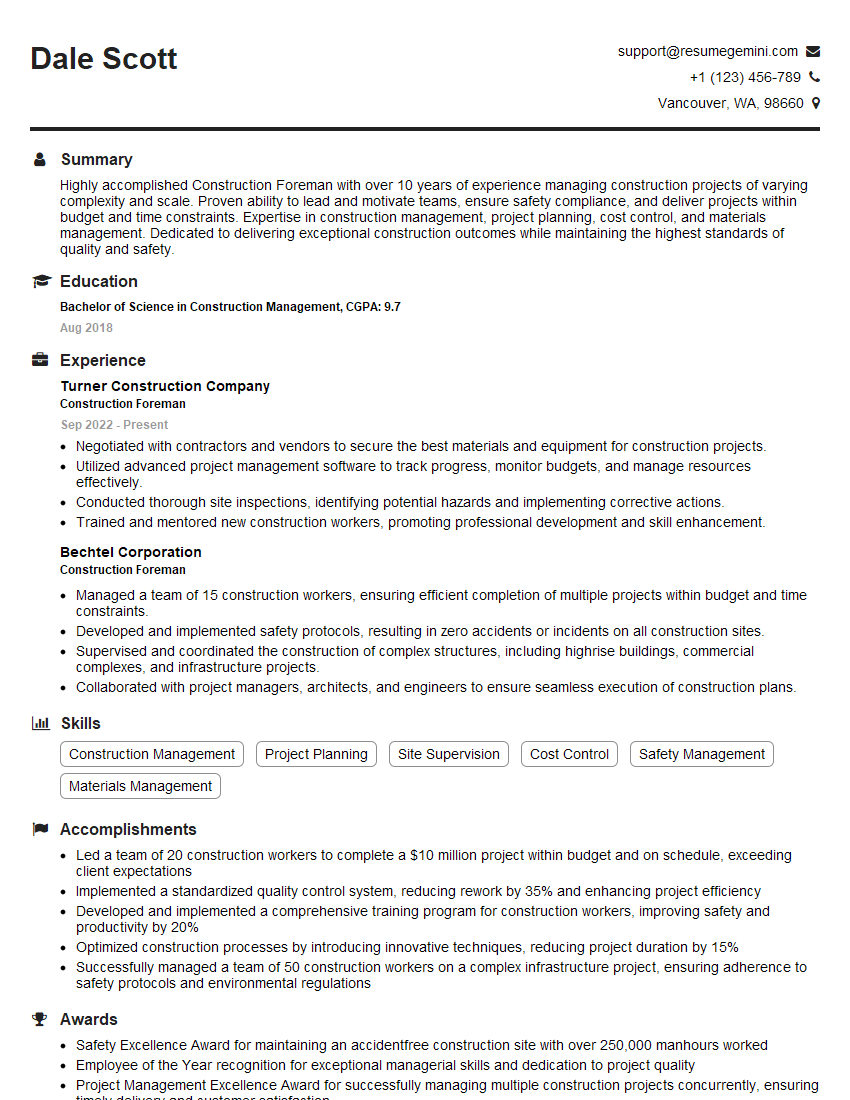
Construction Foreman Resume Sample

General Contractor Resume Sample
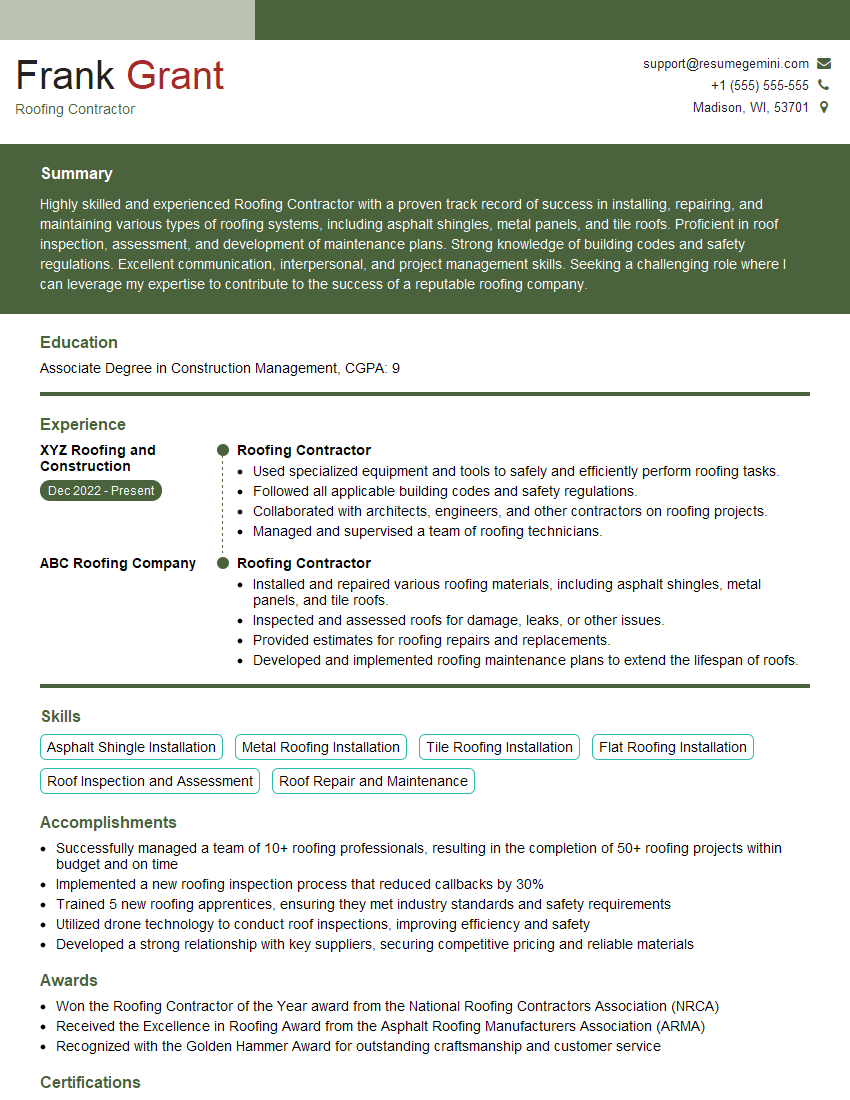
Roofing Contractor Resume Sample

Maintenance Technician Resume Sample

Furniture Maker Resume Sample
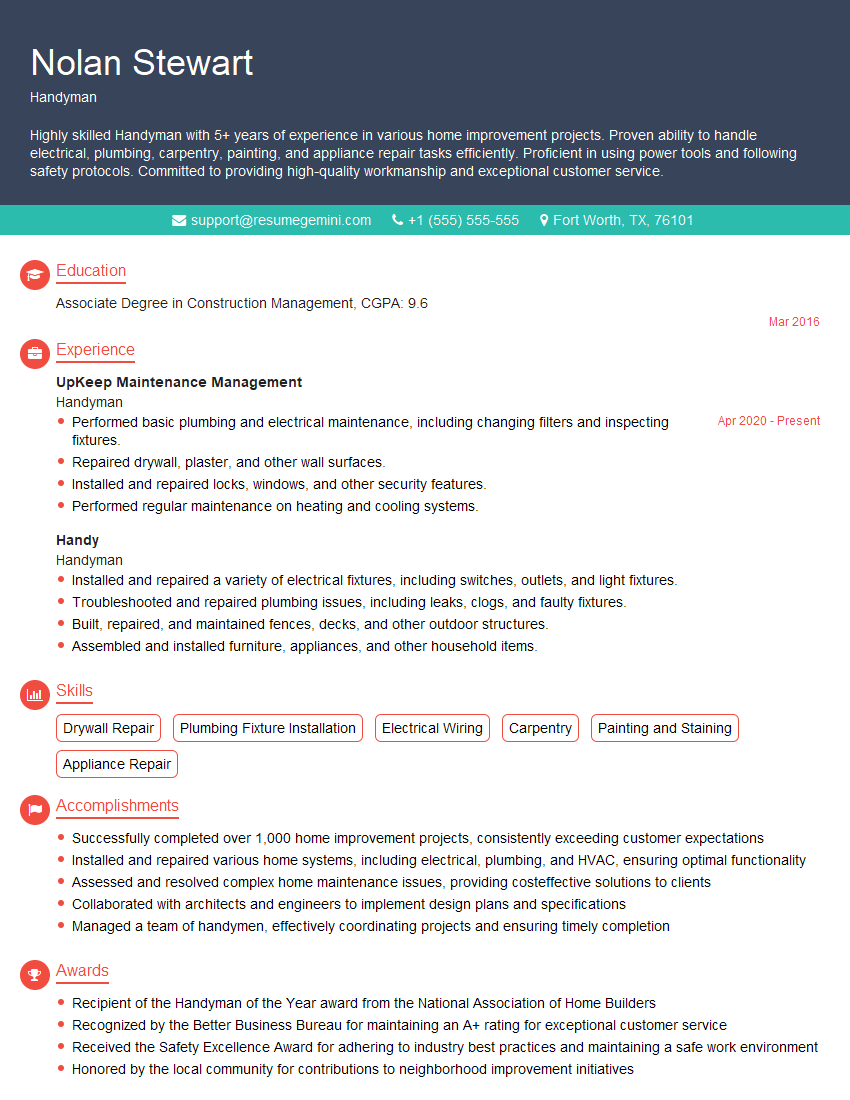
Handyman Resume Sample
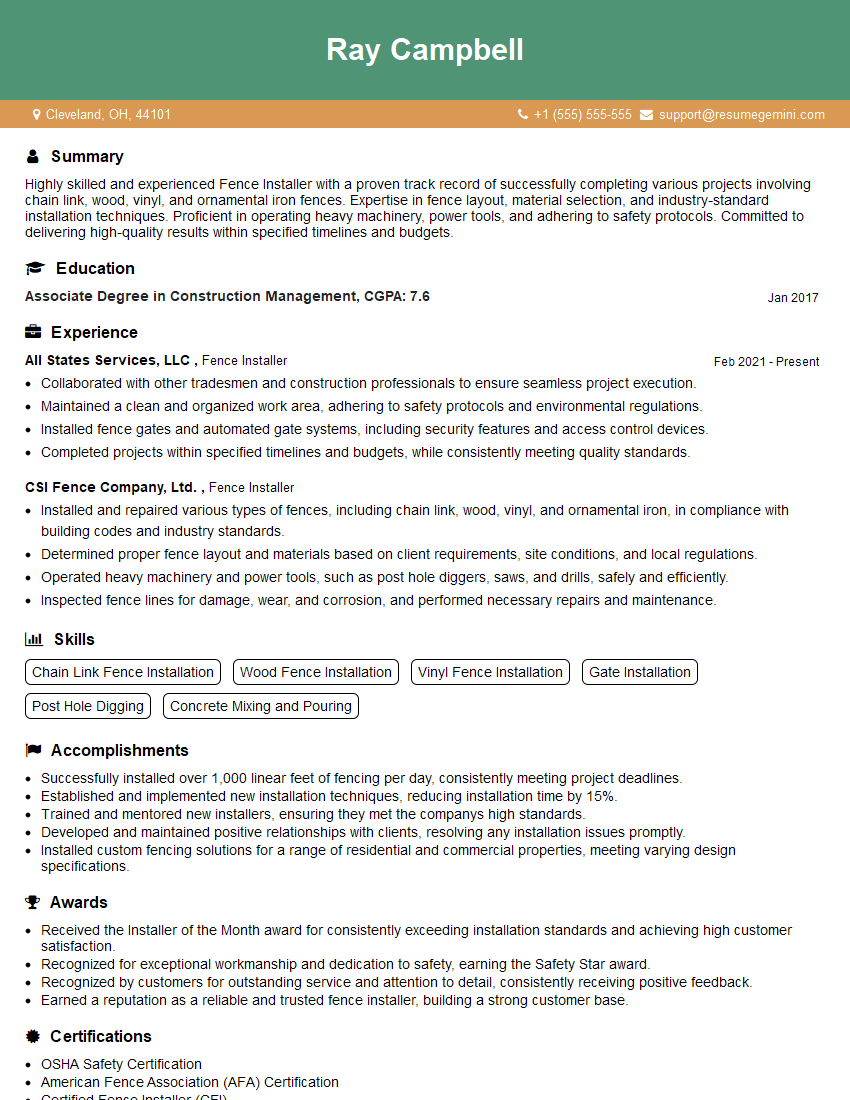
Fence Installer Resume Sample
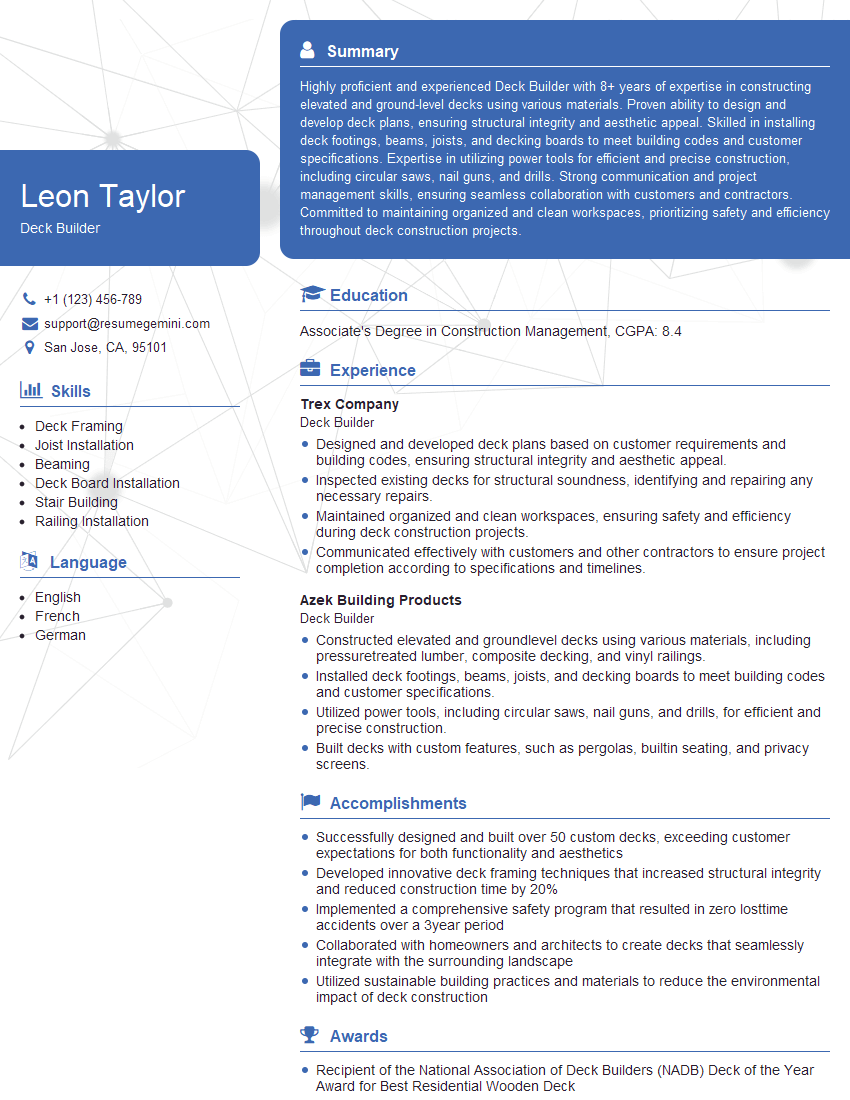
Deck Builder Resume Sample
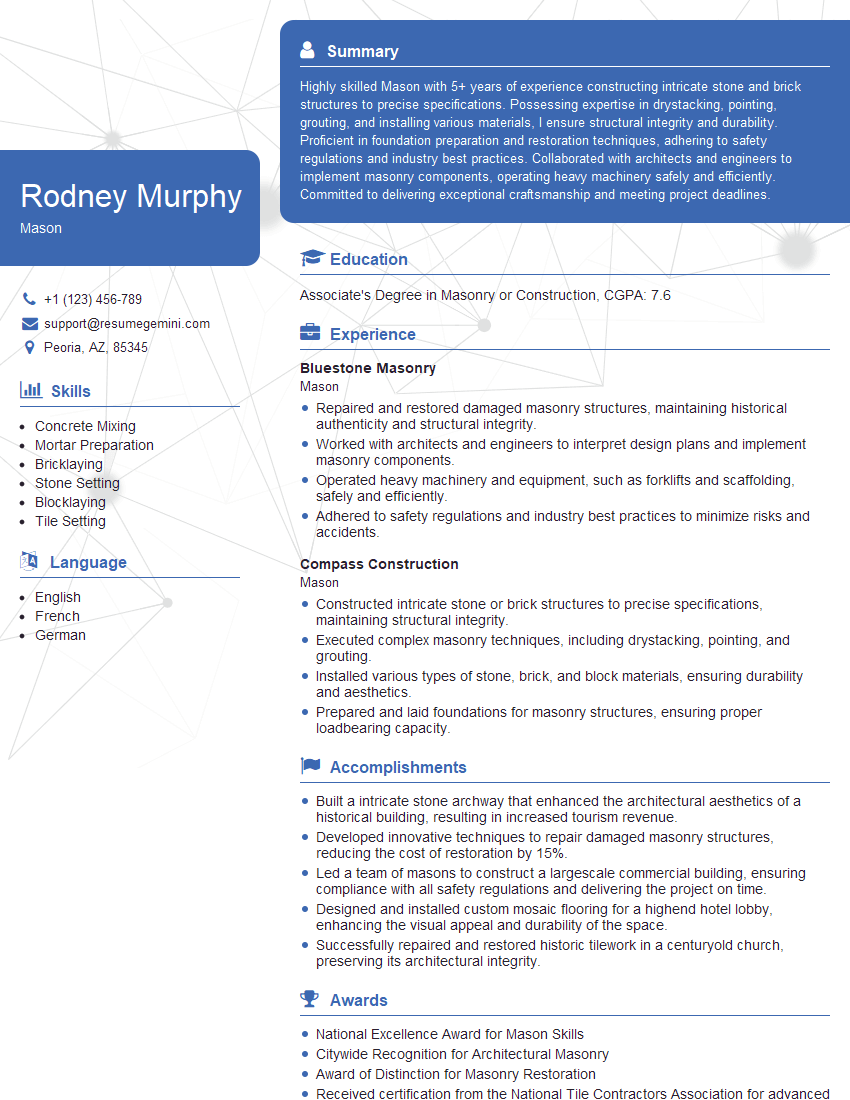
Mason Resume Sample
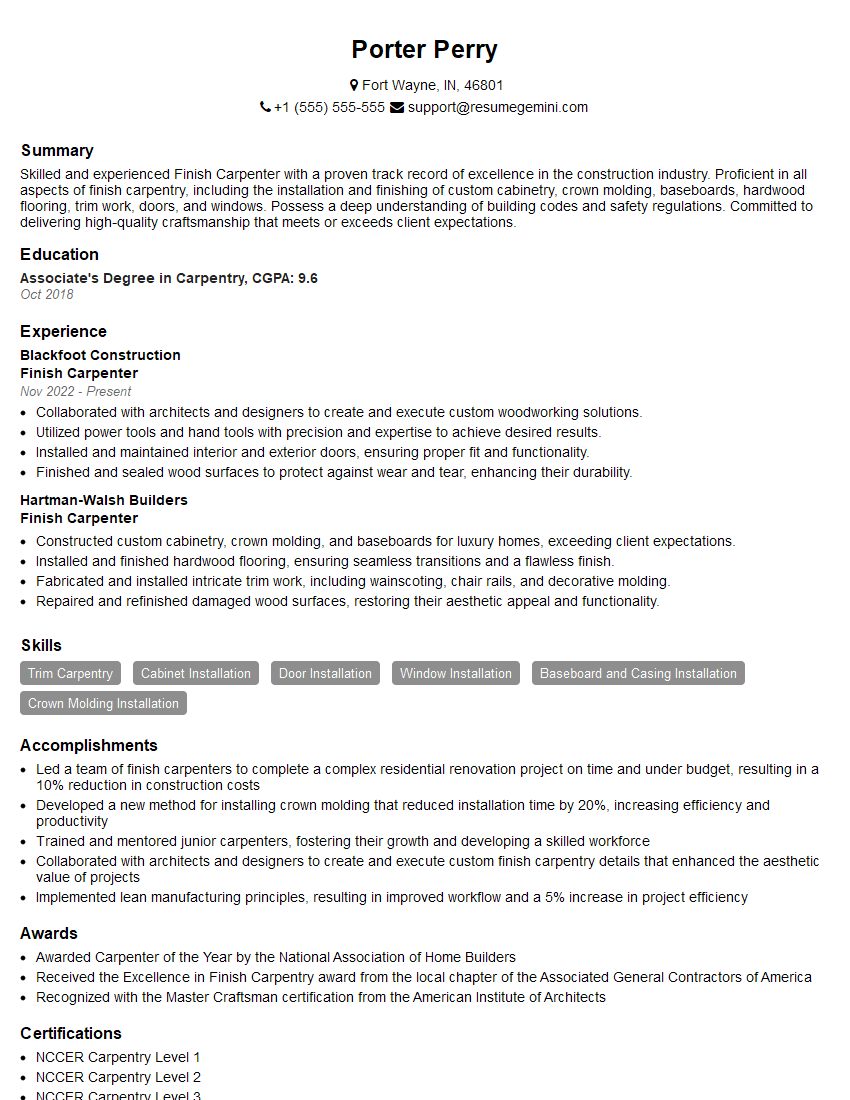
Finish Carpenter Resume Sample
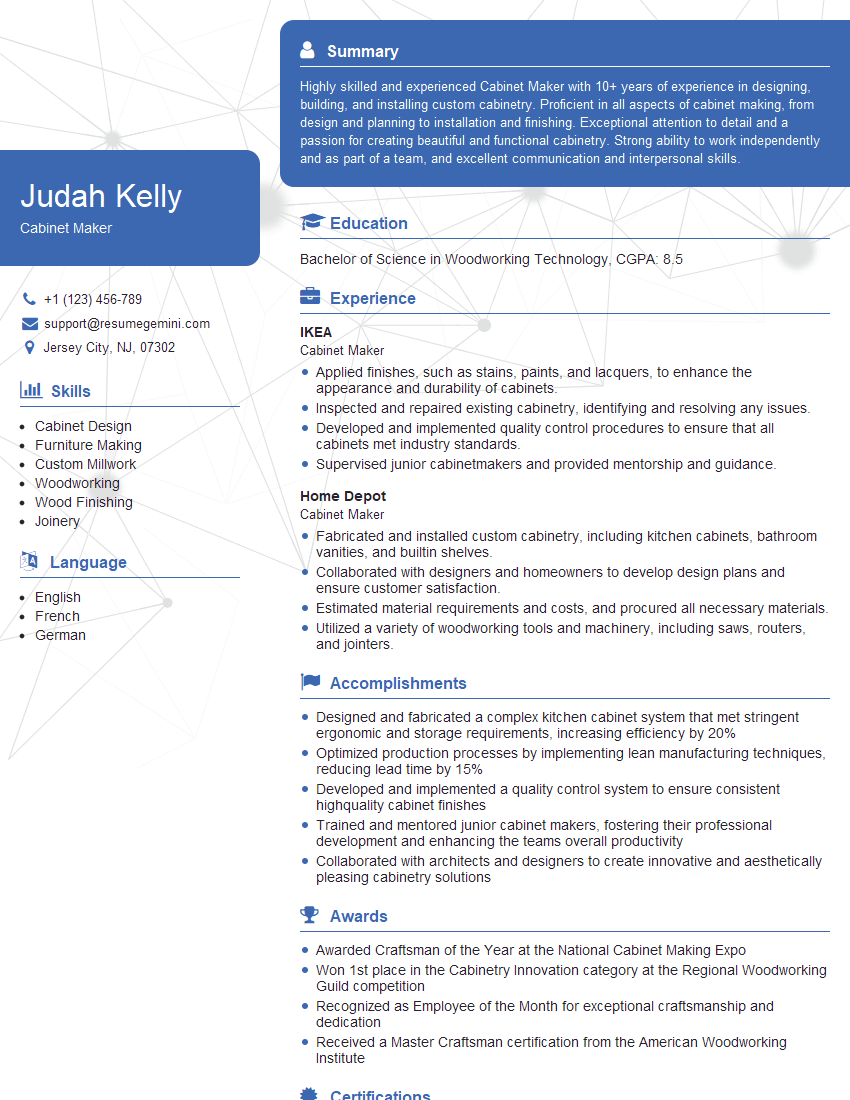
Cabinet Maker Resume Sample
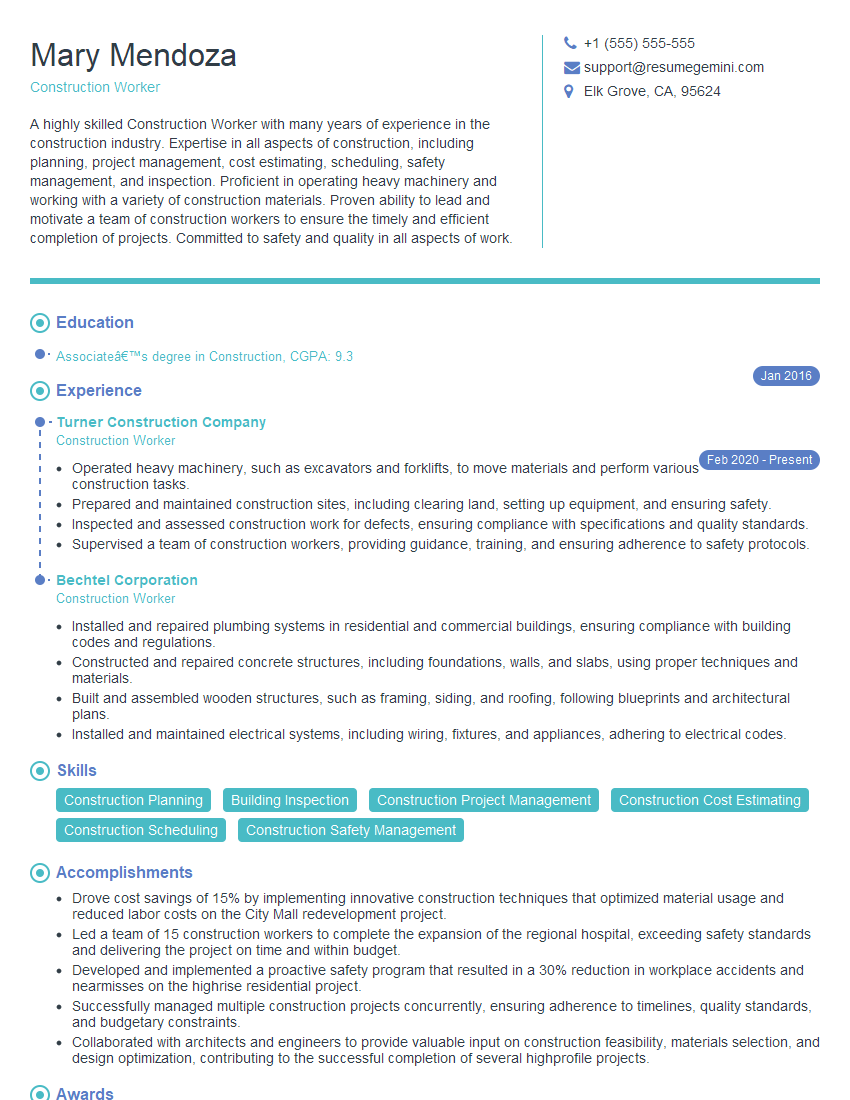
Construction Worker Resume Sample
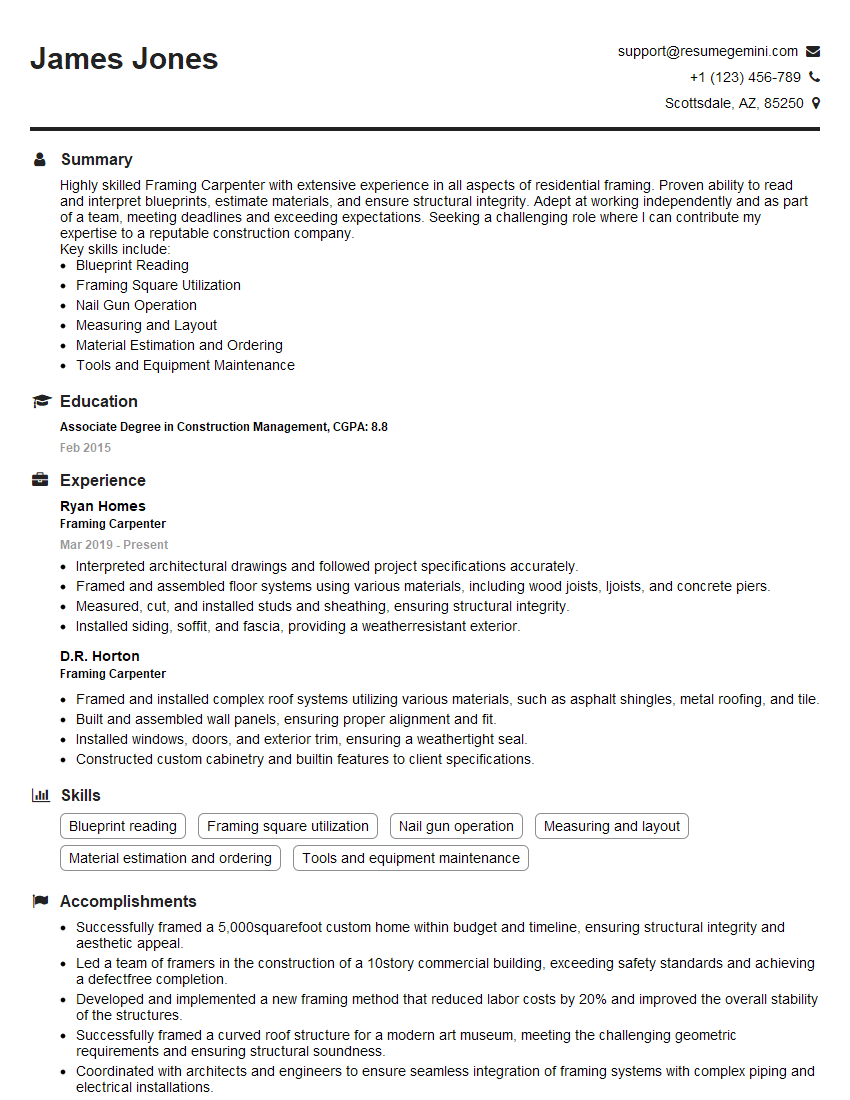
Framing Carpenter Resume Sample
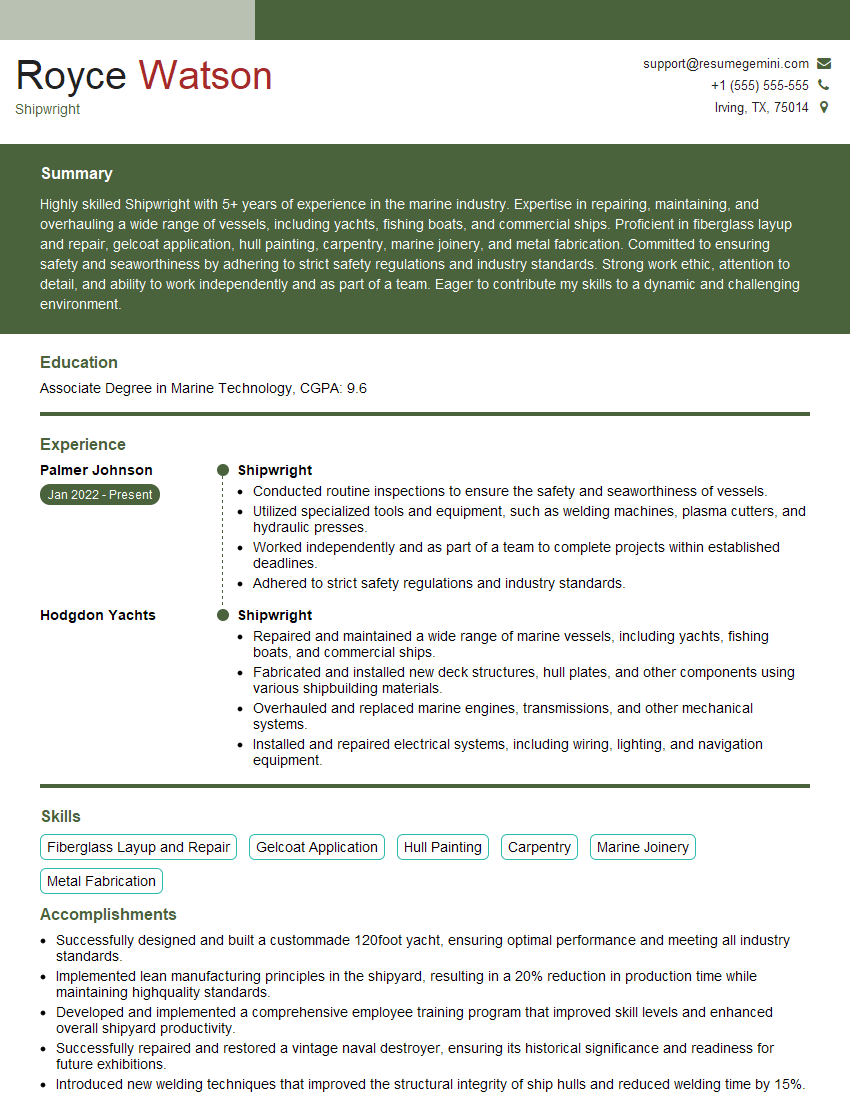
Shipwright Resume Sample
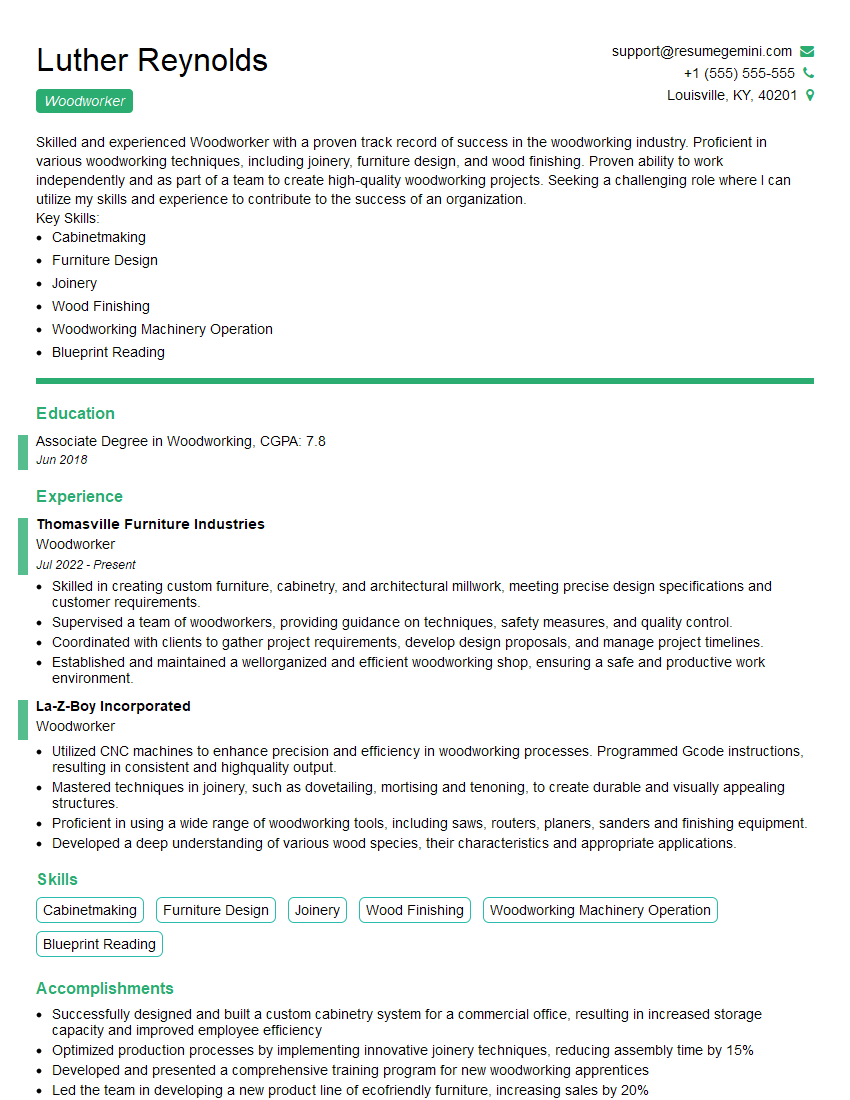
Woodworker Resume Sample
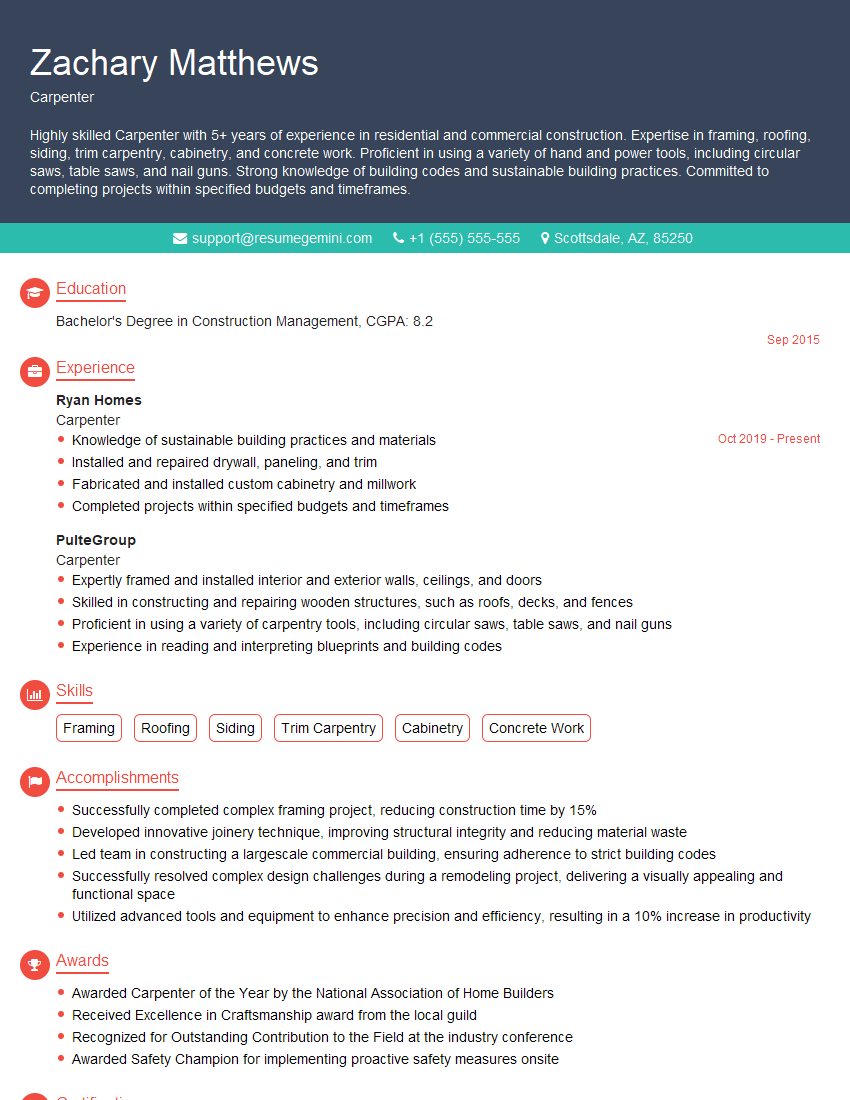
Carpenter Resume Sample
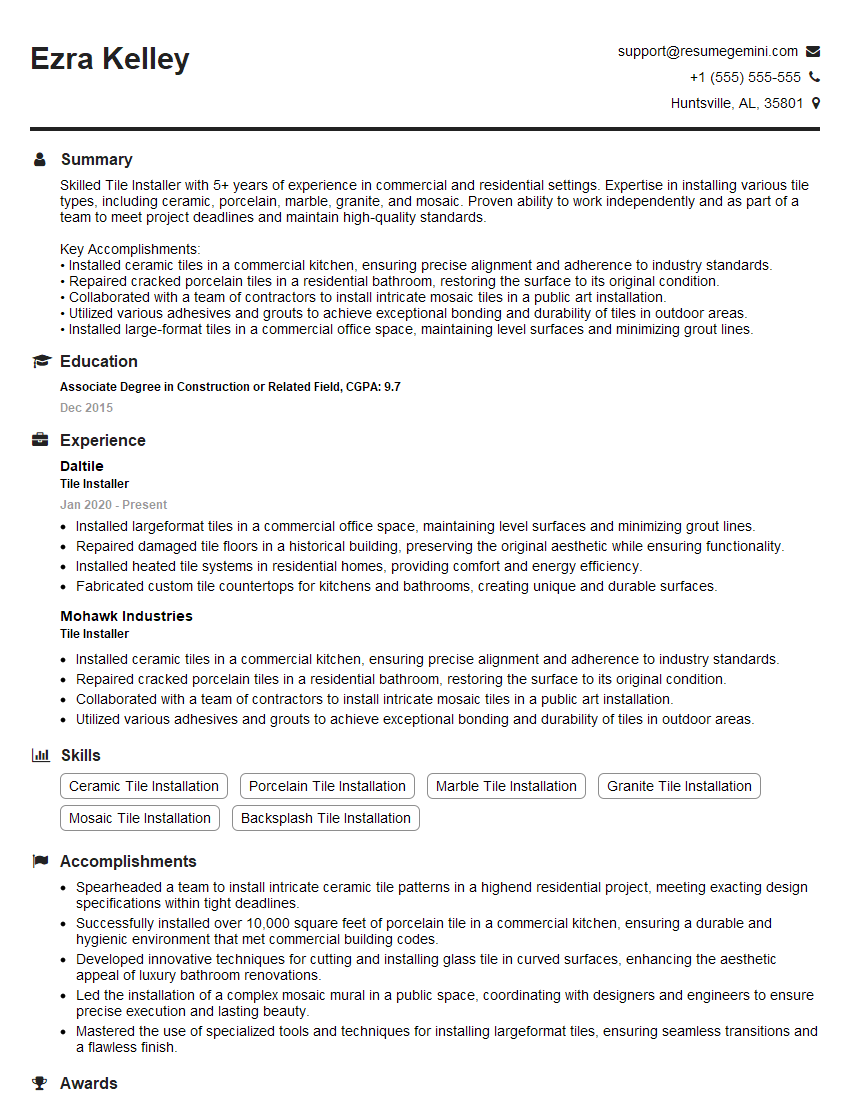
Tile Installer Resume Sample
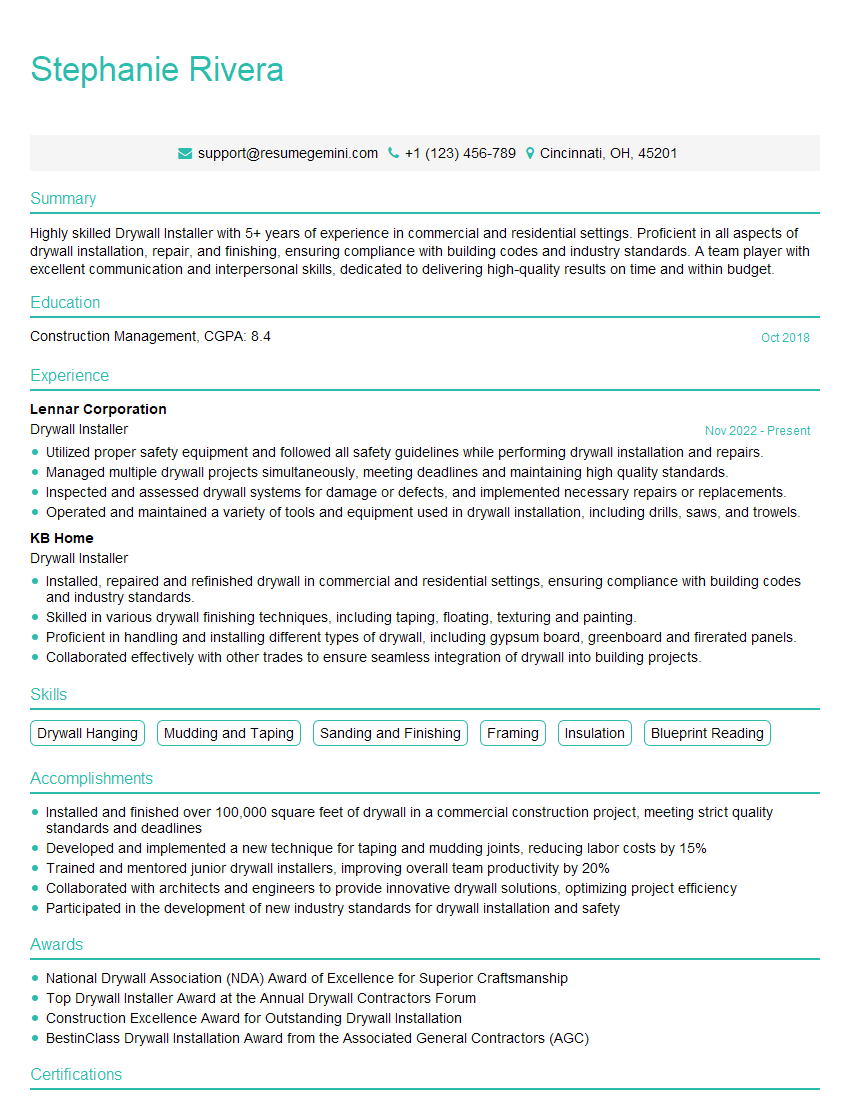
Drywall Installer Resume Sample

Millwright Resume Sample
Explore more articles
Users Rating of Our Blogs
Share Your Experience
We value your feedback! Please rate our content and share your thoughts (optional).
What Readers Say About Our Blog
To the interviewgemini.com Webmaster.
Very helpful and content specific questions to help prepare me for my interview!
Thank you
To the interviewgemini.com Webmaster.
This was kind of a unique content I found around the specialized skills. Very helpful questions and good detailed answers.
Very Helpful blog, thank you Interviewgemini team.