Feeling uncertain about what to expect in your upcoming interview? We’ve got you covered! This blog highlights the most important Vasculitis Diagnosis and Treatment interview questions and provides actionable advice to help you stand out as the ideal candidate. Let’s pave the way for your success.
Questions Asked in Vasculitis Diagnosis and Treatment Interview
Q 1. Describe the diagnostic criteria for Giant Cell Arteritis (GCA).
Giant Cell Arteritis (GCA), also known as temporal arteritis, is a large-vessel vasculitis primarily affecting older adults. Diagnosis isn’t straightforward and relies on a combination of clinical features and investigations. There isn’t one single definitive test. The American College of Rheumatology (ACR) has proposed criteria, but even meeting these criteria doesn’t guarantee the diagnosis.
- Age ≥ 50 years: GCA is rare in younger individuals.
- New-onset headache, usually temporal in location: This is a classic symptom, but the headache can be generalized.
- Temporal artery tenderness or nodularity: Palpation of the temporal artery often reveals tenderness or a thickened, nodular artery.
- Abnormal temporal artery biopsy: This is considered the gold standard for diagnosis. The biopsy shows granulomatous inflammation of the arterial wall.
- Elevated erythrocyte sedimentation rate (ESR) or C-reactive protein (CRP): These inflammatory markers are usually significantly elevated, but can be normal in some cases. A normal ESR or CRP doesn’t exclude the diagnosis.
Meeting at least three of these five criteria increases the likelihood of GCA, however, a high index of suspicion is crucial as some patients may not fulfill all criteria. Furthermore, a negative biopsy doesn’t always rule out GCA, especially if there is strong clinical suspicion. Serial biopsies may be considered in such cases. Imaging techniques like ultrasound may help guide biopsy location.
Q 2. Explain the role of ANCA testing in Vasculitis.
Anti-neutrophil cytoplasmic antibodies (ANCA) are autoantibodies that target components of neutrophils and monocytes. ANCA testing plays a crucial role in the diagnosis and classification of several types of vasculitis, particularly those affecting small vessels. These tests are not diagnostic on their own but are invaluable in conjunction with clinical findings and other laboratory data.
There are two major types of ANCA:
- c-ANCA (cytoplasmic ANCA): Primarily targets proteinase 3 (PR3), often associated with granulomatosis with polyangiitis (GPA).
- p-ANCA (perinuclear ANCA): Frequently targets myeloperoxidase (MPO), more commonly linked to microscopic polyangiitis (MPA) and eosinophilic granulomatosis with polyangiitis (EGPA).
The presence of ANCA can help differentiate between various types of vasculitis and guide treatment decisions. However, ANCA can be found in other conditions, and absence doesn’t rule out vasculitis. A negative ANCA test doesn’t negate the need for further investigation.
Q 3. Differentiate between ANCA-associated and ANCA-negative vasculitis.
The distinction between ANCA-associated and ANCA-negative vasculitis is primarily based on the presence or absence of ANCA. This categorization affects diagnostic and therapeutic strategies.
- ANCA-associated vasculitis: Includes GPA, MPA, and EGPA. These conditions typically involve small vessels and show a strong association with ANCA positivity, although not all patients are positive. Clinical features often include glomerulonephritis, upper and lower respiratory tract involvement, and palpable purpura. Treatment frequently involves immunosuppression.
- ANCA-negative vasculitis: This group encompasses a heterogeneous collection of vasculitides that lack a consistent ANCA pattern. Examples include GCA, Takayasu arteritis, Behçet’s disease, and certain types of cutaneous vasculitis. Diagnostic approaches and treatment strategies vary substantially depending on the specific clinical presentation and suspected etiology. Treatment may involve corticosteroids, other immunosuppressants, or targeted therapies.
It’s crucial to remember that ANCA status is just one piece of the diagnostic puzzle; clinical presentation, biopsy results, and other laboratory findings are essential for accurate diagnosis and tailored treatment.
Q 4. What are the common clinical manifestations of Takayasu Arteritis?
Takayasu arteritis (TA) is a large-vessel vasculitis primarily affecting young women. The disease involves the aorta and its major branches, causing stenosis, occlusion, and aneurysmal dilatation. Clinical manifestations are highly variable and depend on the affected vessels.
- Constitutional symptoms: Fever, fatigue, weight loss, and night sweats are common early signs.
- Cardiovascular symptoms: Hypertension, claudication (pain in the limbs due to reduced blood flow), syncope (fainting), and heart failure can occur due to aortic involvement.
- Neurological symptoms: Ischemic events (stroke, transient ischemic attacks) are possible due to cerebral artery stenosis.
- Ocular symptoms: Visual disturbances, including blurred vision and blindness, can arise from retinal artery occlusion.
- Pulmonary symptoms: Shortness of breath and chest pain are possible due to pulmonary artery involvement.
- Peripheral arterial insufficiency: Weak pulses in the extremities, decreased blood pressure in affected limbs, and cold extremities are common.
The clinical picture is often insidious, and the diagnosis can be challenging, often requiring angiography to confirm the diagnosis and assess the extent of vascular involvement.
Q 5. Outline the treatment approach for Behçet’s Disease.
Behçet’s disease is a systemic vasculitis characterized by recurrent oral and genital ulcers, uveitis, and skin lesions. Treatment is primarily aimed at managing symptoms and preventing complications. There is no cure.
The approach is individualized and depends on the severity and location of the disease activity:
- Oral and genital ulcers: Colchicine is often effective in reducing the frequency and severity of ulcers. Topical corticosteroids may also be used.
- Uveitis: Corticosteroids, both topical and systemic, are the mainstay of treatment for uveitis to prevent blindness. Immunosuppressants like azathioprine, cyclosporine or mycophenolate mofetil may be needed for severe or recurrent cases.
- Skin lesions: Topical corticosteroids or other topical agents might be helpful for mild lesions. Systemic immunosuppression may be necessary for severe skin involvement.
- Neurological involvement: High-dose corticosteroids and other immunosuppressive agents such as azathioprine, cyclophosphamide, or infliximab (anti-TNF) are used in cases of severe neurological involvement, such as meningitis or encephalitis.
- Vascular involvement: Systemic immunosuppression (corticosteroids, azathioprine, cyclosporine) is necessary for severe vascular complications such as deep vein thrombosis or aneurysms.
Treatment strategies are adapted based on the response and the potential for significant complications, often requiring a multidisciplinary approach involving ophthalmologists, dermatologists, and neurologists.
Q 6. Discuss the management of renal involvement in ANCA-associated vasculitis.
Renal involvement is a common and serious complication of ANCA-associated vasculitis, particularly GPA and MPA. Rapid and effective treatment is crucial to preserve renal function.
Management involves:
- Assessment: Regular monitoring of renal function (eGFR, creatinine clearance), urine analysis, and imaging (ultrasound, CT) are essential to assess the severity of renal involvement.
- Induction of remission: Aggressive immunosuppression is crucial to rapidly achieve remission and prevent irreversible renal damage. Commonly used agents include cyclophosphamide (oral or intravenous), rituximab (anti-CD20 monoclonal antibody), and corticosteroids. The choice depends on the severity and individual patient factors.
- Maintenance therapy: Once remission is achieved, maintenance therapy is required to prevent relapse. Azathioprine, mycophenolate mofetil, or methotrexate are commonly used for maintenance.
- Plasma exchange (plasmapheresis): This procedure may be used in severe cases, particularly those with rapidly progressive glomerulonephritis, to remove circulating ANCA and inflammatory mediators.
- Dialysis: In cases of severe renal failure unresponsive to treatment, dialysis may be necessary to support kidney function until remission is achieved or a kidney transplant is considered.
Careful monitoring of renal function and adverse effects of immunosuppression are crucial throughout treatment. Early and aggressive management is vital to minimize long-term renal damage.
Q 7. How do you assess the severity of vasculitis?
Assessing vasculitis severity is complex and involves several factors. There isn’t a single universally accepted scale, but a multi-faceted approach is essential. The assessment encompasses:
- Organ system involvement: The extent and severity of involvement of different organs (kidneys, lungs, nervous system, skin, etc.) greatly impact the overall severity. More widespread and severe organ involvement indicates higher severity.
- Laboratory markers: Elevated inflammatory markers (ESR, CRP) suggest active disease. Abnormal ANCA titres (when applicable) can indicate disease activity.
- Biopsy findings: Histological examination of involved tissues provides valuable information about the extent and type of inflammation.
- Clinical features: Symptoms like fever, fatigue, weight loss, and organ-specific manifestations are considered.
- Imaging studies: Angiography, ultrasound, CT, and MRI can show the extent of vascular damage in various organs.
By combining these assessments, clinicians can develop a comprehensive picture of the disease’s severity, tailor treatment accordingly, and monitor the response to therapy. Severity scales such as the Birmingham Vasculitis Activity Score (BVAS) are used for some forms of vasculitis to provide more objective measures of disease activity.
Q 8. Explain the use of corticosteroids in vasculitis treatment.
Corticosteroids, such as prednisone, are a cornerstone of vasculitis treatment. They act as potent anti-inflammatory agents, rapidly reducing inflammation in blood vessels. This helps alleviate symptoms like fever, fatigue, and organ damage. Think of them as putting out a fire – they quickly address the immediate inflammation. However, they are not a long-term solution due to significant side effects.
Mechanism of Action: Corticosteroids bind to intracellular receptors, influencing gene expression and ultimately suppressing the immune response that contributes to vasculitis. This leads to decreased production of inflammatory mediators.
Clinical Application: Corticosteroids are often used as initial therapy, especially in severe cases, to quickly control the disease and prevent organ damage. They are typically given in high doses initially, then gradually tapered down over months or even years to minimize side effects.
Example: A patient with rapidly progressing granulomatosis with polyangiitis (GPA) experiencing severe kidney involvement might receive a high dose of intravenous methylprednisolone initially, followed by oral prednisone tapering.
Q 9. Describe the role of immunosuppressants (e.g., cyclophosphamide, rituximab) in vasculitis.
Immunosuppressants are crucial for long-term vasculitis management, preventing relapses and further damage. They work by suppressing the overactive immune system that causes the inflammation. They are often used in conjunction with corticosteroids, particularly when the disease is severe or doesn’t respond well to corticosteroids alone.
Examples:
- Cyclophosphamide: A cytotoxic agent that significantly reduces the number of immune cells, effectively controlling inflammation. It is often used for severe, life-threatening vasculitis.
- Rituximab: A monoclonal antibody that targets CD20-positive B cells, a key player in the autoimmune response. It’s less toxic than cyclophosphamide but may not be as effective in all cases.
- Methotrexate: Another immunosuppressant that can be used for less severe forms of vasculitis or for maintenance therapy.
Clinical Application: The choice of immunosuppressant depends on the type of vasculitis, disease severity, and patient-specific factors such as other medical conditions. Careful monitoring is crucial due to potential side effects.
Q 10. What are the potential complications of vasculitis treatment?
Vasculitis treatment carries potential complications, stemming from both the disease itself and the medications used to treat it.
Medication-related complications:
- Corticosteroids: Weight gain, diabetes, osteoporosis, hypertension, increased risk of infections, mood changes.
- Cyclophosphamide: Bone marrow suppression (leading to anemia, leukopenia, thrombocytopenia), infertility, increased risk of bladder cancer, nausea, vomiting.
- Rituximab: Infusion reactions, increased risk of infections.
Disease-related complications: These can include organ damage (e.g., kidney failure, heart attack, stroke) depending on which vessels are affected. These complications can be severe and even life-threatening.
Monitoring: Regular blood tests, urine tests, imaging studies (e.g., ultrasound, CT scans, MRI) and clinical assessments are crucial to detect and manage these complications early.
Q 11. How do you monitor the response to vasculitis treatment?
Monitoring response to vasculitis treatment is crucial for ensuring efficacy and adjusting the treatment plan accordingly. This involves a multi-faceted approach:
- Clinical assessment: Monitoring symptoms like fever, fatigue, pain, and organ-specific manifestations (e.g., kidney function, neurological symptoms).
- Laboratory tests: Regular blood tests (complete blood count, inflammatory markers like ESR and CRP, kidney function tests, liver function tests).
- Imaging: Periodic imaging studies (e.g., ultrasound, CT, MRI) to assess organ involvement and response to treatment.
- Biopsy: In some cases, repeat biopsies might be necessary to assess disease activity.
Response indicators: Improvement in symptoms, normalization of inflammatory markers, and resolution of organ damage on imaging suggest a positive response. Lack of response or worsening of the disease necessitates a change in treatment strategy.
Q 12. What are the long-term management strategies for vasculitis?
Long-term management of vasculitis focuses on preventing relapses, minimizing complications, and maintaining quality of life. This involves:
- Maintenance immunosuppression: Lower doses of immunosuppressants or alternative agents might be needed to prevent relapse.
- Regular monitoring: Continued monitoring with blood tests, imaging, and clinical assessments.
- Lifestyle modifications: Healthy diet, regular exercise, stress management, smoking cessation (crucial as smoking exacerbates the disease).
- Supportive care: Managing complications like hypertension, diabetes, or osteoporosis that might arise due to the disease or its treatment.
- Patient education: Empowering patients with knowledge about their disease and treatment to improve adherence and manage their condition effectively.
Example: A patient in remission from GPA might continue on a low dose of methotrexate and undergo regular blood tests and check-ups to monitor for signs of relapse.
Q 13. Describe the different types of biopsy techniques used in vasculitis diagnosis.
Biopsy is essential for diagnosing vasculitis, providing direct visualization of the affected blood vessels. Several techniques are used depending on the suspected location and type of vasculitis:
- Skin biopsy: A small sample of skin is taken, often from areas showing skin lesions. This is a common approach for cutaneous vasculitis.
- Muscle biopsy: A sample of muscle tissue is obtained to assess involvement of small and medium-sized vessels. This is helpful in certain forms of vasculitis affecting muscles.
- Kidney biopsy: A small sample of kidney tissue is taken to evaluate the extent of vasculitis and its impact on kidney function. This is crucial for diagnosing vasculitis affecting the kidneys, such as GPA.
- Nerve biopsy: This is used to assess vasculitis affecting nerves, although less common.
- Lung biopsy (bronchial or transbronchial): This procedure can be used to diagnose vasculitis affecting the lungs (e.g., GPA).
Techniques: Biopsies can be performed using various methods, including incisional biopsy (removing a larger piece of tissue) or punch biopsy (using a small circular instrument).
Q 14. Interpret this imaging result [present a hypothetical case with imaging findings].
Hypothetical Case: A 55-year-old male presents with fatigue, weight loss, and shortness of breath. A chest CT scan reveals multiple nodules in both lungs, some with cavitation. There is also evidence of mediastinal lymphadenopathy. Laboratory tests show elevated inflammatory markers (ESR and CRP) and positive antineutrophil cytoplasmic antibodies (ANCA).
Interpretation: The imaging findings (nodules with cavitation and lymphadenopathy) along with the clinical picture and positive ANCA strongly suggest granulomatosis with polyangiitis (GPA), a type of vasculitis affecting the lungs and other organs. The cavitation in the lung nodules is a significant finding, frequently seen in GPA. The mediastinal lymphadenopathy further supports the diagnosis. A lung biopsy would be needed to confirm the diagnosis by demonstrating necrotizing granulomas and vasculitis.
Further Investigations: Further investigations, such as a kidney biopsy and other relevant tests to assess for involvement of other organs, would be necessary to determine the extent of disease and guide treatment.
Q 15. Discuss the differential diagnosis for a patient presenting with purpura and arthralgia.
Purpura, characterized by purplish discoloration of the skin due to bleeding, and arthralgia (joint pain) are non-specific symptoms that can arise from a wide range of conditions. A thorough differential diagnosis is crucial to pinpoint the underlying cause. Vasculitis is certainly on the list, but we must consider other possibilities.
- Infectious causes: Viral illnesses like influenza or bacterial infections like endocarditis can cause purpura and joint pain. We’d look for other signs of infection, like fever, chills, and localized inflammation.
- Thrombocytopenia: Low platelet counts (thrombocytopenia), possibly due to autoimmune disorders like immune thrombocytopenic purpura (ITP) or medications, can lead to easy bruising and purpura. Blood tests would be vital here.
- Other autoimmune diseases: Systemic lupus erythematosus (SLE), rheumatoid arthritis, and other connective tissue diseases can manifest with purpura and arthralgia. We’d examine for other systemic symptoms relevant to these conditions.
- Drug reactions: Certain medications can trigger allergic reactions presenting as purpura and joint pain. A careful medication history is essential.
- Vasculitis itself: Several types of vasculitis, such as Henoch-Schönlein purpura (HSP) or small-vessel vasculitides, can cause these symptoms. We’d assess for organ involvement (kidneys, gut, etc.)
Reaching an accurate diagnosis requires a comprehensive approach, including a detailed history, physical examination, complete blood count (CBC), inflammatory markers (ESR, CRP), and possibly specialized tests such as skin biopsy and antinuclear antibody (ANA) testing depending on the suspicion.
Career Expert Tips:
- Ace those interviews! Prepare effectively by reviewing the Top 50 Most Common Interview Questions on ResumeGemini.
- Navigate your job search with confidence! Explore a wide range of Career Tips on ResumeGemini. Learn about common challenges and recommendations to overcome them.
- Craft the perfect resume! Master the Art of Resume Writing with ResumeGemini’s guide. Showcase your unique qualifications and achievements effectively.
- Don’t miss out on holiday savings! Build your dream resume with ResumeGemini’s ATS optimized templates.
Q 16. What are the key features that differentiate Polyarteritis Nodosa from other vasculitides?
Polyarteritis nodosa (PAN) is a necrotizing vasculitis affecting medium-sized arteries. Distinguishing it from other vasculitides requires a careful assessment of the affected vessels and clinical manifestations.
- Vessel Size: PAN primarily affects medium-sized arteries, unlike granulomatosis with polyangiitis (GPA) which tends to involve small and medium vessels, or giant cell arteritis which primarily involves large arteries.
- Organ Involvement: PAN often involves multiple organs, commonly affecting the kidneys, gastrointestinal tract, nerves, skin, and muscles. The absence of significant lung involvement is a key differentiator from GPA. Kidney involvement is often prominent with PAN.
- Granulomas: The absence of granulomas on biopsy is a key feature differentiating PAN from GPA. Granulomas are collections of immune cells, characteristic of GPA.
- ANCA: Antineutrophil cytoplasmic antibodies (ANCAs), particularly anti-proteinase 3 (PR3)-ANCA, are strongly associated with GPA and microscopic polyangiitis but are typically absent or only weakly present in PAN.
- Clinical Presentation: PAN may present with fever, weight loss, hypertension, abdominal pain, peripheral neuropathy, and livedo reticularis (a net-like purplish discoloration of the skin). The combination of these symptoms can help distinguish it from other vasculitides.
Ultimately, a definitive diagnosis of PAN typically requires a tissue biopsy showing characteristic necrotizing inflammation of the arterial wall.
Q 17. Describe the role of imaging techniques (e.g., angiography, MRI) in vasculitis diagnosis.
Imaging plays a crucial role in diagnosing vasculitis, helping visualize affected blood vessels and assess organ damage.
- Angiography: This technique uses contrast dye injected into arteries to visualize blood flow. In vasculitis, it may reveal areas of narrowing, aneurysms (bulges in the vessel wall), or complete blockage of the arteries, providing direct evidence of vascular involvement. It’s particularly useful for diagnosing PAN and large-vessel vasculitides.
- Magnetic Resonance Imaging (MRI): MRI with contrast provides detailed images of soft tissues and organs. It is excellent for detecting organ damage caused by vasculitis, such as in the kidneys, brain, and gastrointestinal tract. MRI can also demonstrate inflammation around vessels.
- Magnetic Resonance Angiography (MRA): MRA combines MRI with contrast to visualize blood vessels without the need for a catheter, providing a less invasive option for assessing vascular disease.
The choice of imaging technique depends on the suspected type of vasculitis and the organs involved. For example, angiography might be preferred for suspected PAN, while MRI would be more appropriate for assessing renal involvement in many vasculitides. Imaging is used in conjunction with other diagnostic tests for a complete picture.
Q 18. How do you manage a patient experiencing a vasculitis flare?
Managing a vasculitis flare requires a prompt and aggressive approach to control inflammation and prevent organ damage. The specific treatment depends on the type of vasculitis, the severity of the flare, and the organs affected.
- High-dose corticosteroids: These are typically the cornerstone of initial treatment, rapidly suppressing inflammation. The dose and duration are tailored to the individual patient.
- Immunosuppressants: Agents such as cyclophosphamide, azathioprine, methotrexate, or rituximab might be used either in conjunction with or instead of corticosteroids, particularly in severe cases or when there’s a risk of relapse. Cyclophosphamide is reserved for severe cases due to its potential for severe side effects.
- Plasmapheresis: This procedure removes harmful antibodies from the blood, which can be helpful during severe flares, especially when there’s severe organ dysfunction.
- Targeted therapies: Newer biological agents such as tocilizumab and TNF-alpha inhibitors are increasingly used, either as monotherapy or in combination with other immunosuppressants.
- Symptom management: Pain management, blood pressure control, and treatment of organ-specific complications are crucial aspects of flare management.
Close monitoring of the patient’s clinical status and laboratory parameters is essential throughout the flare. Adjustments to the treatment regimen may be necessary based on the response.
Q 19. Explain the importance of patient education in vasculitis management.
Patient education is paramount in vasculitis management. It empowers patients to actively participate in their care, improving adherence to treatment and ultimately improving outcomes.
- Understanding the disease: Patients need a clear explanation of their specific type of vasculitis, its cause (when known), and potential complications.
- Treatment plan: Patients should understand the purpose, dosage, potential side effects, and duration of each medication.
- Recognizing warning signs: Educating patients about signs of a flare-up, such as worsening joint pain, fever, or new organ symptoms, enables prompt medical attention and can prevent serious complications.
- Lifestyle modifications: In some cases, lifestyle adjustments, like smoking cessation, diet modifications, stress reduction, and regular exercise, can play a supportive role in managing vasculitis.
- Support groups: Connecting patients with support groups or online communities can provide emotional support, practical advice, and a sense of community.
- Long-term monitoring: Patients must be aware of the need for regular follow-up appointments to monitor disease activity, detect relapse early, and manage potential side effects.
Effective patient education promotes better understanding and compliance, leading to improved disease control and quality of life. A collaborative approach between the healthcare team and the patient ensures shared decision making and successful management.
Q 20. What are the common side effects of cyclophosphamide and how are they managed?
Cyclophosphamide is a potent immunosuppressant frequently used in severe vasculitis, but it carries significant side effects.
- Hematologic toxicity: The most serious side effects are bone marrow suppression, leading to leukopenia (low white blood cell count), thrombocytopenia (low platelet count), and anemia (low red blood cell count). Regular blood tests are crucial to monitor these parameters.
- Infections: Due to immunosuppression, patients are at increased risk of infections, ranging from mild to life-threatening. Prophylactic antibiotics may be considered, and patients should be educated about the importance of infection prevention.
- Sterility: Cyclophosphamide can cause infertility in both men and women. Patients should be counseled about this risk before starting treatment, and options for fertility preservation should be discussed.
- Bladder toxicity (hemorrhagic cystitis): This is a serious complication requiring careful monitoring and often the use of mesna to protect the bladder. Increased fluid intake is essential.
- Nausea and vomiting: These are common gastrointestinal side effects, often managed with antiemetic medication.
- Alopecia (hair loss): Hair loss is another possible side effect, which usually reverses after treatment is stopped.
Careful monitoring, preventive measures, and supportive care are essential to manage these side effects and ensure the patient’s safety. The benefits of cyclophosphamide in controlling severe vasculitis must be carefully weighed against the potential risks.
Q 21. How do you counsel a patient on the long-term risks of vasculitis?
Counseling patients about the long-term risks of vasculitis is crucial for managing expectations and promoting long-term well-being. The discussion should be individualized based on the patient’s specific condition and prognosis.
- Relapse: Many types of vasculitis have a tendency to relapse, potentially requiring ongoing treatment or modifications to the treatment plan.
- Organ damage: Vasculitis can cause irreversible damage to various organs, impacting their function in the long term. The extent of damage depends on the severity and duration of the disease.
- Increased risk of other conditions: Patients with vasculitis may have an increased risk of developing other autoimmune conditions or malignancies.
- Medication side effects: Long-term use of immunosuppressants can lead to cumulative side effects, requiring careful monitoring and management.
- Quality of life: Vasculitis can significantly impact quality of life, affecting physical functioning, emotional well-being, and social participation. This is an important aspect to address during counseling.
- Regular follow-up: Emphasizing the importance of regular monitoring and prompt attention to any warning signs helps detect potential problems early and allows for timely intervention.
Open communication, empathy, and a collaborative approach are essential when discussing long-term risks. Providing realistic expectations while emphasizing the possibility of effective management and maintaining a good quality of life is vital.
Q 22. Describe the use of biologics (e.g., tocilizumab, TNF inhibitors) in vasculitis.
Biologics, such as tocilizumab (an IL-6 receptor antagonist) and TNF inhibitors (e.g., infliximab, adalimumab), have revolutionized vasculitis treatment. They target specific components of the inflammatory cascade, reducing inflammation and preventing damage to blood vessels. This is crucial because vasculitis is characterized by inflammation of blood vessel walls, leading to organ damage.
Tocilizumab works by blocking the interleukin-6 (IL-6) receptor, a key cytokine in the inflammatory process. This effectively dampens the intense inflammatory response seen in many vasculitides, leading to improved symptoms and reduced disease activity. It’s particularly effective in giant cell arteritis (GCA) and some forms of ANCA-associated vasculitis (AAV).
TNF inhibitors target tumor necrosis factor-alpha (TNF-α), another crucial inflammatory cytokine. While less frequently used as a first-line treatment in vasculitis compared to tocilizumab or rituximab, they can be effective in specific cases, particularly when other treatments have failed or in patients with certain comorbidities. Their use requires careful monitoring due to potential side effects.
The choice of biologic depends on the specific type of vasculitis, the patient’s overall health, and response to other therapies. It’s essential to remember that biologics are not a cure but are powerful tools to manage inflammation and improve outcomes in vasculitis patients.
Q 23. What are the challenges in diagnosing vasculitis in children?
Diagnosing vasculitis in children presents unique challenges due to the non-specific nature of symptoms and the rarity of these conditions. Children often present with vague symptoms like fever, fatigue, and rash, which could be indicative of many other illnesses. Furthermore, children may not be able to articulate their symptoms as clearly as adults.
The diagnostic process relies heavily on a combination of factors:
- Detailed clinical history: Careful questioning about symptoms, family history, and any potential exposure to infections is crucial.
- Physical examination: Identifying skin lesions, organomegaly, or other signs of inflammation is important.
- Laboratory tests: These include complete blood counts, inflammatory markers (ESR, CRP), and serological tests (e.g., ANCA testing). However, these tests are often not specific to vasculitis.
- Imaging studies: Ultrasound, CT scans, or MRIs may be necessary to visualize affected blood vessels and organs.
- Biopsy: A tissue biopsy, often from the affected organ, is the gold standard for diagnosis. This can help identify the type of vasculitis and the extent of vessel involvement. This is particularly challenging in children due to the risk of invasive procedures.
The expertise of a pediatric rheumatologist experienced in vasculitis is vital for navigating these complexities and making an accurate diagnosis.
Q 24. Describe the role of genetic factors in the development of vasculitis.
Genetic factors play a complex role in the development of vasculitis. While not a direct cause, certain genetic variations can increase susceptibility or influence disease severity. It’s important to understand that vasculitis is not typically a single-gene disorder but rather a multifactorial disease with both genetic and environmental contributions.
Research has identified several genes associated with an increased risk of certain vasculitides. For example, some studies have linked specific HLA (human leukocyte antigen) alleles to an increased risk of Behçet’s disease. Similarly, variations in genes related to the immune system and inflammation pathways are under investigation for their role in ANCA-associated vasculitides.
It’s crucial to remember that the presence of a genetic risk factor doesn’t guarantee the development of vasculitis. Environmental triggers, infections, and other factors also play a critical role in disease initiation and progression. The interaction between genetic predisposition and environmental exposures is complex and still not fully understood.
Q 25. How do you approach a patient with suspected microscopic polyangiitis?
Suspected microscopic polyangiitis (MPA) requires a thorough and systematic approach. MPA is a small-vessel vasculitis characterized by necrotizing inflammation of capillaries, arterioles, and venules. It often presents with symptoms related to organ involvement, such as glomerulonephritis (kidney inflammation), lung hemorrhage, and peripheral neuropathy.
The diagnostic approach involves:
- Detailed clinical history and physical examination: Focus on the presence of purpura (small, purplish skin spots), hemoptysis (coughing up blood), renal dysfunction, and neurological symptoms.
- Laboratory investigations: Complete blood count showing anemia or thrombocytopenia (low platelet count); elevated inflammatory markers (ESR, CRP); and, importantly, ANCA testing—often positive for p-ANCA (perinuclear antineutrophil cytoplasmic antibodies).
- Imaging studies: Chest X-ray, CT scan, or MRI may reveal evidence of lung involvement or other organ damage.
- Kidney biopsy: Essential for assessing renal involvement and determining the severity of glomerulonephritis.
- Tissue biopsy (if possible): A biopsy showing necrotizing vasculitis in small vessels is crucial for definitive diagnosis, but sometimes impossible to obtain. Clinical picture and laboratory findings play an important role in guiding diagnosis in such situations.
The diagnosis is often one of exclusion, meaning other causes of similar symptoms need to be ruled out. Treatment typically involves immunosuppressive therapy with corticosteroids and other agents such as cyclophosphamide or rituximab to control inflammation and prevent further organ damage.
Q 26. Discuss the prognostic factors for vasculitis.
Prognosis in vasculitis is highly variable and depends on several factors. Early diagnosis and treatment are crucial for improving outcomes. Some key prognostic factors include:
- Type of vasculitis: Certain types of vasculitis, such as granulomatosis with polyangiitis (GPA), carry a higher risk of severe complications than others.
- Organ involvement: The extent and severity of organ damage at diagnosis significantly influence prognosis. For example, severe kidney involvement in MPA or GPA carries a worse prognosis than limited cutaneous involvement.
- Disease severity at diagnosis: Patients with severe disease activity at presentation often have a poorer prognosis than those with milder disease.
- Response to treatment: A prompt and sustained response to treatment is associated with better outcomes. Failure to achieve remission increases the risk of relapses and long-term complications.
- Presence of comorbidities: Patients with pre-existing conditions like hypertension, diabetes, or cardiovascular disease may have a worse prognosis.
- Age: Older patients may have a less favorable outcome due to reduced physiological reserve and increased vulnerability to complications.
Careful monitoring of disease activity, potential complications, and response to treatment is crucial in guiding management and optimizing long-term outcomes.
Q 27. Explain the importance of multidisciplinary collaboration in vasculitis management.
Multidisciplinary collaboration is essential for effective vasculitis management. The complexity of this disease, involving multiple organ systems and requiring specialized expertise, necessitates a team-based approach. A typical team may include:
- Rheumatologist: Leads the team, making diagnoses, and developing the overall treatment plan.
- Nephrologist: Manages kidney involvement, a common complication in many vasculitides.
- Pulmonologist: Addresses respiratory complications, such as lung hemorrhage or nodules.
- Neurologist: Evaluates and manages neurological symptoms, like peripheral neuropathy.
- Ophthalmologist: Monitors for ocular involvement, especially in conditions like giant cell arteritis.
- Vascular surgeon: May be involved in certain cases needing more interventional management.
- Other specialists: Depending on the individual patient’s needs, other specialists like dermatologists, gastroenterologists, or cardiologists might be consulted.
Regular team meetings, shared clinical data, and coordinated treatment plans ensure optimal patient care. This integrated approach improves diagnostic accuracy, facilitates prompt treatment initiation, minimizes complications, and improves long-term outcomes.
Q 28. Describe a recent research advancement in the field of vasculitis.
Recent research in vasculitis is focused on several promising areas. One significant advancement lies in the development of novel biomarkers for early diagnosis and disease monitoring. These include more sensitive and specific ANCA assays, as well as investigation into genomic and proteomic profiles to help identify patients at higher risk and predict treatment response.
Another important area of research involves personalized medicine. Scientists are working to identify specific genetic and immunological markers to predict individual responses to various treatments. This will allow physicians to tailor therapies based on an individual patient’s profile, maximizing efficacy and minimizing side effects.
Furthermore, there is ongoing research to develop new and safer therapies, including targeted therapies that specifically inhibit inflammatory pathways crucial in vasculitis without causing the side effects associated with traditional immunosuppressants. These advances hold great promise for improving the lives of patients with this challenging disease.
Key Topics to Learn for Vasculitis Diagnosis and Treatment Interview
- Clinical Presentation and Differential Diagnosis: Understanding the diverse symptoms of various vasculitides (e.g., granulomatosis with polyangiitis, giant cell arteritis, ANCA-associated vasculitis) and differentiating them from other conditions.
- Laboratory Investigations: Proficiency in interpreting relevant blood tests (e.g., complete blood count, inflammatory markers, ANCA), imaging studies (e.g., ultrasound, CT angiography, MRI), and biopsy results in the context of vasculitis diagnosis.
- Treatment Strategies: Knowledge of first-line and second-line treatment options, including corticosteroids, immunosuppressants (e.g., cyclophosphamide, rituximab, methotrexate), and biologics. Understanding the rationale behind treatment choices and potential side effects.
- Monitoring Disease Activity and Treatment Response: Familiarity with methods for assessing disease activity (e.g., clinical assessments, laboratory parameters) and determining treatment effectiveness. Understanding the importance of regular follow-up and adjustments to treatment plans.
- Specific Vasculitis Types: In-depth knowledge of the pathophysiology, clinical manifestations, diagnostic approaches, and treatment strategies for common vasculitides such as giant cell arteritis, Takayasu arteritis, and Behçet’s disease.
- Complications and Management: Understanding potential complications of vasculitis (e.g., organ damage, infections) and approaches to their prevention and management.
- Research and Recent Advances: Staying updated on the latest research findings and advancements in vasculitis diagnosis and treatment. This demonstrates a commitment to continuous learning and professional growth.
- Ethical Considerations and Patient Communication: Understanding the ethical implications of diagnosis and treatment decisions, along with effective communication strategies for patients and their families.
Next Steps
Mastering Vasculitis Diagnosis and Treatment is crucial for career advancement in rheumatology, internal medicine, or related specialties. A strong understanding of these complex areas positions you as a valuable asset to any healthcare team. To significantly improve your job prospects, create a resume that is both ATS-friendly and showcases your expertise. We recommend using ResumeGemini to build a professional and impactful resume that highlights your skills and experience. ResumeGemini provides examples of resumes tailored specifically to Vasculitis Diagnosis and Treatment, helping you present your qualifications effectively.
Medical Geneticist Resume Sample
Emergency Medicine Physician Resume Sample
Internal Medicine Physician Resume Sample
Pulmonologist Resume Sample
Rheumatologist Resume Sample
Dermatologist Resume Sample
Vascular Surgeon Resume Sample
Cardiologist Resume Sample
Immunologist Resume Sample

Nephrologist Resume Sample
Neurologist Resume Sample
Pathologist Resume Sample
Allergist Resume Sample
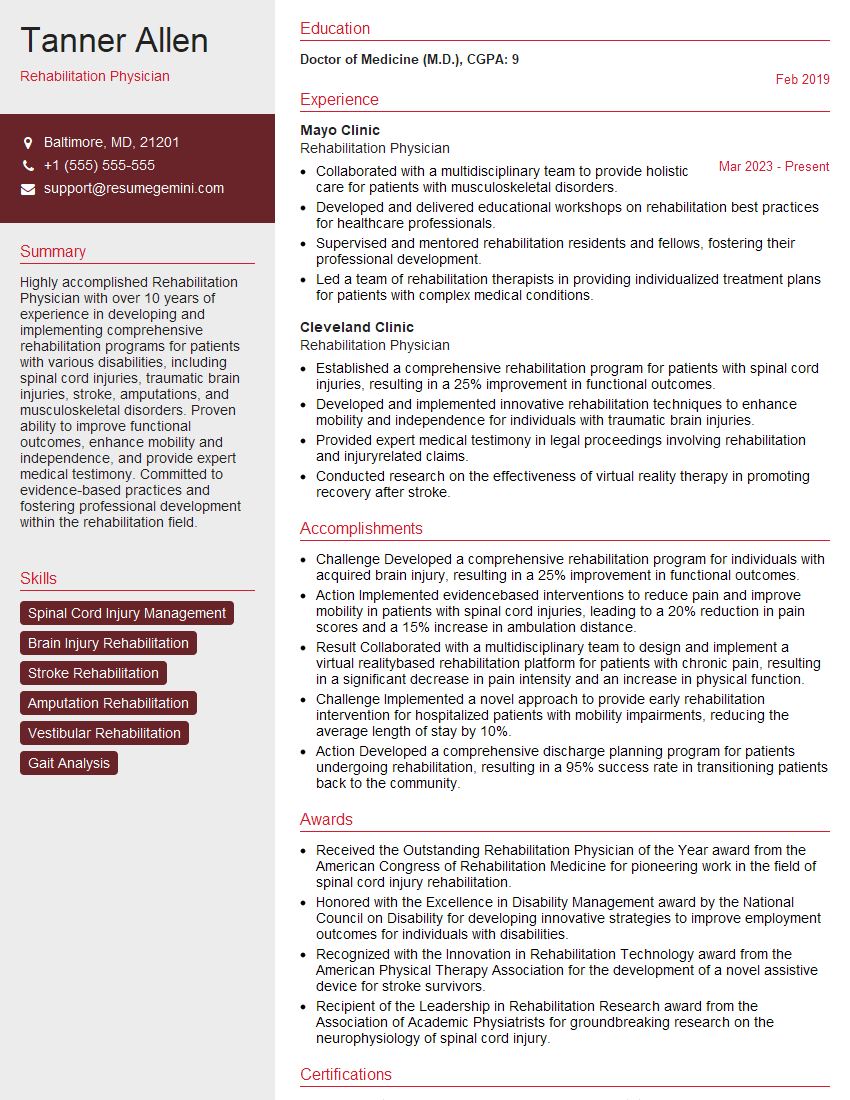
Rehabilitation Physician Resume Sample
Explore more articles
Users Rating of Our Blogs
Share Your Experience
We value your feedback! Please rate our content and share your thoughts (optional).
What Readers Say About Our Blog
To the interviewgemini.com Webmaster.
Very helpful and content specific questions to help prepare me for my interview!
Thank you
To the interviewgemini.com Webmaster.
This was kind of a unique content I found around the specialized skills. Very helpful questions and good detailed answers.
Very Helpful blog, thank you Interviewgemini team.