Every successful interview starts with knowing what to expect. In this blog, we’ll take you through the top Vertebroplasty interview questions, breaking them down with expert tips to help you deliver impactful answers. Step into your next interview fully prepared and ready to succeed.
Questions Asked in Vertebroplasty Interview
Q 1. Describe the procedure of Vertebroplasty.
Vertebroplasty is a minimally invasive procedure used to treat painful vertebral compression fractures. Imagine a cracked egg – the fracture weakens and collapses the vertebra, causing pain. Vertebroplasty essentially ‘repairs’ this crack by filling it with a special bone cement.
The procedure involves inserting a thin needle into the fractured vertebra under fluoroscopic (real-time X-ray) guidance. Once the needle is precisely positioned, a bone cement, typically polymethylmethacrylate (PMMA), is injected. The cement fills the fracture, stabilizing the vertebra and reducing pain. The entire process is usually performed under local anesthesia with sedation, making it relatively comfortable for the patient.
- Needle Insertion: A small incision is made, and a needle is carefully advanced to the fractured vertebra under fluoroscopic guidance.
- Cement Injection: Bone cement is injected into the fracture, filling the void and reinforcing the vertebra.
- Confirmation: Fluoroscopy is used to confirm the even distribution of cement within the fracture.
Q 2. What are the indications for Vertebroplasty?
Vertebroplasty is indicated for patients experiencing significant pain from vertebral compression fractures that haven’t responded to conservative treatments like pain medication, physical therapy, or bracing. These fractures often occur in the spine due to osteoporosis, trauma, or tumors.
- Osteoporotic Fractures: These are the most common cause, leading to pain and instability in the spine.
- Trauma-Related Fractures: Fractures resulting from falls or accidents often benefit from vertebroplasty to relieve pain and promote healing.
- Tumour-Related Fractures: Vertebral compression fractures caused by cancerous tumors can be treated with vertebroplasty to stabilize the spine and reduce pain. This is sometimes done in conjunction with other cancer treatments.
The decision to proceed with vertebroplasty considers the patient’s overall health, pain levels, and response to other treatments. A thorough evaluation by a specialist is crucial.
Q 3. What are the contraindications for Vertebroplasty?
Several contraindications exist, making vertebroplasty unsuitable for certain patients. These include:
- Active Infection: Infection near the injection site could spread during the procedure.
- Uncontrolled Bleeding Disorders: The risk of bleeding during and after the procedure would be significantly increased.
- Allergy to Bone Cement: PMMA is the most common cement, and an allergy to its components would prohibit its use.
- Severe Neurological Compromise: If the fracture has already caused significant neurological damage, vertebroplasty may not be effective.
- Adjacent Vertebral Fracture: The presence of another unstable fracture close by could negate the benefits of the procedure.
A detailed medical history and assessment are necessary to identify any contraindications before proceeding with vertebroplasty.
Q 4. Explain the different types of bone cement used in Vertebroplasty.
The most commonly used bone cement in vertebroplasty is polymethylmethacrylate (PMMA). This is a liquid that hardens quickly once injected, providing immediate support to the fractured vertebra. Its composition involves monomer and polymer components mixed before injection.
While PMMA is the standard, research is ongoing to explore alternative cements with improved properties. These might include cements with better biocompatibility, reduced heat generation during hardening (to minimize tissue damage), and enhanced strength and durability.
The choice of cement depends on factors like the patient’s individual needs, the type of fracture, and the surgeon’s preference. The goal is always to select a cement that provides adequate strength and stability while minimizing potential complications.
Q 5. What are the potential complications of Vertebroplasty?
While generally safe, vertebroplasty carries potential complications, although they are relatively infrequent:
- Cement Leakage: Cement may leak outside the fractured vertebra, potentially causing nerve irritation or pain.
- Infection: Though rare, infection at the injection site is a possibility.
- Vertebral Body Fracture: In some cases, the procedure may cause further fracture of the vertebra.
- Neurological Complications: Nerve damage is a rare but serious complication that can result from cement leakage or direct needle injury.
- Pain Increase: Though uncommon, some patients may experience increased pain after the procedure.
- Pulmonary Embolism (Rare): A very rare but serious complication is the development of a blood clot in the lungs.
The surgeon will discuss these potential risks with the patient before the procedure. Careful technique and meticulous monitoring during the procedure help minimize these complications.
Q 6. How do you manage pain after Vertebroplasty?
Pain management after vertebroplasty is usually straightforward. Most patients experience immediate pain relief. However, some residual discomfort may persist for a few days. Post-procedure pain management often involves:
- Analgesics: Over-the-counter pain relievers like acetaminophen or ibuprofen are often sufficient.
- Prescription Pain Medications: Stronger pain medications may be prescribed for a short period if necessary.
- Physical Therapy: Gentle exercises and physical therapy can help regain strength and mobility.
Regular follow-up visits allow the healthcare team to monitor pain levels and adjust pain management strategies as needed. A significant persistent increase in pain should be reported to the physician immediately.
Q 7. What imaging modalities are used before and after Vertebroplasty?
Imaging plays a vital role throughout the vertebroplasty process.
- Pre-Procedure Imaging: X-rays and often MRI or CT scans are used to identify and assess the vertebral compression fracture, rule out other underlying conditions, and plan the procedure precisely.
- Intra-Procedure Imaging: Fluoroscopy provides real-time X-ray imaging guidance, ensuring accurate needle placement and cement delivery.
- Post-Procedure Imaging: Post-procedure X-rays are essential to confirm the adequate filling of the fracture and assess for any complications such as cement leakage.
The imaging findings help guide treatment decisions and monitor the effectiveness of the procedure and recovery progress.
Q 8. Describe the role of fluoroscopy in Vertebroplasty.
Fluoroscopy plays a crucial role in vertebroplasty, acting as the eyes of the surgeon throughout the entire procedure. It’s a real-time X-ray imaging technique that allows us to visualize the vertebral body and the needle’s trajectory during the injection of bone cement. Imagine trying to navigate a tiny needle into a specific spot within a bone – without fluoroscopy, it would be virtually impossible to achieve precise placement.
Specifically, fluoroscopy guides us in three key ways:
- Needle placement: We use fluoroscopy to accurately position the needle into the target vertebra, avoiding vital structures like nerves and blood vessels. We continually adjust the needle’s angle and depth under real-time imaging guidance.
- Cement injection: We observe the spread of the bone cement within the vertebra on the fluoroscopic screen. This ensures complete filling of the fractured area and prevents leakage into surrounding tissues.
- Assessment of completion: Once the cement is injected, fluoroscopy helps us verify that the fracture has been adequately filled and stabilized.
Without real-time fluoroscopic imaging, vertebroplasty would be significantly riskier and far less precise.
Q 9. How do you select the appropriate needle size for Vertebroplasty?
Needle size selection in vertebroplasty is critical. It’s a balancing act between ensuring sufficient cement delivery and minimizing the risk of complications such as bone perforation or nerve injury. The choice depends primarily on the size and shape of the vertebral body, as well as the location of the fracture. Generally, we use needles ranging from 11 to 18 gauge. A larger gauge (smaller number) means a larger diameter needle, allowing for faster cement injection, but increasing the risk of complications. A smaller gauge (larger number) reduces risk, but slows the injection process.
Factors affecting needle size selection include:
- Vertebral body size: Larger vertebral bodies can accommodate larger needles. Smaller bodies may require smaller needles.
- Fracture morphology: Extensive fractures might benefit from larger needles to facilitate better cement distribution.
- Patient anatomy: The proximity of critical structures might influence needle size choice towards smaller diameters to reduce risk.
I typically use a smaller gauge needle initially and if cement flow is poor, I might consider upgrading to a slightly larger one. We always prioritize patient safety, even if it means a slightly slower injection rate.
Q 10. What are the advantages of Vertebroplasty compared to other treatments?
Vertebroplasty offers several advantages over other treatments for painful vertebral compression fractures, particularly when compared to conservative management (pain medication, rest, bracing).
- Rapid pain relief: Many patients experience significant pain reduction immediately following the procedure. Imagine going from excruciating pain to manageable discomfort within hours – that’s a significant improvement in quality of life.
- Improved mobility and function: The stabilization provided by the cement allows for quicker recovery and return to normal activities. This is a huge win for patient independence and overall well-being.
- Minimally invasive: It’s a less invasive procedure compared to open surgery, leading to shorter hospital stays, reduced risk of infection and faster recovery times.
- Reduced medication reliance: By addressing the source of pain, vertebroplasty can reduce the need for long-term opioid use, lowering the risk of side effects associated with long-term medication use.
While other therapies exist, vertebroplasty frequently provides a superior outcome for carefully selected patients.
Q 11. What are the disadvantages of Vertebroplasty?
Despite its benefits, vertebroplasty isn’t without potential drawbacks:
- Cement leakage: While rare with proper technique, cement leakage into surrounding tissues can cause complications such as nerve compression, muscle pain or vascular compromise. Careful fluoroscopic monitoring during the procedure is crucial to prevent this.
- Infection: As with any invasive procedure, there’s a risk of infection at the puncture site. Strict aseptic techniques are essential to minimize this risk.
- Pain during the procedure or afterward: Some patients may experience pain during or after the procedure, though it’s usually manageable with medication.
- Vertebral body perforation: Improper needle placement can lead to vertebral body perforation, although rare with good technique and fluoroscopic guidance.
- Not suitable for all patients: Vertebroplasty is not a suitable treatment for all patients with vertebral compression fractures, particularly those with certain contraindications. Careful patient selection is paramount.
It is important to discuss these potential risks thoroughly with patients before the procedure.
Q 12. How do you assess the success of a Vertebroplasty procedure?
Assessing the success of vertebroplasty involves a multifaceted approach. It’s not simply about whether the cement filled the fracture – we need to consider the patient’s overall experience and functional improvement.
We assess success using several methods:
- Pain relief: This is the primary indicator of success. We track the patient’s pain levels using standardized pain scales (e.g., Visual Analog Scale) both pre- and post-operatively, and at follow-up appointments.
- Improved mobility: We assess the patient’s ability to perform activities of daily living and measure improvements in mobility and function.
- Imaging: Post-operative imaging (X-rays or CT scans) is performed to confirm adequate cement distribution and fracture stabilization. We look for any evidence of leakage or incomplete filling.
- Patient satisfaction: We gather information about the patient’s satisfaction with the procedure and its impact on their quality of life.
A successful vertebroplasty is characterized by significant pain reduction, improved mobility, good cement distribution, and a high level of patient satisfaction.
Q 13. Describe the patient selection criteria for Vertebroplasty.
Patient selection for vertebroplasty is crucial to optimize outcomes and minimize risks. We carefully consider several factors:
- Pain: Patients must have significant pain related to the vertebral compression fracture that hasn’t responded to conservative management.
- Fracture characteristics: The fracture should be relatively recent (generally within 3 months) and stable.
- Neurological status: Patients should not have significant neurological deficits related to the fracture.
- Medical history: Certain medical conditions (e.g., bleeding disorders, severe osteoporosis) may contraindicate the procedure.
- Patient expectations: It’s crucial to set realistic expectations with patients regarding the procedure’s potential benefits and limitations.
A thorough assessment involving clinical examination, imaging studies, and a discussion of the risks and benefits is essential to determine suitability for the procedure. Not everyone with a vertebral compression fracture is a suitable candidate.
Q 14. What are the common post-operative instructions for Vertebroplasty?
Post-operative instructions for vertebroplasty aim to ensure a safe and comfortable recovery. Typical instructions include:
- Pain management: Patients are advised on appropriate pain medication use and encouraged to report any persistent or worsening pain.
- Activity limitations: Initially, light activity is recommended, with progressive increase in activity over several weeks. Heavy lifting and strenuous activities should be avoided for several months.
- Follow-up appointments: Regular follow-up appointments are scheduled to monitor pain levels, assess mobility and review any imaging.
- Postural advice: Patients are advised on maintaining good posture to promote healing and prevent further fractures.
- Wound care: If necessary, guidance is provided on proper wound care to prevent infection.
These instructions are crucial for minimizing complications and promoting a successful recovery. Patient education and communication play a vital role in achieving optimal post-operative outcomes.
Q 15. How do you manage cement leakage during Vertebroplasty?
Minimizing cement leakage during vertebroplasty is crucial for patient safety and procedure success. Leakage can cause serious complications, including nerve damage, vascular compromise, and pain. Several strategies are employed to mitigate this risk.
Careful Needle Placement: Fluoroscopic guidance is paramount. We use real-time X-ray imaging to precisely position the needle within the vertebral body, avoiding proximity to critical structures like the spinal cord and major blood vessels. This requires meticulous attention to detail and experience.
Low Injection Pressure: We inject the cement slowly and under low pressure. This allows the cement to gradually fill the vertebral body, reducing the risk of it forcing its way through cracks or fissures.
Cement Properties: The type of cement used is significant. We choose cements with appropriate viscosity and setting times to ensure proper filling while minimizing leakage. Some cements are specifically designed to have higher viscosity and reduced tendency to leak.
Multiple Needle Puncture Sites: In some cases, multiple punctures are made to better distribute the cement and reduce the pressure at any single point. This approach helps to achieve more uniform filling of the vertebral body.
Post-Injection Fluoroscopy: After the injection, we carefully review the fluoroscopic images to assess cement distribution and identify any evidence of leakage. If leakage is detected, appropriate measures are taken, potentially including additional injections to fill the void.
For instance, in a recent case involving a patient with a severely fractured vertebra, by carefully monitoring the injection pressure and using multiple needle insertions guided by fluoroscopy, we were able to successfully fill the fractured vertebra with minimal leakage, resulting in significant pain relief for the patient.
Career Expert Tips:
- Ace those interviews! Prepare effectively by reviewing the Top 50 Most Common Interview Questions on ResumeGemini.
- Navigate your job search with confidence! Explore a wide range of Career Tips on ResumeGemini. Learn about common challenges and recommendations to overcome them.
- Craft the perfect resume! Master the Art of Resume Writing with ResumeGemini’s guide. Showcase your unique qualifications and achievements effectively.
- Don’t miss out on holiday savings! Build your dream resume with ResumeGemini’s ATS optimized templates.
Q 16. What are the long-term outcomes of Vertebroplasty?
Long-term outcomes of vertebroplasty are generally positive for many patients, but it’s crucial to understand that results can vary. The primary goal is pain relief and improved quality of life.
Pain Relief: Most patients experience significant pain reduction immediately following the procedure, with lasting effects for several years. However, the duration of pain relief can be variable depending on the individual’s condition, the extent of the fracture, and other health factors.
Improved Function: Reduced pain often translates to improved mobility and ability to perform daily activities. Patients may regain independence and reduce reliance on assistive devices.
Vertebral Stability: The cement effectively strengthens the fractured vertebra, reducing the risk of further collapse or injury. This stabilization contributes to long-term pain relief and improved function.
Complications: While rare, long-term complications such as cement leakage, nerve irritation, or infection are possible. Regular follow-up appointments are vital for monitoring the patient’s recovery and addressing any potential problems.
Longitudinal studies have shown that many patients maintain substantial pain relief for 5 years or more post-vertebroplasty. However, individual responses vary, and some patients may experience a recurrence of pain later on, potentially requiring additional interventions.
Q 17. Discuss the role of pre-operative planning in Vertebroplasty.
Pre-operative planning for vertebroplasty is critical for a successful outcome and patient safety. It involves a comprehensive assessment of the patient’s condition and careful planning of the procedure.
Detailed Imaging: High-quality X-rays, CT scans, and sometimes MRI scans are analyzed to precisely identify the location and extent of the vertebral fracture. This assessment informs the selection of the appropriate approach and needle insertion sites.
Patient Assessment: A thorough medical history is obtained, including the patient’s pain levels, medications, allergies, and any co-morbidities. This allows us to tailor the procedure to the individual’s specific needs and minimize risks.
Needle Trajectory Planning: Using the imaging data, we plan the optimal needle trajectory to reach the target vertebral body while avoiding critical structures. This planning minimizes the risk of complications such as cement leakage or nerve damage.
Patient Education: The patient is thoroughly informed about the procedure, its risks and benefits, and alternative treatment options. Informed consent is obtained before proceeding.
Team Coordination: If necessary, pre-operative planning may also involve coordination with other members of the healthcare team, such as anesthesiologists or pain management specialists.
For example, in a case involving a patient with a complex fracture pattern and nearby neurological structures, careful pre-operative planning using 3D CT reconstruction allowed us to determine the optimal needle approach to safely and effectively perform the vertebroplasty.
Q 18. How do you handle complications such as cement embolism during Vertebroplasty?
Cement embolism, a rare but serious complication of vertebroplasty, requires immediate and decisive action. It involves cement entering the bloodstream and potentially obstructing blood vessels.
Immediate Recognition: Careful monitoring during the procedure is essential to recognize signs of cement embolism, such as sudden hypotension, respiratory distress, or neurological changes.
Emergency Management: If cement embolism is suspected, the procedure is immediately stopped. The patient is stabilized, and appropriate supportive measures are implemented, potentially including supplemental oxygen, fluid resuscitation, and medications to support cardiovascular function.
Advanced Imaging: Additional imaging, such as CT angiography or pulmonary embolism protocol CT, may be necessary to confirm the diagnosis and assess the extent of the embolism.
Consultation: We consult with specialists in cardiology, pulmonology, or neurology as needed to provide further support and manage the complication.
Further Treatment: The appropriate further treatment depends on the severity of the embolism and the organs affected. This could involve medications, supportive measures, or, in severe cases, surgical intervention.
Prompt recognition and timely intervention are crucial in managing cement embolism and improving patient outcomes. The availability of emergency support systems and experienced medical personnel are vital in these critical situations.
Q 19. What is the role of a multidisciplinary team in Vertebroplasty?
A multidisciplinary team approach is essential for optimal vertebroplasty outcomes. This collaboration enhances patient care, minimizes risks, and improves efficiency.
Interventional Radiologist: The interventional radiologist performs the procedure, utilizing their expertise in image guidance and minimally invasive techniques.
Anesthesiologist: The anesthesiologist provides pain relief and monitors the patient’s vital signs during the procedure, ensuring patient comfort and safety.
Nursing Staff: Registered nurses play a critical role in assisting the radiologist, monitoring the patient, and providing post-procedural care.
Pain Management Specialist: A pain management specialist may be involved in pre- and post-procedural pain management, offering guidance on appropriate pain medication and strategies.
Orthopedic Surgeon: In cases with complex fractures or other orthopedic issues, an orthopedic surgeon might contribute to the pre-operative assessment and post-procedural management.
The effectiveness of this collaborative approach was evident in a case where a patient with osteoporosis and multiple vertebral compression fractures benefited from the combined expertise of the interventional radiologist, pain specialist, and orthopedic surgeon, resulting in a comprehensive treatment plan that addressed both their immediate pain and their underlying condition.
Q 20. How would you explain the procedure to a patient?
Explaining vertebroplasty to a patient requires clear, concise communication, avoiding overwhelming medical jargon. I typically use an analogy to help them understand.
“Imagine your vertebra is like a sponge that has become compressed and weakened. The pain you’re experiencing is due to this compression. Vertebroplasty is a minimally invasive procedure where we use a thin needle guided by X-rays to inject a special type of cement into the fractured vertebra. This cement strengthens the bone, stabilizing it and relieving the pressure on the nerves causing your pain. It’s like filling in the cracks in the sponge, making it strong and supportive again.”
I then go on to discuss the procedure in detail:
- The procedure is typically done under local anesthesia, meaning you will be awake but comfortable.
- We’ll use live X-ray imaging to guide the placement of the needle very precisely.
- The injection of cement takes only a short time.
- You’ll likely stay in the hospital for a few hours, recovering, before going home.
- Pain relief often happens fairly quickly after the procedure.
- There are possible risks and side effects, such as cement leakage or infection. I’ll go through this in detail with you.
I always encourage questions and aim for a conversation to ensure the patient feels comfortable and confident in their decision.
Q 21. How do you address patient anxiety before Vertebroplasty?
Addressing patient anxiety before vertebroplasty is a crucial aspect of providing comprehensive care. Many patients experience a degree of apprehension about undergoing any medical procedure.
Thorough Explanation: I take the time to explain the procedure clearly, answering all questions patiently and honestly. Using simple language and analogies helps to demystify the medical aspects.
Empathetic Listening: I actively listen to the patient’s concerns and validate their feelings. Recognizing and acknowledging their anxieties is important in building trust.
Pre-Procedure Visit: A pre-procedural visit allows the patient to meet the medical team, see the procedure room, and have their questions answered in a less stressful environment.
Relaxation Techniques: I may suggest relaxation techniques such as deep breathing exercises or meditation to help patients manage their anxiety before the procedure.
Medication: In some cases, I may prescribe mild anxiety-reducing medication to help the patient feel more relaxed.
Support System: I encourage patients to bring a family member or friend for emotional support during the pre-procedure period and the procedure itself.
For example, I recently had a patient who was extremely anxious about the needle. By carefully explaining the procedure step-by-step and using a local anesthetic with sedation options, we managed to calm her fears. She had a very positive experience, and her anxiety was remarkably reduced.
Q 22. What are the latest advancements in Vertebroplasty techniques?
Advancements in vertebroplasty techniques are constantly evolving, focusing on improved accuracy, reduced complications, and enhanced patient outcomes. One key area is the development of new bone cements with enhanced properties. For example, some cements now incorporate radiopaque markers for better visualization during the procedure, while others are designed to have improved flow characteristics for easier injection and better filling of the vertebral body. Another significant advancement lies in the refinement of minimally invasive techniques, allowing for smaller incisions and less tissue trauma. This includes improvements in needle design and the use of smaller diameter cannulas. Finally, the integration of advanced imaging modalities and navigation systems continues to improve the precision and safety of the procedure, reducing the risk of cement leakage into adjacent structures.
Q 23. Discuss the use of image-guidance technology in Vertebroplasty.
Image-guidance technology is absolutely crucial in modern vertebroplasty. It significantly improves the accuracy and safety of cement delivery. Techniques like fluoroscopy and CT-guidance allow real-time visualization of the needle trajectory and the spread of cement within the vertebral body. This minimizes the risk of cement leakage into the spinal canal, paravertebral muscles, or adjacent veins, which can lead to serious complications such as paralysis or pulmonary embolism. Fluoroscopy provides dynamic imaging, allowing the surgeon to continuously monitor the procedure, while CT offers higher resolution for precise anatomical localization. Advanced navigation systems can further enhance accuracy by integrating pre-operative imaging data with real-time fluoroscopic images to guide the needle precisely to the target area. Think of it like using a GPS for surgery – it significantly increases accuracy and reduces potential errors.
Q 24. Compare and contrast Vertebroplasty with Kyphoplasty.
Vertebroplasty and kyphoplasty are both minimally invasive procedures used to treat vertebral compression fractures, but they differ in their approach. Vertebroplasty involves injecting bone cement directly into the fractured vertebra. Kyphoplasty, on the other hand, first uses a balloon to create a cavity within the fractured vertebra before injecting the cement. This balloon expansion helps restore some of the vertebral height lost due to the fracture. Consequently, kyphoplasty is often associated with better restoration of vertebral body height and correction of kyphosis (spinal curvature), although this benefit isn’t always clinically significant. Vertebroplasty is generally considered a simpler, quicker procedure with a slightly lower cost and shorter recovery time. The choice between the two depends on several factors, including the severity of the fracture, the presence of significant kyphosis, patient age and overall health, and surgeon preference. Imagine it like patching a hole: vertebroplasty is like filling the hole directly, while kyphoplasty is like expanding the hole slightly and then filling it more effectively.
Q 25. What are your experience with different types of bone cement?
My experience encompasses various bone cements, each with distinct properties influencing their suitability for different scenarios. Polymethylmethacrylate (PMMA) remains the most commonly used cement, known for its excellent strength and radiopacity. However, its viscosity can be a challenge, requiring careful injection techniques. Some newer cements offer improved flow characteristics, making injection easier, especially in complex fractures. Others incorporate radiopaque markers for enhanced visibility under fluoroscopy. I’ve also worked with cements designed for specific patient needs, such as those with allergies to certain components or those requiring particular handling properties. The choice of cement is a critical aspect of the procedure, and my selection is tailored to the individual patient and the specific fracture characteristics. Selecting the right cement is akin to selecting the right paint for a particular surface – each has its own properties and advantages.
Q 26. Describe a challenging case of Vertebroplasty you encountered and how you managed it.
One particularly challenging case involved an elderly patient with a severely osteoporotic vertebra and a complex fracture pattern. The fracture extended into multiple vertebral segments, presenting a high risk of cement leakage. We employed CT-guided vertebroplasty using a combination of small-gauge needles and a low-viscosity bone cement to minimize the risk of extravasation. We meticulously monitored the cement injection under CT guidance, adjusting the injection rate and needle position as needed to ensure optimal filling of the fracture while avoiding leakage into the spinal canal or adjacent structures. Post-operative imaging confirmed successful cement placement without complications. This case highlighted the importance of careful preoperative planning, precise injection techniques, and the judicious use of advanced imaging technologies to manage complex cases successfully. This case solidified the need for careful planning and precise execution, mirroring the approach required for complex construction projects.
Q 27. How do you stay updated on the latest advancements in Vertebroplasty?
Staying updated in the rapidly evolving field of vertebroplasty requires a multi-pronged approach. I actively participate in professional organizations like the North American Spine Society and the American Academy of Orthopaedic Surgeons, attending conferences and workshops. I regularly review peer-reviewed journals like the *Spine* and *Journal of Bone and Joint Surgery*, keeping abreast of the latest research findings. Additionally, I actively engage in continuing medical education (CME) courses focused on advanced imaging techniques and minimally invasive spinal surgery. This holistic approach ensures I remain at the forefront of the latest advancements and best practices in vertebroplasty.
Q 28. What are your salary expectations?
Salary expectations are dependent on several factors including experience, location, and the specific employment setting. Given my extensive experience and expertise in vertebroplasty, I am seeking a competitive salary commensurate with my skills and contributions to the healthcare team. I am open to discussing specific salary ranges based on a more detailed understanding of the position and associated responsibilities.
Key Topics to Learn for Vertebroplasty Interview
- Patient Selection Criteria: Understanding the ideal candidate for vertebroplasty, including contraindications and risk factors. This includes analyzing imaging studies and assessing patient history.
- Procedure Technique: Mastering the step-by-step process of vertebroplasty, from needle placement and bone cement injection to post-procedural care. Consider variations in technique and potential complications.
- Bone Cement Properties and Selection: Knowing the different types of bone cement available, their properties, and how to choose the appropriate cement for specific clinical scenarios. Discuss potential challenges related to cement viscosity and setting time.
- Image Guidance and Fluoroscopy: Understanding the role of fluoroscopy in guiding needle placement and monitoring cement distribution during the procedure. Discuss techniques for minimizing radiation exposure.
- Complications and Management: Identifying and addressing potential complications such as cement leakage, nerve injury, and pulmonary embolism. This includes preventative measures and immediate management strategies.
- Post-operative Care and Patient Education: Developing a comprehensive plan for post-operative care, including pain management, mobility recommendations, and patient education on activity restrictions.
- Clinical Outcomes and Research: Staying abreast of the latest research on vertebroplasty, including its efficacy, long-term outcomes, and ongoing clinical trials. Understanding how to interpret and apply research findings in practice.
Next Steps
Mastering Vertebroplasty significantly enhances your career prospects in interventional radiology and pain management. Demonstrating a deep understanding of this procedure is highly valued by employers. To significantly increase your chances of landing your dream job, creating a strong, ATS-friendly resume is crucial. ResumeGemini is a trusted resource that can help you build a professional and impactful resume tailored to highlight your expertise in Vertebroplasty. Examples of resumes specifically designed for Vertebroplasty professionals are available within ResumeGemini to guide your creation.
Healthcare Administrator Resume Sample
Clinical Research Coordinator Resume Sample
Regulatory Affairs Specialist Resume Sample
Clinical Applications Specialist Resume Sample
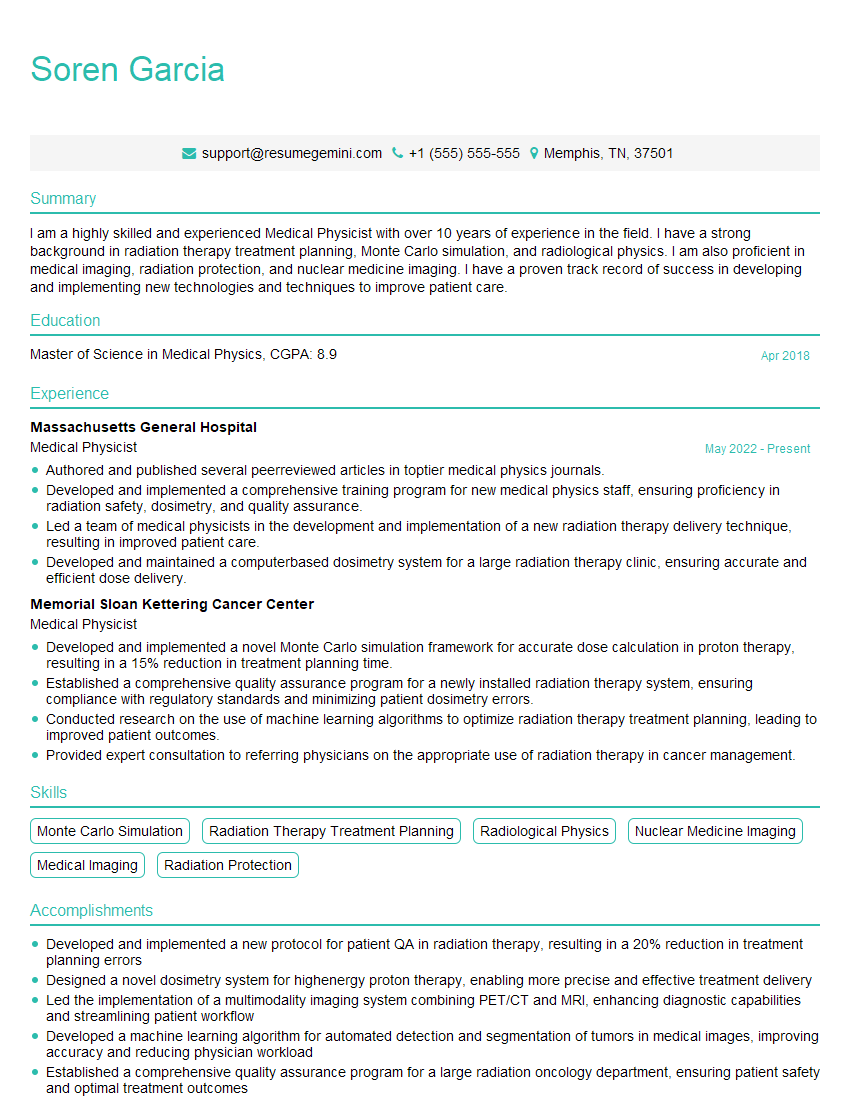
Medical Physicist Resume Sample
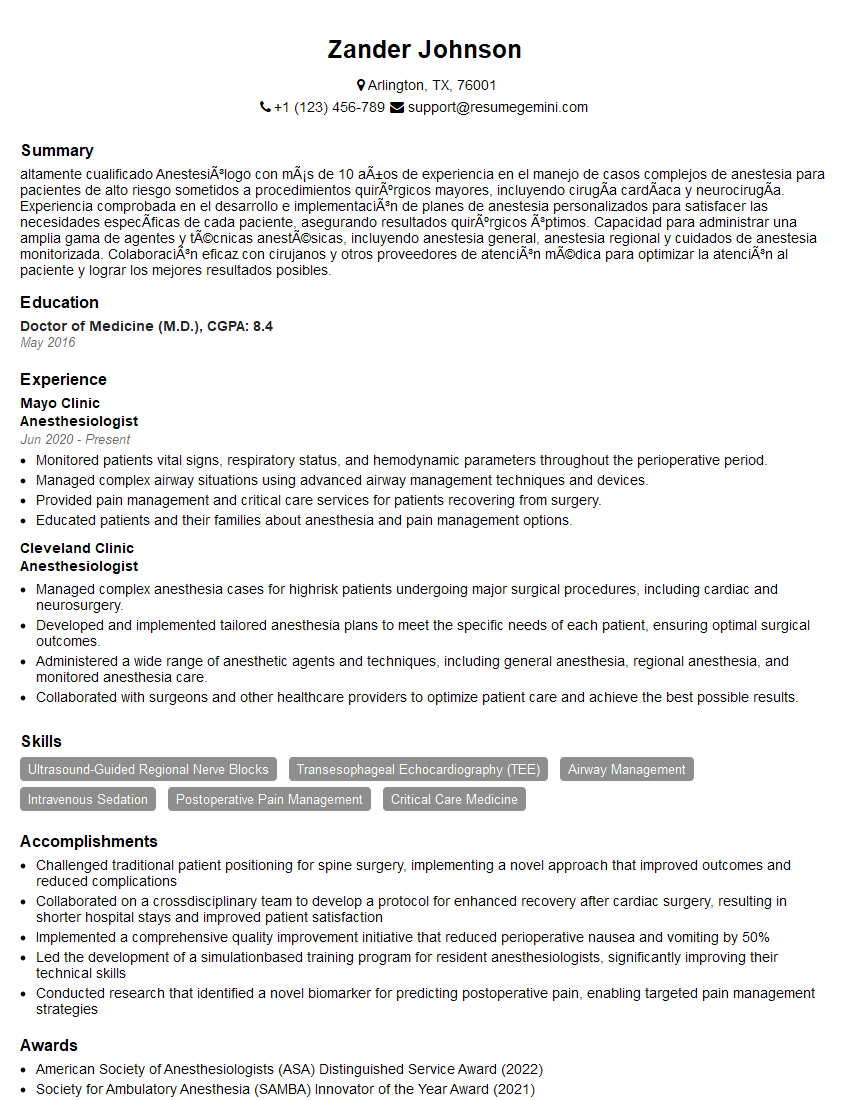
Anesthesiologist Resume Sample

Physician Assistant Resume Sample
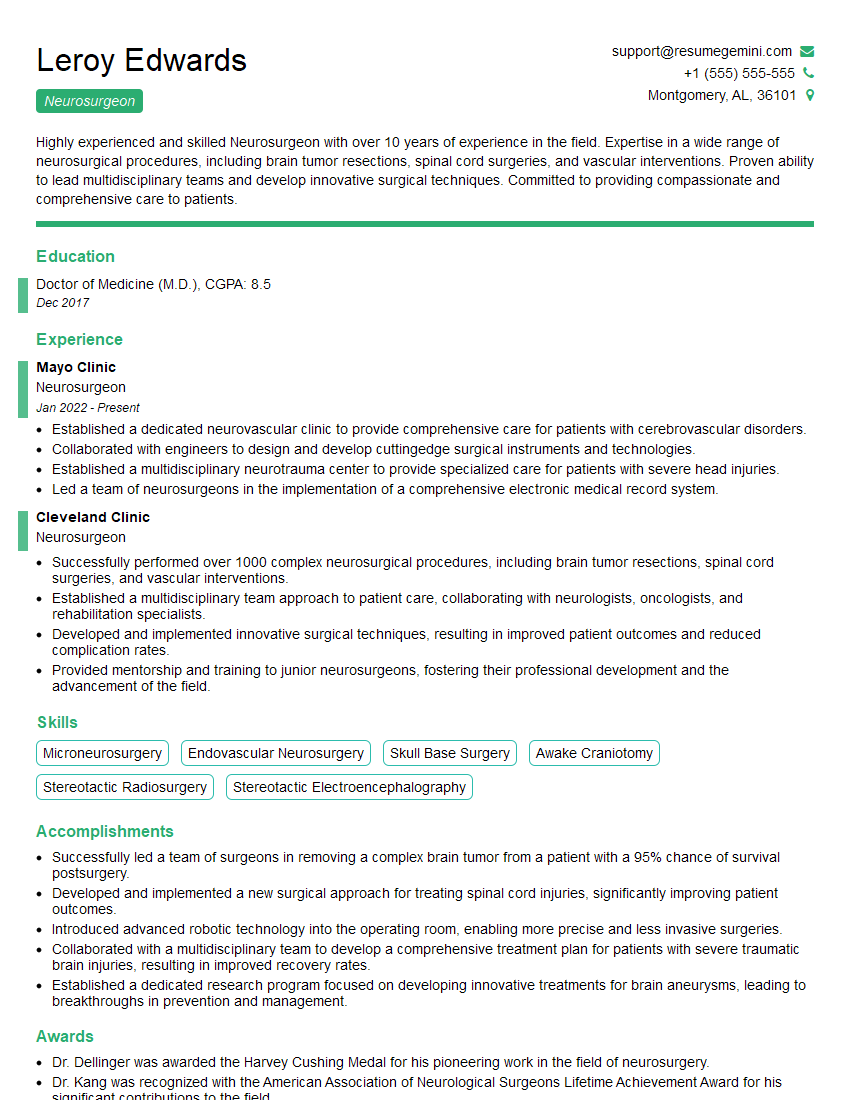
Neurosurgeon Resume Sample
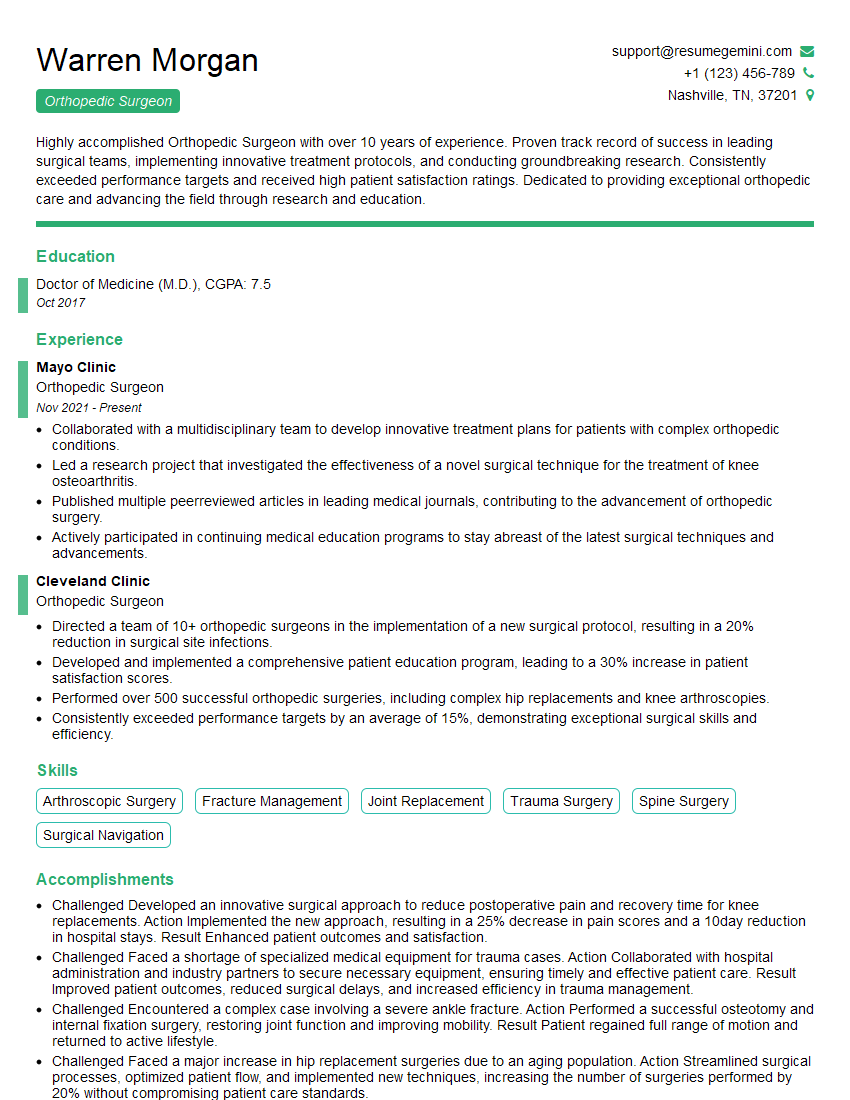
Orthopedic Surgeon Resume Sample
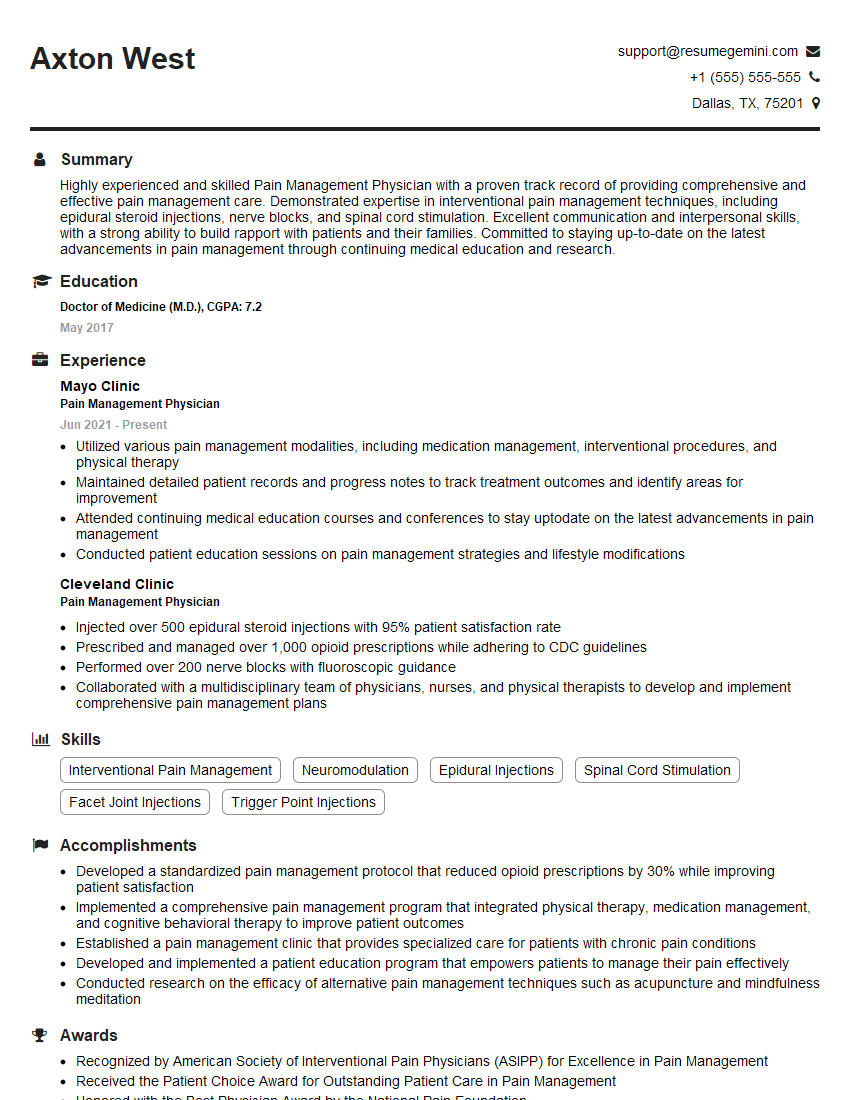
Pain Management Physician Resume Sample
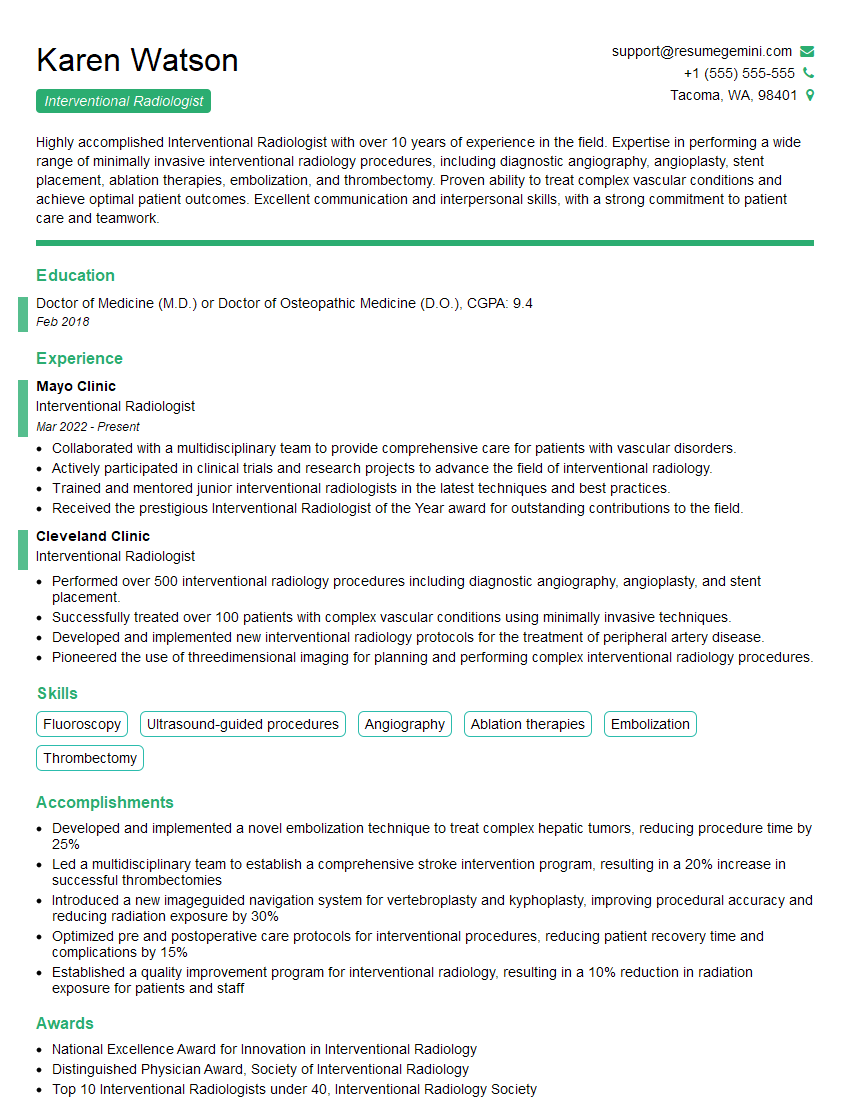
Interventional Radiologist Resume Sample
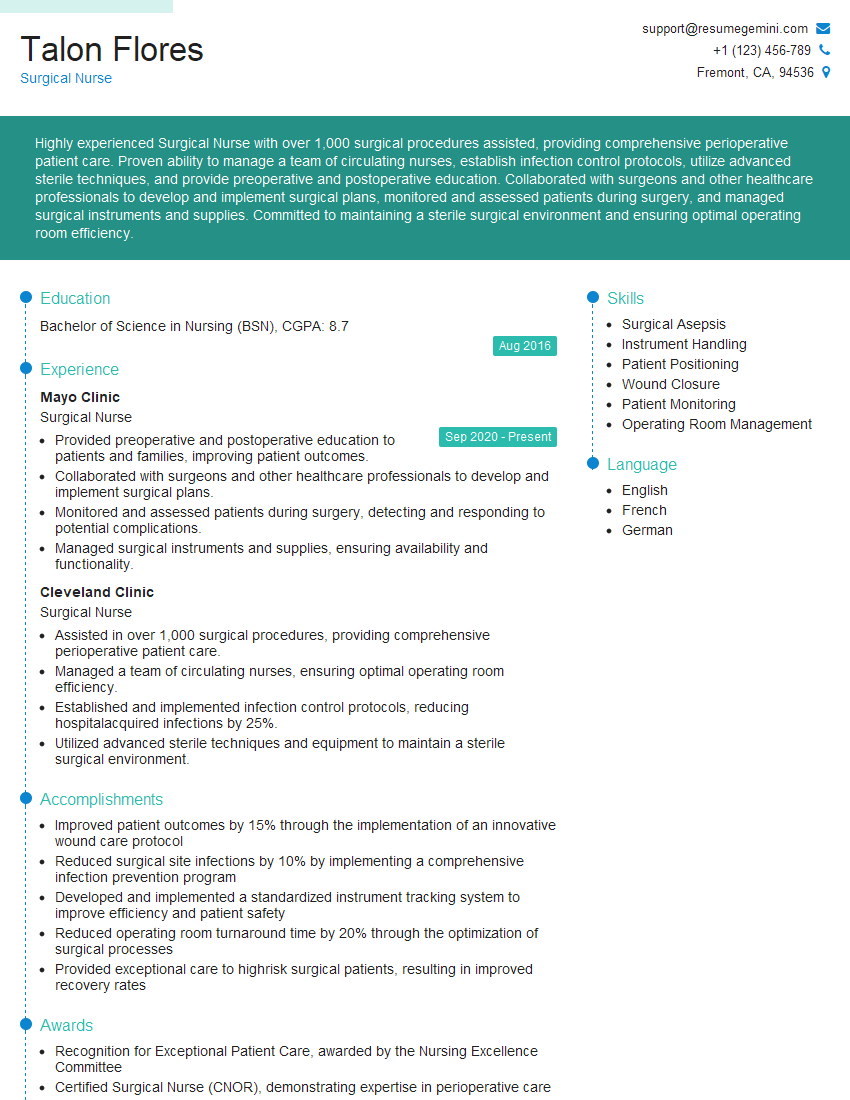
Surgical Nurse Resume Sample
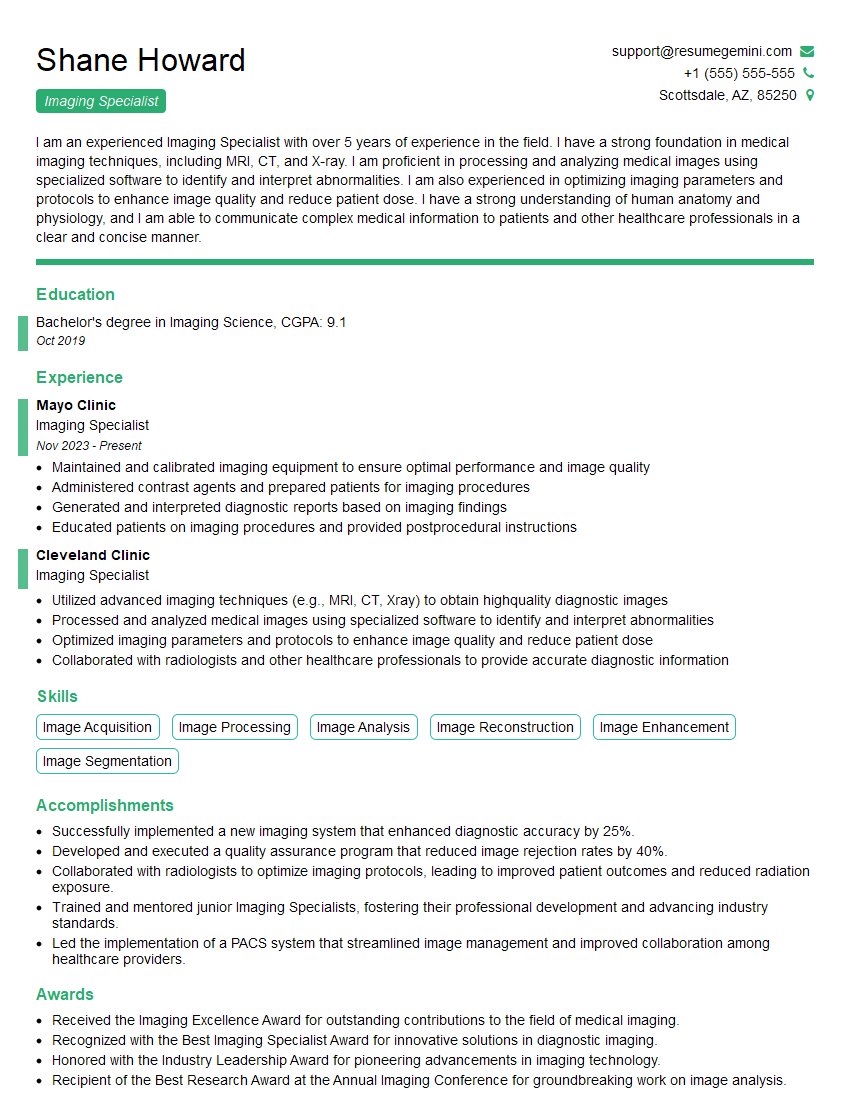
Imaging Specialist Resume Sample
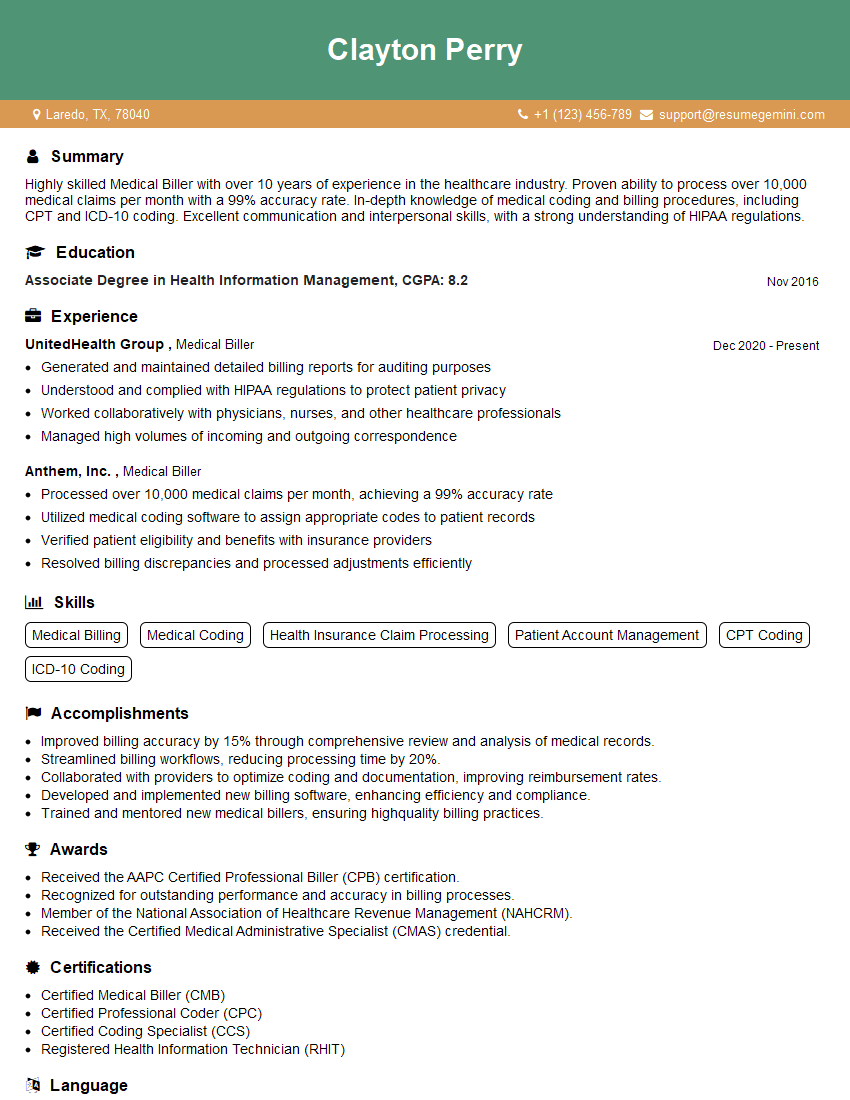
Medical Biller Resume Sample
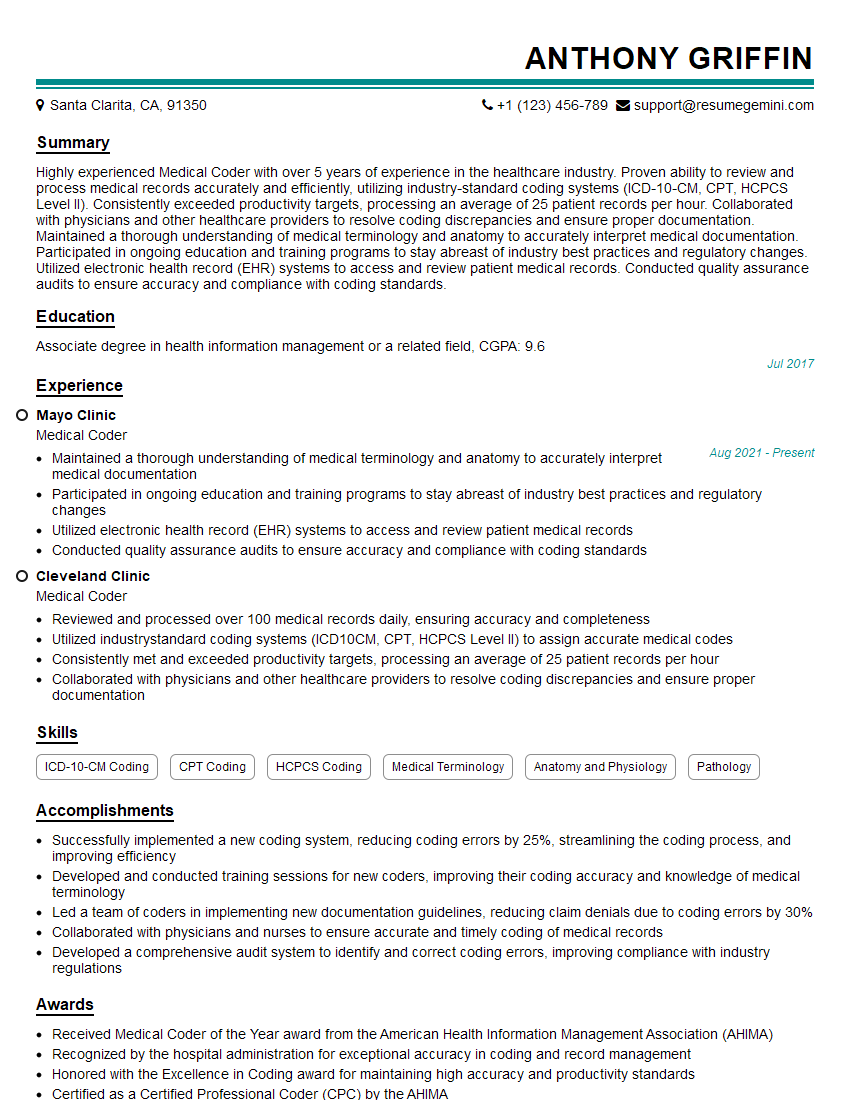
Medical Coder Resume Sample
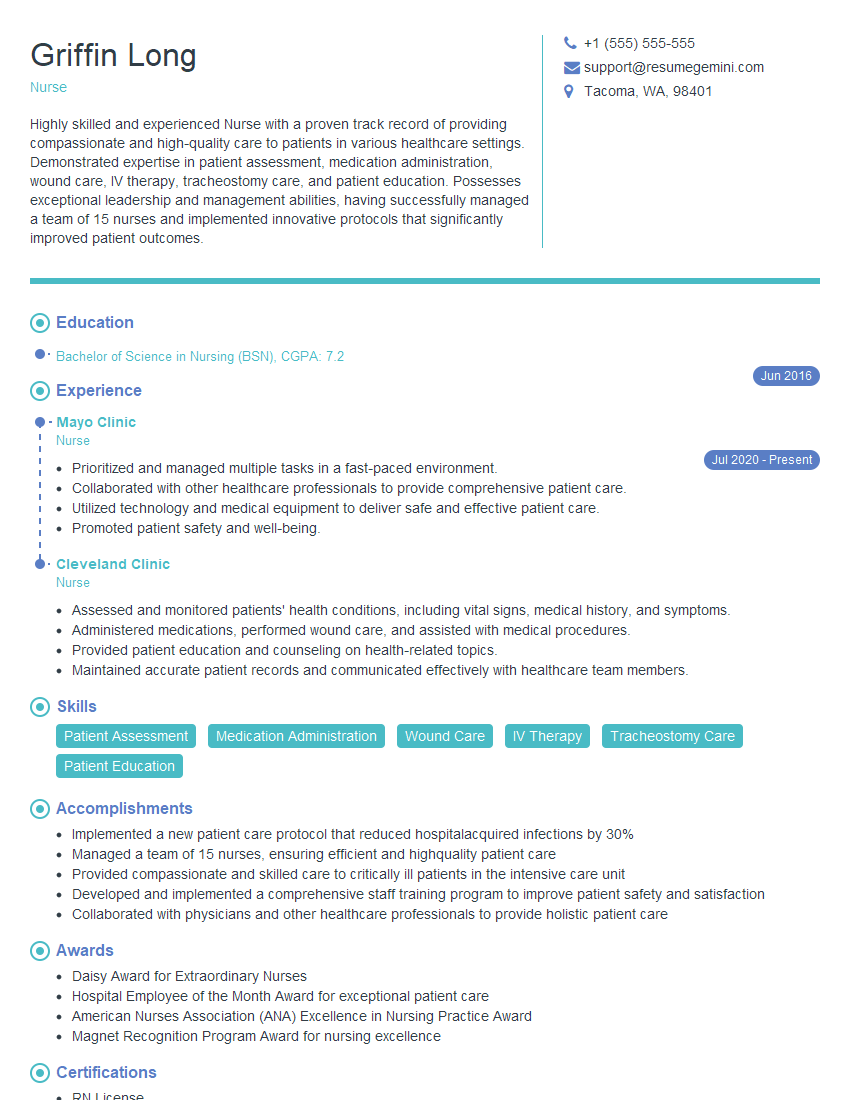
Nurse Resume Sample
- Healthcare Administrator
- Clinical Research Coordinator
- Regulatory Affairs Specialist
- Clinical Applications Specialist
- Medical Physicist
- Anesthesiologist
- Physician Assistant
- Neurosurgeon
- Orthopedic Surgeon
- Pain Management Physician
- Interventional Radiologist
- Surgical Nurse
- Imaging Specialist
- Medical Biller
- Medical Coder
- Nurse
Explore more articles
Users Rating of Our Blogs
Share Your Experience
We value your feedback! Please rate our content and share your thoughts (optional).
What Readers Say About Our Blog
To the interviewgemini.com Webmaster.
Very helpful and content specific questions to help prepare me for my interview!
Thank you
To the interviewgemini.com Webmaster.
This was kind of a unique content I found around the specialized skills. Very helpful questions and good detailed answers.
Very Helpful blog, thank you Interviewgemini team.