Interviews are opportunities to demonstrate your expertise, and this guide is here to help you shine. Explore the essential Water Chemistry for Power Plants interview questions that employers frequently ask, paired with strategies for crafting responses that set you apart from the competition.
Questions Asked in Water Chemistry for Power Plants Interview
Q 1. Explain the importance of maintaining proper pH levels in boiler water.
Maintaining the correct pH in boiler water is crucial for preventing corrosion and scaling. Think of it like this: a perfectly balanced pH keeps the water’s chemistry harmonious, preventing aggressive reactions that damage equipment.
A pH that’s too acidic (low pH) can lead to rapid corrosion of boiler tubes and other metal components. The metal literally dissolves away due to the high concentration of hydrogen ions. Conversely, a pH that’s too alkaline (high pH) promotes the formation of scale, which is a hard deposit of mineral salts like calcium carbonate. This scale acts as an insulator, reducing heat transfer efficiency and potentially leading to overheating and tube failures. The ideal pH range for boiler water is usually between 9.0 and 11.0, depending on boiler pressure and other factors. This is carefully monitored and controlled using chemicals like caustic soda (NaOH) or amines.
For example, imagine a power plant boiler operating with a pH of 6. This acidic environment will rapidly corrode the steel tubes, leading to leaks and costly downtime. Regular monitoring and chemical treatment are essential to prevent this scenario and ensure safe and efficient operation.
Q 2. Describe the effects of dissolved oxygen on power plant equipment.
Dissolved oxygen is a major enemy in power plant systems. It acts as a powerful oxidizing agent, causing significant corrosion in many components. Imagine it as a tiny, hungry monster constantly searching for electrons to steal. It does this by reacting with metals, forming metal oxides (rust) that weaken and ultimately damage the equipment.
In boilers, dissolved oxygen can lead to pitting corrosion, a localized form of corrosion that creates deep holes in the metal. This is especially dangerous because it can weaken the boiler tubes, resulting in potential failures and catastrophic events. In cooling water systems, oxygen corrosion contributes to the deterioration of piping, heat exchangers, and other metal parts. The resulting scale build-up from corrosion products further diminishes heat transfer efficiency.
To combat this, power plants employ various oxygen scavenging methods, including chemical treatments like hydrazine or catalyzed sodium sulfite, which chemically react with dissolved oxygen, rendering it harmless.
Q 3. What are the common methods for controlling scaling and corrosion in cooling water systems?
Controlling scaling and corrosion in cooling water systems is a multifaceted challenge requiring a combination of strategies. Scaling, the formation of hard mineral deposits, and corrosion, the deterioration of metals, are both detrimental to system efficiency and longevity. Think of it like plaque buildup in your arteries—it restricts flow and can cause damage.
- Water Treatment Chemicals: These are the workhorses of cooling water treatment. Chemicals like polyphosphates and phosphonates prevent scale formation by binding to hardness ions, preventing them from precipitating out of solution. Corrosion inhibitors, such as azoles, form a protective layer on metal surfaces, preventing corrosion.
- Water Softening: Techniques like lime softening or ion exchange remove hardness minerals (calcium and magnesium) before the water enters the cooling system. This drastically reduces the potential for scaling.
- Blowdown: Regularly removing a portion of the cooling water (blowdown) helps to control the concentration of dissolved solids and prevents scaling. It’s like regularly cleaning your kitchen sink to avoid a buildup of grime.
- Regular Monitoring and Cleaning: Close monitoring of water chemistry parameters (pH, alkalinity, hardness, etc.) is crucial. Regular chemical cleaning helps to remove existing scale and corrosion products.
The specific treatment strategy depends on various factors, including water quality, equipment design, and operating conditions. A holistic approach incorporating several of these methods is generally the most effective.
Q 4. How do you identify and treat silica contamination in boiler water?
Silica in boiler water is a serious concern because it can form deposits on boiler tubes, reducing heat transfer and potentially leading to overheating and failure. Silica is particularly problematic in high-pressure boilers. Imagine it as a stubborn glue that progressively clogs the boiler’s arteries.
Identification: Silica contamination is typically identified through regular water analysis using laboratory methods. Colorimetric tests and ion chromatography are commonly used to determine the silica concentration.
Treatment: The most effective method for silica control is pre-treatment of the feedwater using methods like reverse osmosis or demineralization. This ensures that very little silica enters the boiler in the first place. For existing silica contamination, boiler blowdown is used to control the silica concentration. In extreme cases, a chemical treatment using a silica scavenger might be necessary. However, this is usually a last resort due to the complexity and potential side effects of such chemicals.
Q 5. What are the different types of water treatment technologies used in power plants?
Power plants utilize a variety of water treatment technologies to ensure high-quality water for various applications. The choice of technology depends on the specific water quality requirements and the application (boiler feedwater, cooling water, etc.).
- Clarification: This involves removing suspended solids using methods like sedimentation, coagulation, and filtration. It’s like cleaning a muddy puddle to make the water clearer.
- Softening: This process removes hardness minerals (calcium and magnesium) that can lead to scaling. Methods include lime softening and ion exchange.
- Demineralization: This advanced technique removes almost all dissolved minerals, producing very pure water. It often involves a combination of ion exchange and reverse osmosis.
- Reverse Osmosis (RO): This membrane-based process uses pressure to separate dissolved salts and other impurities from water. It’s highly effective in removing a wide range of contaminants.
- Distillation: This traditional method involves boiling water and condensing the steam to produce pure water, leaving impurities behind.
Many power plants utilize a combination of these technologies in a multi-stage treatment process to ensure the water meets the stringent quality requirements for different parts of the power generation system.
Q 6. Explain the role of hydrazine in oxygen scavenging.
Hydrazine (N2H4) is a powerful reducing agent commonly used as an oxygen scavenger in power plant boiler systems. Its role is to chemically react with and remove dissolved oxygen, preventing corrosion. Think of it as a knight that actively hunts and neutralizes the oxygen ‘monsters’ in the boiler.
Hydrazine reacts with dissolved oxygen, forming nitrogen and water: N2H4 + O2 → N2 + 2H2O. This reaction effectively removes the oxygen without leaving behind any harmful byproducts, unlike some other oxygen scavengers.
While effective, hydrazine is a toxic and carcinogenic substance, leading to increased regulatory scrutiny and a shift toward more environmentally friendly alternatives such as catalyzed sodium sulfite or other oxygen scavenging compounds in recent years. However, in high-pressure systems, where other alternatives may be less effective, it is still sometimes used, following stringent safety protocols.
Q 7. Describe the principles of ion exchange in water purification.
Ion exchange is a water purification technique that uses ion exchange resins to remove dissolved ions from water. Imagine it as a tiny molecular swap shop where unwanted ions are exchanged for harmless ones.
Ion exchange resins are typically made of polymeric beads that contain functional groups which can bind to specific ions. Two types of resins are commonly used: cation exchange resins, which remove positively charged ions (cations), and anion exchange resins, which remove negatively charged ions (anions).
In a typical ion exchange process, water flows through a bed of these resins. The unwanted ions in the water are exchanged with ions already attached to the resin. For example, a cation exchange resin might exchange sodium ions (Na+) for calcium ions (Ca2+) or magnesium ions (Mg2+), effectively softening the water. Eventually, the resin becomes saturated with the unwanted ions and requires regeneration using a strong acid or base solution, which restores the resin’s capacity to remove ions.
Ion exchange is a highly effective method for producing highly purified water and is frequently used in power plant water treatment, particularly in demineralization systems.
Q 8. How do you interpret a water chemistry analysis report?
Interpreting a water chemistry analysis report involves systematically reviewing various parameters to assess water quality and its suitability for power plant operations. Think of it like a health checkup for your plant’s water. First, you’ll look at the major ions: things like calcium, magnesium (indicators of hardness), sodium, potassium, chloride, and sulfate. Elevated levels of these can indicate scaling issues in boilers or corrosion in other systems. Next, you examine dissolved solids (total dissolved solids or TDS) – a measure of all the dissolved salts and minerals. High TDS can lead to scaling and reduced heat transfer efficiency. Then, you check for pH, which indicates the acidity or alkalinity of the water; a deviation from the optimal range can contribute to corrosion or scaling. Silica levels are crucial, especially in boiler feedwater, as silica deposits can damage turbine blades. Finally, you assess the levels of various metals (iron, copper, etc.) – elevated levels suggest corrosion in the system. The report often includes conductivity measurements, which indirectly reflect the total dissolved solids. By carefully analyzing these parameters, you can identify potential problems and take corrective actions.
For example, if the report shows high calcium and magnesium levels, you know you might need to implement water softening measures. Similarly, elevated silica concentration would necessitate adjusting the boiler blowdown process.
Q 9. What are the safety precautions associated with handling water treatment chemicals?
Handling water treatment chemicals requires strict adherence to safety protocols. These chemicals are often corrosive, toxic, or both. Think of it like handling hazardous materials – you wouldn’t work with acids without protective gear, right? Always wear appropriate personal protective equipment (PPE), including gloves, goggles, and protective clothing. Never mix chemicals haphazardly, as unexpected reactions can occur, generating dangerous fumes or heat. Always refer to the chemical’s Safety Data Sheet (SDS) for detailed handling instructions, storage requirements, and emergency procedures. Adequate ventilation is critical, especially when working with volatile chemicals. Proper labeling and storage of chemicals are essential to prevent accidental exposure and contamination. Furthermore, ensure that you have appropriate spill response equipment available and are familiar with emergency procedures in case of a spill or accidental exposure.
For instance, handling concentrated acids requires extra caution. Always add acid to water slowly, never water to acid, to avoid potentially dangerous exothermic reactions.
Q 10. Explain the concept of water hardness and its impact on power plant operations.
Water hardness refers to the concentration of dissolved minerals, primarily calcium and magnesium ions, in water. Imagine these ions as tiny crystals that can accumulate and form scale. High water hardness leads to several problems in power plants. In boilers, scale formation reduces heat transfer efficiency, causing higher energy consumption and potentially leading to overheating and equipment damage. Scale buildup also reduces the life of boiler tubes. In cooling water systems, scaling can clog pipes and reduce heat transfer, affecting the overall efficiency of the power plant. The extent of the impact depends on the hardness level and the specific plant design. Water hardness is usually expressed in parts per million (ppm) of calcium carbonate (CaCO3).
For example, excessive scale buildup in a boiler can cause localized overheating, potentially leading to tube failure and costly repairs or even plant shutdowns. Similarly, reduced cooling efficiency due to scaling in the condenser can decrease power output.
Q 11. How do you monitor and control the concentration of dissolved solids in cooling water?
Monitoring and controlling dissolved solids in cooling water is crucial for preventing scaling and corrosion. We typically use a combination of techniques. Regular water analysis is paramount. We measure parameters like TDS, conductivity, and specific ions. Then, we use blowdown, where a portion of the cooling water is regularly discharged, removing accumulated solids. The blowdown rate is adjusted based on the concentration of dissolved solids. Chemical treatment, such as the addition of dispersants and inhibitors, helps to prevent the formation of scale and minimize corrosion. Dispersants prevent solids from sticking together, while corrosion inhibitors protect metal surfaces. Monitoring equipment, such as online conductivity meters, provides continuous monitoring of dissolved solids, enabling timely adjustments to the blowdown and treatment strategies.
Imagine a cooling tower with continuously evaporating water, increasing the concentration of dissolved solids. Regular blowdown helps maintain the concentration within the acceptable range, preventing scaling issues.
Q 12. Describe the process of boiler blowdown and its purpose.
Boiler blowdown is the process of periodically removing a portion of the water from a boiler to control the concentration of dissolved solids and impurities. It’s like cleaning your kettle regularly to prevent limescale buildup. By removing some water, we maintain the concentration of dissolved solids within acceptable limits, preventing the formation of scale and the subsequent damage to the boiler tubes and other components. Blowdown can be continuous or intermittent, depending on the boiler’s operation and the quality of the feedwater. The blowdown process helps maintain optimal boiler water chemistry, ensuring efficient heat transfer and prolonged boiler life. There are two main types: surface blowdown and bottom blowdown. Surface blowdown removes impurities that accumulate at the water surface and bottom blowdown removes accumulated solids at the boiler bottom.
For example, if the boiler water conductivity exceeds the set limit, we’ll increase the blowdown rate to maintain the water quality and prevent scale formation.
Q 13. What are the common methods for controlling biological growth in cooling water systems?
Controlling biological growth in cooling water systems is essential to prevent fouling, corrosion, and reduced efficiency. Several methods are used, often in combination. Chlorination is a common method; chlorine kills microorganisms. However, excessive chlorine can be corrosive. Non-oxidizing biocides such as quaternary ammonium compounds are alternative disinfectants. Ultraviolet (UV) disinfection uses UV light to kill microorganisms. Regular cleaning of cooling towers and other components helps remove accumulated biofilm. Maintaining proper water chemistry, such as controlling pH and controlling nutrient levels, is also vital to minimize microbial growth.
Imagine a cooling tower becoming clogged with slime from bacterial growth. This would significantly reduce heat transfer and efficiency. Regular biocide treatment and cleaning prevent such scenarios.
Q 14. Explain the significance of conductivity measurements in water chemistry.
Conductivity measurement is a quick and efficient way to determine the total dissolved solids (TDS) in water. It measures the water’s ability to conduct electricity, which is directly related to the concentration of dissolved ions. Higher conductivity means more dissolved ions and thus higher TDS. It’s a crucial indicator of water purity and is used extensively in power plant water chemistry monitoring. Conductivity measurements are quick and easy to perform using a conductivity meter. It provides a real-time indication of water quality, enabling timely adjustments to water treatment strategies. It complements other analyses and provides a rapid assessment of water quality.
For example, a sudden increase in conductivity in the boiler feedwater signals potential problems like leaks or contamination. This allows prompt action to prevent damage.
Q 15. How do you troubleshoot a problem with high chloride levels in boiler water?
High chloride levels in boiler water are a serious concern because chlorides contribute to stress corrosion cracking (SCC) in boiler tubes, leading to costly repairs and potential plant outages. Troubleshooting begins with identifying the source of the contamination. This often involves a systematic investigation.
- External Source: Check the makeup water source. Is the chloride concentration naturally high in the source water (e.g., seawater intrusion in groundwater)? Inspect the treatment system – is the demineralizer or reverse osmosis unit functioning correctly? Are there leaks in the system allowing contaminated water to enter?
- Internal Source: Look for leaks in heat exchangers or other components where chlorides might be present. Are chemicals, such as those used for water treatment, contaminated with chlorides? Is there carryover from the feedwater to the boiler?
- Monitoring and Analysis: Regular water chemistry monitoring is crucial. Frequent analysis of the feedwater, boiler water, and blowdown will help pinpoint the source and severity of the contamination. Chloride ion selective electrodes (ISE) provide rapid chloride measurements. This should be coupled with detailed analysis of other parameters like conductivity, pH, and dissolved solids.
Once the source is identified, corrective actions can be implemented. This might involve replacing or repairing faulty equipment, improving the treatment process (e.g., increasing the efficiency of the demineralizer), implementing stricter leak detection protocols, or adjusting the blowdown rate to remove excess chlorides. Remember, a comprehensive approach combining investigation, monitoring, and corrective action is key to resolving high chloride issues effectively.
Career Expert Tips:
- Ace those interviews! Prepare effectively by reviewing the Top 50 Most Common Interview Questions on ResumeGemini.
- Navigate your job search with confidence! Explore a wide range of Career Tips on ResumeGemini. Learn about common challenges and recommendations to overcome them.
- Craft the perfect resume! Master the Art of Resume Writing with ResumeGemini’s guide. Showcase your unique qualifications and achievements effectively.
- Don’t miss out on holiday savings! Build your dream resume with ResumeGemini’s ATS optimized templates.
Q 16. Describe the different types of corrosion inhibitors used in power plant systems.
Corrosion inhibitors are vital in power plant systems to protect against various types of corrosion. They work by forming a protective barrier on metal surfaces, neutralizing corrosive agents, or altering the electrochemical reactions that cause corrosion. Different inhibitors target specific types of corrosion.
- Oxygen Scavengers: These chemicals react with dissolved oxygen, preventing its participation in oxidation reactions. Hydrazine (N2H4) and other reducing agents are commonly used, although environmental regulations are increasingly stringent for hydrazine. Alternatives include catalyzed sodium sulfite or erythorbic acid.
- Filming Amines: These form a protective film on the metal surfaces, preventing contact with corrosive agents. They are effective in high-temperature environments and are typically used in steam and condensate systems. Examples include cyclohexylamine and morpholine.
- Phosphate Inhibitors: These are used in boiler water treatment to form protective phosphate films on the internal surfaces of boiler tubes, preventing corrosion and scale formation. They’re crucial in preventing caustic gouging.
- Zinc and other metallic inhibitors: These can act as sacrificial anodes, protecting the boiler metal by corroding preferentially. They are often used in conjunction with other inhibitors.
- Polymer Inhibitors: These are high molecular weight organic molecules that can provide passivation and reduce corrosion rates.
The choice of inhibitor depends on factors like the specific metal used, the operating temperature and pressure, and the water chemistry. Often, a combination of inhibitors is employed for optimal protection. Proper dosage and monitoring are essential to ensure effectiveness and prevent adverse effects.
Q 17. What is the importance of regular water testing and analysis?
Regular water testing and analysis are the cornerstones of effective water treatment in power plants. They provide the crucial information needed to monitor water quality, prevent equipment damage, and ensure operational efficiency. Think of it as a regular health checkup for your power plant’s water system.
- Early Problem Detection: Regular testing allows for early detection of potential issues, such as increasing levels of contaminants or changes in pH. This enables proactive intervention, preventing major problems before they lead to costly downtime or equipment damage. For example, an early rise in chloride levels can be addressed before causing stress corrosion cracking.
- Optimized Treatment: Water analysis helps to optimize the dosage of treatment chemicals, ensuring efficient use of resources and minimizing environmental impact. Unnecessary over-treatment can be costly and wasteful.
- Compliance: Regular testing and analysis are essential for complying with environmental regulations related to water discharge and waste disposal. This helps avoid potential fines and legal issues.
- Predictive Maintenance: Trends observed in water analysis can aid in predictive maintenance planning. For instance, a gradual increase in dissolved solids might indicate the need for more frequent cleaning of heat exchangers.
The frequency and types of tests depend on the specific plant requirements and regulations. Parameters routinely monitored include pH, conductivity, dissolved oxygen, alkalinity, hardness, silica, chloride, and various other contaminants specific to the plant’s location and water sources.
Q 18. How do you calculate water treatment chemical dosages?
Calculating water treatment chemical dosages involves several steps and requires understanding the water’s chemistry. The goal is to add the precise amount of chemical needed to achieve the desired water quality without over-treating.
The basic formula is:
Dosage (ppm) = (Concentration needed - Concentration present) x Volume of water / Volume of chemicalWhere:
- Dosage (ppm) is the amount of chemical to add in parts per million.
- Concentration needed is the desired concentration of the chemical in ppm.
- Concentration present is the existing concentration of the chemical in ppm.
- Volume of water is the total volume of water being treated (e.g., gallons, liters).
- Volume of chemical is the volume of the treatment chemical being added (e.g., gallons, liters).
Example: Let’s say you need to raise the pH of 100,000 gallons of water from 6.5 to 8.5 using a concentrated caustic soda solution. You determine you need to add 20 ppm of caustic soda to achieve this. Assume the caustic soda solution is 50% concentration by weight (meaning 50 grams caustic soda per 100 grams of solution). You’ll need to convert this weight percentage to a volume relationship using the density of the solution. Let’s assume the solution density is 1.5g/ml. After calculations incorporating the density and concentration, you might determine you need to add 10 gallons of the 50% caustic soda solution to the 100,000 gallons of water.
Important Notes: This is a simplified example. Accurate calculations often involve more complex factors, including the chemical’s purity, the water’s temperature and flow rate, and any potential reactions with other chemicals in the water. It’s crucial to use appropriate safety measures when handling chemicals. Always refer to the manufacturer’s instructions and follow established safety protocols.
Q 19. Explain the role of phosphate in boiler water treatment.
Phosphate plays a crucial role in boiler water treatment, primarily as a corrosion inhibitor and scale control agent. In high-pressure boilers, phosphate forms a protective layer on the internal surfaces of boiler tubes, preventing corrosion and scale build-up. This protective layer is crucial in preventing several critical boiler issues.
- Corrosion Prevention: Phosphate reacts with metal surfaces to create a thin, tenacious protective film of iron phosphate. This film prevents direct contact between the metal and corrosive substances like oxygen and dissolved gases. This layer is particularly effective in preventing caustic gouging, a severe form of corrosion.
- Scale Control: Phosphate helps to prevent the formation of calcium and magnesium scale by forming soluble phosphate complexes with these ions. This prevents the build-up of scale which can impede heat transfer, reducing efficiency and potentially causing overheating and tube failure.
- pH Buffering: Phosphate acts as a pH buffer, helping to maintain the boiler water pH within a safe range. This prevents the formation of highly corrosive environments and helps maintain overall water chemistry stability.
The type and concentration of phosphate used depend on the boiler’s operating pressure and other water chemistry parameters. Careful monitoring and control of phosphate levels are necessary to optimize its effectiveness and avoid potential issues such as sludge formation. This typically involves a combination of careful chemical addition and blowdown to manage concentration and keep sludge levels to a minimum.
Q 20. Describe the effects of high alkalinity on boiler water.
High alkalinity in boiler water, while not always directly corrosive, can contribute to several problems that ultimately degrade boiler performance and integrity.
- Caustic Gouging: High alkalinity, particularly in combination with high concentrations of sodium hydroxide (NaOH), can lead to caustic gouging. This is a severe form of localized corrosion that occurs when highly concentrated caustic solutions become trapped in crevices or under deposits on the boiler tube surfaces. This causes localized damage and potential tube failure.
- Scale Formation: While phosphate helps control calcium and magnesium scaling, high alkalinity can still promote scale formation under certain conditions. The interactions between alkalinity, other ions, and temperature can lead to precipitation of various scale-forming compounds.
- Carryover: High alkalinity can contribute to carryover, a condition where boiler water is entrained in the steam and carried into the turbine. This can cause damage to turbine blades, reduce efficiency and contaminate condensate.
- Increased Corrosion Potential: Although alkalinity is generally considered to be protective against corrosion in lower-pressure applications, high alkalinity in combination with other factors like high chloride levels, can exacerbate corrosion problems.
Controlling alkalinity is critical for safe and efficient boiler operation. Regular monitoring and adjustment of blowdown rates are essential to maintain alkalinity levels within the recommended range for the specific boiler type and operating conditions.
Q 21. What are the environmental regulations related to water discharge from power plants?
Environmental regulations governing water discharge from power plants are stringent and vary depending on location and the specific pollutants present. These regulations aim to protect aquatic ecosystems and human health.
- Effluent Limitations: Many jurisdictions have established limits on the concentration of various pollutants in the discharged water, including suspended solids, heavy metals, oil and grease, and dissolved chemicals. Specific limits will vary depending on the type of power plant and the receiving water body.
- Thermal Pollution: Power plants often discharge heated water, which can alter aquatic ecosystems. Regulations often restrict the temperature increase allowed in the receiving water. This often necessitates the use of cooling towers or other heat mitigation technologies.
- Water Withdrawal Limits: Regulations may also control the amount of water that can be withdrawn from the source for use in the plant, particularly during periods of water scarcity.
- Discharge Permits: Power plants usually require discharge permits, which outline the allowed limits for various pollutants. These permits are subject to regular review and updates.
- Monitoring and Reporting: Power plants are typically required to monitor the quality of their discharged water and submit regular reports to regulatory agencies. This ensures compliance with permit conditions and helps track the plant’s environmental impact.
Compliance with environmental regulations is essential for power plant operations. Failure to meet these requirements can result in penalties, fines, and even plant shutdowns. It’s critical to have a robust water treatment and monitoring program in place to ensure adherence to all relevant regulations.
Q 22. How do you manage water treatment chemical storage and disposal?
Managing water treatment chemicals requires a robust system encompassing safe storage, handling, and responsible disposal. We adhere to strict safety protocols and regulatory guidelines, such as OSHA and EPA regulations. Storage facilities are designed to prevent spills and leaks, utilizing secondary containment and proper labeling. Chemicals are stored according to compatibility, preventing dangerous reactions. For example, oxidizing agents are kept far away from reducing agents. Disposal follows specific procedures, often involving certified hazardous waste disposal companies. We maintain detailed records of chemical inventory, usage, and disposal, ensuring complete traceability and accountability. Regular inspections and employee training are crucial components of our safety program. We also utilize a chemical management software to streamline inventory, track usage, and forecast needs, improving efficiency and minimizing waste.
Q 23. Explain the principles of reverse osmosis in water purification.
Reverse osmosis (RO) is a water purification technology that uses a semipermeable membrane to remove dissolved salts, minerals, and other impurities from water. Imagine a sieve that only lets water molecules through while blocking larger contaminants. The process involves applying pressure to the water, forcing it through the membrane. The pressure needs to overcome the osmotic pressure, which is the natural tendency of water to move from a less concentrated solution to a more concentrated one. The purified water, known as permeate, passes through, while the concentrated impurities, called brine or concentrate, are rejected. RO systems are effective at removing a wide range of contaminants, including bacteria, viruses, and dissolved solids. The efficiency of the RO system depends on several factors including the membrane type, operating pressure, and feed water quality. In power plants, RO is frequently used for boiler feedwater treatment, ensuring high-purity water to prevent scaling and corrosion.
Q 24. Describe the different types of water quality sensors used in power plants.
Power plants employ a variety of water quality sensors for real-time monitoring of crucial parameters. These include:
- pH sensors: Measure the acidity or alkalinity of water, crucial for corrosion control.
- Conductivity sensors: Measure the ability of water to conduct electricity, indicating the total dissolved solids concentration.
- Turbidity sensors: Measure the cloudiness of water, indicating the presence of suspended solids.
- Dissolved oxygen (DO) sensors: Measure the amount of dissolved oxygen in water, important for preventing corrosion and biological fouling.
- ORP (oxidation-reduction potential) sensors: Measure the ability of water to oxidize or reduce substances, providing an indicator of water’s disinfection status.
- Specific ion sensors (e.g., chloride, sulfate): Measure the concentration of specific ions, vital for controlling corrosion and scaling.
- Temperature sensors: Measure water temperature, influencing several parameters and process efficiency.
The choice of sensors depends on specific water quality needs and the type of power plant. For instance, a nuclear power plant will have much more stringent requirements and a more extensive sensor network compared to a smaller thermal plant.
Q 25. How do you calibrate and maintain water quality monitoring equipment?
Calibration and maintenance of water quality monitoring equipment are critical for accurate and reliable data. Calibration involves comparing the sensor readings with known standards to ensure accuracy. This typically involves using certified buffer solutions for pH sensors, standard conductivity solutions, and other appropriate reference materials. The frequency of calibration depends on the sensor type and application, but it’s often done daily or weekly. Maintenance includes regular cleaning, replacement of consumable parts (like membranes), and preventative checks. For example, we would clean the membrane of a DO sensor regularly to remove any biofouling. Detailed records of calibration and maintenance are crucial for quality control and compliance. Any deviations or malfunctions are immediately investigated and addressed, ensuring the continued reliability of the monitoring system. A preventative maintenance schedule minimizes downtime and ensures optimal performance of the sensors and the overall water treatment system.
Q 26. Explain the concept of Langelier Saturation Index (LSI) and its significance.
The Langelier Saturation Index (LSI) predicts the tendency of water to deposit or dissolve calcium carbonate (CaCO3). It’s a crucial parameter in water treatment, particularly for preventing scaling in boilers and pipes. A positive LSI indicates a tendency for scaling (CaCO3 precipitation), while a negative LSI suggests a risk of corrosion (CaCO3 dissolution). The LSI is calculated using the following formula (simplified):
LSI = pH - pHswhere pH is the actual pH of the water and pHs is the saturation pH, calculated based on water temperature, alkalinity, calcium concentration, and other factors. An LSI close to zero is generally desired to minimize both scaling and corrosion. For instance, in a boiler feedwater system, we aim to maintain a slightly negative LSI to prevent scaling without causing excessive corrosion. Regular monitoring and adjustment of water chemistry parameters, such as pH and alkalinity, are essential to control the LSI and maintain optimal water conditions.
Q 27. How do you address a sudden increase in cooling water temperature?
A sudden increase in cooling water temperature is a serious issue, potentially leading to reduced efficiency and equipment damage. The immediate response involves identifying the cause – this could range from reduced water flow, equipment malfunction, or external factors like ambient temperature increases. Once the cause is identified, corrective actions are implemented. This may include adjusting the cooling water flow rate, cleaning fouled heat exchangers, or activating backup cooling systems. Simultaneously, we monitor water chemistry parameters closely, as higher temperatures can affect scaling, corrosion, and other factors. We adjust chemical treatment as needed, for example, potentially increasing the dosage of corrosion inhibitors. Detailed documentation of the event, corrective actions taken, and the subsequent impact on the system are essential for future analysis and prevention of similar events. Regular system maintenance and preventative measures are crucial to minimize the likelihood of such incidents.
Q 28. Describe your experience with water treatment software and data analysis.
I have extensive experience with several water treatment software packages, including [mention specific software names, e.g., Siemens Water Technologies, Hach WIMS]. These software packages allow for real-time monitoring of water quality parameters, automated reporting, and data analysis. I am proficient in using these platforms to visualize data trends, identify anomalies, and optimize water treatment strategies. For example, I used data analytics to identify a correlation between a specific operational parameter and increased scaling, enabling us to adjust the water treatment process and prevent further issues. My data analysis skills also extend to using statistical software like [mention statistical software like R or Python], to perform more detailed analysis of water quality data, create predictive models, and identify potential problems before they occur. This proactive approach helps minimize operational disruptions and maximizes efficiency.
Key Topics to Learn for Water Chemistry for Power Plants Interview
Preparing for a Water Chemistry for Power Plants interview requires a strong understanding of both theoretical principles and practical applications. This section outlines key areas to focus your studies.
- Boiler Water Chemistry: Understand the importance of maintaining optimal water chemistry within boiler systems to prevent scaling, corrosion, and carryover. Explore different treatment methods and their effectiveness.
- Condenser Water Chemistry: Learn about the role of water chemistry in condenser performance, focusing on factors influencing heat transfer efficiency and preventing fouling. Analyze different cooling water treatment strategies.
- Water Treatment Technologies: Familiarize yourself with various water treatment techniques, including filtration, ion exchange, reverse osmosis, and chemical treatments. Be prepared to discuss their applications and limitations in power plant settings.
- Corrosion and Scaling Control: Deepen your understanding of the mechanisms of corrosion and scaling in power plant systems. Explore methods for preventing and mitigating these issues, including chemical inhibitors and cleaning procedures.
- Water Quality Monitoring and Analysis: Master the techniques used for monitoring and analyzing water quality parameters relevant to power plant operation. This includes understanding various analytical methods and interpreting test results.
- Environmental Regulations and Compliance: Familiarize yourself with relevant environmental regulations concerning water discharge and waste management from power plants. Understand the importance of compliance and best practices.
- Troubleshooting and Problem-Solving: Practice applying your knowledge to real-world scenarios. Consider how you would diagnose and address common water chemistry-related problems in a power plant environment.
Next Steps
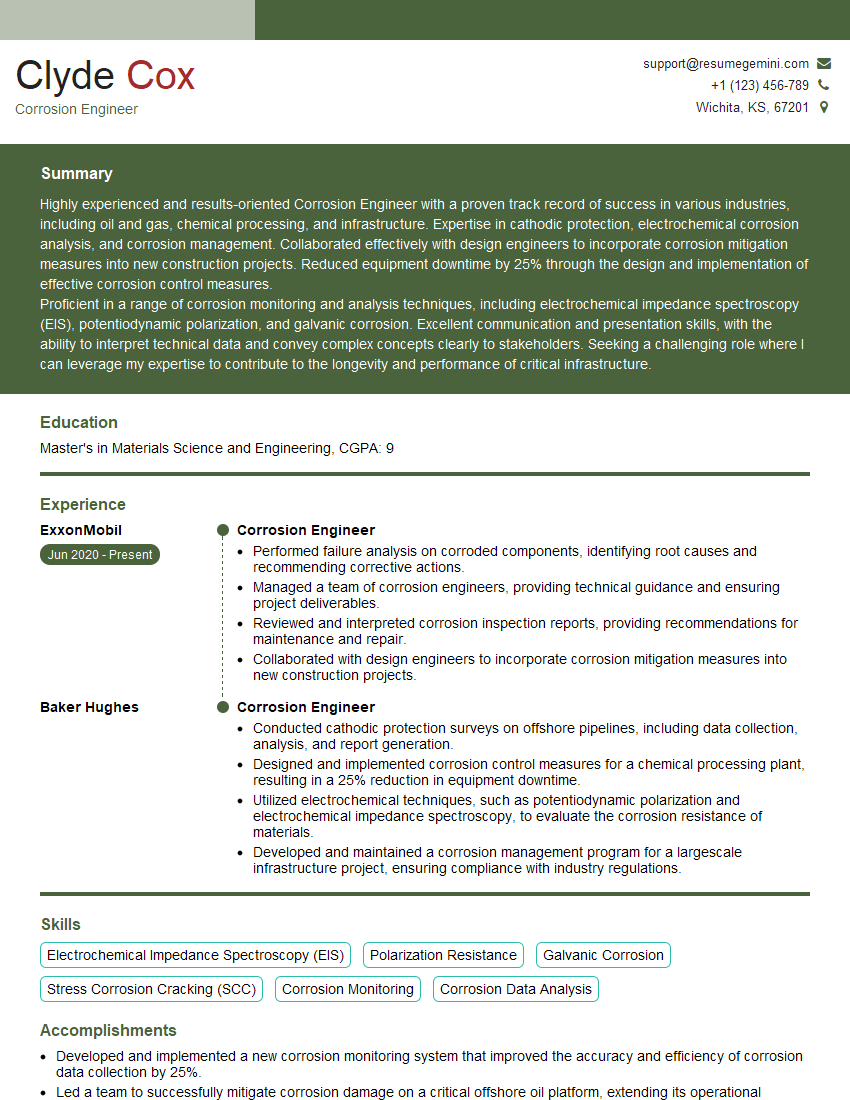
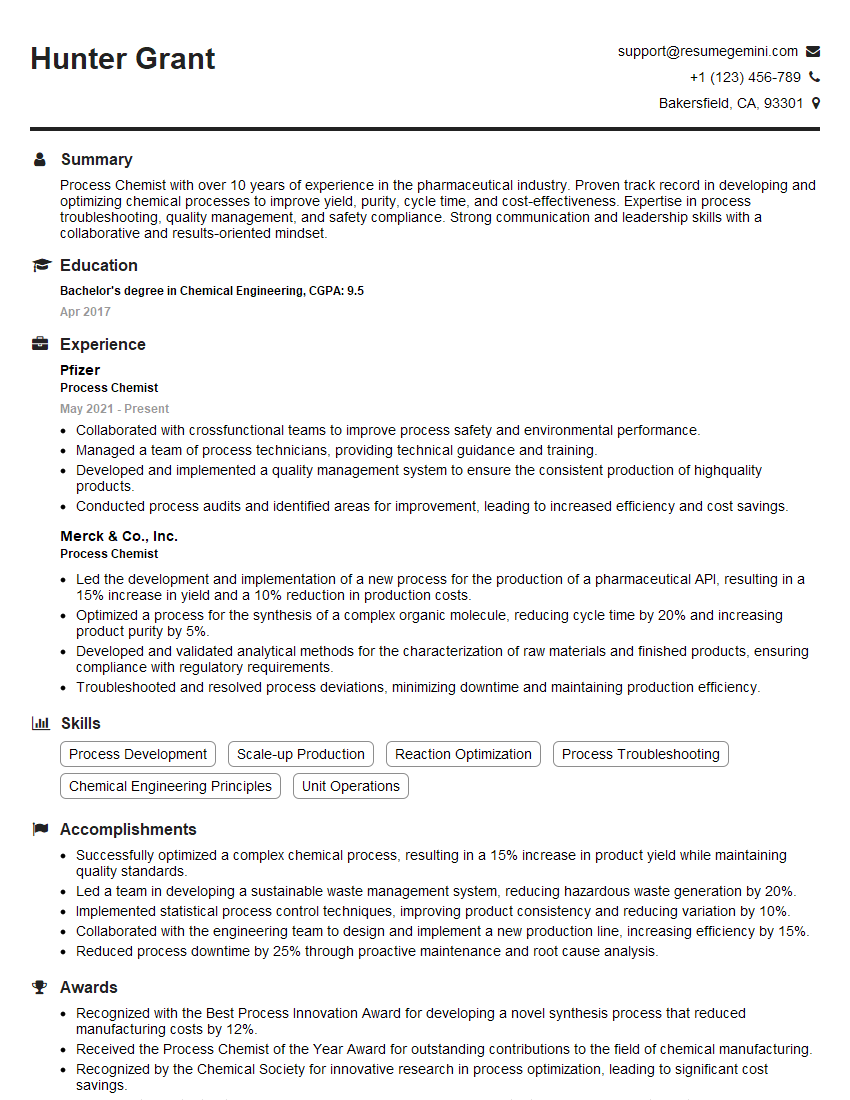
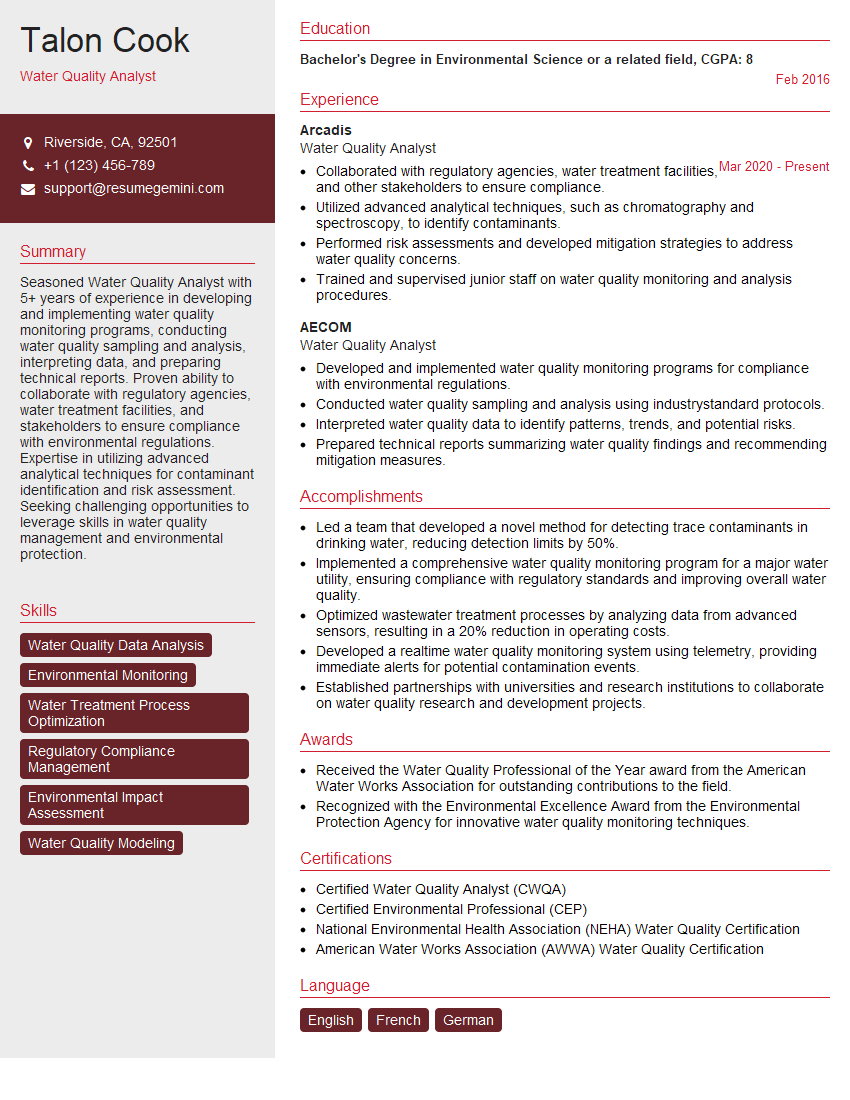
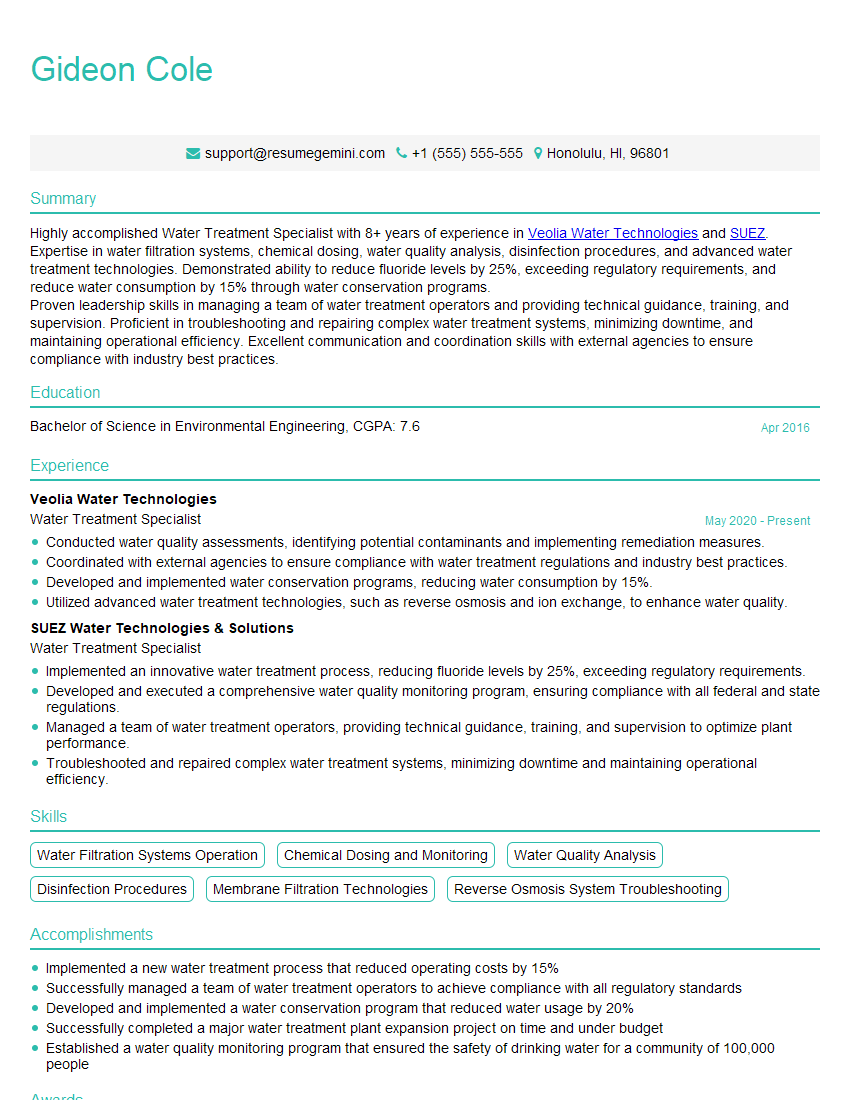
Mastering Water Chemistry for Power Plants is crucial for advancing your career in this specialized field. A strong understanding of these principles will significantly enhance your job prospects and open doors to exciting opportunities within the power generation industry. To maximize your chances of securing your dream role, it’s essential to present your qualifications effectively. Creating an ATS-friendly resume is key to getting your application noticed by recruiters and hiring managers. We strongly recommend using ResumeGemini to build a professional and impactful resume that showcases your skills and experience. ResumeGemini provides examples of resumes tailored to Water Chemistry for Power Plants, ensuring your application stands out from the competition.
Explore more articles
Users Rating of Our Blogs
Share Your Experience
We value your feedback! Please rate our content and share your thoughts (optional).
What Readers Say About Our Blog
To the interviewgemini.com Webmaster.
Very helpful and content specific questions to help prepare me for my interview!
Thank you
To the interviewgemini.com Webmaster.
This was kind of a unique content I found around the specialized skills. Very helpful questions and good detailed answers.
Very Helpful blog, thank you Interviewgemini team.