Every successful interview starts with knowing what to expect. In this blog, we’ll take you through the top Wax Application Methods interview questions, breaking them down with expert tips to help you deliver impactful answers. Step into your next interview fully prepared and ready to succeed.
Questions Asked in Wax Application Methods Interview
Q 1. What types of wax are you familiar with (hard, soft, strip)?
I’m proficient in applying several types of wax, each with its own unique properties and application methods. These include:
- Hard Wax: This wax type adheres only to hair, not skin. It’s applied thickly and hardens before being removed in one swift motion, making it suitable for more sensitive areas like the bikini line or underarms. It generally causes less pain and is less likely to result in ingrown hairs.
- Soft Wax (Strip Wax): This wax is applied thinly and requires fabric strips to remove it. It’s usually less expensive than hard wax but can be more painful, particularly on sensitive skin. It’s frequently used for larger areas like legs and arms.
- Strip Wax (Film Wax): While often categorized with soft wax, film wax is slightly different. It’s applied thinly and left to harden completely, forming a flexible film that’s then peeled off without the need for fabric strips. It’s generally gentler than traditional soft wax and good for sensitive areas.
The choice of wax depends greatly on the client’s skin type, hair type, and the area being waxed.
Q 2. Describe your preferred method for applying hard wax.
My preferred method for applying hard wax involves precision and a gentle touch. I begin by warming the wax to the appropriate temperature – it should be warm, but not too hot to avoid burning the skin. I then use a spatula to apply a thin, even layer of wax in the direction of hair growth, ensuring the wax completely coats each hair. The layer should be thick enough to ensure proper adhesion to the hair, but thin enough to avoid unnecessary discomfort. Once the wax sets (it turns opaque), I quickly and firmly pull the wax off against the direction of hair growth, holding the skin taut to minimize discomfort. I always work in small sections to maintain control and minimize any potential discomfort.
I find that using a pre-wax oil and a post-wax oil soothes the skin and helps prevent irritation, making the experience more pleasant for the client.
Q 3. Explain the proper procedure for preparing the skin before waxing.
Proper skin preparation is crucial for a successful and comfortable waxing experience. I always start by cleansing the area to be waxed with a gentle cleanser to remove any dirt, oil, or makeup. This helps ensure the wax adheres properly to the hair. Then I check the area for any cuts, abrasions, or active infections. Any contraindications would prevent waxing.
Next, I lightly powder the area to absorb any excess moisture. This prevents the wax from sticking to the skin instead of the hair. It also helps create better adhesion and reduce irritation. Finally, I confirm with the client that they are comfortable and ready to proceed.
Q 4. How do you ensure client comfort during the waxing process?
Client comfort is my top priority. I achieve this through several techniques:
- Maintaining proper wax temperature: Overly hot wax can cause burns. I always test the wax temperature on my own wrist before applying it to the client.
- Using gentle, confident movements: Quick, decisive movements minimize the pulling sensation.
- Applying tension to the skin: Holding the skin taut during wax removal reduces discomfort.
- Using pre- and post-wax oils or lotions: These products help soothe and hydrate the skin, minimizing irritation.
- Maintaining a calm and reassuring demeanor: I use positive affirmations and make sure the client feels comfortable communicating any concerns they may have.
- Offering breaks if needed: For larger areas, I will offer breaks to avoid overwhelming the client.
Open communication and a relaxing environment significantly contribute to a positive experience.
Q 5. What are the contraindications for waxing?
Several contraindications exist for waxing. It’s crucial to screen clients carefully before starting any treatment. These contraindications include:
- Recent sunburns or sun sensitivity: Waxing irritated or sunburnt skin can lead to severe discomfort and hyperpigmentation.
- Active infections or skin conditions (e.g., eczema, psoriasis, herpes): Waxing can spread infection and exacerbate these conditions.
- Use of retinoids or certain medications: Some medications or topical treatments can thin the skin, increasing the risk of irritation or adverse reactions.
- Diabetes (uncontrolled): Clients with uncontrolled diabetes have a higher risk of infections, making waxing less suitable.
- Moles, warts, or other skin growths in the treatment area: Waxing could irritate or damage these areas.
- Pregnancy (certain areas): Waxing during pregnancy requires caution, especially during the first trimester.
It is essential to obtain a thorough client history and perform a skin assessment before proceeding with any waxing services.
Q 6. How do you handle client allergies or sensitivities?
Allergic reactions or sensitivities are always a possibility. Before any waxing service, I conduct a thorough client consultation, including inquiries about past allergies or skin sensitivities. I always perform a patch test 24-48 hours prior to the full waxing appointment, especially with new clients or when using a new wax product. This involves applying a small amount of wax to a discreet area of the skin and monitoring for any reaction.
If a client reports an allergy or sensitivity, or shows signs of a reaction during the patch test, I will adapt the procedure to accommodate those concerns. This might include using a hypoallergenic wax or adjusting the application technique to reduce irritation. In case of a severe reaction, the treatment is immediately stopped, and appropriate medical advice is sought.
Q 7. Describe your aftercare instructions for clients.
Post-wax care is vital for preventing ingrown hairs and minimizing irritation. My aftercare instructions include:
- Avoid sun exposure: Sun exposure can cause hyperpigmentation and irritation to the freshly waxed skin.
- Avoid hot showers or baths immediately after waxing: This can irritate the skin.
- Avoid tight-fitting clothing: This can rub against the skin and cause irritation.
- Exfoliate regularly: Gentle exfoliation helps prevent ingrown hairs (starting 2-3 days post-waxing).
- Moisturize regularly: This helps keep the skin hydrated and healthy.
- Avoid scratching or picking at the skin: This could lead to infection.
- Apply an aloe vera gel if there’s any irritation: This helps soothe and calm irritated skin.
I provide these instructions both verbally and in writing to ensure the client has clear understanding and can follow them properly.
Q 8. How do you handle ingrown hairs?
Ingrown hairs are a common occurrence after waxing, happening when a hair curls back into the skin instead of growing out. Preventing them is key, and that starts with proper preparation and aftercare. I always advise clients to exfoliate the area 2-3 days before waxing to remove dead skin cells that can trap hairs. During the waxing process, I ensure the hair is pulled in the direction of growth to minimize the risk. Post-wax, I recommend using a gentle exfoliating scrub 2-3 days after the wax, starting gently and increasing frequency as tolerated. This helps prevent ingrown hairs by allowing the hair to break the skin’s surface easily. If an ingrown hair does appear, warm compresses can help to soften the skin and encourage the hair to emerge. Never pick or squeeze an ingrown hair, as this can lead to infection or scarring. I always advise clients to consult a dermatologist if they experience persistent ingrown hairs or signs of infection like redness, swelling, or pus.
Q 9. What safety precautions do you take during waxing?
Safety is paramount in my waxing practice. Before each waxing session, I conduct a thorough consultation to discuss the client’s skin type, medical history, and any medications they are taking. This helps me identify potential contraindications, such as active acne or skin conditions, that might make waxing unsuitable or require modifications to the procedure. I always use clean, single-use applicators for wax application to avoid cross-contamination. I maintain a hygienic workspace, sanitizing all surfaces and equipment before and after each client. I ensure proper ventilation to minimize the risk of burns or irritation from hot wax. During the procedure, I use a gentle touch, avoid applying excessive pressure, and work methodically to minimize client discomfort and reduce the risk of skin damage. After the waxing, I apply a soothing aftercare lotion to reduce redness and irritation. I thoroughly explain aftercare instructions to my clients, emphasizing the importance of avoiding sun exposure and harsh exfoliants for at least 24 hours post-wax.
Q 10. How do you maintain hygiene and sanitation during waxing procedures?
Maintaining hygiene and sanitation is critical for preventing infections and ensuring client safety. I begin by sterilizing my workstation, including the waxing table and all equipment (spatulas, wax pots, etc.) with a hospital-grade disinfectant before each client. I use fresh, clean linens and gloves for every client, ensuring they are discarded appropriately after use. All single-use items, like applicators, are disposed of in a designated waste bin. The wax pot itself is cleaned and disinfected after each use, and the wax is replaced regularly. I frequently wash my hands with antimicrobial soap, and ensure I’m always practicing proper hand hygiene throughout the procedure. I also maintain a clean and organized workspace to prevent cross-contamination and make the environment feel more comfortable and reassuring for clients. Regularly cleaning and disinfecting my equipment ensures the highest standard of hygiene.
Q 11. What are the different types of waxing services you can offer?
I offer a variety of waxing services tailored to meet individual client needs. These include:
- Full Leg Wax: Removing hair from the entire leg, including the thighs and lower legs.
- Half Leg Wax: Waxing either the upper or lower leg.
- Brazilian Wax: Removing hair from the pubic area, varying in style based on client preference.
- Bikini Wax: Removing hair from the bikini line.
- Underarm Wax: Waxing hair from the underarms.
- Facial Waxing: Removing hair from the upper lip, eyebrows, chin, and cheeks.
- Back Wax: Removing hair from the back.
- Chest Wax: Removing hair from the chest.
I am always happy to discuss client preferences and customize the service to ensure they receive the desired outcome.
Q 12. What is your experience with different hair types and textures?
Experience with diverse hair types and textures is crucial for successful waxing. I’ve worked with clients possessing fine, coarse, thick, and thin hair. The technique needs to be adapted depending on the hair type. For example, fine hair often requires a lower temperature wax to avoid burning, while coarse hair may benefit from a stronger wax and multiple passes for complete hair removal. Thick hair can sometimes require pre-treatment such as exfoliation or hair trimming to ensure the wax can effectively grip the hair. I adjust my technique accordingly and may need to use different types of waxes for optimal results. For clients with sensitive skin, I typically use a gentler, lower temperature wax and perform a patch test before starting the full procedure.
Q 13. How do you adapt your waxing technique to different areas of the body?
Adapting waxing techniques to different body areas is essential to minimize discomfort and achieve the best results. For instance, the bikini area often requires a more gentle approach due to its sensitivity, I apply the wax thinly and in the direction of hair growth to minimize discomfort. Facial waxing necessitates precision; I use a smaller, flexible spatula and adapt to the contours of the face to avoid irritation. Larger areas like legs and back require a more efficient application process; I work in sections, ensuring the wax is applied evenly and removed swiftly. The direction of hair removal also varies by area. I always pull in the direction of hair growth to prevent breakage and minimize ingrown hairs, even if it requires altering my usual technique. Through experience and careful observation, I’ve developed a tailored approach for each body part, combining speed and precision to ensure client comfort and effective hair removal.
Q 14. Describe your experience with different waxing equipment.
I have experience working with various waxing equipment, including hard wax, soft wax, and strip wax. Hard wax is ideal for sensitive areas, as it adheres only to the hair and not the skin, minimizing discomfort and reducing the risk of skin irritation. Soft wax, often used with muslin strips, is effective for larger areas and those with thicker hair growth. Strip wax offers a balance, suitable for various hair types and skin sensitivities. I’m proficient in using both electric and non-electric wax heaters, ensuring the wax is heated to the correct temperature for optimum results. I’ve also used different types of spatulas, adapting my choice based on the wax type and area being waxed. Maintaining and cleaning all my equipment is a priority to ensure they are always ready for use and functioning safely.
Q 15. How do you assess a client’s skin before waxing to determine suitability?
Assessing a client’s skin before waxing is crucial to ensure their safety and the procedure’s success. I begin by visually inspecting the area to be waxed, looking for any contraindications such as sunburn, open wounds, active infections (like boils or pimples), or skin conditions like eczema or psoriasis in that specific area. These conditions can make waxing extremely painful and increase the risk of infection or scarring.
Next, I engage in a thorough consultation, asking about their medical history, medications (especially retinoids or blood thinners), and any allergies they might have, including allergies to wax ingredients or any previous negative waxing experiences. I also inquire about their skin type (oily, dry, sensitive) and hair growth patterns. For example, if a client has recently used a tanning bed or has a sunburn, I would postpone the waxing appointment to avoid causing unnecessary pain and discomfort. Similarly, if they are on medication that thins the blood, we’d discuss alternative hair removal options.
Finally, I perform a small patch test on a less visible area of skin with the wax I intend to use. This helps identify any potential allergic reactions before applying it to a larger surface area. This multi-step approach ensures that the client receives the safest and most effective waxing service possible.
Career Expert Tips:
- Ace those interviews! Prepare effectively by reviewing the Top 50 Most Common Interview Questions on ResumeGemini.
- Navigate your job search with confidence! Explore a wide range of Career Tips on ResumeGemini. Learn about common challenges and recommendations to overcome them.
- Craft the perfect resume! Master the Art of Resume Writing with ResumeGemini’s guide. Showcase your unique qualifications and achievements effectively.
- Don’t miss out on holiday savings! Build your dream resume with ResumeGemini’s ATS optimized templates.
Q 16. What are the signs of a potential allergic reaction to wax?
Signs of an allergic reaction to wax can manifest in various ways, and prompt recognition is essential. Common indications include immediate redness, swelling, itching, or burning sensation at the waxing site. More severe reactions might involve the development of hives, blisters, or even difficulty breathing (in rare cases). A delayed reaction might present as a rash or persistent inflammation several hours or even days after the waxing session.
For instance, if a client develops raised, itchy welts immediately after waxing, this is a clear sign of an allergic reaction, possibly to the wax itself or an added ingredient like fragrance. Similarly, prolonged redness and swelling that doesn’t subside within a day suggests a more significant reaction requiring medical attention.
It’s vital to be observant and immediately discontinue the treatment if any of these signs appear. I’d advise the client to seek medical attention if the reaction is severe. Maintaining a detailed record of the products used and the client’s reaction is critical for future reference and to ensure client safety.
Q 17. How do you handle a client experiencing pain during waxing?
Pain during waxing is a common concern, and my approach focuses on minimizing it and ensuring client comfort. First, I explain the process clearly and answer any questions the client might have to alleviate anxiety. This can significantly reduce the perceived pain. I also use techniques to minimize discomfort, such as applying a pre-wax oil to the skin to protect it and allow for a smoother wax application, or using a thin layer of wax to prevent pulling on excess skin.
During the waxing process itself, I work quickly and efficiently to reduce the overall time the wax is in contact with the skin. I also ensure the skin is taut to minimize pulling and make the process more comfortable. For particularly sensitive areas, I might use a lower-temperature wax or apply a cooling compress afterward. In some cases, I might use a numbing cream prior to the procedure, but this would require a prior consultation and consideration of potential interactions.
Open communication is key. I encourage clients to let me know immediately if they’re experiencing too much pain. We can then adjust the technique, take a break, or even stop the procedure if necessary. It’s far more important to prioritize comfort and ensure a positive experience than to force a treatment.
Q 18. How do you dispose of used wax and materials safely and hygienically?
Safe and hygienic disposal of used wax and materials is critical for maintaining a clean and sanitary environment and preventing the spread of infection. Used wax is immediately discarded into a designated, sealed container specifically designed for this purpose. These containers are usually lined with a plastic bag to prevent leakage. The containers are then appropriately labeled and disposed of according to local regulations. This usually means treating them as hazardous waste due to potential contamination with body fluids.
All applicators, including spatulas, are single-use and disposed of immediately after use in a designated sharps container. Used linen or towels are collected separately and laundered using a high-temperature wash cycle with appropriate disinfectant to ensure sterilization. All surfaces touched during the waxing procedure are thoroughly disinfected with a hospital-grade disinfectant before and after every client. This rigorous approach prevents cross-contamination and maintains the highest standards of hygiene.
For instance, I never reuse applicators, even if they appear to be clean. This is a non-negotiable aspect of my practice, ensuring client safety is my top priority. I adhere strictly to all local and national health and safety guidelines.
Q 19. What is your experience with different waxing product brands?
I have extensive experience with a range of waxing product brands, including both hard and soft waxes. I regularly assess their performance, considering factors like their efficacy (ability to remove hair effectively), temperature control, skin sensitivity (potential for irritation), and overall application ease. Some brands I’ve worked extensively with include [Brand A], known for its hard waxes ideal for sensitive skin, and [Brand B], which offers a wider range of waxes suitable for different hair types and skin tones.
I constantly evaluate new products on the market, comparing them to established brands. My selection process considers client feedback and my own assessment of factors like ingredient quality, environmental impact, and cost-effectiveness. The choice of wax is always tailored to the client’s individual needs and skin type to ensure the best possible results and to minimize any potential irritation. For example, I’d select a lower-temperature hard wax for a client with very sensitive skin, while opting for a more efficient strip wax for a client with thicker, coarser hair.
Q 20. How do you handle difficult or challenging waxing situations?
Handling challenging waxing situations requires a combination of skill, adaptability, and problem-solving. For example, ingrown hairs are a common issue. I address these by recommending appropriate aftercare, which includes regular exfoliation to prevent future ingrown hairs and the proper use of ingrown hair serum or solution to help treat existing ones. If the ingrown hair is deeply embedded and causing significant discomfort, I would advise the client to seek medical attention.
Dealing with sensitive skin requires careful consideration and a modified approach. I might use a lower-temperature wax, apply a soothing oil before and after the treatment, and avoid aggressive pulling. I might also recommend avoiding waxing altogether for exceptionally sensitive areas, suggesting other methods of hair removal like threading or laser treatment. Another challenge could involve clients with very coarse or thick hair. For these cases, I might use a different type of wax or pre-treat the area to make the hair more pliable, making the waxing process smoother and less painful.
Throughout all challenging situations, open communication with the client remains my priority. It is important to inform the client of potential risks and limitations. It is also essential to clearly discuss alternative solutions when needed. Thorough preparation and flexible approach helps manage diverse challenges effectively.
Q 21. How do you educate clients about pre- and post-waxing care?
Educating clients about pre- and post-waxing care is critical for achieving optimal results and minimizing the risk of complications. Pre-waxing care includes advice on hair length (ideally ¼ to ½ inch for optimal removal), avoiding tanning or exfoliating immediately before waxing, and ensuring the skin is clean and dry. I emphasize the importance of avoiding certain products in the days leading up to the wax, like retinoids, which can increase skin sensitivity. I also explain that the client should avoid applying any scented lotions or perfumes, which can interfere with the wax’s adhesion and increase the risk of skin irritation.
Post-waxing care focuses on soothing and protecting the skin. I recommend avoiding sun exposure, saunas, or hot tubs immediately after waxing, as well as tight-fitting clothing that might cause friction and irritation. I advise against using any harsh scrubs or exfoliants for 24-48 hours to avoid irritation and allow the skin to heal properly. I provide specific recommendations for appropriate aftercare products like aloe vera gel to calm any redness or inflammation, and advise against touching the treated area excessively to prevent introducing bacteria. I also provide written instructions and schedule follow-up appointments as needed. A well-informed client is more likely to have a positive experience and follow best practices for optimal skin health.
Q 22. How do you maintain your waxing skills and stay up-to-date on industry trends?
Maintaining my waxing skills requires a multifaceted approach. It’s not just about the initial training; it’s about continuous learning and adaptation. I stay current by regularly attending workshops and seminars focusing on the latest techniques, wax types (hard wax, soft wax, strip wax, etc.), and safety protocols. Many industry leaders offer these, both online and in-person. I also actively participate in online communities and forums where experienced wax technicians share best practices and discuss new developments. Reading professional journals and keeping abreast of new product releases is also crucial. Finally, I regularly review my own techniques, seeking feedback from colleagues and clients to identify areas for improvement. This continuous refinement ensures I am always providing the highest quality service.
Q 23. Describe a time you had to handle a client complaint related to waxing.
I once had a client who experienced some slight bruising after a Brazilian wax. While this is sometimes a normal side effect, especially for those new to waxing, she was quite upset. My first step was to listen empathetically and validate her feelings. I explained the process, highlighting that bruising is a rare but possible occurrence due to the sensitivity of the area and hair growth direction. I then offered a complimentary soothing aloe vera treatment to alleviate any discomfort. I also discussed different aftercare techniques, such as avoiding tight clothing and exfoliation for a few days. Importantly, I followed up with her a day later to check on her progress and reassure her that the bruising would likely subside quickly. Resolving the issue through clear communication, empathy, and follow-up ensured that she felt valued as a client and ultimately left satisfied.
Q 24. How do you manage your time and workload efficiently during busy periods?
Managing my time and workload during peak periods involves careful planning and efficient organization. I start by having a detailed schedule, prioritizing appointments based on service length and client needs. I utilize time-blocking techniques, allocating specific time slots for each service, including buffer time for unforeseen circumstances or client needs. Multitasking, where appropriate (like prepping supplies while the client is filling out paperwork), is key. Maintaining a clean and organized workspace ensures I can quickly access the necessary materials. Moreover, I clearly communicate estimated wait times to clients to set expectations and avoid frustration. Proactively managing my schedule and client flow helps minimize wait times and optimize my workday’s efficiency.
Q 25. What are your salary expectations?
My salary expectations are commensurate with my experience and the responsibilities of this position. Based on my research of similar roles in this area, and considering my skillset and years of experience, I’m targeting a salary range of [Insert Salary Range]. I am, of course, open to discussing this further based on the specifics of the role and benefits package offered.
Q 26. Why are you interested in this specific waxing position?
I’m particularly drawn to this waxing position because of [Company Name]’s reputation for excellence and commitment to client satisfaction. I’ve been consistently impressed by [mention something specific, e.g., your commitment to using high-quality products, your positive online reviews, your modern and clean facilities]. The opportunity to contribute to a team that prioritizes both professional skill and client care is incredibly appealing. Furthermore, the [mention specific aspects like opportunities for professional development, a supportive work environment, etc.] aligns perfectly with my career goals.
Q 27. What are your long-term career goals in the field of waxing?
My long-term career goals include becoming a recognized expert in advanced waxing techniques and potentially even training and mentoring other technicians. I’m interested in exploring specialized areas like intimate waxing or advanced hair removal methods. Ultimately, I aim to contribute to the growth and evolution of the waxing industry by sharing my knowledge and expertise. I am also interested in exploring management opportunities within a reputable spa or salon.
Q 28. What makes you a good fit for our team?
I believe I’m a great fit for your team because I am highly skilled, experienced and dedicated to providing exceptional client care. My meticulous attention to detail, coupled with my ability to create a relaxing and comfortable environment, ensures clients feel at ease during their waxing treatments. I am a proactive team player, always willing to assist colleagues and contribute to a positive work atmosphere. My commitment to continuous learning and keeping abreast of industry trends makes me a valuable asset to any team. I am confident in my ability to quickly integrate into your existing team and contribute positively to your salon’s success.
Key Topics to Learn for Wax Application Methods Interview
- Wax Types and Properties: Understanding the characteristics of different waxes (hard, soft, strip, etc.) and their suitability for various skin types and hair textures.
- Application Techniques: Mastering the correct techniques for applying different wax types, including pre-wax preparation, application direction, and post-wax care.
- Client Consultation and Assessment: Learning to effectively consult with clients to determine their skin type, hair type, and any allergies or contraindications before proceeding with waxing.
- Hygiene and Sanitation: Understanding and adhering to strict hygiene protocols to maintain a clean and safe waxing environment and prevent cross-contamination.
- Pain Management and Client Comfort: Employing techniques to minimize discomfort during waxing, such as proper skin stretching and the use of pre- and post-waxing products.
- Troubleshooting Common Issues: Identifying and resolving problems such as ingrown hairs, burns, and allergic reactions.
- Advanced Techniques: Exploring specialized waxing techniques for different body areas, such as Brazilian waxing or underarm waxing.
- Safety Precautions and Emergency Procedures: Knowing how to handle potential emergencies, such as allergic reactions or fainting.
- Professionalism and Client Service: Maintaining a professional demeanor, providing excellent customer service, and building rapport with clients.
Next Steps
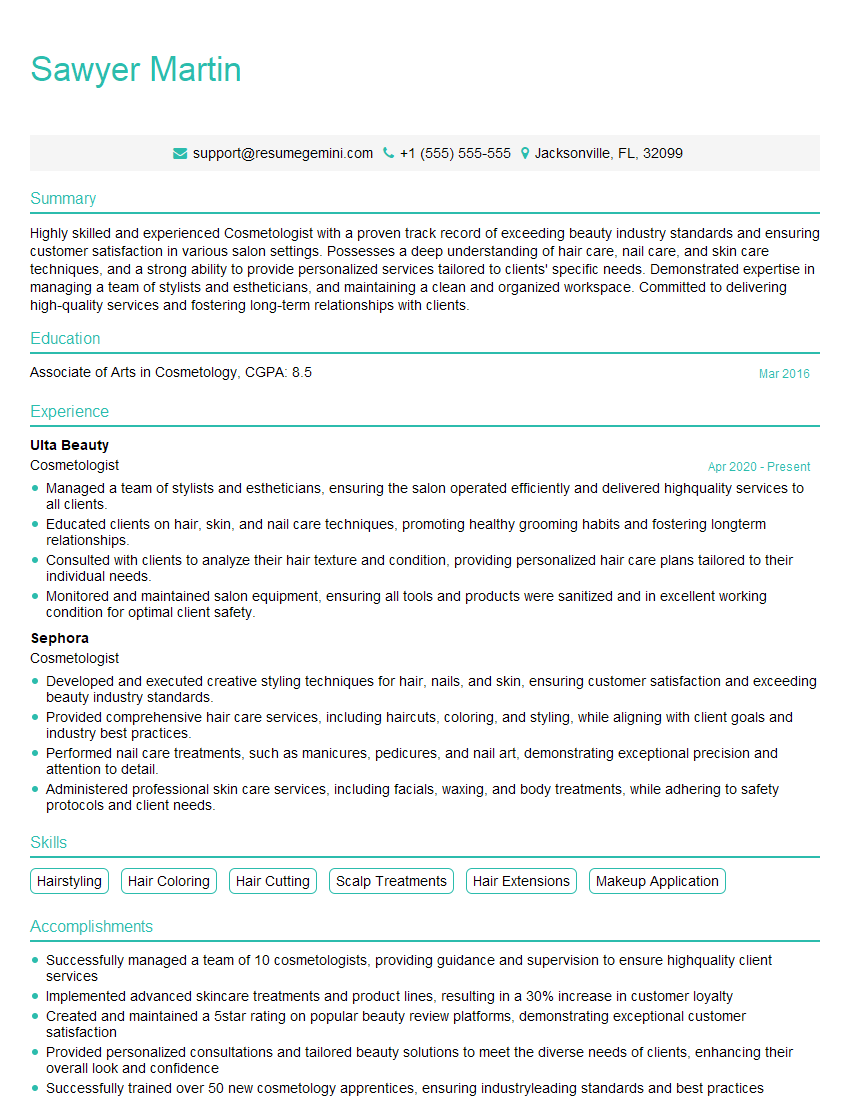
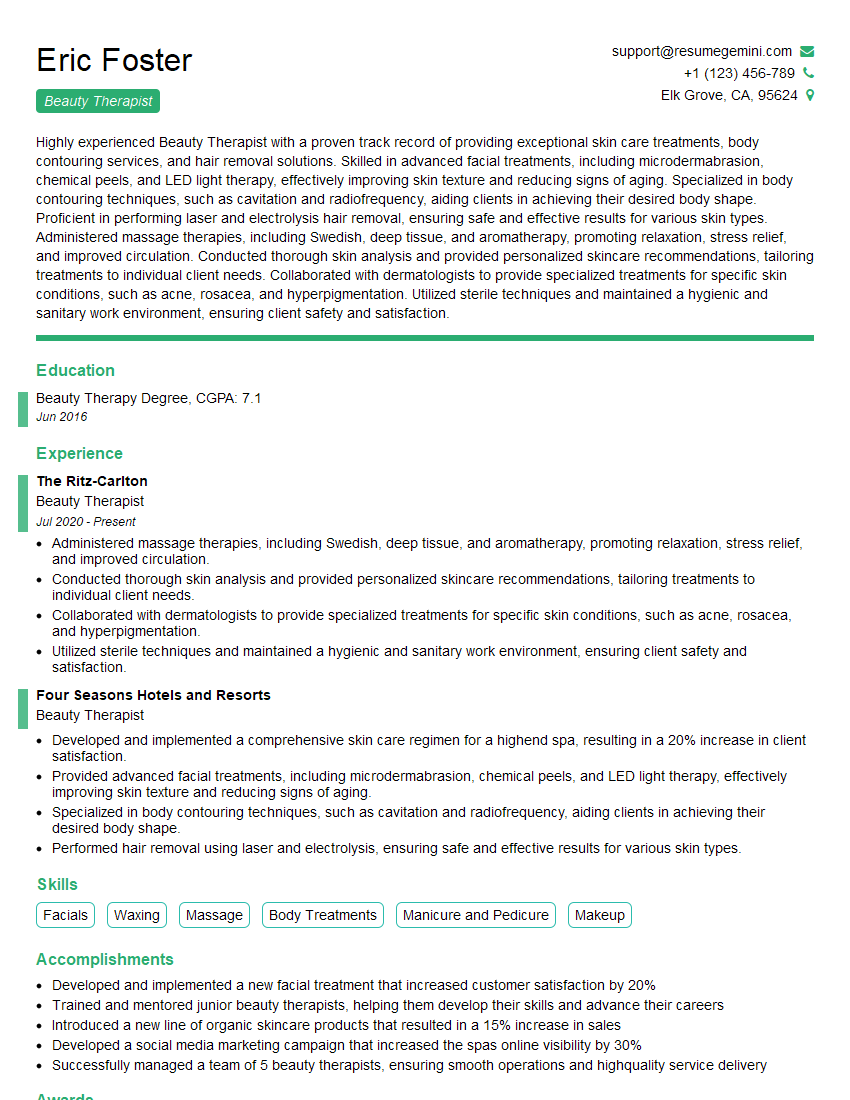
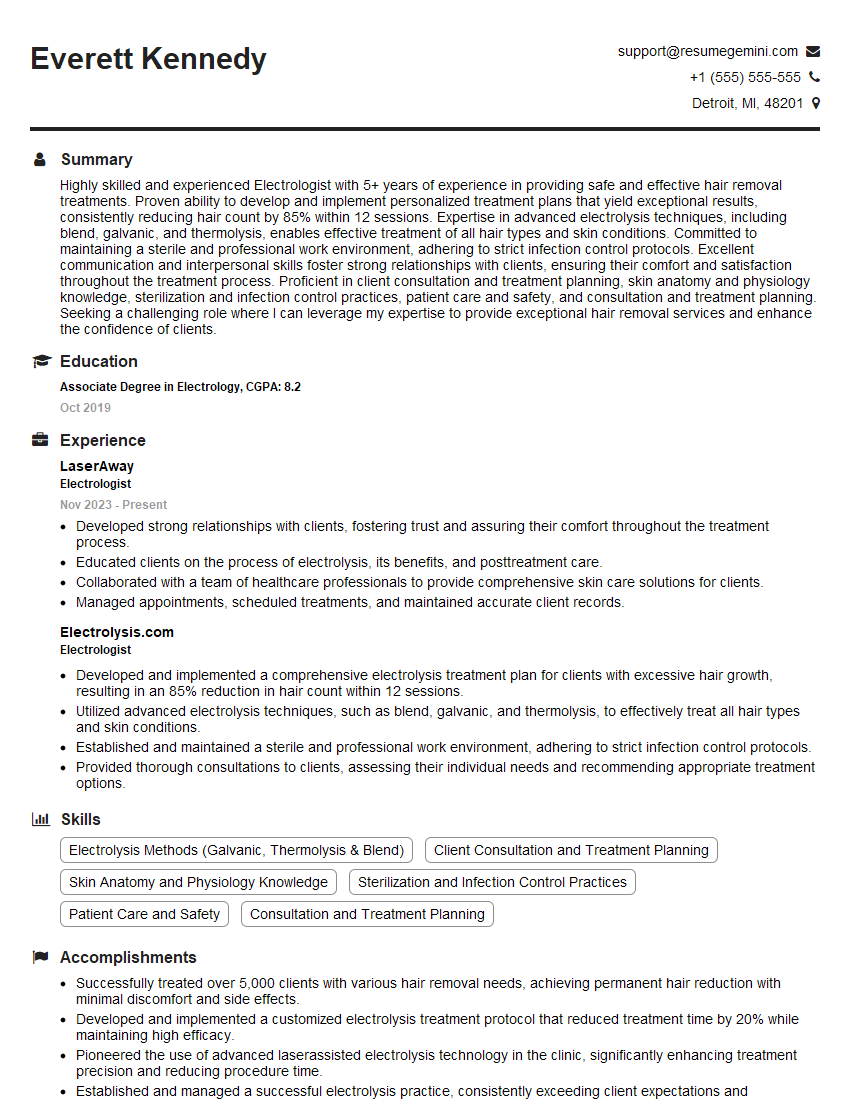
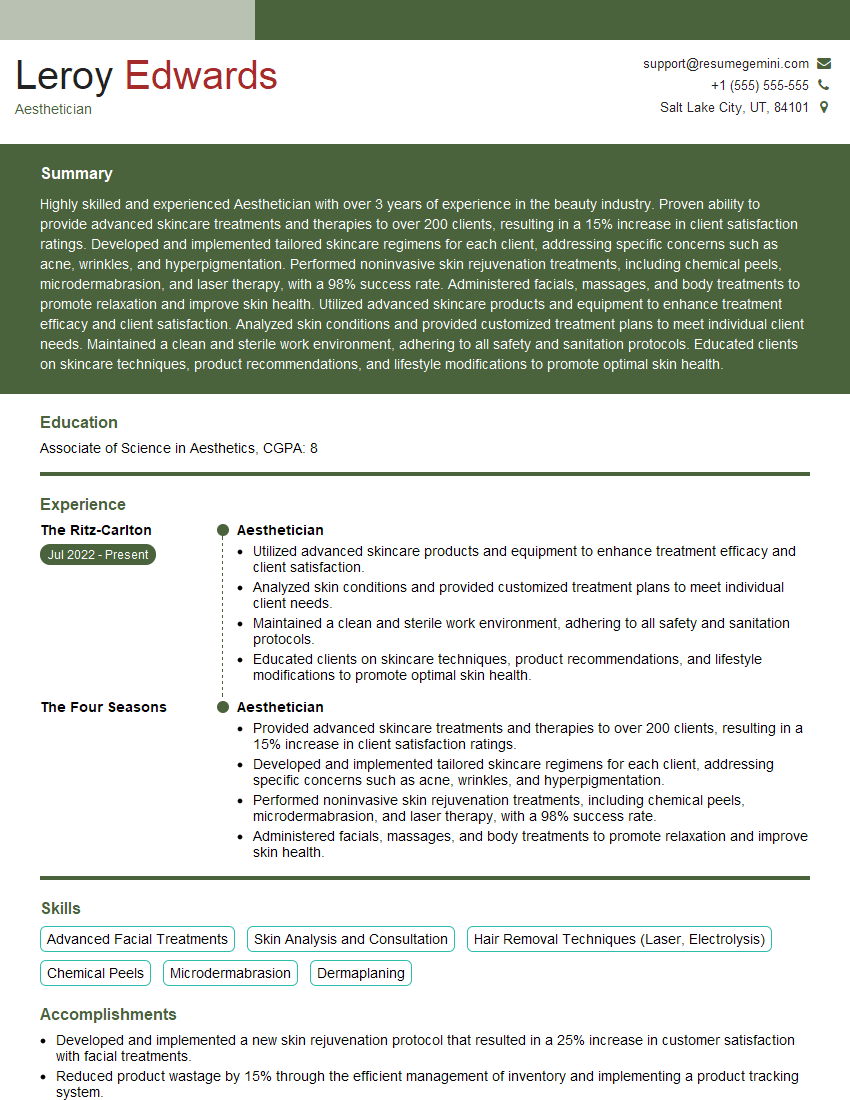
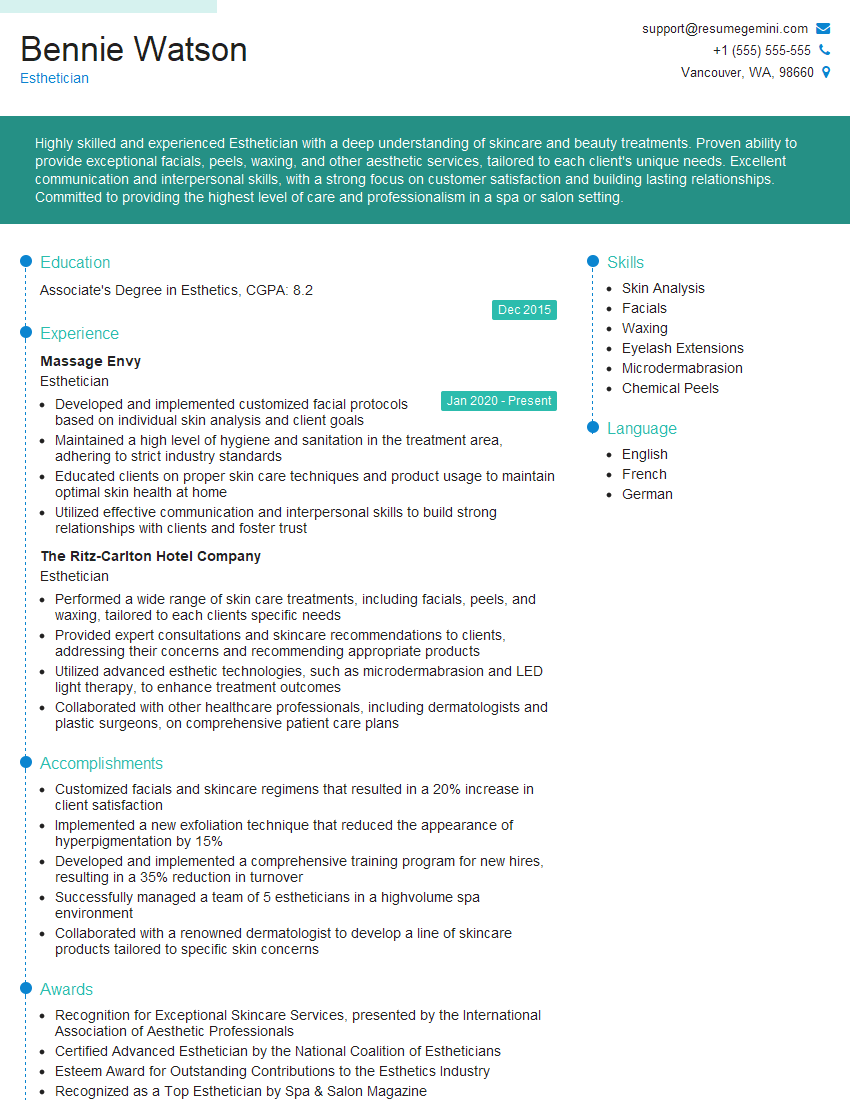
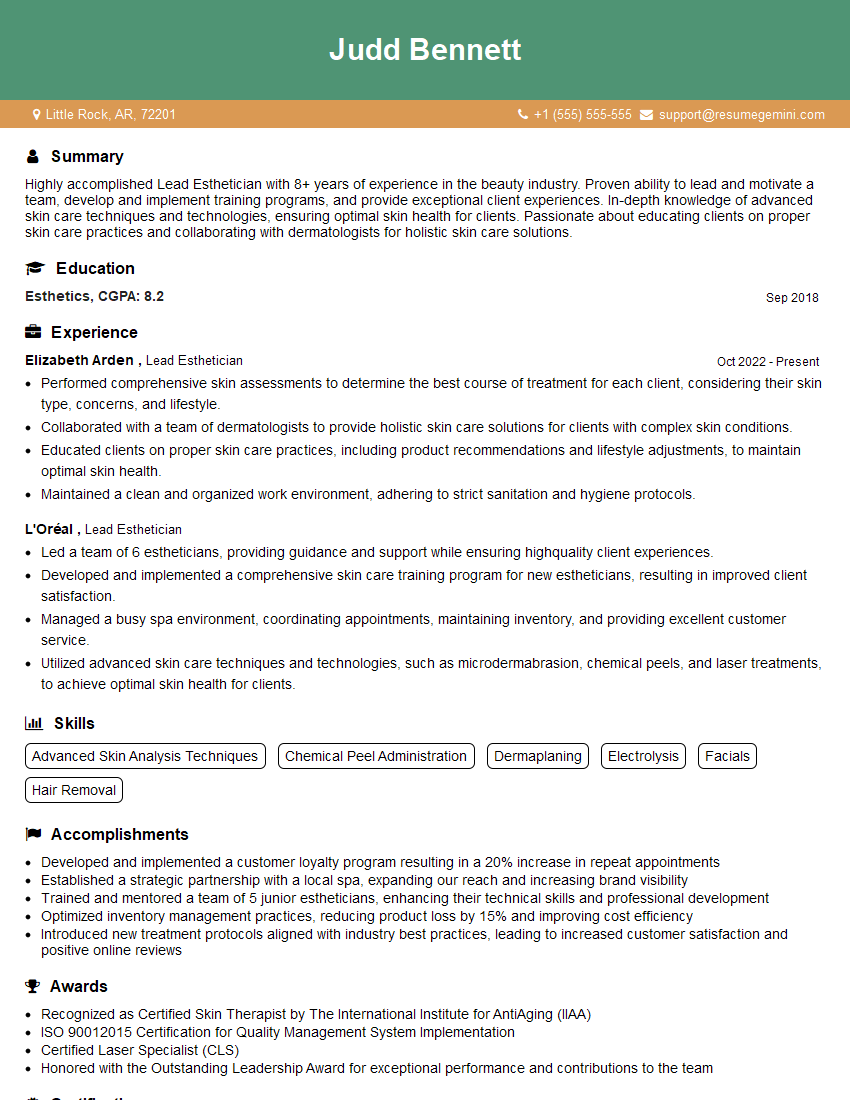
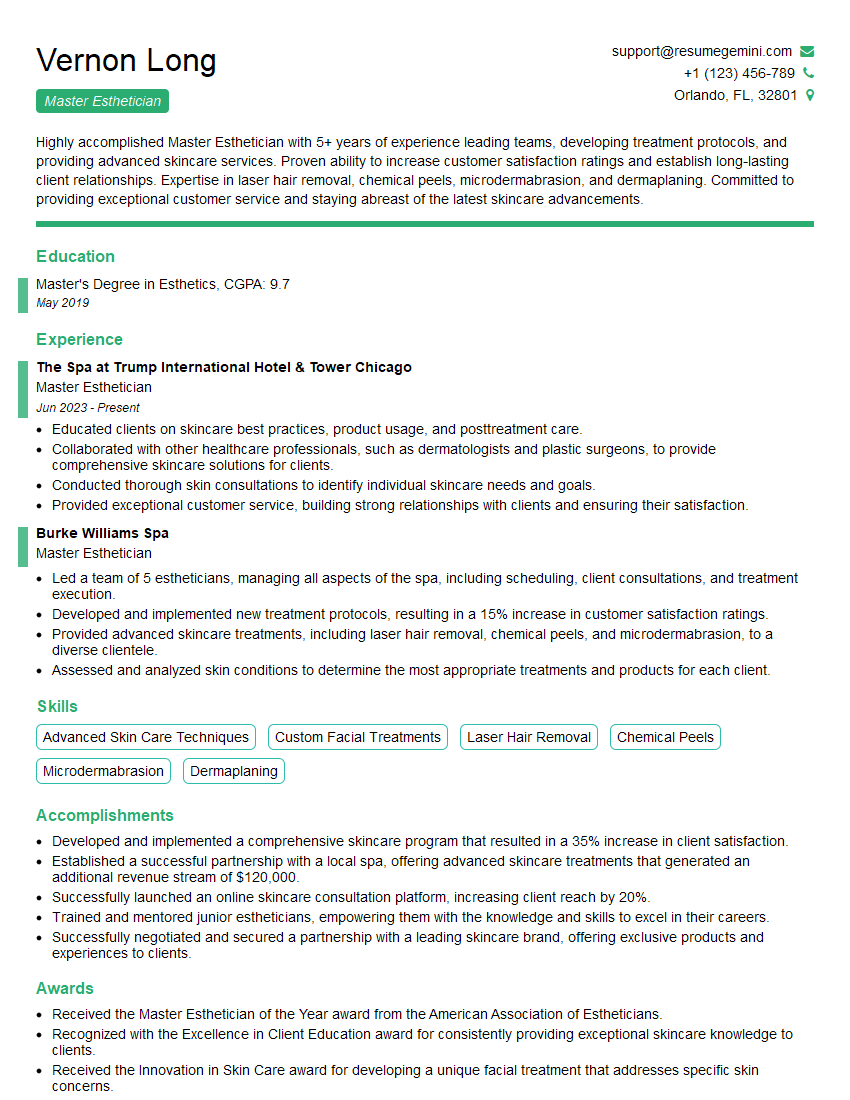
Mastering Wax Application Methods significantly enhances your career prospects in the beauty industry, opening doors to diverse roles and higher earning potential. A strong resume is crucial in today’s competitive job market. Creating an ATS-friendly resume that highlights your skills and experience in wax application is essential for getting noticed by potential employers. To build a compelling and effective resume, we recommend using ResumeGemini, a trusted resource for crafting professional resumes. Examples of resumes tailored to Wax Application Methods are available to help you get started.

Explore more articles
Users Rating of Our Blogs
Share Your Experience
We value your feedback! Please rate our content and share your thoughts (optional).
What Readers Say About Our Blog
To the interviewgemini.com Webmaster.
Very helpful and content specific questions to help prepare me for my interview!
Thank you
To the interviewgemini.com Webmaster.
This was kind of a unique content I found around the specialized skills. Very helpful questions and good detailed answers.
Very Helpful blog, thank you Interviewgemini team.