Preparation is the key to success in any interview. In this post, we’ll explore crucial Western Blot interview questions and equip you with strategies to craft impactful answers. Whether you’re a beginner or a pro, these tips will elevate your preparation.
Questions Asked in Western Blot Interview
Q 1. Describe the principle behind Western blotting.
Western blotting, also known as immunoblotting, is a powerful analytical technique used to detect specific proteins within a complex sample, like a cell lysate. It leverages the specificity of antibody-antigen interactions to visualize the target protein. Think of it like a detective using a specific key (antibody) to find a unique lock (protein) amongst many others.
The principle relies on three main steps: separation of proteins by size using gel electrophoresis, transfer of these separated proteins to a membrane, and then detection of the target protein using a specific antibody that binds to it. This detection is then visualized using methods like chemiluminescence or fluorescence.
Q 2. Explain the steps involved in a Western blot procedure.
A Western blot procedure typically involves these steps:
- Sample Preparation: This involves lysing cells or tissues to release proteins, often followed by quantification and normalization of the protein concentration.
- SDS-PAGE: Proteins are separated by size using sodium dodecyl sulfate polyacrylamide gel electrophoresis (SDS-PAGE). This technique uses an electric field to move proteins through a gel matrix; smaller proteins migrate faster.
- Transfer: The separated proteins are transferred from the gel to a membrane (e.g., nitrocellulose or PVDF). This transfer can be done using either wet or semi-dry methods.
- Blocking: The membrane is blocked to prevent non-specific antibody binding. Common blocking agents include milk, BSA, or commercially available blocking solutions.
- Incubation with Primary Antibody: The membrane is incubated with a primary antibody specific to the target protein. This antibody will bind to its target protein only.
- Washing: Unbound primary antibody is washed away.
- Incubation with Secondary Antibody: The membrane is incubated with a secondary antibody that recognizes the primary antibody. The secondary antibody is usually conjugated to an enzyme (like horseradish peroxidase) or a fluorophore for detection.
- Washing: Unbound secondary antibody is washed away.
- Detection: The target protein is visualized using a suitable detection method. This might involve chemiluminescence (producing light), fluorescence (producing light of a specific wavelength), or colorimetric detection.
- Data Analysis: The intensity of the bands is quantified using imaging software to assess the amount of target protein present.
Q 3. What are the different types of transfer membranes used in Western blotting?
Several types of transfer membranes are used in Western blotting, each with its own properties:
- Nitrocellulose (NC): A cost-effective membrane with good binding capacity for proteins, but it is relatively fragile and can be prone to cracking.
- Polyvinylidene difluoride (PVDF): A more durable and robust membrane with higher binding capacity than NC. It’s suitable for high-stringency washes and protein sequencing, but it requires pre-wetting with methanol.
The choice of membrane depends on the specific application and the properties of the target protein. For example, if you expect high background, a PVDF membrane might be better due to its lower background noise. If cost is a major concern and the experiment is not particularly stringent, NC would be adequate.
Q 4. What are the advantages and disadvantages of using different transfer methods (e.g., semi-dry vs. wet transfer)?
Both wet and semi-dry transfer methods have advantages and disadvantages:
- Wet Transfer: This method uses a tank system with buffer to facilitate efficient transfer, particularly for larger proteins. It generally provides more even transfer and higher efficiency, however, it requires larger quantities of reagents and more time.
- Semi-dry Transfer: This method uses filter paper and sponges with a smaller volume of buffer and a shorter transfer time. It is easier to set up and cheaper but might be less efficient for larger proteins or give less even transfer, especially across the whole gel.
The choice depends on the size of the proteins being transferred and the available resources. For example, if time is a constraint and protein size is not extremely large, a semi-dry transfer is suitable. Otherwise, a wet transfer might be preferred to ensure efficiency and even transfer across the gel.
Q 5. How do you choose the appropriate antibody for your Western blot experiment?
Choosing the right antibody is critical for a successful Western blot. Several factors need to be considered:
- Specificity: The antibody must specifically recognize the target protein and not cross-react with other proteins. Check the antibody datasheet for detailed information about its specificity and potential cross-reactivity.
- Host Species: This refers to the species in which the antibody was raised (e.g., mouse, rabbit, goat). This is crucial for selecting an appropriate secondary antibody.
- Application: Ensure the antibody is validated for Western blotting. Some antibodies are designed for other applications (e.g., immunohistochemistry) and might not be suitable for Western blotting.
- Clonality: Monoclonal antibodies recognize a single epitope, while polyclonal antibodies recognize multiple epitopes. Monoclonal antibodies offer higher specificity, while polyclonal antibodies might have higher sensitivity.
- Concentration and Dilution: The antibody datasheet provides recommendations for optimal working concentrations. These should be optimized experimentally, often through titration.
Reputable antibody suppliers provide detailed information including validation data and application notes. It is always best to consult the datasheet and even reviews and forums for experience-based feedback prior to purchasing.
Q 6. Explain the concept of antibody specificity and sensitivity in Western blotting.
Antibody specificity refers to its ability to bind only to the target protein and not to other proteins. A highly specific antibody will produce a clean, single band on the Western blot. High specificity minimizes false positives.
Antibody sensitivity refers to the ability of the antibody to detect even small amounts of the target protein. A highly sensitive antibody will detect even low levels of the protein, minimizing false negatives. However, very high sensitivity can sometimes lead to increased background noise.
A balance between specificity and sensitivity is important. An antibody that’s too sensitive might detect non-specific bands or show a higher background, while one that’s not sensitive enough might fail to detect the target protein entirely. Careful selection and optimization of the antibody and experimental conditions are essential to achieve the best balance.
Q 7. Describe different blocking methods used in Western blotting and their purposes.
Blocking is a crucial step in Western blotting, aimed at minimizing non-specific binding of antibodies to the membrane. This is achieved by covering all unoccupied protein binding sites on the membrane with a blocking agent.
- Milk-based blocking: A common and cost-effective method using non-fat dry milk. It’s readily available and works well for many antibodies, however, it might contain proteins that could react with some antibodies, leading to increased background.
- BSA-based blocking: Bovine serum albumin (BSA) is another popular blocking agent. It offers better performance than milk in certain situations, especially when using antibodies that might interact with milk proteins, but it can be more expensive than milk.
- Commercially available blocking solutions: These are specifically formulated to reduce background and improve signal-to-noise ratios, potentially offering a superior performance over homemade milk or BSA solutions but can also be more expensive.
The choice of blocking agent depends on the specific experiment and the antibodies used. It’s often necessary to test different blocking agents to optimize the signal-to-noise ratio for your specific experiment.
Q 8. How do you determine the optimal antibody concentration for your Western blot?
Determining the optimal antibody concentration is crucial for successful Western blotting. Too little antibody leads to weak or absent bands, while too much can result in high background noise and non-specific binding. The ideal concentration is typically determined through a titration experiment.
Here’s how to perform an antibody titration:
- Prepare serial dilutions: Start with your stock antibody solution and create a series of dilutions (e.g., 1:1000, 1:2000, 1:5000, 1:10000). Use a suitable dilution buffer, often provided by the antibody manufacturer.
- Perform Western blots: Run your Western blot using each dilution. This ensures you can compare the results directly.
- Analyze the results: Look for the dilution that produces a strong, specific band with minimal background. This is your optimal concentration. Avoid overly saturated bands, which hinder accurate quantification.
- Document everything meticulously: Record the dilutions used, the resulting band intensity, and any observed non-specific binding. This helps you create a reproducible protocol.
Example: In my experience, working with a particular antibody against p53, I found that a 1:5000 dilution produced the best signal-to-noise ratio, whereas a 1:1000 dilution resulted in excessive background and a 1:10000 dilution gave very faint bands.
Q 9. What are the common issues encountered during Western blotting and how can they be resolved?
Western blotting, while powerful, is prone to various issues. Let’s explore some common ones and their solutions:
- Smearing: This often indicates protein degradation or issues with sample preparation (e.g., improper lysis, excessive heating). Solutions include optimizing lysis buffers, reducing sample boiling time, and using protease inhibitors.
- Non-specific binding: This leads to high background and can be caused by using too much antibody or improper blocking. Solutions include optimizing antibody concentration, using more effective blocking agents (e.g., milk, BSA, or commercial blocking solutions), and using more stringent wash conditions.
- Poor transfer: Inefficient transfer of proteins to the membrane results in weak or absent bands. Solutions include checking transfer buffer composition, using the correct current and time during transfer, and confirming the transfer by Ponceau S staining.
- Uneven transfer: This can result in bands with unequal intensity across the blot. Solutions include inspecting the transfer apparatus for proper contact and ensuring even gel and membrane contact.
- Antibody issues: Using incorrect or degraded antibodies leads to weak or no bands. Solutions include using a fresh antibody lot, verifying antibody specificity and storage conditions, and performing a positive control with a known positive sample.
Troubleshooting Western blots often involves a systematic approach – checking each step from sample preparation to detection to identify the source of the problem.
Q 10. How do you troubleshoot a Western blot with weak or no bands?
Weak or absent bands in a Western blot are frustrating, but systematic troubleshooting can usually pinpoint the cause. The approach is process of elimination:
- Sample issues: Check the protein concentration in your samples using methods such as Bradford or BCA assays. Ensure that your samples contain adequate amounts of your target protein, and that you haven’t degraded your protein during sample preparation. Consider using a positive control to check whether your target protein expression is actually low.
- Antibody issues: Verify antibody specificity, storage, and concentration. Try a titration experiment. Check expiry date.
- Blocking and washing: Insufficient blocking can lead to non-specific binding, masking your signal. Ensure sufficient blocking time and use appropriate wash buffers and conditions. Too stringent washing can also wash away the antibody-antigen complex.
- Transfer issues: Re-examine the transfer efficiency, including the transfer buffer, current, and time. Ponceau S staining is highly recommended.
- Detection issues: Make sure the detection reagents are fresh and working correctly. Optimize exposure time for chemiluminescence detection or excitation/emission wavelengths for fluorescence detection.
Addressing these points one by one allows you to pinpoint the problem and obtain better results. Remember to carefully document each step and observation.
Q 11. How do you troubleshoot a Western blot with high background noise?
High background noise obscures the protein bands and makes interpretation difficult. The key is to reduce non-specific binding:
- Optimize blocking: Experiment with different blocking agents (5% milk, 3% BSA, commercial blocking buffers). Some antigens may benefit from different blocking agents.
- Antibody concentration: Reduce the antibody concentration; a titration experiment is essential.
- Wash stringency: Increase the stringency and duration of washes using TBST with higher concentrations of Tween-20. More washes help remove unbound antibodies.
- Blocking time: Extend the blocking time to ensure complete blocking of the membrane.
- Membrane quality: A lower quality membrane may contribute to higher background.
- Sample preparation: Issues in cell lysis or sample preparation can increase background.
- Reagent quality: Using expired or improperly stored reagents can lead to high background.
It’s a process of elimination; by systematically investigating these possibilities, you can typically identify the source of excessive background noise.
Q 12. Explain the importance of positive and negative controls in Western blotting.
Positive and negative controls are essential for validating Western blot results. They provide crucial internal references, demonstrating the specificity and reliability of your experiment.
- Positive control: This is a sample known to express your target protein. It confirms that your experimental setup, including antibodies and detection methods, is working correctly. If the positive control doesn’t show a band, it points to an issue with the entire process.
- Negative control: This sample lacks the target protein. It helps assess non-specific binding. If the negative control shows a band, this signifies non-specific binding or cross-reactivity of your antibody.
Think of it like this: The positive control is like a quality check for your reagents and procedure; the negative control ensures your antibody is targeting the correct protein and not something else.
Q 13. How do you quantify protein bands in a Western blot?
Quantifying protein bands involves using image analysis software to measure the intensity of the bands. This allows for comparing protein expression levels across different samples.
- Image acquisition: Capture high-quality images of your Western blot using a chemiluminescence or fluorescence imaging system. Ensure even illumination.
- Image analysis software: Use specialized software like ImageJ, ImageQuant, or similar programs to analyze the images. These software packages will allow you to quantify the density of the bands.
- Normalization: Normalize the band intensities to a loading control (e.g., actin, tubulin). This accounts for variations in protein loading between samples.
- Statistical analysis: Perform statistical analysis to determine significant differences in protein expression levels between your samples.
Remember that accurate quantification requires careful experimental design and meticulous attention to detail throughout the whole Western blotting process.
Q 14. What are the different types of Western blot detection methods (e.g., chemiluminescence, fluorescence)?
Several detection methods exist for Western blotting, each with its own advantages and disadvantages:
- Chemiluminescence: This is a commonly used method employing an enzyme-substrate reaction that produces light. It’s relatively inexpensive and sensitive. Examples include horseradish peroxidase (HRP) and alkaline phosphatase (AP) detection systems.
- Fluorescence: This method uses fluorescently labeled antibodies, offering high sensitivity and the ability to detect multiple proteins simultaneously (multiplexing). Different fluorophores (e.g., Alexa Fluor, DyLight) can be used to differentiate proteins.
- Colorimetric: This method uses colorimetric substrates to generate a colored product, which is detected by eye or by densitometry. It is less sensitive than chemiluminescence or fluorescence.
The choice of detection method depends on factors such as sensitivity requirements, budget, and the need for multiplexing. Many modern imaging systems support both chemiluminescence and fluorescence detection.
Q 15. Describe the importance of proper sample preparation in Western blotting.
Proper sample preparation is paramount in Western blotting; it directly impacts the accuracy and reliability of your results. Think of it as laying the foundation for a house – if the foundation is weak, the entire structure is compromised. Poor sample preparation can lead to false negatives, inaccurate quantification, and overall irreproducible results.
- Protein Extraction: The choice of lysis buffer is crucial. Different buffers are optimized for extracting different types of proteins (membrane, cytosolic, nuclear, etc.). Using the wrong buffer can result in incomplete protein extraction or degradation. For example, using a buffer lacking protease inhibitors will lead to the degradation of your target protein before you can even analyze it.
- Protein Quantification: Accurately determining the protein concentration in your samples is essential for loading equal amounts of protein into each well. Inaccurate quantification leads to inconsistent band intensities, hindering comparisons between samples. Methods like Bradford, BCA, or Lowry assays help quantify protein concentration.
- Sample Storage: Proper storage of samples, ideally at -80°C, helps prevent protein degradation and modification. Repeated freeze-thaw cycles should be avoided as they can denature proteins.
In summary, meticulous attention to detail in sample preparation ensures the integrity of your protein samples, leading to reliable and meaningful Western blot results. A poorly prepared sample is a recipe for unreliable data, potentially wasting valuable time and resources.
Career Expert Tips:
- Ace those interviews! Prepare effectively by reviewing the Top 50 Most Common Interview Questions on ResumeGemini.
- Navigate your job search with confidence! Explore a wide range of Career Tips on ResumeGemini. Learn about common challenges and recommendations to overcome them.
- Craft the perfect resume! Master the Art of Resume Writing with ResumeGemini’s guide. Showcase your unique qualifications and achievements effectively.
- Don’t miss out on holiday savings! Build your dream resume with ResumeGemini’s ATS optimized templates.
Q 16. What are the common artifacts observed in Western blotting and how to avoid them?
Several artifacts can plague Western blots, often stemming from issues during any stage of the process, from sample preparation to imaging. Let’s explore some common ones and how to avoid them:
- Smearing: This usually indicates protein degradation (due to protease activity) or improper sample preparation (e.g., too much boiling). Using protease inhibitors and optimizing lysis conditions will mitigate this.
- Multiple bands: This can be due to protein isoforms, post-translational modifications (PTMs), or non-specific binding of the antibody. Using a more specific antibody or employing techniques like immunoprecipitation can help resolve this.
- High background: This can arise from non-specific binding of antibodies or high levels of unbound antibody. Blocking the membrane more effectively, optimizing antibody concentration, and using a high-quality antibody are key solutions.
- Smiling/Wavy bands: This often results from uneven transfer of proteins to the membrane. Ensuring proper transfer conditions, checking for bubbles, and using appropriate transfer times are essential to avoid this.
- Streaking: This often happens during transfer but can also happen if the membrane has not been thoroughly washed.
Troubleshooting involves systematically examining each step of the protocol, from sample preparation to detection. A detailed protocol and meticulous attention to detail are crucial to minimize artifacts and produce high-quality blots.
Q 17. How do you normalize your Western blot data?
Normalization in Western blotting is crucial to account for variations in protein loading and transfer efficiency between samples. It allows for accurate comparison of protein expression levels. We don’t want to compare apples and oranges!
The most common approach is to normalize to a housekeeping protein—a protein whose expression remains relatively constant across different experimental conditions. Examples include GAPDH, β-actin, or tubulin. You’ll measure the intensity of your target protein band and the intensity of the housekeeping protein band, then calculate the ratio:
Target protein intensity / Housekeeping protein intensity
This ratio corrects for variations in loading and transfer. Furthermore, using multiple housekeeping proteins is recommended for enhanced accuracy, as the expression of a single housekeeping protein might vary under some experimental conditions. Using software for analysis often automates these calculations.
Another approach, though less common, is to normalize based on total protein loaded per lane, as determined by a total protein assay (like Bradford assay) before loading the samples.
Q 18. What is the difference between a Western blot and an ELISA?
Both Western blotting and ELISA are powerful techniques for protein detection but differ significantly in their approach and applications:
- Western blotting is a gel-based technique used to separate proteins by size (SDS-PAGE) before detecting specific proteins with antibodies. It provides information about protein size and relative abundance.
- ELISA (Enzyme-Linked Immunosorbent Assay) is a plate-based technique that doesn’t involve gel electrophoresis. It directly detects proteins in solution using antibodies conjugated to enzymes. It’s highly quantitative and well-suited for high-throughput analysis.
In essence, Western blotting offers size information and qualitative/semi-quantitative data, while ELISA excels in quantitative measurements and high-throughput capabilities. The choice between these techniques depends on the specific research question and available resources.
Q 19. How do you determine the molecular weight of a protein using Western blotting?
Western blotting allows you to determine the approximate molecular weight (MW) of a protein by comparing its migration distance on the gel to that of protein markers of known MW. These markers, typically a mixture of proteins with known molecular weights, run alongside your samples on the SDS-PAGE gel.
After the Western blot is completed, you can determine the molecular weight by:
- Visual Inspection: Compare the migration distance of your protein band to the marker bands. This provides a rough estimate of the MW.
- Software Analysis: Image analysis software can accurately measure the migration distance of the bands and, using the known MW of the markers, can interpolate the MW of your protein. This is a much more accurate method.
It’s important to note that the MW determined is an approximation, as several factors can influence protein mobility on the gel, such as post-translational modifications.
Q 20. What are the limitations of Western blotting?
While Western blotting is a valuable technique, it does have certain limitations:
- Semi-quantitative: Western blotting is semi-quantitative at best, meaning it provides relative protein levels, not absolute quantities. ELISA is better suited for precise quantification.
- Sensitivity: The sensitivity of Western blotting can be limited, especially for low-abundance proteins.
- Potential for artifacts: As discussed earlier, various artifacts can affect the accuracy of the results.
- Time-consuming: The Western blotting process is relatively lengthy, often requiring multiple steps and several hours or days to complete.
- Requires specialized equipment: It necessitates specialized equipment like gel electrophoresis systems, transfer apparatuses, and imaging systems.
Understanding these limitations is crucial for proper experimental design and interpretation of results. For example, if precise quantification is needed, an alternative method like ELISA might be more appropriate.
Q 21. Explain the concept of stripping and reprobing a Western blot.
Stripping and reprobing allows for the detection of multiple proteins on a single Western blot membrane. It’s a cost-effective approach that saves time and sample material, but it must be performed carefully to avoid compromising results.
The process involves:
- Stripping: This step removes the primary and secondary antibodies from the membrane using a stripping buffer. The buffer contains a reagent, often a high pH solution, that disrupts antibody binding without damaging the proteins on the membrane. Several commercially available stripping buffers provide optimized conditions for efficient antibody removal.
- Blocking: After stripping, the membrane must be blocked again to prevent non-specific antibody binding. This step is similar to the initial blocking step performed at the start of the experiment.
- Reprobing: The membrane is now ready for reprobing with a new set of antibodies to detect a different protein. The entire procedure from primary antibody incubation to detection is repeated.
It’s crucial to ensure the stripping buffer is effective enough to remove the previous antibodies without degrading the target proteins or causing high background signal in the subsequent reprobing step. The optimal stripping conditions may vary depending on the antibodies and the membrane type. Therefore, careful optimization is crucial for successful stripping and reprobing.
Q 22. How do you ensure reproducibility in Western blotting?
Reproducibility in Western blotting is paramount for reliable results. Think of it like baking a cake – if you don’t follow the recipe consistently, you won’t get the same result every time. To ensure reproducibility, we need to meticulously control every step of the process. This starts with precise sample preparation, ensuring consistent protein extraction and quantification using methods like BCA or Bradford assays. Next, we need standardized gel electrophoresis conditions, including consistent voltage, buffer composition, and transfer parameters. Then, blocking, antibody incubation times and dilutions, and wash steps must be meticulously followed. Maintaining detailed lab notebooks is crucial, documenting every reagent concentration, incubation time, and equipment setting used. Finally, using image analysis software with consistent settings helps eliminate variations in quantification. For example, if my background subtraction settings change between experiments, it will heavily influence my results. Consistent use of positive and negative controls in each experiment are also crucial to verify the assay’s accuracy and identify any potential technical issues.
Moreover, using standardized protocols and creating detailed Standard Operating Procedures (SOPs) within the lab further enhances reproducibility. This ensures that other lab members can repeat experiments and obtain similar results, fostering collaboration and reducing inconsistencies.
Q 23. What are the safety precautions to be taken while performing Western blotting?
Safety is paramount in any laboratory setting, and Western blotting is no exception. We work with potentially hazardous materials, so appropriate precautions must be taken. This includes wearing appropriate personal protective equipment (PPE), such as lab coats, gloves (nitrile gloves are ideal for most applications), and eye protection at all times. Many buffers and reagents used are corrosive or toxic, so handling them in a fume hood whenever possible and working near spill kits is crucial. Proper disposal of chemical waste is critical; we follow strict protocols for discarding used solutions and gels in designated containers. Additionally, proper training and adherence to the lab’s safety guidelines are essential. For example, we are trained on how to safely use equipment such as electrophoresis apparatus, which contain high voltage, and autoclaves used to sterilize glassware. We also maintain a clean and organized workspace to minimize risks of accidents. Regular safety training and adherence to lab rules are indispensable for safe operation of the lab.
Q 24. What software or tools do you use for Western blot image analysis?
Image analysis software is crucial for quantifying Western blot results accurately and objectively. Imagine trying to estimate band intensity by eye – it’s subjective and prone to error. Software provides precise measurements, minimizing bias. I have extensive experience using ImageJ/Fiji, a free and open-source software package offering a wide range of tools for image processing and analysis, including band quantification and background subtraction. I also have experience using commercially available software like Image Studio Lite which offers many of the same functions as Fiji but in a more user friendly interface. These tools allow me to accurately measure band intensity, perform background subtraction, and normalize data, providing quantitative results that are essential for robust data analysis. The ability to use multiple software packages provides versatility and the ability to verify results through multiple independent methods of data analysis.
Q 25. Describe your experience with different types of Western blot applications (e.g., phosphorylation studies, protein-protein interaction studies).
My experience with Western blotting encompasses a wide range of applications. I’ve worked extensively on phosphorylation studies, where I’ve used phospho-specific antibodies to detect specific phosphorylation sites on proteins and to assess the effect of different treatments or stimuli on protein phosphorylation. For instance, I’ve analyzed the phosphorylation status of ERK1/2 in response to growth factor stimulation. I also have significant experience with protein-protein interaction studies using co-immunoprecipitation (co-IP) followed by Western blotting. In this technique, I can identify proteins interacting with a protein of interest. For example, I’ve successfully used co-IP followed by Western blotting to demonstrate the interaction between two proteins involved in a signaling pathway. Moreover, I’ve adapted Western blotting techniques for other applications such as assessing protein expression levels under different conditions, analyzing protein degradation, and studying protein modifications such as glycosylation.
Q 26. How would you optimize a Western blot protocol for a specific protein of interest?
Optimizing a Western blot protocol for a specific protein of interest involves a systematic approach. It’s like fine-tuning a musical instrument to get the best sound. First, I’d gather information about the protein, such as its molecular weight, predicted isoelectric point, and known antibodies available. Then, I would optimize the lysis buffer for efficient protein extraction; for membrane proteins, I might need a stronger detergent. Next, I’d select the appropriate antibody concentration and incubation times, titrating the antibody to determine the optimal concentration that yields a strong signal without excessive background noise. Gel percentage would be chosen based on the protein size; smaller proteins generally need a higher percentage gel to separate effectively. Transfer time and conditions are then carefully evaluated to ensure sufficient protein transfer. Finally, I’d carefully evaluate blocking solutions and wash buffers to reduce non-specific binding. Throughout this optimization process, I would meticulously document all steps and results, allowing me to create a robust protocol for reliable and reproducible data.
Q 27. Explain your experience with troubleshooting complex Western blot experiments.
Troubleshooting Western blots requires a systematic and logical approach. Think of it like detective work – you need to systematically investigate potential sources of error. Common issues include weak or absent bands, high background noise, or nonspecific binding. If bands are weak or absent, I would first verify protein extraction and loading efficiency. I would then check the antibody concentration and incubation times, considering whether a different antibody might be more suitable. High background noise often points to issues with blocking or washing steps, prompting optimization of these parameters. Nonspecific bands usually indicate insufficient blocking or problems with the antibody itself. I would meticulously check each step of the protocol, carefully evaluating all potential sources of error. For example, I once experienced weak bands and discovered that the protein of interest had degraded during sample preparation. Changing the lysis buffer to include protease inhibitors solved the issue. Careful record keeping is crucial for troubleshooting and effective problem-solving.
Q 28. Have you ever validated your Western blot results using another technique?
Yes, I frequently validate Western blot results with other techniques to ensure accuracy and reliability. This is especially critical when dealing with important conclusions that might significantly impact a project. For quantitative protein analysis, I’ve frequently used ELISA (enzyme-linked immunosorbent assay), a technique that allows for highly specific and sensitive quantification of a target protein. For assessing protein expression, immunofluorescence microscopy can provide visual confirmation of protein localization and expression levels, thus adding another layer of validation. Similarly, I’ve used qPCR (quantitative Polymerase Chain Reaction) for corroborating changes in mRNA levels and thus inferring a connection to changes in protein expression observed through Western blotting. The combination of multiple techniques provides a more comprehensive understanding and strengthens the overall reliability of our findings.
Key Topics to Learn for Western Blot Interview
- Principle of Western Blot: Understand the underlying principles of protein separation (SDS-PAGE), transfer to a membrane (e.g., nitrocellulose or PVDF), and antibody-based detection. Be prepared to explain the process step-by-step.
- Antibody Selection and Use: Discuss the criteria for choosing primary and secondary antibodies, including specificity, affinity, and concentration. Explain the importance of blocking steps and the different detection methods (e.g., chemiluminescence, fluorescence).
- Troubleshooting Common Issues: Be ready to discuss common problems encountered in Western Blotting, such as non-specific binding, low signal intensity, and smearing. Explain potential causes and troubleshooting strategies.
- Data Analysis and Interpretation: Explain how to interpret Western Blot results, including quantifying protein expression levels and understanding the implications of different band patterns. This includes understanding the importance of appropriate controls.
- Practical Applications: Discuss the diverse applications of Western Blotting in various research areas, such as studying protein expression levels, post-translational modifications, and protein-protein interactions. Provide examples.
- Quantitative Western Blot: Describe the techniques and considerations involved in obtaining quantitative data from Western Blots, including the use of housekeeping genes or loading controls for normalization.
- Advanced Techniques: Briefly discuss more advanced Western Blot techniques, such as phospho-specific antibodies or techniques to analyze protein modifications.
Next Steps
Mastering Western Blot techniques significantly enhances your value in research and development roles within the life sciences. A strong understanding of this technique demonstrates technical proficiency and problem-solving skills highly sought after by employers. To maximize your job prospects, create an ATS-friendly resume that highlights your expertise effectively. ResumeGemini is a trusted resource to help you build a professional and impactful resume that gets noticed. We offer examples of resumes tailored to Western Blot expertise to guide you in crafting your own compelling application materials.
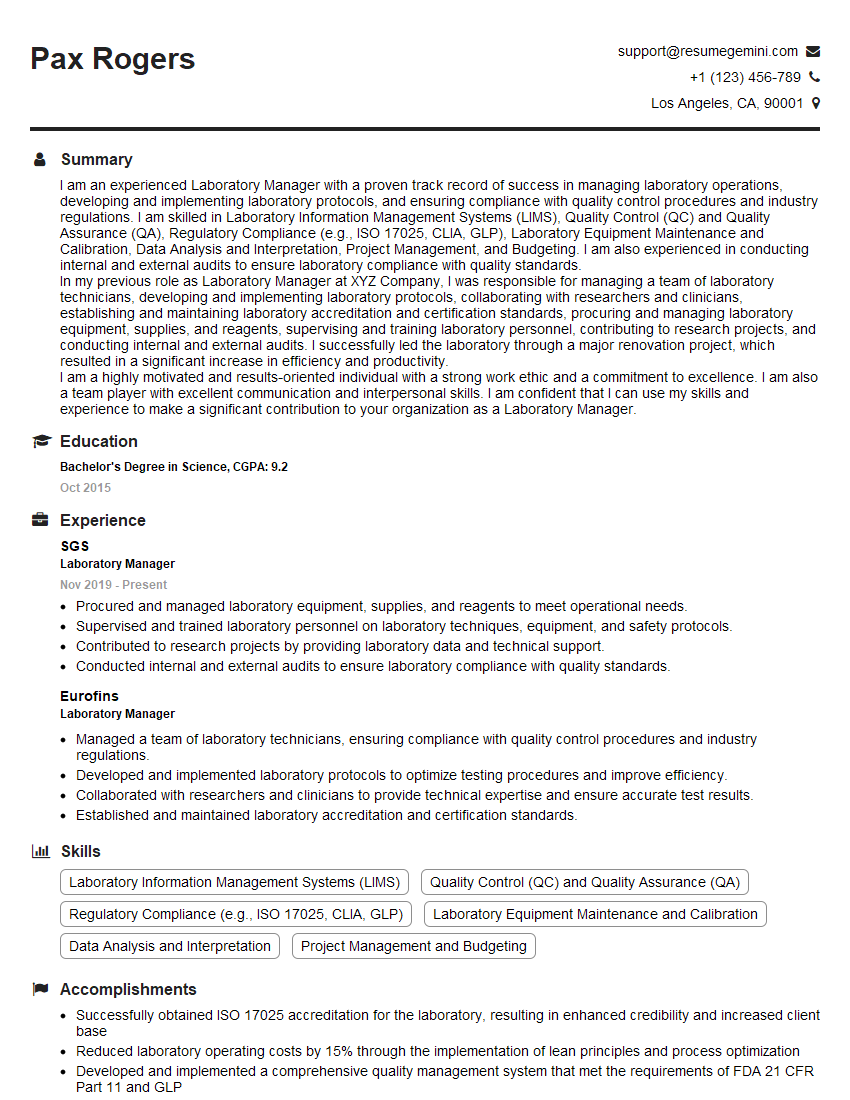
Laboratory Manager Resume Sample

Research Associate Resume Sample
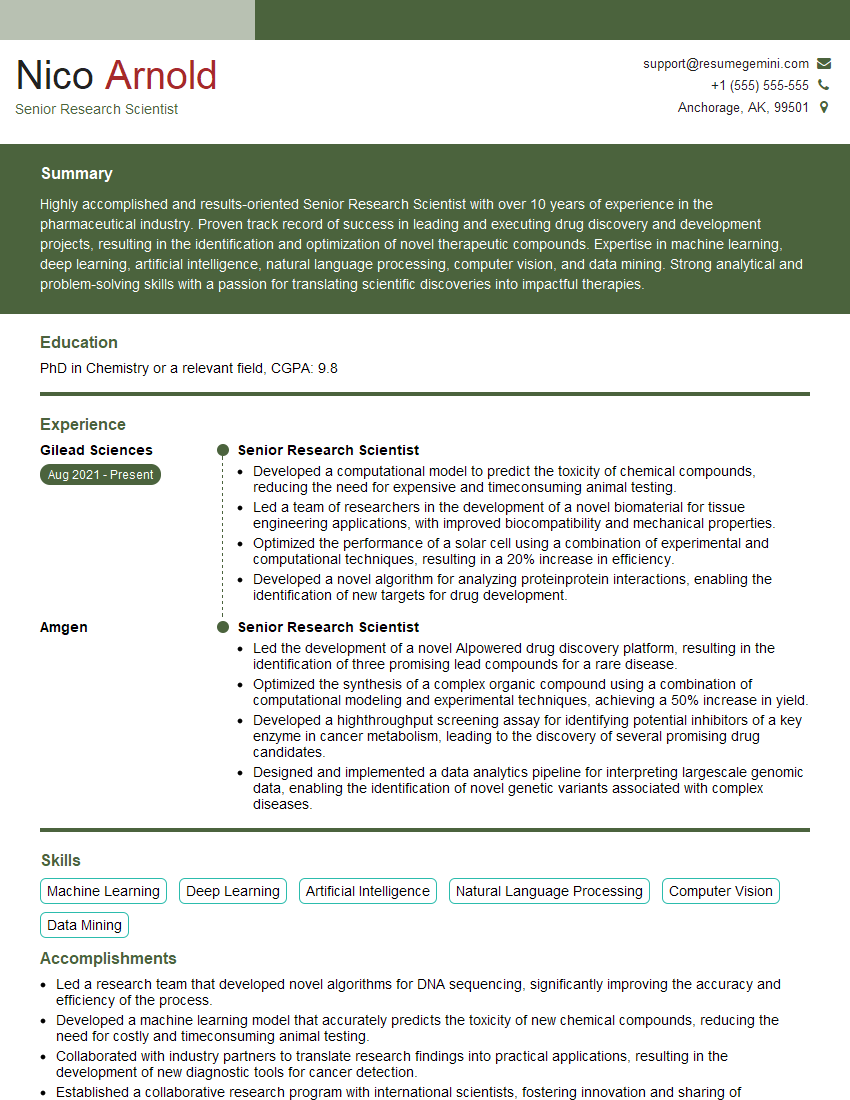
Senior Research Scientist Resume Sample

Regulatory Affairs Specialist Resume Sample

Research Scientist Resume Sample

Technical Specialist Resume Sample
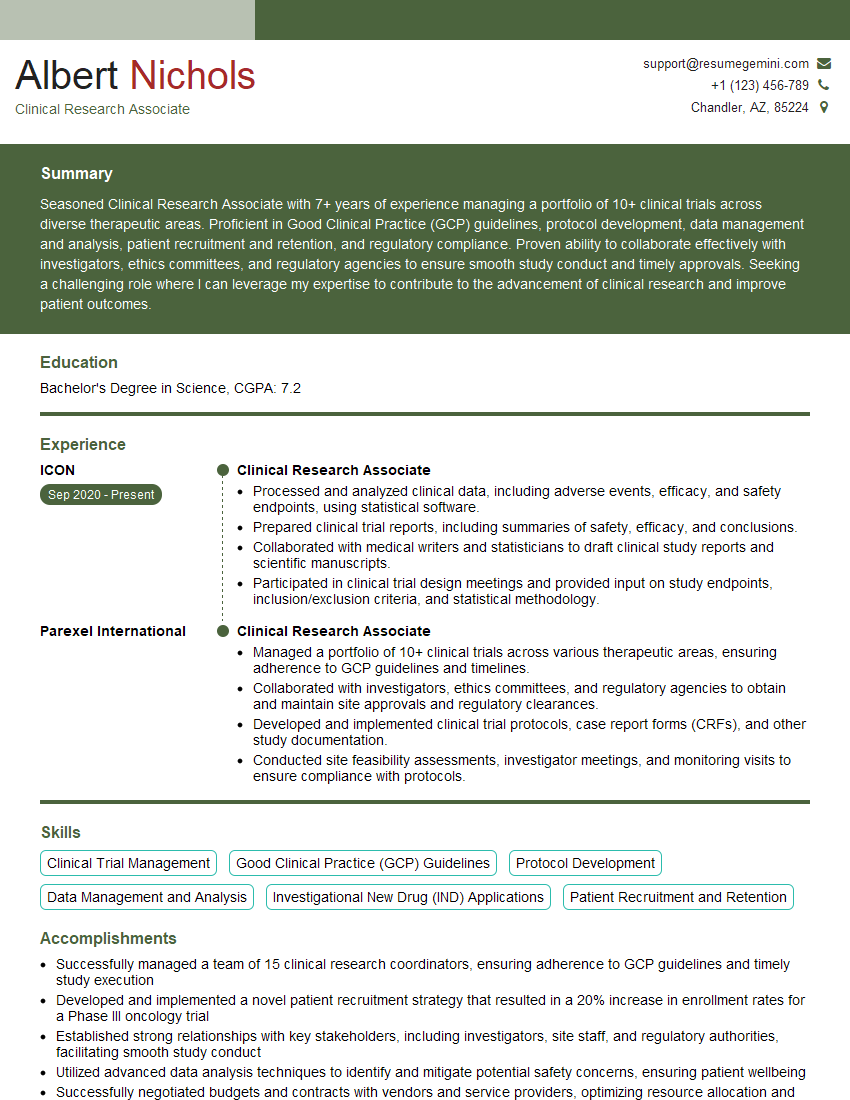
Clinical Research Associate Resume Sample

Quality Control Specialist Resume Sample

Laboratory Technician Resume Sample

Research Assistant Resume Sample

Molecular Biologist Resume Sample

Biochemist Resume Sample

Toxicologist Resume Sample
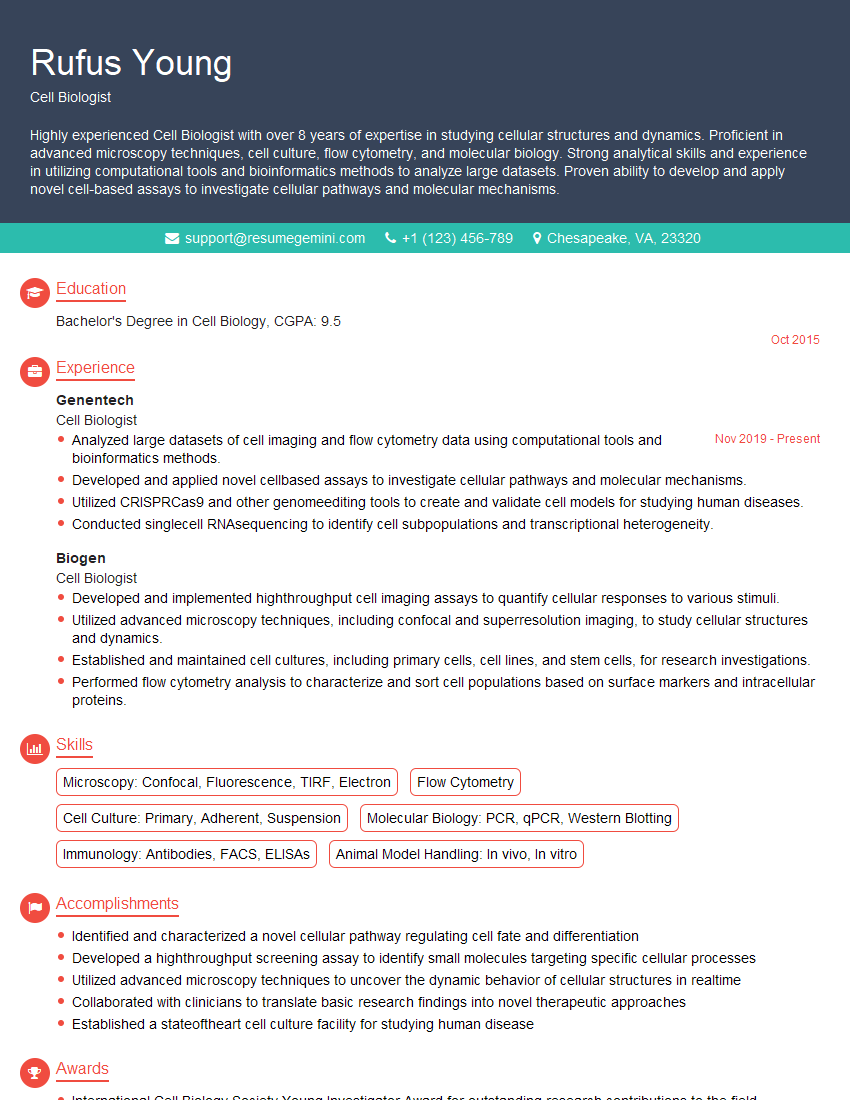
Cell Biologist Resume Sample
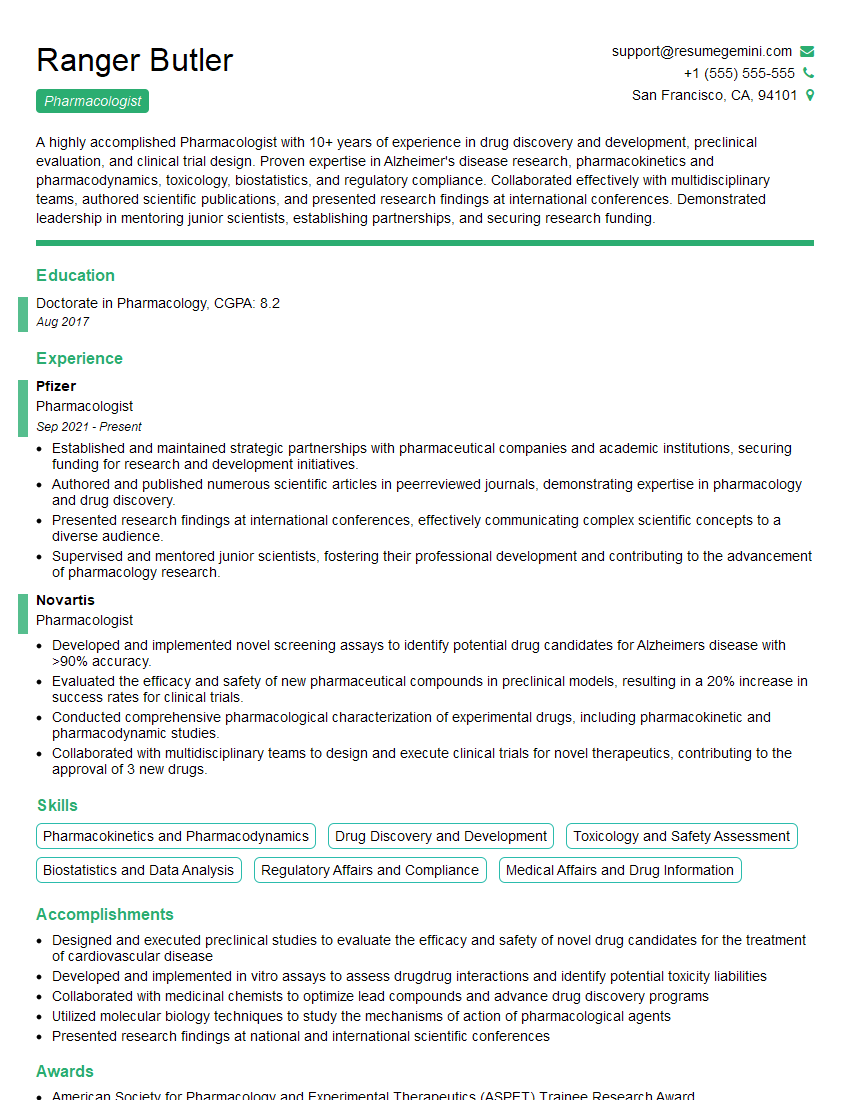
Pharmacologist Resume Sample

Principal Investigator Resume Sample

Analytical Chemist Resume Sample

Scientific Writer Resume Sample

Immunologist Resume Sample
- Laboratory Manager
- Research Associate
- Senior Research Scientist
- Regulatory Affairs Specialist
- Research Scientist
- Technical Specialist
- Clinical Research Associate
- Quality Control Specialist
- Laboratory Technician
- Research Assistant
- Molecular Biologist
- Biochemist
- Toxicologist
- Cell Biologist
- Pharmacologist
- Principal Investigator
- Analytical Chemist
- Scientific Writer
- Immunologist
Explore more articles
Users Rating of Our Blogs
Share Your Experience
We value your feedback! Please rate our content and share your thoughts (optional).
What Readers Say About Our Blog
To the interviewgemini.com Webmaster.
Very helpful and content specific questions to help prepare me for my interview!
Thank you
To the interviewgemini.com Webmaster.
This was kind of a unique content I found around the specialized skills. Very helpful questions and good detailed answers.
Very Helpful blog, thank you Interviewgemini team.