Cracking a skill-specific interview, like one for Wildlife and Ecosystem Knowledge, requires understanding the nuances of the role. In this blog, we present the questions you’re most likely to encounter, along with insights into how to answer them effectively. Let’s ensure you’re ready to make a strong impression.
Questions Asked in Wildlife and Ecosystem Knowledge Interview
Q 1. Explain the concept of ecological succession.
Ecological succession is the process of change in the species structure of an ecological community over time. It’s like watching a forest grow from bare rock to a mature woodland. It’s a gradual, predictable process driven by environmental factors and the interactions between organisms. There are two main types: primary and secondary succession.
Primary succession begins in areas devoid of life, like newly formed volcanic islands or exposed rock surfaces. Pioneer species, like lichens and mosses, are the first to colonize, breaking down rock and creating soil. Over time, this allows more complex plants to establish, eventually leading to a climax community – a stable, mature ecosystem. Think of it as building a house from the ground up – you need a foundation first before you can build the walls and roof.
Secondary succession occurs in areas where a pre-existing community has been disturbed, such as after a fire or a logging operation. The soil remains, allowing for faster recolonization. The process is quicker than primary succession because the starting point is more developed. It’s like renovating a house instead of building a new one – you’re working with an existing structure.
Understanding ecological succession is crucial for conservation efforts. By understanding the trajectory of an ecosystem’s development, we can predict how it will respond to disturbances and better manage its recovery.
Q 2. Describe the trophic levels in a typical ecosystem.
Trophic levels describe the feeding relationships within an ecosystem. Each level represents a step in the food chain. Imagine a pyramid – the base is wide and the top is narrow.
- Producers (Level 1): These are autotrophs, organisms that produce their own food, primarily through photosynthesis (plants, algae, some bacteria). They form the base of the pyramid.
- Primary Consumers (Level 2): These are herbivores that eat producers (e.g., rabbits, deer, grasshoppers).
- Secondary Consumers (Level 3): These are carnivores that eat primary consumers (e.g., foxes, snakes, owls).
- Tertiary Consumers (Level 4): These are top carnivores that eat secondary consumers (e.g., wolves, lions, sharks). They often have few or no natural predators.
- Decomposers (all levels): Bacteria and fungi break down dead organisms and waste products, returning nutrients to the soil. They are crucial for nutrient cycling and are found at every level.
Energy flows through these levels, with only about 10% of the energy at one level transferred to the next. This explains why there are fewer organisms at higher trophic levels – there’s less energy available.
Q 3. What are the key threats to biodiversity?
Biodiversity, the variety of life on Earth, faces numerous threats. These can be broadly categorized as:
- Habitat loss and fragmentation: This is the biggest threat, driven by deforestation, urbanization, and agriculture. It destroys and isolates habitats, reducing the space available for species.
- Climate change: Shifting temperatures, altered precipitation patterns, and increased frequency of extreme weather events disrupt ecosystems and push species beyond their tolerance limits.
- Pollution: Air, water, and soil pollution contaminate habitats, harming organisms directly and disrupting ecological processes.
- Overexploitation: Overfishing, hunting, and poaching deplete populations of certain species, disrupting ecological balance.
- Invasive species: Non-native species can outcompete native organisms, spread diseases, and alter habitats.
These threats are often interconnected, creating complex challenges for biodiversity conservation. For example, habitat loss can make species more vulnerable to climate change, and pollution can exacerbate the effects of invasive species.
Q 4. Define keystone species and provide an example.
A keystone species is a species that has a disproportionately large impact on its environment relative to its abundance. Its removal can lead to significant changes in the structure and function of the ecosystem. Think of it as the keystone in an arch – remove it, and the whole structure collapses.
Example: Sea otters in kelp forests. Sea otters are keystone predators that feed on sea urchins. If sea otter populations decline, sea urchin populations explode, leading to overgrazing of kelp forests, resulting in habitat loss for many other species. The whole ecosystem is dependent on the sea otters’ presence to maintain balance.
Q 5. Explain the difference between habitat fragmentation and loss.
Both habitat fragmentation and loss negatively impact biodiversity, but they differ in their mechanisms:
- Habitat loss: This is the complete destruction of a habitat, such as converting a forest into farmland. It results in a direct reduction in the area available for species.
- Habitat fragmentation: This involves breaking up a large, continuous habitat into smaller, isolated patches. While some habitat may remain, the isolation of these patches limits gene flow, increases the risk of local extinction, and reduces the overall carrying capacity of the ecosystem. Think of it like breaking a large park into many smaller, disconnected sections.
Both processes contribute to biodiversity loss, but fragmentation can have additional consequences due to the edge effects (altered microclimates and increased predation at patch edges) and reduced connectivity between populations.
Q 6. How do you assess the health of an ecosystem?
Assessing ecosystem health is a complex process requiring a multifaceted approach. It involves analyzing several key indicators:
- Species diversity and abundance: A healthy ecosystem typically exhibits high species richness and evenness (similar abundances of different species). Changes in these metrics can signal problems.
- Nutrient cycling: Healthy ecosystems effectively cycle nutrients, with minimal loss. Monitoring nutrient levels in soil and water can provide insights.
- Water quality: Assessing parameters such as pH, dissolved oxygen, and nutrient concentrations can reveal pollution or other disturbances.
- Trophic interactions: Analyzing the strength of predator-prey relationships and the overall food web structure can reveal imbalances.
- Community structure and composition: Monitoring changes in the relative abundance of different species and functional groups can indicate ecosystem shifts.
Combining these indicators provides a more comprehensive picture of ecosystem health than relying on a single metric. Data from long-term monitoring programs are particularly valuable for detecting subtle changes and establishing baselines.
Q 7. Describe different methods for wildlife population monitoring.
Wildlife population monitoring employs various methods, chosen based on the species, habitat, and research objectives:
- Visual surveys: Direct observation of animals, often using transects or quadrats, is suitable for many species, particularly those that are relatively easy to see.
- Camera trapping: Motion-activated cameras capture images or videos of animals, providing data on species presence, abundance, and activity patterns.
- Mark-recapture studies: Individuals are captured, marked (e.g., tagged, banded), and released. Subsequent captures provide estimates of population size and other parameters.
- Acoustic monitoring: Recording animal vocalizations (e.g., bird songs, whale calls) to estimate abundance and distribution.
- Genetic methods: Analyzing DNA from scat, hair, or other samples to identify species, estimate population size, and assess genetic diversity.
- Remote sensing: Using satellites or drones to monitor habitat changes and animal movements.
The choice of method(s) often involves trade-offs between cost, effort, accuracy, and the information needed. Combining multiple methods often provides the most robust and reliable population estimates.
Q 8. What are the challenges of wildlife translocation?
Wildlife translocation, the deliberate movement of animals from one location to another, presents numerous challenges. Success hinges on meticulous planning and execution, encompassing various factors that can easily derail the process.
- Habitat Suitability: The new habitat must closely mimic the animal’s original environment in terms of food availability, shelter, water sources, and overall ecological conditions. A mismatch can lead to starvation, predation, and failure to establish a breeding population. For instance, translocating a mountain lion accustomed to vast, forested areas to a fragmented landscape with limited prey will likely result in failure.
- Disease Transmission: Introducing animals from different populations risks spreading disease to the receiving population, potentially decimating native species. Comprehensive health screenings and quarantine protocols are essential. Imagine introducing a species carrying a novel parasite into an area with naïve hosts – the consequences could be devastating.
- Social Dynamics: Integrating translocated animals into existing social structures can be difficult. Animals may face aggression from residents or experience difficulty finding mates. Understanding the social organization of the target species is critical for successful integration. Consider the challenges faced by a lone, translocated wolf attempting to join an established pack.
- Genetic Diversity: Maintaining genetic diversity within a translocated population is vital for long-term survival. Translocating too few individuals might lead to inbreeding and reduced fitness. Careful consideration must be given to the genetic makeup of both the source and recipient populations.
- Logistics and Cost: Capture, transportation, and post-release monitoring are expensive and logistically complex, often requiring specialized equipment and expertise. The long-term monitoring and management of the translocated population also add considerable financial and logistical burdens.
Overcoming these challenges requires a multidisciplinary approach, involving biologists, veterinarians, ecologists, and conservation managers working collaboratively to ensure the success of translocation projects.
Q 9. Explain the principles of wildlife disease management.
Wildlife disease management focuses on preventing, controlling, and mitigating the impact of diseases on wildlife populations and ecosystems. It’s a proactive, multi-faceted approach that involves several key principles:
- Surveillance and Monitoring: Regular monitoring of wildlife populations for disease signs is crucial for early detection and rapid response. This might involve collecting samples, conducting necropsies, and utilizing remote sensing technologies.
- Disease Diagnosis: Accurate and timely diagnosis is essential for implementing appropriate control measures. This often involves advanced laboratory techniques to identify pathogens and assess the severity of infection.
- Vaccination and Treatment: Vaccination programs can protect wildlife against specific diseases, while treatment strategies might involve administering medications to individual animals or employing environmental control measures.
- Biosecurity: Implementing robust biosecurity measures, such as limiting human-wildlife contact and controlling access to sensitive habitats, helps prevent disease transmission.
- Habitat Management: Healthy habitats promote robust immune systems in wildlife. Habitat restoration and management activities can indirectly contribute to disease prevention.
- Population Management: In some cases, managing population density might be necessary to reduce the risk of disease outbreaks. High-density populations can facilitate the rapid spread of pathogens.
- Human-Wildlife Conflict Mitigation: Minimizing contact between humans and wildlife reduces disease transmission risks in both directions. This often involves measures such as garbage management and livestock protection.
For example, the management of Chronic Wasting Disease (CWD) in deer populations requires a comprehensive strategy involving surveillance, culling in affected areas, and research into prevention and treatment options. Effective wildlife disease management is essential for maintaining biodiversity and ecosystem health.
Q 10. Describe different types of wildlife corridors and their importance.
Wildlife corridors are strips of habitat that connect otherwise isolated populations, facilitating movement and gene flow. Several types exist, each with unique characteristics and importance:
- Linear Corridors: These are narrow strips of habitat, such as riparian zones (areas along rivers and streams) or hedgerows, that provide connectivity between larger habitat patches. They are relatively easy to establish but may be susceptible to edge effects (negative impacts from the surrounding habitat).
- Step Corridors: These consist of a series of smaller habitat patches connected by smaller corridors, offering a stepping-stone approach for animals to traverse larger distances. This is beneficial in highly fragmented landscapes where a continuous corridor is impractical.
- Patch Corridors: These involve a series of larger habitat patches connected by smaller corridors. They offer more resources than linear corridors and can support larger populations.
The importance of wildlife corridors stems from their ability to:
- Enhance Genetic Diversity: By allowing gene flow between isolated populations, corridors help maintain genetic diversity, increasing the resilience of populations to environmental changes and disease outbreaks.
- Facilitate Dispersal: Corridors enable animals to disperse to new habitats in search of resources, mates, or to escape unfavorable conditions. This is particularly important in the face of habitat loss and climate change.
- Support Metapopulations: Corridors help maintain metapopulations – a group of spatially separated populations that interact through dispersal. This allows for the persistence of populations in a fragmented landscape.
- Improve Ecosystem Resilience: By connecting different ecosystems, corridors can enhance overall ecosystem resilience and function. For example, allowing pollinators to move between isolated forest fragments helps maintain plant diversity.
The creation and maintenance of wildlife corridors are essential conservation strategies, particularly in fragmented landscapes.
Q 11. What are the ethical considerations in wildlife research?
Ethical considerations in wildlife research are paramount, ensuring the well-being of animals and the integrity of scientific findings. Key principles include:
- Minimizing Harm: Research should employ methods that minimize stress, pain, and suffering to animals. This often involves replacing invasive procedures with less harmful alternatives whenever possible. For example, using non-invasive techniques like camera traps instead of live trapping when studying animal behavior.
- Justification and Benefit: The potential benefits of the research should outweigh any potential harm to animals. A clear justification for the research is necessary, emphasizing its contribution to conservation or scientific understanding.
- Animal Welfare: Research protocols should adhere to strict animal welfare guidelines and regulations. This includes obtaining appropriate permits and ensuring proper care of animals involved in the study.
- Scientific Rigor: Research should be conducted rigorously to ensure the validity and reliability of the results. This includes careful study design, appropriate sample sizes, and rigorous statistical analysis.
- Transparency and Openness: Researchers have an ethical obligation to be transparent about their methods and findings, sharing data and results openly with the scientific community and public.
- Respect for Indigenous Knowledge: Wildlife research should respect the rights and knowledge of indigenous communities who often possess deep understanding of local ecosystems and wildlife.
- Data Privacy: Protection of sensitive data regarding location of species, population sizes and genetic data must be prioritised.
Failing to address these ethical considerations can lead to biased results, harm to animals, and damage to the reputation of the scientific community. Ethical wildlife research requires a commitment to responsible conduct and a deep respect for the animals being studied.
Q 12. How do climate change impacts affect ecosystems?
Climate change exerts profound impacts on ecosystems, altering species distributions, disrupting ecological interactions, and threatening biodiversity. These impacts are multifaceted and interconnected:
- Altered Species Distributions: Changes in temperature and precipitation patterns force species to migrate to more suitable habitats, leading to range shifts and potential range contractions for species unable to adapt or migrate. This can disrupt existing ecological communities.
- Phenological Mismatches: Changes in the timing of seasonal events (e.g., flowering, migration) can disrupt ecological interactions, such as between pollinators and plants or predators and prey. For example, if a plant flowers earlier than its pollinator emerges, reproduction can be severely impacted.
- Increased Frequency and Intensity of Extreme Weather Events: More frequent and intense heat waves, droughts, floods, and wildfires can severely damage or destroy habitats, leading to population declines and extinctions. These events can also alter ecosystem structure and function.
- Ocean Acidification: Increased atmospheric CO2 leads to ocean acidification, harming marine organisms with calcium carbonate shells or skeletons, such as corals and shellfish.
- Sea-Level Rise: Rising sea levels inundate coastal habitats, threatening coastal species and ecosystems. Mangroves, salt marshes, and other coastal wetlands are particularly vulnerable.
- Changes in Water Availability: Shifts in precipitation patterns and increased evaporation can lead to changes in water availability, affecting both terrestrial and aquatic ecosystems. Droughts can have devastating impacts on vegetation and wildlife.
The cascading effects of climate change on ecosystems are complex and often difficult to predict. Understanding these impacts is crucial for developing effective conservation strategies.
Q 13. Explain the concept of carrying capacity in relation to wildlife populations.
Carrying capacity refers to the maximum population size of a species that an environment can sustainably support over time. It’s determined by the availability of resources such as food, water, shelter, and space, as well as factors like predation, disease, and competition.
Imagine a meadow supporting a herd of deer. The carrying capacity is the number of deer that the meadow can sustain without degrading its ability to support deer in the future. If the deer population exceeds the carrying capacity, resources may become scarce, leading to starvation, disease, and a population crash. Conversely, if the population remains below carrying capacity, resources will be abundant, leading to population growth until it approaches the carrying capacity again.
Factors affecting carrying capacity are dynamic and can change over time due to:
- Environmental Changes: Changes in weather patterns, habitat degradation, and resource availability can alter carrying capacity.
- Human Activities: Human activities such as deforestation, agriculture, and urbanization reduce habitat and resources, decreasing carrying capacity.
- Interactions Between Species: Predation, competition, and disease can influence carrying capacity.
Understanding carrying capacity is crucial for managing wildlife populations sustainably. Conservation strategies should aim to maintain populations within or below their carrying capacity to prevent overgrazing, habitat degradation, and population crashes.
Q 14. Describe the role of invasive species in ecosystem disruption.
Invasive species are non-native organisms that establish themselves in a new environment and cause ecological and/or economic harm. Their introduction can drastically disrupt ecosystems through several mechanisms:
- Competition: Invasive species can outcompete native species for resources, leading to declines or extinctions of native populations. For example, the introduction of the brown tree snake to Guam led to the extinction of several native bird species.
- Predation: Invasive predators can decimate native prey populations, altering the balance of the food web. The introduction of rats to islands often leads to the decline or extinction of ground-nesting birds.
- Disease Transmission: Invasive species can introduce new diseases to native species, weakening populations and making them more vulnerable to other threats.
- Habitat Alteration: Invasive species can alter habitats, making them unsuitable for native species. For example, invasive plants can change the structure and composition of vegetation, altering the habitat for many animals.
- Hybridization: Invasive species can hybridize with native species, leading to a loss of genetic integrity and potentially the extinction of the native species.
- Economic Impacts: Invasive species can have significant economic impacts, affecting agriculture, forestry, fisheries, and tourism. The costs associated with managing and controlling invasive species are considerable.
Preventing the introduction and spread of invasive species is crucial for maintaining ecosystem integrity and biodiversity. This involves measures such as border controls, biosecurity protocols, early detection and rapid response programs, and public education campaigns. The management of established invasive species often requires costly and intensive control efforts.
Q 15. What are the different types of protected areas and their management strategies?
Protected areas are crucial for biodiversity conservation, and different categories exist, each with its management strategy. Think of them as different levels of protection, ranging from strict preservation to sustainable use.
- Strict Nature Reserves/Wilderness Areas: These offer the highest level of protection, minimizing human impact. Management focuses on preserving natural processes and ecosystems. Think of untouched rainforests or pristine coral reefs – minimal human intervention is key.
- National Parks: These areas balance conservation with recreational opportunities. Management involves regulating visitor access, managing infrastructure, and potentially controlling invasive species. Yellowstone National Park in the US is a prime example.
- Natural Monuments/Features: These protect specific natural features like caves, geological formations, or unique landscapes. Management focuses on preserving these specific features while allowing for some limited human interaction. A scenic canyon with trails might fall under this category.
- Habitat/Species Management Areas: These areas focus on maintaining or restoring habitats for specific species. Management often includes active intervention, such as habitat restoration, population management, or controlling predators. A wildlife refuge dedicated to protecting a specific endangered bird population would fit here.
- Protected Landscapes/Seascapes: These areas combine conservation with sustainable use of resources. Management focuses on balancing ecological integrity with human activities like agriculture, forestry, or fishing. An area with sustainable farming practices alongside a protected forest would be an example.
Management strategies vary depending on the category and specific goals, but generally involve monitoring, research, education, and enforcement of regulations.
Career Expert Tips:
- Ace those interviews! Prepare effectively by reviewing the Top 50 Most Common Interview Questions on ResumeGemini.
- Navigate your job search with confidence! Explore a wide range of Career Tips on ResumeGemini. Learn about common challenges and recommendations to overcome them.
- Craft the perfect resume! Master the Art of Resume Writing with ResumeGemini’s guide. Showcase your unique qualifications and achievements effectively.
- Don’t miss out on holiday savings! Build your dream resume with ResumeGemini’s ATS optimized templates.
Q 16. Explain the principles of sustainable resource management.
Sustainable resource management is about meeting present needs without compromising the ability of future generations to meet their own needs. It’s a balancing act.
The key principles include:
- Intergenerational Equity: Ensuring that future generations have access to the same resources we have.
- Intra-generational Equity: Fair distribution of resources among different groups of people within the same generation.
- Precautionary Principle: Taking preventative measures to avoid environmental damage even if the full extent of the risk is not known.
- Carrying Capacity: Understanding the limit of resources an environment can sustainably support without degradation.
- Adaptive Management: Continuously monitoring and adjusting management practices based on new information and feedback.
- Participation and Transparency: Involving stakeholders in the decision-making process and ensuring transparency in resource management practices.
Imagine a forest sustainably managed for timber. This means harvesting trees at a rate that allows for regrowth, maintaining biodiversity, and protecting soil and water resources. This isn’t just about cutting down trees, it’s about a holistic approach that considers the entire ecosystem.
Q 17. How can you use GIS technology in wildlife conservation?
GIS (Geographic Information System) technology is a powerful tool for wildlife conservation, allowing us to visualize, analyze, and manage spatial data related to wildlife and their habitats.
- Habitat Mapping and Modeling: GIS helps create detailed maps of habitats, identifying areas of high conservation value and predicting how habitat change might affect wildlife populations. We can model future habitat suitability based on climate change projections, for example.
- Species Distribution Modeling: By overlaying species sightings, environmental data, and other factors, GIS can predict where species are likely to be found, assisting in targeted conservation efforts.
- Monitoring Wildlife Movements: Tracking animal movements using GPS collars and integrating the data into GIS provides insights into their home ranges, migration patterns, and habitat use.
- Planning Conservation Interventions: GIS helps in planning protected areas, designing wildlife corridors, and identifying suitable locations for reintroduction programs.
- Conflict Mitigation: GIS can help to map areas of human-wildlife conflict, allowing for the development of strategies to minimize negative interactions.
For instance, imagine using GIS to identify suitable corridors connecting fragmented forest patches, allowing for gene flow and promoting species survival.
Q 18. Describe different techniques for habitat restoration.
Habitat restoration aims to reverse the degradation of ecosystems and return them to a more natural state. This involves various techniques depending on the type of degradation and the desired outcome.
- Revegetation: Planting native species to restore vegetation cover, often involving seed collection, nursery propagation, and careful planting techniques. This could involve planting trees after deforestation or restoring wetland vegetation.
- Erosion Control: Implementing measures to reduce soil erosion, such as terracing, contour plowing, and planting vegetation to stabilize slopes. This is critical after landslides or in areas susceptible to desertification.
- Water Management: Restoring natural hydrological processes, such as creating wetlands, restoring stream channels, or managing water flow to improve water quality and availability. This could involve removing dams or restoring natural drainage patterns.
- Invasive Species Control: Removing or controlling invasive plant or animal species that are impacting native biodiversity. This could involve manual removal, herbicides, or biological control agents.
- Pollution Remediation: Cleaning up contaminated soil or water, such as removing pollutants or restoring polluted areas. This is critical in areas affected by industrial or agricultural pollution.
Each project requires a tailored approach considering the specific site conditions and ecological goals.
Q 19. What are the legal frameworks governing wildlife protection in your region?
(Note: This answer will vary depending on the specific region. The following is a general example and should be replaced with the relevant legal frameworks for a particular area.)
Many jurisdictions have comprehensive legal frameworks for wildlife protection. These often include:
- National or State Wildlife Acts: These acts provide the overarching legal basis for wildlife conservation, defining protected species, setting hunting regulations, and establishing penalties for violations.
- Endangered Species Acts: These acts offer specific protections for species at risk of extinction, including habitat protection, recovery plans, and restrictions on trade.
- Environmental Protection Acts: These broader acts may include provisions relevant to wildlife habitat protection, such as pollution controls and regulations on land use.
- International Treaties: Countries often participate in international agreements to protect migratory species or species found across borders (CITES is an example).
Enforcement often involves wildlife agencies, law enforcement, and community involvement. The specific details of these laws vary, and it is crucial to consult the relevant legal documents for a complete understanding.
Q 20. Explain the concept of endangered species recovery plans.
Endangered species recovery plans are detailed strategies for bringing a species back from the brink of extinction. They’re like blueprints for survival.
These plans usually include:
- Species Status Assessment: A thorough evaluation of the species’ population size, distribution, threats, and overall status.
- Population Viability Analysis: Using mathematical models to predict the likelihood of the species’ survival under different scenarios.
- Habitat Protection and Restoration: Identifying and protecting critical habitats, and undertaking restoration efforts where necessary.
- Population Management: Implementing strategies to increase population size, such as captive breeding, translocation, or habitat manipulation.
- Threat Reduction: Identifying and mitigating the threats to the species, such as poaching, habitat loss, or disease.
- Monitoring and Evaluation: Regularly monitoring the species’ status and evaluating the effectiveness of the recovery plan.
The California Condor recovery plan, for example, involved captive breeding, habitat restoration, and lead poisoning mitigation to bring the population back from the edge of extinction. Each plan is tailored to the unique needs of the specific species.
Q 21. How do you assess the impacts of human activities on wildlife?
Assessing the impact of human activities on wildlife requires a multi-faceted approach, integrating various scientific methods.
- Population Monitoring: Tracking population trends of key species over time to identify declines or other changes that might be linked to human activities. This could involve censuses, mark-recapture studies, or remote sensing.
- Habitat Assessment: Evaluating the extent and quality of wildlife habitats, comparing areas influenced by human activities to more pristine areas. This might involve measuring habitat fragmentation, pollution levels, or changes in vegetation cover.
- Physiological Studies: Examining physiological indicators of stress in wildlife populations, such as hormone levels or body condition, to assess the impacts of pollution, habitat loss, or human disturbance.
- Behavioral Studies: Observing changes in animal behavior in response to human activities, such as avoidance of human-modified areas or altered foraging patterns. This could involve direct observation, camera trapping, or acoustic monitoring.
- Statistical Analysis: Using statistical methods to analyze data from population monitoring, habitat assessment, and other sources to determine the strength and nature of relationships between human activities and wildlife impacts.
For example, studying the effects of noise pollution from roads on bird nesting success requires monitoring nesting success rates across different distances from roads, integrating sound level data, and statistically analyzing the relationship. A holistic approach integrating multiple lines of evidence leads to more robust conclusions.
Q 22. Describe the importance of biodiversity in ecosystem function.
Biodiversity, the variety of life at all levels from genes to ecosystems, is the bedrock of ecosystem function. Think of an ecosystem like a complex machine; each species plays a vital role, like a gear or a spring. The more diverse the species, the more resilient and productive the ecosystem.
- Increased Productivity: A greater diversity of plants leads to higher primary productivity (the base of the food web), supporting a wider range of herbivores and, subsequently, carnivores. For example, a diverse forest with many tree species will produce more biomass than a monoculture plantation.
- Enhanced Stability: A diverse ecosystem is better able to withstand disturbances like disease outbreaks or climate change. If one species is affected, others can fill its niche, preventing a complete collapse. Imagine a coral reef; a diverse reef is more resistant to bleaching events than one dominated by a single coral species.
- Improved Nutrient Cycling: Different species play distinct roles in nutrient cycling. Decomposers break down organic matter, releasing nutrients for plant uptake. A diverse community of decomposers ensures efficient nutrient cycling and soil health.
- Enhanced Ecosystem Services: Biodiversity underpins many ecosystem services we rely on, such as clean water, pollination, and climate regulation. A healthy forest, rich in biodiversity, provides better water filtration than a deforested area.
Q 23. How do you mitigate human-wildlife conflict?
Mitigating human-wildlife conflict requires a multi-pronged approach focusing on both prevention and response. It’s not simply about keeping humans and wildlife apart but about fostering coexistence.
- Habitat Management: Protecting and restoring wildlife habitats can reduce encounters by providing sufficient resources and space. This might involve creating wildlife corridors or establishing protected areas.
- Community Engagement: Educating local communities about wildlife behavior and the importance of coexistence is crucial. Workshops, awareness campaigns, and participatory conservation programs can empower communities to become active participants in conflict mitigation.
- Livestock Protection: Implementing effective livestock guarding measures, such as herding dogs or electric fences, can reduce predation on livestock. This directly addresses a major source of conflict.
- Crop Protection: Employing techniques like crop fencing, scarecrows, or repellents can minimize crop raiding by wildlife. This prevents economic losses for farmers and reduces their incentive to retaliate against animals.
- Compensation Schemes: Providing financial compensation to individuals who suffer losses due to wildlife can alleviate economic hardship and incentivize peaceful coexistence. This demonstrates government commitment to shared responsibility.
- Early Warning Systems: Establishing monitoring systems to detect potential conflicts early allows for timely intervention. This might involve community-based monitoring or the use of technology like remote cameras.
For example, in areas with elephant-human conflict, a combination of electric fences, community patrols, and crop compensation has proven effective in reducing human-elephant encounters and associated damage.
Q 24. Explain the concept of ecosystem services.
Ecosystem services are the myriad of benefits that humans derive from ecosystems. Essentially, they are the ‘goods and services’ nature provides us for free. These benefits are crucial for human well-being and economic prosperity.
- Provisioning Services: These are tangible goods obtained from ecosystems, such as food (fish, crops), freshwater, timber, and fuelwood.
- Regulating Services: These involve the regulation of ecosystem processes, such as climate regulation (carbon sequestration), water purification, disease control, and pollination.
- Supporting Services: These are fundamental processes necessary for the production of all other services. They include nutrient cycling, soil formation, primary production, and habitat provision.
- Cultural Services: These are non-material benefits derived from ecosystems, such as recreation, spiritual enrichment, aesthetic enjoyment, and educational opportunities.
For instance, a healthy forest provides provisioning services like timber, regulating services like carbon sequestration and water purification, supporting services like nutrient cycling, and cultural services like recreation and spiritual significance. Understanding and valuing these services is essential for effective conservation and sustainable resource management.
Q 25. Describe different methods for wildlife capture and handling.
Wildlife capture and handling methods vary greatly depending on the species, its size and behavior, and the research objectives. Safety for both the animal and the researchers is paramount.
- Trapping: Various types of traps are used, including snare traps (for smaller animals), box traps (for larger animals), and pitfall traps (for small invertebrates). The type of trap is chosen based on the target species and the research needs. Proper trap placement and regular checking are essential to minimize animal stress and injury.
- Netting: Mist nets are commonly used to capture birds and bats. These nets are fine-meshed and designed to minimize injury. Careful handling is critical after capture.
- Darting: For larger mammals, darting with immobilizing drugs is often employed. This requires expertise in veterinary medicine and pharmacology to ensure the safety of the animal and the appropriate dosage of drugs.
- Hand Capture: In some cases, animals can be captured by hand, often with the aid of specialized equipment such as gloves or nets. This method is only used for species that are relatively docile or when working in collaboration with experienced handlers.
Once captured, animals are typically weighed, measured, and examined. Samples might be collected for genetic analysis or disease testing. After the procedures are completed, the animals are released back into their habitat as quickly and safely as possible.
Q 26. What are the challenges of working in remote field locations?
Working in remote field locations presents unique challenges, demanding resourcefulness, adaptability, and careful planning. Safety and logistics are primary concerns.
- Accessibility: Reaching remote sites often requires long journeys, sometimes involving difficult terrain and unreliable transportation. This can be time-consuming and expensive.
- Infrastructure: Limited or nonexistent infrastructure (water, electricity, communication) presents hurdles. Researchers need to be self-sufficient and prepared for potential setbacks.
- Safety: Remote locations may pose safety risks, including exposure to extreme weather conditions, dangerous wildlife, and potential health hazards. Risk assessment and safety protocols are essential.
- Logistics: Transporting equipment and supplies to remote sites is often difficult and costly. Careful planning and efficient packing are crucial.
- Communication: Limited communication can lead to delays or difficulties in emergency situations. Researchers need to have backup communication systems and contingency plans.
For example, during fieldwork in the Amazon rainforest, our team had to navigate challenging river systems and deal with unexpected rainfall that damaged equipment. Prior planning including backup equipment and robust communication strategies were critical for overcoming those challenges.
Q 27. How do you ensure data integrity and accuracy in your research?
Data integrity and accuracy are paramount in wildlife research. Rigorous methods are employed to ensure the reliability of findings.
- Standardized Protocols: Using standardized data collection methods ensures consistency and minimizes bias. Detailed protocols should be documented and followed meticulously.
- Data Validation: Implementing data validation procedures helps to identify and correct errors. This might involve double-checking data entries, using cross-referencing techniques, and employing statistical checks.
- Data Management: Using appropriate data management systems (databases, spreadsheets) is critical for organizing and tracking data. Data should be regularly backed up to prevent loss.
- Quality Control: Regular quality control checks throughout the research process ensure accuracy and identify any potential issues early on. This might include peer review of data analysis and methodologies.
- Transparent Reporting: All methods and data analysis should be clearly documented and reported to ensure transparency and reproducibility. This allows other researchers to verify the findings.
For example, in a population monitoring study, we used GPS collars on animals to track their movements. We carefully validated the GPS data by comparing it to known locations and visually inspecting tracks. We also maintained a detailed database with metadata that described our methods.
Q 28. Describe a time you had to solve a complex ecological problem.
During a study on the impact of deforestation on primate populations in Borneo, we faced a complex situation. Our initial data suggested a significant decline in orangutan numbers in areas with high deforestation rates. However, the data also showed some populations thriving even in heavily logged areas.
This inconsistency challenged our initial hypotheses. We solved the problem by delving deeper into the data, considering additional factors that might influence orangutan survival. We found that the presence of specific food sources, such as certain fruit trees, played a crucial role. Some logged areas still had sufficient food resources to support orangutan populations, highlighting the importance of understanding habitat heterogeneity. We then refined our models to account for these nuances, leading to a more nuanced understanding of the relationship between deforestation and orangutan populations. This experience highlighted the importance of iterative research, incorporating more context to arrive at a deeper understanding of complex ecological problems.
Key Topics to Learn for Wildlife and Ecosystem Knowledge Interview
- Habitat Ecology: Understanding habitat characteristics, species-habitat relationships, and the impacts of habitat fragmentation and loss. Consider practical applications like habitat restoration projects and conservation planning.
- Population Ecology: Mastering population dynamics, including growth models, carrying capacity, and factors influencing population fluctuations. Think about applying this knowledge to wildlife management strategies and conservation efforts.
- Community Ecology: Explore species interactions (competition, predation, symbiosis), trophic levels, and food webs. Consider case studies demonstrating the impact of invasive species or ecosystem disturbances.
- Conservation Biology: Learn about threatened and endangered species, biodiversity loss, and conservation strategies (in-situ and ex-situ). Explore practical applications in protected area management and species recovery programs.
- Wildlife Management Techniques: Familiarize yourself with methods for monitoring wildlife populations, assessing habitat quality, and implementing management plans. Consider the ethical considerations and challenges involved.
- Ecosystem Services: Understand the benefits humans derive from ecosystems (e.g., clean water, pollination, carbon sequestration) and the economic and social implications of ecosystem degradation. Explore methods for valuing ecosystem services.
- GIS and Remote Sensing Applications: Develop a basic understanding of how these technologies are used in wildlife research and conservation. Consider examples of using spatial data to analyze habitat suitability or track animal movements.
- Data Analysis and Interpretation: Practice analyzing ecological data, interpreting statistical results, and presenting findings clearly and concisely. Develop your skills in data visualization and communication.
Next Steps
Mastering Wildlife and Ecosystem Knowledge is crucial for a successful career in conservation, research, and management. A strong understanding of these principles will set you apart from other candidates and open doors to exciting opportunities. To maximize your job prospects, create an ATS-friendly resume that highlights your skills and experience effectively. ResumeGemini is a trusted resource that can help you build a professional and impactful resume. Examples of resumes tailored to Wildlife and Ecosystem Knowledge are available to guide you through the process, ensuring your qualifications shine.
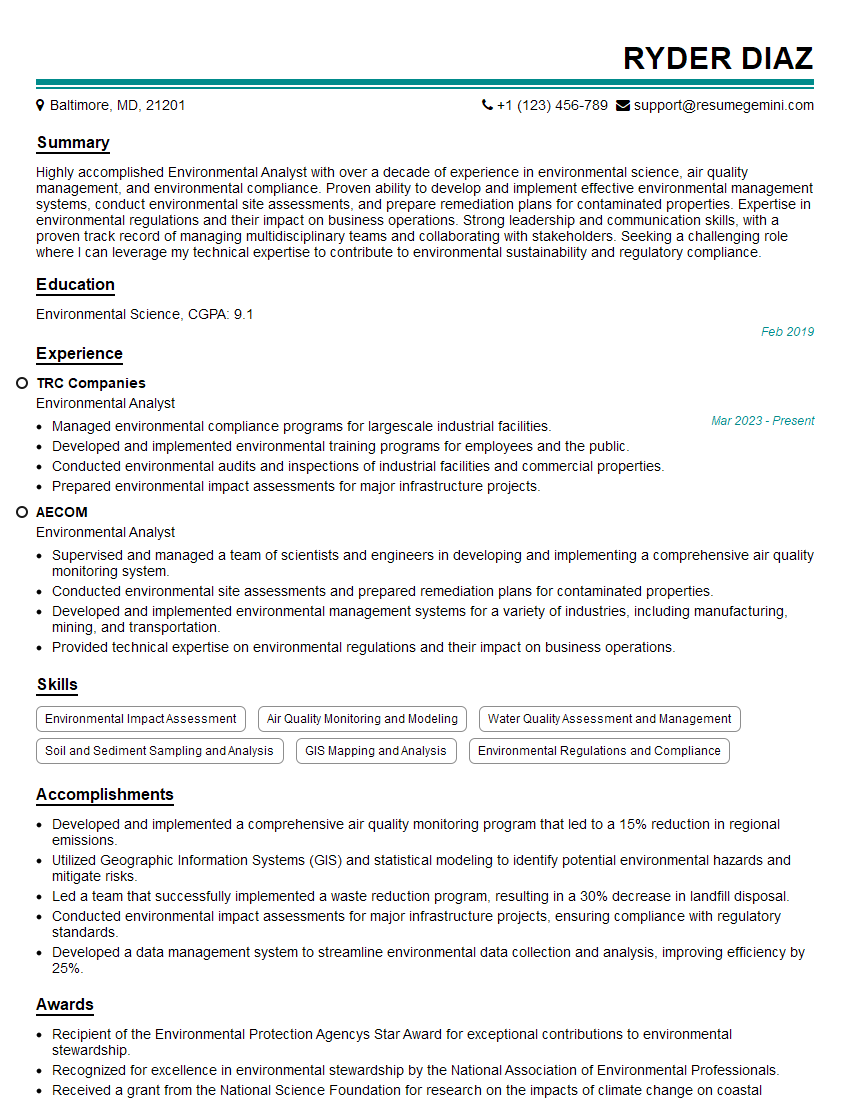
Environmental Analyst Resume Sample

Sustainability Consultant Resume Sample
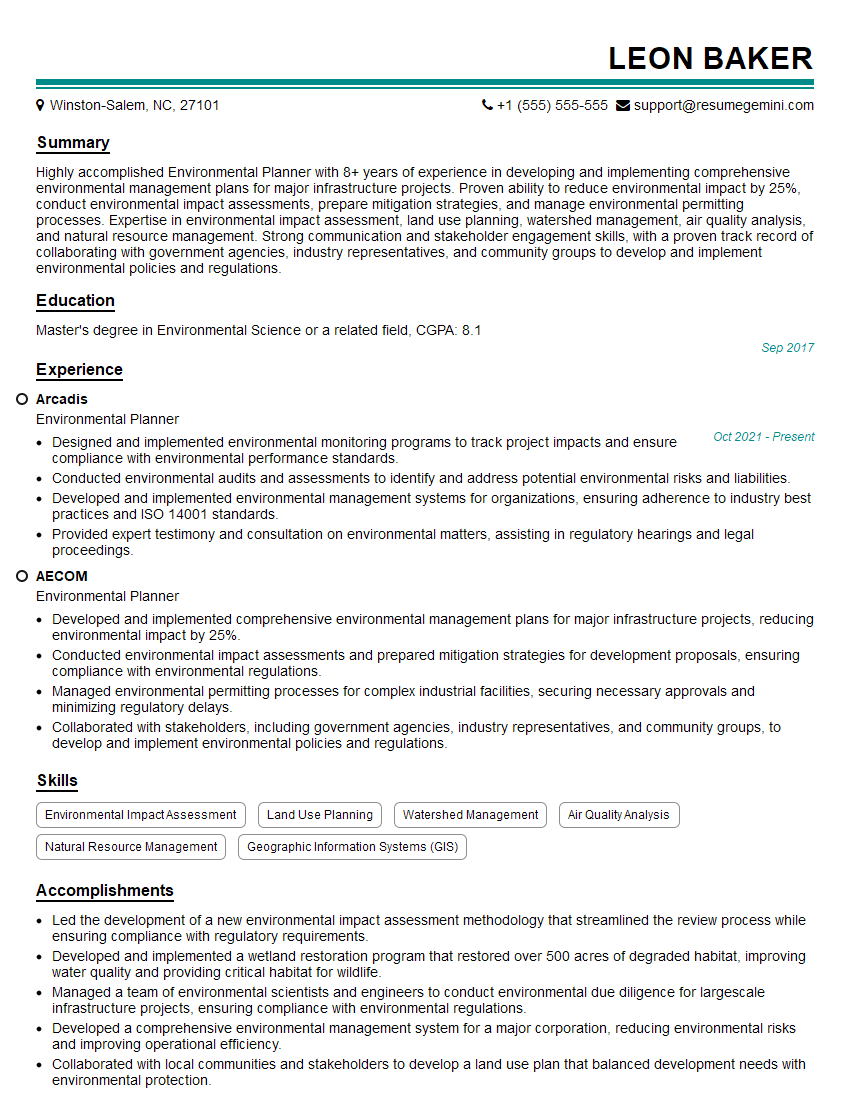
Environmental Planner Resume Sample
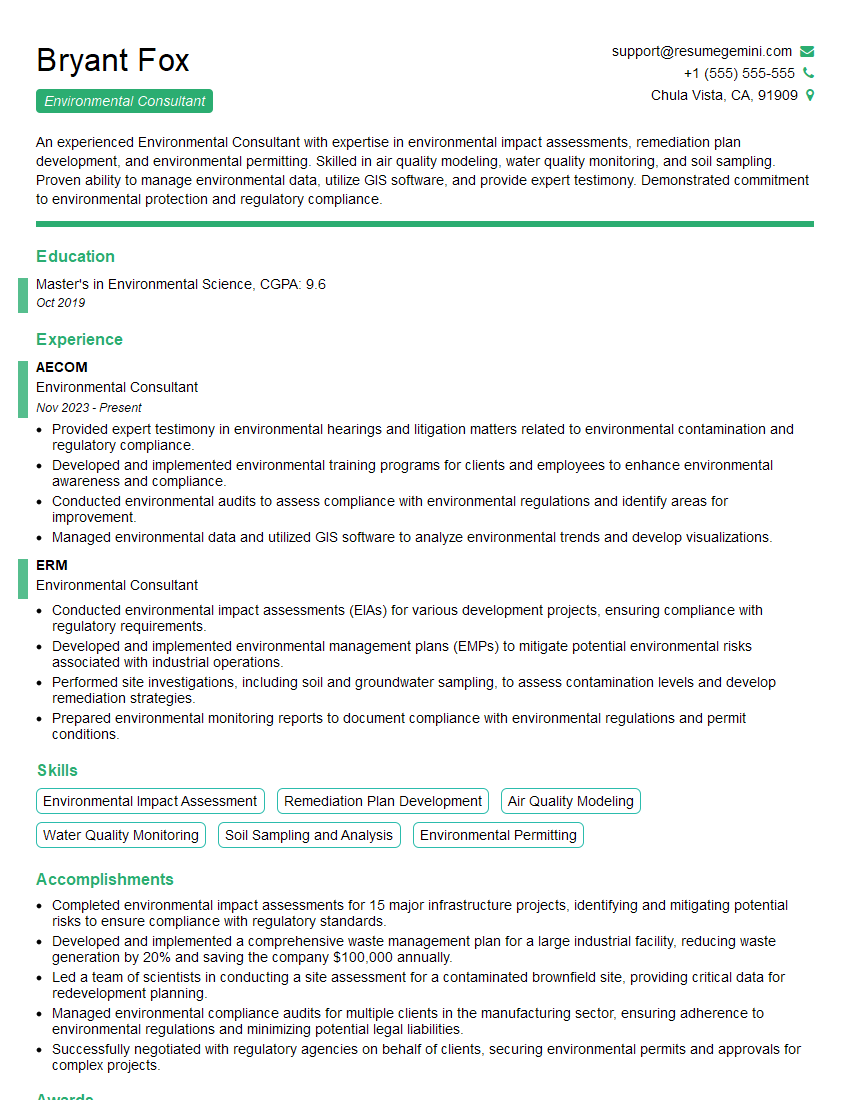
Environmental Consultant Resume Sample
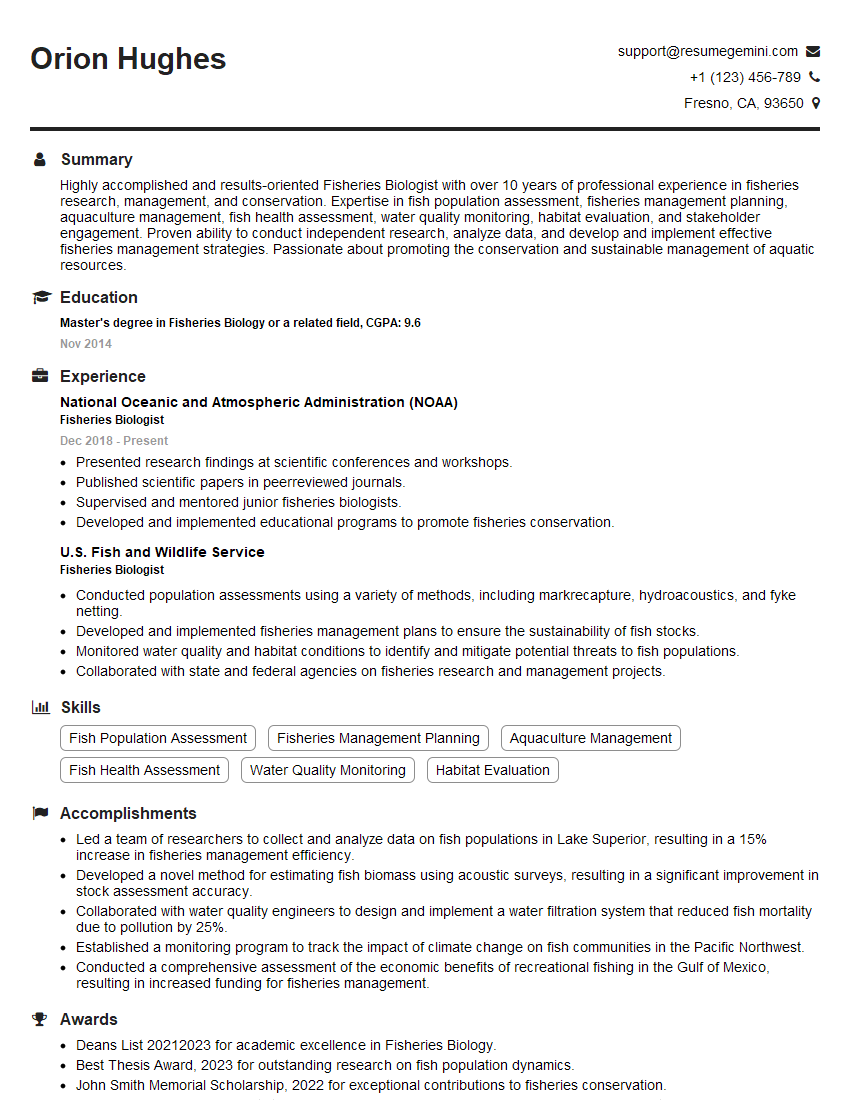
Fisheries Biologist Resume Sample

Wildlife Biologist Resume Sample
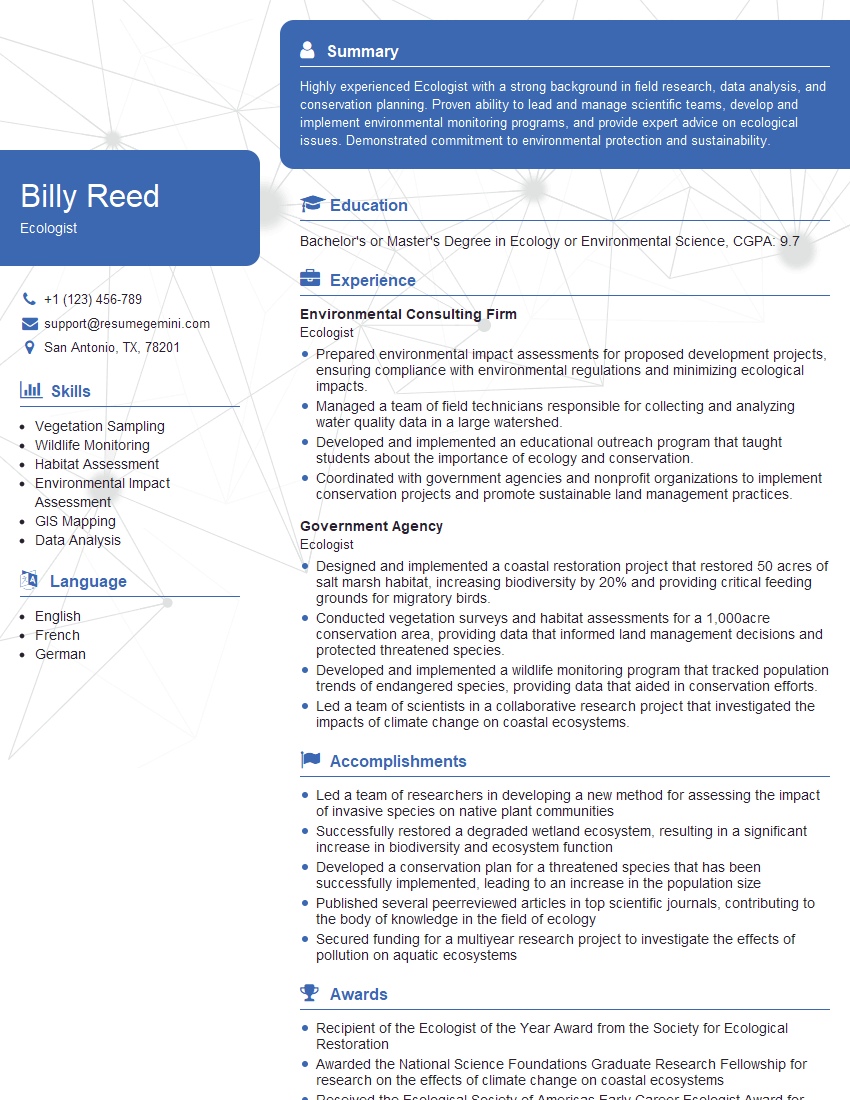
Ecologist Resume Sample

Wildlife Manager Resume Sample
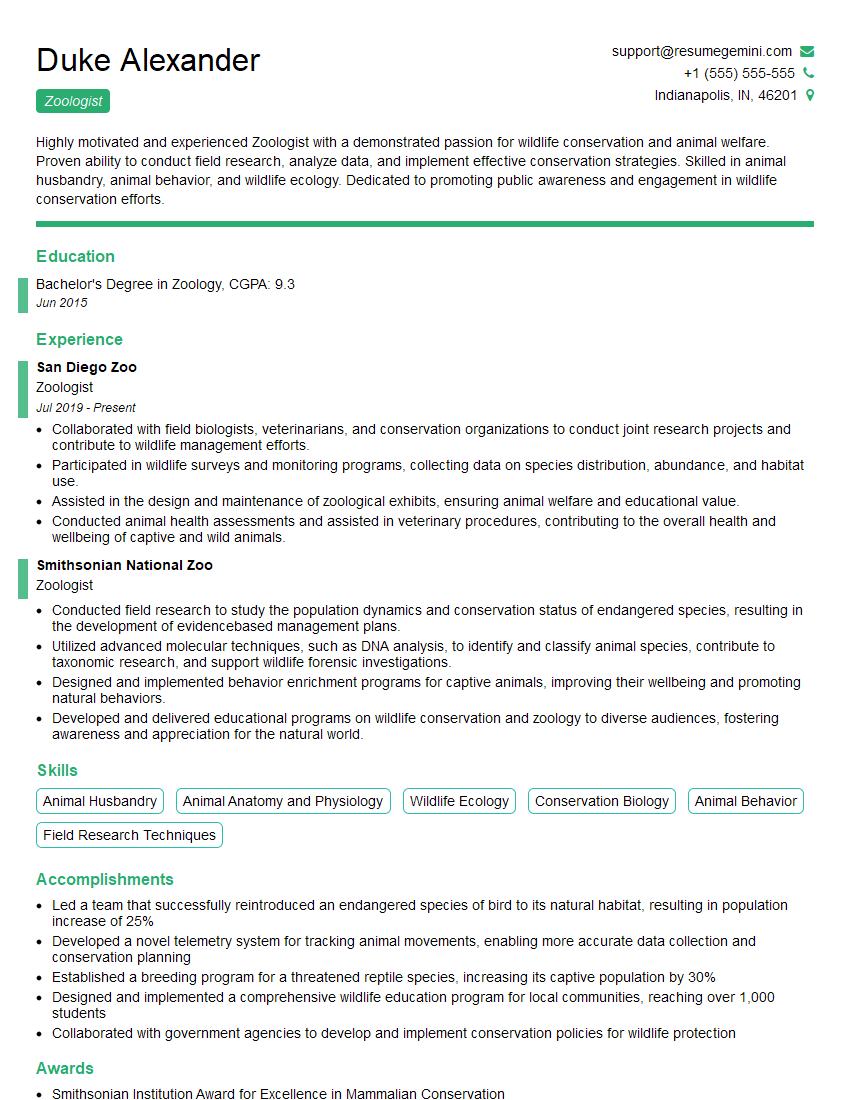
Zoologist Resume Sample

Environmental Educator Resume Sample
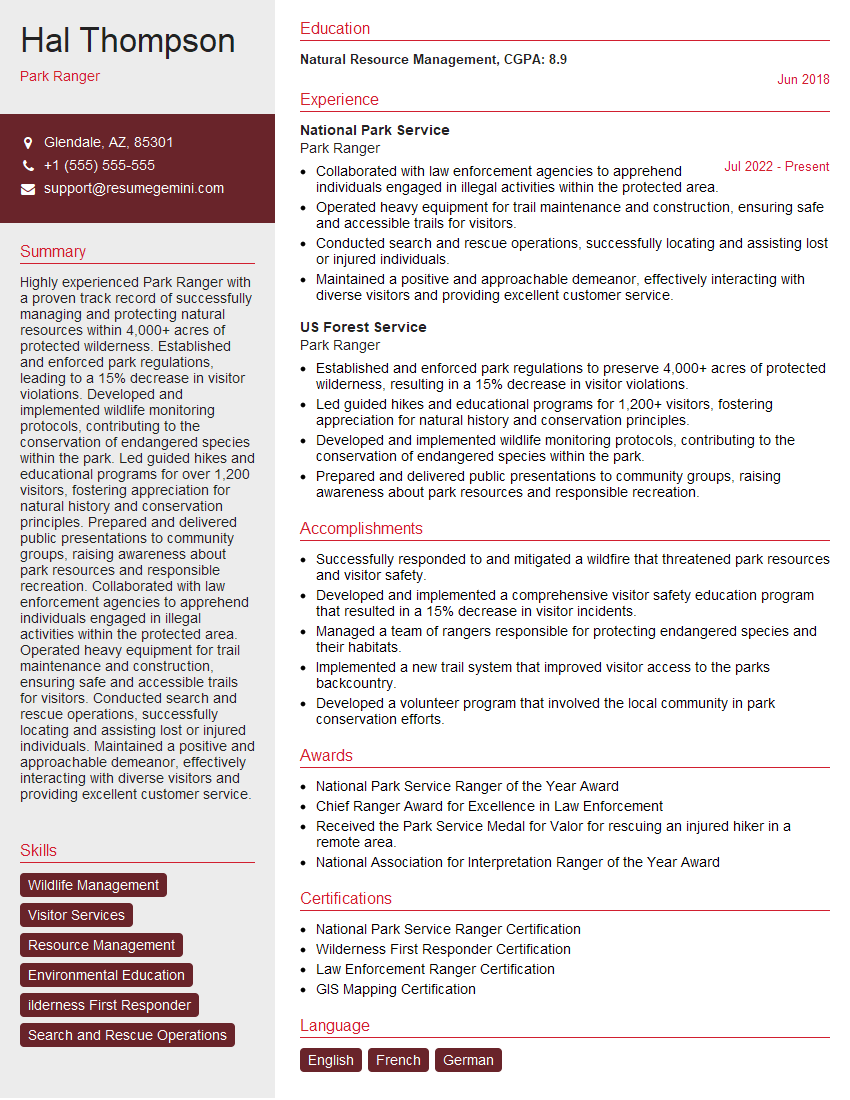
Park Ranger Resume Sample
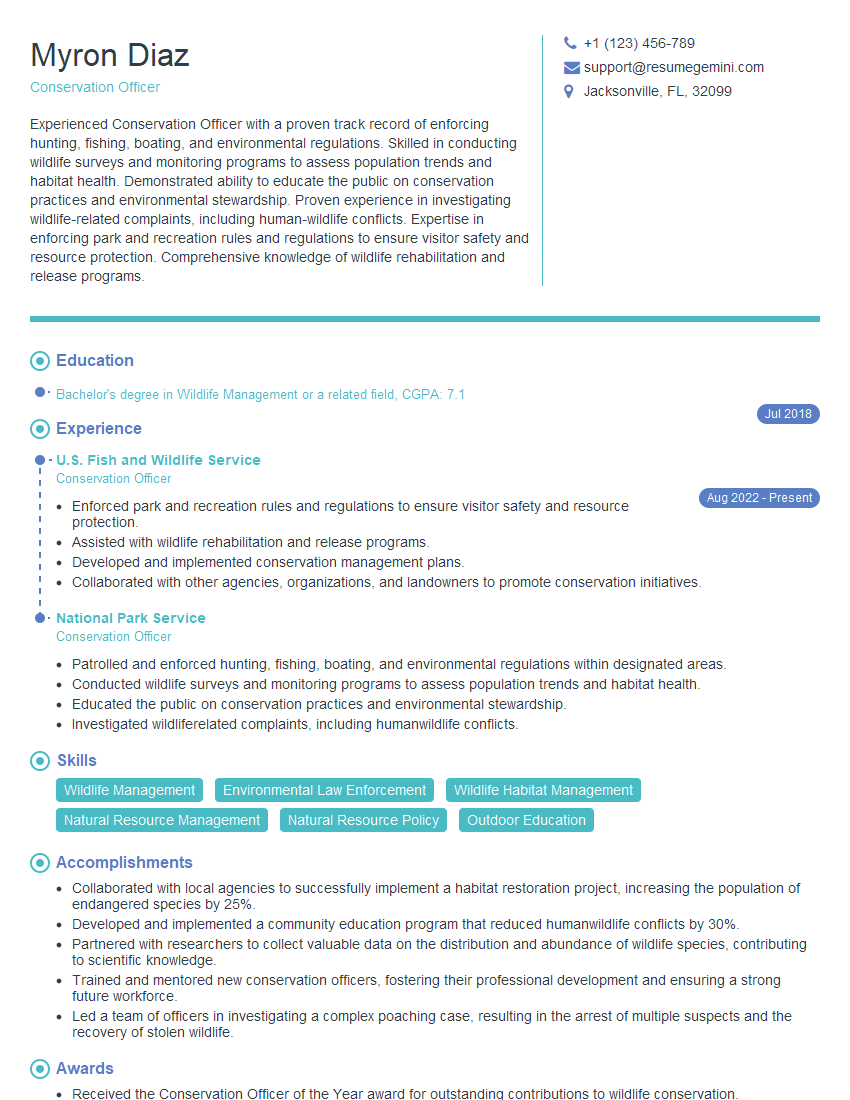
Conservation Officer Resume Sample
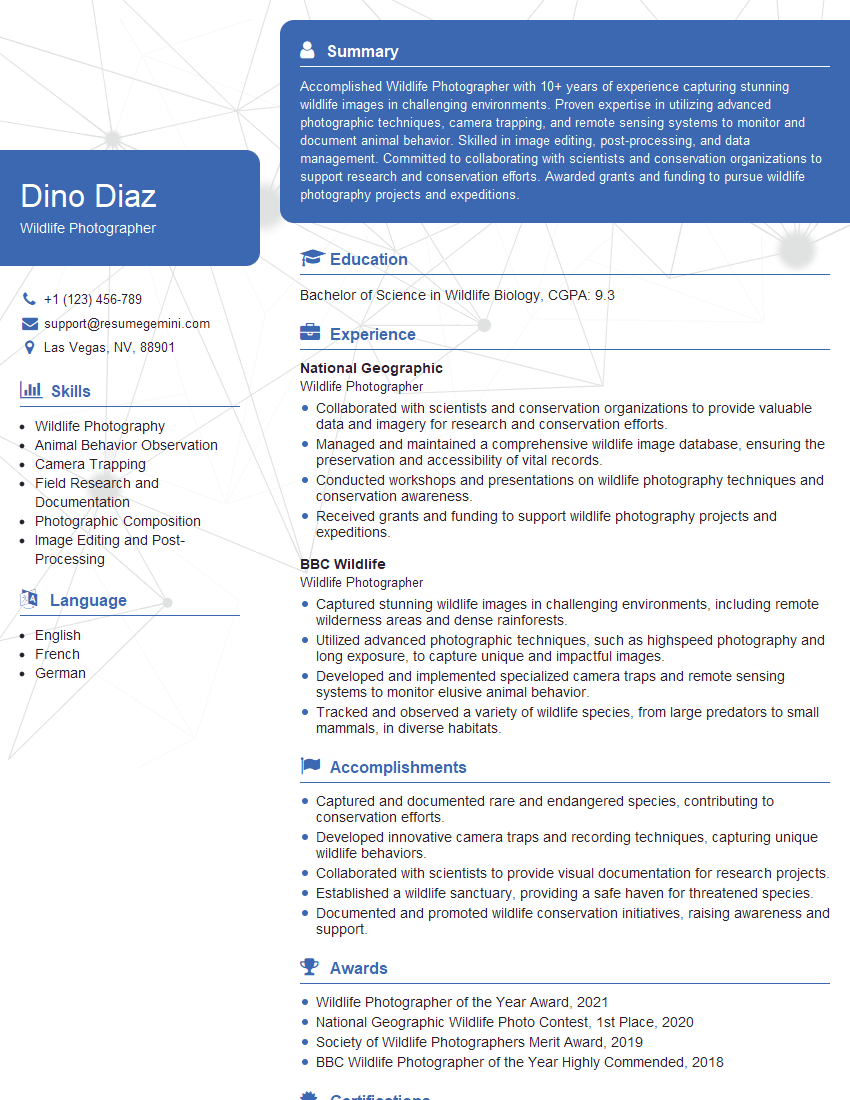
Wildlife Photographer Resume Sample
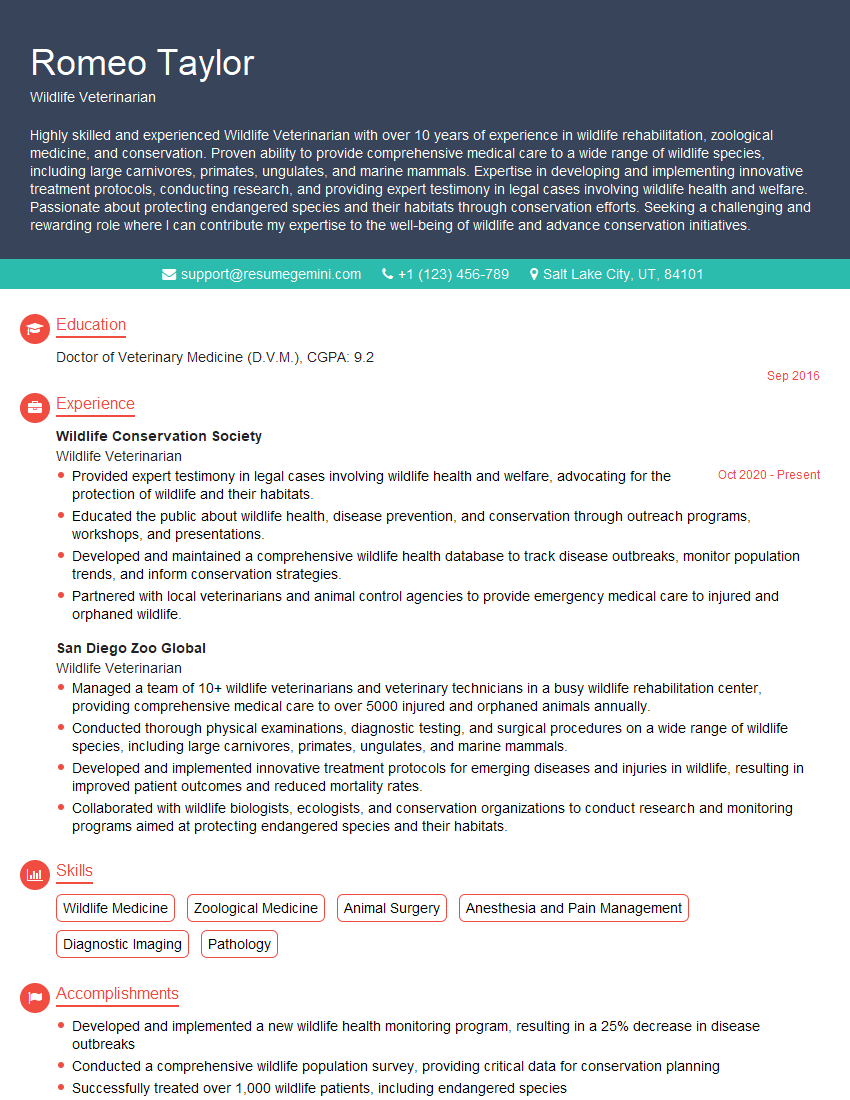
Wildlife Veterinarian Resume Sample

Wildlife Rehabilitator Resume Sample
Explore more articles
Users Rating of Our Blogs
Share Your Experience
We value your feedback! Please rate our content and share your thoughts (optional).
What Readers Say About Our Blog
To the interviewgemini.com Webmaster.
Very helpful and content specific questions to help prepare me for my interview!
Thank you
To the interviewgemini.com Webmaster.
This was kind of a unique content I found around the specialized skills. Very helpful questions and good detailed answers.
Very Helpful blog, thank you Interviewgemini team.