The right preparation can turn an interview into an opportunity to showcase your expertise. This guide to Work Clearance Procedures interview questions is your ultimate resource, providing key insights and tips to help you ace your responses and stand out as a top candidate.
Questions Asked in Work Clearance Procedures Interview
Q 1. Describe the steps involved in a typical work clearance process.
A typical work clearance process ensures that individuals are authorized to perform specific tasks or access certain areas, minimizing risks and ensuring compliance. It’s like getting a security pass to enter a restricted building – you need to prove you belong there and are authorized to access the relevant spaces and information.
- Request Submission: An employee or contractor initiates the process by submitting a formal request, often through a designated online portal or system. This request usually specifies the type of work, location, and required access.
- Verification and Validation: The clearance team verifies the information provided in the request, checking against existing databases and records. This may include verifying identity, employment status, and necessary training certifications.
- Background Checks (if applicable): Depending on the sensitivity of the work, background checks may be conducted. These may encompass criminal history checks, credit checks, or reference verification.
- Risk Assessment: A risk assessment is conducted to identify potential hazards associated with the work. This helps determine the necessary safety precautions and training required.
- Authorization and Approval: Once all verifications and assessments are complete and satisfactory, the request is approved by the appropriate authority, typically a supervisor or manager.
- Issuance of Clearance: The authorized individual receives official documentation – a physical or digital pass, permit, or authorization – granting access to the specified work area or information.
- Monitoring and Revocation: The clearance process isn’t a one-time event. Ongoing monitoring ensures compliance and allows for the revocation of clearance if necessary due to changes in circumstances or security breaches.
Q 2. What are the key compliance regulations that govern work clearance procedures?
Work clearance procedures are governed by a variety of regulations depending on the industry, location, and the nature of the work. These often overlap and need to be considered holistically. Key areas include:
- Occupational Safety and Health Administration (OSHA) regulations: These regulations cover workplace safety and health, requiring employers to provide a safe working environment and proper training. Specific standards depend on the type of work being performed.
- Data privacy regulations (e.g., GDPR, CCPA): When handling personal information during the background check process, strict adherence to data privacy regulations is crucial. This includes ensuring data is collected, processed, and stored securely and lawfully.
- Industry-specific regulations: Many industries have specific regulations governing access to sensitive information or equipment. For instance, the healthcare industry has HIPAA regulations, while the finance sector may have regulations concerning financial data security.
- National security regulations: In certain contexts, particularly in government or defense-related work, national security regulations may dictate stringent clearance requirements and protocols.
Compliance with these regulations is vital to prevent legal issues, maintain a safe working environment, and protect sensitive information.
Q 3. How do you handle discrepancies or missing information during the clearance process?
Discrepancies or missing information are addressed proactively and systematically. Think of it like a detective solving a case – you need to find the missing pieces and confirm their accuracy before proceeding.
- Identification and Documentation: The first step is to clearly identify the discrepancy or missing information and document it meticulously. This includes noting the specific item, the source of the discrepancy, and the date of discovery.
- Investigation and Verification: A thorough investigation follows to determine the root cause. This might involve contacting the applicant, reviewing original documents, or consulting with other departments or external agencies.
- Resolution and Correction: Once the discrepancy is resolved, the necessary corrections are made, and all relevant documentation is updated. This ensures data accuracy and consistency.
- Escalation (if necessary): In cases where the discrepancy cannot be resolved easily, the issue is escalated to a higher authority for review and decision-making. This might involve consulting legal counsel or security professionals.
This systematic approach ensures that all issues are addressed accurately and efficiently, minimizing delays and risks.
Q 4. Explain your experience with background checks and verification procedures.
I have extensive experience in managing background checks and verification procedures, including both internal and outsourced processes. My experience includes:
- Criminal Background Checks: Utilizing reputable third-party vendors to conduct comprehensive criminal background checks in compliance with relevant laws and regulations. This involves ensuring that the checks are performed legally and ethically.
- Reference Checks: Conducting thorough reference checks by contacting previous employers, supervisors, and other professional references to verify employment history, skills, and qualifications.
- Education Verification: Verifying educational credentials by contacting educational institutions directly to confirm degrees, certifications, and academic records.
- Employment History Verification: Verifying employment history by contacting previous employers to confirm dates of employment, positions held, and responsibilities.
- Data Management and Security: Implementing secure systems for storing and managing sensitive personal information, in compliance with all relevant data privacy regulations.
I have a proven track record of ensuring the accuracy and integrity of background checks, mitigating risks, and maintaining compliance with all applicable regulations.
Q 5. How do you ensure data privacy and security during work clearance?
Data privacy and security are paramount throughout the work clearance process. It’s like guarding a vault – strict procedures are in place to prevent unauthorized access and maintain confidentiality.
- Data Encryption: Sensitive personal information is encrypted both in transit and at rest using robust encryption methods. This prevents unauthorized access even if a breach occurs.
- Access Control: Access to sensitive data is restricted to authorized personnel only through the use of role-based access control mechanisms and strong password policies.
- Regular Security Audits: Regular security audits and penetration testing are performed to identify and address potential vulnerabilities in the system. This is an ongoing effort to improve security.
- Compliance with Data Privacy Regulations: We strictly adhere to all relevant data privacy regulations, such as GDPR, CCPA, etc. This includes providing individuals with clear information about the use of their data and obtaining their consent where required.
- Employee Training: Employees involved in the clearance process receive comprehensive training on data privacy and security best practices. This ensures that they understand their responsibilities in protecting sensitive data.
By implementing these measures, we safeguard sensitive information, maintain compliance, and build trust.
Q 6. Describe your experience with managing work clearance requests from multiple departments.
Managing work clearance requests from multiple departments requires a structured and efficient approach. Think of it as orchestrating a complex symphony – each department has its own needs and priorities that must be coordinated seamlessly.
- Centralized System: A centralized system for managing requests is crucial. This system allows for easy tracking, prioritization, and reporting across all departments.
- Standardized Procedures: Standardized procedures and forms help to streamline the process and ensure consistency in handling requests from various departments.
- Clear Communication: Effective communication between departments and the clearance team is essential. Regular updates and feedback mechanisms are necessary to keep everyone informed.
- Prioritization Matrix: A prioritization matrix helps to rank requests based on urgency and importance, allowing the team to focus on the most critical requests first.
- Reporting and Analytics: Regular reports and analytics help to identify trends, bottlenecks, and areas for improvement in the overall work clearance process.
Using this systematic approach, we ensure fair and efficient handling of all requests, minimizing delays and promoting effective collaboration across departments.
Q 7. How do you prioritize work clearance requests based on urgency and importance?
Prioritizing work clearance requests requires a balanced approach, considering both urgency and importance. Imagine you’re a firefighter – you need to respond to the most critical fires first.
- Urgency: This refers to the time-sensitivity of the request. Requests with strict deadlines or those involving immediate safety concerns are given top priority.
- Importance: This refers to the criticality of the work or access being requested. Requests involving sensitive information or critical infrastructure are typically given higher priority.
- Prioritization Matrix: A prioritization matrix, often using a scoring system, helps to objectively rank requests. This system takes both urgency and importance into account and helps to ensure fairness and transparency.
- Escalation Procedures: Clear escalation procedures are in place to handle urgent requests that require immediate attention or involve high-level decision-making.
- Regular Review: The prioritization process is regularly reviewed and adjusted based on changing circumstances and priorities.
This approach ensures that the most critical requests are addressed promptly while maintaining fairness and efficiency.
Q 8. What is your experience with international work clearance requirements?
My experience with international work clearance requirements spans over ten years, encompassing projects across diverse geographical regions including Europe, Asia, and the Americas. I’ve worked with organizations navigating complex regulatory landscapes, including those governed by strict export control regulations like ITAR and EAR in the US, as well as the EU’s General Data Protection Regulation (GDPR) and various national security directives globally. This involves understanding and adhering to diverse visa requirements, background checks specific to each country, and ensuring compliance with local labor laws and data privacy regulations. For instance, a project involving data processing in the EU necessitates thorough compliance with GDPR, requiring detailed data flow analysis and appropriate safeguards. Similarly, projects with defense-related technology components require meticulous documentation and adherence to ITAR/EAR guidelines. My approach always involves thorough due diligence and proactive engagement with local legal and regulatory experts to ensure full compliance.
Q 9. What metrics do you use to measure the efficiency and effectiveness of the work clearance process?
Measuring the efficiency and effectiveness of the work clearance process involves a multi-faceted approach. Key metrics I utilize include:
- Average processing time: This tracks the time elapsed from application submission to final clearance, helping identify bottlenecks.
- Clearance rate: This indicates the percentage of applications successfully cleared within a defined timeframe, highlighting potential issues in the process.
- Number of rejections and reasons for rejection: Analyzing rejection reasons allows for process improvements and targeted training.
- Employee satisfaction: Surveys and feedback mechanisms assess employee perception of the process’s ease and efficiency.
- Cost per clearance: This helps monitor resource allocation and identify areas for cost optimization.
These metrics are regularly monitored and reported, providing insights into process performance and identifying areas needing improvement. For example, a consistently high average processing time might suggest a need for automation or staff augmentation in a specific clearance stage.
Q 10. How do you handle delays or obstacles in the work clearance process?
Handling delays or obstacles in the work clearance process requires a proactive and systematic approach. My strategy involves:
- Immediate identification and documentation: Any delay is immediately documented, including its cause, impact, and affected parties.
- Root cause analysis: A thorough investigation pinpoints the root cause of the delay, whether it’s a missing document, a regulatory hurdle, or a system malfunction.
- Escalation and communication: I escalate the issue to relevant stakeholders and communicate transparently with all affected parties, providing regular updates.
- Mitigation strategies: I implement appropriate mitigation strategies, such as expediting document requests, engaging with regulatory bodies, or utilizing alternative approval pathways.
- Process improvement: After resolving the delay, I analyze the incident to identify weaknesses in the process and implement corrective actions to prevent recurrence.
For example, if a delay arises due to missing documentation, I would immediately contact the applicant and the relevant department to request the missing documents and expedite the process. If a regulatory hurdle is encountered, I’d engage with legal counsel to navigate the situation efficiently.
Q 11. Describe your experience with implementing new technologies or processes to improve work clearance efficiency.
I have extensive experience implementing new technologies and processes to streamline work clearance procedures. In a previous role, I spearheaded the transition from a primarily paper-based system to a fully digital, automated workflow. This involved:
- Implementing a workflow management system: This system automated tasks, tracked application status, and facilitated communication among stakeholders.
- Integrating data verification tools: These tools automated background checks and identity verification, significantly reducing processing time.
- Developing a user-friendly online portal: This allowed applicants to submit applications, track progress, and receive notifications electronically.
This transition resulted in a 40% reduction in processing time and a 20% decrease in processing costs. The digital platform also improved data accuracy and transparency, minimizing human error.
Q 12. How do you communicate updates and decisions regarding work clearance to relevant stakeholders?
Communicating updates and decisions regarding work clearance is critical for maintaining transparency and trust. My approach involves a multi-channel strategy:
- Regular email updates: Providing frequent updates on application status to all stakeholders.
- Online portal notifications: Leveraging the online portal to deliver real-time notifications about application progress and decisions.
- Scheduled meetings: Conducting regular meetings with key stakeholders to address concerns and provide overall progress reports.
- Personalized communication: Providing tailored communication to address specific concerns or queries.
Clear, concise, and timely communication is key. For instance, instead of a generic update email, I might send a personalized email summarizing the progress and next steps, anticipating any questions they might have.
Q 13. What are the potential risks and consequences of non-compliance with work clearance procedures?
Non-compliance with work clearance procedures carries significant risks and consequences. These can include:
- Legal penalties: Fines, legal action, and potential imprisonment depending on the severity of the violation and applicable regulations.
- Reputational damage: Negative publicity can severely impact an organization’s credibility and stakeholder trust.
- Security breaches: Lack of proper clearance can compromise sensitive information and assets, resulting in financial loss and operational disruptions.
- Operational disruptions: Delays in project timelines and potential project failures due to unauthorized access or activities.
- Insurance issues: Non-compliance can invalidate insurance policies and leave an organization exposed to significant financial risks.
Think of a scenario where an individual with inadequate clearance gains access to confidential data, leading to a significant data breach. This not only results in financial penalties but also severely damages the organization’s reputation.
Q 14. How do you identify and mitigate potential security risks associated with work clearance?
Identifying and mitigating potential security risks associated with work clearance involves a multi-layered approach:
- Thorough background checks: Conducting comprehensive background checks, including criminal history checks and security clearances as appropriate.
- Regular security awareness training: Educating employees on security protocols and best practices, focusing on data protection and information handling.
- Access control measures: Implementing robust access control measures, such as role-based access and multi-factor authentication, to limit access to sensitive information.
- Regular security audits and assessments: Conducting regular audits to identify vulnerabilities and ensure compliance with security standards.
- Incident response plan: Having a well-defined incident response plan in place to address any security breaches effectively.
For example, a regular security audit might reveal a weakness in the access control system that needs immediate remediation. This proactive approach minimizes the chances of a successful security breach.
Q 15. What is your understanding of the legal and ethical implications of work clearance?
Work clearance procedures carry significant legal and ethical implications. Legally, they must comply with all relevant laws and regulations, such as those concerning data privacy (like GDPR or CCPA), equal employment opportunity (avoiding discriminatory practices), and background check regulations. Ethical considerations center on fairness, transparency, and respect for individual rights. For example, a company cannot use information obtained during a background check for a purpose not disclosed to the applicant. A crucial ethical element involves ensuring that the clearance process is unbiased, treating all applicants equally and avoiding any form of discrimination based on race, religion, gender, or other protected characteristics. Failing to do so can lead to legal action and reputational damage.
Consider a scenario where a company uses a candidate’s credit history to disqualify them from a position that doesn’t involve handling finances. This would be both ethically questionable and potentially illegal, depending on the jurisdiction. Conversely, a thorough, transparent, and legally compliant process built on fair principles protects both the organization and its employees.
Career Expert Tips:
- Ace those interviews! Prepare effectively by reviewing the Top 50 Most Common Interview Questions on ResumeGemini.
- Navigate your job search with confidence! Explore a wide range of Career Tips on ResumeGemini. Learn about common challenges and recommendations to overcome them.
- Craft the perfect resume! Master the Art of Resume Writing with ResumeGemini’s guide. Showcase your unique qualifications and achievements effectively.
- Don’t miss out on holiday savings! Build your dream resume with ResumeGemini’s ATS optimized templates.
Q 16. How do you maintain accurate and up-to-date records for work clearance procedures?
Maintaining accurate and up-to-date records is crucial for compliance and efficient work clearance processes. I utilize a dedicated, secure database system, typically integrated with HR software, that allows for efficient data entry, retrieval, and version control. All documents, from application forms to background check reports, are meticulously scanned and digitally stored with appropriate access controls to ensure confidentiality. Regular audits are conducted to identify and correct any inaccuracies or missing information. We implement a rigorous system of data validation to ensure all information is verified, with a clear audit trail for every change made to a record.
Furthermore, we establish clear retention policies for various types of data, adhering to legal and regulatory guidelines. This includes secure deletion of outdated or irrelevant information after a predetermined period. For instance, background check reports might have a specified retention period after the employee completes their onboarding, while employment applications might be retained for a longer duration for legal compliance. This structured approach ensures we maintain data integrity, facilitate smooth audits, and minimize legal and operational risks.
Q 17. Describe your experience with auditing and improving work clearance processes.
My experience with auditing and improving work clearance processes involves a systematic approach. It begins with identifying key performance indicators (KPIs), such as clearance processing time, error rates, and applicant satisfaction. I then conduct thorough audits of existing procedures, examining each step for efficiency, compliance, and potential bottlenecks. This often involves reviewing historical data, interviewing stakeholders, and analyzing documentation. For example, a recent audit revealed an excessive amount of time spent on manual verification of educational credentials. To rectify this, we implemented an automated system that directly verifies credentials with educational institutions, resulting in a 40% reduction in processing time.
Based on the audit findings, I develop improvement plans that focus on streamlining processes, enhancing data management, and strengthening controls. This might include implementing new technologies, redesigning forms, or providing additional training to staff. Continuous monitoring and evaluation of the improved processes ensure ongoing efficiency and compliance, and we incorporate feedback from both applicants and internal staff to refine processes further. This iterative approach ensures ongoing optimization.
Q 18. How do you handle appeals or disputes related to work clearance decisions?
Handling appeals and disputes regarding work clearance decisions requires a fair and transparent process. We establish a clear appeals procedure, outlining the steps involved, timelines, and available forms of recourse. All appeals are reviewed by a designated, impartial committee or individual, who thoroughly examines the decision and supporting documentation. This review may involve gathering additional information, consulting legal counsel, and interviewing relevant parties. The applicant is kept informed throughout the process.
For example, if an applicant is denied clearance due to an incomplete background check, the appeals process ensures they have an opportunity to submit the missing information for re-evaluation. The committee’s decision is documented and communicated to the applicant, along with a clear explanation of the rationale. This emphasizes transparency and maintains fairness throughout the process, minimizing potential legal challenges and fostering trust in the system.
Q 19. What is your experience with different types of background checks (e.g., criminal, credit, education)?
I have extensive experience with various types of background checks, including criminal background checks, credit checks, and education verification. Criminal background checks are conducted in compliance with relevant laws (e.g., FCRA in the US), verifying an applicant’s criminal history using reliable sources such as national databases and local law enforcement agencies. Credit checks, used only when legally permissible and job-relevant, are carefully managed to protect applicant privacy. Education verification involves confirming educational credentials through direct contact with the issuing institutions, ensuring the applicant’s claimed qualifications are legitimate. In some cases, professional license verification or reference checks are also conducted.
The type of background check employed depends entirely on the position’s requirements and legal obligations. For instance, a position involving handling finances would necessitate a credit check (with proper authorization), while positions with access to sensitive information might require more comprehensive criminal background checks. Each type of check follows strict protocols to ensure accuracy, legality, and fairness to the applicant.
Q 20. How do you ensure that work clearance procedures align with company policies and procedures?
Ensuring alignment between work clearance procedures and company policies and procedures is paramount for legal and operational consistency. I achieve this by regularly reviewing both the clearance procedures and company policies for compatibility. Changes in company policies automatically trigger a review of the clearance procedures to ensure continued alignment. For example, if a company updates its policy on data privacy, the work clearance process must also be updated to reflect the new standards in collecting and managing applicant information.
Furthermore, we integrate relevant company policies directly into the work clearance documentation and training materials, clarifying expectations and responsibilities. This ensures all staff involved in the clearance process understand and comply with relevant company guidelines. Regular training sessions are conducted to update personnel on any modifications to policies or procedures, promoting a consistent and compliant approach.
Q 21. Explain your understanding of different types of clearances (e.g., security, financial, medical).
Work clearances can be categorized into various types, each with its own specific requirements and processes. Security clearances, often required for government or defense-related positions, involve rigorous background checks, interviews, and security assessments to verify the applicant’s trustworthiness and suitability for handling classified information. Financial clearances focus on an individual’s financial history, creditworthiness, and potential for financial misconduct, often used for roles involving financial management or handling significant funds. Medical clearances assess an applicant’s physical and mental fitness for the job, particularly crucial for physically demanding roles or those requiring a specific level of health and fitness.
Other types may include suitability checks for positions working with vulnerable individuals or those involving access to sensitive data. Each clearance type necessitates a tailored approach, aligning with legal frameworks and the specific needs and risks associated with the position. For instance, the requirements for a security clearance are significantly more stringent compared to a standard employment background check, reflecting the higher level of risk and responsibility involved.
Q 22. How do you manage confidential information related to work clearance?
Managing confidential information in work clearance is paramount. It requires a multi-layered approach encompassing strict adherence to company policies, relevant regulations (like GDPR or HIPAA, depending on the industry), and best practices for data security.
- Access Control: We use role-based access control systems, ensuring only authorized personnel with a legitimate need to know have access to sensitive information. For example, only the clearance officer and the employee requesting clearance would typically have access to the employee’s background check.
- Data Encryption: All sensitive data, whether stored electronically or physically, is encrypted. This renders the data unreadable without the decryption key, protecting it even if unauthorized access occurs.
- Secure Storage: Physical documents are stored in locked cabinets or secure rooms, with access logged and monitored. Electronic data is stored on secure servers with robust firewalls and intrusion detection systems.
- Regular Audits: We conduct regular audits of our systems and processes to identify vulnerabilities and ensure compliance.
- Employee Training: All employees handling confidential information receive comprehensive training on data security protocols and the importance of confidentiality. We emphasize the potential legal and reputational consequences of breaches.
Think of it like a high-security vault – multiple layers of protection to safeguard the valuable assets within.
Q 23. What is your experience with using work clearance management systems or software?
I have extensive experience with several work clearance management systems, both cloud-based and on-premise. In my previous role, we utilized a system called ‘ClearFlow,’ which automated much of the process. This included features like:
- Automated Workflow: ClearFlow streamlined the entire process, from request submission to final approval, significantly reducing processing time.
- Centralized Database: It provided a central repository for all clearance requests and related documents, allowing for easy tracking and retrieval of information.
- Reporting and Analytics: The system generated reports on key metrics, such as average processing time and clearance rates, enabling us to identify bottlenecks and areas for improvement.
- Integration with other systems: ClearFlow integrated seamlessly with our HR and security systems, streamlining data exchange and eliminating manual data entry.
Before ClearFlow, we relied on a manual system, which was considerably less efficient and prone to errors. The transition to a dedicated work clearance management system improved accuracy, reduced processing time, and enhanced overall efficiency.
Q 24. How do you adapt work clearance procedures to changing regulatory requirements?
Adapting to changing regulatory requirements is an ongoing process. We actively monitor changes in relevant legislation and industry best practices. This involves:
- Regular Updates: We subscribe to industry publications, attend relevant conferences and webinars, and actively participate in professional organizations to stay abreast of the latest developments.
- Policy Review: Our internal policies and procedures are reviewed and updated at least annually, or more frequently when significant regulatory changes occur.
- Gap Analysis: When new regulations are implemented, we conduct a gap analysis to identify any discrepancies between our current procedures and the new requirements.
- Process Improvement: Based on the gap analysis, we modify our work clearance procedures, training materials, and supporting documentation to ensure full compliance. This may involve revising forms, updating workflows, and implementing new controls.
- Employee Training: Employees receive updated training on the revised procedures and regulations. This ensures that everyone understands the changes and their implications.
For instance, when new data privacy regulations were introduced, we updated our procedures to ensure compliance with data handling and storage requirements, including amending our consent forms and implementing stricter access controls.
Q 25. Describe a time you had to troubleshoot a problem in the work clearance process.
In one instance, we encountered a significant backlog in the clearance process due to a technical glitch in our work clearance system. The system was failing to automatically route requests to the appropriate reviewers. This resulted in delays and frustration for employees awaiting clearance.
My approach to troubleshooting involved the following steps:
- Identify the root cause: We worked with the IT department to diagnose the problem. We discovered a coding error in the system’s routing algorithm.
- Implement a temporary fix: While the IT team worked on a permanent solution, we implemented a manual workaround to process the pending requests. This involved manually assigning requests to the relevant reviewers.
- Communicate with stakeholders: We kept all stakeholders (employees and management) informed about the issue and the steps taken to resolve it. Transparency helped to mitigate frustration.
- Implement the permanent solution: Once the IT team had fixed the coding error, we thoroughly tested the system to ensure the problem was resolved. We also implemented additional monitoring to prevent similar issues in the future.
This experience highlighted the importance of robust system monitoring, proactive communication, and having contingency plans in place to handle unforeseen technical issues.
Q 26. How do you collaborate with other departments to ensure a smooth work clearance process?
Collaboration is crucial for a smooth work clearance process. It requires effective communication and coordination with various departments, including:
- Human Resources (HR): We collaborate with HR to verify employee information, background checks, and employment history.
- Security Department: The security department plays a vital role in assessing security risks and ensuring compliance with security protocols.
- IT Department: The IT department assists with access control, system maintenance, and resolving technical issues.
- Legal Department: The legal department ensures compliance with all relevant laws and regulations.
We use regular meetings, shared platforms (e.g., project management software), and clear communication channels to facilitate collaboration. For instance, we hold weekly meetings with representatives from each department to discuss pending requests, address any roadblocks, and ensure timely resolution.
Think of it as an orchestra – each section (department) plays its part, but the conductor (work clearance team) ensures a harmonious and efficient performance.
Q 27. How do you stay updated on the latest best practices and regulations related to work clearance?
Staying updated on best practices and regulations is essential. This is an ongoing commitment that involves:
- Professional Organizations: Membership in professional organizations (e.g., relevant security or compliance associations) provides access to industry updates, best practices, and networking opportunities.
- Industry Publications: We subscribe to relevant journals, newsletters, and online resources dedicated to work clearance and security management.
- Conferences and Webinars: Attending conferences and webinars enables learning about new technologies, best practices, and regulatory changes from industry experts.
- Regulatory Websites: We regularly monitor government websites and regulatory bodies for updates to laws and guidelines.
- Training and Certifications: Continuous professional development, including certifications, keeps us current with the latest knowledge and skills.
Staying informed allows us to adapt our procedures proactively, ensuring that we maintain the highest standards of compliance and efficiency.
Key Topics to Learn for Work Clearance Procedures Interview
- Understanding Security Classifications: Learn the different levels of security clearances and the implications for handling sensitive information. This includes understanding the differences between confidential, secret, and top-secret classifications.
- Background Investigation Process: Familiarize yourself with the stages of a background investigation, including the types of checks conducted (e.g., criminal history, credit checks, reference checks). Understand how to proactively address potential concerns.
- Compliance and Regulations: Grasp the relevant laws, regulations, and company policies governing work clearance procedures. Be prepared to discuss how to ensure compliance in your daily work.
- Data Handling and Protection: Understand best practices for handling classified information, including secure storage, access control, and data destruction procedures. Be ready to discuss practical scenarios involving data breaches or security incidents.
- Incident Reporting and Response: Learn about procedures for reporting security incidents and the steps involved in responding to breaches or security violations. Be prepared to discuss your approach to problem-solving in such situations.
- Continuous Monitoring and Improvement: Understand the importance of ongoing security awareness training and the role of continuous improvement in maintaining a secure work environment. Discuss how to stay updated on evolving security threats and best practices.
Next Steps
Mastering Work Clearance Procedures demonstrates a commitment to security and responsibility, significantly enhancing your career prospects in many fields. A strong understanding of these procedures opens doors to higher-level roles and increased responsibilities. To maximize your job search success, create an ATS-friendly resume that effectively highlights your relevant skills and experience. ResumeGemini is a trusted resource to help you build a professional and impactful resume tailored to the specific requirements of Work Clearance Procedures roles. Examples of resumes optimized for these positions are available to guide you. Take the next step in your career journey – build your best resume today!
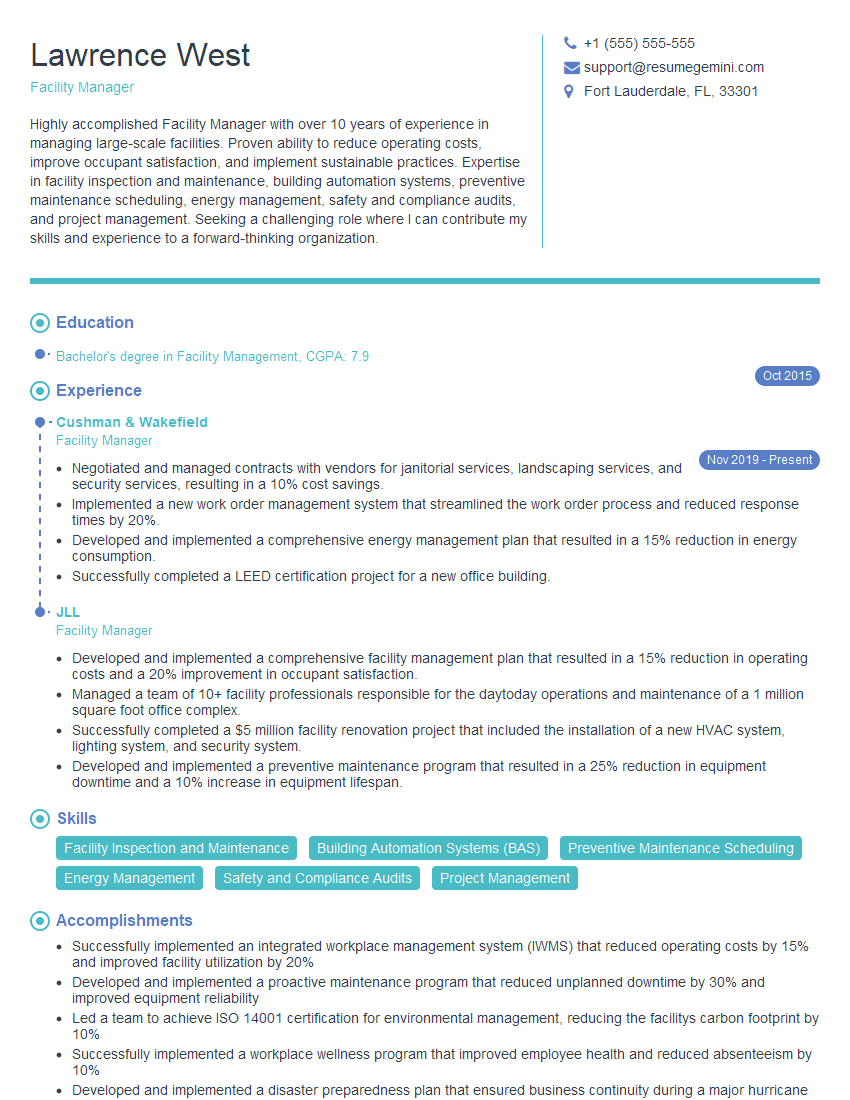
Facility Manager Resume Sample

Operations Manager Resume Sample
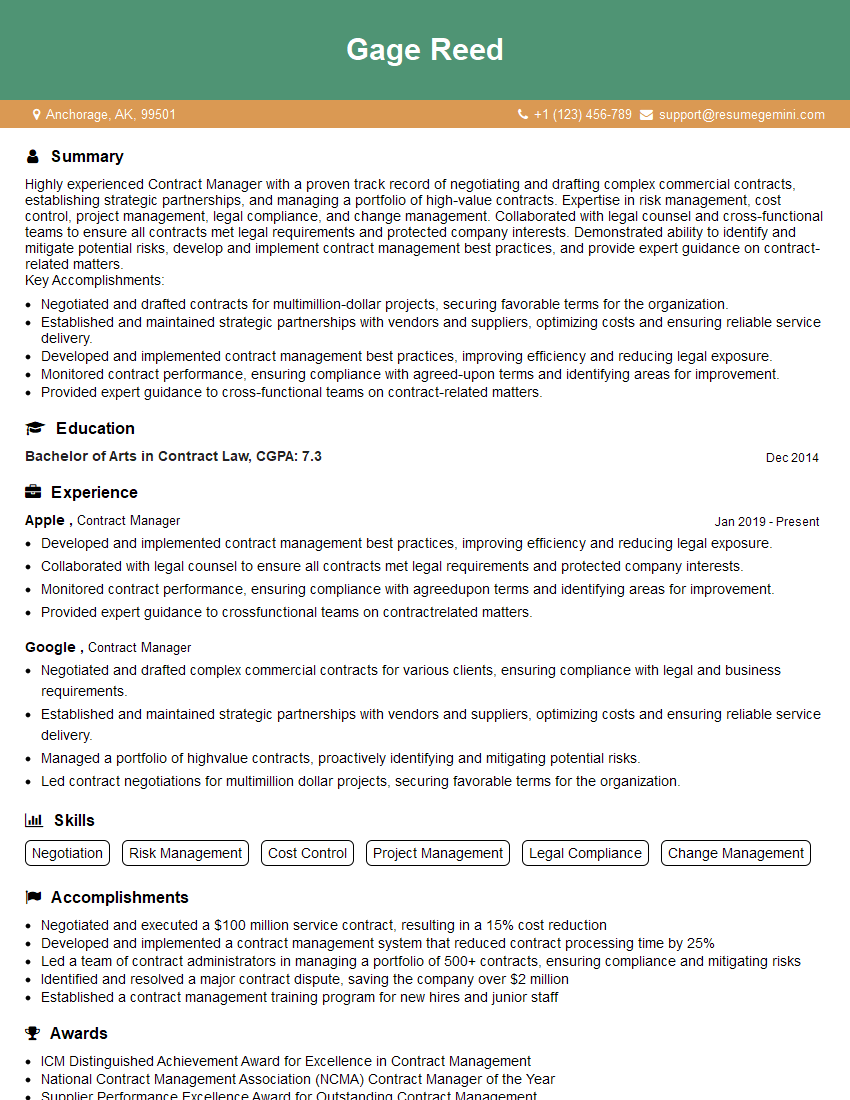
Contract Manager Resume Sample

Supply Chain Manager Resume Sample
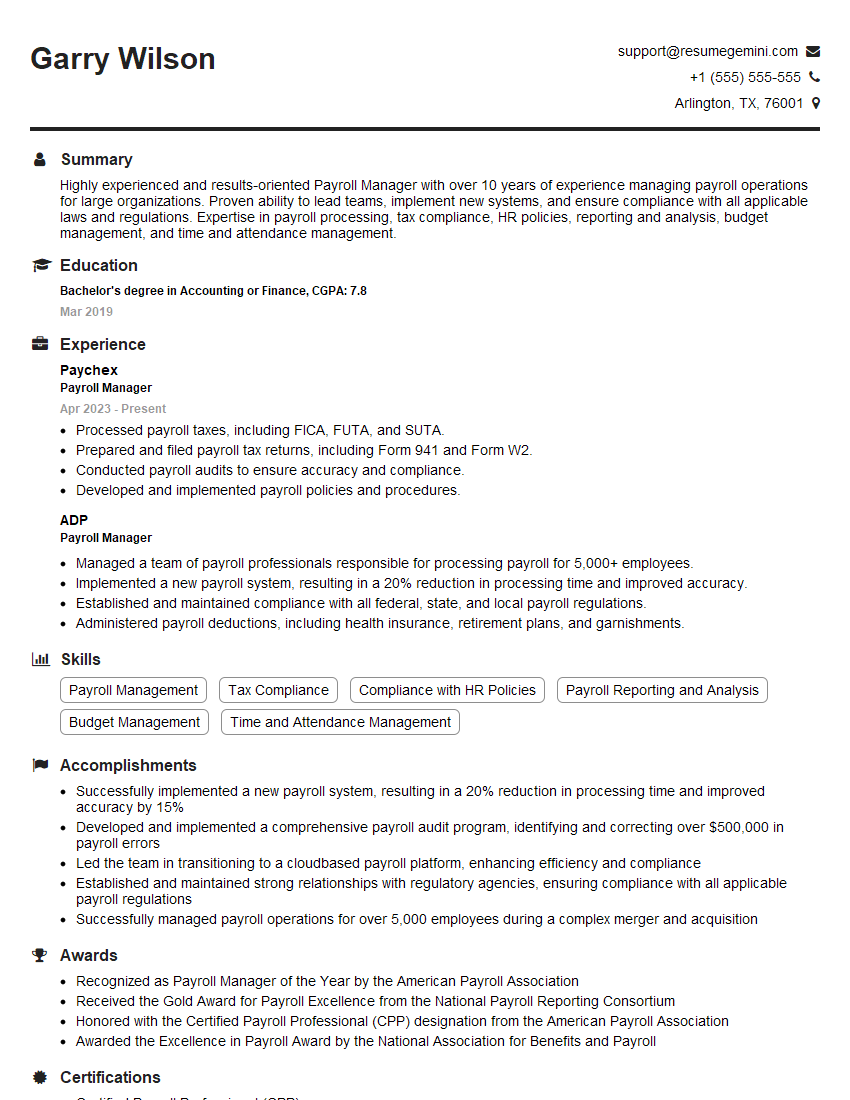
Payroll Manager Resume Sample
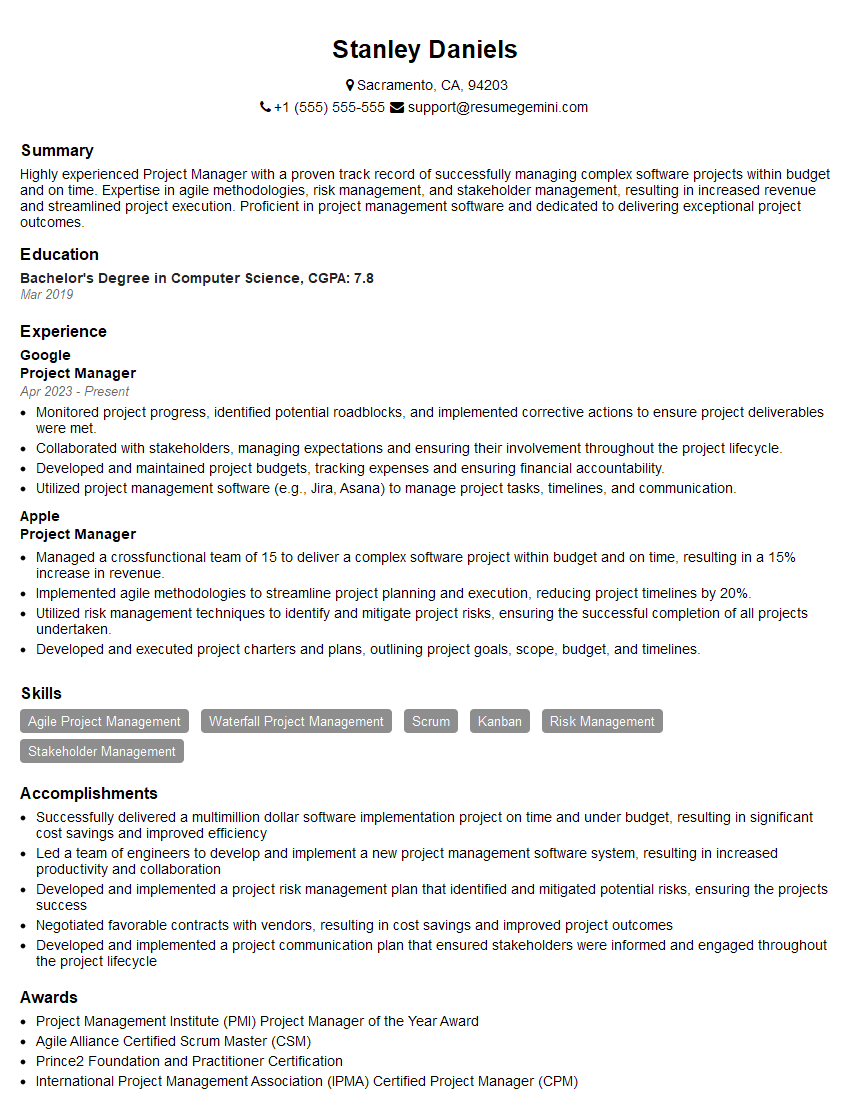
Project Manager Resume Sample
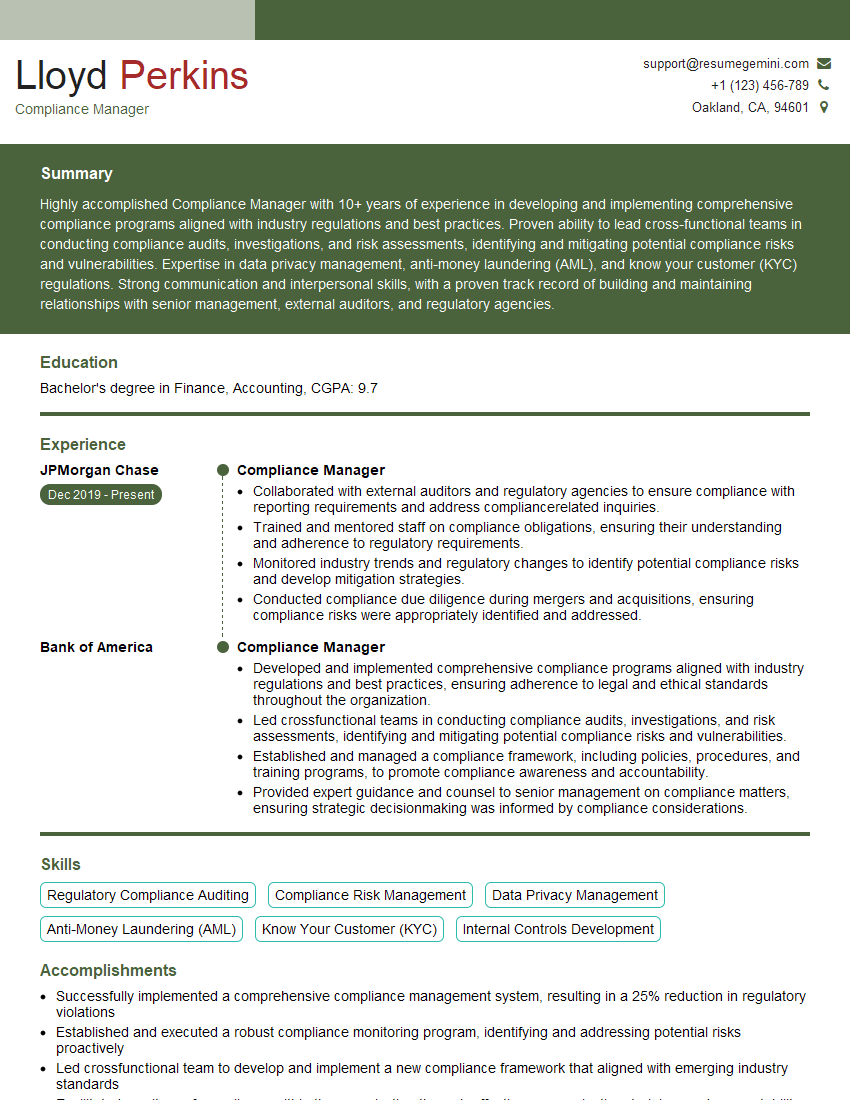
Compliance Manager Resume Sample

Compliance Officer Resume Sample
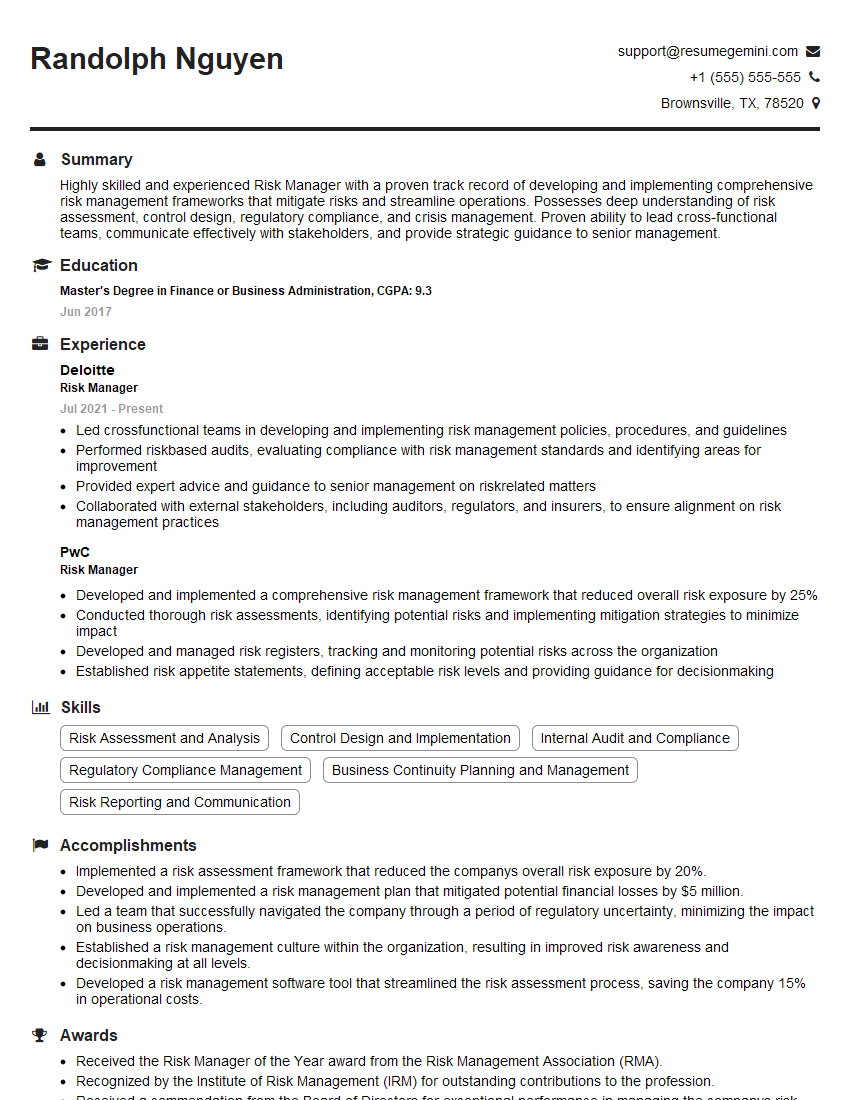
Risk Manager Resume Sample
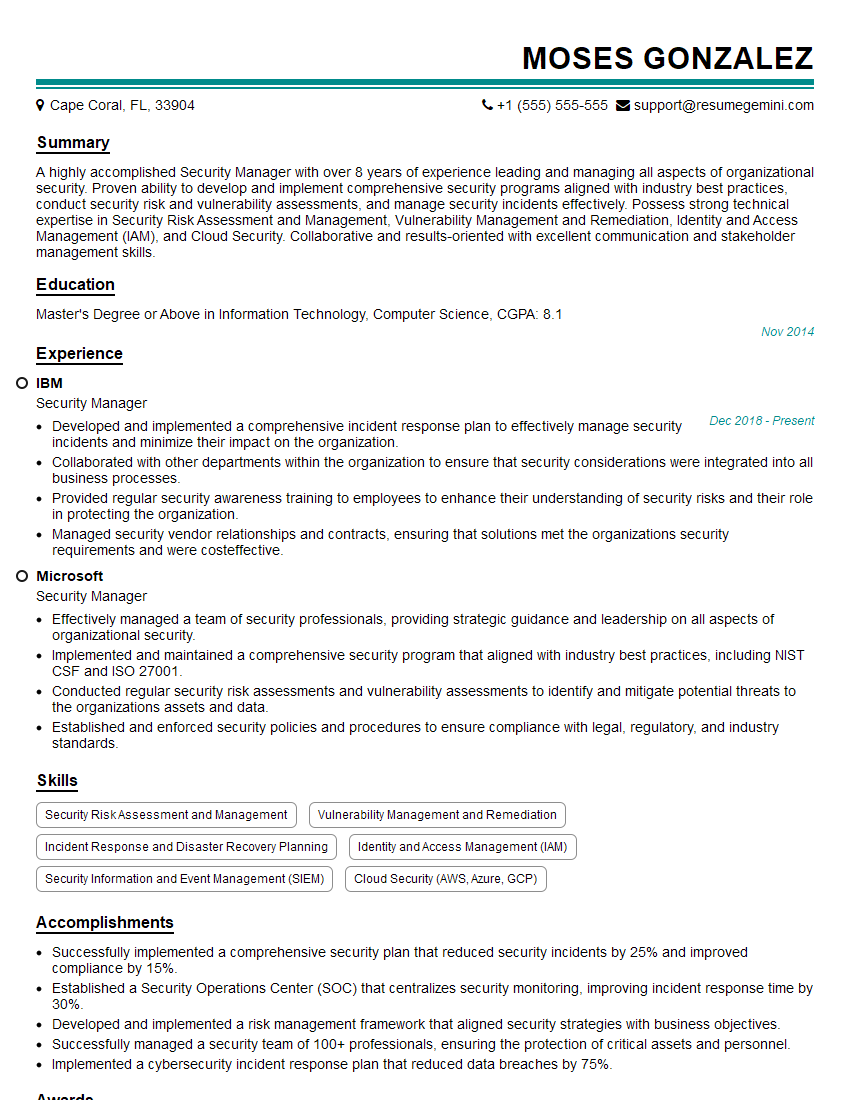
Security Manager Resume Sample
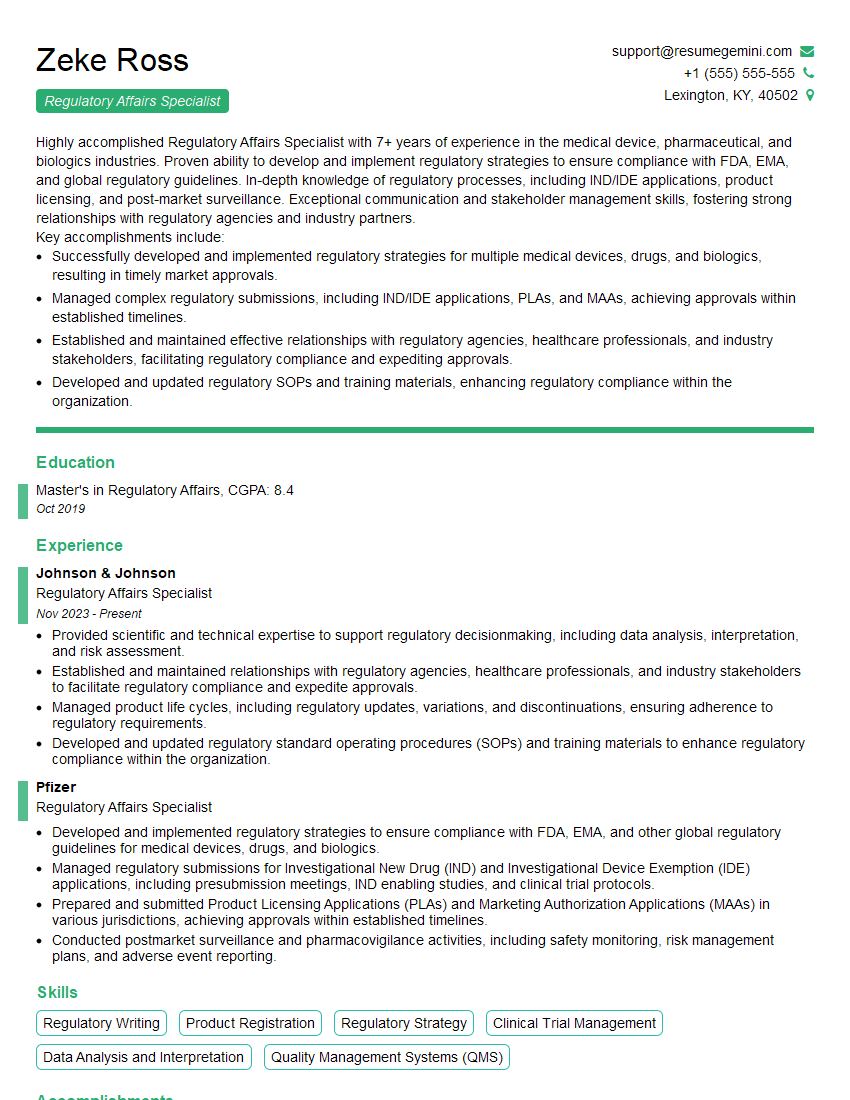
Regulatory Affairs Specialist Resume Sample
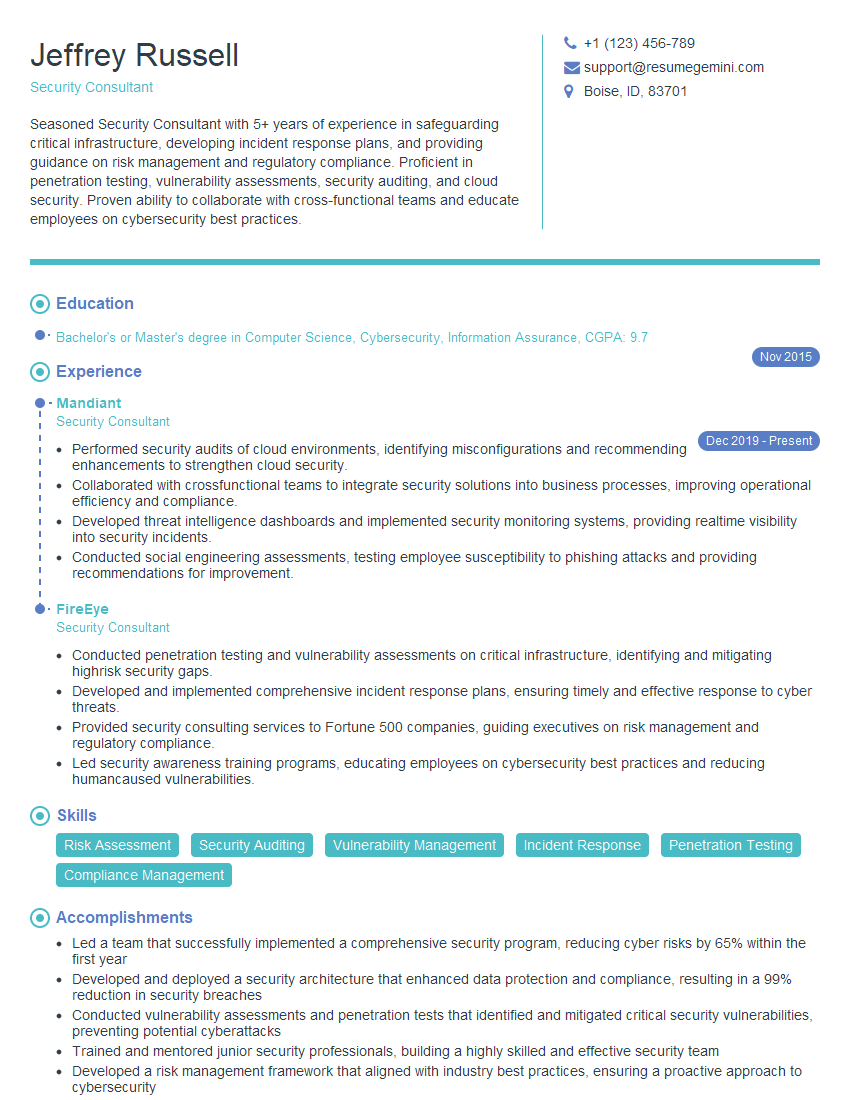
Security Consultant Resume Sample
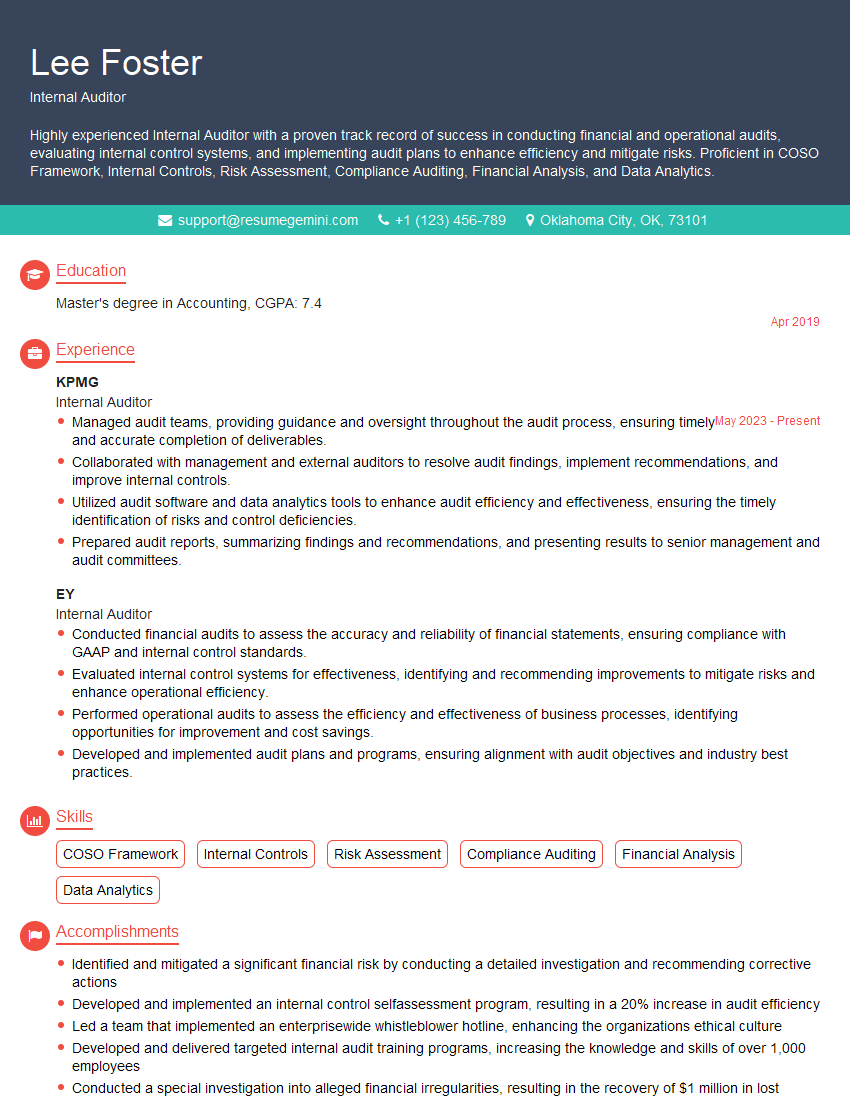
Internal Auditor Resume Sample
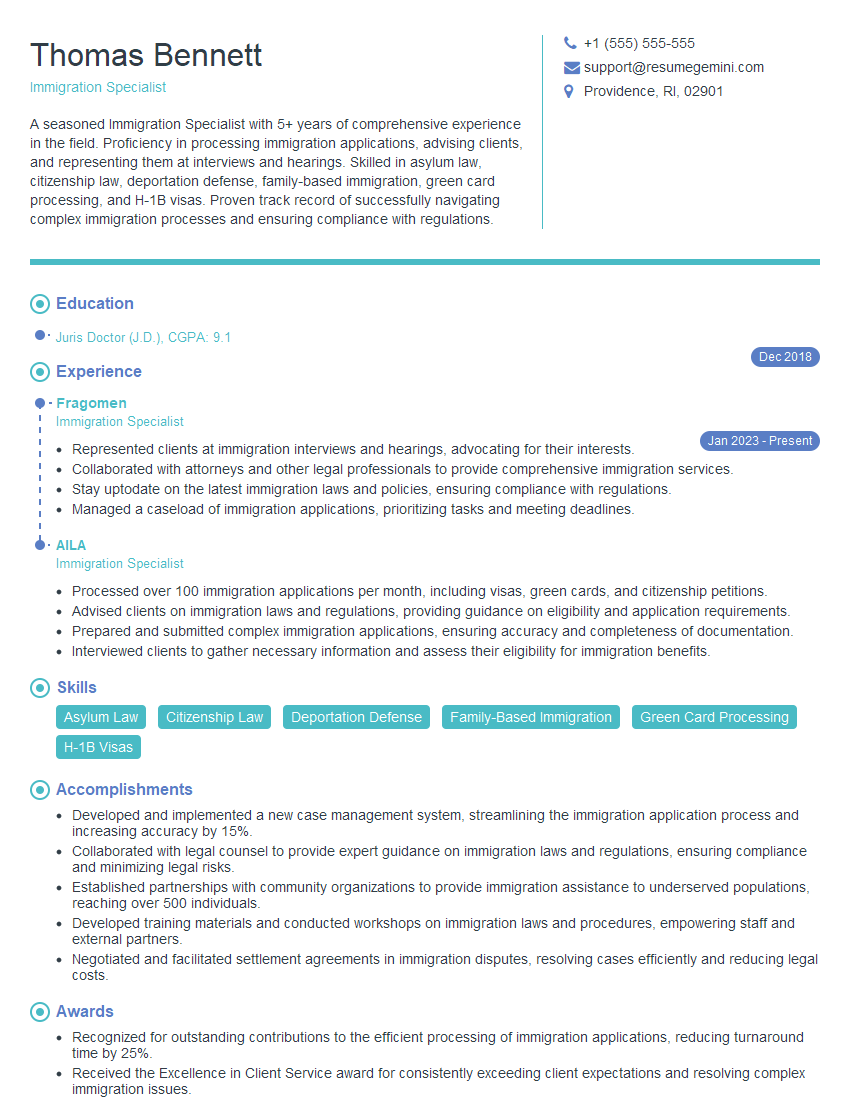
Immigration Specialist Resume Sample
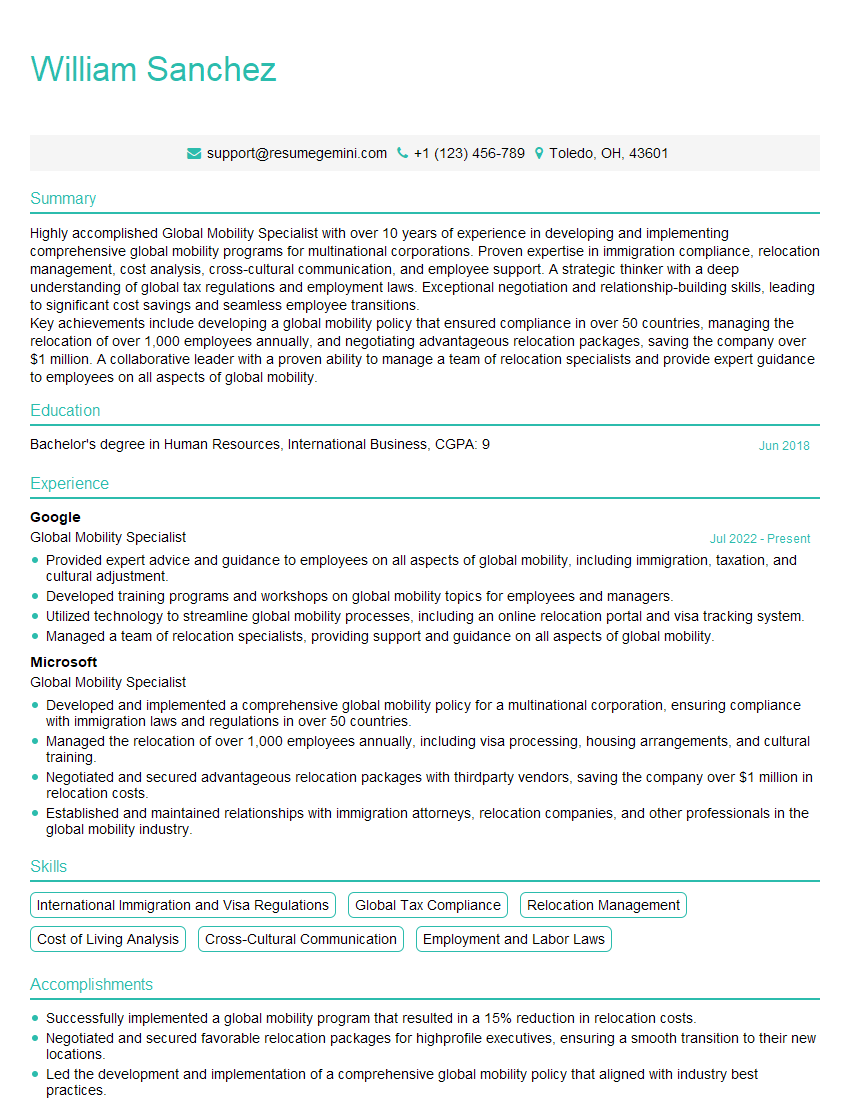
Global Mobility Specialist Resume Sample
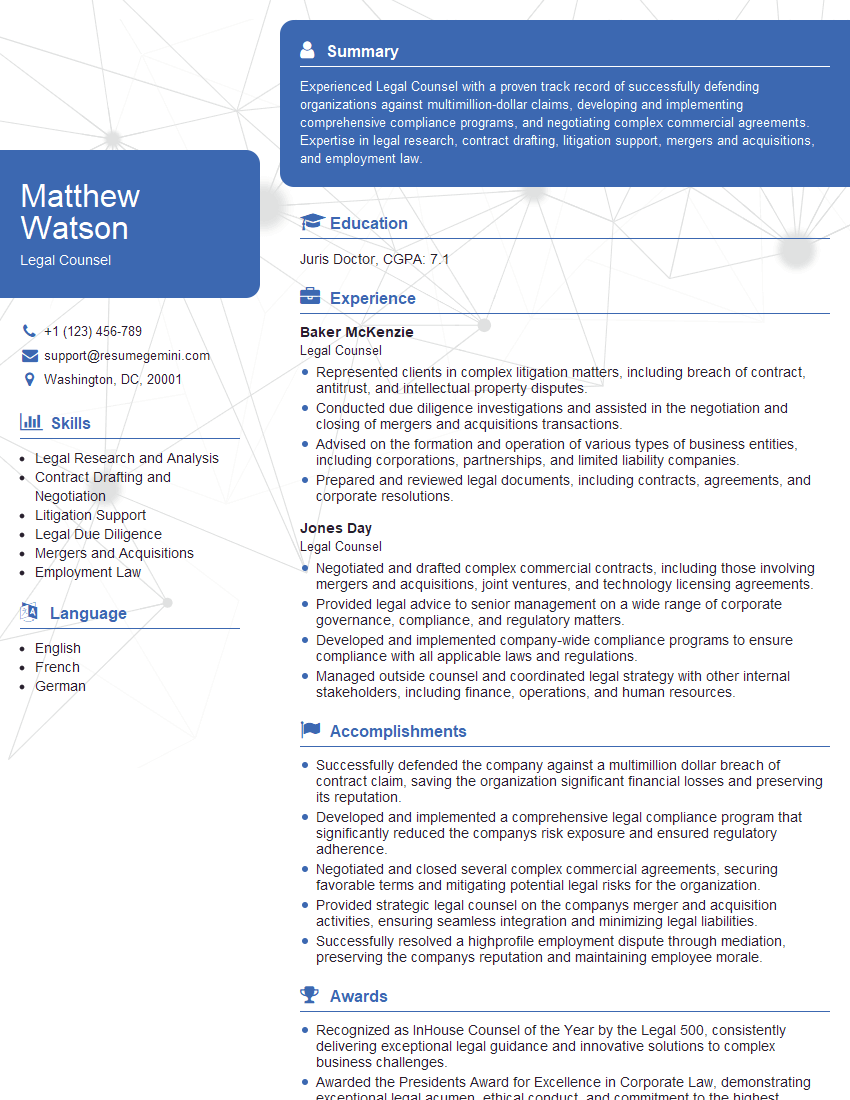
Legal Counsel Resume Sample
- Facility Manager
- Operations Manager
- Contract Manager
- Supply Chain Manager
- Payroll Manager
- Project Manager
- Compliance Manager
- Compliance Officer
- Risk Manager
- Security Manager
- Regulatory Affairs Specialist
- Security Consultant
- Internal Auditor
- Immigration Specialist
- Global Mobility Specialist
- Legal Counsel
Explore more articles
Users Rating of Our Blogs
Share Your Experience
We value your feedback! Please rate our content and share your thoughts (optional).
What Readers Say About Our Blog
To the interviewgemini.com Webmaster.
Very helpful and content specific questions to help prepare me for my interview!
Thank you
To the interviewgemini.com Webmaster.
This was kind of a unique content I found around the specialized skills. Very helpful questions and good detailed answers.
Very Helpful blog, thank you Interviewgemini team.