Every successful interview starts with knowing what to expect. In this blog, we’ll take you through the top Written Language Disorders interview questions, breaking them down with expert tips to help you deliver impactful answers. Step into your next interview fully prepared and ready to succeed.
Questions Asked in Written Language Disorders Interview
Q 1. Explain the difference between dysgraphia and dyslexia.
Dyslexia and dysgraphia are both specific learning disabilities that affect written language, but they impact different aspects. Dyslexia primarily affects reading and decoding skills—a person with dyslexia might struggle to sound out words, understand phonics, or remember letter sequences. Think of it as a difficulty with the *input* of written language. Dysgraphia, on the other hand, primarily impacts the writing process itself. Individuals with dysgraphia might struggle with handwriting (forming letters, spacing words, maintaining legibility), spelling, or organizing their thoughts on paper. It’s a difficulty with the *output* of written language. Someone can have dyslexia without dysgraphia, and vice-versa, although there’s often overlap.
For example, a child might be able to read a word perfectly (no dyslexia), but struggle to write it correctly, showing signs of dysgraphia. Conversely, a child might decode words slowly and with errors (dyslexia), but once they know the word, can write it accurately (minimal dysgraphia).
Q 2. Describe the diagnostic criteria for a Written Language Disorder.
Diagnostic criteria for a Written Language Disorder (WLD) aren’t solely based on a single test but rather a comprehensive evaluation considering several factors. Typically, a diagnosis requires a significant discrepancy between a child’s written language abilities and their overall cognitive abilities. This discrepancy should be persistent, impacting academic performance and daily life. Specific criteria might include:
- Significant difficulties with spelling: Persistent misspellings beyond what’s expected for their age and grade level, even after receiving targeted instruction.
- Significant difficulties with grammar and punctuation: Frequent errors in sentence structure, verb tenses, punctuation, and capitalization.
- Significant difficulties with written expression: Struggles with organizing thoughts on paper, producing coherent narratives, expressing ideas clearly, and adapting writing style to different contexts (e.g., writing a story versus a report).
- Handwriting difficulties (in some cases): Although not always a defining factor, significant difficulties with handwriting legibility and speed can be included, especially if it significantly impacts written output.
The severity of the WLD is determined based on the impact on academic and functional performance. A thorough assessment involves reviewing schoolwork, conducting standardized tests (e.g., assessing spelling, grammar, writing samples), and considering the child’s overall development and learning history.
Q 3. What assessment tools do you utilize to evaluate written language skills?
Assessment of written language skills is multifaceted and relies on a combination of methods. I utilize several tools, including:
- Standardized tests: These tests, such as the Test of Written Language (TOWL), the Wechsler Intelligence Scale for Children (WISC), and the Woodcock-Johnson Tests of Achievement, provide quantitative data on various aspects of written language, including spelling, grammar, handwriting, and composition.
- Curriculum-based measurement (CBM): This approach uses samples of the student’s actual classroom work to track progress over time and identify areas of strength and weakness. It helps connect assessment to the child’s day-to-day learning environment.
- Qualitative analysis of writing samples: I examine multiple writing samples (stories, reports, essays) to evaluate not only the mechanics of writing but also the content, organization, style, and overall effectiveness of communication. This provides valuable insights into the student’s writing process and strategic thinking.
- Observation of writing processes: Direct observation of the student’s writing process helps identify specific difficulties and strategies they use (or don’t use) during writing tasks. This can reveal insights into organizational challenges, motor skill limitations, or cognitive processing issues.
- Interviews with teachers, parents, and the student: Gathering information from multiple perspectives helps build a comprehensive understanding of the student’s challenges and strengths in the context of their daily life and learning environments. This provides a holistic view of the challenges the student faces.
Q 4. How do you differentiate between a writing difficulty and a true Written Language Disorder?
Differentiating between a general writing difficulty and a true WLD hinges on the severity, persistence, and impact of the challenges. A child might struggle with writing temporarily due to stress, lack of instruction, or other factors. However, a WLD indicates significant and persistent difficulties that impact their academic and social-emotional well-being despite appropriate instruction and support. Key differentiators include:
- Severity: A WLD involves difficulties significantly below what’s expected for the child’s age and cognitive abilities. General writing difficulties might be less pronounced.
- Persistence: WLD is characterized by persistent struggles despite intervention. Transient difficulties are usually addressed with focused instruction.
- Impact: WLD significantly impacts academic performance, self-esteem, and social interaction. General difficulties may have minimal effect.
- Response to Intervention (RTI): Students with WLD may not respond significantly to typical classroom interventions; their progress lags far behind their peers even with additional support.
Think of it like this: a child struggling to ride a bike might simply need more practice (general difficulty). But a child with a significant motor impairment might require specialized therapy (WLD analogy). The key is looking at the overall profile of the child and the impact of their writing challenges on their entire life.
Q 5. Outline your approach to creating an individualized education program (IEP) for a student with a Written Language Disorder.
Creating an Individualized Education Program (IEP) for a student with a WLD requires a collaborative approach involving the student, parents, teachers, and specialists. My approach involves the following steps:
- Comprehensive assessment: This establishes the student’s baseline performance in various writing areas (spelling, grammar, writing expression, handwriting).
- Goal setting: We work collaboratively to set realistic, measurable, achievable, relevant, and time-bound (SMART) goals. These goals must address the student’s specific needs and align with their strengths and weaknesses.
- Instructional strategies: The IEP outlines specific instructional strategies and techniques to support the student’s learning. These might include multisensory approaches, assistive technology, and differentiated instruction.
- Accommodation and modifications: We identify appropriate accommodations (e.g., extra time on writing assignments, use of a computer for writing) and modifications (e.g., shortened assignments, modified expectations) to support success in the general education classroom.
- Progress monitoring: Regular progress monitoring using CBM and other measures tracks the student’s progress toward their IEP goals, allowing for adjustments in the program as needed. This data-driven approach ensures that the IEP remains relevant and effective.
- Parent and teacher training: Parents and teachers receive training on how to implement the IEP effectively at home and in the classroom. This collaboration maximizes the chances of success.
The IEP is a dynamic document, regularly reviewed and updated to reflect the student’s progress and changing needs.
Q 6. Discuss various intervention strategies for improving spelling skills in students with WLD.
Improving spelling skills in students with WLD requires a multi-faceted approach that addresses phonological awareness, orthographic knowledge, and visual-motor skills. Effective strategies include:
- Multisensory techniques: These techniques involve engaging multiple senses (visual, auditory, kinesthetic) during spelling instruction. Examples include writing letters in sand, using colored markers, or saying the sounds of letters while writing them.
- Phonics instruction: Systematic phonics instruction helps students understand the relationship between sounds and letters, enabling them to decode and spell words more effectively.
- Orthographic patterns and rules: Explicit instruction on common spelling patterns, rules, and exceptions helps students learn to spell words more efficiently.
- Memory strategies: Techniques like mnemonics, visual imagery, and repeated practice can help students memorize difficult spellings.
- Assistive technology: Spell checkers, word prediction software, and text-to-speech programs can reduce the burden on spelling and allow students to focus on content.
- Word study and vocabulary building: Focusing on morphology (word parts) and etymology (word origins) enhances understanding of word structure and improves spelling.
- Positive reinforcement and encouragement: Creating a supportive and encouraging learning environment enhances motivation and reduces anxiety related to spelling.
It’s crucial to adapt spelling interventions based on individual needs and learning styles. For example, a student struggling with phonological awareness will benefit from activities focusing on sound discrimination, while a student with weak orthographic knowledge needs explicit instruction on spelling rules and patterns.
Q 7. Describe effective strategies for improving handwriting legibility.
Improving handwriting legibility requires addressing both the motor skills involved and the cognitive aspects of planning and organization. Effective strategies include:
- Occupational therapy: An occupational therapist can assess and address underlying motor skill difficulties, such as fine motor coordination, grip strength, and posture.
- Pre-writing activities: Activities like tracing, coloring, and drawing help develop fine motor control and hand-eye coordination.
- Proper pencil grip and posture: Teaching correct pencil grip and posture prevents fatigue and improves writing efficiency and legibility.
- Letter formation practice: Repeated practice of letter formation with feedback helps develop fluency and accuracy.
- Spacing and organization: Practice with spacing words and organizing writing on the page improves overall readability.
- Assistive technology: Adaptive writing tools, such as raised-line paper, slant boards, or ergonomic pencils, can aid students with motor challenges.
- Keyboarding skills: Teaching keyboarding skills empowers students to produce legible text efficiently, especially as they progress through school.
It’s important to remember that handwriting is a complex skill. A combination of interventions often proves most effective. Progress should be monitored regularly and strategies adjusted as needed to meet individual learning styles and needs.
Q 8. How do you address the emotional and social impact of a Written Language Disorder on students?
Addressing the emotional and social impact of a Written Language Disorder (WLD) is crucial for a student’s overall well-being. Students with WLD often experience frustration, anxiety, and low self-esteem due to difficulties with writing, impacting their academic performance and social interactions. These challenges can lead to feelings of inadequacy and avoidance of writing tasks, further hindering their progress.
My approach involves a multi-faceted strategy. First, I create a supportive and understanding classroom environment where students feel safe to take risks and make mistakes. This includes open communication, positive reinforcement, and celebrating effort alongside achievement. Second, I work closely with the student to identify their specific struggles and anxieties related to writing. We might use techniques like journaling or expressive writing to explore their feelings. Third, I collaborate with school counselors and social workers to provide additional emotional support and build coping mechanisms. For instance, we might incorporate social skills training to improve peer interaction and reduce feelings of isolation. Finally, I work with parents to reinforce positive messaging at home, focusing on the student’s strengths and progress rather than solely on their difficulties.
For example, I worked with a student who had extreme anxiety about writing essays. By starting with shorter, less formal writing activities, building up confidence gradually, and providing explicit feedback focusing on effort and progress, we helped him overcome his anxiety and improve his writing significantly. This included celebrating small achievements, like completing a paragraph, rather than focusing solely on the final product.
Q 9. Explain the role of assistive technology in supporting students with WLD.
Assistive technology plays a vital role in supporting students with WLD, providing tools that circumvent writing difficulties and empower them to access the curriculum and express themselves effectively. This technology isn’t about replacing the writing process entirely; rather, it’s about providing appropriate support based on individual needs.
- Word prediction software: Suggests words or phrases as the student types, reducing spelling and grammar errors and speeding up the writing process.
- Speech-to-text software: Allows students to dictate their thoughts and ideas, converting spoken language into written text. This is particularly beneficial for students with difficulties in fine motor skills or handwriting.
- Text-to-speech software: Reads aloud written text, aiding comprehension and proofreading. This can help students identify errors they might miss when reading silently.
- Graphic organizers and mind-mapping software: Helps students structure their thoughts and ideas before writing, improving organization and coherence.
The selection of assistive technology is always individualized and tailored to the student’s specific needs and learning style. It’s not a one-size-fits-all solution. We need to consider factors such as the student’s age, writing challenges, and preferred learning methods. Regular review and adjustment are also vital to ensure the technology continues to meet their evolving needs. For example, a student initially using speech-to-text might gradually transition to using word prediction as their writing skills improve.
Q 10. What are the common co-occurring disorders with Written Language Disorders?
Written Language Disorders frequently co-occur with other learning difficulties, creating a complex interplay of challenges. Understanding these co-occurring conditions is essential for effective intervention. Some common co-occurring disorders include:
- Dyslexia: Difficulty with accurate and/or fluent word recognition and spelling.
- Attention-Deficit/Hyperactivity Disorder (ADHD): Challenges with attention, focus, and impulsivity that impact writing fluency and organization.
- Auditory Processing Disorder: Difficulty understanding and processing spoken language, which can impact writing comprehension and expression.
- Dysgraphia: Difficulty with handwriting, impacting the physical act of writing.
- Specific Language Impairment (SLI): Difficulty with language development, affecting both spoken and written language skills.
The presence of co-occurring disorders complicates the assessment and intervention process, requiring a comprehensive evaluation and a tailored educational plan that addresses all the student’s needs. For instance, a student with both WLD and ADHD might require strategies to improve both their writing skills and their attention and focus. This might involve breaking down writing tasks into smaller, manageable chunks, providing frequent breaks, and using assistive technologies like speech-to-text software.
Q 11. How do you collaborate with parents and teachers to support students with WLD?
Collaboration with parents and teachers is paramount for supporting students with WLD. Open communication, shared understanding, and a collaborative approach are essential to creating a consistent and supportive learning environment for the student.
With parents, I establish regular communication channels, keeping them informed of the student’s progress and challenges. I involve them in the development of the student’s individualized education program (IEP) or 504 plan, ensuring that strategies and interventions align with home practices. I also provide parents with resources and strategies they can use to support their child’s writing development at home. This might include suggestions for engaging writing activities, strategies for managing frustration, and information about available support services.
With teachers, I work collaboratively to adapt classroom instruction and assessments to meet the student’s needs. We discuss appropriate accommodations and modifications, ensuring that the student can access the curriculum and demonstrate their understanding effectively. We might co-create assignments that leverage the student’s strengths and minimize their weaknesses, using a variety of assessment methods to measure the student’s understanding.
For example, I might work with a teacher to break down a lengthy essay assignment into smaller, more manageable tasks, provide extra time for writing, and allow the student to use assistive technology.
Q 12. Describe your experience with different writing modalities (e.g., keyboarding, dictation).
My experience encompasses a range of writing modalities, recognizing that students with WLD often benefit from flexibility and choice in how they express themselves. Each modality presents unique advantages and challenges.
- Keyboarding: While many students find keyboarding efficient, it’s crucial to consider ergonomic factors and potential challenges with typing speed and accuracy. For students with fine motor difficulties, adaptive keyboards or alternative input methods might be necessary.
- Dictation: Speech-to-text software can be a powerful tool, enabling students to bypass handwriting difficulties and focus on the content of their writing. However, it requires good oral language skills and might necessitate training on how to effectively dictate and edit using the software. Accuracy and editing capabilities vary significantly across different programs, so it is important to find one that suits the student’s needs.
- Handwriting: While challenging for some, handwriting remains an important skill. For students who struggle with handwriting, ergonomic writing tools and adapted paper can help improve comfort and legibility. We may need to find alternative ways to assess their writing knowledge, focusing less on neatness and more on content and expression.
My approach is to work with students to identify their preferred writing modality and then provide tailored support to ensure that modality is used effectively. This might involve providing instruction on keyboarding skills, training on how to use speech-to-text software effectively, or adapting handwriting tasks to minimize challenges.
Q 13. How do you adapt instruction to meet the diverse needs of students with WLD?
Adapting instruction to meet the diverse needs of students with WLD necessitates a highly individualized approach. It’s not simply about lowering expectations; rather, it’s about providing appropriate support and scaffolding to help students access the curriculum and achieve their potential.
My strategy includes:
- Differentiated instruction: Providing varying levels of support based on individual student needs, modifying assignments, and using a variety of teaching methods.
- Explicit instruction: Clearly teaching writing skills, such as planning, drafting, revising, and editing, using a multi-sensory approach.
- Scaffolding: Providing temporary support that is gradually removed as the student becomes more independent. This may include graphic organizers, sentence starters, or peer support.
- Assistive technology: Utilizing tools like speech-to-text software, word prediction software, and text-to-speech software to help students overcome writing challenges.
- Frequent feedback: Providing regular, specific feedback focused on both the process and product of writing, highlighting both strengths and areas for improvement.
For example, a student struggling with organization might benefit from using a graphic organizer to brainstorm and structure their ideas before writing. Another student might need extra time to complete writing assignments, or the use of speech-to-text software. The key is to be flexible, creative, and responsive to individual needs. Regular monitoring of progress and adjustments to strategies are crucial to ensuring success.
Q 14. What are the key indicators of a potential Written Language Disorder in young children?
Identifying potential WLD in young children requires careful observation and assessment. Early identification is crucial for timely intervention, maximizing the chances of positive outcomes. Key indicators can include:
- Significant delays in writing development: Children might show considerable delays in developing pre-writing skills (e.g., drawing, scribbling) and later writing skills (e.g., letter formation, spelling, sentence construction).
- Difficulty with handwriting: Children might struggle with forming letters, maintaining proper spacing, or writing legibly. This can manifest as slow, laborious handwriting, illegible script, or avoidance of writing tasks.
- Problems with spelling and grammar: Persistent difficulties with spelling accuracy, grammatical errors (e.g., subject-verb agreement, tense consistency), and punctuation. These errors might persist even after receiving instruction.
- Poor organization and coherence in writing: Difficulty with planning and structuring written work, resulting in disorganized, rambling, or incoherent text. Ideas may be presented in a haphazard or illogical manner.
- Avoidance of writing tasks: Children might show reluctance or resistance to engage in writing activities, suggesting underlying anxiety or frustration.
It’s important to note that these indicators are not necessarily definitive signs of WLD. However, if several of these indicators are present, a comprehensive assessment by a qualified professional is necessary to determine if a WLD is present and to develop an appropriate intervention plan.
Q 15. Discuss the importance of progress monitoring in interventions for WLD.
Progress monitoring in Written Language Disorder (WLD) interventions is crucial for several reasons. It’s not simply about tracking whether a student is improving; it’s about ensuring the intervention is effective, adapting it as needed, and providing data-driven evidence for continued support. Think of it like navigating with a map: regular checkpoints ensure you’re on the right path and allow for course corrections if you’ve strayed.
- Identifying Ineffective Strategies: If a student isn’t progressing, progress monitoring data helps identify interventions that aren’t working and allows for a timely shift to more effective strategies. For instance, if a student isn’t improving their sentence structure with one approach, we might try a different method, such as using visual aids or collaborative writing.
- Tracking Progress and Setting Realistic Goals: Regular assessments provide a clear picture of a student’s growth. This allows for setting achievable goals, boosting their confidence, and demonstrating progress to parents and other stakeholders. A student who sees tangible improvements is more motivated to continue working.
- Demonstrating Intervention Effectiveness: Data gathered through progress monitoring serves as strong evidence of an intervention’s efficacy. This is vital when justifying continued resources, demonstrating accountability, and informing future interventions.
- Individualizing Interventions: Progress monitoring enables the personalization of interventions. It allows us to adjust the intensity, focus, or content of the intervention based on a student’s unique strengths and weaknesses. For example, if a student excels in narrative writing but struggles with expository writing, we can tailor the intervention to focus on the areas needing improvement.
In practice, this could involve regular curriculum-based assessments, writing samples analyzed using rubrics, or informal observations during writing activities. The key is consistent measurement and the use of the data to refine the intervention.
Career Expert Tips:
- Ace those interviews! Prepare effectively by reviewing the Top 50 Most Common Interview Questions on ResumeGemini.
- Navigate your job search with confidence! Explore a wide range of Career Tips on ResumeGemini. Learn about common challenges and recommendations to overcome them.
- Craft the perfect resume! Master the Art of Resume Writing with ResumeGemini’s guide. Showcase your unique qualifications and achievements effectively.
- Don’t miss out on holiday savings! Build your dream resume with ResumeGemini’s ATS optimized templates.
Q 16. How do you differentiate instruction based on the specific type of WLD (e.g., spelling, grammar, organization)?
Instruction for WLD needs to be highly individualized, focusing on the specific writing weaknesses. A student struggling with spelling will require different support than one facing organizational challenges.
- Spelling Difficulties: Instruction might focus on phonetic awareness, multisensory techniques (like tracing letters in sand or using colored pencils), mnemonics, and vocabulary building. We might use specific software or apps designed to improve spelling skills.
- Grammar and Syntax Issues: This could involve explicit grammar instruction, sentence combining activities, and focusing on the use of correct punctuation. Graphic organizers can be incredibly helpful for visualizing sentence structure.
- Organizational Problems: Instruction here might prioritize pre-writing strategies, graphic organizers, outlining, and using writing templates. Teaching students to plan their writing before they start is key.
- Narrative Writing Challenges: Focus would be on plot development, characterization, and sequencing events. Storytelling activities and using visual prompts can greatly assist.
- Expository Writing Difficulties: The emphasis would be on structuring arguments, presenting evidence, and using transitions effectively. Modeling strong expository writing and providing opportunities for guided practice are important.
It’s crucial to use diagnostic assessments to pinpoint the specific weaknesses before tailoring the instruction. One student might need support in all areas, while another might only need focused help in a specific domain. A comprehensive assessment helps create a tailored learning plan.
Q 17. What are the limitations of current assessment tools for Written Language Disorders?
Current assessment tools for WLD have several limitations, often resulting in underidentification and inadequate support for struggling writers.
- Standardized Tests’ Limitations: Standardized tests often lack the sensitivity to identify subtle writing difficulties. They may not capture the nuances of a student’s writing process or the specific areas of weakness. A student might score poorly overall, but the underlying cause isn’t clear.
- Lack of Process-Oriented Measures: Many assessments focus on the product (the final written piece) rather than the writing process. Understanding a student’s planning, revising, and editing strategies is vital for effective intervention, yet often overlooked.
- Limited Cultural Sensitivity: Some assessments may not be culturally sensitive, leading to biased results for students from diverse backgrounds. A student’s writing style might differ from the norm assessed, leading to misinterpretations of their skills.
- Over-reliance on Single Measures: Relying on a single assessment is insufficient. A comprehensive assessment involving multiple methods (e.g., writing samples, observations, teacher ratings) is necessary for a complete understanding.
- Insufficient Focus on Specific WLD Types: Some assessments might not distinguish between different types of WLD, leading to generalized interventions that may not be effective.
These limitations highlight the need for more comprehensive, process-oriented, and culturally sensitive assessments that effectively identify the specific types and severity of WLD.
Q 18. Explain different approaches to teaching grammar and syntax to students with WLD.
Teaching grammar and syntax to students with WLD requires a multi-faceted approach that goes beyond rote memorization. It should focus on meaning-making and functional application.
- Explicit Instruction: Directly teaching grammatical concepts and rules is essential, but it should be coupled with practical application.
- Sentence Combining: Activities that involve combining short, simple sentences into more complex ones help students understand sentence structure and improve fluency.
- Visual Aids: Using diagrams, charts, and graphic organizers helps students visualize sentence structure and grammatical relationships. Think of sentence diagramming or using color-coding to highlight different parts of speech.
- Modeling: Demonstrating correct grammar and syntax in various contexts, followed by guided practice, is highly effective.
- Error Analysis: Helping students analyze their own writing errors to identify patterns and improve their understanding of grammatical rules is crucial. But focus on positive reinforcement alongside error correction.
- Interactive Activities: Engaging students through games, role-playing, and collaborative writing enhances their understanding and retention of grammatical concepts.
- Technology Integration: Utilizing grammar-focused software or apps can provide additional support and practice.
For example, a student struggling with subject-verb agreement might benefit from sentence-combining exercises that focus on this specific skill. Visual aids, like color-coding subjects and verbs, could further enhance understanding. The key is to make grammar instruction engaging, relevant, and connected to the students’ writing goals.
Q 19. Describe your experience with evidence-based interventions for WLD.
My experience with evidence-based interventions for WLD involves a strong focus on data-driven decision-making and a multi-sensory approach. I’ve found success using several strategies:
- Self-Regulated Strategy Development (SRSD): This involves teaching students specific strategies for planning, writing, revising, and editing their work. It’s particularly effective for students who lack organizational skills or struggle with the writing process.
- Collaborative Strategic Reading (CSR): This approach promotes peer interaction and collaboration, encouraging students to work together to comprehend and write about texts. It strengthens comprehension skills which often underpin writing abilities.
- Strategy Instruction: This focuses on teaching specific writing strategies such as outlining, brainstorming, and using graphic organizers. Students are taught *how* to write, not just *what* to write. For example, using mind maps for prewriting improves organizational skills.
- Multi-Sensory Techniques: Incorporating various sensory modalities (visual, auditory, kinesthetic) enhances engagement and improves retention of information. This could involve using manipulatives, interactive whiteboards, or kinesthetic activities.
I always strive to integrate technology effectively. Software programs that provide feedback and support during the writing process, or those that focus on specific writing skills, have proven extremely beneficial. I regularly evaluate the effectiveness of these interventions through progress monitoring and adapt my approach based on the data collected. Each student presents unique challenges, and flexibility is key.
Q 20. How do you differentiate between a writing difficulty due to lack of instruction versus a true WLD?
Differentiating between a writing difficulty due to a lack of instruction and a true WLD requires a thorough assessment that considers several factors. It’s a complex process, but here are some key distinctions:
- History of Instruction: A student with inadequate instruction may show gaps in knowledge and skills across various writing domains. A student with WLD might exhibit persistent difficulties despite receiving appropriate instruction.
- Response to Intervention (RTI): A student whose writing improves significantly with targeted instruction and support is less likely to have a true WLD. A student with WLD may show minimal improvement despite intensive interventions.
- Discrepancy Between Abilities: Students with WLD often display a significant discrepancy between their oral language abilities and their written language skills. A student with merely poor instruction may not show this large discrepancy.
- Cognitive Abilities: While cognitive abilities can influence writing, a student with WLD may demonstrate significant writing difficulties despite having average or above-average cognitive abilities.
- Writing Processes: Observe the student’s writing process. Does the student struggle with planning, drafting, revising, or editing, or is it simply a matter of recalling vocabulary or spelling words?
It’s essential to rule out other contributing factors such as learning disabilities, emotional difficulties, or language barriers before diagnosing a true WLD. A multidisciplinary approach involving teachers, psychologists, and speech-language pathologists is often necessary for accurate diagnosis and intervention planning.
Q 21. How do you incorporate multi-sensory techniques in your WLD interventions?
Multi-sensory techniques are vital in my WLD interventions, as they cater to diverse learning styles and enhance engagement.
- Visual Techniques: Using graphic organizers, color-coding, visual word maps, and interactive whiteboards can help students visualize and organize their thoughts.
- Auditory Techniques: Dictating stories, listening to audiobooks, and using speech-to-text software can support students who struggle with handwriting or spelling.
- Kinesthetic Techniques: Activities like writing in sand, using manipulatives, or acting out stories help students physically engage with the writing process. Tracing letters, using playdough to form letters, or creating 3D models related to their stories.
- Tactile Techniques: Working with textured paper, using raised-line writing tools, or employing tactile feedback devices can help students with fine motor difficulties.
For example, when teaching sentence structure, I might use colored blocks to represent different parts of speech, then have students physically arrange them to construct sentences. This kinesthetic approach combines visual and tactile learning with the auditory element of discussing sentence structure. The combination of sensory experiences enhances understanding and improves the retention of information.
Q 22. What are the long-term implications of untreated Written Language Disorders?
Untreated Written Language Disorders (WLDs) can have significant and far-reaching consequences, impacting various aspects of a child’s life well into adulthood. These implications extend beyond academic struggles and can affect their social-emotional well-being and future career prospects.
- Academic difficulties: Students with untreated WLDs often struggle with writing assignments, essays, and exams, leading to poor grades and reduced academic achievement. This can result in difficulty accessing higher education and limit future career opportunities.
- Social and emotional challenges: The frustration and difficulties associated with writing can impact self-esteem and confidence. Students might avoid participation in classroom activities that involve writing, leading to social isolation and increased anxiety.
- Occupational limitations: Many jobs require strong writing skills. Adults with untreated WLDs may face challenges in the workplace, struggling with written communication, report writing, and other essential tasks. This can affect career progression and overall job satisfaction.
- Independent living challenges: Even everyday tasks like writing emails, filling out forms, or managing personal finances can become significant obstacles for individuals with untreated WLDs, impacting their independence and quality of life.
Early identification and intervention are crucial to mitigate these long-term implications. With appropriate support, students with WLDs can learn compensatory strategies and develop their writing skills, leading to improved academic outcomes and enhanced quality of life.
Q 23. Describe your experience working with students with diverse cultural and linguistic backgrounds who have WLD.
Working with students from diverse cultural and linguistic backgrounds who have WLDs requires a nuanced and culturally sensitive approach. It’s crucial to understand that difficulties with writing in a second language don’t automatically equate to a WLD. Careful assessment is needed to differentiate between challenges stemming from language acquisition and those indicative of a disorder.
My approach involves:
- Utilizing culturally relevant assessment tools: I use assessment methods that are sensitive to the student’s linguistic background and cultural experiences. This might involve adapting existing tests or using alternative assessment measures that focus on the student’s strengths and abilities.
- Collaborating with interpreters and bilingual specialists: When working with students who are not fluent in English, I collaborate closely with interpreters and bilingual specialists to ensure effective communication and accurate assessment.
- Considering the student’s first language: Understanding the student’s first language and literacy skills can provide valuable insights into their writing development. Transfer of skills from the first language to the second language should also be considered.
- Employing culturally responsive teaching strategies: I integrate culturally relevant materials and instructional strategies into intervention programs to make learning more engaging and meaningful for the student.
For example, I worked with a student whose first language was Spanish. While her English writing skills were below grade level, her Spanish writing skills were strong. By understanding her linguistic background, we were able to leverage her existing skills to support her English writing development. This involved translating and adapting some activities, thereby making the learning process less daunting.
Q 24. How do you advocate for students with WLD within the school system?
Advocating for students with WLDs within the school system involves a multi-faceted approach. This includes building strong relationships with teachers, administrators, and parents, as well as utilizing available resources and legal frameworks to ensure the student receives appropriate support.
- Collaboration with educators: I work closely with teachers to develop individualized education programs (IEPs) that address the student’s specific writing needs. This may involve co-teaching, providing professional development, and suggesting classroom modifications.
- Communicating effectively with parents: I keep parents informed about their child’s progress and involve them in the decision-making process. This ensures a shared understanding of the student’s needs and goals.
- Utilizing available resources: I advocate for access to appropriate resources such as assistive technology, specialized instruction, and writing support services. This could include assistive technology like text-to-speech software or speech-to-text software.
- Following legal frameworks: I am familiar with relevant laws and regulations (e.g., Individuals with Disabilities Education Act – IDEA) to ensure the student receives the support they are legally entitled to.
- Data-driven advocacy: I use assessment data to demonstrate the student’s needs and the effectiveness of interventions. This provides concrete evidence to support requests for additional resources or services.
For instance, if a student requires specialized writing software, I would present data demonstrating the software’s effectiveness in improving their writing skills and advocate for its inclusion in their IEP.
Q 25. What professional development activities have you undertaken to enhance your expertise in WLD?
I’ve consistently sought opportunities for professional development to enhance my expertise in WLDs. This ongoing commitment reflects my dedication to providing the most effective and up-to-date interventions for my students.
- Conferences and workshops: I regularly attend conferences and workshops focusing on the assessment and intervention of WLDs. These events offer valuable opportunities to learn about new research, best practices, and innovative approaches.
- Continuing education courses: I’ve completed several continuing education courses on topics such as neuropsychological aspects of writing difficulties, assistive technology for writers, and culturally responsive teaching.
- Mentorship and collaboration: I actively participate in mentoring programs and collaborate with other professionals in the field. This peer learning significantly strengthens my expertise.
- Reading professional literature: I stay current with the latest research and best practices by regularly reading professional journals and publications on WLDs. This allows me to tailor my approach to emerging best practices.
For example, attending a recent conference on assistive technology for writers exposed me to new software programs that can significantly enhance the writing process for students with WLDs. I immediately incorporated this knowledge into my practice and successfully advocated for its implementation in several student IEPs.
Q 26. Discuss ethical considerations when assessing and intervening with students with WLD.
Ethical considerations are paramount when assessing and intervening with students with WLDs. My practice is guided by principles of fairness, cultural sensitivity, and respect for student rights.
- Cultural competence: I ensure my assessments and interventions are culturally appropriate and sensitive to the student’s background and experiences. This includes considering factors such as language, cultural beliefs, and family practices.
- Confidentiality: I maintain strict confidentiality regarding student information and adhere to all relevant privacy laws. All information gathered remains private and protected.
- Informed consent: I obtain informed consent from parents and/or guardians before conducting any assessments or interventions. This involves explaining the purpose, procedures, and potential risks and benefits of the process.
- Avoiding bias: I am mindful of potential biases in assessment and intervention strategies. I strive to use objective measures and avoid making assumptions based on stereotypes or preconceived notions.
- Competence: I only undertake assessments and interventions within my area of expertise. If a student’s needs fall outside my area of expertise, I refer them to a qualified professional.
For example, if I suspect a student’s writing difficulties might be related to a learning disability beyond my expertise, I would collaborate with a learning disabilities specialist to provide a comprehensive evaluation and support.
Q 27. How do you adapt your assessment and intervention strategies based on a student’s age and developmental level?
Adapting assessment and intervention strategies based on a student’s age and developmental level is critical for effective support. Younger children require different approaches than older adolescents.
Younger children (e.g., elementary school):
- Play-based assessments: I use play-based activities to assess their writing skills in a fun and engaging way. This might involve drawing, storytelling, or dictating stories.
- Multi-sensory approaches: Interventions incorporate multi-sensory strategies, using visual aids, tactile materials, and movement to support learning.
- Emphasis on foundational skills: Focus is placed on developing foundational skills like letter formation, spelling, and sentence structure.
Older students (e.g., secondary school):
- More complex writing tasks: Assessments involve more complex writing tasks, such as essay writing, research papers, and creative writing.
- Focus on higher-order skills: Interventions address higher-order skills like organization, planning, and revision.
- Strategy instruction: Instruction focuses on teaching specific writing strategies, such as outlining, brainstorming, and peer editing.
For instance, with a younger student, I might use a graphic organizer to help them structure their writing, while with an older student, I might focus on teaching them advanced essay writing techniques. The key is to tailor the approach to the student’s specific developmental needs and abilities.
Key Topics to Learn for Written Language Disorders Interview
- Developmental Dysgraphia: Understand its characteristics, diagnostic criteria, and the impact on various writing aspects (spelling, handwriting, grammar, organization).
- Acquired Dysgraphia: Explore the causes (e.g., stroke, trauma), resulting deficits, and rehabilitation strategies. Consider case studies to illustrate diverse presentations.
- Assessment Methods: Familiarize yourself with standardized and informal assessments used to diagnose and evaluate written language skills. Practice interpreting assessment results and formulating appropriate interventions.
- Intervention Strategies: Master various therapeutic approaches, including multisensory techniques, computer-assisted instruction, and collaborative strategies. Be prepared to discuss the rationale behind your chosen methods.
- Writing Process and Stages: Demonstrate a deep understanding of the stages involved in writing (planning, drafting, revising, editing) and how these stages might be affected in individuals with written language disorders.
- Co-occurring Disorders: Understand the common co-occurrence of written language disorders with other learning disabilities (e.g., dyslexia, ADHD) and how to address these complexities in assessment and intervention.
- Evidence-Based Practices: Be prepared to discuss the research supporting your chosen intervention strategies and adapt your approach based on the latest research findings.
- Technology and Assistive Technology: Discuss the role of technology in assessment and intervention. Show familiarity with various assistive technologies that can support individuals with written language disorders.
- Collaboration with Other Professionals: Explain how you would collaborate effectively with teachers, parents, and other specialists to create a comprehensive support system for students with written language difficulties.
- Ethical Considerations: Discuss ethical considerations in assessment and intervention, including confidentiality, informed consent, and cultural sensitivity.
Next Steps
Mastering Written Language Disorders is crucial for a successful and rewarding career in education, speech-language pathology, or related fields. A strong understanding of these complexities will set you apart and significantly enhance your job prospects. To maximize your chances of securing your dream role, it’s essential to present your qualifications effectively. Creating an ATS-friendly resume is vital for navigating applicant tracking systems. ResumeGemini is a trusted resource that can help you build a professional and impactful resume, tailored to highlight your expertise in Written Language Disorders. Examples of resumes tailored specifically to this field are available to help guide you. Invest the time in building a powerful resume – it’s an investment in your future career.
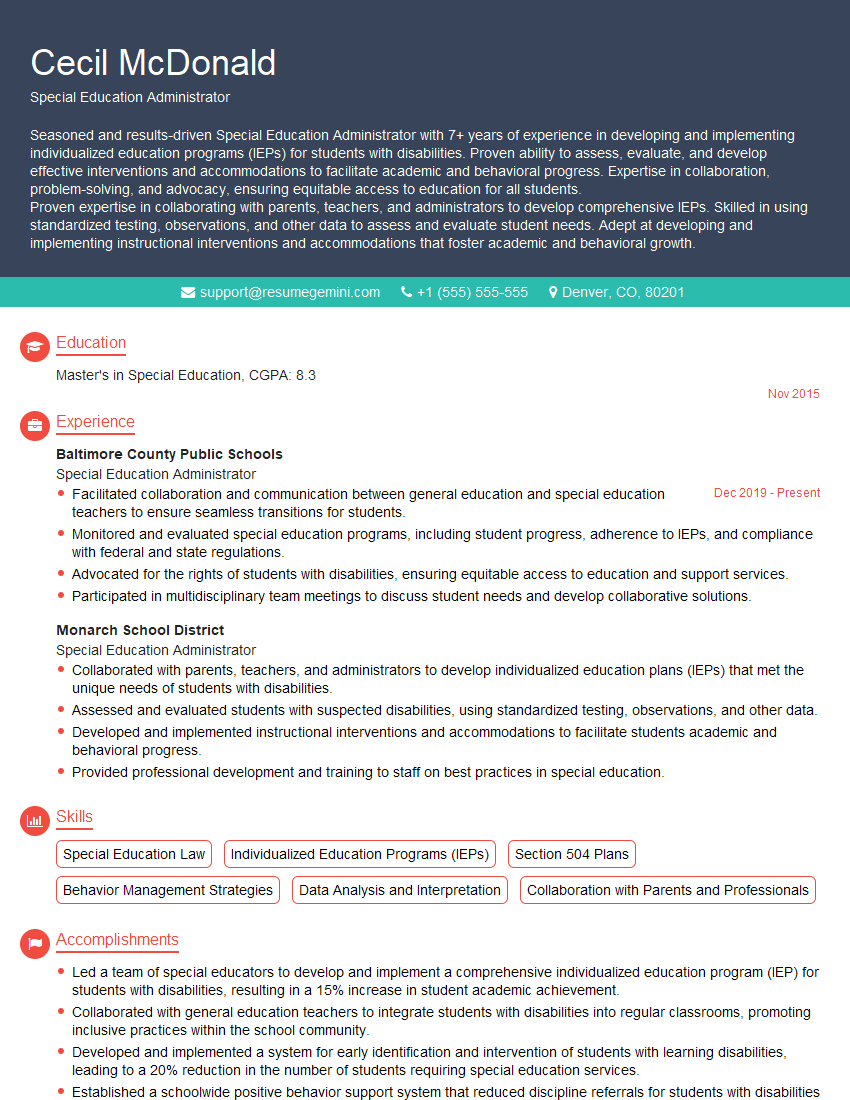
Special Education Administrator Resume Sample
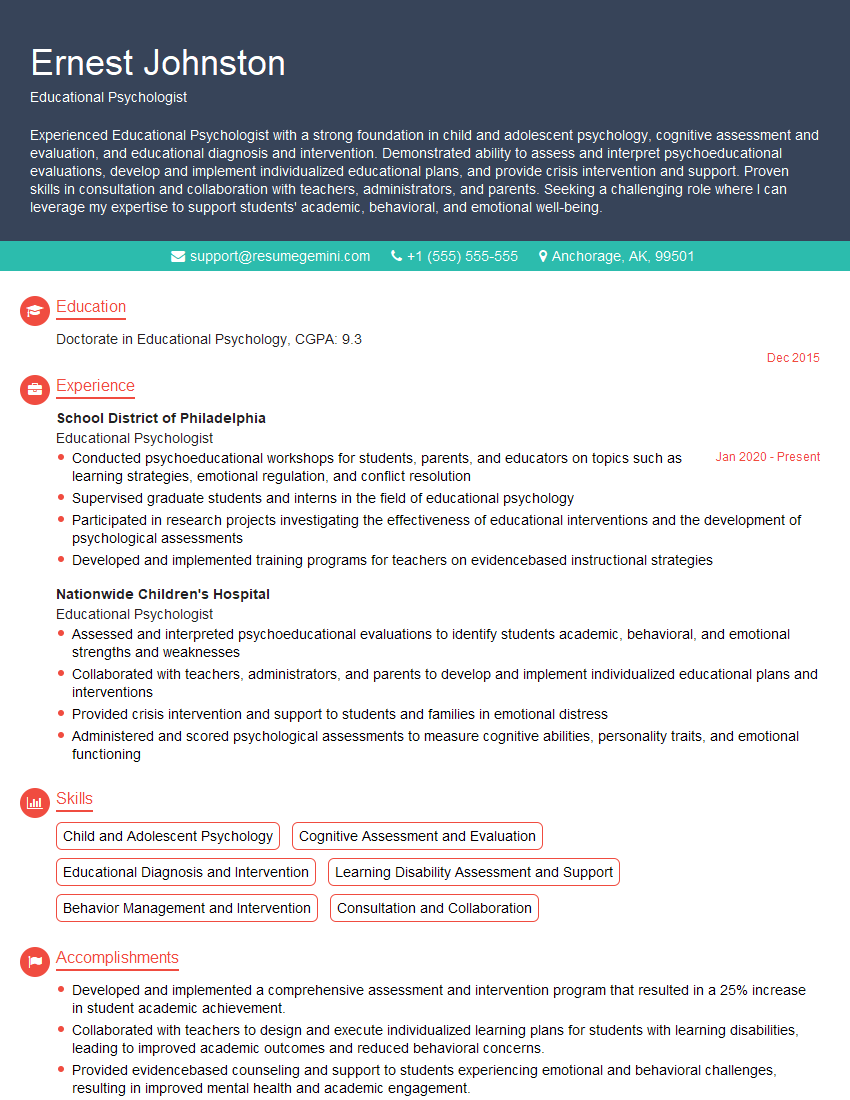
Educational Psychologist Resume Sample
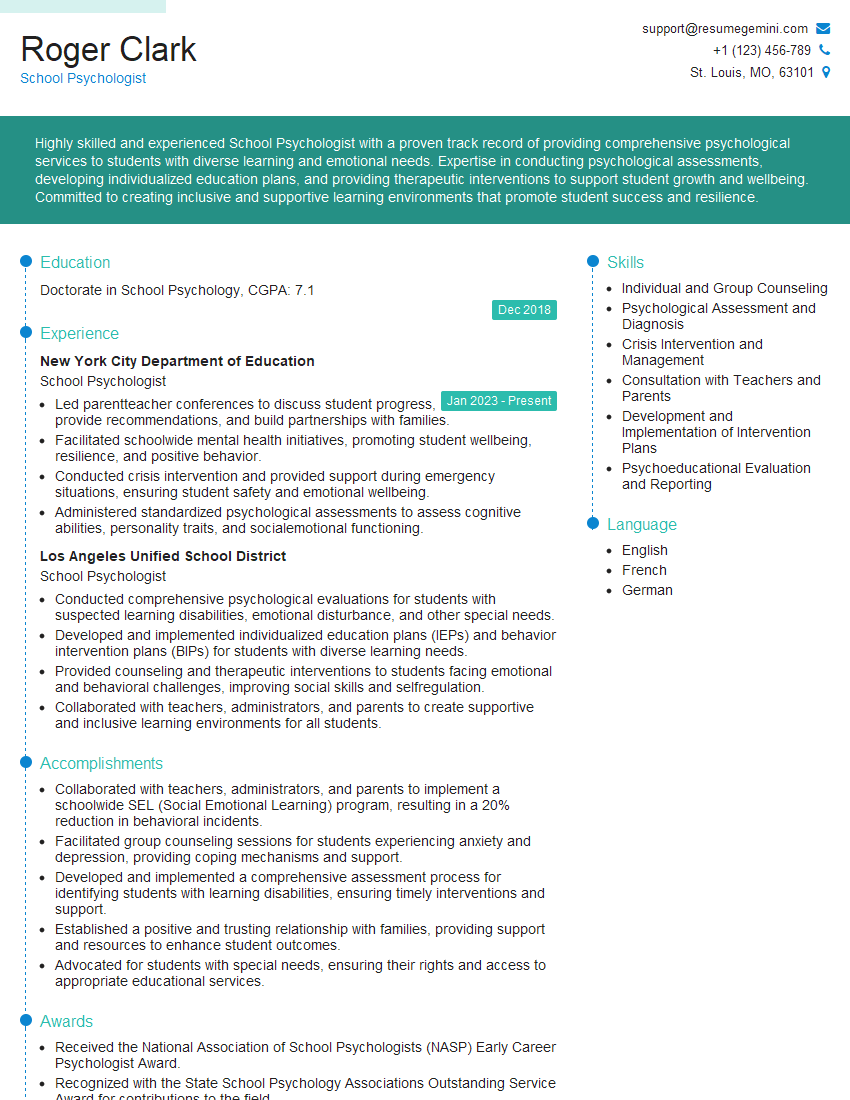
School Psychologist Resume Sample
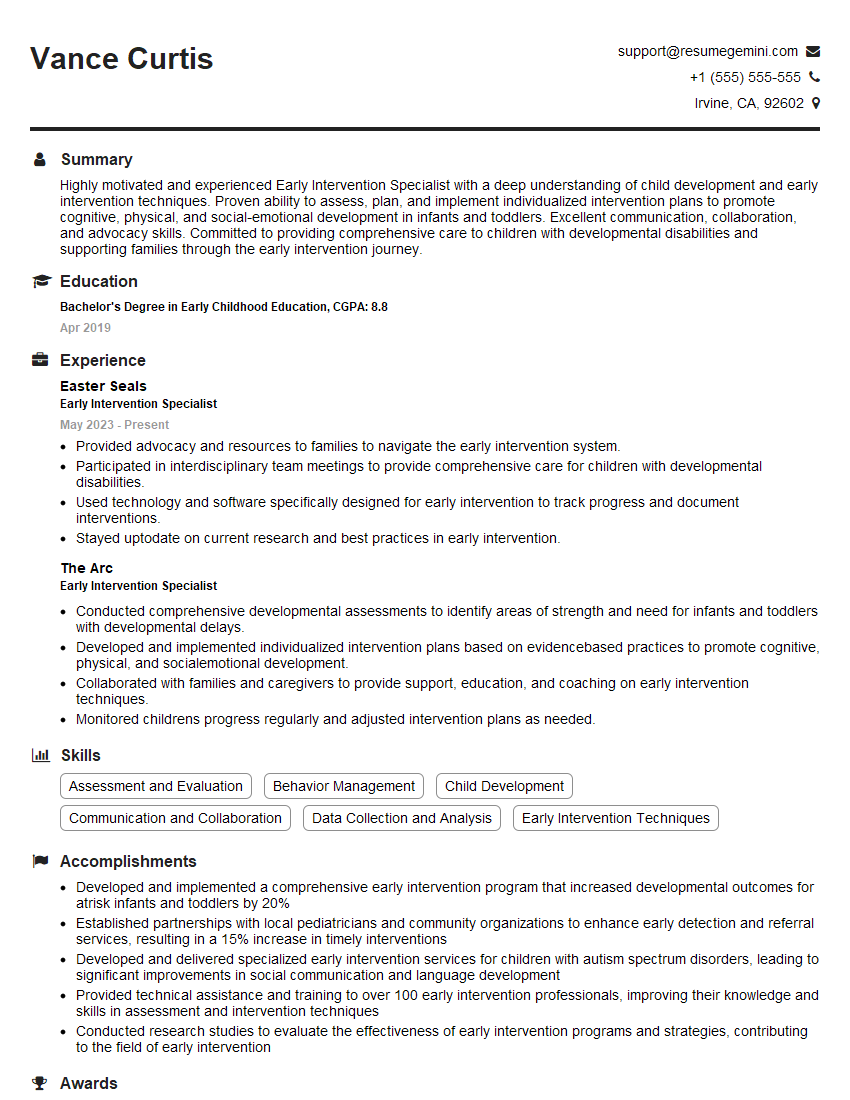
Early Intervention Specialist Resume Sample
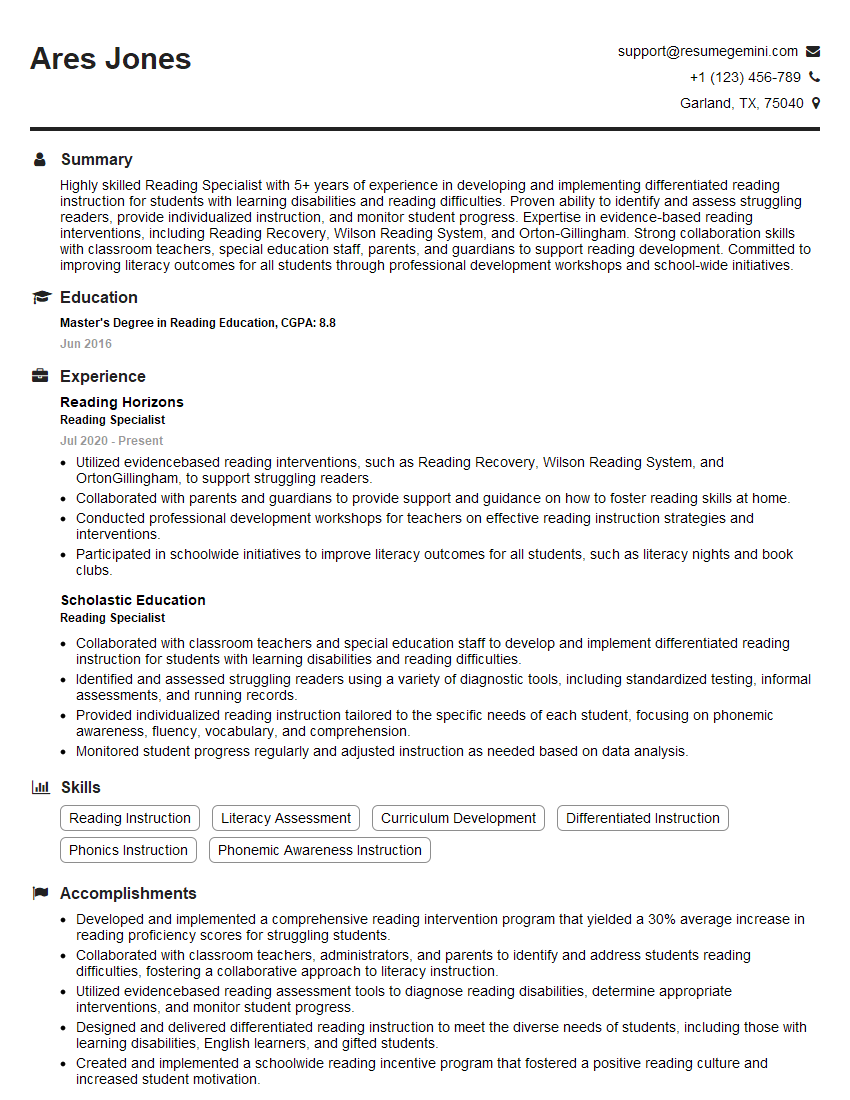
Reading Specialist Resume Sample
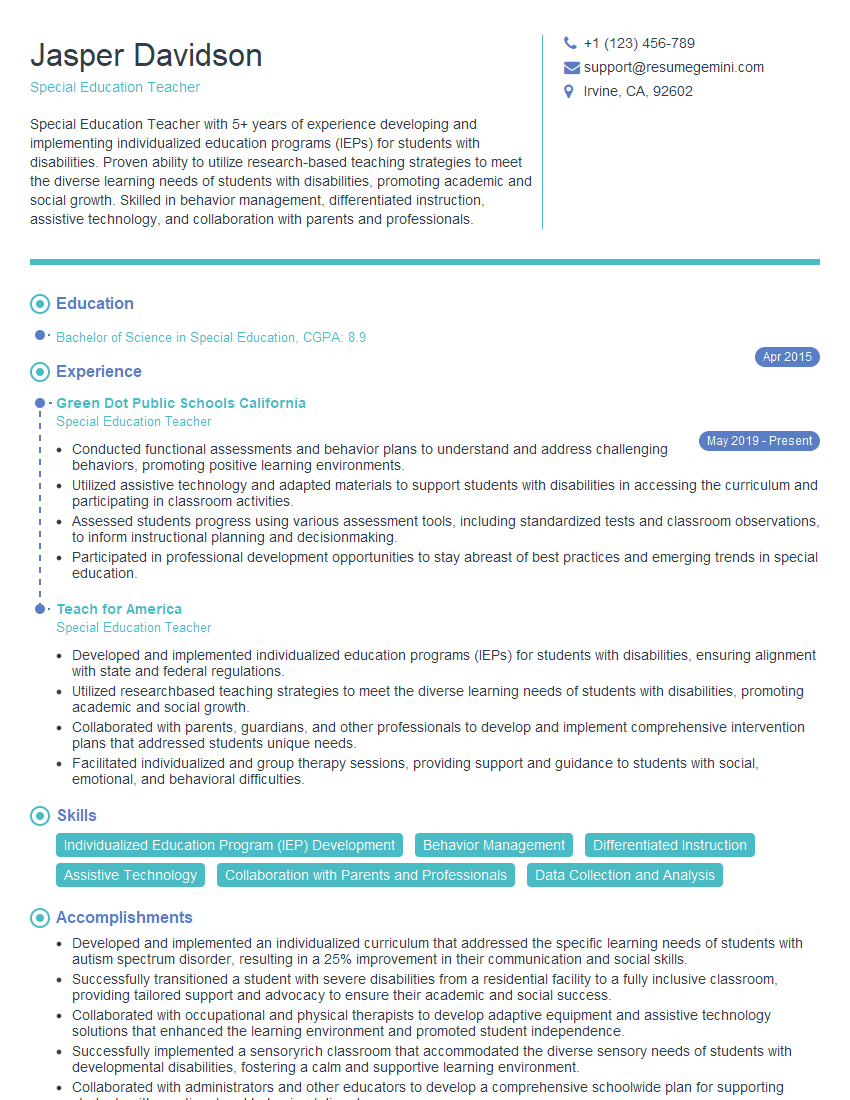
Special Education Teacher Resume Sample
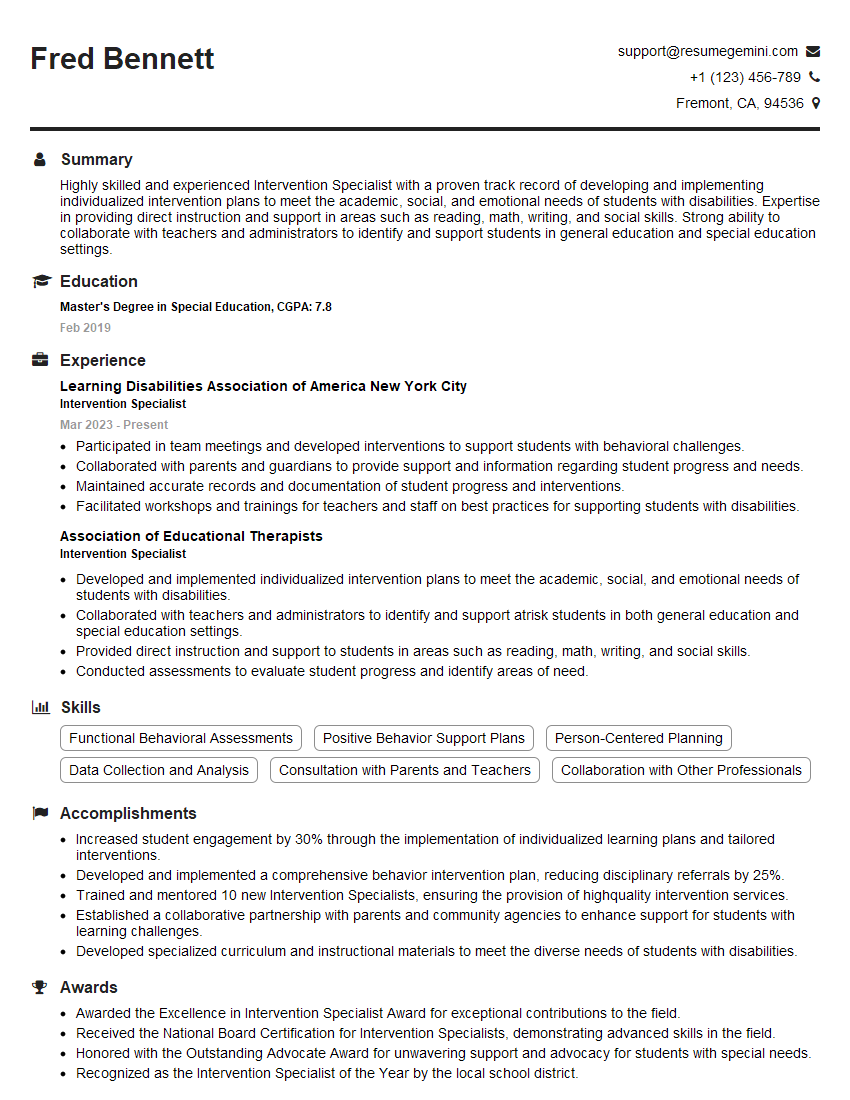
Intervention Specialist Resume Sample
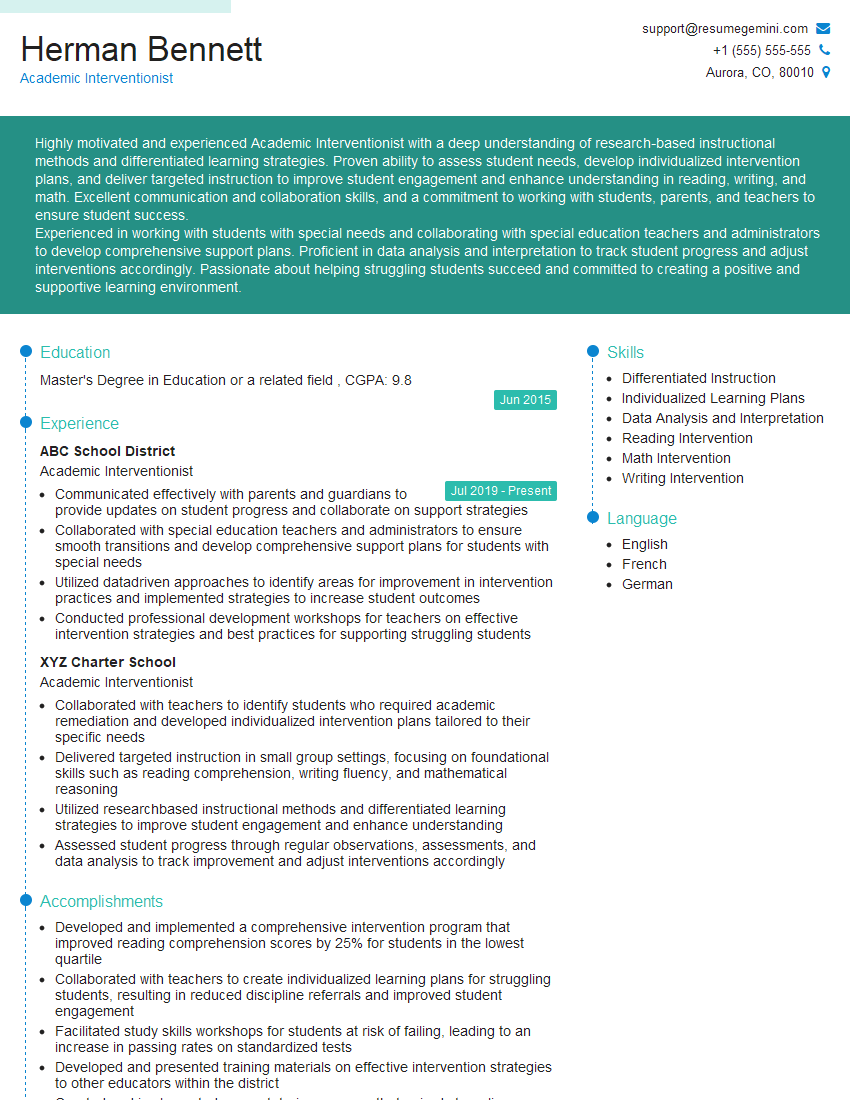
Academic Interventionist Resume Sample
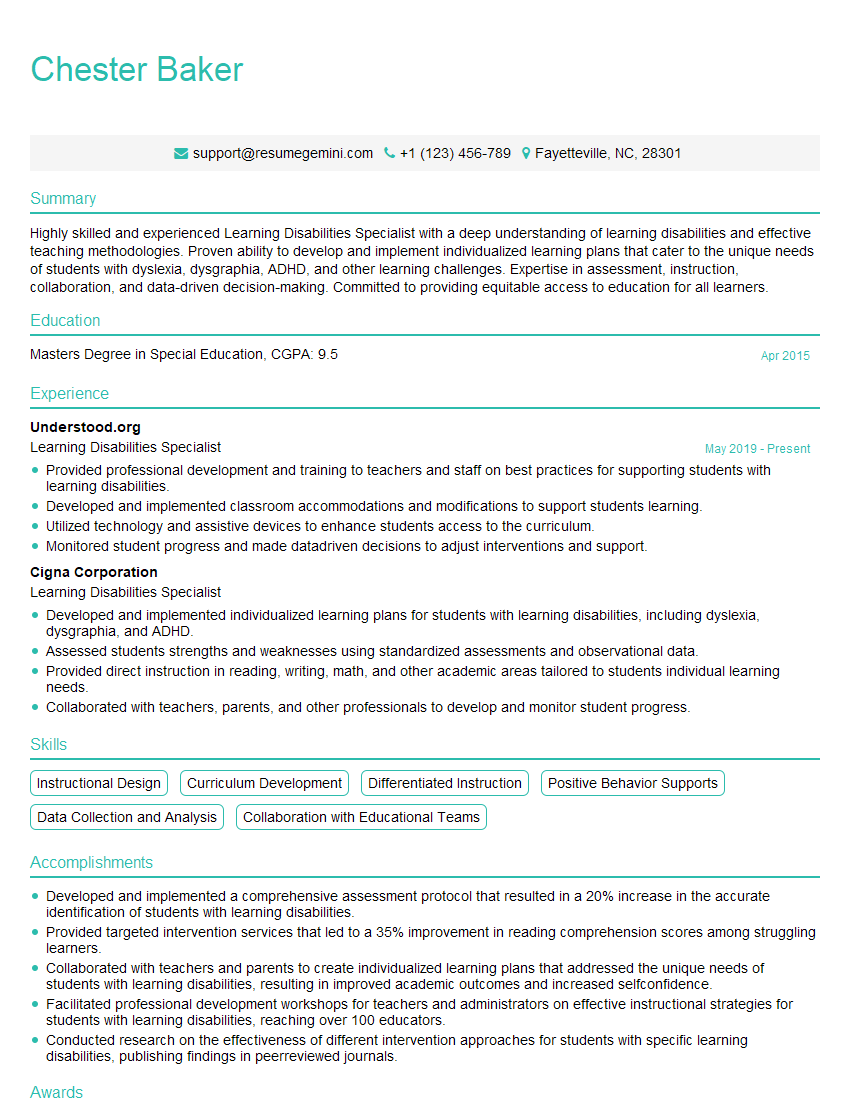
Learning Disabilities Specialist Resume Sample
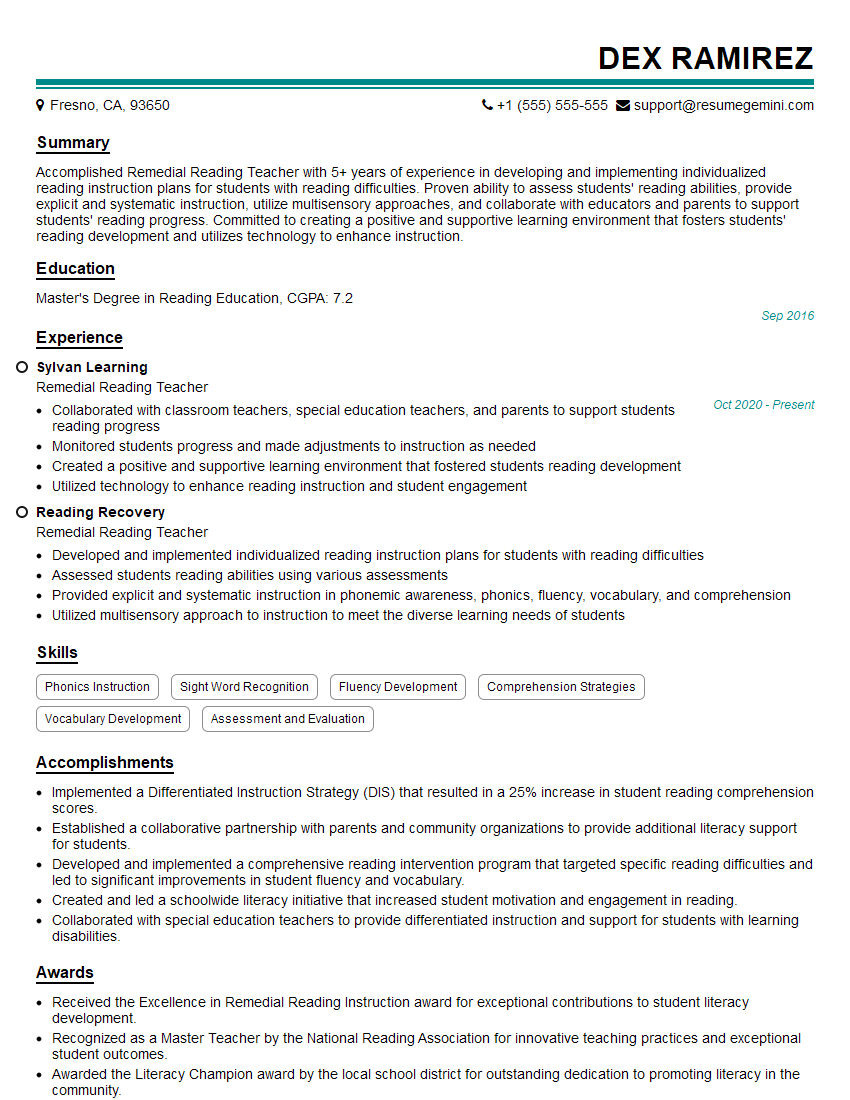
Remedial Reading Teacher Resume Sample
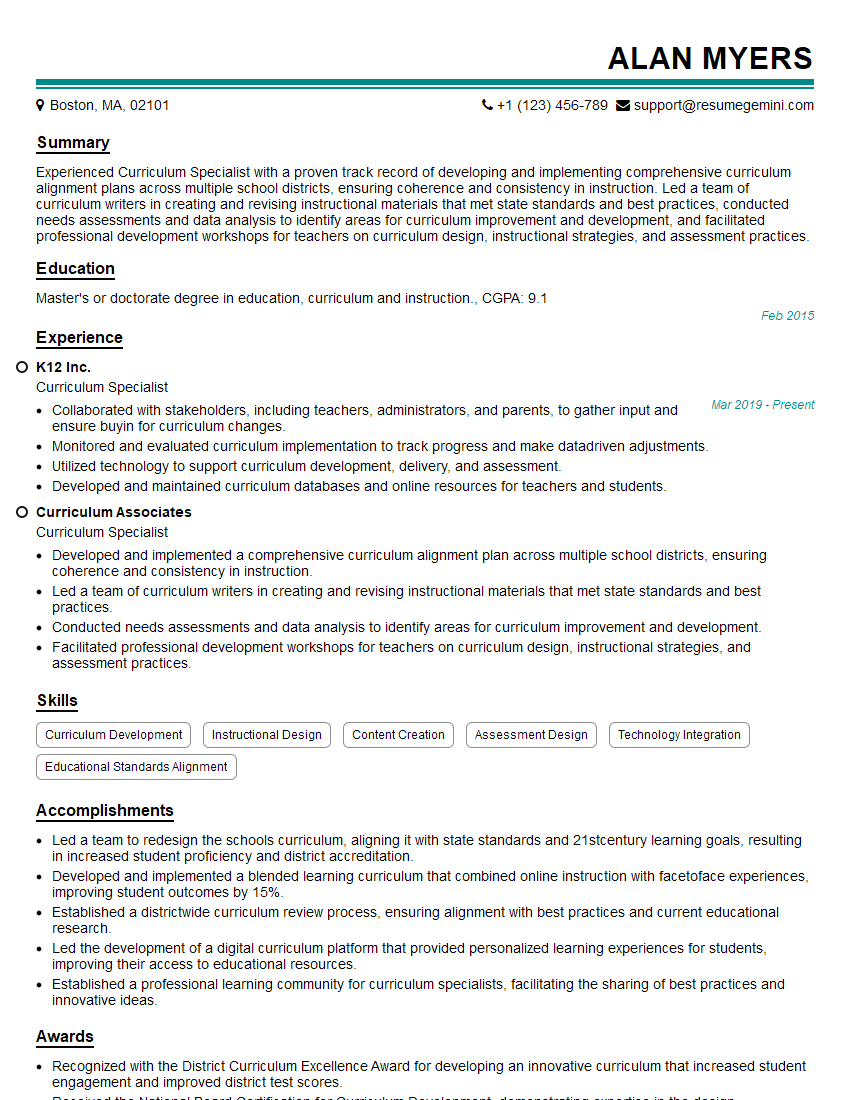
Curriculum Specialist Resume Sample
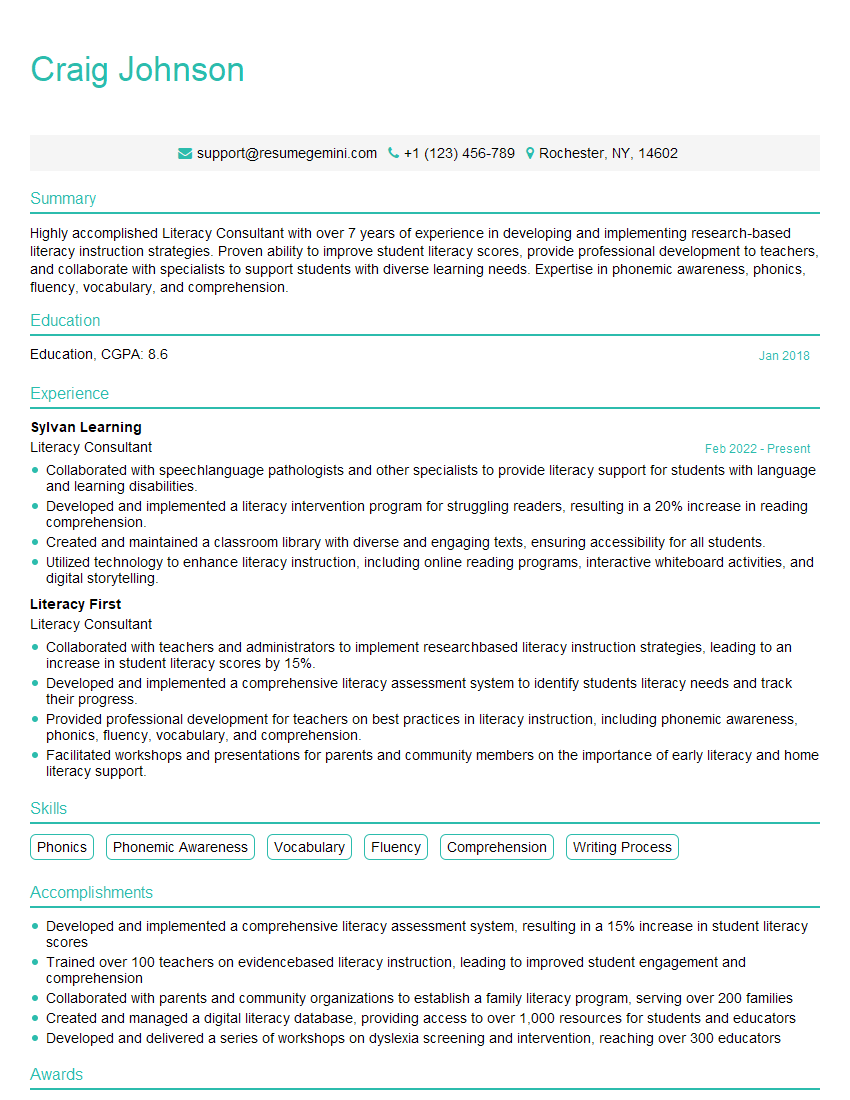
Literacy Consultant Resume Sample
- Special Education Administrator
- Educational Psychologist
- School Psychologist
- Early Intervention Specialist
- Reading Specialist
- Special Education Teacher
- Intervention Specialist
- Academic Interventionist
- Learning Disabilities Specialist
- Remedial Reading Teacher
- Curriculum Specialist
- Literacy Consultant
Explore more articles
Users Rating of Our Blogs
Share Your Experience
We value your feedback! Please rate our content and share your thoughts (optional).
What Readers Say About Our Blog
To the interviewgemini.com Webmaster.
Very helpful and content specific questions to help prepare me for my interview!
Thank you
To the interviewgemini.com Webmaster.
This was kind of a unique content I found around the specialized skills. Very helpful questions and good detailed answers.
Very Helpful blog, thank you Interviewgemini team.