Cracking a skill-specific interview, like one for Zoning Code and Ordinance Writing, requires understanding the nuances of the role. In this blog, we present the questions you’re most likely to encounter, along with insights into how to answer them effectively. Let’s ensure you’re ready to make a strong impression.
Questions Asked in Zoning Code and Ordinance Writing Interview
Q 1. Explain the difference between a zoning code and an ordinance.
While often used interchangeably, a zoning ordinance and a zoning code have distinct meanings. An ordinance is the legislative act, the official document passed by a local governing body (like a city council) that establishes zoning regulations. Think of it as the overall law. The zoning code, on the other hand, is the detailed compilation of rules, regulations, maps, and other supporting documents that make up the ordinance. It’s the rulebook that explains what the ordinance means in practice. For example, the ordinance might state that ‘residential areas are established,’ while the code details allowed building heights, setbacks, and permitted uses within those residential zones.
Q 2. Describe the process of amending a zoning code.
Amending a zoning code is a multi-step process involving significant community engagement. It typically begins with a proposal, often from a citizen, developer, or the planning department itself. This proposal is then reviewed by the planning commission, a body of appointed experts, who assess its impact and make recommendations. Public hearings are crucial; they allow residents, businesses, and stakeholders to voice their opinions and concerns. The planning commission’s recommendation, along with public comments, is then presented to the city council or equivalent governing body. The council can then vote to approve, deny, or modify the proposed amendment. Finally, once adopted, the amended code is officially published and takes effect after a specified period, usually allowing time for appeals or legal challenges.
Imagine you want to allow more density in a certain area. The process would involve proposing a change to the code, public hearings where neighbors express concerns about traffic, the planning commission evaluating impacts, the council weighing all inputs, and eventual adoption or rejection of the amendment.
Q 3. What are the key components of a well-written zoning ordinance?
A well-written zoning ordinance encompasses several key components to ensure clarity, enforceability, and fairness. These include:
- A Purpose Statement: Clearly articulates the goals of the zoning regulations, such as promoting public health, safety, and welfare.
- Zoning Map: A visual representation dividing the jurisdiction into different zoning districts.
- District Regulations: Detailed rules for each district, specifying permitted uses, building heights, setbacks, density limits, parking requirements, and other relevant factors.
- Definitions: Precise definitions of key terms used throughout the code to avoid ambiguity.
- Administrative Procedures: Outline the processes for applying for permits, variances, and appeals.
- Enforcement Mechanisms: Specify penalties for violations and the methods used to address non-compliance.
- Appeals Process: A clear pathway for property owners to challenge zoning decisions.
A poorly written code can lead to confusion, litigation, and inconsistent development patterns. Well-defined terms and clear district regulations are key to avoid this.
Q 4. How do you ensure a zoning ordinance is legally sound?
Ensuring a zoning ordinance’s legal soundness requires careful attention to several factors. First, it must comply with state and federal laws, including fair housing and environmental regulations. The ordinance must be consistent with the community’s comprehensive plan, a long-term vision for development. The regulations must be clear, understandable, and non-arbitrary. Vague language can lead to legal challenges. The ordinance should also be free of discriminatory practices and must be procedurally correct, meaning that all proper steps were followed during its adoption.
If a zoning regulation is deemed arbitrary or discriminatory, it can be successfully challenged in court. For example, a regulation disproportionately excluding affordable housing options might be struck down. Thorough legal review by experienced professionals is paramount.
Q 5. Explain the concept of ‘spot zoning’ and its potential pitfalls.
‘Spot zoning’ refers to the rezoning of a small area of land, often for the benefit of a single property owner, that is inconsistent with the surrounding zoning. It’s often seen as a form of favoritism and can undermine the comprehensive nature of zoning plans. For example, rezoning a single residential lot in a primarily residential area for commercial use could be considered spot zoning if it doesn’t align with the overall plan for the neighborhood.
Potential pitfalls include legal challenges due to the perception of unfairness, decreased property values in neighboring properties, and incompatibility with existing land use patterns, leading to traffic congestion, strain on infrastructure, or even environmental harm. To avoid spot zoning, zoning decisions should be based on comprehensive planning principles, with transparent and equitable processes.
Q 6. What are some common challenges in enforcing zoning regulations?
Enforcing zoning regulations often presents challenges, including:
- Lack of Resources: Insufficient staffing and funding to conduct regular inspections and investigate violations.
- Political Interference: Pressure from developers or influential individuals to overlook violations.
- Complex Regulations: Ambiguous or overly complicated rules make enforcement difficult and lead to inconsistent application.
- Public Resistance: Residents may resist compliance due to disagreement with regulations or perceived unfairness.
- Proving Violations: Gathering sufficient evidence to demonstrate a clear violation can be time-consuming and complex.
Addressing these challenges requires proactive planning, sufficient resources, clear communication with the public, and consistent and fair enforcement procedures.
Q 7. How do you handle conflicts between different zoning districts?
Conflicts between zoning districts are addressed through several mechanisms, prioritizing the overarching goal of maintaining consistency and fairness. The code usually contains provisions for:
- Buffer Zones: Transitional areas between districts designed to minimize conflicts, such as planting trees between residential and commercial areas.
- Overlay Districts: Special regulations applied over existing zones, addressing specific concerns like floodplains or historic preservation.
- Variances and Special Exceptions: Mechanisms that allow deviations from strict zoning rules in specific cases, after careful review and approval.
- Conditional Use Permits: Permits granted for uses that are compatible with the surrounding area, but require specific conditions to mitigate potential negative impacts.
These tools allow for flexibility while still maintaining the overall integrity of the zoning plan. For example, a developer might need a conditional use permit for a daycare center in a residential area, ensuring it meets certain requirements to minimize disruption.
Q 8. Explain the role of public participation in zoning code development.
Public participation is absolutely crucial in developing effective and equitable zoning codes. It ensures the resulting regulations reflect the community’s needs and values, fostering buy-in and reducing future conflicts. This participation can take many forms.
- Public Hearings and Meetings: These provide formal platforms for residents, businesses, and other stakeholders to voice their opinions, ask questions, and provide feedback on proposed zoning changes. I’ve found that structuring these meetings with clear agendas and opportunities for both prepared statements and open dialogue is key to productive engagement.
- Surveys and Online Feedback Mechanisms: These tools allow for broader reach and can gather input from a more diverse range of individuals. Analyzing the quantitative and qualitative data collected through surveys provides valuable insights into community preferences.
- Community Workshops and Charrettes: These interactive sessions allow for collaborative planning and brainstorming, fostering a sense of ownership in the process. I’ve personally utilized charrettes effectively to build consensus around complex zoning issues such as density limits or height restrictions.
- Advisory Committees and Working Groups: Engaging representatives from various community groups, including neighborhood associations, businesses, and environmental organizations, provides a balanced perspective and ensures all voices are heard. These groups can also play a significant role in refining and improving proposed zoning regulations.
Ignoring public input can lead to a zoning code that is unpopular, ineffective, and ultimately, difficult to enforce. Involving the community from the outset is essential for creating a zoning code that genuinely serves the community’s interests.
Q 9. What are the implications of non-compliance with zoning regulations?
Non-compliance with zoning regulations can lead to a range of serious consequences, impacting both property owners and the community as a whole. These implications can be both civil and criminal, depending on the severity and nature of the violation.
- Stop-Work Orders: Construction or development activities violating zoning regulations can be halted immediately, resulting in significant delays and added expenses for the property owner.
- Fines and Penalties: Financial penalties can be substantial, escalating with repeated or egregious violations. These fines can significantly impact a property owner’s financial stability.
- Demolition Orders: In severe cases, structures built in violation of zoning regulations may be ordered to be demolished, leading to significant financial loss for the property owner.
- Legal Action: Neighboring property owners or the municipality can pursue legal action against violators, resulting in lengthy and costly legal battles. This can also damage a property owner’s reputation and credit rating.
- Impact on Property Value: Non-compliance can negatively affect the value of the property and surrounding properties, diminishing the overall quality of the neighborhood.
For instance, a building exceeding the permitted height limit could face a stop-work order and substantial fines. Similarly, operating a business in a residentially zoned area could result in legal action and potential closure.
Q 10. How do you address concerns about fairness and equity in zoning decisions?
Addressing fairness and equity in zoning decisions requires a multifaceted approach that considers the potential impacts on various groups within the community. This begins with a thorough analysis of existing conditions and a commitment to transparency and inclusivity throughout the zoning process.
- Data-Driven Analysis: Thoroughly examine demographic data to identify potential disparities in access to resources and opportunities. This involves considering factors like income levels, race, and ethnicity, to ensure that zoning decisions do not disproportionately affect specific groups.
- Community Engagement: Actively seek input from diverse groups, including those traditionally marginalized or underrepresented in zoning discussions. This ensures all perspectives are considered and helps prevent policies that could perpetuate existing inequalities.
- Impact Assessments: Conduct thorough impact assessments to analyze the potential effects of proposed zoning changes on different segments of the population. This allows for proactive adjustments to ensure equitable outcomes.
- Affordable Housing Considerations: Incorporate strategies to support the development and preservation of affordable housing. This could involve zoning incentives for affordable housing projects, inclusionary zoning requirements, or adjustments to density regulations.
- Review Mechanisms: Establish clear and accessible mechanisms for reviewing zoning decisions and addressing potential inequities. This might involve an appeals process or an independent review board.
For example, ensuring that zoning regulations don’t unintentionally limit access to affordable housing in certain neighborhoods is crucial for promoting equity. This might involve allowing for higher density in specific areas, or providing incentives for developers to include affordable units in new developments.
Q 11. Describe your experience with zoning code interpretation.
My experience in zoning code interpretation spans over [Number] years, encompassing a wide range of projects and scenarios. I’m adept at navigating the complexities of zoning ordinances, understanding their nuances and applying them to specific situations. This involves:
- Careful review of legal documents: I meticulously examine zoning maps, text amendments, and related legal documents to understand the regulations applicable to a particular site.
- Analyzing site-specific conditions: I assess the physical characteristics of a site, considering factors such as topography, existing infrastructure, and environmental constraints, in relation to zoning requirements.
- Interpreting legal language: I’m highly skilled in deciphering often complex and ambiguous legal language within zoning codes, using both literal and contextual interpretations.
- Researching legal precedents: I’m familiar with relevant case law and established interpretations of zoning regulations to guide my analysis and ensure consistency.
- Applying relevant standards: I accurately apply the appropriate standards and regulations, considering any exceptions or variances that may apply.
For example, I recently assisted a developer in interpreting ambiguous language regarding setbacks for a commercial development project. By carefully examining the code, referencing previous interpretations and considering site-specific characteristics, I helped them navigate potential compliance issues and secure necessary approvals.
Q 12. How familiar are you with the Fair Housing Act and its relevance to zoning?
I am very familiar with the Fair Housing Act (FHA) and its significant implications for zoning regulations. The FHA prohibits housing discrimination based on race, color, national origin, religion, sex, familial status, or disability. Zoning practices must comply with the FHA to avoid violating these protections.
- Exclusionary Zoning: Zoning regulations cannot be used to intentionally or unintentionally exclude protected classes from particular neighborhoods or communities. For example, overly restrictive minimum lot sizes or building codes could disproportionately impact low-income families or minority groups.
- Reasonable Accommodations and Modifications: Zoning regulations must allow for reasonable accommodations for persons with disabilities, such as accessible housing designs or modifications to existing structures.
- Disparate Impact: Even if zoning regulations are not explicitly discriminatory, they can still violate the FHA if they have a discriminatory impact on a protected group. This requires demonstrating that a seemingly neutral zoning regulation disproportionately affects a protected class.
- Enforcement: The Department of Housing and Urban Development (HUD) enforces the FHA, and violations can result in significant penalties, including fines and legal action.
For example, a zoning regulation requiring large minimum lot sizes could be challenged under the FHA if it disproportionately limits access to housing for low-income families, potentially violating the Fair Housing Act. I have extensive experience in analyzing zoning regulations for potential FHA compliance issues and advising clients on how to avoid potential violations.
Q 13. How do you balance competing interests in land use planning decisions?
Balancing competing interests in land use planning decisions requires a thoughtful, collaborative, and often nuanced approach. It’s about finding solutions that address multiple objectives, even if they seem to conflict. My approach involves:
- Identifying Stakeholders and Interests: The first step is to clearly identify all stakeholders affected by a land use decision and understand their diverse interests and concerns. This often involves community meetings, public hearings, and consultation with relevant agencies.
- Facilitating Dialogue and Negotiation: I facilitate discussions and negotiations among stakeholders to find common ground and identify potential compromise solutions. This process requires strong communication, mediation skills, and a neutral stance to facilitate collaboration.
- Analyzing Impacts and Tradeoffs: A thorough assessment of the potential environmental, social, and economic impacts of different land use options is essential. This helps identify potential trade-offs and determine which options best serve the overall community interest.
- Applying a Multi-Criteria Decision Analysis (MCDA): Sometimes, applying MCDA frameworks helps objectively weigh competing interests and evaluate different solutions based on predetermined criteria. This can aid in transparency and justification of the final decision.
- Documenting the Decision-Making Process: Maintaining transparent and well-documented records of the decision-making process, including rationale and stakeholder input, is crucial for building trust and demonstrating accountability.
For example, balancing the needs of developers seeking increased density with concerns from residents about potential traffic congestion requires carefully considering traffic studies, infrastructure capacity, and potential mitigation strategies. I’ve successfully navigated similar situations by fostering dialogue, facilitating compromise, and developing solutions that address multiple objectives.
Q 14. Explain the process of variance application and approval.
A variance is an exception granted by a local zoning authority that allows a property owner to deviate from the strict letter of the zoning code. It’s a crucial mechanism for addressing unique circumstances that make strict adherence to the code impractical or unduly burdensome. The process typically involves the following steps:
- Application Submission: A formal application must be submitted to the relevant zoning authority, usually the city or county planning department. The application requires detailed information about the property, the proposed deviation from the code, and the reasons why a variance is necessary.
- Documentation and Evidence: The applicant must provide sufficient evidence to demonstrate the unique hardship that justifies the variance. This might include photographs, surveys, engineering reports, and expert testimony.
- Public Notice and Hearing: The zoning authority typically provides public notice of the variance application, allowing affected neighbors and other interested parties to voice their concerns or support for the request. A public hearing is often held to gather input.
- Zoning Board Review: The zoning board or a similar body reviews the application, evidence, and public comments. They assess whether the applicant has demonstrated a unique hardship and whether granting the variance would be consistent with the overall intent of the zoning code and the public interest.
- Decision and Approval/Denial: The zoning board renders a decision, either approving or denying the variance request. If approved, the variance is typically subject to specific conditions and limitations.
For example, a property owner might apply for a variance to reduce the required setback from a street if the property’s unique topography makes building to code impossible without causing significant structural difficulties or financial hardship. The application must clearly demonstrate these unique conditions to secure approval.
Q 15. What is the role of environmental considerations in zoning?
Environmental considerations are paramount in modern zoning. They go beyond simply preventing pollution; they aim to create sustainable communities that protect and enhance natural resources. This involves incorporating elements like floodplains, wetlands, and environmentally sensitive habitats into zoning maps, often designating them as protected areas or requiring specific development standards.
For instance, a zoning ordinance might restrict building heights near a river to minimize flood risk or mandate the use of permeable paving materials to reduce stormwater runoff in areas with steep slopes. Another example would be requiring developers to incorporate green building practices such as LEED certification or solar panel installation to reduce the environmental impact of new construction. In essence, environmental considerations help ensure the long-term health and sustainability of the community.
Career Expert Tips:
- Ace those interviews! Prepare effectively by reviewing the Top 50 Most Common Interview Questions on ResumeGemini.
- Navigate your job search with confidence! Explore a wide range of Career Tips on ResumeGemini. Learn about common challenges and recommendations to overcome them.
- Craft the perfect resume! Master the Art of Resume Writing with ResumeGemini’s guide. Showcase your unique qualifications and achievements effectively.
- Don’t miss out on holiday savings! Build your dream resume with ResumeGemini’s ATS optimized templates.
Q 16. How do you stay updated on changes in zoning laws and regulations?
Staying current in zoning law requires a multi-faceted approach. I regularly monitor updates from relevant government agencies at the local, state, and sometimes federal levels, often through their websites and email newsletters. I also actively participate in professional organizations such as the American Planning Association (APA), attending conferences, webinars, and workshops to stay abreast of best practices and legislative changes. Key publications like planning journals and legal updates are crucial, and I utilize online legal databases to research specific case law and legal precedents. Furthermore, networking with colleagues in the field allows for the exchange of information and insights on recent developments and challenges.
Q 17. Describe your experience using zoning maps and GIS technology.
I possess extensive experience using zoning maps and GIS technology, which are indispensable tools in my work. I’m proficient in interpreting zoning maps to determine allowable land uses, setbacks, density limitations, and other development regulations. I use GIS software to analyze spatial data, such as overlaying zoning districts with environmental features or demographic information. This enables me to identify potential conflicts and opportunities for development, and to support decision-making in a visual and comprehensive manner. For example, I might use GIS to assess the impact of a proposed zoning change on traffic patterns or to identify suitable locations for affordable housing based on proximity to public transportation and employment centers. My ability to work with GIS data is crucial for conducting effective impact studies and creating compelling presentations for community stakeholders and decision-makers.
Q 18. How would you approach resolving a dispute between a developer and a community resident over a zoning issue?
Resolving disputes between developers and residents requires a neutral and collaborative approach. My first step is to thoroughly understand each party’s concerns and perspective. This involves reviewing the relevant zoning ordinances, site plans, and any other relevant documentation. Then, I facilitate open communication between the parties. This might involve mediation, helping them find common ground and explore potential compromises. The aim is to clarify misconceptions and identify areas of mutual agreement. If mediation is unsuccessful, I would explore alternative dispute resolution (ADR) methods such as arbitration or even recommend legal counsel. The key is to focus on finding a solution that respects both parties’ interests while remaining compliant with existing zoning regulations.
For example, a developer might propose a building height exceeding the zoning limits, while residents express concerns about view obstruction and overshadowing. A resolution could involve reducing the height, increasing setbacks, or incorporating landscaping to mitigate the impact.
Q 19. Explain the concept of density bonuses and their application.
Density bonuses are incentives offered to developers to encourage the inclusion of affordable housing or other public benefits in their projects. In exchange for exceeding the base density allowed by the zoning regulations, the developer is permitted to build more units than typically allowed. This is a powerful tool for addressing housing shortages and promoting mixed-income communities.
For example, a zoning ordinance might allow a 20% density bonus if a developer includes 10% of the units as affordable housing. This encourages the creation of both market-rate and affordable units within the same development, leading to a more diverse and inclusive community. The specific terms and conditions of density bonuses vary widely, often specifying the type of affordable housing required, income restrictions, and the duration of affordability requirements. Careful consideration must be given to ensure the bonus incentivizes appropriate outcomes and doesn’t negatively affect the surrounding neighborhood.
Q 20. What are the key principles of smart growth and how do they relate to zoning?
Smart growth principles focus on creating compact, walkable, and sustainable communities. These principles are directly relevant to zoning because zoning ordinances are the primary tool used to implement them. Key principles include mixed-use development (combining residential, commercial, and recreational uses in a single area), walkability and transit-oriented development (locating development near public transportation), preservation of green spaces, and the creation of diverse housing options. Zoning can support these goals by designating specific areas for mixed-use developments, setting density limits to encourage higher-density housing near transit, protecting open spaces through conservation easements, and creating incentives for affordable housing.
For instance, a smart growth zoning plan might create a transit-oriented development zone near a train station, allowing for increased density and mixed-use development to reduce reliance on cars and promote a vibrant community hub. Conversely, it may down-zone areas with significant ecological value to maintain green spaces and protect natural resources.
Q 21. How do you ensure accessibility and inclusivity in zoning ordinances?
Ensuring accessibility and inclusivity in zoning ordinances is crucial for creating equitable communities. This requires considering the needs of individuals with disabilities and all members of the community. Specific provisions might include requirements for accessible walkways and ramps, provisions for accessible parking, and design standards for accessible housing. The ordinances should also address issues such as affordable housing, promoting housing choice, and preventing discriminatory practices. Accessible design standards should be referenced from the ADA guidelines and incorporated into the development standards outlined within the ordinance. Public participation in the development of zoning regulations is essential to ensure that the needs of all community members are considered.
For example, the zoning ordinance might require that all new multi-family buildings include a certain percentage of units designed to meet the accessibility standards of the Americans with Disabilities Act (ADA), and to address diversity in housing size and types for families of varying size and composition. It’s crucial to ensure that all elements of the zoning ordinance, from the language used to the processes for obtaining permits, are designed to be equitable and inclusive.
Q 22. What are some best practices for community engagement in zoning projects?
Effective community engagement is crucial for successful zoning projects. It ensures that the resulting regulations reflect the needs and desires of the community, leading to greater buy-in and reducing potential conflict. My approach involves a multi-pronged strategy:
Public Forums and Workshops: Hosting open forums and interactive workshops allows direct interaction with residents, businesses, and stakeholders. These sessions provide opportunities to present proposals, gather feedback, and address concerns in a transparent manner. For example, in a recent project involving a downtown revitalization plan, we held a series of workshops, each focusing on a specific aspect of the zoning changes (parking, building height, etc.), resulting in a more nuanced and community-tailored outcome.
Online Engagement Platforms: Utilizing online surveys, interactive maps, and dedicated websites provides accessible platforms for participation, especially beneficial for those who might not be able to attend in-person meetings. This digital engagement also allows for the collection of a wider range of perspectives and facilitates ongoing dialogue.
Targeted Outreach: Reaching out specifically to affected communities, particularly those who might be under-represented or lack access to information, is essential for equitable participation. This might involve translating materials into multiple languages or holding meetings at convenient locations and times.
Collaboration with Community Groups: Partnering with local organizations, community leaders, and neighborhood associations allows for leveraging existing networks and fostering trust. This collaboration facilitates the dissemination of information and the gathering of informed feedback.
Ultimately, successful community engagement leads to more equitable, effective, and sustainable zoning outcomes.
Q 23. How familiar are you with different zoning techniques (e.g., form-based codes)?
I’m very familiar with a variety of zoning techniques, including traditional Euclidean zoning, performance zoning, and form-based codes. Euclidean zoning, while still prevalent, often leads to inflexible and homogenous development. Performance zoning focuses on outcomes, allowing for greater design flexibility while still meeting specific objectives. However, Form-based codes are my preferred method for many projects.
Form-based codes prioritize the physical form of development, emphasizing architectural design, streetscape, and public realm elements. They use visual regulations and diagrams, making them easily understandable for the public and developers. They focus on creating aesthetically pleasing and functional built environments. For instance, a form-based code might specify building setbacks, height restrictions, and architectural styles to create a consistent streetscape, unlike traditional zoning, which primarily focuses on land use categories.
I’ve successfully implemented form-based codes in projects aimed at improving walkability, promoting mixed-use development, and preserving historic character in several communities.
Q 24. Describe your experience with zoning appeals processes.
I have extensive experience navigating zoning appeals processes. This includes representing both applicants and municipalities. Understanding the legal framework, evidence requirements, and procedural nuances is vital in this area.
My experience encompasses preparing and presenting appeals before zoning boards of appeals (ZBAs) and courts, including gathering evidence (surveys, photos, expert witness testimony), crafting compelling legal arguments, and effectively communicating with all parties involved. A recent case involved an appeal against a denied variance for a historic building renovation. Through detailed analysis of the local zoning ordinances and presentation of expert testimony on the building’s historical significance and potential impact on neighborhood character, we were able to secure a favorable decision.
My approach always emphasizes thorough preparation, clear communication, and a deep understanding of the applicable legal standards.
Q 25. Explain the difference between a conditional use permit and a variance.
A conditional use permit (CUP) allows a land use that is not expressly permitted in a specific zoning district but is deemed compatible with the surrounding area, provided certain conditions are met. Think of it as a permission with strings attached. The conditions are designed to mitigate any potential negative impacts the use might have. For example, a daycare center might be granted a CUP in a residential zone, but with conditions requiring specific parking, noise level restrictions, and playground safety measures.
A variance, on the other hand, is an exception granted to a property owner to deviate from the strict letter of the zoning code due to unique hardship. This hardship must be demonstrably caused by the zoning regulations themselves, not by the owner’s circumstances. For instance, a property owner might be granted a variance for a smaller lot size than usually required if the property’s unusual shape makes it impossible to meet the standard requirements.
The key difference lies in the rationale: CUPs are for uses deemed conditionally appropriate, while variances are for exceptions due to unique hardship.
Q 26. How do you incorporate sustainability principles into zoning regulations?
Incorporating sustainability principles into zoning regulations is critical for creating resilient and environmentally responsible communities. This can be achieved through several strategies:
Density Bonuses: Offering incentives, such as increased density allowances, to developers who incorporate sustainable design features, such as green roofs, energy-efficient building materials, and renewable energy sources.
Green Infrastructure Regulations: Mandating the inclusion of green infrastructure elements like permeable pavements, bioswales, and green spaces to manage stormwater runoff and improve air quality.
Energy Efficiency Standards: Establishing energy efficiency requirements for new buildings and renovations, promoting the use of sustainable building materials, and encouraging the adoption of renewable energy technologies.
Transportation Considerations: Encouraging alternative modes of transportation by promoting mixed-use development, pedestrian-friendly streetscapes, and access to public transit.
Waste Management: Implementing regulations that promote waste reduction, recycling, and composting practices.
By integrating these strategies into the zoning code, we can incentivize sustainable development practices and create more environmentally friendly communities.
Q 27. Describe your experience with drafting zoning code amendments.
I have significant experience in drafting zoning code amendments, from initial concept to final adoption. My process involves a structured approach:
Needs Assessment: Thoroughly analyzing the existing zoning code, identifying areas needing improvement, and understanding the rationale behind proposed changes.
Drafting and Review: Carefully drafting the proposed amendments using clear, precise language, ensuring consistency with existing regulations, and incorporating best practices.
Public Participation: Facilitating public input through community meetings, workshops, and online forums to garner feedback and address concerns.
Legal Review: Ensuring the legality and compliance of the amendments with state and federal laws.
Adoption Process: Guiding the amendments through the necessary approval processes, including presentation to planning commissions, city councils, and other relevant bodies.
For instance, in one project, we amended a code to allow for accessory dwelling units (ADUs) to increase housing density while preserving neighborhood character. The amendment incorporated design guidelines to ensure compatibility with existing homes.
Q 28. What are some ethical considerations in zoning code development and enforcement?
Ethical considerations are paramount in zoning code development and enforcement. Fairness, transparency, and equity are essential. Some key ethical considerations include:
Avoiding Conflicts of Interest: Ensuring that decisions are not influenced by personal gain or relationships with developers or other stakeholders.
Promoting Transparency: Making the zoning process open and accessible to the public, providing opportunities for public participation and feedback.
Ensuring Equity and Fairness: Avoiding zoning practices that disproportionately impact marginalized communities or create barriers to housing or economic opportunity. Careful consideration must be given to potential cumulative impacts on various segments of the community.
Competence and Professionalism: Maintaining high standards of professional conduct and utilizing the best available knowledge and data to inform zoning decisions.
Enforcement Consistency: Applying zoning regulations consistently and fairly to all property owners, avoiding arbitrary or discriminatory enforcement practices.
Ethical zoning practices foster public trust, promote equitable development, and contribute to a more just and sustainable community.
Key Topics to Learn for Zoning Code and Ordinance Writing Interview
- Understanding Zoning Principles: Grasp the fundamental concepts of zoning, including its purpose, history, and legal basis. Explore different zoning classifications and their implications.
- Legal Drafting Techniques: Learn the art of writing clear, concise, and legally sound zoning ordinances. Practice using precise language to avoid ambiguity and ensure enforceability.
- Public Participation and Engagement: Understand the importance of community involvement in the zoning process. Learn how to effectively communicate complex zoning issues to diverse audiences.
- Analyzing Existing Codes and Ordinances: Develop skills in reviewing and interpreting current zoning regulations. Practice identifying inconsistencies, ambiguities, and areas for improvement.
- Environmental Considerations: Understand the environmental impact assessments and regulations related to zoning decisions. Learn how to incorporate sustainability into zoning plans.
- Implementation and Enforcement: Explore the practical aspects of implementing and enforcing zoning regulations. Learn about permitting processes, code compliance, and dispute resolution.
- Land Use Planning Principles: Connect zoning with broader land use planning goals, understanding how zoning regulations contribute to overall community development.
- Problem-Solving in Zoning Disputes: Develop strategies for addressing conflicts and challenges that arise during the zoning process, including negotiation and mediation techniques.
Next Steps
Mastering Zoning Code and Ordinance Writing opens doors to rewarding careers in urban planning, law, and government. It demonstrates a high level of technical expertise and legal acumen highly valued by employers. To significantly enhance your job prospects, invest time in crafting a compelling and ATS-friendly resume that showcases your skills and experience. ResumeGemini is a trusted resource to help you build a professional and impactful resume that stands out. We provide examples of resumes tailored to Zoning Code and Ordinance Writing to help you create the perfect document for your applications.

Compliance Officer Resume Sample
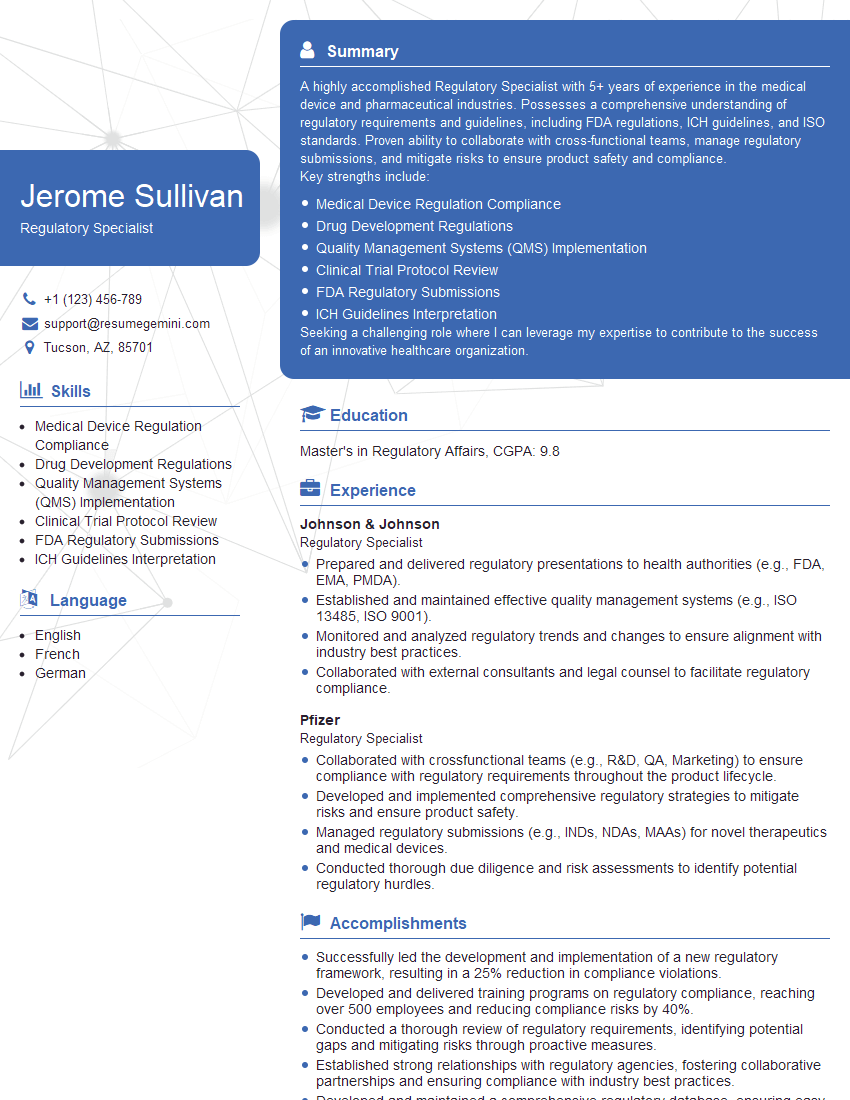
Regulatory Specialist Resume Sample
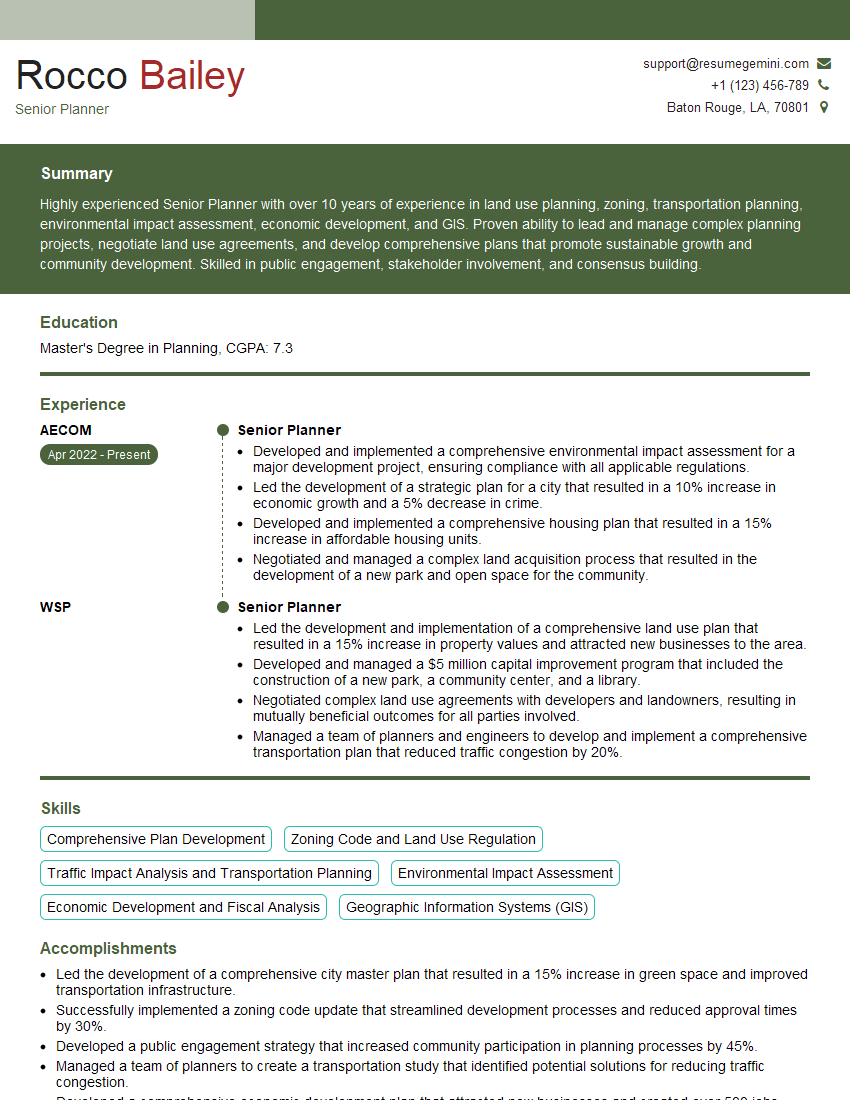
Senior Planner Resume Sample
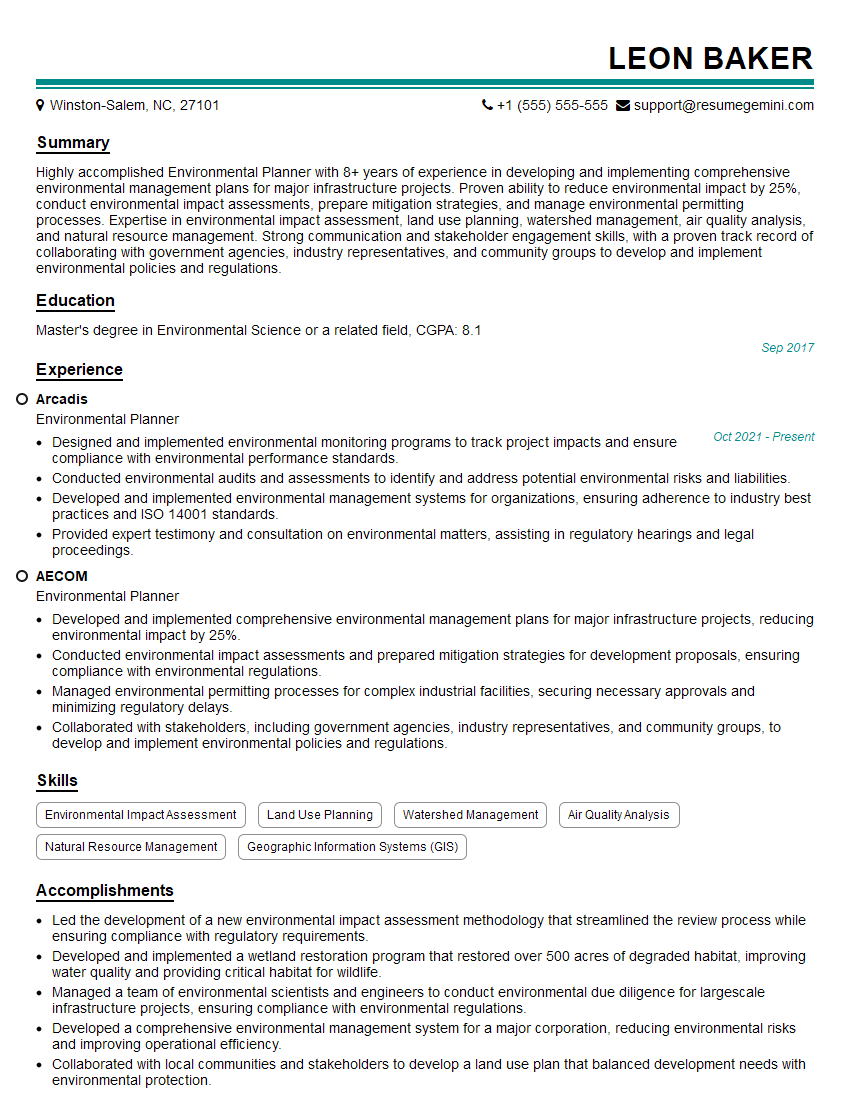
Environmental Planner Resume Sample
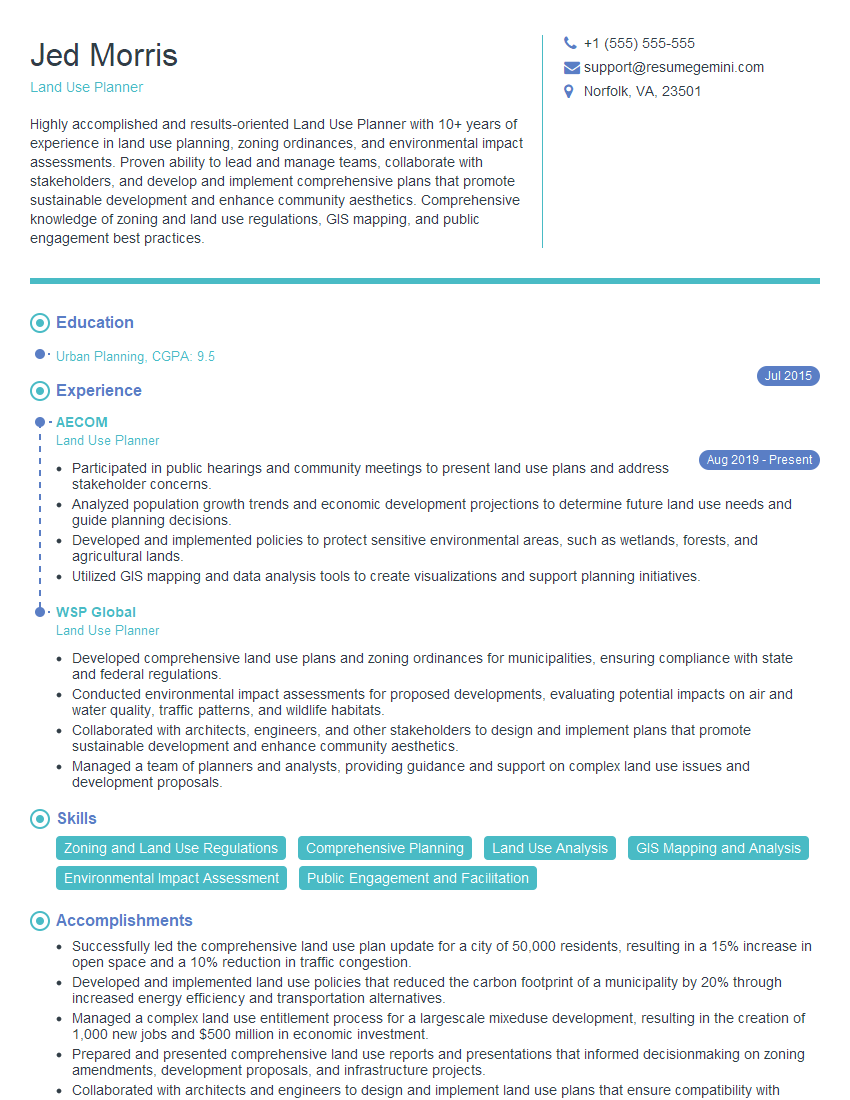
Land Use Planner Resume Sample

Planning Manager Resume Sample
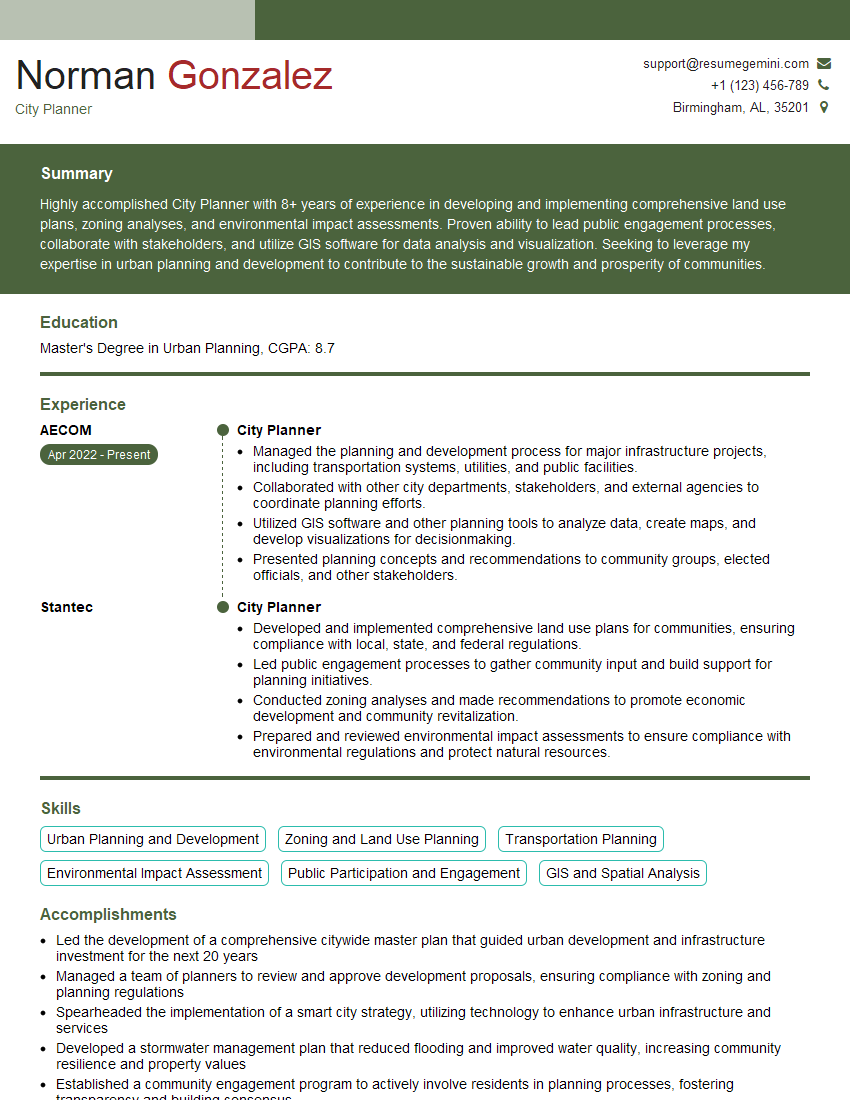
City Planner Resume Sample
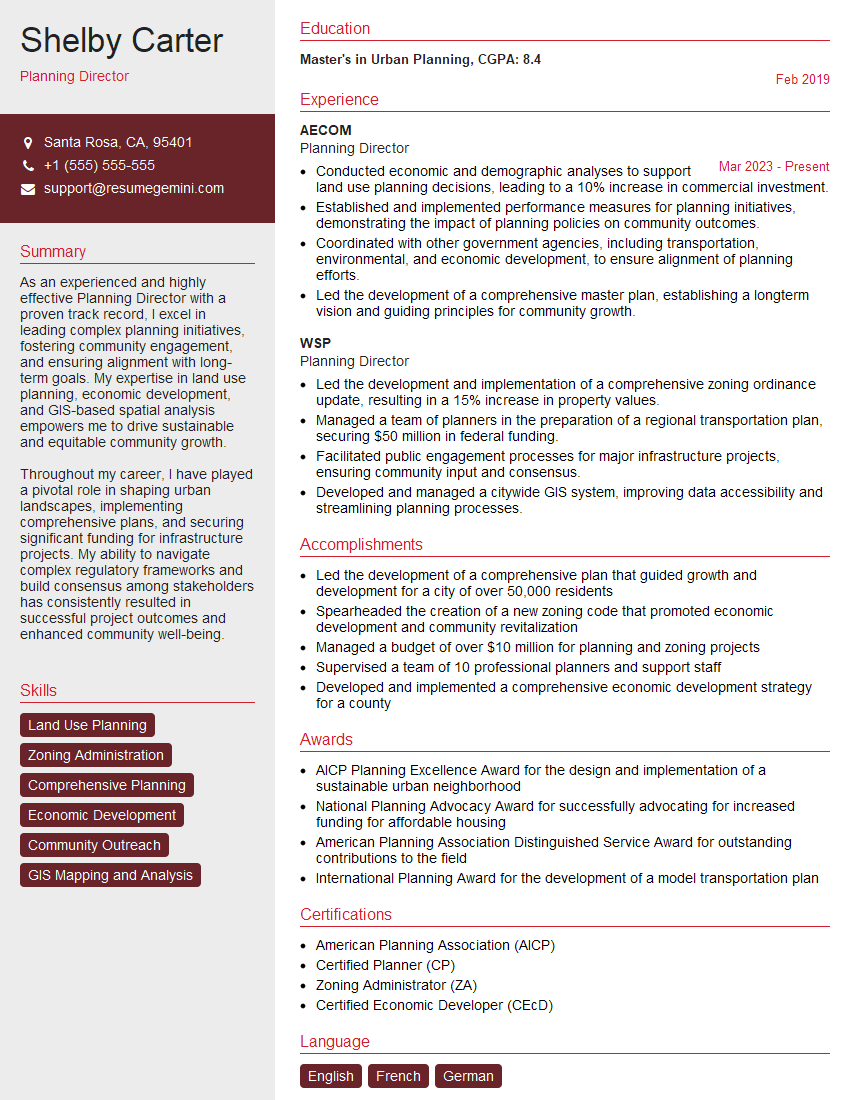
Planning Director Resume Sample
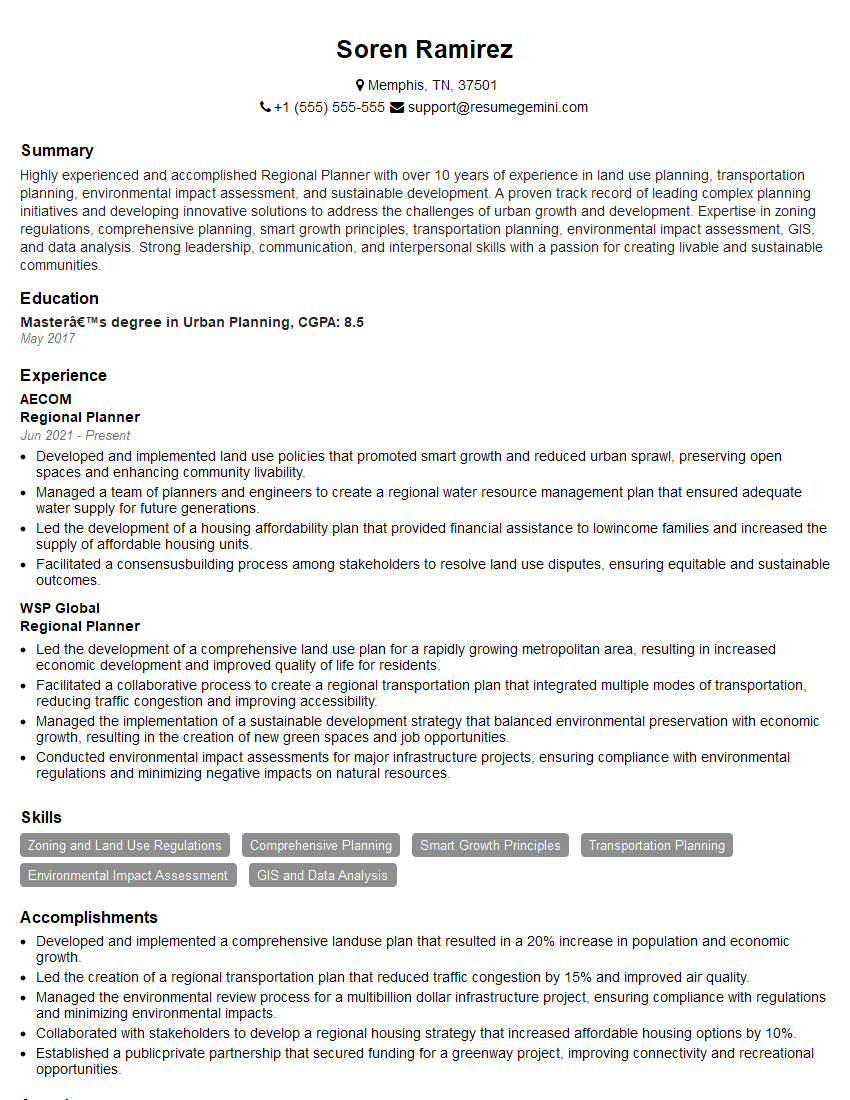
Regional Planner Resume Sample
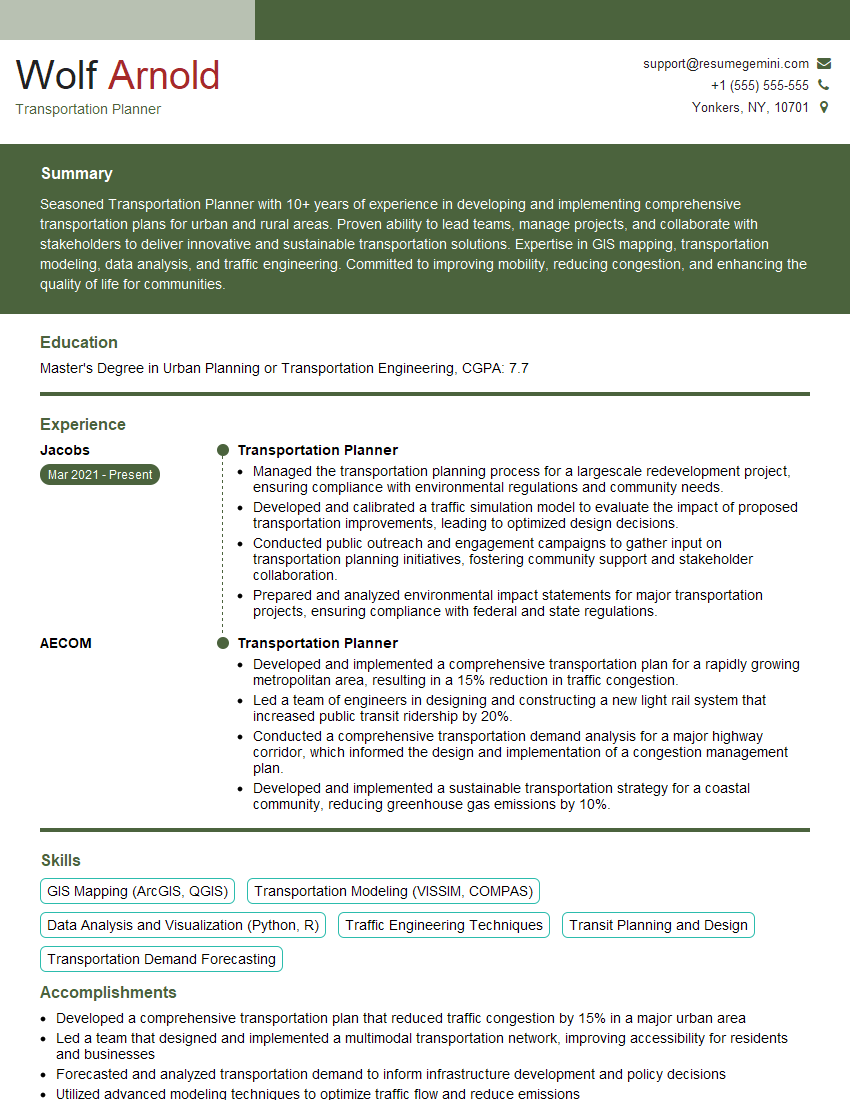
Transportation Planner Resume Sample
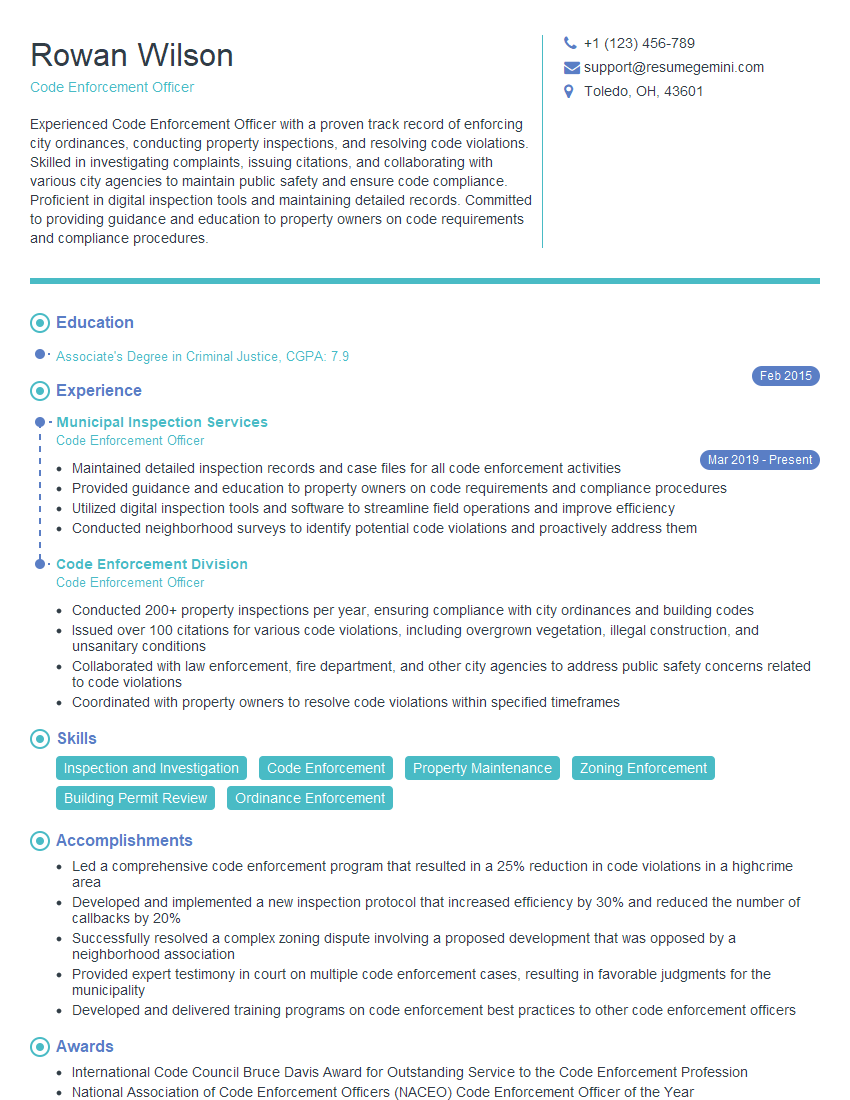
Code Enforcement Officer Resume Sample
Explore more articles
Users Rating of Our Blogs
Share Your Experience
We value your feedback! Please rate our content and share your thoughts (optional).
What Readers Say About Our Blog
To the interviewgemini.com Webmaster.
Very helpful and content specific questions to help prepare me for my interview!
Thank you
To the interviewgemini.com Webmaster.
This was kind of a unique content I found around the specialized skills. Very helpful questions and good detailed answers.
Very Helpful blog, thank you Interviewgemini team.