Preparation is the key to success in any interview. In this post, we’ll explore crucial Outfall Monitoring and Reporting interview questions and equip you with strategies to craft impactful answers. Whether you’re a beginner or a pro, these tips will elevate your preparation.
Questions Asked in Outfall Monitoring and Reporting Interview
Q 1. Describe your experience with various outfall monitoring methods.
Outfall monitoring employs various methods to assess the quality of discharged water. My experience spans a range of techniques, from simple grab sampling to sophisticated continuous monitoring systems. Grab sampling involves collecting a single water sample at a specific time, useful for quick assessments but offering only a snapshot of effluent quality. Composite sampling, where multiple samples are collected over a period and combined, provides a more representative average. Automated samplers are invaluable for long-term monitoring, collecting samples at pre-programmed intervals. Continuous monitoring utilizes online sensors to provide real-time data on parameters like pH, dissolved oxygen, and turbidity. Finally, I have extensive experience using flow proportional sampling, which ensures that the composite sample reflects the actual discharge volume over time. This is crucial for accurate pollutant load calculations.
For example, in one project involving a wastewater treatment plant, we used a combination of automated sampling and continuous monitoring. Automated samplers collected daily composite samples for laboratory analysis of a wide range of parameters, while continuous sensors provided early warnings of any significant deviations from normal operating conditions. This dual approach ensured both comprehensive data and immediate responses to potential issues.
Q 2. Explain the importance of proper sampling techniques in outfall monitoring.
Proper sampling techniques are fundamental to the reliability and validity of outfall monitoring data. Errors introduced during sampling can invalidate entire datasets. The importance lies in ensuring the collected samples truly represent the effluent’s characteristics. This involves careful consideration of several factors. First, the sampling location must be strategically selected to capture a representative flow. Avoid areas with stagnant water or excessive turbulence. Second, sampling equipment must be thoroughly cleaned and rinsed to prevent cross-contamination. Third, the sampling method needs to be appropriate to the parameter being measured. For example, collecting a sample for dissolved oxygen requires careful techniques to avoid aeration. Fourth, detailed chain-of-custody documentation is critical, recording every step from sample collection to analysis, maintaining sample integrity and traceability.
Imagine a scenario where a sample is taken from a poorly chosen location near a wall where flow is slower, leading to skewed results. Or, imagine contamination from a poorly cleaned bottle, introducing a false-positive for a specific pollutant. These are errors that can undermine the entire monitoring process.
Q 3. How do you ensure the accuracy and reliability of outfall monitoring data?
Ensuring accuracy and reliability involves a multi-pronged approach encompassing every stage of the monitoring process. This starts with rigorous quality control (QC) and quality assurance (QA) procedures. We employ a robust QC/QA program that incorporates blank samples, duplicate samples, and spiked samples. Blank samples help detect contamination during collection or analysis. Duplicate samples assess the precision of the analytical methods. Spiked samples test the accuracy of the measurements by adding known concentrations of pollutants. Regular calibration and maintenance of monitoring equipment are also vital. Data validation involves comparing the data against established limits and identifying any outliers or inconsistencies. Finally, data interpretation should always consider potential sources of error and their influence on the overall results.
For instance, if we find consistent discrepancies between duplicate samples, it indicates a problem with either the sampling technique or the laboratory analysis that needs immediate attention and correction.
Q 4. What are the key regulatory requirements for outfall monitoring in your region?
Regulatory requirements for outfall monitoring vary significantly by region and are usually influenced by the type and volume of discharge. However, several common elements exist. In my region, the discharge permit issued by the Environmental Protection Agency (EPA) dictates the specific parameters to be monitored, the frequency of sampling, and the acceptable limits for each parameter. The National Pollutant Discharge Elimination System (NPDES) permits establish legally binding requirements that must be met. These permits often outline a comprehensive monitoring plan, specifying sampling locations, methods, and analytical procedures. Non-compliance can lead to significant penalties. Detailed record-keeping and reporting are essential, involving regular submission of monitoring data to the regulatory agency in a specified format.
For example, a permit might require weekly monitoring for parameters such as biological oxygen demand (BOD), suspended solids, and specific pollutants relevant to the industry, with more frequent monitoring during periods of high rainfall or industrial activity.
Q 5. Describe your experience with different types of water quality parameters.
My experience encompasses a wide array of water quality parameters, both physical, chemical and biological. Physical parameters include temperature, pH, turbidity (water cloudiness), conductivity (ability to conduct electricity), and flow rate. Chemical parameters include dissolved oxygen, various nutrients (nitrate, phosphate), heavy metals (lead, mercury, cadmium), organic compounds, and oil and grease. Biological parameters include bacterial counts (e.g., fecal coliforms), algal biomass, and the presence of specific indicator organisms. Understanding the relationships between these parameters is crucial for comprehensive water quality assessment.
For example, low dissolved oxygen levels often correlate with high levels of organic pollutants, indicating potential problems with the treatment process. Similarly, high nutrient levels can lead to eutrophication (excessive algae growth), impacting aquatic life.
Q 6. How do you interpret and analyze outfall monitoring data?
Interpreting and analyzing outfall monitoring data involves more than just looking at individual numbers. We utilize statistical analysis to identify trends, patterns, and outliers. Data visualization through graphs and charts is essential for communicating complex information effectively. Comparisons against established water quality standards (e.g., EPA limits) and historical data are crucial for determining compliance and identifying potential problems. Trend analysis helps predict future effluent quality and assess the effectiveness of treatment processes. Outlier analysis helps identify potential errors or unusual events that require further investigation.
For example, a consistent upward trend in BOD levels over several months might indicate a problem with the wastewater treatment plant, prompting an investigation into its operational efficiency. An outlier measurement significantly exceeding the established limit would trigger an immediate review of the sampling and analytical procedures to confirm its validity.
Q 7. Explain your experience with data management and reporting systems.
Effective data management and reporting are paramount. I have extensive experience with various data management systems, including LIMS (Laboratory Information Management Systems) and specialized software for environmental monitoring. These systems help organize, manage, and analyze large datasets. Data are typically stored in a structured format, ensuring data integrity and facilitating data retrieval for analysis and reporting. We also utilize Geographic Information Systems (GIS) to spatially analyze data, understanding the distribution of pollutants and potential environmental impacts. Reporting involves preparing clear, concise, and visually informative reports summarizing monitoring results, identifying trends, assessing compliance, and making recommendations for improvements.
For instance, our reporting system automatically generates reports that show a comparison between current monitoring data and historical data, alongside regulatory limits. This enables easy identification of any non-compliance issues and allows for timely corrective action.
Q 8. How do you identify and troubleshoot issues with outfall monitoring equipment?
Troubleshooting outfall monitoring equipment involves a systematic approach. First, I’d identify the type of equipment malfunction: is it a sensor reading issue, a data logger problem, a communication failure, or a power supply problem? This often involves checking the equipment’s status lights, reviewing error logs (if available), and visually inspecting the system for any obvious damage or obstructions.
For instance, if a flow meter consistently shows zero flow when it shouldn’t, I would first check for blockages in the pipe leading to the meter. If that’s clear, I’d then test the meter’s calibration and power supply. If the problem persists after these checks, I would move on to examining the data logger and communication system, potentially replacing faulty components. If a sensor like a pH probe is failing, I would calibrate it using standard solutions and ensure it’s properly installed and free of fouling. This process might involve reviewing historical data to determine if the issue is a recent event or a gradual degradation.
Finally, documenting all steps taken, including readings, observations, and any repairs made, is critical for maintaining accurate records and facilitating future troubleshooting.
Q 9. Describe your experience with developing and implementing outfall monitoring plans.
Developing and implementing outfall monitoring plans requires a thorough understanding of regulatory requirements, the characteristics of the effluent, and the receiving environment. I begin by assessing the specific pollutants of concern, determining the appropriate monitoring parameters (flow, pH, temperature, dissolved oxygen, specific pollutants etc.), and selecting the appropriate monitoring frequency and methods based on the risk assessment. This involves selecting suitable monitoring locations and considering factors such as accessibility, safety, and environmental conditions.
For example, I recently developed a plan for a new wastewater treatment plant discharging into a sensitive coastal ecosystem. This involved a detailed risk assessment identifying key pollutants, selecting appropriate monitoring technologies (e.g., online sensors for continuous monitoring and grab sampling for specific analytes), and establishing a robust quality assurance/quality control (QA/QC) program to ensure data accuracy. The plan also included protocols for data analysis, reporting, and corrective actions in case of non-compliance.
Implementation involves installing the monitoring equipment, training personnel on its operation and maintenance, and establishing data management procedures. Regular review and updates are essential to ensure the plan remains effective and responsive to changing conditions.
Q 10. How do you ensure compliance with environmental regulations related to outfall discharges?
Ensuring compliance with environmental regulations for outfall discharges necessitates a multi-faceted approach. It starts with a thorough understanding of the applicable regulations (e.g., NPDES permits in the US, equivalent permits in other countries). This includes knowing the permitted discharge limits for various pollutants and reporting requirements. Accurate and reliable outfall monitoring data is crucial for demonstrating compliance.
I work closely with regulatory agencies, providing them with regular reports that include the monitoring data, and analysis of compliance. If a discharge exceeds permit limits, I conduct a thorough investigation to identify the cause, implement corrective actions, and report these findings to the agency. This investigation might include evaluating treatment plant performance, reviewing operational logs, and even investigating unusual events upstream that might have influenced the effluent quality. Maintaining detailed records of all monitoring, analysis, corrective actions, and communications with regulatory agencies is paramount.
Furthermore, proactively addressing potential compliance issues through regular system maintenance, calibration, and equipment upgrades is a key aspect of successful compliance.
Q 11. What is your experience with different types of effluent treatment technologies?
My experience encompasses a wide range of effluent treatment technologies, including:
- Biological Treatment: Activated sludge, trickling filters, rotating biological contactors – I understand the principles of these processes and their impact on effluent quality. I can assess their effectiveness in removing various pollutants and identify potential areas for optimization.
- Physical Treatment: Screening, sedimentation, filtration – These technologies are crucial for removing larger solids and improving the clarity of the effluent. I’m adept at assessing their efficiency and troubleshooting issues.
- Chemical Treatment: Coagulation, flocculation, disinfection (chlorination, UV, ozonation) – I understand the application of chemical treatment to remove specific pollutants and disinfect the effluent, ensuring it meets regulatory requirements. This includes knowing the appropriate chemicals to use and their environmental impacts.
- Advanced Treatment Technologies: Membrane bioreactors (MBRs), reverse osmosis (RO), advanced oxidation processes (AOPs) – These technologies are often used to achieve higher levels of effluent treatment when stricter discharge limits are in place. I’m familiar with their capabilities and limitations.
Understanding these technologies is crucial for developing effective outfall monitoring plans and interpreting monitoring data, as the choice of treatment technology directly impacts the composition and quality of the effluent.
Q 12. Explain how you handle discrepancies in outfall monitoring data.
Discrepancies in outfall monitoring data require a careful and thorough investigation. The first step is to verify the data’s accuracy by checking for potential errors in data collection, transmission, or analysis. This might involve reviewing the raw data from the monitoring equipment, examining QA/QC procedures, and recalibrating equipment.
For example, if a single data point is significantly different from surrounding data points, I might investigate potential equipment malfunctions or sampling errors. If a consistent pattern of discrepancies emerges, I would consider factors such as changes in effluent composition due to variations in treatment processes or upstream influences (rainfall, industrial discharges). If necessary, I would perform additional analyses to confirm the findings. In some cases, it may be appropriate to consult with external experts or engage in peer review to thoroughly evaluate the situation.
The goal is to identify the root cause of the discrepancy and document the investigation thoroughly for future reference. Transparency and clear communication are crucial, especially if the discrepancy impacts compliance with environmental regulations.
Q 13. Describe your experience with using GIS software for outfall monitoring.
GIS (Geographic Information System) software is invaluable for outfall monitoring. I use GIS to map outfall locations, visualize discharge plumes, assess the proximity of sensitive environmental receptors (e.g., wetlands, drinking water intakes), and analyze spatial relationships between various environmental factors. This helps in planning monitoring locations, identifying potential risks, and interpreting monitoring data within the context of the surrounding environment.
For instance, using GIS, I can overlay outfall locations with hydrological models to predict the fate and transport of pollutants in the receiving waters. I can also analyze historical environmental data (e.g., water quality data, weather patterns) to understand long-term trends and identify potential areas of concern. Furthermore, GIS can assist in creating interactive maps and visualizations for communication purposes. These maps can help stakeholders understand the location of outfalls, monitoring results and the potential impact on the environment. This is essential for effective communication and collaboration among different stakeholders.
Q 14. How do you communicate complex environmental data to non-technical audiences?
Communicating complex environmental data to non-technical audiences requires clear, concise, and engaging communication strategies. I avoid technical jargon and use simple language, metaphors, and visuals to explain complex concepts. For instance, instead of saying “the dissolved oxygen levels were below the 4 mg/L threshold,” I might say “the water didn’t have enough oxygen for aquatic life to thrive.”
I utilize various communication tools, including infographics, maps, charts, and presentations tailored to the audience’s level of understanding. Using storytelling techniques, real-world examples and analogies can help make the data more relatable and understandable. For example, I may use a visual representation showing the impact of pollution on a local ecosystem. Active listening and responsiveness are crucial for addressing questions and concerns from non-technical audiences. Finally, I prioritize building trust and credibility with the audience to ensure effective communication and comprehension.
Q 15. Explain your experience with preparing regulatory reports related to outfall monitoring.
Preparing regulatory reports for outfall monitoring is a crucial aspect of my work. It involves compiling and interpreting data from various sources to create accurate and compliant documents. This process typically begins with a thorough review of the monitoring data, including water quality parameters like pH, dissolved oxygen, temperature, and the presence of specific pollutants. I then ensure all data is properly validated and adheres to the required quality assurance/quality control (QA/QC) protocols. The report itself is structured according to the regulatory agency’s specific guidelines (e.g., EPA for NPDES permits in the US), clearly outlining the monitoring methodology, results, any deviations from permit limits, and a comprehensive analysis of the data. For example, I’ve prepared numerous reports for a large manufacturing plant, meticulously documenting their wastewater discharge, comparing it against their permit limits, and analyzing trends over time to identify potential issues before they escalate. These reports often involve visually presenting the data via graphs and charts to clearly illustrate compliance or potential non-compliance.
Career Expert Tips:
- Ace those interviews! Prepare effectively by reviewing the Top 50 Most Common Interview Questions on ResumeGemini.
- Navigate your job search with confidence! Explore a wide range of Career Tips on ResumeGemini. Learn about common challenges and recommendations to overcome them.
- Craft the perfect resume! Master the Art of Resume Writing with ResumeGemini’s guide. Showcase your unique qualifications and achievements effectively.
- Don’t miss out on holiday savings! Build your dream resume with ResumeGemini’s ATS optimized templates.
Q 16. How do you ensure the quality and integrity of your outfall monitoring reports?
Ensuring the quality and integrity of outfall monitoring reports is paramount. My approach employs a multi-layered strategy. First, rigorous QA/QC procedures are implemented during the sampling and analysis phases. This includes using calibrated equipment, employing proper chain-of-custody protocols, conducting duplicate analyses, and participating in proficiency testing programs to verify laboratory accuracy. Secondly, I meticulously review all data for outliers and inconsistencies, investigating potential errors or anomalies. Statistical analysis may be employed to further validate the data and to identify trends. Thirdly, the final report is reviewed by a second expert, ensuring clarity, consistency, and compliance with regulatory requirements. This peer review process is crucial for catching potential errors or omissions before the report is submitted. Finally, I maintain comprehensive documentation of all data, analyses, and decisions, providing a complete audit trail that ensures the report’s traceability and reproducibility. Think of it like building a strong case – every piece of evidence must be carefully documented and verified.
Q 17. What is your experience with environmental auditing and inspections?
I have extensive experience with environmental auditing and inspections, both on the side of the facility being inspected and as part of the inspection team. My experience includes reviewing and evaluating compliance with permits, conducting site visits to observe sampling and monitoring practices, and examining the facility’s internal QA/QC programs. I’m familiar with various auditing techniques, including checklists, interviews with personnel, and direct observation of processes. For instance, I assisted in an audit of a wastewater treatment plant, where we assessed their operational efficiency, waste handling procedures, and documentation practices, ensuring compliance with both state and federal regulations. This involved reviewing their monitoring data, inspecting their equipment, and interviewing their staff. During inspections, I’ve observed firsthand the importance of thorough documentation and proactive compliance measures in minimizing potential issues with regulatory agencies.
Q 18. How do you manage and resolve conflicts with regulatory agencies?
Conflicts with regulatory agencies are best managed proactively through open communication and collaboration. My strategy begins with ensuring clear and accurate reporting, which significantly reduces the likelihood of disputes. If a disagreement does arise, I approach it systematically. First, I carefully review all data and documentation to verify its accuracy and completeness. Second, I initiate a dialogue with the agency, clearly explaining my interpretation of the data and regulations. I provide all relevant documentation and engage in constructive discussions to clarify any misunderstandings. Finally, if a resolution cannot be reached through dialogue, I am prepared to engage in formal dispute resolution processes, including mediation or appeals. Throughout this process, my focus remains on maintaining a professional and respectful relationship with the agency, recognizing that we share the common goal of protecting the environment.
Q 19. Explain your experience with different types of sampling equipment.
My experience encompasses a wide range of sampling equipment used in outfall monitoring. This includes automated samplers for grab samples and composite samples, which allow for representative sampling over time. I am proficient in using various types of flow meters to accurately measure discharge rates. For example, I have extensive experience with using both electromagnetic flow meters and ultrasonic flow meters, each offering advantages depending on the specific application and flow characteristics. In addition, I’m familiar with specialized equipment used for collecting sediment samples and benthic organisms. For water quality analysis, I utilize a variety of probes to measure parameters in-situ, such as pH, dissolved oxygen, conductivity, and turbidity. Proper calibration and maintenance of all sampling equipment is crucial to ensuring data accuracy and reliability; this includes using appropriate calibration standards and keeping detailed maintenance logs.
Q 20. How do you handle unexpected events or emergencies during outfall monitoring?
Handling unexpected events or emergencies during outfall monitoring requires quick thinking and decisive action. A pre-planned emergency response protocol is essential. This typically includes designated personnel, communication channels, and procedures for handling spills, equipment malfunctions, or other unforeseen circumstances. In the event of an emergency, my immediate priority is to ensure the safety of personnel and the environment. This may involve implementing containment measures, notifying the appropriate authorities, and securing the monitoring site. Following the immediate response, a thorough investigation is conducted to determine the root cause of the event and to implement corrective actions to prevent future occurrences. Comprehensive documentation is crucial to support any reports or investigations related to the event. For example, if a sudden increase in a specific pollutant is detected, our immediate response would involve taking additional samples and communicating with regulatory agencies to explain the situation, along with our plan of action.
Q 21. Describe your knowledge of relevant environmental regulations (e.g., NPDES).
My understanding of environmental regulations, particularly the National Pollutant Discharge Elimination System (NPDES) permit program in the US, is comprehensive. I’m well-versed in the requirements for obtaining and maintaining NPDES permits, including the development of monitoring plans, the selection of appropriate analytical methods, and the reporting requirements. I’m familiar with the specific effluent limitations for various pollutants and the consequences of non-compliance. Beyond NPDES, I have a working knowledge of other relevant regulations, such as the Clean Water Act (CWA), the Resource Conservation and Recovery Act (RCRA), and state-specific environmental regulations. Understanding these regulations and the inter-connectedness of various environmental protection programs is vital to ensuring proper compliance and safeguarding environmental resources. This knowledge extends beyond mere theoretical understanding; I actively apply this knowledge in my day-to-day work, ensuring compliance in both planning and reporting.
Q 22. How familiar are you with different types of effluent discharge permits?
Effluent discharge permits are legal authorizations allowing regulated entities to release treated wastewater into the environment. The specific type of permit depends heavily on the nature of the discharge, the receiving water body, and the regulatory authority. Common types include:
- National Pollutant Discharge Elimination System (NPDES) permits (USA): These are the primary permits in the US, regulating discharges to surface waters. They specify limitations on various pollutants, monitoring frequencies, and reporting requirements.
- State-specific permits: Many states have their own permit programs, often supplementing or enforcing NPDES requirements. These can vary significantly in their specific requirements.
- Individual permits vs. General permits: Individual permits are tailored to specific facilities, while general permits cover multiple facilities with similar discharge characteristics, streamlining the permitting process.
- Stormwater permits: These permits address discharges from stormwater runoff, often requiring best management practices (BMPs) to minimize pollutant loading.
My experience encompasses working with NPDES permits extensively, including understanding and interpreting permit conditions, ensuring compliance, and managing the associated monitoring and reporting obligations. I’m also familiar with the nuances of state-specific regulations in several states, allowing me to navigate the complexities of diverse regulatory landscapes.
Q 23. Explain your experience with data analysis software (e.g., Excel, R, Python).
Data analysis is integral to outfall monitoring and reporting. I’m proficient in several software packages, including Excel, R, and Python. Excel is invaluable for basic data management, calculations, and creating graphs for visual representation. For more complex statistical analysis, I utilize R and Python.
For example, in R, I use packages like ggplot2 for creating informative visualizations of water quality data, and stats for statistical tests like ANOVA to assess significant differences between sample locations or time periods. In Python, I leverage libraries such as pandas for data manipulation and scikit-learn for machine learning applications, which can be used for predictive modeling of pollutant concentrations.
I’m comfortable cleaning, transforming, and analyzing large datasets, ensuring data accuracy and integrity throughout the process. This allows me to generate insightful reports that support compliance and identify potential environmental concerns.
Q 24. How do you prioritize tasks and manage your time effectively in a fast-paced environment?
In the fast-paced world of environmental consulting, effective time management and task prioritization are essential. I employ several strategies, including:
- Prioritization matrices: I use methods like Eisenhower Matrix (urgent/important) to categorize tasks and focus on high-impact activities.
- Project management software: Tools like Asana or Trello help me track deadlines, assign tasks, and monitor progress on multiple projects concurrently.
- Time blocking: I allocate specific time slots for particular tasks, minimizing distractions and improving focus.
- Regular review and adjustment: I frequently reassess my schedule and adjust priorities as needed to adapt to unforeseen circumstances or changing project requirements.
For instance, during a project with multiple impending deadlines, I might prioritize tasks based on their impact on regulatory compliance, ensuring timely submission of reports and preventing potential penalties. This involves careful coordination of field sampling, lab analysis, and data interpretation, all working within a strict timeline.
Q 25. Describe your experience with quality assurance/quality control (QA/QC) procedures.
QA/QC is paramount in ensuring the reliability and validity of outfall monitoring data. My experience involves a multi-stage approach:
- Field QA/QC: This includes calibrating instruments before and after sampling, using field blanks and duplicates to check for contamination, and adhering to strict chain-of-custody procedures.
- Laboratory QA/QC: I collaborate with labs to review their QA/QC protocols, ensuring proper sample handling, analysis, and data validation. I review lab reports for accuracy and completeness, identifying any potential errors or outliers.
- Data QA/QC: I meticulously review the data for inconsistencies, outliers, and potential errors. I employ statistical methods to identify and address anomalies, ensuring data integrity before reporting.
A specific example involves a recent project where a laboratory reported an unusually high concentration of a specific pollutant. Through careful review, we discovered an issue with the sample handling, prompting a re-analysis and preventing the reporting of erroneous data. This prevented potential regulatory issues and ensured data integrity.
Q 26. How do you stay up-to-date on changes in environmental regulations and best practices?
Staying abreast of changes in environmental regulations and best practices is crucial. I utilize several methods:
- Subscription to professional journals and newsletters: I regularly read publications such as Environmental Science & Technology and subscribe to newsletters from relevant regulatory agencies.
- Attendance at conferences and workshops: Participating in industry events provides valuable insights and networking opportunities.
- Engagement with regulatory agencies: Direct communication with agencies keeps me informed of updates and proposed changes.
- Online resources: I use online databases and websites maintained by governmental and non-governmental organizations for regulatory information.
This proactive approach allows me to adapt my practices promptly, ensuring compliance and employing the most effective and up-to-date methods in my work.
Q 27. How do you collaborate effectively with other team members and stakeholders?
Effective collaboration is critical in outfall monitoring. I foster strong working relationships through:
- Clear communication: I ensure transparent communication with team members and stakeholders, using various methods such as regular meetings, email updates, and project management software.
- Active listening: I actively listen to and value the input of others, recognizing diverse perspectives and expertise.
- Constructive feedback: I provide and receive constructive feedback in a professional and respectful manner.
- Shared goals and objectives: I work to align the project goals with the objectives of all stakeholders, fostering a sense of shared purpose.
For example, during a recent project, I collaborated closely with the laboratory personnel to optimize the analytical methods and improve data turnaround times, ultimately leading to a more efficient and effective project outcome.
Q 28. Describe a challenging situation you faced during an outfall monitoring project and how you resolved it.
During a recent outfall monitoring project, we experienced unexpectedly high rainfall events, causing significant dilution of the effluent and resulting in lower-than-expected pollutant concentrations. This initially compromised our ability to accurately assess compliance with permit limits.
To address this, we implemented several strategies:
- Increased sampling frequency: We increased the frequency of sampling to capture the dynamic changes in effluent concentration due to rainfall.
- Flow-proportional sampling: We switched to flow-proportional sampling to account for varying flow rates during storm events, providing a more accurate representation of the total pollutant load.
- Statistical analysis of rainfall data: We incorporated rainfall data into our analysis, allowing us to account for the dilution effects and generate more robust compliance assessments.
By proactively adapting our monitoring strategy, we were able to overcome this challenge and provide a comprehensive and accurate assessment of the outfall’s environmental impact, despite the unexpected weather conditions.
Key Topics to Learn for Outfall Monitoring and Reporting Interview
- Regulatory Compliance: Understanding relevant environmental regulations (e.g., Clean Water Act) and their implications for outfall monitoring and reporting.
- Sampling Techniques and Procedures: Mastering various sampling methods (grab, composite, etc.), proper sample preservation, and chain of custody protocols.
- Data Analysis and Interpretation: Proficiency in analyzing water quality data, identifying trends, and interpreting results within the context of regulatory limits.
- Reporting and Documentation: Familiarity with report writing, data presentation (graphs, tables), and maintaining accurate and complete records.
- Instrumentation and Equipment: Understanding the operation and maintenance of common monitoring equipment (e.g., flow meters, analyzers, samplers).
- Quality Assurance/Quality Control (QA/QC): Implementing and understanding QA/QC procedures to ensure data accuracy and reliability.
- Troubleshooting and Problem-Solving: Ability to identify and resolve issues related to sampling, analysis, and reporting.
- Wastewater Treatment Processes: A foundational understanding of wastewater treatment processes and how they relate to outfall characteristics.
- Data Management Systems: Experience with various data management software and databases used for storing and managing outfall monitoring data.
- Communication and Collaboration: Effectively communicating technical information to both technical and non-technical audiences.
Next Steps
Mastering Outfall Monitoring and Reporting opens doors to exciting career opportunities in environmental science, engineering, and regulatory compliance. A strong understanding of these principles is highly valued by employers. To significantly boost your job prospects, create an ATS-friendly resume that highlights your skills and experience effectively. ResumeGemini is a trusted resource to help you build a professional and impactful resume. We provide examples of resumes tailored specifically to Outfall Monitoring and Reporting to give you a head start. Invest time in crafting a compelling resume; it’s your first impression on potential employers.
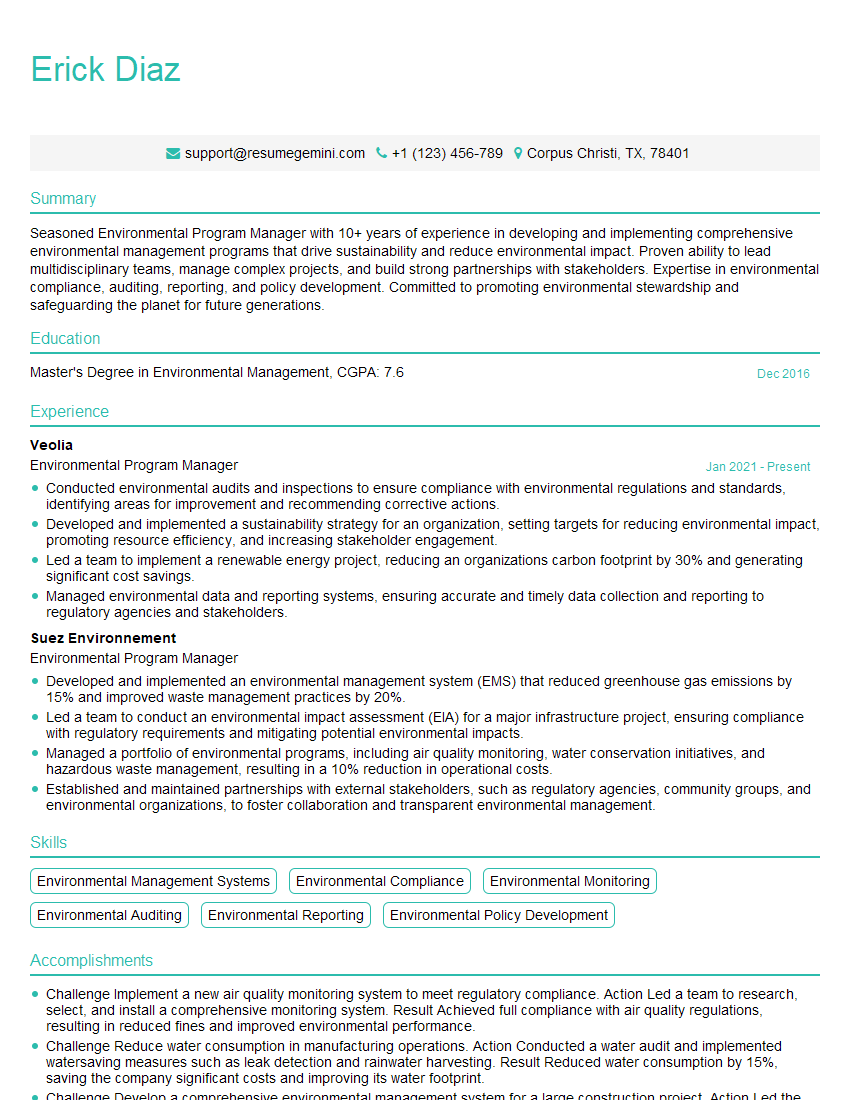
Environmental Program Manager Resume Sample
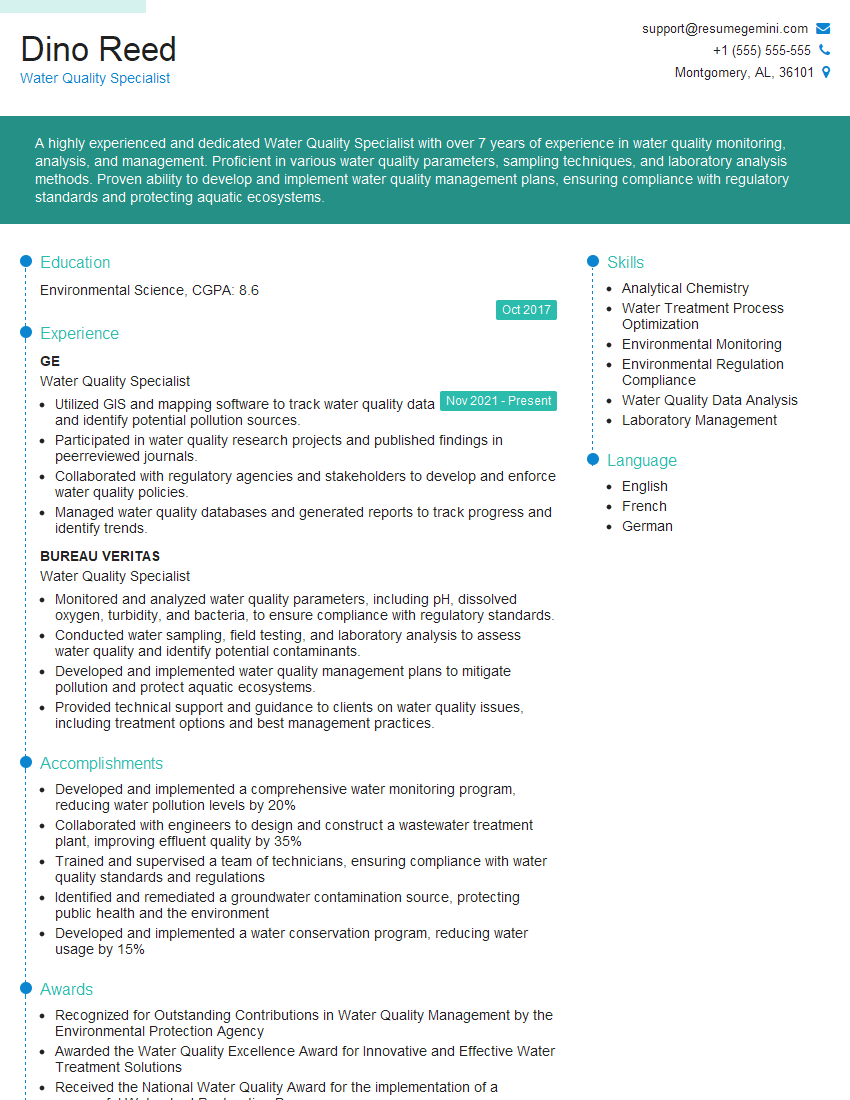
Water Quality Specialist Resume Sample

Compliance Manager Resume Sample
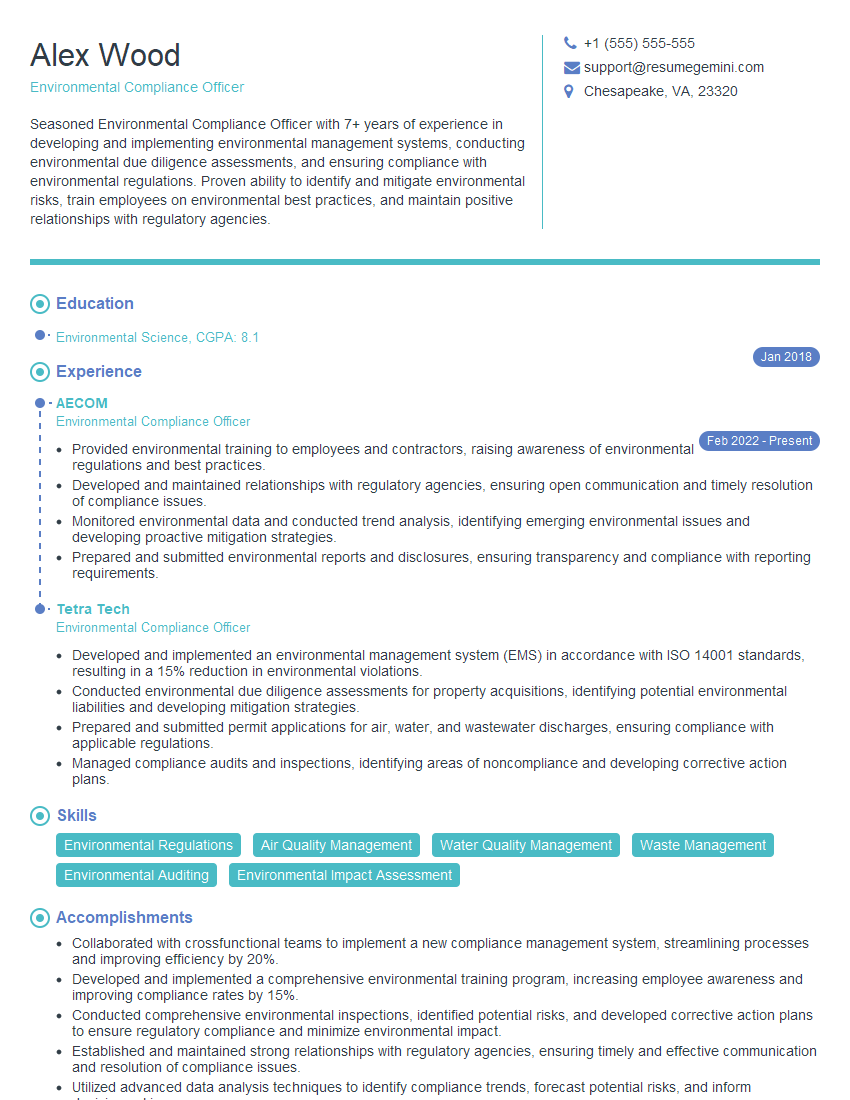
Environmental Compliance Officer Resume Sample
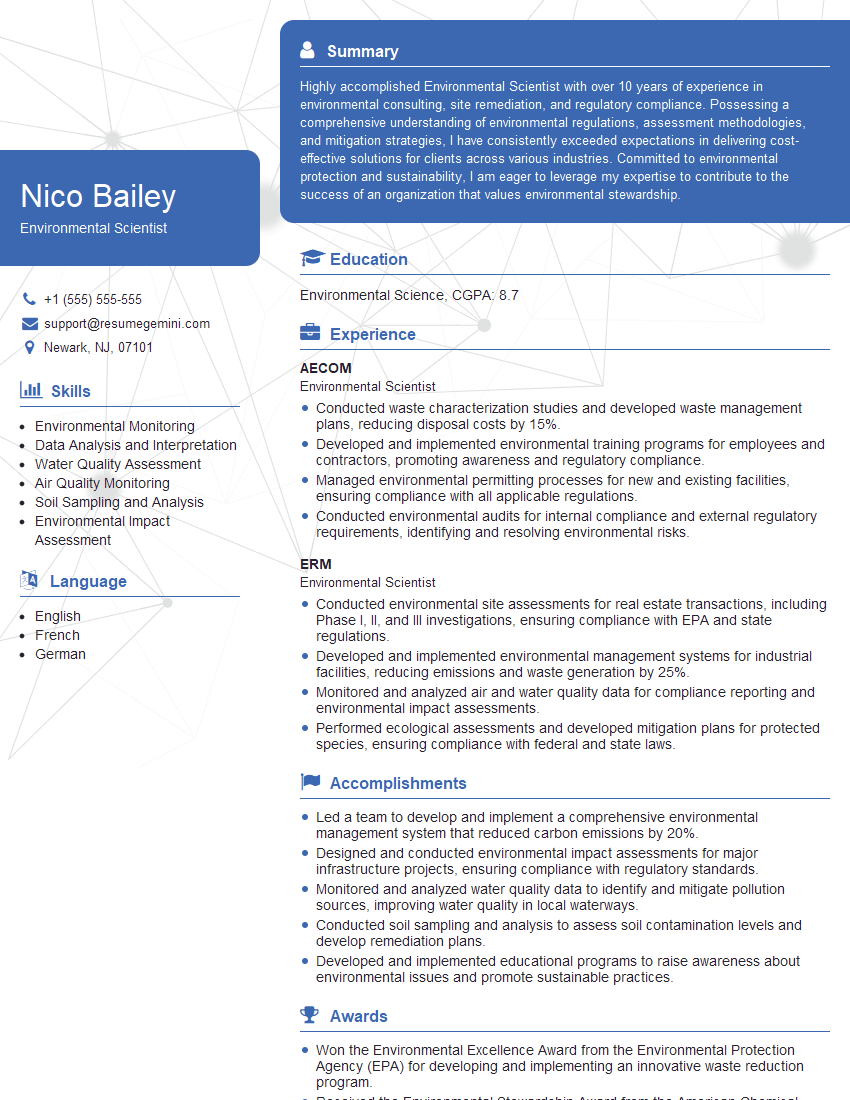
Environmental Scientist Resume Sample
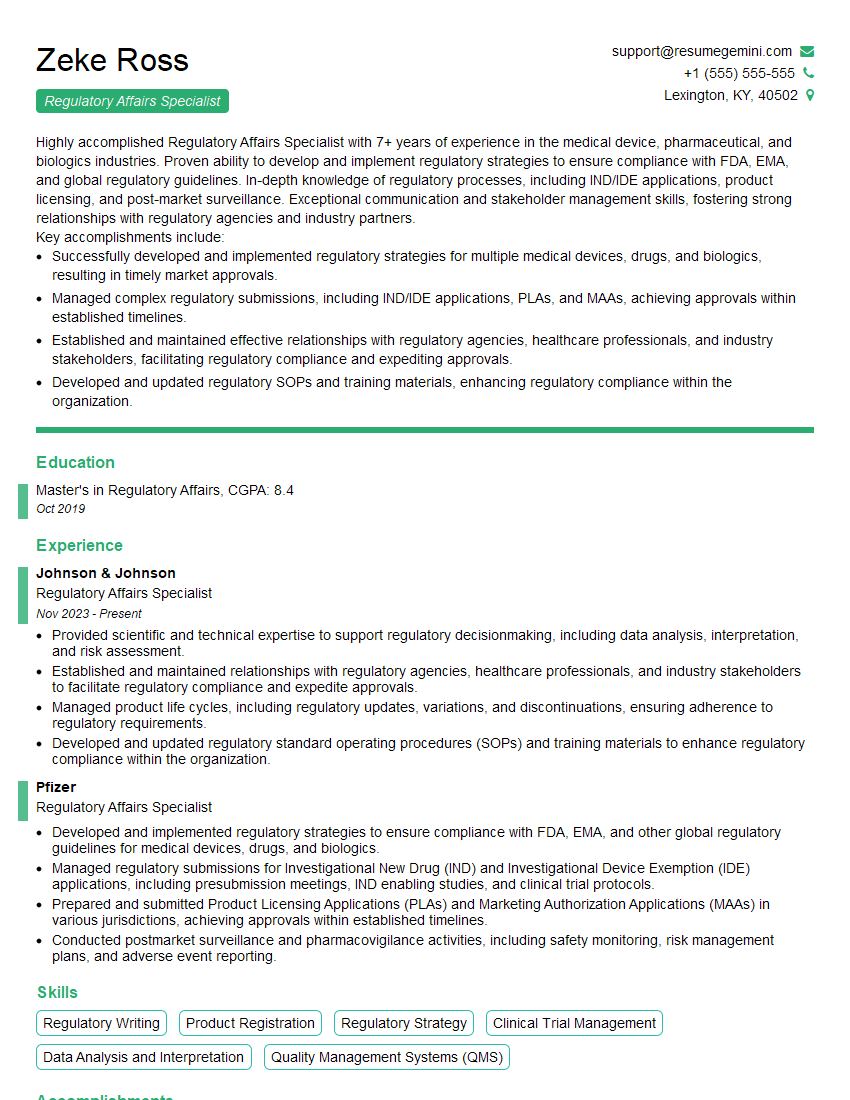
Regulatory Affairs Specialist Resume Sample
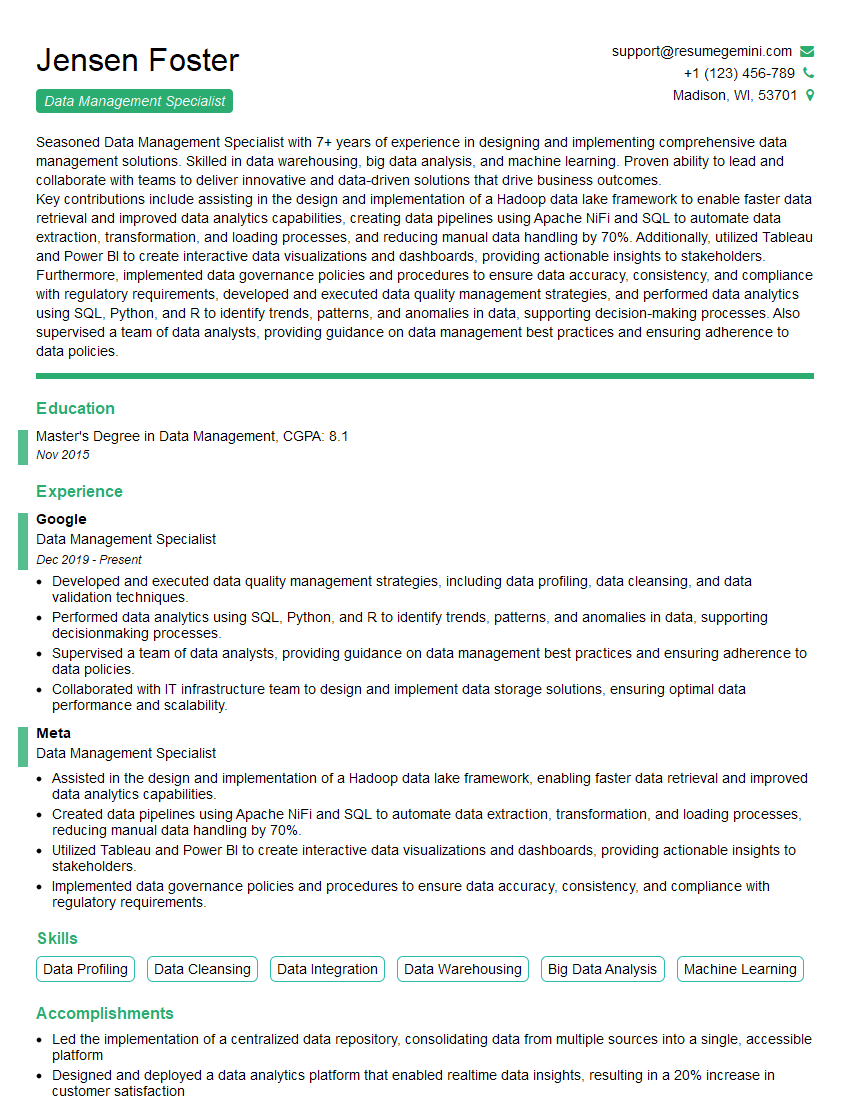
Data Management Specialist Resume Sample
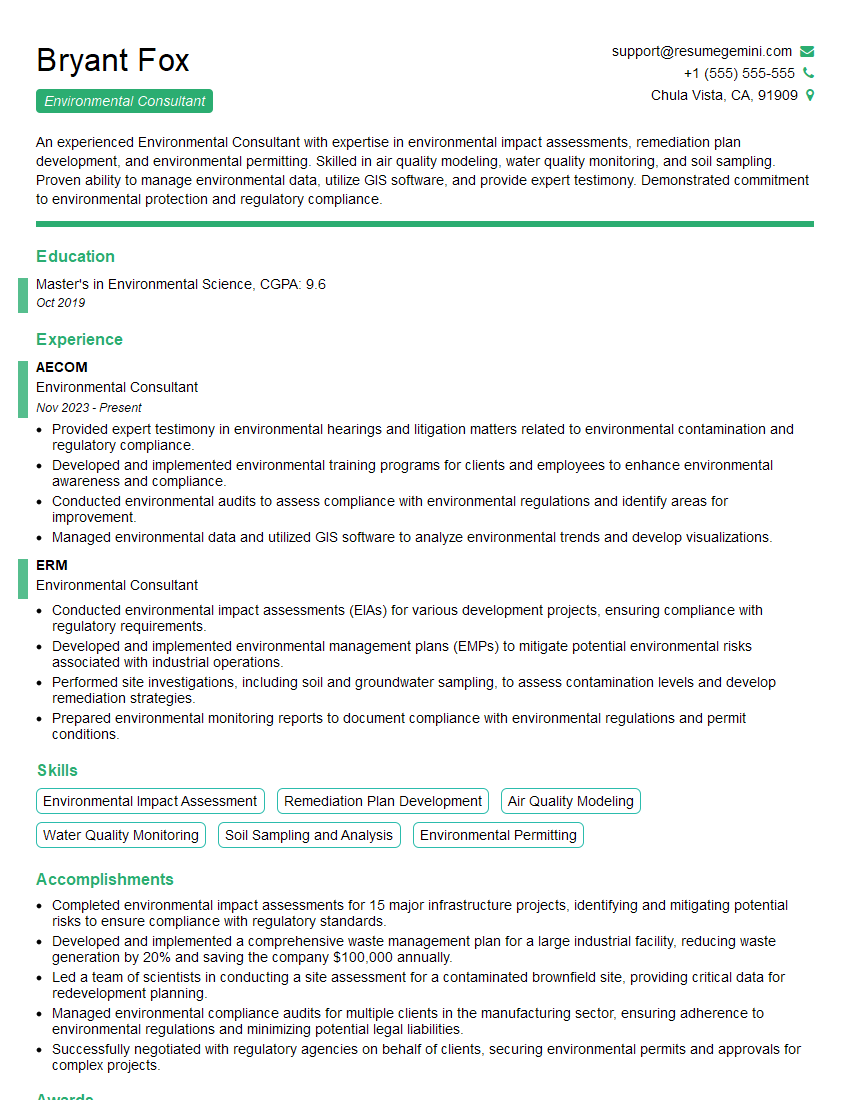
Environmental Consultant Resume Sample
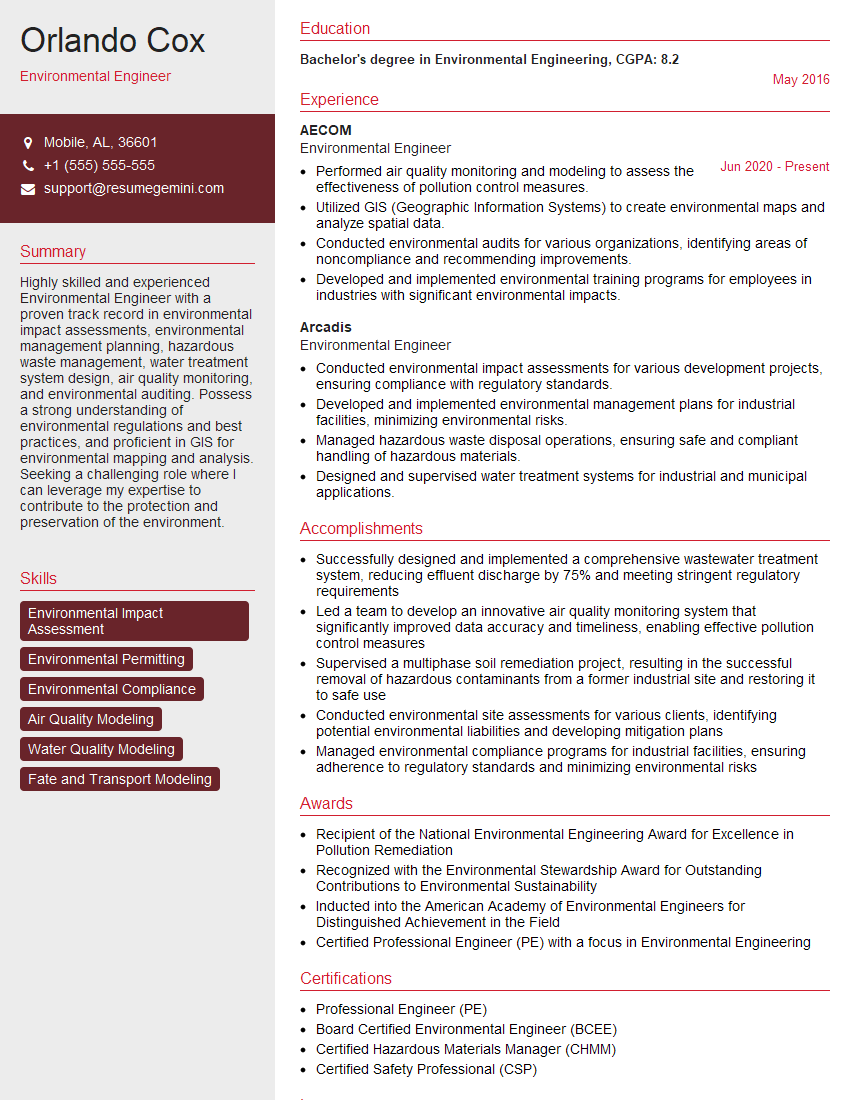
Environmental Engineer Resume Sample
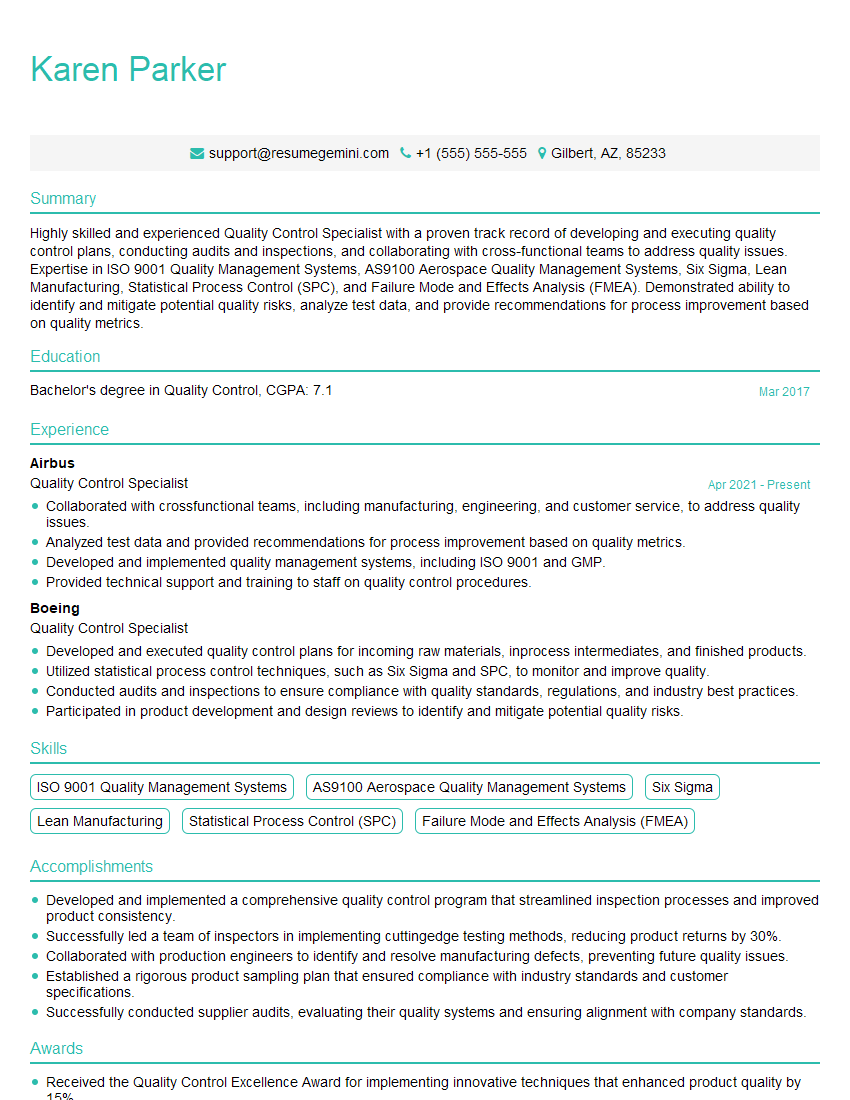
Quality Control Specialist Resume Sample

Field Technician Resume Sample
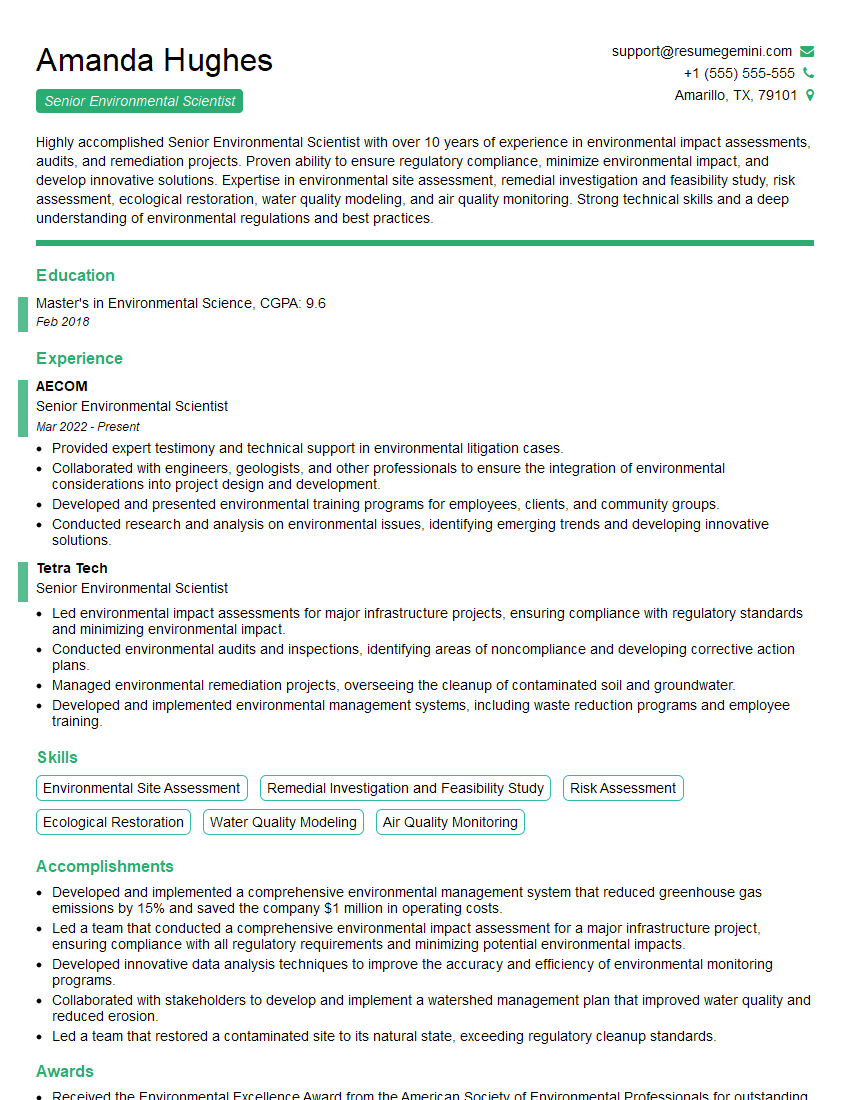
Senior Environmental Scientist Resume Sample
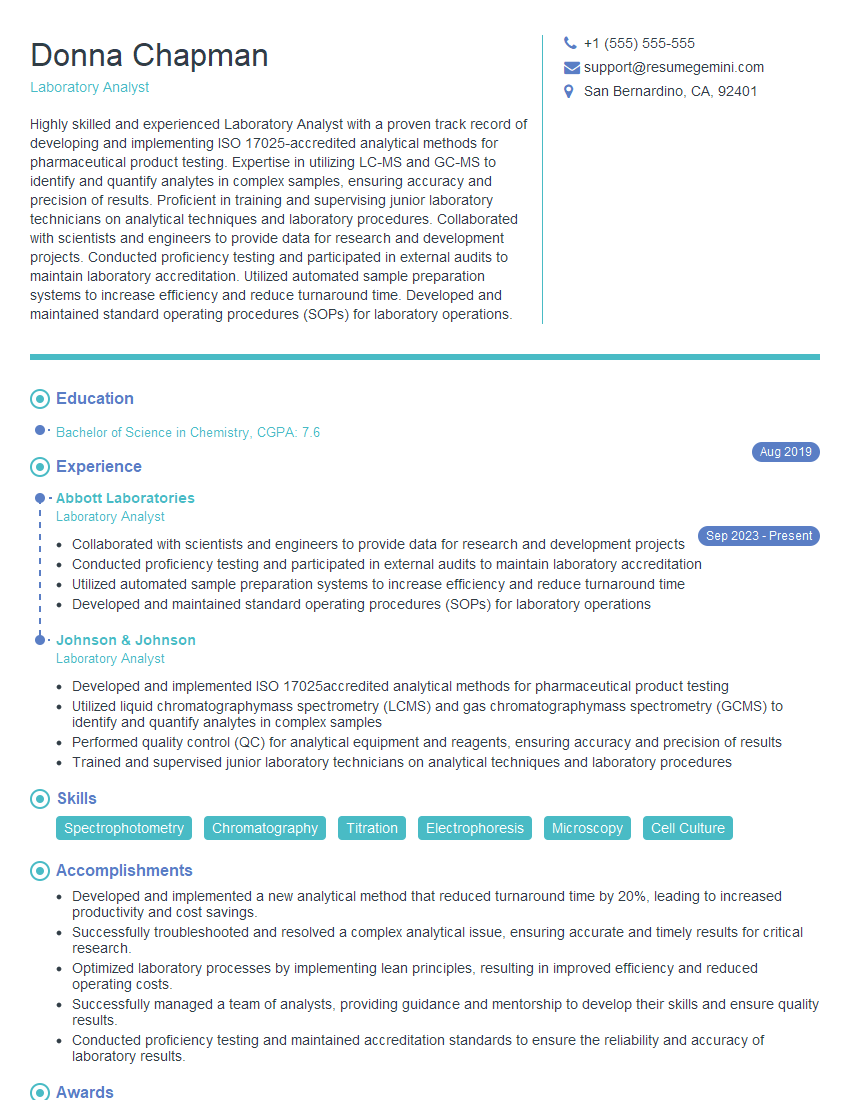
Laboratory Analyst Resume Sample
- Environmental Program Manager
- Water Quality Specialist
- Compliance Manager
- Environmental Compliance Officer
- Environmental Scientist
- Regulatory Affairs Specialist
- Data Management Specialist
- Environmental Consultant
- Environmental Engineer
- Quality Control Specialist
- Field Technician
- Senior Environmental Scientist
- Laboratory Analyst
Explore more articles
Users Rating of Our Blogs
Share Your Experience
We value your feedback! Please rate our content and share your thoughts (optional).
What Readers Say About Our Blog
To the interviewgemini.com Webmaster.
Very helpful and content specific questions to help prepare me for my interview!
Thank you
To the interviewgemini.com Webmaster.
This was kind of a unique content I found around the specialized skills. Very helpful questions and good detailed answers.
Very Helpful blog, thank you Interviewgemini team.