Unlock your full potential by mastering the most common Art Therapy for People with Chronic Illnesses interview questions. This blog offers a deep dive into the critical topics, ensuring you’re not only prepared to answer but to excel. With these insights, you’ll approach your interview with clarity and confidence.
Questions Asked in Art Therapy for People with Chronic Illnesses Interview
Q 1. Describe your experience adapting art therapy techniques for patients with varying levels of physical limitations.
Adapting art therapy for patients with physical limitations requires a deep understanding of their capabilities and limitations. It’s not about compromising the therapeutic process, but about creatively adjusting the methods. My approach involves a thorough initial assessment, focusing on the patient’s physical abilities, preferred modes of expression, and cognitive function. This assessment guides my choice of mediums and techniques.
For example, a patient with limited hand mobility might benefit from using assistive devices like adapted paintbrushes or voice-activated software for digital art. Others might find collage, using pre-cut shapes or found objects, more accessible. I might also incorporate guided imagery or verbal storytelling if fine motor skills are severely impaired. The core principle is to empower the patient to express themselves creatively despite their physical challenges. I often work collaboratively with occupational therapists to ensure the most supportive and adaptive environment for the patient.
- Example 1: For a patient with arthritis, I might use larger, easier-to-grip crayons and encourage larger, bolder strokes.
- Example 2: For a patient with limited mobility, I may use a wheelchair-accessible art table and adapt the materials to prevent spills or accidents.
Q 2. How do you address the emotional impact of chronic illness on patients during art therapy sessions?
Addressing the emotional impact of chronic illness is central to my art therapy practice. Many patients experience a wide range of emotions, including grief, anger, fear, and anxiety. I create a safe and non-judgmental space where these emotions can be explored and processed through art-making. This often begins with active listening and validating the patient’s experience. I employ various techniques to help them express and manage these emotions. For example, we might use expressive painting to release anger, or create collages representing their hopes and fears.
I frequently utilize metaphors and symbolic representations within the art-making process. For example, a patient struggling with loss of control might be encouraged to create a piece representing their regaining control, fostering a sense of agency and empowerment. Journaling alongside the artwork can further facilitate emotional processing and self-reflection. Building rapport and trust is key; I aim to establish a strong therapeutic alliance that encourages honest self-expression.
Q 3. Explain your approach to integrating art therapy with other healthcare modalities.
Integrating art therapy with other healthcare modalities is crucial for holistic patient care. I believe in a collaborative approach, actively communicating with other healthcare professionals involved in the patient’s treatment – physicians, nurses, occupational therapists, physical therapists, and social workers. This interdisciplinary approach ensures a comprehensive understanding of the patient’s condition and needs.
For instance, I might collaborate with an oncologist to understand a patient’s treatment plan and how art therapy can address specific emotional challenges associated with the cancer journey. Working alongside occupational therapists allows for the adaptation of art materials and techniques to maximize patient participation. Regular communication and shared progress reports ensure consistency and a holistic approach to recovery.
The integration is not just about information sharing; it’s about building a unified team dedicated to improving the patient’s well-being. I might also use the patient’s art to inform discussions with other healthcare providers, providing visual insights into their emotional state and progress.
Q 4. What specific art mediums do you find most effective for patients with chronic illnesses, and why?
The choice of art medium is highly individualized, depending on the patient’s physical abilities, personal preferences, and therapeutic goals. However, some mediums are particularly effective for patients with chronic illnesses.
- Clay: The tactile nature of clay provides a grounding and sensory experience, helpful for managing anxiety and stress. Its malleability allows for expression even with limited fine motor skills.
- Collage: Using pre-cut materials or found objects can be highly accessible to individuals with physical limitations, enabling them to create meaningful artwork without extensive dexterity.
- Guided Imagery/Mandala Art: These methods are beneficial for patients with significant physical limitations as they rely more on internal experience and less on physical dexterity. Mandalas, in particular, can promote a sense of order and calmness.
- Digital Art: Adaptive software and assistive devices make digital art a viable option for many patients with varying levels of physical limitations.
Ultimately, the most effective medium is the one that resonates most with the individual and allows for the most authentic self-expression.
Q 5. How do you assess the progress and effectiveness of art therapy interventions for patients with chronic conditions?
Assessing the progress and effectiveness of art therapy interventions involves a multifaceted approach that goes beyond simply observing the artwork. I utilize a combination of methods to track a patient’s progress. This includes regular observation of the patient’s engagement during sessions, analysis of their artwork (exploring themes, symbolism, and changes in style over time), and regular self-reporting through questionnaires and journaling prompts.
Furthermore, I might conduct standardized assessments to measure changes in mood, anxiety, and overall well-being. These assessments provide quantifiable data to track progress, but I am equally attuned to qualitative changes – increased self-awareness, improved emotional regulation, enhanced coping mechanisms, and changes in self-perception. The art itself can be a powerful tool for assessing progress – shifts in color palettes, subject matter, and the overall emotional tone of the artwork can reflect changes in the patient’s emotional state and psychological well-being.
Q 6. Describe your understanding of the different stages of grief and how you address them in art therapy with chronically ill patients.
Understanding the stages of grief (denial, anger, bargaining, depression, acceptance) is vital when working with chronically ill patients, many of whom are facing significant losses – loss of health, independence, or even the possibility of a future. I approach grief in art therapy not as a linear progression, but as a fluid process with potential regressions and recurrences. The patient’s experience is unique, and I work to meet them where they are in their journey.
Art offers a non-verbal means of expressing and processing these complex emotions. For example, a patient in the anger stage might use aggressive brushstrokes in painting or create a powerful collage representing their frustration. Those in the bargaining stage might create artwork depicting hopes for recovery or positive future scenarios. Depression might manifest as muted colors and lack of energy in the art. I use these visual cues as entry points for conversation and to help the patient explore their emotions further. Ultimately, my role is to create a safe space for the patient to work through their grief at their own pace, using art as a catalyst for emotional healing and acceptance.
Q 7. How do you tailor your art therapy approach to meet the specific needs of diverse populations with chronic illnesses?
Tailoring my approach to diverse populations requires cultural sensitivity and awareness. I recognize that chronic illness impacts individuals differently across various cultural backgrounds, ethnicities, and socioeconomic statuses. This cultural competency necessitates being mindful of potential disparities in access to healthcare, different understandings of illness and healing, and the potential influence of cultural beliefs and practices on the patient’s experience.
For instance, I would adapt my approach according to the patient’s communication style, respecting personal values and beliefs. I incorporate their cultural background into my therapeutic approach when appropriate, acknowledging and celebrating their unique cultural expressions in the art-making process. This might involve using specific imagery, symbols, or storytelling techniques that resonate with their cultural context. Building trust and rapport is particularly crucial when working with diverse populations. Open communication and a non-judgmental approach ensure that the therapeutic relationship is truly collaborative and patient-centered.
Q 8. Explain your knowledge of the ethical considerations in art therapy with vulnerable populations experiencing chronic illness.
Ethical considerations in art therapy with vulnerable populations, such as those with chronic illnesses, are paramount. We must prioritize the patient’s well-being and autonomy above all else. This involves careful consideration of informed consent, ensuring the patient understands the process, risks, and benefits before participating. It’s crucial to be sensitive to their physical and emotional limitations, adapting the therapeutic approach accordingly. For example, if a patient experiences severe fatigue, sessions may need to be shorter and less physically demanding. Maintaining appropriate boundaries is also critical, avoiding dual relationships or any actions that could compromise the therapeutic alliance. Additionally, cultural competence is essential, acknowledging and respecting the patient’s beliefs, values, and cultural background. Ethical dilemmas might arise concerning disclosure of sensitive information, particularly if there are concerns about the patient’s safety or well-being. In such cases, careful consideration of mandatory reporting laws and collaboration with other professionals are necessary. Ultimately, ethical practice involves continuous self-reflection and a commitment to upholding the highest standards of professional conduct, guided by the principles of beneficence, non-maleficence, autonomy, and justice.
Q 9. How do you maintain patient confidentiality and adhere to HIPAA regulations in your art therapy practice?
Maintaining patient confidentiality and adhering to HIPAA (Health Insurance Portability and Accountability Act) regulations is a cornerstone of my practice. This begins with securing all patient records, both physical and electronic, using password-protected files and secure storage. All communications, including email and telehealth sessions, are conducted using HIPAA-compliant platforms. I only share patient information with other healthcare professionals involved in their care with the patient’s explicit consent, using encrypted methods for transmission whenever possible. Verbal disclosures are kept to a minimum, and only essential information is shared with relevant parties. My office policies explicitly address confidentiality and HIPAA compliance. I routinely review these policies with patients to ensure they understand their rights and the limitations of confidentiality. Documentation is detailed and precise, reflecting only relevant clinical information. I also undergo regular training to stay updated on HIPAA regulations and best practices for maintaining patient privacy. Think of it like a bank vault for sensitive information – multiple layers of security are employed to safeguard its contents.
Q 10. Describe a challenging case involving a patient with a chronic illness and how you addressed it using art therapy.
One challenging case involved a young woman with lupus, experiencing significant pain and isolation. Initially, she was resistant to participating actively in art therapy. Her artwork consisted mainly of dark, abstract pieces that conveyed feelings of hopelessness and anger. I started by acknowledging her pain and frustration without pressuring her to express herself verbally. We began with simple, sensory-based activities like sculpting with clay, allowing her to explore textures and express herself non-verbally. Gradually, as she felt more comfortable, we moved to painting, where she began using brighter colors and incorporating symbolic imagery into her work. Through collaborative discussions about her artwork, we explored her emotions and identified coping strategies. The turning point came when she created a self-portrait that, despite its painterly style, showed a glimmer of hope. This allowed us to delve into what this symbolism meant for her and pave the way for exploring her social isolation. The therapeutic alliance was crucial in this process. Her art became a powerful communication tool, offering insight into her experiences that she might not have otherwise articulated verbally. The sessions helped her gradually process her emotions, foster self-acceptance, and rebuild a sense of self-efficacy, even amidst the challenges of chronic illness.
Q 11. How do you establish a therapeutic alliance with patients experiencing chronic pain or fatigue?
Establishing a therapeutic alliance with patients experiencing chronic pain or fatigue requires a nuanced approach. It starts with empathy and validation. Actively listening to their experiences, acknowledging the impact of their condition on their daily lives, and validating their feelings are crucial first steps. I tailor sessions to their energy levels, keeping them short and adaptable as needed. I provide options for different art mediums, acknowledging their physical limitations. For example, if a patient is experiencing severe fatigue, we might focus on collage or simple drawing exercises instead of long, physically demanding painting sessions. Flexibility and patience are essential; building trust takes time. Small victories are celebrated, focusing on progress, not perfection. Establishing clear communication pathways also helps—making sure the patient feels comfortable expressing their needs and setting boundaries. Imagine it as building a bridge: We approach gently, understand the landscape, and build gradually towards a safe and supportive connection.
Q 12. What are the potential benefits and limitations of using art therapy with patients experiencing cognitive decline due to chronic illness?
Art therapy can offer unique benefits to patients experiencing cognitive decline due to chronic illness. Non-verbal forms of expression can bypass verbal communication barriers. Engaging in creative activities can stimulate cognitive functions, potentially improving memory, focus, and problem-solving skills. It can also provide opportunities for emotional expression and connection, even when verbal communication is limited. However, limitations exist. The severity of cognitive decline significantly influences the effectiveness of art therapy. Patients with advanced dementia might have difficulty understanding instructions or expressing themselves through art. Adaptations like using simpler materials or focusing on sensory experiences might be necessary. A key limitation is the lack of standardized assessment tools specifically designed to evaluate the impact of art therapy on cognitive function in chronic illness populations. The effectiveness of intervention depends heavily on the severity of cognitive decline and the patient’s ability to engage and participate. It’s crucial to have realistic expectations and adjust the approach as needed.
Q 13. How do you incorporate family or caregivers into art therapy sessions for patients with chronic conditions?
Incorporating family or caregivers into art therapy sessions can be incredibly beneficial, but it requires careful consideration. I usually start by having a meeting with the family to establish goals and understand their dynamics. Joint sessions can focus on collaborative projects, fostering communication and shared experiences. For instance, creating a family mural can allow expression of shared emotions and strengthen family bonds. Sometimes, separate sessions with caregivers are necessary to address their unique challenges, support their emotional well-being, and provide strategies for managing stress. It’s crucial to maintain patient confidentiality and autonomy, making sure the patient is comfortable with the level of family involvement and never feeling pressured or forced. It’s about creating a supportive network that understands and adapts to the unique needs of the patient and their family.
Q 14. What are the key differences in adapting art therapy techniques for children vs. adults with chronic illnesses?
Adapting art therapy techniques for children versus adults with chronic illnesses requires a different approach. With children, the focus is often more on play and exploration. Materials and activities are selected to engage their developmental stage and cognitive abilities. Language used is simple and straightforward. The therapeutic process is less focused on verbal articulation and more on non-verbal expression through art-making. For adults, the therapeutic relationship emphasizes verbal processing and self-reflection. The focus is more on exploring complex emotions and coping mechanisms. While both age groups can benefit from non-verbal modes of expression, the depth and complexity of discussions may differ. For children, therapeutic play and creative activities are the primary tools, whereas adults benefit from combining art-making with more in-depth conversations about their artwork and its symbolism. The therapeutic goals and approaches are adjusted to meet the specific needs and developmental stage of each patient.
Q 15. Describe your experience working within a multidisciplinary healthcare team to provide art therapy services.
Collaboration within a multidisciplinary healthcare team is crucial for effective art therapy. My experience involves regular communication and case conferencing with physicians, nurses, social workers, and other therapists. For example, I might collaborate with a physician to understand a patient’s medication side effects that could impact their art-making process, or with a social worker to address underlying social determinants of health that influence their emotional state. We share information, coordinate treatment plans, and ensure a holistic approach to patient care. This integrated approach ensures that art therapy complements and enhances other medical and therapeutic interventions, providing a more comprehensive and effective treatment plan. I also frequently utilize shared electronic health records (EHRs) to ensure seamless information flow and consistent, coordinated care.
A recent example involved a patient with severe rheumatoid arthritis. By collaborating with her physical therapist, we adjusted art-making activities to accommodate her limited range of motion, focusing on adaptive techniques that used assistive devices and minimized physical strain. The integrated approach allowed us to focus on emotional wellbeing without further exacerbating physical challenges.
Career Expert Tips:
- Ace those interviews! Prepare effectively by reviewing the Top 50 Most Common Interview Questions on ResumeGemini.
- Navigate your job search with confidence! Explore a wide range of Career Tips on ResumeGemini. Learn about common challenges and recommendations to overcome them.
- Craft the perfect resume! Master the Art of Resume Writing with ResumeGemini’s guide. Showcase your unique qualifications and achievements effectively.
- Don’t miss out on holiday savings! Build your dream resume with ResumeGemini’s ATS optimized templates.
Q 16. How do you manage situations where a patient’s physical or emotional state limits their participation in art therapy activities?
Managing limitations in participation requires flexibility and creativity. If a patient’s physical state prevents traditional art-making, I adapt by offering alternative modalities like guided imagery, expressive writing prompts, or music therapy. For example, a patient with severe fatigue might benefit from a brief, mindful coloring exercise rather than a prolonged painting session. If emotional distress prevents participation, I start with gentle, non-threatening activities, creating a safe and supportive space. This might involve simply observing nature together or a quiet conversation focused on their emotional experience. Building trust is key, and the pace of therapeutic engagement is adjusted to match the patient’s current capacity.
For instance, I had a patient experiencing intense anxiety who could barely hold a pencil. We started by using finger paints, moving to larger brushes, gradually increasing their involvement as their comfort level grew. The focus is always on meeting the patient where they are, fostering progress at their own pace, and celebrating small victories.
Q 17. How do you adapt your art therapy techniques to accommodate various cognitive abilities and physical limitations?
Adapting art therapy techniques demands a deep understanding of individual needs. For patients with cognitive impairments, I might simplify instructions, break down tasks into smaller steps, or use symbolic representations to facilitate expression. For physical limitations, adaptive tools like adaptive art supplies, larger easels, or assistive technology are essential. I also draw upon various art forms to ensure accessibility. For instance, collage offers a flexible and less physically demanding alternative for patients with limited dexterity. It’s about choosing the right medium and techniques that encourage engagement and expression without creating undue stress or frustration.
I worked with a patient with Parkinson’s disease who experienced tremors. We opted for clay sculpting which allowed him to express himself through the tactile experience rather than precise motor skills. The focus shifted from the aesthetic outcome of the artwork to the process itself – the sensory engagement and emotional release it provided.
Q 18. What are some common challenges you encounter when working with patients with chronic illnesses, and how do you overcome them?
Common challenges include managing pain, fatigue, and emotional distress. Pain can be addressed through mindful art-making practices that focus on relaxation and sensory exploration. Fatigue can be managed by scheduling shorter sessions, allowing for breaks, and employing less physically demanding activities. Emotional distress is addressed through a safe and supportive therapeutic relationship that prioritizes empathy and validation. It’s essential to acknowledge and validate the patient’s experience while providing coping strategies through art-making.
One challenge I frequently face is managing fluctuating symptoms. I address this by using session-to-session flexibility, adapting my approach based on the patient’s current condition. Consistent and open communication with the patient is also critical to allow them to communicate their needs and limitations effectively.
Q 19. Explain your understanding of trauma-informed care and how you apply it in art therapy with chronically ill patients.
Trauma-informed care recognizes the pervasive impact of trauma on individuals’ lives. In art therapy with chronically ill patients, it means creating a safe and empowering environment where patients feel heard, respected, and in control. This includes establishing clear boundaries, respecting their autonomy, and avoiding triggering situations or activities. It requires being mindful of the potential for re-traumatization and providing opportunities for self-regulation and healing through art. I prioritize building trust and collaboration, avoiding pressure or judgment. The patient’s pace and choices are central to the therapeutic process.
For example, I would never push a patient to discuss traumatic experiences unless they feel ready and safe. Instead, I would offer alternative methods of expression, such as abstract art or symbolic representation, allowing them to process their emotions in a way that feels comfortable and non-threatening.
Q 20. How do you measure the outcomes of art therapy interventions for patients with chronic illnesses?
Measuring outcomes is multifaceted and involves qualitative and quantitative methods. Quantitative measures might include standardized assessments of mood, anxiety, or quality of life. However, qualitative data, such as patient self-reports, observation of changes in behavior, and analysis of artwork, provide richer insights into the therapeutic process. I also frequently use thematic analysis of artwork and verbal reflections to track the patient’s progress and identify areas that require additional focus.
For example, I might track a patient’s self-reported anxiety levels before and after a series of art therapy sessions. In addition, I would review changes in the themes and imagery in their artwork, as well as their verbal expressions during sessions, to assess their emotional and psychological progress. A combination of methods provides a more comprehensive understanding of treatment outcomes.
Q 21. How do you maintain your own well-being and prevent burnout while working with patients facing significant challenges?
Maintaining well-being is critical to avoid burnout. This involves setting healthy boundaries, prioritizing self-care, and engaging in regular supervision with experienced colleagues. Supervision provides a supportive environment for reflection, processing difficult cases, and developing new skills. I also make time for activities that replenish my own creativity and emotional resources, such as personal art-making or engaging in other mindfulness practices. A strong support network of friends, family, or other professionals is crucial for navigating the emotional demands of this profession.
For me, regular exercise and meditation are essential to manage stress and maintain a healthy work-life balance. Also, actively seeking professional supervision provides valuable support and enhances my ability to offer effective and compassionate care to my patients.
Q 22. Describe your knowledge of different theoretical frameworks that guide your practice in art therapy for chronic illness.
My art therapy practice for individuals with chronic illnesses is informed by several theoretical frameworks. These frameworks aren’t mutually exclusive; I often integrate aspects of several to best meet the unique needs of each client.
- Psychodynamic Approach: This framework explores the unconscious mind and how past experiences influence present emotional responses and behaviors. In art therapy, this might involve analyzing the symbolism within a client’s artwork to uncover hidden emotional conflicts related to their illness.
- Humanistic Approach: This emphasizes personal growth, self-actualization, and the inherent goodness within each person. I use this approach to foster self-acceptance and empowerment, encouraging clients to explore their strengths and resilience in the face of their chronic condition. For example, creating a self-portrait focusing on personal strengths can be very empowering.
- Cognitive Behavioral Therapy (CBT) principles: CBT focuses on the interplay between thoughts, feelings, and behaviors. In art therapy, we might use art-making as a tool to identify negative thought patterns related to the illness and develop more adaptive coping strategies. A client struggling with anxiety might create a series of images depicting their anxious thoughts and then re-create them in a more positive and manageable light.
- Narrative Therapy: This approach focuses on the stories we tell ourselves and how they shape our experiences. With chronic illness, negative narratives can be pervasive. Through art, we can help clients re-author their stories to emphasize resilience and hope. A collaborative art project, building a visual timeline of their journey, can help to shift their perspective.
By integrating these approaches, I tailor my therapeutic interventions to address the complex biopsychosocial aspects of chronic illness.
Q 23. What are the key elements of a well-structured art therapy session plan for a patient with a chronic illness?
A well-structured art therapy session for someone with a chronic illness needs to be carefully planned, considering both the physical and emotional limitations the illness might impose. Here’s a typical structure:
- Warm-up (5-10 minutes): This could involve a gentle mindfulness exercise, a brief check-in about their physical state, or a simple sensory activity to ease into the session.
- Art-Making Activity (20-30 minutes): This is the core of the session. The activity should be tailored to the client’s abilities and interests, and chosen to address specific therapeutic goals. This could involve a structured activity with clear instructions or a more open-ended exploration. Material choices are important; for example, someone with limited dexterity might benefit from working with clay or large-format paint.
- Processing and Reflection (15-20 minutes): This crucial stage involves discussing the art-making process and the artwork itself. It’s a time for the client to share their thoughts, feelings, and experiences. This is facilitated by open-ended questions, like “What feelings came up during the process?” or “What does this artwork communicate to you?”
- Closure (5-10 minutes): This is about summarizing the session, setting goals for the next session, and ensuring the client feels supported before leaving. It might also involve a brief grounding technique to help them transition back to their daily life.
Flexibility is key. Session length and activities must be adjusted based on the client’s energy levels and comfort. Regular assessment of the client’s progress is also critical to ensure the effectiveness of the intervention.
Q 24. How do you incorporate mindfulness and relaxation techniques into art therapy sessions for stress management in chronic illness?
Mindfulness and relaxation techniques are crucial for stress management in chronic illness. I integrate them into art therapy sessions in various ways:
- Mindful Art-Making: Encouraging clients to focus on the present moment during the art process—paying attention to the textures, colors, and sensations—can be incredibly calming. This promotes a sense of presence and reduces rumination about the illness.
- Guided Imagery with Art: I might guide clients to visualize peaceful scenes while they create artwork inspired by those images. This combines the benefits of guided imagery with the creative expression of art.
- Breathing Exercises During Art-Making: Simple breathing exercises can be incorporated throughout the session to help regulate the nervous system. For instance, we might pause during a painting session to focus on our breath.
- Progressive Muscle Relaxation: This technique can be used before or after an art activity. The client might create artwork related to how they feel before and after the relaxation exercise.
- Mandalas and Zentangles: These repetitive art forms are inherently calming and meditative. The focused attention required to create them helps reduce stress and anxiety.
The goal is to create a therapeutic space where the client can cultivate a sense of calm, self-awareness, and self-regulation.
Q 25. Discuss your understanding of the role of creativity in promoting coping mechanisms and resilience in chronic illness.
Creativity plays a vital role in promoting coping mechanisms and resilience in individuals with chronic illness. Art-making offers a non-verbal avenue for expressing emotions, processing experiences, and building self-esteem. It allows individuals to:
- Express Untamed Emotions: Chronic illness can evoke a wide range of emotions – fear, anger, sadness, frustration – that can be difficult to articulate verbally. Art provides a safe and effective outlet for expressing these feelings without the pressure of words.
- Develop Problem-Solving Skills: The process of creating art requires planning, problem-solving, and decision-making. These skills are transferable to managing the challenges posed by chronic illness.
- Increase Self-Awareness: Analyzing their artwork helps clients gain insights into their thoughts, feelings, and behaviors, fostering self-understanding and promoting self-compassion.
- Foster a Sense of Control and Mastery: Successfully completing an art project, no matter how simple, provides a sense of accomplishment and control, particularly valuable when dealing with an illness that often feels beyond one’s control.
- Build Self-Esteem: The positive reinforcement derived from creating something beautiful or meaningful boosts self-esteem and confidence.
By engaging in creative expression, individuals can develop a sense of agency and resilience, empowering them to navigate the challenges of living with a chronic illness.
Q 26. How do you facilitate self-expression and emotional processing through art therapy for patients with communication difficulties?
For patients with communication difficulties, art therapy becomes an especially powerful tool for self-expression and emotional processing. Instead of relying on verbal communication, the focus shifts to non-verbal modes of expression. Here are some strategies:
- Adapting Materials: I might use materials that are easy to manipulate, such as large brushes, clay, or textured papers, to accommodate physical limitations. For those with limited motor skills, collaborative art projects or assisted art-making can be effective.
- Using Alternative Communication Methods: Combining art with augmentative and alternative communication (AAC) systems, such as picture exchange systems or communication boards, can help facilitate self-expression. The client might use these systems to label or describe their artwork.
- Focusing on Sensory Exploration: Emphasizing the sensory experience of the art materials—textures, smells, sounds—can be particularly beneficial. This creates an opportunity for emotional expression even without clear verbal communication.
- Symbolic Representation: I encourage the use of symbols and metaphors in their artwork, allowing them to express complex emotions and experiences through visual representation. For instance, a recurring symbol in their art might represent a specific aspect of their illness or their feelings toward it.
- Interpreting Nonverbal Cues: I pay close attention to nonverbal cues like body language, facial expressions, and tone of voice (if any) during the art process to gain insight into the client’s emotional state.
The process becomes a collaborative exploration, with a shared focus on understanding the client’s expression through their art, even if they cannot articulate it verbally.
Q 27. Describe your experience in documenting and reporting on the progress and outcomes of art therapy interventions.
Documentation and reporting are vital aspects of art therapy practice. I maintain detailed records of each session, including:
- Client’s Demographic and Medical Information (with consent): This includes relevant medical history, diagnoses, and medication information, which helps me tailor the therapy appropriately.
- Session Goals and Objectives: This clearly outlines what we aimed to achieve in the session and how we planned to achieve it.
- Art-Making Process: I document the art materials used, the client’s engagement with the activity, and any challenges they faced.
- Client’s Verbal and Nonverbal Expressions: I record the client’s statements, observations, and nonverbal cues during the processing phase.
- Clinical Observations and Interpretations: This reflects my professional judgment on the client’s progress, emotional state, and responses to the interventions.
- Artwork Photographs: I obtain consent before photographing artwork. This visual record is essential for tracking progress and illustrating the therapeutic process.
This information is used to create progress reports that are shared with the client (with their consent), their healthcare team, and other relevant professionals. These reports communicate the effectiveness of the interventions, highlight any challenges faced, and inform treatment adjustments. I may also use qualitative measures, such as thematic analysis of the artwork and client narratives, to provide a richer understanding of the outcomes. The format of these reports varies depending on the specific needs of the client and their healthcare setting.
Key Topics to Learn for Art Therapy for People with Chronic Illnesses Interview
- The Therapeutic Relationship in Chronic Illness: Building trust and rapport with individuals facing chronic health challenges, understanding their unique needs and communication styles, and establishing appropriate boundaries.
- Adapting Art Therapy Techniques: Modifying traditional art therapy approaches to accommodate physical limitations, cognitive impairments, or emotional distress often associated with chronic illnesses. Examples include adapting materials for accessibility and adjusting session lengths.
- Addressing Specific Chronic Illnesses: Understanding the psychological and emotional impact of various chronic illnesses (e.g., cancer, diabetes, heart disease) and tailoring art therapy interventions accordingly. This includes understanding the disease trajectory and its impact on the individual’s life.
- Trauma-Informed Care: Recognizing the potential for trauma related to chronic illness diagnosis, treatment, and ongoing management. Implementing trauma-sensitive approaches in the therapeutic process.
- Grief and Loss: Addressing the grief and loss associated with chronic illness, including the loss of health, independence, and future plans. Utilizing art therapy to facilitate the grieving process.
- Symptom Management & Coping Mechanisms: Integrating art therapy to assist clients in developing healthy coping mechanisms for managing pain, fatigue, and other symptoms related to their chronic illness.
- Collaboration with Medical Teams: Understanding the importance of collaboration with physicians, nurses, and other healthcare professionals in a holistic approach to patient care. Knowing how to effectively communicate client progress and needs.
- Ethical Considerations: Navigating ethical dilemmas related to confidentiality, client autonomy, and boundaries within the context of chronic illness and medical settings.
- Assessment and Goal Setting: Developing individualized treatment plans based on thorough assessments of client needs, strengths, and preferences, aligning with medical goals where appropriate.
- Documentation and Record Keeping: Understanding the importance of accurate and comprehensive documentation of therapeutic sessions, progress, and interventions within the healthcare setting.
Next Steps
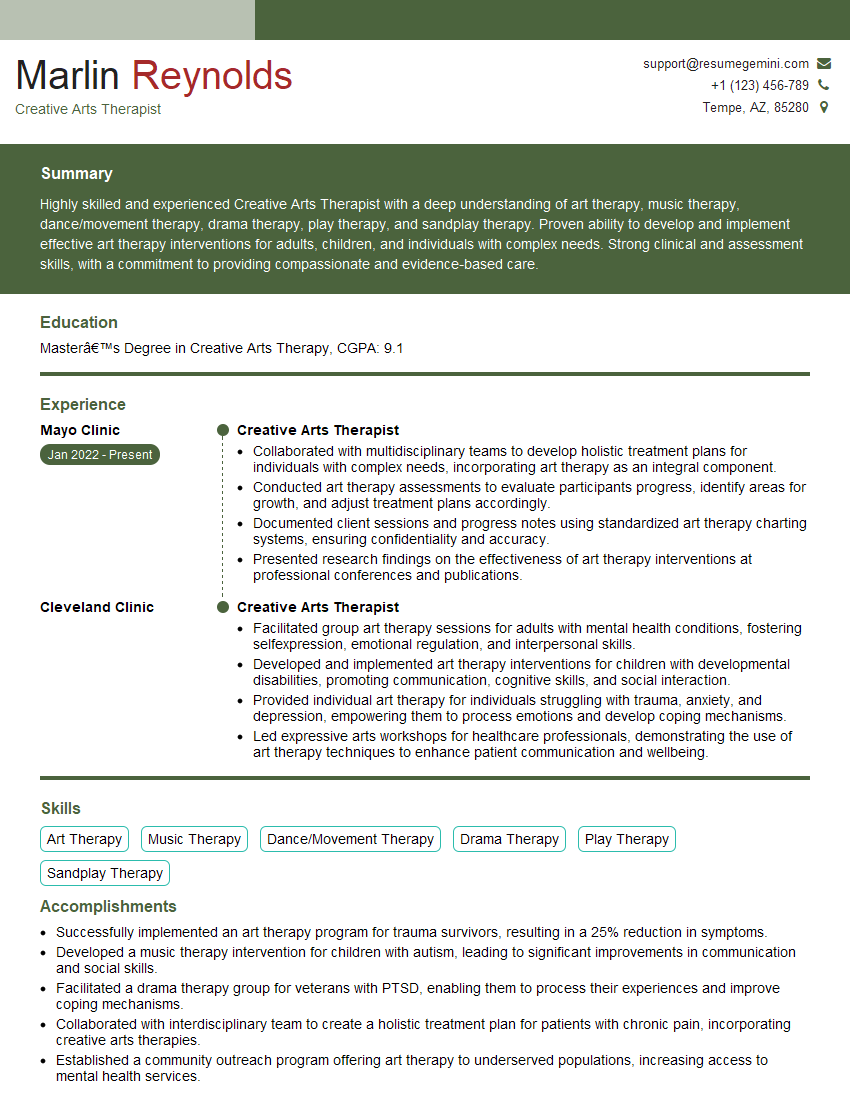
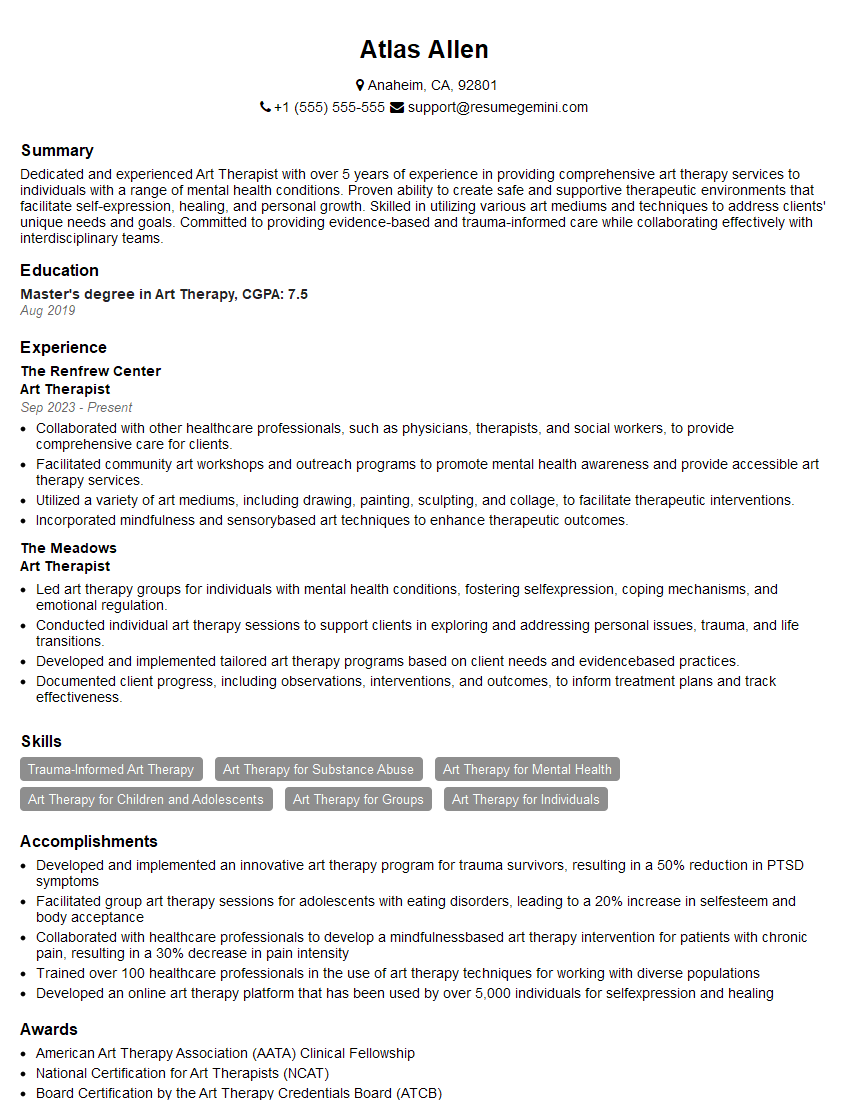
Mastering Art Therapy for People with Chronic Illnesses opens doors to a rewarding career specializing in a critical area of healthcare. Demonstrating this expertise on your resume is key. Creating an ATS-friendly resume significantly increases your chances of getting noticed by potential employers. ResumeGemini is a trusted resource to help you build a professional and effective resume that highlights your skills and experience. Examples of resumes tailored to Art Therapy for People with Chronic Illnesses are available to help you craft your application materials. Invest in crafting a strong resume – it’s your first impression!
Explore more articles
Users Rating of Our Blogs
Share Your Experience
We value your feedback! Please rate our content and share your thoughts (optional).
What Readers Say About Our Blog
To the interviewgemini.com Webmaster.
Very helpful and content specific questions to help prepare me for my interview!
Thank you
To the interviewgemini.com Webmaster.
This was kind of a unique content I found around the specialized skills. Very helpful questions and good detailed answers.
Very Helpful blog, thank you Interviewgemini team.