Feeling uncertain about what to expect in your upcoming interview? We’ve got you covered! This blog highlights the most important Maple Syrup Collection interview questions and provides actionable advice to help you stand out as the ideal candidate. Let’s pave the way for your success.
Questions Asked in Maple Syrup Collection Interview
Q 1. Describe the process of tapping maple trees for sap collection.
Tapping maple trees for sap collection is a precise process requiring care and skill. It begins with selecting mature trees, typically at least 10 inches in diameter, and identifying the best locations to tap, avoiding previous tap sites for a few years to allow the tree to heal. We use a tool called a tap, or spile, to drill a small hole, typically 7/16 of an inch in diameter and 2-2.5 inches deep, at a slight upward angle. This angle helps prevent water from entering the hole. A small spout, often made of metal or plastic, is then inserted into the hole to channel the sap into a bucket or tubing system. The process is repeated at multiple points on the tree based on its size and health, always following best practices to minimize tree damage and maximize sap production. We’re careful not to tap too deeply, preventing damage to the tree’s vascular system. After the season, the spout is removed, and the hole is allowed to heal naturally. Over time, the holes will close over completely.
Q 2. Explain the different types of maple trees suitable for sap harvesting.
While several maple species produce sap, the sugar maple (Acer saccharum) is king for syrup production, yielding the highest sugar content. Other suitable species include the red maple (Acer rubrum) and the amur maple (Acer ginnala), though these generally produce sap with lower sugar concentrations. The silver maple (Acer saccharinum) is often avoided due to its lower sugar content and less desirable flavor profile. The type of maple tree significantly influences the taste and color of the final syrup. The sugar maple is known for its rich, amber color and complex flavor, while the sap from red maples often results in a syrup that is lighter in color and milder in taste. Identifying the species accurately is crucial for managing expectations about yield and syrup quality.
Q 3. What are the ideal environmental conditions for maximizing sap yield?
Maximizing sap yield hinges on specific environmental conditions. Freezing nights followed by thawing days are crucial. The ideal temperature range is below-freezing overnight (ideally around 20°F or -7°C) and above-freezing during the day (ideally above 32°F or 0°C). This temperature fluctuation creates pressure differences within the tree, driving the sap upward. Sufficient snow cover can help insulate the ground and maintain the cold temperatures needed. Strong winds, heavy snow, and prolonged periods of freezing temperatures can negatively impact sap flow. In my experience, early spring days with bright sunshine are often the most productive for sap harvesting. The length of the season can also influence yield; a longer, milder winter that ends with these ideal fluctuations allows for a much longer harvest period.
Q 4. How do you identify and address issues with sap flow?
Issues with sap flow can stem from various factors. Reduced or absent flow might indicate the tap hole is clogged, the tree is stressed (due to disease, drought, or previous over-tapping), or the weather conditions aren’t conducive to sap production. Inspecting tap holes is the first step. If clogged, gently clean the hole using a small brush or wire. Assess the overall health of the tree; signs of disease or pest infestation need prompt attention. If the problem persists despite proper tap maintenance and favorable weather, consider consulting a forestry expert to rule out more significant issues like root damage or disease. Maintaining a proper tapping schedule, avoiding over tapping of a single tree, and selecting healthy trees for tapping are crucial preventative measures.
Q 5. Describe the process of filtering maple sap.
Filtering maple sap is essential to remove debris such as bark chips, insects, or other particulate matter. Initially, a coarse filter, such as cheesecloth or a fine-mesh screen, is used to remove larger particles. This is often done on-site during collection. Following this initial filtration, more refined filtration techniques are utilized. This can include using multiple layers of filter cloth or employing more advanced filtration systems with progressively finer mesh sizes. The degree of filtration required depends on the desired quality and intended use of the sap. For syrup production, especially for higher grades, more meticulous filtering ensures a cleaner, clearer final product. A final filtering step may be required after boiling, removing any remaining sediments. Cleanliness throughout the filtration process is paramount.
Q 6. Explain the different methods of evaporating maple sap.
Evaporation of maple sap is the critical step transforming sap into syrup. Traditional methods employ evaporators, large pans heated over wood fires, which allow for gradual evaporation. These systems often feature multiple pans, enabling efficient heat transfer and water removal. More modern methods utilize vacuum evaporators, which expedite the process at lower temperatures, preserving more of the sap’s delicate flavor compounds. Regardless of the method, the goal is to reduce the water content of the sap from approximately 98% to roughly 66%, achieving the desired syrup consistency. This requires constant monitoring and adjustments to heat and sap flow to prevent scorching or uneven boiling. The choice of evaporation method impacts both efficiency and syrup quality.
Q 7. What are the key factors affecting the quality of maple syrup?
Several factors influence maple syrup quality. The primary determinant is the sugar content of the sap, influenced by tree species and environmental conditions. Higher sugar content yields richer, darker syrup. Proper sanitation throughout the collection and processing stages is also critical to prevent microbial growth, affecting both flavor and safety. The type and condition of the evaporator play a significant role, as uneven or excessive heat can negatively impact the syrup’s flavor. Finally, storage conditions are crucial in maintaining quality. Properly stored syrup, in a cool, dark place, will maintain its flavor and quality for extended periods. Any off-flavors or discolorations are strong indicators of issues during collection or processing.
Q 8. How do you maintain the cleanliness and sanitation of equipment used in maple syrup production?
Maintaining cleanliness and sanitation in maple syrup production is paramount to ensuring food safety and a high-quality product. It’s a multi-step process starting long before sap ever touches the equipment.
- Pre-season Cleaning: Before tapping, all equipment – buckets, tubing, filters, and the evaporator – undergoes a thorough cleaning. We typically use a solution of hot water and a food-grade detergent, followed by a thorough rinsing. For stubborn residues, a mild bleach solution might be used, but always ensuring complete rinsing to avoid any residual taste or chemical contamination.
- During the Season: Regular sanitizing is crucial. Every few days, or more frequently if needed, we flush the tubing lines with a clean water solution. Buckets and collection containers should be emptied and cleaned promptly to prevent bacterial growth. The evaporator should be cleaned after each boil to prevent sugar buildup and caramelization, which can impact both flavor and equipment lifespan.
- Post-Season Cleaning: After the season concludes, another deep clean is essential. This includes disassembling parts where possible, scrubbing them thoroughly, and allowing them to dry completely before storage. We store everything in a dry, rodent-free area to prevent contamination.
Think of it like this: you wouldn’t make a delicious cake in a dirty kitchen. The same applies to maple syrup; cleanliness translates directly to quality and safety.
Q 9. Describe your experience with different types of sap collection equipment.
Over the years, I’ve worked with a variety of sap collection equipment, each with its own advantages and disadvantages.
- Traditional Buckets: These are the classic method, simple and reliable but labor-intensive, requiring frequent collection. They’re suitable for smaller operations or specific areas of the woods where tubing might be impractical.
- Tubing Systems: These are much more efficient, especially for larger sugar bushes. We use food-grade tubing to minimize contamination risk. Gravity systems rely on elevation changes to move sap, while vacuum systems utilize pumps to increase flow rate. The latter is significantly more efficient but comes with the added complexity and cost of maintaining the pump.
- Advanced Systems: Some larger operations are now utilizing automated systems with sensors and remote monitoring capabilities to optimize sap flow and reduce labor. This approach minimizes manual labor, which is highly advantageous.
My preference leans towards tubing systems, specifically gravity-fed for its simplicity and reliability. However, the choice of equipment depends entirely on the scale of the operation and the specific layout of the sugar bush.
Q 10. What are common challenges encountered during maple sap collection, and how do you address them?
Maple sap collection presents several challenges, primarily related to weather and equipment.
- Freezing Temperatures: Freezing sap in the tubing can halt collection, requiring thawing procedures. We use various techniques, including warm water flushing and sometimes even specialized heat tapes for stubborn ice blockages.
- Animal Interference: Squirrels, birds, and other animals can damage tubing or contaminate sap. We employ protective sleeves and strategic placement of collection points to mitigate these issues.
- Tubing Leaks: Leaks are inevitable, leading to sap loss. Regular inspection and prompt repair are necessary to minimize losses. I regularly perform these checks, employing specialized sealant when necessary.
- Yield Variation: Sap flow varies wildly depending on weather patterns. A warm sunny day can yield significant sap flow while cold nights or rain can drastically reduce it.
Addressing these issues requires careful planning, diligent monitoring, and swift action when problems arise. For instance, anticipating freezing temperatures by insulating tubing or employing a vacuum system which handles freezing slightly better can significantly impact yield.
Q 11. How do you ensure the efficient operation of the evaporator?
Efficient evaporator operation is key to producing high-quality syrup. It’s a balance of heat control, sap flow, and careful monitoring.
- Consistent Heat: Maintaining a consistent, yet moderate temperature is crucial to avoid burning the sap. We use thermometers to monitor the temperature closely and adjust the heat source as needed.
- Proper Sap Flow: The sap flow into the evaporator must be carefully regulated to prevent overflowing or insufficient supply. I usually adjust this manually based on the sap concentration, aiming for a gentle simmer rather than a hard boil.
- Regular Cleaning: Regular cleaning is vital, as mentioned earlier, to prevent buildup and ensure efficient heat transfer. This includes cleaning the pan surfaces and removing any residue which can significantly impact performance.
- Monitoring Syrup Density: Using a hydrometer or similar instrument, we closely monitor the syrup density. This ensures the syrup reaches the desired sugar concentration before it becomes overly concentrated.
Think of it as cooking a delicate sauce – you need patience and precise control to achieve the perfect outcome. Rushing the process can lead to a scorched or substandard product.
Q 12. Explain the grading system for maple syrup.
Maple syrup is graded based on its color, clarity, and flavor. The Canadian grading system, widely used, is a common standard.
- Golden Color: Delicate taste, light amber color.
- Amber Color: Rich taste, amber color.
- Dark Amber Color: Robust taste, dark amber color.
- Very Dark Color: Strong taste, very dark color.
Each grade has its own unique characteristics and is suitable for various applications. For instance, golden color syrup is ideal for pancakes, while a very dark color syrup has a stronger flavor which might be better suited for baking.
Q 13. How do you ensure the quality and safety of the final product?
Ensuring quality and safety involves meticulous attention to detail throughout the entire process.
- Cleanliness and Sanitation: As previously discussed, rigorous cleaning and sanitizing protocols are fundamental to prevent contamination.
- Proper Storage: Maple syrup should be stored in airtight containers in a cool, dark place to preserve its flavor and quality. This is vital for longevity and safety, avoiding spoilage.
- Testing and Analysis: Regular testing for contaminants is a part of our quality control. This may include testing for bacteria or heavy metals.
- Proper Labeling: Accurate labeling is crucial, including information on the grade, volume, and any relevant warnings or storage instructions.
Our commitment to quality is reflected in every step, ensuring our customers receive a safe and delicious product.
Q 14. What is your experience with maintaining and repairing sap collection lines?
Maintaining and repairing sap collection lines is a crucial aspect of the operation. It requires both preventative measures and timely repairs.
- Regular Inspections: Regular visual inspection of the lines is essential to identify any leaks, damage, or blockages early on. I often perform these inspections using a handheld camera and some minor tools.
- Preventative Maintenance: This includes using appropriate tubing, proper installation techniques, and protecting the lines from animals and weather damage. Regular flushing of lines is also vital.
- Repair Techniques: When repairs are needed, I employ specialized tools and techniques depending on the nature of the damage. Simple leaks can often be sealed with specialized sealants. More significant damage may require replacing sections of tubing.
- Specialized Tools: I keep a selection of specialized tools on hand for efficient repair, including tubing cutters, sealants, and various clamps. The correct tools make the task much simpler and faster.
Proactive maintenance significantly reduces downtime and sap loss, maximizing the yield during the tapping season.
Q 15. Describe your experience with inventory management and tracking of maple syrup production.
Inventory management in maple syrup production is crucial for efficient operations and profitability. It involves meticulously tracking every stage, from sap collection to finished product sales. We utilize a combination of methods. Initially, we track sap flow using daily reports noting the number of taps producing, and the volume collected per tap line. This data feeds into our production forecast. During the boiling process, we carefully measure the sap volume entering the evaporator and the syrup output. We then use a sophisticated inventory management software that tracks our syrup stock levels in various grades (e.g., amber, golden, dark). This software integrates with our sales and distribution system, allowing for real-time updates on inventory and sales projections. It also helps us manage aging inventory, ensuring quality and preventing spoilage. For example, we use FIFO (First-In, First-Out) methodology to manage our syrup inventory, prioritizing the sale of older batches. This granular approach ensures we minimize waste and maximize profits while maintaining accurate records for traceability, essential for meeting food safety standards.
Career Expert Tips:
- Ace those interviews! Prepare effectively by reviewing the Top 50 Most Common Interview Questions on ResumeGemini.
- Navigate your job search with confidence! Explore a wide range of Career Tips on ResumeGemini. Learn about common challenges and recommendations to overcome them.
- Craft the perfect resume! Master the Art of Resume Writing with ResumeGemini’s guide. Showcase your unique qualifications and achievements effectively.
- Don’t miss out on holiday savings! Build your dream resume with ResumeGemini’s ATS optimized templates.
Q 16. How do you manage and address pest and disease issues in the sugarbush?
Pest and disease management in the sugarbush is paramount for long-term health and productivity. Our approach is a multi-pronged strategy combining preventative measures and targeted interventions. We regularly inspect trees for signs of diseases like maple decline or pests such as aphids or scale. Preventative measures include maintaining proper tree spacing to promote air circulation and reduce humidity, which can help prevent fungal diseases. We also employ integrated pest management (IPM) techniques. This means focusing on natural methods first, such as encouraging beneficial insects that prey on pests, before resorting to chemical controls. Only when necessary do we use selective pesticides, strictly adhering to label instructions and safety regulations. For example, we’ve had success introducing ladybugs to control aphid populations, reducing the need for harmful chemical sprays. Consistent monitoring, coupled with a proactive management plan, enables us to maintain a healthy sugarbush and ensure a consistent syrup yield.
Q 17. What are the different methods for storing and preserving maple syrup?
Proper storage and preservation are vital for maintaining the quality and extending the shelf life of maple syrup. We store our syrup in stainless steel tanks or food-grade plastic containers to prevent contamination. These containers are kept in a cool, dark, and dry environment, ideally between 35°F and 45°F (2°C and 7°C). The consistent temperature prevents crystallization and maintains the syrup’s viscosity. We also ensure the containers are completely sealed to avoid oxidation and the absorption of moisture or odors from the surrounding environment. Longer-term storage often involves using specialized containers with nitrogen flushing to minimize oxidation. This process helps preserve the syrup’s color, flavor, and aroma, ensuring that our product remains of the highest quality even after extended storage. Regular quality checks are conducted to ensure the syrup remains within acceptable standards.
Q 18. What safety precautions do you observe during maple sap collection and processing?
Safety is our top priority throughout the entire maple syrup production process. During sap collection, we ensure all equipment, such as spouts and tubing, is in good condition and free of leaks to prevent accidents. We use insulated, non-slip boots and wear appropriate protective clothing to prevent falls and exposure to cold and wet conditions. When operating machinery, such as the evaporator, we adhere strictly to the manufacturer’s instructions and wear appropriate safety gear, including eye protection and gloves. We maintain a clean and organized workspace to prevent accidents and maintain sanitation standards. Regular safety training sessions are conducted with our team to ensure everyone is aware of potential hazards and knows how to respond safely. Thorough cleaning and sanitization procedures are followed after each use of equipment to prevent bacterial contamination and ensure food safety regulations are met.
Q 19. Describe your experience with managing a team during maple syrup production.
Managing a team during maple syrup production requires strong leadership, clear communication, and effective delegation. We foster a collaborative environment where everyone feels valued and empowered to contribute their expertise. Before the season begins, we conduct thorough training sessions covering all aspects of the process, from sap collection to bottling. We assign roles and responsibilities based on individual skills and experience. We communicate regularly, providing clear instructions, and providing opportunities for feedback and problem-solving. We use a combination of daily briefings and weekly meetings to track progress, address challenges, and celebrate successes. A robust communication system, including both verbal and written updates, helps maintain efficiency and keeps the team informed. Creating a culture of safety awareness and mutual respect is central to maintaining team morale and productivity during what can be a demanding and time-sensitive season.
Q 20. How do you ensure compliance with all relevant food safety regulations?
Compliance with food safety regulations is non-negotiable. We adhere strictly to all relevant local, state, and federal regulations governing food production and handling. This includes maintaining detailed records of all production processes, including ingredient sourcing, processing methods, and storage conditions. Our facility undergoes regular inspections by the relevant authorities and we participate in voluntary certification programs to demonstrate our commitment to food safety. We have implemented a comprehensive Hazard Analysis and Critical Control Points (HACCP) plan to identify and control potential food safety hazards at every stage of the production process. We maintain meticulous hygiene standards, ensuring all equipment and surfaces are regularly cleaned and sanitized. We conduct regular employee training on food safety protocols, emphasizing the importance of hygiene and proper handling techniques. This ensures that our maple syrup consistently meets the highest quality and safety standards.
Q 21. Describe your understanding of sustainable forestry practices in relation to maple syrup production.
Sustainable forestry practices are fundamental to the long-term viability of maple syrup production. Our approach focuses on responsible harvesting and forest stewardship. We practice selective tapping, avoiding over-tapping trees to prevent damage and maintain their health. We carefully select the location of taps to minimize stress on the trees and to preserve the integrity of the bark. We prioritize the health of the forest ecosystem by promoting biodiversity through careful management of understory vegetation and preserving natural habitats. We avoid using harmful chemicals and adopt natural pest control methods. Regular monitoring and assessment of the sugarbush’s health are key to our approach. We employ techniques such as rotational tapping and proper pruning to enhance tree vigor and longevity. We are constantly seeking ways to improve our sustainability practices, exploring the use of renewable energy sources in the processing stages and employing techniques to minimize our environmental footprint.
Q 22. What is your experience with different types of packaging and labeling for maple syrup?
Packaging and labeling are crucial for maple syrup, impacting its shelf life, marketability, and consumer perception. My experience encompasses a wide range, from simple glass bottles to sophisticated, branded tins.
- Glass Bottles: These are classic, offering clarity to showcase the syrup’s color and consistency. Different sizes cater to various needs – from small gift bottles to large family-sized options. Labels must be durable, attractive, and clearly communicate grade (e.g., Golden Color, Amber Color), purity, and origin.
- Tins: Metal tins provide excellent protection against light and oxidation, extending shelf life. They offer a premium feel and lend themselves well to unique designs. However, they’re more expensive than glass.
- Pouches: Flexible pouches are cost-effective and lightweight, ideal for larger quantities or bulk sales. They’re less visually appealing than glass or tins but offer good protection.
- Labeling Considerations: Labels should include mandatory information such as ingredients (pure maple syrup!), net weight, best-by date, and any relevant certifications (organic, Fair Trade). High-quality printing, attractive design, and clear messaging are critical for brand building and consumer appeal. I often incorporate images of maple trees or the local landscape to create a sense of place and authenticity.
Q 23. How do you determine the appropriate boiling temperature for maple syrup production?
The boiling temperature for maple syrup production is critical for achieving the desired sugar concentration and flavor profile. It’s not a fixed temperature, but rather a range determined by the sap’s initial sugar content, which varies based on factors like weather and tree species.
I use a hydrometer or a digital refractometer to measure the sap’s Brix level (the percentage of dissolved solids). The goal is to reach a Brix level of approximately 66%, which correlates to a boiling temperature of roughly 219°F (104°C). However, I constantly monitor the temperature and Brix level, making adjustments as needed. The process involves bringing the sap to a boil, then carefully reducing the volume through evaporation until the desired concentration is reached. Too low a temperature, and the syrup will be watery and weak. Too high, and it risks caramelization and off-flavors.
Experienced producers often rely on visual cues as well – changes in color, clarity, and consistency – combined with precise temperature and Brix readings to achieve the perfect syrup.
Q 24. Describe your experience with troubleshooting equipment malfunctions.
Troubleshooting equipment malfunctions is an unavoidable aspect of maple syrup production. Over the years, I’ve encountered issues with everything from evaporator leaks to faulty pumps. My approach is systematic and prioritized by safety.
- Safety First: If there’s a significant malfunction (e.g., a gas leak), I immediately shut down the equipment, secure the area, and contact a qualified technician.
- Systematic Diagnosis: For less critical issues, I start with a visual inspection, checking for obvious problems like loose connections, clogged filters, or damaged components. I then refer to the equipment’s manual and check the electrical supply and fuel sources.
- Regular Maintenance: Preventing problems is far easier than fixing them. I implement a strict schedule of preventative maintenance – cleaning, inspecting, and lubricating equipment regularly to minimize the risk of breakdowns.
- Record Keeping: Maintaining detailed records of equipment use, maintenance, and repairs is crucial for identifying recurring issues and improving future performance.
For example, I once experienced a significant drop in evaporator efficiency. After careful investigation, I discovered a build-up of maple sugar crystals in the evaporator tubes, which I had to remove using a specialized cleaning solution and tools. Since then, I’ve adjusted my cleaning protocol to prevent recurrence.
Q 25. How do you monitor and maintain the sugar content of maple sap throughout the process?
Monitoring and maintaining the sugar content of maple sap is crucial for efficient syrup production and quality control. I use a refractometer to regularly check the Brix level throughout the process. This handheld instrument provides a quick and accurate reading of the dissolved sugar concentration in the sap.
Early Stages: I initially measure the Brix level of the collected sap to determine its initial sugar concentration (typically 2-5%). This helps estimate the boiling time and yield.
Boiling Process: I monitor the Brix level continuously during the boiling process, adjusting the heat and evaporation rate to reach the optimal 66% concentration without over-cooking or causing sugar crystallization.
Record Keeping: Careful records of Brix levels at various stages help refine the production process over time, allowing for adjustments based on variations in sap quality from year to year or even throughout the season.
I also ensure the evaporator is clean and properly maintained to avoid caramelization or off-flavors that can skew the readings.
Q 26. What are the different marketing strategies you can utilize to sell maple syrup products?
Marketing maple syrup requires a multi-pronged approach that combines traditional and modern strategies.
- Direct Sales: Selling directly to consumers at farmers’ markets, farm stores, or through a website offers a higher profit margin and strengthens brand loyalty. I often offer tastings to let customers experience the superior flavor and quality.
- Wholesale: Partnering with local restaurants, cafes, and grocery stores expands market reach. This often requires competitive pricing and maintaining consistent supply.
- Online Marketing: A user-friendly website and active social media presence are vital for attracting customers and promoting the brand. High-quality product photography and engaging storytelling are key.
- Branding and Storytelling: A strong brand identity, highlighting the origin, production methods, and unique characteristics of the syrup, helps differentiate it from mass-produced alternatives.
- Seasonal Promotions: Taking advantage of peak demand periods, such as holidays and pancake-themed events, maximizes sales opportunities. I often offer special gift sets or seasonal flavors.
For instance, I’ve collaborated with local artists to create unique labels that tell the story of our farm and the syrup’s origins, enhancing its appeal to consumers.
Q 27. How do you manage waste and by-products generated during maple syrup production?
Managing waste and by-products is essential for environmental responsibility and efficient production. The primary by-product of maple syrup production is spent sap – the watery residue remaining after boiling.
Responsible Disposal: I avoid simply dumping the spent sap, which can pollute waterways. Instead, I utilize environmentally sound practices, such as spreading it on my fields as a natural fertilizer, enriching the soil.
Innovative Uses: I explore opportunities to utilize the spent sap for other purposes. For example, it can be composted or used to irrigate non-food crops.
Minimizing Waste: Efficient boiling techniques and careful sap collection minimize the volume of spent sap produced. Proper equipment maintenance also reduces waste from leaks or spills.
I’m also mindful of packaging waste. I encourage customers to return glass bottles for refilling, and I’m exploring options for compostable or recyclable packaging alternatives.
Q 28. Explain your experience with managing the budget for maple syrup production.
Budget management is crucial for the long-term success of any maple syrup operation. My approach involves careful planning, cost tracking, and regular review.
- Fixed Costs: These include land lease or ownership, equipment purchase or maintenance, insurance, and permits. I anticipate these costs and allocate funds accordingly.
- Variable Costs: These are directly related to production volume and include fuel for boiling, labor costs (if hiring help), and packaging materials. I carefully track these costs to identify areas for potential savings or efficiency improvements.
- Pricing Strategy: Pricing my syrup competitively but fairly, covering all costs and ensuring a reasonable profit margin, is essential. This often involves market research to understand consumer price sensitivity.
- Financial Projections: Developing annual or seasonal budget projections helps anticipate financial needs and track progress towards targets. I use spreadsheets or accounting software to monitor expenses and revenue.
- Contingency Planning: Setting aside funds for unexpected repairs or unforeseen events (e.g., a poor sap year) helps mitigate risk and avoid financial difficulties.
For example, I’ve invested in energy-efficient equipment to reduce fuel costs, and I’ve implemented a more efficient sap collection system to minimize labor expenses. This continuous evaluation and improvement are crucial for maintaining a healthy financial position.
Key Topics to Learn for Maple Syrup Collection Interview
- Tapping Techniques: Understanding various tapping methods, their impact on sap yield and tree health, and the selection of appropriate techniques based on tree size and species.
- Sap Collection and Handling: Practical knowledge of collecting sap efficiently, minimizing contamination, and employing best practices for storage and transportation to prevent spoilage.
- Boiling and Evaporation: Understanding the principles of evaporation, different boiling methods (e.g., traditional wood-fired evaporators, modern vacuum evaporators), and quality control during the boiling process.
- Grading and Quality Control: Familiarization with different maple syrup grades (e.g., Golden Color, Amber Color, Dark Color), understanding the factors influencing grade, and implementing quality control measures throughout the process.
- Equipment Maintenance and Repair: Practical knowledge of maintaining and troubleshooting common equipment used in maple syrup production, including tapping tools, tubing systems, and evaporators.
- Safety Procedures: Understanding and adhering to safety regulations related to tapping, handling equipment, and working in potentially hazardous environments.
- Sustainability and Environmental Practices: Knowledge of sustainable forestry practices, minimizing environmental impact, and understanding the importance of responsible resource management.
- Business Aspects: Understanding the business side of maple syrup production, including pricing strategies, marketing, and customer relations (if applicable to the role).
Next Steps
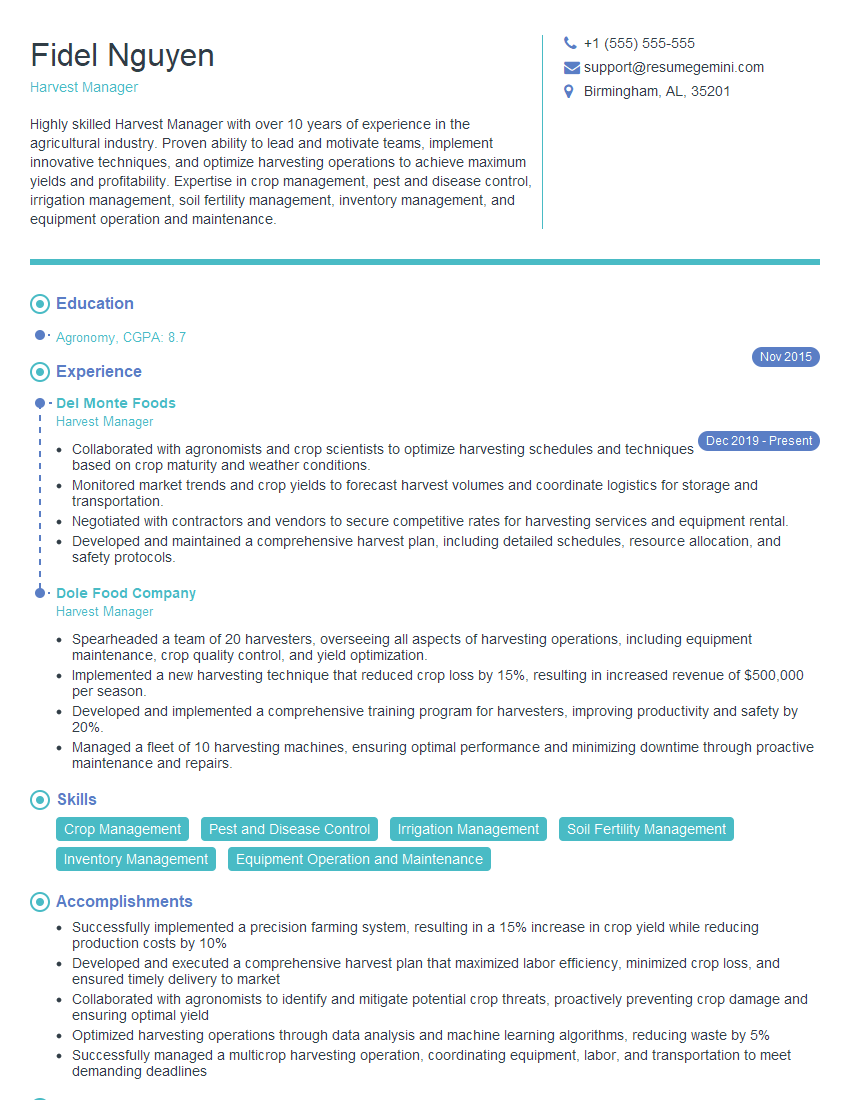
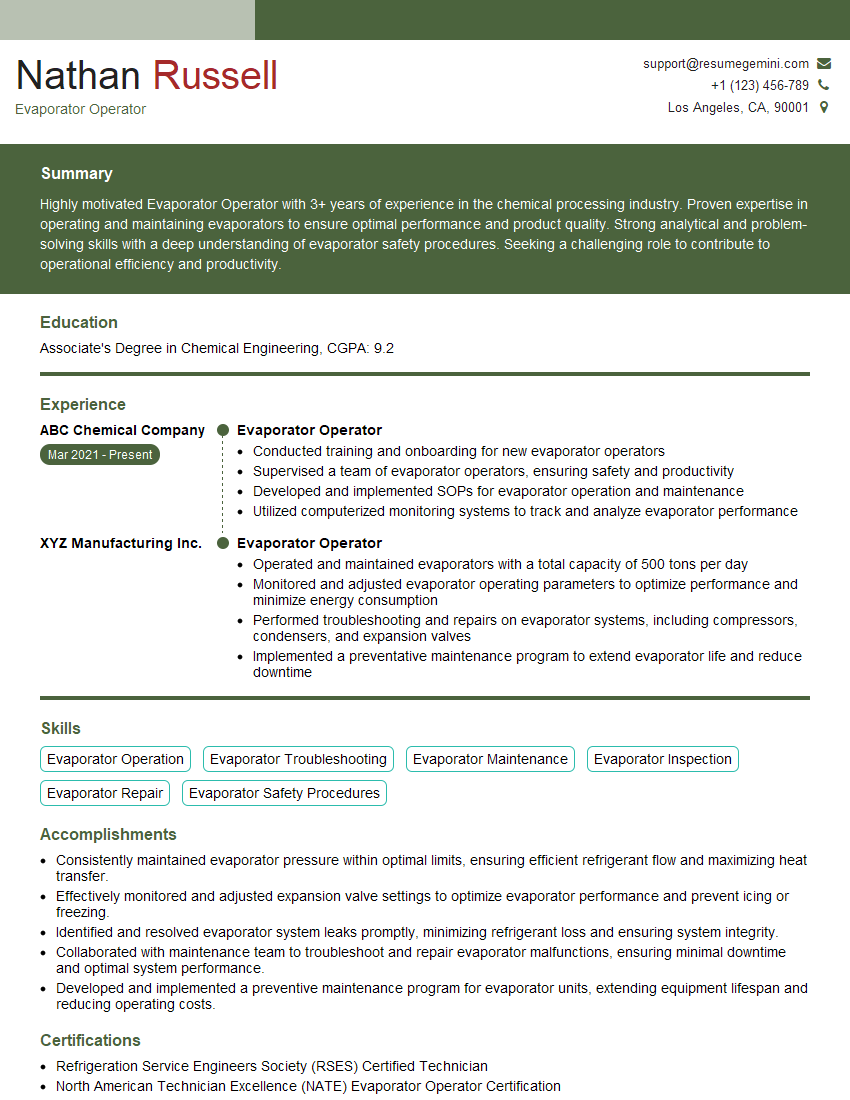
Mastering the intricacies of Maple Syrup Collection opens doors to rewarding careers in a growing industry, offering opportunities for advancement and specialization. To significantly boost your job prospects, crafting an ATS-friendly resume is crucial. ResumeGemini is a trusted resource that can help you build a professional and effective resume, highlighting your skills and experience in a way that catches the eye of potential employers. Examples of resumes tailored to Maple Syrup Collection roles are available to further assist your preparation.
Explore more articles
Users Rating of Our Blogs
Share Your Experience
We value your feedback! Please rate our content and share your thoughts (optional).
What Readers Say About Our Blog
To the interviewgemini.com Webmaster.
Very helpful and content specific questions to help prepare me for my interview!
Thank you
To the interviewgemini.com Webmaster.
This was kind of a unique content I found around the specialized skills. Very helpful questions and good detailed answers.
Very Helpful blog, thank you Interviewgemini team.