Preparation is the key to success in any interview. In this post, we’ll explore crucial ASTM D1319 interview questions and equip you with strategies to craft impactful answers. Whether you’re a beginner or a pro, these tips will elevate your preparation.
Questions Asked in ASTM D1319 Interview
Q 1. Define ASTM D1319 and its purpose.
ASTM D1319 is a standard test method established by the American Society for Testing and Materials (ASTM) for determining the specific gravity and absorption of coarse aggregate. Its purpose is crucial in the construction industry because it helps engineers and contractors assess the quality and properties of aggregates used in concrete, asphalt, and other construction materials. Knowing the specific gravity helps determine the amount of aggregate needed for a given volume of concrete, influencing the overall mix design and the structural integrity of the final product. Essentially, it’s a cornerstone test for quality control in any project involving aggregates.
Q 2. Explain the procedure for determining the specific gravity of coarse aggregates.
Determining the specific gravity of coarse aggregates using ASTM D1319 involves a few key steps. First, you need a representative sample of the aggregate, thoroughly dried in an oven at 105-110°C (221-230°F) until a constant mass is achieved. This ensures accurate results by eliminating the influence of water content. Then, the aggregate is weighed in air (Ma). Next, the aggregate is submerged in water (using a vacuum to remove trapped air) and weighed underwater (Mw). The specific gravity (Gsb) of the *saturated-surface-dry* (SSD) aggregate is calculated using the following formula:
Gsb = Ma / (Ma - Mw)
Remember, Ma represents the mass of the dry aggregate in air and Mw is the mass of the submerged aggregate. The result provides the specific gravity of the aggregate in its SSD condition, which is a standardized reference point for comparison and mix design calculations.
Q 3. What are the different methods used in ASTM D1319?
ASTM D1319 outlines several methods for determining specific gravity, primarily categorized by the size of the aggregate. Method A is used for coarse aggregates that are too large to be fully submerged in the standard pycnometer. Method B employs a pycnometer or similar apparatus suitable for smaller aggregates. The choice of method depends on the size range of the aggregates being tested. While the fundamental principle—comparing the mass in air to the mass in water—remains consistent, the specific procedures and equipment might vary slightly between the methods to accommodate the different aggregate sizes and ensure accurate measurements.
Q 4. Describe the significance of specific gravity in aggregate properties.
Specific gravity is a vital property of aggregates because it reflects the density of the material. This has several implications for construction:
- Concrete Mix Design: Specific gravity is essential for accurately calculating the required quantities of aggregate to achieve the desired concrete volume and strength. An incorrect specific gravity can lead to improper concrete mix proportions, affecting the final product’s strength and durability.
- Asphalt Mix Design: Similar to concrete, accurate specific gravity values are crucial in asphalt mix design to ensure proper compaction and performance characteristics.
- Void Content Estimation: Specific gravity data contributes to determining the void content in aggregate mixtures, which is directly related to the strength and stability of the final product. Higher void content often indicates weaker material.
- Cost Estimation: Accurate specific gravity allows for precise calculations of the quantity and cost of aggregates required for a project.
In short, specific gravity is not just a lab value; it’s a critical input for effective and economical construction.
Q 5. What are the potential sources of error in ASTM D1319 testing?
Several factors can introduce errors into ASTM D1319 testing.
- Incomplete drying of the aggregate: Residual moisture can significantly affect the weight measurements, leading to inaccurate specific gravity values. Careful oven drying until a constant mass is crucial.
- Air bubbles trapped on the aggregate surface: Air bubbles during underwater weighing will falsely increase the apparent weight, reducing the measured specific gravity. A vacuum is often used to remove these bubbles.
- Improper calibration of the equipment: Scales and pycnometers must be accurately calibrated to ensure reliable measurements. Regular calibration checks are essential.
- Non-representative sample: Testing a sample that does not accurately represent the entire aggregate batch will lead to erroneous results. Careful sampling techniques are required to obtain a representative sample.
- Operator error: Human errors during weighing, sample handling, or calculation can also affect accuracy. Consistent and careful procedure following is key.
Addressing these potential issues through careful attention to detail and proper equipment maintenance is critical for accurate results.
Q 6. How do you handle saturated surface dry (SSD) conditions in this test?
The saturated-surface-dry (SSD) condition is a crucial aspect of ASTM D1319. It refers to an aggregate that is completely saturated with water but free from any surface water. This standardized condition eliminates the variability introduced by different moisture contents and provides a consistent basis for comparison. To achieve SSD conditions, the dried aggregates are submerged in water for a sufficient time until they are completely saturated. Then, excess surface water is removed by blotting the samples with a clean cloth or paper towel. The goal is to only have water within the pores of the aggregate, not on its surface.
Q 7. What is the importance of proper sample preparation for accurate results?
Proper sample preparation is paramount for obtaining accurate and reliable results in ASTM D1319 testing. Imagine trying to bake a cake with ingredients measured haphazardly – the outcome would likely be inconsistent. Similarly, a poorly prepared aggregate sample can yield unreliable specific gravity values. This includes:
- Representative Sampling: A sample must accurately represent the entire aggregate batch to be tested. Improper sampling can bias the results and lead to inaccurate conclusions.
- Cleaning: Removing any loose material, dirt, or other contaminants from the aggregate is crucial to avoid errors in weight measurements.
- Drying: Thorough drying in an oven until a constant weight is achieved eliminates the influence of moisture content. This is possibly the most important step for accurate testing.
- Size Separation (if necessary): For certain methods or when dealing with a range of aggregate sizes, size separation may be needed to ensure the accuracy of specific gravity determination for each fraction.
Careful sample preparation is not just a procedural step; it is a cornerstone of ensuring the quality and reliability of the test results, directly affecting the safety and performance of the final construction project.
Q 8. Explain the difference between apparent specific gravity and bulk specific gravity.
ASTM D1319 deals with determining the specific gravity and absorption of coarse aggregate. The key difference lies in what material is included in the calculation. Apparent specific gravity considers the volume of the aggregate including the air voids within the aggregate itself. Think of it like weighing a sponge – some air is trapped inside, affecting the overall density. Bulk specific gravity, on the other hand, considers the volume of the aggregate and the volume of water absorbed by the aggregate, excluding air voids within the aggregate particles themselves. It’s like weighing the sponge after it has completely absorbed water; the apparent volume increases, leading to a lower specific gravity value. In essence, apparent specific gravity reflects the denser, solid portion of the aggregate, while bulk specific gravity accounts for the water absorbed into the pores.
Imagine comparing a brick (low porosity) and a pumice stone (high porosity). The apparent specific gravity will show a larger difference between them compared to bulk specific gravity, because the pumice’s high porosity significantly impacts the apparent volume.
Q 9. How do you calculate the specific gravity using the water displacement method?
The water displacement method, a core component of ASTM D1319, is a straightforward process. First, you weigh the dry aggregate sample (Ws). Next, you immerse the sample in water within a container of known volume. The water displaced is then carefully measured and this represents the volume of the aggregate (Vs). Specific gravity (Gsb) is then calculated using the following formula:
Gsb = Ws / (Ws - Ww)Where:
Ws= weight of the saturated surface-dry aggregateWw= weight of water displaced
For bulk specific gravity (Gsb), we use the weight of saturated surface dry aggregate. Remember to account for the temperature of the water during the measurement, as temperature changes affect water density, influencing the accuracy of volume measurements.
Q 10. What are the limitations of ASTM D1319?
While ASTM D1319 is a widely accepted standard, it does have certain limitations. Firstly, it’s crucial to ensure the aggregate sample is representative of the entire lot. A poorly-sampled aggregate can lead to inaccurate results. Secondly, the method assumes that the aggregate material is inert and does not react chemically with water. Certain types of aggregates, like reactive aggregates, might show aberrant results. Thirdly, the method is sensitive to operator error. Inconsistent measurement techniques can affect the overall accuracy. Finally, the method doesn’t directly account for the presence of extremely fine materials that may pass through the sieves. These may affect the aggregate’s overall density and absorption.
Q 11. How does temperature affect the accuracy of the test?
Temperature significantly impacts the accuracy of the test due to water’s varying density. Water density changes with temperature; warmer water is less dense than colder water. Since the method relies on the volume of water displaced, inaccurate temperature readings can lead to errors in volume measurements and consequently affect the calculated specific gravity and absorption. ASTM D1319 explicitly recommends using water at a specified temperature (often 20°C or 68°F) or applying a correction factor based on the actual water temperature to account for this density variation. Ignoring temperature variations can lead to significantly inaccurate results which are unsuitable for engineering applications.
Q 12. Describe the equipment needed for ASTM D1319 testing.
The equipment required for ASTM D1319 testing includes:
- A balance capable of precise weighing (at least 0.1 gram accuracy)
- A calibrated volumetric container (e.g., a graduated cylinder or a pycnometer) to measure water displacement precisely.
- A drying oven capable of maintaining a consistent temperature for drying the aggregate samples.
- Suitable containers for handling the aggregates
- A thermometer to accurately measure water temperature.
- Appropriate tools for handling aggregates (e.g. brushes)
The precision of the equipment directly impacts the accuracy of the test results. Using outdated or poorly calibrated equipment will lead to unreliable outcomes, potentially compromising the quality and safety of construction projects.
Q 13. Explain the calculation of the absorption of aggregates.
The absorption of aggregate is calculated as the percentage of water absorbed by the aggregate based on its dry weight. After the aggregate sample has been saturated, the excess surface moisture is removed by gently blotting it with a cloth. Then, the saturated-surface-dry aggregate is weighed (Wssd). The weight of the oven-dried aggregate (Wd) is known from an earlier step. The absorption (A) is then calculated as follows:
A = [(Wssd - Wd) / Wd] x 100This percentage signifies the amount of water the aggregate absorbs, which is a crucial parameter for assessing its suitability in various applications. High absorption can affect the durability and strength of the aggregate, particularly when exposed to freeze-thaw cycles.
Q 14. How do you interpret the results of an ASTM D1319 test?
Interpreting the results of an ASTM D1319 test involves comparing the obtained specific gravity and absorption values to the acceptable ranges specified in project requirements or relevant specifications. High specific gravity generally indicates a denser and more durable aggregate, while low specific gravity might suggest a weaker or more porous material. High absorption might signify susceptibility to moisture damage, reducing its suitability for applications where freeze-thaw cycles are anticipated. Conversely, low absorption implies better resistance to such damage. The results are crucial in material selection for construction projects. For instance, aggregates with high absorption might not be suitable for pavement construction where water ingress can lead to deterioration, while they might be fine for applications where they’re not exposed to such conditions. Always consult the project specifications to determine the acceptable limits for specific gravity and absorption.
Q 15. What are the acceptance criteria for specific gravity of aggregates?
ASTM D1319 doesn’t provide specific acceptance criteria for the specific gravity of aggregates in a single numerical value. Instead, it outlines the method for determining specific gravity. Acceptance criteria are established by project specifications, which will reference ASTM D1319 for the test method. These specifications are often based on the type of aggregate and its intended use in the concrete mix. For example, a project specifying concrete for a high-performance application might have tighter tolerances on specific gravity than a project using standard-strength concrete. The reported value itself must be obtained with an acceptable level of precision as defined within the standard and the project specifications.
Think of it like baking a cake: The recipe (project specifications) might specify the desired outcome (strength of concrete), while ASTM D1319 details the precise method to measure the ingredients (specific gravity of aggregates). The acceptable range for specific gravity will then depend on the desired outcome, not the testing method itself.
Career Expert Tips:
- Ace those interviews! Prepare effectively by reviewing the Top 50 Most Common Interview Questions on ResumeGemini.
- Navigate your job search with confidence! Explore a wide range of Career Tips on ResumeGemini. Learn about common challenges and recommendations to overcome them.
- Craft the perfect resume! Master the Art of Resume Writing with ResumeGemini’s guide. Showcase your unique qualifications and achievements effectively.
- Don’t miss out on holiday savings! Build your dream resume with ResumeGemini’s ATS optimized templates.
Q 16. How does the specific gravity of aggregates impact concrete design?
The specific gravity of aggregates is a crucial factor in concrete design because it directly impacts the mix proportions and the overall properties of the hardened concrete. Specific gravity reflects the density of the aggregate. Lower specific gravity means lighter aggregates, requiring more aggregate volume to achieve the desired concrete weight. Conversely, higher specific gravity means denser aggregates, leading to a decrease in the volume of aggregates needed for a given concrete weight.
This has several implications:
- Mix design: Accurate specific gravity is essential for calculating the precise amounts of cement, water, and aggregates to achieve the targeted concrete slump and compressive strength. Incorrect specific gravity can result in an under or over-mixed concrete.
- Strength and durability: The aggregate volume and density influence the packing density within the concrete, affecting its strength and durability. An incorrect specific gravity might negatively affect the concrete’s resistance to cracking, abrasion, or other forms of degradation.
- Cost-effectiveness: Using accurate specific gravity values in mix design contributes to optimizing material use, which minimizes waste and reduces project costs.
Imagine trying to build a house without knowing the precise weight of the bricks – it would be impossible to estimate the overall weight of the structure!
Q 17. What are the differences between ASTM D1319 and other relevant standards?
ASTM D1319 focuses specifically on determining the specific gravity and absorption of coarse aggregate. Other relevant standards address different aspects of aggregate testing or cover different aggregate types. For example:
- ASTM C127: This standard covers the determination of specific gravity and absorption of fine aggregates, differing from D1319 in terms of aggregate size and testing procedure.
- ASTM D4791: This standard provides methods for determining the apparent specific gravity of cohesionless soils. This approach deals with soils and utilizes different principles than the ones used in ASTM D1319 for aggregates.
- ASTM D5550: This standard covers the determination of unit weight of aggregate, which is related to but distinct from specific gravity.
In essence, ASTM D1319 is a specialized method for one type of aggregate (coarse) and property (specific gravity and absorption). Other standards address related properties for other aggregates or different materials entirely.
Q 18. Describe a situation where you encountered a problem during ASTM D1319 testing and how you resolved it.
During an ASTM D1319 test, I once encountered a situation where the coarse aggregate samples contained an unusually high amount of fine material which passed through the sieves (fines). This contamination affected the bulk specific gravity measurements, leading to inaccurate results. Initially, I was concerned that the test would be compromised and needed to be redone.
To resolve the issue, I followed these steps:
- Careful Sample Preparation: I carefully reviewed the sample preparation procedure as outlined in ASTM D1319 and rigorously cleaned the aggregate samples by sieving them several times to remove the fine material. The sieve sizes were precisely as specified in the standard to ensure only the correct size aggregate was tested.
- Documentation: I meticulously documented the contamination issue, the cleaning process, and the changes in the sample weight due to the removal of fines, ensuring transparency and traceability in the test procedure.
- Re-testing: After thorough cleaning, I repeated the ASTM D1319 test. This time, the results were consistent and within the acceptable range of precision.
This experience highlighted the importance of thorough sample preparation and comprehensive documentation in obtaining accurate and reliable test results according to ASTM D1319.
Q 19. How do you ensure the accuracy and precision of your measurements?
Ensuring accuracy and precision in ASTM D1319 measurements is paramount. I use a multi-pronged approach:
- Calibration: Regular calibration of all equipment is crucial. This includes the balance used for weighing, the pycnometer for volume measurement, and any other instruments used. We maintain a rigorous calibration schedule based on manufacturer recommendations and internal quality control plans.
- Proper Technique: Adhering strictly to the ASTM D1319 procedure minimizes systematic errors. This includes ensuring proper drying of samples, complete saturation of the aggregate, and careful handling of equipment.
- Blank Tests: Regular blank tests are performed to evaluate the accuracy of the measurement process and to account for any potential systematic errors from the equipment or methodology.
- Replicate Testing: I always perform replicate tests on each sample. The results are then assessed for precision using standard statistical methods. Significant deviations trigger investigation into potential sources of error.
Accuracy and precision are critical aspects of any testing procedure and cannot be overstated in obtaining meaningful results that can be interpreted and utilized.
Q 20. What quality control measures do you implement during testing?
Several quality control measures are implemented during ASTM D1319 testing:
- Standard Operating Procedures (SOPs): Detailed SOPs guide each step of the testing process, ensuring consistency and minimizing variability between testers.
- Checklists: Checklists are used to ensure that all necessary steps have been followed and that there are no omissions in the procedure.
- Internal Audits: Regular internal audits review the testing process, including sample handling, equipment calibration, data recording, and adherence to SOPs.
- Control Charts: We track key parameters, such as specific gravity values, using control charts to identify trends and potential problems early on. This allows for proactive adjustments to maintain quality.
- Proficiency Testing: Periodic participation in proficiency testing programs allows for external validation of our testing capabilities and identifies any areas requiring improvement.
These measures create a culture of quality and help identify and prevent errors before they compromise results.
Q 21. Explain the importance of documentation and record-keeping in ASTM D1319 testing.
Comprehensive documentation and record-keeping are absolutely critical in ASTM D1319 testing for several reasons:
- Traceability: Detailed records allow for tracing the entire testing process from sample collection to final results. This is essential for identifying and rectifying any potential errors or inconsistencies.
- Verification: Complete records enable verification of the test results and demonstrate compliance with the standard and project specifications.
- Audits: Thorough documentation is vital for internal and external audits, ensuring that the testing processes meet the required quality standards.
- Legal Compliance: Accurate records are crucial for legal and regulatory compliance, which is especially important in construction and infrastructure projects.
- Data Analysis: Maintaining comprehensive records supports long-term data analysis and trend identification, which can be invaluable for continuous improvement of testing processes and material selection.
Think of it as building a reliable historical record that provides transparency and accountability. It forms a fundamental component for successful testing procedures.
Q 22. How do you manage and analyze large datasets from multiple ASTM D1319 tests?
Managing and analyzing large datasets from multiple ASTM D1319 tests requires a systematic approach. First, ensure data integrity by implementing a robust data entry system with clear identification of each sample and test parameters. This might involve using spreadsheets or dedicated laboratory information management systems (LIMS). Then, I would employ statistical software packages to organize, clean, and analyze the data. This involves checking for outliers, identifying potential errors in measurement, and calculating descriptive statistics (mean, standard deviation, etc.). For example, I might use a control chart to monitor the consistency of the testing procedure over time and detect any significant shifts in the results. Finally, visualization tools (histograms, box plots, etc.) help to identify trends and patterns in the data across multiple tests, aiding in decision-making.
For instance, if I’m analyzing data from multiple aggregate sources for a large construction project, I can use this method to compare the specific gravity values and identify the supplier consistently providing the highest-quality material with the least variation. This allows for better material selection and minimizes potential issues on-site.
Q 23. What software or tools do you use for data analysis related to this test?
Several software tools are useful for ASTM D1319 data analysis. Spreadsheets like Microsoft Excel or Google Sheets are excellent for initial data entry, organization, and basic statistical analysis. More advanced statistical software packages like Minitab, R, or SPSS provide more robust capabilities for data analysis, including statistical modeling, hypothesis testing, and visualization. Dedicated LIMS software streamlines the entire process, managing samples, tracking tests, and storing results in a secure and organized manner. Finally, database management systems (DBMS) such as MySQL or PostgreSQL offer effective solutions for handling extremely large datasets.
Example R code for calculating the mean specific gravity: mean(specific_gravity_data)The choice of software depends on the complexity of the analysis and the size of the dataset. For routine analysis, spreadsheets might suffice; however, complex scenarios or large datasets would necessitate more sophisticated software packages.
Q 24. Explain the relationship between specific gravity and void content in aggregates.
Specific gravity and void content in aggregates are inversely related. Specific gravity is the ratio of the weight of a material to the weight of an equal volume of water. Void content refers to the percentage of empty space within the aggregate. Aggregates with higher specific gravity have a denser structure, leaving less space for voids. Conversely, aggregates with lower specific gravity have a less dense structure and therefore more void space. This relationship is critical in determining the overall properties and suitability of aggregates for use in construction materials such as concrete.
Imagine two bags of identical size, one filled with lead shot (high specific gravity) and the other with ping pong balls (low specific gravity). The bag with lead shot will weigh significantly more and have fewer voids. This analogy clearly demonstrates how a higher specific gravity leads to less void content.
Q 25. How does the specific gravity test contribute to overall project quality?
The specific gravity test, as outlined in ASTM D1319, is crucial for ensuring overall project quality. The result directly impacts the properties of the final product. For example, in concrete, aggregates with appropriate specific gravity contribute to a stronger, more durable, and less permeable mixture. Using aggregates with incorrect specific gravity values can lead to inferior concrete, compromising its compressive strength, workability, and long-term durability. Therefore, accurate specific gravity testing helps in selecting suitable aggregates and optimizing the mix design, ensuring the final structure meets design specifications and quality standards. This directly contributes to the longevity and safety of the construction project.
For example, a bridge built with concrete made from aggregates with low specific gravity might exhibit reduced load-bearing capacity, potentially leading to structural failure. Regular quality control through the ASTM D1319 test safeguards against this and ensures that the construction project adheres to safety regulations and performs as expected.
Q 26. What are the implications of using aggregates with unsuitable specific gravity values?
Using aggregates with unsuitable specific gravity values can have several negative implications. Low specific gravity aggregates can lead to increased void content in concrete, decreasing its strength, density, and durability. This can result in reduced compressive strength, increased permeability (leading to potential freeze-thaw damage or corrosion), and poor workability. Conversely, using excessively high specific gravity aggregates might impact the workability of the concrete mix, making it difficult to place and finish. It may also result in segregation, a condition in which the components of the concrete mixture separate, further compromising the structural integrity.
In extreme cases, the use of unsuitable aggregates can lead to structural failure, posing significant safety risks and requiring costly repairs or replacements. Therefore, proper assessment of specific gravity through ASTM D1319 testing is paramount to ensuring structural integrity and long-term performance.
Q 27. How would you explain ASTM D1319 to a non-technical audience?
Imagine you’re building a sandcastle. You want the sand to be compact and strong, right? ASTM D1319 is like a test to check how tightly packed the sand is. It measures the specific gravity of aggregate materials – things like sand, gravel, and crushed stone – used in construction. Essentially, it determines how heavy the material is compared to an equal volume of water. A higher specific gravity means the material is denser and has less empty space within it. This is important because denser materials make stronger and more durable structures, like roads, buildings, and bridges.
This test helps engineers and contractors choose the right materials to build strong and long-lasting structures that won’t crumble or fail.
Q 28. Discuss the importance of safety procedures during ASTM D1319 testing.
Safety is paramount during ASTM D1319 testing. Several hazards need to be considered. Handling aggregates involves the risk of cuts, abrasions, or eye injuries from sharp particles. The use of water and ovens in the testing procedure necessitates precautions to avoid burns or scalding. Proper personal protective equipment (PPE), including safety glasses, gloves, and closed-toe shoes, is crucial. The oven used for drying samples should be operated according to manufacturer guidelines to prevent fires or explosions. The workspace should be clean and free of clutter to prevent accidents. Furthermore, all equipment should be regularly inspected and maintained to ensure safe operation. Finally, a thorough understanding of the testing procedure and the proper handling of materials is necessary to minimize safety risks and avoid any incidents.
Establishing clear safety protocols and training personnel on safe procedures are critical to ensuring a safe testing environment. This includes developing and implementing a detailed safety plan and conducting regular safety briefings for laboratory personnel.
Key Topics to Learn for ASTM D1319 Interview
- Standard Test Method Overview: Understand the purpose and scope of ASTM D1319, including its application in determining the properties of soil and rock.
- Sample Preparation and Testing Procedures: Familiarize yourself with the detailed steps involved in collecting, preparing, and testing specimens according to ASTM D1319. This includes understanding the importance of proper sample representation and adherence to prescribed methods.
- Data Analysis and Interpretation: Master the techniques for analyzing test data, including calculations and the interpretation of results within the context of geotechnical engineering principles. Practice identifying potential sources of error and their impact on results.
- Specific Gravity and Absorption: Thoroughly understand the theoretical principles behind these key measurements and their significance in characterizing soil and rock materials. Be prepared to discuss the practical implications of variations in these properties.
- Impact on Geotechnical Design: Be able to explain how the data obtained from ASTM D1319 testing informs critical decisions in geotechnical design, such as foundation design and slope stability analysis.
- Understanding Limitations and Applicability: Recognize the limitations of ASTM D1319 and its applicability to different soil and rock types. Know when this method is appropriate and when other testing methods might be more suitable.
- Troubleshooting and Problem Solving: Prepare to discuss common challenges encountered during testing and how to effectively troubleshoot issues to ensure accurate and reliable results. This includes understanding the impact of equipment calibration and operator technique.
Next Steps
Mastering ASTM D1319 demonstrates a strong foundation in geotechnical engineering, significantly enhancing your marketability and opening doors to advanced roles and projects. To further strengthen your candidacy, a well-crafted resume is crucial. An ATS-friendly resume increases your chances of getting your application noticed by recruiters. ResumeGemini is a trusted resource for building professional and effective resumes. They offer examples of resumes tailored to ASTM D1319 expertise, providing valuable guidance in showcasing your skills and experience to potential employers.
Technical Director Resume Sample
Laboratory Manager Resume Sample

Engineering Manager Resume Sample

Project Engineer Resume Sample

Compliance Officer Resume Sample

Regulatory Affairs Specialist Resume Sample

Research Scientist Resume Sample
Product Development Engineer Resume Sample

Civil Engineer Resume Sample
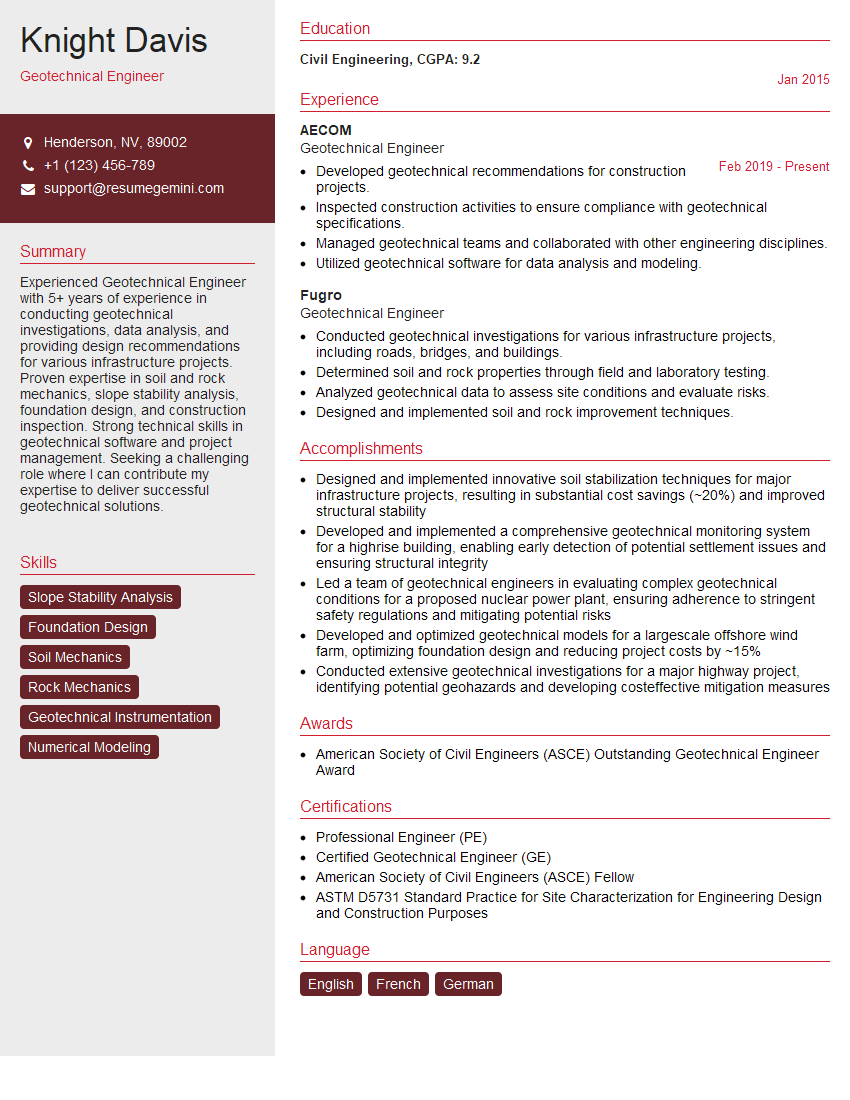
Geotechnical Engineer Resume Sample
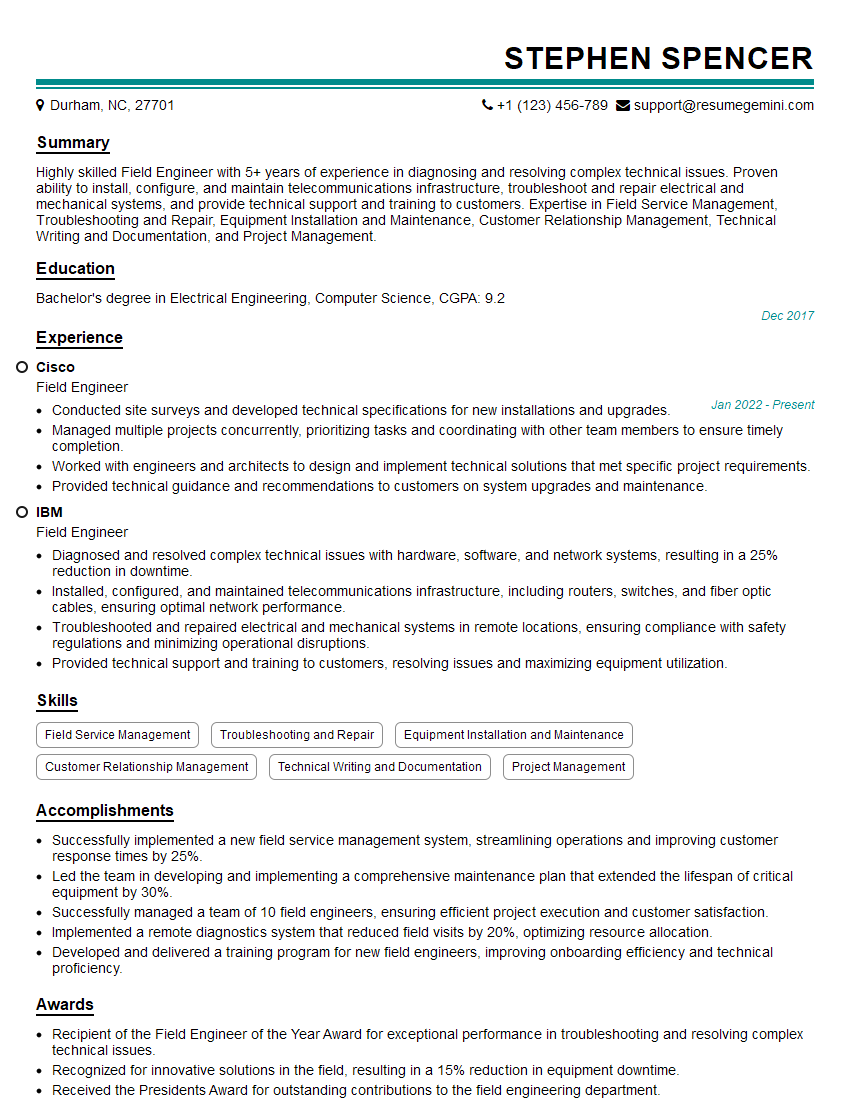
Field Engineer Resume Sample
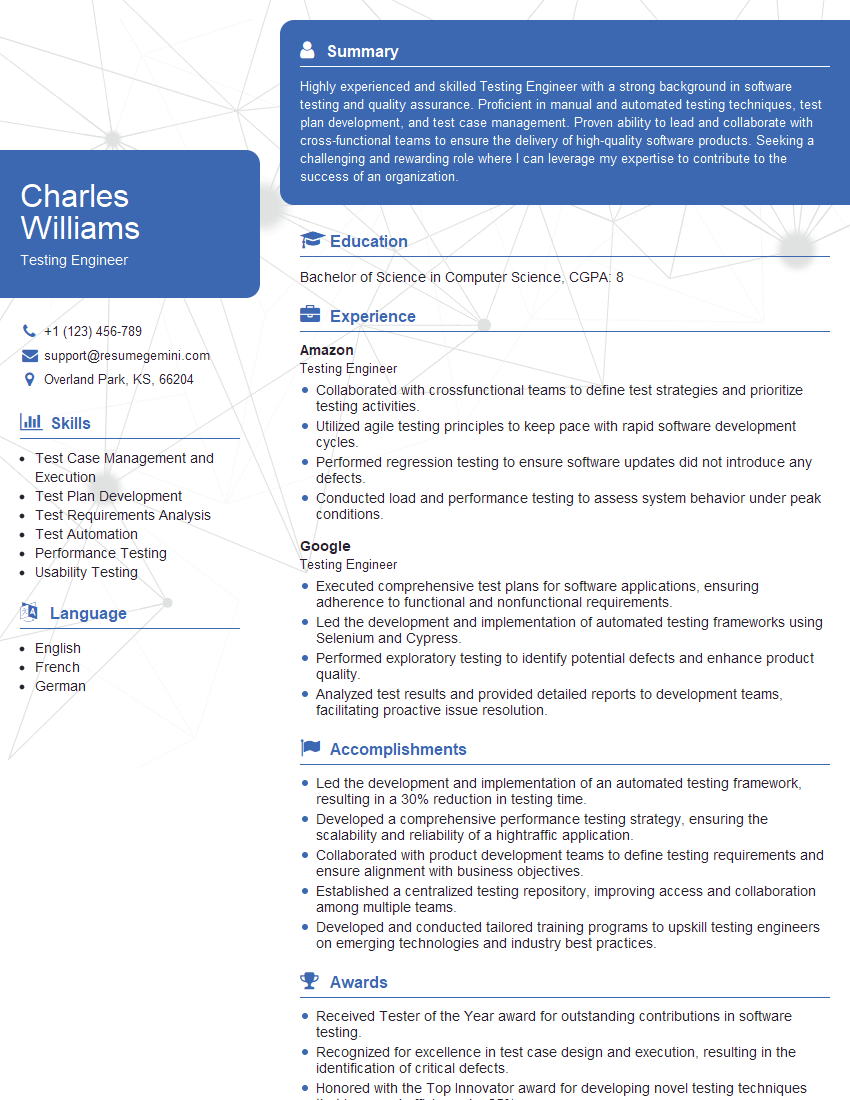
Testing Engineer Resume Sample
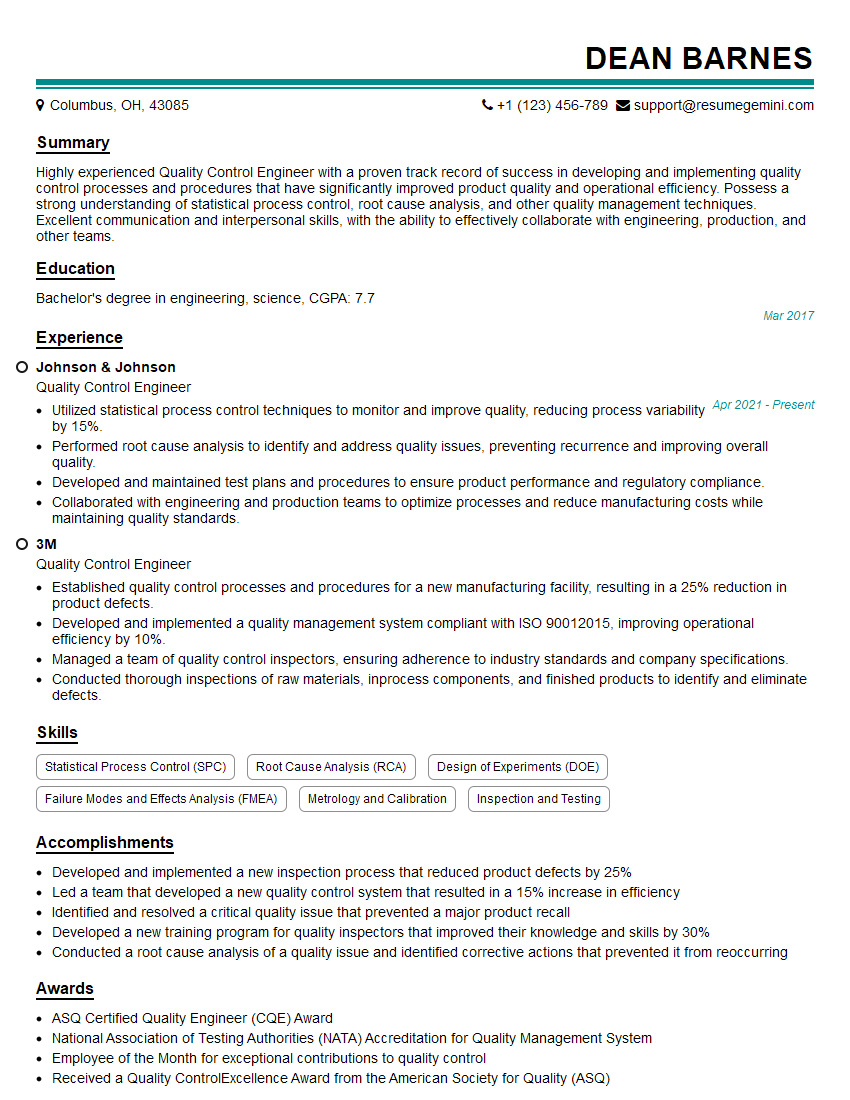
Quality Control Engineer Resume Sample
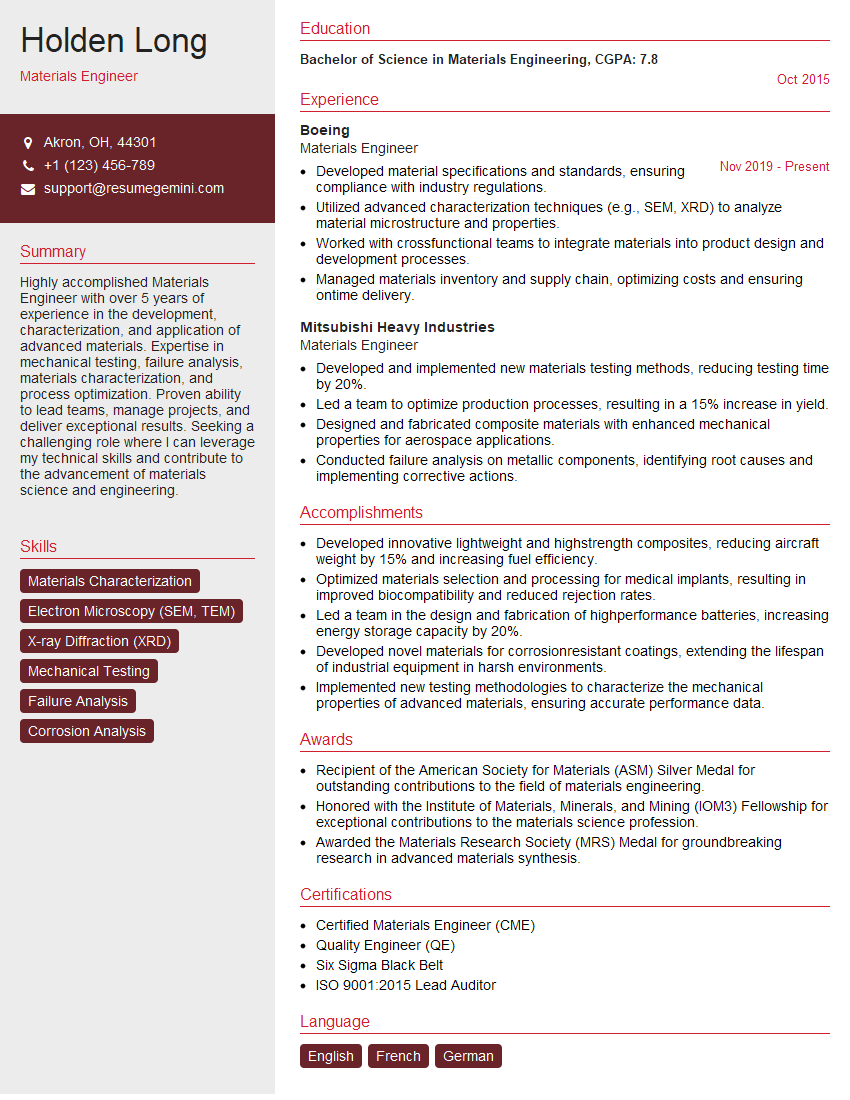
Materials Engineer Resume Sample

Quality Assurance Engineer Resume Sample

Construction Inspector Resume Sample

Laboratory Technician Resume Sample

Materials Scientist Resume Sample
- Technical Director
- Laboratory Manager
- Engineering Manager
- Project Engineer
- Compliance Officer
- Regulatory Affairs Specialist
- Research Scientist
- Product Development Engineer
- Civil Engineer
- Geotechnical Engineer
- Field Engineer
- Testing Engineer
- Quality Control Engineer
- Materials Engineer
- Quality Assurance Engineer
- Construction Inspector
- Laboratory Technician
- Materials Scientist
Explore more articles
Users Rating of Our Blogs
Share Your Experience
We value your feedback! Please rate our content and share your thoughts (optional).
What Readers Say About Our Blog
To the interviewgemini.com Webmaster.
Very helpful and content specific questions to help prepare me for my interview!
Thank you
To the interviewgemini.com Webmaster.
This was kind of a unique content I found around the specialized skills. Very helpful questions and good detailed answers.
Very Helpful blog, thank you Interviewgemini team.