Are you ready to stand out in your next interview? Understanding and preparing for Inverter Sizing interview questions is a game-changer. In this blog, we’ve compiled key questions and expert advice to help you showcase your skills with confidence and precision. Let’s get started on your journey to acing the interview.
Questions Asked in Inverter Sizing Interview
Q 1. Explain the importance of proper inverter sizing.
Proper inverter sizing is crucial for the optimal performance and longevity of a solar PV system. Think of an inverter as the heart of your solar system; it converts the DC electricity generated by your solar panels into AC electricity usable by your home or business. If it’s improperly sized, you’ll either severely limit the system’s output or waste money on unnecessary capacity.
Undersized inverters can’t handle the full power output of your solar panels, leading to clipping (the loss of energy production when the inverter reaches its maximum capacity). Conversely, oversizing can lead to reduced efficiency and increased upfront costs. Accurate sizing ensures maximum energy harvesting and a higher return on investment.
Q 2. What are the key factors to consider when sizing an inverter for a solar PV system?
Several key factors influence inverter sizing for a solar PV system:
- Total DC Power of Solar Panels: This is the sum of the power ratings of all your solar panels. The inverter must be capable of handling this total power.
- Expected Energy Consumption: Understanding your daily energy usage helps determine the necessary inverter capacity to meet your needs. Larger homes or businesses will naturally require larger inverters.
- Future Expansion Plans: Consider potential future additions to your solar array. Sizing with future expansion in mind avoids the need for an expensive system upgrade later.
- Inverter Efficiency: Different inverters have varying efficiency ratings. Higher efficiency means less energy loss during the conversion process, translating to more usable energy.
- Inverter Topology: Different inverter topologies (string, microinverter, etc.) have different suitability for various applications and affect sizing calculations.
- Safety Regulations and Standards: Local codes and standards dictate allowable inverter capacities and safety features.
- Available Space and Mounting Considerations: Physical limitations might restrict the selection of inverter size and type.
Careful consideration of these factors is essential for designing a successful solar PV system.
Q 3. How do you calculate the required inverter capacity for a given load?
Calculating the required inverter capacity involves several steps:
- Determine Total Solar Panel DC Power (kWp): Sum the power rating (kWp) of all your solar panels.
- Consider Derating Factor: This factor accounts for various losses in the system (shading, temperature, wiring losses, etc.). Typically, a derating factor of 0.75 to 0.85 is used. Multiply your total DC power by the derating factor.
Example: 10 kWp * 0.8 = 8 kW - Inverter Efficiency: Choose a suitable inverter efficiency. High-efficiency inverters (96-98%) are preferable. This efficiency is typically a peak efficiency at a specific operating point.
- Calculate Required AC Power: Multiply the derated DC power by the inverter’s peak efficiency. Note that efficiency is not constant across all power levels; this calculation is approximate.
- Add a Safety Margin: Add a small percentage (typically 10-20%) as a safety margin to account for unforeseen circumstances or future expansion.
Example: 8 kW * 1.1 = 8.8 kW - Select Inverter: Choose an inverter with a capacity greater than or equal to the calculated AC power. You should select an inverter slightly larger to maximize efficiency in typical operating conditions.
This provides a preliminary estimate. A professional solar installer should conduct a detailed system design and perform more precise calculations using specialized software.
Q 4. Describe different inverter topologies and their suitability for various applications.
Several inverter topologies exist, each with its advantages and disadvantages:
- String Inverters: These are the most common and cost-effective. They connect all solar panels in series strings. A single fault can affect the entire string. Suitable for smaller residential systems.
- Microinverters: Each panel has its own microinverter, maximizing energy harvest by optimizing each panel individually. More expensive but offer higher reliability and better performance in partially shaded conditions. Ideal for larger systems or complex rooftops.
- Power Optimizers: These are similar to microinverters but don’t perform the full AC conversion. They improve energy harvest at the panel level but still require a central inverter. A good compromise between cost and performance.
- Central Inverters: Used in large-scale solar power plants, these handle a significant amount of power. High efficiency at high power levels. Usually less suitable for smaller residential settings.
The optimal topology depends on factors such as system size, budget, shading conditions, and desired level of reliability.
Q 5. What are the consequences of undersizing or oversizing an inverter?
Undersized Inverter: Results in clipping, where excess energy generated by the solar panels is wasted. This reduces overall energy production and system efficiency. It also potentially stresses the inverter and can lead to premature failure.
Oversized Inverter: Leads to increased upfront costs. While it might initially seem beneficial, an oversized inverter operates at lower efficiency at typical operating power levels, reducing the overall energy production. It also might have a higher idle power consumption.
In both cases, proper sizing is key to maximizing system performance and return on investment. Think of it like choosing a car: A too-small engine won’t provide sufficient power, while a much larger engine than necessary is fuel-inefficient and expensive.
Q 6. Explain the concept of inverter efficiency and its impact on system performance.
Inverter efficiency represents the ratio of AC power output to DC power input. A higher efficiency means more of the energy generated by the solar panels is converted into usable AC electricity, minimizing energy loss. Efficiency is usually expressed as a percentage. For example, a 96% efficient inverter means that for every 1 kW of DC power input, 0.96 kW of AC power is produced.
The impact on system performance is significant: A higher efficiency inverter will generate more usable energy, leading to a greater return on investment and reducing your reliance on the grid. Choosing a high-efficiency inverter is essential for maximizing your solar system’s potential. This should be considered alongside other factors, as high efficiency might come at a higher initial cost.
Q 7. How do you account for future expansion when sizing an inverter?
Accounting for future expansion is crucial. One approach is to overestimate your energy needs by a certain percentage (e.g., 20-30%) when initially sizing the inverter. This allows for adding more solar panels in the future without needing to replace the inverter immediately. The second option is to select an inverter with a higher capacity than strictly needed; some inverters have a certain amount of headroom to add panels.
However, oversizing excessively is not recommended because it leads to lower efficiency at typical operating conditions. A balanced approach is key – consider the realistic possibilities of future expansion and select an inverter size that optimizes current performance while accommodating future growth.
Q 8. What are the safety considerations related to inverter sizing and installation?
Safety is paramount in inverter sizing and installation. We must prioritize preventing electrical hazards, fire risks, and injuries. This involves adhering to stringent safety codes and standards like the NEC (National Electrical Code) in the US or equivalent regulations in other countries.
- Electrical Shock: Working with high-voltage DC from solar panels and AC from the inverter requires meticulous attention to safety precautions such as lockout/tagout procedures, proper grounding, and using insulated tools.
- Arc Flash Hazards: Arc flashes, which are powerful electrical explosions, can occur during faults. Properly sized and installed overcurrent protection devices (OCPDs) like circuit breakers and fuses are critical to mitigating this risk. The installation location should also be carefully chosen, allowing for adequate clearance and ventilation to reduce the probability of arc flash.
- Fire Prevention: Inverters can generate heat during operation. Sufficient ventilation is essential to prevent overheating. The use of fire-resistant materials in the installation environment also helps prevent fire hazards. We also check for proper cable sizing to avoid overheating.
- Grounding and Bonding: A robust grounding system is critical to safely divert fault currents to the earth, preventing shocks and electrical fires. Proper bonding ensures that all metallic parts are at the same electrical potential.
- Proper Ventilation: Inverters generate heat during operation. Insufficient ventilation can lead to overheating and potential fire hazards. Ensure adequate ventilation around the inverter to maintain safe operating temperatures.
Regular inspections and maintenance are crucial to ensure the ongoing safety of the system. This includes checking for loose connections, damaged wiring, and signs of overheating.
Q 9. How do you select an inverter based on its input and output characteristics?
Selecting an inverter based on input and output characteristics is crucial for system performance and efficiency. The input characteristics concern how the inverter receives power from the solar panels, while the output characteristics concern how the inverter delivers power to the load (usually the grid or batteries).
- Input Voltage and Current Range: The inverter must be compatible with the voltage and current output of the PV array. The inverter’s input voltage range should encompass the minimum and maximum voltage produced by the PV array under various conditions (e.g., different levels of sunlight).
- Input DC Current: The inverter needs sufficient capacity to handle the maximum current produced by the PV modules. Undersizing can lead to clipping, where excess power is wasted. This parameter needs close attention for strings of modules, especially in larger installations.
- Output Voltage and Frequency: The inverter’s output voltage and frequency must match the grid specifications (e.g., 230V, 50Hz or 120V, 60Hz). In off-grid systems, the output needs to match the requirements of the connected loads or batteries.
- Output Current Capacity: The inverter’s output current must be sufficient to supply the load without overloading.
- Power Rating (Watts or kW): The inverter’s power rating specifies the maximum power it can convert from DC to AC. It must be greater than or equal to the total power produced by the PV array, accounting for derating factors.
For instance, if a PV array produces a maximum of 5kW, you’d choose an inverter with a rating of at least 5kW, possibly higher to account for future expansion or derating.
Q 10. Describe the process of matching an inverter to specific PV modules.
Matching an inverter to specific PV modules involves several key steps to ensure optimal performance and system efficiency.
- PV Module Specifications: Obtain the detailed specifications of the PV modules, including their open-circuit voltage (Voc), short-circuit current (Isc), maximum power voltage (Vmp), and maximum power current (Imp). These are crucial parameters.
- Inverter Input Voltage Range: The inverter’s maximum input voltage must be greater than or equal to the total Voc of the PV modules in series. The minimum input voltage should be less than the minimum voltage output from the modules.
- Inverter Input Current Range: Similarly, the inverter’s maximum input current must accommodate the maximum Isc of the PV modules in parallel. Consider the current limits of the cables that will connect the modules to the inverter.
- String Design and Number of Strings: Determine the optimal arrangement of PV modules in series and parallel strings to match the inverter’s input characteristics while maximizing power output. This often requires balancing voltage and current constraints.
- MPPT Trackers: Consider the number of MPPT trackers the inverter has. Multiple trackers allow for better performance, particularly with partially shaded arrays, by optimizing the power harvest from individual strings independently.
Let’s say you have 10 modules with Voc = 40V and Isc = 10A. If you connect them in a single string, the total Voc would be 400V. You would need an inverter capable of handling at least 400V input voltage. The total Isc would be 10A. You then need to check the current ratings to ensure the cable and inverter can handle this current.
Q 11. Explain the role of MPPT (Maximum Power Point Tracking) in inverter sizing.
MPPT (Maximum Power Point Tracking) is a crucial technology in inverters that maximizes the energy harvested from PV modules. PV modules don’t output their maximum power at a constant voltage and current; this maximum power point changes with environmental conditions such as temperature and solar irradiance.
An MPPT algorithm continuously monitors the voltage and current from the PV array and adjusts the inverter’s input impedance to operate at the module’s maximum power point. This results in significantly higher energy yield compared to inverters without MPPT.
In inverter sizing, the number of MPPT trackers is a consideration. Multiple MPPT trackers allow for better performance with partially shaded arrays by optimizing power harvest from individual strings independently. Single MPPT trackers will be less efficient when shading affects different sections of the PV array. For large-scale installations, multiple MPPTs are often a necessity.
Q 12. What are the different types of inverters available (e.g., grid-tied, off-grid, hybrid)?
Different types of inverters cater to diverse needs in solar energy systems.
- Grid-Tied Inverters: These inverters connect directly to the utility grid. They are the most common type, offering simplicity and cost-effectiveness. They typically stop operating during a grid outage for safety reasons.
- Off-Grid Inverters: These inverters operate independently of the utility grid, often coupled with battery storage. They provide power when the grid is unavailable, offering backup power in remote areas or during outages. They are generally more expensive than grid-tied inverters.
- Hybrid Inverters: These inverters combine the features of grid-tied and off-grid inverters. They can operate both on-grid and off-grid, providing backup power during outages while also exporting excess energy to the grid when available. They are becoming increasingly popular for their versatility.
The choice of inverter type depends entirely on the specific application and requirements. For homes with grid connectivity and backup power needs, a hybrid inverter is often ideal. For remote locations without grid access, an off-grid system is necessary. For simple grid-connected systems, a grid-tied inverter is the most cost-effective solution.
Q 13. How do you handle derating factors in inverter sizing calculations?
Derating factors account for various losses and limitations in a solar PV system, affecting the final power output. They’re crucial for accurate inverter sizing.
- Temperature Derating: PV module output decreases as temperature increases. The derating factor accounts for this reduction in power output at higher temperatures.
- Shading Losses: Partial shading of the PV array reduces overall power output. The derating factor accounts for potential shading effects.
- Mismatch Losses: Minor variations in the performance of individual PV modules in a string can lead to power losses. The derating factor takes this into account.
- Soiling Losses: Dust, dirt, and snow accumulating on the PV modules reduce their efficiency. A derating factor accounts for these losses.
- System Losses (Wiring, etc.): Losses occur in the wiring and other components of the system. These losses need to be included in the derating factor.
The overall derating factor is usually a product of all individual derating factors. A common approach is to apply an overall derating factor between 0.7 and 0.85 to account for various losses. For example, if the total PV array output is 6kW and we use a derating factor of 0.8, the effective power is 6kW * 0.8 = 4.8kW. You’d then select an inverter with a rating greater than or equal to 4.8kW.
Q 14. What is the significance of harmonic distortion in inverter selection?
Harmonic distortion refers to the presence of unwanted frequencies in the AC waveform produced by the inverter. Excessive harmonic distortion can negatively impact the utility grid and other electrical equipment.
Inverters produce harmonics as part of their switching process. Higher-quality inverters employ techniques to minimize these harmonics. The Total Harmonic Distortion (THD) is a measure of the amount of harmonic distortion present in the output waveform. Lower THD values indicate better quality.
In inverter selection, it’s crucial to consider the THD limits set by grid codes and standards. Exceeding these limits can lead to penalties or even disconnection from the grid. Choosing an inverter with a low THD is essential to ensure grid compliance and prevent issues with other electrical equipment. High-quality inverters often incorporate advanced filtering techniques to minimize harmonic distortion.
Q 15. How do you ensure grid compliance when installing inverters?
Ensuring grid compliance when installing inverters is crucial for maintaining the stability and reliability of the power grid. It involves adhering to specific standards and regulations set by the utility company and relevant authorities. This typically includes meeting requirements for:
- Voltage and Frequency Stability: Inverters must produce AC power within the acceptable voltage and frequency tolerances defined by the grid. This often involves sophisticated control systems to maintain synchronization with the grid’s frequency and avoid injecting unstable power.
- Power Quality: The inverter’s output must meet standards for harmonic distortion, which are limits on the amount of unwanted frequencies introduced into the grid. High harmonic distortion can damage grid equipment. This is usually addressed through the use of filters within the inverter design.
- Reactive Power Control: Inverters with advanced power factor correction capabilities can actively manage reactive power flow, improving the overall efficiency of the power grid. This is often a crucial aspect of larger scale renewable installations.
- Protection Mechanisms: Inverters need built-in protection systems like anti-islanding protection (preventing the inverter from powering the grid during an outage, which can endanger line workers), overcurrent protection, and voltage protection to ensure safety and grid stability. These are usually enabled by the inverter’s firmware and are often configurable.
- Metering and Monitoring: Accurate metering of the energy produced and fed into the grid is essential for billing and performance monitoring. Inverters are usually equipped with communication interfaces (like Modbus or DNP3) to transmit this data to monitoring systems.
For example, in a solar installation, the installer needs to work closely with the utility to ensure the inverter meets their specific interconnection standards. Failure to meet these requirements can lead to delays in approval, significant fines, or even rejection of the installation.
Career Expert Tips:
- Ace those interviews! Prepare effectively by reviewing the Top 50 Most Common Interview Questions on ResumeGemini.
- Navigate your job search with confidence! Explore a wide range of Career Tips on ResumeGemini. Learn about common challenges and recommendations to overcome them.
- Craft the perfect resume! Master the Art of Resume Writing with ResumeGemini’s guide. Showcase your unique qualifications and achievements effectively.
- Don’t miss out on holiday savings! Build your dream resume with ResumeGemini’s ATS optimized templates.
Q 16. Explain the impact of ambient temperature on inverter performance.
Ambient temperature significantly impacts inverter performance. Higher temperatures reduce the efficiency of semiconductor devices within the inverter, leading to lower power output and increased energy losses. Think of it like this: imagine a person running a marathon – on a hot day, they’ll be slower and less efficient than on a cool day. Similarly, high temperatures can cause the inverter to derate its output power to prevent overheating.
Conversely, very low temperatures can also affect performance. While not as detrimental as high temperatures, extreme cold can increase internal resistance, slightly impacting efficiency. Most inverters have a specific operating temperature range specified in their datasheet. Exceeding this range can lead to thermal shutdown, protecting the device from damage but causing temporary power interruption.
Manufacturers often provide derating curves that illustrate the reduction in power output at different ambient temperatures. These curves are crucial for sizing inverters correctly, ensuring they can handle the expected load even under extreme temperature conditions. Proper ventilation around the inverter is essential to dissipate heat and maintain optimal operating temperature.
Q 17. How do you address power factor correction in inverter design or selection?
Power factor correction (PFC) is critical in inverter design and selection. A power factor describes how efficiently electrical power is used. An ideal power factor is 1.0 (or 100%), but most loads, especially inductive ones like motors, have power factors below 1.0, meaning they draw more current than necessary for the actual power used.
Inverters can address PFC in two main ways:
- Passive PFC: This uses passive components like capacitors to improve the power factor. It is simpler and cheaper but less effective than active PFC.
- Active PFC: This involves using electronic components to actively control the current waveform, bringing the power factor closer to 1.0. Active PFC is more complex but offers greater efficiency and better power quality. This is often the preferred method for grid-tied inverters.
When selecting an inverter, it’s crucial to check its power factor rating. Higher power factor ratings indicate greater efficiency and reduced energy waste. This is especially important for larger installations where improved power factor directly translates to significant cost savings over time. For instance, a grid operator might penalize installations with poor power factor, making it more costly to operate a system with poor PFC.
Q 18. What are the common communication protocols used in inverters (e.g., Modbus, CAN)?
Several communication protocols are used in inverters to facilitate monitoring, control, and data exchange. These protocols allow for remote monitoring of inverter performance, fault diagnostics, and integration with other devices in a smart grid environment.
- Modbus: A widely adopted serial communication protocol, Modbus is relatively simple to implement and provides a good balance between functionality and cost. It’s often used for local control and monitoring.
- CAN (Controller Area Network): CAN is a robust and reliable protocol primarily used in automotive and industrial applications. Its efficiency and ability to handle multiple devices simultaneously make it suitable for complex inverter systems.
- Profibus: Another industrial protocol, Profibus is known for its high speed and ability to handle large amounts of data. Its often employed in demanding industrial installations.
- Ethernet/IP: Ethernet-based protocols like Ethernet/IP provide high-speed communication over larger distances. They are frequently used in larger-scale renewable energy plants.
- DNP3 (Distributed Network Protocol 3): This protocol is frequently used in the utility industry for SCADA (Supervisory Control and Data Acquisition) systems.
The choice of protocol depends on the application’s specific requirements, including the complexity of the system, communication distances, and data transmission speeds.
Q 19. Describe different cooling methods used in inverters.
Inverters generate significant heat during operation, necessitating effective cooling methods to prevent overheating and ensure reliable operation. The choice of cooling method depends on the inverter’s size, power rating, and operating environment.
- Natural Convection: This passive cooling method relies on natural air circulation to dissipate heat. It’s suitable for smaller, lower-power inverters, but limited in its effectiveness for high-power units.
- Forced Convection (Fans): This method uses fans to actively circulate air over the heat sinks, significantly improving heat dissipation compared to natural convection. Most inverters use fans for better cooling.
- Liquid Cooling: For high-power inverters, liquid cooling systems offer superior heat dissipation. These systems utilize a coolant fluid, typically water, to transfer heat away from the components to a heat exchanger. This is common in large-scale solar or industrial applications.
- Heat Pipes: Heat pipes passively transfer heat from one location to another by vaporizing a liquid. They can be particularly effective in improving heat transfer efficiency.
Proper cooling is crucial for maximizing inverter lifespan and efficiency. Inadequate cooling can lead to derating, reduced performance, and ultimately, equipment failure.
Q 20. How do you troubleshoot common inverter problems?
Troubleshooting inverter problems requires a systematic approach. The initial steps involve safety precautions (disconnecting power!), examining the display for error codes, and checking external factors.
Step-by-Step Troubleshooting Strategy:
- Visual Inspection: Check for obvious signs of damage, loose connections, or overheating.
- Check Error Codes: Refer to the inverter’s manual for interpreting error codes. These codes provide valuable clues about the nature of the problem.
- Verify Input Power: Ensure the inverter is receiving the correct voltage and frequency. Check the source (solar array, grid etc.)
- Check Output Power: Monitor the AC output to see if it is within the expected range.
- Check Communication: Verify communication with monitoring systems to check for any other system wide issues.
- Check Environmental Factors: Consider temperature, humidity, and ventilation.
- Advanced Troubleshooting: If the problem persists, more advanced techniques like checking internal components (only by trained professionals), or contacting technical support might be necessary.
For example, if an inverter displays an overheating error, the troubleshooting process would involve checking for obstructions blocking ventilation, ensuring the cooling fans are working correctly, and confirming the ambient temperature is within the acceptable range.
Q 21. What are the various protection mechanisms implemented in inverters?
Inverters incorporate numerous protection mechanisms to ensure their safe and reliable operation and protect the grid from potential issues. These mechanisms often work in conjunction with each other.
- Overcurrent Protection: This protects the inverter from damage due to excessive current flow. It will typically shut down if a current surge occurs.
- Overvoltage Protection: The inverter will shut down if the input voltage exceeds its rated limits, protecting internal components.
- Undervoltage Protection: Prevents operation when the input voltage is too low. This ensures stable performance
- Overtemperature Protection: This crucial safety feature shuts down the inverter if its internal temperature exceeds the safe operating limit. This prevents damage from overheating.
- Ground Fault Protection: Detects and interrupts ground faults, preventing electric shocks and damage to equipment.
- Islanding Protection: This is critical for grid-tied inverters. If the grid goes down, islanding protection disconnects the inverter from the grid, preventing it from inadvertently feeding power back into the grid and creating hazards for line workers.
- Arc Fault Protection: Detects arcing faults, which can be a major fire hazard.
These protection mechanisms are usually built into the inverter’s firmware and hardware and work automatically to safeguard the equipment and the electrical grid.
Q 22. Explain the concept of parallel inverter operation.
Parallel inverter operation involves connecting multiple inverters together to increase the total power output of a renewable energy system, such as a solar power system. Think of it like adding more lanes to a highway – each inverter is a lane, and together they can handle significantly more traffic (power). This is particularly useful for large-scale installations where a single inverter might be too costly or impractical.
There are two main types: truly parallel and master-slave. Truly parallel inverters work independently but coordinate output to balance the load and ensure grid stability. Master-slave systems have one primary inverter that manages the others. The choice depends on factors like cost, complexity, and the specific inverter models.
For example, a large commercial solar rooftop installation might use ten 100kW inverters in parallel to achieve a 1MW system. This is far more efficient and cost-effective than using a single 1MW inverter.
Q 23. How do you perform a site survey to determine appropriate inverter sizing?
A thorough site survey for inverter sizing is crucial. It’s like planning a house – you need to know the dimensions before choosing the right materials. Here’s a step-by-step process:
- Load Assessment: Determine the total power consumption of the building or facility. This includes all appliances, lighting, and equipment. Consider peak demand, which is the highest power usage at any given time.
- Renewable Energy Source Assessment: Measure the available solar irradiance (for solar PV) or wind speed (for wind turbines). This helps determine the potential power generation. Use solar resource maps and weather data to estimate long-term performance.
- Environmental Conditions: Consider factors like temperature, altitude, and shading. High temperatures can reduce inverter efficiency, while shading can significantly impact solar panel output.
- Grid Connection Requirements: Check with the local utility company for grid code compliance. They’ll specify requirements for voltage, frequency, and power factor.
- Safety Considerations: Assess the site for potential hazards, such as lightning strikes, and ensure proper grounding and safety measures are in place.
Once you have this data, you can calculate the required inverter capacity, ensuring it’s sized to handle both the load and the renewable energy generation, while accounting for safety margins and future expansion.
Q 24. Describe the process of commissioning an inverter system.
Commissioning an inverter system is a critical step to ensure safe and efficient operation. It’s like a final inspection before moving into a new house. The process involves:
- Visual Inspection: Check all components for physical damage and correct installation.
- Wiring Verification: Ensure all wiring connections are secure and meet electrical codes. This includes grounding and bonding.
- Software Configuration: Program the inverter settings according to the site requirements and manufacturer’s recommendations. This includes setting parameters such as voltage, frequency, and power limits.
- Performance Testing: Measure the inverter’s output power, efficiency, and other performance parameters under various operating conditions. This might involve using specialized equipment to monitor voltage, current, and power factor.
- Safety Testing: Perform ground fault and insulation resistance tests to ensure electrical safety. This often involves using a Megohmmeter.
- Documentation: Record all test results, settings, and configurations. This documentation is essential for troubleshooting and future maintenance.
Successful commissioning ensures the system operates efficiently and reliably, maximizing its lifespan and minimizing risks.
Q 25. What are the economic considerations related to inverter sizing?
Economic considerations are paramount in inverter sizing. Oversizing leads to unnecessary upfront costs, while undersizing limits power output and potentially causes system failures. Here are key factors:
- Initial Investment: Larger inverters have higher upfront costs. Consider the balance between cost and long-term benefits.
- Operating Costs: Inverter efficiency impacts electricity bills. Higher-efficiency inverters save money over time.
- Maintenance Costs: Regular maintenance is vital. Factor in the cost of service contracts and potential repairs.
- Return on Investment (ROI): Carefully analyze the financial return of different inverter sizes, considering payback periods and overall system lifespan.
- Incentives and Rebates: Check for government incentives or utility rebates that might offset initial investment costs.
A thorough cost-benefit analysis is crucial to optimize inverter sizing for maximum economic advantage.
Q 26. Explain the difference between single-phase and three-phase inverters.
Single-phase and three-phase inverters cater to different electrical systems. Imagine single-phase as a single-lane road, and three-phase as a three-lane highway. Single-phase inverters supply power to residential applications with a single voltage phase. Three-phase inverters, on the other hand, are used in industrial and commercial settings requiring higher power and more balanced loads.
Single-phase inverters typically have lower power ratings (a few kilowatts) and are suitable for homes or small businesses. They’re simpler and generally cheaper. Three-phase inverters are more powerful (tens or hundreds of kilowatts) and better suited for larger installations because they can distribute the load more evenly and reduce the strain on the electrical system.
The choice depends entirely on the load requirements and the type of electrical system.
Q 27. How does inverter sizing impact the overall system cost and ROI?
Inverter sizing directly impacts overall system cost and ROI. An oversized inverter leads to higher initial costs but might have a slightly longer lifespan. An undersized inverter may lead to system inefficiencies, reducing power output and potentially shortening the lifespan of other components. It could also overload the inverter, leading to premature failure.
Finding the sweet spot involves balancing upfront investment with long-term operational costs and efficiency. Proper sizing maximizes energy production, minimizes operating costs, and ensures a faster ROI. Accurate load forecasting and efficient inverter technology are vital in optimizing this balance.
Q 28. What are the future trends in inverter technology?
The future of inverter technology is bright, driven by the increasing demand for renewable energy and improvements in semiconductor technology. Key trends include:
- Higher Efficiency: Continuous improvements in semiconductor materials and designs will lead to inverters with even higher efficiency rates, maximizing energy harvest and reducing operational costs.
- Increased Power Density: Smaller and lighter inverters will become available, making them easier to install and integrate into various applications.
- Smart Grid Integration: Inverters will play a more significant role in managing the smart grid, providing grid support services and optimizing energy flow.
- Modular Design: Modular inverters allow for flexible expansion and easier maintenance, reducing downtime and simplifying system upgrades.
- Artificial Intelligence (AI) and Machine Learning (ML): AI and ML will enhance inverter performance through predictive maintenance, optimized control algorithms, and improved fault detection.
These advancements are crucial in driving the transition to a cleaner and more sustainable energy future.
Key Topics to Learn for Inverter Sizing Interview
- Load Calculation: Understanding different load types (resistive, inductive, capacitive), power factor correction, and accurately calculating total power demand for efficient sizing.
- Inverter Specifications: Interpreting datasheets, understanding key parameters like input voltage range, output power, efficiency curves, and protection mechanisms.
- Sizing Methods: Mastering various sizing methodologies, including oversizing considerations and the impact of safety factors on system reliability and cost.
- System Design Considerations: Analyzing the impact of environmental factors (temperature, altitude), cable sizing, and the implications of parallel operation of inverters.
- Harmonics and Power Quality: Understanding the generation and mitigation of harmonics, and the importance of maintaining good power quality in the system.
- Grid Codes and Standards: Familiarizing yourself with relevant grid codes and standards for inverter interconnection, ensuring compliance and safety.
- Troubleshooting and Maintenance: Developing a problem-solving approach to diagnose common inverter issues, and understanding routine maintenance procedures.
- Renewable Energy Integration: Applying your knowledge to scenarios involving solar PV systems, wind turbines, or other renewable energy sources.
- Cost Optimization: Balancing system performance with cost-effectiveness in the selection of inverter technology and configuration.
- Safety Regulations and Practices: Understanding the necessary safety precautions and regulations related to working with inverters and high-voltage systems.
Next Steps
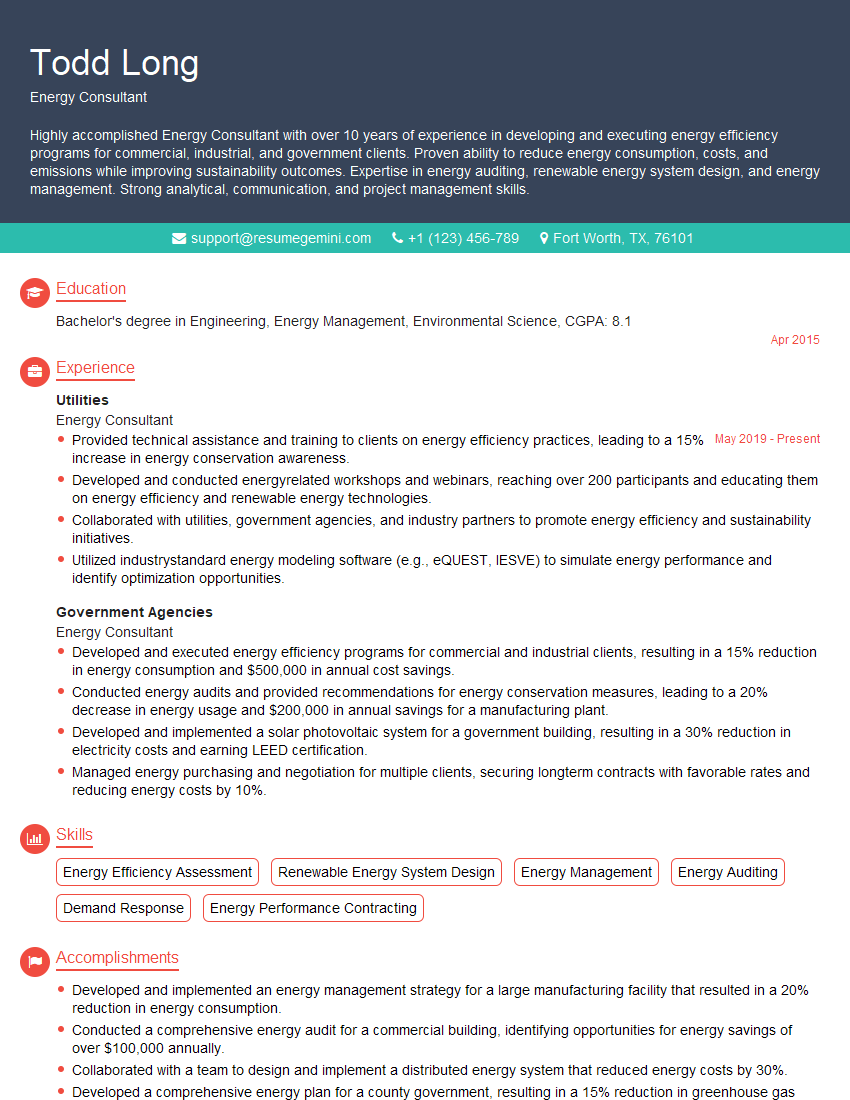
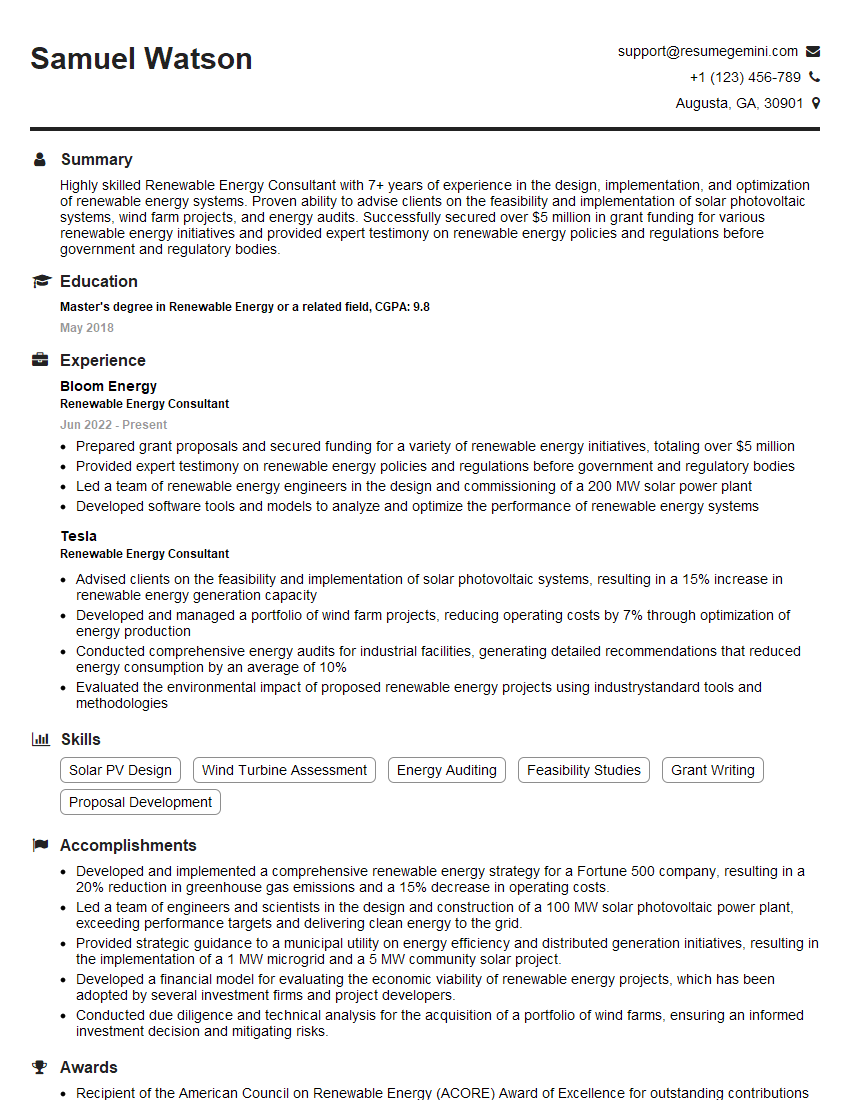
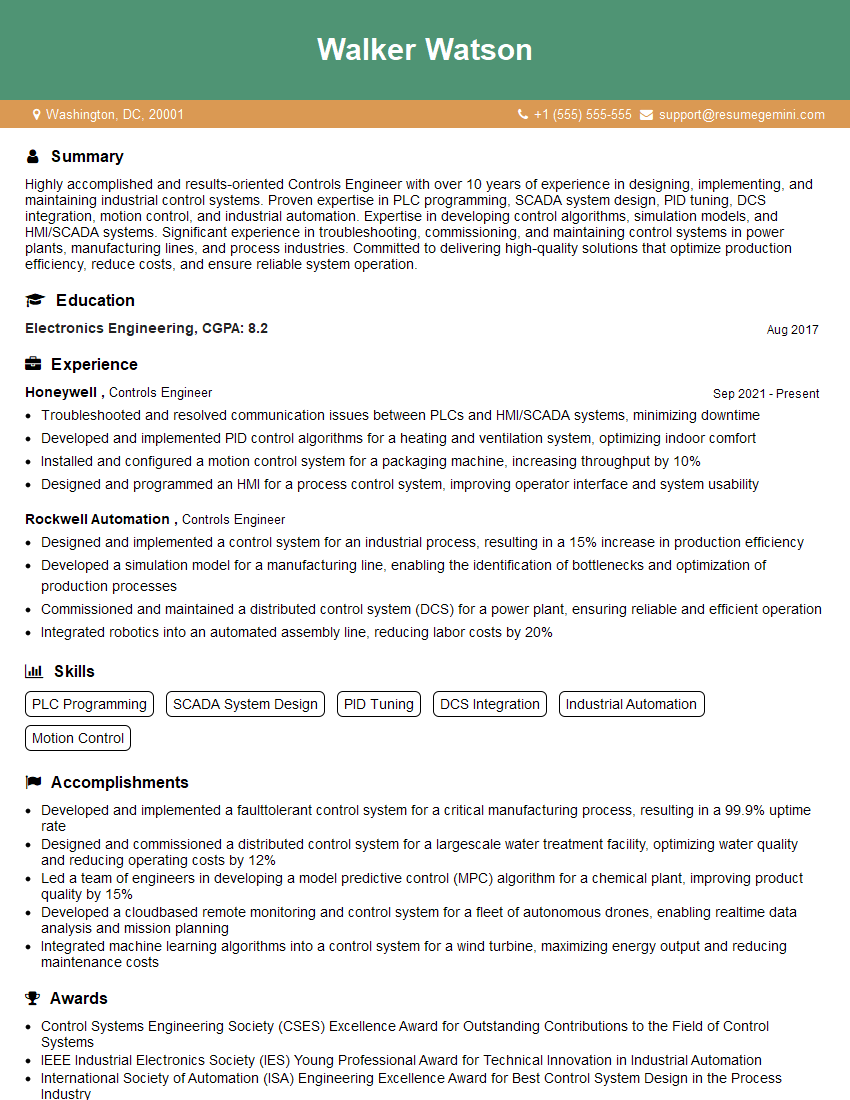
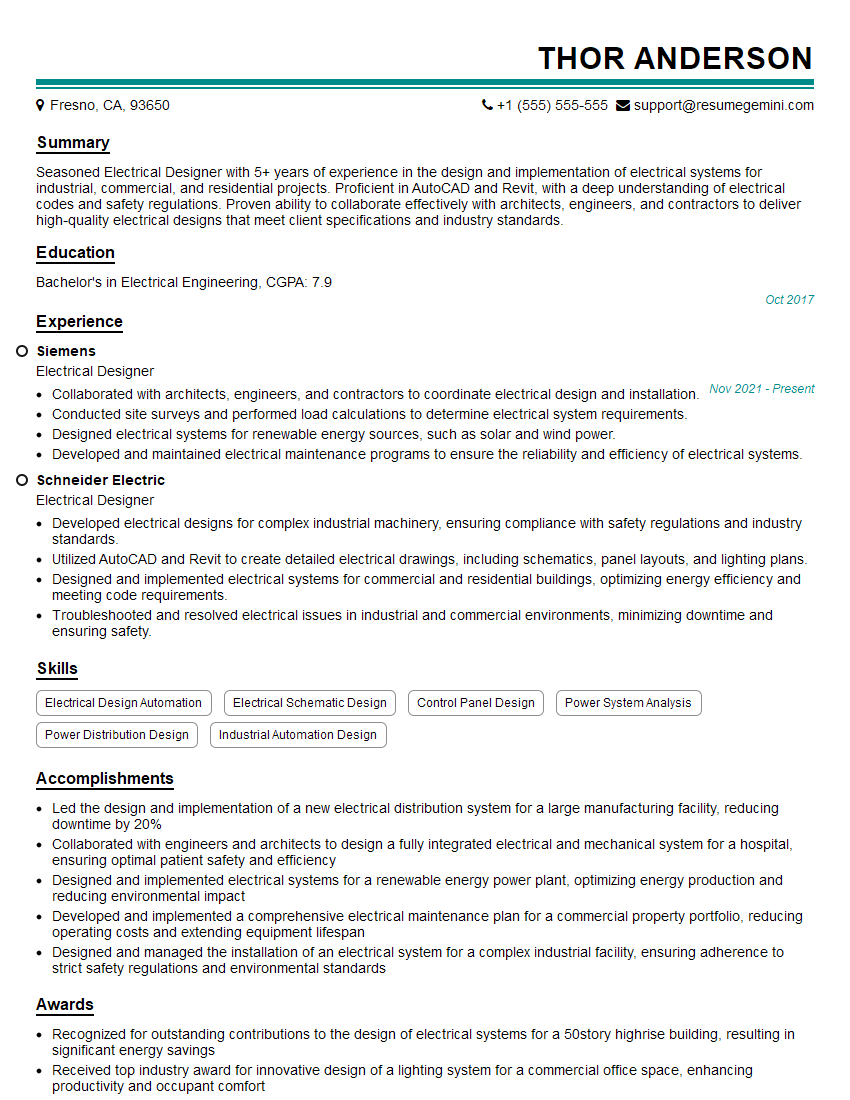
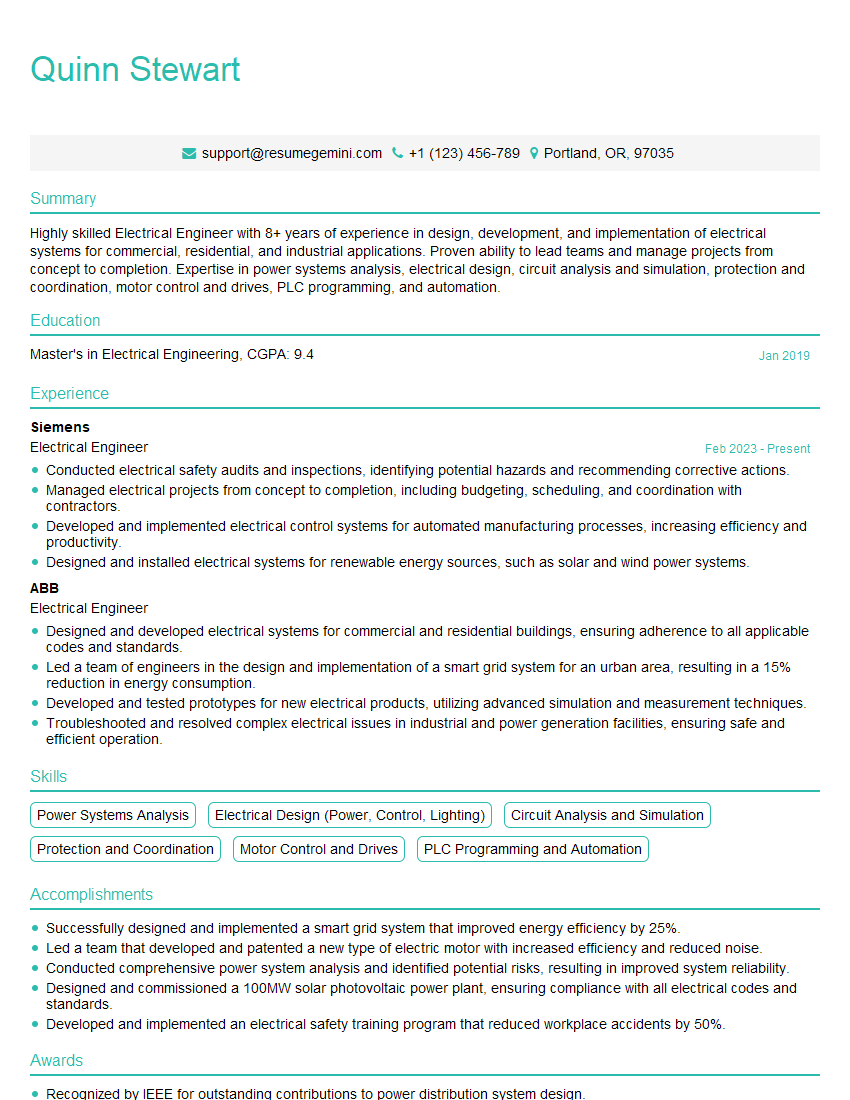
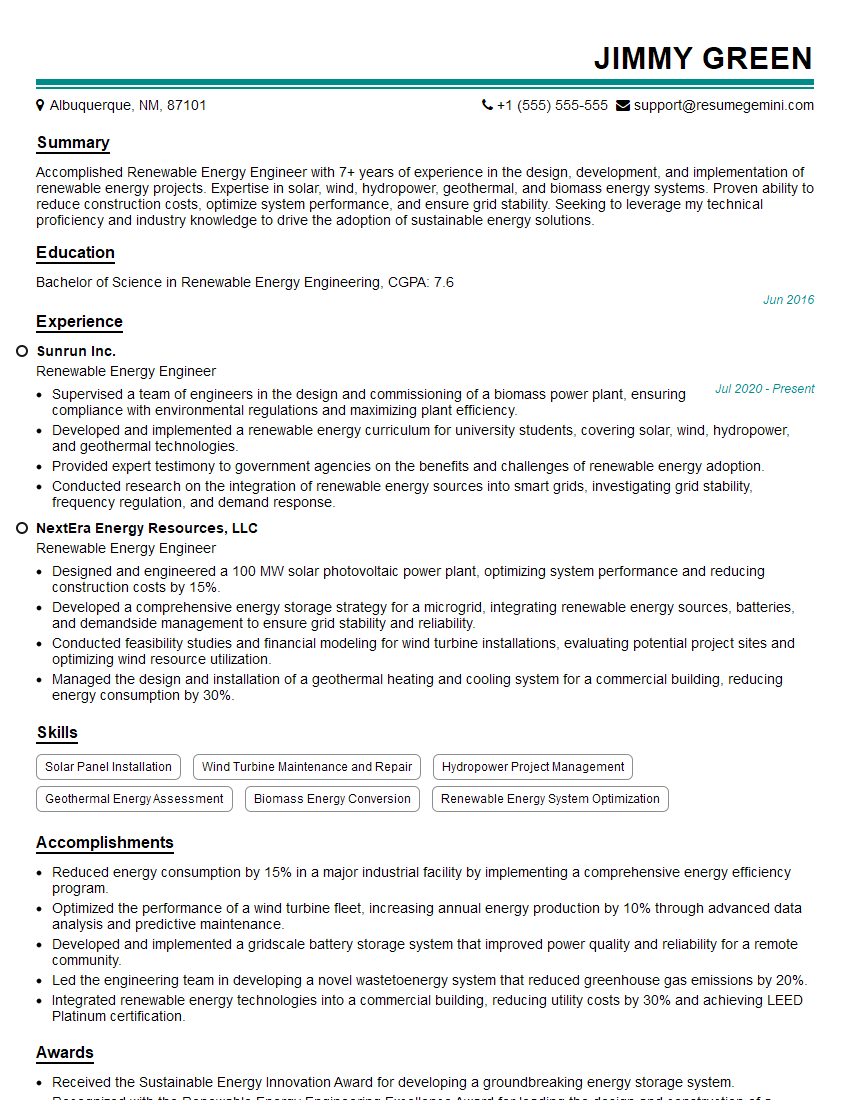
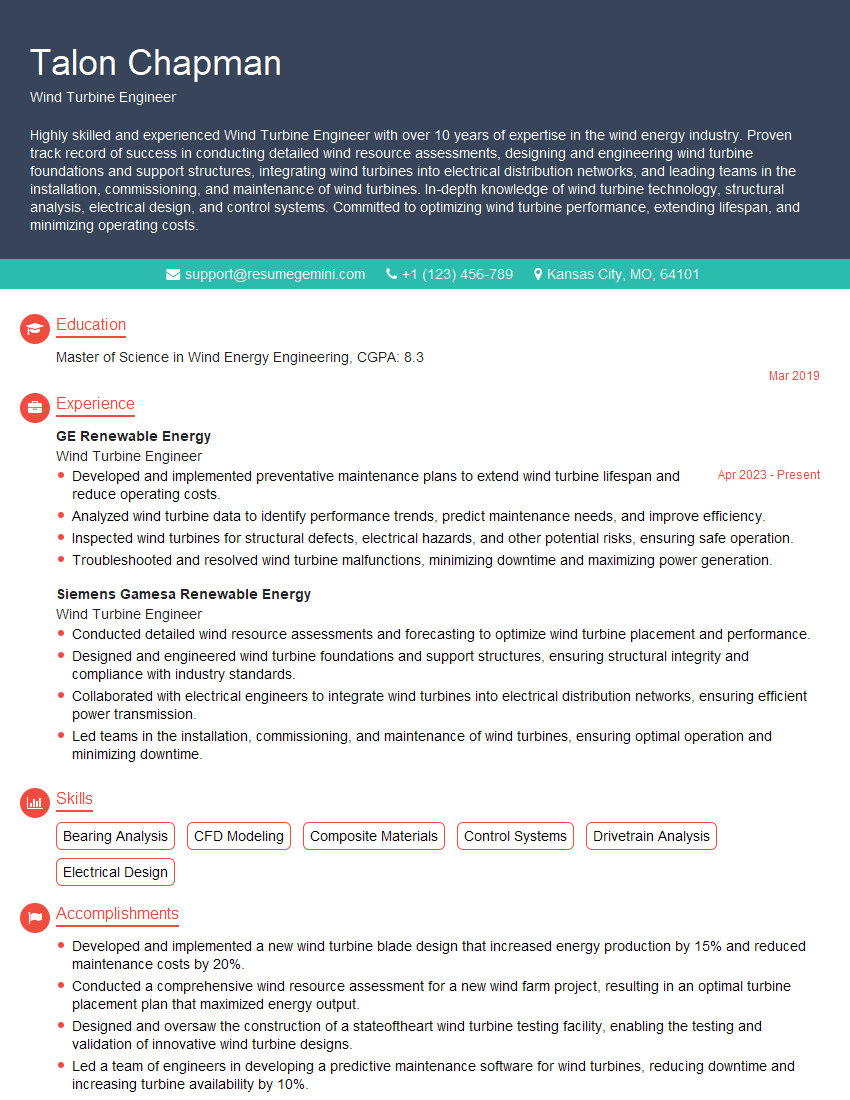
Mastering inverter sizing is crucial for career advancement in the renewable energy and power electronics sectors. A strong understanding of these concepts opens doors to more challenging and rewarding roles. To maximize your job prospects, crafting a compelling and ATS-friendly resume is essential. We highly recommend using ResumeGemini to build a professional and effective resume that highlights your skills and experience. ResumeGemini provides examples of resumes tailored to Inverter Sizing roles to help you create a standout application. Invest time in perfecting your resume—it’s your first impression on potential employers.

Explore more articles
Users Rating of Our Blogs
Share Your Experience
We value your feedback! Please rate our content and share your thoughts (optional).
What Readers Say About Our Blog
To the interviewgemini.com Webmaster.
Very helpful and content specific questions to help prepare me for my interview!
Thank you
To the interviewgemini.com Webmaster.
This was kind of a unique content I found around the specialized skills. Very helpful questions and good detailed answers.
Very Helpful blog, thank you Interviewgemini team.