The thought of an interview can be nerve-wracking, but the right preparation can make all the difference. Explore this comprehensive guide to Non-invasive ventilation (NIV) devices interview questions and gain the confidence you need to showcase your abilities and secure the role.
Questions Asked in Non-invasive ventilation (NIV) devices Interview
Q 1. What are the indications for Non-invasive ventilation (NIV)?
Non-invasive ventilation (NIV) is a respiratory support technique that helps patients breathe more easily without the need for an endotracheal tube or tracheostomy. It’s used to treat a variety of conditions that impair breathing. The primary indications fall into two main categories: acute respiratory failure and chronic respiratory insufficiency.
- Acute Respiratory Failure: This is often seen in patients with exacerbations of chronic obstructive pulmonary disease (COPD), acute pulmonary edema (fluid in the lungs), pneumonia, and other acute respiratory illnesses. NIV can help these patients avoid intubation and mechanical ventilation, reducing the risk of complications associated with invasive ventilation.
- Chronic Respiratory Insufficiency: NIV can be used in patients with conditions like COPD, neuromuscular diseases (e.g., amyotrophic lateral sclerosis), and obesity hypoventilation syndrome, to improve their breathing at night or during the day, preventing further deterioration.
Think of it like this: if your lungs are struggling to get enough air in or out, NIV acts as a boost, providing additional pressure to help them do their job more effectively.
Q 2. Describe different modes of NIV and their applications.
NIV utilizes several modes, each designed to address specific respiratory challenges. The choice of mode depends on the patient’s individual needs and the severity of their respiratory impairment.
- Pressure Support Ventilation (PSV): The ventilator delivers a set pressure to assist each breath. The patient initiates each breath, and the machine provides supplemental pressure, making it easier to inhale. This mode is suitable for patients who still have some respiratory drive but need assistance.
- Continuous Positive Airway Pressure (CPAP): A constant, positive pressure is delivered throughout the respiratory cycle. This helps keep the airways open and prevents them from collapsing, improving oxygenation. It’s often used for patients with sleep apnea or to prevent respiratory failure in acute settings.
- Bi-level Positive Airway Pressure (BiPAP): This mode delivers two different pressure levels: one for inhalation (IPAP) and one for exhalation (EPAP). It offers more precise control than CPAP, allowing for customized support based on the respiratory cycle. BiPAP is frequently used in acute respiratory failure and chronic respiratory support.
- Auto-adjusting modes (APAP): These modes automatically adjust the pressure delivered based on the patient’s breathing pattern, providing a personalized and responsive support. They are particularly useful in managing sleep apnea where breathing patterns can vary throughout the night.
For example, a patient with acute COPD exacerbation might initially benefit from BiPAP to provide both inspiratory and expiratory support, while a patient with sleep apnea might only need CPAP to maintain airway patency throughout the night.
Q 3. What are the contraindications for NIV?
While NIV is a valuable tool, it’s crucial to identify contraindications to ensure patient safety and effectiveness. These contraindications can be broadly classified into:
- Hemodynamic Instability: Patients with severe hypotension or unstable cardiac rhythms might not tolerate the increased intrathoracic pressure from NIV. It could exacerbate their cardiac status.
- Severe Airway Obstruction: NIV is ineffective if there’s a significant blockage in the upper or lower airways due to factors like severe bronchospasm, laryngeal edema, or secretions. Intubation might be necessary in such cases.
- Inability to Protect the Airway: Patients who are unable to cough or clear secretions are at risk of aspiration pneumonia and should not receive NIV. Their impaired cough reflex makes it very risky.
- Uncooperative Patients: Effective NIV requires patient cooperation. Patients who are agitated, delirious, or unable to tolerate the mask are not good candidates.
- Facial Trauma or Deformities: These may prevent a proper mask seal, hindering effective ventilation.
Always carefully assess the patient before initiating NIV to avoid complications.
Q 4. Explain the pressure support ventilation mode in NIV.
Pressure Support Ventilation (PSV) in NIV is a mode where the ventilator provides a preset amount of pressure to assist each breath. Unlike CPAP, which provides continuous pressure, PSV delivers support only during inspiration. The patient triggers each breath by initiating the inspiratory effort. Once the breath is initiated, the machine adds the preset pressure, making it easier for the patient to inhale a larger tidal volume (the volume of air inhaled and exhaled with each breath). The amount of pressure provided is adjustable, allowing for tailored support based on the patient’s needs.
Imagine it like giving someone a helping hand when they are lifting a heavy weight. The patient is still doing most of the work but gets an extra boost of pressure to assist the effort. This mode allows for patient-initiated breaths, promoting active participation in the respiratory process and potentially enhancing muscle strength over time.
Q 5. How do you monitor the effectiveness of NIV therapy?
Monitoring the effectiveness of NIV involves a multifaceted approach that combines clinical assessment and objective measurements. The key is to look for improvements in respiratory parameters and clinical status.
- Respiratory Rate and Effort: Observe for a decrease in respiratory rate and a reduction in the work of breathing (less labored breathing).
- Oxygen Saturation (SpO2): Improvement in SpO2 levels indicates improved oxygenation.
- Arterial Blood Gases (ABGs): ABGs provide a precise measurement of blood oxygen and carbon dioxide levels, offering a clear picture of gas exchange effectiveness.
- Clinical Status: Assess for improvements in mental status, reduced dyspnea (shortness of breath), and increased comfort levels.
- Heart Rate and Blood Pressure: Monitor for any adverse hemodynamic changes.
If these parameters don’t improve, the mode, pressure settings, or even the decision to use NIV might need to be reevaluated. Continuous monitoring is crucial for ensuring both efficacy and safety.
Q 6. What are the common complications associated with NIV?
While NIV offers significant benefits, it’s not without potential complications. Careful monitoring and management are essential to minimize risks.
- Claustrophobia and Anxiety: The mask can induce feelings of claustrophobia or anxiety in some patients.
- Skin Breakdown: Pressure sores can develop from the mask interface, particularly in patients with poor skin integrity.
- Dry Mouth and Nose: The dry air delivered by the ventilator can cause discomfort.
- Gastric Distension: Air can enter the stomach during NIV, leading to bloating and discomfort.
- Pneumonia: Aspiration of gastric contents can lead to pneumonia, particularly in patients with impaired swallowing.
- Increased Intrathoracic Pressure: Elevated intrathoracic pressure might affect hemodynamics in certain patients.
Proactive measures like proper mask fitting, skin care, humidification, and careful patient selection can significantly mitigate these risks.
Q 7. How do you manage patient discomfort during NIV?
Managing patient discomfort during NIV requires a multi-pronged approach focused on addressing the root causes of the discomfort.
- Mask Selection and Fitting: Using a well-fitting mask is crucial for comfort and preventing skin breakdown. Different mask types and sizes are available, allowing for personalized selection based on the patient’s facial features.
- Humidification: Adding humidity to the delivered air helps prevent dry mouth and nose, making the treatment more comfortable.
- Sedation and Analgesia: In some cases, mild sedation or analgesia may be necessary to manage anxiety or pain, especially during the initial phases of treatment.
- Patient Education: Explaining the purpose of NIV, how it works, and what to expect can alleviate anxiety and improve patient cooperation. Demonstrating proper mask use can significantly improve comfort levels.
- Regular Assessment and Adjustments: Frequent monitoring allows for timely adjustments to address any arising issues and improve comfort.
Treating discomfort proactively ensures patient compliance and ultimately leads to a more successful outcome. Remember, patient comfort is a key element to ensure successful NIV therapy.
Q 8. Describe the different types of NIV interfaces (masks).
Non-invasive ventilation (NIV) interfaces, or masks, come in various designs to accommodate different patient needs and anatomical features. The choice significantly impacts patient comfort and treatment efficacy.
- Nasal Masks: These are lightweight and relatively comfortable, ideal for patients who tolerate nasal breathing well. They deliver ventilation through the nose and are suitable for milder respiratory issues. There are variations like nasal pillows, which sit under the nostrils, and full nasal masks, which cover the nose and bridge of the nose for improved seal and higher pressures.
- Oral Masks: These cover the mouth and are useful for patients with nasal congestion or those who prefer mouth breathing. However, they can sometimes cause mouth dryness or discomfort.
- Oro-nasal Masks: Covering both the nose and mouth, these masks provide a good seal and are suitable for patients needing higher airway pressures. They are preferred for patients who require higher levels of respiratory support.
- Full-face Masks: Providing the most comprehensive seal, full-face masks encompass the entire nose and mouth. They’re often used when high pressures or leak prevention is critical but can be less comfortable due to their size and potential for claustrophobia.
- Helmet Interfaces: This provides a more open ventilation approach, often used with less invasive settings and often in the paediatric setting, allowing more natural breathing and minimizing feelings of claustrophobia. However, requires precise adjustment and monitoring of the seal.
Q 9. How do you select the appropriate NIV interface for a patient?
Selecting the right NIV interface is crucial for treatment success. A poorly fitting mask leads to leaks, reduced efficacy, and patient discomfort. The selection process considers several factors:
- Patient’s anatomy and comfort: Facial structure, nasal passages, mouth size, and any existing facial deformities or scars all influence mask fit and tolerability. A trial fitting of various mask types is often essential.
- Severity of respiratory condition: Patients with severe respiratory impairment requiring higher pressures might need a full-face mask or one with excellent sealing capabilities. Those with milder conditions may tolerate a nasal mask.
- Patient cooperation and tolerance: Patient compliance is key to successful NIV. If a patient finds a mask claustrophobic or uncomfortable, compliance will drop, negating the treatment benefits. Collaboration and education are paramount.
- Type of ventilation mode: Some masks are better suited for certain ventilation modes. For example, helmets often work better with less-invasive methods of ventilation.
- Potential for leaks: If significant air leaks are anticipated, a mask with a good seal, such as a full-face mask, might be the better choice.
Often, a trial period with different masks helps determine the best fit and comfort level for the individual patient, prioritizing comfort and effective treatment.
Q 10. Explain the concept of Pressure Support Ventilation (PSV) and its parameters.
Pressure Support Ventilation (PSV) is a NIV mode where the ventilator delivers a set amount of pressure to assist the patient’s breaths. It’s patient-triggered, meaning the patient initiates each breath, and the ventilator augments the inspiratory effort.
Key parameters of PSV include:
- Pressure Support Level (PS): This is the primary parameter, representing the pressure the ventilator adds to the patient’s inspiratory effort. It is typically measured in centimeters of water pressure (cm H2O). A higher PS level provides more assistance. The chosen level depends on the patient’s respiratory needs and response.
- Respiratory Rate (RR): While PSV is patient-triggered, the ventilator can monitor and potentially display the patient’s respiratory rate, providing insights into their respiratory effort.
- Inspiratory Time (IT): This determines how long the pressure support is delivered during inspiration. It often varies based on the patient’s needs.
- Expiratory Time (ET): The duration of the expiratory phase. Often this is determined passively by the patient’s need to exhale.
- Leak compensation: Many modern NIV machines compensate for leaks, ensuring consistent pressure support even with minor leaks in the mask fit.
For example, a patient with moderate COPD might receive a PS of 10-15 cm H2O to ease their breathing effort. Precise settings are determined based on clinical assessment and monitoring of respiratory parameters.
Q 11. What are the advantages and disadvantages of NIV compared to invasive ventilation?
NIV offers several advantages over invasive ventilation (mechanical ventilation through an endotracheal tube):
- Improved Patient Comfort: NIV avoids the discomfort and complications associated with endotracheal intubation. Patients can typically talk, eat, and drink more easily.
- Reduced Risk of Infection: Bypassing the need for an endotracheal tube significantly reduces the risk of ventilator-associated pneumonia (VAP), a serious complication of invasive ventilation.
- Preservation of Respiratory Muscle Function: NIV maintains more natural breathing patterns, potentially helping preserve respiratory muscle strength and function over time compared to invasive ventilation.
- Reduced Hospital Length of Stay: In many cases, successful NIV treatment allows for earlier discharge from the hospital.
However, NIV also has limitations:
- Patient Cooperation Required: Effective NIV necessitates patient cooperation and the ability to synchronize breathing with the ventilator. This can be challenging for some patients.
- Air Leaks: Air leaks can compromise treatment efficacy. A proper mask fit and patient cooperation are essential to minimize leaks.
- Not Suitable for All Patients: NIV may not be appropriate for patients who are severely hypoxic (low blood oxygen levels), severely hypercapnic (high blood carbon dioxide levels), or have altered consciousness.
- Potential for Complications: Though less frequent than with invasive ventilation, complications such as skin breakdown, pneumothorax (collapsed lung), and facial injuries can occur.
The decision of whether to use NIV or invasive ventilation is made on a case-by-case basis, considering the patient’s specific condition, clinical parameters, and overall suitability for NIV.
Q 12. How do you troubleshoot common NIV equipment problems?
Troubleshooting NIV equipment problems often requires a systematic approach:
- Check the power supply and connections: Ensure the ventilator is properly plugged in and that all connections, including tubing and the mask interface, are secure and free from damage.
- Inspect the mask for leaks: Carefully check the mask for proper fit and seal. Leaks can significantly reduce the effectiveness of the therapy. Observe the patient for any signs of air escaping around the mask.
- Evaluate alarms: Modern NIV devices have alarms to alert to potential problems. Address any alarms based on the device’s manual instructions. These alarms could indicate low pressure, high pressure, disconnections or other important indicators.
- Check tubing for kinks or obstructions: Examine the entire breathing circuit for any blockages that might restrict airflow.
- Verify ventilator settings: Make sure that the ventilator’s settings are appropriate for the patient, consulting with the prescribing physician if necessary.
- Assess the patient’s respiratory status: The patient’s clinical condition, including breathing patterns, oxygen saturation, and respiratory rate, provides important clues to any underlying problems that might not be related to the machine itself. Respiratory rate increase or oxygen saturation decrease should always be investigated.
If problems persist, contacting respiratory therapy or engineering support can be necessary for more advanced troubleshooting. Keeping detailed records of the issue, observations, and any actions taken is also essential for effective resolution and documentation.
Q 13. Describe the process of weaning a patient from NIV.
Weaning from NIV is a gradual process that aims to transition the patient from ventilator support to spontaneous breathing. This process is highly individualized, based on the patient’s response and clinical status.
The weaning process might involve:
- Gradual reduction in pressure support: The pressure support level is progressively decreased over time, typically in small increments, allowing the patient to gradually assume more of the respiratory work. This is often done over multiple sessions.
- Increasing inspiratory time (IT): Increasing the time the pressure support is provided can give the patient a greater boost during the inspiratory phase.
- Trial periods of spontaneous breathing: Short periods of discontinuing NIV are conducted, carefully monitoring the patient’s respiratory status, oxygen saturation, and overall clinical condition. If tolerated, periods of spontaneous breathing are increased gradually.
- Monitoring for signs of respiratory distress: Close observation for signs of increased respiratory effort, low oxygen saturation, or other indicators of respiratory insufficiency is essential. Any signs of deterioration may necessitate restarting or adjusting the NIV settings.
- Regular assessment of respiratory parameters: Regular assessments of the patient’s vital signs (including heart rate, blood pressure, oxygen saturation, and respiratory rate), arterial blood gas levels (when indicated), and mental status are critical to guide the weaning process.
Successful weaning depends on the patient’s overall health, underlying respiratory condition, and their ability to maintain adequate gas exchange without ventilator support. This process is often collaborative between the respiratory therapist, physician, and nursing staff, ensuring a tailored approach for each patient.
Q 14. What are the key patient parameters to monitor during NIV?
Monitoring key patient parameters during NIV is crucial for ensuring treatment efficacy, safety, and appropriate adjustments. These parameters can help diagnose complications, identify potential issues and improve outcomes.
- Respiratory Rate (RR): Monitoring the RR helps assess the patient’s respiratory effort. Tachypnea (rapid breathing) may indicate respiratory distress, while bradypnea (slow breathing) may indicate excessive sedation or worsening respiratory status.
- Heart Rate (HR): Changes in HR can reflect the patient’s response to NIV, with increases potentially indicating respiratory distress or cardiac strain.
- Blood Pressure (BP): Monitoring BP helps assess cardiovascular status. Changes in BP may also suggest complications like hypotension.
- Oxygen Saturation (SpO2): SpO2, measured using pulse oximetry, is a crucial indicator of oxygenation status. Decreased SpO2 values indicate hypoxemia, requiring immediate attention.
- Arterial Blood Gases (ABGs): ABGs provide more detailed information about blood oxygen and carbon dioxide levels, acid-base balance, and overall respiratory function. ABGs are important for precise adjustments to NIV settings.
- Respiratory Mechanics: Measurements like peak inspiratory pressure, tidal volume (the volume of air breathed in with each breath) and other respiratory mechanics data give further insights into the effectiveness of ventilation.
- Mental Status: Monitoring the patient’s level of consciousness and alertness helps assess their overall clinical condition. Changes in mental status can be an early sign of several medical issues.
- Skin Assessment: This is important for patients with prolonged NIV, to observe for any signs of skin breakdown or irritation from the mask interface. Regular repositioning can help prevent skin breakdown.
Continuous monitoring of these parameters helps optimize NIV therapy and ensures timely intervention should complications arise. The frequency of monitoring depends on the patient’s clinical status and stability.
Q 15. How do you assess a patient’s suitability for NIV?
Assessing a patient’s suitability for Non-Invasive Ventilation (NIV) is crucial for ensuring its effectiveness and safety. We need to consider several factors, essentially determining if the patient’s respiratory failure is likely to respond positively to NIV and if they can tolerate the treatment. This involves a comprehensive assessment including:
- Respiratory Status: We evaluate the patient’s respiratory rate, work of breathing (how hard they are working to breathe), oxygen saturation (SpO2), and arterial blood gas results. For instance, a patient with a very high respiratory rate (tachypnea), low oxygen saturation, and elevated carbon dioxide levels (hypercapnia) might be a good candidate, provided other factors are favorable.
- Level of Consciousness: NIV requires patient cooperation. A patient who is alert and able to follow instructions is more likely to succeed with NIV. Patients who are confused, sedated, or agitated might have difficulty tolerating the mask.
- Underlying Medical Conditions: We consider the cause of respiratory failure. NIV is often effective for exacerbations of chronic obstructive pulmonary disease (COPD), but might not be suitable for patients with severe neuromuscular weakness or other conditions that significantly impair their ability to breathe.
- Ability to Protect Their Airway: Patients with a high risk of aspiration (inhaling food or fluids into the lungs) are usually not ideal candidates for NIV because of the increased risk of pneumonia. A thorough assessment of their swallowing function is needed.
- Patient Preferences and Expectations: Patient comfort and cooperation are paramount. Discussing the treatment plan, expected outcomes, and potential side effects is essential before initiating NIV.
Essentially, we aim to identify patients who are likely to benefit from NIV’s supportive effect on their breathing while minimizing risks. We carefully weigh the potential benefits against potential adverse effects, such as claustrophobia, skin breakdown from the mask, or complications related to the mask itself.
Career Expert Tips:
- Ace those interviews! Prepare effectively by reviewing the Top 50 Most Common Interview Questions on ResumeGemini.
- Navigate your job search with confidence! Explore a wide range of Career Tips on ResumeGemini. Learn about common challenges and recommendations to overcome them.
- Craft the perfect resume! Master the Art of Resume Writing with ResumeGemini’s guide. Showcase your unique qualifications and achievements effectively.
- Don’t miss out on holiday savings! Build your dream resume with ResumeGemini’s ATS optimized templates.
Q 16. What are the different types of NIV devices available?
Several types of NIV devices are available, each with its own mechanism and capabilities. The main categories are:
- Pressure-Controlled Devices: These devices deliver a set pressure to the lungs during both inhalation and exhalation. The pressure support helps inflate the lungs, and a lower pressure during exhalation assists with emptying them. This is commonly used in patients with COPD or other obstructive lung diseases.
- Volume-Targeted Devices: These deliver a predetermined volume of air per breath. They can be beneficial for patients with restrictive lung diseases, where the lungs have difficulty expanding fully.
- Bi-Level Positive Airway Pressure (BiPAP): This is a widely used type of pressure-controlled device that delivers two different pressure levels: one for inhalation (IPAP) and a lower one for exhalation (EPAP). It provides pressure support during inspiration and positive end-expiratory pressure (PEEP) during exhalation.
- Continuous Positive Airway Pressure (CPAP): This device delivers a constant, positive airway pressure throughout the breathing cycle. It’s often used for patients with sleep apnea but can also be applied in some cases of respiratory failure.
The choice of device depends heavily on the patient’s specific condition, respiratory mechanics, and tolerance. For instance, a patient with severe COPD might benefit more from BiPAP, while a patient with restrictive lung disease might require a volume-targeted device. Careful assessment and monitoring are vital in selecting and adjusting NIV therapy.
Q 17. What is the role of FiO2 in NIV therapy?
FiO2, or fraction of inspired oxygen, represents the concentration of oxygen in the gas mixture delivered to the patient. In NIV, it’s crucial for maintaining adequate blood oxygen levels (SpO2). We aim to deliver enough oxygen to satisfy the body’s needs while avoiding potential risks associated with high oxygen levels.
For example, a patient with low oxygen saturation (hypoxia) might require a higher FiO2, such as 40% or 50%, to increase their oxygen levels. However, prolonged exposure to high FiO2 can be detrimental, potentially causing oxygen toxicity. Therefore, the goal is to find the lowest FiO2 that effectively maintains adequate oxygenation. We continuously monitor the patient’s oxygen saturation and arterial blood gases, adjusting FiO2 as necessary to avoid both hypoxia and oxygen toxicity. The target is usually to maintain SpO2 within the 90-96% range.
Imagine it like a fuel gauge in a car. You need enough fuel (oxygen) to run the engine (body), but too much can cause damage. We adjust the FiO2 to find the optimal balance between providing sufficient oxygen and avoiding harm.
Q 18. Explain the significance of PEEP in NIV.
PEEP, or positive end-expiratory pressure, is the pressure remaining in the lungs at the end of exhalation. In NIV, PEEP is crucial because it helps to improve oxygenation and reduce the work of breathing. It accomplishes this by:
- Increasing Lung Volume: PEEP keeps the alveoli (tiny air sacs in the lungs) partially open, preventing them from collapsing completely at the end of exhalation. This increases the functional residual capacity (FRC), the amount of air remaining in the lungs after a normal breath.
- Improving Gas Exchange: By keeping the alveoli open, PEEP improves the surface area available for gas exchange (oxygen uptake and carbon dioxide removal). This leads to better oxygenation.
- Reducing Work of Breathing: Because the alveoli are already partially open, less effort is required to inflate them during inhalation, reducing the work of breathing for the patient.
However, excessive PEEP can have adverse effects, such as decreased cardiac output or barotrauma (lung injury from excessive pressure). Therefore, careful titration (gradual adjustment) of PEEP is necessary based on the patient’s response and tolerance. We closely monitor hemodynamics (blood pressure and heart rate) and lung sounds to ensure the PEEP level is optimal and safe.
Think of PEEP as a small amount of air pressure holding the air sacs open, like gently supporting a deflated balloon. It makes breathing easier and more efficient.
Q 19. How do you adjust NIV settings based on patient response?
Adjusting NIV settings is a dynamic process based on continuous monitoring and evaluation of the patient’s response. We assess:
- Respiratory Rate and Effort: If the respiratory rate remains high or the patient is struggling to breathe despite NIV, we might increase the pressure support or volume delivered.
- Oxygen Saturation (SpO2): If SpO2 is low, we can increase the FiO2 or adjust other settings such as PEEP.
- Arterial Blood Gases: These provide a more precise measure of oxygen and carbon dioxide levels in the blood. Adjustments are based on these values to reach optimal gas exchange.
- Heart Rate and Blood Pressure: Closely monitoring these parameters helps to detect potential side effects, such as decreased cardiac output from high PEEP.
- Patient Comfort and Tolerance: If the patient is experiencing discomfort, we might need to adjust the mask fit, pressure levels, or explore different NIV modes or devices.
Adjustments are usually made incrementally and carefully. We document all changes and their effects on the patient’s condition. The goal is to find the optimal settings that provide adequate respiratory support while minimizing side effects and ensuring patient comfort and tolerance. For instance, starting with conservative settings and making small, gradual changes based on regular assessments is crucial. This approach helps to avoid sudden changes that might be detrimental to the patient’s condition.
Q 20. What are the ethical considerations related to NIV therapy?
Ethical considerations in NIV therapy center around patient autonomy, beneficence, and non-maleficence. Key ethical aspects include:
- Informed Consent: Patients (or their surrogates) must have a clear understanding of the benefits, risks, and alternatives to NIV before starting treatment. This includes explaining potential side effects like skin breakdown, discomfort, and the possibility of NIV failure.
- Withholding or Withdrawing Treatment: In situations where NIV is no longer beneficial or causes undue suffering, ethical discussions should occur regarding the appropriateness of withdrawing or withholding treatment. This requires careful consideration of the patient’s wishes and best interests, often involving palliative care teams.
- Resource Allocation: NIV is a resource-intensive treatment. Ethical considerations might arise when resources are limited, requiring careful allocation based on clinical need and prognosis.
- End-of-Life Decisions: NIV is sometimes used in end-of-life care to provide comfort. Ethical considerations might focus on ensuring that aggressive NIV is not used inappropriately when the patient is approaching death and comfort measures are prioritized.
These ethical dilemmas are often complex and require multidisciplinary discussions involving physicians, nurses, respiratory therapists, and potentially ethicists, ensuring decisions are aligned with the patient’s values, wishes, and best interests.
Q 21. How do you educate patients and their families about NIV?
Educating patients and their families about NIV is crucial for successful therapy. This education should be tailored to their understanding and learning styles and encompass:
- Purpose of NIV: Explain in simple terms how NIV helps to improve breathing and oxygen levels.
- How NIV Works: Describe the device, mask, and its functions in clear, understandable language, avoiding unnecessary technical jargon.
- Mask Usage and Care: Provide instruction on proper mask fitting, cleaning, and maintenance to reduce complications.
- Monitoring: Explain how the patient or family can monitor vital signs such as oxygen saturation, respiratory rate, and heart rate and when to contact medical staff.
- Troubleshooting: Provide information on common problems like mask leaks, discomfort, and other possible issues and how to address them, or when professional help is required.
- Potential Side Effects: Clearly discuss possible side effects, such as skin irritation, claustrophobia, and nasal dryness, along with management strategies.
- Realistic Expectations: Emphasize that NIV is supportive therapy, and its effectiveness may vary.
Use visual aids like diagrams and videos to enhance understanding. Provide written materials summarizing key information. Allow ample time for questions and answers. Regular follow-up appointments offer an opportunity to address concerns, provide encouragement, and fine-tune the education.
For example, showing videos on mask application or demonstrating cleaning techniques can significantly improve patient and family understanding. Active listening and providing personalized explanations are crucial for addressing individual concerns and ensuring patient compliance and confidence in using the equipment.
Q 22. What are the different alarm systems in NIV devices and their significance?
NIV devices incorporate sophisticated alarm systems crucial for patient safety and effective therapy. These alarms alert clinicians to potential problems, preventing complications and ensuring optimal treatment. Common alarms include:
- High-pressure alarm: This triggers when airway resistance increases significantly, possibly due to secretions, kinking of the tubing, coughing, or patient biting the mask. It requires immediate assessment of the patient and airway.
- Low-pressure alarm: This indicates a decrease in airway pressure, often caused by leaks in the system (mask fit, tubing disconnections), or dislodgement of the mask. Prompt attention is needed to identify and fix the leak.
- Apnea alarm: This alarm sounds when the device detects the absence of spontaneous breaths for a predetermined period, signaling potential respiratory failure. Immediate intervention might involve checking patient responsiveness and providing manual ventilation.
- Low tidal volume alarm: This signifies insufficient breath volume, possibly indicating inadequate patient effort, a leak, or a problem with the device itself. Assessment of patient breathing pattern and ventilator settings is required.
- High minute ventilation alarm: This alarm indicates an unexpectedly high respiratory rate or tidal volume, potentially signifying increased respiratory distress. Careful evaluation of the patient’s respiratory status is necessary.
- Low oxygen saturation (SpO2) alarm: If integrated with pulse oximetry, this alarm indicates a drop in blood oxygen levels below a set threshold, requiring immediate attention and potential adjustments to oxygen support.
Understanding these alarms and their causes is paramount for effective NIV management. Regular training and familiarity with the specific device’s alarm system are essential for respiratory therapists and nurses.
Q 23. How do you handle respiratory distress in a patient on NIV?
Respiratory distress in a patient on NIV is a serious situation requiring immediate action. The approach depends on the severity of distress, but generally involves:
- Assessment: Quickly assess the patient’s respiratory rate, effort, oxygen saturation, and level of consciousness. Auscultate the lungs for wheezing, crackles, or decreased breath sounds. Check ventilator settings and tubing for leaks or disconnections.
- Increase NIV support: If the patient’s respiratory distress is worsening despite adequate NIV, consider increasing the pressure support or PEEP (positive end-expiratory pressure) settings, always within safe limits.
- Oxygen supplementation: Increase the FiO2 (fraction of inspired oxygen) to maintain adequate oxygen saturation.
- Airway management: If secretions are obstructing the airway, consider suctioning the patient’s airway carefully. If the mask is poorly fitting, consider changing it for a better seal.
- Medication: Administer bronchodilators (e.g., albuterol) if bronchospasm is suspected. Consider other medications as indicated by the patient’s condition.
- Escalation of care: If NIV is ineffective in relieving respiratory distress, consider escalating to invasive mechanical ventilation. This may involve intubation and mechanical ventilation.
Remember, rapid assessment and timely intervention are critical in managing respiratory distress in patients on NIV. Clear communication with the medical team is essential for optimal patient care.
Q 24. Describe the role of respiratory mechanics in NIV.
Respiratory mechanics play a pivotal role in the success of NIV. It refers to the physical processes involved in breathing, including lung compliance, airway resistance, and respiratory muscle strength. Understanding these factors is crucial for optimizing NIV settings and patient outcomes.
- Lung compliance: This refers to the lungs’ ability to expand. Poor lung compliance (stiff lungs), as seen in pulmonary fibrosis, requires higher pressures to deliver adequate ventilation with NIV.
- Airway resistance: This is the opposition to airflow in the airways. Increased airway resistance (e.g., in asthma or COPD) requires adjusting NIV parameters to ensure sufficient airflow.
- Respiratory muscle strength: Effective NIV relies on the patient’s ability to actively participate in breathing. Weakness of the respiratory muscles can hinder the effectiveness of NIV, potentially requiring alternative strategies.
Clinicians adjust NIV settings based on these mechanical properties, tailoring the therapy to individual patient needs. For instance, patients with high airway resistance might benefit from higher flow rates, while those with poor lung compliance might require higher pressure support.
Q 25. Explain the importance of patient-ventilator synchrony in NIV.
Patient-ventilator synchrony, the harmonious coordination between the patient’s respiratory efforts and the ventilator’s delivery of breaths, is essential for effective NIV. Poor synchrony leads to patient discomfort, increased work of breathing, and ultimately, NIV failure.
Signs of poor synchrony include:
- Patient fighting the ventilator: The patient struggles against the ventilator’s breaths, resulting in increased respiratory effort and distress. This might be due to inappropriate ventilator settings (too high or low pressure).
- Asynchronous breaths: The patient’s breaths and ventilator breaths are not coordinated, leading to inefficient ventilation and patient discomfort.
- Auto-PEEP: If the patient cannot fully exhale before the next ventilator breath, auto-PEEP (positive end-expiratory pressure) can develop, leading to hemodynamic compromise.
Optimizing patient-ventilator synchrony involves careful selection of NIV modes (e.g., pressure support ventilation), accurate assessment of patient respiratory mechanics, and appropriate adjustments of ventilator settings. Observing the patient for signs of distress and adjusting the settings accordingly is crucial.
Q 26. How do you manage leaks during NIV?
Leaks are a common challenge during NIV, impacting the effectiveness of the therapy. Effective leak management involves a multi-pronged approach:
- Assess the source: Identify the source of the leak—mask fit, tubing connections, or even a leak around the patient’s mouth or nose.
- Adjust mask fit: Ensure the mask is properly fitted and sealed against the patient’s face, paying close attention to the bridge of the nose and around the cheeks. Try different mask sizes and types.
- Check tubing connections: Ensure all tubing connections are secure and free of leaks. Replace any damaged tubing.
- Use leak compensation features: Many NIV devices offer leak compensation features to adjust the delivered breaths for minor leaks.
- Consider alternative masks: If leaks persist despite adjustments, consider different types of masks, such as nasal masks, full-face masks, or oronasal masks.
- Address patient factors: Facial hair, poor mask tolerance, or excessive movement can contribute to leaks. Address these contributing factors where possible.
Persistent significant leaks may necessitate escalating to invasive ventilation. Regular monitoring and prompt intervention are essential for successful NIV therapy.
Q 27. What is the difference between NIV and CPAP?
While both NIV and CPAP (Continuous Positive Airway Pressure) are non-invasive respiratory support modalities, they differ significantly in their mechanisms and clinical applications:
- CPAP: Delivers a constant positive pressure throughout the respiratory cycle. It helps keep the airways open and improves oxygenation, but it doesn’t assist with the work of breathing. It is frequently used for sleep apnea and to treat mild to moderate respiratory failure.
- NIV: Offers various modes that provide both positive pressure support during inspiration and may maintain positive pressure during expiration (PEEP). It assists both inspiration and expiration, actively supporting the work of breathing. NIV is used for more severe respiratory failure.
In essence, CPAP is a simpler form of respiratory support, mainly providing airway pressure support, while NIV offers a wider range of modes, providing pressure support during inspiration and, in some cases, also offering expiratory pressure support. The choice between CPAP and NIV depends on the patient’s clinical condition and the severity of their respiratory distress.
Q 28. Discuss the role of NIV in specific disease states (e.g., COPD, CHF)
NIV plays a significant role in managing several disease states, offering benefits over invasive ventilation:
- Chronic Obstructive Pulmonary Disease (COPD): NIV is widely used in COPD exacerbations to reduce respiratory distress, improve oxygenation, and decrease the need for invasive ventilation. It helps reduce the work of breathing and improve gas exchange.
- Congestive Heart Failure (CHF): NIV can help manage acute respiratory distress associated with CHF by reducing pulmonary edema, improving oxygenation, and reducing the workload of the heart. This can decrease the need for hospital admission and improve patient outcomes.
- Other conditions: NIV also finds application in other conditions, such as neuromuscular diseases, obesity hypoventilation syndrome, and post-operative respiratory support. It’s often used to prevent respiratory failure and improve patient comfort.
The efficacy of NIV depends on the severity of the disease, the patient’s overall health, and the appropriate selection and management of NIV therapy. Individualized treatment plans are essential for optimal patient outcomes.
Key Topics to Learn for Non-invasive ventilation (NIV) devices Interview
- Physiological Principles of NIV: Understanding respiratory mechanics, gas exchange, and the indications for NIV therapy. Consider the differences between various respiratory failure types and how NIV addresses them.
- NIV Device Types and Modes: Familiarize yourself with different NIV devices (e.g., CPAP, BiPAP, pressure support ventilation) and their operational modes. Be prepared to discuss the advantages and disadvantages of each in various clinical scenarios.
- Patient Selection and Monitoring: Learn the criteria for selecting appropriate candidates for NIV and the importance of ongoing monitoring (e.g., respiratory rate, SpO2, blood gases) to assess treatment efficacy and identify potential complications.
- Complications and Management: Understand potential complications associated with NIV (e.g., air leaks, skin breakdown, hemodynamic instability) and the strategies for preventing and managing them. This includes troubleshooting common device issues.
- Practical Application: Be ready to discuss real-world scenarios. For example, how would you manage a patient experiencing increased work of breathing during NIV, or a patient with a high leak rate? Think critically about your approach to problem-solving.
- Ventilator Settings and Adjustments: Understand the meaning and implications of key ventilator settings (e.g., pressure, flow, respiratory rate, I:E ratio) and how to adjust them based on patient response and clinical goals. Consider how these settings affect patient comfort and efficacy.
- Ethical Considerations: Be prepared to discuss the ethical implications of NIV therapy, particularly in end-of-life care.
Next Steps
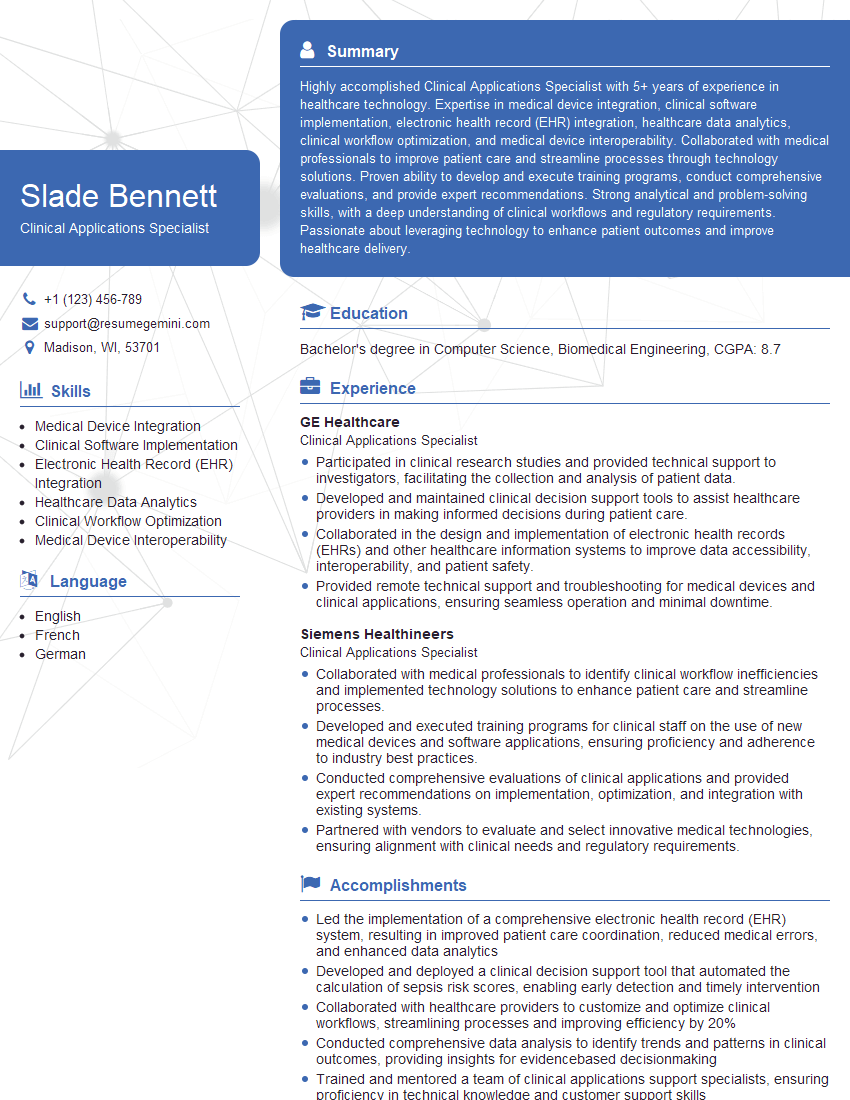
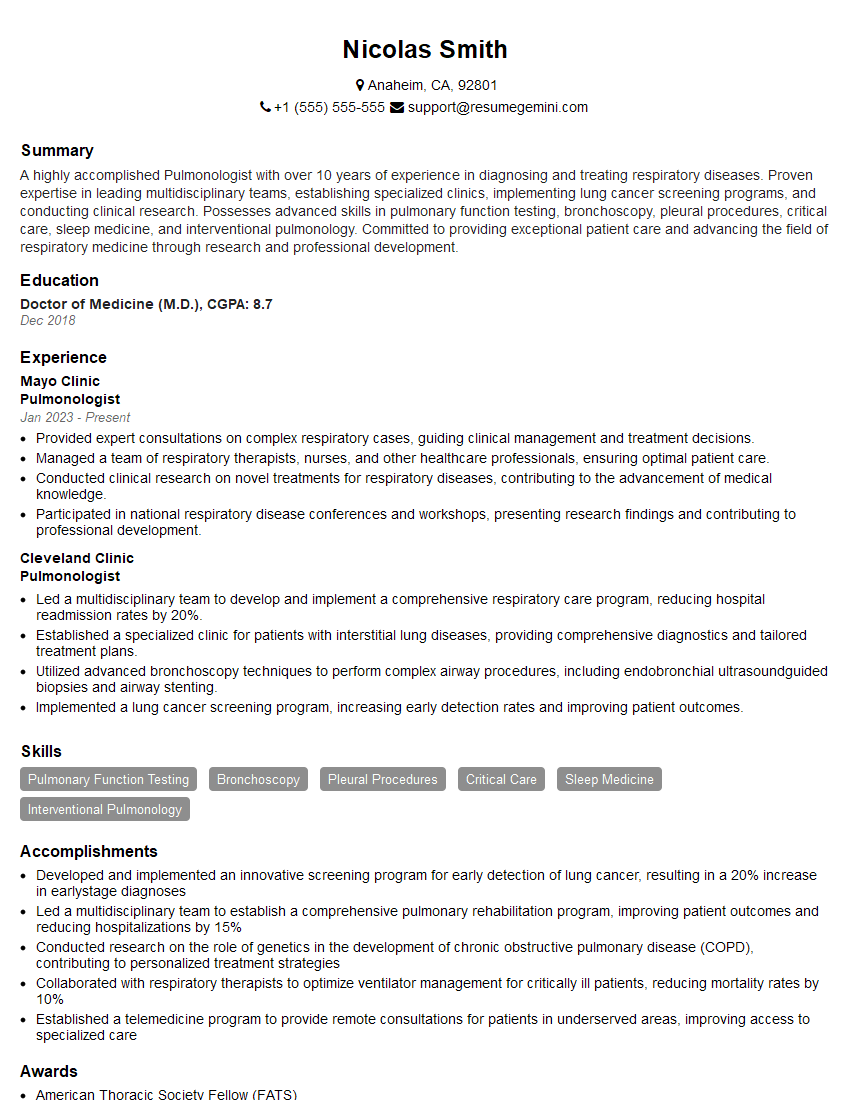
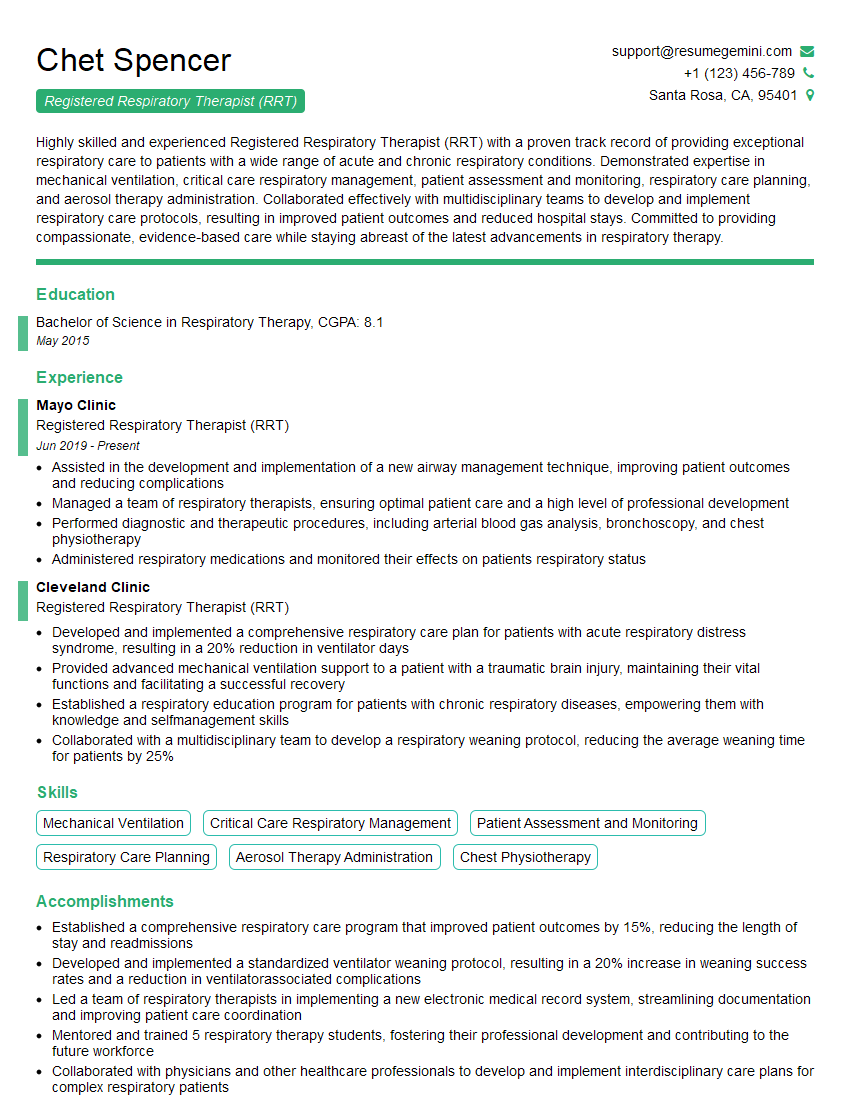
Mastering Non-invasive ventilation (NIV) devices is crucial for career advancement in respiratory care. A strong understanding of these devices showcases your expertise and increases your marketability to employers seeking skilled and knowledgeable professionals. To enhance your job prospects, crafting an ATS-friendly resume is paramount. ResumeGemini is a trusted resource that can help you build a professional and impactful resume, significantly improving your chances of landing your dream job. Examples of resumes tailored to Non-invasive ventilation (NIV) devices are available to help guide you through the process.
Explore more articles
Users Rating of Our Blogs
Share Your Experience
We value your feedback! Please rate our content and share your thoughts (optional).
What Readers Say About Our Blog
To the interviewgemini.com Webmaster.
Very helpful and content specific questions to help prepare me for my interview!
Thank you
To the interviewgemini.com Webmaster.
This was kind of a unique content I found around the specialized skills. Very helpful questions and good detailed answers.
Very Helpful blog, thank you Interviewgemini team.