Cracking a skill-specific interview, like one for Wine Retail, requires understanding the nuances of the role. In this blog, we present the questions you’re most likely to encounter, along with insights into how to answer them effectively. Let’s ensure you’re ready to make a strong impression.
Questions Asked in Wine Retail Interview
Q 1. Describe your experience with wine sales techniques.
My wine sales techniques are built on a foundation of understanding customer needs and building rapport. It’s not just about selling a bottle; it’s about guiding the customer to the perfect wine for their occasion, palate, and budget. I begin by engaging in friendly conversation, subtly probing for information about their preferences – do they prefer red or white? Do they have a particular cuisine in mind? Are they celebrating a special occasion? Once I understand their needs, I present a carefully curated selection, explaining the nuances of each wine’s origin, taste profile, and potential food pairings. I also utilize suggestive selling techniques. For example, if a customer is interested in a Cabernet Sauvignon from Napa Valley, I might suggest a complementary Merlot from the same region, highlighting the subtle differences. I always prioritize providing honest and informative descriptions, avoiding overly technical jargon. I encourage tasting notes where appropriate and close the sale by emphasizing the value proposition of the chosen wine. I follow up with customers after the sale to gauge their satisfaction and build brand loyalty.
Q 2. What wine regions are you most familiar with?
I’m most familiar with the wine regions of Bordeaux and Burgundy in France, Tuscany in Italy, and Napa Valley and Sonoma in California. In Bordeaux, I have extensive knowledge of the various appellations, from the prestigious Left Bank Cabernet Sauvignons to the Right Bank Merlot-dominant blends. In Burgundy, I’m well-versed in the complexities of Pinot Noir and Chardonnay from different climats. My familiarity with Tuscany includes the Sangiovese-based wines of Chianti Classico and the Super Tuscans. Finally, my experience with California encompasses both the established wineries of Napa and Sonoma and the newer, up-and-coming producers. This knowledge extends beyond just grape varietals and terroir to include the unique winemaking styles characteristic of each region.
Q 3. Explain the difference between Old World and New World wines.
The terms “Old World” and “New World” refer to distinct winemaking philosophies and traditions. Old World wines, primarily from Europe (France, Italy, Spain, etc.), generally emphasize tradition, terroir (the unique environmental factors influencing the grapes), and minimal intervention in the winemaking process. They often feature age-worthiness, higher acidity, and subtle complexity. Think of a classic Burgundy Pinot Noir, with its earthy notes and delicate structure. New World wines, predominantly from the Americas, Australia, and other newer wine-producing regions, tend to prioritize fruit-forward styles, bold flavors, and a more modern approach to winemaking. They often use new oak barrels and showcase a more immediate appeal, with greater fruit intensity. A classic example is a fruit-bomb California Cabernet Sauvignon. The distinction is not absolute, with many exceptions, but it serves as a useful guideline for understanding different wine styles.
Q 4. How do you handle a customer complaint about a faulty bottle of wine?
Handling a customer complaint about a faulty bottle requires a calm and professional approach. First, I would sincerely apologize for the inconvenience and listen attentively to the customer’s concerns. Then, I would visually inspect the bottle for any obvious signs of damage. Depending on the nature of the complaint (cork taint, oxidation, etc.), I would follow store protocol – which typically involves checking the batch number and potentially contacting the supplier. The customer would receive a full refund or a replacement bottle. A crucial step is to take ownership of the situation and show empathy. In some cases, I might offer a small gesture of goodwill to compensate for the inconvenience, such as a discount on their next purchase. The goal is to turn a negative experience into a positive one, preserving the customer’s trust and loyalty.
Q 5. What are the key factors you consider when recommending a wine to a customer?
When recommending wine, I consider several key factors. Firstly, I assess the customer’s preferences (red, white, sweetness level, body), and their intended food pairing, if any. Secondly, I consider the occasion – a casual dinner versus a formal event calls for different wine choices. Thirdly, the budget is important; customers have different price points. Fourthly, I might also factor in the customer’s prior experience with wine – a novice might benefit from a lighter, easier-to-drink style compared to a connoisseur who would appreciate something more complex. Finally, I strive to present wines that offer value and interest, balancing quality and price to create a satisfying customer experience.
Q 6. Describe your experience with wine inventory management.
My experience with wine inventory management includes utilizing point-of-sale (POS) systems for accurate stock tracking, regular cycle counts to minimize discrepancies, and forecasting demand to avoid stockouts and overstocking. I’m adept at managing aging inventory, ensuring proper storage conditions, and identifying slow-moving items to implement strategies for promoting them (e.g., discounts, tastings). I’m familiar with various inventory management software and utilize spreadsheets for analyzing sales data and predicting future trends. This enables effective purchasing decisions, minimizing waste and maximizing profitability. Accurate inventory management is critical for smooth operations and prevents losses due to spoilage or theft.
Q 7. How do you stay updated on current wine trends?
Staying updated on wine trends involves a multi-faceted approach. I regularly read industry publications like Wine Spectator and Wine Advocate, attend wine trade shows and tastings, and follow influential wine bloggers and sommeliers on social media. I also engage with winemakers and distributors to learn about upcoming releases and new vintages. Furthermore, I pay close attention to consumer trends – what styles of wine are gaining popularity, and what new regions are emerging. This continuous learning ensures that I remain informed about current market trends, consumer tastes, and emerging regions, and can effectively advise my customers.
Q 8. What is your experience with point-of-sale (POS) systems in a retail environment?
My experience with Point-of-Sale (POS) systems in retail spans over eight years, encompassing both high-volume and boutique wine shops. I’m proficient in several systems, including Square, Toast POS, and Micros. My expertise goes beyond simple transaction processing; I understand inventory management, sales reporting, and customer relationship management (CRM) functionalities within these systems. For example, in my previous role, I used the sales data from our POS system to identify top-selling wines, seasonal trends, and customer preferences, allowing us to optimize inventory and tailor promotions. I also integrated the POS with our loyalty program, enhancing customer retention and driving repeat business. I’m adept at troubleshooting technical issues and training staff on proper POS usage. In a busy environment, a smoothly functioning POS is critical, and my experience ensures minimal downtime and maximum efficiency.
Q 9. How do you build rapport with customers to increase sales?
Building rapport with customers is crucial for increasing sales in a wine retail setting. It’s about more than just making a sale; it’s about creating a positive and memorable experience. I begin by actively listening to the customer’s needs and preferences, asking open-ended questions like, “What kind of wine are you looking for tonight?” or “Do you have any particular occasions in mind?” This shows genuine interest and helps me understand their taste profile. I then use my knowledge of wines to offer tailored recommendations, explaining the characteristics of different varietals and their food pairings. For example, if a customer mentions they’re having a grilled steak, I might suggest a full-bodied Cabernet Sauvignon. Offering a small sample (if permitted) can further seal the deal. Finally, I end the interaction with a personalized thank you and an invitation to return, perhaps suggesting a future tasting event.
Q 10. What is your understanding of wine pairings with food?
Wine pairing with food is a sophisticated art that involves considering several factors: the wine’s acidity, tannins, body, and sweetness; and the dish’s flavors, textures, and ingredients. The general rule is to achieve balance and harmony. For example, a rich, buttery Chardonnay complements creamy pasta dishes or seafood with delicate sauces, while a crisp Sauvignon Blanc pairs well with salads or lighter fare. Conversely, a bold Cabernet Sauvignon is ideal for robust meats like steak, lamb, or game. The tannins in the wine cut through the richness of the meat, creating a satisfying experience. However, rules can be bent! Sometimes unexpected pairings can be delightful, as long as the flavors complement each other. I often encourage experimentation and provide guidance based on the customer’s preferences and adventurous spirit.
Q 11. Explain different wine tasting methods and their importance.
Wine tasting involves a systematic approach to evaluating a wine’s characteristics. The most common method involves looking, swirling, smelling, and tasting. First, looking at the wine’s color and clarity provides clues about its age and varietal. Swirling aerates the wine, releasing aromas. Smelling (or nosing) allows you to identify various aromas, like fruit, oak, spice, or earth. Finally, tasting involves assessing the wine’s taste, texture, balance, and finish. Professional tastings often employ a tasting sheet to record observations systematically. This structured approach helps in identifying flaws, appreciating the nuances, and ultimately, understanding a wine’s quality and character. The importance lies in developing a trained palate, which benefits both consumers and professionals in selecting and recommending wines. For example, being able to identify a wine’s oak influence allows me to better pair it with food that has similar complementary flavors or avoid pairings that would clash.
Q 12. Describe your experience with wine storage and preservation.
Proper wine storage and preservation is critical for maintaining a wine’s quality. Temperature and humidity are key factors; ideally, wines should be stored in a cool, dark place with consistent temperature (around 55°F) and humidity (around 70%). Exposure to light, extreme temperatures, or vibrations can damage the wine, leading to premature aging or spoilage. I have experience managing both small-scale and large-scale wine cellars, including the use of climate-controlled units and proper racking systems. I also understand the importance of storing wines in the correct position (on their sides) to keep the cork moist and prevent it from drying out and letting air in. Knowing how to properly handle and decant wines to enhance the drinking experience is also crucial.
Q 13. How do you handle customer inquiries about specific wine varietals?
Handling customer inquiries about specific wine varietals requires in-depth knowledge of viticulture (grape growing) and winemaking. I start by listening carefully to the customer’s questions, clarifying any uncertainties, and engaging in a conversation about their preferences. My approach is to explain the characteristics of the varietal, including its typical flavor profile, aroma, body, and acidity. I may also discuss the region of origin, as terroir (the environmental factors affecting the grape) significantly influences the wine’s character. For example, if a customer asks about Pinot Noir, I would explain that it’s known for its light to medium body, red fruit flavors, and earthy notes, highlighting regional variations like the bright acidity of Burgundy Pinot Noir compared to the richer fruit of Californian Pinot Noir. I always aim to tailor my explanation to the customer’s level of expertise.
Q 14. What is your experience with wine marketing and promotions?
My experience with wine marketing and promotions encompasses a range of strategies, including in-store tastings, themed events, social media campaigns, email marketing, and collaborations with local restaurants. I’ve successfully implemented promotions that boosted sales of specific wines or categories by highlighting unique selling points, such as limited-edition bottles or wines from a particular region. Analyzing sales data to identify trends and customer preferences is crucial for effective marketing. For instance, during the holiday season, we promoted gift sets and curated selections, which led to a significant increase in sales. For example, I successfully launched a social media campaign featuring customer reviews and images, enhancing brand awareness and building trust. I firmly believe in the power of storytelling to connect with customers and create emotional engagement, showcasing the stories behind the wines and the passionate people who craft them.
Q 15. How do you identify and address potential risks related to wine sales and inventory?
Managing risk in wine retail involves a multi-pronged approach focusing on inventory management, spoilage prevention, and sales forecasting.
- Inventory Management: Regular stock checks using a robust inventory management system (IMS) are crucial. This helps identify slow-moving items, potential for spoilage (due to approaching expiration dates or temperature fluctuations), and prevents overstocking, minimizing losses. For example, I utilize a system that tracks not only quantity but also the purchase date, allowing me to prioritize selling older vintages first using a FIFO (First-In, First-Out) approach.
- Spoilage Prevention: Maintaining the correct temperature and humidity in the storage area is paramount. This involves regular monitoring of conditions and prompt repairs of any malfunctioning equipment such as refrigerators or humidifiers. Proper labeling with clear best-before dates ensures easy identification of wines approaching expiration, allowing for strategic pricing or promotional offers to accelerate sales.
- Sales Forecasting: Analyzing past sales data, upcoming events (e.g., holidays, festivals), and seasonal trends helps anticipate demand. This enables efficient ordering from suppliers, minimizing the risk of stockouts or overstocking, leading to improved profitability. For instance, I saw a significant increase in sparkling wine sales during the holiday season last year, so I adjusted my order quantities accordingly for this year.
By proactively addressing these risk factors, I ensure minimized losses and maximize efficiency and profitability.
Career Expert Tips:
- Ace those interviews! Prepare effectively by reviewing the Top 50 Most Common Interview Questions on ResumeGemini.
- Navigate your job search with confidence! Explore a wide range of Career Tips on ResumeGemini. Learn about common challenges and recommendations to overcome them.
- Craft the perfect resume! Master the Art of Resume Writing with ResumeGemini’s guide. Showcase your unique qualifications and achievements effectively.
- Don’t miss out on holiday savings! Build your dream resume with ResumeGemini’s ATS optimized templates.
Q 16. What is your knowledge of wine laws and regulations?
My knowledge of wine laws and regulations is extensive. I’m familiar with both federal and state regulations concerning alcohol sales, including licensing requirements, age verification protocols, and labeling standards.
- Licensing: I understand the process of obtaining and maintaining the necessary licenses for selling alcoholic beverages, and I ensure all required documentation is up-to-date.
- Age Verification: I am meticulous in adhering to strict age verification procedures, utilizing both ID scanners and visual checks to prevent underage sales. This is crucial for legal compliance and responsible retailing.
- Labeling: I’m knowledgeable about the accurate labeling of wine bottles, ensuring the information displayed (e.g., alcohol content, producer information, country of origin) complies with regulations.
- Taxation: I am familiar with the various taxes and duties associated with wine sales and ensure all tax-related obligations are met promptly.
- Import/Export Regulations: I have an understanding of the relevant procedures, documentation, and compliance requirements for importing or exporting wines.
Staying updated on evolving legislation is an ongoing process. I regularly consult relevant resources and attend industry seminars to maintain my proficiency in this area.
Q 17. How do you maintain a clean and organized wine cellar or storage area?
Maintaining a clean and organized wine cellar is essential for preserving wine quality and creating a professional atmosphere.
- Temperature and Humidity Control: This is crucial for preventing spoilage. Regular monitoring of temperature and humidity levels is necessary, adjusting climate control as needed.
- Cleaning and Sanitation: Regular cleaning using appropriate cleaning solutions is important to eliminate dust, debris, and potential pests. I usually clean shelves, floors, and walls regularly, paying attention to small details.
- Organization: A well-organized cellar ensures easy access to wines and prevents damage. I utilize a system of shelving and racking that prioritizes accessibility and wine type (e.g., red wines separated from white wines). Clear labeling and inventory management are key here.
- Pest Control: Regular pest control measures are crucial. This could involve using natural repellents or professional pest control services to prevent infestation, which could severely damage the wine stock.
- Ventilation: Adequate ventilation helps prevent the build-up of moisture and mold. A well-ventilated space helps ensure optimal storage conditions for your wine.
This systematic approach ensures a clean, organized, and optimal environment for preserving wine quality and enhancing the customer experience.
Q 18. Describe your experience with handling wine shipments and deliveries.
Handling wine shipments and deliveries requires meticulous attention to detail to prevent damage and ensure timely arrival.
- Packaging: I ensure wines are securely packaged for shipment using appropriate materials, such as wine shippers and bubble wrap, to minimize the risk of breakage during transit.
- Shipping Method: I choose appropriate shipping methods based on factors such as distance, fragility of the wine, and customer preferences. I prefer using specialized wine shipping companies to ensure the wines are handled with care.
- Insurance: I always insure shipments to protect against loss or damage. This safeguard minimizes financial risk in case of unforeseen circumstances.
- Documentation: I maintain accurate records of all shipments, including tracking numbers and delivery confirmations.
- Delivery Coordination: I coordinate deliveries with customers to ensure timely delivery and efficient handling, often including delivery time slots.
- Inspection Upon Arrival: Upon receiving a delivery, I inspect the shipment for any damage or discrepancies. If any issues arise, I immediately contact the shipping company and take appropriate action, such as filing a claim.
My experience ensures that every shipment is handled with the utmost care, ensuring wines arrive safely and in excellent condition.
Q 19. How do you manage customer expectations regarding pricing and availability?
Managing customer expectations involves clear communication and transparency regarding pricing and availability.
- Pricing Transparency: I clearly display prices, ensuring customers have access to pricing information upfront. I explain pricing factors, such as vintage, rarity, and production costs, where appropriate.
- Availability Updates: I proactively communicate any changes in availability, including potential delays or stockouts. This could involve using email updates or in-store signage.
- Alternative Suggestions: If a specific wine is unavailable, I offer suitable alternatives, considering the customer’s preferences and budget. This helps maintain a positive customer experience.
- Pre-orders: For high-demand or limited-release wines, I offer a pre-order option to manage expectations and ensure customers can secure their desired wines.
- Loyalty Programs: Using a loyalty program can offer exclusive benefits to repeat customers and manage expectations around sales or special promotions.
By being proactive and transparent, I maintain customer trust and foster positive relationships.
Q 20. What are your strengths in customer service within the wine retail setting?
My strengths in customer service within wine retail include my product knowledge, personalized recommendations, and ability to build rapport.
- Product Expertise: My extensive knowledge of wines allows me to answer customer questions accurately and offer personalized recommendations based on their preferences.
- Personalized Recommendations: I take the time to understand a customer’s preferences, including their preferred varietals, price range, and intended occasion. I then curate tailored recommendations to enhance the customer’s wine experience.
- Building Rapport: I strive to create a welcoming and friendly atmosphere, building rapport with customers through engaging conversations and making them feel valued.
- Handling Complaints: I am adept at handling customer complaints professionally and efficiently, finding solutions that satisfy the customer and maintain a positive relationship.
- Follow-up: I follow up with customers after their purchase, checking on their satisfaction and offering additional assistance.
My goal is to provide every customer with an exceptional experience, leaving them feeling informed, satisfied, and excited to return.
Q 21. Explain your experience with using wine tasting notes effectively.
Effective use of wine tasting notes is crucial for providing informed recommendations and enhancing the customer experience.
- Sensory Details: I focus on descriptive language that captures the sensory aspects of a wine, such as aroma (e.g., notes of black cherry and cedar), flavor (e.g., rich tannins and bright acidity), and mouthfeel (e.g., velvety texture). For example, instead of saying a wine is ‘good’, I might say it has ‘ripe black fruit flavors with hints of vanilla and spice, and a smooth, lingering finish.’
- Contextual Information: I include contextual information in my tasting notes, such as the wine’s varietal, region of origin, and food pairings. This offers a complete picture of the wine’s characteristics.
- Personal Touches: While adhering to objective descriptions, I also add personal notes to reflect my interpretation of the wine, provided it does not contradict established wine characteristics.
- Clarity and Simplicity: I use clear and concise language, avoiding technical jargon whenever possible. My notes aim to inform and engage, not confuse.
- Organization: I maintain an organized system for recording tasting notes, enabling quick access to information when assisting customers. This ensures consistent high-quality recommendations.
Using tasting notes effectively allows me to convey a detailed and engaging understanding of the wine’s qualities, providing customers with valuable information to guide their choices.
Q 22. How do you deal with difficult or demanding customers?
Dealing with difficult customers in wine retail requires a blend of empathy, product knowledge, and conflict-resolution skills. My approach is always to listen actively and understand their concerns, even if they’re expressed in frustration. For instance, if a customer is upset about a corked bottle, I would immediately apologize for the experience, replace the bottle with a comparable one, and perhaps offer a small discount as a gesture of goodwill. I firmly believe in de-escalation through calm communication and focusing on finding a solution rather than arguing the point. If the issue is complex or beyond my immediate ability to resolve, I will escalate it to my manager, ensuring the customer is kept informed every step of the way. Ultimately, my goal is to transform a negative experience into a positive one, solidifying customer loyalty even in challenging situations. This involves not only resolving the immediate problem, but also making the customer feel heard and valued.
Q 23. How familiar are you with different wine glass types and their appropriate use?
I possess extensive knowledge of various wine glass types and their appropriate use. The shape and size of a wine glass significantly impact the aromas and flavors perceived. For example, a Bordeaux glass, with its larger bowl and slightly inward-curving rim, is designed to enhance the complexity of full-bodied red wines by allowing for optimal aeration and concentration of aromas. In contrast, a Burgundy glass, characterized by its larger bowl and more pronounced outward curve, is ideal for Pinot Noir and other lighter-bodied red wines, facilitating the release of delicate aromas and flavors. Similarly, a Chardonnay glass, often broader in the bowl to allow the wine to breathe, is better suited for showcasing the rich, buttery notes of this variety compared to a narrower stemmed glass. Understanding these nuances allows me to not only recommend the correct glass but also provide my customers with educational information on how glass selection enhances their tasting experience.
Q 24. What is your understanding of wine pricing strategies?
Wine pricing strategies are multifaceted and depend heavily on factors such as cost of goods, market positioning, brand image, and customer demographics. Common strategies include cost-plus pricing (adding a markup to the cost of goods), value-based pricing (setting prices based on perceived value to the customer), competitive pricing (matching or undercutting competitor prices), and prestige pricing (charging a premium for high-quality or exclusive wines). In a retail setting, we might employ a mix of these strategies. For instance, we could use competitive pricing for everyday wines, while adopting value-based or prestige pricing for premium vintages or limited releases. Understanding consumer psychology and market trends is key to successfully navigating pricing strategies. We may also consider promotional pricing and discounts strategically to attract customers and move inventory, ensuring maximum profitability while retaining customer loyalty. Analyzing sales data and customer feedback is crucial to optimize our pricing effectiveness.
Q 25. Describe your experience with managing staff in a wine retail environment.
During my tenure at [Previous Employer Name], I successfully managed a team of five wine specialists. My management style emphasizes collaboration, empowerment, and ongoing training. I delegate tasks effectively, balancing individual strengths with team goals. For example, I would assign a member with particular knowledge of Italian wines to manage that section, allowing them to develop their expertise while contributing to the overall store success. I also implemented regular staff training sessions on new vintages, tasting techniques, and customer service best practices. Moreover, I foster open communication through weekly team meetings, encouraging feedback and addressing concerns promptly. Performance reviews are constructive, focusing both on achievements and areas for improvement. I believe in creating a supportive and motivating work environment that encourages professional growth and teamwork. This not only improves employee satisfaction and retention, but ultimately translates to better customer service and increased sales.
Q 26. What are your salary expectations?
My salary expectations are commensurate with my experience and skills, and I am flexible based on the comprehensive compensation package offered. I would be happy to discuss this further once I have a better understanding of the role’s responsibilities and the company’s compensation structure.
Q 27. What are your career goals in the wine retail industry?
My career goals involve becoming a leading expert in wine retail management. I aspire to contribute to the growth and success of a dynamic organization, utilizing my expertise to enhance both the customer experience and profitability. This may involve taking on increased responsibility, such as mentoring junior staff, leading store expansion projects, or even potentially pursuing a senior management position within the company. My focus remains on continuous learning, keeping abreast of market trends, and honing my skills in wine selection, customer service, and team management to ensure continued success within the wine retail sector.
Q 28. What questions do you have for me?
I have several questions to help me better understand this opportunity. Firstly, could you elaborate on the company’s training and development programs for employees? Secondly, what are the key performance indicators (KPIs) used to measure success in this role? Finally, what are the company’s future plans for expansion and growth in the wine retail market?
Key Topics to Learn for Wine Retail Interview
- Wine Knowledge: Understanding grape varietals, wine regions, production methods, and tasting notes. Practical application: Being able to confidently describe wines to customers and suggest pairings.
- Customer Service Excellence: Mastering active listening, building rapport, addressing customer needs, and handling complaints effectively. Practical application: Creating a positive and memorable shopping experience for every customer.
- Sales Techniques: Learning effective communication, suggestive selling, upselling strategies, and closing techniques. Practical application: Increasing sales and achieving individual and team targets.
- Inventory Management: Understanding stock rotation, ordering procedures, and managing shelf space efficiently. Practical application: Minimizing waste and ensuring optimal product availability.
- Point of Sale (POS) Systems: Familiarity with POS software, processing transactions, handling returns, and managing payments. Practical application: Ensuring efficient and accurate checkout processes.
- Wine Laws and Regulations: Understanding age restrictions, responsible alcohol service, and relevant legal compliance. Practical application: Maintaining a safe and legally compliant working environment.
- Teamwork and Collaboration: Demonstrating effective teamwork, communication, and collaboration within a retail setting. Practical application: Contributing to a positive and productive work environment.
- Problem-Solving & Conflict Resolution: Developing skills to identify, analyze, and resolve customer issues or workplace challenges efficiently and professionally. Practical application: Maintaining a positive customer experience and efficient workflow.
Next Steps
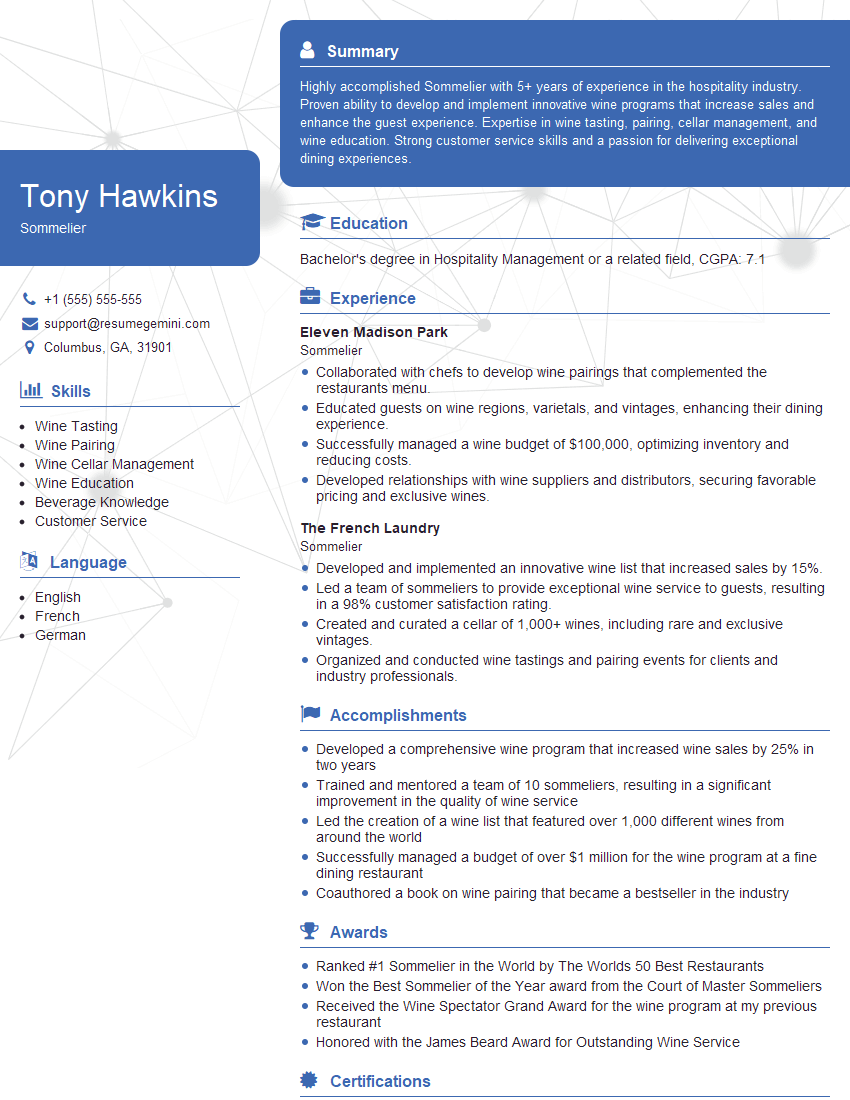
Mastering these key areas in wine retail will significantly boost your career prospects, opening doors to diverse roles and advancement opportunities within the industry. To maximize your chances of securing your dream job, creating an ATS-friendly resume is crucial. This ensures your qualifications are effectively highlighted to potential employers. We strongly recommend using ResumeGemini, a trusted resource, to build a compelling and professional resume. ResumeGemini offers examples of resumes tailored specifically to the Wine Retail industry to guide you. Invest time in crafting a standout resume – it’s your first impression!
Explore more articles
Users Rating of Our Blogs
Share Your Experience
We value your feedback! Please rate our content and share your thoughts (optional).
What Readers Say About Our Blog
To the interviewgemini.com Webmaster.
Very helpful and content specific questions to help prepare me for my interview!
Thank you
To the interviewgemini.com Webmaster.
This was kind of a unique content I found around the specialized skills. Very helpful questions and good detailed answers.
Very Helpful blog, thank you Interviewgemini team.