Feeling uncertain about what to expect in your upcoming interview? We’ve got you covered! This blog highlights the most important Zoning Hearing Preparation and Attendance interview questions and provides actionable advice to help you stand out as the ideal candidate. Let’s pave the way for your success.
Questions Asked in Zoning Hearing Preparation and Attendance Interview
Q 1. Describe your experience preparing for zoning hearings.
Preparing for a zoning hearing is a meticulous process that requires a deep understanding of the local zoning ordinances, the client’s proposal, and potential opposition. My experience involves a multi-stage approach, starting with a thorough review of the zoning code to determine the applicability of regulations to the specific project. This includes identifying any potential conflicts or ambiguities within the code itself. Then, I analyze the client’s project proposal, ensuring it complies with all relevant regulations. If not, we explore options for variances or special exceptions. I’ve handled cases involving everything from residential additions requiring minor variances to complex commercial developments needing significant zoning approvals. For example, I once successfully navigated a zoning hearing for a client seeking a variance to increase building height, overcoming objections from neighbors by demonstrating minimal impact on surrounding properties and adherence to other relevant regulations.
Q 2. What are the key elements of a successful zoning hearing preparation strategy?
A successful zoning hearing preparation strategy hinges on several key elements:
- Thorough Understanding of the Zoning Code: This is paramount. I meticulously review the relevant ordinances, focusing on definitions, permitted uses, setbacks, height restrictions, parking requirements, etc. Any ambiguity or potential conflict is noted for strategic planning.
- Detailed Project Analysis: I thoroughly analyze the client’s plans, comparing them against the zoning code. This includes detailed site plans, architectural drawings, and any supporting documentation. Potential issues are identified and addressed proactively.
- Evidence Gathering: Gathering strong, supporting evidence is critical. This includes surveys, photographs, expert witness reports, and comparable property data. The goal is to demonstrate compliance or, if seeking a variance, to show hardship and minimal negative impact.
- Anticipating Opposition: I proactively identify potential opponents and their likely arguments. This requires researching neighbors, community groups, and any other stakeholders who might object to the project. Anticipating their arguments allows for crafting compelling counter-arguments.
- Preparation of the Client: Thorough preparation of the client for testimony is essential. This includes rehearsal, familiarizing them with potential questions, and ensuring their testimony is clear, concise, and consistent.
- Presentation Preparation: The visual presentation of the case is just as important as the legal arguments. Clear, concise visual aids, such as maps, charts, and photographs, make it easy for the Zoning Board to understand the project and its impact.
Q 3. How do you identify potential challenges in a zoning case before the hearing?
Identifying potential challenges is an iterative process that begins with the initial review of the project and zoning code. I look for anything that might conflict with existing regulations, including:
- Non-compliance with existing regulations: This is the most obvious challenge, requiring either modification of the project or pursuit of a variance.
- Neighbor opposition: I proactively identify potential neighbors who might object to the project due to concerns about traffic, noise, property values, or other factors.
- Ambiguities in the zoning code: Vague or conflicting provisions in the zoning code can create uncertainty and potentially lead to challenges. I address these by seeking clarification from the zoning authorities or presenting persuasive interpretations.
- Lack of sufficient evidence: A weak case due to insufficient evidence is easily challenged. Thorough research and documentation are vital to overcome this.
- Jurisdictional issues: Ensuring the correct authority is reviewing the application is crucial. Any procedural errors can be fatal.
For example, in a recent case involving a proposed commercial development, I identified potential opposition from environmental groups due to the project’s proximity to a sensitive wetland area. This allowed us to proactively address their concerns by incorporating environmental mitigation measures into the project design.
Q 4. Explain your process for gathering and organizing evidence for a zoning hearing.
Gathering and organizing evidence is a crucial step. My process involves:
- Identifying Required Evidence: Based on the specific zoning issue and the anticipated opposition, I identify the necessary evidence. This could include site plans, surveys, photographs, engineering reports, environmental impact studies, comparable sales data, and witness statements.
- Gathering Evidence: This often involves site visits, obtaining official records from government agencies, commissioning expert reports, and interviewing witnesses.
- Organizing Evidence: Once gathered, the evidence is meticulously organized and categorized into a clear and easily accessible format. This often involves creating detailed binders or digital files, with clear labeling and indexing. I use a system of creating evidence folders with descriptive filenames to keep everything easily retrievable.
- Preparing Exhibits: Key evidence is prepared as exhibits for the hearing, ensuring they are clear, concise, and well-labeled for easy reference by the zoning board and all parties.
For example, in a case involving a variance for a non-conforming building, I compiled historical documents showing the building’s existence prior to the current zoning regulations, aerial photographs to demonstrate its long-standing presence, and testimony from long-time residents verifying its historical use.
Q 5. How do you prepare a client for testimony at a zoning hearing?
Preparing a client for testimony is critical for a successful outcome. My approach includes:
- Review of Testimony: I work with the client to craft their testimony, focusing on clarity, conciseness, and factual accuracy. We practice their delivery to ensure it’s persuasive and avoids jargon.
- Rehearsal: We conduct several rehearsals, simulating the actual hearing environment. This helps the client feel comfortable and confident in their testimony.
- Anticipation of Questions: I help the client anticipate potential questions from the zoning board and opposing counsel, and we develop answers that are clear, concise, and consistent with their overall narrative.
- Dress Rehearsal: We conduct a dress rehearsal with the presentation, addressing any last minute concerns.
- Maintaining composure: I emphasize the importance of maintaining composure under pressure and responding calmly and respectfully to any difficult questions.
Using relatable analogies and real-world examples helps the client understand and internalize complex legal concepts, ensuring they can effectively communicate their case.
Q 6. What are the different types of zoning variances, and how would you prepare a case for each?
Zoning variances are modifications granted to zoning regulations. Common types include:
- Area Variance: This addresses issues with lot size, setbacks, or building coverage. A case for an area variance requires demonstrating unnecessary hardship due to the unique circumstances of the property. Evidence includes surveys, topographical maps, and expert opinions demonstrating how the existing regulations prevent reasonable use of the property.
- Use Variance: This allows a use not permitted under the zoning code. Proving unique hardship is crucial; demonstrating the proposed use would not negatively affect the neighborhood is equally important. Evidence often includes market analyses showing demand, and expert testimony on the impact of the use.
- Special Exception: This allows a permitted use in a specific location, subject to conditions. The applicant must demonstrate compliance with all criteria outlined in the zoning code. Evidence includes detailed plans showing compliance with conditions, and potential impact studies.
Each variance type necessitates a tailored approach. For instance, preparing for an area variance requires focusing on demonstrating hardship, while a use variance needs to emphasize the minimal impact on the surrounding area. I’ve successfully prepared clients for all three types, tailoring my strategy to the specific facts and circumstances.
Q 7. How do you handle unexpected questions or challenges during a zoning hearing?
Handling unexpected questions or challenges during a zoning hearing requires quick thinking and a deep understanding of the case. My approach involves:
- Maintaining Composure: Remaining calm and collected is essential. A composed demeanor projects confidence and strengthens the case.
- Careful Listening: Listen attentively to the question or challenge before responding. This prevents misinterpretations and allows for a well-structured answer.
- Strategic Responses: If unsure, I can seek clarification or buy time to formulate a response. I can refer back to supporting evidence or address concerns directly. If a challenge is unexpected, I would refer back to previous points already made to emphasize the overall validity of the request.
- Referring to Evidence: Having prepared exhibits readily available allows for quick reference to data supporting the case. This helps reinforce arguments and counter opposing viewpoints.
- Adapting to New Information: If new information arises, I will acknowledge it and adapt my strategy accordingly. Flexibility is crucial in unpredictable situations.
For example, I once faced an unexpected challenge during a hearing when opposing counsel presented a previously unknown document. By remaining calm, carefully reviewing the document, and strategically using cross-examination to highlight its weaknesses, I effectively mitigated the impact of this surprise.
Q 8. Describe your experience working with zoning ordinances and regulations.
My experience with zoning ordinances and regulations spans over a decade, encompassing a wide range of projects from residential developments to large-scale commercial constructions. I’m proficient in interpreting complex zoning codes, understanding variances, special exceptions, and conditional use permits. I’ve worked extensively with documents like zoning maps, text amendments, and relevant case law to determine permissible land uses and development standards. For example, I recently successfully navigated a complex situation involving a proposed mixed-use development that required careful interpretation of overlay districts and density regulations to secure approval.
I regularly stay updated on changes in legislation and case precedents that affect zoning law. This ensures my advice remains current and effective, leading to successful outcomes for my clients. I’m comfortable analyzing zoning documents to identify potential challenges and proactively developing solutions.
Q 9. How familiar are you with different zoning board procedures and rules of evidence?
My familiarity with zoning board procedures and rules of evidence is comprehensive. I understand the importance of adhering to proper procedural steps, including filing deadlines, notice requirements, and the proper presentation of evidence. I’m well-versed in the rules governing the admissibility of evidence, ensuring that only relevant and reliable information is presented to the board. This includes understanding hearsay rules, documentary evidence, and the weight given to expert testimony.
For instance, I successfully challenged inadmissible hearsay evidence in a recent case, ensuring a fair and impartial decision. I know how to prepare witnesses effectively for their testimony, coaching them to provide clear, concise, and impactful statements that align with the rules of evidence. I also understand the importance of maintaining a professional demeanor and respectful conduct throughout the hearing process.
Q 10. How do you ensure compliance with all relevant legal requirements in zoning cases?
Compliance with all relevant legal requirements is paramount in my work. My approach involves a multi-step process starting with a thorough due diligence review of the property and applicable zoning regulations. This includes analyzing the zoning map, reviewing the text of the ordinances, and identifying any potential conflicts or ambiguities. I then develop a strategy that addresses all potential legal challenges and ensures compliance with all applicable laws and regulations.
This often involves working closely with other professionals, such as surveyors, engineers, and architects, to ensure the project meets all technical requirements. Throughout the process, I maintain detailed records of all communications, decisions, and actions taken to ensure transparency and accountability. My meticulous approach has resulted in a consistent record of successful outcomes in which projects are completed with all necessary approvals and without legal challenges. Think of it like building a house – each piece needs to adhere to the building code for a structurally sound and safe final product; zoning compliance is the same for development projects.
Q 11. What is your experience with preparing and presenting exhibits at a zoning hearing?
Preparing and presenting exhibits at zoning hearings is a critical part of my work. I understand the importance of creating clear, concise, and visually appealing exhibits that effectively convey complex information. My experience includes creating maps, charts, photographs, and other visual aids that support the arguments being made. I meticulously label and organize all exhibits to ensure they are easily accessible and understandable to the board members.
For example, in a recent case involving a variance request, I prepared a series of maps showing the impact of the proposed development on surrounding properties. These maps clearly demonstrated that the proposed use would not negatively impact the neighborhood, helping to secure approval for the project. I am adept at using presentation software to create compelling visuals that enhance the persuasive nature of the case.
Q 12. How do you manage multiple zoning cases simultaneously?
Managing multiple zoning cases simultaneously requires a highly organized and efficient approach. I utilize project management software to track deadlines, communication, and the status of each case. This allows me to prioritize tasks and allocate my time effectively. I maintain detailed case files for each project, ensuring that all relevant documents and information are readily accessible. I also leverage technology and team collaboration tools to improve efficiency and keep all stakeholders informed.
My ability to effectively juggle multiple cases stems from years of experience and a commitment to staying organized. I focus on building clear timelines for each case and consistently reassessing priorities to ensure that deadlines are met and the best possible outcomes are achieved. Think of it like a conductor of an orchestra; each instrument (case) needs attention, but the conductor must maintain the overall harmony and timing to produce a successful outcome.
Q 13. How do you prioritize tasks and manage your time effectively during hearing preparation?
Effective time management during hearing preparation is crucial for success. I utilize various techniques, including creating detailed timelines, breaking down complex tasks into smaller, manageable steps, and setting realistic deadlines for each step. I prioritize tasks based on urgency and importance, ensuring that critical deadlines are met. I frequently reassess my schedule to adjust for unexpected delays or changes. This structured approach ensures consistent progress and timely completion of all tasks.
For instance, I might prioritize preparing key exhibits and witness testimony early in the preparation process, allowing ample time for review and refinement. This proactive approach allows me to address any unforeseen challenges efficiently and effectively. I regularly review and update my schedule, ensuring that it remains aligned with the evolving needs of the case.
Q 14. Describe your experience interacting with zoning board members and other stakeholders.
Interacting effectively with zoning board members and other stakeholders is essential for a successful outcome. I strive to maintain a professional and respectful demeanor at all times, actively listening to concerns and questions, and responding thoughtfully and clearly. I emphasize building rapport and trust with board members and other stakeholders, creating a collaborative environment conducive to productive discussion. Clear, concise communication and a willingness to work towards mutually beneficial solutions are critical.
For example, I’ve successfully navigated situations where initial concerns were raised by demonstrating the positive impacts of a project, addressing community concerns and building consensus through proactive engagement. This collaborative approach fosters positive relationships and increases the likelihood of a favorable outcome, even in complex or controversial cases. I view the zoning board not as adversaries, but as decision-makers whose concerns I need to address and respectfully engage with.
Q 15. How do you handle objections during a zoning hearing?
Handling objections during a zoning hearing requires a calm, professional demeanor and a strategic approach. First, I listen carefully to understand the objection’s core issue. Is it a procedural concern, a factual dispute, or a matter of interpretation of the zoning code? Then, I systematically address each point.
- Procedural Objections: I ensure all proper procedures have been followed, referencing relevant ordinances and case law. For example, if an objection is raised about insufficient public notice, I’d present evidence of proper notification, such as certified mail receipts or newspaper publication notices.
- Factual Disputes: I present verifiable evidence to counter the opposing claims. This might include site surveys, engineering reports, environmental impact studies, or witness testimonies. For instance, if an objection claims increased traffic, I might present a traffic study showing minimal impact.
- Interpretations of Zoning Code: I clarify the relevant sections of the zoning ordinance, citing specific clauses and offering legal precedents to support my interpretation. I might argue for a variance or special exception based on the unique circumstances of the case. For example, if the objection is based on a perceived violation of setback requirements, I might demonstrate how the proposed use meets the spirit and intent of the zoning code, even if technically exceeding a particular measurement by a minor amount.
Throughout, maintaining respectful dialogue and emphasizing collaboration are crucial. The goal isn’t to win a battle but to reach a fair and legally sound resolution.
Career Expert Tips:
- Ace those interviews! Prepare effectively by reviewing the Top 50 Most Common Interview Questions on ResumeGemini.
- Navigate your job search with confidence! Explore a wide range of Career Tips on ResumeGemini. Learn about common challenges and recommendations to overcome them.
- Craft the perfect resume! Master the Art of Resume Writing with ResumeGemini’s guide. Showcase your unique qualifications and achievements effectively.
- Don’t miss out on holiday savings! Build your dream resume with ResumeGemini’s ATS optimized templates.
Q 16. How do you respond to counterarguments presented by opposing parties?
Responding to counterarguments requires thorough preparation and a keen understanding of the zoning code and relevant case law. I approach counterarguments methodically:
- Identify the Core Issue: Pinpoint the specific point of contention. What is the opposing party actually arguing against?
- Gather Supporting Evidence: Collect any evidence that directly refutes the counterargument. This might involve additional research, site visits, or consultation with experts.
- Address the Counterargument Directly: Don’t evade the issue. Acknowledge the counterargument, then clearly and concisely explain why it’s flawed or irrelevant. Use factual data, legal precedents, and persuasive reasoning to support your rebuttal.
- Highlight Inconsistencies: If the counterargument contradicts itself or previous statements, highlight these inconsistencies. This can weaken the opposition’s credibility.
- Maintain Professionalism: Even when facing strong opposition, remain calm and respectful. Avoid personal attacks and focus on the factual and legal merits of the case.
For example, if the opposing party argues that a proposed development would negatively impact property values, I might present an appraisal showing no significant decline in property values in similar developments in other areas. The key is to anticipate potential counterarguments and prepare compelling responses beforehand.
Q 17. What is your experience with negotiating settlements in zoning disputes?
Negotiating settlements in zoning disputes is a significant part of my practice. I’ve successfully mediated numerous cases, resulting in mutually agreeable outcomes that avoid costly and time-consuming litigation. My approach emphasizes understanding the parties’ underlying interests and identifying common ground.
For instance, in one case involving a proposed commercial development near a residential area, the residents were concerned about increased traffic and noise. Through mediation, we reached a settlement where the developer agreed to implement noise mitigation measures and contribute to traffic improvements in the area, addressing the residents’ concerns while allowing the project to proceed. This involved identifying each party’s priorities, such as preserving property values for residents and ensuring the project’s viability for the developer.
Successful negotiation requires strong communication skills, empathy, and a deep understanding of zoning law and its impact on all stakeholders. It’s about finding creative solutions that balance competing interests, resulting in a win-win situation whenever possible.
Q 18. How do you stay updated on changes in zoning laws and regulations?
Staying current with zoning laws and regulations is paramount. I utilize several methods to maintain my expertise:
- Subscription to Legal Databases: I subscribe to legal databases such as Westlaw or LexisNexis, providing access to updated case law, statutes, and regulations.
- Professional Organizations: I actively participate in professional organizations such as the American Planning Association (APA), attending conferences and workshops to stay informed about legislative changes and best practices.
- Government Websites: I regularly check local, state, and federal government websites for updates to zoning ordinances, regulations, and legal decisions.
- Legal Newsletters and Publications: I subscribe to relevant legal newsletters and publications specializing in land use and zoning.
- Continuing Education: I participate in continuing education courses to maintain my professional licensure and enhance my knowledge of emerging trends and legal developments.
This multi-faceted approach ensures I remain well-versed in the ever-evolving landscape of zoning laws and regulations, enabling me to provide the most effective representation to my clients.
Q 19. Describe your experience working with GIS software in land use planning.
My experience with GIS software in land use planning is extensive. I’m proficient in using ArcGIS and QGIS to analyze spatial data, create maps, and model land use scenarios. This technology is essential for effective zoning and land use planning.
For example, I use GIS to:
- Analyze site suitability: Assessing factors like topography, proximity to infrastructure, and environmental sensitivity to determine the appropriateness of a proposed development.
- Visualize zoning districts: Creating clear and informative maps that illustrate zoning boundaries and regulations.
- Conduct impact assessments: Modeling the potential effects of proposed developments on surrounding areas, such as traffic flow, shadowing, and environmental impacts.
- Prepare exhibits for zoning hearings: Presenting compelling visual evidence to support or refute arguments made in zoning cases.
GIS significantly enhances the accuracy and efficiency of my work, allowing me to provide more informed and effective land use planning and zoning advocacy.
Q 20. What are the key considerations when preparing a zoning appeal?
Preparing a zoning appeal requires meticulous attention to detail and a strong understanding of legal procedure. Key considerations include:
- Establishing Standing: Demonstrating that the appellant has a legally recognized interest that is directly affected by the zoning decision.
- Identifying Errors of Law: Pinpointing specific errors made by the zoning board in their decision, such as misinterpretations of the zoning code or procedural irregularities.
- Gathering Evidence: Compiling all relevant evidence to support the appeal, including photographs, surveys, expert reports, and witness testimonies.
- Drafting a Compelling Appeal: Clearly and concisely articulating the grounds for the appeal, referencing relevant case law and statutes.
- Meeting Deadlines: Adhering to all procedural deadlines and filing requirements outlined in the zoning ordinance and relevant statutes.
- Understanding the Appeals Process: Familiarizing oneself with the procedures and rules governing the appeals process, such as the rules of evidence and the standards of review.
A successful appeal hinges on demonstrating a clear error of law or a violation of due process. Each appeal must be tailored to the specific circumstances of the case and meticulously prepared to have the best chances of success.
Q 21. Explain your understanding of due process and its application in zoning hearings.
Due process is a fundamental principle of American law that guarantees fairness and impartiality in legal proceedings. In zoning hearings, due process requires that all parties have an opportunity to be heard, present evidence, and have their claims fairly considered. This includes:
- Notice: Proper notice of hearings must be provided to all affected parties, giving them sufficient time to prepare and participate.
- Opportunity to Be Heard: All parties must have the opportunity to present their evidence and arguments before an impartial decision-maker.
- Impartial Decision-Maker: Zoning boards must act impartially and avoid conflicts of interest.
- Right to Counsel: Parties have the right to be represented by legal counsel.
- Fair Consideration of Evidence: The zoning board must consider all relevant evidence fairly and impartially.
- Written Decision: A written decision explaining the reasons for the board’s decision should be issued.
Violations of due process can provide grounds for an appeal. For example, if a party was denied the opportunity to present crucial evidence or if the zoning board demonstrated bias, the decision could be overturned on due process grounds. Ensuring due process is followed is critical for maintaining the legitimacy and fairness of the zoning process.
Q 22. How familiar are you with the concept of ‘substantial evidence’ in zoning appeals?
“Substantial evidence” in zoning appeals refers to more than a mere scintilla of evidence; it requires enough evidence to reasonably support a decision. It’s not about the sheer volume of evidence, but its quality and persuasiveness. Think of it like a recipe: a single ingredient might not be enough to make a cake, but a well-balanced collection of ingredients, properly combined, will yield a delicious result. Similarly, substantial evidence in a zoning appeal requires a cohesive body of facts and arguments, presented clearly and convincingly.
For example, a single disgruntled neighbor’s testimony wouldn’t constitute substantial evidence to overturn a zoning approval. However, a combination of expert witness testimony on traffic impact, a detailed environmental impact study showing potential harm, and documented violations of existing zoning ordinances would be considered substantial evidence.
Successfully arguing substantial evidence often involves presenting detailed reports, expert opinions, statistical data, and photographic evidence. It’s about building a strong, logically consistent case that leaves no room for doubt about the validity of your position.
Q 23. Describe your process for drafting legal briefs and other documents related to zoning hearings.
My process for drafting legal briefs and other documents related to zoning hearings is meticulous and systematic. It begins with a thorough understanding of the case, including the specific zoning regulations in question, the applicant’s proposal, and any opposing arguments. I use a framework that involves:
- Fact Gathering: I meticulously collect and organize all relevant documents, including the zoning ordinance, the application, supporting documents, and any opposing evidence. This stage involves reviewing maps, surveys, and any relevant technical reports.
- Legal Research: I thoroughly research relevant case law, statutes, and administrative regulations to identify precedents and applicable legal arguments. This ensures the brief is legally sound and well-supported.
- Outline Creation: I develop a detailed outline of the brief, structuring arguments logically and persuasively. This is crucial for a cohesive and easy-to-follow presentation.
- Drafting and Revision: I draft the brief, paying close attention to clarity, conciseness, and persuasive language. Multiple revisions are undertaken to refine arguments and ensure accuracy.
- Proofreading and Editing: A final meticulous review is conducted to identify and correct any grammatical errors, inconsistencies, or factual inaccuracies. A fresh pair of eyes often helps in this stage.
For example, in a case involving a variance request, I might structure my brief to highlight the unique hardship faced by the applicant, demonstrating how the variance is necessary and will not negatively impact the surrounding neighborhood.
Q 24. What software or tools do you use for zoning hearing preparation?
My toolbox for zoning hearing preparation includes a suite of software and tools. These are essential for efficient organization and effective presentation. I rely on:
- Case Management Software: I use dedicated software to organize documents, track deadlines, and manage communication with clients and stakeholders. This ensures everything remains organized and readily accessible.
- Mapping Software: GIS software is invaluable for analyzing site plans, zoning maps, and visualizing the impact of proposed developments. This allows for clear and compelling visual presentations.
- Word Processing & Presentation Software: Microsoft Word and PowerPoint are essential for drafting legal documents, creating presentations, and preparing exhibits for the hearing.
- Legal Research Databases: Access to comprehensive legal research databases is critical for staying up-to-date on relevant case law and regulations.
The use of these tools facilitates a more streamlined and effective preparation process, minimizing errors and ensuring that I can present a well-organized, compelling case.
Q 25. How do you ensure accuracy and completeness in your zoning case preparation?
Ensuring accuracy and completeness in zoning case preparation is paramount. My approach involves a multi-layered quality control process:
- Cross-referencing Information: I verify information from multiple sources to ensure consistency and accuracy. This includes cross-checking data in maps, surveys, and official documents.
- Expert Consultation: I frequently consult with experts in relevant fields, such as engineers, environmental scientists, or traffic planners, to validate technical information and strengthen our arguments.
- Internal Review: Before submitting any document, I conduct thorough internal reviews, ensuring all information is accurate, complete, and properly referenced. This often involves a second set of eyes.
- Fact-Checking: I maintain a meticulous record of all facts, evidence, and sources, allowing for easy verification and correction of any potential errors.
By meticulously following these steps, I minimize the risk of errors and omissions, which could significantly weaken our position in the hearing. Accuracy and completeness build trust and credibility.
Q 26. What is your experience with different types of zoning applications?
My experience encompasses a broad range of zoning applications, including:
- Variance Requests: These involve seeking exceptions to existing zoning regulations due to unique hardships on the property.
- Special Use Permits: These are required for uses that are permitted in a zone but require additional review to ensure compatibility with surrounding land uses.
- Conditional Use Permits: Similar to special use permits, but with specific conditions attached to mitigate potential negative impacts.
- Appeals of Zoning Decisions: This involves challenging decisions made by zoning boards or other administrative bodies.
- Amendments to Zoning Ordinances: This involves working to modify zoning regulations themselves.
Each application type has its own unique legal requirements and procedural steps, requiring a tailored approach based on the specific circumstances and the relevant zoning ordinances.
Q 27. How do you address concerns about potential environmental impacts in zoning cases?
Addressing potential environmental impacts is a critical aspect of zoning cases. My approach involves:
- Environmental Impact Assessments: I commission or review environmental impact assessments (EIAs) to identify and evaluate potential environmental effects. This ensures we’re aware of and can adequately address any potential concerns.
- Compliance with Environmental Regulations: I ensure the proposal complies with all relevant environmental regulations, including those related to water quality, air quality, and habitat protection.
- Mitigation Measures: Where potential impacts are identified, I work to develop and propose appropriate mitigation measures to minimize or eliminate these impacts. This proactive approach demonstrates responsibility and enhances the likelihood of a positive outcome.
- Stakeholder Consultation: I engage with relevant stakeholders, including environmental groups and government agencies, to address concerns and build consensus.
For example, in a case involving a large-scale development, I might work with an environmental consultant to prepare an EIA that identifies potential impacts on wetlands, proposes mitigation strategies (such as wetland restoration), and addresses concerns from local environmental groups.
Q 28. How do you communicate effectively with clients and stakeholders about the progress and outcomes of zoning hearings?
Effective communication with clients and stakeholders is essential throughout the zoning hearing process. My strategy involves:
- Regular Updates: I provide regular updates to clients on the progress of the case, including key developments and upcoming deadlines. This ensures they remain informed and involved.
- Clear and Concise Communication: I communicate in a clear, concise, and easily understandable manner, avoiding legal jargon where possible. This ensures transparency and builds confidence.
- Accessibility: I make myself readily available to answer questions and address concerns. This demonstrates responsiveness and builds trust.
- Meeting and Reporting: Regular meetings are held with clients and stakeholders to discuss progress, and detailed written reports are provided to summarize key findings and strategic directions.
- Post-Hearing Debrief: After the hearing, I provide a thorough debriefing to the client, explaining the outcome, next steps, and potential avenues for appeal if necessary.
Open and honest communication fosters trust and helps build a strong client relationship, ultimately contributing to successful outcomes in zoning hearings. I believe in keeping clients informed and involved every step of the way.
Key Topics to Learn for Zoning Hearing Preparation and Attendance Interview
- Understanding Zoning Ordinances: Mastering the interpretation and application of relevant zoning codes and regulations. This includes understanding variances, appeals, and special exceptions.
- Hearing Procedures and Protocols: Familiarizing yourself with the steps involved in a zoning hearing, including the roles of different participants (applicant, board members, witnesses), the rules of evidence, and the overall process flow.
- Evidence Gathering and Presentation: Developing skills in collecting, organizing, and presenting compelling evidence to support your case. This includes mapping, photographs, expert testimony, and data analysis.
- Communication and Advocacy: Practicing clear, concise, and persuasive communication skills to effectively present information to the zoning board and other stakeholders. This involves anticipating questions and preparing compelling answers.
- Conflict Resolution and Negotiation: Developing strategies for addressing potential objections and negotiating compromises to reach a favorable outcome. Understanding the importance of collaborative problem-solving.
- Ethical Considerations in Zoning Hearings: Understanding the importance of ethical conduct and transparency throughout the hearing process. This includes disclosure of potential conflicts of interest and maintaining professionalism.
- Post-Hearing Procedures: Understanding the steps following the hearing, including appeals processes and implementation of decisions.
Next Steps
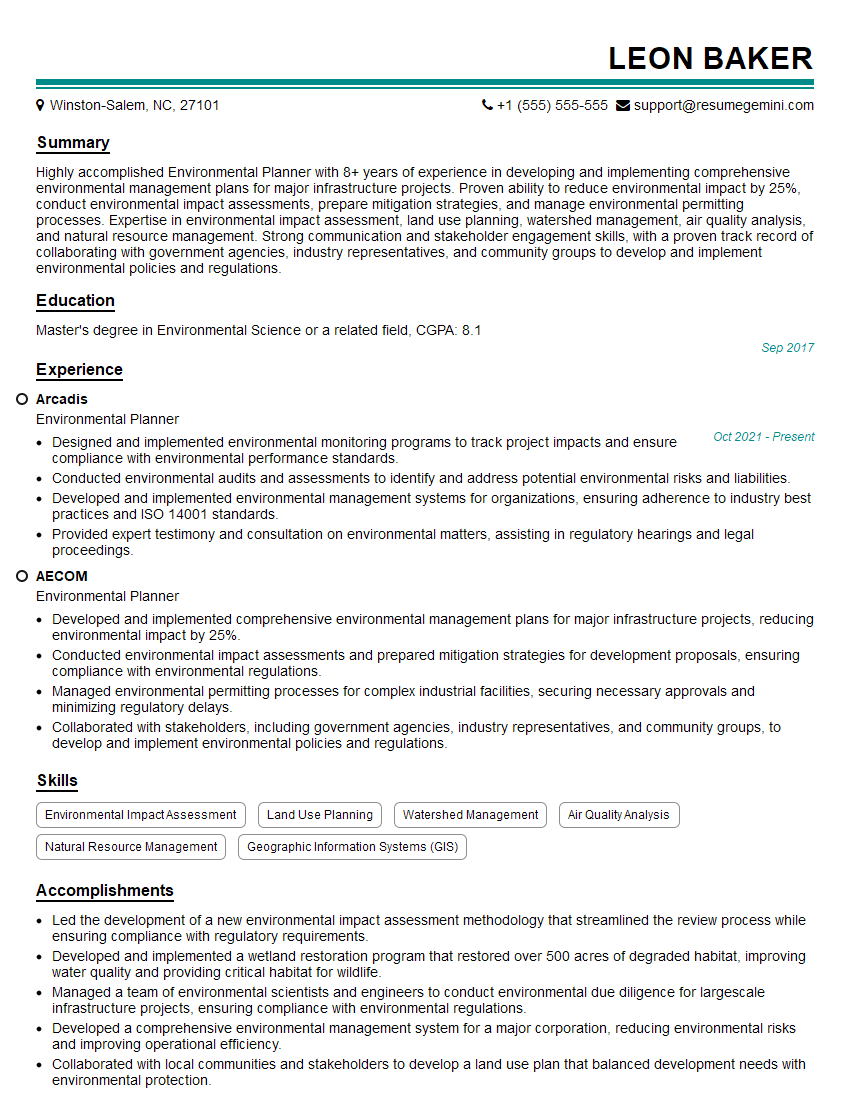
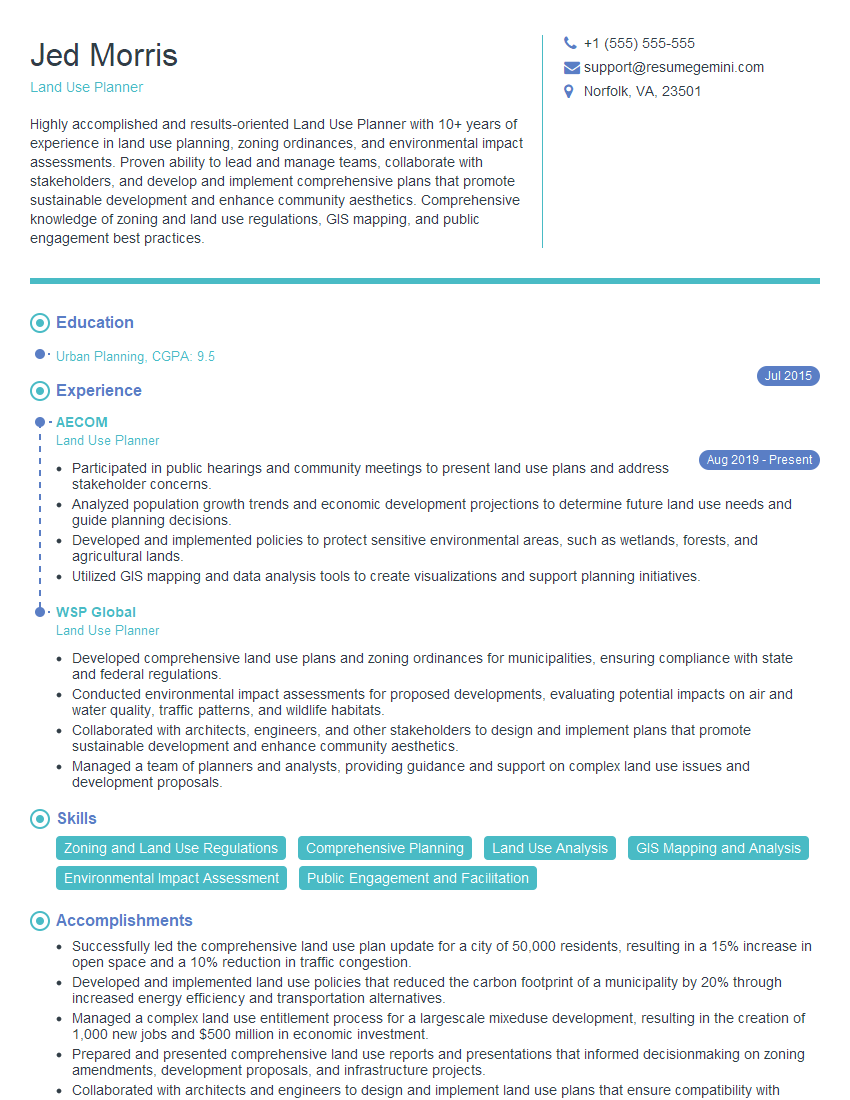
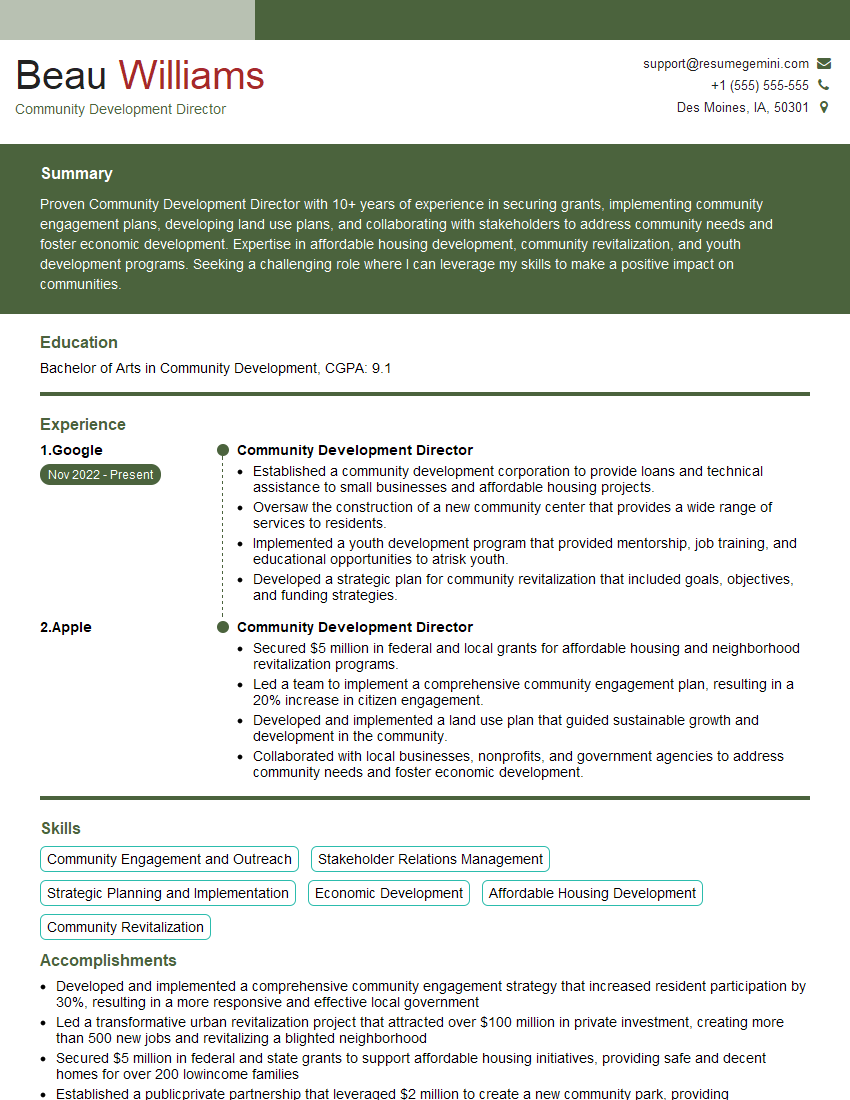
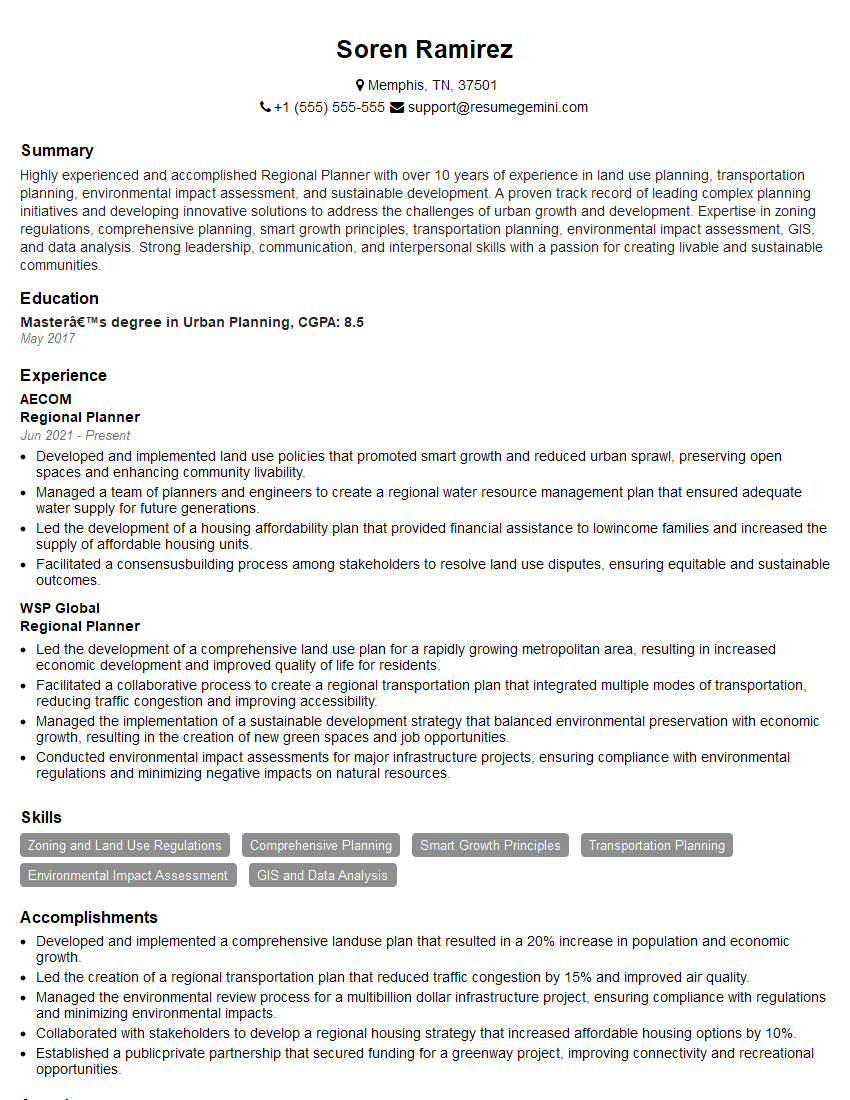
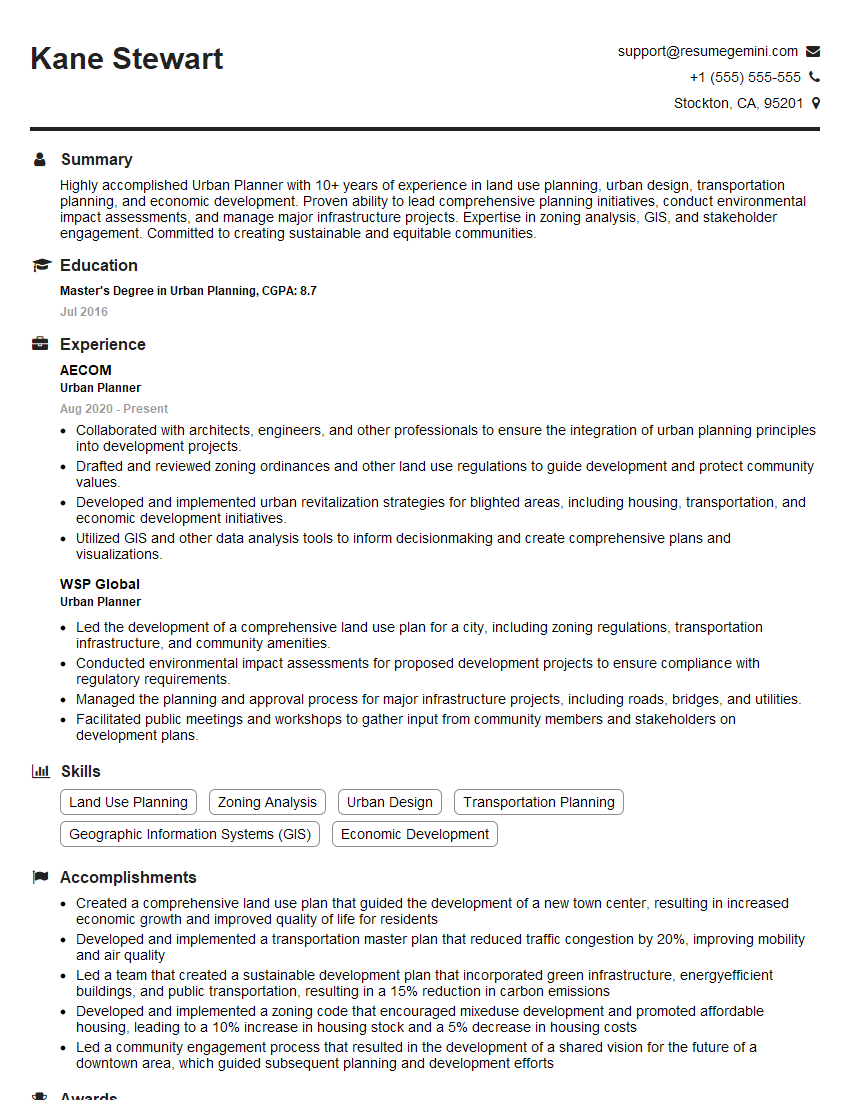
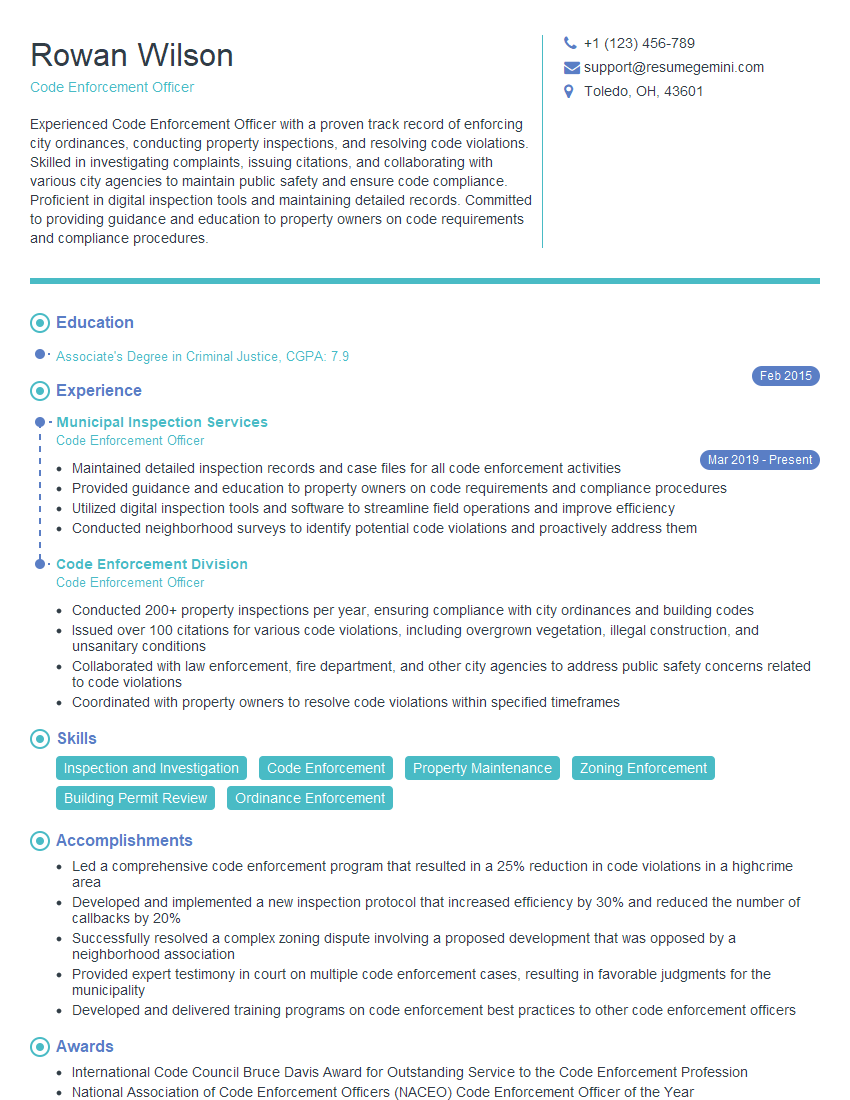
Mastering Zoning Hearing Preparation and Attendance significantly enhances your value to any organization involved in land use and development. It demonstrates a strong understanding of regulatory processes and a commitment to ethical and effective advocacy. To further boost your job prospects, focus on crafting an ATS-friendly resume that highlights your relevant skills and experiences. ResumeGemini is a trusted resource that can help you build a professional resume that showcases your qualifications effectively. Examples of resumes tailored to Zoning Hearing Preparation and Attendance are available to help you get started.
Explore more articles
Users Rating of Our Blogs
Share Your Experience
We value your feedback! Please rate our content and share your thoughts (optional).
What Readers Say About Our Blog
To the interviewgemini.com Webmaster.
Very helpful and content specific questions to help prepare me for my interview!
Thank you
To the interviewgemini.com Webmaster.
This was kind of a unique content I found around the specialized skills. Very helpful questions and good detailed answers.
Very Helpful blog, thank you Interviewgemini team.