Interviews are opportunities to demonstrate your expertise, and this guide is here to help you shine. Explore the essential Ability to Establish and Maintain Group Boundaries interview questions that employers frequently ask, paired with strategies for crafting responses that set you apart from the competition.
Questions Asked in Ability to Establish and Maintain Group Boundaries Interview
Q 1. Describe a situation where you had to establish clear boundaries within a team.
Establishing clear boundaries is crucial for a productive and healthy team environment. It’s about defining the limits of acceptable behavior, responsibilities, and communication styles. In one project, my team was struggling with scope creep; features were being added without proper prioritization or approval. To address this, I initiated a team meeting where we collaboratively defined project scope, timelines, and decision-making processes. We explicitly outlined who was responsible for what, using a clear task management system. This ensured everyone understood their roles and prevented future additions without proper authorization. We also established clear communication channels – primarily using project management software – to avoid informal requests that could derail the project.
Q 2. How do you handle conflict that arises from blurred group boundaries?
Conflict stemming from blurred boundaries often arises from unclear roles, responsibilities, or communication expectations. My approach involves a three-step process: Identify the source of the conflict; Clarify roles and responsibilities, revisiting the established boundaries; and Implement solutions, possibly including adjusting workflows or communication protocols. For example, if two team members are constantly stepping on each other’s toes due to overlapping responsibilities, I’d facilitate a discussion to re-define their roles, creating clear distinctions and preventing future clashes. This might involve re-allocating tasks or creating a more formalized approval process.
Q 3. What strategies do you use to ensure effective communication within a team while maintaining appropriate boundaries?
Effective communication is vital, but it must respect individual boundaries. We utilize several strategies: Designated communication channels (e.g., project management software, email for formal communication, instant messaging for quick updates), scheduled team meetings with clear agendas to respect everyone’s time, and respectful communication protocols emphasizing active listening and constructive feedback. We avoid late-night or weekend communication unless absolutely necessary. This promotes open dialogue while ensuring individual work-life balance is respected. We also encourage one-on-one meetings for sensitive matters to maintain confidentiality and avoid unintended public scrutiny.
Q 4. Explain your process for delegating tasks while respecting individual team members’ boundaries.
Delegation requires sensitivity to individual capabilities and workload. My process involves: Assessment – understanding each team member’s strengths, weaknesses, and current workload; Consultation – discussing tasks with individuals, considering their preferences and capacity; Clear Expectations – providing detailed instructions, deadlines, and support resources; and Follow-up – offering regular check-ins and feedback without micromanaging. For instance, when delegating a complex task, I might pair a senior team member with a junior one, allowing for mentorship and knowledge sharing while respecting each individual’s experience level and time constraints.
Q 5. How do you address a team member who consistently oversteps professional boundaries?
Addressing boundary overstepping requires a careful and professional approach. I’d first document the instances, then have a private conversation with the individual. The conversation would focus on specific examples, emphasizing the impact of their behavior on team dynamics and productivity. I’d explain the established boundaries clearly and collaboratively work towards solutions. If the behavior persists, progressive discipline might be necessary, following company policies, which could range from additional training to formal warnings. The goal is to address the issue constructively, emphasizing professional growth and mutual respect.
Q 6. How would you handle a situation where a team member is unwilling to adhere to established group boundaries?
Unwillingness to adhere to boundaries requires a more firm approach. After repeated attempts at private discussions and collaborative problem-solving, if a team member continues to disregard established norms, I would escalate the issue to management. This involves documenting all previous interactions and attempts to resolve the conflict. It’s crucial to ensure fairness and consistency in handling such situations, always referencing company policies and procedures. This ensures a fair and consistent approach for all team members.
Q 7. Describe a time you had to intervene when group dynamics were negatively impacting productivity due to unclear boundaries.
In a previous project, unclear roles led to duplicated efforts, missed deadlines, and conflicting priorities. To address this, I facilitated a team workshop to define roles, responsibilities, and decision-making processes. We created a visual representation of the workflow and clarified reporting lines. This facilitated better communication and collaboration. We also implemented regular progress meetings to identify and resolve issues proactively. The result was a significant improvement in team cohesion, productivity, and overall project success. This experience underscored the critical importance of proactive boundary setting in project management.
Q 8. How do you balance collaboration with the need for individual autonomy within a team?
Balancing collaboration and individual autonomy is crucial for a high-performing team. It’s about finding the sweet spot where individuals feel empowered to contribute their unique skills and perspectives while working effectively together towards shared goals. This requires a clear understanding of roles, responsibilities, and decision-making processes.
Strategies for achieving this balance include:
- Clearly defined roles and responsibilities: A well-defined RACI matrix (Responsible, Accountable, Consulted, Informed) can clarify who owns what, minimizing overlap and conflict. This ensures individual autonomy within their specific area.
- Regular check-ins and communication: Open communication channels allow for timely updates, feedback, and conflict resolution. Regular team meetings or one-on-ones help individuals voice concerns and share progress without hindering others.
- Empowering decision-making: Delegate appropriate levels of decision-making authority to team members. This fosters a sense of ownership and autonomy, while aligning decisions with overarching team goals.
- Respecting individual work styles: Acknowledge that individuals work differently. Provide flexibility where possible and focus on outcomes rather than micromanaging processes.
For example, in a software development team, a project manager might delegate specific features to individual developers, allowing them the autonomy to choose their preferred development approach while ensuring their work aligns with the overall project architecture and timeline.
Q 9. What are some common signs of unhealthy group dynamics stemming from poorly defined boundaries?
Poorly defined boundaries in a group setting often manifest in unhealthy dynamics. These signs can range from subtle discomfort to significant dysfunction.
- Blurred lines of responsibility: Uncertainty about who is accountable for specific tasks leads to confusion, duplicated efforts, and resentment.
- Over-dependence on certain individuals: One or two individuals might carry the weight of the entire group, leading to burnout and resentment among others.
- Constant interruptions and lack of respect for individual time: Members may interrupt meetings or work sessions without regard for others’ focus or schedule, indicating a disregard for personal boundaries.
- Unresolved conflicts and negativity: Lingering disputes or negativity stemming from unclear expectations or lack of accountability undermine trust and collaboration.
- High levels of stress and burnout: Consistent boundary violations and unclear roles lead to increased stress, reduced productivity, and ultimately, burnout.
- Lack of trust and open communication: A climate of distrust makes it difficult to openly address boundary issues and hinders effective collaboration.
Imagine a team where one member consistently takes credit for others’ work or where deadlines are constantly pushed back without discussion, fostering frustration and resentment.
Q 10. How do you foster a culture of respect and professionalism that naturally reinforces healthy boundaries?
Fostering a culture of respect and professionalism requires proactive measures. It’s not enough to simply state expectations; a consistent, positive reinforcement approach is key.
- Lead by example: Demonstrate respectful communication and behavior. Respect individual boundaries, and actively model appropriate interactions.
- Establish clear communication protocols: Use respectful language, active listening, and clear expectations in all communications. Establish norms for meetings, emails, and other interactions.
- Provide training on professional conduct: Offer workshops or training sessions on effective communication, conflict resolution, and boundary setting.
- Implement clear consequences for boundary violations: Addressing inappropriate behavior promptly and fairly sets a precedent for respectful interactions. This could include verbal warnings, written reprimands, or other disciplinary actions depending on the severity.
- Celebrate successes and achievements: Recognizing individual and team accomplishments fosters a positive and collaborative environment where respecting boundaries is considered the norm.
For example, a team might establish a policy that requires all communication outside of work hours to be limited to urgent matters only, clearly respecting individual’s personal time.
Q 11. How do you adapt your approach to establishing boundaries based on the context and team dynamics?
Adapting my approach to establishing boundaries depends on several factors, including team size, maturity, project complexity, and organizational culture.
- New teams vs. established teams: With new teams, boundary setting needs to be more explicit and detailed. With established teams, a more collaborative approach involving open dialogue is preferable.
- High-pressure situations: In high-stakes projects, clear and firm boundaries are essential to manage stress and maintain focus. However, flexibility within those boundaries might be needed to accommodate urgent needs.
- Diverse team compositions: Consider cultural differences and individual communication styles. Be mindful of varying levels of comfort with direct communication and adjust your approach accordingly.
- Organizational culture: Some organizations have strong cultures of collaboration, which might require less formal boundary setting, while others might need stricter policies and guidelines.
For instance, in a start-up with a flat organizational structure, boundary setting might rely heavily on open communication and mutual agreement, while in a large corporation with hierarchical structures, more formal policies and procedures are necessary.
Q 12. How do you use feedback to improve your ability to maintain healthy group boundaries?
Feedback is crucial for continuous improvement in boundary management. Seeking feedback regularly and constructively allows for self-reflection and adjustments.
- Regular check-ins: Solicit feedback from team members about the effectiveness of established boundaries. Ask open-ended questions to gain insights into their experiences and perspectives.
- 360-degree feedback: Obtain feedback from various sources, including peers, supervisors, and subordinates, for a comprehensive understanding of your impact.
- Anonymous surveys: Anonymous feedback mechanisms can encourage honest and frank assessments of your boundary-setting skills.
- Active listening and reflection: Listen attentively to feedback without defensiveness and reflect on how you can adjust your behavior to create a more positive and respectful environment.
For example, if I consistently receive feedback that my email responses are too late or infrequent, I can adjust my communication practices to address this concern and improve response times.
Q 13. Describe a time you had to modify established boundaries in response to changing team needs.
In a previous project, we initially established strict daily stand-up meetings for a team of five. However, as the project progressed, it became apparent that these meetings were overly time-consuming and sometimes unproductive. One team member regularly expressed feeling the meetings disrupted their focus.
We decided to modify the boundaries by reducing the frequency of the stand-ups from daily to three times a week and by using a more focused agenda. We also implemented asynchronous communication channels for quick updates, allowing members to maintain focus throughout their workday. The result was improved team morale and productivity.
Q 14. How do you handle situations where personal conflicts affect team dynamics and boundaries?
Personal conflicts can significantly impact team dynamics and boundaries. Addressing these situations requires a sensitive and proactive approach.
- Early intervention: Address conflicts promptly before they escalate. Encourage open communication and facilitate productive conversations among involved parties.
- Mediation and facilitation: If necessary, mediate discussions to help parties understand each other’s perspectives and find common ground. Focus on solutions rather than assigning blame.
- Confidentiality and privacy: Respect individual privacy and confidentiality throughout the conflict resolution process. Ensure that discussions remain within the confines of those directly involved unless broader action is required.
- Clear expectations and consequences: Reinforce the expectation that personal conflicts will not negatively impact team performance or professional relationships. Establish clear consequences for unprofessional behavior.
- Seek HR support: In situations where conflicts persist or involve serious issues, seeking guidance from HR professionals is essential. They can provide expert advice and ensure fair and consistent handling.
For example, if a conflict arises between two team members, I might facilitate a private conversation, helping them understand each other’s perspectives and reach a mutually agreeable solution. If the conflict continues to affect the team’s productivity, I might involve HR to assist in resolving the issue.
Q 15. How do you ensure that all team members understand and agree upon established boundaries?
Ensuring team members understand and agree on boundaries requires a proactive and transparent approach. It’s not enough to simply state them; we need to foster a collaborative environment where everyone feels comfortable contributing to their definition and upholding them.
- Clearly Defined Boundaries: I start by articulating boundaries explicitly. This includes defining communication protocols (e.g., response times, preferred methods), meeting etiquette (e.g., punctuality, participation expectations), workload distribution, and expectations around confidentiality. I make sure these are documented, perhaps in a shared team document or wiki.
- Open Discussion and Collaboration: I facilitate a discussion where team members can voice their opinions, concerns, and suggestions regarding the boundaries. This ensures buy-in and avoids the feeling that boundaries are imposed rather than collaboratively established.
- Regular Check-ins: Maintaining boundaries is an ongoing process. Regular check-in meetings or informal conversations allow for adjustments and addressing any misunderstandings. This shows that the boundaries are fluid and responsive to team needs.
- Consequences for Violations: While aiming for collaboration, it’s crucial to establish clear consequences for consistent boundary violations. This isn’t about punishment but about reinforcing the importance of the agreed-upon norms. These consequences should be discussed and agreed upon collaboratively as well.
For example, if we decide on a ‘no emails after 6 pm’ rule, we need to establish how urgent issues outside these hours will be addressed (e.g., designated on-call person or an emergency communication channel).
Career Expert Tips:
- Ace those interviews! Prepare effectively by reviewing the Top 50 Most Common Interview Questions on ResumeGemini.
- Navigate your job search with confidence! Explore a wide range of Career Tips on ResumeGemini. Learn about common challenges and recommendations to overcome them.
- Craft the perfect resume! Master the Art of Resume Writing with ResumeGemini’s guide. Showcase your unique qualifications and achievements effectively.
- Don’t miss out on holiday savings! Build your dream resume with ResumeGemini’s ATS optimized templates.
Q 16. What are some potential consequences of failing to establish and maintain group boundaries?
Failing to establish and maintain group boundaries can lead to a cascade of negative consequences, impacting both team dynamics and project outcomes.
- Burnout and decreased morale: Lack of clear boundaries can lead to an overwhelming workload, blurring lines between work and personal life, and ultimately, team member burnout. This invariably impacts morale and productivity.
- Conflict and resentment: Unclear expectations and boundaries can breed misunderstandings and disagreements, escalating into conflicts and resentment among team members.
- Reduced productivity and efficiency: Constant disruptions, unclear roles, and lack of respect for individual time and space can significantly impede productivity and efficiency.
- Damaged team relationships: Repeated boundary violations can severely damage trust and rapport within the team, making collaboration difficult and creating a negative work environment.
- Project failure: In extreme cases, the lack of boundaries can lead to missed deadlines, poor quality of work, and ultimately, project failure.
Think of it like a garden. Without fences (boundaries) defining individual plots, plants may encroach on each other, hindering growth and causing conflict. Similarly, in a team, clear boundaries help each member thrive while contributing to the overall garden’s success.
Q 17. How do you prevent groupthink and encourage healthy debate while still respecting boundaries?
Preventing groupthink and fostering healthy debate while respecting boundaries is a delicate balancing act. It requires creating an environment where diverse perspectives are valued, but discussions remain constructive and respectful.
- Establish Norms for Respectful Debate: Clearly define acceptable communication styles. This might include rules against personal attacks, interrupting, or dismissing others’ views. Encourage active listening and empathetic responses.
- Diverse Perspectives are Encouraged: Designate roles (e.g., devil’s advocate) to encourage critical thinking and challenge assumptions. Anonymous feedback mechanisms can also help reduce the fear of speaking up.
- Structured Decision-Making Processes: Implementing structured processes (e.g., nominal group technique, brainstorming sessions followed by structured voting) can help in making decisions while ensuring all voices are considered.
- Time Limits and Agenda: Respecting everyone’s time is crucial. Stick to a clear agenda and time limits for discussions. This prevents debates from becoming excessively long or unproductive.
- Mediation if Necessary: If disagreements escalate, be prepared to mediate. Help the team refocus on the issue at hand and find solutions while ensuring everyone’s perspective is heard and respected.
For instance, a team might agree that even if disagreements arise, everyone commits to staying professional and respectful during meetings, allowing for a space where challenging ideas is welcomed without personal attacks.
Q 18. How do you handle confidential information while maintaining open communication within a team?
Balancing confidentiality and open communication requires careful planning and transparent communication strategies.
- Clear Communication of Confidentiality Policies: Clearly define what constitutes confidential information and the implications of breaching confidentiality. This includes outlining legal and ethical responsibilities.
- Need-to-Know Basis: Share information on a need-to-know basis only. Avoid unnecessary disclosure of sensitive information to team members who don’t require access.
- Secure Communication Channels: Use secure communication channels (e.g., encrypted email, secure messaging apps) for sensitive information. Avoid using public platforms for confidential discussions.
- Data Protection Training: Provide data protection training to all team members, reinforcing the importance of protecting confidential information and outlining the correct procedures for handling sensitive data.
- Regular Reviews of Access Permissions: Periodically review access permissions to ensure only authorized individuals have access to confidential information. This is especially important when team members change roles or leave the company.
For example, a team working on a new product launch might have access to the project plan, but not to individual financial projections unless their specific role requires that information.
Q 19. How do you ensure that your own personal boundaries are not compromised while managing a team?
Protecting personal boundaries while managing a team is paramount for well-being and effectiveness. It’s about setting limits and communicating them clearly without compromising your role as a leader.
- Set Clear Availability: Define your working hours and stick to them as much as possible. Communicate clearly when you’re unavailable and how urgent matters should be handled.
- Establish Communication Protocols: Establish clear communication protocols to manage expectations for responses (e.g., response time for emails, availability for meetings). This helps prevent constant interruptions and demands on your time.
- Delegate Effectively: Delegate tasks effectively to empower team members and reduce your workload. This frees up your time for strategic activities rather than getting bogged down in operational details.
- Prioritize Self-Care: Make time for self-care activities such as exercise, relaxation, and hobbies. This helps maintain balance and prevents burnout.
- Seek Support: Don’t hesitate to seek support from colleagues, mentors, or professional counselors if you’re feeling overwhelmed or struggling to manage boundaries.
For instance, I might schedule dedicated time blocks for focused work, making it clear to the team that this time is for deep work and should not be interrupted unless absolutely necessary. Similarly, I might avoid checking emails or messages outside of working hours.
Q 20. How do you balance the needs of individual team members with the overall goals of the group?
Balancing individual needs and team goals involves empathetic leadership and clear communication. It’s about understanding that individual success contributes to overall team success, and vice versa.
- Individualized Support: Understand each team member’s strengths, weaknesses, and personal circumstances. Provide individualized support and opportunities for growth.
- Open Communication and Feedback: Foster open communication channels where team members can express their needs and concerns without fear of judgment. Regular feedback sessions are essential to address issues proactively.
- Fair and Transparent Workload Distribution: Ensure a fair and transparent distribution of workloads, considering individual capabilities and limitations. Avoid overloading any one member.
- Conflict Resolution and Mediation: Be prepared to mediate conflicts that arise from differing needs. Focus on finding solutions that accommodate individual concerns while ensuring progress towards team goals.
- Celebrate Successes: Recognize and celebrate both individual and team achievements to reinforce positive contributions and encourage collaboration.
For example, if one team member is struggling with a particular task, I might offer additional training, pair them with a more experienced colleague, or adjust the workload to better suit their capabilities. This shows that I value their contribution and am invested in their success.
Q 21. Describe a situation where you had to mediate a disagreement related to boundary issues.
In a previous project, a disagreement arose regarding the use of a shared resource (a specific software tool). Two team members had conflicting approaches to its utilization, resulting in scheduling conflicts and decreased productivity. One member preferred a highly structured, pre-planned approach, meticulously scheduling access, while the other favored a more flexible, on-demand system.
To mediate, I facilitated a meeting where each member explained their perspectives and the rationale behind their preferred approach. I actively listened, ensuring both felt heard and understood. We then collaboratively explored potential solutions. Ultimately, we agreed upon a hybrid approach: a pre-planned schedule for core functionalities, combined with a flexible allocation system for less critical tasks. This required clear communication protocols and a booking system to manage access. The solution satisfied both team members, increased efficiency, and prevented similar disputes in the future. It highlighted the importance of proactively discussing resource utilization before conflicts escalated.
Q 22. How do you proactively identify and prevent potential boundary conflicts within a team?
Proactively preventing boundary conflicts starts with understanding the potential sources of conflict within a team. This involves recognizing individual work styles, communication preferences, and potential sensitivities. I begin by facilitating open discussions about expectations early in a project. This includes defining roles and responsibilities clearly, specifying communication channels and response times (e.g., ‘urgent matters via phone, less urgent via email’), and outlining acceptable levels of collaboration and individual autonomy. For example, in one project, we established ‘focus hours’ where team members would not interrupt each other unless it was an absolute emergency, boosting individual productivity and minimizing disruptions. I also encourage early conflict resolution techniques by proactively addressing minor issues before they escalate into major conflicts, using active listening and collaborative problem-solving approaches.
Another proactive measure is to establish a shared understanding of workload and deadlines, which often helps prevent resentments and unnecessary overtime. Using project management tools that allow for transparent task allocation and progress tracking assists in achieving this goal. Finally, I focus on building trust and mutual respect within the team through regular check-ins and team-building activities. A strong team foundation is the best buffer against boundary violations.
Q 23. How do you document and communicate established group boundaries to team members?
Documenting and communicating established boundaries is crucial for their effectiveness. I utilize a combination of written documents and verbal agreements. A concise team charter or working agreement is an excellent tool. This document outlines clear expectations regarding communication protocols, meeting etiquette, workload distribution, decision-making processes, and acceptable behavior (e.g., respectful communication, confidentiality). For example, the charter might stipulate that all major decisions will be made collaboratively during weekly team meetings, minimizing unilateral actions that could cause friction. The document should be easily accessible to all team members, ideally stored in a shared online space like a project management platform or team drive.
Beyond the written charter, regular team meetings provide opportunities to reaffirm and adjust boundaries as needed. Transparency is key; I ensure all team members actively participate in shaping the boundaries, not just passively receiving them. This participatory approach increases buy-in and promotes a shared sense of ownership.
Q 24. How do you ensure that new team members understand and adhere to established boundaries?
Onboarding new team members is a critical time for reinforcing established boundaries. I dedicate a portion of the onboarding process to a detailed review of the team charter or working agreement. This isn’t just a passive read-through; instead, it’s an interactive session where I address questions and encourage discussion. I use real-life scenarios and examples to illustrate how the boundaries apply in practical terms. For instance, I might explain how the ‘focus hours’ policy works or demonstrate how to use the project management tool to request assistance without disrupting others.
Mentorship from experienced team members plays a crucial role. Pairing new hires with mentors provides them with a trusted source of guidance and support. Mentors can help new team members navigate the team dynamics and answer their questions about established norms and expectations. Regular check-ins and open feedback mechanisms allow for early identification and correction of any misunderstandings about or deviations from the boundaries.
Q 25. What are some common challenges in establishing and maintaining group boundaries in a virtual team?
Establishing and maintaining boundaries in virtual teams presents unique challenges. The lack of face-to-face interaction can lead to blurred lines between professional and personal lives, increased communication ambiguity, and difficulties in establishing a shared sense of team identity. The potential for constant connectivity can lead to burnout and excessive demands on team members’ time. Misinterpretations of communication are more likely due to the absence of nonverbal cues. For instance, a seemingly casual email could be perceived as demanding or overly critical without the benefit of tone and facial expressions.
Another challenge is the difficulty in monitoring work-life balance. Team members might feel pressure to be constantly available due to the ease of access through digital channels. This can lead to exhaustion and negatively impact team dynamics and overall productivity. Addressing these challenges requires a proactive approach focusing on clear communication protocols, intentional breaks, and respect for individual needs.
Q 26. How do you use technology effectively to support clear communication and boundary maintenance within a team?
Technology is a double-edged sword; it can enhance or hinder boundary maintenance. Effectively using technology involves choosing the right tools and establishing clear guidelines for their use. Project management software (like Asana, Trello, or Monday.com) provides a centralized platform for task allocation, progress tracking, and communication, reducing ambiguity and promoting transparency. Instant messaging tools (like Slack or Microsoft Teams) can be effective for quick communication but require clear guidelines on response times and appropriate usage. For example, we could establish a policy that after business hours, responses to messages are not expected, unless explicitly stated otherwise.
Using scheduling tools and video conferencing features can improve communication and help build rapport. Virtual team meetings should have structured agendas and time limits to avoid unnecessary delays and respect everyone’s time. Tools for setting out-of-office replies or automated responses can also prevent unwanted intrusions during personal time.
Q 27. How do you address concerns about boundary violations from team members without creating conflict?
Addressing boundary violations requires a sensitive and diplomatic approach. The goal is to address the issue without escalating the situation or creating unnecessary conflict. I typically begin by privately addressing the concern with the individual involved. The conversation should focus on the specific behavior that is considered a violation and its impact on the team. I use ‘I’ statements to express my concerns without blaming or accusing. For example, instead of saying ‘You’re always sending emails late at night,’ I might say, ‘I noticed some late-night emails recently, and it’s caused me some concern regarding our work-life balance goals.’
Open communication and active listening are essential. I aim to understand the individual’s perspective and any underlying reasons for the boundary violation. Collaboration is key; working together to find a solution is more effective than issuing a unilateral directive. If the behavior continues despite addressing it, more formal intervention, potentially involving HR, might be necessary.
Q 28. Describe your experience in creating a positive team culture that respects both individual and group boundaries.
Creating a positive team culture that respects both individual and group boundaries is an ongoing process, not a one-time event. In a past project, we established a culture of open communication and mutual respect from the outset. We held regular team-building activities, both virtual and in-person, which helped to foster a sense of camaraderie and trust. We also actively promoted work-life balance, encouraging team members to take breaks and disconnect after work hours. This involved setting clear expectations around email response times and availability, creating a culture where it wasn’t expected to respond instantly or work outside of designated hours. We used anonymous feedback tools to gather input on the effectiveness of our boundary management.
Crucially, we developed a system for addressing concerns and providing support. This included a confidential process for raising concerns about boundary violations, ensuring team members felt comfortable speaking up without fear of retribution. By actively fostering a culture of open communication, mutual respect, and clear expectations, we created a positive and productive work environment where individual needs and team goals were effectively balanced.
Key Topics to Learn for Ability to Establish and Maintain Group Boundaries Interview
- Defining Healthy Boundaries: Understanding the difference between healthy and unhealthy boundaries in group settings, and recognizing the impact of each on team dynamics and individual well-being.
- Communication Strategies: Developing assertive communication techniques to clearly express needs and limits, while respecting the perspectives of others. This includes active listening and providing constructive feedback.
- Conflict Resolution: Practicing effective strategies for navigating disagreements and conflicts within a group, while maintaining respectful boundaries and achieving mutually acceptable solutions.
- Prioritization and Delegation: Learning how to prioritize tasks and effectively delegate responsibilities within a group, ensuring individual workloads are manageable and boundaries are respected.
- Time Management and Respect for Others’ Time: Understanding the importance of respecting others’ time and avoiding overcommitment. Developing strategies for efficient time management to ensure all responsibilities are met without encroaching on personal boundaries.
- Recognizing and Addressing Boundary Violations: Identifying situations where group boundaries are being violated and developing strategies for addressing these violations professionally and assertively.
- Ethical Considerations: Understanding the ethical implications of establishing and maintaining group boundaries, including issues of fairness, equity, and respect for diverse perspectives.
- Self-Reflection and Continuous Improvement: Regularly assessing your own boundary-setting skills and identifying areas for improvement through self-reflection and seeking feedback from others.
Next Steps
Mastering the ability to establish and maintain group boundaries is crucial for career success. It demonstrates maturity, professionalism, and respect for both yourself and your colleagues, leading to improved teamwork, productivity, and overall job satisfaction. To significantly enhance your job prospects, create an ATS-friendly resume that highlights your skills in this area. ResumeGemini is a trusted resource for building professional, impactful resumes. We offer examples of resumes tailored to showcase expertise in establishing and maintaining group boundaries, helping you present your capabilities effectively to potential employers.
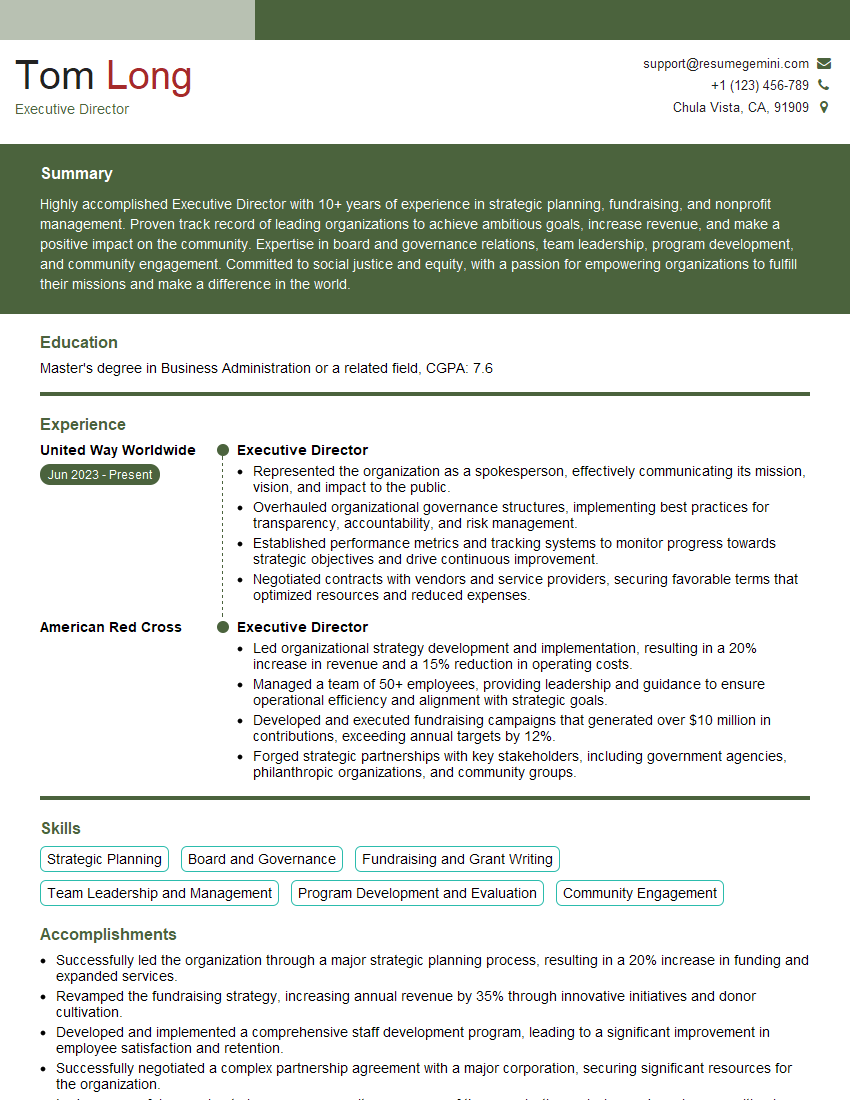
Executive Director Resume Sample
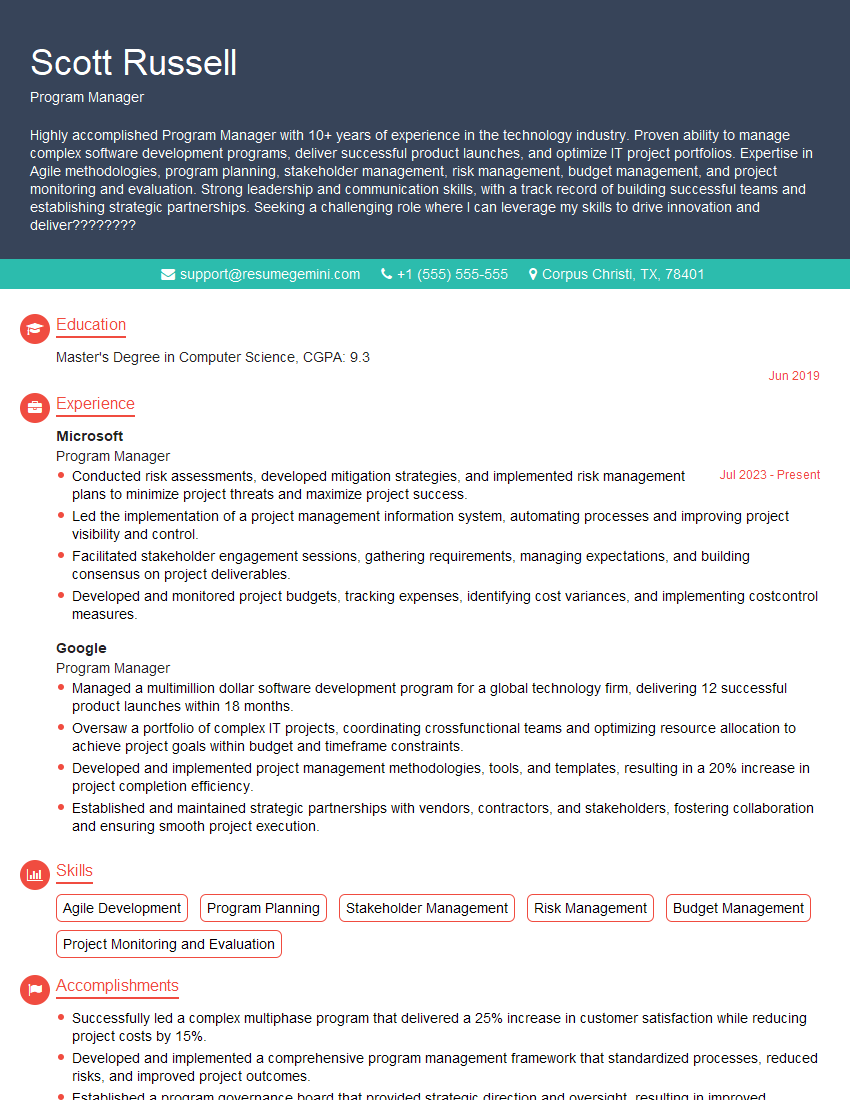
Program Manager Resume Sample
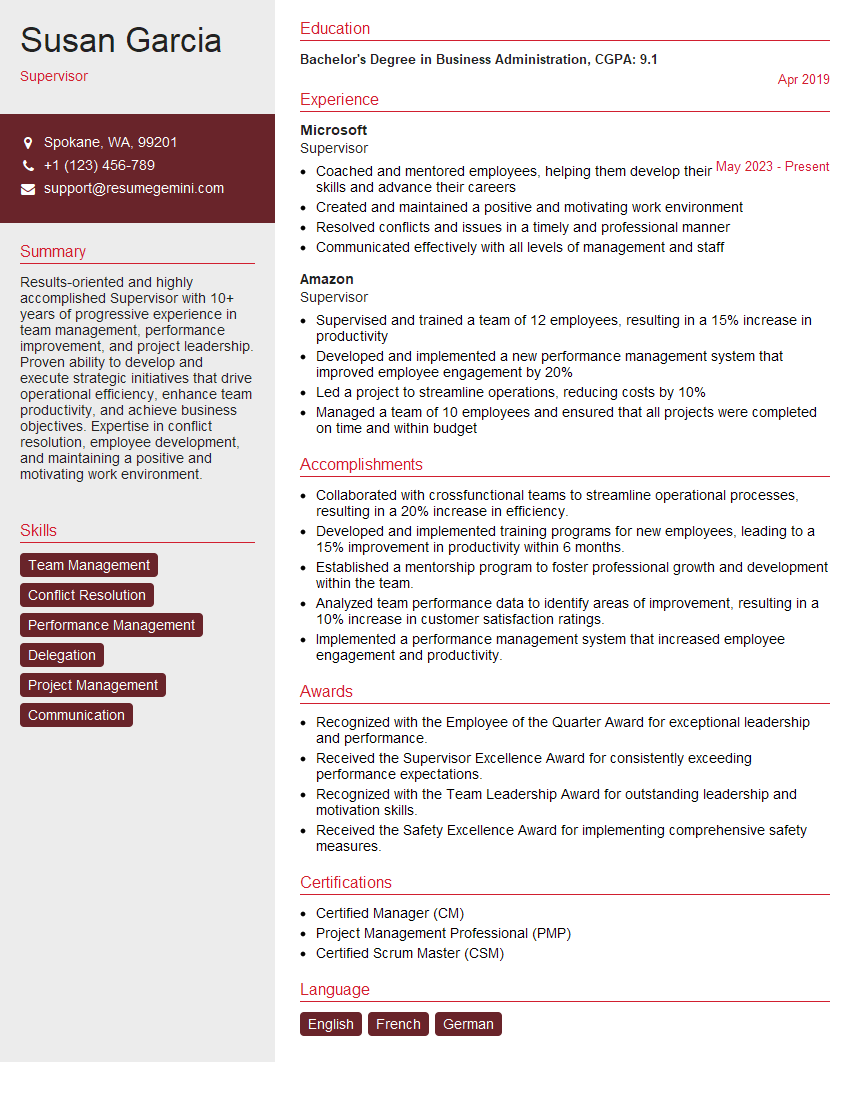
Supervisor Resume Sample
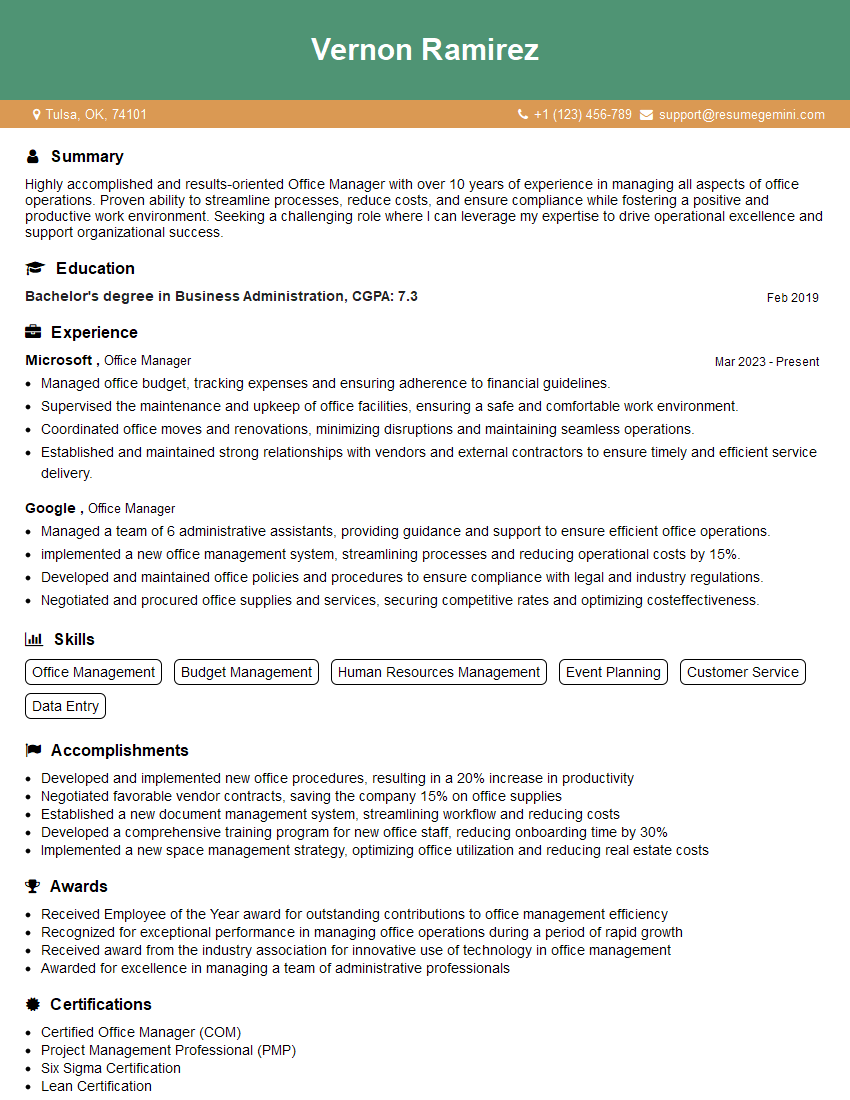
Office Manager Resume Sample

Operations Manager Resume Sample
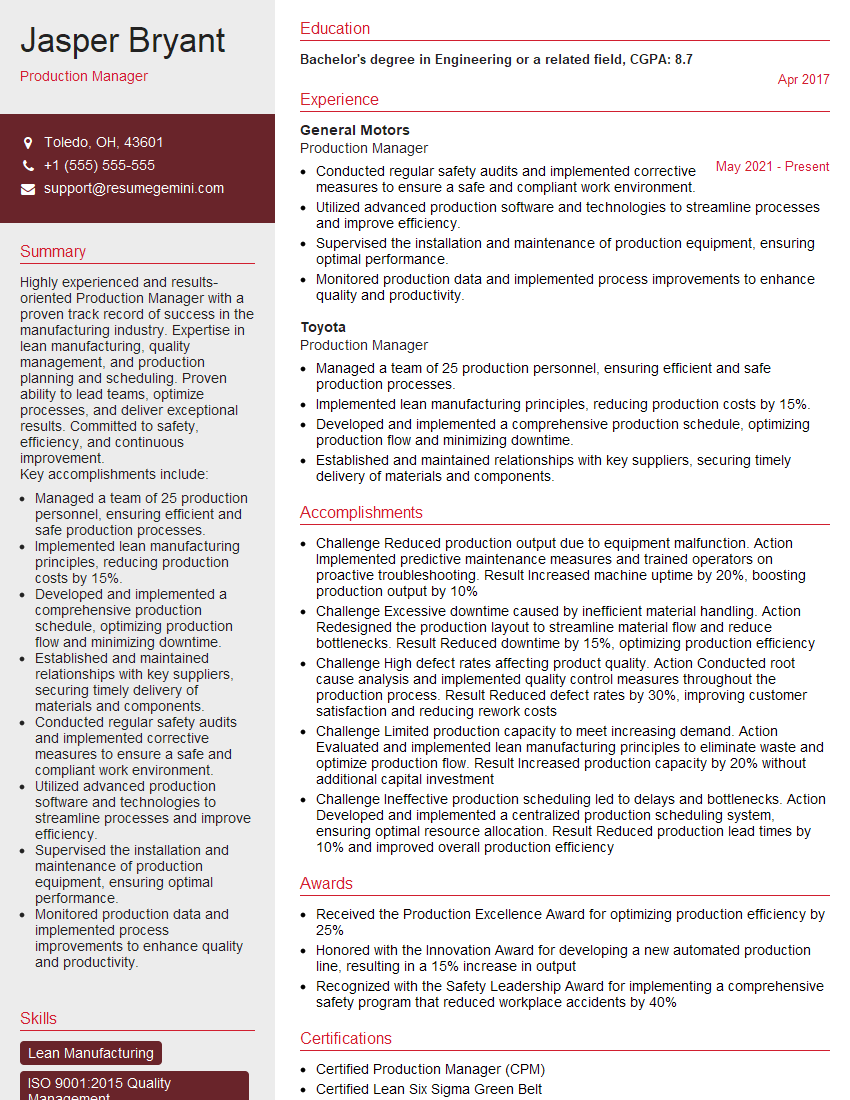
Production Manager Resume Sample
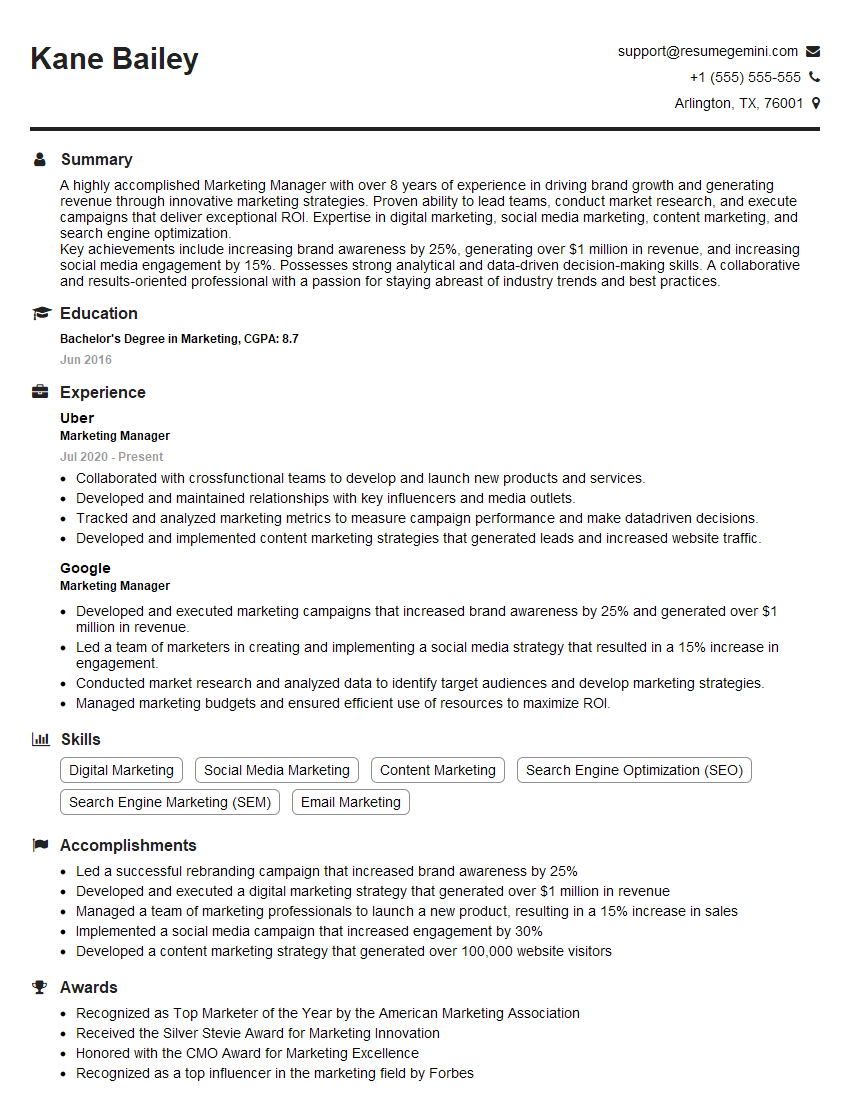
Marketing Manager Resume Sample
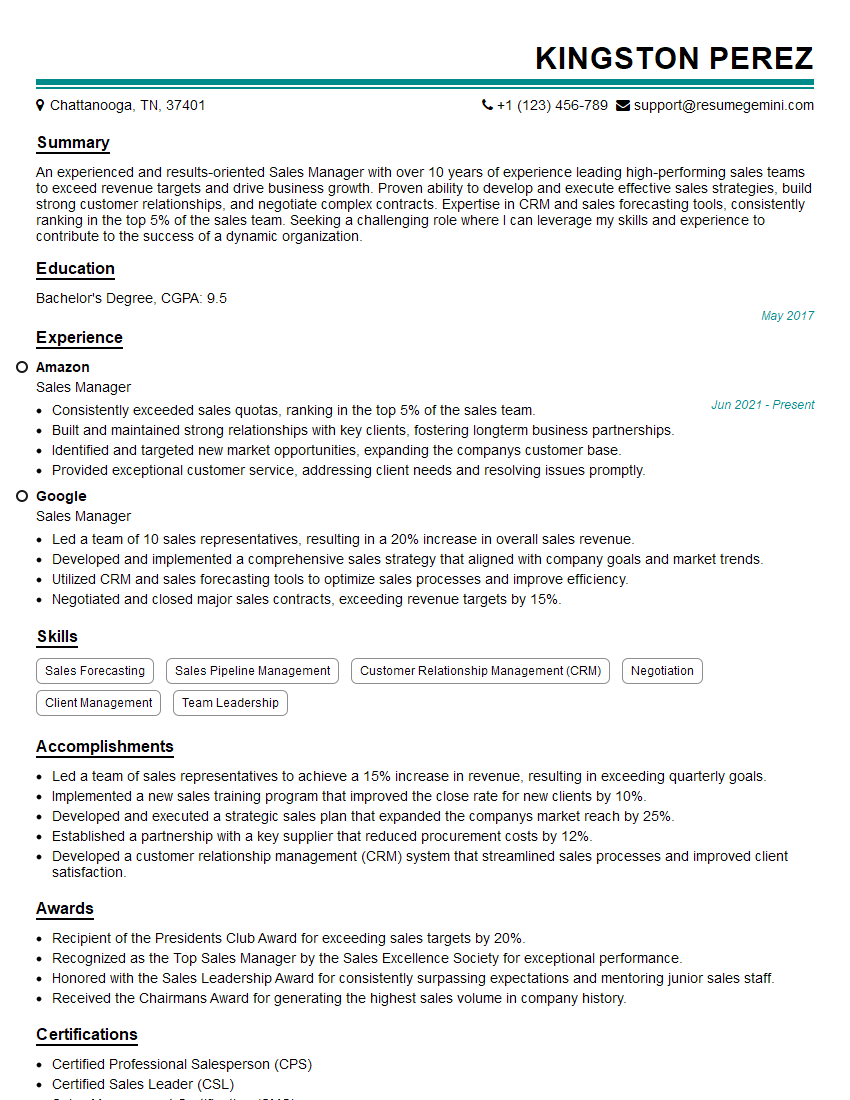
Sales Manager Resume Sample
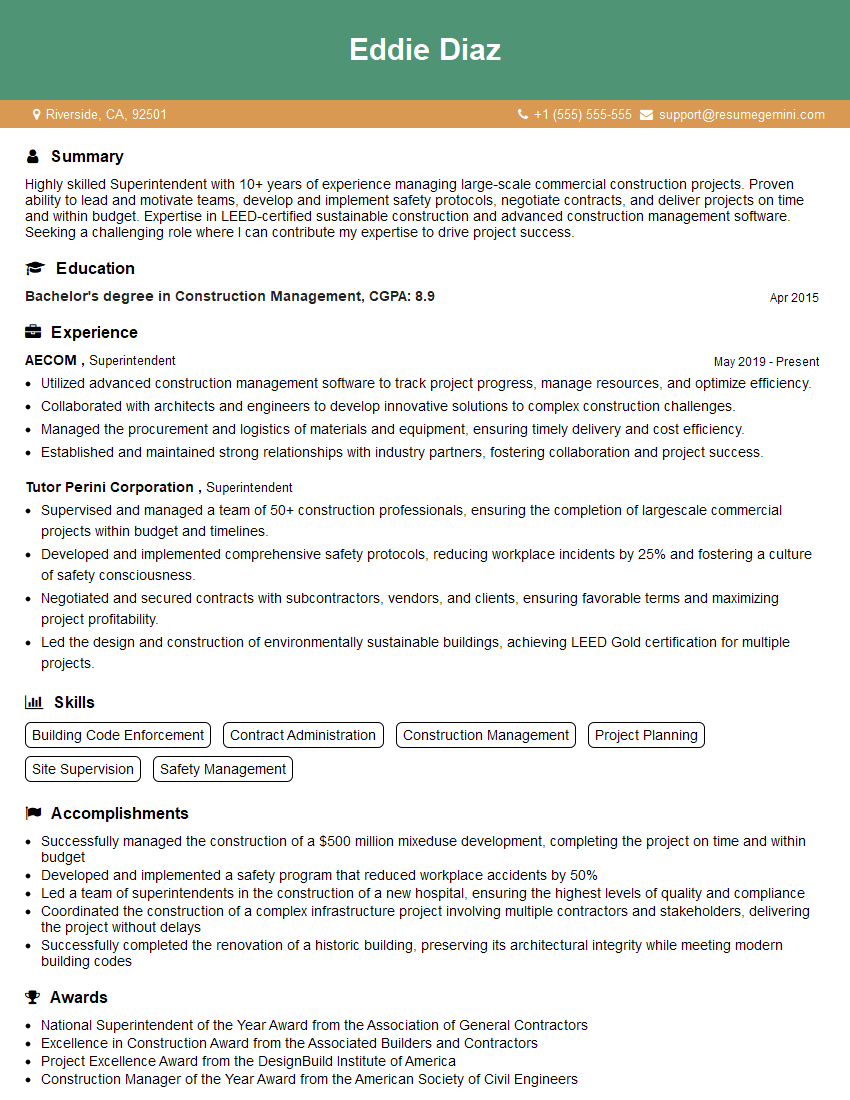
Superintendent Resume Sample
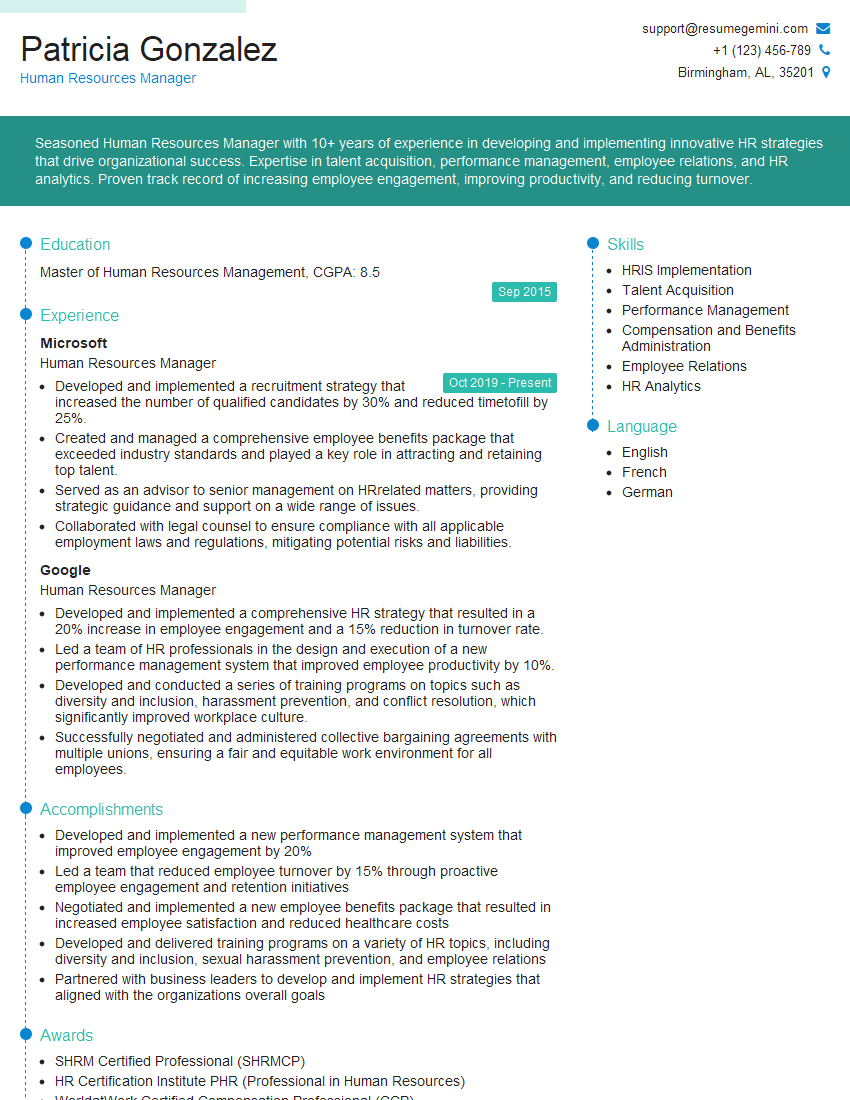
Human Resources Manager Resume Sample
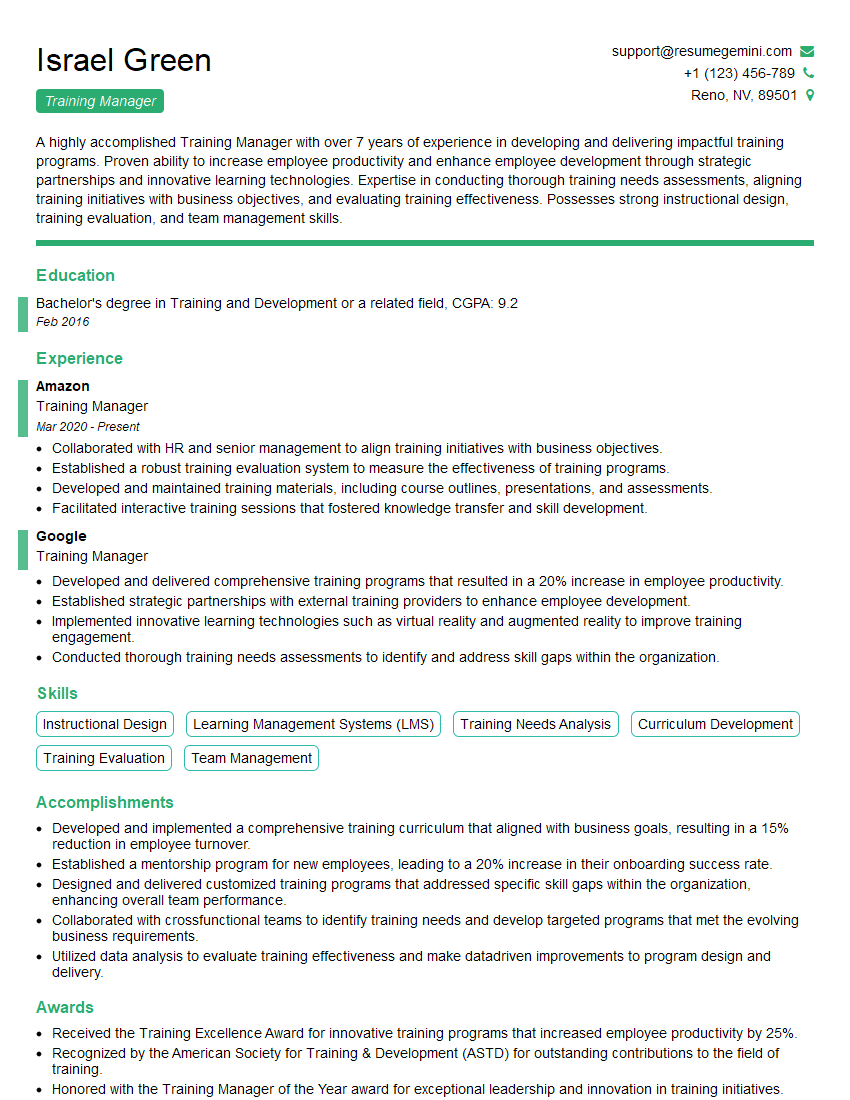
Training Manager Resume Sample
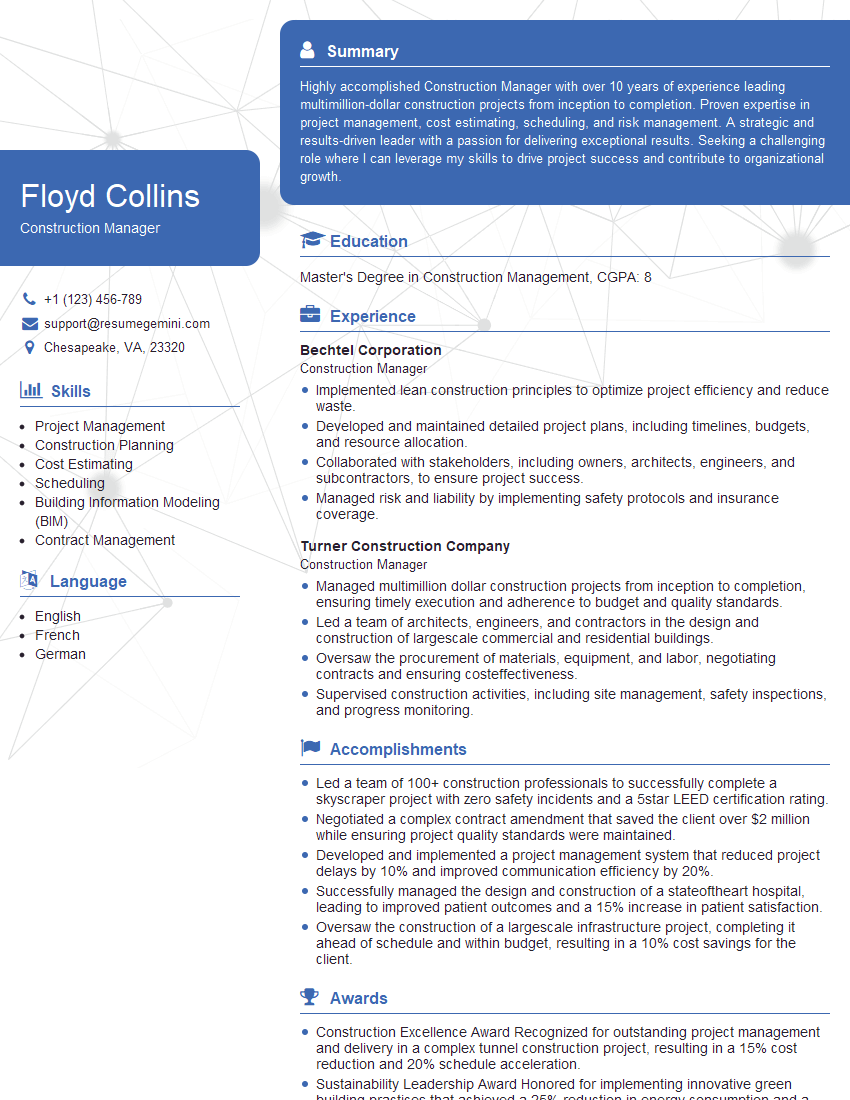
Construction Manager Resume Sample
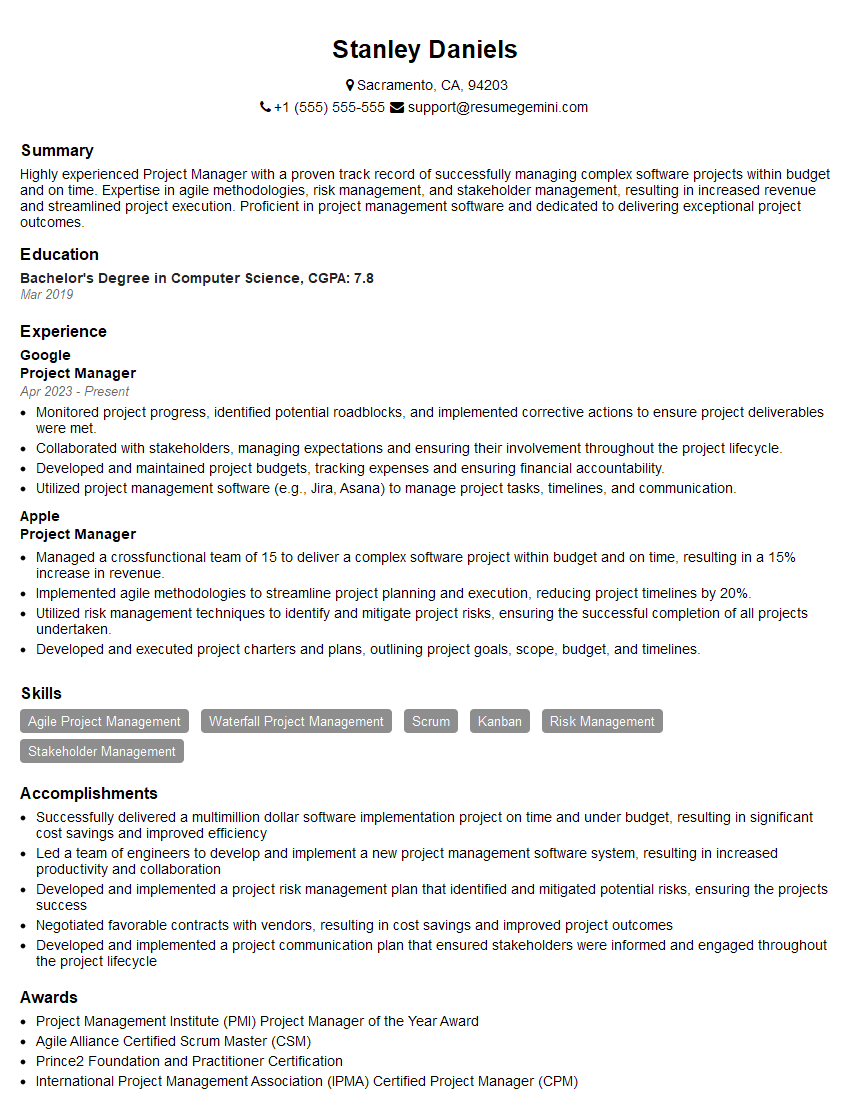
Project Manager Resume Sample
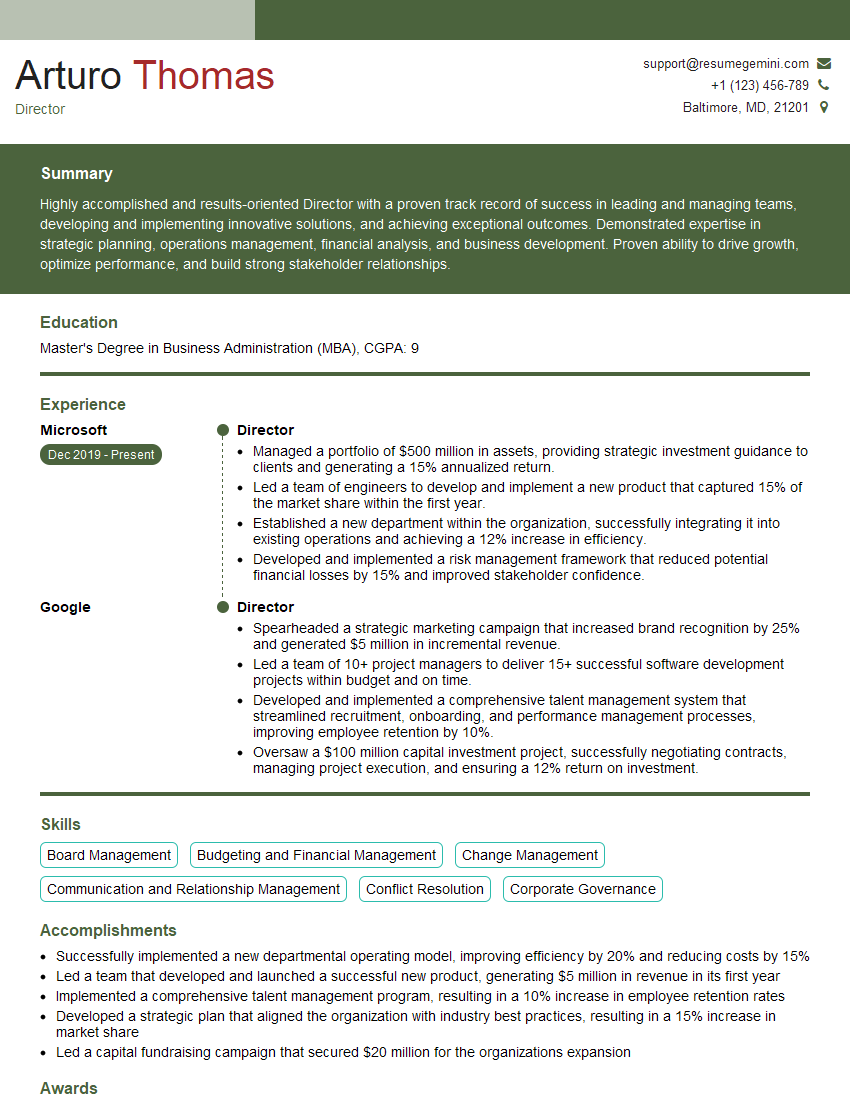
Director Resume Sample
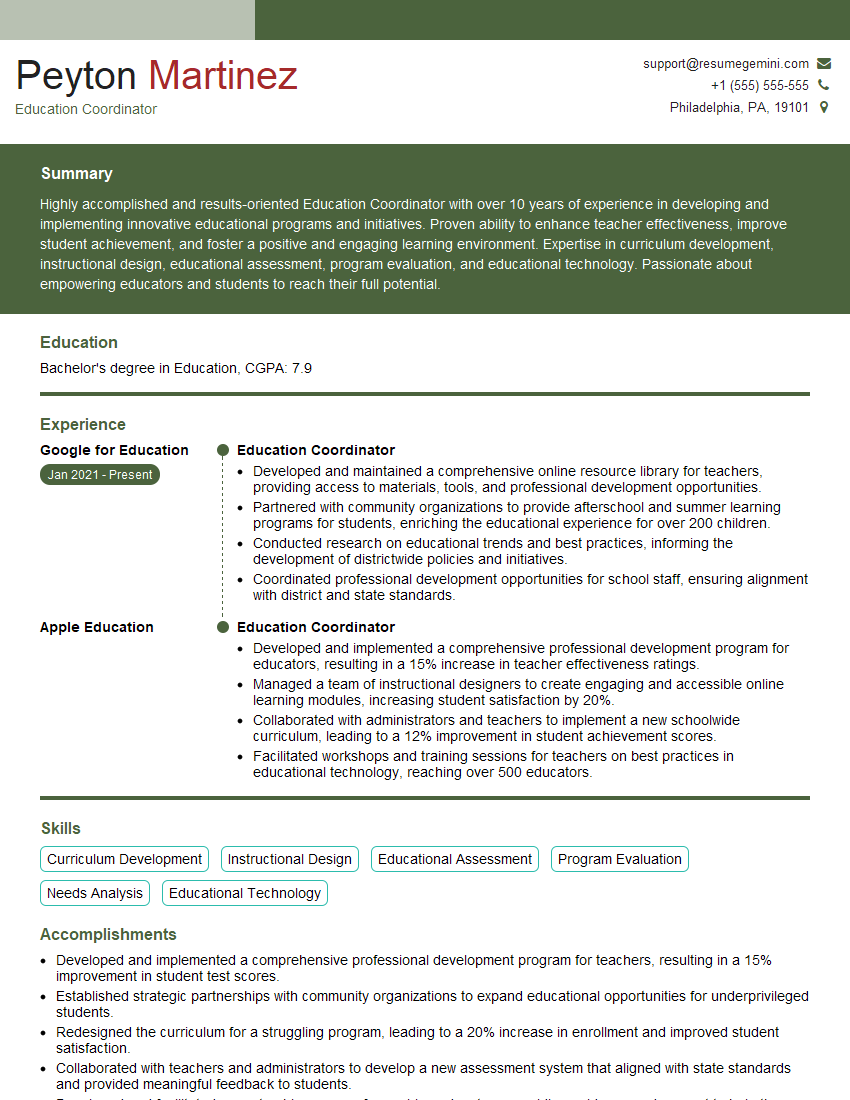
Education Coordinator Resume Sample
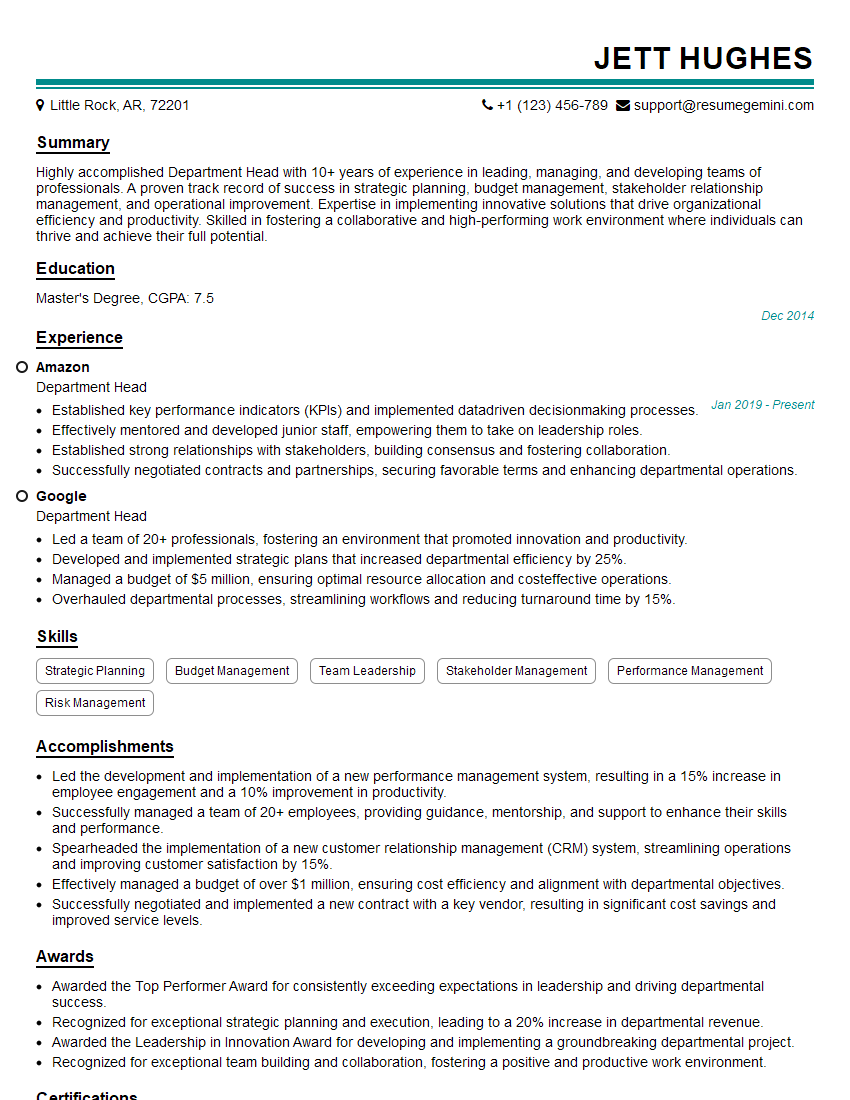
Department Head Resume Sample
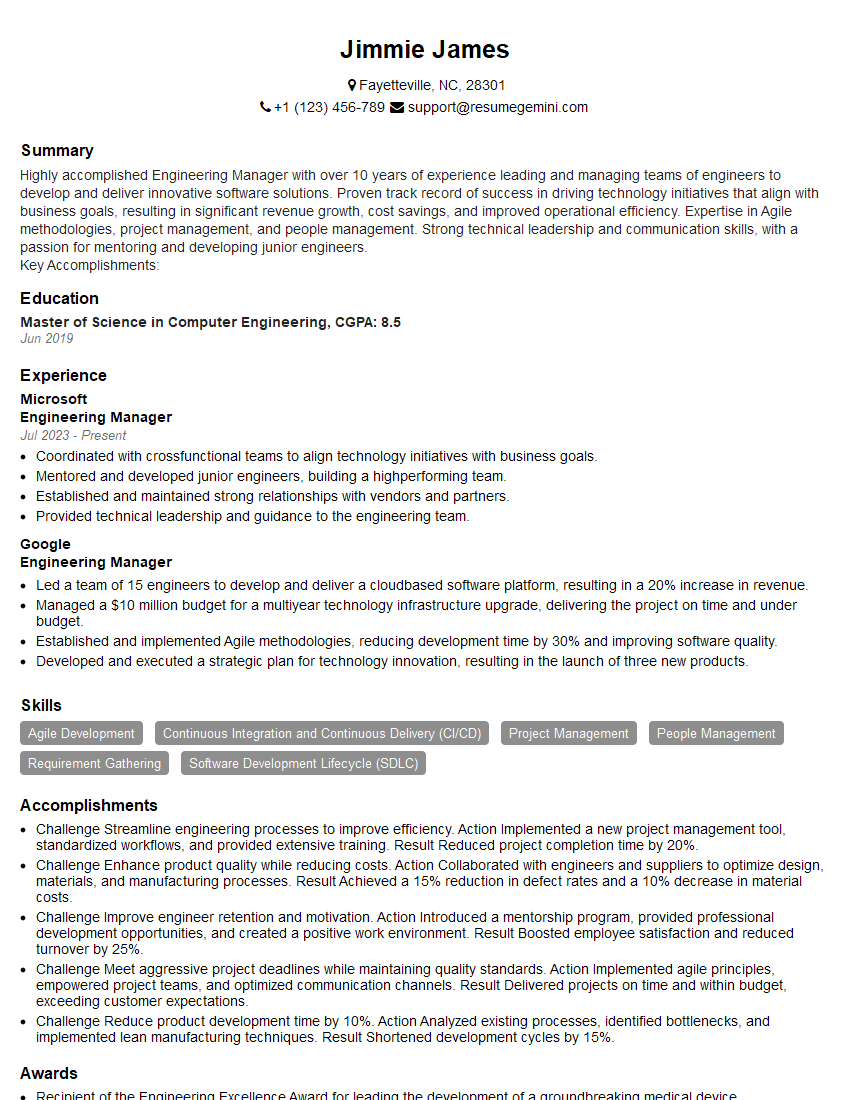
Engineering Manager Resume Sample

Compliance Officer Resume Sample
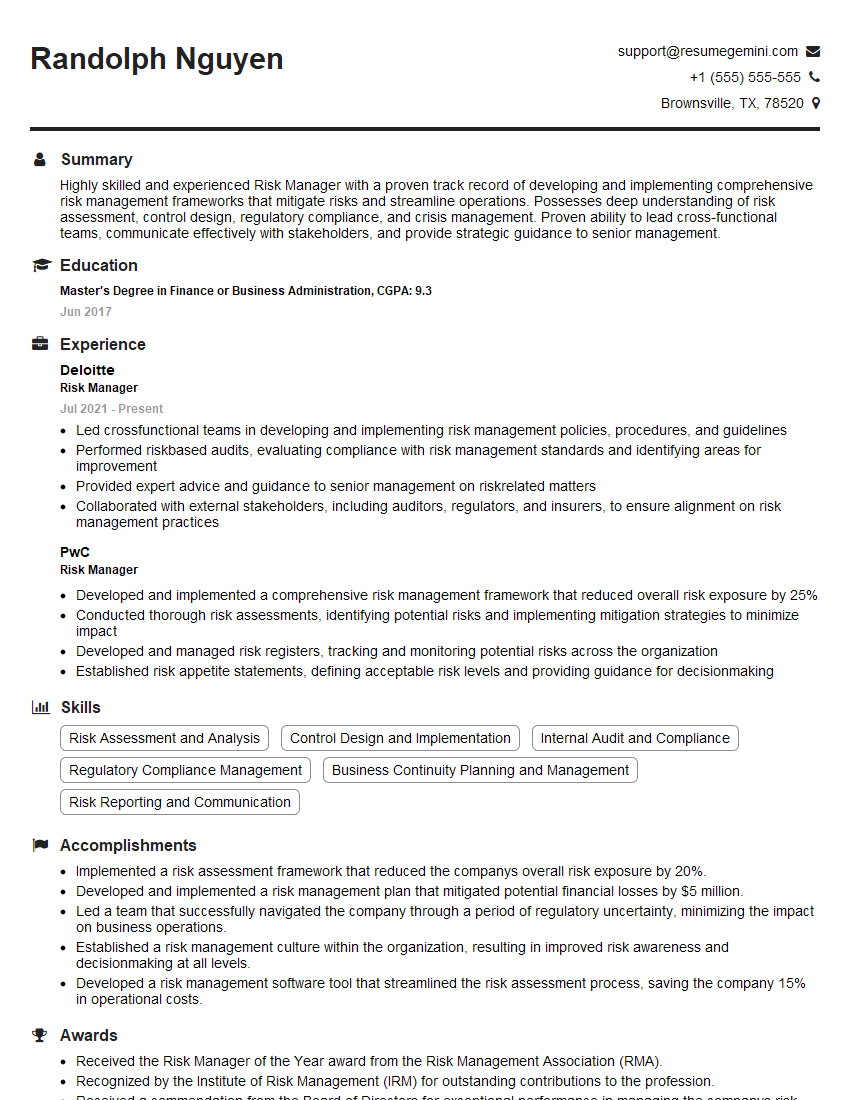
Risk Manager Resume Sample
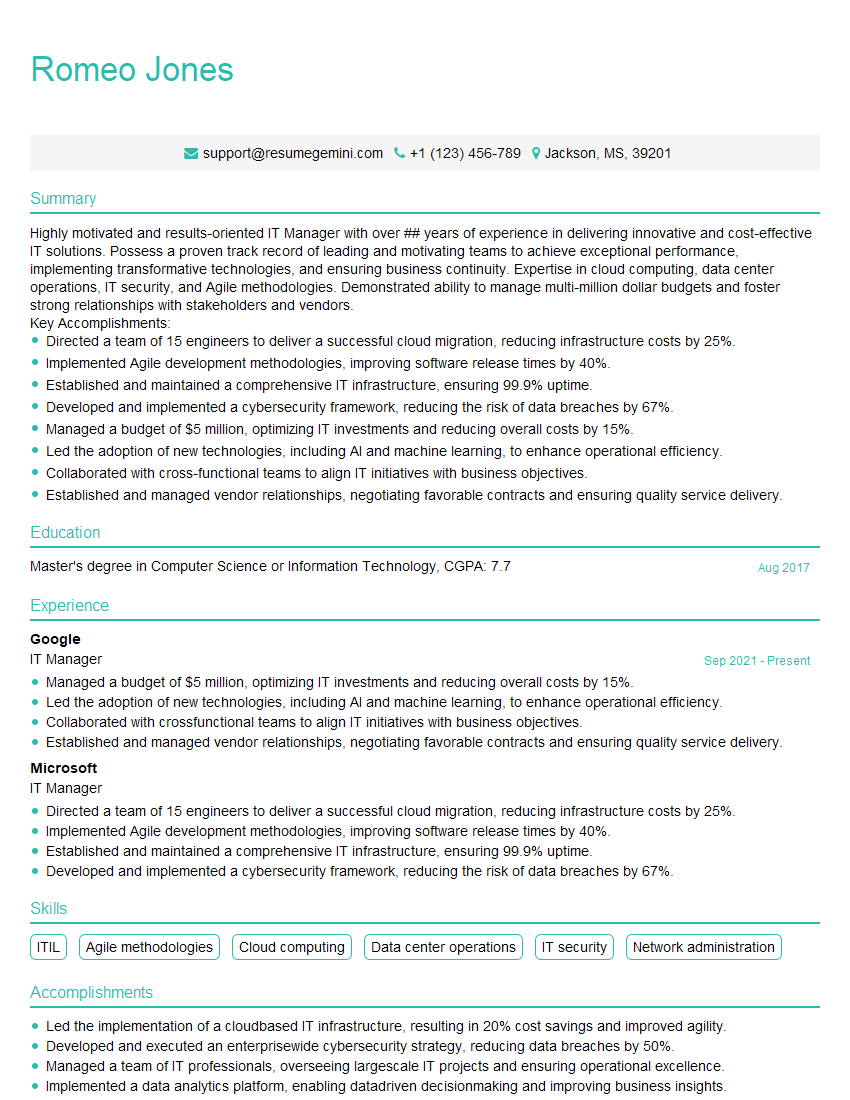
IT Manager Resume Sample
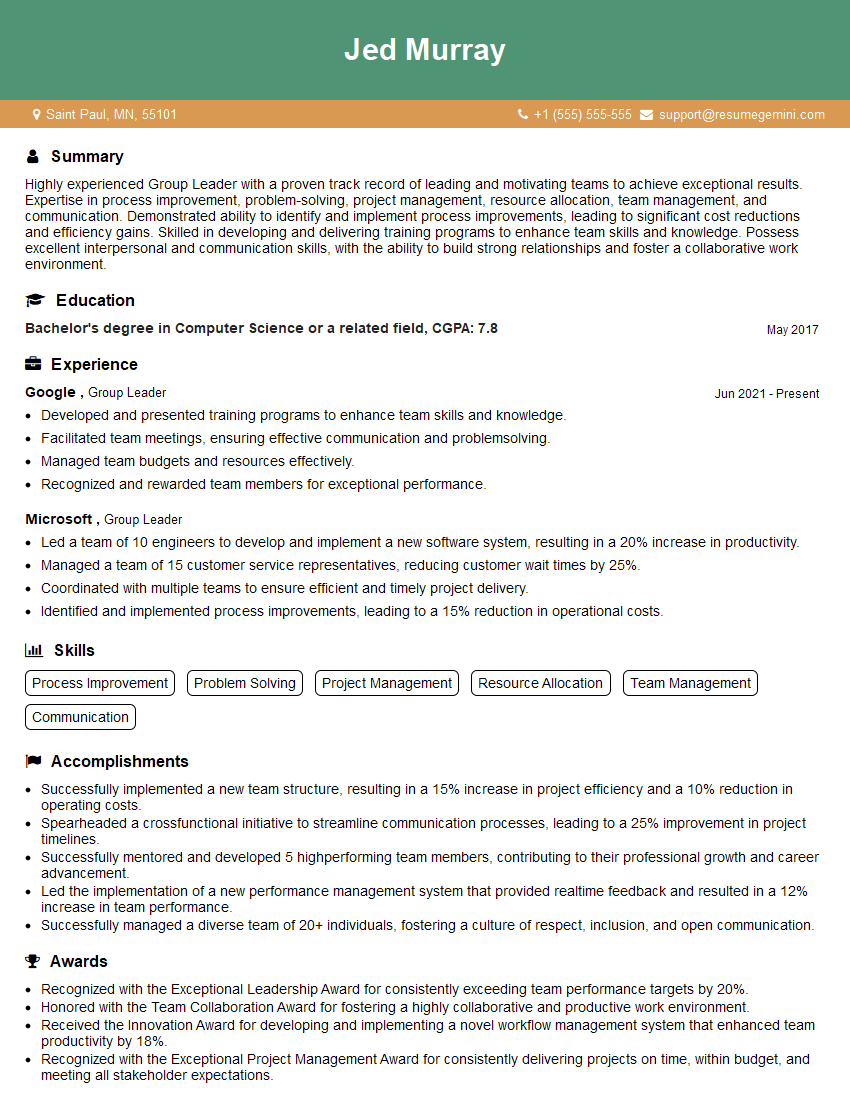
Group Leader Resume Sample
- Executive Director
- Program Manager
- Supervisor
- Office Manager
- Operations Manager
- Production Manager
- Marketing Manager
- Sales Manager
- Superintendent
- Human Resources Manager
- Training Manager
- Construction Manager
- Project Manager
- Director
- Education Coordinator
- Department Head
- Engineering Manager
- Compliance Officer
- Risk Manager
- IT Manager
- Group Leader
Explore more articles
Users Rating of Our Blogs
Share Your Experience
We value your feedback! Please rate our content and share your thoughts (optional).
What Readers Say About Our Blog
To the interviewgemini.com Webmaster.
Very helpful and content specific questions to help prepare me for my interview!
Thank you
To the interviewgemini.com Webmaster.
This was kind of a unique content I found around the specialized skills. Very helpful questions and good detailed answers.
Very Helpful blog, thank you Interviewgemini team.