Every successful interview starts with knowing what to expect. In this blog, we’ll take you through the top Ability to translate complex scientific concepts into accessible language interview questions, breaking them down with expert tips to help you deliver impactful answers. Step into your next interview fully prepared and ready to succeed.
Questions Asked in Ability to translate complex scientific concepts into accessible language Interview
Q 1. Explain the difference between simplifying and oversimplifying scientific information.
Simplifying scientific information makes complex ideas easier to understand without sacrificing accuracy. Oversimplification, on the other hand, reduces the information to the point where crucial details are lost or the explanation becomes misleading. The key difference lies in retaining the core essence of the scientific concept.
For example, explaining that ‘gravity pulls things down’ is a simplification. It’s accurate enough for everyday life but doesn’t capture the nuances of gravitational force, its dependence on mass, and its effect on celestial bodies. Oversimplifying might be saying ‘heavy things fall faster,’ which is factually incorrect. Effective simplification retains the essential truth, while oversimplification distorts or omits key elements.
- Simplification: Breaking down a complex equation into its fundamental components and explaining each step clearly.
- Oversimplification: Presenting a nuanced research finding as having a single, overly simplistic cause-and-effect relationship, ignoring confounding variables.
Q 2. How would you explain the concept of quantum entanglement to a ten-year-old?
Imagine you have two magic coins. These coins are linked in a special way – quantum entanglement. When you flip one coin, you instantly know what the other coin will show, even if they’re miles apart! If one lands on heads, the other *always* lands on tails, and vice versa. You can’t predict which will be heads or tails individually, but you know they’ll always be opposites. It’s like they’re secretly communicating faster than anything we know of, even faster than the speed of light!
Quantum entanglement is a weird phenomenon in the world of tiny particles. These particles are linked in a spooky way, and knowing the state of one instantly tells you the state of the other, regardless of the distance between them. It’s still a mystery to scientists, but it’s a fascinating part of quantum physics!
Q 3. Describe your approach to tailoring scientific information to different audiences (e.g., general public, experts, policymakers).
My approach to tailoring scientific information involves understanding the audience’s prior knowledge and their specific needs. I adapt my language, examples, and level of detail accordingly.
- General Public: I use analogies, relatable examples, and avoid technical jargon. Visual aids like charts and infographics are crucial.
- Experts: I can engage in detailed discussions, using technical terms and focusing on the nuances of the research. I might discuss methodologies and potential limitations in greater depth.
- Policymakers: I focus on the implications of the research for policy decisions. I highlight the key findings, uncertainties, and potential consequences in a concise and accessible way, often providing a summary of the evidence to support specific recommendations.
I also consider the context – a presentation to a large audience will differ significantly from a written report for a peer-reviewed journal. Flexibility and adaptability are key to successful science communication.
Q 4. How do you identify and address potential biases or inaccuracies in scientific information?
Identifying and addressing biases requires a critical approach throughout the communication process. This starts with carefully evaluating the source of the information.
- Source Evaluation: Is the source reputable? Is there evidence of funding bias or conflicts of interest? Peer-reviewed publications are generally more reliable than blogs or social media posts.
- Data Analysis: I scrutinize the data itself, looking for potential confounding variables, selection bias, or statistical flaws. I also pay attention to how the data is presented – are there misleading graphs or cherry-picked statistics?
- Language Review: I carefully review the language used to ensure it is objective and avoids loaded terms or emotionally charged words. I also check for potential cultural biases in the choice of examples or analogies.
Transparency is vital. If there are limitations or uncertainties, I explicitly address them. Acknowledging potential biases strengthens the credibility of the communication.
Q 5. Provide an example of a time you successfully translated complex scientific data into a visually appealing and understandable format.
I was working on a project explaining complex climate change data to a community group. The data included various projections of sea-level rise based on different greenhouse gas emission scenarios. Instead of just presenting tables of numbers, I created an interactive map. Users could select different emission scenarios, and the map would dynamically visualize the projected sea-level rise in their specific region, using different colors to represent different levels of increase. This approach made the data far more accessible and emotionally engaging than a dry statistical report would have been. It allowed individuals to understand the direct consequences of climate change on their communities.
Q 6. How do you ensure the accuracy and clarity of your science communication?
Accuracy and clarity are paramount. My process includes several steps:
- Thorough Research: I delve deeply into the scientific literature to ensure a complete understanding of the topic.
- Peer Review (where applicable): I seek feedback from other experts in the field to identify potential errors or areas for improvement.
- Multiple Representations: I often use multiple ways of explaining the concepts – text, visuals, and analogies – to ensure different learning styles are catered to.
- Fact-Checking: I meticulously verify all the facts and figures to eliminate errors.
- Plain Language Feedback: I get feedback from individuals with no scientific background to assess the clarity and accessibility of my communication.
By implementing these strategies, I strive to deliver information that is not only accurate but also readily understandable to the target audience.
Q 7. What are some common challenges in translating complex scientific concepts into accessible language?
Translating complex science into accessible language presents several challenges:
- Technical Jargon: Scientific fields often have highly specialized vocabulary that is unfamiliar to the general public. Finding appropriate substitutes while maintaining accuracy can be difficult.
- Abstract Concepts: Many scientific concepts are abstract and difficult to visualize or relate to everyday experiences. Creating effective analogies or metaphors requires creativity and careful consideration.
- Balancing Detail and Simplicity: The need to simplify can lead to the omission of crucial information. Finding the right balance between simplicity and completeness is a constant challenge.
- Maintaining Accuracy: Oversimplification can lead to misinterpretations and inaccuracies. It’s vital to convey the essential scientific information without compromising its integrity.
- Audience Engagement: Keeping the audience engaged can be difficult when dealing with complex topics. Using storytelling, visuals, and interactive elements can help to address this challenge.
Q 8. How do you maintain engagement and interest when communicating complex scientific topics?
Maintaining audience engagement when explaining complex scientific topics requires a multifaceted approach. It’s not just about *what* you say, but *how* you say it. I focus on building a narrative, starting with relatable examples or analogies to establish a common ground before diving into the technical details. For instance, explaining quantum entanglement can be made easier by comparing it to two coins flipped simultaneously: no matter how far apart, knowing the state of one instantly tells you the state of the other. This creates intrigue and makes the concept less daunting. I also break down complex information into smaller, digestible chunks, using clear and concise language, avoiding jargon unless absolutely necessary and defining it when used. Interactive elements like quizzes or polls can further enhance engagement and allow for immediate feedback.
Further, I incorporate storytelling techniques, presenting scientific findings as a journey of discovery rather than a dry recitation of facts. Visual aids, like animations or simulations, play a crucial role, making abstract concepts tangible. Finally, I actively encourage questions and discussions, creating a two-way communication channel that fosters understanding and keeps the audience actively involved.
Q 9. How familiar are you with different scientific writing styles (e.g., journalistic, technical, narrative)?
I’m proficient in various scientific writing styles, adapting my approach to the target audience and the communication goal. Journalistic writing emphasizes clarity, brevity, and storytelling, making complex science accessible to a broad audience. I’ve used this style extensively for popular science articles and blog posts. Technical writing, on the other hand, demands precision and accuracy, prioritizing detailed explanations and the use of specialized terminology. I utilize this style when creating scientific reports, research papers, or grant proposals, ensuring that all information is accurate and rigorously detailed. Finally, narrative writing allows me to weave scientific concepts into a compelling story, engaging the reader emotionally and intellectually. This approach is especially useful for creating educational materials or engaging the public with long-term research projects.
Q 10. Describe your experience with using visuals (charts, graphs, images) to support science communication.
Visuals are indispensable tools in my science communication toolkit. I believe a picture is truly worth a thousand words, especially when dealing with complex data or abstract concepts. My experience encompasses creating and incorporating various visual aids, including charts (bar charts, pie charts, etc.) to represent data distributions, graphs (line graphs, scatter plots) to illustrate trends and correlations, and images (microscopic images, illustrations, photographs) to provide visual context. I’m skilled in using software such as Adobe Illustrator and Photoshop to create high-quality visuals and also proficient in using data visualization tools like Tableau or R to generate compelling charts and graphs from complex datasets. For example, when explaining climate change data, I’d use interactive graphs showing temperature trends over time alongside maps illustrating the impact on various regions.
The key is choosing the right visual for the right message; a complex graph might be inappropriate for a general audience, while a simple image might not suffice for a detailed technical explanation. The visuals should always complement and enhance the text, not replace it.
Q 11. How do you handle feedback or critiques on your science communication materials?
I view feedback as an invaluable opportunity for improvement. I actively solicit feedback from various sources – peers, editors, and most importantly, the intended audience – to gauge the effectiveness of my communication materials. I carefully consider all critiques, separating constructive criticism from subjective opinions. I use a structured approach to review feedback, categorizing it based on clarity, accuracy, engagement, and overall impact. I then develop an action plan, revising the materials to address the identified shortcomings.
For example, if feedback highlights a lack of clarity in a particular section, I might rewrite that section using simpler language, add visuals, or provide additional examples. If the accuracy of the information is questioned, I meticulously check the sources and make necessary corrections. Ultimately, my aim is to make the materials as clear, accurate, and engaging as possible, and feedback is vital to achieving that.
Q 12. How do you stay current with the latest developments in your area of scientific expertise?
Staying current in a rapidly evolving field like science requires a multi-pronged approach. I regularly read peer-reviewed scientific journals and publications relevant to my area of expertise. I actively participate in scientific conferences and workshops, attending presentations and engaging in discussions with fellow researchers. This provides opportunities to learn about cutting-edge research and network with experts. I also follow prominent scientists and research institutions on social media platforms (carefully vetting sources) to stay informed about recent breakthroughs. Finally, I utilize online databases such as PubMed and Google Scholar to search for relevant publications and review articles. This structured approach allows me to maintain a comprehensive understanding of the latest developments and ensures my communication efforts are informed by the most up-to-date scientific evidence.
Q 13. How do you incorporate evidence-based practices into your science communication?
Evidence-based practices are fundamental to my science communication approach. I ensure that all information presented is grounded in robust scientific evidence, meticulously citing sources and avoiding unsubstantiated claims. I critically evaluate the quality of evidence, considering factors such as sample size, study design, and statistical significance. I also strive to present a balanced view of the existing evidence, acknowledging uncertainties and limitations where appropriate. Moreover, I avoid the use of misleading or manipulative language and am always transparent about potential biases or conflicts of interest.
For example, when communicating about the effectiveness of a particular treatment, I would clearly state the strength of the evidence supporting it, outlining any limitations of the research and discussing potential side effects. This ensures responsible communication and promotes informed decision-making by the audience.
Q 14. Explain your process for fact-checking and verifying scientific information.
Fact-checking and verification are paramount to ensuring the credibility of my science communication materials. My process begins with identifying reliable sources of information, prioritizing peer-reviewed scientific literature, reputable institutions, and government agencies. I carefully evaluate the methodology of studies cited, assessing the rigor of their design and analysis. I cross-reference information from multiple sources to confirm its accuracy and consistency. If conflicting information is found, I further investigate to determine the most reliable source and resolve discrepancies.
I meticulously document all sources using proper citation formats to allow readers to verify the information independently. I also incorporate fact-checking tools and databases where appropriate, and where possible, I consult with experts in the relevant field to ensure accuracy and completeness before publishing or presenting my work. This rigorous approach builds trust and assures audiences that the information provided is accurate and reliable.
Q 15. How would you explain the scientific method to someone with no prior scientific knowledge?
The scientific method is a systematic way of exploring the world around us and building reliable knowledge. Think of it as a recipe for discovering truth. It generally involves these steps:
- Observation: Noticing something interesting or puzzling in the world. For example, noticing that plants grow taller when they get more sunlight.
- Question: Forming a specific question based on your observation. For example, ‘Does the amount of sunlight affect plant growth?’
- Hypothesis: Suggesting a possible explanation or answer to your question. This is an educated guess, often stated as an ‘if-then’ statement. For example, ‘If plants receive more sunlight, then they will grow taller.’
- Experiment: Designing and carrying out a controlled test to see if your hypothesis is supported. This might involve growing several plants under different amounts of sunlight and measuring their height regularly.
- Analysis: Examining the results of your experiment. You might use graphs or statistics to organize and interpret your data. For example, creating a bar chart showing the height of the plants in each sunlight condition.
- Conclusion: Summarizing what you learned from your experiment and determining if your hypothesis was supported or refuted. You might find that your hypothesis was correct (more sunlight led to taller plants) or that it needs to be revised based on your data.
Importantly, the scientific method is an iterative process; scientists often repeat experiments, refine their hypotheses, and continue exploring until they reach a more complete understanding.
Career Expert Tips:
- Ace those interviews! Prepare effectively by reviewing the Top 50 Most Common Interview Questions on ResumeGemini.
- Navigate your job search with confidence! Explore a wide range of Career Tips on ResumeGemini. Learn about common challenges and recommendations to overcome them.
- Craft the perfect resume! Master the Art of Resume Writing with ResumeGemini’s guide. Showcase your unique qualifications and achievements effectively.
- Don’t miss out on holiday savings! Build your dream resume with ResumeGemini’s ATS optimized templates.
Q 16. Describe a situation where you had to adapt your communication style to match a specific audience.
I once had to explain the concept of gene editing using CRISPR-Cas9 to two different audiences. The first was a group of high school students, and the second was a board of directors for a biotechnology company.
For the high school students, I used simple analogies. I compared DNA to a cookbook containing recipes for building and running the body. CRISPR-Cas9, I explained, was like a precise pair of molecular scissors that could cut out specific ‘recipes’ (genes) and replace them with new ones, allowing us to correct errors or introduce beneficial changes. I used visual aids and kept the explanation concise and engaging.
In contrast, when presenting to the board of directors, my language was far more technical. I discussed the specifics of Cas9 enzyme activity, off-target effects, and the potential applications in drug development. I used charts and graphs to illustrate market projections and risk assessment, focusing on the financial and logistical implications of the technology.
Adapting my communication style involved choosing the right level of technical detail and using appropriate visual aids to engage the audience effectively.
Q 17. How familiar are you with accessibility guidelines for creating inclusive science communication materials?
I’m very familiar with accessibility guidelines. Creating inclusive science communication is crucial to ensuring that scientific advancements benefit everyone. This includes:
- Using plain language: Avoiding jargon and technical terms whenever possible, or providing clear definitions when necessary.
- Providing alternative text for images and videos: This ensures that visually impaired individuals can understand the content.
- Using captions and transcripts for audio and video content: This benefits individuals who are deaf or hard of hearing.
- Ensuring sufficient color contrast: This improves readability for people with visual impairments.
- Providing multiple formats: Offering content in different formats such as text, audio, and video, caters to diverse learning styles and disabilities.
- Following WCAG (Web Content Accessibility Guidelines): Adhering to these widely accepted standards ensures that materials are accessible to the widest possible audience.
I actively incorporate these guidelines into all my communication materials to guarantee broad accessibility and equitable access to scientific information.
Q 18. How would you approach explaining a controversial scientific topic in an objective and unbiased manner?
Explaining a controversial scientific topic requires a delicate balance of objectivity and clarity. My approach involves:
- Presenting the different perspectives: Clearly outlining all major viewpoints, acknowledging the uncertainties and areas of disagreement within the scientific community.
- Highlighting the evidence for each perspective: Presenting the data and reasoning supporting each side of the controversy, without favoring any one perspective.
- Identifying the limitations of the evidence: Discussing any weaknesses or biases in the available evidence, for instance, the size of sample populations or the methodology used in a study.
- Emphasizing areas of consensus: Pointing out any common ground or areas where there is widespread agreement among scientists, even amid disagreements on other aspects.
- Using neutral language: Avoiding emotionally charged words or phrases that could bias the audience.
- Encouraging critical thinking: Instead of offering definitive answers, my aim is to equip the audience with the information needed to critically evaluate the evidence and form their own informed opinions.
For example, when discussing climate change, I would present the evidence supporting both anthropogenic and natural climate change factors, while also highlighting the overwhelming scientific consensus on human influence.
Q 19. How do you assess the effectiveness of your science communication efforts?
Assessing the effectiveness of my science communication involves a multi-pronged approach:
- Gathering feedback: This could involve using surveys, questionnaires, or focus groups to directly solicit feedback from the audience on their understanding and engagement.
- Measuring audience engagement: Tracking metrics such as website traffic, social media engagement, and attendance at events can help determine how effectively the communication has reached its intended audience.
- Assessing knowledge gain: Pre- and post-communication assessments can gauge the change in audience understanding of the scientific concepts. This might involve simple quizzes or more complex assessments.
- Analyzing audience behavior: Observing audience behavior during presentations or workshops, such as asking questions or participating in discussions, can provide qualitative data on engagement and understanding.
By combining quantitative and qualitative data, I can gain a comprehensive understanding of how effectively my communication efforts have promoted understanding and engagement with science.
Q 20. How would you explain the ethical implications of a specific scientific discovery or technology?
Let’s consider the ethical implications of CRISPR-Cas9 gene editing. This technology offers incredible potential for treating genetic diseases, but it also raises several ethical concerns:
- Germline editing: Modifying the genes of reproductive cells (sperm or eggs) could alter the genetic makeup of future generations, raising concerns about unintended consequences and the potential for eugenics.
- Accessibility and equity: The high cost of gene editing could exacerbate health inequalities, making it accessible only to the wealthy, raising issues of social justice.
- Off-target effects: The possibility of unintended edits to the genome could lead to unforeseen health problems, demanding careful risk assessment.
- Informed consent: Ensuring that individuals undergoing gene editing fully understand the risks and benefits, and providing genuinely informed consent, is paramount.
Discussing these ethical implications necessitates open dialogue, transparency, and careful consideration of potential risks and benefits. It also requires engaging diverse stakeholders including scientists, ethicists, policymakers, and the public to develop responsible guidelines for the use of this powerful technology.
Q 21. How do you use storytelling techniques to enhance your science communication?
Storytelling is a powerful tool for making science more engaging and memorable. I utilize storytelling techniques by:
- Framing scientific concepts as narratives: Instead of presenting information in a dry, factual manner, I weave it into compelling stories that capture the audience’s imagination. For example, describing the journey of a scientific discovery or the challenges faced by researchers in their pursuit of knowledge.
- Using relatable characters: I often focus on the human stories behind scientific breakthroughs, highlighting the triumphs, setbacks, and personal journeys of the scientists involved.
- Creating a sense of suspense and mystery: I might introduce a problem or a question that piques the audience’s curiosity, gradually revealing the solution or answer through the narrative.
- Employing analogies and metaphors: I use metaphors and analogies to help people relate abstract scientific concepts to familiar experiences, making complex ideas more accessible and memorable.
- Incorporating visuals and multimedia: Using images, videos, and interactive elements, along with storytelling, further enhances engagement and understanding.
By weaving science into captivating narratives, I aim to connect with the audience on an emotional level, increasing their interest and retention of the information presented.
Q 22. What strategies do you use to build trust and credibility when communicating scientific information?
Building trust and credibility in science communication hinges on transparency, accuracy, and demonstrating a deep understanding of the subject matter. I achieve this through several key strategies:
- Clearly stating limitations and uncertainties: Science is a process, and acknowledging that we don’t have all the answers builds trust. For example, when discussing climate change, I’d explicitly mention the range of projected temperature increases and the uncertainties inherent in complex models.
- Using verifiable sources and citing evidence: Every claim should be backed by reputable scientific studies, data, or expert opinions. I meticulously cite sources, making it easy for the audience to independently verify the information.
- Maintaining objectivity and avoiding bias: I strive to present information neutrally, acknowledging different perspectives where appropriate. This means being mindful of my own biases and actively seeking diverse viewpoints.
- Employing clear and concise language: Avoiding jargon and using simple analogies ensures the message is easily understood by a broad audience. For instance, instead of saying ‘mitochondrial dysfunction,’ I might explain it as ‘a problem with the cell’s powerhouses’.
- Engaging with the audience: Responding to questions honestly and openly fosters a sense of connection and trust. I am always willing to clarify any misunderstandings and address concerns.
Q 23. Describe your experience with collaborating with scientists or researchers to develop science communication materials.
I’ve extensively collaborated with scientists and researchers across various disciplines, including environmental science and genomics. My role often involves translating their complex research findings into accessible formats for public consumption. For example, I worked with a team of geneticists to create an infographic explaining CRISPR-Cas9 gene editing technology in a way that was understandable to high school students. This involved numerous iterative cycles of feedback, ensuring that the information was both accurate and engaging. In another project, I helped a climate scientist explain the intricate data behind sea-level rise projections, crafting a visually appealing video narrative that focused on real-world consequences.
This collaboration usually involves:
- Initial meetings to understand the research: This involves asking clarifying questions to grasp the core concepts and identify the key messages.
- Developing a communication strategy: Choosing the appropriate medium (video, infographic, blog post etc.) based on the target audience and the research goals.
- Content creation and review: Drafting materials, seeking feedback from scientists to ensure accuracy, and revising based on their input.
- Testing and evaluation: Assessing the effectiveness of the communication materials using surveys or focus groups.
Q 24. How would you handle a situation where you encounter conflicting scientific information?
Encountering conflicting scientific information is common. My approach involves a systematic investigation to determine the most credible and supported information:
- Identify the source of the conflict: Determine if the discrepancy arises from different methodologies, interpretations of data, or limitations in the research.
- Evaluate the quality of evidence: Examine the methodology, sample size, peer review process, and potential biases of each source. Look for meta-analyses or review articles that summarize existing research.
- Consult with experts: Seek clarification from reputable scientists or researchers in the field. I always prioritize information from established, peer-reviewed sources.
- Present the different perspectives fairly: If uncertainty remains, I would explain the conflicting evidence to the audience, highlighting the limitations of each study and emphasizing the areas of ongoing research.
- Focus on the broader scientific consensus: While acknowledging legitimate debate, I would emphasize the overall weight of scientific evidence.
For example, if I encountered conflicting reports on the effectiveness of a particular medical treatment, I would look at the methodology of each study, the journal it was published in, and the consensus view of medical experts before making any statement.
Q 25. How do you manage the balance between scientific accuracy and simplifying complex ideas?
Balancing scientific accuracy with simplification is crucial for effective communication. This is achieved through:
- Identifying the core message: Distilling complex information into a few key takeaway points. For instance, instead of explaining every detail of a complex chemical reaction, I focus on its overall outcome and significance.
- Using analogies and metaphors: Making abstract concepts more relatable through everyday comparisons. For example, explaining the concept of ‘feedback loops’ in climate change by comparing it to a thermostat.
- Visual aids: Graphs, charts, and images can communicate complex data more effectively than text alone.
- Layered explanation: Presenting a simplified overview followed by more in-depth information for those interested in delving deeper. I might offer a basic explanation first, then a more technical explanation in a separate section or in supplementary materials.
- Iterative review: Getting feedback from scientists and non-scientists alike to ensure clarity and accuracy without sacrificing scientific integrity.
Q 26. How do you incorporate multimedia elements (videos, audio) into your science communication?
Multimedia elements significantly enhance engagement and understanding. I strategically incorporate them by:
- Videos: Animated explanations, interviews with experts, or footage of scientific processes can illustrate complex concepts visually and make them more memorable.
- Audio: Podcasts or audio narrations can make science accessible to individuals who prefer listening over reading. I often use audio to explain complex datasets or illustrate processes.
- Interactive elements: Quizzes, simulations, and interactive maps can actively engage the audience and deepen their understanding.
- Infographics: Visually appealing presentations of key information allow for quick understanding of complex processes.
For example, when explaining the process of photosynthesis, I’d use a short animation to visually show the steps involved, coupled with a concise audio narration for different learning styles.
Q 27. How would you explain the impact of a specific scientific advancement on society?
Let’s take the example of CRISPR-Cas9 gene editing. Its societal impact is multifaceted:
- Medicine: CRISPR offers the potential to cure genetic diseases like cystic fibrosis and sickle cell anemia by precisely correcting faulty genes. This has enormous implications for improving human health and reducing healthcare costs.
- Agriculture: CRISPR can be used to develop crops that are more resistant to pests, diseases, and harsh environmental conditions. This can enhance food security and reduce reliance on pesticides.
- Ethical concerns: The ability to edit the human germline raises ethical concerns about designer babies and unintended consequences. This necessitates careful regulation and public dialogue.
Explaining such advancements requires careful consideration of both the benefits and potential risks. A balanced approach, addressing both the scientific aspects and the ethical implications, is crucial for informed public discourse.
Q 28. Describe a time when you had to simplify highly technical language for a non-technical audience.
I once had to explain the concept of ‘epigenetics’ to a group of high school students. Epigenetics is a complex field dealing with heritable changes in gene expression that don’t involve alterations to the underlying DNA sequence. Instead of using technical jargon, I used the analogy of a cookbook:
“Imagine a cookbook (your DNA) containing all the recipes (genes) for making a cake. Epigenetics is like adding sticky notes to the cookbook. These sticky notes can change which recipes are used (which genes are expressed) even though the recipes themselves haven’t changed. Some sticky notes might say ‘use this recipe today’ (gene expressed), while others might say ‘skip this one’ (gene silenced). These changes can be passed down to other cooks (next generations).”
This analogy effectively conveyed the core concept of epigenetics without getting bogged down in the intricate molecular mechanisms. It made the concept accessible, engaging, and memorable for the students.
Key Topics to Learn for Ability to translate complex scientific concepts into accessible language Interview
- Identifying Your Audience: Understanding the knowledge level and background of your target audience is crucial. Learn to tailor your language and examples accordingly, avoiding jargon when unnecessary.
- Simplifying Complex Information: Practice breaking down intricate scientific concepts into smaller, manageable chunks. Focus on identifying core ideas and expressing them clearly and concisely.
- Using Analogies and Metaphors: Mastering the art of using relatable analogies and metaphors can make complex topics significantly more accessible. Develop a repertoire of effective illustrative examples.
- Visual Communication: Explore the use of diagrams, charts, and other visuals to supplement your explanations and enhance understanding. Practice creating clear and informative visuals.
- Storytelling Techniques: Learn to weave scientific concepts into engaging narratives. A compelling story can make even the most technical information memorable and easier to grasp.
- Effective Communication Strategies: Practice active listening, clarifying questions, and checking for understanding to ensure your audience truly comprehends the information.
- Handling Challenging Questions: Prepare to address potential audience questions and misconceptions with patience and clarity. Practice explaining complex topics in different ways to cater to various learning styles.
- Ethical Considerations: Understand the importance of accuracy and avoiding misrepresentation when simplifying scientific information. Learn to address potential biases and controversies with sensitivity and nuance.
Next Steps
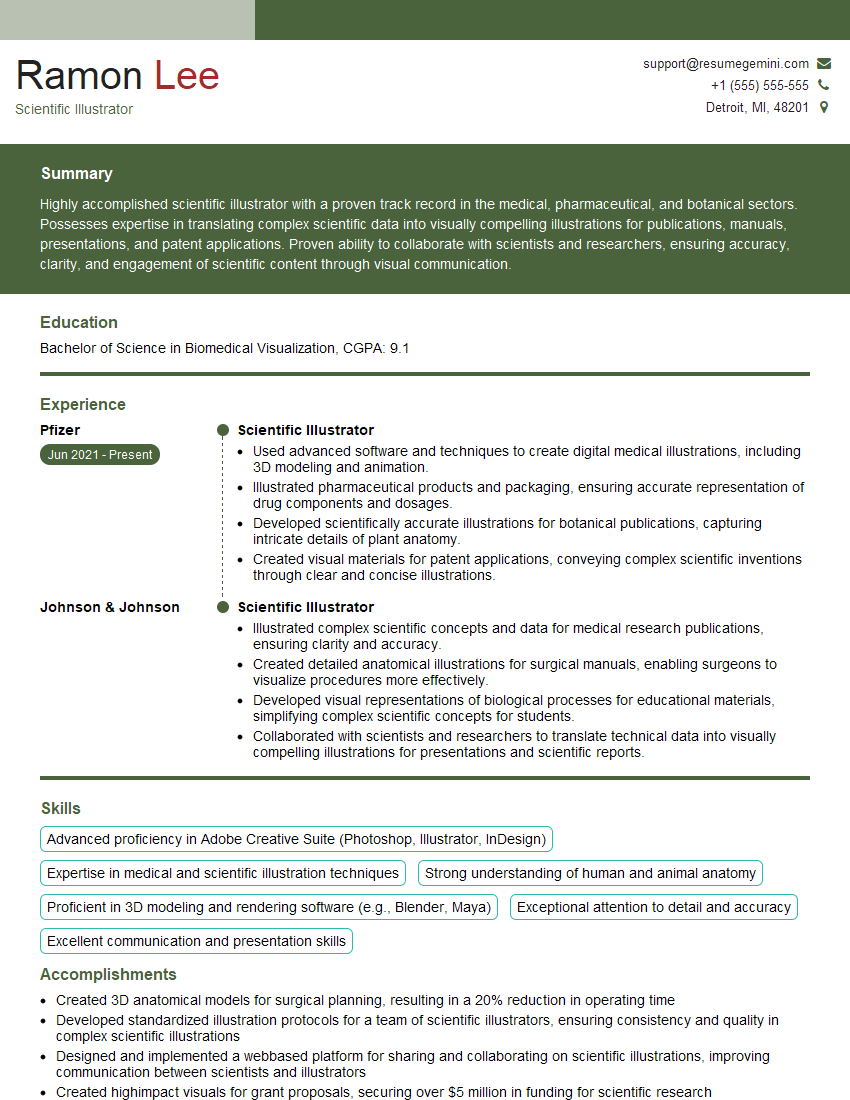
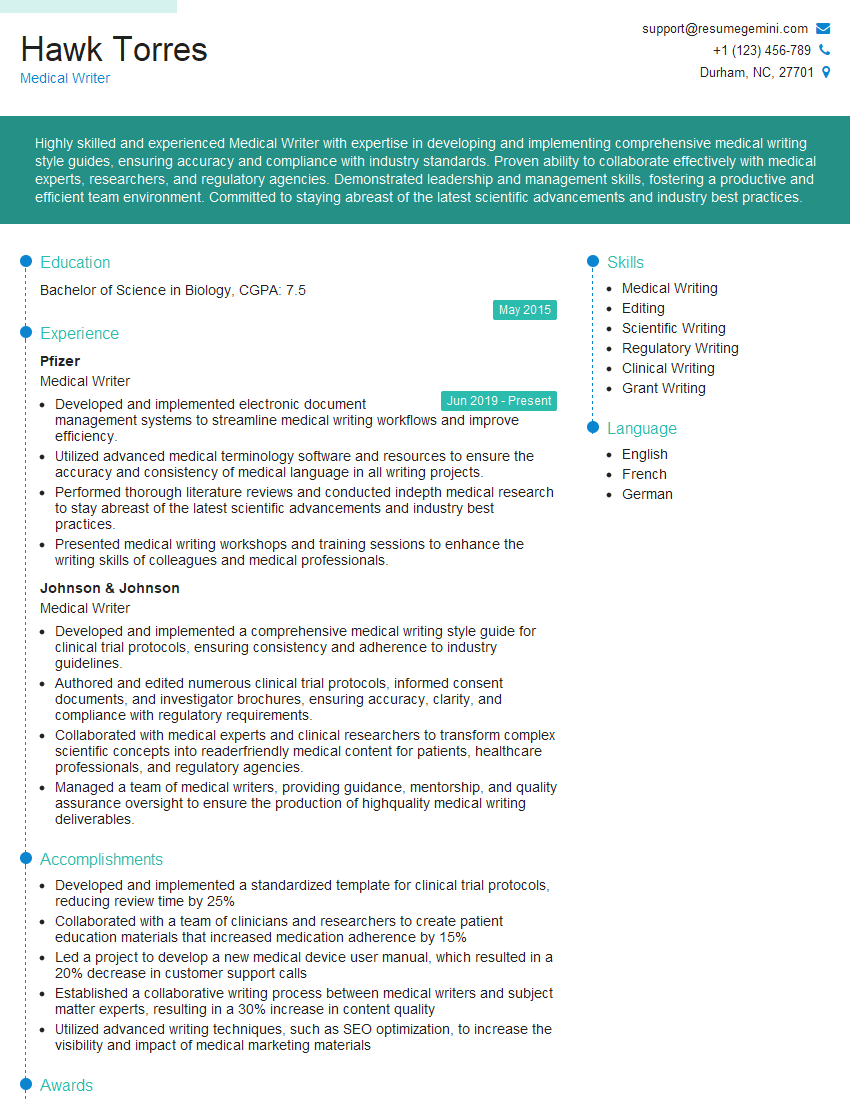
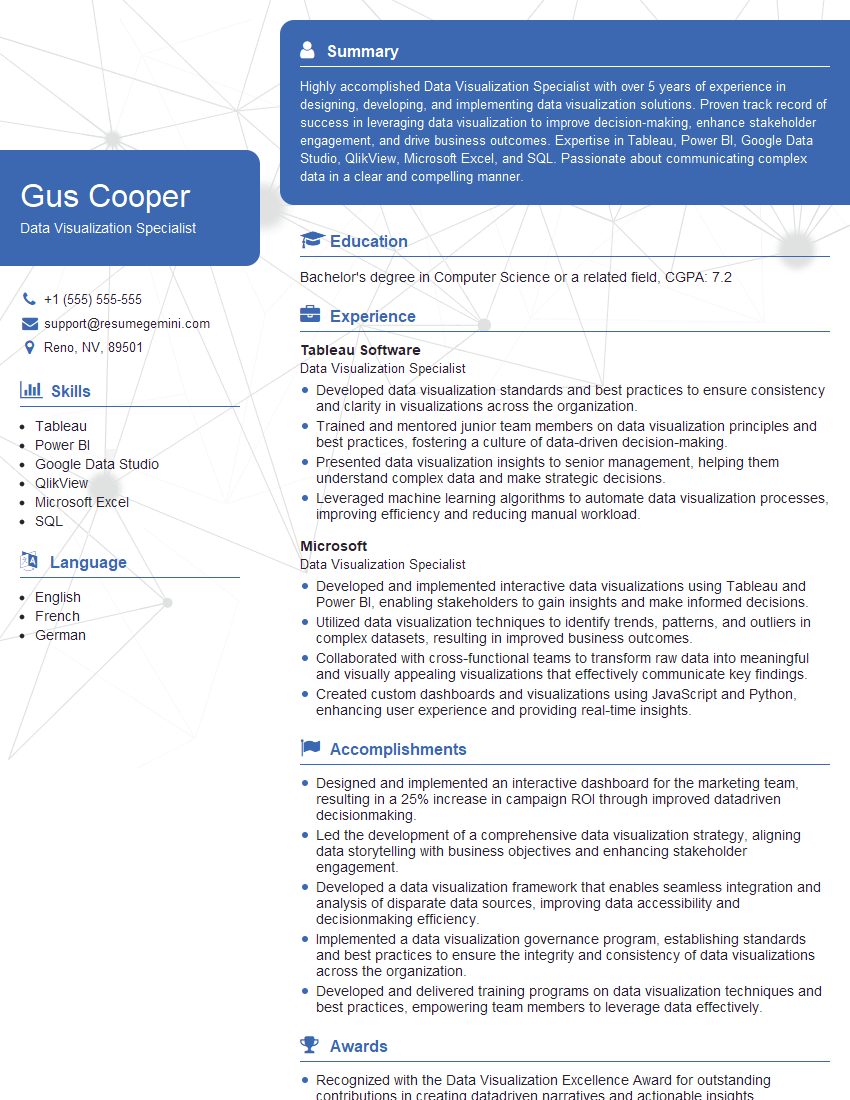
Mastering the ability to translate complex scientific concepts into accessible language is paramount for career advancement in many fields. Clear communication skills are highly valued, opening doors to leadership roles, impactful collaborations, and increased visibility within your scientific community. To enhance your job prospects, create a compelling and ATS-friendly resume that showcases this crucial skill. ResumeGemini is a trusted resource that can help you build a professional resume that highlights your abilities effectively. Examples of resumes tailored to showcasing your expertise in translating complex scientific concepts into accessible language are available to guide you.

Explore more articles
Users Rating of Our Blogs
Share Your Experience
We value your feedback! Please rate our content and share your thoughts (optional).
What Readers Say About Our Blog
To the interviewgemini.com Webmaster.
Very helpful and content specific questions to help prepare me for my interview!
Thank you
To the interviewgemini.com Webmaster.
This was kind of a unique content I found around the specialized skills. Very helpful questions and good detailed answers.
Very Helpful blog, thank you Interviewgemini team.