Cracking a skill-specific interview, like one for Hub & Spoke Logistics Optimization, requires understanding the nuances of the role. In this blog, we present the questions you’re most likely to encounter, along with insights into how to answer them effectively. Let’s ensure you’re ready to make a strong impression.
Questions Asked in Hub & Spoke Logistics Optimization Interview
Q 1. Explain the concept of a Hub & Spoke logistics network.
A Hub & Spoke logistics network is a transportation model where goods are consolidated at a central hub before being distributed to various destinations (spokes). Imagine it like an airplane hub – flights from many smaller airports converge at a major airport (the hub) before continuing to their final destinations. This centralized approach streamlines operations and improves efficiency. Instead of direct routes between every origin and destination, goods travel through the hub, reducing the number of routes needed and simplifying logistics management.
Q 2. What are the key advantages and disadvantages of a Hub & Spoke model?
Advantages:
- Cost Savings: Reduced transportation costs due to economies of scale and efficient consolidation.
- Improved Efficiency: Streamlined operations, easier tracking and management of goods.
- Increased Capacity: The hub can handle larger volumes than individual spokes, allowing for greater flexibility.
- Enhanced Reliability: Fewer routes reduce the risk of delays and disruptions.
Disadvantages:
- Potential for Congestion: The hub can become a bottleneck, especially during peak times.
- Increased Transportation Time: Goods need to travel to the hub and then to their destination, increasing overall transit time.
- Vulnerability to Disruptions: A problem at the hub can significantly impact the entire network.
- Higher Initial Investment: Setting up a large hub requires significant infrastructure investment.
Q 3. Describe different types of Hub & Spoke network configurations.
Hub & Spoke networks can have various configurations:
- Single Hub: The simplest model with one central hub distributing to multiple spokes. This is ideal for geographically concentrated operations.
- Multiple Hubs: Used for large geographical areas or high volumes, distributing the workload across multiple hubs. This improves resilience to disruptions.
- Hierarchical Hubs: A multi-tiered system with regional hubs feeding into a central hub. This is beneficial for very large-scale operations.
- Hybrid Models: A combination of Hub & Spoke and direct shipping. This allows for flexibility and addresses limitations of the pure Hub & Spoke model. For example, frequently demanded goods might be shipped directly, while less frequent items use the Hub & Spoke system.
Q 4. How do you determine the optimal location for a hub in a Hub & Spoke network?
Determining the optimal hub location requires a multi-criteria decision analysis. Key factors include:
- Proximity to Major Transportation Networks: Easy access to highways, railways, or waterways is crucial.
- Accessibility to Key Markets: The hub should be centrally located relative to the spokes.
- Availability of Land and Infrastructure: Sufficient space for warehousing and handling facilities.
- Labor Costs and Availability: Finding skilled labor at a reasonable cost.
- Tax Incentives and Regulations: Favorable government policies can significantly influence the decision.
Techniques such as facility location models (e.g., p-median problem) and geographic information systems (GIS) are commonly used to analyze these factors and identify the optimal location.
Q 5. What factors influence the selection of spokes in a Hub & Spoke network?
Spoke selection depends on several factors:
- Demand Volume: Spokes with higher demand will have more frequent shipments.
- Geographic Dispersion: Optimizing distance and transport time to the hub.
- Infrastructure Availability: Sufficient road, rail, or other networks connecting to the hub.
- Customer Requirements: Meeting delivery deadlines and service level agreements (SLAs).
- Cost Analysis: Balancing the costs of transportation, warehousing, and handling at the spoke.
A good strategy involves analyzing delivery frequencies, costs, and service requirements to establish priorities for each potential spoke.
Q 6. Explain how to optimize transportation routes in a Hub & Spoke network.
Optimizing transportation routes involves various techniques, including:
- Route Optimization Software: Using algorithms to find the shortest or most cost-effective routes.
- Consolidation of Shipments: Grouping shipments to maximize truck space and reduce transportation costs.
- Load Planning: Efficiently loading goods onto trucks to optimize space utilization.
- Mode Selection: Choosing the most suitable transportation mode (truck, rail, air) for each route based on cost, speed, and reliability.
- Real-time Tracking and Monitoring: Using GPS and other technologies to track shipments and respond to delays or disruptions.
Consider factors such as traffic patterns, road conditions, and fuel prices when choosing routes. Regular review and adjustment of routes are necessary to maintain efficiency.
Q 7. How do you handle capacity constraints in a Hub & Spoke network?
Capacity constraints can be addressed through various strategies:
- Expansion of Hub Capacity: Increasing warehouse space, adding more loading docks, or investing in automation.
- Improved Warehouse Management Systems: Optimizing storage and handling processes to increase throughput.
- Peak Demand Planning: Anticipating and managing high-demand periods through scheduling, additional resources, and possibly temporary storage solutions.
- Dynamic Routing: Reallocating resources (trucks, personnel) in real-time to handle unexpected surges in demand.
- Outsourcing: Partnering with other logistics providers to supplement capacity during peak times.
Regular capacity planning and monitoring are essential. Using forecasting models to predict future demand helps proactively address potential capacity issues.
Q 8. Describe your experience with different transportation modes within a Hub & Spoke system.
My experience encompasses a wide range of transportation modes within Hub & Spoke systems, including trucking (both LTL and FTL), rail, air freight, and even maritime shipping for global operations. The choice of mode heavily depends on factors like distance, delivery speed requirements, cargo type, and cost. For instance, I’ve worked on optimizing networks where LTL trucking was used for regional distribution from the hub to smaller spokes, while air freight was prioritized for time-sensitive goods from overseas suppliers to the central hub. Rail freight was utilized for bulk, low-value goods moving long distances to the hub. Each mode presents unique challenges and opportunities regarding cost, transit time, and reliability, and selecting the right mix is crucial for overall network efficiency. I have a strong understanding of the strengths and limitations of each mode and know how to model and optimize their integration within the larger Hub & Spoke architecture.
Q 9. How do you measure the efficiency of a Hub & Spoke network?
Measuring the efficiency of a Hub & Spoke network involves several key metrics. Primarily, we look at cost per unit shipped, considering all transportation, handling, and warehousing expenses. This provides a direct measure of operational effectiveness. Secondly, we assess delivery time reliability – percentage of shipments delivered on time – as timely deliveries are vital for customer satisfaction. Thirdly, utilization rates for transportation assets (trucks, planes, trains) are key, ensuring that investments in these resources are optimized. Finally, inventory levels at the hub and spokes are monitored to strike a balance between availability and holding costs. A well-optimized network balances these factors for optimal efficiency. For example, in one project, we reduced cost per unit by 15% by optimizing truck routes and consolidating shipments to increase load factors, while simultaneously improving on-time delivery to 98%.
Q 10. What are the key performance indicators (KPIs) you would monitor for a Hub & Spoke network?
The KPIs I monitor for a Hub & Spoke network include:
- On-Time Delivery Rate: Percentage of shipments delivered within the promised timeframe.
- Order Fulfillment Cycle Time: Total time from order placement to customer delivery.
- Transportation Cost per Unit: Cost of transportation divided by the number of units shipped.
- Inventory Turnover Rate: How quickly inventory is sold and replenished.
- Warehouse Capacity Utilization: Percentage of warehouse space effectively used.
- Freight Damage Rate: Percentage of damaged goods during transit.
- Hub Processing Time: Time taken to process shipments at the central hub.
- Spoke Inventory Levels: Amount of inventory held at each spoke location.
These KPIs provide a comprehensive view of network performance and highlight areas for improvement. Regular monitoring and analysis of these metrics are crucial for proactive management and optimization.
Q 11. How do you address unexpected disruptions or delays in a Hub & Spoke network?
Addressing unexpected disruptions requires a multi-pronged approach. First, we leverage a robust real-time tracking system for all shipments, enabling immediate identification of delays. Then, we have pre-defined contingency plans for common disruptions – e.g., rerouting shipments around road closures or utilizing alternative carriers in case of equipment failures. We also maintain strong relationships with our carriers to secure priority handling during emergencies. Furthermore, sophisticated network optimization software allows us to dynamically recalculate routes and optimize resource allocation based on real-time data. Effective communication with customers about potential delays is crucial for managing expectations and maintaining trust. Finally, post-incident analysis helps us identify areas for improvement in the network’s resilience.
For example, during a major snowstorm, our system automatically rerouted trucks to avoid impassable roads, minimizing delivery delays. The real-time tracking and alert system allowed us to proactively inform customers of potential delays and provided options such as alternative delivery locations.
Q 12. Explain your experience with Hub & Spoke network modeling and simulation tools.
I have extensive experience using various Hub & Spoke network modeling and simulation tools, including AnyLogic, Arena, and specialized logistics software such as those offered by Blue Yonder or Manhattan Associates. These tools allow us to design, test, and optimize networks before implementation, minimizing risks and maximizing efficiency. Using these tools, we can model different scenarios, such as changes in demand, transportation costs, and capacity constraints, to identify optimal configurations. Simulation allows us to test the effectiveness of different strategies – like adding new hubs, changing transportation modes, or adjusting inventory levels – before making costly changes in the real world. I am also proficient in using data analytics to refine models and improve their accuracy and predictive capabilities, and in translating model outputs into actionable insights.
Q 13. How do you integrate a Hub & Spoke network with existing warehouse management systems?
Integrating a Hub & Spoke network with existing Warehouse Management Systems (WMS) is crucial for seamless operations. This typically involves using Application Programming Interfaces (APIs) to enable data exchange between the network optimization software and the WMS. Data elements such as inventory levels, order information, and shipment tracking are shared between systems, providing a unified view of the entire logistics process. Careful planning and configuration of the data integration process are essential to avoid conflicts and ensure data accuracy. This integration ensures that the WMS is updated with real-time information on incoming and outgoing shipments, allowing for precise inventory management and efficient order fulfillment. I often work with integration specialists to ensure smooth and reliable data exchange between these critical systems.
Q 14. What are the common challenges in implementing and managing a Hub & Spoke network?
Common challenges in implementing and managing Hub & Spoke networks include:
- High initial investment costs: Establishing hubs and spokes requires significant upfront investment in infrastructure and technology.
- Complexity of network design and optimization: Finding the optimal network configuration requires sophisticated modeling and analysis techniques.
- Risk of disruptions: Any disruption at the hub can significantly impact the entire network.
- Managing inventory levels: Balancing inventory costs with availability requires careful planning and control.
- Integration with existing systems: Integrating the Hub & Spoke system with existing IT infrastructure can be challenging.
- Real-time visibility and control: Maintaining real-time visibility across the entire network requires sophisticated tracking and monitoring systems.
Addressing these challenges requires careful planning, robust technology, strong partnerships with carriers, and a proactive approach to risk management. A phased implementation approach, starting with a smaller network and gradually expanding, can often reduce risk and facilitate better control.
Q 15. How do you optimize inventory levels within a Hub & Spoke network?
Optimizing inventory levels in a Hub & Spoke network is crucial for minimizing storage costs, reducing waste from obsolescence, and ensuring timely fulfillment of customer orders. It’s about finding the right balance between having enough stock to meet demand and avoiding excessive inventory holding.
My approach involves a multi-pronged strategy:
- Demand Forecasting: Accurate forecasting, using historical data, seasonality analysis, and potentially machine learning techniques, is paramount. This allows us to anticipate fluctuations and adjust inventory accordingly.
- Inventory Classification: Categorizing inventory (e.g., A, B, C based on value or demand) allows for targeted inventory control strategies. High-value, high-demand items (A items) receive closer monitoring and more precise forecasting, while lower-value items (C items) may have simpler, less frequent reviews.
- Safety Stock Optimization: Calculating appropriate safety stock levels is critical to buffer against unexpected demand spikes or supply chain disruptions. This calculation considers factors like lead times, demand variability, and service level targets.
- Centralized Inventory Management: A central system providing real-time visibility of inventory across the entire Hub & Spoke network is essential for effective management. This enables rapid response to inventory shortages or surpluses.
- Regular Inventory Reviews and Adjustments: Continuous monitoring and adjustment based on actual demand and forecast accuracy are key to maintaining optimal inventory levels. This might involve adjusting safety stock levels, re-evaluating forecasting models, or identifying slow-moving items for potential discounts or removal.
For example, in a retail network, accurate forecasting of holiday sales allows us to strategically increase inventory at the hub prior to the peak season, ensuring sufficient stock reaches spokes for timely fulfillment. Regular stock reviews allow for timely removal of outdated seasonal items, minimizing losses.
Career Expert Tips:
- Ace those interviews! Prepare effectively by reviewing the Top 50 Most Common Interview Questions on ResumeGemini.
- Navigate your job search with confidence! Explore a wide range of Career Tips on ResumeGemini. Learn about common challenges and recommendations to overcome them.
- Craft the perfect resume! Master the Art of Resume Writing with ResumeGemini’s guide. Showcase your unique qualifications and achievements effectively.
- Don’t miss out on holiday savings! Build your dream resume with ResumeGemini’s ATS optimized templates.
Q 16. Explain your approach to cost reduction strategies in a Hub & Spoke network.
Cost reduction in Hub & Spoke networks requires a holistic approach targeting various aspects of the operation.
- Transportation Optimization: This is a major area for cost savings. We can leverage route optimization software to minimize transportation distances and fuel consumption. Consolidating shipments to the hub and utilizing efficient last-mile delivery strategies is key. Negotiating favorable rates with carriers also plays a significant role.
- Warehouse Optimization: Efficient warehouse layouts, utilizing automation (e.g., automated guided vehicles, automated storage and retrieval systems), and optimizing picking and packing processes can reduce labor costs and storage space requirements.
- Inventory Management (as discussed above): Minimizing inventory holding costs through effective forecasting and inventory control directly impacts the bottom line.
- Technology Implementation: Investing in efficient Transportation Management Systems (TMS) and Warehouse Management Systems (WMS) can streamline operations, improve visibility, and reduce manual effort.
- Strategic Partnerships: Collaborating with reliable and cost-effective suppliers and carriers can yield significant savings.
Imagine a scenario where we’re shipping goods from a central hub to multiple retail stores. By carefully analyzing delivery routes and consolidating shipments, we can significantly reduce fuel costs and delivery times, impacting both transportation and labor costs.
Q 17. How do you handle different customer requirements within a Hub & Spoke system?
Handling diverse customer requirements within a Hub & Spoke system necessitates a flexible and adaptable approach. Some customers may prioritize speed of delivery, while others focus on cost. Some might require specialized handling of fragile goods.
My approach involves:
- Segmentation: Grouping customers based on their needs allows for tailored service levels. For instance, high-priority customers might receive expedited shipping via dedicated routes or delivery windows.
- Service Level Agreements (SLAs): Establishing clear SLAs with each customer ensures transparency and accountability regarding delivery times, handling requirements, and other performance metrics.
- Flexible Routing and Delivery Options: Implementing flexible routing algorithms that can adapt to different customer requirements, allowing for priority delivery or specialized handling as needed.
- Technology Integration: Utilizing a Transportation Management System (TMS) that can manage multiple delivery options, track shipments, and provide real-time visibility to both customers and logistics operators.
- Communication and Collaboration: Maintaining open communication with customers to manage their expectations and address any concerns.
For example, a high-value customer needing same-day delivery of critical medical supplies would have a dedicated route and prioritized handling at the hub and spokes, distinct from a customer who is willing to accept standard delivery times.
Q 18. Describe your experience with different software used for Hub & Spoke network optimization.
I have extensive experience with various software solutions for Hub & Spoke network optimization. My experience includes:
- Transportation Management Systems (TMS): Oracle Transportation Management, SAP Transportation Management, Blue Yonder Luminate Transportation Management, and others. These systems offer route optimization, shipment tracking, and carrier management capabilities.
- Warehouse Management Systems (WMS): Manhattan Associates WMS, Blue Yonder WMS, and others. These are crucial for managing inventory, optimizing warehouse operations, and streamlining picking and packing processes.
- Supply Chain Planning Software: Tools like Blue Yonder Luminate Planning and other supply chain planning solutions help with forecasting, inventory optimization, and network design.
- Business Intelligence (BI) Tools: Tools such as Tableau and Power BI allow for data visualization and analysis of key performance indicators (KPIs) relating to efficiency, cost, and customer satisfaction within the Hub & Spoke network.
My proficiency extends to integrating these systems to create a unified and efficient logistics operation. The choice of specific software depends on the size and complexity of the network and the specific business requirements.
Q 19. How do you incorporate sustainability considerations into Hub & Spoke logistics?
Incorporating sustainability considerations is vital for responsible Hub & Spoke logistics. It’s not just a ‘nice-to-have’ but a growing necessity for ethical and economic reasons.
My approach involves:
- Route Optimization for Fuel Efficiency: Employing route optimization software to minimize mileage and fuel consumption, directly reducing carbon emissions.
- Consolidation and Load Optimization: Maximizing load factors to reduce the number of vehicles on the road.
- Alternative Fuel Vehicles: Exploring and implementing the use of electric vehicles, hybrid vehicles, or vehicles powered by alternative fuels where feasible.
- Sustainable Packaging: Using recyclable and biodegradable packaging materials to minimize waste and environmental impact.
- Green Warehousing Practices: Implementing energy-efficient lighting, reducing waste through recycling programs, and using sustainable materials in warehouse construction.
- Carbon Footprint Measurement and Reduction: Tracking and analyzing the carbon footprint of the entire logistics network, identifying areas for improvement and setting reduction targets.
For example, choosing delivery routes that avoid congested areas can reduce fuel consumption, while opting for reusable containers instead of single-use packaging materials significantly minimizes waste.
Q 20. What are the key considerations for scaling a Hub & Spoke network?
Scaling a Hub & Spoke network requires careful planning and execution. Key considerations include:
- Network Design: Strategic location planning for new hubs and spokes is crucial, considering factors such as proximity to customers, transportation infrastructure, and land availability.
- Capacity Planning: Assessing the capacity of existing and planned hubs and spokes (warehouse space, transportation capacity) to handle increased volumes.
- Technology Scalability: Ensuring that the chosen software systems (TMS, WMS, etc.) can handle increased data volume and transaction processing.
- Resource Allocation: Planning for additional personnel, equipment, and resources as the network expands.
- Process Optimization: Reviewing and optimizing operational processes to handle increased volumes efficiently.
- Financial Planning: Securing the necessary funding for infrastructure upgrades, technology investments, and increased operational costs.
For example, as e-commerce demand increases, a company might add a new regional hub to alleviate pressure on the central hub and improve delivery times to customers in that region. This requires careful consideration of warehouse space, transportation links, and staffing levels.
Q 21. Explain your experience with risk assessment and mitigation in a Hub & Spoke network.
Risk assessment and mitigation in a Hub & Spoke network is crucial for maintaining operational continuity and ensuring business resilience.
My approach involves a systematic process:
- Identifying Potential Risks: This involves brainstorming potential disruptions across various areas, including transportation (inclement weather, traffic congestion, accidents), warehousing (natural disasters, equipment failure), supply chain disruptions (supplier issues, port congestion), and security threats (theft, data breaches).
- Risk Assessment and Prioritization: Evaluating the likelihood and potential impact of each identified risk. This helps in prioritizing mitigation efforts.
- Developing Mitigation Strategies: Creating plans to address each risk, which could include redundancy in transportation, contingency warehousing arrangements, robust security measures, and diverse sourcing strategies.
- Contingency Planning: Establishing backup plans in case of disruptions. This might include alternative transportation routes, temporary storage facilities, or alternative suppliers.
- Monitoring and Review: Regularly monitoring the effectiveness of mitigation strategies and adapting the plans as needed based on risk landscape changes.
For example, in the event of a major snowstorm impacting transportation, we’d activate our contingency plan, which might involve rerouting shipments using alternative transportation modes and using backup warehouses to store goods temporarily. Regular risk reviews ensure that our mitigation plans stay current and effective.
Q 22. How do you use data analytics to improve Hub & Spoke network performance?
Data analytics is crucial for optimizing Hub & Spoke networks. We use it to identify inefficiencies, predict demand, and ultimately reduce costs and improve delivery times. This involves collecting and analyzing data from various sources, including shipment records, transportation costs, inventory levels, and even weather patterns.
- Demand Forecasting: Analyzing historical shipment data helps predict future demand, allowing for proactive resource allocation and preventing bottlenecks at hubs. For example, we might notice a surge in shipments during holiday seasons and adjust staffing and transportation accordingly.
- Route Optimization: Data analytics can identify the most efficient routes between spokes and hubs, minimizing travel time and fuel consumption. This often involves using algorithms that consider factors like traffic congestion, road conditions, and delivery deadlines.
- Inventory Management: Analyzing inventory levels at hubs and spokes helps optimize stock levels, reducing storage costs and minimizing the risk of stockouts or overstocking. This involves using techniques like forecasting and inventory control models.
- Performance Monitoring: By tracking key performance indicators (KPIs) such as on-time delivery rates, transportation costs per shipment, and warehouse efficiency, we can identify areas for improvement and measure the effectiveness of implemented changes. Real-time dashboards are incredibly useful here.
For instance, in a recent project, we used data analytics to identify a recurring bottleneck at a specific hub during peak hours. By analyzing shipment patterns and optimizing scheduling, we were able to reduce delays by 15% and improve overall efficiency.
Q 23. Describe your experience with network design software (e.g., AnyLogic, Arena).
I have extensive experience with various network design software, including AnyLogic and Arena. These tools are invaluable for simulating and optimizing Hub & Spoke networks. AnyLogic, with its agent-based modeling capabilities, allows for a more detailed and realistic simulation of complex logistical systems, incorporating factors like driver behavior, traffic patterns, and unexpected events. Arena, on the other hand, provides a robust platform for discrete event simulation, useful for analyzing the flow of goods and identifying potential bottlenecks.
In a recent project using AnyLogic, we simulated various Hub & Spoke configurations for a large e-commerce company. By adjusting parameters such as hub location, transportation mode, and warehouse capacity, we identified a design that reduced delivery times by 10% while minimizing overall transportation costs. The simulation allowed us to test different scenarios without incurring the real-world costs of implementing them.
My experience extends beyond just using the software; I’m also proficient in building custom models and integrating data from various sources to ensure accurate and meaningful results. I understand the importance of model validation and verification to ensure the results are reliable and can inform decision-making.
Q 24. How do you choose between different Hub & Spoke network designs (e.g., single hub vs. multiple hubs)?
The choice between a single-hub and multiple-hub network design depends on various factors. A single hub is simpler to manage but can be vulnerable to disruptions and may lead to longer delivery times for spokes further from the hub. Multiple hubs offer greater redundancy and can reduce delivery times for geographically dispersed spokes, but increase complexity and management overhead.
- Geographic Dispersion of Spokes: If spokes are concentrated in a specific area, a single hub might suffice. However, for widespread spokes, multiple hubs are often more efficient.
- Volume of Shipments: A high volume of shipments might necessitate multiple hubs to handle the load. A single hub might become overwhelmed and lead to delays.
- Cost Considerations: Setting up and maintaining multiple hubs is more expensive than a single hub. The cost of additional infrastructure, personnel, and transportation needs to be weighed against the benefits of reduced delivery times and increased resilience.
- Risk Tolerance: A single hub is a single point of failure. Multiple hubs offer greater resilience against disruptions like natural disasters or transportation strikes.
We typically use cost-benefit analysis, incorporating factors like transportation costs, infrastructure investment, inventory holding costs, and delivery time targets to determine the optimal design. Simulation tools like AnyLogic are incredibly helpful in this process, allowing us to compare different configurations and predict their performance under various scenarios.
Q 25. What are the benefits of using technology such as AI or machine learning in Hub & Spoke optimization?
AI and machine learning offer significant advantages in Hub & Spoke optimization. They enable more dynamic and adaptive network management, leading to improved efficiency and responsiveness.
- Predictive Maintenance: AI can predict equipment failures in transportation and warehousing, enabling proactive maintenance and minimizing downtime. This reduces unexpected delays and keeps the network running smoothly.
- Dynamic Routing: Machine learning algorithms can analyze real-time data, such as traffic conditions and weather forecasts, to optimize routes dynamically and adjust delivery schedules as needed. This leads to faster delivery times and reduced fuel consumption.
- Demand Prediction: AI algorithms can analyze vast amounts of data to accurately predict demand fluctuations, improving inventory management and reducing waste. This reduces storage costs and prevents stockouts.
- Automated Decision-Making: AI can automate many tasks, such as route planning, warehouse management, and scheduling, reducing the need for human intervention and freeing up resources for other activities.
For example, implementing an AI-powered system for dynamic routing can result in a significant reduction in fuel consumption and delivery times. The improved efficiency translates into cost savings and enhanced customer satisfaction. This can be especially beneficial in dynamic environments with unpredictable events.
Q 26. How do you handle last-mile delivery challenges in a Hub & Spoke model?
Last-mile delivery is often the most challenging and expensive part of the Hub & Spoke model. Addressing these challenges requires a multi-faceted approach.
- Optimized Routing Algorithms: Employing sophisticated algorithms that consider factors like traffic, delivery windows, and driver availability to create efficient last-mile routes. This can involve using technologies like GPS tracking and real-time traffic data.
- Crowdsourcing and Third-Party Logistics (3PL): Leveraging crowdsourced delivery networks or partnering with 3PL providers to handle the last mile, especially in dense urban areas. This increases flexibility and scalability.
- Consolidation and Optimization of Deliveries: Grouping multiple deliveries to the same area to reduce the number of individual trips. This improves efficiency and lowers costs. Technologies like route optimization software can help with this.
- Alternative Delivery Options: Offering customers different delivery options, such as delivery lockers, in-store pickup, or appointment-based deliveries, to provide flexibility and reduce congestion.
- Technology Integration: Using technologies like mobile apps for real-time tracking and communication between drivers and customers. This improves transparency and customer satisfaction.
For instance, using a dynamic routing system integrated with a 3PL provider for last-mile delivery significantly reduced delivery times and improved on-time delivery rates in a previous project. The combination of technology and strategic partnerships proved highly effective.
Q 27. Explain your understanding of the trade-offs between transportation cost and delivery time in Hub & Spoke logistics.
There’s an inherent trade-off between transportation cost and delivery time in Hub & Spoke logistics. Faster delivery times generally come at a higher cost, and vice-versa. Finding the right balance is crucial for optimizing the network.
- Faster Delivery: Using faster transportation modes (e.g., air freight) or establishing more hubs can reduce delivery times, but at a significant increase in cost.
- Lower Cost: Utilizing slower and cheaper transportation modes (e.g., rail or trucking) or consolidating shipments can reduce transportation costs, but often leads to longer delivery times.
- Balancing the Trade-off: The optimal balance depends on factors such as the value of the goods being shipped, customer expectations, and the overall business strategy. A company with time-sensitive goods might prioritize faster delivery even if it costs more, while a company with less urgent goods might prioritize cost reduction.
We often use optimization models to find the optimal balance between cost and speed. These models take into account various factors, including transportation costs, delivery time targets, and customer satisfaction levels. Simulation tools allow us to explore different scenarios and visualize the impact of different decisions on the overall system performance.
Imagine a situation where you’re shipping perishable goods: A faster, more expensive air freight option would be preferable to ensure freshness and avoid losses, even though it’s costlier. But for non-perishable goods with a longer shelf life, slower ground transportation might be a more cost-effective choice.
Key Topics to Learn for Hub & Spoke Logistics Optimization Interview
- Network Design and Optimization: Understanding the principles behind designing efficient hub-and-spoke networks, considering factors like location, capacity, and transportation costs. Practical application includes analyzing existing networks for inefficiencies and proposing improvements.
- Route Optimization Algorithms: Familiarity with algorithms like Dijkstra’s algorithm, and understanding their application in finding optimal routes within a hub-and-spoke system. Practical application involves using these algorithms to minimize transportation time and costs.
- Inventory Management and Warehousing: Strategies for managing inventory levels at both hubs and spokes to minimize holding costs and stockouts. Practical application includes forecasting demand and optimizing warehouse layout and operations.
- Transportation Modes and Cost Analysis: Evaluating the cost-effectiveness of different transportation modes (e.g., trucking, rail, air) for different segments of the hub-and-spoke network. Practical application includes building cost models and making informed decisions about transportation strategies.
- Demand Forecasting and Capacity Planning: Accurately predicting future demand to optimize capacity allocation at hubs and spokes. Practical application involves using statistical methods and historical data to forecast demand and plan accordingly.
- Technology and Software Applications: Understanding the role of Transportation Management Systems (TMS) and other software tools in optimizing hub-and-spoke operations. Practical application includes demonstrating familiarity with common TMS features and functionalities.
- Performance Measurement and KPIs: Identifying key performance indicators (KPIs) such as on-time delivery, cost per unit, and inventory turnover to track the effectiveness of the hub-and-spoke system. Practical application includes designing reporting dashboards and analyzing performance data to identify areas for improvement.
Next Steps
Mastering Hub & Spoke Logistics Optimization opens doors to exciting career opportunities in supply chain management and logistics. Demonstrating a strong understanding of these concepts significantly enhances your candidacy for roles requiring strategic thinking and problem-solving skills. To maximize your job prospects, create a compelling and ATS-friendly resume that showcases your expertise. ResumeGemini is a trusted resource to help you build a professional resume that effectively highlights your skills and experience. Examples of resumes tailored to Hub & Spoke Logistics Optimization are available to provide further guidance.
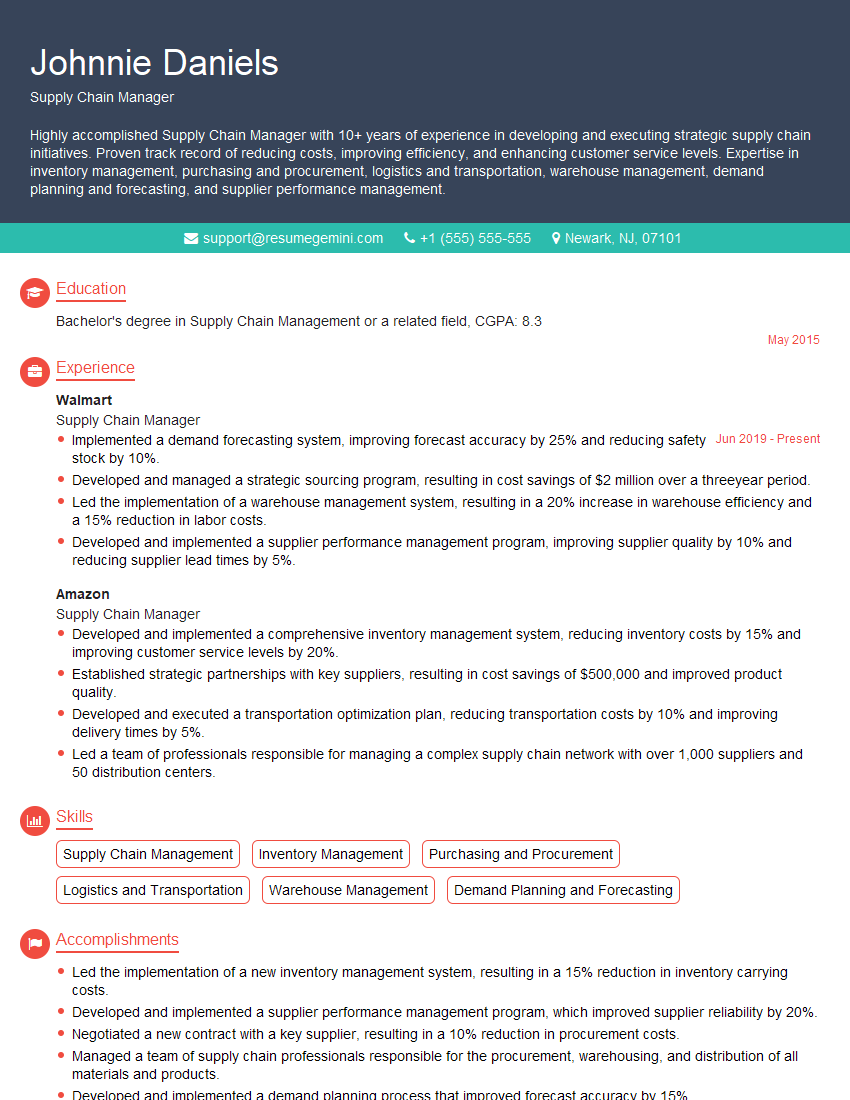
Supply Chain Manager Resume Sample
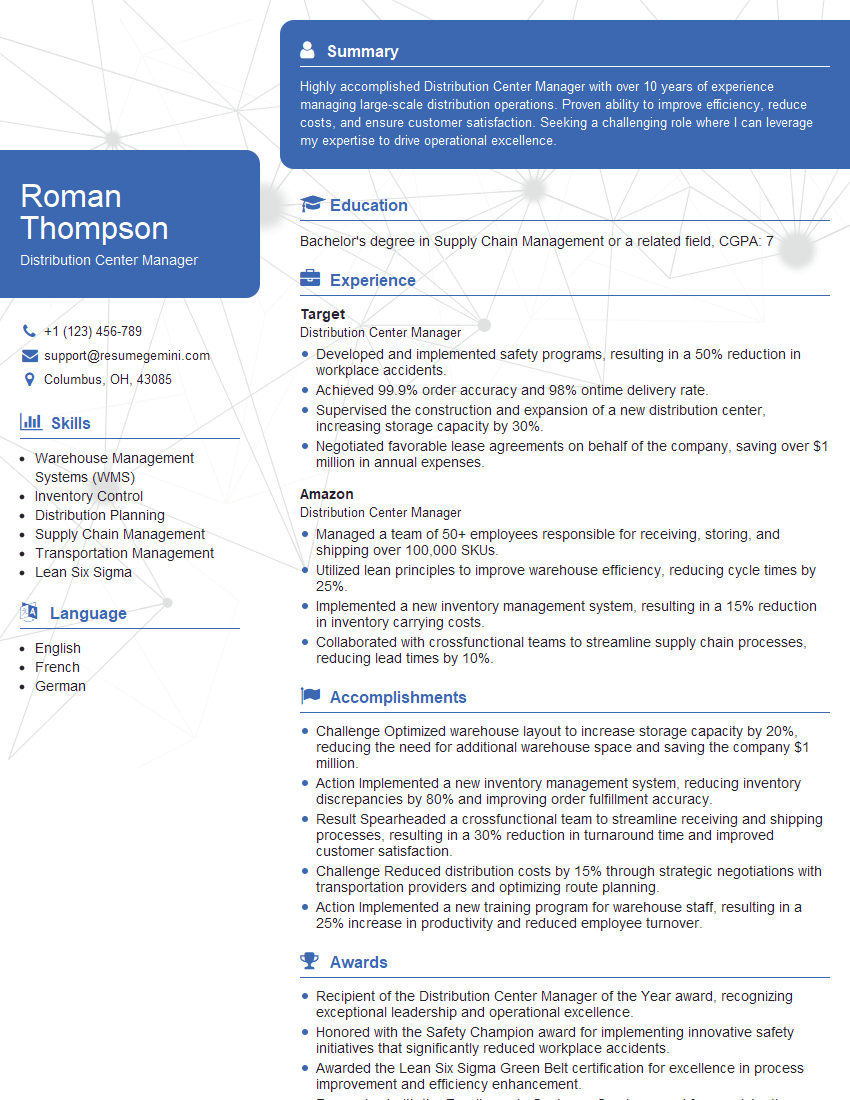
Distribution Center Manager Resume Sample
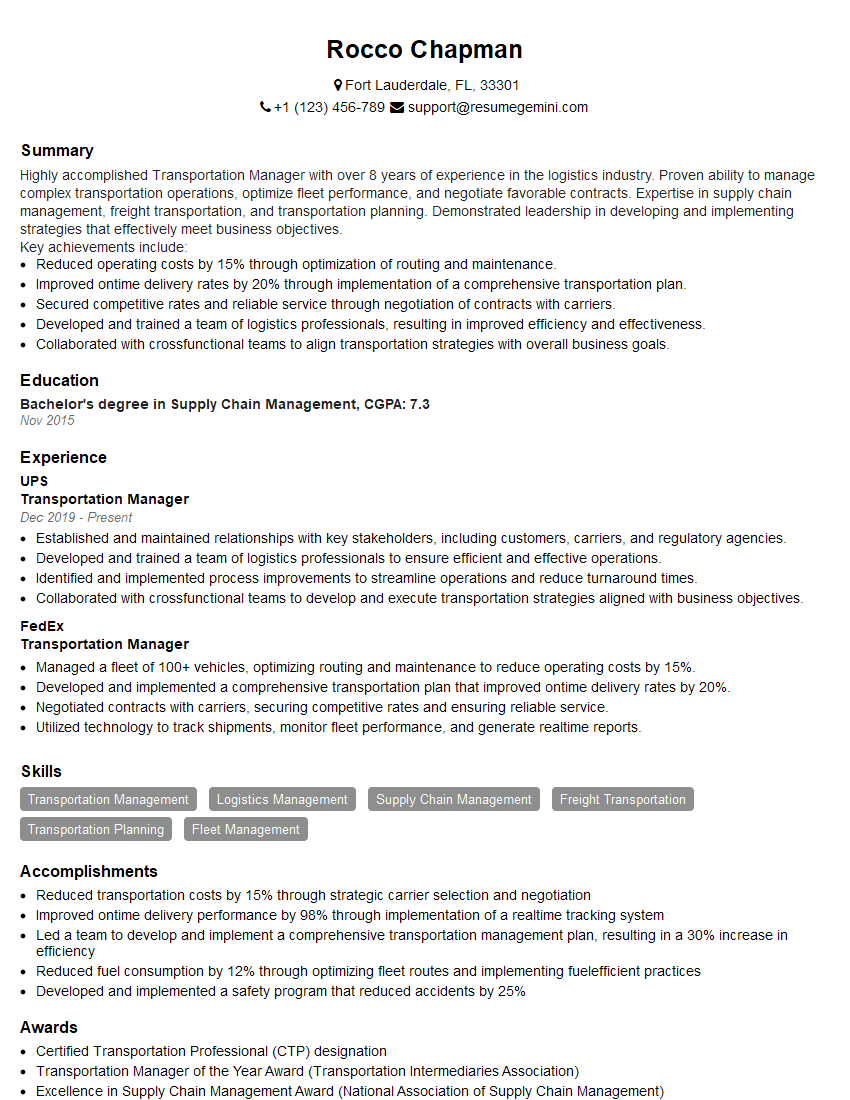
Transportation Manager Resume Sample
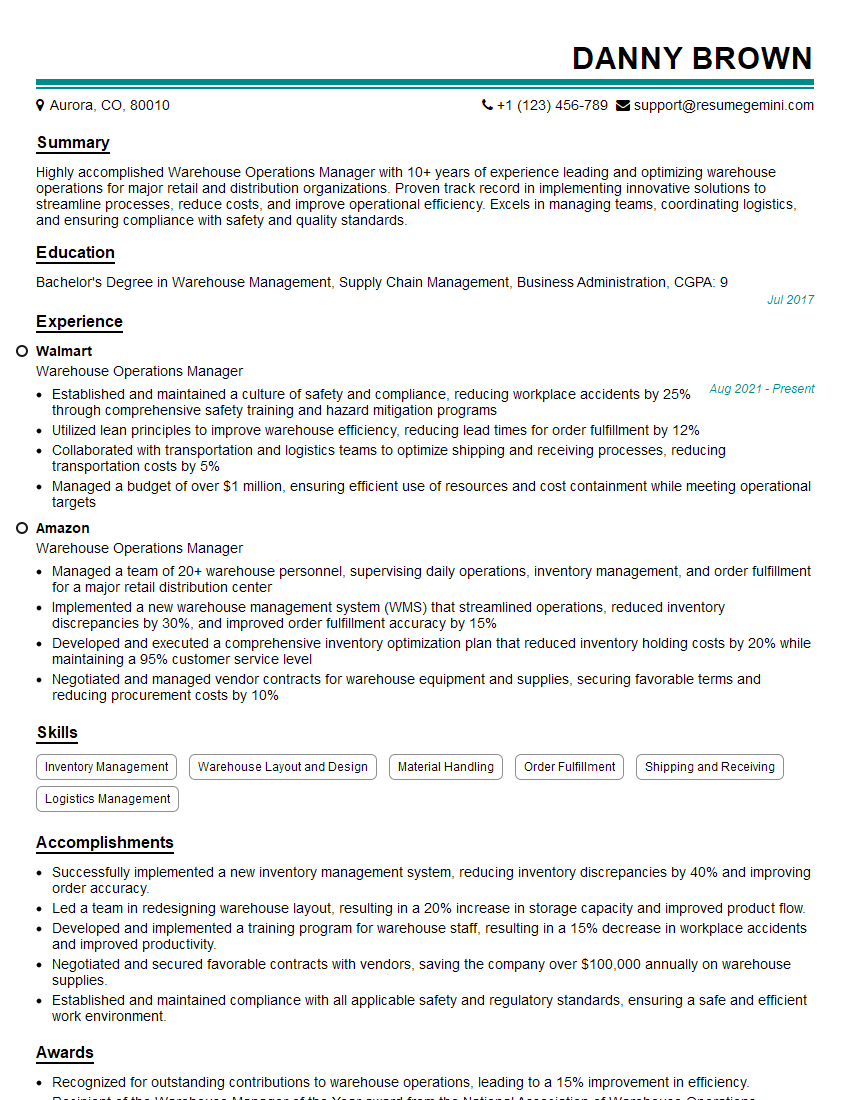
Warehouse Operations Manager Resume Sample
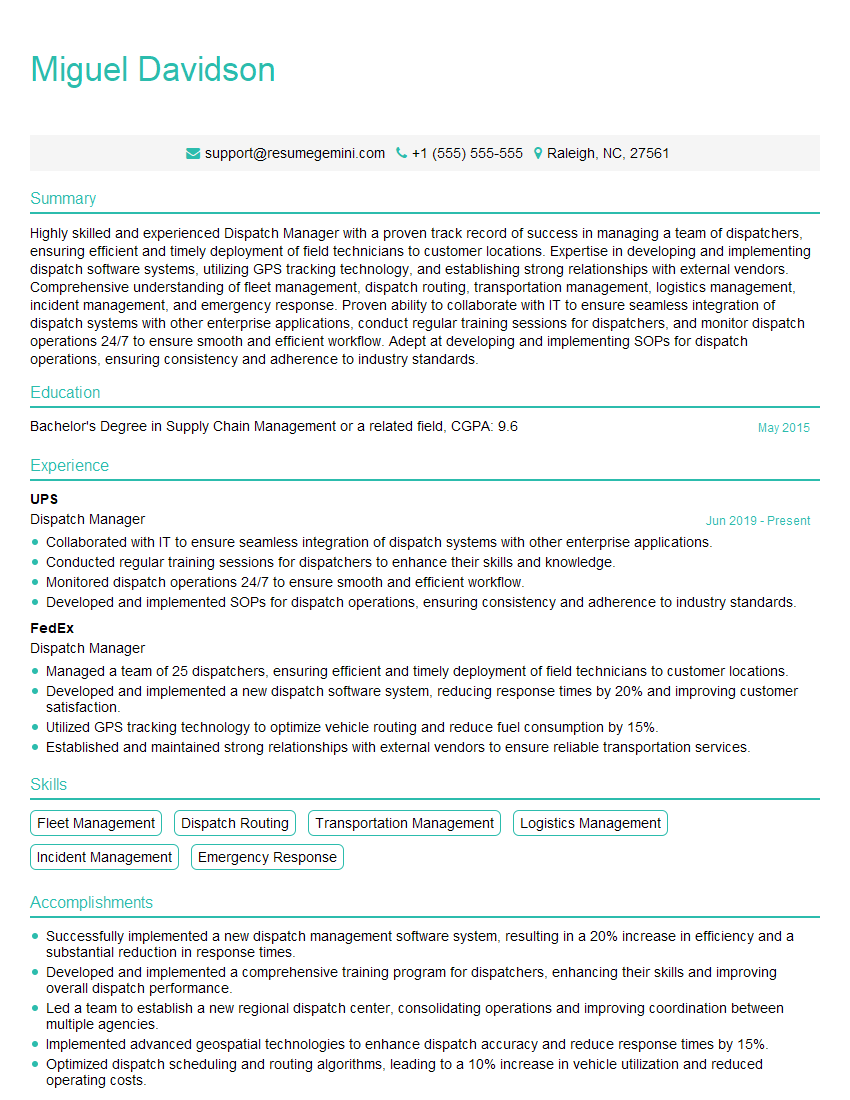
Dispatch Manager Resume Sample
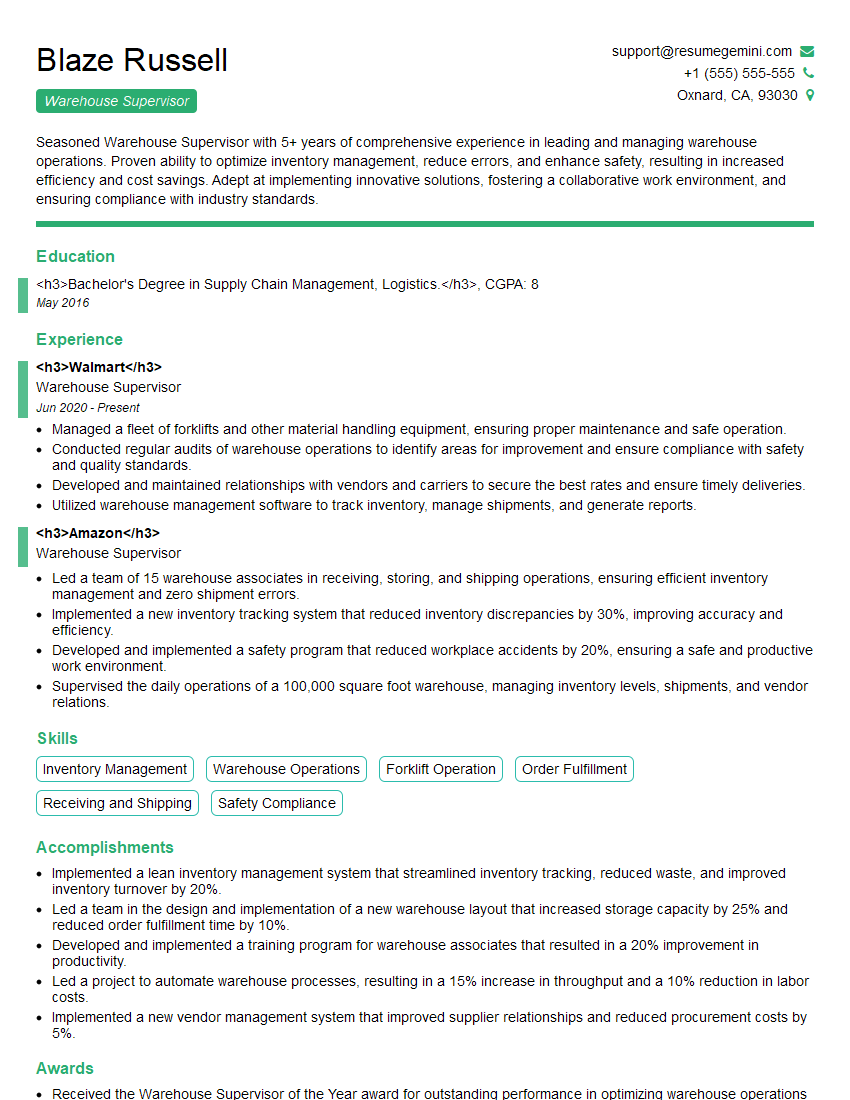
Warehouse Supervisor Resume Sample
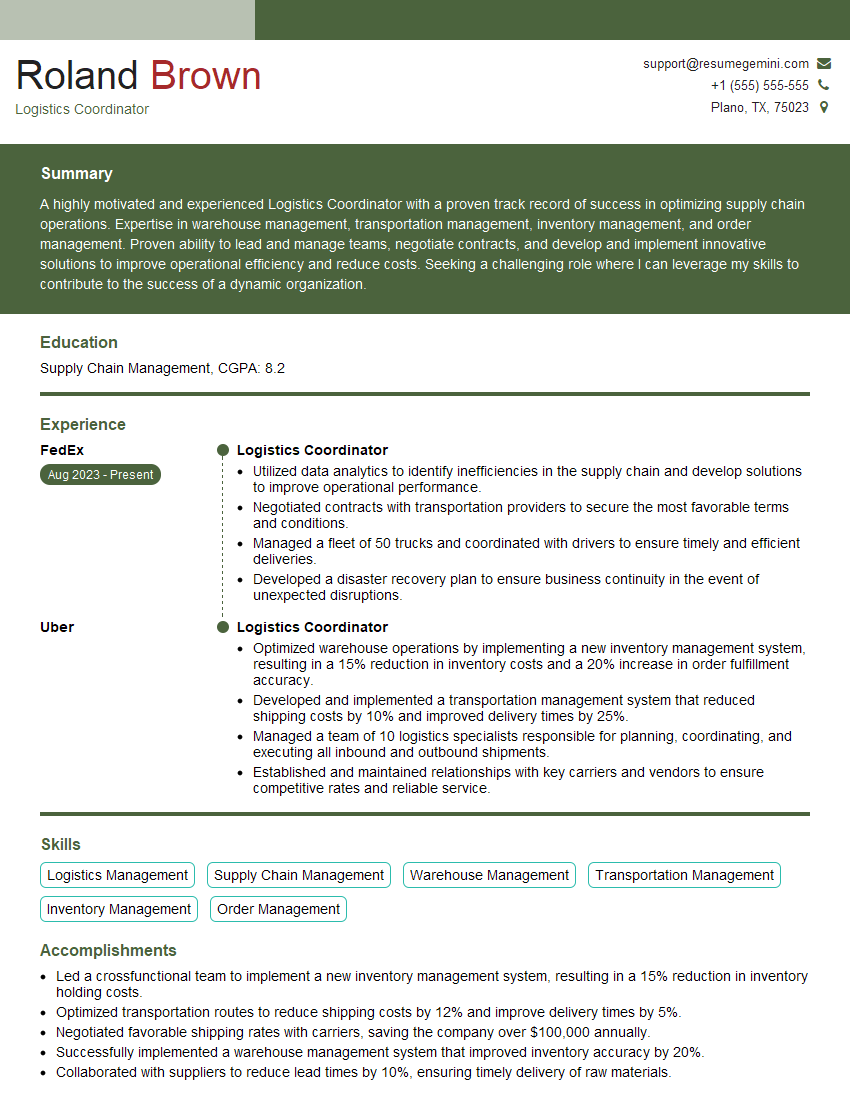
Logistics Coordinator Resume Sample
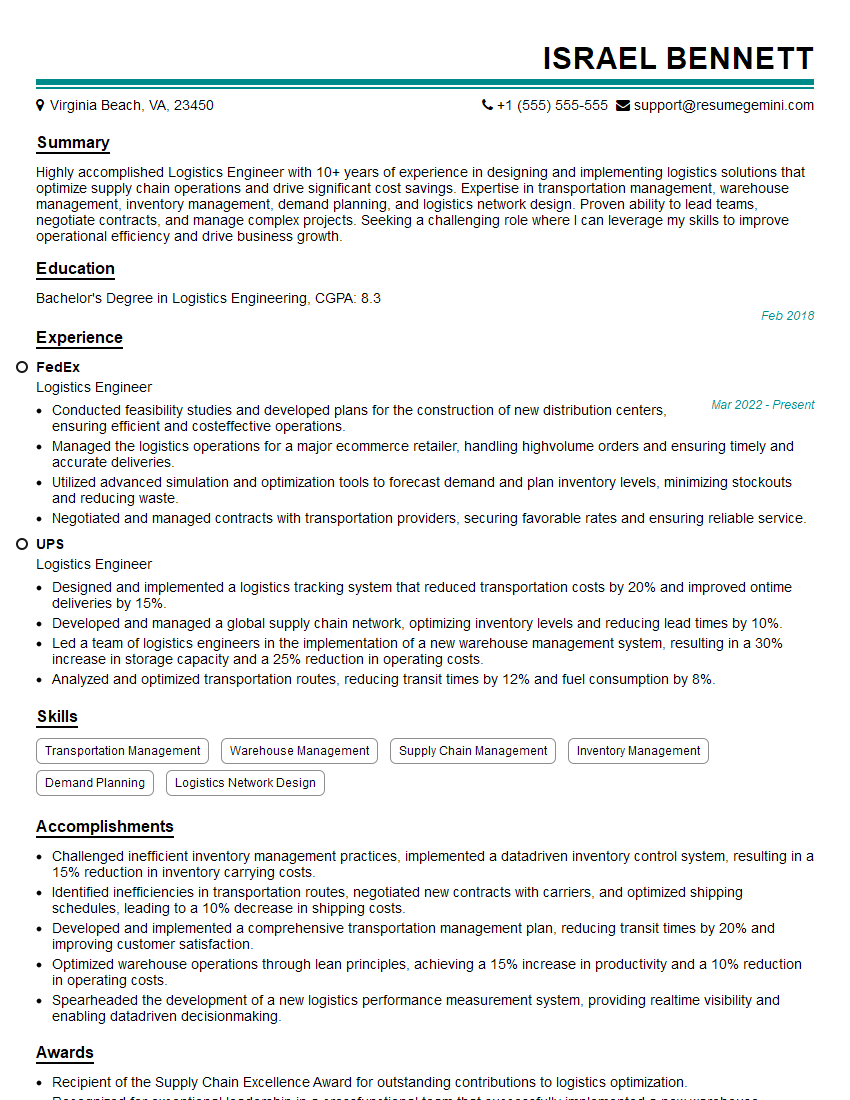
Logistics Engineer Resume Sample
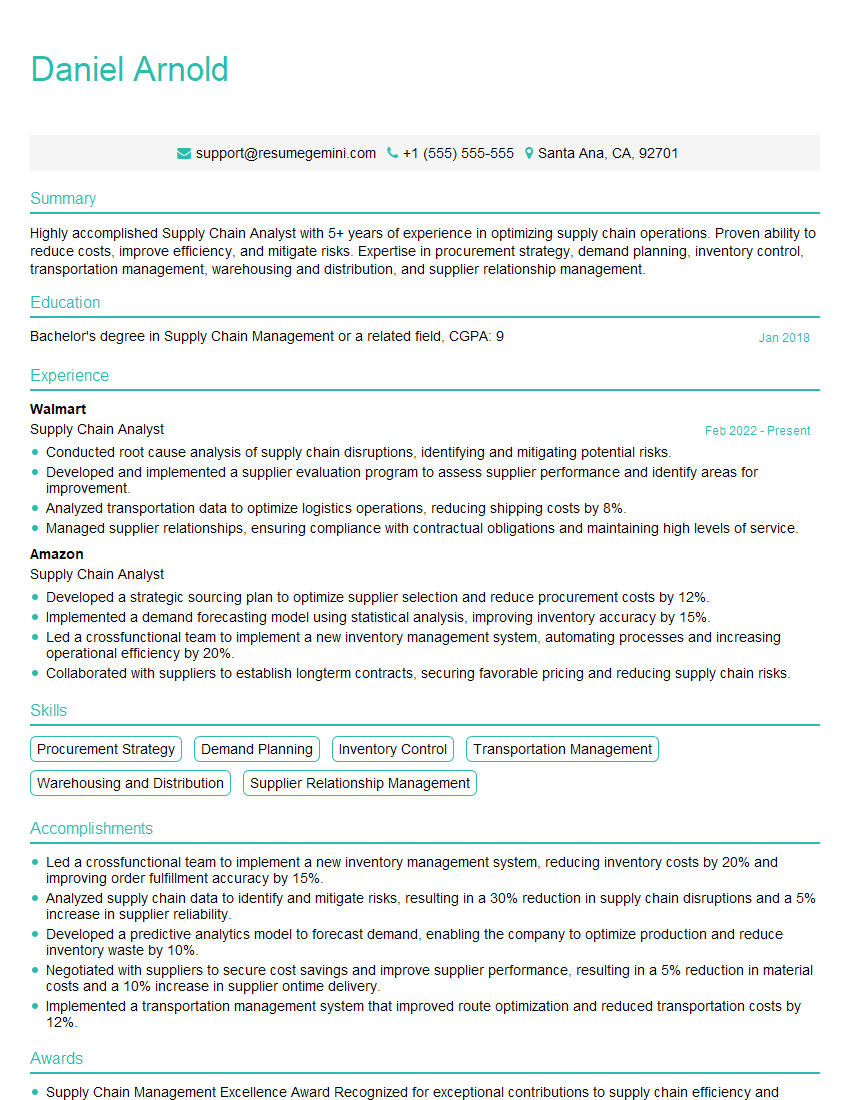
Supply Chain Analyst Resume Sample

Operations Research Analyst Resume Sample
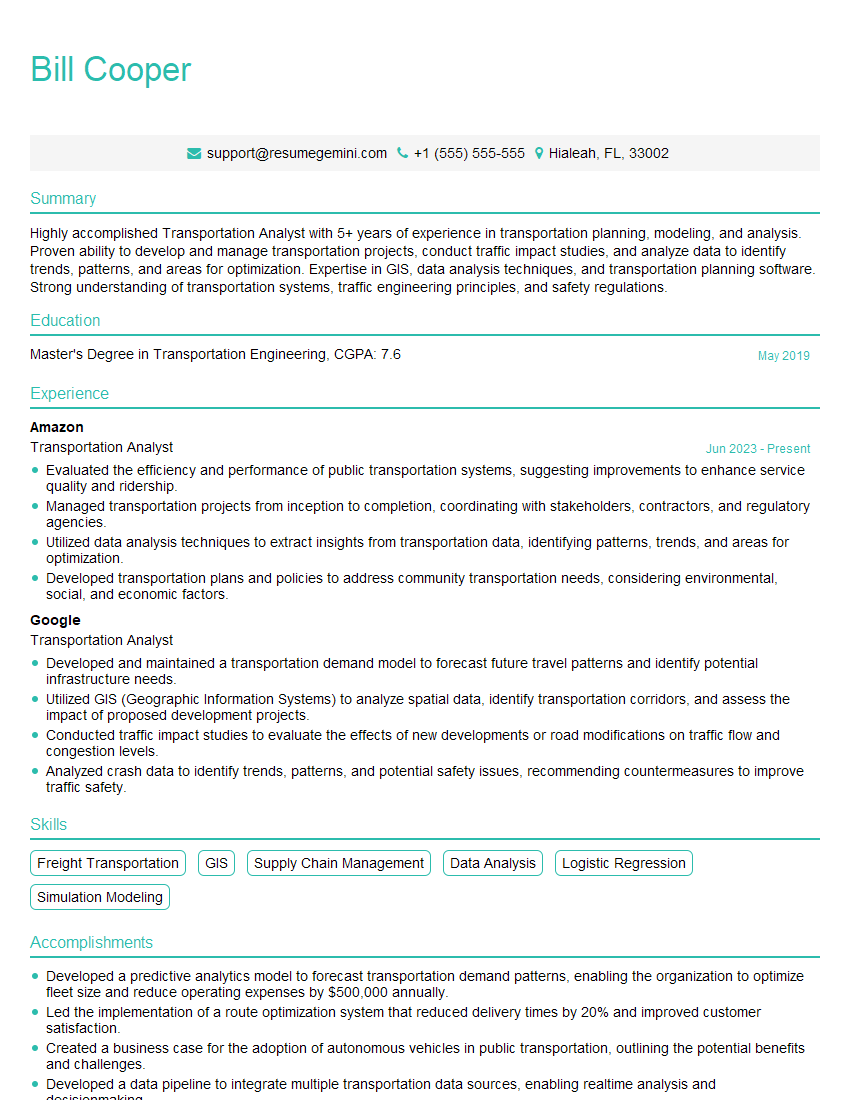
Transportation Analyst Resume Sample
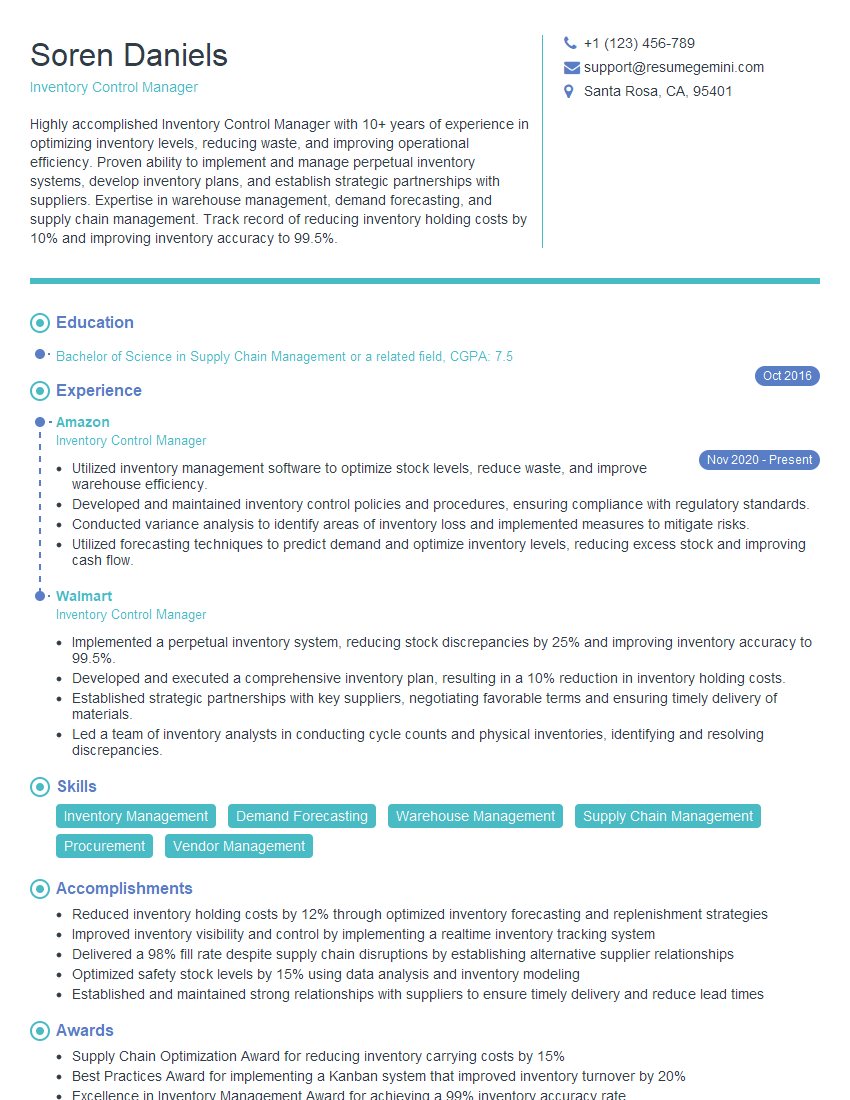
Inventory Control Manager Resume Sample
Explore more articles
Users Rating of Our Blogs
Share Your Experience
We value your feedback! Please rate our content and share your thoughts (optional).
What Readers Say About Our Blog
To the interviewgemini.com Webmaster.
Very helpful and content specific questions to help prepare me for my interview!
Thank you
To the interviewgemini.com Webmaster.
This was kind of a unique content I found around the specialized skills. Very helpful questions and good detailed answers.
Very Helpful blog, thank you Interviewgemini team.