The thought of an interview can be nerve-wracking, but the right preparation can make all the difference. Explore this comprehensive guide to Ability to use music to create a safe and supportive environment interview questions and gain the confidence you need to showcase your abilities and secure the role.
Questions Asked in Ability to use music to create a safe and supportive environment Interview
Q 1. Describe your experience using music to de-escalate challenging behaviors.
Music’s power to de-escalate challenging behaviors lies in its ability to shift emotional states. I’ve found that introducing calming music during moments of heightened tension can significantly reduce agitation and promote a sense of safety. My approach involves careful observation of the individual’s emotional state and selecting music that matches their current energy level. For instance, if someone is exhibiting aggressive behavior, I might start with slow, rhythmic music with a low tempo and gradually introduce more complex melodies as their agitation subsides. If their behavior is characterized by anxiety or hyperactivity, I might use ambient music or nature sounds to help them focus and ground themselves. It’s crucial to avoid music with jarring sounds or fast tempos in these situations.
In one instance, a young adult in a residential facility was experiencing a severe meltdown. Loud, chaotic music was playing in the common area. I immediately turned off that music and played a slow, instrumental piece featuring cello. The change in sound was almost instantaneous; the young adult visibly calmed down, their breathing slowed, and eventually, they sought a quiet space to decompress. The transition to a more peaceful auditory environment provided a much-needed break and enabled a safe space for emotional regulation.
Q 2. What musical styles are most effective in creating a calming atmosphere, and why?
Classical music, particularly Baroque music, is often very effective in creating a calming atmosphere due to its predictable structure and consistent tempo. The consistent beat of Baroque music (around 60 beats per minute) is often close to the average resting heart rate, which can help synchronize physiological responses and promote relaxation. Ambient music, nature soundscapes (rain, ocean waves), and certain forms of world music (e.g., some types of Indian classical music) can also be incredibly soothing. The effectiveness of these styles stems from their ability to reduce cognitive load; the music doesn’t demand intense listening or engagement, but rather serves as a soft background to reduce mental clutter. The absence of lyrics is often key, as words can trigger emotional responses or distract from the calming effect.
Q 3. How do you adapt your music choices to meet the diverse needs of a group?
Adapting music choices to meet diverse needs requires careful consideration of individual preferences and cultural backgrounds. I always start by gauging the group’s general mood and preferences, while respecting any specific requests or aversions. A pre-session questionnaire can be beneficial in gathering this information. For example, some individuals may prefer instrumental music, while others find vocal music comforting. Cultural backgrounds greatly influence musical tastes; therefore, I incorporate music representing a variety of cultures and genres to ensure inclusivity. The key is to create a shared auditory experience, even when preferences vary. This can often involve creating playlists featuring a diverse range of styles and tempos, moving from slower, gentler pieces to more upbeat tunes, ensuring the music never feels exclusionary.
Q 4. Explain your approach to selecting music for individuals with anxiety or trauma.
Selecting music for individuals with anxiety or trauma requires a highly sensitive and individualized approach. Loud or jarring sounds should always be avoided. Instead, I prioritize music that is gentle, predictable, and repetitive. Ambient soundscapes, nature sounds, or minimalist compositions are excellent choices. The absence of lyrics is particularly important, as words can trigger unpleasant memories or exacerbate anxiety. I often work collaboratively with therapists and counselors to understand the individual’s triggers and preferences, making sure the music aligns with their therapeutic goals. The focus is on creating a sense of security and fostering a sense of calm and control. If a person has a specific song or artist they associate with a positive memory, incorporating that into the playlist can also be beneficial in building trust and developing a therapeutic relationship.
Q 5. Describe a situation where you used music to promote relaxation and stress reduction.
In a group therapy session focusing on stress reduction, the participants were expressing high levels of anxiety and tension. After observing their body language and facial expressions, I introduced a guided meditation session accompanied by soft instrumental music featuring nature sounds (birdsong, gentle rainfall). The combination of the guided meditation and calming music created a receptive environment for relaxation and reflection. I observed participants’ shoulders relaxing, their breathing slowing down, and a visible reduction in fidgeting. Post-session feedback revealed a significant decrease in reported stress levels and an enhanced sense of calm.
Q 6. How do you assess the effectiveness of your music interventions?
Assessing the effectiveness of music interventions involves a multi-faceted approach. Direct observation of participants’ behavior and physiological responses (e.g., decreased heart rate, relaxed posture) provides immediate feedback. I also utilize questionnaires or feedback forms to gather subjective data on participants’ experiences and perceived changes in mood, stress levels, and overall well-being. For individuals with limited communication skills, observing nonverbal cues and engagement levels during and after the music session are crucial indicators. Furthermore, regular data collection enables the tracking of progress over time, which is essential for determining the long-term effectiveness of the music therapy intervention.
Q 7. What strategies do you employ to ensure the safety and comfort of participants during music sessions?
Safety and comfort are paramount in music sessions. Creating a physically and emotionally safe space is essential, which includes a comfortable setting with adequate lighting and temperature control. Before starting any session, I clearly explain the purpose and structure of the activity, ensuring all participants feel informed and in control. I always pay attention to individual comfort levels and adjust the music and environment accordingly. Respecting personal boundaries and ensuring participants are able to pause or leave the session at any time are non-negotiable aspects of my approach. Building rapport and establishing trust are crucial for fostering a comfortable atmosphere. Throughout the session, I actively monitor participants for any signs of distress and respond promptly to any needs. This approach ensures a safe and supportive setting for emotional processing and healing.
Q 8. How do you handle situations where someone’s musical preferences conflict with the group’s needs?
Addressing conflicting musical preferences requires a delicate balance between individual expression and group harmony. It’s not about imposing a single taste, but fostering a shared experience. I begin by actively listening to everyone’s preferences, acknowledging their validity, and then collaboratively explore options. This might involve creating playlists with diverse genres, incorporating elements from different styles, or even allowing individuals to select music for specific parts of the session. For example, if one person prefers classical music while others enjoy pop, we might start with a calming classical piece for relaxation and transition to upbeat pop during a more active phase. The key is open communication and compromise, emphasizing that the goal is a supportive environment for everyone.
Sometimes, gentle guidance is necessary. If a particular piece disrupts the overall atmosphere – say, a highly aggressive song in a session focused on calming anxieties – I’ll explain why a different choice might be more beneficial for the group’s collective well-being. The focus remains on the therapeutic goals and creating a space where all individuals feel heard and respected.
Q 9. Explain your understanding of the therapeutic benefits of different musical elements (rhythm, melody, harmony).
Rhythm, melody, and harmony each play distinct, yet interconnected, therapeutic roles. Rhythm can be grounding and stabilizing, particularly beneficial for individuals with anxiety or trauma. A steady, predictable beat can provide a sense of security and control. Think of the rhythmic pulse of a drum providing a safe anchor. Melody, with its expressive quality, can evoke a wide range of emotions, from joy and excitement to sadness and reflection. It allows for emotional processing and catharsis. A soaring melody might inspire hope, while a melancholic tune provides a safe space for sadness. Harmony, the interplay of different musical parts, can foster a sense of connection and unity. Consonant harmonies can create feelings of peace and well-being, while dissonant harmonies, used carefully, can represent internal conflict, offering opportunities for exploration.
For instance, in a group session focused on stress reduction, I might incorporate music with a slow, steady rhythm and calming melody. In a session dealing with grief, melancholic melodies might be used, followed by gradually brighter and more hopeful tunes as participants work through their emotions.
Q 10. How do you incorporate music into individual or group therapy sessions?
Music integration in therapy is highly adaptable, depending on the individual or group’s needs and goals. In individual sessions, music might be used as a background for relaxation, prompting introspection, or as a creative outlet. I might play calming instrumental music during a session focused on mindfulness or use music therapy techniques, such as guided imagery with music, to help a client explore their emotions. In group sessions, music can be a shared experience fostering connection and teamwork. This could involve collaborative songwriting, creating soundscapes together, or simply listening to and discussing music’s impact.
For example, with an individual struggling with anger management, we might use music to identify and express feelings. They might choose songs that resonate with their anger, and then, through discussion, explore healthier ways to cope. With a group facing trauma, we might create a collaborative soundscape representing their collective experience, providing a safe space for emotional expression and healing.
Q 11. How do you maintain a supportive and inclusive environment for all participants, regardless of their musical abilities?
Creating an inclusive environment is paramount. I emphasize that musical ability isn’t a prerequisite for participation. Everyone can benefit from the therapeutic power of music, regardless of their skill level. I use a variety of approaches to ensure everyone feels comfortable. This includes offering choices of activities – some might prefer passive listening, while others might engage in active music-making. I also use nonverbal activities, such as listening to music and discussing its impact, or creating sound collages with everyday objects. The focus is on the experience, not on performance.
I also encourage active participation through open communication. Participants are encouraged to share their thoughts and feelings about the music, without judgment. This fosters a sense of community and belonging where differences are celebrated rather than minimized.
Q 12. Describe your experience adapting musical activities for individuals with disabilities.
Adapting musical activities for individuals with disabilities necessitates a highly individualized approach. For those with visual impairments, I might focus on tactile instruments or descriptive verbal cues. With individuals experiencing mobility limitations, I’d adapt the activity to their physical capabilities, possibly incorporating adaptive instruments or focusing on listening and vocalization. Cognitive challenges might require simplifying activities or using repetitive, predictable patterns.
For example, for a person with autism, I might use repetitive rhythms and predictable melodies to provide a sense of comfort and security. For a visually impaired individual, I might use textured instruments or verbal descriptions to create a rich auditory experience. The key is flexibility, creativity, and an understanding of the individual’s unique needs and strengths. Collaboration with other professionals, such as occupational therapists or special education teachers, is often crucial.
Q 13. How do you address potential challenges related to copyright and licensing when using music in a therapeutic setting?
Copyright and licensing are crucial considerations. I always prioritize using royalty-free music, music in the public domain, or obtaining proper licenses for copyrighted material. Many online resources offer royalty-free music specifically designed for therapeutic purposes. I carefully review licenses to ensure compliance and always maintain proper documentation of usage. For copyrighted material that is essential for a specific client or session, I seek permission from the copyright holder.
Transparency is key. I inform participants about the source and licensing status of any music used, promoting ethical and legal practices. For example, I might use music from sites like YouTube Audio Library, which offer a vast selection of royalty-free tracks. In cases where specific copyrighted music is necessary, I would always obtain the necessary licenses prior to use.
Q 14. What resources do you use to find appropriate music for therapeutic purposes?
My resource pool for therapeutic music is diverse. I utilize online platforms offering royalty-free music, such as YouTube Audio Library, PremiumBeat, and Epidemic Sound. I also explore libraries of public domain recordings, and consult databases of music specifically curated for therapeutic settings. Additionally, I maintain a personal library of carefully selected recordings reflecting diverse genres and styles, all with consideration for their emotional impact and therapeutic potential.
The selection process is guided by the specific therapeutic goals and the individual or group’s needs. I consider factors such as tempo, rhythm, melody, harmony, instrumentation, and overall emotional tone when selecting music for a session. Regularly reviewing and updating my resource pool helps me adapt to the ever-evolving needs of my clients and maintain a wide range of options.
Q 15. How do you ensure confidentiality and maintain ethical standards in your music-based work?
Confidentiality and ethical practice are paramount in my music-based work. I begin by establishing clear boundaries and obtaining informed consent from each participant, explaining how their information will be used and protected. This includes specifying how recordings (if any) will be stored and accessed, emphasizing anonymity and data security. I adhere to relevant professional codes of conduct, such as those set by the American Music Therapy Association (AMTA), ensuring all interactions remain within ethical guidelines. For example, I would never share information about a participant with anyone outside the therapeutic context without their explicit permission. Furthermore, I engage in regular supervision and consultation with colleagues to ensure my practice remains ethical and effective, providing a forum for reviewing challenging situations and receiving guidance on best practices. Any potential conflicts of interest are actively addressed and managed proactively.
Career Expert Tips:
- Ace those interviews! Prepare effectively by reviewing the Top 50 Most Common Interview Questions on ResumeGemini.
- Navigate your job search with confidence! Explore a wide range of Career Tips on ResumeGemini. Learn about common challenges and recommendations to overcome them.
- Craft the perfect resume! Master the Art of Resume Writing with ResumeGemini’s guide. Showcase your unique qualifications and achievements effectively.
- Don’t miss out on holiday savings! Build your dream resume with ResumeGemini’s ATS optimized templates.
Q 16. Describe your approach to building rapport and trust with participants through music.
Building rapport and trust involves creating a safe and non-judgmental space where participants feel comfortable expressing themselves. I start by actively listening to their musical preferences and incorporating those preferences into our sessions. This might involve playing their favorite songs, exploring their preferred instruments, or simply having a conversation about their musical experiences. I use a collaborative approach, allowing them to actively shape the musical direction of our sessions. For instance, if someone is hesitant to sing, I might start with them playing percussion instruments, gradually building their confidence. Creating a playful and encouraging atmosphere is crucial; incorporating elements of improvisation and experimentation reduces pressure and enhances enjoyment. I use reflective listening and verbal feedback to show my understanding of their emotions and experiences, connecting music to their broader emotional landscape. I consistently reinforce the value of their participation, making it clear that there are no right or wrong answers in our musical exploration.
Q 17. How do you evaluate the progress of individuals who participate in your music-based interventions?
Evaluating progress is a multifaceted process that goes beyond simply observing musical skill development. I use a combination of qualitative and quantitative methods. Qualitative measures involve observing changes in emotional expression, engagement levels, and verbal communication during sessions. For example, I might note a reduction in anxiety or an increase in self-confidence, evidenced by greater participation and willingness to explore musical ideas. Quantitative measures can include standardized assessments of mood, anxiety, or self-esteem, administered before and after the intervention. I also utilize client self-report measures, such as journals or feedback sessions, to gain a richer understanding of their experience and perceived progress. Regular documentation of session content and observations is essential for tracking progress and informing treatment modifications. These data, combined with ongoing clinical judgment, help me to tailor my approach and provide the most effective support possible. Progress reports are shared with clients and relevant stakeholders, ensuring transparency and fostering collaboration.
Q 18. How do you integrate music with other therapeutic modalities?
Music therapy integrates seamlessly with other therapeutic modalities. For example, in working with trauma survivors, I might use music to regulate physiological arousal before or after a session of trauma-focused cognitive behavioral therapy (CBT). Music can help to calm the nervous system and create a sense of safety, making the client more receptive to the cognitive work. Similarly, in working with individuals struggling with depression, I might combine music therapy with art therapy, allowing for different modes of expression and processing emotions. The musical experience can serve as a catalyst for further exploration in art therapy, and vice versa. In group therapy settings, music can provide a common ground for shared experience and emotional connection, complementing other group dynamics and interventions. The key is to recognize the unique strengths of each modality and leverage their synergistic effects to enhance overall treatment efficacy.
Q 19. What are some common barriers to using music therapeutically, and how have you overcome them?
Common barriers to using music therapeutically include access to resources (instruments, trained therapists), lack of awareness among healthcare providers, and financial constraints. I’ve overcome these by collaborating with community organizations to provide low-cost or free music therapy services, using readily available resources like body percussion or simple instruments, and educating healthcare professionals about the benefits of music therapy through workshops and presentations. Another barrier is resistance from clients who are unfamiliar or skeptical of this approach; this requires building trust and rapport as described earlier. Sometimes clients may experience physical limitations that prevent them from engaging in certain musical activities; adapting interventions to accommodate these limitations, e.g., using assistive technology, becomes crucial. Lastly, addressing any ethical considerations, such as confidentiality and client autonomy, proactively ensures a safe and supportive therapeutic process. In essence, problem-solving and creative adaptation are key to navigating these challenges.
Q 20. Describe your understanding of the neurobiological effects of music on the brain.
Music profoundly impacts the brain, affecting multiple neural pathways simultaneously. It activates the auditory cortex, processing sound information, but also engages regions associated with emotion (amygdala, hippocampus), memory (hippocampus), and movement (motor cortex). Music’s rhythmic structure can synchronize brainwave activity, influencing states of relaxation or arousal. For example, slow, calming music can reduce sympathetic nervous system activity, lowering heart rate and blood pressure. Conversely, upbeat music can stimulate the release of dopamine and endorphins, boosting mood and energy levels. Research has also demonstrated music’s ability to promote neuroplasticity, encouraging the brain to create new neural connections, which is particularly beneficial in rehabilitation settings following stroke or brain injury. These neurobiological effects explain music’s effectiveness in managing stress, improving mood, and promoting cognitive function.
Q 21. How do you adapt your music interventions based on cultural considerations and individual preferences?
Cultural sensitivity is crucial in music therapy. I begin by actively learning about the client’s cultural background, including their musical preferences, traditions, and beliefs about music’s role in healing. This involves open-ended questions and active listening. I actively avoid imposing my own musical biases or preferences; my role is to facilitate their musical expression and use it as a pathway to personal growth, not to teach or impose a specific style. For example, if working with a client from a culture that values improvisation, I’ll incorporate improvisational techniques. If they come from a culture with a rich vocal tradition, I’ll focus on vocal expression. By adapting my approach to reflect their cultural context, I ensure the intervention is both respectful and effective, leading to a much stronger therapeutic alliance and a greater sense of safety and trust. Furthermore, any musical choices made are always collaborative and with the client’s consent.
Q 22. What are some alternative music-based approaches to consider if the initial plan is not effective?
If an initial music-based approach isn’t effective in creating a safe and supportive environment, it’s crucial to adapt. This requires careful observation and a willingness to revise the strategy. We don’t simply abandon music, but rather explore alternative approaches within the musical realm.
Changing the musical style or genre: If calming classical music isn’t working, we might try upbeat, participatory folk songs to encourage engagement and interaction. For example, a group struggling with anxiety might find solace in the meditative quality of ambient soundscapes, while a group focused on trauma might benefit from the rhythmic release provided by drumming circles.
Adjusting the tempo and dynamics: A piece that’s too fast might be overwhelming; a piece that’s too slow might be monotonous. Experimenting with variations in tempo and dynamics can help tailor the musical experience to the group’s emotional state. For example, starting with slower, quieter pieces and gradually increasing the tempo can help participants feel a sense of control and progress.
Altering the modality or instrumentation: The specific instruments used or the overall mood conveyed by the music (major vs. minor keys) can significantly impact the atmosphere. A shift in instrumentation or key can dramatically change the emotional effect. For instance, a transition from melancholic piano music to uplifting acoustic guitar may be beneficial.
Incorporating active music-making: Passive listening might not be effective for all groups. Active participation through singing, playing instruments, or improvisational music therapy can foster a greater sense of ownership and control.
Integrating movement and creative expression: Combining music with movement and creative arts can offer a more multifaceted therapeutic experience, allowing for multiple avenues for emotional expression and release. This could involve using music as a stimulus for dance or visual arts.
Q 23. How do you document and track the progress and outcomes of your music-based interventions?
Documenting and tracking progress is vital for demonstrating the efficacy of music-based interventions. My approach combines both quantitative and qualitative data collection.
Quantitative data: This includes pre- and post-intervention assessments using standardized scales measuring anxiety, depression, social interaction, or other relevant factors. For example, I might use the State-Trait Anxiety Inventory (STAI) before and after a series of music therapy sessions. I also keep careful records of attendance, participation levels, and observed changes in behavior.
Qualitative data: This involves gathering richer, descriptive information about the participants’ experiences. I use methods like field notes documenting observations during sessions, audio or video recordings (with informed consent), and structured interviews or focus groups to gather feedback from participants and their caregivers. These insights provide crucial context for interpreting the quantitative data.
Data management: All data is securely stored and maintained in compliance with relevant ethical guidelines and privacy regulations. I use a combination of electronic databases and physical files to keep track of progress. Regular review of data allows me to monitor progress and adapt my intervention as needed.
The combination of quantitative and qualitative data provides a holistic understanding of the intervention’s impact, allowing for a more comprehensive and nuanced evaluation.
Q 24. How do you measure the success of your interventions in creating a safe and supportive environment?
Measuring the success of interventions in creating a safe and supportive environment goes beyond simple metrics. It involves observing changes in both individual and group dynamics.
Individual level: I assess changes in participants’ anxiety levels, self-esteem, emotional regulation, and communication skills using both quantitative assessments (like the STAI) and qualitative observations (like increased self-confidence during group sessions).
Group level: I look for evidence of improved communication, increased cooperation and collaboration, reduced conflict, and the development of a sense of community and belonging. For example, I might observe increased participation in group activities or a more positive and supportive interaction between participants.
Environmental factors: I consider changes in the physical environment; does the space feel more welcoming and comfortable? Does the atmosphere feel calmer and less tense? These qualitative observations are important indicators of a successful intervention.
Sustained changes: A true measure of success is the ability to maintain positive changes over time. Follow-up assessments are essential to evaluate long-term effects.
Success isn’t solely about achieving specific numerical targets but about fostering positive behavioral and emotional changes within a nurturing, supportive group setting.
Q 25. Describe your experience working with diverse populations in a music therapy context.
My experience spans a wide range of populations, including children with autism, adults with dementia, adolescents struggling with trauma, and individuals experiencing mental health challenges. Each population presents unique needs and requires a tailored approach.
Children with Autism: Music therapy often focuses on improving communication skills, emotional regulation, and social interaction. We might use repetitive rhythmic patterns to enhance sensory processing or create structured musical activities to encourage engagement and participation.
Adults with Dementia: Music therapy often leverages familiar songs and melodies to stimulate memories and improve cognitive function. We might use reminiscence therapy, engaging participants in singing familiar songs or playing instruments they used to enjoy.
Adolescents struggling with trauma: Music therapy can provide a safe and non-threatening outlet for emotional expression. Improvisational music, songwriting, or drumming can help teens process trauma and develop coping mechanisms. Building trust and rapport is key in this setting.
Individuals experiencing mental health challenges: Music therapy can aid in managing symptoms of anxiety, depression, and stress. We may utilize relaxation techniques with calming music, songwriting to express emotions, or group music making to improve social skills and self-esteem.
Adaptability and cultural sensitivity are paramount when working with diverse populations. I always strive to create a culturally relevant and inclusive environment.
Q 26. How do you collaborate with other professionals (therapists, doctors, educators) to integrate music into a holistic treatment plan?
Collaboration is essential for effective integration of music therapy into holistic treatment plans. My approach involves regular communication and shared decision-making with other professionals.
Regular meetings: I participate in team meetings with therapists, doctors, educators, and caregivers to share updates on the participant’s progress, discuss challenges, and coordinate interventions. This ensures that the music therapy aligns with overall goals.
Shared goals: We collaboratively establish clear, measurable goals for the participant. These goals are integrated into a comprehensive treatment plan, ensuring that the music therapy complements other interventions.
Information sharing: I maintain open communication with other professionals by sharing relevant data, observations, and insights. This ensures a holistic understanding of the participant’s needs and progress.
Case studies: When appropriate, I share anonymized case studies to illustrate the effectiveness of music-based interventions and to enhance understanding among the team.
This collaborative approach optimizes the therapeutic benefits for the participant by ensuring the alignment of all interventions.
Q 27. What professional development activities have you undertaken to enhance your skills in creating safe and supportive environments through music?
Ongoing professional development is vital to refining my skills and knowledge. I actively participate in various activities to stay abreast of the latest research and best practices.
Continuing education courses: I regularly attend workshops and conferences focused on music therapy, trauma-informed care, and working with diverse populations. These courses provide updates on research, techniques, and ethical considerations.
Supervision and mentorship: I engage in regular supervision with experienced music therapists to discuss cases, refine my techniques, and receive feedback. This continuous feedback loop is crucial for professional growth.
Research and publications: I stay updated on the latest research in music therapy by reading journals and attending presentations. This keeps my interventions informed by current evidence.
Networking with colleagues: I actively participate in professional organizations and network with other music therapists to share experiences, learn from others, and expand my knowledge base.
These activities ensure I maintain a high level of competence and provide the most effective and ethical music-based interventions.
Key Topics to Learn for Ability to use Music to Create a Safe and Supportive Environment Interview
- Understanding the Therapeutic Power of Music: Explore the psychological and emotional effects of music, including its ability to reduce anxiety, promote relaxation, and foster a sense of community.
- Music Selection and Programming: Learn how to curate playlists and select music appropriate for different settings and needs. Consider tempo, instrumentation, and lyrical content in relation to desired outcomes (e.g., calming, energizing, focused).
- Adapting Music to Diverse Groups: Discuss strategies for creating inclusive musical environments that resonate with individuals from varied backgrounds and preferences. Consider the importance of cultural sensitivity and diverse musical styles.
- Creating a Safe and Inclusive Space: Analyze techniques for using music to establish boundaries, encourage respectful interaction, and promote a sense of belonging. This includes understanding nonverbal cues and adapting your approach as needed.
- Practical Application in Different Contexts: Consider how the application of music varies in different settings (e.g., therapy sessions, classrooms, community events). Explore case studies or examples illustrating successful implementations.
- Addressing Challenges and Problem-Solving: Discuss potential challenges (e.g., managing disruptive behaviors, responding to negative reactions to music choices) and develop strategies for addressing them effectively and professionally.
- Evaluating Effectiveness: Learn methods for assessing the impact of your music selection and program on the overall environment and the individuals involved. Consider both quantitative and qualitative approaches to evaluation.
Next Steps
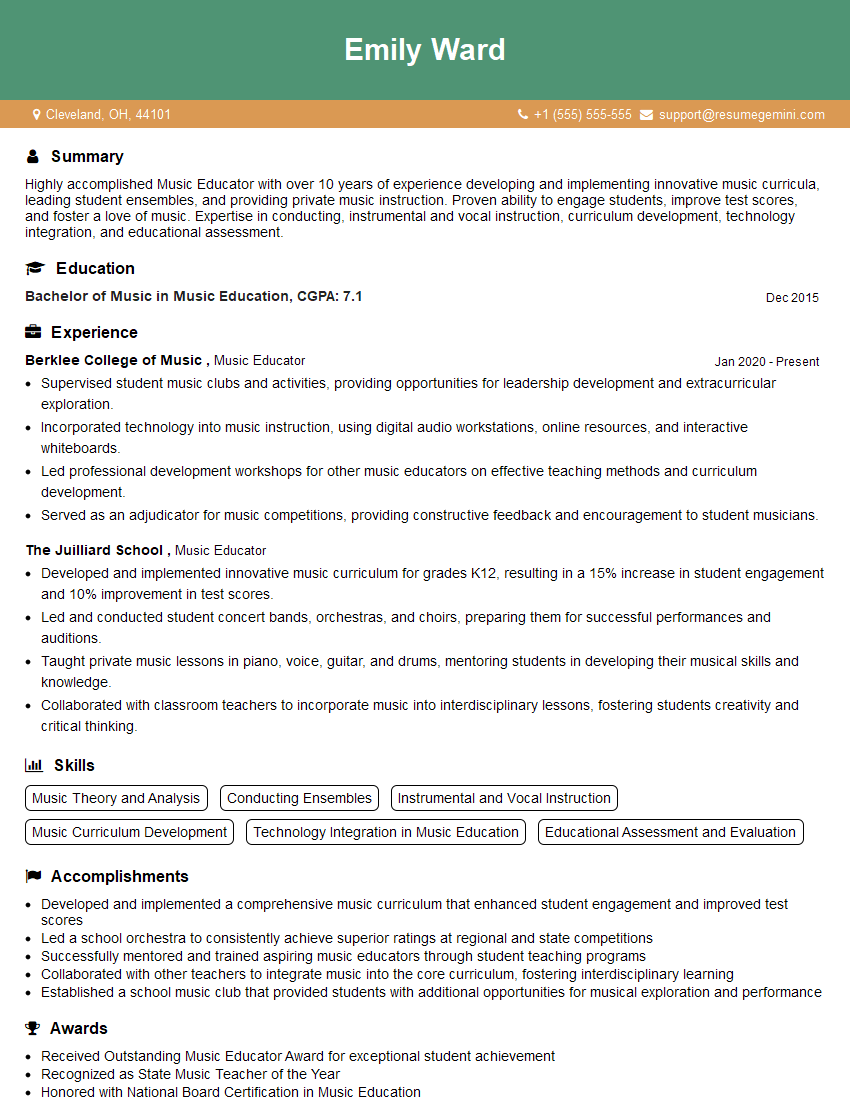
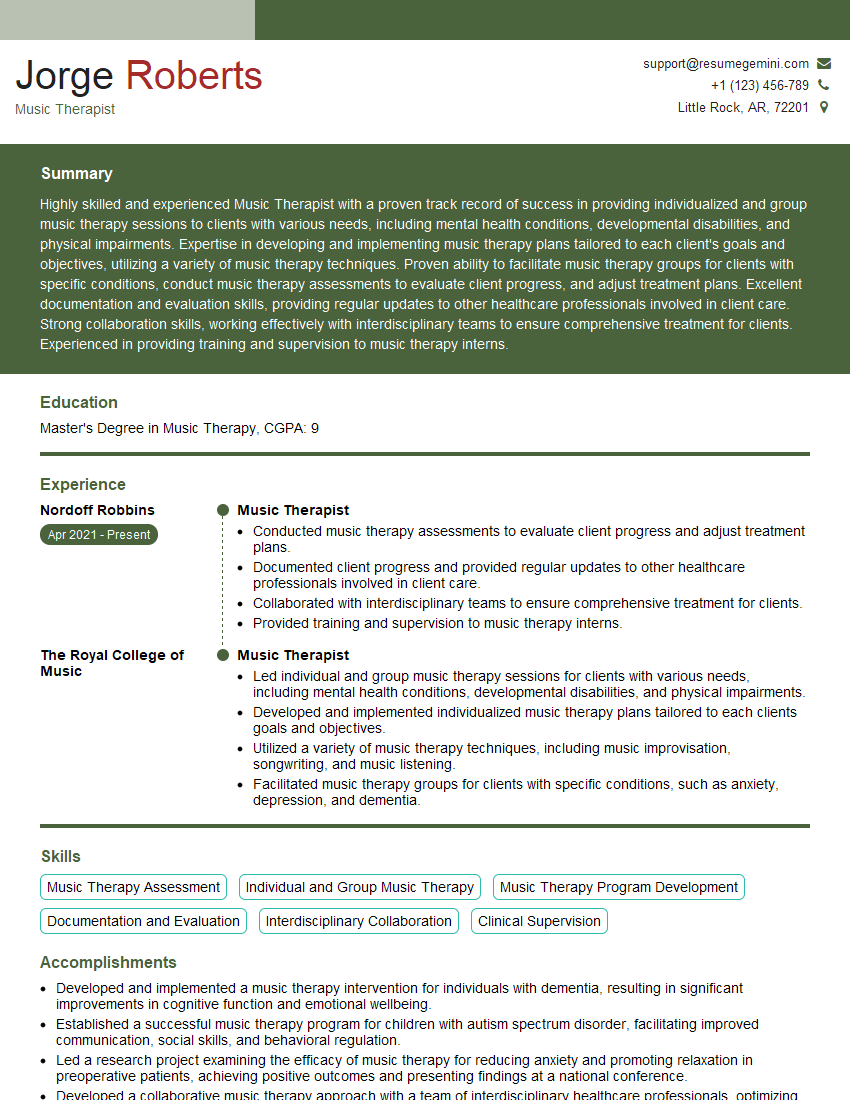
Mastering the ability to use music to create a safe and supportive environment is a highly valuable skill, opening doors to diverse and rewarding career opportunities. A well-crafted resume is crucial for showcasing this expertise to potential employers. To maximize your job prospects, invest time in building an ATS-friendly resume that highlights your relevant skills and experiences. ResumeGemini is a trusted resource that can significantly enhance your resume-building experience, helping you create a professional and impactful document that gets noticed. Examples of resumes tailored to showcasing expertise in using music to create safe and supportive environments are available to guide you.
Explore more articles
Users Rating of Our Blogs
Share Your Experience
We value your feedback! Please rate our content and share your thoughts (optional).
What Readers Say About Our Blog
To the interviewgemini.com Webmaster.
Very helpful and content specific questions to help prepare me for my interview!
Thank you
To the interviewgemini.com Webmaster.
This was kind of a unique content I found around the specialized skills. Very helpful questions and good detailed answers.
Very Helpful blog, thank you Interviewgemini team.