Interviews are opportunities to demonstrate your expertise, and this guide is here to help you shine. Explore the essential Addiction Recovery Support interview questions that employers frequently ask, paired with strategies for crafting responses that set you apart from the competition.
Questions Asked in Addiction Recovery Support Interview
Q 1. Describe your experience with different addiction treatment modalities (e.g., CBT, DBT, Motivational Interviewing).
My experience encompasses a wide range of addiction treatment modalities. I’ve extensively utilized Cognitive Behavioral Therapy (CBT), Dialectical Behavior Therapy (DBT), and Motivational Interviewing (MI) in my practice. These are not mutually exclusive; often, I integrate elements from each to create a tailored treatment plan.
CBT focuses on identifying and changing negative thought patterns and behaviors that contribute to addiction. For example, a client struggling with alcohol addiction might use CBT to recognize and challenge their automatic thoughts (e.g., “I need a drink to relax”) and develop healthier coping mechanisms.
DBT, particularly helpful for clients with co-occurring disorders like borderline personality disorder, emphasizes emotional regulation, distress tolerance, and interpersonal effectiveness skills. This might involve teaching mindfulness techniques to manage cravings or developing strategies for navigating conflict with family members.
Motivational Interviewing (MI) is a collaborative, person-centered form of guiding to elicit and strengthen motivation for change. It’s crucial in the initial stages of treatment, helping clients explore their ambivalence about recovery and identify their own reasons for wanting to change. I might use MI to help a client articulate their goals for recovery and develop a personalized action plan.
Q 2. Explain the stages of change model in the context of addiction recovery.
The Stages of Change model, also known as the Transtheoretical Model, provides a framework for understanding how individuals progress through the process of behavior change. In addiction recovery, it helps us tailor interventions to the client’s current stage.
- Precontemplation: The individual is unaware of or unwilling to acknowledge a problem exists.
- Contemplation: The individual is aware of the problem and begins to consider the possibility of change but hasn’t yet committed to action.
- Preparation: The individual intends to take action in the near future and may begin taking small steps toward change.
- Action: The individual actively modifies their behavior and makes noticeable changes.
- Maintenance: The individual works to maintain their progress and prevent relapse.
- Relapse: A return to previous patterns of behavior. This is viewed not as failure, but as an opportunity for learning and readjustment.
Understanding these stages allows me to provide the most appropriate support at each phase. For example, someone in the precontemplation stage might benefit from educational materials or motivational interviewing, while someone in the action stage may need support in developing coping mechanisms.
Q 3. How do you assess a client’s readiness for change?
Assessing a client’s readiness for change is a crucial first step. I use various methods, including:
- Motivational Interviewing techniques: Exploring their ambivalence, strengths, and reasons for wanting to change.
- Readiness to Change scales: Standardized questionnaires that provide a quantitative measure of their readiness.
- Observational assessment: Observing their engagement in the therapeutic process, their commitment to attending sessions, and their willingness to participate in activities.
- Discussion of their goals: Determining their clear goals for recovery, their commitment level, and what level of support they expect to need.
For instance, a client who expresses strong commitment to change, actively participates in sessions, and identifies clear goals demonstrates a high level of readiness. Conversely, a client who minimizes their problems, resists treatment suggestions, and lacks concrete goals may demonstrate a low level of readiness. It’s important to remember that readiness is fluid; it can change over time.
Q 4. What are some common relapse triggers, and how do you help clients manage them?
Relapse triggers are diverse and specific to each individual. Common triggers include:
- Stressful life events: Job loss, relationship problems, financial difficulties.
- Negative emotions: Anger, sadness, anxiety.
- Social situations: Exposure to people, places, or things associated with past substance use.
- Physical discomfort: Pain, illness, insomnia.
- Lack of support: Isolation, lack of connection with others.
To help clients manage triggers, we develop relapse prevention plans that involve:
- Identifying and anticipating triggers: Keeping a journal to identify personal patterns and developing strategies for avoidance.
- Developing coping skills: Learning healthy ways to manage stress, emotions, and cravings (e.g., relaxation techniques, mindfulness).
- Building a support system: Connecting with family, friends, or support groups.
- Developing crisis plans: Establishing a clear plan of action for handling high-risk situations.
For example, if a client’s trigger is stress, we might work on stress management techniques such as deep breathing exercises or progressive muscle relaxation. If social situations are problematic, we might practice assertiveness skills to navigate challenging social interactions.
Q 5. How would you handle a client who is resisting treatment?
Handling a client who is resisting treatment requires a delicate and empathetic approach. I would avoid confrontation and instead focus on building rapport and understanding their reasons for resistance.
My approach would involve:
- Empathetic listening: Actively listening to their concerns and validating their feelings.
- Collaborative goal setting: Working with them to identify their goals and developing a treatment plan that aligns with those goals.
- Motivational interviewing techniques: Helping them explore their ambivalence and strengthen their intrinsic motivation for change.
- Adjusting the treatment plan: Being flexible and making adjustments to the treatment plan as needed.
- Referral: If resistance is severe and persistent, and we’re unable to build rapport, referral to a different therapist who may better meet the client’s needs may be necessary.
It’s crucial to remember that resistance is often a sign of underlying issues that need to be addressed. By being patient, understanding, and collaborative, we can help clients overcome their resistance and engage more fully in treatment.
Q 6. Explain your understanding of co-occurring disorders.
Co-occurring disorders, also known as dual diagnoses, refer to the presence of both a mental health disorder and a substance use disorder. They are incredibly common, with a significant percentage of individuals with addiction also experiencing conditions such as depression, anxiety, PTSD, or bipolar disorder.
Understanding co-occurring disorders is essential because they often influence each other. Untreated mental health issues can exacerbate substance use, and substance use can worsen mental health symptoms. My approach to co-occurring disorders involves:
- Comprehensive assessment: Thoroughly assessing both the substance use disorder and the mental health condition.
- Integrated treatment: Developing an integrated treatment plan that addresses both disorders simultaneously.
- Collaboration with specialists: Working collaboratively with psychiatrists, psychologists, and other mental health professionals to provide comprehensive care.
- Medication management: In many cases, medication is a crucial part of managing co-occurring disorders.
For example, a client with both depression and alcohol addiction might receive medication for depression alongside therapy and support groups for alcohol addiction. The integrated treatment approach ensures that both conditions are effectively addressed, leading to better overall outcomes.
Q 7. Describe your experience working with diverse populations affected by addiction.
I have extensive experience working with diverse populations affected by addiction, including individuals from various racial, ethnic, cultural, socioeconomic, gender identity, and sexual orientation backgrounds. I am committed to culturally competent care, which involves understanding and respecting the unique cultural and social factors that impact an individual’s experience with addiction and recovery.
This includes:
- Culturally sensitive assessment: Considering cultural factors when assessing a client’s needs and developing treatment plans.
- Addressing cultural barriers: Working to overcome any cultural barriers that might prevent access to or participation in treatment.
- Utilizing culturally appropriate interventions: Incorporating culturally relevant approaches into treatment, such as involving family members in treatment when culturally appropriate.
- Advocating for equitable access to care: Working to ensure that all individuals have equal access to high-quality addiction treatment services, regardless of their background.
I recognize that each client’s experience with addiction is shaped by their unique circumstances, and I strive to create a safe and supportive therapeutic environment where all clients feel respected, understood, and empowered to pursue recovery.
Q 8. How do you ensure client confidentiality and HIPAA compliance?
Client confidentiality is paramount in addiction recovery. We adhere strictly to HIPAA (Health Insurance Portability and Accountability Act) regulations, which protect the privacy of Protected Health Information (PHI). This means all client information, from their diagnosis to treatment details and even their presence in our facility, is handled with the utmost discretion.
- Strict Access Control: Only authorized personnel with a legitimate need to know have access to client files. Access is carefully monitored and logged.
- Secure Data Storage: All electronic health records (EHRs) are stored on secure servers with robust encryption and firewalls, protecting against unauthorized access and data breaches. Paper files are kept in locked cabinets in secure areas.
- Informed Consent: Before starting treatment, clients sign consent forms that clearly outline how their information will be used and protected. They are informed of their rights regarding their PHI.
- Data Breach Protocol: We have a detailed protocol in place to handle any potential data breaches, including immediate notification to affected clients and regulatory authorities.
For example, if a client shares a sensitive personal detail during a session, that information is kept confidential unless there’s a legal obligation to disclose it, such as a credible threat of harm to themselves or others.
Q 9. What is your approach to crisis intervention in addiction treatment?
Crisis intervention in addiction treatment requires a calm, empathetic, and decisive approach. It focuses on immediate stabilization and de-escalation of the crisis, followed by developing a safety plan to prevent future crises.
- Immediate Safety Assessment: The first step involves assessing the client’s immediate safety and the severity of the crisis. This includes evaluating their risk of self-harm or harm to others.
- De-escalation Techniques: We use active listening, validation, and de-escalation techniques to calm the client and reduce their anxiety. This might involve offering a safe space, providing reassurance, and helping them identify coping mechanisms.
- Collaboration with Emergency Services: If the client’s safety is at risk, we don’t hesitate to contact emergency medical services or law enforcement. This is always done with the client’s best interests in mind.
- Developing a Safety Plan: Once the immediate crisis is resolved, we work with the client to develop a personalized safety plan that outlines strategies for managing triggers and preventing future crises. This plan might include identifying support systems, practicing coping skills, and establishing clear communication channels.
For instance, if a client experiences a relapse, we’d immediately focus on ensuring their safety, providing support, and revisiting their treatment plan to address any underlying issues that might have contributed to the relapse.
Q 10. Describe your experience with medication-assisted treatment (MAT).
Medication-Assisted Treatment (MAT) is a crucial component of addiction treatment for many individuals. It combines medication with behavioral therapies to address addiction. My experience includes working with clients using various MAT options, tailoring treatment to individual needs and ensuring proper monitoring.
- Methadone and Buprenorphine: I have extensive experience administering and monitoring methadone and buprenorphine for opioid use disorder. This includes managing medication dosages, monitoring vital signs, and addressing potential side effects.
- Naltrexone: I’m also familiar with using naltrexone, both in its injectable (Vivitrol) and oral forms, to reduce cravings and the risk of relapse.
- Acamprosate and Disulfiram: For alcohol use disorder, I’ve worked with clients using acamprosate and disulfiram, always carefully considering potential interactions with other medications and medical conditions.
- Collaboration with Psychiatrists: I collaborate closely with psychiatrists and other medical professionals to ensure that medication is appropriately prescribed and monitored, and that clients receive comprehensive care.
I always emphasize that MAT is not a standalone solution; it’s most effective when integrated with counseling and other behavioral therapies to address the underlying causes of addiction.
Q 11. How do you develop and implement a comprehensive treatment plan?
Developing a comprehensive treatment plan is a collaborative process involving the client, their family (with consent), and the treatment team. It’s tailored to the individual’s specific needs, considering their substance use history, medical history, mental health status, social support system, and personal goals.
- Assessment: This begins with a thorough biopsychosocial assessment, exploring all aspects of the client’s life. This includes substance use history, current substance use patterns, mental health history, medical history, family dynamics, social support, and personal goals.
- Diagnosis: Based on the assessment, a diagnosis is established, identifying the specific substance use disorder and any co-occurring disorders.
- Goal Setting: The client actively participates in setting realistic, measurable, achievable, relevant, and time-bound (SMART) goals for recovery.
- Intervention Strategies: The treatment plan outlines the specific interventions, including therapy types (individual, group, family), medication (if applicable), and support services (e.g., relapse prevention planning).
- Ongoing Monitoring and Evaluation: Progress is regularly monitored, and the treatment plan is adjusted as needed to ensure it remains effective and meets the client’s evolving needs.
For example, a client struggling with opioid addiction and depression might have a treatment plan that includes buprenorphine for MAT, individual therapy focusing on trauma-informed approaches, group therapy for peer support, and relapse prevention planning.
Q 12. How do you collaborate with other members of the treatment team?
Collaboration is essential in addiction treatment. I regularly communicate and coordinate care with various members of the treatment team, ensuring a holistic and integrated approach to care.
- Psychiatrists: Regular communication with psychiatrists is crucial for coordinating medication management, particularly when dealing with co-occurring mental health disorders.
- Therapists: I work closely with therapists to share information about clients’ progress, adjust treatment plans, and ensure consistency of messaging.
- Case Managers: Case managers are vital for coordinating resources and ensuring the client has access to necessary support services, such as housing, employment assistance, or financial aid.
- Family Members: When clients consent, I collaborate with family members to provide education, support, and guidance.
For effective communication, I use various methods including regular team meetings, electronic health records (EHRs) for secure information sharing, and direct communication with other professionals when necessary.
Q 13. How do you engage family members in the recovery process?
Engaging family members is crucial for successful recovery, as their support plays a significant role in the client’s journey. However, it’s essential to ensure client consent before involving family.
- Education: I provide education about addiction, its effects, and the recovery process, helping families understand the disease model of addiction.
- Family Therapy: Family therapy sessions help address dysfunctional family patterns and improve communication, building healthier relationships that support the client’s recovery.
- Support Groups: I encourage families to attend support groups such as Al-Anon or Nar-Anon, where they can share experiences and receive support from others who understand their challenges.
- Setting Boundaries: We work with families to establish healthy boundaries that protect both the client and family members, preventing enabling behaviors.
For instance, I might explain to a family the importance of avoiding enabling behaviors like giving money to a client who is still using or enabling their continued substance use.
Q 14. Explain your experience with discharge planning and aftercare services.
Discharge planning and aftercare services are vital for maintaining long-term recovery. It’s a crucial step that helps clients transition smoothly from inpatient or intensive outpatient treatment to community-based care.
- Relapse Prevention Planning: We collaboratively develop a comprehensive relapse prevention plan, identifying high-risk situations and strategies to cope with cravings and triggers.
- Referral to Aftercare Services: We connect clients with appropriate aftercare services, such as outpatient therapy, support groups, sober living homes, or medication management.
- Continued Monitoring: We establish a plan for continued monitoring, often involving regular check-ins or follow-up appointments to assess progress and address any challenges.
- Community Resources: We provide information and referrals to community-based resources such as employment assistance programs, housing support, and mental health services.
For example, a client leaving a residential treatment program might be referred to an outpatient therapy program, a support group like Alcoholics Anonymous or Narcotics Anonymous, and a sober living environment for continued support. This carefully planned transition increases the likelihood of long-term success.
Q 15. How do you assess client progress and measure outcomes?
Assessing client progress and measuring outcomes in addiction recovery is a multifaceted process that relies on a combination of quantitative and qualitative data. We don’t just look at abstinence; we examine the client’s overall well-being and functioning across various life domains.
Quantitative Measures: These include tracking substance use frequency and severity (through urine toxicology, self-reports, or breathalyzer tests), attendance at sessions, and completion of assigned tasks like relapse prevention planning. We also use standardized questionnaires to measure things like depression, anxiety, and cravings (e.g., the Addiction Severity Index).
Qualitative Measures: This involves regular client feedback sessions where we explore their progress in areas like interpersonal relationships, employment, housing, and mental health. We look for improvements in their coping mechanisms, emotional regulation, and overall life satisfaction. We also consider the client’s subjective experience of their recovery journey.
Goal Setting and Tracking: Each client, in collaboration with their therapist, develops personalized goals. These goals are broken down into smaller, achievable steps. We regularly review these goals to ensure they remain relevant and adjust them as needed. Progress is charted, giving both the client and therapist a clear picture of the trajectory of recovery.
Outcome Measures: Ultimately, successful outcomes extend beyond simple abstinence. We measure improvements in various aspects of the client’s life. For example, maintaining stable employment, healthy relationships, and improved mental well-being are considered positive outcomes.
By combining both quantitative and qualitative data, we gain a comprehensive understanding of the client’s progress, identify areas needing more support, and celebrate their achievements throughout the recovery process.
Career Expert Tips:
- Ace those interviews! Prepare effectively by reviewing the Top 50 Most Common Interview Questions on ResumeGemini.
- Navigate your job search with confidence! Explore a wide range of Career Tips on ResumeGemini. Learn about common challenges and recommendations to overcome them.
- Craft the perfect resume! Master the Art of Resume Writing with ResumeGemini’s guide. Showcase your unique qualifications and achievements effectively.
- Don’t miss out on holiday savings! Build your dream resume with ResumeGemini’s ATS optimized templates.
Q 16. How do you address ethical dilemmas in addiction treatment?
Ethical dilemmas in addiction treatment are frequent and complex. They require careful consideration, adherence to professional codes of conduct, and consultation with supervisors or ethics committees when necessary. Common dilemmas include:
Confidentiality: Maintaining client confidentiality is paramount, yet situations may arise where there’s a legal obligation to breach confidentiality (e.g., imminent threat of harm to self or others).
Dual Relationships: Avoiding dual relationships (e.g., becoming friends with a client) is crucial to maintaining professional boundaries and preventing conflicts of interest.
Informed Consent: Clients must provide informed consent for all aspects of their treatment. This includes clearly explaining treatment options, risks, and benefits.
Mandatory Reporting: In cases of suspected child abuse or neglect, therapists have a legal obligation to report these instances to the appropriate authorities.
Addressing these dilemmas involves carefully weighing the ethical principles of beneficence (acting in the best interests of the client), non-maleficence (avoiding harm), autonomy (respecting client self-determination), and justice (fair and equitable treatment). When facing difficult decisions, I always prioritize the client’s safety and well-being while acting within the bounds of the law and professional ethical guidelines. Seeking consultation with colleagues or supervisors is a vital strategy for navigating these challenging situations.
Q 17. Describe a challenging case and how you addressed it.
One challenging case involved a young woman, Sarah, who had a history of severe trauma and polysubstance abuse. She presented with intense distrust, difficulty forming connections, and frequent relapses despite demonstrating a strong desire for sobriety. Her trauma significantly impacted her ability to engage in traditional therapy modalities.
Addressing the Challenge: I initially focused on building a strong therapeutic alliance, prioritizing safety and trust. We started with trauma-informed techniques, focusing on her strengths and empowering her to set her own pace. We incorporated mindfulness exercises, somatic experiencing, and EMDR to help her process her past traumas. Instead of pressuring her into confronting her past immediately, we focused on developing coping skills for managing cravings and triggers in the present. Throughout the process, I remained flexible and adapted my approach as her needs evolved.
Outcome: While it was a long and complex journey, Sarah gradually developed healthier coping mechanisms and reduced her substance use significantly. The trust we built enabled her to eventually address her trauma more directly. Her progress was measured not only by her abstinence but also by her improved self-esteem, healthier relationships, and increased emotional regulation.
Q 18. What is your experience with different assessment tools used in addiction treatment?
My experience encompasses a range of assessment tools commonly used in addiction treatment. These tools help provide a comprehensive understanding of the client’s needs and inform treatment planning.
Addiction Severity Index (ASI): This widely used instrument assesses various aspects of addiction, including substance use patterns, medical status, employment, and social functioning.
The AUDIT (Alcohol Use Disorders Identification Test) and DAST (Drug Abuse Screening Test): These brief screening tools are used to identify potential alcohol and drug problems.
Beck Depression Inventory (BDI) and State-Trait Anxiety Inventory (STAI): These measure the severity of depression and anxiety, which are common co-occurring disorders.
Trauma-related assessments: Tools like the Childhood Trauma Questionnaire (CTQ) and the Adverse Childhood Experiences (ACE) questionnaire assess the impact of traumatic experiences.
The selection of assessment tools depends on the individual client’s needs and the specific information required. It’s vital to remember that these tools are merely starting points for understanding a client’s complex situation and should not be used in isolation. The clinical interview and ongoing observation remain essential components of assessment.
Q 19. How do you maintain your own professional well-being while working in this field?
Maintaining professional well-being in this demanding field is crucial to avoid burnout and provide effective care. Several strategies are essential:
Self-Care: This includes prioritizing physical and mental health through regular exercise, healthy eating, sufficient sleep, and engaging in activities that promote relaxation and joy.
Supervision and Peer Support: Regular supervision with a qualified clinician provides an opportunity to process challenging cases, discuss ethical dilemmas, and receive guidance. Peer support groups offer a safe space to share experiences and reduce feelings of isolation.
Setting Boundaries: Establishing clear boundaries between professional and personal life is essential to avoid taking work stress home. Learning to say “no” to additional tasks when feeling overwhelmed is critical.
Continuing Education: Keeping up-to-date with the latest research, treatment modalities, and ethical guidelines helps maintain professional competence and enhances job satisfaction.
Mindfulness and Stress Management Techniques: Practicing mindfulness, meditation, or other stress-reduction techniques helps manage the emotional demands of this field.
By prioritizing self-care and implementing these strategies, I can ensure I am providing the best possible care for my clients while preserving my own well-being.
Q 20. Describe your understanding of trauma-informed care in addiction recovery.
Trauma-informed care recognizes the profound impact of trauma on an individual’s life and how it can contribute to substance use. It shifts the focus from blaming the individual for their substance use to understanding how their past experiences have shaped their behaviors and coping mechanisms. It emphasizes safety, trustworthiness, choice, collaboration, and empowerment.
In addiction recovery, a trauma-informed approach means:
Creating a safe and supportive environment: Ensuring clients feel safe, respected, and validated.
Understanding the impact of trauma: Recognizing that past trauma can significantly affect emotional regulation, self-esteem, and interpersonal relationships.
Avoiding re-traumatization: Carefully considering how interventions might unintentionally trigger traumatic memories.
Empowering clients: Giving clients control over their treatment and empowering them to make choices aligned with their recovery goals.
Collaborating with clients: Working in partnership with clients, respecting their experiences, and acknowledging their expertise in their own lives.
Trauma-informed care is not a specific treatment, but rather a framework that guides the overall therapeutic approach. It necessitates a deep understanding of trauma’s impact and the development of appropriate interventions tailored to the individual’s unique experiences and needs.
Q 21. What is your experience with harm reduction strategies?
Harm reduction strategies focus on minimizing the negative consequences of substance use rather than solely aiming for abstinence. It recognizes that many individuals may not be ready for abstinence immediately, and that focusing solely on abstinence can be counterproductive and even dangerous.
My experience with harm reduction includes:
Naloxone distribution: Providing clients with naloxone to reverse opioid overdoses.
Needle exchange programs: Referring clients to needle exchange programs to reduce the risk of bloodborne infections.
Medication-assisted treatment (MAT): Utilizing medications like methadone, buprenorphine, or naltrexone to manage withdrawal symptoms and cravings.
Safe injection sites: Supporting the implementation of safe injection sites where individuals can use drugs under medical supervision, reducing the risk of overdose and infection.
Counseling and education: Educating clients about safer drug use practices, and providing support to help them make informed decisions.
Harm reduction is a compassionate and effective approach that acknowledges the realities of substance use and strives to improve the lives and safety of individuals while they work toward their recovery goals. It is a valuable tool in reaching individuals who might otherwise be unreachable or unwilling to seek more traditional forms of treatment.
Q 22. How do you tailor your approach to clients with different levels of severity of addiction?
Tailoring my approach to clients with varying addiction severity is crucial for effective treatment. It’s not a one-size-fits-all approach. Individuals struggling with mild substance use may benefit from brief interventions and educational sessions focusing on harm reduction strategies. For example, someone experimenting with marijuana might participate in a few counseling sessions focused on setting boundaries and identifying triggers. Conversely, clients with severe addiction requiring detoxification and intensive rehabilitation need a significantly more comprehensive plan encompassing medical monitoring, individual therapy, group therapy, and potentially medication-assisted treatment. Think of it like building a house: a small shed requires different tools and techniques than a skyscraper. A client deeply entrenched in opioid dependence will need a different level of support, such as medically supervised detox and ongoing relapse prevention planning, compared to someone occasionally misusing alcohol.
My assessment process involves a thorough evaluation of their substance use history, mental health status, social support network, and overall physical health. This evaluation helps me to create a personalized treatment plan that addresses their unique needs and challenges, and which is regularly adapted as progress is made.
Q 23. What are some common barriers to recovery, and how can they be overcome?
Many barriers hinder recovery. Common ones include relapse triggers (stress, social situations, environmental cues), lack of social support, co-occurring mental health disorders (like depression or anxiety), limited access to treatment resources, and a lack of motivation or self-efficacy. Overcoming these barriers requires a multi-pronged approach.
- Relapse Triggers: We work on identifying and developing coping mechanisms for triggers using techniques like cognitive behavioral therapy (CBT). For example, if a client relapses when stressed, we’d develop alternative stress management strategies like mindfulness or exercise.
- Lack of Social Support: We help build a supportive network through family therapy, support groups (like AA or NA), or peer support programs. Connecting individuals with others who understand their struggles can be invaluable.
- Co-occurring Disorders: Integrated treatment addressing both addiction and mental health is essential. Often, a psychiatrist or therapist will be involved in treatment.
- Limited Access to Resources: I collaborate with clients to find appropriate resources, such as affordable treatment facilities, housing assistance, and employment services.
- Lack of Motivation: Motivational interviewing plays a key role here, focusing on fostering intrinsic motivation and self-efficacy.
Q 24. Describe your understanding of the different types of addiction (substance and behavioral).
Addiction is a complex condition characterized by compulsive engagement in a rewarding behavior despite negative consequences. It’s categorized into substance and behavioral addictions.
Substance addictions involve the use of psychoactive substances like alcohol, opioids, stimulants, and nicotine. These substances alter brain chemistry, leading to physical dependence and compulsive drug-seeking behavior. The severity varies based on the substance, frequency of use, and the individual’s response.
Behavioral addictions involve compulsive behaviors, not substances. Examples include gambling addiction, sex addiction, internet gaming disorder, and compulsive shopping. These addictions share similar neurological pathways to substance addictions, activating reward centers in the brain and leading to compulsive behavior despite negative consequences. The underlying mechanisms involve similar reward pathways but without the direct physiological effects of a substance.
Both types share similar characteristics like cravings, tolerance, withdrawal symptoms (although the nature of withdrawal differs), and significant negative impacts on various life aspects (relationships, employment, health).
Q 25. How do you use motivational interviewing techniques to support client change?
Motivational interviewing (MI) is a collaborative, person-centered counseling approach focusing on strengthening intrinsic motivation for change. It’s not about forcing clients into recovery but guiding them toward making their own decisions. I use MI by:
- Expressing Empathy: I actively listen and reflect the client’s feelings to build rapport and trust.
- Developing Discrepancy: I help clients identify discrepancies between their current behavior and their values or goals. For example, ‘You say you want to be a good parent, but your substance use is preventing you from being present for your children.’
- Rolling with Resistance: Instead of confronting resistance, I acknowledge and explore the client’s ambivalence, reframing their concerns as opportunities for growth.
- Supporting Self-Efficacy: I focus on strengthening the client’s belief in their ability to change by highlighting past successes and setting achievable goals.
A real-world example: A client struggling with alcohol misuse might express concerns about the cost and health risks. Instead of lecturing, I’d explore these concerns, emphasizing their own reasons for wanting change, and help them identify small steps towards reducing alcohol consumption.
Q 26. What is your experience with group therapy in an addiction setting?
Group therapy is a vital component of addiction treatment. It provides a safe and supportive environment where clients can share their experiences, learn from others, and develop a sense of community. I’ve facilitated various group formats, including process groups focusing on emotional regulation, psychoeducational groups teaching about addiction, and support groups offering mutual support and encouragement. The group setting offers several advantages:
- Shared Experience: Clients realize they’re not alone, reducing feelings of isolation and shame.
- Learning from Others: Clients gain insight from hearing others’ stories and coping strategies.
- Developing Support Networks: Group members often build strong bonds and continue supporting each other even after formal treatment ends.
- Increased Motivation: The shared commitment in the group strengthens motivation for recovery.
However, group therapy requires careful consideration. Confidentiality guidelines are strictly enforced, and group dynamics must be managed effectively to ensure a safe and productive environment for all participants. It’s not always suitable for everyone, particularly clients with severe mental illness or those who feel uncomfortable sharing personal experiences in a group setting. Individual therapy often complements group therapy to provide a holistic approach.
Q 27. How do you maintain accurate client documentation and records?
Accurate client documentation is paramount for ethical and legal reasons. I use an electronic health record (EHR) system that complies with HIPAA regulations (the Health Insurance Portability and Accountability Act). This ensures client confidentiality and data security. My documentation includes:
- Intake Assessments: Comprehensive evaluations of the client’s addiction history, mental health status, social support, and treatment goals.
- Treatment Plans: Detailed outlines of treatment goals, interventions, and progress monitoring strategies.
- Session Notes: Records of each counseling session, including client progress, challenges faced, and treatment modifications.
- Progress Notes: Regular updates on client progress towards achieving their treatment goals.
- Discharge Summaries: Summaries of the treatment process, client outcomes, and recommendations for continued care.
The EHR system provides a secure and organized way to manage client records, facilitating easy access to information for myself, and other healthcare professionals involved in the client’s care (with proper authorization).
Q 28. Describe your understanding of the legal and ethical implications of mandated reporting.
Mandated reporting involves the legal and ethical obligation to report certain information to the appropriate authorities. This is particularly relevant in cases of suspected child abuse, elder abuse, or threats of violence. My understanding is informed by both state and federal laws. These laws vary slightly by jurisdiction but generally require reporting suspected abuse or neglect to child protective services or adult protective services. Failure to report can lead to legal repercussions.
Ethical implications center around protecting vulnerable individuals while upholding client confidentiality. It requires a careful balance. While I maintain client confidentiality, my ethical and legal duty overrides confidentiality when there is reasonable suspicion of imminent harm to others, especially children or vulnerable adults. Documenting the rationale for a mandated report is crucial for transparency and accountability.
For example, if a client discloses harming a child, I am legally and ethically obligated to report this to the appropriate authorities. I would document the disclosure, the actions taken, and the date and time of the report to the relevant agency. The report itself would not include identifying information beyond what is strictly necessary for the agency to initiate an investigation. This is a complex area requiring ongoing professional development to stay current with evolving legal and ethical standards.
Key Topics to Learn for Addiction Recovery Support Interview
- Understanding Addiction: Explore the biological, psychological, and social factors contributing to addiction, including different models of addiction (e.g., disease model, biopsychosocial model).
- Recovery Models & Approaches: Familiarize yourself with various recovery models (e.g., 12-step programs, cognitive behavioral therapy (CBT), motivational interviewing, harm reduction). Understand their strengths, weaknesses, and applications in diverse client populations.
- Client Assessment & Treatment Planning: Learn how to conduct thorough assessments, identify client needs, and develop individualized treatment plans. Practice applying evidence-based practices to tailor interventions.
- Counseling & Support Techniques: Master effective communication, active listening, empathy, and motivational interviewing skills. Understand how to build rapport and trust with clients facing challenging circumstances.
- Relapse Prevention Strategies: Learn to identify triggers, develop coping mechanisms, and collaborate with clients to create relapse prevention plans. Understand the role of support systems in long-term recovery.
- Ethical & Legal Considerations: Understand confidentiality, boundaries, mandated reporting, and the legal aspects of working in addiction recovery. Be prepared to discuss ethical dilemmas and professional responsibilities.
- Co-occurring Disorders: Gain knowledge of common co-occurring disorders (e.g., mental health conditions, substance use disorders) and how to address them within an integrated treatment approach.
- Community Resources & Referral Networks: Familiarize yourself with local resources and referral networks to effectively connect clients with needed services. Understand the importance of collaboration with other healthcare professionals.
- Cultural Competence & Sensitivity: Demonstrate an understanding of cultural factors that influence addiction and recovery, and how to tailor your approach to meet diverse client needs.
- Documentation & Record Keeping: Understand the importance of accurate and timely documentation in accordance with professional and legal standards.
Next Steps
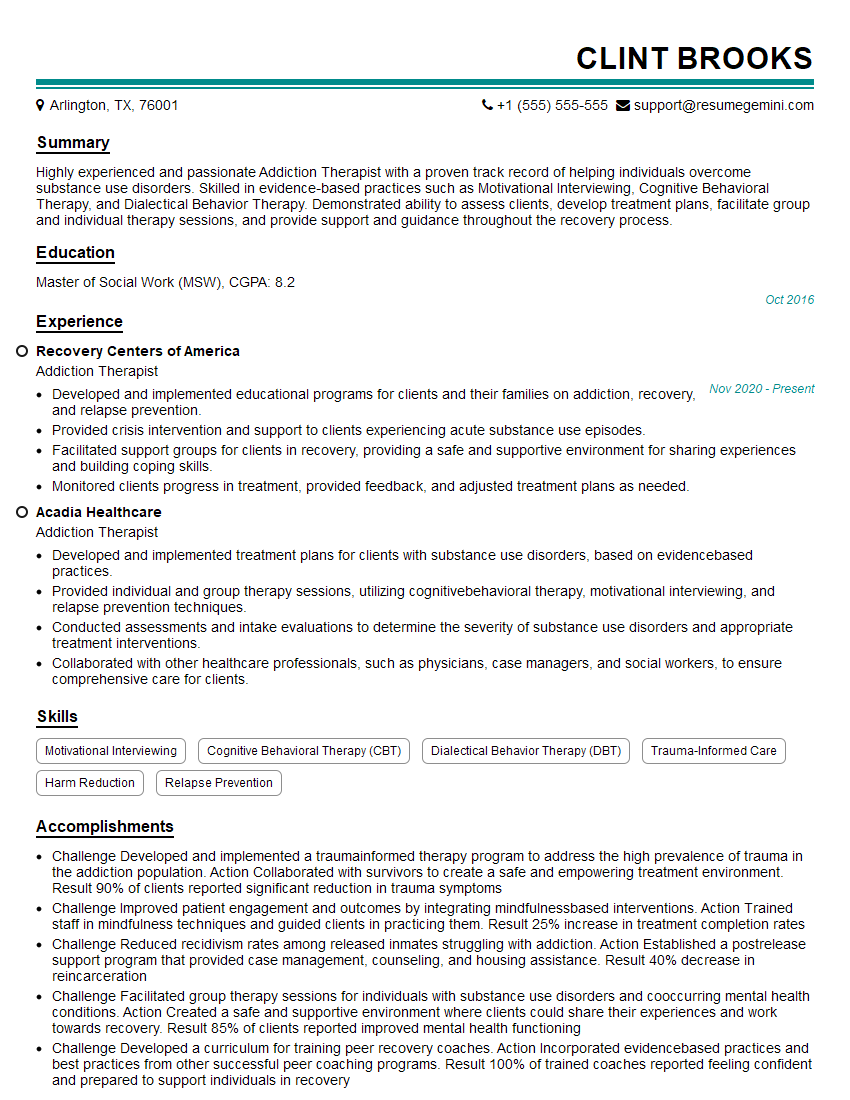
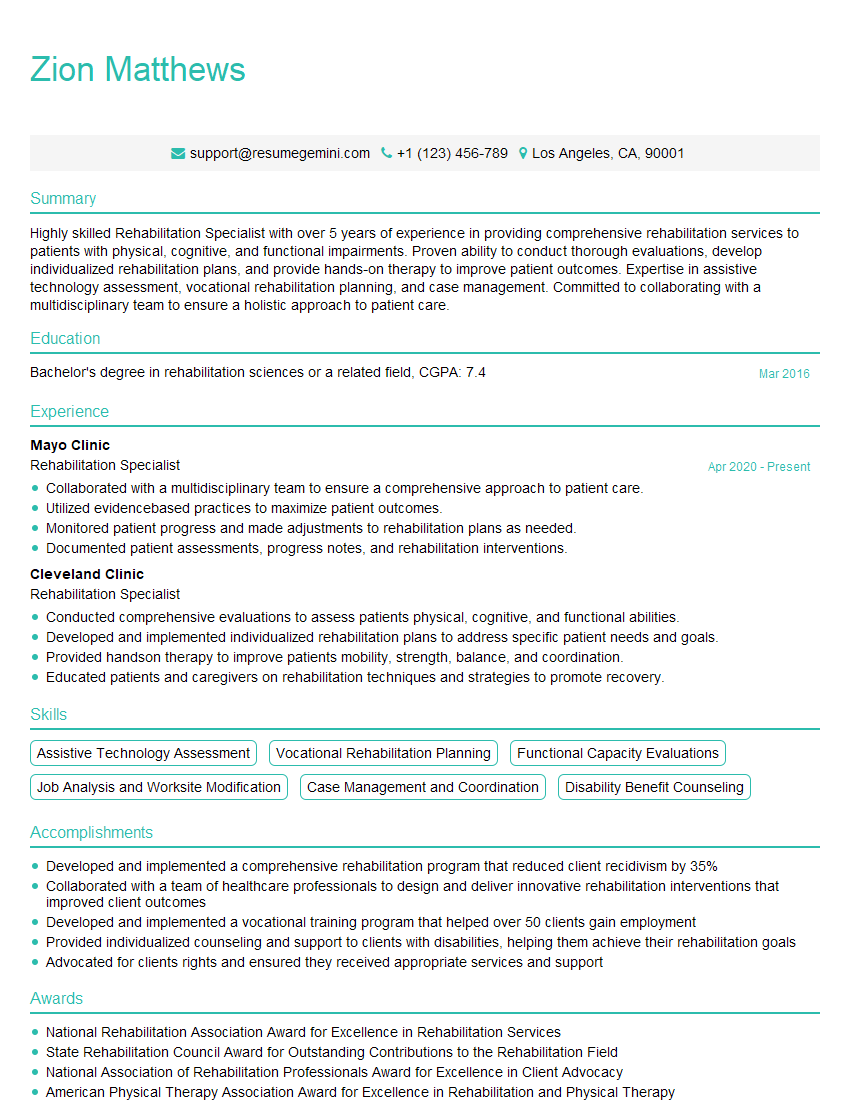
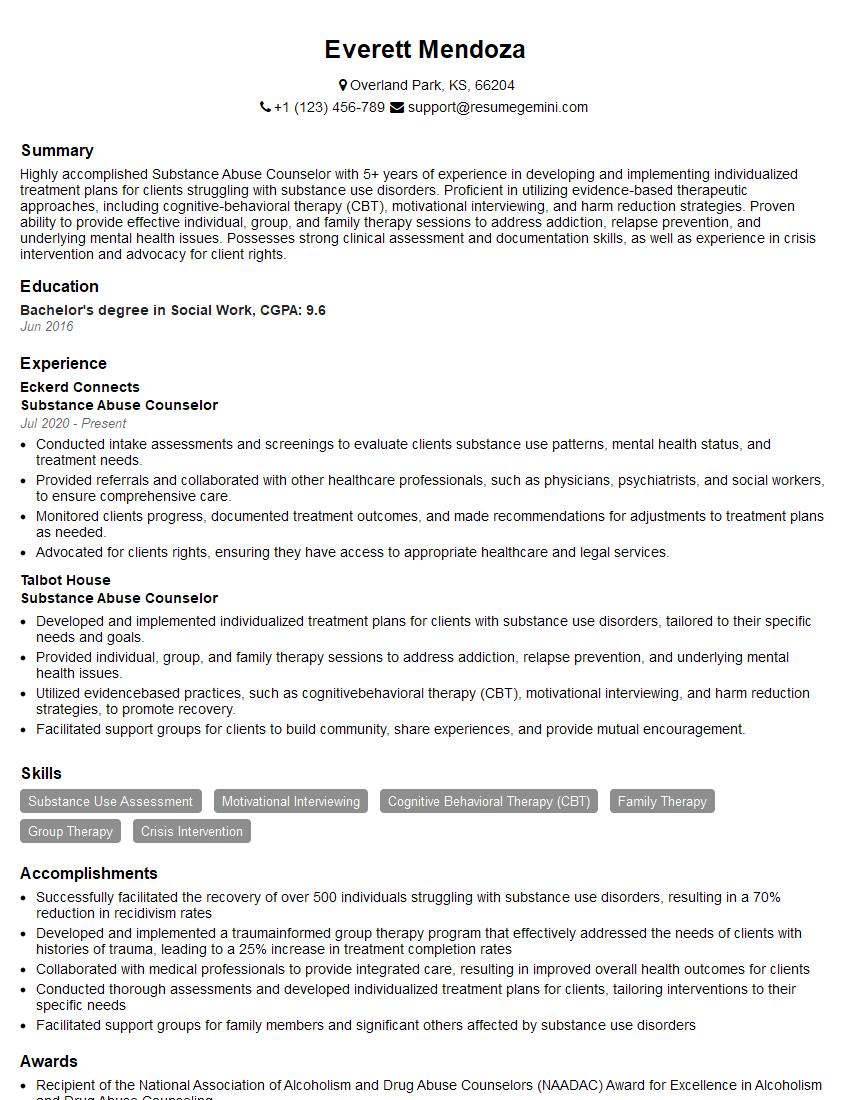
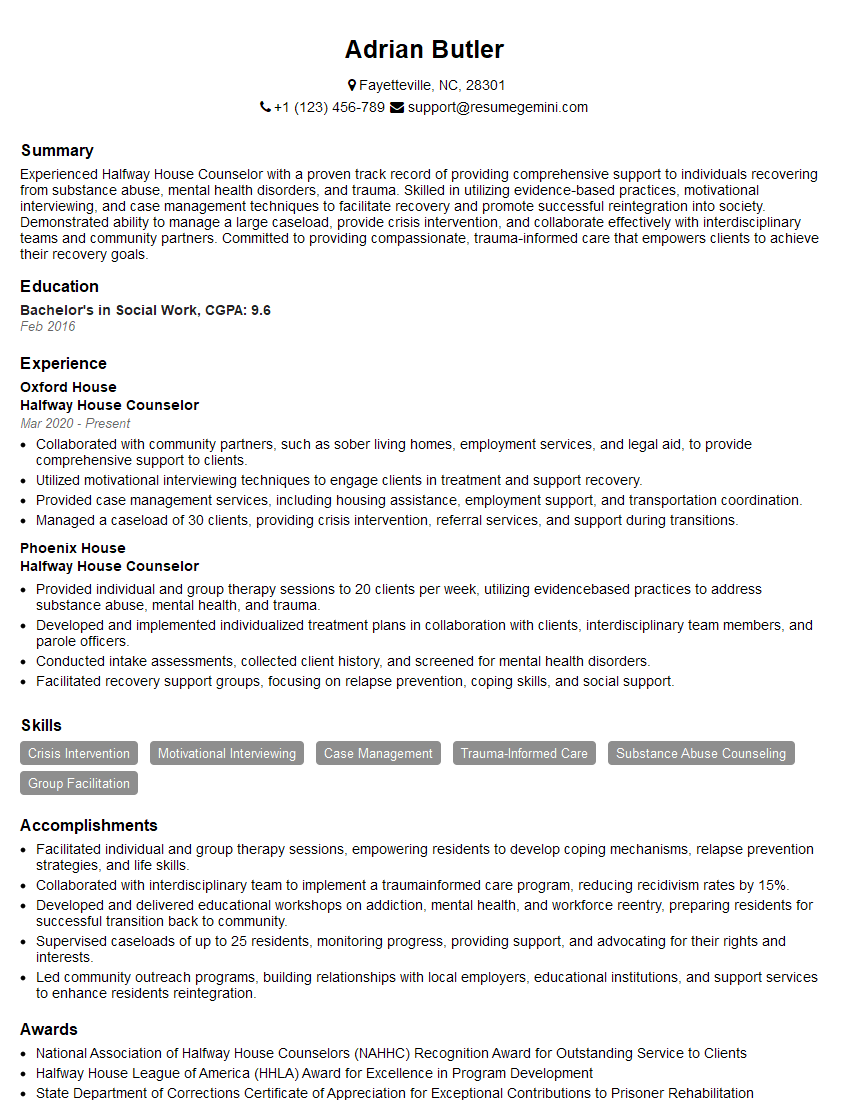
Mastering Addiction Recovery Support principles is crucial for career advancement in this growing field. Demonstrating a strong understanding of these concepts will significantly enhance your interview performance and job prospects. Creating an ATS-friendly resume is essential for getting your application noticed by employers. We highly recommend using ResumeGemini to build a professional and impactful resume that highlights your skills and experience. ResumeGemini offers examples of resumes specifically tailored to the Addiction Recovery Support field to help you craft a compelling application.
Explore more articles
Users Rating of Our Blogs
Share Your Experience
We value your feedback! Please rate our content and share your thoughts (optional).
What Readers Say About Our Blog
To the interviewgemini.com Webmaster.
Very helpful and content specific questions to help prepare me for my interview!
Thank you
To the interviewgemini.com Webmaster.
This was kind of a unique content I found around the specialized skills. Very helpful questions and good detailed answers.
Very Helpful blog, thank you Interviewgemini team.