Cracking a skill-specific interview, like one for Advocacy for Health and Wellness, requires understanding the nuances of the role. In this blog, we present the questions you’re most likely to encounter, along with insights into how to answer them effectively. Let’s ensure you’re ready to make a strong impression.
Questions Asked in Advocacy for Health and Wellness Interview
Q 1. Describe your experience advocating for specific health policies.
My advocacy experience centers around improving access to preventative healthcare, specifically focusing on childhood immunizations and addressing maternal health disparities. I’ve been directly involved in lobbying efforts at both the state and local levels. For instance, I worked with a coalition of organizations to successfully advocate for legislation that increased funding for vaccination programs in underserved communities. This involved crafting compelling policy briefs, presenting data to legislators, and building relationships with key decision-makers. Another successful campaign focused on expanding access to postpartum care for low-income mothers. This involved collaborating with healthcare providers, community leaders, and public health officials to develop a comprehensive strategy that included expanding Medicaid coverage and establishing community-based support programs. These experiences have honed my skills in policy analysis, stakeholder engagement, and coalition building.
Q 2. How would you measure the success of a health advocacy campaign?
Measuring the success of a health advocacy campaign requires a multi-faceted approach. It’s not simply about achieving legislative wins, but about real-world impact on the target population. We use a combination of quantitative and qualitative methods. Quantitative measures include tracking changes in key indicators such as vaccination rates, rates of disease prevalence, hospital readmissions, and healthcare access. For example, if we’re advocating for increased access to mental health services, we’d track changes in the number of people seeking and receiving treatment. Qualitative measures involve gathering data through surveys, focus groups, and interviews with community members to understand their experiences and perspectives. This helps assess the campaign’s impact on attitudes, behaviors, and overall well-being. Success is also measured by changes in policy, increased funding secured, and the sustainability of interventions put in place. We always strive to create a clear theory of change, mapping out the anticipated impact of our advocacy efforts and using that map to guide our measurement strategy.
Q 3. Explain your understanding of health disparities and inequities.
Health disparities refer to preventable differences in the burden of disease, injury, violence, or opportunities to achieve optimal health that are experienced by socially disadvantaged populations. Health inequities are the systematic and unjust distribution of these disparities. These disparities are not simply the result of individual choices but are rooted in broader social, economic, and environmental factors such as poverty, lack of access to quality education and healthcare, systemic racism, and discrimination. For example, higher rates of diabetes among certain racial groups are often linked to a complex interplay of factors including limited access to healthy food options, lack of safe spaces for physical activity, and historical disadvantages in healthcare access. Addressing these inequities requires a holistic approach that considers the social determinants of health and aims to create a more equitable system that provides everyone with equal opportunities to achieve optimal health.
Q 4. What strategies would you use to engage diverse community groups in health initiatives?
Engaging diverse community groups requires a culturally sensitive and participatory approach. We begin by building trust and establishing relationships with community leaders and organizations. This involves actively listening to community needs and concerns, rather than imposing pre-conceived solutions. We utilize culturally appropriate communication strategies, including utilizing multiple languages, visual aids, and community-based events. Our strategies include:
- Community-Based Participatory Research (CBPR): Partnering with community members to design and implement research projects that address their specific concerns.
- Targeted Outreach: Utilizing culturally relevant channels, such as community centers, places of worship, and local media.
- Community Health Workers (CHWs): Employing CHWs from within the community to build trust and facilitate access to services.
- Building Coalitions: Collaborating with diverse organizations to amplify our reach and impact.
Q 5. How do you prioritize competing health advocacy needs?
Prioritizing competing health advocacy needs involves a strategic assessment of urgency, impact, and feasibility. We utilize a framework that considers:
- Urgency: Which issues pose the most immediate threat to public health?
- Impact: Which issues will have the greatest impact on the largest number of people?
- Feasibility: Which issues are most likely to be addressed successfully given available resources and political context?
Q 6. Describe your experience working with stakeholders in a healthcare setting.
My experience working with stakeholders in healthcare encompasses collaboration with a wide range of individuals and organizations, including healthcare providers, government agencies, community organizations, and insurers. I’ve learned the importance of building consensus and fostering collaborative relationships. For example, during a campaign to improve access to mental health services for children, I worked closely with pediatricians, school administrators, and mental health professionals to develop a comprehensive strategy involving early screening in schools, community-based support groups, and increased access to therapy. This required open communication, respectful dialogue, and a willingness to compromise to achieve a common goal. Building trust is crucial, along with transparent communication and clear articulation of goals and strategies.
Q 7. How would you address resistance from stakeholders to a proposed health initiative?
Addressing stakeholder resistance requires a thoughtful and strategic approach. We start by understanding the source of resistance. Is it based on misinformation, lack of trust, competing priorities, or concerns about resource allocation? We approach this with open dialogue, actively listening to concerns and addressing them through evidence-based arguments and clear communication. We may need to tailor our message to resonate with specific stakeholders’ concerns. For instance, if financial concerns are raised, we present cost-benefit analyses or explore potential funding solutions. If there are concerns about the feasibility of implementation, we collaboratively develop a phased approach. If the resistance stems from a lack of understanding, we provide educational materials and opportunities for clarification. Building strong relationships and demonstrating a commitment to collaboration are crucial for overcoming resistance and building consensus. In some cases, engaging a neutral third party mediator may prove beneficial.
Q 8. Describe your experience with health data analysis and interpretation.
My experience with health data analysis and interpretation involves a multi-faceted approach. It begins with understanding the context of the data – its source, collection methods, and potential biases. I’m proficient in using statistical software like R and SPSS to analyze various datasets, including epidemiological studies, patient records (with appropriate anonymization and ethical considerations), and public health reports. For example, I recently analyzed a dataset on childhood obesity rates in a specific region, identifying socioeconomic disparities and informing targeted intervention strategies. This involved not only running statistical tests like regression analysis to identify correlations, but also visualizing the data through charts and graphs to effectively communicate the findings to stakeholders. Beyond the technical skills, I’m adept at interpreting the results, drawing meaningful conclusions, and translating complex statistical findings into actionable insights for policy recommendations or program development.
Q 9. How would you utilize evidence-based practices to guide your advocacy work?
Evidence-based practices are the cornerstone of my advocacy work. This means relying on credible, peer-reviewed research and data to inform my strategies and arguments. For instance, when advocating for increased funding for mental health services, I wouldn’t simply rely on anecdotal evidence; I would present robust data on the prevalence of mental illness, the effectiveness of different interventions, and the economic impact of untreated mental health conditions. I utilize systematic reviews, meta-analyses, and randomized controlled trials to identify the most effective approaches. Furthermore, I ensure transparency by clearly citing my sources and acknowledging limitations in the available evidence. This approach strengthens my credibility and increases the likelihood of policy changes based on sound scientific evidence.
Q 10. What communication methods do you employ to disseminate health information?
Disseminating health information requires a multi-channel approach tailored to the target audience. I utilize various communication methods, including:
- Public speaking: Presenting at conferences, community events, and legislative hearings.
- Written communication: Drafting policy briefs, reports, and articles for professional journals and public platforms.
- Social media: Utilizing platforms like Twitter and Facebook to share concise, easily digestible information and engage in discussions.
- Website and blogs: Creating informative content accessible to a broad audience.
- Collaborations: Working with journalists, healthcare providers, and community organizations to amplify the message and reach broader audiences.
For example, I recently used infographics to explain complex health information about vaccination efficacy to combat misinformation on social media.
Q 11. How would you advocate for a specific patient’s needs within a complex healthcare system?
Advocating for a patient within a complex healthcare system often involves navigating bureaucratic hurdles and coordinating care across multiple providers. My approach involves:
- Understanding the patient’s needs and goals: This is the first and most crucial step, involving active listening and empathy.
- Gathering relevant medical information: Obtaining necessary records, lab results, and consultation notes.
- Identifying appropriate resources: Connecting the patient with specialists, social workers, financial assistance programs, and other support services.
- Navigating insurance and billing procedures: Assisting with claims, appeals, and negotiations to ensure access to care.
- Advocating with healthcare providers: Clearly communicating the patient’s needs and preferences to physicians, nurses, and hospital administrators. This might involve mediating disputes or escalating concerns to higher authorities when necessary.
For instance, I once helped a patient access specialized treatment by navigating the complex approval process of a specific experimental drug program.
Q 12. Describe a situation where you had to compromise to achieve a health advocacy goal.
During a campaign to improve access to affordable medications, I faced a situation requiring compromise. Initially, our goal was to achieve universal price controls on all essential medicines. However, after extensive negotiations with pharmaceutical companies and lawmakers, we realized that this was politically unrealistic in the short term. We compromised by focusing on a phased approach: implementing price controls on a select group of essential medicines, prioritizing those with the greatest public health impact, while simultaneously advocating for long-term structural reforms to ensure more affordable access. Although not achieving our initial goal completely, the compromise secured significant improvements in access to life-saving medications for many patients in the immediate term and laid the groundwork for future broader reforms.
Q 13. How would you develop a health education program targeting a specific population?
Developing a health education program starts with a thorough needs assessment of the target population. For example, to design a program addressing diabetes prevention among low-income seniors, I would conduct surveys, focus groups, and interviews to understand their health literacy levels, existing knowledge about diabetes, access to resources, and cultural beliefs. The program would then incorporate culturally sensitive educational materials, accessible delivery methods (e.g., community workshops, online resources), and incentives to encourage participation. The curriculum would focus on evidence-based strategies for diabetes prevention, emphasizing practical skills such as healthy cooking, physical activity, and blood sugar monitoring. Regular evaluations and feedback mechanisms would be built into the program to assess its effectiveness and make necessary adjustments. This iterative process is critical for ensuring the program remains relevant and impactful.
Q 14. What ethical considerations guide your approach to health advocacy?
My approach to health advocacy is guided by several key ethical considerations:
- Beneficence and Non-maleficence: I strive to act in the best interests of my patients and the broader community, avoiding actions that could cause harm.
- Respect for Autonomy: I prioritize the patient’s right to make informed decisions about their own health, even if those decisions differ from my recommendations.
- Justice and Equity: I advocate for equitable access to healthcare for all individuals, regardless of their socioeconomic status, race, ethnicity, or other factors.
- Transparency and Honesty: I ensure that all communication is clear, accurate, and unbiased. I clearly disclose any potential conflicts of interest.
- Confidentiality: I protect the privacy of patients and their health information.
These principles inform all my actions, from data analysis and policy recommendations to community outreach and collaborations with other stakeholders.
Q 15. Explain your experience with grant writing or fundraising for health initiatives.
Grant writing and fundraising are crucial for securing resources for health initiatives. My experience spans over eight years, encompassing the entire grant lifecycle – from identifying funding opportunities and crafting compelling proposals to managing awarded grants and reporting on outcomes. I’ve successfully secured funding from diverse sources, including private foundations (like the Robert Wood Johnson Foundation and the Kaiser Permanente Community Benefit Program), government agencies (such as the NIH and CDC), and corporate sponsors. For example, I led the effort to secure a $500,000 grant from a private foundation to support a community-based diabetes prevention program. This involved extensive research to align our program with the funder’s priorities, developing a robust budget, and crafting a persuasive narrative highlighting the program’s impact potential. Successful grant writing relies heavily on understanding the funder’s mission and aligning your project accordingly, rigorously researching similar projects and their funding, and presenting a clear and concise plan with measurable outcomes. Following grant award, diligent financial management and timely reporting are vital for maintaining positive relationships with funders and securing future opportunities.
Career Expert Tips:
- Ace those interviews! Prepare effectively by reviewing the Top 50 Most Common Interview Questions on ResumeGemini.
- Navigate your job search with confidence! Explore a wide range of Career Tips on ResumeGemini. Learn about common challenges and recommendations to overcome them.
- Craft the perfect resume! Master the Art of Resume Writing with ResumeGemini’s guide. Showcase your unique qualifications and achievements effectively.
- Don’t miss out on holiday savings! Build your dream resume with ResumeGemini’s ATS optimized templates.
Q 16. How would you manage conflict amongst stakeholders in a health advocacy project?
Managing conflict among stakeholders is an inevitable part of health advocacy. My approach emphasizes proactive communication and collaborative problem-solving. I begin by clearly defining each stakeholder’s interests and concerns. This often involves individual meetings to understand perspectives, followed by facilitated group discussions using collaborative techniques such as brainstorming and conflict resolution models. For example, I once facilitated a dialogue between a community group concerned about a new hospital’s impact on local businesses and the hospital administration worried about meeting operational deadlines. Through structured dialogue and emphasizing shared goals – improving community health – we identified compromises that satisfied all parties. If direct negotiation fails, I’m skilled in mediating using techniques like interest-based bargaining and focusing on the underlying issues rather than personalities. Documentation of agreements and clear communication plans are crucial for lasting conflict resolution.
Q 17. How would you assess the health literacy needs of a community?
Assessing health literacy involves understanding a community’s ability to access, understand, and use health information to make informed decisions. My assessment approach is multifaceted and employs both quantitative and qualitative methods. Quantitative methods include surveys using validated health literacy scales (like the REALM-SF or Newest Vital Sign) to measure reading comprehension and numeracy skills within the target population. Qualitative methods involve focus groups and individual interviews to explore how community members access and interpret health information, identify barriers to understanding, and uncover their preferred communication channels. For instance, in assessing a rural community’s health literacy, I combined a survey with focus groups to understand their access to reliable health information (e.g., internet access, local health clinics), their comfort level with medical jargon, and their preferred methods for receiving health updates (e.g., pamphlets, radio announcements, community meetings). This mixed-methods approach provides a comprehensive picture of the community’s health literacy landscape, informing tailored interventions.
Q 18. How familiar are you with relevant health legislation and regulations?
I possess a strong understanding of relevant health legislation and regulations, including HIPAA (Health Insurance Portability and Accountability Act), the Affordable Care Act (ACA), and state-specific regulations related to public health and healthcare access. I regularly monitor updates and changes in legislation impacting health advocacy, ensuring our programs remain compliant. My knowledge extends to understanding the legal frameworks governing healthcare data privacy, insurance coverage, and the provision of public health services. I can effectively interpret and apply these regulations to our projects, ensuring ethical and legal compliance. This includes understanding the implications of data privacy regulations when collecting and analyzing community health data, ensuring informed consent protocols are followed in research initiatives, and navigating legal requirements for healthcare access advocacy. Keeping abreast of these changes requires continuous professional development and engagement with relevant legal resources and professional networks.
Q 19. What is your understanding of the social determinants of health?
The social determinants of health (SDOH) are the conditions in which people are born, grow, live, work, and age that affect their health outcomes. They encompass a broad range of factors, including economic stability, education access, social and community context, healthcare access, and neighborhood and built environment. Understanding SDOH is crucial for effective health advocacy. For example, addressing health disparities in a low-income neighborhood might require interventions targeting affordable housing, access to nutritious food, and transportation to healthcare facilities, rather than focusing solely on clinical interventions. My work always considers SDOH and seeks to address underlying societal factors that contribute to health inequities. A successful health advocacy strategy must account for the interplay of these determinants and develop holistic solutions that address the root causes of health problems.
Q 20. Describe your experience with health communication strategies targeting specific audiences.
I have extensive experience developing and implementing health communication strategies tailored to specific audiences. This involves understanding the unique characteristics, needs, and preferences of different populations (e.g., age, ethnicity, socioeconomic status, literacy level). For example, when targeting older adults about preventative health screenings, I’d leverage simpler language, larger fonts, and multiple communication channels including in-person events and mailers, while a campaign for young adults on substance abuse prevention might utilize social media, influencer partnerships, and interactive online tools. Effective communication requires understanding the audience’s information processing abilities, using appropriate channels, and presenting information in an engaging and accessible format. My approach always includes formative research to understand audience needs and evaluate the effectiveness of our messages, incorporating feedback throughout the process. I’m proficient in designing clear, concise, and culturally sensitive messages using various media formats.
Q 21. How familiar are you with various health advocacy organizations and their missions?
I am familiar with a wide range of health advocacy organizations, both national and international, including the American Public Health Association (APHA), the American Heart Association (AHA), the Centers for Disease Control and Prevention (CDC), and the World Health Organization (WHO). I understand their missions, programs, and approaches to advocacy. This knowledge helps me identify potential collaborators, access resources, and leverage best practices in our work. For instance, I collaborated with the local chapter of the AHA on a community-based hypertension awareness program, utilizing their expertise in cardiovascular health and their established networks within the community. Staying updated on the activities and publications of these organizations allows me to remain informed about current health issues, emerging trends, and effective advocacy strategies.
Q 22. Describe your approach to building coalitions and partnerships for health advocacy.
Building effective coalitions for health advocacy requires a strategic and collaborative approach. My method centers around identifying key stakeholders – individuals, organizations, and communities – whose interests align with the advocacy goal. This involves thorough research to understand the landscape, including identifying potential partners’ strengths, weaknesses, and potential conflicts of interest.
I then initiate contact, focusing on building relationships based on mutual respect and trust. This often involves face-to-face meetings, presentations outlining shared goals, and open dialogue to address concerns. Once a core group is formed, I facilitate collaborative planning, leveraging each partner’s expertise to develop a comprehensive strategy. This includes defining roles, responsibilities, and communication protocols. Regular meetings, transparent communication, and conflict resolution strategies are crucial for maintaining cohesion and momentum. For example, in a campaign advocating for increased access to mental health services, I would collaborate with mental health professionals, patient advocacy groups, policymakers, and community leaders to leverage their individual expertise and reach.
- Stakeholder Analysis: Thoroughly researching and mapping all relevant stakeholders.
- Relationship Building: Prioritizing trust and communication through open dialogue and collaboration.
- Shared Vision: Developing a unified strategy and action plan based on shared goals.
- Resource Sharing: Leveraging the resources and expertise of all partners.
- Conflict Resolution: Establishing clear protocols for addressing disagreements and maintaining collaboration.
Q 23. How would you utilize technology to enhance health advocacy efforts?
Technology is an indispensable tool for modern health advocacy. I leverage technology in several key ways:
- Social Media Engagement: Utilizing platforms like Twitter, Facebook, and Instagram to raise awareness, mobilize support, and disseminate information. This involves creating engaging content, tracking campaign performance, and engaging in conversations with relevant audiences. For example, using targeted ads on Facebook to reach specific demographics interested in a particular health issue.
- Data Analysis: Employing data analytics tools to monitor campaign effectiveness, identify trends in public health issues, and tailor advocacy strategies based on evidence. This might involve analyzing social media sentiment or using epidemiological data to inform policy recommendations.
- Online Petitioning and Fundraising: Utilizing online platforms to collect signatures for petitions, raise funds for advocacy efforts, and build online communities around specific health issues. Platforms like Change.org provide easy-to-use tools for these activities.
- Website and Email Marketing: Building a website to centralize information, create a resource hub, and facilitate communication with stakeholders through email newsletters and targeted email campaigns.
Furthermore, I actively explore and adapt to new technologies that enhance communication, data collection, and engagement. This includes exploring the use of virtual reality for immersive health education and using AI-powered tools for sentiment analysis and public opinion research.
Q 24. How would you address health misinformation or disinformation?
Combating health misinformation requires a multi-pronged approach focusing on education, counter-narratives, and media literacy. I would:
- Promote Media Literacy: Educate the public on how to identify credible sources of health information, understand biases, and critically evaluate online content. This involves workshops, online resources, and campaigns highlighting critical thinking skills.
- Develop and Disseminate Accurate Information: Create and share fact-checked, evidence-based information through trusted channels such as public health organizations, medical professionals, and reputable media outlets. This includes using simple language and visuals to make complex health information accessible to a broad audience.
- Collaborate with Fact-Checkers and Social Media Platforms: Partner with organizations dedicated to debunking health misinformation and work with social media platforms to flag and remove harmful content. This requires building strong relationships with these key stakeholders.
- Address Misinformation at the Source: Identify the sources and spreaders of misinformation and develop strategies to counter their narratives. This could involve targeted communication campaigns or collaborative fact-checking initiatives.
- Engage with Skeptical Communities: Work with communities and individuals who are resistant to accepting accurate information. This requires understanding the roots of their skepticism and tailoring communication approaches to build trust and provide credible, relevant information.
It’s crucial to approach this issue with empathy and understanding, recognizing the emotional and social factors that can contribute to the spread of misinformation.
Q 25. Describe your experience in developing and implementing a health advocacy strategy.
In my previous role at [Previous Organization Name], I spearheaded a successful campaign advocating for increased funding for community health clinics serving underserved populations. The strategy involved three key phases:
- Needs Assessment and Research: We conducted extensive research to document the need for increased funding, highlighting data on patient volume, unmet needs, and the positive impact of the clinics on community health outcomes.
- Stakeholder Engagement: We engaged with policymakers at the local and state levels, community leaders, healthcare professionals, and patients to build support for the campaign. This included organizing meetings, providing testimony at legislative hearings, and building relationships with key decision-makers.
- Public Awareness Campaign: We launched a public awareness campaign using social media, traditional media outreach, and community events to raise awareness of the issue and mobilize public support for increased funding. This resulted in a significant increase in funding for these crucial clinics.
This campaign successfully leveraged data, community engagement, and strategic communications to achieve its policy goals. We meticulously tracked our progress and adapted our strategies as needed based on ongoing analysis and feedback.
Q 26. What are your salary expectations for this health advocacy position?
My salary expectations for this position are in the range of $[Lower Bound] to $[Upper Bound] annually, depending on the specific responsibilities and benefits package offered. This range is based on my experience, skills, and the current market rate for similar positions.
Q 27. What are your long-term career goals in health advocacy?
My long-term career goals in health advocacy include leading and mentoring teams to achieve significant improvements in population health. I aspire to hold a leadership position within a prominent health advocacy organization or government agency where I can shape policy and make a lasting impact on health equity and access to care. I am particularly interested in furthering my expertise in [Specific Area of Interest within Health Advocacy], potentially through advanced studies or specialized training.
Q 28. What are your strengths and weaknesses as a health advocate?
My strengths as a health advocate include my strong analytical skills, exceptional communication abilities, and proven track record of building successful coalitions. I am highly organized, detail-oriented, and possess a deep commitment to social justice. I excel at translating complex data into clear and persuasive narratives.
One area for development is my delegation skills, particularly in high-pressure environments. I am actively working to improve my ability to delegate effectively while maintaining a high level of quality control. This includes actively seeking mentorship and engaging in leadership training programs.
Key Topics to Learn for Advocacy for Health and Wellness Interview
- Health Equity and Disparities: Understanding social determinants of health, health inequalities, and developing culturally competent advocacy strategies.
- Policy Analysis and Development: Analyzing health policies, identifying gaps and opportunities, and crafting effective advocacy campaigns to influence policy change. This includes understanding the legislative process and building coalitions.
- Community Engagement and Collaboration: Building relationships with community stakeholders, identifying community needs, and mobilizing communities around health issues. This involves effective communication and collaboration skills.
- Health Communication and Messaging: Crafting compelling narratives, using data to support arguments, and tailoring messages to different audiences. This includes understanding different communication channels and their effectiveness.
- Program Planning and Evaluation: Designing and implementing health programs, measuring program impact, and using data to inform future advocacy efforts. This includes developing measurable goals and objectives.
- Advocacy Strategies and Tactics: Utilizing various advocacy techniques, such as lobbying, grassroots mobilization, media outreach, and public awareness campaigns. Understanding ethical considerations is crucial.
- Data Analysis and Interpretation: Using epidemiological data, health statistics, and research findings to support advocacy efforts and demonstrate the impact of interventions. This includes understanding data visualization techniques.
- Fundraising and Resource Mobilization: Identifying funding sources, writing grant proposals, and managing budgets to support advocacy initiatives.
Next Steps
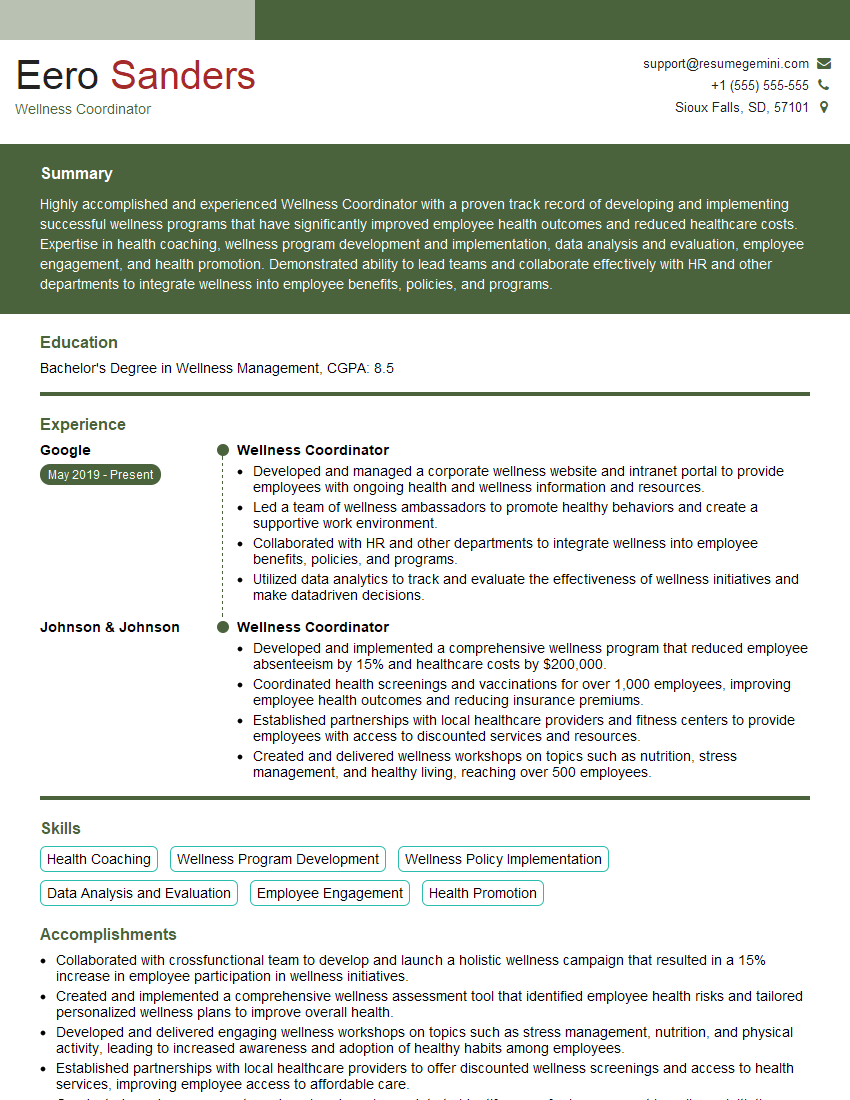
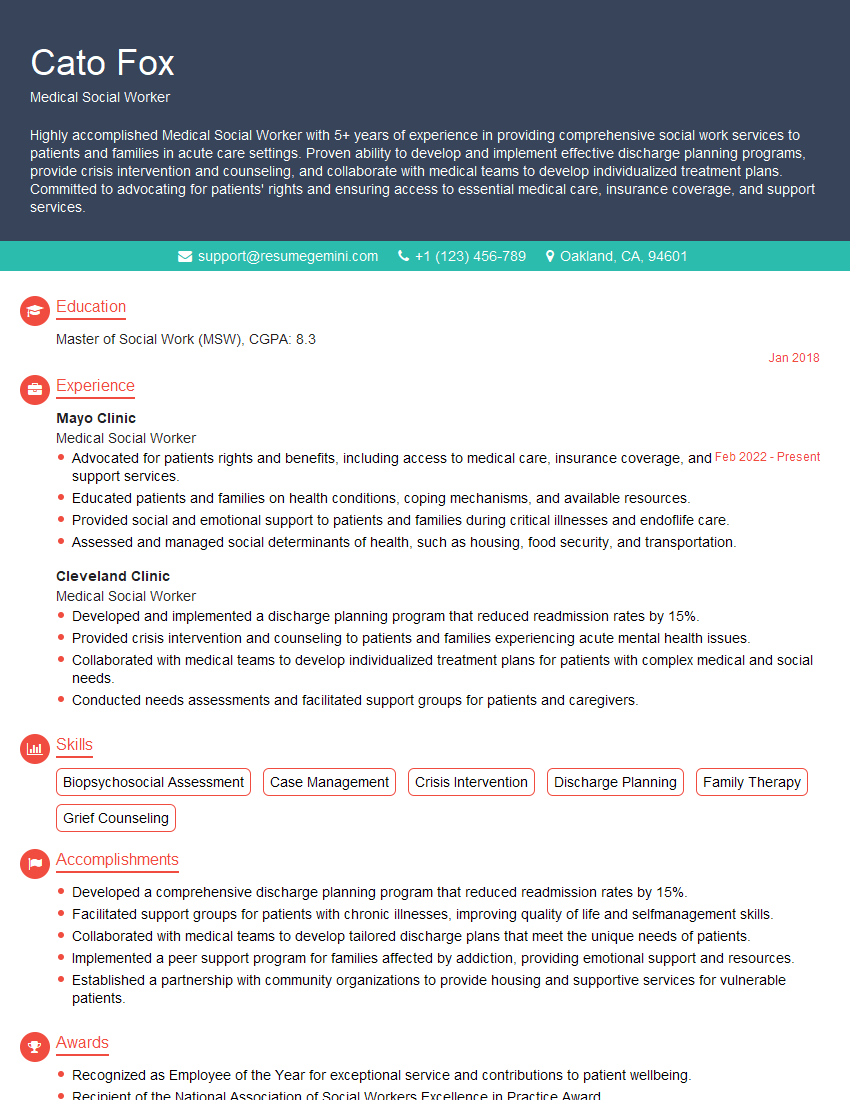
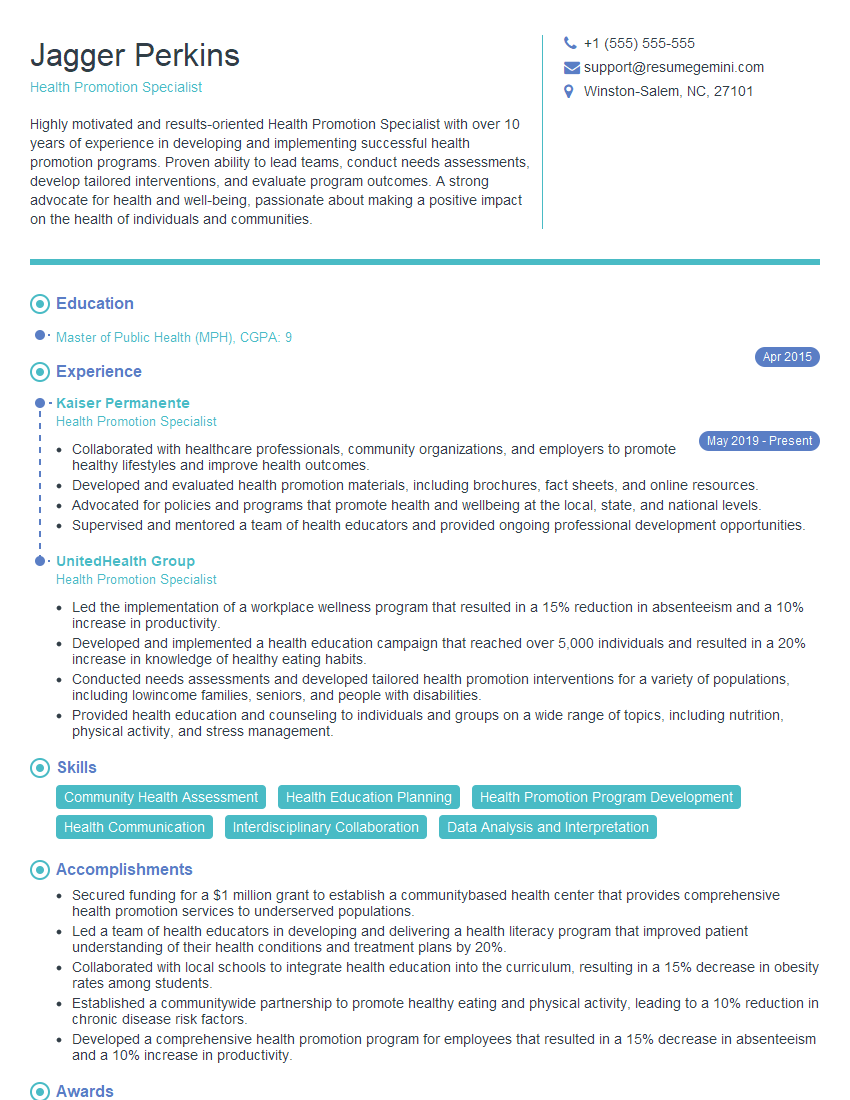
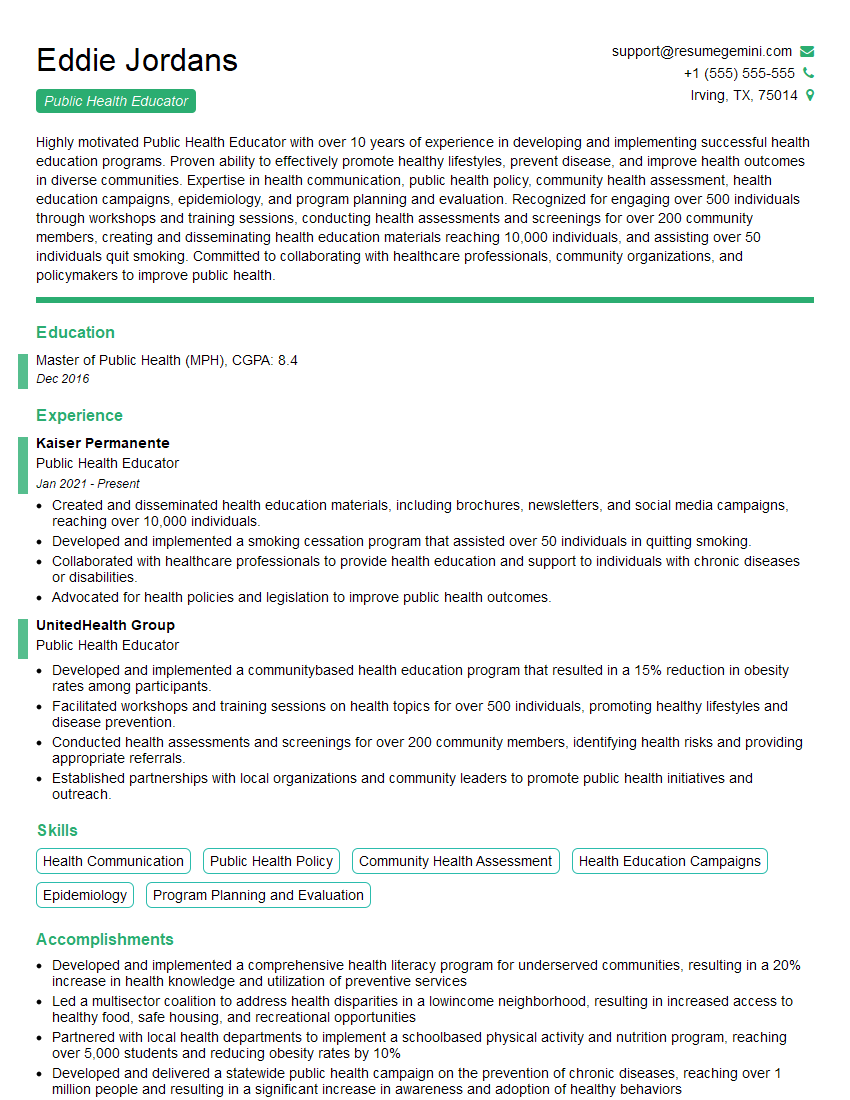
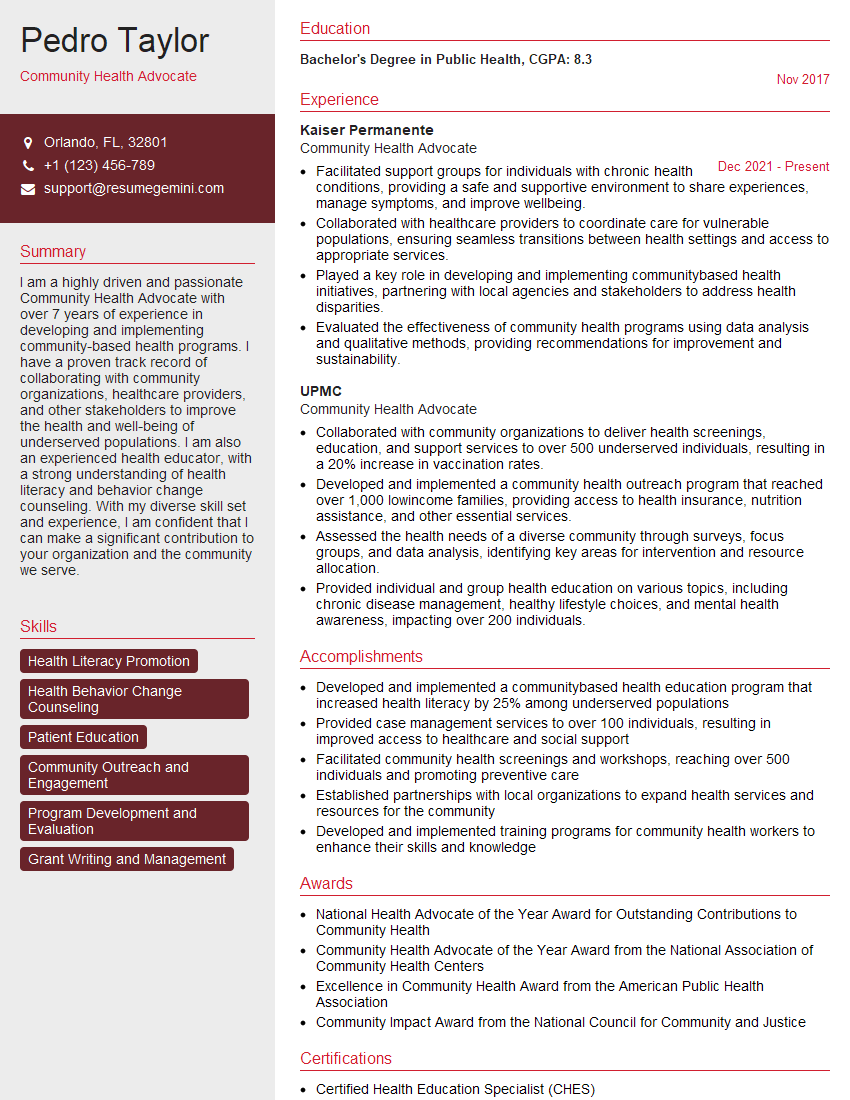
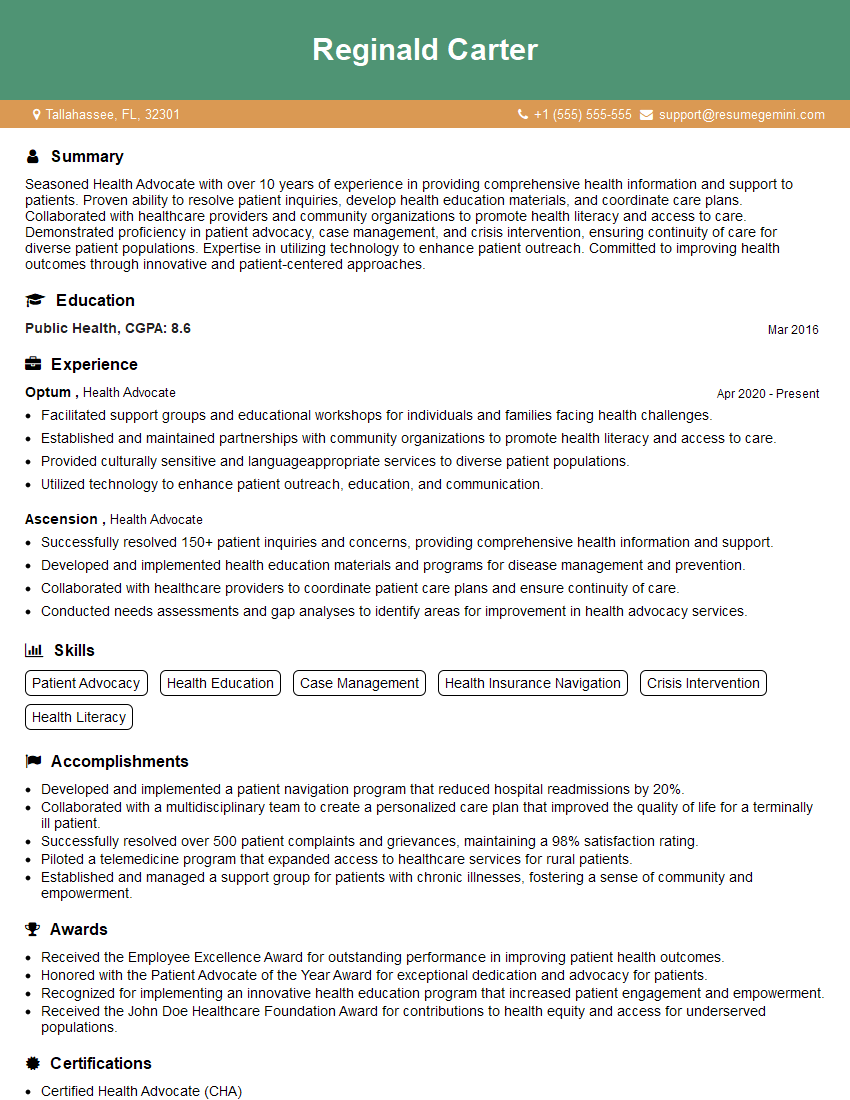
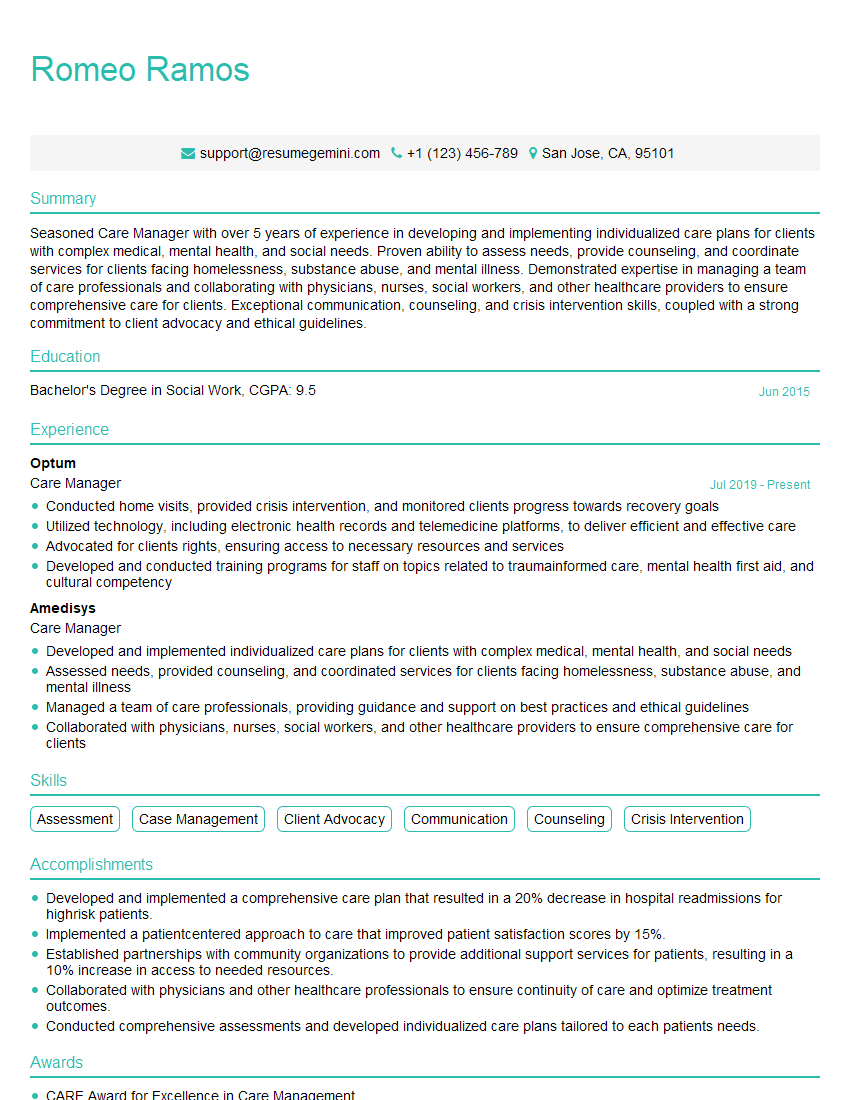
Mastering Advocacy for Health and Wellness opens doors to impactful careers where you can champion positive change. To significantly boost your job prospects, focus on crafting an ATS-friendly resume that highlights your skills and experience effectively. ResumeGemini is a trusted resource to help you build a professional and compelling resume that showcases your qualifications. We provide examples of resumes tailored to Advocacy for Health and Wellness to guide you through the process. Invest the time to create a strong resume—it’s your first impression on potential employers.

Explore more articles
Users Rating of Our Blogs
Share Your Experience
We value your feedback! Please rate our content and share your thoughts (optional).
What Readers Say About Our Blog
To the interviewgemini.com Webmaster.
Very helpful and content specific questions to help prepare me for my interview!
Thank you
To the interviewgemini.com Webmaster.
This was kind of a unique content I found around the specialized skills. Very helpful questions and good detailed answers.
Very Helpful blog, thank you Interviewgemini team.