Cracking a skill-specific interview, like one for Amputation and Prosthetics, requires understanding the nuances of the role. In this blog, we present the questions you’re most likely to encounter, along with insights into how to answer them effectively. Let’s ensure you’re ready to make a strong impression.
Questions Asked in Amputation and Prosthetics Interview
Q 1. Describe the different types of amputation.
Amputation, the surgical removal of a limb or part of a limb, is categorized in several ways. One key distinction is based on the level of amputation. For example, a transtibial amputation (below-knee) removes part of the lower leg, while a transfemoral amputation (above-knee) removes the entire lower leg and part of the thigh. Similarly, we have transradial (below-elbow) and transhumeral (above-elbow) amputations for the arm.
Another classification considers the surgical technique. A guillotine amputation, though rarely used now, involves a clean cut. In contrast, a myoplasty involves suturing muscle tissue over the bone end to create a more stable and pain-free residual limb. A osteoplasty might involve shaping the bone to improve prosthetic fitting. Finally, the reason for amputation (e.g., trauma, vascular disease, infection) also influences the type of procedure and the resulting residual limb.
- Level of Amputation: Transtibial, Transfemoral, Transradial, Transhumeral, etc.
- Surgical Technique: Guillotine, Myoplasty, Osteoplasty, etc.
- Cause of Amputation: Trauma, Vascular disease, Infection, Congenital
Q 2. Explain the process of prosthetic socket fabrication.
Fabricating a prosthetic socket is a meticulous process that ensures a comfortable and functional interface between the residual limb and the prosthesis. It begins with a thorough assessment of the residual limb, including its shape, volume, and any sensitive areas. Then, a negative model of the limb is created, typically using a plaster or silicone-based material. This model is a mirror image of the limb.
From the negative model, a positive model (a replica of the limb) is created. This model guides the socket’s construction. The socket is then carefully crafted, often using a combination of hand-finishing and computer-aided design/computer-aided manufacturing (CAD/CAM) techniques. The socket’s internal shape is designed to distribute pressure evenly across the residual limb, minimizing discomfort and improving comfort and stability. Multiple fittings are often necessary to achieve optimal fit and function. Finally, the socket undergoes rigorous quality control checks before being finalized and integrated with other prosthetic components.
Q 3. What are the various materials used in prosthetic construction?
Prosthetic construction utilizes a wide array of materials, chosen based on properties like strength, durability, weight, and cost-effectiveness. The socket itself might be made from various materials like polypropylene (a lightweight, durable thermoplastic), carbon fiber (for strength and lightweight construction), or urethane (for its shock-absorbing properties).
Other prosthetic components such as the liner (the interface between skin and the socket) can be made from silicone, or other specialized materials for better moisture management and cushioning. The joints might be made from high-strength metals like aluminum or titanium alloys, while the foot or hand might incorporate advanced materials such as carbon fiber composites or polymeric foams for realistic movement and weight bearing.
Q 4. Discuss the advantages and disadvantages of different prosthetic components.
The choice of prosthetic components involves trade-offs between various factors. For example, microprocessor-controlled knees offer advanced gait control and adaptability to various terrains. However, they are more expensive and complex to maintain than simpler passive knees. Passive knees are cost-effective and require minimal maintenance but lack the adaptability of microprocessor-controlled knees.
Similarly, body-powered hands rely on the user’s shoulder and elbow movements to operate, while externally powered hands offer more dexterity but require batteries and potentially more maintenance. The selection depends heavily on individual needs, activity levels, and budget. A patient with high activity levels might prioritize a more advanced, microprocessor-controlled knee and a myoelectric hand, while someone with less demanding needs might find a simpler, more cost-effective solution sufficient.
Q 5. How do you assess the suitability of a prosthetic design for a patient?
Assessing prosthetic suitability involves a holistic evaluation of the patient’s physical and psychological needs. We consider factors like the level and type of amputation, residual limb condition, overall health, activity level, and lifestyle. A thorough assessment includes the patient’s strength, range of motion, sensory feedback, and the presence of any comorbidities.
We also assess the patient’s goals and expectations for prosthetic use. A young, active individual might require a very different design than an older individual with a sedentary lifestyle. Patient education and participatory decision-making are essential. Consideration is also given to the patient’s cognitive function and ability to learn and use the prosthesis. Ultimately, the best design is one that maximizes functionality, comfort, and the patient’s overall quality of life.
Q 6. Explain the process of prosthetic fitting and alignment.
Prosthetic fitting and alignment is a crucial stage that requires precision and expertise. Once the socket is finalized, the liner and other components are integrated. The alignment of the prosthetic components (socket, knee, foot/ankle, etc.) is meticulously adjusted to ensure proper gait and weight-bearing. This process involves careful measurements and adjustments, often using specialized equipment to ensure proper alignment.
The process is iterative, requiring multiple fittings and adjustments to optimize comfort, function, and stability. Gait analysis might be employed to evaluate the patient’s walking pattern and make necessary adjustments. Following initial fitting, the prosthetist will work with the patient to address any issues, provide training on prosthesis use, and schedule follow-up appointments for adjustments and maintenance.
Q 7. Describe the different types of prosthetic suspension systems.
Prosthetic suspension systems maintain the prosthesis’s secure attachment to the residual limb. Various systems exist, each with its advantages and disadvantages. Suction suspension relies on the negative pressure created between the socket and the residual limb to hold the prosthesis in place. It’s comfortable but depends on a good residual limb shape and sufficient suction.
Sleeve suspensions involve a liner placed within the socket, providing a more comfortable interface. Pin suspension utilizes pins that connect the socket to the liner, which offers good security and allows for ease of donning and doffing. Total surface bearing sockets use close-fitting sockets that distribute pressure across the entire residual limb, further enhancing suspension and overall comfort. The choice of the best suspension system depends on many factors including residual limb condition, patient activity level, and personal preferences.
Q 8. How do you manage skin complications associated with prosthetic use?
Managing skin complications is paramount in prosthetic care, as they can significantly impact the patient’s comfort, prosthetic fit, and overall rehabilitation success. These complications range from minor irritations to serious infections. Prevention is key.
Regular Skin Inspections: Daily inspections of the residual limb are crucial to identify redness, swelling, blisters, or any signs of infection early on. We educate patients on what to look for and how to document their findings.
Proper Socket Fit: A well-fitting socket is the cornerstone of preventing skin breakdown. This involves meticulous measurements, appropriate material selection, and regular adjustments as needed. For example, we might use different liner materials depending on the patient’s activity level and skin sensitivity.
Hygiene: Maintaining excellent hygiene is vital. This includes regular washing of the residual limb with mild soap and water, careful drying, and using appropriate skin protectants as recommended. We often provide detailed instructions on proper cleaning techniques and product recommendations.
Socket Maintenance: Regular cleaning and maintenance of the prosthetic socket are crucial to prevent the buildup of moisture and bacteria. This also helps extend the life of the socket itself.
Addressing Specific Issues: When skin problems do occur, we address them promptly. This might involve treating minor irritations with topical creams, managing infections with antibiotics, or adjusting the socket to alleviate pressure points. Severe cases may require referral to a dermatologist or wound care specialist.
For example, I recently worked with a patient who developed a pressure sore due to an ill-fitting socket. By carefully adjusting the socket and using a specialized liner, we were able to heal the sore and restore comfort and prosthetic function.
Q 9. What are the common challenges in prosthetic rehabilitation?
Prosthetic rehabilitation presents numerous challenges, both physical and psychological. These can vary significantly depending on the individual, the type of amputation, and the level of support available.
Physical Challenges: These include achieving adequate prosthetic fit and comfort, managing pain (including phantom limb pain), developing strength and dexterity in the residual limb, and adapting to gait changes. The patient’s physical condition, prior activity level, and overall health significantly impact the process.
Psychological Challenges: Adjustment to body image changes, grief over limb loss, depression, and anxiety are common. These emotional challenges can affect a patient’s motivation and participation in rehabilitation.
Financial Challenges: Prosthetics and related therapies are expensive, which can create a significant barrier to access for some individuals.
Social Challenges: Returning to work, social activities, and relationships can pose difficulties. Patients may face social stigma or lack of accessibility in their environments.
For example, a patient might struggle with the weight and bulk of a new prosthesis, impacting their mobility and confidence. Or, a patient may experience phantom limb pain that significantly interferes with their ability to use the prosthesis.
Q 10. How do you address phantom limb pain in prosthetic patients?
Phantom limb pain (PLP), a common experience after amputation, is often described as pain in the missing limb. Its cause is not fully understood, but it’s thought to involve changes in the nervous system. Management requires a multi-faceted approach.
Medication: Pain relievers, antidepressants, and anticonvulsants can be effective in reducing PLP. We work closely with pain management specialists to tailor medication regimens to each patient’s needs.
Physical Therapy: Targeted exercises and therapies help improve range of motion, strengthen muscles, and improve overall function. Techniques like mirror therapy, where the patient observes their intact limb moving in a mirror, can also provide relief.
Psychological Therapies: Cognitive behavioral therapy (CBT) and other psychological interventions help patients cope with the emotional aspects of PLP and improve their overall well-being.
Nerve Blocks or Surgery: In some cases, more invasive interventions like nerve blocks or surgery may be considered to address the underlying nerve issues.
Transcutaneous Electrical Nerve Stimulation (TENS): This therapy uses mild electrical impulses to stimulate nerves and reduce pain.
For instance, a patient experiencing intense phantom limb pain might benefit from a combination of medication, physical therapy, and CBT to effectively manage their pain and improve their quality of life.
Q 11. Explain the role of a prosthetic team in patient care.
A prosthetic team is crucial for successful prosthetic rehabilitation. It’s a collaborative approach involving several professionals working together to meet the individual’s unique needs.
Prosthetist: Creates and fits the prosthetic device, making adjustments as necessary.
Physician (Surgeon, etc.): Provides medical management, overseeing the healing process and addressing any medical complications.
Physical Therapist: Develops and implements an exercise program to improve strength, range of motion, and gait.
Occupational Therapist: Helps the patient learn to use the prosthesis in everyday activities.
Psychologist or Counselor: Addresses the psychological and emotional challenges associated with amputation and prosthetic use.
The team communicates regularly to ensure that the patient receives comprehensive and coordinated care. Each team member contributes their expertise to maximize the patient’s rehabilitation outcomes. Regular team meetings and case reviews are essential to monitor progress, address any issues, and adjust the treatment plan accordingly.
Q 12. Discuss the importance of patient education in prosthetic rehabilitation.
Patient education is integral to successful prosthetic rehabilitation. Empowered patients are better equipped to actively participate in their treatment and achieve optimal outcomes. Education begins early in the process and continues throughout the rehabilitation journey.
Pre-Amputation Education: Informing patients about the amputation procedure, prosthetic options, and the rehabilitation process before surgery is critical in managing expectations and preparing them for what lies ahead.
Post-Amputation Education: This includes wound care, residual limb care, prosthesis care, and exercises to promote healing and strength. We use visual aids, written materials, and hands-on demonstrations to ensure clear understanding.
Ongoing Education: Regular follow-up appointments allow for continuous education on troubleshooting issues, adjusting the prosthesis, and addressing any concerns. We emphasize the importance of self-care and encourage patients to actively participate in their care.
For example, educating a patient about proper socket care, including cleaning and drying techniques, helps prevent skin breakdown and extends the prosthesis’ lifespan. Similarly, teaching a patient about exercises to strengthen their residual limb and improve their range of motion is key to maximizing function.
Q 13. How do you assess the success of prosthetic rehabilitation?
Assessing the success of prosthetic rehabilitation requires a holistic approach, considering both objective and subjective measures. Success is not solely defined by the ability to walk; it also encompasses the patient’s overall quality of life.
Functional Outcomes: We assess the patient’s ability to perform activities of daily living (ADLs), including walking, dressing, bathing, and working. This can involve objective measures, like gait analysis or timed tests.
Pain Management: Reduction or elimination of phantom limb pain and other pain is a crucial indicator of success.
Quality of Life: We consider the patient’s self-reported satisfaction with their prosthesis, their overall well-being, and their ability to participate in social and work activities. We use standardized questionnaires to measure quality of life.
Prosthesis Use: The frequency and duration of prosthesis use are also important indicators of success. We track the patient’s adherence to the treatment plan.
Skin Health: The absence of skin complications demonstrates proper fit and care.
A successful rehabilitation journey is one where the patient achieves their functional goals, experiences improved quality of life, and feels confident and comfortable using their prosthesis in daily life. For example, a successful outcome might involve a patient returning to work, participating in recreational activities, and feeling satisfied with their prosthetic limb.
Q 14. What are the ethical considerations in prosthetic care?
Ethical considerations in prosthetic care are paramount. We must prioritize the patient’s autonomy, well-being, and best interests.
Informed Consent: Patients must have a complete understanding of the risks and benefits of the prosthetic procedure and rehabilitation process before making decisions. We ensure they are fully informed and capable of making autonomous choices.
Access to Care: Ensuring equitable access to high-quality prosthetic care, regardless of socioeconomic status or geographic location, is a critical ethical concern. We advocate for policies and programs that promote accessibility.
Confidentiality: Maintaining patient confidentiality is essential, protecting sensitive medical information.
Resource Allocation: Fair allocation of limited resources, such as prosthetic devices and rehabilitation services, is essential. We must consider the needs of all patients and strive for equitable distribution of resources.
Truthfulness and Transparency: Honesty and transparency in communication with patients is crucial. We provide accurate information about expectations, risks, and limitations associated with prosthetic care.
For example, we might face ethical dilemmas when deciding which prosthetic option is best for a patient with limited resources. We would discuss various options and their limitations to make an informed decision together, always prioritizing the patient’s best interest. We might also need to address ethical challenges when a patient’s expectations are unrealistic, requiring honest and sensitive communication to manage their hopes and expectations.
Q 15. Describe the different types of orthotic devices.
Orthotic devices are external supports used to correct deformities, improve function, or prevent further damage to the musculoskeletal system. They come in various types, categorized by the body part they support and their function.
- Ankle-Foot Orthotics (AFOs): Support the ankle and foot, improving stability and gait. Examples include solid AFOs for significant instability and articulated AFOs allowing for more ankle motion.
- Knee Orthotics: Provide support and stability to the knee joint, often used after injury or for conditions like osteoarthritis. They range from simple hinged braces to complex, custom-made devices.
- Hip-Knee-Ankle-Foot Orthotics (HKAFOs): Offer extensive support, encompassing the hip, knee, ankle, and foot. They are often used for individuals with significant lower extremity weakness or paralysis.
- Wrist Orthotics: Immobilize or support the wrist, commonly used after fractures or for conditions like carpal tunnel syndrome. They vary in rigidity and design.
- Spinal Orthotics: Support the spine, correcting posture or providing stability. Examples include back braces, cervical collars, and thoracolumbosacral orthoses (TLSOs).
The choice of orthotic depends heavily on the patient’s specific needs and condition, requiring a thorough assessment by a qualified professional.
Career Expert Tips:
- Ace those interviews! Prepare effectively by reviewing the Top 50 Most Common Interview Questions on ResumeGemini.
- Navigate your job search with confidence! Explore a wide range of Career Tips on ResumeGemini. Learn about common challenges and recommendations to overcome them.
- Craft the perfect resume! Master the Art of Resume Writing with ResumeGemini’s guide. Showcase your unique qualifications and achievements effectively.
- Don’t miss out on holiday savings! Build your dream resume with ResumeGemini’s ATS optimized templates.
Q 16. Explain the role of orthotics in managing musculoskeletal conditions.
Orthotics play a crucial role in managing musculoskeletal conditions by providing support, improving alignment, and promoting healing. They can:
- Reduce pain: By supporting weakened joints and reducing stress on affected areas.
- Improve stability and balance: Enhancing safety and mobility, especially for individuals with neurological conditions or muscle weakness.
- Correct deformities: Gently guiding bones and joints into a more optimal position, particularly helpful in children with developmental issues.
- Protect injured areas: Preventing further damage and promoting healing after injuries like fractures or sprains.
- Improve function: Enabling individuals to perform daily tasks more easily and independently.
For example, a patient with a knee injury might benefit from a knee brace to provide stability and pain relief, allowing for weight-bearing and mobility during recovery. A patient with scoliosis might wear a spinal orthosis to correct spinal curvature and prevent further progression.
Q 17. How do you select the appropriate orthotic device for a patient?
Selecting the appropriate orthotic device requires a comprehensive assessment of the patient’s condition, needs, and lifestyle. This process involves:
- Thorough examination: Assessing the patient’s medical history, range of motion, muscle strength, and overall functional abilities.
- Diagnosis: Identifying the underlying condition causing the need for an orthotic.
- Gait analysis (if applicable): Observing the patient’s walking pattern to identify gait deviations.
- Biomechanical assessment: Evaluating the forces acting on the body to determine the appropriate level of support needed.
- Orthotic prescription: Specifying the type, design, and materials of the orthotic based on the assessment findings.
- Custom fabrication (if necessary): Creating a custom-made orthotic to precisely fit the patient’s anatomy.
- Fitting and adjustment: Ensuring the orthotic fits comfortably and effectively supports the affected body part.
- Patient education: Instructing the patient on proper orthotic use, care, and maintenance.
For instance, a patient with mild foot drop might only need a simple AFO, while a patient with significant muscle weakness might require a custom-made HKAFO.
Q 18. Discuss the biomechanics of prosthetic gait.
Prosthetic gait is a complex interplay of biomechanical factors aiming to mimic natural gait as closely as possible. It involves:
- Weight acceptance: The prosthetic limb must adequately bear weight upon initial contact with the ground.
- Midstance: The prosthetic limb provides stability while the body weight shifts over it.
- Terminal stance: The prosthetic limb prepares for swing phase.
- Pre-swing: Weight transfer initiates.
- Initial swing: The prosthetic limb is lifted.
- Midswing: The prosthetic limb advances.
- Terminal swing: The prosthetic limb prepares for the next weight acceptance phase.
The biomechanics are heavily influenced by factors like prosthetic design, socket fit, alignment, and the individual’s residual limb characteristics and strength. Energy expenditure is often higher than in natural gait, and gait deviations are common, necessitating gait training and adjustments to the prosthesis.
Q 19. Explain the principles of prosthetic control systems.
Prosthetic control systems manage the movement and function of the prosthetic limb. Several principles guide these systems:
- Body-powered control: Utilizes the user’s own body movements (e.g., harness and cable system) to control the prosthesis, offering good feedback but can be less intuitive.
- Myoelectric control: Detects muscle electrical activity (EMG) to control prosthetic movements, providing more intuitive and functional control, but requiring adequate muscle function.
- Hybrid control: Combines body-powered and myoelectric control for enhanced versatility and function, often incorporating sensors and advanced algorithms.
Advanced systems may include sensors for improved feedback and adaptability. For example, a myoelectric hand might use different muscle signals to perform various grasp patterns. Proper training and ongoing adjustment are essential for optimal control and performance.
Q 20. Describe the process of prosthetic maintenance and repair.
Prosthetic maintenance and repair are crucial for ensuring the prosthesis functions correctly and remains comfortable. The process generally includes:
- Regular cleaning: Washing the socket and prosthesis liner to prevent skin irritation and infection.
- Socket inspection: Checking for any cracks, pressure points, or damage.
- Component inspection: Checking the functionality of mechanical components (e.g., joints, hinges, cables).
- Liner inspection: Checking for wear and tear, ensuring proper fit and comfort.
- Periodic adjustments: Addressing any alignment issues, pressure points, or comfort concerns.
- Repair: Fixing minor issues or replacing damaged components.
- Regular professional check-ups: Scheduled appointments with a prosthetist to ensure the prosthesis continues to meet the patient’s needs and prevent major problems.
Neglecting maintenance can lead to skin issues, reduced functionality, and premature wear and tear, necessitating costly repairs or replacement.
Q 21. How do you manage complications related to prosthetic use?
Managing complications related to prosthetic use requires a proactive and multidisciplinary approach. Common complications include:
- Skin irritation: Caused by ill-fitting sockets, improper hygiene, or allergic reactions. Treatment focuses on proper fitting, appropriate liner materials, hygiene practices, and sometimes topical medications.
- Phantom limb pain: Pain perceived in the missing limb. Management strategies vary and can include medication, physical therapy, transcutaneous electrical nerve stimulation (TENS), and mirror therapy.
- Socket-related issues: Pressure sores, edema, or poor fit. These require adjustments to the socket, alternative liners, or other modifications.
- Mechanical failures: Component breakdowns require repair or replacement.
- Gait deviations: Abnormal walking patterns requiring gait retraining, prosthetic adjustments, or additional assistive devices.
Addressing these complications promptly is crucial to ensure prosthetic success. This often involves collaboration between the prosthetist, physician, physical therapist, and the patient.
Q 22. What are the latest advancements in prosthetic technology?
The field of prosthetic technology is experiencing a revolution. We’re moving beyond purely mechanical devices towards sophisticated, intelligent prosthetics. Some of the most significant advancements include:
- Myoelectric control systems: These systems utilize sophisticated sensors that detect muscle activity to control prosthetic movements. The signals are processed by microprocessors, allowing for more intuitive and precise control than ever before. Think of it like translating your brain’s intention to move into actual limb movement.
- Targeted muscle reinnervation (TMR): This surgical technique reroutes nerves that once controlled the amputated limb to remaining muscles. This provides stronger and more nuanced signals for myoelectric prosthetics, enabling more refined control.
- Advanced materials: Prosthetics are increasingly being made from lighter, stronger, and more durable materials like carbon fiber and advanced polymers. These materials offer better comfort, weight distribution, and longevity.
- Osseointegration: This involves surgically implanting a titanium fixture into the bone, allowing the prosthesis to connect directly to the skeleton. This offers improved stability, strength, and sensory feedback. Imagine a prosthesis becoming a true extension of your body.
- Robotic prosthetics: These prosthetics incorporate advanced robotics and artificial intelligence to allow for a wide range of movements and adaptations. They can even learn and adapt to a patient’s unique gait and movements over time.
- Sensory feedback: Research is ongoing in creating prosthetics that provide users with sensory feedback. This is a huge step towards restoring a sense of touch and proprioception (awareness of the limb’s position in space).
These advancements are not isolated but often combine to create more sophisticated and functional prosthetics.
Q 23. Discuss the impact of technology on prosthetic rehabilitation.
Technology’s impact on prosthetic rehabilitation is transformative. It’s no longer just about fitting a prosthetic limb; it’s about restoring function and improving quality of life. This impact is evident in several key areas:
- Improved prosthetic design: Advanced materials, 3D printing, and computer-aided design (CAD) allow for personalized prosthetics that better fit the individual’s anatomy and needs.
- Enhanced control systems: Myoelectric and other advanced control systems provide more intuitive and precise control, leading to increased functionality and independence.
- Virtual reality (VR) and augmented reality (AR) therapy: VR and AR are being used in rehabilitation to help patients learn to use their prosthetics in a safe and engaging environment. This simulates real-world scenarios, allowing patients to practice activities like walking, grasping objects, and performing other daily tasks.
- Biofeedback and sensors: Real-time feedback from sensors integrated into prosthetics allows clinicians and patients to monitor and adjust how the device is being used, optimizing its performance and preventing overuse injuries.
- Artificial intelligence (AI): AI is being used to personalize prosthetic fitting, predict problems, and optimize prosthetic control algorithms. This leads to better outcomes and reduces the need for multiple adjustments and repairs.
Technology is accelerating the rehabilitation process, resulting in faster recovery times, improved functional outcomes, and an enhanced overall patient experience.
Q 24. Explain the role of 3D printing in prosthetic fabrication.
3D printing has revolutionized prosthetic fabrication, offering several significant advantages:
- Customization: 3D printing allows for highly customized prosthetics tailored to each patient’s unique anatomy and needs. This is particularly important for children, whose bodies are constantly growing and changing.
- Reduced cost: In some cases, 3D printing can reduce the cost of manufacturing prosthetics, making them more accessible to a wider population.
- Faster prototyping: 3D printing allows for rapid prototyping, enabling clinicians to quickly create and test different designs before committing to a final product.
- Complex geometries: 3D printing can create complex geometries that would be impossible or extremely difficult to manufacture using traditional methods. This enables the creation of more anatomically accurate and functional sockets and other components.
- On-site fabrication: In certain settings, 3D printing allows for on-site fabrication of prosthetics, reducing waiting times and potentially enabling rapid response in emergency situations.
However, challenges remain. Material limitations and ensuring the biocompatibility of printed materials are ongoing areas of research and development. But the potential of 3D printing in this field is undeniable.
Q 25. How do you adapt prosthetic devices for specific patient needs?
Adapting prosthetic devices for specific patient needs is a crucial aspect of my work. It’s a highly individualized process that involves careful consideration of many factors:
- Amputation level: The level of amputation dictates the type of socket, joints, and terminal device required.
- Residual limb shape and volume: The socket must be precisely fitted to the patient’s residual limb to ensure comfort, stability, and prevent skin breakdown.
- Activity level: The patient’s activity level and desired functional goals influence the selection of components, such as the type of knee joint (e.g., single-axis, polycentric) or foot (e.g., passive, microprocessor-controlled).
- Patient preferences: The patient’s preferences and body image concerns are also important considerations. We work closely with each patient to ensure they are comfortable and confident with their prosthetic device.
- Underlying medical conditions: Pre-existing medical conditions like diabetes or nerve damage can influence prosthetic design and component selection.
This often involves a combination of adjustments to the socket, the addition of custom components, and even the utilization of assistive devices. For example, a patient with a transtibial amputation and high activity level might require a microprocessor-controlled knee and foot, while a patient with a transfemoral amputation and low activity level might require a simpler, more passive prosthetic.
Q 26. Discuss your experience with different prosthetic components (e.g., sockets, knees, feet).
My experience encompasses a wide range of prosthetic components. Each component plays a vital role in the overall functionality and comfort of the prosthetic:
- Sockets: Socket design is critical. We consider the material (e.g., silicone, carbon fiber), the suspension method (e.g., suction, pin system), and the shape to ensure proper fit and weight distribution. I’ve worked with both traditional and custom-fabricated sockets, optimizing them for comfort and pressure relief.
- Knees: Knee joints range from simple mechanical units to sophisticated microprocessor-controlled systems. The choice depends on the activity level and needs of the patient. Microprocessor knees offer superior stability and adaptability to different terrains, but simpler knees may suffice for less active individuals.
- Feet: Similar to knees, feet range from simple passive systems to energy-storing and microprocessor-controlled units. The choice depends on the patient’s gait pattern, activity level, and desired functionality. Microprocessor feet can adapt to different terrains and walking speeds, improving gait and energy efficiency.
My experience covers various materials and designs across all these components, allowing me to tailor prosthetic solutions to a wide range of patient needs and preferences.
Q 27. Describe a challenging case in your experience and how you handled it.
One challenging case involved a young patient with a complex limb deficiency resulting from a childhood accident. The residual limb was severely shortened and malformed, making traditional prosthetic fitting extremely difficult. We approached this case using a multidisciplinary approach:
- Detailed assessment: We conducted a thorough assessment of the residual limb, including 3D scanning to create a precise model.
- Custom socket design: We collaborated with a prosthetist specializing in complex limb deficiencies to design a custom socket that addressed the unique challenges presented by the patient’s limb. This involved using specialized materials and manufacturing techniques.
- Targeted rehabilitation: We worked with the patient’s physical therapist to develop a tailored rehabilitation program focused on strengthening remaining muscles and improving prosthetic control.
- Ongoing adjustments: The patient required frequent adjustments and refinements to the socket and prosthetic components as their residual limb adapted over time.
The success of this case highlighted the importance of collaboration, patient-centered care, and the use of advanced technologies in addressing complex prosthetic needs. The patient eventually regained a significant degree of independence and mobility.
Q 28. How do you stay current with advances in the field of Amputation and Prosthetics?
Staying current in this rapidly evolving field requires continuous effort. My approach involves:
- Professional organizations: Active membership in professional organizations like the American Academy of Orthotists and Prosthetists (AAOP) provides access to the latest research, publications, and educational opportunities.
- Conferences and workshops: Attending conferences and workshops allows me to learn about the newest technologies and techniques directly from leading experts in the field.
- Peer-reviewed journals: Regularly reviewing peer-reviewed journals and scientific literature helps me stay abreast of the latest research findings.
- Continuing education courses: Completing continuing education courses keeps my skills and knowledge up-to-date and ensures that I’m providing the best possible care to my patients.
- Collaboration with colleagues: Discussing cases and challenges with colleagues helps to broaden my perspectives and learn from their experiences.
- Industry collaborations: Staying in touch with prosthetic manufacturers and researchers allows me to learn about new product developments and research initiatives.
This multifaceted approach ensures I remain at the forefront of advancements in amputation and prosthetics, translating the latest developments into improved care for my patients.
Key Topics to Learn for Amputation and Prosthetics Interview
- Amputation Techniques and Indications: Understand various surgical techniques (e.g., guillotine, myoplasty), patient selection criteria, and the pre- and post-operative care involved.
- Prosthetic Design and Fabrication: Explore different prosthetic components (sockets, liners, joints, etc.), materials science relevant to prosthetics, and the process of custom prosthetic design and fabrication.
- Gait Analysis and Biomechanics: Learn to analyze gait patterns in amputees, understand the biomechanical principles influencing prosthetic function, and how to assess and address gait deviations.
- Rehabilitation and Patient Management: Familiarize yourself with the rehabilitation process, including physical therapy, occupational therapy, and psychosocial support for amputees. Understand patient education and long-term care strategies.
- Socket Suspension and Fit: Master the principles of proper socket fit and various suspension methods, recognizing potential issues and solutions related to comfort, stability, and skin health.
- Advanced Prosthetic Technologies: Explore emerging technologies like myoelectric prosthetics, osseointegration, and advanced control systems. Understand the advantages and limitations of each technology.
- Ethical and Legal Considerations: Be prepared to discuss ethical dilemmas in prosthetic care, including patient autonomy, informed consent, and cost-effectiveness of different treatment options.
- Problem-Solving and Troubleshooting: Develop your ability to identify and troubleshoot common prosthetic issues, such as socket discomfort, component failure, or gait abnormalities.
Next Steps
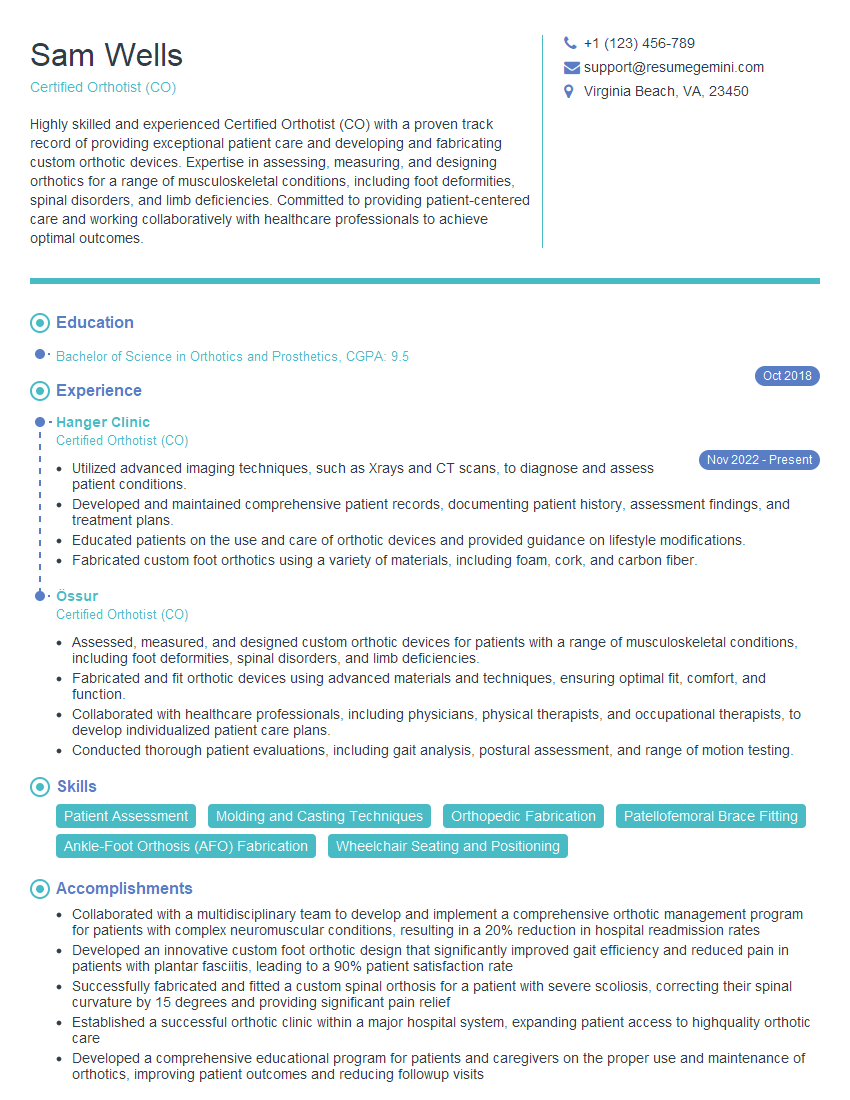
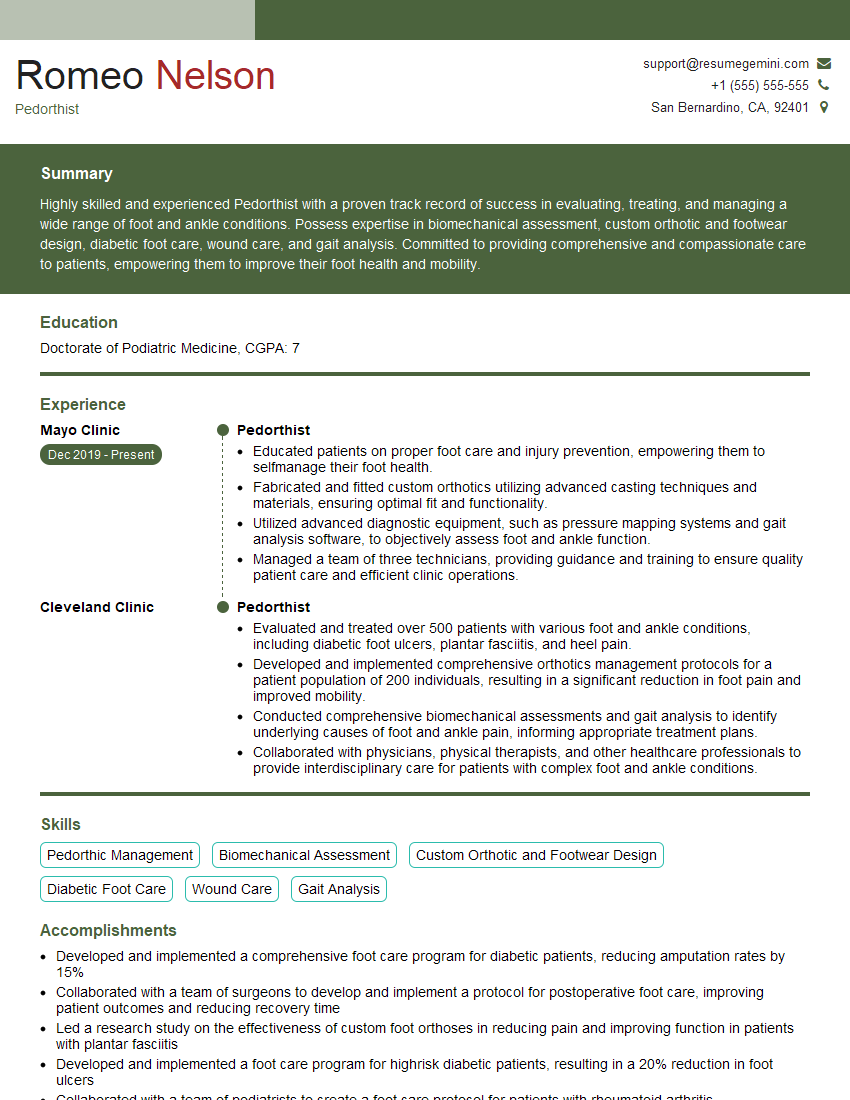
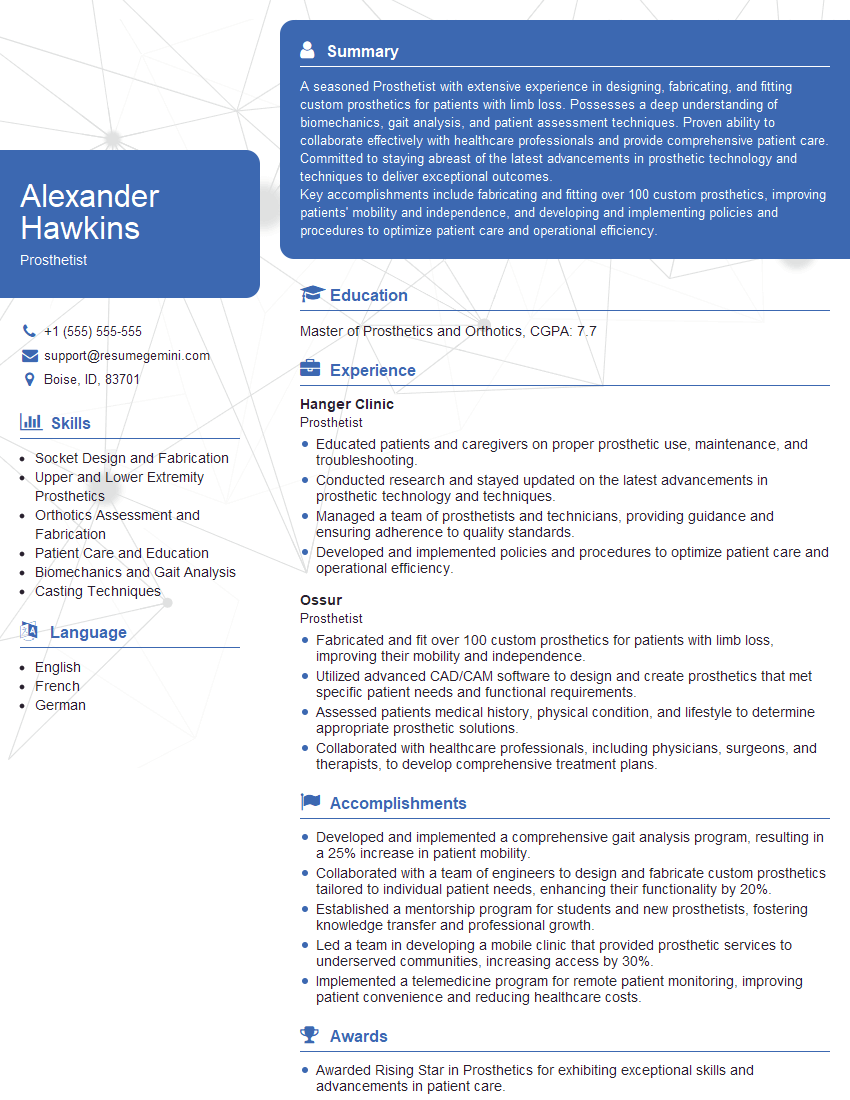
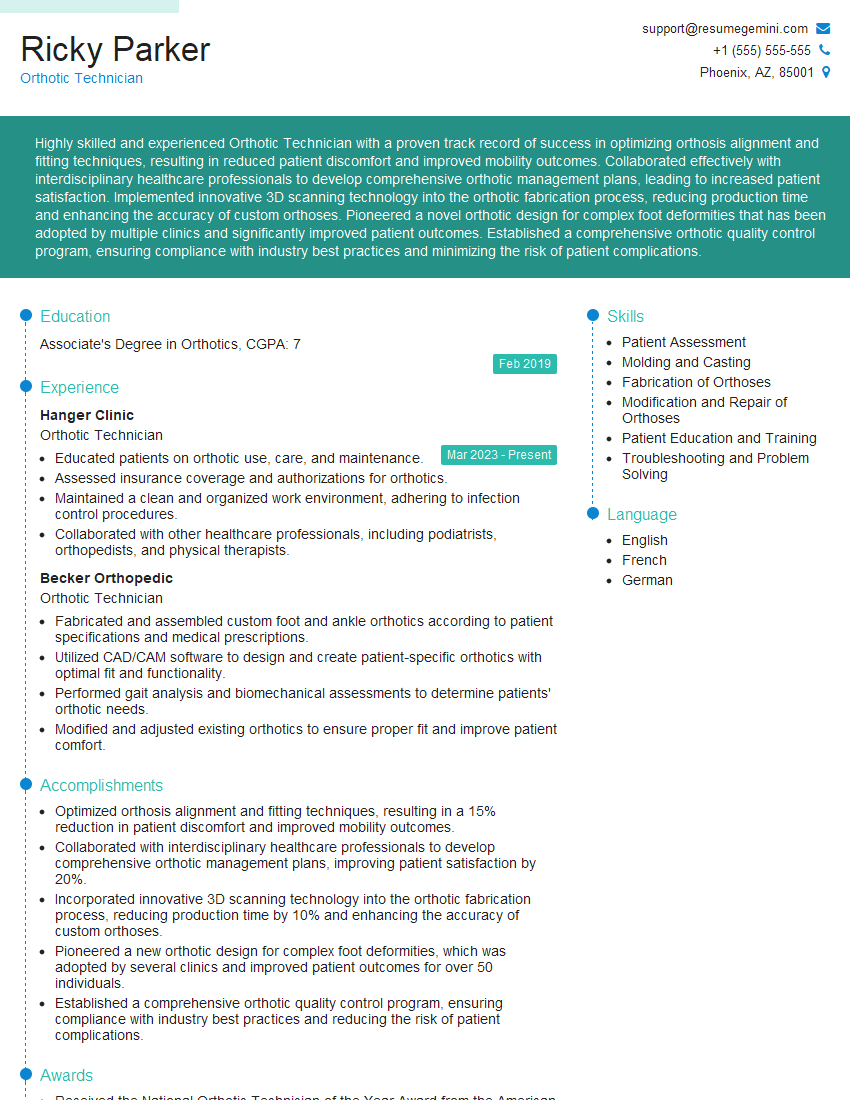
Mastering Amputation and Prosthetics opens doors to a rewarding career in a field making a profound difference in people’s lives. To maximize your job prospects, invest time in crafting an ATS-friendly resume that showcases your skills and experience effectively. ResumeGemini is a trusted resource that can help you build a professional and impactful resume, ensuring your application gets noticed. ResumeGemini provides examples of resumes tailored specifically to the Amputation and Prosthetics field, allowing you to create a document that perfectly highlights your qualifications. Take the next step towards your dream career today!

Explore more articles
Users Rating of Our Blogs
Share Your Experience
We value your feedback! Please rate our content and share your thoughts (optional).
What Readers Say About Our Blog
To the interviewgemini.com Webmaster.
Very helpful and content specific questions to help prepare me for my interview!
Thank you
To the interviewgemini.com Webmaster.
This was kind of a unique content I found around the specialized skills. Very helpful questions and good detailed answers.
Very Helpful blog, thank you Interviewgemini team.