Interviews are opportunities to demonstrate your expertise, and this guide is here to help you shine. Explore the essential Knowledge of Wallpaper Materials interview questions that employers frequently ask, paired with strategies for crafting responses that set you apart from the competition.
Questions Asked in Knowledge of Wallpaper Materials Interview
Q 1. What are the different types of wallpaper available in the market?
The wallpaper market offers a stunning array of choices, categorized primarily by material. Let’s explore some key types:
- Vinyl Wallpaper: This is incredibly popular due to its durability, washability, and affordability. It’s perfect for high-traffic areas like hallways and kitchens. Vinyl comes in various textures, mimicking everything from fabric to natural materials.
- Non-Woven Wallpaper: A favorite among professionals, non-woven wallpaper is easy to hang because the adhesive goes directly onto the wall. It’s strong, hides minor wall imperfections, and is generally easier to remove than vinyl.
- Paper Wallpaper: A classic and versatile option, paper wallpaper comes in a wide range of styles and price points. However, it’s less durable and moisture-resistant than vinyl or non-woven, making it better suited for low-traffic areas.
- Fabric-backed Wallpaper: Offering a luxurious look and feel, fabric-backed wallpaper adds a touch of elegance to any room. These are often more expensive and require more careful handling during installation.
- Grasscloth Wallpaper: Made from natural fibers like jute or seagrass, grasscloth wallpapers offer a unique textural appeal and an organic feel. They are quite durable but require special care and cleaning.
- Metallic Wallpaper: For a modern, sophisticated look, metallic wallpapers are a great choice. They can add a dramatic flair to a space. The metallic finish can be subtle or bold depending on the choice.
Choosing the right type depends heavily on your budget, the room’s function, and your desired aesthetic.
Q 2. Describe the process of preparing a wall for wallpaper installation.
Preparing a wall for wallpaper is crucial for a successful installation. Think of it as laying a strong foundation for a beautiful house. Here’s a step-by-step guide:
- Clean the Wall: Thoroughly clean the wall to remove dust, dirt, cobwebs, grease, and any loose paint. Use a suitable cleaner, like TSP (trisodium phosphate), according to its instructions.
- Repair Imperfections: Fill any holes or cracks with spackle or patching compound. Sand smooth once dry, and prime any repaired areas.
- Prime the Wall (if necessary): Priming creates a uniform surface for better wallpaper adhesion. This is especially important with porous surfaces like drywall or previously painted walls with a glossy finish. Use a high-quality primer formulated for wallpaper.
- Remove Old Wallpaper: If there’s existing wallpaper, it must be removed completely. Use a wallpaper steamer, scoring tool, and scraper to carefully remove all layers. A thorough removal prevents future peeling and bubbling.
- Ensure Smooth Surface: Once everything is dry, check for any remaining imperfections. Sand again if necessary to ensure a smooth and flat surface for the wallpaper.
Remember, a properly prepared wall makes a world of difference in the final look and longevity of your wallpaper.
Q 3. Explain the different types of wallpaper adhesives and their applications.
Wallpaper adhesives are specialized to suit different wallpaper types and wall conditions. Here are some common types:
- Pre-pasted Wallpaper Adhesive: This type of adhesive is pre-applied to the back of the wallpaper. Just activate it with water before hanging, making it a convenient option for DIY projects.
- Powdered Wallpaper Adhesive: A more traditional approach, powdered adhesive needs to be mixed with water before application. It’s often preferred for heavier wallpapers like fabric-backed or grasscloth.
- Ready-Mixed Wallpaper Adhesive: This comes pre-mixed and ready to use straight from the container. Convenient but may not be ideal for all wallpaper types.
- Specialty Adhesives: Specific adhesives are available for unique situations. For example, extra-strength adhesives are necessary for difficult surfaces.
Always read the instructions on the wallpaper and adhesive packaging to ensure compatibility. Using the wrong adhesive can lead to poor adhesion, peeling, and other installation issues.
Q 4. How do you measure and calculate the amount of wallpaper needed for a project?
Calculating wallpaper needs is crucial to avoid shortages or excessive waste. Here’s a step-by-step process:
- Measure the Wall Height and Width: Measure the height and width of each wall you’ll be covering in feet or meters.
- Calculate the Area: Multiply the height and width of each wall to find the area. Add the areas of all walls together for the total square footage.
- Account for Waste: Always add extra to account for pattern matching, cutting mistakes, and waste. A common guideline is to add 10-15% extra to the total square footage.
- Check Wallpaper Roll Dimensions: Most wallpaper rolls have a standard length and width (e.g., 56 sq ft per roll). Check the dimensions on your chosen wallpaper roll.
- Divide and Conquer: Divide the total square footage (including waste) by the square footage per roll to determine the number of rolls needed.
For example: A wall is 10ft high and 12ft wide (120 sq ft). Two walls = 240 sq ft. Adding 15% (36 sq ft) brings it to 276 sq ft. A roll covering 56 sq ft means you need roughly 5 rolls (276/56 ≈ 4.9).
Q 5. What are the common tools and equipment used in wallpaper installation?
Having the right tools makes the wallpaper installation process smoother and more efficient. Here’s what you’ll need:
- Measuring Tape: Accurate measurements are essential.
- Pencil: For marking cutting lines and aligning patterns.
- Utility Knife or Sharp Scissors: For cutting the wallpaper precisely.
- Seam Roller: To smooth out seams and remove air bubbles.
- Smoothing Brush or Squeegee: To adhere the wallpaper to the wall and remove air bubbles.
- Wallpaper Paste Bucket and Brush/Roller: (Depending on adhesive type)
- Level: To ensure straight vertical alignment.
- Plumb Bob: For extra precise vertical lines, particularly on large walls.
- Drop Cloth: To protect your floor.
- Stepladder or Scaffolding: For safe access to higher areas.
- Wallpaper Steamer (if removing existing wallpaper): For efficient removal of old wallpaper.
Investing in good quality tools pays off. The right tools make a big difference in the quality and speed of your wallpaper installation.
Q 6. How do you handle matching patterns and seams during wallpaper installation?
Matching patterns and seams is key to a professional wallpaper installation. Here’s how to handle it:
- Identify the Repeat Pattern: Carefully examine the wallpaper to understand how the pattern repeats. This repeat is the distance between identical points in the pattern.
- Measure and Cut: Measure carefully and mark the cutting lines with a pencil to ensure proper matching. The first strip will set the pattern for the rest.
- Book the Wallpaper: With the correct length cut, use the butt-matching method (straight edges together) to align the pattern on consecutive strips. For more complex patterns, lay the strips out on the floor before hanging.
- Precise Alignment: Use a level to ensure that vertical seams are precisely aligned. Take your time—precise alignment is vital.
- Overlap and Trim: When hanging strips, slightly overlap them to ensure complete coverage and accurate pattern matching. Carefully trim the excess wallpaper using a sharp utility knife and a metal straight edge.
Practice makes perfect when it comes to pattern matching. Start with a less visible area to get the hang of it before moving to more prominent walls.
Q 7. Describe the process of cutting and trimming excess wallpaper.
Cutting and trimming excess wallpaper requires precision to achieve clean, professional results.
- Use a Sharp Utility Knife: A dull knife will tear the wallpaper, resulting in an uneven finish. Keep your blade sharp and replace it as needed.
- Employ a Straight Edge: Use a metal straight edge (like a ruler or a long, flat piece of metal) to guide your knife for perfectly straight cuts. Place the straight edge firmly against the wall, creating a straight line for trimming.
- Score and Cut: Gently score the wallpaper with the utility knife along the straight edge, then firmly press the knife through the wallpaper while keeping the straight edge in place. This prevents tearing.
- Clean Up: Immediately remove any excess wallpaper scraps to avoid accidental damage.
- Seam Cleaning: Run your seam roller gently along the seams for perfect adherence and a tidy finish. Remove excess adhesive with a slightly damp sponge.
Precision is paramount here; careful cutting ensures a professional look, minimizes errors, and preserves the wallpaper’s aesthetic quality.
Q 8. What are the different methods for removing existing wallpaper?
Removing existing wallpaper can be a challenging but manageable task. The best method depends on the type of wallpaper and the condition of the wall underneath. Here’s a breakdown of common techniques:
Scoring and Steaming: This is effective for many vinyl wallpapers. You use a scoring tool to perforate the wallpaper’s surface, then apply hot water with a steamer, softening the adhesive. This allows you to peel the wallpaper off in strips. It’s crucial to use a good quality steamer for optimal results.
Scoring and Wetting: Similar to steaming, but instead of a steamer, you apply hot water with a sponge or spray bottle. This is less effective on heavily textured vinyl, but it works well for thinner papers.
Chemical Strippers: For stubborn wallpapers, especially those with multiple layers or those that resist other methods, a chemical wallpaper remover is your best bet. Apply according to the manufacturer’s instructions and allow it to dwell before peeling. Always ensure adequate ventilation.
Combination Approach: Often, a combination of these methods is necessary. You may start by scoring and wetting, then follow up with a chemical stripper for particularly difficult areas.
Important Note: Always test any method in an inconspicuous area first to assess its effectiveness and potential impact on your wall’s paint or surface.
Q 9. How do you deal with challenging wall surfaces, such as textured walls or corners?
Textured walls and corners present unique challenges during wallpaper removal and installation. Here’s how to tackle them:
Textured Walls: Removing wallpaper from textured walls often requires more aggressive methods like chemical strippers. The texture can trap the wallpaper and adhesive, making it harder to peel. Thorough scoring is crucial to break the bond. Consider using a scraper with a flexible blade to navigate the textured surface carefully, preventing wall damage.
Corners: Corners are difficult because of the change in plane. A wallpaper smoother, or even a credit card, can help adhere the wallpaper tightly to the corner. When removing wallpaper from corners, use a utility knife to carefully cut through the paper, avoiding damaging the underlying wall. Work slowly and patiently to avoid tears.
Pro Tip: When installing on textured walls, choose a heavier wallpaper which may help to cover imperfections. A professional may even apply a thin layer of joint compound to smoother a very textured surface before installation.
Q 10. What are the safety precautions to take during wallpaper installation?
Safety is paramount during wallpaper installation. Here are key precautions:
Ventilation: Always ensure good ventilation when using chemical strippers or adhesives, as the fumes can be harmful.
Eye Protection: Wear safety glasses or goggles to protect your eyes from flying debris or chemical splashes.
Gloves: Wear gloves to protect your hands from chemicals, adhesives, and sharp tools.
Respiratory Protection: If using strong chemicals, consider using a respirator mask.
Ladder Safety: Use a stable and properly positioned ladder when working at heights.
Sharp Tools: Exercise caution when using utility knives, scrapers, and other sharp tools.
Proper Disposal: Dispose of chemical waste according to local regulations.
Example: Never mix different chemical strippers, as this can create dangerous reactions.
Q 11. What are some common problems encountered during wallpaper installation, and how do you resolve them?
Common problems during wallpaper installation include:
Seamless Matching: Difficulty matching patterns at seams requires careful planning and measuring. Pre-cutting and aligning patterns before applying paste helps.
Air Bubbles: These can be caused by uneven paste application or inadequate smoothing. Use a smoothing tool to gently push out air bubbles.
Wrinkles and Creases: Caused by uneven application or improper pasting. Gently lift and reposition, re-applying paste if necessary.
Uneven Color or Texture: This can be due to inconsistent paste application, different batches of wallpaper, or underlying wall issues. It often requires starting again with the problem area.
Resolution Strategy: Address problems as they occur, don’t try to cover them up. It’s much easier to fix minor issues than to redo large sections.
Q 12. How do you clean up after wallpaper installation?
Cleaning up after wallpaper installation involves several steps:
Remove Excess Paste: Use a damp sponge to carefully wipe away any excess paste from the walls and tools.
Dispose of Waste: Properly dispose of any waste materials, including removed wallpaper, paste containers, and protective coverings, according to local guidelines.
Clean Tools: Thoroughly clean your tools (knives, rollers, brushes, etc.) with soap and water and allow them to dry.
Vacuum or Sweep: Vacuum or sweep the floor to remove any debris or dust.
Air Out the Room: Allow the room to air out properly after using chemical strippers or adhesives.
Example: Clean up excess paste immediately before it dries to avoid difficult removal later.
Q 13. What are the different types of wallpaper seams and which ones are best for different types of wallpaper?
Wallpaper seams are crucial for a professional finish. Different seam types suit various wallpaper types:
Butt Seam: Edges of the wallpaper meet precisely. Best for wallpapers with small, repeating patterns or solid colors. Requires meticulous accuracy.
Overlap Seam: One strip of wallpaper overlaps the previous one slightly. This hides minor imperfections but is less suitable for wallpapers with bold patterns that need precise matching.
Straight Match: Pattern aligns perfectly across seams. Used for wallpapers with larger, repeating patterns. Demands careful planning and precision.
Drop Match: Pattern aligns across seams, but requires precise vertical alignment, matching the pattern from the top of one strip to the bottom of the next. This is generally more difficult to perform.
Recommendation: For beginners, an overlap seam is often the easiest, while experienced installers can achieve professional results with butt seams or straight matches.
Q 14. Explain the difference between paste-the-wall and pre-pasted wallpaper.
The main difference between paste-the-wall and pre-pasted wallpaper lies in how the adhesive is applied:
Paste-the-Wall: The adhesive is applied directly to the wall. This gives you more control over paste distribution and is generally better for larger, more difficult installations. This method minimizes the risk of wrinkling or bubbling.
Pre-Pasted: The adhesive is pre-applied to the back of the wallpaper. This is usually easier and faster for smaller projects or DIY enthusiasts. However, less control and higher risk of inconsistencies in adhesive distribution can cause problems.
Choosing the right type: Pre-pasted is perfect for smaller rooms or DIYers with limited experience. Paste-the-wall is superior for larger spaces or challenging installations.
Q 15. How do you ensure the proper drying time for different types of wallpaper and adhesives?
Proper drying time for wallpaper is crucial for a successful installation, preventing bubbling, peeling, and damage. It depends heavily on both the wallpaper material and the adhesive used. Heavier wallpapers like vinyl or textured papers require longer drying times than lighter, thinner papers like non-woven or grasscloth. Similarly, paste-the-wall adhesives generally dry faster than traditional paste-the-paper varieties.
Vinyl and Heavy Papers: These often need 24-48 hours to fully cure, especially in humid environments. Opening windows for ventilation can help, but avoid drafts that could cause the paper to dry too quickly and shrink unevenly.
Non-Woven and Lighter Papers: These typically dry within 12-24 hours. However, it’s always best to err on the side of caution and allow more time if conditions are particularly humid.
Adhesive Type: The adhesive manufacturer’s instructions should always be consulted for specific drying times. Many will specify conditions and recommendations for optimal drying.
Imagine baking a cake; you wouldn’t rush the process just because you’re hungry. Similarly, rushing the wallpaper drying process can lead to disastrous results.
Career Expert Tips:
- Ace those interviews! Prepare effectively by reviewing the Top 50 Most Common Interview Questions on ResumeGemini.
- Navigate your job search with confidence! Explore a wide range of Career Tips on ResumeGemini. Learn about common challenges and recommendations to overcome them.
- Craft the perfect resume! Master the Art of Resume Writing with ResumeGemini’s guide. Showcase your unique qualifications and achievements effectively.
- Don’t miss out on holiday savings! Build your dream resume with ResumeGemini’s ATS optimized templates.
Q 16. How do you handle wallpaper installation around windows and doors?
Installing wallpaper around windows and doors requires precision and attention to detail. The key is to carefully measure and cut the paper to fit snugly around the frames, avoiding creases or gaps. Often, you’ll be working with smaller, more complex shapes.
Accurate Measurement: Measure each area carefully, accounting for the window or door frame. It’s usually best to add a small margin for error.
Cutting Techniques: Use a sharp utility knife or a special wallpaper cutter for clean, precise cuts. A scoring tool can help with making consistent cuts around curves.
Seams and Overlaps: For seamless transitions, carefully align the edges of the wallpaper pieces. It’s advisable to slightly overlap the paper and trim away excess after it’s hung to ensure a clean, professional finish around the frames.
Using a Seam Roller: After installing the wallpaper around windows and doors, use a seam roller to gently press the seams, ensuring a secure bond and preventing bubbles or lifting.
Think of it like framing a picture – you need to get the edges perfectly aligned for a polished look. The same principle applies to wallpaper around window and door frames.
Q 17. What are the best practices for working with textured wallpapers?
Textured wallpapers add depth and visual interest, but require a slightly different approach to installation. The key is to handle them gently to avoid damaging the texture and ensure proper adhesion.
Gentle Handling: Avoid rough handling or excessive pressure that could flatten or distort the texture.
Appropriate Adhesive: Choose an adhesive specifically designed for textured wallpaper. This will ensure it adheres properly to the uneven surface.
Smoothing Techniques: Use a soft smoothing tool like a wallpaper smoothing brush or a plastic smoother to gently work out any air bubbles or wrinkles. A hard tool might damage the texture.
Patience: Textured wallpaper might take a bit longer to install due to the extra care needed. Patience is key to achieving a professional finish.
Imagine working with delicate fabric; you’d approach it with care and precision. The same cautious approach should be applied when handling textured wallpapers.
Q 18. How do you ensure proper alignment and matching of patterns on large walls?
Matching patterns on large walls requires meticulous planning and execution. Pre-hanging and layout planning are crucial steps.
Pattern Repeat Measurement: Accurately measure the pattern repeat of the wallpaper before starting the installation. This is the distance the pattern repeats itself vertically.
Dry Hanging: Before applying adhesive, ‘dry hang’ the wallpaper strips on the wall to ensure proper pattern alignment. This allows for adjustments and helps to visualize the final layout.
Careful Cutting: Ensure that each strip is cut accurately to maintain consistent pattern matching.
Pattern Chart: Many wallpapers include pattern charts to assist in visualizing the layout. If not, create your own chart to guide your cutting and placement.
Multiple Rollers: Consider using multiple rollers and skilled installers to avoid delays and maintain efficiency when installing long, patterned murals.
Think of it like assembling a large jigsaw puzzle – you need to plan the placement of each piece carefully to achieve the desired result.
Q 19. What are the environmental concerns related to wallpaper and adhesives?
Environmental concerns related to wallpaper and adhesives are a growing consideration. Some wallpapers contain PVC, a material not easily biodegradable, leading to landfill issues. Certain adhesives may release volatile organic compounds (VOCs) that can affect indoor air quality.
Sustainable Materials: Opt for wallpapers made from recycled materials or those from sustainably managed forests, such as bamboo or grasscloth.
Low-VOC Adhesives: Choose adhesives that are low in VOCs or water-based options to minimize their impact on indoor air quality. Look for certifications like GREENGUARD Gold.
Proper Disposal: Dispose of leftover wallpaper and adhesive responsibly according to local regulations.
Recycling: Some companies offer recycling programs for certain types of wallpaper. Check their information to see about recycling options.
Being environmentally conscious involves making informed choices throughout the entire wallpaper installation process, from selection to disposal.
Q 20. How do you estimate the time and cost for a wallpaper installation project?
Estimating time and cost for wallpaper installation depends on several factors.
Wall Area: The total square footage of the walls to be covered directly impacts the time and materials needed.
Wallpaper Type: More complex wallpapers (textured, patterned, murals) will require more time and skill, increasing the cost.
Wall Condition: Walls that require preparation (repair, cleaning, priming) will add to the overall time and cost.
Labor Costs: The hourly rate of the installer(s) is a major component of the total cost. Experience and skill level impact this rate.
Material Costs: The price of wallpaper and adhesive varies considerably depending on brand, quality, and design.
It’s best to get multiple quotes from reputable installers, providing them with detailed information about the project. A well-structured quote will break down the cost of materials and labor separately for transparency. You can also look at online estimators to get a rough idea of costs.
Q 21. What are your preferred brands of wallpaper and adhesives?
While I avoid endorsing specific brands publicly to remain objective, I can say that my preferred choices are typically based on the specific project requirements. For example, I prefer brands known for their high-quality, sustainable materials, low-VOC adhesives, and excellent pattern matching for high-end projects. For more budget-conscious jobs, I might select reputable brands known for their durability and ease of use. Quality of materials and adhesive is a priority, and I always review manufacturer specifications carefully.
Ultimately, the best brand for a particular project depends on several things. Factors like budget, desired aesthetic, and sustainability concerns influence the choice.
Q 22. Describe your experience working with different types of wallpaper materials (e.g., vinyl, fabric, grasscloth).
My experience with various wallpaper materials is extensive, encompassing everything from classic vinyl to luxurious grasscloth. Vinyl, known for its durability and washability, is a popular choice for high-traffic areas like hallways and kitchens. I’ve worked with countless patterns and textures, mastering techniques for achieving seamless transitions and avoiding bubbling. Fabric wallpapers, offering a softer, more textured look, require a more delicate approach. I’ve developed a keen understanding of how to properly prep the walls to ensure the fabric hangs smoothly and adheres correctly, preventing warping or tearing. Grasscloth, with its natural fibers, presents unique challenges. I’ve learned to carefully match the natural variations in color and texture for a cohesive look, while also employing specific adhesive techniques to minimize potential issues with shrinkage or uneven application. My experience allows me to confidently advise clients on the best material for their specific needs and aesthetic preferences, taking into account factors like light exposure, humidity levels, and desired lifespan.
- Vinyl: Excellent for high-traffic areas, easy to clean.
- Fabric: Provides a luxurious, textured look, requires careful handling.
- Grasscloth: Offers a natural, sophisticated aesthetic, needs specialized adhesive and application techniques.
Q 23. How do you handle customer complaints or issues related to wallpaper installation?
Handling customer complaints is a crucial aspect of my work. I approach each issue with empathy and a problem-solving mindset. First, I listen carefully to understand their concerns, acknowledging their frustration. Then, I thoroughly inspect the installation, identifying the root cause of the problem. This might involve checking for improper wall preparation, adhesive issues, or mistakes in the hanging process. Depending on the issue, solutions can range from minor repairs (like patching a small seam) to a complete re-hang. Transparency is key; I clearly explain the steps I’ll take to resolve the problem and manage expectations regarding timelines. For example, if there’s a noticeable color variation in a grasscloth wallpaper, I might demonstrate how the inherent nature of the material contributes to this variation, offering reassurance it’s within the expected range. Ultimately, my goal is to ensure customer satisfaction and restore confidence in my work. Documentation of the issue, solution, and customer feedback are meticulously maintained.
Q 24. What are your skills in identifying and repairing defects in wallpaper installation?
Identifying and repairing defects requires a sharp eye for detail and a thorough understanding of wallpaper installation techniques. Common defects include seams that aren’t properly aligned, bubbles caused by inadequate smoothing, or wrinkles resulting from uneven application. My process involves systematically examining the entire wall, looking for inconsistencies in pattern matching, color uniformity, and the overall smoothness of the surface. I’ve developed techniques to discreetly repair minor issues like small bubbles by carefully piercing them and smoothing the air out with a seam roller. For more significant problems, such as large wrinkles or peeling edges, I assess the extent of damage and may need to remove and replace sections of the wallpaper. My repair work is always done with precision, ensuring a seamless integration with the surrounding area and a finished product that is visually indistinguishable from a flawless installation.
Q 25. Describe your experience with different wallpaper installation techniques, such as using a paste brush or a roller.
My experience spans a wide range of wallpaper installation techniques. While I’m proficient with both paste brushes and rollers, my choice depends on the specific type of wallpaper and the project’s demands. Paste brushes allow for more precise application of adhesive, particularly around corners and edges. This method is ideal for intricate patterns or delicate materials like fabric wallpaper. For larger areas and more durable materials such as vinyl, a roller is more efficient, ensuring even coverage and faster application. I’ve experimented with various paste application methods, from pre-pasted wallpapers that only require activation with water to using separate paste and applying it directly to the wall. Each method demands specific technique and attention to detail. My expertise lies in knowing which method to use to maximize efficiency and minimize the risk of errors, ultimately delivering a flawless result.
Q 26. What are some tips and tricks you use to achieve a professional finish during wallpaper installation?
Achieving a professional finish involves meticulous attention to detail throughout the entire process. Here are some key tips: Proper wall preparation is paramount. This includes cleaning, priming, and filling any imperfections. Accurate measurements are crucial for pattern matching and minimizing waste. Careful adhesive application prevents bubbles and ensures proper adhesion. Using the correct tools such as seam rollers, smoothing brushes, and utility knives, contributes to efficiency and a clean finish. Working in well-lit conditions allows for better visibility and precision. Employing patience is crucial for achieving seamless transitions and avoiding mistakes. Finally, thorough cleaning and cleanup after the installation is crucial for a professional presentation.
Q 27. How do you stay updated on the latest trends and technologies in wallpaper installation?
Staying updated is crucial in the ever-evolving world of wallpaper. I regularly attend industry trade shows and workshops, where I learn about new materials, tools, and techniques. I subscribe to industry publications and online resources to keep abreast of the latest trends. Networking with other professionals and attending continuing education courses helps me stay competitive and informed. I actively explore social media platforms like Instagram and Pinterest to discover new patterns, styles, and installation methods. This continuous learning ensures I can offer my clients the most up-to-date solutions and deliver projects that meet the highest standards of quality and sophistication.
Key Topics to Learn for Knowledge of Wallpaper Materials Interview
- Wallpaper Types and Composition: Understanding the differences between vinyl, non-woven, fabric, natural fibers (e.g., grasscloth, bamboo), and other materials. Knowing their properties, durability, and suitability for various applications.
- Material Properties and Performance: Discuss factors like washability, lightfastness, scrubbability, and resistance to moisture and damage. Analyze how these properties influence material selection for different environments (e.g., high-traffic areas, bathrooms, bedrooms).
- Installation Techniques and Considerations: Familiarize yourself with proper preparation of surfaces, paste application methods, pattern matching, trimming techniques, and dealing with common installation challenges (e.g., seams, corners, difficult surfaces).
- Sustainability and Environmental Impact: Explore environmentally friendly options, recycled materials, and the lifecycle impact of different wallpaper materials. Be prepared to discuss eco-conscious choices and their implications.
- Maintenance and Cleaning: Understand how to properly clean and maintain different wallpaper types to prolong their lifespan. Know the appropriate cleaning agents and techniques to avoid damage.
- Troubleshooting and Problem Solving: Be ready to discuss common issues encountered during installation or use, such as bubbling, peeling, discoloration, and how to address them effectively.
- Industry Standards and Regulations: Familiarize yourself with relevant safety regulations and industry best practices related to wallpaper installation and material handling.
Next Steps
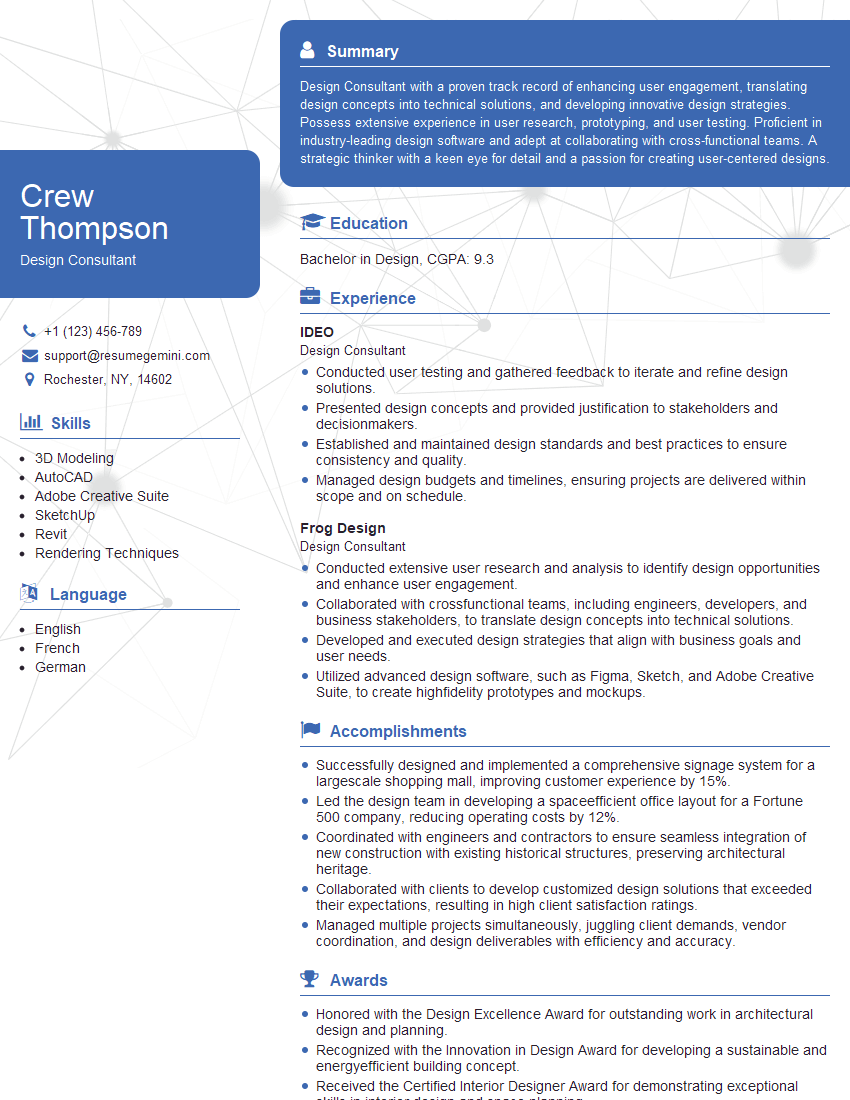
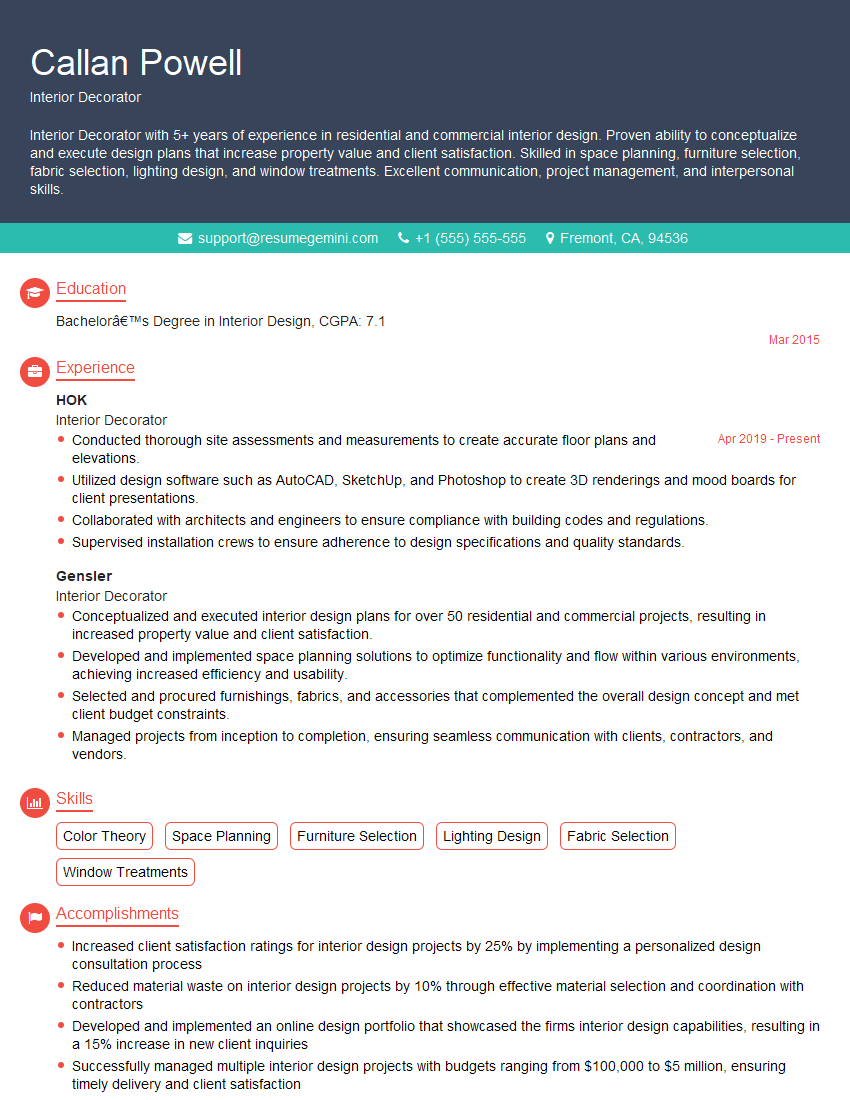
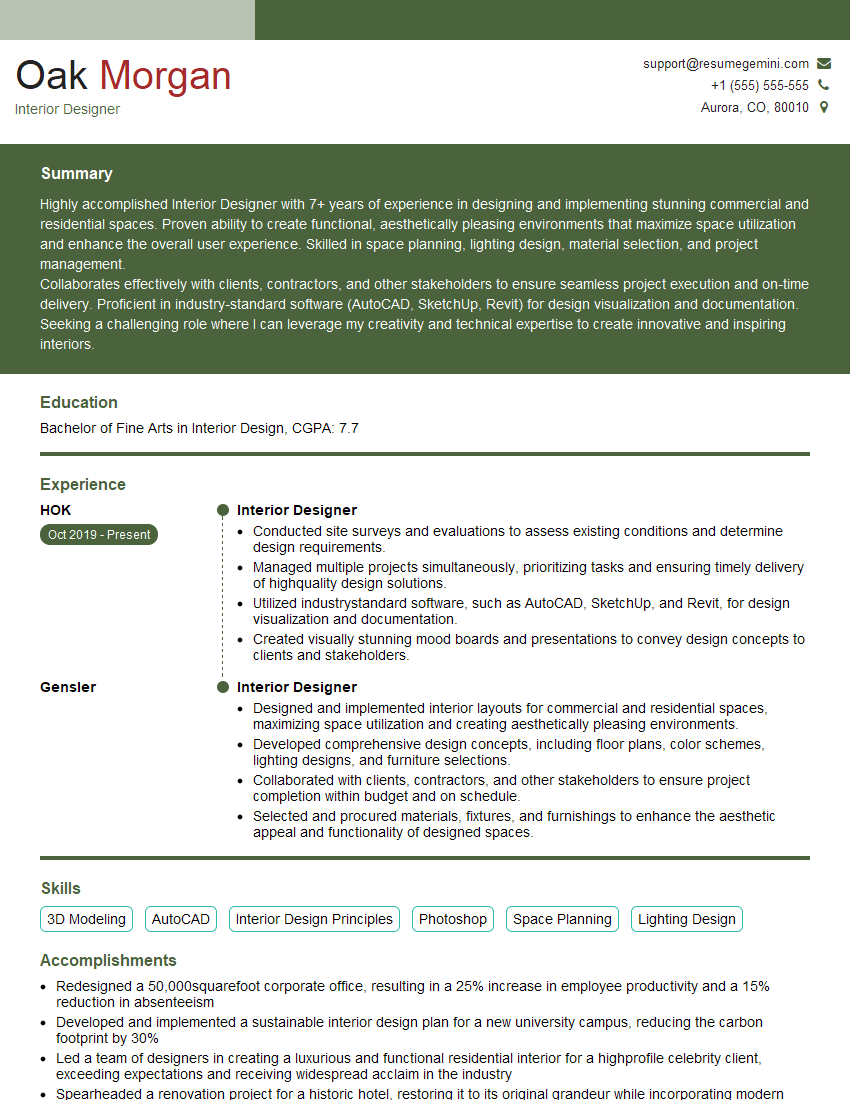
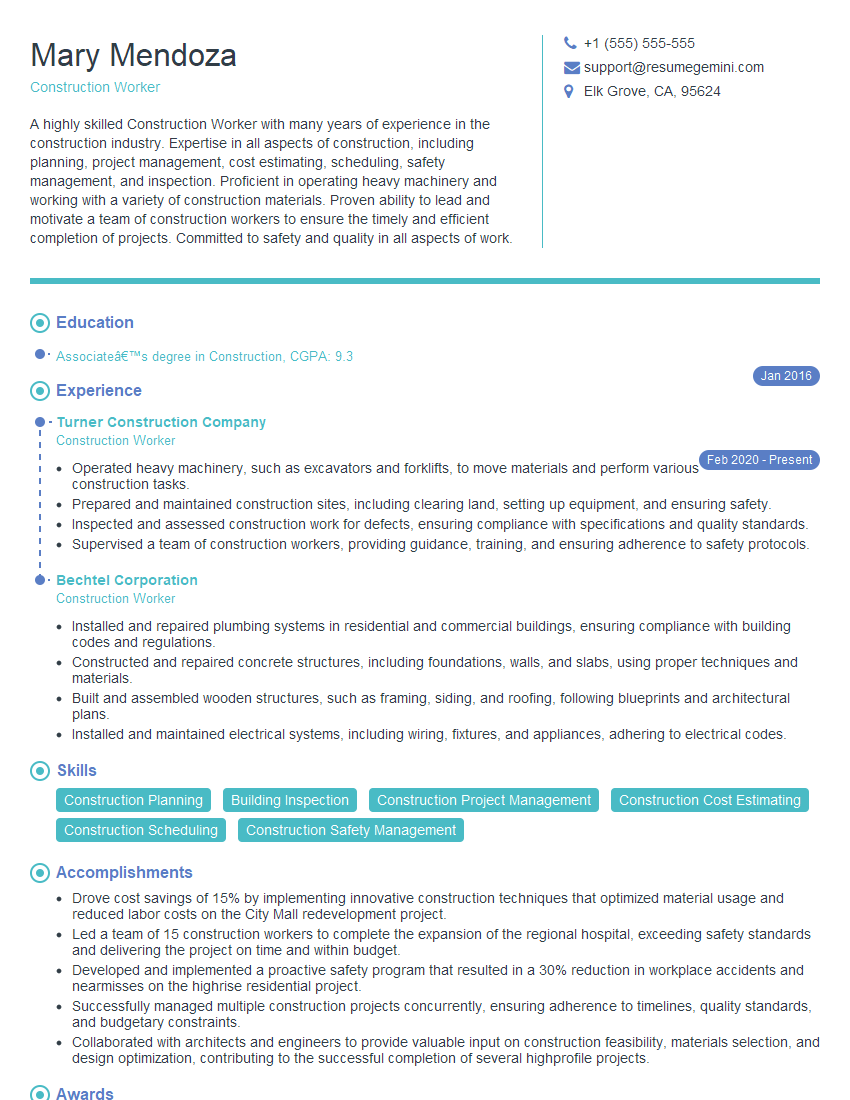
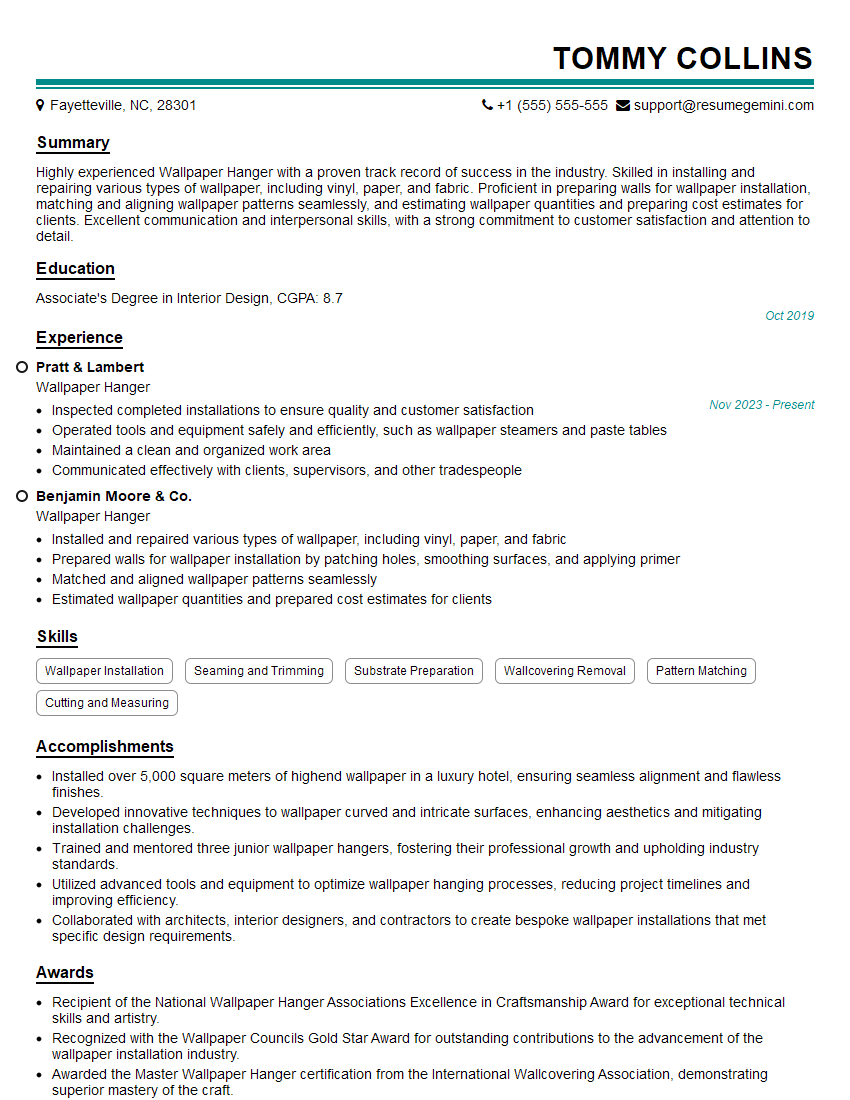
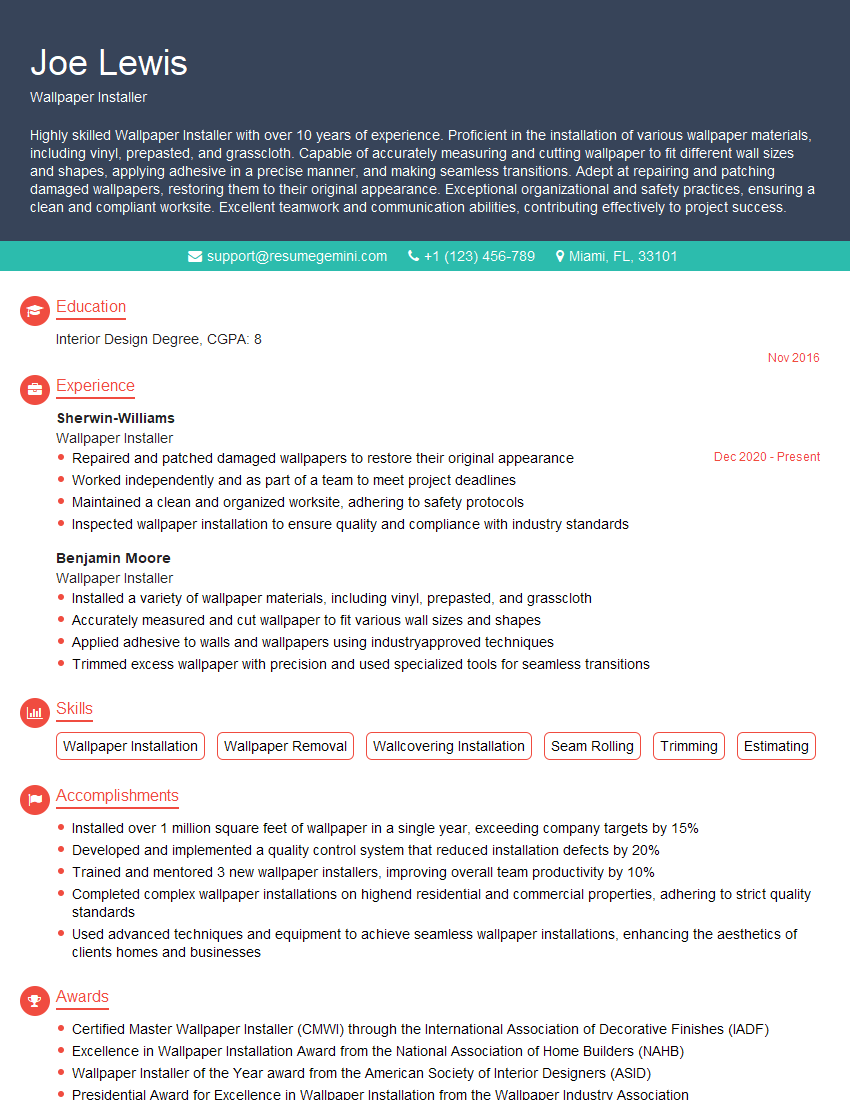
Mastering knowledge of wallpaper materials is crucial for career advancement in interior design, home improvement, and related fields. A strong understanding of these materials demonstrates expertise and professionalism, opening doors to more challenging and rewarding opportunities. To maximize your job prospects, create an ATS-friendly resume that highlights your skills and experience effectively. ResumeGemini is a trusted resource for building professional resumes, and we provide examples of resumes tailored to showcasing expertise in Knowledge of Wallpaper Materials. Investing time in crafting a compelling resume significantly increases your chances of securing your dream role.
Explore more articles
Users Rating of Our Blogs
Share Your Experience
We value your feedback! Please rate our content and share your thoughts (optional).
What Readers Say About Our Blog
To the interviewgemini.com Webmaster.
Very helpful and content specific questions to help prepare me for my interview!
Thank you
To the interviewgemini.com Webmaster.
This was kind of a unique content I found around the specialized skills. Very helpful questions and good detailed answers.
Very Helpful blog, thank you Interviewgemini team.