Cracking a skill-specific interview, like one for Applying Mortar and Adhesives, requires understanding the nuances of the role. In this blog, we present the questions you’re most likely to encounter, along with insights into how to answer them effectively. Let’s ensure you’re ready to make a strong impression.
Questions Asked in Applying Mortar and Adhesives Interview
Q 1. What are the different types of mortar mixes and their applications?
Mortar mixes are broadly categorized by their intended use and the type of binder used. The most common are cement-based mortars, which are further classified by their properties and application.
- Type N Mortar: A general-purpose mortar suitable for most masonry applications, including interior and exterior walls, and offering good strength and workability.
- Type S Mortar: A higher-strength mortar designed for applications requiring increased compressive strength, often used in load-bearing walls and areas subject to high stress.
- Type M Mortar: The strongest type, ideal for high-strength masonry applications under extreme stress, such as retaining walls or structures in seismic zones.
- Type O Mortar: A lower-strength mortar suitable for non-load-bearing applications like veneer or decorative work. It’s more workable but sacrifices strength.
- Lime Mortar: Historically significant, lime mortars offer excellent breathability and are often preferred for heritage buildings or where moisture management is critical. They are weaker than cement mortars.
Choosing the right mortar type is crucial for structural integrity and longevity. For instance, using Type O mortar in a load-bearing wall would be a significant structural error.
Q 2. Explain the importance of proper mixing ratios for mortar.
Precise mixing ratios are paramount for achieving the desired mortar properties, such as workability, strength, and water retention. Incorrect ratios can lead to a variety of problems, including poor adhesion, cracking, crumbling, and reduced strength. Think of it like baking a cake – if you don’t follow the recipe precisely, you won’t get the desired outcome.
Manufacturers provide specific mixing ratios on their product packaging. These ratios are usually expressed as a volumetric proportion of cement, sand, and water. For example, a common ratio might be 1:3:0.5 (cement:sand:water). Using a consistent method, like a volume-based measurement system, is essential to ensure accuracy and consistency across batches.
Deviation from these ratios can result in a mortar that is too weak (if not enough cement), too brittle (if too much cement and not enough sand), or too dry (if not enough water), affecting its performance. Using a mixing pail with clear markings helps maintain accuracy.
Q 3. How do you ensure proper adhesion of tiles to various substrates?
Ensuring proper tile adhesion depends heavily on surface preparation and the correct adhesive selection. The substrate must be clean, dry, sound, and free from dust, grease, or other contaminants that might hinder bonding. Different substrates require different approaches:
- Concrete: Should be cured for sufficient time and primed to ensure proper adhesion. Porous concrete may require a primer to control moisture absorption.
- Plasterboard/Drywall: Needs a suitable tile adhesive designed for this substrate. Ensure the board is securely fixed and free from any loose particles. Often requires a suitable primer.
- Wood: Requires a specialized adhesive designed for wood substrates, and it is essential to ensure the wood is dry and stable, treated against rot and pests.
- Metal: Requires a primer and a suitable adhesive that can bond effectively to the metal surface.
The correct adhesive is crucial. Modified thin-set mortars are generally preferred for their flexibility and strength. Applying the adhesive correctly, ensuring full coverage of the back of the tile and proper open time, is also critical.
Imagine trying to stick a sticker to a dusty or greasy surface – it just won’t work properly. The same principle applies to tiles and substrates.
Q 4. Describe the process of preparing a surface for mortar application.
Surface preparation is the most critical step in successful mortar application. Neglecting this can lead to failure and costly rework. The process typically involves these steps:
- Cleaning: Remove all loose material, dust, debris, grease, oil, and efflorescence. Use a wire brush, scraper, and/or pressure washer as needed.
- Repairing: Fill any cracks, holes, or imperfections in the substrate using a suitable patching compound.
- Priming (if necessary): Apply a primer to porous substrates to improve adhesion and control moisture absorption. The primer needs to be compatible with both the substrate and the mortar.
- Moistening (if necessary): For highly absorbent substrates, lightly dampen the surface before applying mortar to prevent it from drying out too quickly.
- Leveling (if necessary): If the surface is uneven, use a levelling compound to create a flat surface for uniform mortar thickness.
Thorough surface preparation prevents voids, ensures proper bonding, and increases the longevity of the project. It’s like creating a clean, level foundation for a house – you wouldn’t build a house on a cracked and uneven foundation, would you?
Q 5. What are the common causes of mortar failure, and how can they be prevented?
Mortar failure can stem from various causes, many preventable with careful attention to detail. Some common causes include:
- Insufficient substrate preparation: This includes unclean or damp surfaces, presence of contaminants, and uneven substrates.
- Incorrect mortar mix ratios: Using incorrect proportions of cement, sand, and water results in weak, brittle, or unworkable mortar.
- Improper application techniques: Insufficient mortar coverage, inadequate compaction, and incorrect curing methods contribute to failure.
- Environmental factors: Extreme temperatures (too hot or too cold), freezing conditions before the mortar has cured properly, and rapid drying can weaken the mortar.
- Incompatible materials: Using incompatible materials, such as unsuitable primers or adhesives, can lead to poor bonding.
Preventing mortar failure involves meticulous preparation, careful attention to mix ratios, adherence to application best practices, and appropriate environmental considerations. Proper curing is also vital – this often involves keeping the mortar moist for a period of time, to allow it to properly hydrate.
Q 6. How do you determine the appropriate thickness of mortar for a given application?
The appropriate mortar thickness depends on the application and the materials used. For tiling, the general rule is to use a thin layer (2-5mm) of thin-set mortar to ensure full contact between the tile and the substrate and minimize the risk of voids.
For masonry, mortar thickness varies according to the type of brick or block and the structural requirements. Thicker joints (e.g., 10-12mm) are sometimes necessary for structural stability or to accommodate irregularities in the masonry units. Overly thick joints reduce strength and can lead to cracking. It is important to consult the specifications provided by the manufacturer.
Using a notched trowel helps to ensure even mortar thickness, preventing variations and gaps between the units being mortared.
Q 7. What safety precautions should be taken when working with mortar and adhesives?
Working with mortar and adhesives requires adherence to strict safety protocols to protect yourself from potential hazards.
- Respiratory protection: Always wear a dust mask or respirator to prevent inhalation of cement dust, which can irritate the lungs and respiratory system.
- Eye protection: Safety glasses or goggles are essential to protect eyes from splashes of mortar, cement, or adhesive.
- Skin protection: Wear gloves to prevent skin irritation and chemical burns from contact with cement or adhesives. Long sleeves and trousers are also advisable.
- Handling: Avoid direct skin contact and handle materials carefully to prevent accidents and spills.
- Proper ventilation: Ensure adequate ventilation in confined spaces to prevent the buildup of dust and harmful fumes. This is particularly important when using certain adhesives.
- Disposal: Dispose of waste materials responsibly according to local regulations.
Always refer to the Safety Data Sheets (SDS) provided by the manufacturers of the products you are using for detailed safety information and precautions.
Q 8. Explain the difference between different types of construction adhesives.
Construction adhesives come in a wide variety of types, each designed for specific applications and substrates. The key differences lie in their chemical composition, bonding strength, setting time, and flexibility.
- Contact adhesives: These require application to both surfaces, allowing them to bond upon contact. They’re excellent for laminating surfaces like countertops or applying veneer.
- Construction adhesives (general purpose): These are versatile adhesives suitable for a range of materials, offering good adhesion and strength but often with longer drying times. Think of bonding wood to wood, or lightweight materials to walls.
- Epoxy adhesives: Known for their exceptional strength and durability, epoxies are ideal for high-stress applications or when bonding dissimilar materials. They require careful mixing and have a limited working time.
- Silicone adhesives: Excellent for sealing and providing a flexible bond, often used in areas that experience movement or vibration. They have a high degree of water resistance.
- Acrylic adhesives: Water-based and easy to clean up, acrylic adhesives are less robust than epoxies but provide a good bond for many applications. They’re often preferred for interior work.
Choosing the right adhesive depends heavily on the materials being bonded, the environmental conditions, and the required strength and flexibility of the bond. A wrong choice can lead to costly failures, so understanding these differences is crucial.
Q 9. How do you handle different types of substrates (e.g., concrete, wood, metal)?
Substrate preparation is paramount for successful bonding. Different materials require different approaches:
- Concrete: Must be clean, dry, and free of dust, oil, and curing compounds. Primers may be necessary to enhance adhesion, especially on porous surfaces. Cracks should be repaired before application.
- Wood: Should be clean, dry, and free of debris. Open-grained woods may require a primer to prevent excessive absorption of the adhesive. The surface must be smooth and free of loose fibres.
- Metal: Needs thorough cleaning to remove rust, grease, and other contaminants. A wire brush or abrasive cleaner might be necessary. Using a primer specifically designed for metal bonding is often recommended.
Failing to properly prepare the substrate can result in weak bonds and premature failure. Imagine trying to glue two oily pieces of wood together – it simply won’t work! Proper preparation is always the first step to a strong, lasting bond.
Q 10. What are the signs of a poorly mixed mortar batch?
A poorly mixed mortar batch exhibits several telltale signs:
- Uneven consistency: The mix will have clumps of dry powder or excess water, leading to a lumpy texture.
- Incorrect color: The color will deviate significantly from the manufacturer’s specified color, indicating a lack of proper mixing ratio.
- Weak workability: It may be too dry and difficult to spread, or too wet and runny, leading to poor adhesion and sagging.
- Rapid setting time: A poorly mixed batch might set up far quicker than expected, leaving insufficient time for application.
- Reduced strength: The final hardened mortar will exhibit lower compressive and tensile strength, making it susceptible to cracking and failure.
Ignoring these signs will compromise the structural integrity of the work, leading to potential damage and rework. Always refer to the manufacturer’s instructions for precise mixing ratios and procedures.
Q 11. How do you clean up excess mortar and adhesive?
Cleaning up excess mortar and adhesive depends on the material and its setting time. Act quickly before it hardens!
- Fresh mortar: Can usually be removed with a damp sponge or cloth. For larger spills, a trowel or putty knife can be used. Always clean tools immediately after use.
- Hardened mortar: Requires more effort. Mechanical removal using a chisel, wire brush, or scraper is often necessary. Chemical removers may be helpful for stubborn residue, but always test them in an inconspicuous area first.
- Fresh adhesives: Depending on the type, usually cleaned with water (for water-based adhesives) or a specific solvent recommended by the manufacturer (for solvent-based adhesives).
- Hardened adhesives: Similar to hardened mortar, often requiring mechanical removal.
Remember, safety is key. Wear appropriate protective gear like gloves and eye protection while cleaning up.
Q 12. What tools and equipment are essential for applying mortar and adhesives?
Essential tools and equipment for applying mortar and adhesives include:
- Trowels: Various sizes and types (notched, pointed, flat) are used for different applications.
- Buckets and mixing pans: For preparing the mortar or adhesive mix.
- Mixing tools: A drill with a paddle mixer ensures a consistent and thorough blend.
- Measuring tools: Scales and measuring cups are crucial for accurately following mixing ratios.
- Sponges and cloths: For cleaning up excess material.
- Putty knives and scrapers: For removing excess material and cleaning.
- Safety gear: Gloves, eye protection, and respiratory protection as needed.
- Level and plumb bob: Ensure even and accurate application.
The specific tools needed will vary depending on the task, but this list covers the fundamentals.
Q 13. How do you determine the correct trowel size for a specific application?
Trowel size is determined by the size and type of tile being installed and the type of mortar being used. The notches on the trowel create the bed for the tile and control the amount of adhesive used.
- Small tiles (less than 4 inches): Typically require a 1/4 inch x 1/4 inch notched trowel.
- Medium tiles (4-12 inches): Might use a 3/8 inch x 3/8 inch or 1/2 inch x 1/2 inch notched trowel.
- Large tiles (over 12 inches): Often need a larger notched trowel or a combination of techniques.
- Thick-set applications: Require a larger amount of adhesive, so larger trowels are appropriate.
Using the incorrect trowel size can lead to poor adhesion, uneven surfaces, and voids under the tiles. The manufacturer’s instructions for the specific tile and adhesive should always be consulted for proper trowel selection. Think of it like choosing the right brush for a paint job – the wrong tool makes the job much harder.
Q 14. Describe your experience with different types of tiling techniques (e.g., thin-set, thick-set).
My experience includes extensive work with both thin-set and thick-set tiling techniques:
- Thin-set: This method uses a thin layer of mortar (typically 1/8 to 1/4 inch) to bond tiles. It’s ideal for most wall and floor tiling applications where a smooth, flat finish is desired. It requires precise application and good substrate preparation to ensure proper coverage.
- Thick-set: Employs a thicker layer of mortar (typically over 1/4 inch). Primarily used for uneven substrates or when covering significant height differences. It offers more flexibility in adjusting the tile’s height, but requires more material and careful leveling. It’s often used for large format tiles or when covering imperfections in the substrate.
The choice between thin-set and thick-set depends heavily on the specific project requirements and the condition of the substrate. In my experience, careful planning and execution are essential regardless of the technique chosen to ensure a successful and lasting result.
Q 15. What are the implications of using the wrong type of adhesive for a given substrate?
Using the wrong adhesive for a substrate is akin to trying to glue wood with superglue meant for plastic – it simply won’t work effectively, and may even cause damage. The implications are significant and can range from immediate failure to long-term structural problems. The adhesive’s chemical composition must be compatible with the substrate’s material. For example, using a cement-based adhesive on a porous substrate like brick works well because it penetrates and creates a strong bond. But, using the same adhesive on a non-porous surface like glass might lead to poor adhesion, because there’s no penetration, resulting in cracking or complete detachment. Different substrates require different adhesives, tailored to their porosity, surface tension, and chemical properties. Failure to select the appropriate adhesive can result in costly repairs, project delays, and even safety hazards, depending on the application.
For instance, I once encountered a situation where a homeowner had used a general-purpose adhesive to install ceramic tiles on a drywall. The tiles started falling off within a week. The correct adhesive would have been a modified thin-set mortar designed for ceramic tiles on drywall, ensuring a proper mechanical and chemical bond. Always consult the manufacturer’s recommendations to ensure compatibility.
Career Expert Tips:
- Ace those interviews! Prepare effectively by reviewing the Top 50 Most Common Interview Questions on ResumeGemini.
- Navigate your job search with confidence! Explore a wide range of Career Tips on ResumeGemini. Learn about common challenges and recommendations to overcome them.
- Craft the perfect resume! Master the Art of Resume Writing with ResumeGemini’s guide. Showcase your unique qualifications and achievements effectively.
- Don’t miss out on holiday savings! Build your dream resume with ResumeGemini’s ATS optimized templates.
Q 16. How do you adjust your technique for working in various weather conditions?
Weather plays a crucial role in mortar and adhesive application. Extreme temperatures and humidity dramatically affect the material’s performance and setting time. In hot, sunny conditions, the adhesive might dry too quickly before proper bonding is achieved, leading to weak adhesion. Conversely, cold, damp conditions can slow down the setting process, potentially compromising strength and increasing the risk of cracking.
My approach involves adapting my techniques based on weather forecasts. On hot days, I work in shaded areas, and use a water spray to slow down the drying process. I also might choose a fast-setting adhesive, but apply it in smaller sections to maintain workability. In cold, damp conditions, I pre-heat substrates when possible, and use a slower setting adhesive. This ensures the adhesive has sufficient time to cure properly before temperature fluctuations affect the bond. Also, protecting the newly applied mortar or adhesive from direct rain or frost is critical; protective sheeting may be required.
Q 17. How do you handle uneven surfaces when applying mortar or adhesive?
Uneven surfaces are a common challenge. Applying mortar or adhesive directly onto them can lead to inconsistent thickness, weak adhesion, and uneven finishes. The solution lies in preparation and proper technique. I always start by thoroughly cleaning the substrate and addressing any major inconsistencies like large cracks or loose debris.
For minor imperfections, I use a bonding agent or primer to ensure better surface contact. For significant irregularities, I might use a leveling compound before applying the adhesive. This creates a stable, even surface for consistent adhesive distribution. When applying the adhesive, I use a notched trowel to create uniform grooves, ensuring proper coverage and distributing the material evenly to compensate for slight surface unevenness. A combination of these methods ensures a strong bond and a professional finish, even on challenging substrates.
Q 18. Describe your troubleshooting experience with adhesion problems.
Adhesion problems are usually caused by poor substrate preparation, incorrect adhesive selection, or improper application techniques. My troubleshooting approach is systematic. First, I examine the failed bond and determine the possible cause. Is the adhesive failing entirely, or is it only failing at certain points?
If it’s a substrate issue, I investigate moisture content, cleanliness, and compatibility with the adhesive. If the adhesive is the problem, I check for the right type and expiry date. Was it mixed correctly? Improper mixing ratios can weaken the bond. Application technique is also crucial. I investigate the trowel size, adhesive thickness, and curing conditions. Once I’ve identified the root cause, I take appropriate corrective actions – for example, cleaning the substrate, using a bonding agent, reapplying with the correct adhesive and technique. Careful documentation and analysis of each issue helps me continuously improve my process and avoid repeating errors. A recent case involved tile lifting due to excessive moisture in the substrate; employing a moisture barrier solved the problem.
Q 19. What are the different methods for applying mortar, and when is each method appropriate?
Mortar application methods depend on the project requirements. The most common are:
- Trowel application: This is used for most applications and involves spreading mortar evenly using a notched trowel. The notch size depends on the tile size and type. It is suitable for most wall and floor tiling projects.
- Back buttering: This technique applies mortar both to the substrate and the back of the tile. It’s ideal for larger tiles or in areas where strong adhesion is critical, ensuring full contact.
- Pump application: For large-scale projects, a mortar pump efficiently applies a consistent layer of mortar, increasing speed and minimizing labor. This is often used in commercial settings.
- Spray application: This is less common but used for specialized applications where a thin, even coat is essential. It requires specialized equipment and expertise.
Selecting the appropriate method depends on the material being applied, the substrate, and the project’s scale and complexity. Back buttering provides superior adhesion but is more labor-intensive, while trowel application offers a balance of efficiency and good results for most projects. Pump application drastically increases speed for large jobs, and spray application is best reserved for specialized situations where a thin, even coat is needed.
Q 20. How do you ensure proper curing of mortar and adhesives?
Proper curing is critical for achieving the designed strength and durability of mortar and adhesives. It’s the process where the material hardens and develops its final properties. Several factors influence curing:
- Temperature and Humidity: Ideal curing conditions usually involve moderate temperatures and humidity, as extreme conditions can hinder the curing process.
- Protection from elements: Newly applied mortar and adhesives should be shielded from direct sunlight, rain, and freezing temperatures. Covering with plastic sheeting helps maintain optimal moisture levels and prevents rapid drying.
- Time: Allow sufficient curing time as specified by the manufacturer. Premature use or exposure to stress can compromise the strength of the bond.
In practice, this means regularly monitoring temperature and humidity, providing shade or protective covers when necessary, and strictly following the manufacturer’s recommended curing time before putting the area into service. Ignoring these steps can result in weakened bonds and early material failure.
Q 21. Explain your experience with different types of backer boards.
Backer boards provide a stable, waterproof base for tiling applications, especially in wet areas. I’ve worked with several types:
- Cement backer board: A durable, robust option resistant to moisture and impact. It’s common for floor and wall tiling in bathrooms and kitchens.
- Water-resistant gypsum board: A lighter and more cost-effective alternative to cement backer board, suitable for less demanding applications. It’s important to select water-resistant types, specifically designed for wet areas. It requires additional waterproofing measures, such as a waterproof membrane.
- Polymer-modified backer boards: These offer enhanced water resistance and flexibility, making them suitable for curved surfaces or areas with high movement.
My selection depends on the specific project needs. For high-moisture areas like showers, cement backer board offers superior protection, whereas in less demanding areas, water-resistant gypsum board might suffice. Polymer-modified boards provide flexibility when needed. Proper installation of the selected backer board, including proper sealing of joints, is critical for achieving long-lasting water resistance.
Q 22. How do you account for expansion and contraction in tile installations?
Expansion and contraction in tile installations, primarily due to temperature fluctuations and substrate movement, can cause cracking and failure if not properly accounted for. Think of it like a metal bridge expanding and contracting in the sun – the tile needs room to ‘breathe’.
We mitigate this by using control joints. These are planned breaks in the tile installation, allowing movement without causing stress on the tiles or adhesive. The location of these joints is crucial; they’re typically placed at intervals consistent with the substrate’s anticipated movement, and often align with existing structural joints in the building. For example, in a large room, control joints might be positioned every 8-10 feet. Additionally, we use flexible mortars and adhesives designed to accommodate some movement. These products are specifically formulated to have a degree of elasticity, allowing them to stretch and compress without breaking.
Another crucial factor is proper substrate preparation. A stable, sound substrate is critical. Cracks or unevenness in the underlying surface will transfer stresses to the tile, leading to cracking. Careful preparation often involves the use of a suitable underlayment that absorbs some of the movement and provides a more uniform base for the tiles.
Q 23. What are the characteristics of a quality mortar and adhesive?
A quality mortar or adhesive possesses several key characteristics:
- Bond Strength: It needs to create a strong, durable bond between the tile and the substrate. This is vital for longevity and prevents tile detachment.
- Workability: The consistency should be easily manageable, allowing for proper trowel application and tile placement without excessive slumping or hardening too quickly. Imagine trying to work with concrete that sets instantly – impossible! A good working time is key.
- Water Retention: The adhesive must retain sufficient moisture during the setting time, preventing premature drying and ensuring a strong bond. This is particularly important in larger installations and in hot, dry conditions.
- Flexibility/Elasticity: The ability to handle expansion and contraction, as discussed earlier, is crucial for preventing cracking.
- Adhesion to Substrate: It needs to adhere well to specific substrates, such as concrete, drywall, or backer board. The wrong adhesive for the substrate is a recipe for disaster.
- Chemical Resistance: Certain environments demand resistance to chemicals – a kitchen backsplash, for example, needs to withstand cleaning agents.
Choosing a mortar or adhesive involves carefully considering these factors and matching them to the specific project requirements. For example, thin-set mortar is commonly used for ceramic tiles on walls, while a thicker-set mortar might be better for large-format porcelain tiles on floors.
Q 24. Describe your experience working with specialized mortars or adhesives (e.g., epoxy, polyurethane).
I have extensive experience with epoxy and polyurethane mortars and adhesives. These are specialized products offering superior performance in demanding applications. Epoxy mortars, for instance, provide exceptionally high bond strength and chemical resistance, making them ideal for areas exposed to harsh chemicals, such as industrial settings or chemical labs. I’ve used them in projects requiring long-term durability and resistance to moisture. One example was a project involving a commercial kitchen where the floor tiles needed to withstand intense cleaning and heavy foot traffic. Epoxy ensured a long-lasting, seamless surface.
Polyurethane adhesives are known for their superior flexibility and elongation properties. These are particularly suitable for applications where significant movement is anticipated, such as over radiant heating systems or in earthquake-prone areas. I worked on a project in a building where seismic activity was a concern; the use of polyurethane adhesive was crucial in preventing tile damage.
Working with these materials requires meticulous attention to detail and precise mixing ratios to ensure proper curing and performance. Incorrect mixing can significantly compromise the final result.
Q 25. How do you maintain consistent application of mortar or adhesive across large surfaces?
Maintaining consistent mortar or adhesive application over large surfaces requires careful planning and execution. This starts with using the right tools and techniques. I typically employ a notched trowel, selecting the appropriate notch size for the tile size and type. This ensures consistent thickness and coverage of the adhesive. A consistent trowel technique is crucial: even pressure and uniform spacing of the ridges will provide a good bond.
For larger projects, I often divide the area into manageable sections, working methodically within each section before moving on. This allows for better control and prevents the adhesive from drying out prematurely. Regularly checking the consistency and application is important, adjusting as necessary to maintain uniformity. The use of a laser level to ensure consistent substrate flatness plays a critical role in producing uniform bonding.
Q 26. What methods do you use for achieving a consistent and uniform finish?
Achieving a consistent and uniform finish involves careful attention to multiple aspects of the installation process. Proper substrate preparation, as mentioned earlier, lays the foundation for a level and uniform surface. Consistent application of the adhesive using the appropriate tools is also key. Then, precisely spacing and positioning the tiles ensures uniform grout lines.
After tile setting, I pay close attention to the grouting process. Using consistent pressure and a suitable grout float ensures complete filling of the joints. Finally, cleaning the excess grout promptly and meticulously prevents staining and unevenness. Paying close attention to detail at each stage, from preparation to cleaning, is what yields that consistent, uniform, professional finish. Think of it like baking a cake – each step is important for the perfect result.
Q 27. What is your approach to quality control in mortar and adhesive applications?
My approach to quality control is multifaceted and begins even before the installation starts. It includes:
- Substrate assessment: Thoroughly checking the substrate for levelness, soundness, and cleanliness.
- Material selection: Carefully choosing appropriate mortars and adhesives based on the project requirements, tile type, and substrate.
- Mixing accuracy: Precisely following manufacturer instructions for mixing ratios to ensure proper curing and performance.
- Application consistency: Maintaining a consistent adhesive thickness and application technique throughout the installation.
- Regular inspection: Frequently checking the alignment and levelness of tiles during installation.
- Post-installation check: Inspecting the completed work for any defects, such as cracked tiles, uneven grout lines, or loose tiles.
Documentation is also a crucial aspect. I maintain detailed records of materials used, installation methods, and any issues encountered. This helps in troubleshooting and addressing potential problems promptly, and also serves as valuable proof of the work’s quality and adherence to professional standards.
Key Topics to Learn for Applying Mortar and Adhesives Interview
- Mortar Types and Properties: Understanding different mortar types (cement, lime, etc.), their strengths, weaknesses, and suitability for various applications (bricklaying, blocklaying, stonework).
- Adhesive Selection: Knowing how to choose the right adhesive based on substrate materials, environmental conditions, and the intended application (tile setting, panel bonding, etc.). This includes understanding adhesive specifications and performance characteristics.
- Surface Preparation: Mastering techniques for preparing surfaces for optimal adhesion, including cleaning, priming, and ensuring proper moisture content. Understanding the impact of poor surface preparation on project success.
- Mixing and Application Techniques: Knowing the correct mixing ratios for mortars and adhesives, and mastering various application techniques for achieving consistent and strong bonds. This includes understanding the importance of proper tool usage and work practices.
- Health and Safety: Understanding and adhering to all relevant health and safety regulations and best practices related to handling and applying mortars and adhesives, including personal protective equipment (PPE) requirements.
- Troubleshooting Common Issues: Developing problem-solving skills to identify and rectify common issues encountered during the application process, such as poor adhesion, cracking, or efflorescence.
- Tools and Equipment: Familiarity with the various tools and equipment used in applying mortars and adhesives, and their proper use and maintenance.
- Quality Control and Inspection: Understanding the importance of quality control and inspection methods to ensure the work meets required standards and specifications.
Next Steps
Mastering the application of mortars and adhesives is crucial for career advancement in construction and related fields. A strong understanding of these techniques demonstrates practical skills and attention to detail, highly valued by employers. To increase your job prospects, focus on creating an ATS-friendly resume that highlights your skills and experience effectively. ResumeGemini is a trusted resource to help you build a professional and impactful resume. Examples of resumes tailored to the Applying Mortar and Adhesives field are available to guide you through this process. Take the next step towards your dream career today!
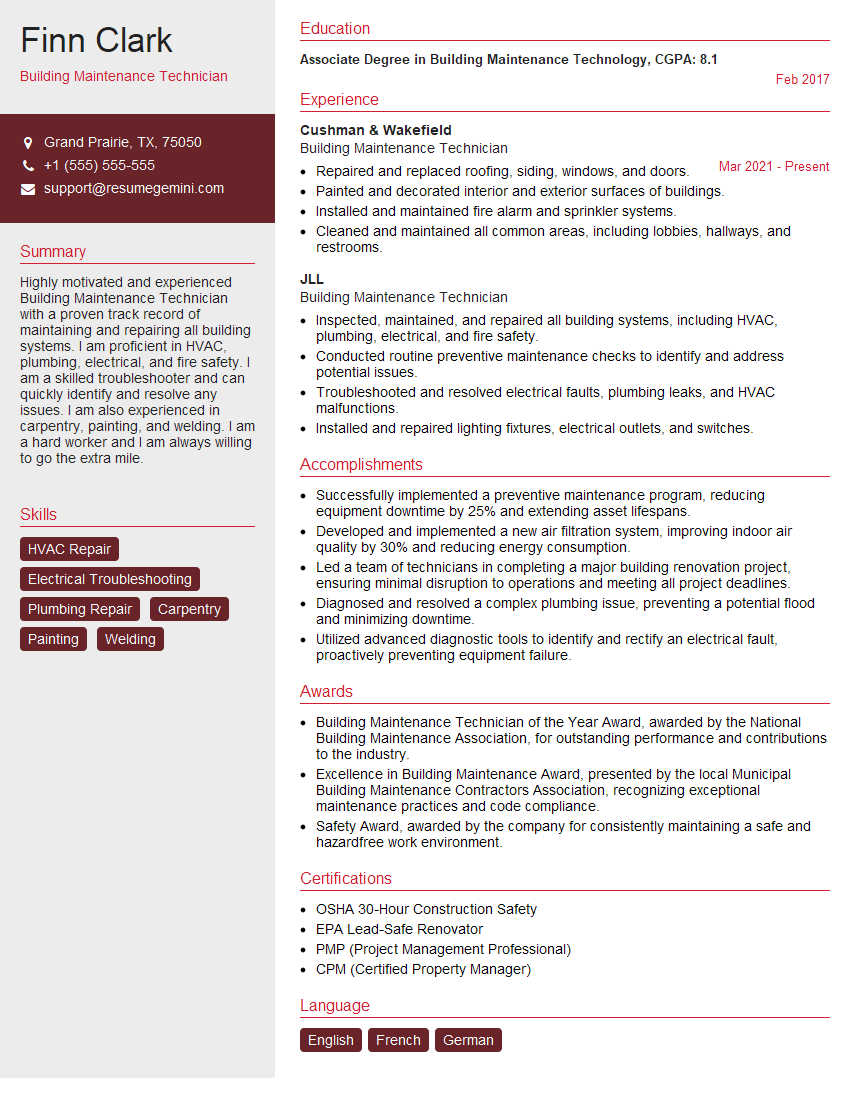
Building Maintenance Technician Resume Sample
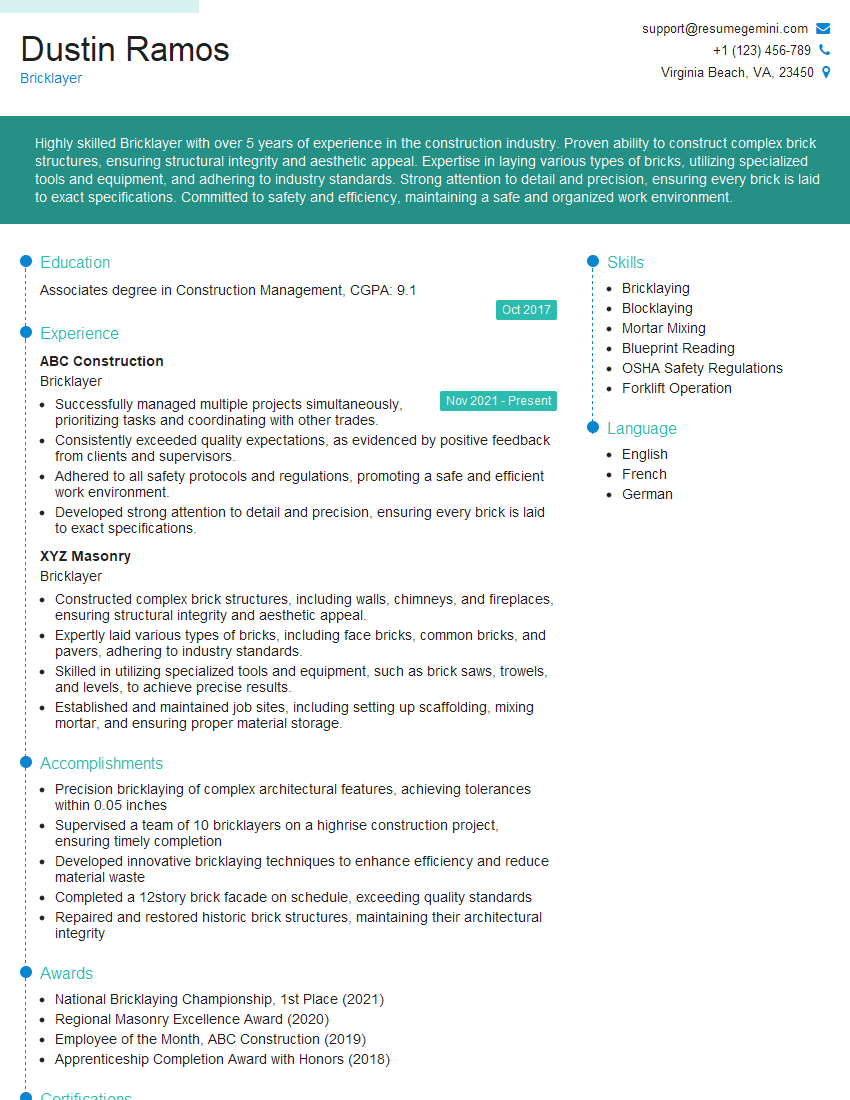
Bricklayer Resume Sample
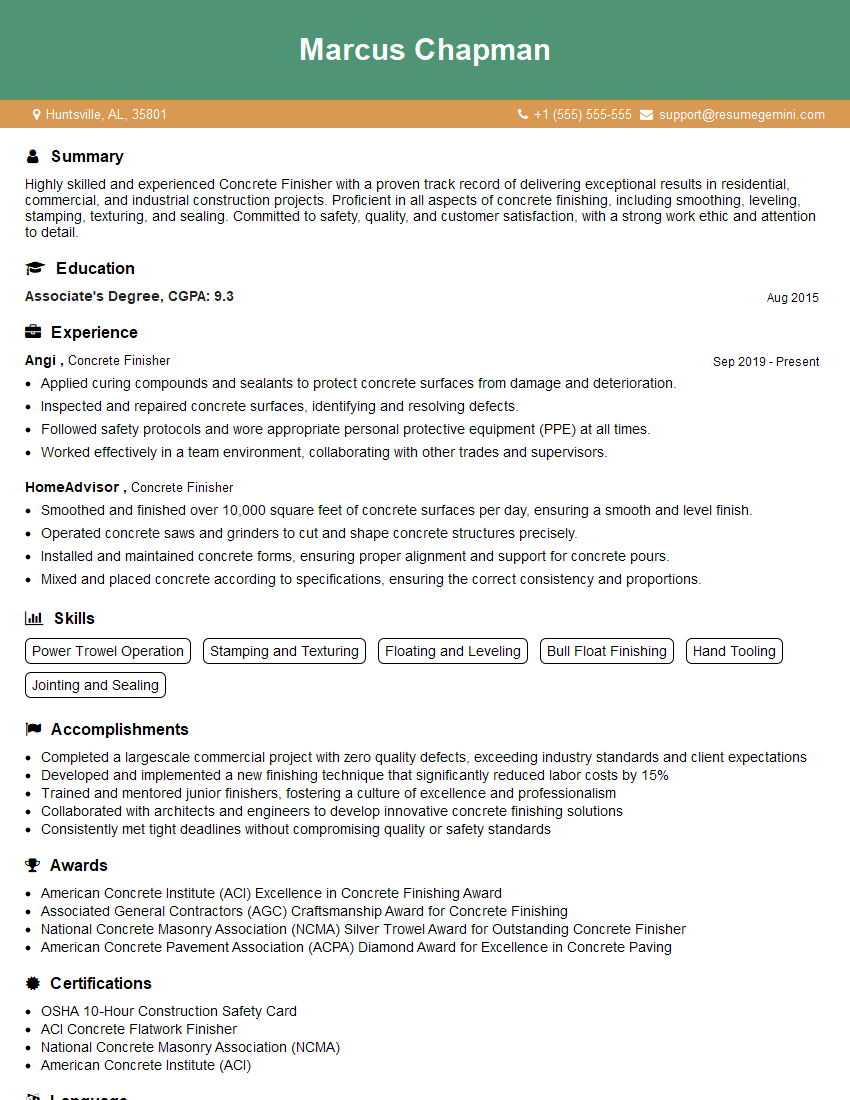
Concrete Finisher Resume Sample
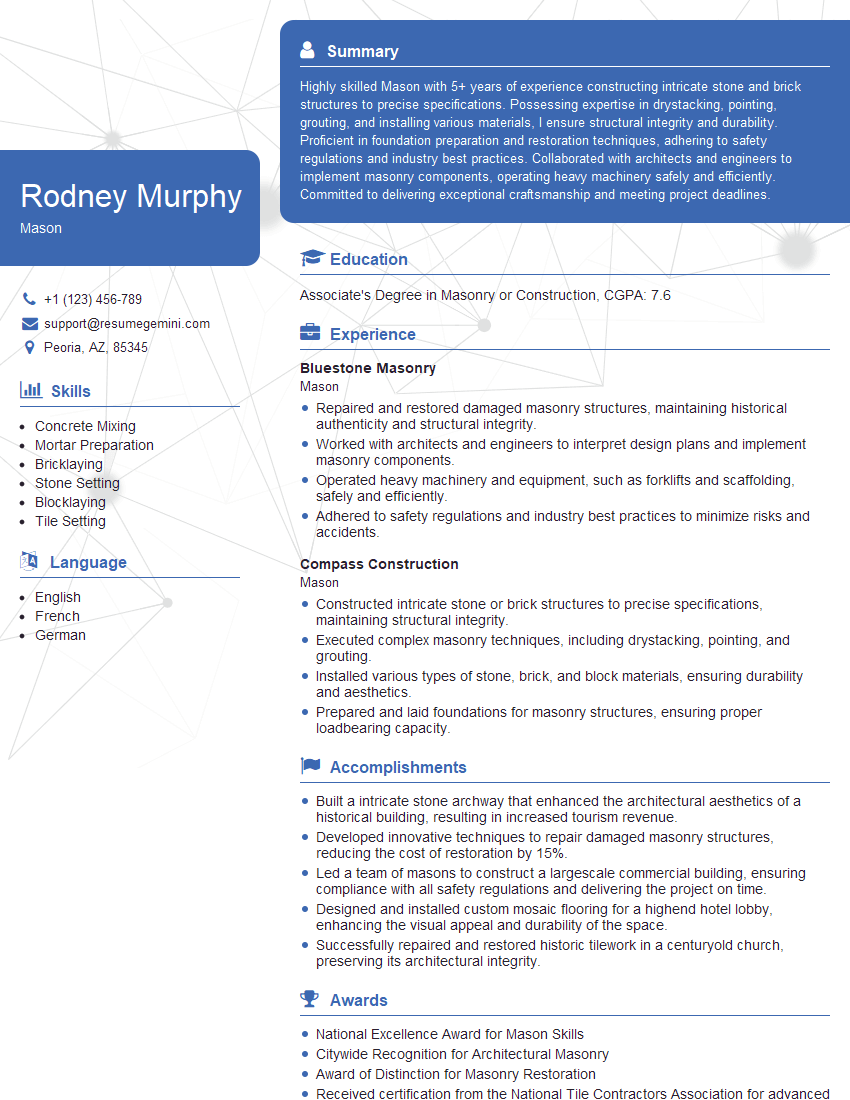
Mason Resume Sample
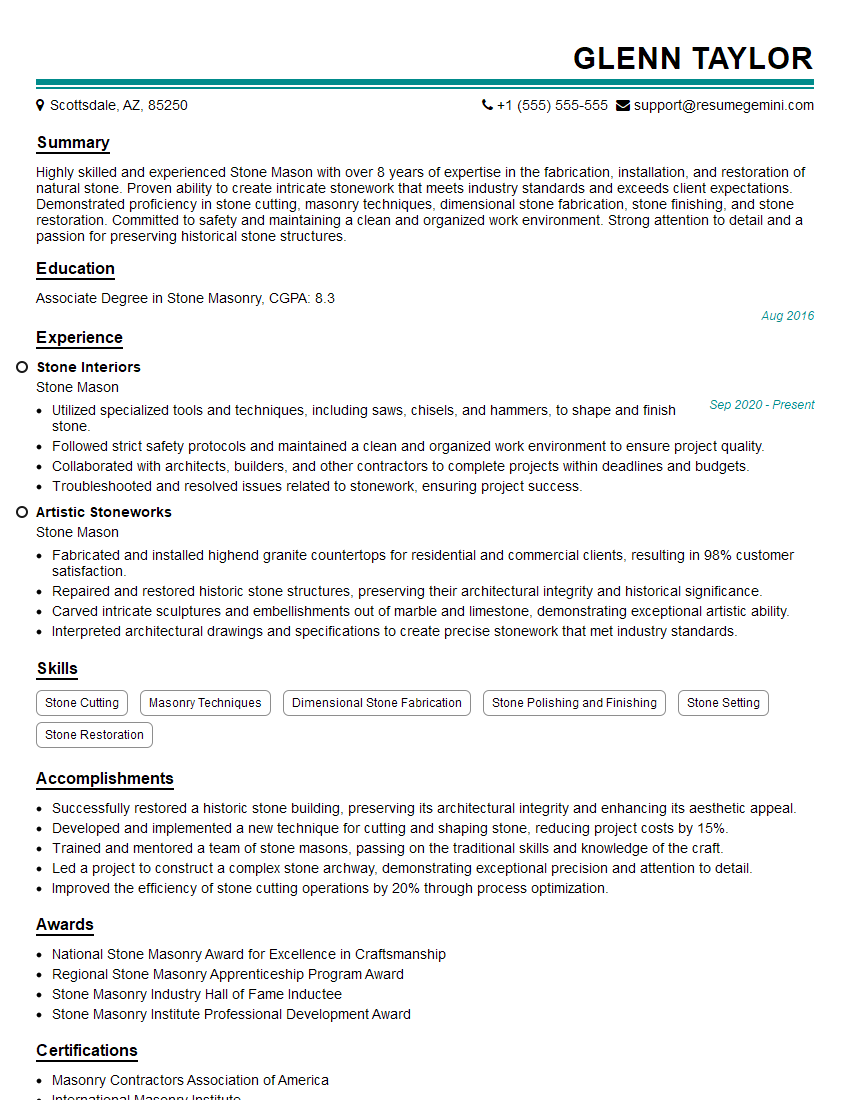
Stone Mason Resume Sample
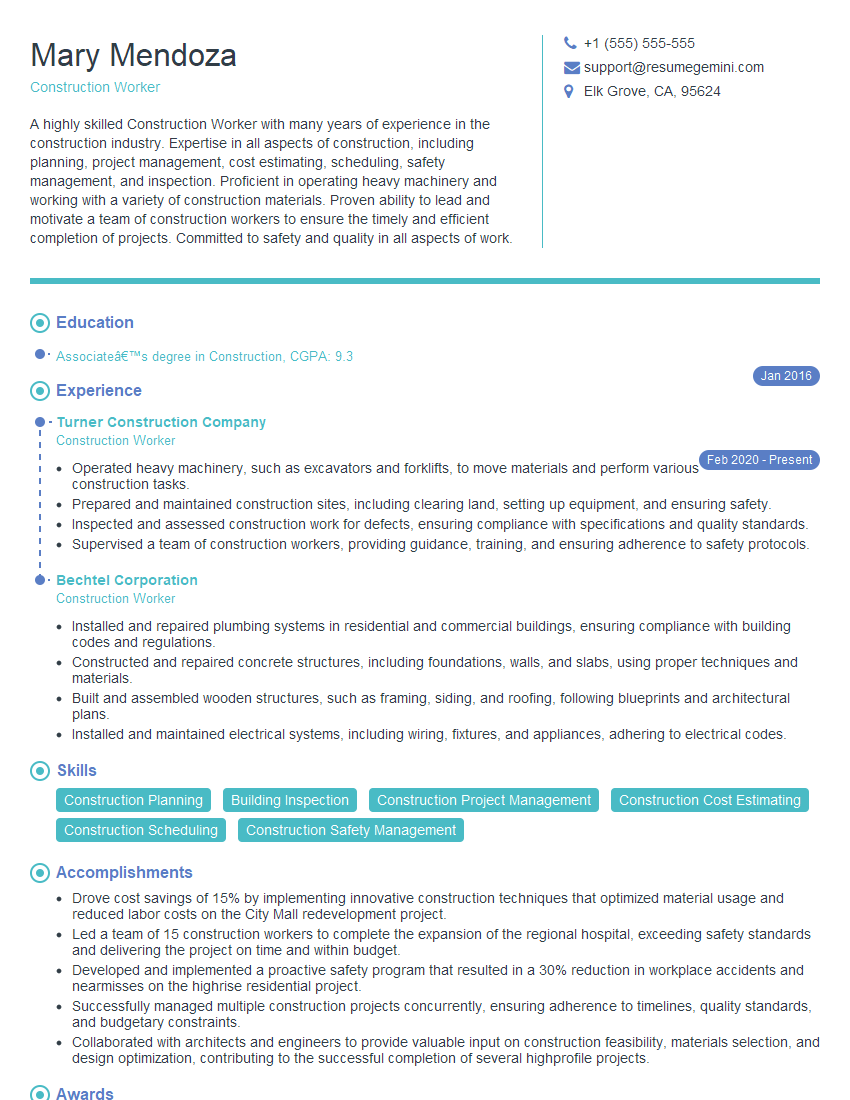
Construction Worker Resume Sample
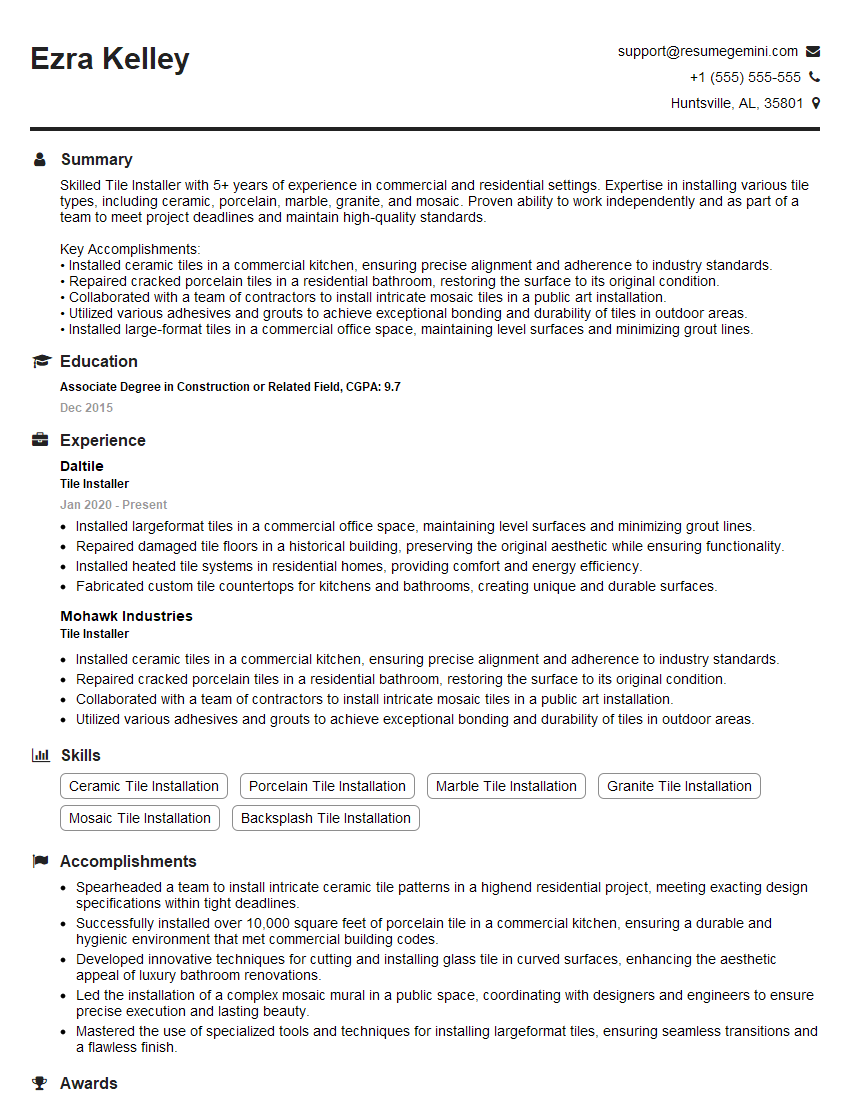
Tile Installer Resume Sample
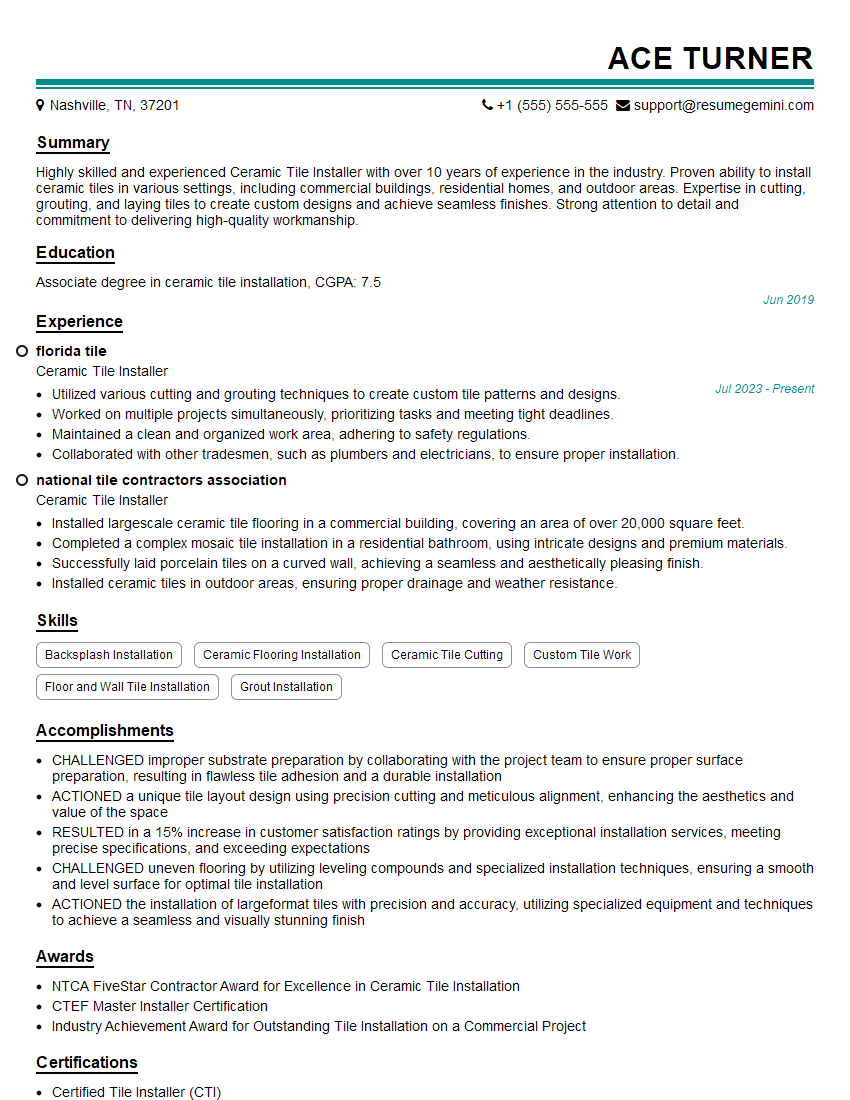
Ceramic Tile Installer Resume Sample
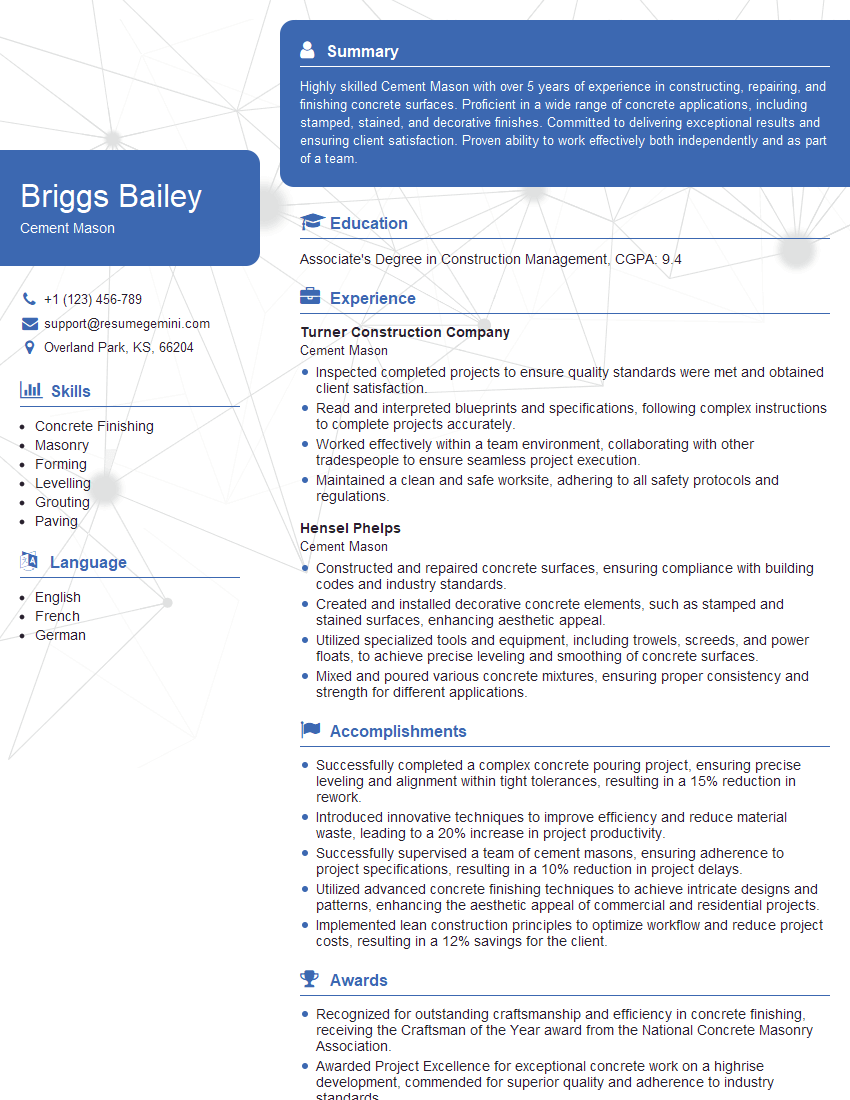
Cement Mason Resume Sample
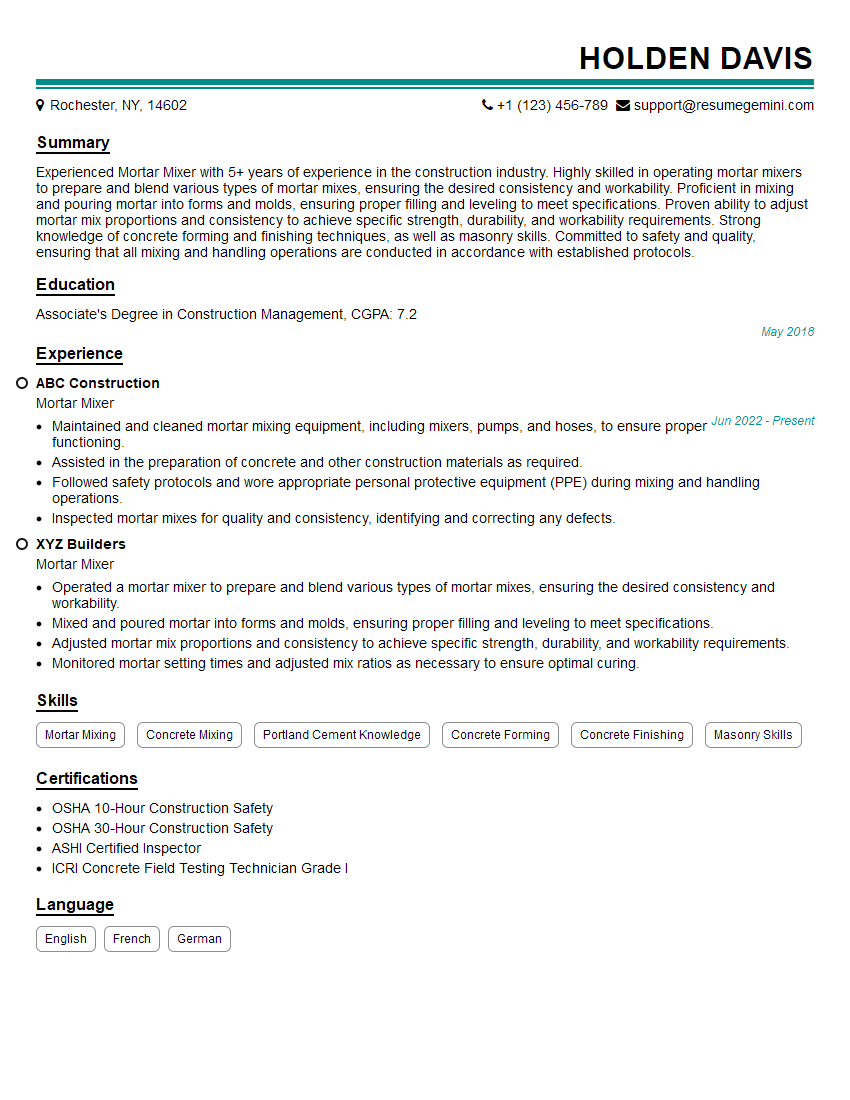
Mortar Mixer Resume Sample
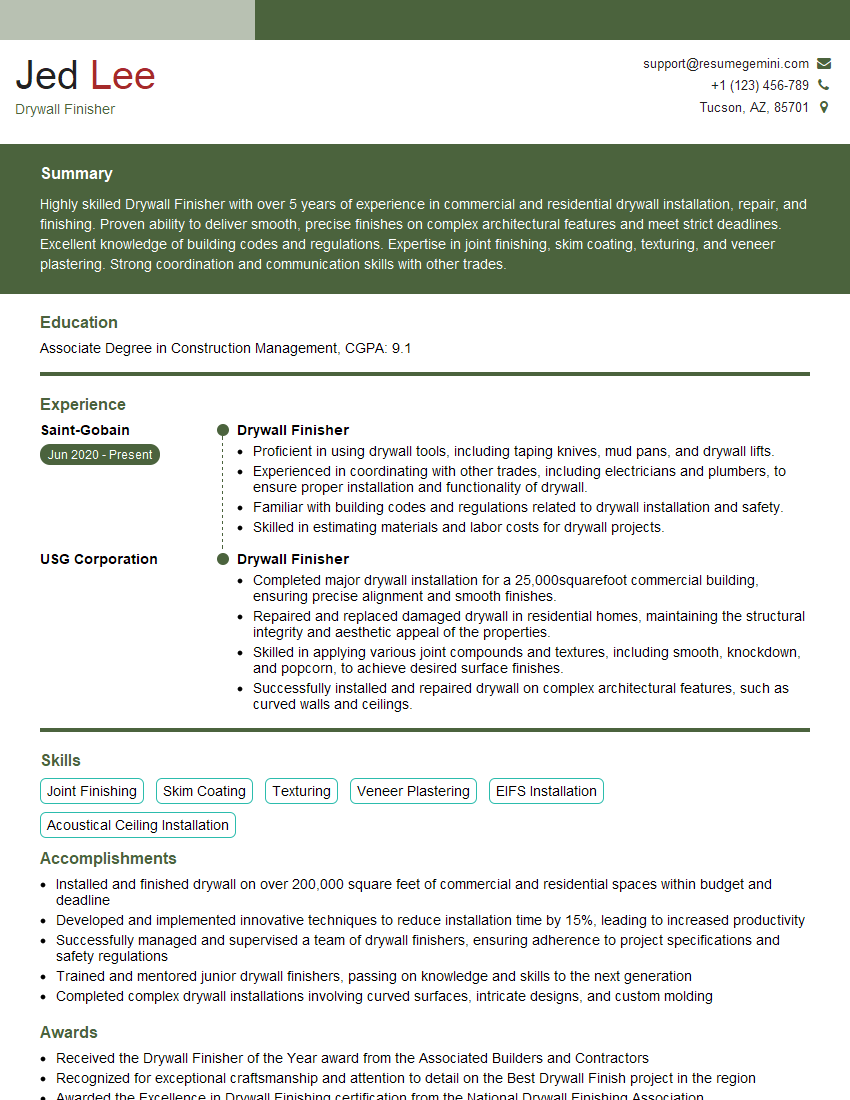
Drywall Finisher Resume Sample
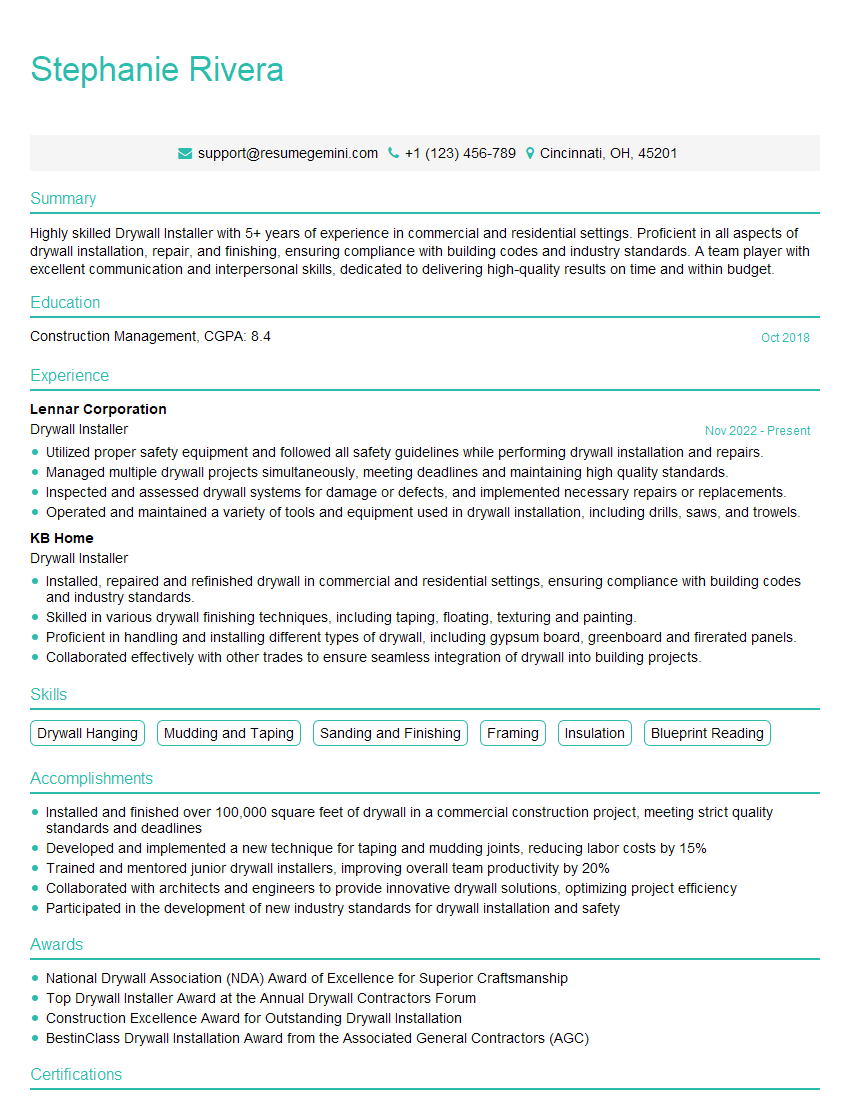
Drywall Installer Resume Sample
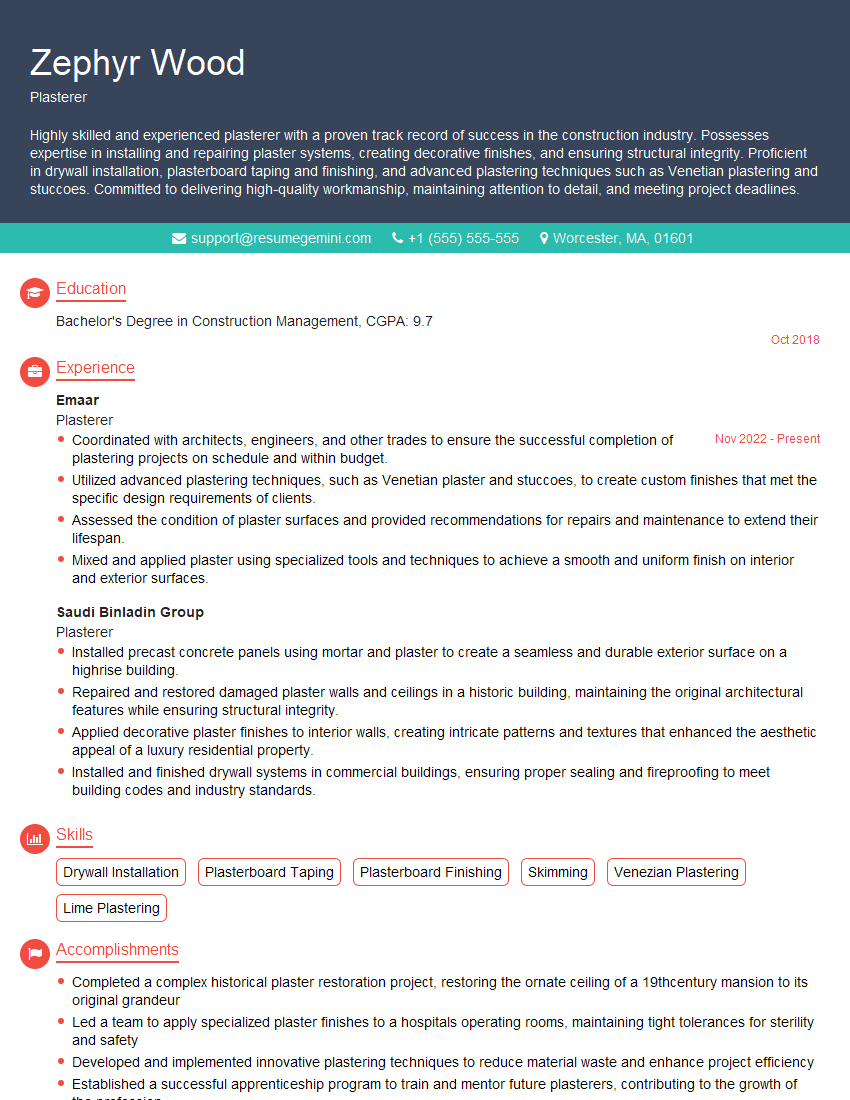
Plasterer Resume Sample
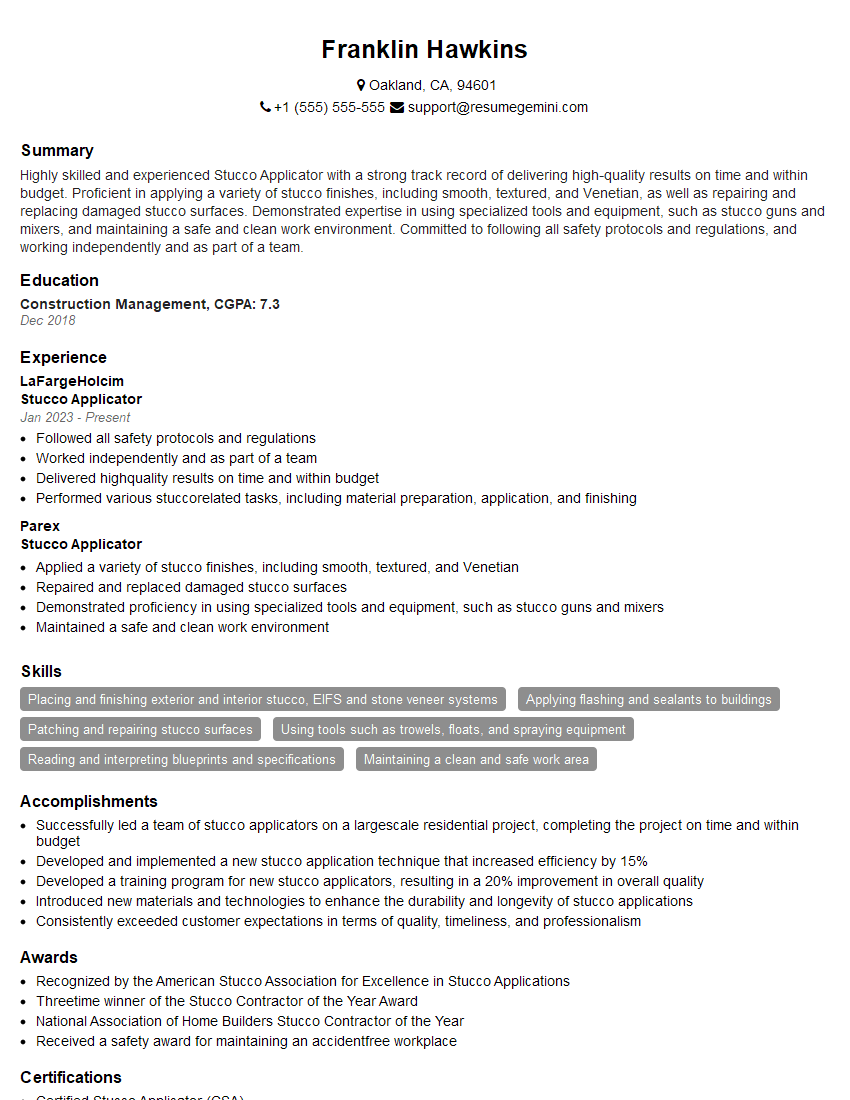
Stucco Applicator Resume Sample
Explore more articles
Users Rating of Our Blogs
Share Your Experience
We value your feedback! Please rate our content and share your thoughts (optional).
What Readers Say About Our Blog
To the interviewgemini.com Webmaster.
Very helpful and content specific questions to help prepare me for my interview!
Thank you
To the interviewgemini.com Webmaster.
This was kind of a unique content I found around the specialized skills. Very helpful questions and good detailed answers.
Very Helpful blog, thank you Interviewgemini team.