Interviews are more than just a Q&A session—they’re a chance to prove your worth. This blog dives into essential Argon Plasma Coagulation interview questions and expert tips to help you align your answers with what hiring managers are looking for. Start preparing to shine!
Questions Asked in Argon Plasma Coagulation Interview
Q 1. Describe the mechanism of action of Argon Plasma Coagulation (APC).
Argon Plasma Coagulation (APC) is a minimally invasive energy-based treatment that uses a high-frequency electrical current to generate plasma, a superheated ionized gas. This plasma energy is delivered through a specially designed probe to the target tissue, causing desiccation (drying out) and coagulation (clotting) of blood vessels and tissue. Think of it like a tiny, controlled ‘burn’ that seals off bleeding vessels. The argon gas acts as a conduit for the energy, protecting the probe tip from sticking to the tissue and allowing for precise targeting.
The mechanism is essentially thermal: the plasma generates heat, which denatures proteins in the tissue, causing it to coagulate and shrink. This process effectively stops bleeding and can also destroy abnormal tissue, such as polyps or tumors.
Q 2. What are the indications for using APC?
APC is indicated for a variety of conditions where controlling bleeding or destroying abnormal tissue is necessary. Common indications include:
- Bleeding ulcers: Specifically, those that haven’t responded to other treatments.
- Angiodysplasia (AVM): Abnormal blood vessels in the gastrointestinal tract that can lead to bleeding.
- Bleeding esophageal varices: Enlarged veins in the esophagus, a frequent complication of liver disease.
- Polyps and tumors: Small lesions in the gastrointestinal tract that may require removal or ablation.
- Dieulafoy’s lesion: A rare cause of gastrointestinal bleeding involving an abnormally large artery.
The choice of APC will always be determined by the severity and location of the bleed, alongside patient factors such as comorbidities.
Q 3. What are the contraindications for APC?
Contraindications to APC are situations where the procedure poses a significant risk. These include:
- Severe coagulopathy: Patients with significant bleeding disorders are at increased risk of complications.
- Perforation risk: APC should be avoided in areas where perforation (a hole in the organ) is a high risk, such as areas with thin tissue.
- Cardiac arrhythmias: Pre-existing heart rhythm problems increase the risks associated with electrical currents.
- Implanted devices: Pacemakers or other implanted devices could be affected by the electrical current used in APC.
- Active infection at the site: This can increase the risk of infection spreading.
A thorough assessment of the patient’s history and current condition is crucial before considering APC.
Q 4. Explain the steps involved in performing an APC procedure.
The procedure generally follows these steps:
- Preparation: The patient is given sedation and placed under appropriate endoscopic monitoring. The treatment area is visualized using endoscopy (a thin, flexible tube with a camera).
- Probe insertion: The APC probe is carefully advanced through the endoscope to the bleeding site.
- Plasma application: The plasma is delivered in short bursts, carefully controlled by the physician, to coagulate the bleeding vessels. The size and pattern of application varies based on need.
- Visual assessment: The effect is continually monitored throughout the procedure. Bleeding should cease.
- Probe withdrawal: Once hemostasis (stopping bleeding) is achieved, the probe is carefully withdrawn.
- Post-procedure observation: The patient is observed for any complications and given discharge instructions.
The precise steps and techniques can vary slightly depending on the specific clinical scenario and the preferences of the physician.
Q 5. What are the potential complications of APC?
While generally safe, APC carries potential complications:
- Perforation: A hole in the organ being treated, which is a serious complication requiring immediate surgical intervention.
- Bleeding: Despite the procedure’s aim, significant bleeding can sometimes occur.
- Infection: Infection can occur at the treatment site.
- Thermal injury: Damage to adjacent tissues caused by excessive heat.
- Electrocution: Though rare, this remains a risk during the procedure.
These complications are rare when the procedure is performed by experienced professionals using proper technique.
Q 6. How do you manage bleeding during an APC procedure?
Bleeding management during APC is multifaceted and depends on the cause and severity.
Initial management often involves adjustments to the APC parameters – reducing power output or treatment time. If bleeding persists, alternative hemostatic techniques may be used, including injection of epinephrine (a vasoconstrictor) or clips to seal bleeding vessels. In cases of uncontrollable bleeding, surgical intervention may be necessary. Careful monitoring of vital signs, such as blood pressure and heart rate, is critical to detecting and addressing any bleeding promptly.
Q 7. What are the advantages and disadvantages of APC compared to other treatment modalities?
APC offers several advantages compared to other modalities:
- Minimally invasive: Compared to open surgery, it’s less invasive, resulting in shorter hospital stays and faster recovery.
- Precise targeting: The argon gas allows for more precise application of energy compared to some other techniques.
- Effective hemostasis: It’s often effective in controlling bleeding in difficult-to-manage cases.
However, disadvantages include:
- Risk of complications: As discussed earlier, potential complications exist, including perforation and infection.
- Cost: APC can be more expensive than other treatments.
- Specialized equipment: Requires specialized equipment and experienced personnel.
The choice of treatment depends on the individual patient and the specifics of their condition. A thorough discussion between the physician and patient is essential to weigh the benefits and risks.
Q 8. Describe the different types of APC applicators and their uses.
Argon plasma coagulation (APC) applicators come in various designs, each optimized for specific anatomical locations and treatment needs. The core function remains the same – delivering argon plasma to the target tissue to achieve coagulation – but the design influences ease of use and precision.
Standard Applicators: These are general-purpose applicators with a relatively large active tip. They’re versatile and suitable for treating larger areas or lesions in easily accessible locations. Think of them as the ‘all-purpose’ tool in a plumber’s kit.
Needle Applicators: Designed with a slender, needle-like tip, these allow for precise coagulation in confined spaces, like deep within a bleeding ulcer or within a complex anatomical structure. They’re excellent for targeting small, specific areas minimizing damage to surrounding tissue. This is like using a precision screwdriver versus a hammer.
Balloon Applicators: Used primarily in the treatment of esophageal varices, these applicators incorporate a balloon that helps to provide uniform application of argon plasma to the varix surface. The balloon ensures even treatment across the targeted tissue, reducing the risk of incomplete coagulation. This offers better control and ensures complete treatment.
Angled Applicators: These applicators have a curved or angled tip, allowing for the treatment of lesions that are not directly accessible with standard applicators. This is advantageous in situations with limited visibility or awkward angles.
The choice of applicator depends heavily on the location and nature of the bleeding site, the patient’s anatomy, and the physician’s experience and preference. For instance, a needle applicator would be preferred for a deep, small bleeding ulcer, while a balloon applicator is essential for treating esophageal varices.
Q 9. How is the power setting adjusted during an APC procedure?
Power setting adjustment in APC is crucial for efficacy and safety. The power is typically measured in watts, and the setting depends on the tissue type, the size and depth of the lesion, and the desired effect (coagulation vs. ablation).
It’s a dynamic process; the power setting isn’t fixed throughout the procedure. The physician constantly monitors the response of the tissue to the argon plasma. If coagulation is slow or insufficient, the power may be increased gradually. Conversely, if the tissue response is too vigorous (e.g., excessive charring or perforation risk), the power should be reduced. This requires considerable skill and experience. Imagine adjusting the heat on a stovetop – you start low and gradually increase as needed, constantly monitoring the food to prevent burning.
Usually, the procedure begins with a lower power setting to assess the tissue response and then incrementally increases as needed. This ensures controlled coagulation and minimizes the risk of complications such as perforation or excessive tissue damage. Most APC generators have pre-set power levels to aid in the treatment process.
Q 10. How do you monitor the patient during an APC procedure?
Patient monitoring during APC is paramount to ensure safety and identify potential complications promptly. This involves continuous observation of vital signs (heart rate, blood pressure, oxygen saturation) and assessment of the patient’s overall condition.
Vital Sign Monitoring: Continuous monitoring of heart rate, blood pressure, respiratory rate, and oxygen saturation (SpO2) is essential. Changes in these parameters may indicate complications such as perforation, bleeding, or hemodynamic instability.
Electrocardiogram (ECG): ECG monitoring is often used to detect any arrhythmias that may arise during the procedure.
Clinical Assessment: The physician should constantly assess the patient’s level of comfort, alertness, and response to the procedure. Any signs of pain, distress, or changes in mental status should be addressed immediately.
Endoscopic Visualization: During endoscopic APC procedures, direct visualization of the treated area allows for real-time assessment of the efficacy of coagulation and detection of any potential complications.
Imagine a pilot constantly monitoring the flight instruments; the physician similarly relies on these monitoring techniques for safe and effective procedure completion. Any deviation from the baseline requires immediate attention and intervention.
Q 11. What are the post-procedure care instructions for patients who undergo APC?
Post-procedure care instructions for APC patients focus on monitoring for complications and promoting healing. These instructions are often tailored to the specific procedure performed and the patient’s condition.
Dietary Restrictions: Depending on the location treated (e.g., gastrointestinal tract), dietary restrictions might be temporary. Patients might be advised to start with a clear liquid diet and gradually progress to a regular diet as tolerated.
Medication: Patients might be prescribed medications to manage pain, prevent infection, or control bleeding.
Follow-up Appointments: Regular follow-up appointments are scheduled to monitor healing, assess the effectiveness of the treatment, and address any complications.
Activity Restrictions: Depending on the procedure, mild activity restrictions might be recommended to promote healing and prevent re-bleeding.
Signs and Symptoms to Watch For: Patients should be informed about the signs and symptoms of potential complications, such as fever, increased pain, persistent bleeding, or changes in bowel habits, and instructed to seek medical attention immediately if they experience these.
Providing clear and concise post-procedure instructions is critical for patient safety and successful recovery. It’s akin to giving a patient a detailed recipe for a quick and complete recovery.
Q 12. How do you assess the effectiveness of an APC procedure?
Assessing the effectiveness of an APC procedure involves a multi-faceted approach, combining immediate post-procedure observation with longer-term follow-up.
Immediate Hemostasis: The most immediate sign of effectiveness is the cessation of bleeding during and immediately after the procedure. Endoscopic visualization helps confirm the successful coagulation of the bleeding site.
Follow-up Endoscopy: A follow-up endoscopy is often performed to assess the healing of the treated area and rule out re-bleeding or complications.
Clinical Symptoms: The absence of clinical symptoms related to the original condition (e.g., absence of hematemesis (vomiting blood) in case of bleeding ulcers) suggests the success of the procedure.
Laboratory Tests: Hemoglobin and hematocrit levels can help assess blood loss and recovery.
The success is not simply the absence of bleeding but also the long-term prevention of recurrence. This requires careful post-procedure monitoring and follow-up.
Q 13. What are the common complications associated with APC in the treatment of bleeding ulcers?
While generally safe, APC for bleeding ulcers carries potential complications, though the rate is relatively low when performed by experienced endoscopists. These complications can include:
Perforation: A hole can be accidentally created in the stomach or duodenal wall. This is a serious complication requiring immediate surgical intervention.
Bleeding: Despite the intent to stop bleeding, some instances might see persistent or recurrent bleeding. This usually requires further treatment, such as injection therapy or surgery.
Infection: Infection can occur at the treated site, particularly if perforation occurs. Antibiotics are usually prescribed to prevent or treat infections.
Post-procedural pain: Some patients experience post-procedure pain, usually managed with analgesics.
Stenosis: In rare cases, scarring from APC can lead to narrowing (stenosis) of the gastrointestinal tract. This is usually diagnosed through later endoscopy and might require further intervention.
Minimizing these complications relies heavily on physician skill, proper patient selection, and meticulous technique. The analogy is to surgery; it carries risks, but experienced surgeons can greatly reduce these risks with proper training and technique.
Q 14. Discuss the role of APC in the treatment of esophageal varices.
APC plays a significant role in the management of esophageal varices, abnormal, enlarged veins in the esophagus, a serious complication of portal hypertension (increased pressure in the portal vein). These varices are prone to rupture, leading to life-threatening bleeding.
APC offers a less invasive alternative to other treatments like banding and sclerotherapy. Using a balloon applicator (as mentioned earlier), the argon plasma precisely targets the varices, creating coagulation and reducing the risk of rupture.
It’s often used as a first-line therapy or as an adjunct to other methods. The advantage lies in its ability to treat large varices or multiple varices simultaneously. Unlike banding, which targets individual varices, APC can treat a larger surface area, making it suitable for severe cases. However, APC in esophageal varices isn’t without risks; perforation remains a serious possibility, and careful patient selection and technique are crucial for success.
The effectiveness is assessed similar to bleeding ulcers, through immediate cessation of bleeding, followed up with endoscopy to confirm healing and absence of re-bleeding. In this context, APC is a valuable tool in managing a life-threatening condition, offering a safer alternative compared to other options in many scenarios.
Q 15. How is APC used in the treatment of lung tumors?
Argon plasma coagulation (APC) is a minimally invasive procedure used to treat various lung tumors, particularly those located in the airways or periphery of the lung. It’s particularly useful for treating early-stage tumors or lesions that are not suitable for surgical resection due to location or patient health. The procedure involves using an argon plasma beam to desiccate (dry out) and coagulate the tumor tissue. This heat effectively destroys the cancerous cells. It’s important to note that APC is not a curative treatment for all lung cancers; it’s often used for palliation (improving quality of life) or as a bridge to more definitive therapies. For example, a patient with a centrally located airway tumor causing significant airway obstruction might undergo APC to improve breathing before other treatments are considered.
The process involves inserting a flexible endoscope into the airways. Once the tumor is visualized, the argon plasma beam is applied precisely to the tumor tissue, causing immediate coagulation. The effectiveness is often assessed through visual inspection and sometimes bronchoscopic biopsy to confirm the destruction of the abnormal cells.
Career Expert Tips:
- Ace those interviews! Prepare effectively by reviewing the Top 50 Most Common Interview Questions on ResumeGemini.
- Navigate your job search with confidence! Explore a wide range of Career Tips on ResumeGemini. Learn about common challenges and recommendations to overcome them.
- Craft the perfect resume! Master the Art of Resume Writing with ResumeGemini’s guide. Showcase your unique qualifications and achievements effectively.
- Don’t miss out on holiday savings! Build your dream resume with ResumeGemini’s ATS optimized templates.
Q 16. What are the differences between APC and other energy-based therapies?
APC distinguishes itself from other energy-based therapies like laser therapy, electrocautery, and microwave ablation primarily in its method of tissue destruction and the characteristics of the energy used. APC uses a non-contact method of delivering a plasma beam, a superheated ionized gas, generating less heat in surrounding tissues compared to some other techniques. Laser therapies, for instance, can potentially cause more thermal injury in adjacent healthy tissue. Electrocautery uses direct contact, leading to a higher risk of perforation and bleeding. Microwave ablation uses heat generated internally within the tissue, limiting its applicability for certain lesions. APC’s unique ability to deliver precisely controlled energy to target tissue with minimal collateral damage makes it particularly advantageous for delicate areas like the airways. Think of it like this: a laser is like a focused light beam, electrocautery is like a hot knife, and APC is like a controlled burst of superheated air that precisely targets the tissue.
Q 17. What are the safety precautions to be observed while performing an APC procedure?
Safety precautions during APC are paramount. The procedure is performed under careful monitoring, including constant observation of vital signs (heart rate, blood pressure, oxygen saturation), continuous pulse oximetry, and potentially cardiac monitoring, especially in patients with pre-existing cardiac conditions. The procedure should be performed by a skilled endoscopist trained in advanced bronchoscopic techniques. Adequate sedation and analgesia are usually administered to ensure patient comfort and minimize movement. Having readily available emergency equipment, including resuscitation supplies and the capacity for immediate intervention, is essential. Proper disinfection and sterilization of equipment, including the endoscope, is crucial to prevent infection. Furthermore, the power settings of the APC device must be carefully adjusted according to the tissue type and location to avoid excessive thermal damage.
Q 18. How do you manage perforation during an APC procedure?
Perforation during APC, while rare, is a serious complication. Immediate recognition and management are critical. The first step is immediate cessation of the APC procedure. The approach to managing perforation depends on the size and location of the perforation. Small perforations may be managed conservatively with close observation, intravenous antibiotics, and supportive care. Larger perforations may require immediate intervention, such as placement of a chest tube to drain air or fluid from the pleural space, or even surgical repair. The decision on the best management approach is determined based on the patient’s clinical status and the severity of the perforation. Post-procedure imaging, like a chest CT scan, will be essential to assess the extent of the injury and guide treatment.
Q 19. Describe the role of the endoscopist during an APC procedure.
The endoscopist plays a pivotal role during an APC procedure, acting as the conductor of the entire process. They are responsible for the accurate placement of the endoscope, precise targeting of the lesion with the argon plasma beam, and careful monitoring of tissue response during the procedure. This requires significant expertise in bronchoscopy and a thorough understanding of lung anatomy. Their skillful manipulation of the endoscope ensures minimal damage to surrounding healthy tissue. The endoscopist will adjust the power settings of the APC device and continuously assess the treatment effects. They also communicate actively with the assisting staff and the anesthesiologist to manage any complications that might arise.
Q 20. What are the types of equipment used during an APC procedure?
The equipment used during an APC procedure includes a flexible bronchoscope with an integrated argon plasma coagulation generator, a high-frequency generator for energy delivery, an argon gas supply, and appropriate monitoring equipment. This monitoring equipment includes pulse oximetry, electrocardiogram (ECG) monitoring, and blood pressure monitoring devices to ensure patient safety throughout the procedure. The bronchoscope allows for visualization of the airway and accurate placement of the argon plasma jet. Appropriate suctioning equipment is also essential to clear secretions and maintain a clear airway. A variety of accessories for the bronchoscope may be used, including forceps and brushes for biopsy, if needed.
Q 21. Describe the role of the assisting staff during an APC procedure.
The assisting staff, usually a registered nurse or respiratory therapist, plays a crucial support role. They assist the endoscopist by setting up and maintaining the equipment, managing the patient’s airway, monitoring vital signs, and preparing medications. They might also assist with suctioning and handling specimens. Good communication between the endoscopist and the assisting staff is crucial to maintain a safe and efficient procedure. The assisting staff is also responsible for preparing the equipment before the procedure and cleaning and sterilizing the equipment afterwards. They also play a vital role in ensuring the patient’s comfort and safety.
Q 22. How do you prevent thermal injury during APC?
Preventing thermal injury during Argon Plasma Coagulation (APC) is paramount. It’s achieved through careful control of several key parameters. Think of it like cooking – you need to precisely control the heat to avoid burning your food. In APC, we’re ‘cooking’ tissue, but we want a controlled effect, not a destructive burn.
- Power Settings: Low power settings are crucial. We start with the lowest effective power and gradually increase it, constantly monitoring the tissue response. Overly aggressive power settings lead to deep, uncontrolled necrosis.
- Irrigation: Continuous saline irrigation is essential. The saline acts like a heat sink, dissipating heat away from the target tissue and preventing deep burns. It’s like using a spray bottle to keep the ‘cooking’ surface moist and prevent charring.
- Distance Control: Maintaining the correct distance between the electrode and the tissue is vital. Too close, and you’ll cause excessive heating; too far, and you won’t achieve the desired effect. This is like maintaining the correct flame distance when cooking – too close, and the food burns; too far, and it doesn’t cook properly.
- Short Bursts: Using short bursts of energy allows for better control and minimizes the risk of deep tissue damage. It’s similar to using quick, controlled flicks instead of long, sustained heat application when cooking.
- Experienced Operator: A skilled operator with an in-depth understanding of APC principles is crucial in preventing complications. Their experience allows for precise control and anticipation of potential issues.
Q 23. Explain the importance of pre-procedural assessment in APC.
Pre-procedural assessment in APC is critical for patient safety and procedural success. It’s like meticulously checking your ingredients and equipment before you start cooking a complex dish. A thorough assessment identifies potential risks and allows for appropriate adjustments to the procedure.
- Patient History: A complete medical history, including coagulation disorders, medication use (anticoagulants, antiplatelets), and allergies is vital. This helps identify potential bleeding risks and guide the choice of medication adjustments or alternative treatments.
- Physical Examination: A focused physical examination of the target area and overall assessment of the patient’s condition is essential. This helps identify anatomical abnormalities or conditions that could influence the procedure.
- Imaging Studies: Imaging such as endoscopy, angiography or CT scans often guide the procedure, providing crucial information about the lesion’s size, location, and surrounding vasculature. This is like having a detailed blueprint of your ‘cooking project’.
- Informed Consent: Obtaining informed consent is crucial. Patients must understand the procedure’s benefits, risks, and alternatives. This ensures the patient is fully aware and involved in the decision-making process.
Q 24. What are the imaging techniques that can be used to guide APC?
Several imaging techniques can guide APC, each offering unique advantages depending on the clinical scenario. Imagine trying to repair a complex circuit board; you wouldn’t do it blind. Similarly, precise imaging guides safe and effective APC.
- Endoscopy: This is the most commonly used technique, providing real-time visualization of the target lesion and surrounding tissues. It allows for direct application of the APC electrode.
- Fluoroscopy: Useful for visualizing vascular structures, fluoroscopy helps in procedures involving bleeding vessels. It’s particularly helpful in guiding APC for controlling bleeding in the gastrointestinal tract.
- Ultrasound: Ultrasound can be used in certain situations, for example, to guide APC in the treatment of superficial lesions or in cases where endoscopy is difficult or impossible.
- CT scan/MRI: These modalities primarily provide pre-procedural mapping of the lesion and surrounding structures, aiding in procedural planning.
Q 25. Describe the role of Argon Plasma Coagulation in the management of Dieulafoy’s lesion
Dieulafoy’s lesion is a rare cause of severe gastrointestinal bleeding, characterized by a submucosal artery that erodes through the mucosa. APC plays a crucial role in its management, offering a minimally invasive approach to hemostasis.
By precisely applying energy to the bleeding vessel, APC can induce coagulation and seal the defect. It’s like carefully cauterizing a small, precisely located cut. The goal is to achieve hemostasis without extensive tissue damage. APC’s ability to target specific areas makes it particularly suitable for Dieulafoy’s lesions, which are often located in difficult-to-access areas.
However, it’s important to note that endoscopic clipping or other techniques might be preferred in certain cases depending on the lesion’s characteristics and surgeon preference.
Q 26. How do you handle unexpected situations during an APC procedure?
Unexpected situations during APC are rare but require immediate and decisive action. A well-rehearsed plan and quick thinking are crucial. Think of it as having a backup plan for when your original cooking recipe fails.
- Excessive Bleeding: If unexpected bleeding occurs, immediate measures like increasing irrigation, lowering power settings, or switching to another technique (e.g., injection of epinephrine or clipping) are employed. The priority is to control the bleeding immediately.
- Perforation: If perforation is suspected, the procedure must be stopped, and the patient may require surgical intervention. Immediate consultation with a surgeon and preparation for potential laparotomy is vital.
- Equipment Malfunction: If equipment malfunctions, having backup equipment readily available is essential. Immediate assessment of the situation and safe completion of the procedure or prompt referral to a surgical team is necessary.
Thorough pre-procedural assessment, careful execution, and a well-defined emergency plan are critical in mitigating unexpected complications.
Q 27. Discuss your experience with different types of APC generators.
I have experience with various APC generators from leading manufacturers. Each generator has its own nuances in terms of power output, interface design, and safety features, akin to different models of ovens, each offering unique functionalities.
The key features I value are precise power control, ease of use, robust safety features (like automatic power shutoff), and clear visual feedback. The differences between generators primarily relate to ergonomics, software interface, and the range of power output and waveform options. This often depends on the specific clinical needs of the intervention.
While the fundamental principles remain consistent, familiarity with the specific model in use is crucial for optimal performance and safety. Regular training and competency assessments on specific devices is essential for maintaining proficiency and patient safety.
Q 28. What is your experience with managing post-APC complications?
Managing post-APC complications requires vigilance and proactive measures. Similar to the post-operative care of any surgical procedure, monitoring the patient for potential issues is important. It’s like observing your dish after cooking to ensure it has been cooked properly.
- Bleeding: Close monitoring for bleeding, either immediately post-procedure or in the days following, is crucial. This involves assessing vital signs, stool color and potential need for blood transfusions.
- Infection: Risk of infection at the treatment site needs to be considered, particularly when the procedure is performed in a high-risk anatomical area. Prophylactic antibiotics may be used in some cases.
- Perforation: Post-procedural perforation is a serious complication and requires immediate surgical intervention. Signs of perforation must be promptly identified and addressed.
- Pain Management: Pain management is an essential aspect of post-APC care, aiming to minimize patient discomfort and facilitate a quicker recovery.
Post-procedural follow-up, including imaging, endoscopy, or other evaluations as clinically indicated, is often necessary to assess the effectiveness of the APC and identify and manage any potential complications.
Key Topics to Learn for Argon Plasma Coagulation Interview
- Principles of Argon Plasma Coagulation (APC): Understand the underlying physics and chemistry involved in generating and utilizing argon plasma for medical procedures. This includes understanding the role of electricity, gas ionization, and thermal effects.
- APC Equipment and Instrumentation: Familiarize yourself with different APC devices, their components, and operational parameters. Be prepared to discuss safety protocols and maintenance procedures.
- Clinical Applications of APC: Explore the diverse applications of APC in various medical specialties, such as gastroenterology, pulmonology, and surgery. Focus on specific treatment scenarios and their associated risks and benefits.
- Tissue Effects and Complications: Develop a strong understanding of how APC interacts with different tissue types. Be prepared to discuss potential complications, such as perforation, bleeding, and thermal injury, and how to mitigate these risks.
- Energy Delivery and Control: Grasp the concepts of power settings, coagulation patterns, and the impact of these parameters on treatment outcomes. Understand how to adjust settings based on patient-specific factors.
- Pre- and Post-Procedure Care: Familiarize yourself with patient preparation, monitoring during the procedure, and post-procedure management. This includes recognizing and addressing potential complications.
- Troubleshooting and Problem-Solving: Develop your ability to identify and troubleshoot common issues encountered during APC procedures, such as equipment malfunctions or unexpected tissue responses.
- Comparative Analysis of APC with other Endoscopic Techniques: Be prepared to discuss the advantages and disadvantages of APC compared to other endoscopic techniques used for hemostasis and tissue ablation.
Next Steps
Mastering Argon Plasma Coagulation significantly enhances your career prospects in various medical fields, opening doors to specialized roles and advanced opportunities. To maximize your chances of securing your desired position, a strong and ATS-friendly resume is crucial. ResumeGemini is a trusted resource to help you craft a professional and impactful resume that highlights your skills and experience effectively. They provide examples of resumes tailored specifically to the Argon Plasma Coagulation field, giving you a head start in showcasing your expertise to potential employers. Take the next step and build a resume that reflects your capabilities and sets you apart.
Clinical Director Resume Sample

Medical Director Resume Sample
Research Scientist Resume Sample
Clinical Research Associate Resume Sample
Research Fellow Resume Sample
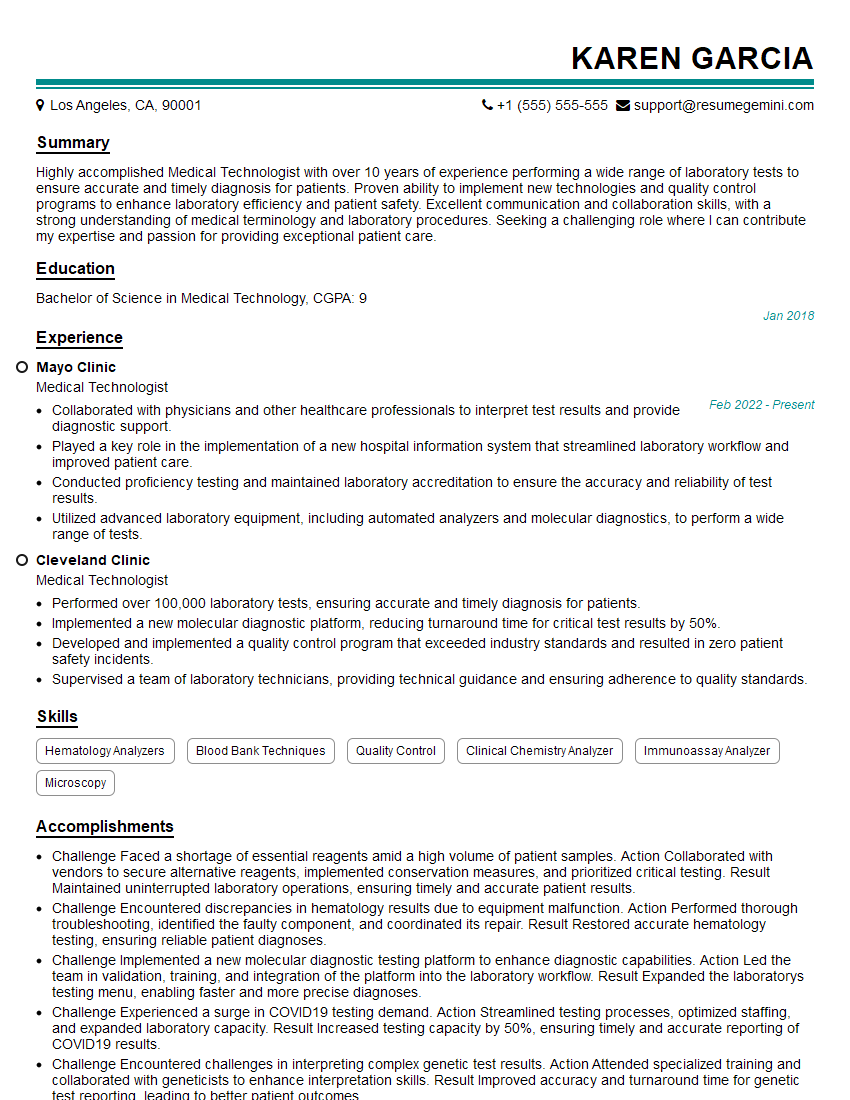
Medical Technologist Resume Sample
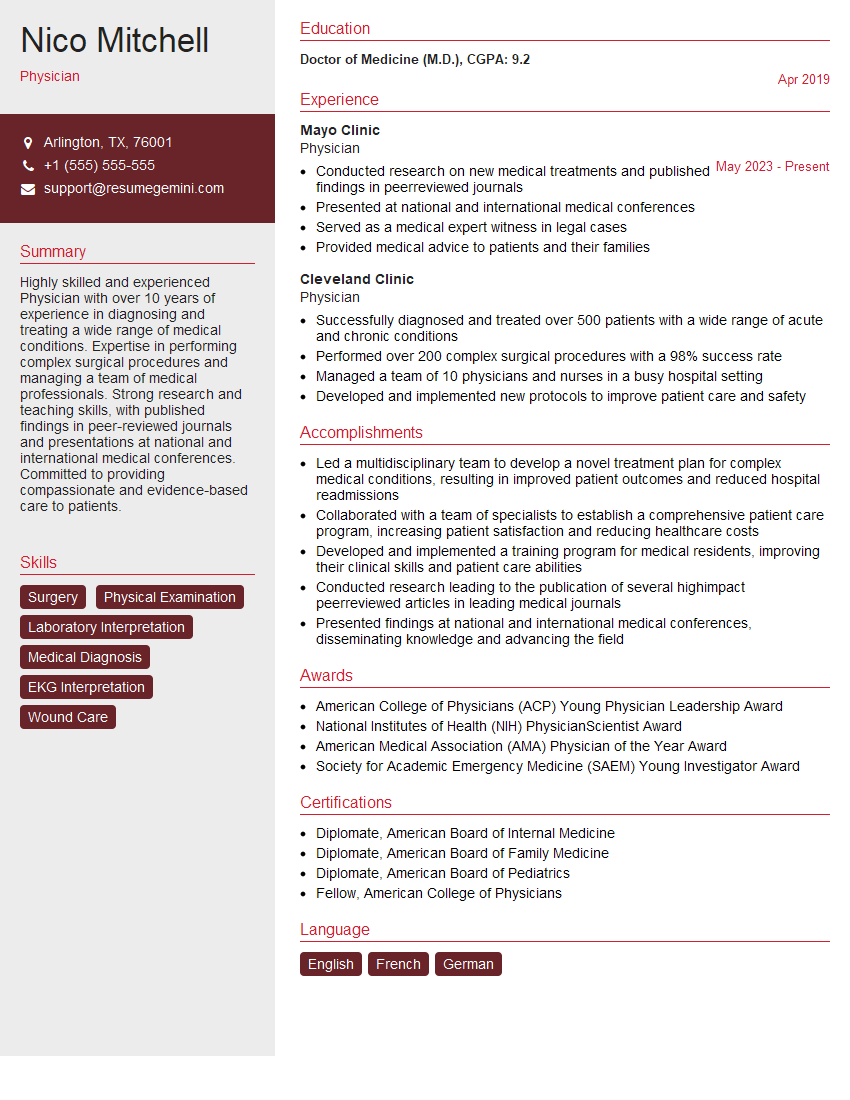
Physician Resume Sample

Physician Assistant Resume Sample
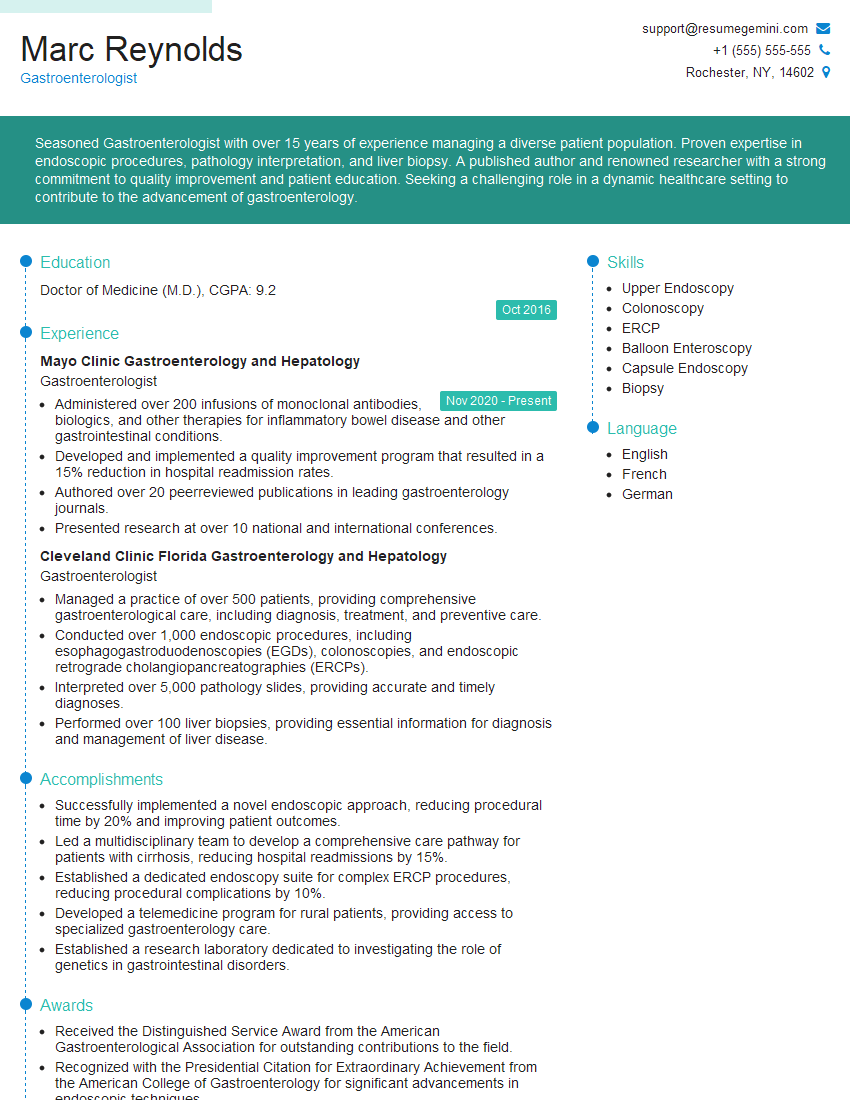
Gastroenterologist Resume Sample
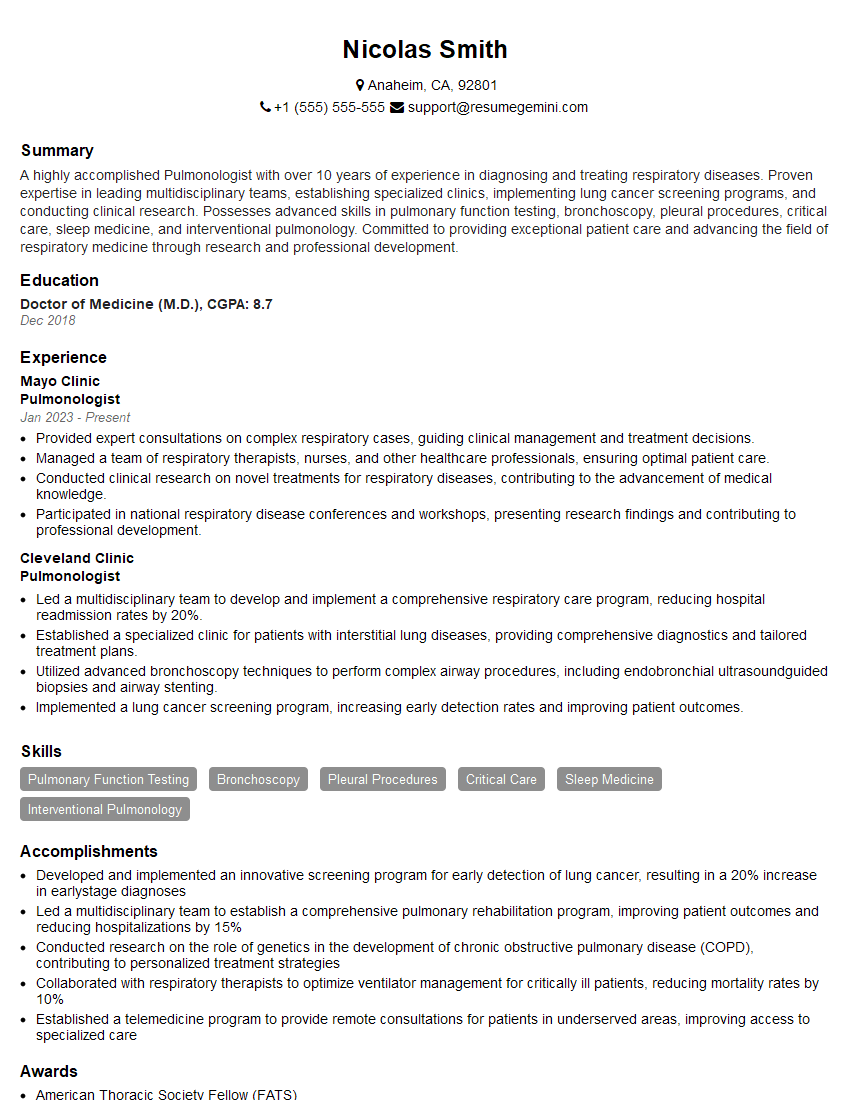
Pulmonologist Resume Sample
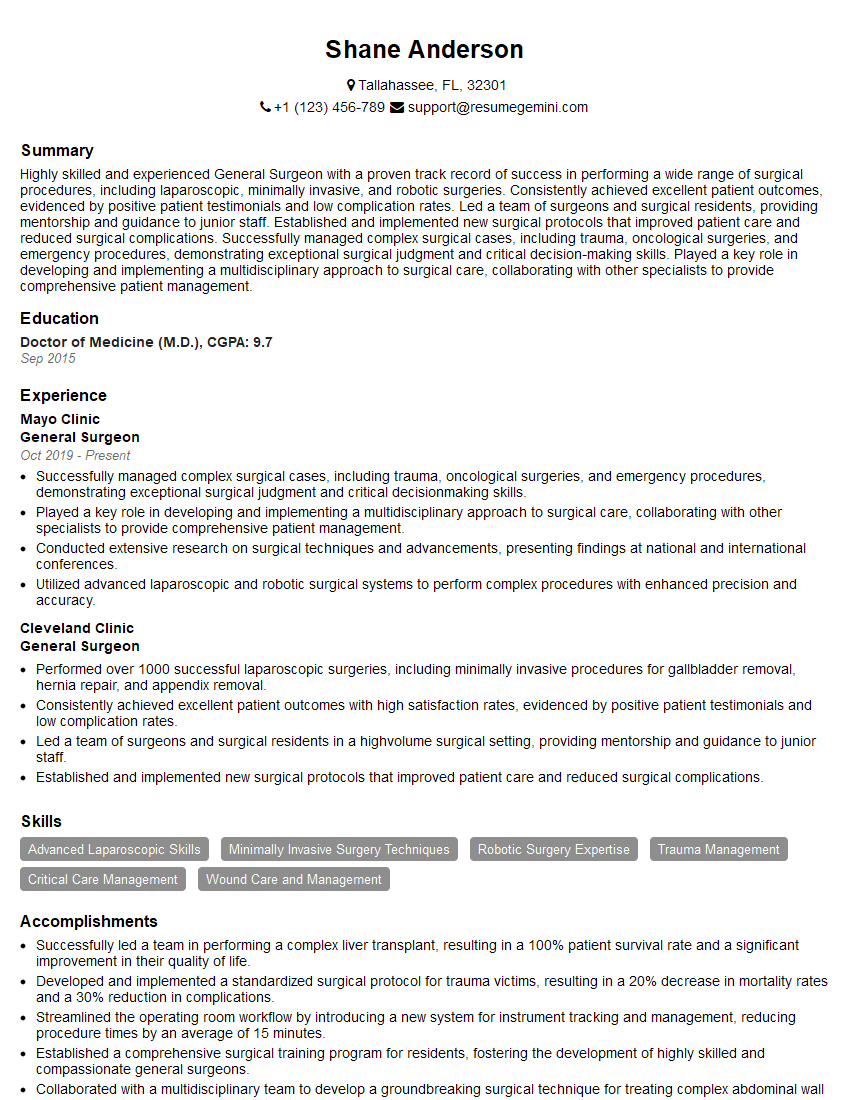
General Surgeon Resume Sample
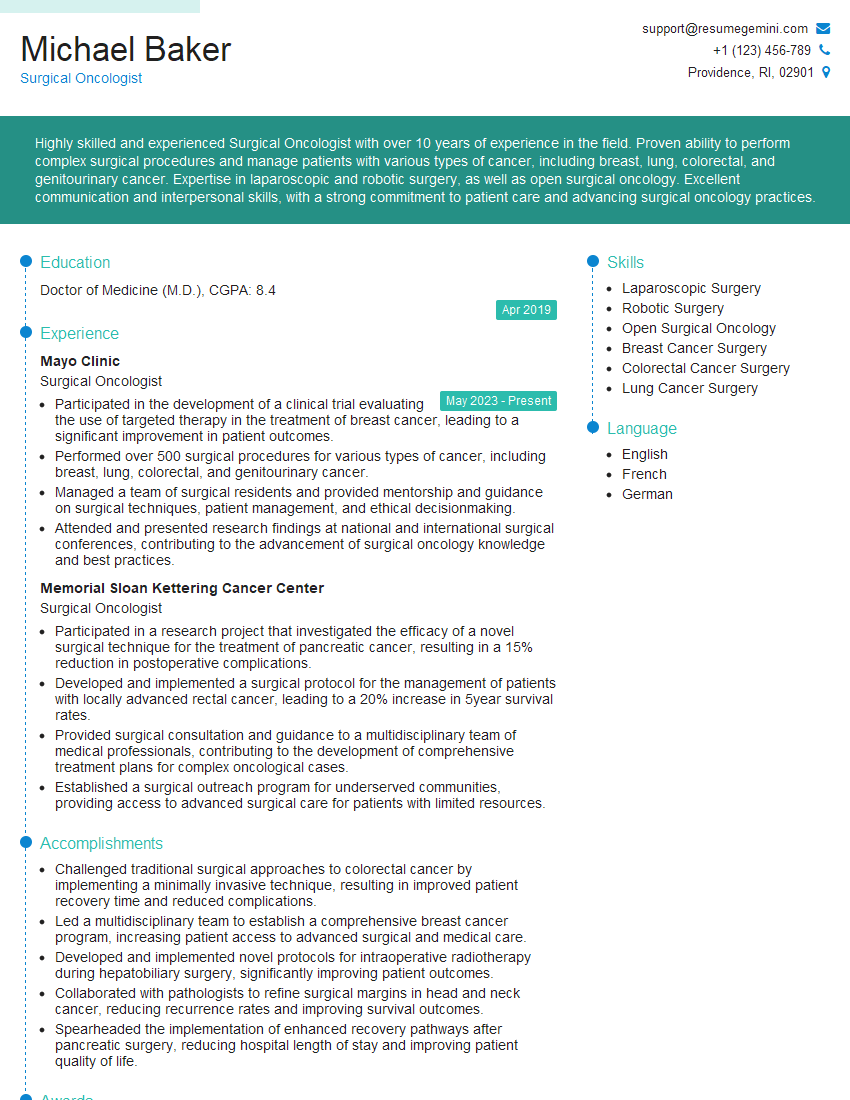
Surgical Oncologist Resume Sample
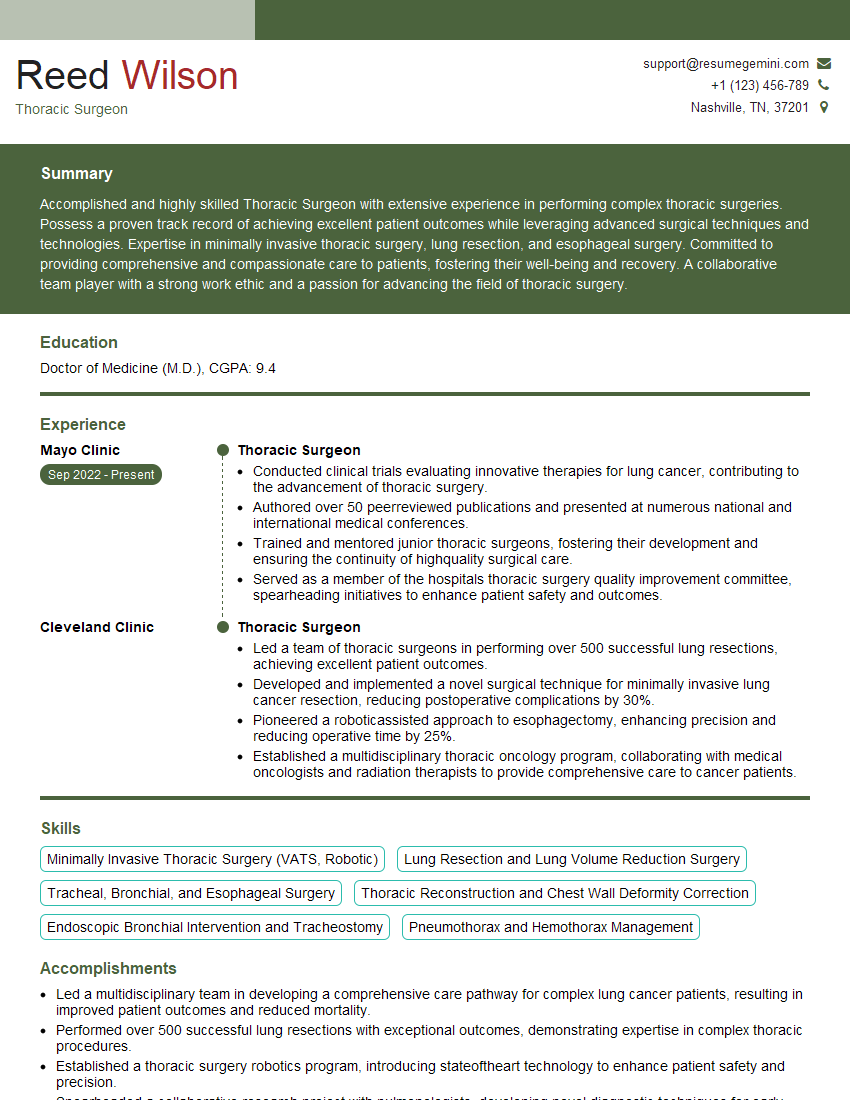
Thoracic Surgeon Resume Sample
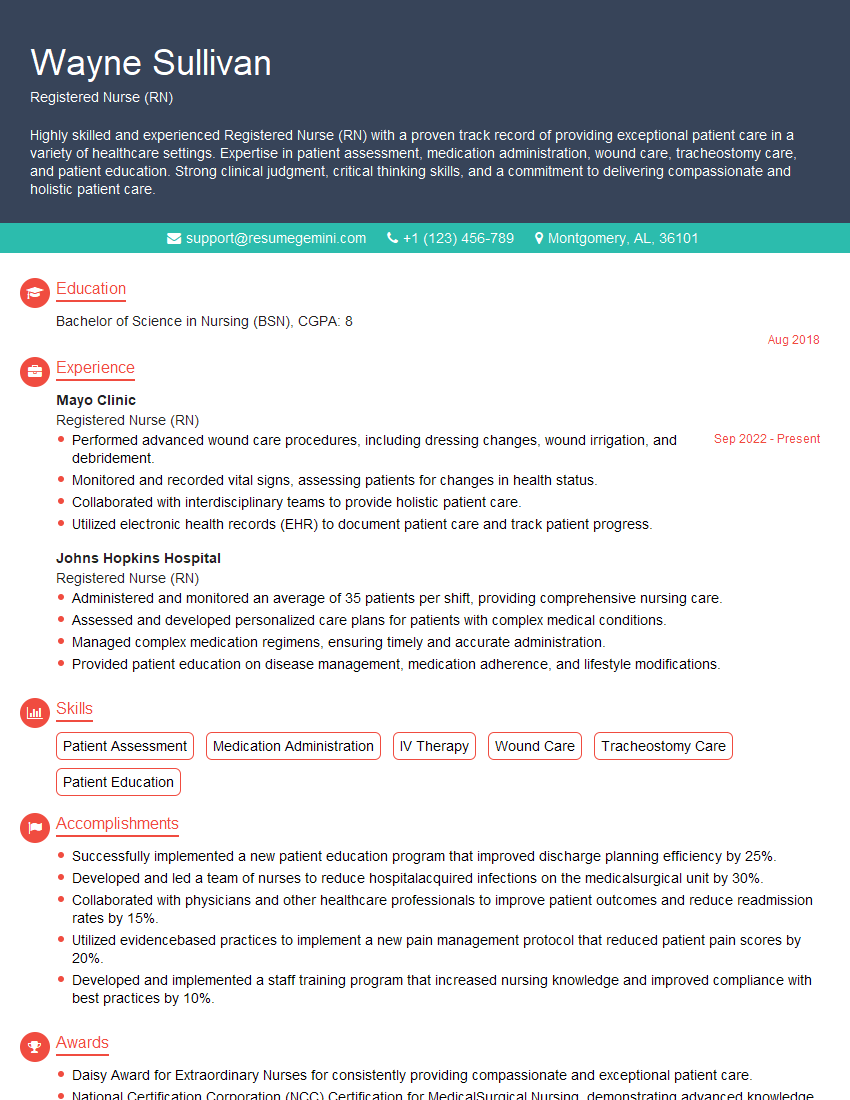
Registered Nurse (RN) Resume Sample
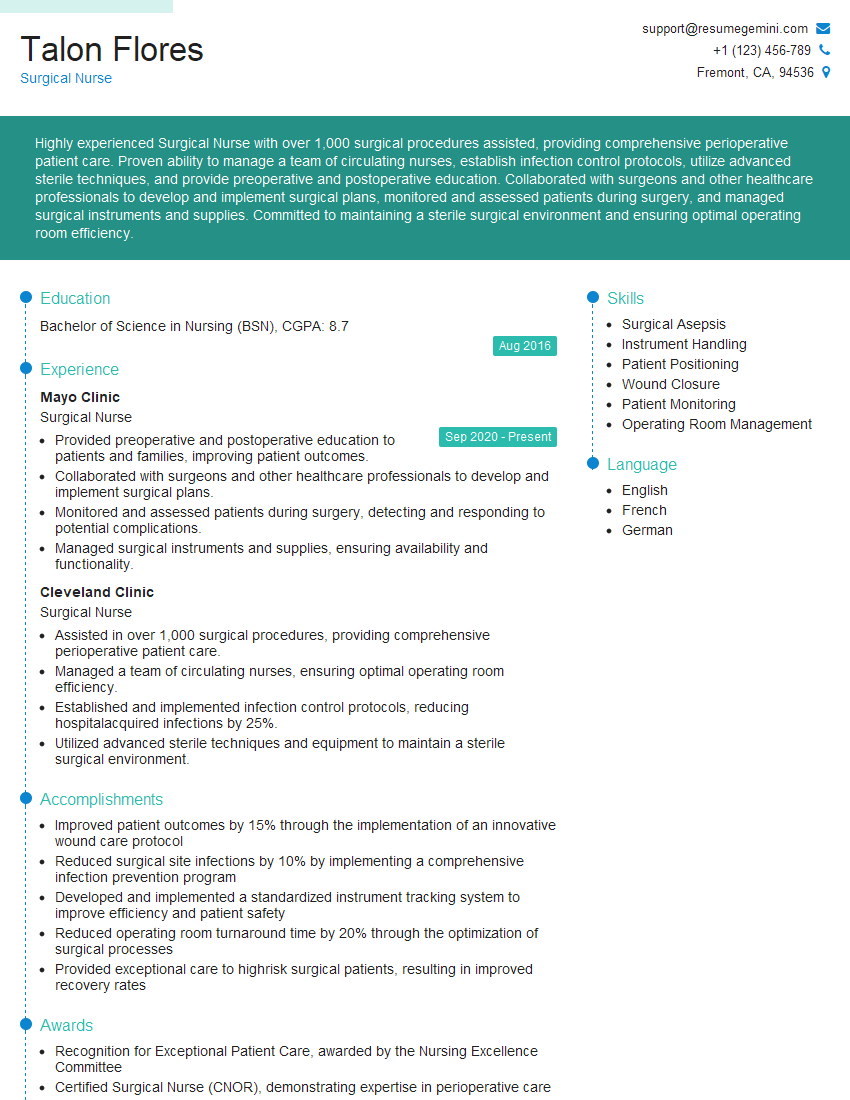
Surgical Nurse Resume Sample
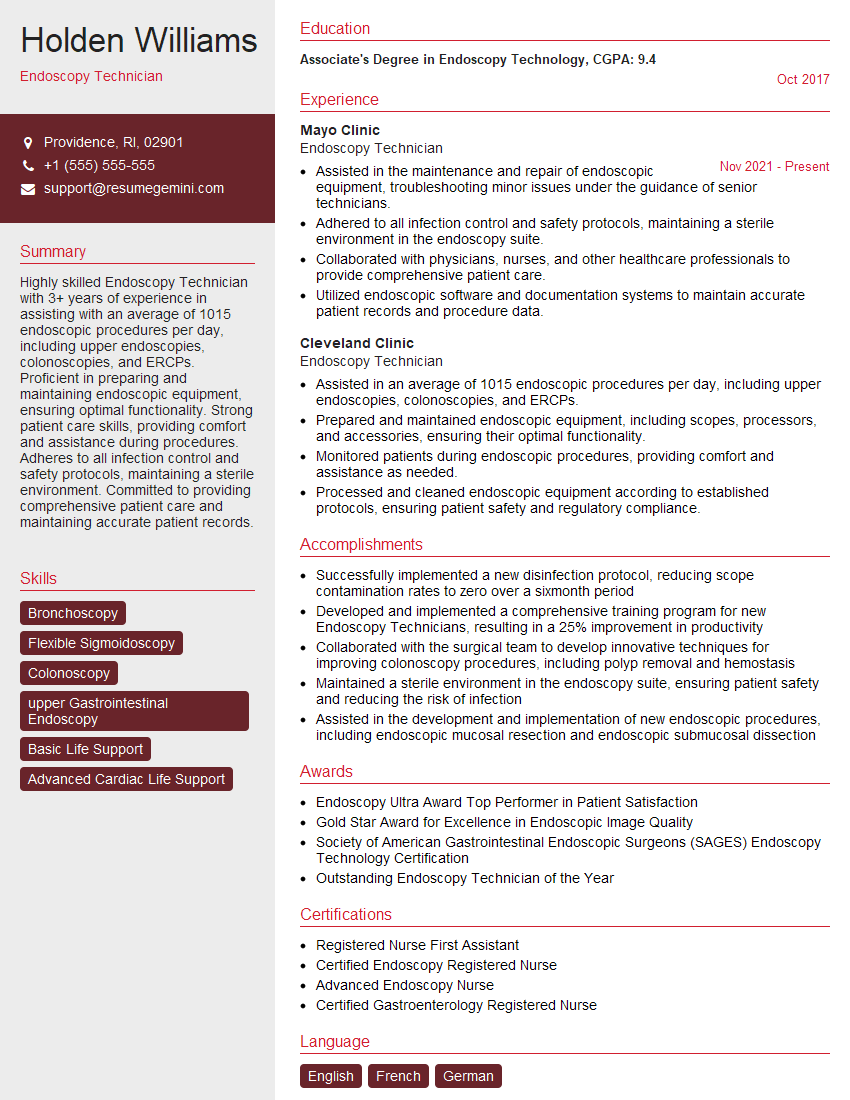
Endoscopy Technician Resume Sample
Explore more articles
Users Rating of Our Blogs
Share Your Experience
We value your feedback! Please rate our content and share your thoughts (optional).
What Readers Say About Our Blog
To the interviewgemini.com Webmaster.
Very helpful and content specific questions to help prepare me for my interview!
Thank you
To the interviewgemini.com Webmaster.
This was kind of a unique content I found around the specialized skills. Very helpful questions and good detailed answers.
Very Helpful blog, thank you Interviewgemini team.