Preparation is the key to success in any interview. In this post, we’ll explore crucial Art Therapy in Chronic Illness Management interview questions and equip you with strategies to craft impactful answers. Whether you’re a beginner or a pro, these tips will elevate your preparation.
Questions Asked in Art Therapy in Chronic Illness Management Interview
Q 1. Describe your experience using art therapy with patients experiencing chronic pain.
Art therapy offers a powerful non-verbal avenue for patients experiencing chronic pain to express their suffering and develop coping mechanisms. Instead of solely relying on verbal descriptions which can be limited by fatigue or emotional distress, art allows them to externalize the intensity, location, and quality of their pain. For example, a patient might use vibrant, sharp colors to depict searing pain, while softer hues and diffused forms could represent a dull ache. We explore the symbolism within their artwork to understand their emotional experience and identify potential triggers. We might also use techniques like guided imagery through drawing or sculpting to help them manage pain through relaxation and distraction. For instance, I’ve worked with clients who found relief by creating calming nature scenes reflecting their desired state of peace and tranquility.
Furthermore, art therapy can enhance self-efficacy by providing a sense of accomplishment and control. Successfully completing an artwork, however simple, can boost confidence and a sense of agency, empowering patients in their pain management journey. We also use the art-making process itself, focusing on the act of creating, rather than the final product, as a mindfulness exercise to help the patient get out of the cycle of pain-focused thinking.
Q 2. Explain the therapeutic benefits of art therapy for individuals coping with chronic fatigue syndrome.
Chronic fatigue syndrome (CFS) significantly impacts a person’s energy levels and ability to engage in daily activities. Art therapy provides a gentle, adaptable therapeutic modality that accommodates these limitations. The non-demanding nature of some art forms allows individuals to participate even during periods of severe fatigue. We might start with simple collage techniques using pre-cut materials or focus on mindful activities like finger painting, requiring minimal physical exertion. The process itself becomes a form of self-care.
The therapeutic benefits are multi-faceted. Art allows for expression of the invisible symptoms of CFS, such as brain fog and debilitating tiredness, which can often feel isolating and misunderstood. The act of creating provides a sense of accomplishment and self-esteem, combating the feelings of helplessness and frustration common in CFS. Through symbolic representation in their artwork, patients can process their experiences, gain insight into their emotions, and develop strategies for self-management. For instance, a patient might create a piece depicting their energy levels throughout the day, fostering self-awareness and helping them to identify energy-saving techniques.
Q 3. How would you adapt your art therapy approach for a patient with limited mobility?
Adapting art therapy for patients with limited mobility requires creativity and sensitivity. The key is to select appropriate art modalities and modify techniques to accommodate their physical limitations. We might utilize adaptive art supplies, such as oversized crayons or paintbrushes with ergonomic handles. Alternatively, we could explore alternative art forms such as digital art, using tablets or stylus pens, or even using voice-activated software to create soundscapes or digital artwork. I often find that collaborative art projects are particularly beneficial, where the therapist assists with the physical act of creating while the patient guides the creative direction. This collaborative approach emphasizes the patient’s autonomy and control.
Moreover, I work closely with the patient to identify suitable positions and setups that minimize pain and discomfort. This might involve using adaptive seating or working on a surface that is accessible and comfortable. The most important thing is to foster a supportive and understanding environment, emphasizing the creative process rather than the final product.
Q 4. What art modalities are most effective in addressing grief and loss in the context of chronic illness?
Grief and loss are particularly challenging in the context of chronic illness, as individuals may experience the loss of health, independence, or even the expectation of a future. Art modalities that allow for emotional expression and symbolic representation are particularly effective. For example, collage can be a powerful tool for assembling and processing fragmented memories and emotions. Patients might use found objects, photos, and written words to create a visual representation of their losses and their journey through grief.
Journaling, often integrated with visual art, can help patients articulate their feelings and make sense of their experiences. Creating symbolic artwork, such as sculptures or paintings, allows individuals to express their emotions metaphorically, finding a pathway to heal and accept their losses. I often find that memory boxes or memory jars are useful tools in the therapeutic process. They can facilitate a gradual release of grief and help make a space for positive memories to live side by side with sad ones.
Q 5. Describe a successful case study where art therapy improved the quality of life for a patient with a chronic illness.
One patient, Sarah, diagnosed with multiple sclerosis, experienced significant emotional distress and social isolation due to her progressively worsening symptoms. Through art therapy, Sarah began to express her feelings of frustration and loss of control by creating abstract paintings characterized by bold, chaotic strokes. As sessions progressed, her artwork gradually shifted towards calmer, more controlled forms, reflecting her growing sense of self-acceptance and ability to manage her emotions.
We explored the symbolism in her artwork together. The initial chaotic brushstrokes represented her internal turmoil, while the later pieces showed a newfound harmony and sense of inner peace. This shift in her art directly correlated with improvements in her overall well-being. She started engaging in more social activities, finding renewed purpose in her life, and demonstrating a greater sense of resilience. Her improved emotional regulation and enhanced self-esteem were evident in both her daily life and her continued artistic explorations.
Q 6. How do you integrate art therapy with other healthcare interventions?
Art therapy functions best as an integrative component of a holistic healthcare approach. I frequently collaborate with other healthcare professionals, such as physicians, nurses, physical therapists, and occupational therapists. Information sharing is crucial. For example, I might consult with a physician about a patient’s medical history and limitations to tailor art therapy interventions accordingly. Similarly, collaborating with a physical therapist ensures that any physical activity during art therapy sessions is safe and appropriate for the patient’s condition.
By sharing observations and insights, we can create a comprehensive plan that addresses the patient’s physical, emotional, and social needs. The art-making process can also serve as a springboard for conversations with other healthcare providers. For instance, a patient’s artwork might reveal anxieties about medication side effects or concerns about their future, which can then be addressed during medical appointments. This integrated approach helps to create a more seamless and supportive experience for the patient, fostering a stronger sense of partnership and collaboration among healthcare providers.
Q 7. Explain your understanding of the ethical considerations in art therapy with vulnerable populations (e.g., those with chronic illnesses).
Ethical considerations are paramount when working with vulnerable populations, particularly those with chronic illnesses. Maintaining patient confidentiality is essential, ensuring that any information shared during therapy is protected. Informed consent is crucial, requiring thorough explanation of the therapeutic process, potential benefits and risks, and limitations of confidentiality. This includes clearly outlining how the artwork will be used and stored. It is vital to understand and respect each individual’s autonomy and decision-making abilities.
Therapists must also be mindful of power dynamics and avoid any exploitation or coercion. This requires a non-judgmental and empathetic therapeutic relationship where patients feel safe and empowered to express themselves without fear of criticism or ridicule. Furthermore, the therapist’s own emotional well-being is important, ensuring that they are equipped to manage the emotional demands of working with individuals experiencing significant suffering. Regular supervision and self-reflection are essential to ensure ethical practice and prevent burnout. In cases where there are concerns about patient safety or well-being, appropriate actions must be taken to ensure their safety and protection.
Q 8. How would you address a patient’s resistance to participating in art therapy sessions?
Resistance to art therapy is common, especially with individuals managing chronic illness who may feel overwhelmed, skeptical, or believe art is not a relevant coping mechanism. Addressing this requires a therapeutic approach built on empathy and collaboration. I begin by validating their feelings, acknowledging that art therapy might feel unusual or unnecessary. I explain the process in simple terms, emphasizing its flexibility and focus on self-expression rather than artistic skill. We might start with a very low-pressure activity like choosing colors that represent their feelings or exploring textures. If verbal resistance persists, I might suggest non-traditional methods, such as using found objects or working with clay, which can be less intimidating than paint or drawing. Ultimately, the goal is to foster a sense of trust and safety, letting the patient guide the pace and direction of the therapy.
For example, a patient with fibromyalgia might resist because of pain or fatigue. In this case, I might offer a simple sensory exploration using soft clay, allowing them to gently manipulate it without strain. Alternatively, a patient with depression might resist because of a feeling of hopelessness and lack of creativity. I might suggest a collaborative project, allowing us to work together on a piece, diminishing feelings of performance pressure.
Q 9. Discuss the role of self-care for art therapists working with patients suffering from chronic illness.
Self-care is paramount for art therapists working with individuals facing chronic illnesses. The emotional intensity and vulnerability inherent in this work can lead to compassion fatigue and burnout. Strategies I utilize include regular supervision, maintaining clear boundaries between personal and professional life, engaging in mindfulness practices such as meditation or yoga, and prioritizing physical exercise and healthy nutrition. I also actively participate in continuing education to hone my skills and broaden my knowledge of the nuances of chronic illness, ensuring I provide the best possible care while protecting my own wellbeing. Creating a supportive peer network with other therapists provides a vital space for shared experiences, support, and emotional processing. Without robust self-care practices, it’s difficult to provide effective and empathetic support to clients.
Q 10. How do you assess the progress of a patient undergoing art therapy for chronic illness?
Assessing progress in art therapy for chronic illness requires a multi-faceted approach that integrates both quantitative and qualitative data. This goes beyond simply observing improvement in artistic skill. I carefully track changes in the patient’s self-reported emotional state, using standardized measures like mood scales or quality-of-life questionnaires. I also analyze the artwork itself, looking for shifts in color palette, composition, subject matter, and overall expressiveness. For instance, a move from dark and muted colors to brighter, more vibrant ones might suggest a positive shift in mood. Changes in the level of detail, or the symbolic content of the artwork, provide insightful information on their emotional processing. Regular session notes and therapeutic dialogues provide the qualitative data, offering a rich contextual understanding of the changes observed in the artwork and self-reported data. This holistic approach ensures a comprehensive and individualized assessment of progress.
Q 11. What are the common psychological challenges faced by patients with chronic illnesses, and how does art therapy address these?
Patients with chronic illnesses frequently face a range of psychological challenges, including depression, anxiety, grief over loss of function or previous lifestyle, and feelings of isolation and hopelessness. Chronic pain often plays a significant role, further complicating their emotional and mental health. Art therapy provides a powerful avenue for addressing these challenges. The process of creating art allows for non-verbal expression of emotions that may be difficult to articulate verbally. The act of creating itself can be therapeutic, offering a sense of accomplishment and control in a situation where much may feel beyond the patient’s control. For instance, a patient struggling with depression might use art to explore feelings of sadness or isolation, translating these emotions into visual form. Art therapy also provides a safe and supportive space for processing grief and loss, promoting self-discovery and healing through self-expression.
Q 12. Describe your familiarity with different art mediums and their therapeutic applications in chronic illness management.
My familiarity with art mediums is extensive, and my selection is tailored to meet individual patient needs and preferences. For example, clay is ideal for tactile exploration and can be especially beneficial for patients with limited mobility or dexterity. Painting allows for expression of a wide range of emotions through color and texture. Collage, using found objects, can facilitate symbolic expression and the exploration of identity. Drawing allows for precise detail and can be used for narrative expression or self-portraits. Photography can provide a unique perspective and be a useful tool for memory work, particularly useful when considering the limitations of physical capabilities in chronic illness. The choice of medium is often a collaborative process, ensuring the patient feels comfortable and engaged in the creative experience. In the case of a visually impaired patient, alternative media such as tactile art or sound-based creative projects could be considered.
Q 13. How do you ensure the confidentiality and privacy of patient art work?
Confidentiality and privacy of patient artwork is a critical ethical and legal responsibility. All artwork is stored securely in locked cabinets or digitally encrypted files, accessible only to myself and with the patient’s explicit consent. I discuss confidentiality at the outset of therapy, explaining how the artwork will be handled and used. Patients are always given the option of destroying their artwork at any time, ensuring their autonomy and control over their creative work. Any use of artwork in research or publications is done anonymously and with explicit consent. I adhere strictly to all relevant professional guidelines and regulations regarding patient confidentiality, ensuring that my practice upholds the highest standards of ethical care.
Q 14. What are some limitations of art therapy in treating chronic illnesses?
While art therapy is a valuable tool in chronic illness management, it does have limitations. It’s not a replacement for medical treatment or other forms of therapy, like medication management or physical therapy; rather, it works best as a complementary intervention. It may not be suitable for all patients, particularly those with severe cognitive impairments or certain mental health conditions that limit their ability to engage in creative expression. The effectiveness of art therapy is also dependent on the patient’s willingness to participate and engage actively in the process. Furthermore, the interpretation of artwork is subjective and requires careful consideration and integration with other clinical data. It’s crucial to understand its limitations and integrate it as part of a holistic care plan.
Q 15. How do you maintain professional boundaries in therapeutic relationships with patients experiencing chronic illness?
Maintaining professional boundaries in art therapy with chronically ill patients is crucial for ethical practice and effective treatment. It’s about creating a safe and therapeutic space while respecting the patient’s autonomy and avoiding any blurring of professional and personal roles. This involves clearly defining the therapeutic relationship at the outset, including the parameters of sessions, communication outside of sessions, and the nature of the therapeutic relationship itself.
- Confidentiality: I explicitly discuss the limits of confidentiality, explaining what information might need to be shared (e.g., mandated reporting of child abuse or suicidal ideation). I obtain informed consent before starting therapy.
- Dual Relationships: I avoid dual relationships, such as becoming friends with a patient or engaging in business dealings. This prevents potential conflicts of interest and maintains the professional distance necessary for effective therapy.
- Physical Boundaries: Appropriate physical distance and professional demeanor are maintained throughout sessions. Unnecessary physical contact is avoided.
- Self-Disclosure: I limit self-disclosure to what is therapeutically beneficial and appropriate. Over-sharing can confuse the therapeutic focus and hinder the patient’s progress.
- Gifts and Favors: I have a clear policy on accepting gifts, generally declining them to maintain professionalism and avoid any perception of favoritism or quid pro quo.
- Termination: A clear process for ending therapy is established, allowing for proper closure and referrals if necessary.
For example, if a patient offers me a handmade gift, I might gratefully decline while acknowledging their thoughtfulness, explaining that my professional role requires maintaining appropriate boundaries. This approach ensures that the focus remains on the patient’s therapeutic needs and avoids any potential power imbalance.
Career Expert Tips:
- Ace those interviews! Prepare effectively by reviewing the Top 50 Most Common Interview Questions on ResumeGemini.
- Navigate your job search with confidence! Explore a wide range of Career Tips on ResumeGemini. Learn about common challenges and recommendations to overcome them.
- Craft the perfect resume! Master the Art of Resume Writing with ResumeGemini’s guide. Showcase your unique qualifications and achievements effectively.
- Don’t miss out on holiday savings! Build your dream resume with ResumeGemini’s ATS optimized templates.
Q 16. Explain your understanding of trauma-informed art therapy and its application in chronic illness care.
Trauma-informed art therapy recognizes the profound impact of trauma on individuals, particularly those with chronic illness. Many chronic illnesses are accompanied by significant emotional and psychological distress, often stemming from prior traumatic experiences. These traumas can manifest in various ways, impacting coping mechanisms, emotional regulation, and self-perception. A trauma-informed approach prioritizes safety, trustworthiness, choice, collaboration, and empowerment.
In chronic illness care, this means paying close attention to the patient’s history, being mindful of potential triggers, and fostering a sense of control and agency throughout the therapeutic process. The art-making process itself can be deeply therapeutic, providing a non-verbal outlet for expressing traumatic experiences and processing difficult emotions. Techniques may include focusing on somatic experiences, creating safe containers for difficult memories, and empowering the patient to reclaim their narrative through visual expression.
For example, a patient with fibromyalgia, who experienced childhood abuse, might use art to express the physical pain and emotional distress associated with both their illness and their trauma. The therapist’s role involves creating a safe and validating space where the patient can explore these experiences at their own pace, without feeling pressured or judged.
Q 17. How would you handle a situation where a patient’s artwork reveals suicidal ideation?
If a patient’s artwork reveals suicidal ideation, my immediate priority is ensuring their safety and well-being. This requires a careful and sensitive approach.
- Assess the risk: I would carefully assess the level of risk by engaging in a compassionate conversation with the patient, exploring the details of their thoughts and feelings. This includes exploring the specific suicidal thoughts (plan, means, intent).
- Express concern and validate feelings: I would validate their feelings, emphasize that they are not alone, and express my genuine concern for their well-being.
- Develop a safety plan: Collaboratively, we would create a safety plan that includes identifying triggers, coping mechanisms, and support systems. This plan might involve contacting family members, mental health professionals, or crisis hotlines.
- Mandated reporting: Depending on the level of risk and the legal requirements, I may need to contact emergency services or relevant authorities. This is done while ensuring the patient feels respected and involved in the process as much as possible.
- Ongoing support: I would schedule more frequent sessions and offer additional support to address the underlying issues that are contributing to suicidal ideation. I would also collaborate with their physician and/or other mental health professionals.
It is important to remember that the artwork is a communication tool. It is crucial to be direct and honest in addressing the serious nature of these communications while maintaining respect for the patient’s autonomy.
Q 18. How do you collaborate with other healthcare professionals (doctors, nurses, social workers) in a patient’s treatment plan?
Collaboration with other healthcare professionals is essential for holistic patient care. In chronic illness management, a multidisciplinary approach is particularly crucial. My role as an art therapist complements and enhances the work of physicians, nurses, and social workers.
- Regular communication: I maintain regular communication with other members of the healthcare team through formal meetings or informal discussions. This involves sharing relevant observations from art therapy sessions, while respecting patient confidentiality.
- Treatment planning: I actively participate in developing and refining the patient’s overall treatment plan. My input focuses on the psychological and emotional aspects of their illness, suggesting art therapy interventions that address their specific needs.
- Shared goals: We work together to establish shared goals that align with the patient’s overall well-being and treatment objectives. This ensures consistency and coherence in the patient’s care.
- Information sharing: I provide written summaries of the patient’s progress, including insights gained from their artwork and responses to interventions. This helps other healthcare professionals to better understand the patient’s experience and tailor their own interventions accordingly.
For example, in the case of a patient with cancer, I might share information about their emotional responses to treatment with their oncologist and social worker. This integrated approach enhances the patient’s experience and improves the overall treatment outcomes.
Q 19. Discuss your experience documenting progress and outcomes of art therapy interventions.
Documenting progress and outcomes in art therapy is vital for ethical practice, accountability, and research. My documentation adheres to ethical guidelines and professional standards.
- Session notes: I maintain detailed session notes that describe the patient’s mood, verbal and nonverbal communication, artwork, and therapeutic interventions used. These notes are concise, objective, and avoid subjective interpretations.
- Qualitative data: I collect qualitative data through analyzing the patient’s artwork, verbal reflections, and changes in their behavior and emotional expression. This allows for a rich understanding of the patient’s progress.
- Quantitative measures: Where appropriate, I may incorporate standardized assessment tools to measure changes in mood, anxiety, and overall well-being. This allows for objective monitoring of treatment efficacy.
- Progress summaries: At regular intervals, I write progress summaries that synthesize the patient’s progress and highlight significant changes or challenges. These summaries are shared with other healthcare professionals as needed.
- Outcome measures: At the conclusion of therapy, I assess the overall outcomes using both qualitative and quantitative data. This involves evaluating the extent to which the therapy goals were met and the overall impact on the patient’s well-being.
My documentation serves as a record of the therapeutic process, highlighting the patient’s journey and the effectiveness of art therapy interventions. This information is crucial for future treatment planning and for contributing to the broader body of knowledge in art therapy.
Q 20. How do you adapt your therapeutic approach to diverse cultural backgrounds and beliefs in the context of chronic illness?
Adapting my therapeutic approach to diverse cultural backgrounds and beliefs is paramount for culturally sensitive and effective art therapy. I acknowledge that culture profoundly shapes individuals’ experiences, perceptions, and expressions, influencing their responses to illness and treatment.
- Cultural humility: I approach each patient with cultural humility, recognizing my own biases and limitations. I actively seek to understand the patient’s unique cultural context through respectful inquiry and dialogue.
- Culturally relevant materials: I offer a range of art materials and activities that are inclusive and representative of various cultural backgrounds. This may involve using materials or symbols that are meaningful to the patient’s culture.
- Language considerations: If there are language barriers, I ensure the availability of interpreters or utilize other appropriate communication strategies.
- Family involvement: Depending on cultural norms and the patient’s preferences, I may involve family members in the therapeutic process to ensure that the approach respects family dynamics and cultural values.
- Belief systems: I remain sensitive and respectful of the patient’s religious and spiritual beliefs, integrating these into the therapy where appropriate. This may involve discussions about the meaning of illness or incorporating spiritual practices into the art-making process.
For example, if I’m working with a patient from a collectivist culture, I would acknowledge and integrate the importance of family support in their healing process. This might involve having family members participate in sessions or incorporating collaborative art-making activities.
Q 21. Explain your knowledge of different theoretical frameworks in art therapy (e.g., psychodynamic, humanistic).
My understanding of art therapy draws upon several theoretical frameworks, each offering unique perspectives on the therapeutic process.
- Psychodynamic: This approach emphasizes unconscious processes and the exploration of past experiences to gain insight into present behaviors and emotional patterns. In art therapy, this might involve analyzing symbolism in artwork to uncover underlying conflicts or unresolved issues.
- Humanistic: This approach centers on self-actualization, personal growth, and the inherent goodness of individuals. In art therapy, it emphasizes self-expression, creativity, and the therapeutic power of the art-making process itself. Techniques may include focusing on the process of creating art rather than solely on the finished product.
- Jungian: This approach focuses on archetypes, the collective unconscious, and symbolic expression. Art therapy within this framework might involve analyzing the recurring symbols and themes in a patient’s artwork to understand their deeper meaning and personal narrative.
- Cognitive Behavioral (CBT): This approach focuses on identifying and modifying maladaptive thoughts and behaviors. In art therapy, it might involve using art to challenge negative thoughts, develop coping mechanisms, and build self-efficacy. For instance, a patient might create a series of images representing their negative thoughts and then create alternative images reflecting more positive and realistic perspectives.
- Narrative Therapy: This approach emphasizes the patient’s story, empowering them to reinterpret their experiences and create more constructive narratives. Art can be a potent tool for externalizing problems, revising stories, and empowering the patient to reshape their experiences.
I integrate elements from these various frameworks to tailor my approach to the individual needs and preferences of each patient. My approach is eclectic, adapting the most suitable techniques to address the unique challenges presented by chronic illness and its emotional impact.
Q 22. How do you incorporate mindfulness and relaxation techniques into your art therapy sessions?
Mindfulness and relaxation are crucial components of art therapy, especially for individuals managing chronic illnesses. They help reduce stress, anxiety, and pain, creating a space for deeper self-exploration and creative expression. I incorporate these techniques in several ways.
Guided Imagery and Visualization: Before beginning an art project, we might engage in a guided meditation, visualizing a peaceful scene or focusing on the breath to calm the nervous system. This prepares the patient for a more focused and receptive creative process.
Body Scan Meditations: These help patients become more aware of physical sensations, which is particularly helpful for those experiencing chronic pain. By bringing attention to the body without judgment, we can begin to understand the relationship between physical sensations and emotional responses.
Mindful Art-Making: I encourage mindful engagement with the art materials themselves – the feel of clay, the texture of paint, the sound of charcoal on paper. This focuses attention on the present moment, reducing rumination on illness or other stressors.
Progressive Muscle Relaxation: We might incorporate this technique to release tension built up in the body due to chronic illness or its management. This can significantly enhance comfort and creativity during the session.
The goal is to create a therapeutic environment where the patient feels safe, calm, and empowered to express themselves creatively.
Q 23. What are some specific goals you would set with a patient undergoing art therapy for a specific chronic illness (e.g., cancer, diabetes)?
Goals in art therapy for chronic illness are highly individualized and tailored to the patient’s specific needs and circumstances. However, some common goals might include:
Improved Emotional Regulation: Helping the patient develop healthier coping mechanisms for managing difficult emotions like anger, fear, or sadness related to their illness.
Increased Self-Esteem and Body Image: Chronic illness can significantly impact self-perception. Art therapy can help patients reclaim a sense of self-worth and accept changes in their bodies.
Enhanced Communication Skills: Art can provide a non-verbal outlet for expressing difficult experiences or communicating needs to healthcare providers and loved ones.
Stress Reduction and Pain Management: Art-making can be a powerful tool for distraction and relaxation, which can contribute to pain reduction and improved overall well-being. For example, a patient with cancer might use art to express their anxieties about treatment, while a patient with diabetes might use art to process feelings about managing their condition.
Improved Quality of Life: Ultimately, the overarching goal is to improve the patient’s overall quality of life by providing them with tools and strategies to navigate the challenges of their chronic illness.
For instance, with a cancer patient, we might focus on creating artwork that expresses their feelings about their diagnosis, treatment, or body image. With a diabetes patient, we might explore metaphors and symbolism related to blood sugar control and self-care.
Q 24. Describe your experience working with different age groups affected by chronic illnesses.
My experience spans a wide range of age groups, each presenting unique challenges and opportunities. Working with children and adolescents facing chronic illness requires a playful and adaptable approach, often using less structured activities like drawing, painting, and play therapy to foster self-expression and build resilience. For example, a child with cystic fibrosis might use playdough to express their feelings about hospital stays and treatments. With adults, the approach is more collaborative, focusing on deeper introspection and symbolic expression. Older adults often find comfort in reminiscence and reflective art-making, revisiting past experiences and processing life transitions in light of their health challenges.
Adapting my techniques to suit different developmental stages is paramount. This includes adjusting the complexity of the art materials and activities, tailoring communication styles, and being mindful of cognitive and physical limitations.
Q 25. How do you address the impact of chronic illness on family dynamics in your art therapy practice?
Chronic illness doesn’t just affect the individual; it profoundly impacts family dynamics. I often involve family members in the art therapy process, either directly or indirectly. Family art projects can foster communication and shared experiences, enabling families to express their feelings and concerns in a safe and creative space. Sometimes, family members participate in individual sessions to process their own reactions to the patient’s illness. For instance, we might create a collaborative family sculpture to symbolize the family’s journey through the illness. Alternatively, I might work individually with a sibling to help them process their feelings about the changes in family dynamics.
My focus is to create a sense of mutual support and understanding, empowering family members to navigate the emotional complexities of chronic illness together.
Q 26. How do you evaluate the effectiveness of your art therapy interventions?
Evaluating the effectiveness of art therapy interventions is a multi-faceted process. I use a combination of qualitative and quantitative methods.
Qualitative Data: This includes regular session notes documenting the patient’s progress, changes in their emotional state, and insights gained through their artwork. I also use clinical interviews and self-reported questionnaires to gauge changes in mood, anxiety, and coping strategies.
Quantitative Data: Standardized measures like the Beck Depression Inventory or the State-Trait Anxiety Inventory can be used to track changes in psychological symptoms over time. These provide objective data to complement qualitative observations. For example, pre- and post-intervention scores on a standardized anxiety scale can indicate whether therapy reduced anxiety levels.
Ultimately, the effectiveness of art therapy is judged by the patient’s reported improvements in their overall well-being, functional capacity, and quality of life.
Q 27. What resources (books, articles, workshops) do you use to maintain your professional knowledge and skills in art therapy?
Maintaining current knowledge in art therapy and chronic illness management is crucial. I regularly engage with:
Professional Journals: I subscribe to journals such as Art Therapy and The Arts in Psychotherapy to stay updated on the latest research and clinical practices.
Books and Monographs: I frequently consult books on art therapy techniques, trauma-informed care, and the psychological impact of chronic illness.
Conferences and Workshops: Attending professional development workshops and conferences provides invaluable opportunities for networking and learning from leading experts in the field.
Online Resources: I utilize reputable online platforms and databases for accessing research articles and case studies.
Continuous learning is essential for providing the highest quality of care to my patients.
Q 28. What are your professional development goals in the field of art therapy and chronic illness management?
My professional development goals focus on expanding my expertise in specific areas:
Trauma-Informed Art Therapy: I aim to deepen my understanding of the impact of trauma on individuals with chronic illness and refine my skills in providing trauma-sensitive art therapy interventions.
Mind-Body Practices in Art Therapy: I want to further integrate mind-body techniques such as yoga and meditation into my art therapy practice to enhance patient well-being.
Research: I’m interested in conducting research on the effectiveness of art therapy interventions for specific chronic illnesses, particularly cancer and autoimmune diseases.
Ultimately, my goal is to continuously enhance my ability to support individuals and families affected by chronic illness and improve their quality of life through the transformative power of art therapy.
Key Topics to Learn for Art Therapy in Chronic Illness Management Interview
- The Therapeutic Relationship in Chronic Illness: Building trust and rapport with clients facing chronic health challenges; understanding the impact of illness on self-esteem and identity.
- Art Modalities and their Applications: Exploring the use of various art forms (painting, drawing, sculpting, etc.) to address specific emotional and psychological needs related to chronic illness; adapting techniques for physical limitations.
- Trauma-Informed Care in Chronic Illness: Recognizing the potential for trauma related to diagnosis, treatment, and living with chronic illness; integrating trauma-informed principles into art therapy practice.
- Grief and Loss in Chronic Illness: Addressing the emotional impact of loss (of health, function, independence) through art therapy interventions; supporting clients in navigating grief and finding meaning.
- Mindfulness and Stress Reduction Techniques: Integrating mindfulness and stress reduction techniques into art therapy sessions to manage pain, anxiety, and depression associated with chronic illness.
- Collaboration with Medical Teams: Understanding the importance of interdisciplinary collaboration; effective communication with physicians, nurses, and other healthcare professionals.
- Ethical Considerations: Navigating ethical dilemmas related to client confidentiality, boundaries, and dual relationships in the context of chronic illness management.
- Assessment and Treatment Planning: Developing individualized treatment plans based on client needs and goals; using art-based assessments to understand client experiences and progress.
- Outcome Measurement and Evaluation: Tracking client progress and demonstrating the effectiveness of art therapy interventions using appropriate assessment tools.
Next Steps
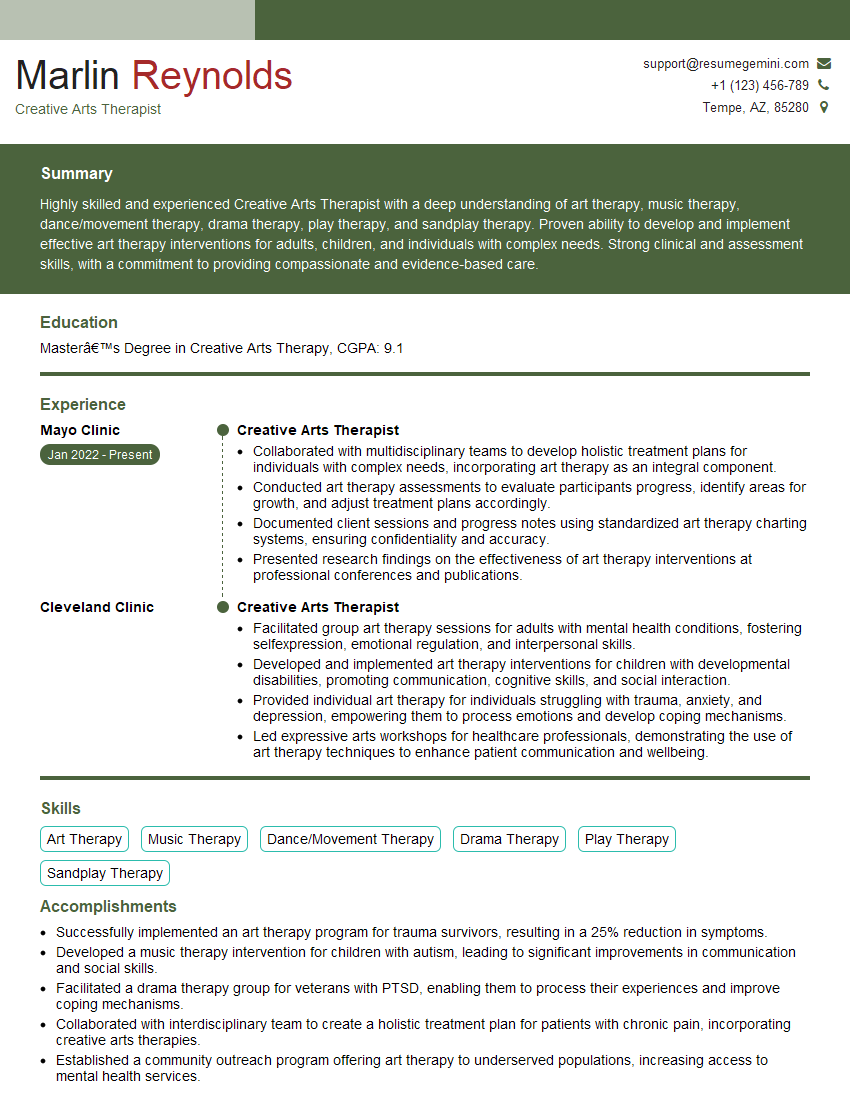
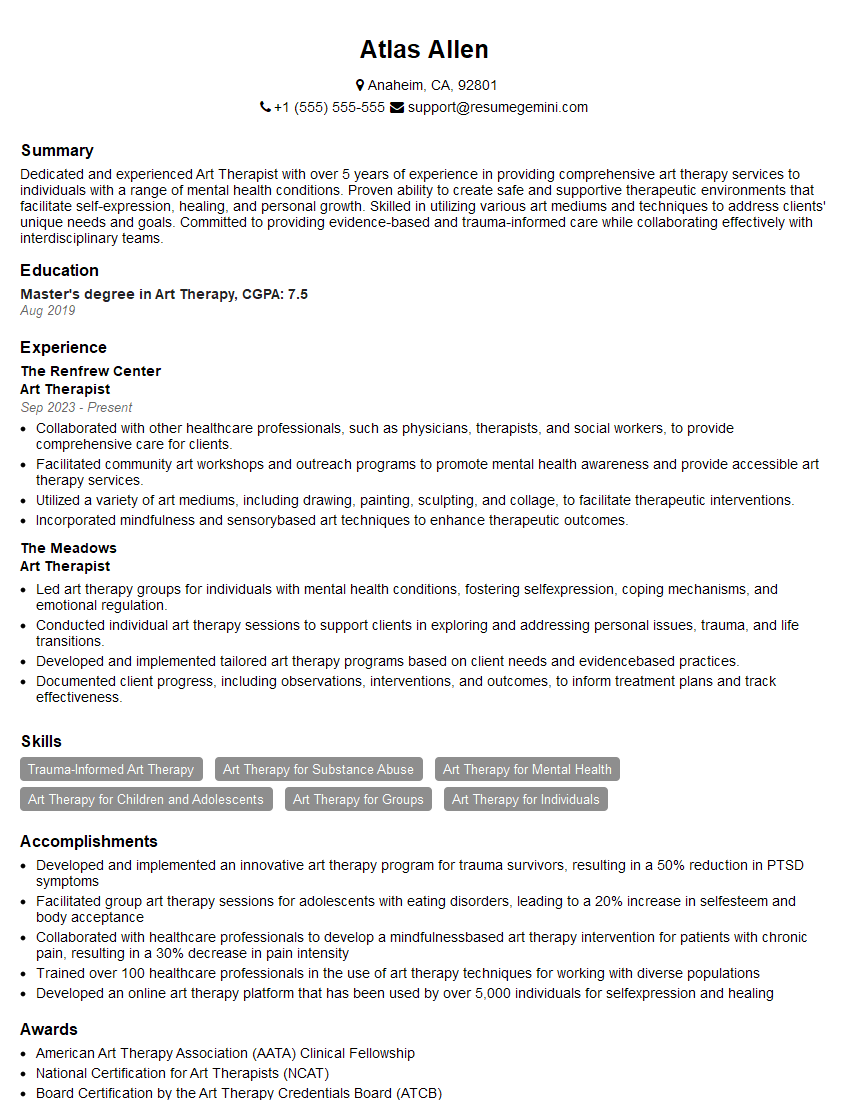
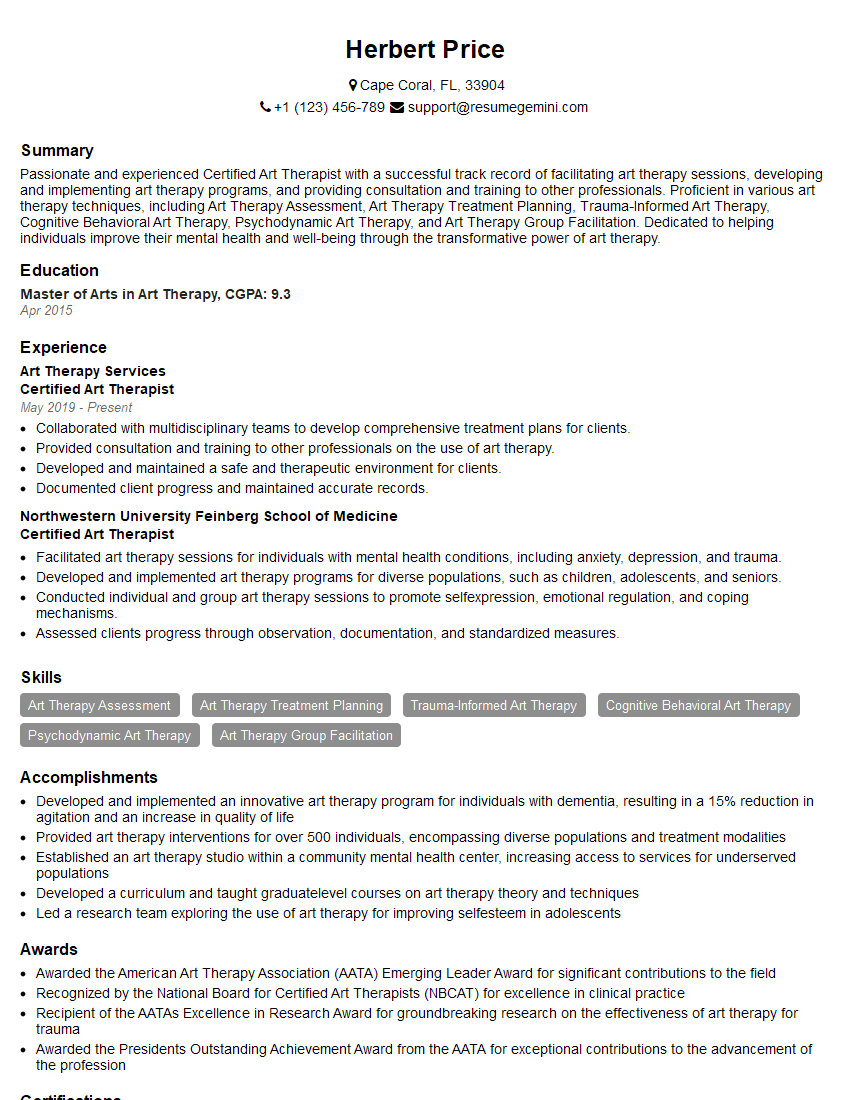
Mastering Art Therapy in Chronic Illness Management opens doors to a fulfilling career with significant impact. This specialized area offers rewarding opportunities to support individuals navigating complex health challenges. To significantly enhance your job prospects, creating a strong, ATS-friendly resume is crucial. We highly recommend using ResumeGemini to build a professional resume that showcases your skills and experience effectively. ResumeGemini provides examples of resumes tailored to Art Therapy in Chronic Illness Management to help guide you in crafting a compelling application. Invest in your future and build a resume that stands out!
Explore more articles
Users Rating of Our Blogs
Share Your Experience
We value your feedback! Please rate our content and share your thoughts (optional).
What Readers Say About Our Blog
To the interviewgemini.com Webmaster.
Very helpful and content specific questions to help prepare me for my interview!
Thank you
To the interviewgemini.com Webmaster.
This was kind of a unique content I found around the specialized skills. Very helpful questions and good detailed answers.
Very Helpful blog, thank you Interviewgemini team.