Interviews are opportunities to demonstrate your expertise, and this guide is here to help you shine. Explore the essential Art Therapy with Specific Populations (e.g., children, adolescents, adults, seniors) interview questions that employers frequently ask, paired with strategies for crafting responses that set you apart from the competition.
Questions Asked in Art Therapy with Specific Populations (e.g., children, adolescents, adults, seniors) Interview
Q 1. Describe your experience adapting art therapy techniques for children with developmental delays.
Adapting art therapy for children with developmental delays requires a deep understanding of their individual strengths and challenges. My approach prioritizes creating a safe and stimulating environment that caters to their unique communication styles and developmental levels. Instead of focusing on achieving a specific artistic outcome, I emphasize the process itself – the joy of exploration and self-expression.
For instance, with a child who has limited fine motor skills, I might opt for large-format art materials like finger paints or chunky crayons. For a child with autism who prefers repetitive actions, I might introduce activities that involve creating patterns or textures. I also utilize various assistive technologies and adapt techniques as needed. For example, a child with limited verbal skills might use picture cards to communicate their feelings or ideas during the session. The key is flexibility, patience, and close collaboration with the child’s caregivers and other professionals involved in their care.
I regularly assess the child’s engagement and adjust my approach accordingly. Progress is measured not solely by the quality of the artwork but by observable changes in the child’s mood, self-regulation, and social interaction. For example, a child initially hesitant to participate might start initiating interactions, displaying increased focus, or showing a willingness to experiment with different art materials over time. This demonstrates progress and positive impact of the intervention.
Q 2. How do you address the unique challenges of art therapy with adolescents experiencing trauma?
Adolescents experiencing trauma often present unique challenges in art therapy. Building trust is paramount. Creating a non-judgmental and safe space is essential for them to feel comfortable expressing themselves. Many avoid direct verbal expression, hence art becomes a powerful tool for communicating otherwise inexpressible emotions and experiences.
I use trauma-informed techniques, focusing on empowerment and control. This might involve offering choices in materials or activities, allowing them to dictate the pace of the session, and respecting their boundaries. I never push them to confront their trauma directly unless they are ready. Instead, I might utilize metaphorical imagery or symbolic representation to explore their experiences indirectly. For example, creating a collaborative sand tray can allow adolescents to externalize and work through overwhelming emotions without necessarily verbalizing them.
I also incorporate grounding techniques to help manage overwhelming emotions and sensory overload, which is common in trauma survivors. Mindfulness exercises incorporated into the art-making process can help regulate their emotional states. Collaboration with other professionals, such as their therapist or psychiatrist, is crucial for comprehensive care.
Q 3. Explain your approach to building rapport with adult clients struggling with anxiety.
Building rapport with anxious adults requires a gentle and empathetic approach. Creating a calm and reassuring atmosphere is key. I begin sessions by actively listening to their concerns and validating their feelings. I utilize a collaborative approach, offering options and allowing them to lead the direction of the session while providing gentle guidance and support.
I avoid pressure and encourage self-expression without judgment. The choice of art materials is crucial; I might offer calming mediums such as pastels, watercolors, or clay. Simple, repetitive activities can help manage anxiety. Techniques like guided imagery and mindful art-making practices can promote relaxation and self-regulation.
For example, I might guide them through a simple mandala-making exercise, which is both calming and promotes focus. It’s crucial to celebrate their efforts and acknowledge their progress, even small steps forward. Regular check-ins throughout the session are useful to gauge their comfort level and make adjustments accordingly. The therapeutic relationship is foundational, and trust is built gradually over time.
Q 4. What strategies do you employ to engage seniors with dementia in art therapy sessions?
Engaging seniors with dementia in art therapy requires adapting techniques to their cognitive and physical abilities. The focus shifts from creating a masterpiece to the sensory experience and the process of art-making. Simple, repetitive movements and activities are often beneficial.
I use large, easy-to-handle materials like finger paints, large crayons, or textured papers. I might introduce familiar themes from their past, such as nature scenes or family portraits, as prompts. Music and sensory stimulation can enhance engagement.
For instance, I might play familiar music while they paint or work with textured materials. The goal isn’t to produce a finished artwork but to stimulate their senses, promote self-expression, and provide a moment of joy and connection. I work closely with caregivers and family members to gather information about the individual’s preferences, abilities, and past experiences to create a personalized and meaningful experience.
Q 5. How do you assess the effectiveness of art therapy interventions with specific populations?
Assessing the effectiveness of art therapy interventions involves multiple methods tailored to each population. Quantitative measures can include standardized questionnaires measuring mood, anxiety, or self-esteem before, during, and after therapy. Qualitative data is crucial, gathering insights from client observations, session notes, and artwork analysis.
For children with developmental delays, we might track changes in fine motor skills, communication, or social interaction. With adolescents experiencing trauma, we might observe reductions in symptoms of PTSD or improvements in emotional regulation. For adults with anxiety, we might focus on reductions in anxiety levels and improvements in stress management skills. With seniors with dementia, we’ll assess improvements in mood, engagement, and cognitive function.
Artwork analysis involves interpreting the symbolic meaning within the artwork, not judging artistic merit. Changes in color palette, use of space, or subject matter can indicate shifts in emotional state or therapeutic progress. Regular feedback from clients and collaboration with other healthcare professionals provides valuable information for ongoing evaluation and adjustments to the therapeutic plan.
Q 6. Describe your experience using different art mediums to address specific therapeutic goals.
Different art mediums offer unique therapeutic possibilities. Clay, for example, can be grounding and facilitates expression of emotions through shaping and molding. Painting, particularly watercolors, allows for fluidity and exploration of emotions. Collage offers opportunities for creative self-expression, symbolic representation, and processing of fragmented experiences.
With children, I might use playdough to help them express anger or frustration through sculpting. With adolescents, I might utilize painting to explore their identity or emotions. Adults experiencing grief may find comfort in creating a memory box using collage. With seniors, tactile mediums like clay or finger painting are beneficial due to ease of handling. The choice of medium is always tailored to the specific therapeutic goals and the client’s abilities and preferences. The medium serves as a tool to facilitate self-discovery and emotional processing.
Q 7. How do you maintain client confidentiality and ethical boundaries in art therapy?
Maintaining client confidentiality and ethical boundaries is paramount in art therapy. I adhere strictly to professional ethical codes and guidelines set by relevant organizations. This includes obtaining informed consent before starting therapy, ensuring the safety and well-being of my clients, and respecting their privacy at all times.
Client artwork is treated with the same respect and confidentiality as verbal disclosures. Artwork is stored securely and is only shared with other professionals involved in the client’s care with their explicit consent. I always clearly define the boundaries of the therapeutic relationship, including session structure, communication protocols, and fees.
In cases where there’s a potential risk to the client or others (e.g., suicidal ideation), I have a duty to take appropriate steps, which may involve consultation with supervisors or other professionals, but always with sensitivity to maintaining confidentiality to the greatest extent possible. Continuous professional development in ethical practice and attending supervision is crucial to uphold the highest standards of ethical conduct.
Q 8. Explain your understanding of trauma-informed art therapy practices.
Trauma-informed art therapy recognizes the profound impact of trauma on a person’s emotional, psychological, and physical well-being. It prioritizes safety, trustworthiness, choice, collaboration, and empowerment. Unlike traditional approaches that might directly confront traumatic memories, a trauma-informed approach focuses on building a secure therapeutic relationship first. This allows clients to feel safe enough to begin exploring their experiences at their own pace.
Key principles include creating a safe and predictable environment; providing choices to foster a sense of control; avoiding retraumatization by respecting client’s boundaries and pace; and validating client experiences without judgment. For example, I might offer a variety of art materials and avoid pressure to create something specific, allowing the client to lead the process. If a client becomes overwhelmed, we might take a break or shift to a calming activity like mindful coloring.
In practice, this could involve using calming techniques like deep breathing exercises alongside art-making, or incorporating sensory elements to regulate emotions. The focus shifts from simply expressing trauma through art to using art as a tool for self-regulation, coping skill development, and emotional processing at a pace the client feels comfortable with.
Q 9. How would you adapt your approach to art therapy based on a client’s cultural background?
Adapting my approach to a client’s cultural background is crucial for effective art therapy. It’s not about imposing my worldview but about understanding and respecting their unique cultural context, beliefs, and values. This involves understanding how their culture influences their communication styles, perceptions of art, and expressions of emotions.
For example, some cultures may express emotions more subtly through indirect means, while others might be more outwardly expressive. Understanding these nuances helps me to interpret their art appropriately and respond sensitively. I might research the client’s cultural background, paying attention to art forms, symbols, and traditions that might be relevant and significant to them. I may also ensure that the art materials I offer are culturally appropriate. Finally, I actively seek their feedback and preferences throughout the therapeutic process to ensure that my approach feels culturally safe and respectful.
Incorporating culturally relevant art materials and techniques could deeply enhance the therapeutic experience. Using elements from their traditional art forms or exploring their cultural storytelling methods can create a more comfortable space for self-expression. This approach builds rapport and fosters trust, leading to a more impactful therapeutic outcome.
Q 10. Describe a situation where you had to modify your art therapy plan due to a client’s needs.
I once worked with a young adolescent who initially engaged enthusiastically with painting but gradually became withdrawn and refused to participate. My initial plan involved exploring emotions through abstract painting. However, after several sessions of silence and avoidance, I realized that the pressure to express complex emotions through abstract painting was counterproductive. He lacked the emotional vocabulary and felt overwhelmed.
I modified the plan by introducing collaborative art projects. We started by working together on simple clay sculptures, focusing on the sensory experience of the medium rather than emotional expression. This allowed him to regain a sense of control and develop trust. Over time, we transitioned to more structured projects that still maintained this collaborative approach, gently guiding him towards verbalizing his feelings, eventually leading him to express some of his emotional distress through less abstract artwork. This demonstrated the importance of flexibility and adapting to the client’s emotional capacity and comfort level.
Q 11. How do you handle challenging behaviors in art therapy sessions with children?
Challenging behaviors in art therapy with children often stem from underlying emotional distress or unmet needs. My first step is to understand the root cause. I might ask myself: Is the child overwhelmed? Are they feeling unsafe? Are their needs not being met? I prioritize creating a safe and predictable environment, providing clear expectations, and offering choices to help the child feel more in control.
Strategies include establishing clear rules and boundaries at the start of each session, using visual timers to manage transitions, and providing calming activities like sensory play or mindful breathing exercises. If the behavior persists, I’d collaborate with parents or guardians to understand the child’s behavioral patterns in other contexts. If the behavior poses a risk, I’d prioritize the child’s safety and might involve other professionals such as school counselors or mental health specialists. I always document such incidents thoroughly to ensure continuity of care and professional accountability.
It’s crucial to remember that a child’s behavior is a form of communication; it’s important to interpret it as a sign of needing support and understanding rather than simply as defiance or misbehavior.
Q 12. What are some common ethical dilemmas faced by art therapists working with specific populations?
Art therapists working with specific populations face numerous ethical dilemmas. One common challenge is maintaining confidentiality, especially when working with children or vulnerable adults who may disclose sensitive information. Another is navigating the complex power dynamics that exist in therapy. Ensuring informed consent is crucial, particularly with populations with cognitive limitations.
- Confidentiality breaches: Balancing the need to protect a client’s privacy with the legal obligation to report child abuse or threats to harm themselves or others.
- Dual relationships: Avoiding situations that blur professional boundaries, such as socializing with clients or providing services outside the therapeutic context.
- Cultural competence: Recognizing and addressing biases or limitations in cultural understanding that may affect the therapeutic process.
- Competence limits: Referrals when working beyond one’s scope of expertise.
Careful adherence to professional ethical guidelines and ongoing supervision are crucial in navigating these challenges effectively.
Q 13. How do you ensure safety and appropriate boundaries within the art therapy environment?
Ensuring safety and appropriate boundaries is paramount in art therapy. I start by creating a physically safe space – a clean, well-lit studio free from hazards. I establish clear verbal and non-verbal boundaries, such as explaining the purpose of the sessions, respecting personal space, and clarifying the limits of physical touch. I also explain the rules and expectations for appropriate behavior.
For children, this might involve establishing simple rules about handling materials responsibly and respecting each other’s artwork. For adults, it’s about clear communication around confidentiality, session boundaries (start and end times), and the professional nature of the therapeutic relationship. I always maintain detailed session notes, documenting any concerns about safety or boundaries.
Regularly reviewing and updating these boundaries is crucial, adapting to the client’s individual needs and evolving therapeutic relationship. This proactive approach helps create a trustworthy environment where clients feel safe to explore their emotions and experiences.
Q 14. Discuss your experience collaborating with other professionals (e.g., psychiatrists, social workers).
Collaboration with other professionals is crucial for providing holistic care. I frequently work alongside psychiatrists, social workers, psychologists, and educators to create a comprehensive support system for my clients. This collaborative approach involves regular communication, sharing information (with appropriate client consent), and coordinating treatment plans.
For example, I might collaborate with a psychiatrist to monitor medication side effects that might impact a client’s emotional state during art therapy sessions. With a social worker, we might coordinate to address practical issues affecting the client’s wellbeing, such as housing or financial difficulties. Working with educators allows me to understand the client’s classroom experience and develop strategies to support their learning needs. This collaborative approach ensures that the client receives comprehensive and integrated care that addresses their physical, emotional, and social needs.
Effective communication and a shared understanding of the client’s goals and progress are essential for successful interdisciplinary collaboration.
Q 15. How do you document and track client progress in art therapy?
Documenting client progress in art therapy is crucial for ethical practice, treatment planning, and demonstrating effectiveness. It’s not just about recording what happened in a session but about capturing the client’s journey and the impact of the art-making process.
My approach involves a multi-faceted system:
- Session Notes: These detailed notes describe the session’s flow, the client’s emotional state, the art-making process (materials used, techniques employed), the client’s verbal and nonverbal communication, and any significant themes emerging from the artwork or discussion. I use a structured format including date, time, client’s self-report, observations of their behavior, and my clinical impressions.
- Artwork Documentation: Photographs or scans of the artwork are essential. I maintain a secure, organized archive of these images, cross-referenced with session notes. This allows me to track changes in style, color choices, and imagery over time, reflecting shifts in the client’s emotional state or therapeutic progress.
- Progress Notes: These are more concise summaries of the client’s progress written at regular intervals (e.g., weekly or monthly). They integrate observations from several sessions, highlighting significant changes, breakthroughs, or challenges. They are geared towards providing a clear overview for the client, their family (with consent), and any collaborating professionals.
- Standardized Assessments: Depending on the client’s needs and the goals of therapy, I might incorporate standardized art therapy assessments to quantify progress objectively. Examples include the Draw-A-Person test or the Kinetic Family Drawing. These offer quantitative data to supplement qualitative observations.
For example, I once worked with a child struggling with anxiety. Early drawings were dark and chaotic. Over several months, we noticed a gradual shift to lighter colors, more defined figures, and the emergence of positive themes in the artwork. The combination of session notes, artwork documentation, and progress notes clearly demonstrated their progress, bolstering their self-efficacy and providing evidence of the therapy’s effectiveness.
Career Expert Tips:
- Ace those interviews! Prepare effectively by reviewing the Top 50 Most Common Interview Questions on ResumeGemini.
- Navigate your job search with confidence! Explore a wide range of Career Tips on ResumeGemini. Learn about common challenges and recommendations to overcome them.
- Craft the perfect resume! Master the Art of Resume Writing with ResumeGemini’s guide. Showcase your unique qualifications and achievements effectively.
- Don’t miss out on holiday savings! Build your dream resume with ResumeGemini’s ATS optimized templates.
Q 16. Describe your understanding of the theoretical foundations of art therapy.
Art therapy’s theoretical foundations are diverse, drawing from various psychological perspectives. It’s not a single theoretical model, but rather an integration of several.
- Psychodynamic: This perspective emphasizes the unconscious mind and uses art as a means of accessing and expressing repressed emotions and experiences. Symbols and imagery in the artwork are explored for their latent meaning.
- Humanistic: This approach focuses on self-awareness, personal growth, and the client’s inherent capacity for self-healing. Art therapy facilitates self-expression and enhances self-esteem.
- Cognitive Behavioral (CBT): This framework integrates art with CBT principles, using art-making to identify and challenge negative thoughts, develop coping skills, and reinforce positive behaviors. For instance, a client might create a visual representation of their worries, then collaboratively explore alternative thought patterns.
- Developmental: This approach utilizes art activities that are appropriate for the client’s developmental stage, recognizing that artistic expression evolves alongside cognitive and emotional growth. Child art therapy often incorporates play therapy principles.
- Existential: This emphasizes the client’s search for meaning and purpose in life. Art therapy can help clients grapple with existential questions and express their unique perspectives on life and death.
In my practice, I integrate these perspectives flexibly, tailoring my approach to each individual client and their specific needs. I find that a holistic, integrative approach often yields the most profound results.
Q 17. What are your preferred art therapy modalities and why?
My preferred art therapy modalities are versatile and chosen based on the client’s needs and goals, but some favorites include:
- Mandala creation: This promotes focus, concentration, and a sense of order. It’s particularly helpful for individuals struggling with anxiety or stress, providing a calming and structured activity.
- Collage: Allows for symbolic expression through the selection and arrangement of images and textures, facilitating exploration of complex emotions and experiences. The client’s choices of material hold rich meaning.
- Sculpting: Offers a kinesthetic experience, engaging the body as well as the mind. This modality is especially useful for clients who need a more tactile and expressive approach.
- Narrative art therapy: Combines art-making with storytelling, which is particularly helpful for individuals who struggle to articulate their experiences verbally. Clients create artwork while building a story, creating a seamless bridge between expression and narrative.
I select the modality based on the client’s developmental stage, presenting challenges, and therapeutic goals. The process is collaborative; we discuss various options together, and clients can often find a modality that resonates deeply with their preferences and needs.
Q 18. How do you integrate art therapy with other therapeutic modalities?
Integrating art therapy with other modalities, like psychotherapy or medication management, enhances the therapeutic process. It’s a holistic approach that leverages the strengths of each modality.
For example, I might work collaboratively with a psychiatrist managing a client’s medication. Art therapy can help process the emotional side effects of medication or identify challenges in adherence. In conjunction with psychotherapy, art therapy can provide a nonverbal avenue for expressing thoughts and feelings that may be challenging to articulate verbally.
Collaboration involves:
- Regular Communication: Sharing information and insights with other therapists or professionals involved in the client’s care is crucial for consistent and coordinated treatment.
- Shared Goals: Establishing clear, shared goals for the client ensures that all therapeutic efforts work in unison towards a common objective.
- Respectful Boundaries: Maintaining clear professional boundaries while coordinating treatment plans is vital for the client’s privacy and ethical practice.
I often find that art therapy helps clients translate what they might not be able to express verbally in traditional therapy. The artwork itself acts as a bridge, opening pathways for deeper discussion and progress in other therapeutic modalities.
Q 19. Describe your experience with crisis intervention in the context of art therapy.
Crisis intervention in art therapy requires a swift, empathetic, and safety-focused approach. The goal is to stabilize the client and prevent harm. It’s about meeting the client where they are in their immediate distress.
My approach involves:
- Immediate Safety Assessment: Prioritizing the client’s safety is paramount. This involves assessing their risk of self-harm or harm to others.
- Creating a Safe Space: Providing a calm, supportive environment, free from distractions, is essential for reducing anxiety and fostering trust.
- Guided Art-Making: Simple, expressive art activities—like tearing or crumpling paper, using bold colors—can help discharge intense emotions. These exercises are not intended as profound analysis but as immediate emotional regulation tools.
- Collaborative Problem-Solving: Once the immediate crisis has subsided, we work together to identify coping strategies and develop an action plan to address the underlying issues causing the crisis.
- Referral and Support: Referring clients to appropriate resources (e.g., emergency services, inpatient treatment) is crucial when necessary. Following up with the client and their support system after a crisis is essential.
I recall a session where a young client experienced a panic attack. Instead of pushing for verbal processing, I provided simple sculpting clay, allowing them to mold their feelings without pressure. The physical act of shaping the clay helped regulate their breathing and anxiety. Following this, we slowly worked through the situation and identified ways to manage future panic attacks.
Q 20. Explain your approach to managing difficult emotions during art therapy sessions.
Managing difficult emotions during art therapy sessions requires sensitivity, empathy, and a range of strategies. The goal isn’t to suppress or ignore emotions but to help clients process and understand them.
My approach includes:
- Validation: Acknowledging and validating the client’s emotions is crucial. It shows that their feelings are understood and accepted.
- Active Listening: Paying close attention to both verbal and nonverbal cues helps me grasp the client’s emotional experience.
- Mindfulness Techniques: Simple mindfulness exercises, like deep breathing or body scans, can help clients regulate their emotions in the moment.
- Adaptive Art-Making: The art-making process itself can be therapeutic. Providing a range of materials, exploring different techniques, and adjusting the activity based on the client’s emotional state allows for expression and regulation.
- Self-Care Emphasis: Encouraging clients to identify and employ their own self-care strategies further empowers them to manage their emotions.
For instance, if a client is expressing intense anger through their artwork, I might encourage them to use aggressive strokes with paint, acknowledging their anger while providing a safe outlet. Following this, we can discuss the source of their anger and develop healthier coping mechanisms.
Q 21. How do you maintain professional boundaries with clients from diverse cultural backgrounds?
Maintaining professional boundaries with clients from diverse cultural backgrounds demands cultural sensitivity and humility. It requires understanding and respecting differences in communication styles, beliefs, and values.
My approach involves:
- Cultural Humility: Recognizing that I can never fully understand another culture and continuously learning and adapting my approach is paramount.
- Self-Reflection: Regularly examining my own biases and assumptions is crucial for ensuring culturally competent practice.
- Adapting Techniques: Adjusting the art therapy process and techniques to align with the client’s cultural preferences and comfort levels enhances engagement.
- Respectful Communication: Employing clear and respectful communication, being mindful of nonverbal cues, and actively seeking clarification when needed fosters trust and understanding.
- Collaboration: When necessary, consulting with other professionals or community leaders who share the client’s cultural background provides valuable insights.
For instance, if working with a client from a collectivist culture, I’d adapt my approach to encourage discussion of their family’s influence and perspectives in a respectful manner. Understanding cultural norms around self-disclosure is vital to building a trusting therapeutic relationship.
Q 22. What are some common challenges faced by art therapists working with specific populations?
Art therapists working with specific populations face a unique set of challenges. These challenges often stem from the specific needs and vulnerabilities of the client population. For example, working with children might involve navigating developmental stages and communication barriers, while working with adults dealing with trauma requires sensitivity and a deep understanding of trauma-informed care. Similarly, working with seniors may present challenges related to physical limitations, cognitive decline, or grief and loss.
- Communication barriers: Children may struggle to articulate their feelings, while adults with certain mental health conditions might experience difficulty expressing themselves verbally.
- Trauma and its impact: Working with individuals who have experienced trauma requires a trauma-informed approach, recognizing the potential for triggering and utilizing techniques that prioritize safety and empowerment.
- Ethical considerations: Maintaining confidentiality, ensuring informed consent, and navigating power dynamics are crucial ethical considerations across all populations but particularly challenging with vulnerable groups.
- Resource limitations: Access to resources, including appropriate materials, supervision, and continuing education opportunities, can significantly impact the effectiveness of art therapy interventions.
- Managing emotional intensity: Witnessing clients’ emotional distress can be emotionally taxing for therapists, requiring self-care practices and access to supervision.
Q 23. How do you adapt your communication style to meet the needs of different clients?
Adapting communication style is fundamental to effective art therapy. It’s about building rapport and fostering a trusting relationship. My approach varies greatly depending on the client’s age, developmental level, and presenting issues.
- Children: I use play-based techniques, simple language, and visual aids. I might incorporate storytelling or puppets to facilitate expression.
- Adolescents: I use a more collaborative and peer-oriented approach, allowing them to co-create the therapeutic process. Active listening and validation are key.
- Adults: I facilitate a more direct and verbally-focused dialogue, incorporating art-making as a vehicle for exploring complex emotions and experiences.
- Seniors: I adopt a patient and empathetic approach, adapting to physical limitations and cognitive abilities, often incorporating reminiscence techniques into the therapeutic process.
Regardless of the population, I always prioritize creating a non-judgmental space where clients feel comfortable expressing themselves, even if it’s through non-verbal means.
Q 24. What are some strategies you use to create a safe and supportive therapeutic environment?
Creating a safe and supportive environment is paramount. This involves both the physical space and the therapeutic relationship.
- Physical Space: A dedicated, quiet, and organized space is essential. The room should be visually calming, with comfortable seating and a variety of art supplies readily available. The arrangement should promote a sense of privacy and respect for the client’s personal space.
- Therapeutic Relationship: Building rapport involves active listening, empathy, and unconditional positive regard. Establishing clear boundaries and maintaining confidentiality are vital. I ensure clients understand the process, their rights, and the purpose of art therapy. I actively monitor for any signs of discomfort or distress and adjust accordingly.
- Setting expectations: I discuss the process and expectations collaboratively with the client at the outset. This ensures they feel in control and understood.
- Self-care for the therapist: Maintaining my own well-being is crucial to sustaining a safe and supportive environment. This includes seeking supervision, engaging in self-reflection, and using appropriate coping mechanisms to manage vicarious trauma.
Q 25. How do you evaluate the effectiveness of your art therapy interventions?
Evaluating the effectiveness of art therapy interventions involves a multi-faceted approach. It goes beyond simply observing changes in artwork.
- Qualitative Data: This includes detailed process notes documenting client progress, changes in behavior and emotional expression, and their self-reported insights during sessions. Analyzing the client’s artwork through a lens of symbolic meaning is also part of this process.
- Quantitative Data: Standardized assessment tools can measure specific symptoms or behaviors, offering a quantitative measure of change. These could include questionnaires or rating scales assessing anxiety, depression, or self-esteem.
- Client Feedback: Regular check-ins with the client are crucial to gather their perspectives on their progress and the effectiveness of the interventions.
- Collaboration with other professionals: When working within a multidisciplinary team, I collaborate with other professionals, such as psychiatrists, psychologists, or social workers, to compare observations and determine the overall effectiveness of the treatment plan.
Ideally, a combination of these methods provides a comprehensive understanding of the effectiveness of art therapy in meeting the client’s specific needs.
Q 26. Describe your experience working with clients who have complex mental health conditions.
I have extensive experience working with clients who have complex mental health conditions, including trauma, anxiety disorders, depression, and personality disorders.
In such cases, a trauma-informed approach is paramount, emphasizing safety, control, and collaboration. I work closely with the client’s medical and psychiatric team to ensure a holistic approach. The art-making process itself can be therapeutic, providing a non-threatening avenue for exploring deeply rooted emotions and experiences. For example, a client struggling with PTSD might use art to process traumatic memories, while a client with depression might use color and texture to express their emotional state. My role is to support and guide the client, facilitating self-discovery and empowerment through the therapeutic use of art.
The crucial element is to tailor the intervention to the individual’s needs and capabilities. This may involve adapting techniques or using different art modalities to cater to their specific limitations or preferences. Regular collaboration with the client’s other healthcare providers is also essential to ensure integrated and effective care.
Q 27. How do you address the issue of transference and countertransference in art therapy?
Transference and countertransference are unavoidable aspects of the therapeutic relationship, even in art therapy. Transference refers to the client’s unconscious projection of feelings and attitudes onto the therapist, while countertransference refers to the therapist’s emotional reaction to the client.
Addressing these dynamics requires self-awareness, supervision, and a commitment to maintaining professional boundaries. I actively monitor my own reactions and engage in regular supervision to discuss any potential countertransference issues. When transference arises, I address it openly and therapeutically with the client, exploring its origins and meaning within the context of their past relationships and current experiences. This process facilitates deeper self-understanding and strengthens the therapeutic alliance. It’s about recognizing these dynamics as opportunities for growth and insight, rather than obstacles to overcome.
Q 28. Explain your understanding of the role of art therapy in promoting client self-awareness.
Art therapy plays a significant role in promoting self-awareness by providing a non-verbal avenue for self-expression and exploration.
The process of creating art allows clients to access and process emotions, memories, and experiences that might be difficult to articulate verbally. The symbolism inherent in art allows for a deeper understanding of unconscious patterns and beliefs. For instance, repetitive use of a certain color might reveal underlying emotional states, while the choice of subject matter can reflect internal conflicts or desires.
Through the feedback and interpretation provided by the therapist, clients gain new perspectives on their behavior, motivations, and internal world. The act of making art itself can be a powerful form of self-discovery, enabling clients to connect with their inner selves and develop a greater sense of self-understanding. This heightened self-awareness can then inform behavioral change and personal growth.
Key Topics to Learn for Art Therapy with Specific Populations (e.g., children, adolescents, adults, seniors) Interview
- Developmental Stages & Art Expression: Understanding the unique artistic expression and developmental needs of children, adolescents, adults, and seniors.
- Therapeutic Approaches: Familiarizing yourself with various art therapy techniques applicable to different age groups and their specific challenges (e.g., play therapy for children, trauma-informed art therapy for adolescents, expressive arts for seniors).
- Ethical Considerations: Mastering ethical practices specific to working with vulnerable populations, including confidentiality, informed consent, and boundaries.
- Assessment & Treatment Planning: Knowing how to assess the client’s needs through art, develop individualized treatment plans, and measure progress effectively.
- Trauma-Informed Care: Understanding the impact of trauma on artistic expression and adapting therapeutic approaches accordingly for diverse populations.
- Cultural Sensitivity & Inclusivity: Demonstrating awareness of cultural differences and adapting art therapy techniques to be inclusive and respectful of diverse backgrounds.
- Collaboration & Case Management: Understanding the importance of collaboration with other professionals (e.g., psychiatrists, social workers) and effective case management strategies.
- Practical Application of Art Media: Demonstrating knowledge of various art materials and their therapeutic applications for different age groups and needs (e.g., clay for sensory processing, painting for emotional expression).
- Crisis Intervention & Safety Planning: Understanding how to identify and respond to crises and develop safety plans for clients in various age groups.
- Documentation & Record Keeping: Knowing how to accurately document sessions, progress notes, and treatment plans while adhering to ethical and legal standards.
Next Steps
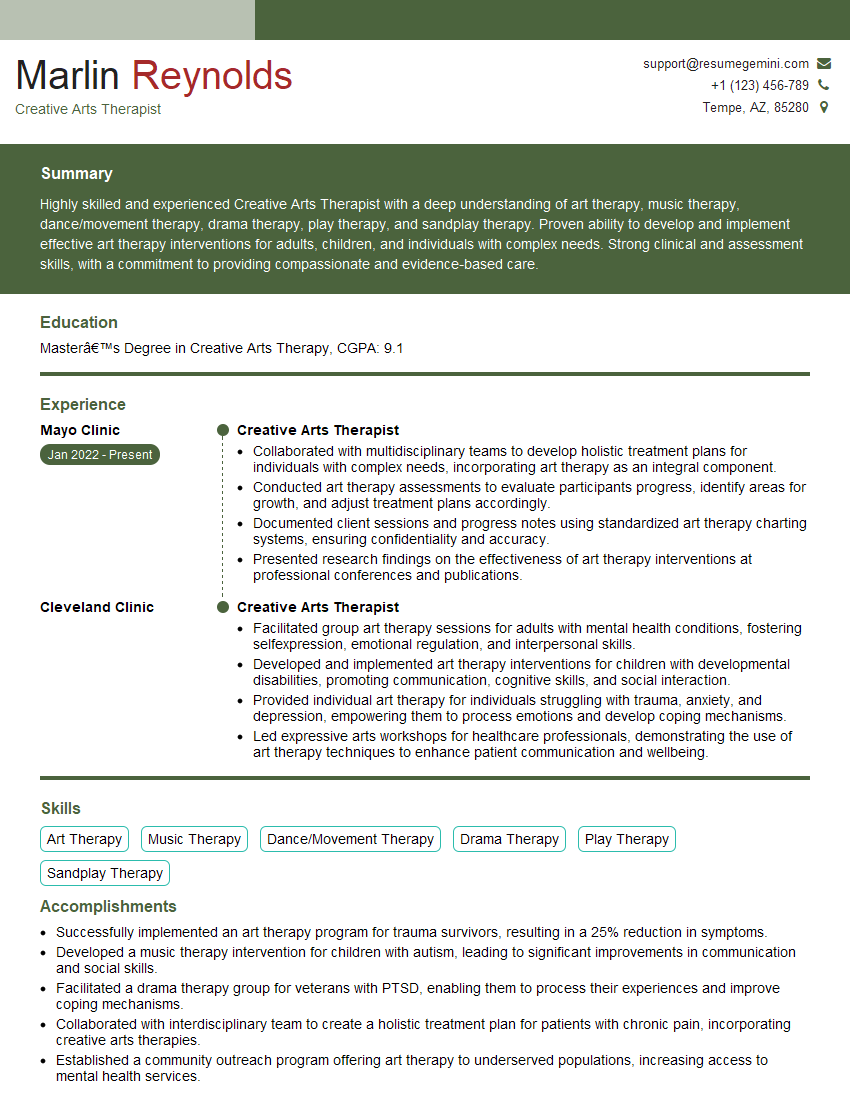
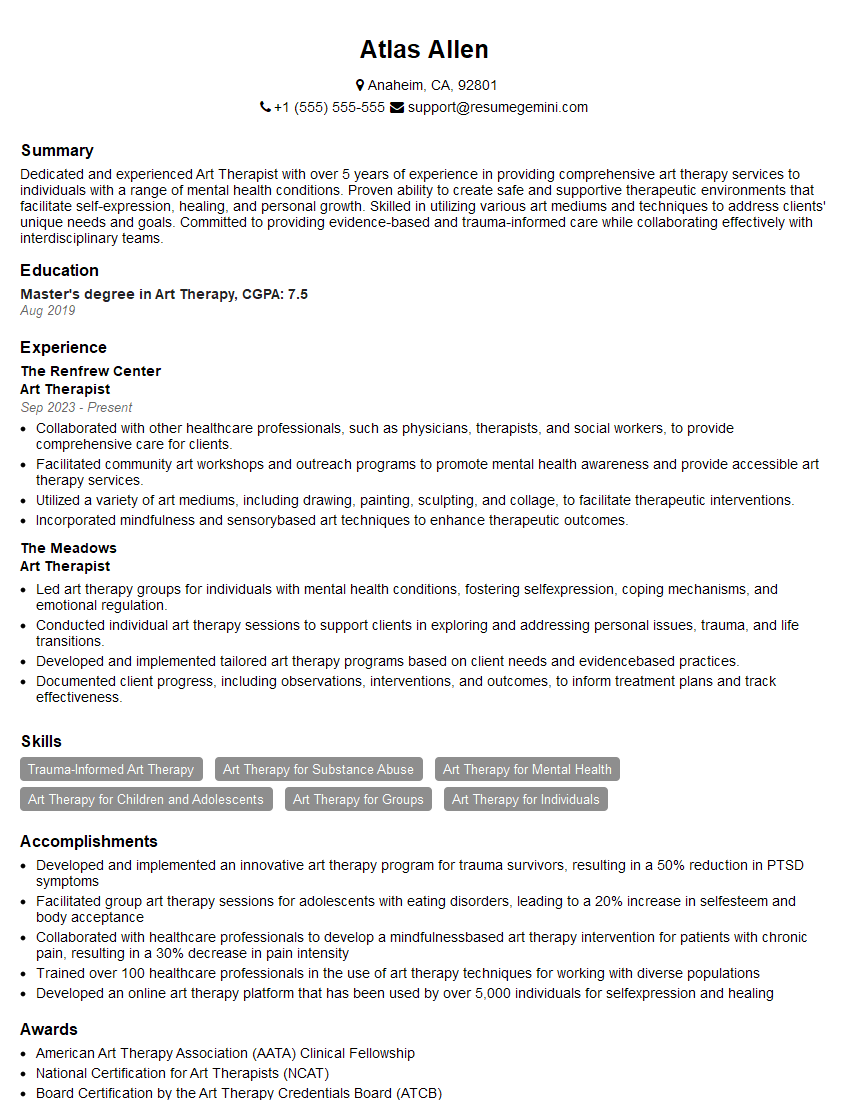
Mastering Art Therapy with specific populations significantly enhances your career prospects, opening doors to diverse settings and specialized roles. A well-crafted resume is crucial for showcasing your skills and experience effectively to potential employers. To increase your chances of landing your dream job, create an ATS-friendly resume that highlights your unique abilities and qualifications. ResumeGemini is a trusted resource to help you build a professional and impactful resume that stands out. We provide examples of resumes tailored to Art Therapy with Specific Populations (e.g., children, adolescents, adults, seniors) to guide you in creating your own.
Explore more articles
Users Rating of Our Blogs
Share Your Experience
We value your feedback! Please rate our content and share your thoughts (optional).
What Readers Say About Our Blog
To the interviewgemini.com Webmaster.
Very helpful and content specific questions to help prepare me for my interview!
Thank you
To the interviewgemini.com Webmaster.
This was kind of a unique content I found around the specialized skills. Very helpful questions and good detailed answers.
Very Helpful blog, thank you Interviewgemini team.