The right preparation can turn an interview into an opportunity to showcase your expertise. This guide to Assembly of sub-assemblies interview questions is your ultimate resource, providing key insights and tips to help you ace your responses and stand out as a top candidate.
Questions Asked in Assembly of sub-assemblies Interview
Q 1. Describe your experience with different assembly techniques.
My experience encompasses a wide range of assembly techniques, from manual assembly for smaller, intricate components to automated assembly lines for high-volume production. I’m proficient in various methods including:
- Manual Assembly: This involves hand-fitting components together using hand tools. I’ve used this extensively for prototype building and smaller-scale production runs, requiring meticulous attention to detail and precision. For instance, I assembled a complex optical device where even slight misalignment could compromise functionality.
- Semi-Automated Assembly: This combines manual and automated processes. I’ve worked with systems utilizing robotic arms for repetitive tasks, while human operators handle more complex or delicate steps. This approach is very efficient for medium-volume production.
- Automated Assembly: In high-volume manufacturing, I’ve been involved in setting up and troubleshooting fully automated assembly lines using programmable logic controllers (PLCs) and robotic systems. Managing these lines requires a strong understanding of automation technologies and troubleshooting skills. I recall streamlining an automated line for assembling circuit boards, reducing downtime by 15% through process optimization.
Q 2. Explain your understanding of lean manufacturing principles in assembly.
Lean manufacturing principles are crucial for efficient assembly. My understanding centers around minimizing waste and maximizing value. This involves several key concepts:
- Value Stream Mapping: Identifying and eliminating all non-value-added steps in the assembly process. I used this technique to optimize the workflow for assembling a medical device, resulting in a 20% reduction in assembly time.
- 5S Methodology: Maintaining a clean, organized, and safe work environment (Sort, Set in Order, Shine, Standardize, Sustain). This is fundamental for efficient workflows and error prevention.
- Just-in-Time (JIT) Inventory: Receiving components only when needed, minimizing storage costs and waste. Implementing JIT in a previous role significantly reduced our inventory holding costs.
- Kaizen (Continuous Improvement): Regularly identifying areas for improvement and implementing incremental changes to optimize efficiency. This is an ongoing process I embrace, constantly looking for ways to refine processes and reduce bottlenecks.
Q 3. How do you ensure quality control during the sub-assembly process?
Quality control is paramount throughout sub-assembly. My approach is multi-faceted:
- Incoming Inspection: Verifying the quality of incoming components before they enter the assembly process. This includes visual inspection and often dimensional checks using measuring instruments.
- In-Process Inspection: Conducting checks at various stages of the assembly process to identify and correct errors early. This might involve using statistical process control (SPC) techniques to monitor key parameters.
- Final Inspection: A thorough inspection of the completed sub-assembly to ensure it meets specifications and quality standards. This often involves functional testing and visual inspection.
- Documentation: Meticulous record-keeping is crucial. All inspection results are documented, allowing for traceability and identification of potential issues.
For example, in assembling delicate electronic components, I used a microscope for close inspection to prevent short circuits or damage caused by faulty parts.
Q 4. What are some common challenges you’ve faced during sub-assembly, and how did you overcome them?
Challenges are inevitable in sub-assembly. Some common ones I’ve encountered include:
- Component Variations: Slight variations in component dimensions can hinder assembly. I overcame this by working with the supplier to improve their tolerances and implement tighter quality control measures.
- Process Bottlenecks: Inefficient workflows or equipment limitations can create bottlenecks. I addressed this through process mapping, identifying the root causes, and implementing improvements, like optimizing workstation layouts or investing in faster equipment.
- Operator Errors: Human error can lead to assembly defects. I improved this by implementing better training programs and clear visual aids that improved the operator’s understanding of the process.
For instance, when facing a bottleneck in the assembly of a complex motor, I implemented a new jig to guide the assembly, improving efficiency and reducing defects.
Q 5. What types of tools and equipment are you familiar with using in sub-assembly?
I’m proficient with a wide array of tools and equipment, including:
- Hand Tools: Screwdrivers, wrenches, pliers, and specialized tools for specific components.
- Power Tools: Electric screwdrivers, drills, and rivet guns for faster and more efficient assembly.
- Measuring Instruments: Calipers, micrometers, and dial indicators for precise measurements and quality control.
- Testing Equipment: Multimeters, oscilloscopes, and other specialized test equipment to verify the functionality of assembled units.
- Assembly Jigs and Fixtures: These ensure consistent and accurate assembly by guiding components into their correct positions.
I am also comfortable working with automated assembly equipment like robotic arms and PLC controlled machines.
Q 6. Describe your experience with different types of fasteners and joining methods.
My experience encompasses various fasteners and joining methods:
- Screws and Bolts: I’m familiar with various types, including machine screws, self-tapping screws, and various bolt configurations for different strength and application requirements.
- Rivets: Used for permanent joining, especially in applications where disassembly isn’t necessary.
- Welding (various types): I have experience with spot welding, arc welding, and other techniques for metal joining. Safety protocols and appropriate Personal Protective Equipment (PPE) are always prioritized.
- Adhesives: I’m skilled in selecting and applying various adhesives, including epoxy, cyanoacrylate, and others, based on the materials being joined and environmental conditions.
- Snap-fits and other press-fits: These methods provide quick and efficient assembly, often used in plastic parts.
Choosing the right fastener is critical, and I always consider factors like material compatibility, strength requirements, and cost-effectiveness.
Q 7. How do you interpret assembly drawings and blueprints?
Interpreting assembly drawings and blueprints is a fundamental skill for me. I meticulously follow these steps:
- Overall Review: First, I review the title block to identify the part number, revision level, and other key information. Then I get a general understanding of the assembly’s overall structure and functionality.
- Component Identification: I identify each component in the drawing and cross-reference it with the parts list.
- Assembly Sequence: I determine the correct order of assembly steps by following the instructions and diagrams. Exploded views are especially helpful for understanding component relationships.
- Tolerances and Specifications: I pay close attention to the specified tolerances and dimensions to ensure accurate assembly.
- Notes and Annotations: Any notes, annotations, or symbols are carefully considered to ensure precise assembly and adherence to specifications.
My experience allows me to readily translate 2D drawings into a 3D understanding of the assembly, minimizing the chance of errors during the assembly process. I always double-check my interpretations before starting any assembly procedure.
Q 8. Explain your process for troubleshooting assembly problems.
Troubleshooting assembly problems is a systematic process. My approach involves a combination of visual inspection, methodical testing, and the application of my understanding of the assembly’s design and function.
- Visual Inspection: I begin by carefully examining the assembled unit for any obvious defects, misalignments, or missing components. This often involves using magnification tools to identify subtle issues.
- Functional Testing: Next, I perform tests to assess the functionality of the assembled unit. This may involve powering up the unit (if applicable), checking for proper movement of mechanical parts, or testing electrical connections. The specifics of the testing depend on the complexity of the sub-assembly.
- Process of Elimination: If the problem isn’t immediately obvious, I work through the assembly process step-by-step, systematically eliminating potential causes. This may involve disassembling parts of the unit to isolate the problem area. I’ll often keep a detailed log of what I’ve inspected and tested and which components I’ve removed or reinstalled.
- Component Verification: I verify that all components are correct by cross-referencing them against the bill of materials (BOM) and any applicable schematics or drawings.
- Documentation Review: I meticulously check the assembly instructions and engineering drawings to ensure I’m following the correct procedures.
For example, during the assembly of a small robotic arm, I once encountered a situation where the arm wouldn’t rotate smoothly. Through systematic troubleshooting, I discovered a small burr on a gear that was impeding its movement. A quick cleaning solved the issue.
Q 9. How do you handle discrepancies between assembly instructions and actual components?
Discrepancies between assembly instructions and actual components are a serious concern that needs immediate attention. My approach involves a careful verification process and escalation to the appropriate engineering or management personnel.
- Verification: I first double-check the part numbers and specifications of the components against the assembly instructions and the BOM to ensure there’s no misinterpretation on my part.
- Communication: If the discrepancy is confirmed, I immediately inform my supervisor or the relevant engineering team. I’ll provide detailed documentation of the issue, including photos or videos if needed, to illustrate the problem clearly.
- Temporary Workarounds (if applicable): In some cases, with the approval of my supervisor, a temporary workaround might be implemented to continue the assembly process, but this would be a temporary measure until the discrepancy is officially resolved.
- Documentation and Traceability: I meticulously document the discrepancy, the actions taken, and the resolution, maintaining a complete audit trail.
For instance, I once discovered a missing hole on a crucial component that wasn’t reflected in the assembly instructions. Reporting this immediately prevented potential assembly failures and allowed the engineering team to update the blueprints for future assemblies.
Q 10. Describe your experience with working from specifications and tolerances.
Working with specifications and tolerances is fundamental to my role. I understand the importance of precision and adherence to these parameters to ensure the proper functioning of the assembled unit. My experience encompasses using various measuring tools, interpreting technical drawings, and understanding the implications of tolerance variations.
- Tool Usage: I’m proficient with various measuring tools, including calipers, micrometers, and dial indicators, to verify component dimensions and ensure they fall within the specified tolerances.
- Drawing Interpretation: I can interpret technical drawings, including geometric dimensioning and tolerancing (GD&T) symbols, to understand the acceptable ranges of variation for each component.
- Tolerance Analysis: I understand the cumulative effects of tolerances on the final assembly. I’m aware that small variations in individual components can result in significant deviations in the final product, leading to malfunctions.
- Problem Solving: If a component falls outside the specified tolerance, I know the proper procedure to address the issue – whether that involves contacting the supplier or seeking a suitable replacement.
In one project involving the assembly of a precision optical instrument, understanding GD&T was critical to ensure the proper alignment of optical components and the overall performance of the device.
Q 11. How do you maintain a clean and organized workspace during assembly?
Maintaining a clean and organized workspace is paramount for efficient and error-free assembly. My approach involves a structured and proactive method.
- 5S Methodology: I apply the 5S methodology (Sort, Set in Order, Shine, Standardize, Sustain) to keep my workspace clean and organized. This involves regularly sorting through tools and components, storing them in designated locations, cleaning the area, and maintaining a consistent organizational system.
- Designated Areas: I have clearly designated areas for tools, components, finished assemblies, and waste materials. This prevents clutter and facilitates easy access to necessary items.
- Regular Cleaning: I regularly clean my workspace, removing dust, debris, and any potential contaminants that could affect the assembly process.
- Tool Organization: Tools are carefully stored and maintained to prevent damage and loss. I use tool organizers and shadow boards to maintain a clear, easily accessible setup.
A clean and organized workspace reduces the risk of errors, minimizes assembly time, and helps ensure the quality of the final product. It also contributes to a safer working environment.
Q 12. What are your strategies for improving efficiency in sub-assembly?
Improving efficiency in sub-assembly requires a multi-faceted approach focusing on process optimization, tool selection, and workflow design.
- Process Optimization: I analyze the assembly process to identify bottlenecks and areas for improvement. This could involve re-sequencing assembly steps, optimizing the flow of materials, or eliminating unnecessary steps.
- Tool Selection: I select appropriate tools to optimize the assembly process. This includes using ergonomic tools to reduce fatigue and increase speed, as well as specialized tools that streamline specific tasks.
- Workflow Design: I design an efficient workflow to minimize movement and wasted time. This often involves using assembly jigs and fixtures (discussed further in the next question) to hold components in place and simplify the assembly process.
- Lean Manufacturing Principles: I apply lean manufacturing principles to eliminate waste and optimize the assembly process. This might involve implementing techniques such as Kanban or 5S to improve efficiency.
For example, by implementing a simple jig for holding components in place during a repetitive assembly task, I reduced assembly time by 15% and improved the consistency of the final product.
Q 13. How familiar are you with different types of assembly jigs and fixtures?
I’m familiar with a variety of assembly jigs and fixtures, and understand their importance in improving assembly efficiency, accuracy, and repeatability.
- Types of Jigs and Fixtures: My experience includes working with various types, including clamping fixtures, locating fixtures, holding fixtures, welding fixtures, and specialized jigs for specific assembly tasks. I understand how to select the appropriate type of jig or fixture for a given assembly task based on factors such as component geometry, material properties, and required accuracy.
- Design and Selection: I understand the principles involved in designing and selecting jigs and fixtures. This includes considerations for material selection, dimensional accuracy, ease of use, and maintainability.
- Practical Application: I have practical experience in using jigs and fixtures in a variety of assembly applications. I know how to properly set up, use, and maintain these tools.
For instance, in a previous role, we used a custom-designed jig to consistently align and fasten several components in a complex electronic assembly. This jig significantly reduced assembly time and improved the consistency of the final product while improving the safety of the assembly procedure by eliminating the need for manual positioning of small components.
Q 14. Describe your experience with automated assembly processes.
My experience with automated assembly processes includes working with and supporting various automated assembly systems, though my primary role has been in manual assembly and troubleshooting. I’m knowledgeable about the concepts and principles behind automation.
- Automated Systems: I understand how automated assembly systems, such as robotic arms, automated guided vehicles (AGVs), and automated assembly machines, work and how they can increase efficiency and reduce costs.
- Programming and Troubleshooting: While not a programmer myself, I can collaborate effectively with automation engineers and technicians to troubleshoot issues with automated systems. I understand the importance of proper programming, sensor calibration, and error handling.
- Integration: I recognize the role that automated assembly plays in a larger manufacturing system. This includes understanding how automated assembly systems integrate with other processes such as material handling, quality control, and packaging.
In a previous project, I worked alongside a team integrating a robotic arm into a larger assembly line. Although I wasn’t directly involved in the programming, I provided valuable insight into the assembly process from a manual assembly perspective, which helped optimize the robotic arm’s movements and efficiency.
Q 15. What safety procedures are you familiar with in an assembly environment?
Safety is paramount in any assembly environment. My experience encompasses a wide range of safety procedures, starting with the basics like always wearing appropriate Personal Protective Equipment (PPE), including safety glasses, gloves, and hearing protection, depending on the task. I’m also well-versed in the proper handling and storage of tools and materials to prevent accidents. This includes using designated storage areas, securing tools when not in use, and immediately reporting any damaged or faulty equipment. Beyond this, I’m familiar with lockout/tagout procedures for machinery, understanding the critical need to de-energize equipment before performing maintenance or repair. Furthermore, I’m trained in recognizing and responding to hazards such as chemical spills, fire hazards, and ergonomic risks. I actively participate in safety training sessions and always prioritize a safe work environment for myself and my colleagues.
For instance, during a project involving a high-speed drilling machine, I ensured the machine was completely powered down and locked out before changing the drill bit. This proactive approach prevented potential injury and ensured a successful task completion.
Career Expert Tips:
- Ace those interviews! Prepare effectively by reviewing the Top 50 Most Common Interview Questions on ResumeGemini.
- Navigate your job search with confidence! Explore a wide range of Career Tips on ResumeGemini. Learn about common challenges and recommendations to overcome them.
- Craft the perfect resume! Master the Art of Resume Writing with ResumeGemini’s guide. Showcase your unique qualifications and achievements effectively.
- Don’t miss out on holiday savings! Build your dream resume with ResumeGemini’s ATS optimized templates.
Q 16. How do you ensure proper ergonomics while performing assembly tasks?
Ergonomics plays a vital role in preventing workplace injuries, especially in assembly where repetitive movements are common. I maintain proper posture by using adjustable work benches and chairs to support my back and ensure comfortable seating. I avoid twisting or reaching excessively by keeping tools and materials within easy reach. I take regular micro-breaks to stretch and move around, preventing muscle fatigue and strain. I also utilize ergonomic tools designed to minimize strain. For example, instead of using a regular screwdriver for a repetitive task, I might opt for a power screwdriver to reduce the force and repetition.
During a lengthy sub-assembly project, I discovered my wrist was starting to ache. I immediately adjusted my workbench height and took more frequent breaks, resulting in a significant decrease in discomfort and increase in overall efficiency. By prioritizing ergonomics, I not only ensured my well-being but also improved my work quality.
Q 17. Describe your experience with using a variety of hand tools.
I possess extensive experience with a diverse range of hand tools, including screwdrivers (Phillips, flathead, torx), wrenches (socket, adjustable, open-end), pliers (needle-nose, slip-joint), hammers, and various cutting tools like shears and utility knives. I understand the proper usage, maintenance, and safety precautions associated with each tool. I’m adept at selecting the right tool for the job, ensuring efficiency and avoiding damage to components. I’m also familiar with specialized tools, such as torque wrenches for precise tightening and specialized soldering irons for delicate electronic work.
In one instance, I successfully used a torque wrench to tighten screws to the precise specification, preventing over-tightening and damage to the delicate electronic component. This illustrates my skill in selecting and using the appropriate tool for different situations and my commitment to detail.
Q 18. How do you handle repetitive tasks in sub-assembly?
Repetitive tasks are common in sub-assembly. To manage them effectively, I employ strategies that maintain both efficiency and prevent fatigue. I ensure the assembly process is optimized. This may involve using jigs and fixtures to aid in consistent placement and assembly. I also utilize automation wherever possible, such as using power tools or automated assembly lines. If automation isn’t feasible, I make sure I take regular short breaks to stretch and rest my muscles, avoiding prolonged strain.
In a project involving the assembly of hundreds of small electronic components, I implemented a jig to hold the components in place during soldering. This simple fixture drastically reduced the time and effort required and made the task much less repetitive and less prone to errors.
Q 19. What is your experience with soldering and other joining techniques?
I have considerable experience with various joining techniques, including soldering (both through-hole and surface mount), adhesive bonding, and mechanical fastening (screws, rivets, clips). My soldering skills encompass different types of solder (lead-free, leaded) and techniques (wave soldering, reflow soldering). I understand the importance of proper flux application and temperature control to create strong, reliable joints. For adhesive bonding, I’m familiar with various types of adhesives and their properties, ensuring that the right adhesive is selected based on the materials being joined and the environmental conditions.
I successfully utilized surface-mount soldering techniques on a recent project, demonstrating precision and efficiency in handling tiny components. The quality of my work was crucial to the proper functioning of a sensitive electronic device. Similarly, I’ve selected appropriate adhesives for both rigid and flexible materials, guaranteeing the final product’s durability and reliability.
Q 20. How do you manage time effectively in a fast-paced assembly environment?
Time management is critical in a fast-paced assembly environment. My approach involves careful planning and prioritization. Before starting a task, I thoroughly review the assembly instructions and identify any potential bottlenecks. I break down complex tasks into smaller, manageable sub-tasks, tracking my progress and allocating time accordingly. I also utilize time management techniques like the Pomodoro Technique to maintain focus and prevent burnout. Moreover, I proactively communicate with supervisors and team members to address any delays or challenges that could impact the overall schedule.
During a particularly demanding project with a tight deadline, I successfully prioritized tasks based on their criticality and urgency. By meticulously tracking my progress and communicating potential delays early, we successfully met the deadline without compromising quality.
Q 21. What is your experience with testing and inspecting assembled components?
Testing and inspection are integral parts of the assembly process. I’m proficient in using various testing methods and equipment, such as multimeters, oscilloscopes, and functional testers, to verify the functionality of assembled components. I understand the importance of visual inspection for identifying defects and ensuring the quality of workmanship. My approach involves following established testing procedures and meticulously documenting my findings. I’m adept at troubleshooting identified problems and implementing corrective actions. I understand the significance of maintaining detailed records to track quality metrics and identify areas for improvement.
In one instance, my thorough testing process detected a faulty component early in the assembly process, preventing a major issue later. This illustrates my commitment to quality control and my ability to identify and resolve issues promptly.
Q 22. Describe your experience with working in a team environment during assembly.
Teamwork is fundamental to efficient assembly. In my previous role at Acme Robotics, we assembled complex robotic arms. My team consisted of specialists in different areas – mechanics, electronics, and software integration. We relied heavily on daily stand-up meetings to coordinate tasks, identify potential bottlenecks, and ensure everyone was on the same page. For example, if the mechanics were ahead of schedule on a particular sub-assembly, we would quickly re-allocate resources to assist with the electronics integration, preventing delays in the final assembly. We also utilized a shared online task management system to track progress and maintain transparency across the entire team. This collaborative approach resulted in consistently meeting deadlines and producing high-quality products.
Beyond this, effective communication and mutual respect were key to success. We celebrated successes together and addressed challenges collaboratively, leveraging each team member’s unique expertise. This fostered a positive and productive environment.
Q 23. How do you prioritize tasks in an assembly line setting?
Prioritization in an assembly line is critical for optimal throughput. I utilize a combination of techniques, including understanding the overall assembly schedule (often visualized with a Gantt chart), identifying any critical path tasks (those that directly impact the completion of the final product), and considering the individual task dependencies. For example, if assembling a washing machine, the motor installation is a critical path task and must be completed before other components can be installed.
I also prioritize tasks based on urgency and potential impact. Tasks with tight deadlines or those that could cause significant downstream delays are prioritized. This often involves using Kanban or similar visual management systems to track workflow and easily identify bottlenecks. Furthermore, I frequently communicate with team members to understand any unforeseen challenges and adjust priorities as needed. Flexibility and adaptability are vital in a fast-paced assembly line environment.
Q 24. What are some common causes of assembly errors, and how do you prevent them?
Assembly errors stem from various sources, including incorrect component selection (using the wrong part), improper tool usage (leading to damage), inadequate training (resulting in flawed procedures), and poor work instructions (ambiguous or incomplete steps). Preventing these errors requires a multi-pronged approach.
- Visual Aids & Checklists: Using clear, visually engaging work instructions, including photos and diagrams, coupled with checklists, minimizes human error.
- Quality Control Checks: Implementing regular quality control checkpoints throughout the assembly process, including self-checks and peer reviews, catches errors early.
- Proper Training: Comprehensive training on correct procedures, including the use of specialized tools and equipment, is paramount. Hands-on training with experienced personnel is ideal.
- Standardized Procedures: Developing and adhering to standardized assembly procedures minimizes variation and promotes consistency. 5S methodology (Sort, Set in Order, Shine, Standardize, Sustain) is a great framework to reduce errors.
- Root Cause Analysis: For any errors that do occur, performing a thorough root cause analysis helps identify systemic issues and implement preventive measures.
For instance, in one project involving the assembly of circuit boards, we implemented a color-coded system for components and clear visual guides on the work station, significantly reducing misplacements and resulting errors.
Q 25. Describe your process for documenting assembly procedures and processes.
Documenting assembly procedures is vital for consistency and training. My approach involves creating clear, concise, and easily understood documents that incorporate both textual descriptions and visual aids. I typically use a combination of methods:
- Step-by-step instructions: Each step should be clearly defined, with numbered sequences, and ideally accompanied by images or videos.
- Diagrams & schematics: Detailed diagrams and schematics help to visually clarify the assembly process, particularly for complex components or wiring.
- Bill of Materials (BOM): A comprehensive BOM, clearly listing all components and their specifications, is essential to prevent errors.
- Version control: Using a version control system (like Google Docs or a dedicated software) allows for easy tracking of changes and updates to assembly procedures.
- Quality Assurance checks: Documentation undergoes peer review and testing to ensure accuracy and clarity before implementation.
I often use software such as Microsoft Visio for diagrams and create detailed step-by-step guides using software that allows for both text and image incorporation. These documents are then stored in a centralized, easily accessible location for all team members.
Q 26. How do you adapt to changes in assembly procedures or specifications?
Adaptability is crucial in assembly. When changes in procedures or specifications arise (e.g., a new component or revised design), my approach is systematic:
- Thorough review: I carefully review the changes to fully understand their implications on the assembly process.
- Impact assessment: I assess the impact of the changes on existing procedures, identifying any potential bottlenecks or challenges.
- Update documentation: I update all relevant documentation, including assembly instructions, BOM, and training materials, to reflect the new specifications.
- Retraining and communication: I communicate the changes to the team and provide any necessary retraining to ensure everyone understands and can correctly implement the new procedures.
- Pilot testing: Before fully implementing the changes, I conduct pilot testing to validate the effectiveness of the new procedures and identify any unforeseen issues.
For example, when a new type of fastener was introduced in a previous project, I led the team in retraining on its proper use and updated the documentation accordingly, preventing potential damage and assembly errors.
Q 27. What are your strengths and weaknesses related to sub-assembly work?
My strengths lie in my meticulous attention to detail, my proficiency in troubleshooting complex assembly issues, and my ability to work efficiently both independently and collaboratively. I am adept at identifying potential problems before they arise, preventing costly rework and delays. I also possess strong problem-solving skills, and I’m comfortable working with complex technical documentation.
A potential area for development is my delegation skills. While I can effectively manage my own workload, I am continuously working on delegating tasks more effectively within team environments to optimize overall team performance. I am actively seeking opportunities to further develop these skills through mentorship and taking on leadership roles within projects.
Q 28. What are your salary expectations for this role?
My salary expectations for this role are in the range of [Insert Salary Range] annually. This is based on my experience, skills, and the responsibilities associated with this position, as well as market research for similar roles in this region. I am open to discussing this further and am confident that my contributions will justify this compensation.
Key Topics to Learn for Assembly of Sub-assemblies Interview
- Understanding Sub-assembly Design: Grasping the principles behind efficient sub-assembly design, including considerations for modularity, maintainability, and cost-effectiveness.
- Assembly Process Planning: Developing a detailed assembly plan, outlining the sequence of operations, required tools, and potential challenges. This includes understanding different assembly methods (manual, automated, robotic).
- Quality Control and Inspection: Familiarize yourself with various quality control techniques and inspection methods used during and after sub-assembly integration, ensuring adherence to specifications and tolerances.
- Troubleshooting and Problem-Solving: Developing skills in identifying and resolving assembly issues, including the ability to analyze root causes and implement corrective actions. This includes understanding common assembly defects and their prevention.
- Material Handling and Logistics: Understanding the efficient movement and storage of sub-assemblies within the assembly process. This includes inventory management principles and Just-in-Time (JIT) delivery systems.
- Safety Procedures and Regulations: Demonstrate a thorough understanding of relevant safety protocols and regulations related to assembly processes, ensuring a safe working environment.
- Automation and Robotics in Assembly: Understanding the role and application of automated systems and robotics in modern sub-assembly processes, including programming and troubleshooting aspects (if applicable to your experience).
- Lean Manufacturing Principles: Applying lean manufacturing principles to optimize the sub-assembly process, minimizing waste and maximizing efficiency.
Next Steps
Mastering the Assembly of Sub-assemblies is crucial for career advancement in manufacturing and related fields. It showcases your practical skills, problem-solving abilities, and understanding of efficient production processes. To significantly boost your job prospects, it’s essential to present your expertise effectively. Creating an ATS-friendly resume is key to getting your application noticed by recruiters. We strongly recommend using ResumeGemini to build a professional, impactful resume tailored to highlight your skills and experience in Assembly of Sub-assemblies. ResumeGemini offers examples of resumes specifically designed for this field to guide you in creating a winning application.
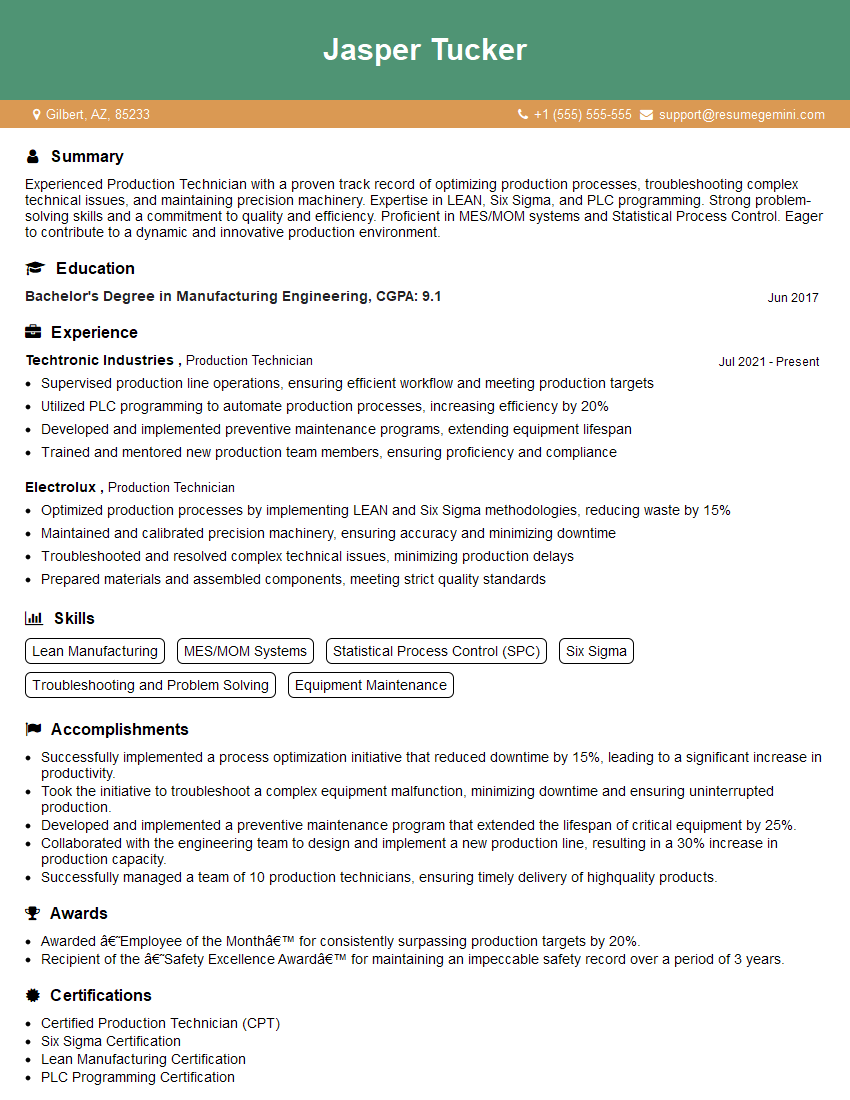
Production Technician Resume Sample
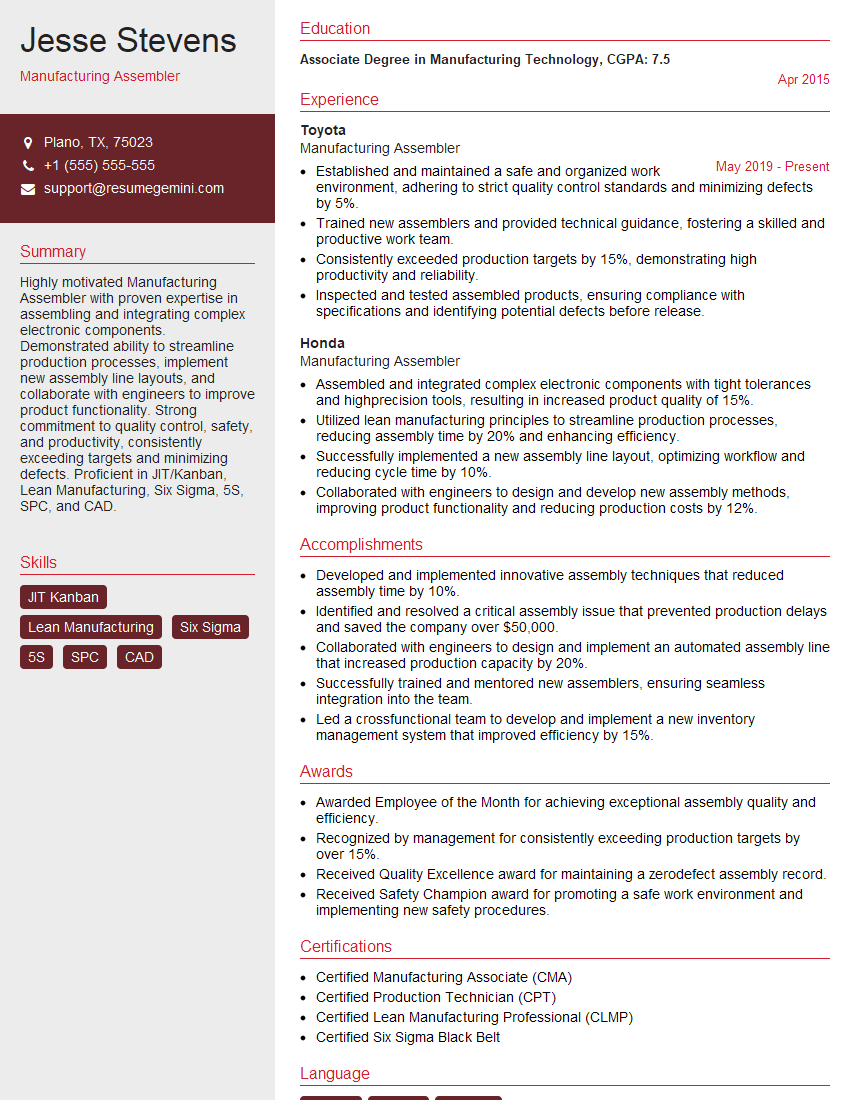
Manufacturing Assembler Resume Sample
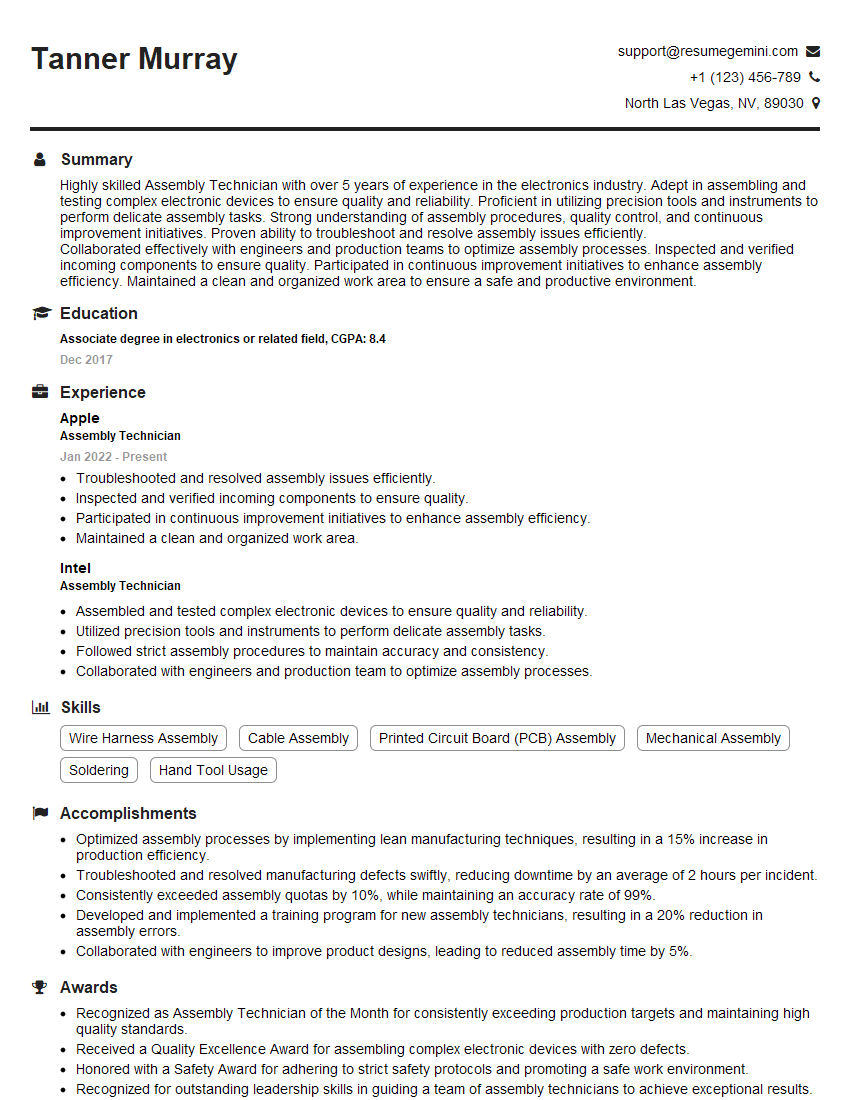
Assembly Technician Resume Sample
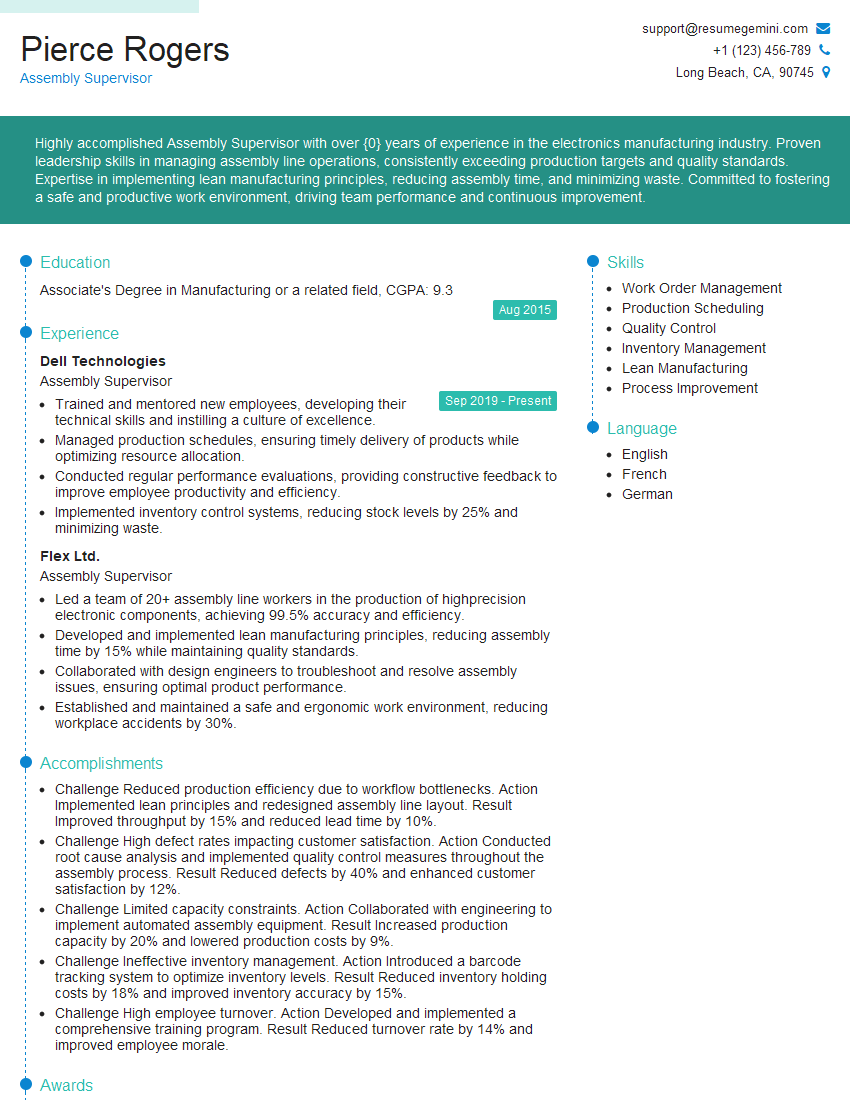
Assembly Supervisor Resume Sample
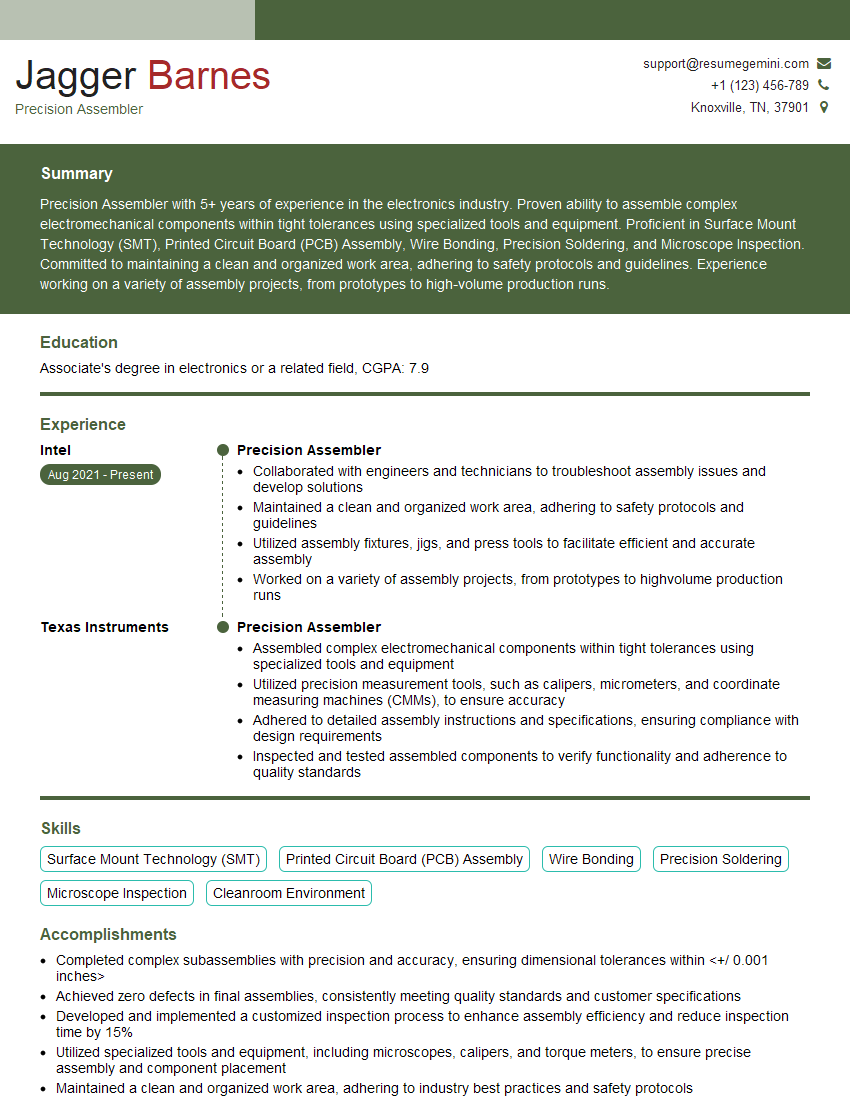
Precision Assembler Resume Sample
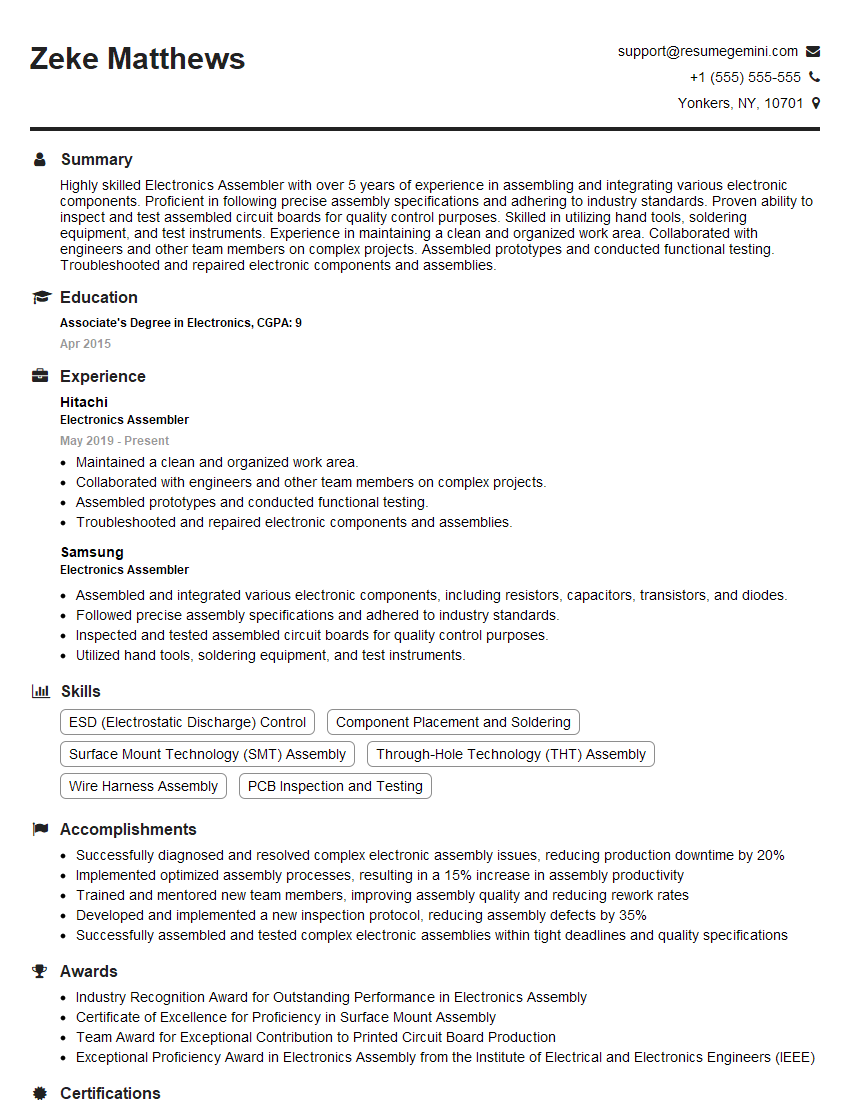
Electronics Assembler Resume Sample
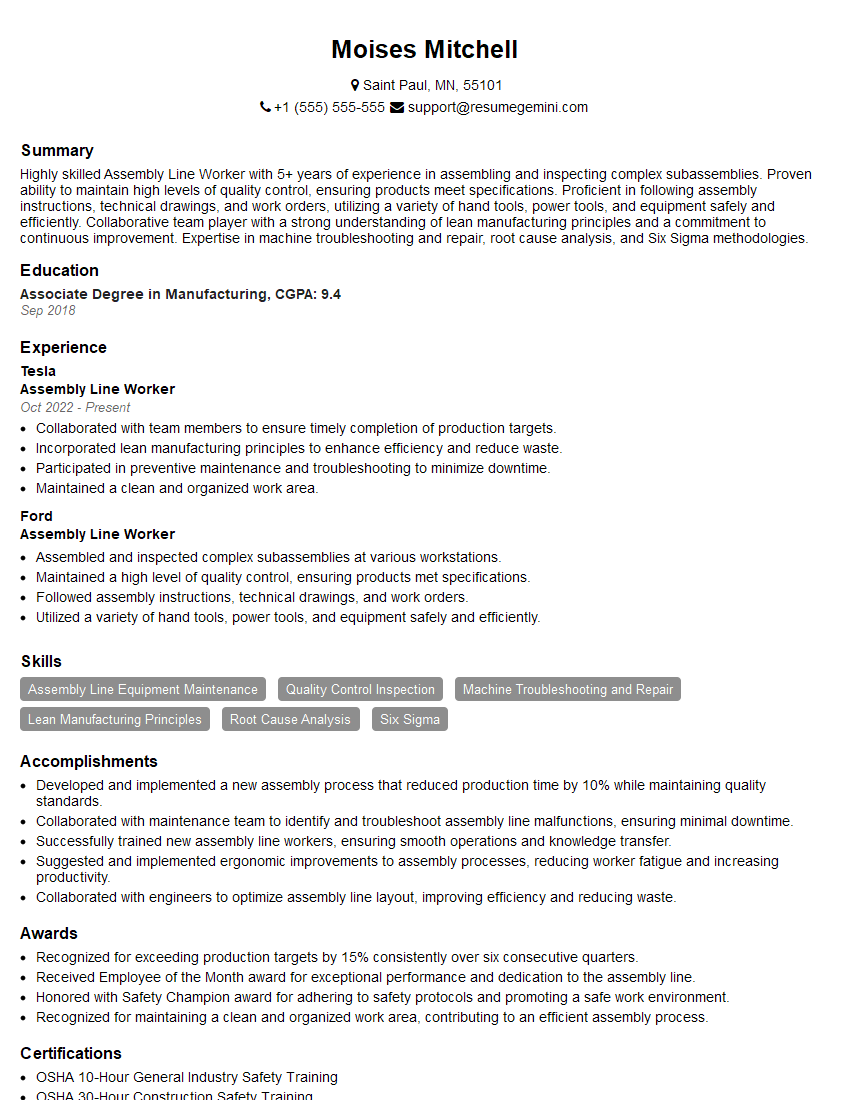
Assembly Line Worker Resume Sample
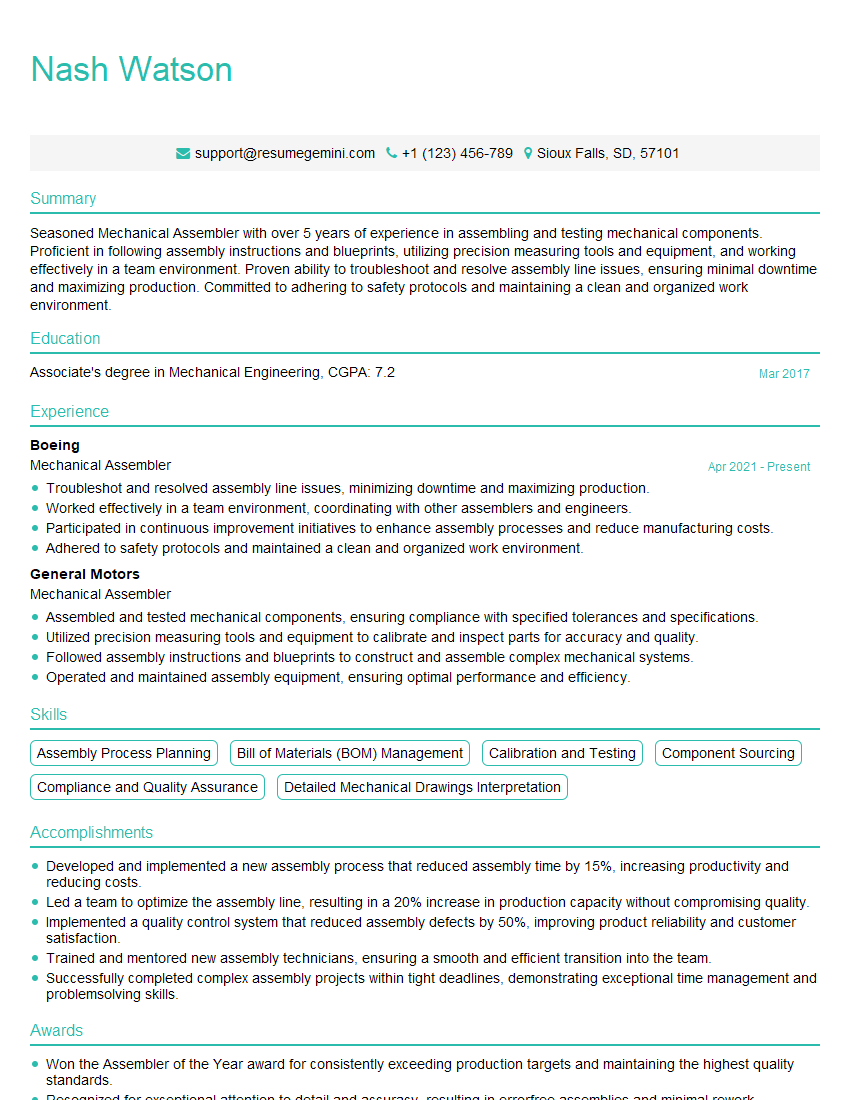
Mechanical Assembler Resume Sample
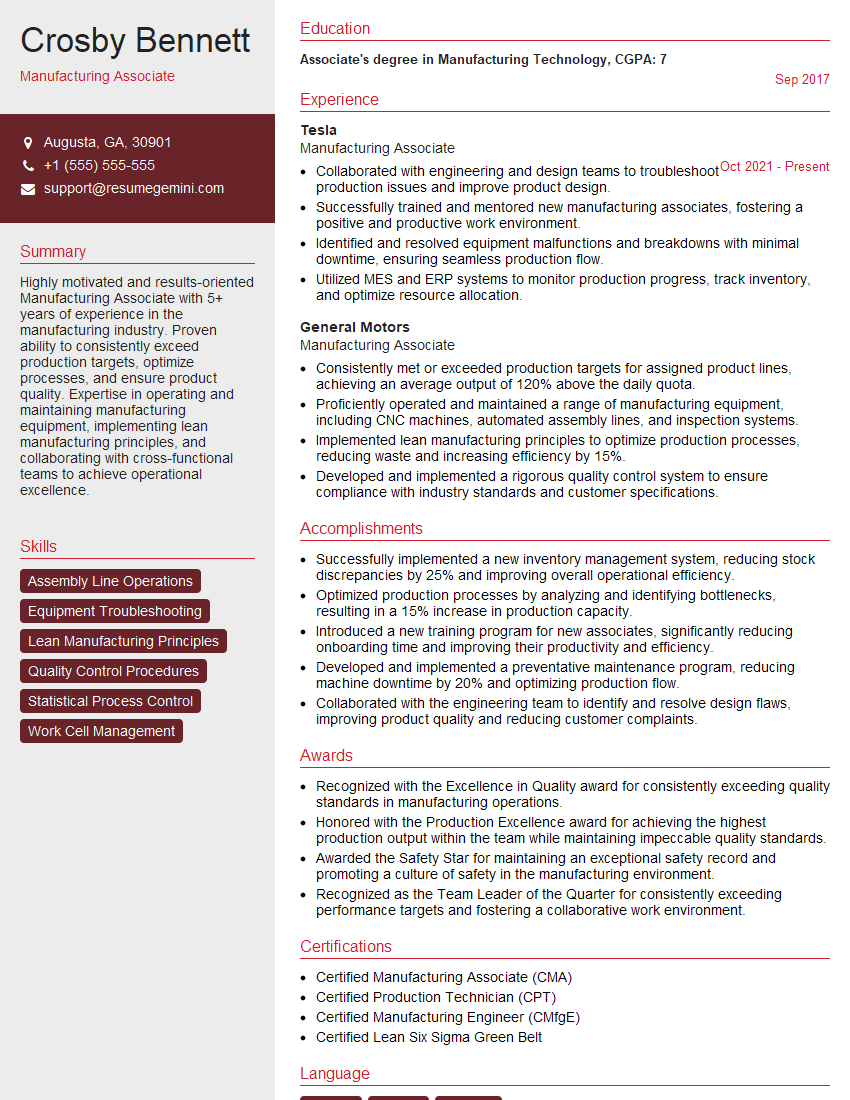
Manufacturing Associate Resume Sample
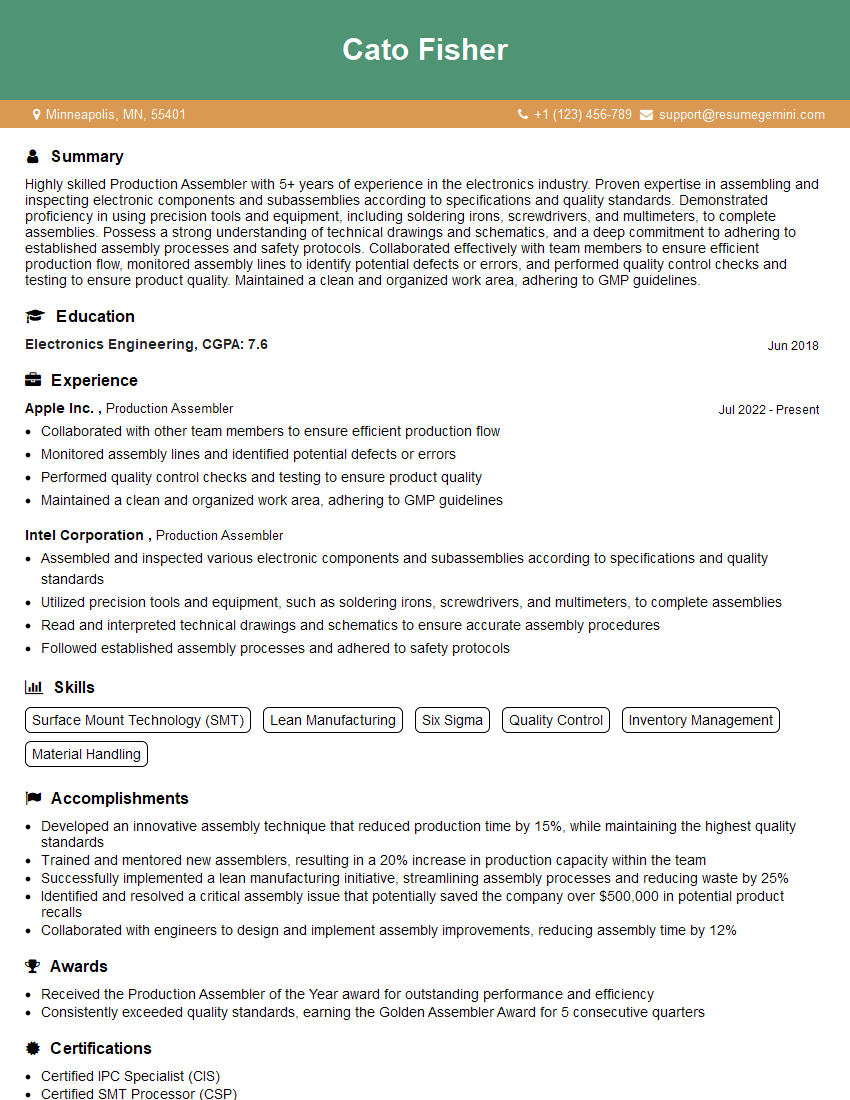
Production Assembler Resume Sample
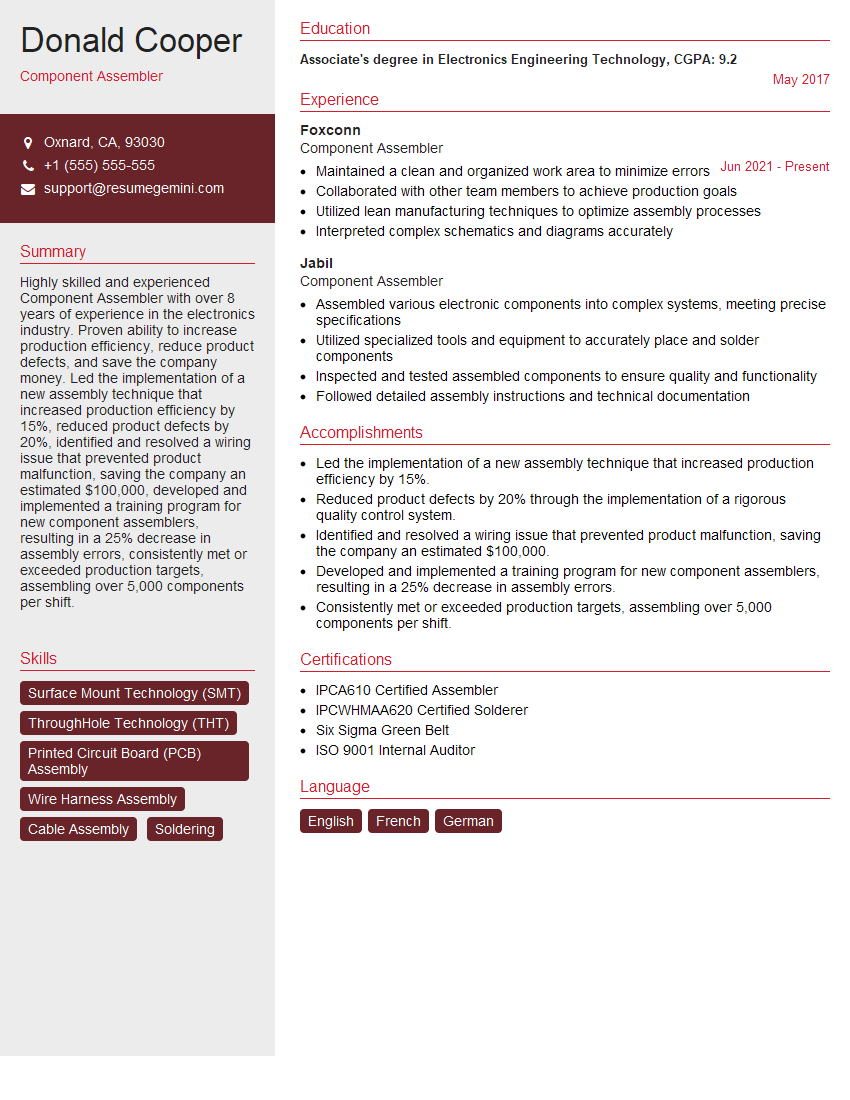
Component Assembler Resume Sample
Explore more articles
Users Rating of Our Blogs
Share Your Experience
We value your feedback! Please rate our content and share your thoughts (optional).
What Readers Say About Our Blog
To the interviewgemini.com Webmaster.
Very helpful and content specific questions to help prepare me for my interview!
Thank you
To the interviewgemini.com Webmaster.
This was kind of a unique content I found around the specialized skills. Very helpful questions and good detailed answers.
Very Helpful blog, thank you Interviewgemini team.