Every successful interview starts with knowing what to expect. In this blog, we’ll take you through the top Assisted with site cleanup interview questions, breaking them down with expert tips to help you deliver impactful answers. Step into your next interview fully prepared and ready to succeed.
Questions Asked in Assisted with site cleanup Interview
Q 1. Describe your experience with different types of site contamination.
My experience encompasses a wide range of site contamination, from relatively simple petroleum spills to complex scenarios involving heavy metals, PCBs (polychlorinated biphenyls), and volatile organic compounds (VOCs). I’ve worked on sites contaminated by industrial activities, such as manufacturing plants and dry cleaners, as well as sites affected by accidental releases or historical practices. Each contamination type presents unique challenges in terms of remediation strategies. For example, a petroleum spill might require soil excavation and off-site treatment, while PCB contamination often necessitates more specialized techniques like thermal desorption or bioremediation. I’ve also dealt with sites exhibiting mixed contamination, requiring a phased approach tailored to address each contaminant individually while minimizing cross-contamination.
- Petroleum contamination: This is a common type involving gasoline, diesel, or oil spills. Remediation often involves soil excavation, separation of the contaminated material from clean soil, and treatment via methods such as bioremediation or incineration.
- Heavy metal contamination: This usually involves lead, mercury, arsenic, and cadmium. Remediation may include soil washing, stabilization, or phytoremediation (using plants to extract contaminants).
- VOC contamination: These are organic chemicals that easily evaporate and often originate from industrial solvents or leaking underground storage tanks. Remediation frequently involves soil vapor extraction (SVE) or air sparging.
Q 2. What safety protocols do you follow during site cleanup operations?
Safety is paramount in site cleanup. We adhere to a strict protocol that includes comprehensive site-specific safety plans. These plans detail hazard identification, risk assessment, control measures, personal protective equipment (PPE) requirements, and emergency response procedures. Before any work begins, we conduct thorough site surveys to identify potential hazards, like underground utilities, asbestos, or unstable structures. Workers receive extensive training on safe work practices, including handling hazardous materials, using specialized equipment, and emergency response protocols. We utilize various PPE such as respirators, protective suits, gloves, and safety footwear, depending on the specific hazards present. Regular safety meetings and toolbox talks reinforce procedures and promote a culture of safety on site. Compliance with OSHA regulations and other relevant standards is mandatory and meticulously documented.
For example, when working with asbestos-containing materials, we follow strict abatement procedures, including proper containment, wet removal, and disposal in compliance with all relevant regulations.
Q 3. Explain your understanding of hazardous waste handling procedures.
Hazardous waste handling demands rigorous adherence to regulations and best practices. My experience covers all aspects, from initial characterization and segregation to transportation, treatment, storage, and disposal. We accurately characterize waste using laboratory analysis to determine its hazardous properties (e.g., toxicity, flammability, reactivity). Proper segregation prevents incompatible waste from reacting, minimizing risks. All waste is packaged and labeled according to the appropriate regulations (e.g., DOT and EPA guidelines). Transportation is managed by licensed haulers with proper documentation. Finally, disposal is carried out at permitted facilities specializing in the specific waste type. Documentation at each stage is crucial, ensuring a clear audit trail for compliance.
Imagine a scenario involving contaminated soil from a former industrial site. We would carefully sample and analyze the soil to determine the presence and concentration of any hazardous constituents. Based on this, we would classify the soil as hazardous or non-hazardous, and then utilize appropriate containers, labels, and transportation methods for its safe disposal at a licensed facility.
Q 4. How do you assess the risk associated with a contaminated site?
Risk assessment is a critical first step in any site cleanup project. It involves a multi-faceted approach combining site investigation, data analysis, and professional judgment. We start by reviewing historical records, conducting site reconnaissance, and collecting environmental samples (soil, water, air). This data informs the development of a conceptual site model (CSM) that visualizes the extent and nature of contamination. We use quantitative risk assessment techniques to estimate potential exposure pathways and associated health risks. This includes considering the concentration of contaminants, exposure routes (inhalation, ingestion, dermal contact), and vulnerability of the exposed population. The results of the risk assessment help determine the appropriate remediation goals and strategies.
For instance, a site with high levels of lead in soil near a playground would present a significantly higher risk than the same level of lead in a remote, unpopulated area. Our assessment would focus on the potential for children’s exposure through ingestion of contaminated soil, requiring a more aggressive remediation strategy.
Q 5. What methods do you use to decontaminate equipment and personnel?
Decontamination procedures ensure the safety of personnel and equipment. Equipment decontamination typically involves thorough cleaning using appropriate detergents, followed by rinsing and sometimes sterilization, depending on the type of contaminant. Personnel decontamination may involve removing contaminated clothing and showering with specialized detergents. We use specific methods based on the contaminant. For example, a spill of a corrosive chemical may require different decontamination methods compared to a radiological event. Decontamination processes are documented and validated to ensure effectiveness. All decontamination fluids and waste are managed as hazardous waste, following all relevant protocols.
Imagine a scenario where workers were exposed to pesticides. Decontamination would begin with removing contaminated clothing and then proceeding to a thorough shower with a designated decontamination solution. The clothing and the decontamination solution would be treated as hazardous waste.
Q 6. Describe your experience with soil remediation techniques.
Soil remediation techniques are chosen based on the type and extent of contamination, site conditions, and cost-effectiveness. I have extensive experience with several techniques:
- Excavation and disposal: This involves digging up and removing contaminated soil, often the simplest approach for highly concentrated contaminants. The removed soil is then disposed of in a licensed hazardous waste facility.
- Bioremediation: This uses microorganisms to break down contaminants. This is a cost-effective and environmentally friendly approach suitable for various organic contaminants.
- Soil washing: This involves removing contaminants from soil by washing it with water or a chemical solution. It’s effective for heavy metals and some organic contaminants.
- In-situ chemical oxidation (ISCO): This injects oxidizing agents into the ground to break down contaminants. It’s useful for treating soil and groundwater contamination in place.
- Phytoremediation: This involves using plants to extract or break down contaminants. This is a sustainable and aesthetically pleasing method but is often best for less severe contamination.
The choice of technique depends on many factors. For example, a highly contaminated site might require excavation and disposal, while a site with low levels of organic contaminants may benefit from bioremediation.
Q 7. How do you ensure compliance with environmental regulations during cleanup?
Environmental compliance is integrated into every aspect of our cleanup projects. We work closely with regulatory agencies to obtain necessary permits, ensuring all activities are conducted in accordance with local, state, and federal laws. This includes regular reporting on project progress, sampling and analysis of environmental media (soil, water, air), and compliance with all reporting and notification requirements. Detailed records are meticulously kept throughout the process, including chain of custody for samples, waste manifests, and worker exposure records. Audits are conducted to ensure compliance and identify areas for improvement. All our work aims to exceed regulatory requirements, safeguarding environmental quality.
For example, before commencing any remediation activity, we would obtain the necessary permits from the Environmental Protection Agency (EPA) and the state environmental agency, detailing the proposed methodology and planned waste disposal measures. Throughout the project, regular monitoring and reporting to these agencies would be a critical component to demonstrate ongoing compliance.
Q 8. Explain your knowledge of different types of waste disposal methods.
Waste disposal methods vary greatly depending on the type of waste generated. My experience encompasses a wide range, from simple landfill disposal to more specialized techniques for hazardous materials.
- Landfilling: This is the most common method for non-hazardous waste, involving burying waste in designated areas. However, it’s crucial to ensure proper lining and leachate collection to prevent environmental contamination. I’ve overseen projects where careful segregation of waste streams was key to successful landfilling, minimizing environmental impact.
- Incineration: This method involves burning waste at high temperatures to reduce its volume and render it less hazardous. However, air pollution control is critical, and I’ve worked on projects incorporating advanced air scrubbers and emission monitoring systems. Proper ash management is also crucial to prevent further environmental damage.
- Recycling and Reuse: Whenever possible, we prioritize recycling and reuse. This includes sorting recyclable materials like metals, plastics, and paper, which reduces landfill burden and conserves resources. I have experience leading teams in efficient waste sorting and negotiating contracts with recycling facilities.
- Specialized Disposal: Hazardous waste, such as asbestos, PCBs, or certain chemicals, requires specialized disposal methods following strict regulatory guidelines. This often involves secure transportation to licensed treatment facilities and detailed documentation throughout the process. I’ve personally managed the safe removal and disposal of asbestos-containing materials from multiple sites, adhering to all safety protocols and regulatory requirements.
- Treatment and Remediation: In situ treatment, like bioremediation using microorganisms to break down pollutants, or soil washing to remove contaminants, are also utilized for contaminated soils. I’ve been involved in projects using these methods, requiring careful site assessment, selection of appropriate technologies, and ongoing monitoring of effectiveness.
The choice of disposal method always depends on a thorough site assessment, regulatory compliance, cost-effectiveness, and environmental considerations.
Q 9. How do you manage a team during a large-scale cleanup operation?
Managing a team during a large-scale cleanup requires strong leadership, clear communication, and meticulous planning. My approach involves:
- Pre-Cleanup Planning: Before any work begins, I hold detailed briefings with the team, outlining the scope of work, safety protocols, and individual responsibilities. This includes assigning clear roles, ensuring everyone understands their tasks and the overall project goals.
- Effective Communication: Maintaining open and transparent communication throughout the project is vital. Daily stand-up meetings, progress reports, and readily available channels for queries ensure everyone stays informed and any issues are addressed promptly.
- Safety First: Safety training and adherence to safety protocols are non-negotiable. I conduct regular site safety inspections and lead by example, always prioritizing the safety of the team and the public.
- Motivation and Teamwork: A large-scale cleanup can be challenging. I foster a positive and supportive team environment, recognizing individual contributions and celebrating achievements to maintain morale and keep everyone motivated.
- Conflict Resolution: Disagreements or issues inevitably arise. I address these through open communication, focusing on finding solutions that benefit the project and the team. Fair and impartial conflict resolution ensures a harmonious work environment.
- Delegation and Supervision: I delegate tasks effectively based on team members’ skills and experience while maintaining consistent supervision and providing guidance where needed.
For example, during a large industrial site cleanup, I successfully coordinated a team of 20, assigning roles based on expertise (e.g., hazardous waste handlers, demolition specialists, equipment operators). The project was completed safely and ahead of schedule due to effective team management and clear communication.
Q 10. Describe your experience with using specialized cleanup equipment.
My experience with specialized cleanup equipment is extensive. I’m proficient in operating and maintaining a range of equipment, including:
- Excavation Equipment: This includes excavators, backhoes, and bulldozers, used for removing contaminated soil and debris. I’m familiar with various attachment types and their applications in different soil conditions.
- Vacuum Trucks: These trucks are essential for removing liquids and slurries, particularly in hazardous waste cleanup. I have experience operating and maintaining these trucks, understanding their limitations and safety considerations.
- High-Pressure Washers: These are used for cleaning contaminated surfaces and equipment. I am trained in safe operation and disposal of wastewater.
- Air Monitoring Equipment: Accurate monitoring of air quality during cleanup is crucial. I’m familiar with various air sampling techniques and equipment, ensuring safe working conditions and regulatory compliance.
- Specialized Decontamination Units: For cleaning personnel and equipment after exposure to hazardous substances.
For instance, during an oil spill cleanup, I successfully used vacuum trucks and high-pressure washers to remove contaminated soil and water, minimizing environmental damage. My ability to troubleshoot equipment malfunctions on-site ensured minimal downtime and efficient project completion.
Q 11. How do you monitor the effectiveness of cleanup procedures?
Monitoring the effectiveness of cleanup procedures involves a multi-pronged approach, combining visual inspections with rigorous data analysis:
- Visual Inspections: Regular site inspections allow for the identification of areas where further cleanup may be necessary. Documentation, including photographs and detailed descriptions, plays a vital role in tracking progress and highlighting problem areas.
- Sampling and Analysis: Regular sampling of soil, water, and air provides quantitative data on the concentration of contaminants. Analysis of these samples by accredited laboratories ensures the data is accurate and reliable, demonstrating the effectiveness of remediation efforts. I have experience working with various analytical techniques and interpreting lab reports.
- Data Reporting and Analysis: All data collected is meticulously documented and analyzed. This includes maintaining detailed records of all activities, equipment usage, and sampling results. I utilize data analysis software and generate comprehensive reports to track progress against project goals.
- Compliance Monitoring: Throughout the cleanup process, I consistently monitor regulatory compliance, ensuring all activities are conducted within the specified guidelines. Any deviations are promptly reported and addressed.
For example, in a remediation project involving contaminated soil, we implemented a robust sampling program. By analyzing the data, we were able to demonstrate that the cleanup measures were achieving the desired level of contaminant reduction, providing evidence for regulatory compliance and project completion.
Q 12. What are the common challenges faced during site cleanup projects?
Site cleanup projects often face numerous challenges:
- Unexpected Contaminants: Discovery of unforeseen contaminants during the project can significantly impact timelines and budgets, requiring adjustments to the cleanup strategy.
- Weather Conditions: Adverse weather can disrupt operations, causing delays and potentially compromising safety. Careful planning and contingency measures are crucial.
- Regulatory Compliance: Navigating complex environmental regulations and obtaining necessary permits can be time-consuming and challenging. Keeping abreast of regulatory changes is essential.
- Access and Logistics: Difficult terrain, limited access to the site, and managing the movement of personnel and equipment can all pose logistical problems.
- Budget Constraints: Cleanup projects can be expensive, and staying within budget while ensuring effectiveness can be a challenge. Careful planning and resource allocation are critical.
- Public Perception and Communication: Maintaining positive communication with the public and addressing any concerns are crucial to ensure successful project completion.
In one project, we encountered unexpectedly high levels of heavy metals in the soil. We responded by adapting our cleanup plan, incorporating more rigorous decontamination procedures and submitting revised regulatory reports. This proactive approach minimized delays and ensured successful remediation.
Q 13. How do you handle unexpected problems or emergencies during a cleanup?
Handling unexpected problems or emergencies during a cleanup requires a calm, decisive approach. My strategy involves:
- Rapid Assessment: The first step is a swift assessment of the situation to understand the nature and extent of the problem.
- Safety First: Immediate actions are taken to ensure the safety of the team and the public, potentially involving evacuation or implementation of emergency procedures.
- Communication and Coordination: The incident is communicated to relevant stakeholders, including supervisors, regulatory agencies, and emergency services, as needed.
- Problem Solving: A plan of action is developed to address the problem, incorporating input from the team and leveraging available resources.
- Documentation: A detailed record of the incident, including actions taken and outcomes, is meticulously documented for future reference and improvement of procedures.
For example, during a demolition project, we experienced a sudden collapse of a section of a building. We immediately evacuated the area, contacted emergency services, and implemented safety measures to prevent further incidents. After assessment, we revised the demolition plan, incorporating improved safety measures and strengthening procedures to ensure the project’s safe completion.
Q 14. Describe your experience with data collection and reporting in site cleanup.
Data collection and reporting are integral parts of any site cleanup. My experience encompasses:
- Data Acquisition: This involves using various methods for collecting data, including manual logging of observations, using specialized equipment (e.g., GPS, air quality monitors, and radiation detectors), and employing GIS technology for mapping purposes. I’m proficient in using various data loggers and ensuring the accuracy and reliability of the data.
- Data Management: Collected data is organized, verified, and stored securely, typically using dedicated software applications and databases. Maintaining accurate records is critical for compliance with regulatory requirements and for tracking progress.
- Data Analysis: I conduct statistical analysis of the data to identify trends, evaluate the effectiveness of cleanup procedures, and prepare comprehensive reports for clients and regulatory agencies. I frequently use specialized software for this purpose, ensuring the reports are clear, concise, and well-presented.
- Report Writing: I prepare comprehensive reports that summarize the project, including methodologies, results, and conclusions. These reports often include tables, graphs, and maps to visualize data effectively. The reports are always tailored to the specific audience, whether it’s a client, a regulatory agency, or an internal review.
For instance, in a recent project involving the cleanup of a contaminated aquifer, I meticulously collected data on groundwater levels, contaminant concentrations, and remediation progress. The analysis of this data demonstrated the effectiveness of the remediation strategy and allowed us to provide a comprehensive report to both the client and regulatory authorities.
Q 15. Explain your understanding of different types of site contamination (e.g., asbestos, lead).
Site contamination encompasses a wide range of hazardous substances that pose risks to human health and the environment. Understanding the specific type of contamination is crucial for effective remediation. Two common examples are asbestos and lead.
Asbestos: A naturally occurring fibrous mineral, asbestos was widely used in construction materials before its health risks were fully understood. Inhaling asbestos fibers can lead to serious lung diseases like asbestosis, mesothelioma, and lung cancer. Cleanup involves careful removal and disposal of asbestos-containing materials, often requiring specialized techniques and personal protective equipment (PPE) to prevent fiber release.
Lead: A heavy metal, lead was historically used in paint, plumbing, and gasoline. Lead exposure can cause developmental problems in children and various health issues in adults, including neurological damage. Cleanup requires careful abatement of lead-based paint, often involving containment, removal, and proper disposal in accordance with regulations. Lead contamination in soil requires specialized techniques to prevent further spread.
Other contaminants include petroleum hydrocarbons (from spills or leaks), pesticides, PCBs (polychlorinated biphenyls), and various heavy metals. Each requires a unique approach tailored to its specific properties and potential health and environmental impacts.
Career Expert Tips:
- Ace those interviews! Prepare effectively by reviewing the Top 50 Most Common Interview Questions on ResumeGemini.
- Navigate your job search with confidence! Explore a wide range of Career Tips on ResumeGemini. Learn about common challenges and recommendations to overcome them.
- Craft the perfect resume! Master the Art of Resume Writing with ResumeGemini’s guide. Showcase your unique qualifications and achievements effectively.
- Don’t miss out on holiday savings! Build your dream resume with ResumeGemini’s ATS optimized templates.
Q 16. How do you prioritize tasks during a site cleanup project?
Prioritizing tasks in a site cleanup project hinges on several factors including risk assessment, regulatory requirements, and logistical considerations. A typical approach involves a multi-step process:
Risk Assessment: Identify the most immediate and significant threats to human health and the environment. Contaminants posing the highest risk of exposure or the greatest potential for environmental damage should take precedence.
Regulatory Compliance: Prioritize tasks that address imminent violations of environmental regulations. Meeting deadlines for reporting and remediation efforts is critical to avoiding penalties.
Logistical Feasibility: Consider factors like equipment availability, crew expertise, and weather conditions. Tasks that can be completed efficiently and effectively should be tackled first.
Resource Allocation: Allocate resources, including personnel, equipment, and budget, to the highest-priority tasks. This ensures that the most pressing issues are addressed promptly and effectively.
For example, if a site has both asbestos and lead contamination, but the asbestos is in a crumbling state posing a significant immediate risk of fiber release, that would be prioritized over lead paint removal, which may have a lower immediate risk of exposure.
Q 17. Describe your experience with site assessments and risk evaluations.
Site assessments and risk evaluations are the cornerstones of any successful site cleanup. My experience involves conducting thorough investigations to determine the nature and extent of contamination, identifying potential exposure pathways, and evaluating potential risks to human health and the environment.
A typical site assessment includes a preliminary site survey, soil sampling, groundwater sampling, and potentially air quality testing. This data is used to develop a conceptual site model, which illustrates the sources, pathways, and receptors of contamination. Risk evaluation involves determining the probability of exposure and the potential health or environmental consequences. This often involves quantitative risk assessments employing probabilistic modeling techniques.
For example, in one project involving a former industrial site, we conducted soil borings to determine the depth and extent of petroleum hydrocarbon contamination. We then used this information to model the potential for groundwater contamination and assess the risks to nearby residential wells. This informed the remediation strategy, selecting the most appropriate and cost-effective cleanup method.
Q 18. How familiar are you with different environmental regulations (e.g., CERCLA, RCRA)?
I’m very familiar with key environmental regulations, including the Comprehensive Environmental Response, Compensation, and Liability Act (CERCLA) or Superfund, and the Resource Conservation and Recovery Act (RCRA).
CERCLA: Focuses on the cleanup of hazardous waste sites and holds responsible parties accountable for remediation costs. Understanding CERCLA is vital for managing contaminated sites, particularly those requiring extensive cleanup efforts.
RCRA: Governs the management of hazardous and non-hazardous waste from cradle to grave, including its generation, transportation, treatment, storage, and disposal. Compliance with RCRA is crucial for ensuring the safe and responsible handling of waste generated during site cleanup.
Beyond CERCLA and RCRA, I am also knowledgeable in state-specific regulations and local ordinances, which often add layers of requirements to federal laws. Staying up-to-date on these regulations is essential for ensuring compliance and avoiding legal issues.
Q 19. How do you ensure the safety of your crew and the public during cleanup operations?
Ensuring crew and public safety is paramount during site cleanup. A multi-layered approach is essential:
Site Security: Establish clear boundaries and access controls to restrict access to unauthorized personnel. This could involve erecting fences, signage, and security personnel.
Health and Safety Plan: Develop and implement a comprehensive health and safety plan that outlines procedures for handling hazardous materials, using PPE, and responding to emergencies. This plan should be regularly reviewed and updated.
Worker Training: Provide thorough training to all crew members on relevant safety procedures, hazard identification, and emergency response protocols. This ensures that everyone is aware of the risks and knows how to respond appropriately.
Air Monitoring: Regularly monitor air quality to ensure that hazardous substances are not being released into the atmosphere at unsafe levels.
Community Engagement: Keep the community informed of cleanup activities and address any concerns they may have. Transparency and communication build trust and enhance safety.
For instance, during an asbestos abatement project, we ensured the area was completely sealed off, workers wore appropriate respirators and protective suits, and air monitoring was conducted to confirm that asbestos fibers were not released into the surrounding environment.
Q 20. What is your experience with using personal protective equipment (PPE)?
My experience with personal protective equipment (PPE) is extensive. The selection and use of PPE are dictated by the specific hazards present at the site. This might include:
Respirators: For protection against airborne contaminants like asbestos fibers or volatile organic compounds (VOCs).
Gloves: Chemical-resistant gloves are essential when handling hazardous materials.
Tyvek suits: Provide full-body protection against chemical splashes or dust.
Safety glasses/goggles: Protect eyes from flying debris, chemical splashes, or dust.
Safety boots: Provide protection against puncture wounds and slips.
Proper fit, training on use, and regular inspection and maintenance of PPE are crucial to ensuring its effectiveness. I’ve been directly involved in training crews on proper PPE selection and use, emphasizing the importance of its correct application to protect against health hazards.
Q 21. Explain your experience with waste characterization and analysis.
Waste characterization and analysis are crucial steps in site cleanup. It involves identifying the types and quantities of waste generated, determining its hazardous properties, and selecting appropriate disposal or treatment methods. This process typically involves several stages:
Sampling: Collecting representative samples of the waste material using appropriate techniques.
Laboratory Analysis: Submitting samples to a certified laboratory for analysis to determine the presence and concentration of various contaminants.
Waste Classification: Classifying the waste according to its hazardous properties, using regulatory guidelines (e.g., RCRA hazardous waste codes).
Disposal/Treatment Plan: Developing a plan for the proper disposal or treatment of the waste based on its classification and local regulations. This could involve incineration, landfilling, or other specialized treatment methods.
Documentation: Maintaining thorough documentation of all sampling, analysis, and disposal procedures to ensure compliance with regulations.
For example, in a project involving the cleanup of a chemical spill, we characterized the waste by analyzing soil samples for the presence of various organic contaminants. Based on the analysis, we determined that the waste was hazardous and required incineration according to RCRA regulations. All processes were meticulously documented and submitted to the regulatory agency.
Q 22. How do you manage waste disposal permits and documentation?
Managing waste disposal permits and documentation is crucial for compliance and avoiding legal issues. It involves understanding the specific regulations for the type of waste being handled and the location of the site. This begins with identifying the waste streams – categorizing them according to their hazardous or non-hazardous nature. Then, we obtain the necessary permits from the relevant environmental agencies. This often includes submitting detailed applications with waste characterization data, proposed disposal methods, and site plans.
Throughout the cleanup process, meticulous record-keeping is paramount. This includes maintaining copies of all permits, manifests (tracking waste from generation to disposal), lab reports (analyzing waste composition), and chain of custody documents. We use a robust document management system, often incorporating digital tools for easy access and auditing. For instance, in one project involving asbestos abatement, we meticulously documented each step, from initial assessment to final disposal, ensuring full compliance with EPA regulations and maintaining an auditable trail for several decades. This proactive approach not only ensures legal compliance but also protects our clients from potential liability.
Q 23. Describe your experience working with regulatory agencies.
My experience working with regulatory agencies spans over a decade and involves numerous interactions with agencies such as the EPA (Environmental Protection Agency), state Department of Environmental Quality (DEQ), and local environmental health departments. I’ve collaborated with them during pre-project assessments, permit acquisition, and ongoing project monitoring. This includes attending meetings, submitting regular reports, responding to queries, and addressing any concerns.
Building strong relationships with these agencies is key. Open communication and transparency are essential. For example, on a project involving soil remediation, we proactively engaged the DEQ early in the planning phase, presenting our proposed remediation strategy and addressing their concerns before any potential conflicts arose. This collaborative approach resulted in a smooth and efficient project completion. We also understand the importance of precise adherence to their guidelines and deadlines, ensuring regulatory compliance throughout the project lifecycle.
Q 24. How do you maintain accurate records and documentation of site cleanup activities?
Maintaining accurate records is fundamental to successful site cleanup projects. We use a combination of methods to ensure data integrity. First, we utilize a dedicated project management software that tracks every activity, from initial site assessment to final report submission. This software helps to track sampling locations, analytical results, remediation techniques, personnel involved, and equipment used. We also maintain physical files with original documents and hard copies of critical information.
Secondly, a robust chain-of-custody system ensures that samples are handled correctly, from collection to laboratory analysis. This system tracks who collected the sample, when and where it was collected, and how it was transported and stored. Thirdly, we employ a system of regular internal audits to verify the completeness and accuracy of all records. This meticulous approach not only helps meet regulatory requirements but also provides a complete history of the project, useful for future reference and potential future investigations. Think of it like a meticulously kept medical chart for the site—every detail is recorded, ensuring accountability and enabling informed decisions throughout the process.
Q 25. Explain your experience with different types of sampling methods.
My experience encompasses various sampling methods tailored to specific site conditions and contaminants. These include soil sampling (using techniques like hand augering, direct push, and cone penetrometer testing), groundwater sampling (using wells and monitoring points), air sampling (using passive and active methods), and surface water sampling.
The choice of sampling method depends on several factors including the type and depth of contamination, the site geology, accessibility, and regulatory requirements. For example, in a project involving volatile organic compounds (VOCs), we used specialized direct-push probes to obtain soil samples while minimizing the potential for cross-contamination. In another instance, we employed passive air samplers to monitor VOCs over an extended period, providing a more comprehensive picture of air quality. Each sampling method requires precise techniques and adherence to quality assurance and quality control protocols to ensure data reliability.
Q 26. How do you develop and implement a site cleanup plan?
Developing and implementing a site cleanup plan is a multi-step process requiring careful planning and execution. It begins with a thorough site characterization, including a detailed site history, contaminant identification and quantification, and assessment of potential risks. Based on the characterization, we then develop a detailed work plan outlining the remediation objectives, methods, and schedule. This plan needs to be aligned with regulatory requirements and take into account factors like environmental conditions, budget constraints, and potential impacts to surrounding areas.
The plan will specify the remediation methods, including the technologies to be utilized, such as excavation and disposal, bioremediation, or other innovative approaches. A schedule for each stage of the project, milestones, and reporting requirements is also established. Then, the actual implementation of the plan follows. Throughout this process, we regularly monitor progress, make adjustments as needed, and maintain complete documentation. Regular communication with regulatory agencies and stakeholders is maintained throughout the entire process. Finally, a comprehensive final report summarizing the entire project and its results is prepared.
Q 27. What is your experience with remediation technologies (e.g., bioremediation, phytoremediation)?
I have extensive experience with various remediation technologies, choosing the most appropriate approach based on the specific contaminants and site conditions. Bioremediation, a cost-effective and environmentally friendly method, involves using microorganisms to break down contaminants. For example, we successfully used bioremediation to treat petroleum-contaminated soil at a former gas station. We introduced specific microorganisms capable of degrading the hydrocarbons, leading to a significant reduction in contamination levels.
Phytoremediation, using plants to remove or neutralize contaminants, is another technique. This is particularly useful for removing heavy metals from soil. We have successfully employed phytoremediation in projects involving sites with low to moderate levels of heavy metal contamination. The selection of the appropriate technology always considers factors such as cost, efficacy, regulatory requirements, and potential environmental impacts. A thorough risk assessment is performed before recommending any remediation approach.
Q 28. Describe your experience with project management in site cleanup projects.
Project management in site cleanup projects requires a systematic approach, combining technical expertise with effective management practices. This includes defining clear project goals, establishing realistic timelines, and managing budgets effectively. I utilize project management methodologies like the critical path method (CPM) to identify and manage critical tasks. We employ a team approach, delegating responsibilities and fostering effective communication among team members, regulatory agencies, and stakeholders.
Risk management is also a critical aspect, identifying and mitigating potential risks throughout the project lifecycle. This involves proactively addressing potential delays, cost overruns, and environmental concerns. Regular progress meetings, thorough documentation, and effective communication keep the project on track and ensure client satisfaction. For instance, on a large-scale industrial site cleanup, we meticulously tracked progress against established milestones, adjusting plans as needed based on unforeseen challenges and ensuring that the project was completed on time and within budget, while maintaining a high level of environmental compliance.
Key Topics to Learn for Assisted with Site Cleanup Interview
- Safety Procedures and Regulations: Understanding and adhering to relevant safety protocols, including proper use of personal protective equipment (PPE), hazard identification, and emergency procedures. This demonstrates responsibility and commitment to a safe work environment.
- Waste Management and Disposal: Knowledge of different waste streams (hazardous vs. non-hazardous), proper sorting and segregation techniques, and environmentally responsible disposal methods. Practical experience with waste handling equipment (e.g., compactors, bins) is valuable.
- Cleaning Techniques and Equipment: Familiarity with various cleaning tools and equipment, including their proper use and maintenance. This includes understanding the appropriate cleaning agents for different surfaces and materials, and efficient cleaning strategies for maximizing productivity.
- Organization and Efficiency: Demonstrating an ability to effectively organize a cleanup project, prioritize tasks, and manage time efficiently. This might include experience with scheduling, resource allocation, and team collaboration.
- Environmental Awareness: Understanding the environmental impact of site cleanup activities and implementing sustainable practices to minimize negative consequences. This includes knowledge of recycling programs and waste reduction strategies.
- Problem-Solving and Adaptability: Describing instances where you encountered unexpected challenges during a cleanup and how you adapted your approach to overcome them. This demonstrates resourcefulness and problem-solving skills.
- Communication and Teamwork: Highlighting your ability to communicate effectively with supervisors, colleagues, and potentially clients or members of the public. Teamwork skills are crucial in collaborative site cleanup operations.
Next Steps
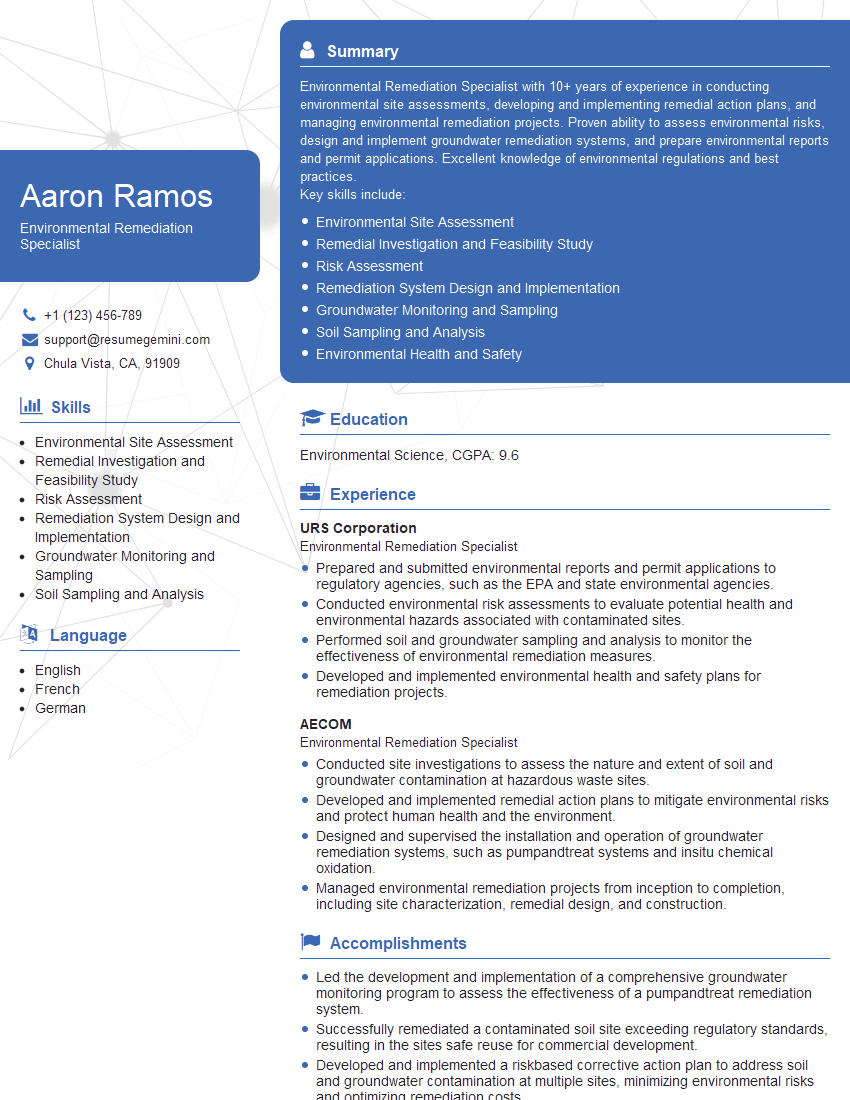
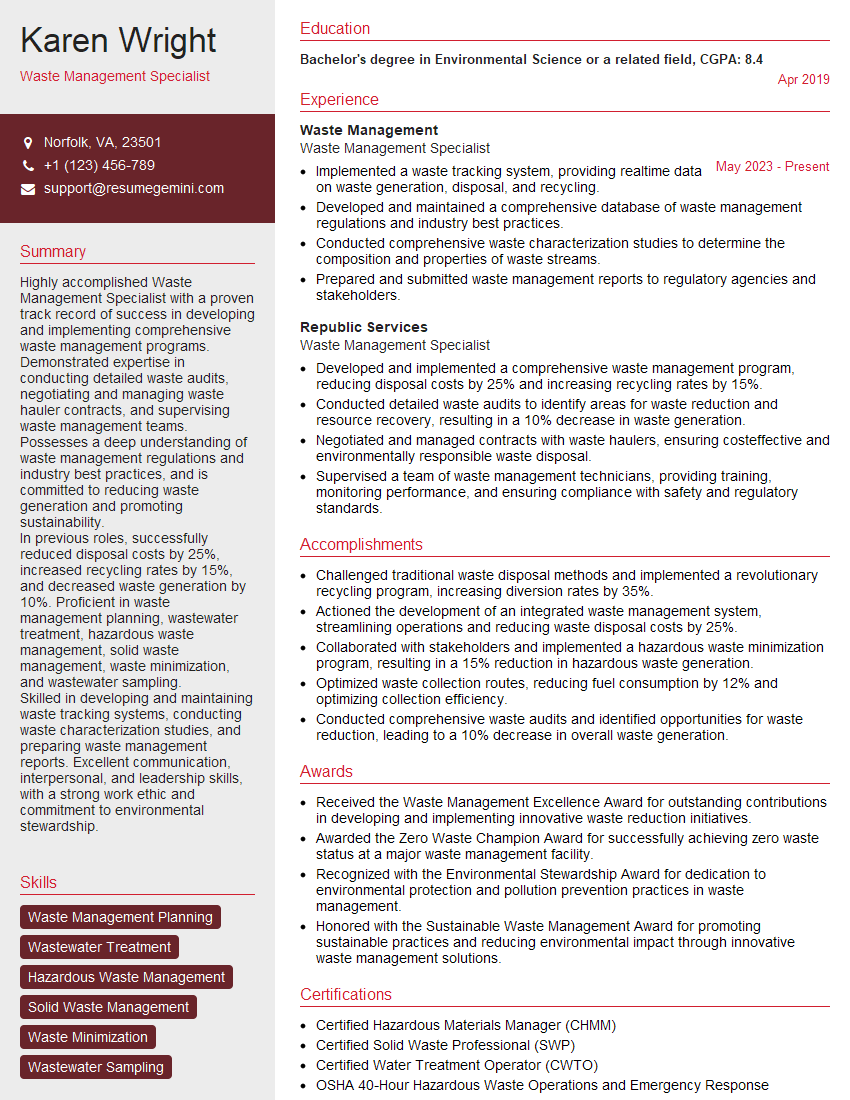
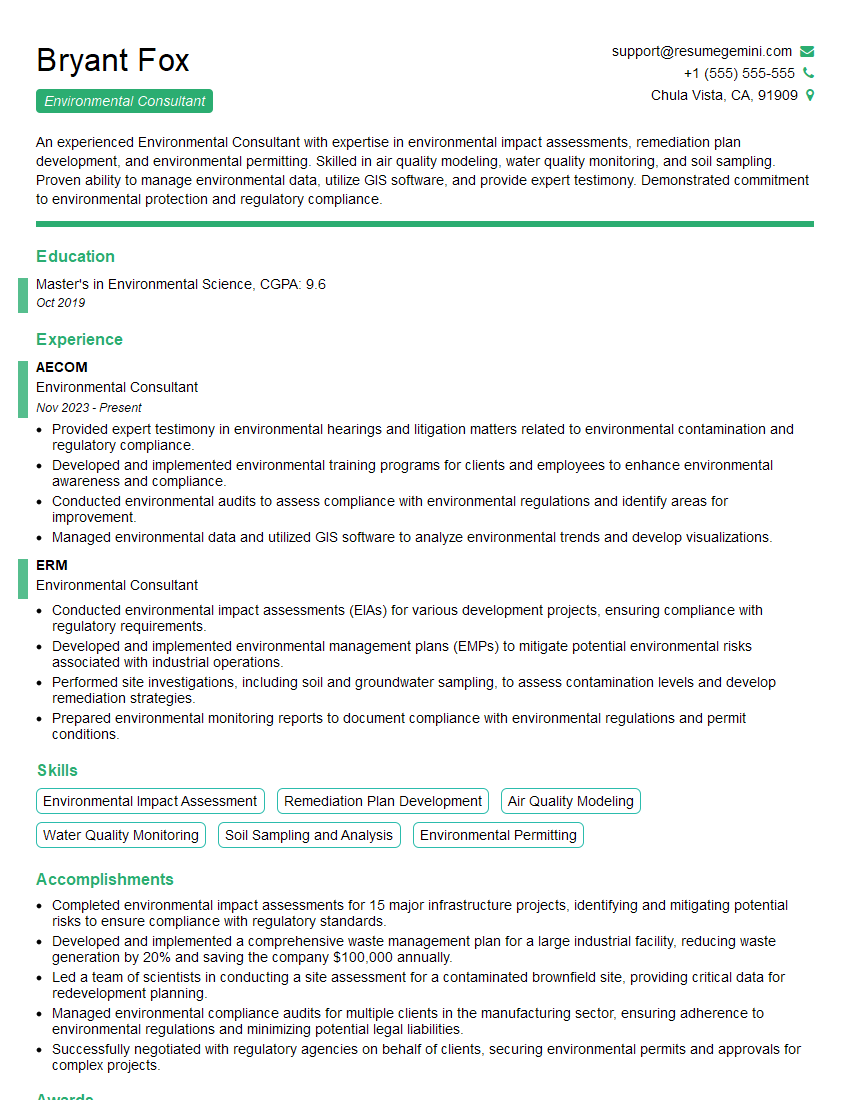
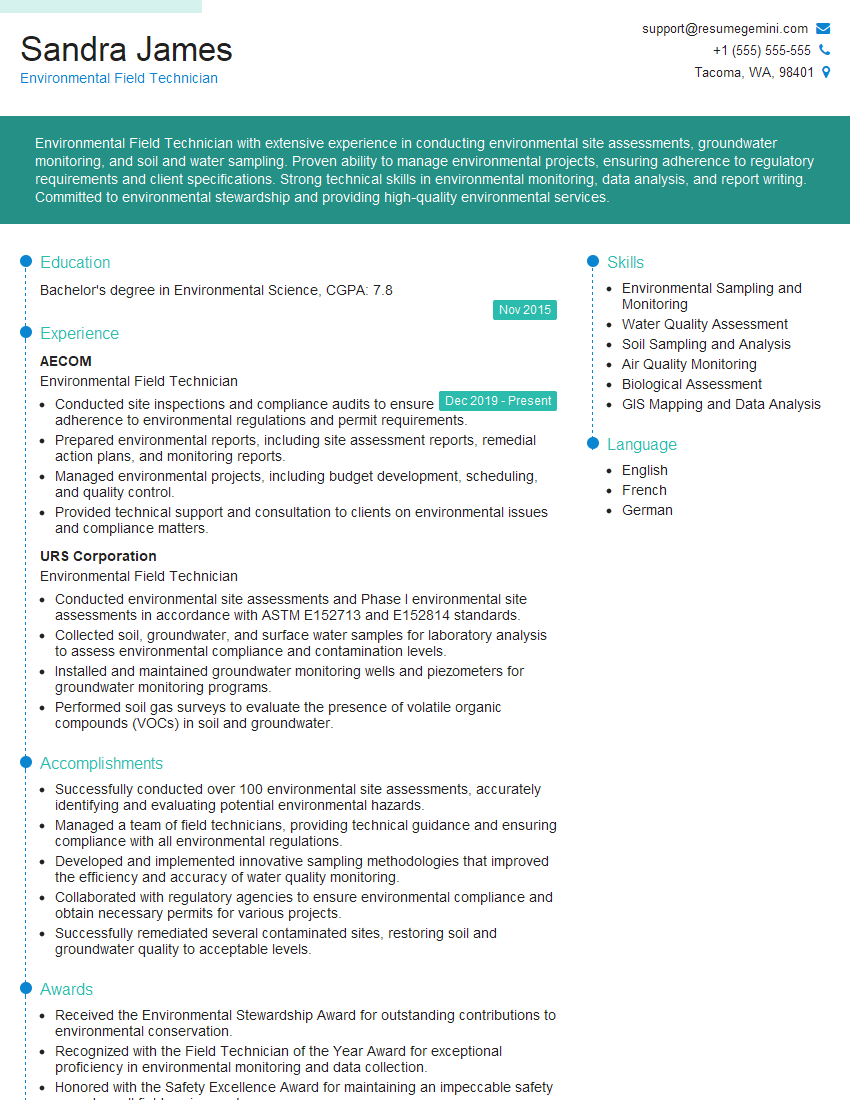
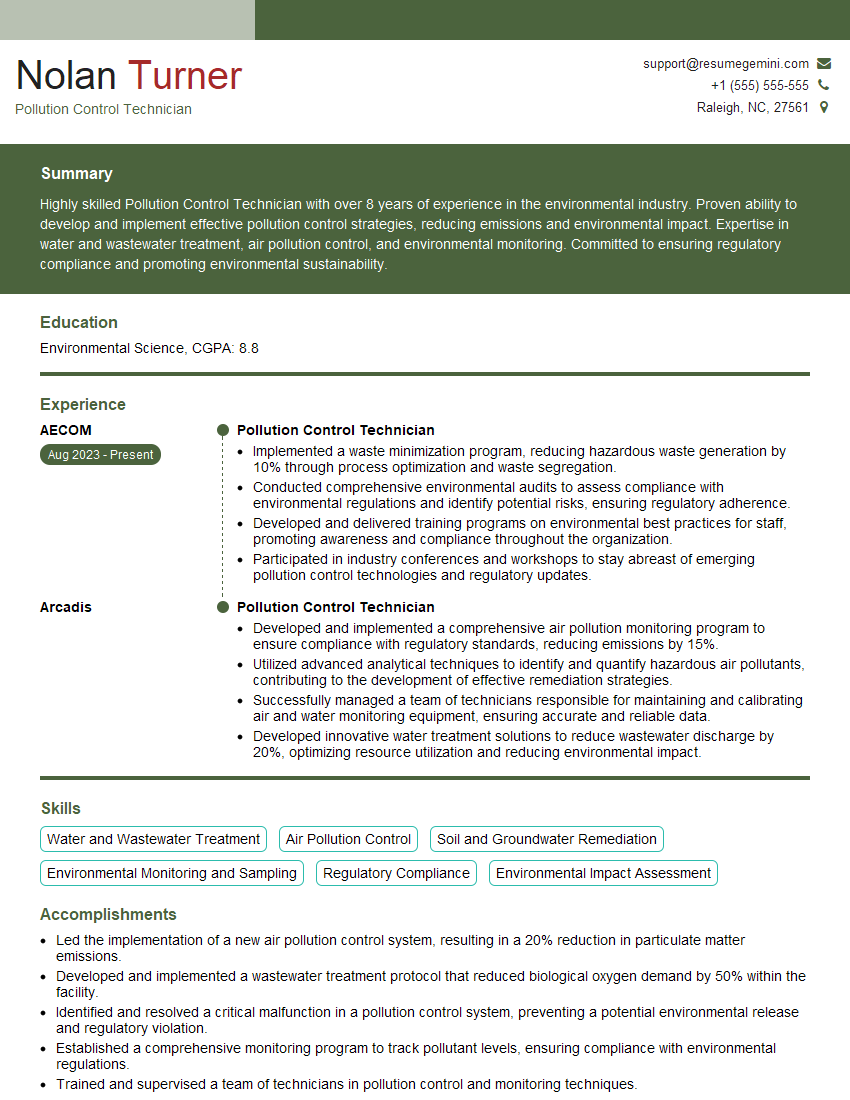
Mastering the skills related to assisted site cleanup significantly enhances your marketability and opens doors to diverse roles within environmental services, construction, and facilities management. A strong resume is crucial for showcasing your qualifications to potential employers. Building an ATS-friendly resume, optimized for applicant tracking systems, is key to ensuring your application gets noticed. ResumeGemini is a trusted resource that can help you craft a professional and impactful resume tailored to your experience. Examples of resumes tailored to Assisted with Site Cleanup are available to help you build a strong application.
Explore more articles
Users Rating of Our Blogs
Share Your Experience
We value your feedback! Please rate our content and share your thoughts (optional).
What Readers Say About Our Blog
To the interviewgemini.com Webmaster.
Very helpful and content specific questions to help prepare me for my interview!
Thank you
To the interviewgemini.com Webmaster.
This was kind of a unique content I found around the specialized skills. Very helpful questions and good detailed answers.
Very Helpful blog, thank you Interviewgemini team.