Feeling uncertain about what to expect in your upcoming interview? We’ve got you covered! This blog highlights the most important Auditory Processing Evaluation interview questions and provides actionable advice to help you stand out as the ideal candidate. Let’s pave the way for your success.
Questions Asked in Auditory Processing Evaluation Interview
Q 1. Describe the different types of auditory processing disorders.
Auditory Processing Disorders (APDs) encompass a range of difficulties in the central nervous system’s processing of auditory information. It’s not about hearing loss; individuals with APDs can often hear sounds perfectly well, but their brains struggle to interpret and make sense of what they hear. These disorders aren’t neatly categorized, but some common subtypes include:
- Decoding deficits: Problems with rapidly processing sounds and distinguishing similar-sounding words (e.g., ‘bat’ vs. ‘cat’).
- Auditory discrimination deficits: Difficulty identifying differences between sounds, such as musical notes or environmental noises. This can make following conversations in noisy environments challenging.
- Integration deficits: Struggles to combine multiple sounds simultaneously, such as understanding speech in a crowded room. This affects the ability to fuse auditory cues for localization (knowing where sounds come from).
- Temporal processing deficits: Difficulties with the timing of sounds, affecting rhythm, sequencing, and the ability to understand rapid speech.
- Organization deficits: Problems ordering sounds or auditory information, which can hinder language comprehension and understanding narrative.
It’s important to remember that these categories often overlap, and individuals can present with a combination of deficits. For example, a child might struggle with both decoding and temporal processing, making it difficult to follow a teacher’s instructions in a classroom filled with other students.
Q 2. Explain the process of conducting an auditory processing evaluation.
Conducting an auditory processing evaluation is a multi-step process requiring specialized training and equipment. It typically begins with a thorough case history review, including the patient’s medical, developmental, and educational background. This helps pinpoint potential contributing factors and informs test selection.
Next, a comprehensive hearing test (audiometry) rules out any peripheral hearing loss. This is crucial because untreated hearing loss can mimic APD symptoms. Then, a battery of auditory processing tests are administered. These tests assess various aspects of auditory processing, often involving dichotic listening, temporal processing, and speech-in-noise tasks. The specific tests depend on the individual’s age, suspected deficits, and presenting complaints.
Finally, the audiologist meticulously reviews all test results, considering the patient’s history and performance across different tests to arrive at a diagnosis and recommendations. The process often involves collaboration with other professionals, such as educators or therapists, to develop an appropriate intervention plan.
Q 3. What are the key components of a comprehensive auditory processing assessment battery?
A comprehensive auditory processing assessment battery should include a variety of tests that evaluate different aspects of auditory function. Key components include:
- Pure-tone audiometry: To rule out hearing loss.
- Speech audiometry: To assess speech perception in quiet and noise.
- Dichotic listening tasks: Such as the dichotic digits test, where different sounds are presented simultaneously to each ear, assessing interhemispheric integration.
- Temporal processing tests: These evaluate the ability to process the timing and order of sounds (e.g., gap detection, temporal ordering).
- Auditory figure-ground tests: Assess the ability to identify a target sound in the presence of background noise (e.g., speech-in-noise tests).
- Tests of auditory closure: Assess the ability to fill in gaps or incomplete auditory information.
The specific tests chosen will depend on the individual’s age, presenting concerns, and other relevant factors. A standardized battery, used consistently, allows comparison of results over time and to established norms.
Q 4. How do you interpret results from auditory processing tests such as dichotic listening tasks?
Dichotic listening tasks, such as the dichotic digits test, present different auditory stimuli to each ear simultaneously. Results are interpreted by comparing the number of correctly identified digits from each ear. A significant ear advantage (e.g., consistently better performance in the right ear) can indicate right-hemispheric dominance or a potential deficit in the left hemisphere, which is crucial for language processing.
For instance, a child consistently hearing the digits presented to the right ear more accurately may be suggestive of a left-hemisphere weakness. However, interpretation needs careful consideration. The context of other test results and the child’s overall clinical presentation is critical. A simple ear advantage doesn’t automatically diagnose an APD; it’s one piece of a larger puzzle. Normative data for age and other relevant factors guides interpretation, ensuring that developmental stages are accounted for.
Q 5. What are the common signs and symptoms of auditory processing disorders in children and adults?
Signs and symptoms of APD vary across individuals but often include difficulties with:
- Following multi-step directions: Struggling to understand complex or rapidly given instructions.
- Understanding speech in noisy environments: Difficulty filtering out background noise to focus on the speaker’s voice.
- Discriminating similar-sounding words: Confusing words like ‘ship’ and ‘sheep’ or ‘ten’ and ‘eleven’.
- Remembering sequences: Trouble remembering phone numbers or a series of events.
- Paying attention during auditory tasks: Easily distracted by background noises or sounds.
- Poor academic performance: Struggles in reading, spelling, and language comprehension.
- Social difficulties: Misinterpreting social cues in conversations or missing parts of conversations.
In adults, these difficulties may manifest as problems with following conversations, trouble understanding complex presentations, or difficulty with multitasking involving auditory input. Children might show these difficulties in learning situations and with social interactions. The key is to identify these difficulties early and seek professional help.
Q 6. Discuss the limitations of current auditory processing assessment methods.
Current auditory processing assessment methods have several limitations. One significant limitation is the lack of a universally agreed-upon definition and diagnostic criteria for APD. Different clinicians may use different test batteries and interpret results differently.
Another limitation lies in the tests themselves. Many tests are highly susceptible to other cognitive abilities (attention, memory, language) confounding the results. A child with poor attention might perform poorly on auditory processing tests, masking a true underlying auditory deficit. Furthermore, the ecological validity of many tests is questionable – they may not accurately reflect real-world listening challenges.
Finally, the lack of widely accepted treatment guidelines and outcome measures makes it challenging to assess the effectiveness of interventions. What works for one person might not work for another, highlighting the complex and heterogeneous nature of APD.
Q 7. How do you differentiate auditory processing disorders from other conditions with similar symptoms?
Differentiating APD from other conditions mimicking its symptoms is critical. Careful clinical judgment and a comprehensive assessment are essential. Conditions like ADHD, language learning disorders, and hearing loss can present with overlapping symptoms.
For example, a child with ADHD might struggle in noisy environments and have difficulty following instructions, similar to a child with APD. However, a child with APD will typically exhibit better performance in quiet, controlled situations compared to a child with primarily attentional difficulties. Likewise, a subtle hearing loss might mimic some aspects of APD. Comprehensive audiological testing is crucial to rule out any peripheral hearing loss.
A thorough assessment incorporating behavioral observations, cognitive testing, educational history, and consideration of the child’s developmental profile helps distinguish between APD and other conditions. The key is a systematic approach that rules out other contributing factors, leaving the auditory processing deficit as the primary explanation for observed difficulties.
Q 8. Explain the role of auditory processing evaluation in educational settings.
Auditory processing evaluation plays a crucial role in educational settings by identifying children who struggle with processing sounds, even if their hearing is normal. This can significantly impact their learning, as auditory processing skills are fundamental to language development, reading comprehension, and academic success. For instance, a child might hear the teacher clearly, but struggle to understand complex sentences, follow multi-step instructions, or discriminate sounds in a noisy classroom. An evaluation helps pinpoint these difficulties, leading to appropriate interventions and support.
Specifically, the evaluation identifies weaknesses in areas like phonological awareness (the ability to recognize and manipulate sounds in spoken language), temporal processing (the ability to sequence sounds), and auditory discrimination (the ability to distinguish between sounds). This information informs educators about the specific challenges a student faces, allowing them to tailor their teaching methods and classroom environment. For example, a student with difficulties in temporal processing might benefit from frequent breaks, visual aids, and simplified instructions. By understanding the student’s auditory processing profile, educators can create a more supportive and effective learning experience.
Q 9. Describe your experience in collaborating with other professionals (e.g., educators, therapists) to support individuals with auditory processing disorders.
I have extensive experience collaborating with educators, therapists (occupational, speech-language, and special education), and parents to create comprehensive support plans for individuals with auditory processing disorders (APDs). My approach involves a multidisciplinary model where I share assessment findings and collaboratively develop tailored intervention strategies. For instance, in one case, a student was struggling with classroom participation and written expression. After conducting an auditory processing evaluation, I collaborated with the speech-language pathologist to implement therapy focusing on phonological awareness and auditory memory. Simultaneously, we worked with the classroom teacher to adapt teaching strategies, such as reducing background noise and providing visual cues. The special education teacher helped the student with organizational skills and note-taking.
Effective communication is key. I regularly attend team meetings, provide written reports, and participate in parent-teacher conferences. This collaborative approach ensures a consistent and supportive environment, leading to better outcomes for the student. The ongoing dialogue ensures everyone understands the child’s strengths and challenges and allows for modifications and adjustments to the support plan as needed.
Q 10. What are some evidence-based interventions for auditory processing disorders?
Evidence-based interventions for APDs are multifaceted and tailored to the individual’s specific needs. They often involve a combination of approaches.
- Direct Auditory Training: This involves structured exercises to improve specific auditory skills, such as sound discrimination, temporal processing, and auditory memory. Examples include computer-based programs and clinician-led activities.
- Environmental Modifications: These strategies focus on changing the learning environment to reduce auditory distractions. This can include preferential seating, noise-reducing headphones, and minimizing background noise in the classroom.
- Cognitive-Linguistic Interventions: These target language and cognitive skills that are often affected by APD. These strategies may include activities focusing on phonological awareness, working memory training, and metacognitive strategies.
- Assistive Technology: This can include FM systems to improve signal-to-noise ratio in noisy environments, or software programs that provide auditory supports.
The effectiveness of these interventions is often monitored through ongoing assessments and adjustments based on the individual’s progress. It’s crucial to remember that there is no one-size-fits-all approach, and a personalized plan is essential.
Q 11. How do you adapt your evaluation and intervention strategies based on the individual’s age and developmental level?
Adapting evaluation and intervention strategies based on age and developmental level is crucial for effective auditory processing assessment. For younger children, play-based assessment techniques are incorporated to keep them engaged and minimize stress. I might utilize visual reinforcement and shorter testing sessions. For example, a younger child might be asked to identify matching pictures after hearing sounds instead of responding verbally. Older children and adults can handle more complex tasks and longer testing sessions, allowing for a more comprehensive evaluation. Intervention strategies are also modified; for younger children, the focus is often on foundational auditory skills through play and interactive games. Older children might receive more advanced training, focusing on higher-level auditory skills needed for academic success and social interaction.
Furthermore, the choice of assessment tools is carefully considered based on the individual’s age and cognitive abilities. For instance, while the SCAN-C is a comprehensive test, it might be inappropriate for very young children who lack the attention span and verbal skills required. In these cases, simpler tests focusing on specific auditory skills might be more suitable.
Q 12. Describe your experience using specific auditory processing assessment tools (e.g., SCAN, SCAN-C, dichotic listening tests).
I have extensive experience using a range of auditory processing assessment tools, including the SCAN (Screening Test for Auditory Processing), SCAN-C (comprehensive version), and various dichotic listening tests. The SCAN is a valuable screening tool to identify potential auditory processing difficulties, providing a quick overview of various auditory skills. The SCAN-C provides more in-depth information, allowing for a more detailed assessment of specific areas of weakness. Dichotic listening tests, such as the dichotic digits test, assess the ability to process information presented simultaneously to both ears, identifying potential hemispheric processing differences. I find these tests to be effective in identifying the specific auditory processing challenges and the extent of their impact on an individual’s life.
My approach involves carefully selecting the appropriate tests based on the individual’s age, developmental level, and referral questions. The results of these assessments are then interpreted in the context of the individual’s overall history, including their medical and educational background. This holistic approach ensures a comprehensive and accurate understanding of the individual’s auditory processing abilities and challenges.
Q 13. How do you manage challenging cases or situations during an auditory processing evaluation?
Managing challenging cases or situations during an auditory processing evaluation requires flexibility, patience, and a good understanding of child development. Challenges can include attention difficulties, anxiety, or sensory sensitivities. For example, if a child becomes frustrated during testing, I may adjust the testing procedure, offering breaks or using alternative methods to assess the same skills. If a child has significant attention difficulties, I might modify the testing environment to minimize distractions or use shorter testing sessions. It is important to be aware of the child’s emotional and cognitive state throughout the assessment.
In such situations, I often collaborate with the parents or other professionals involved in the child’s care. This collaborative approach ensures that the evaluation is conducted in a supportive manner, maximizing the child’s comfort and cooperation, allowing for a more accurate assessment of their auditory processing skills. Open communication with the family helps to manage expectations and reduces stress for everyone involved.
Q 14. Explain your understanding of the different types of hearing loss and how they might impact auditory processing.
Different types of hearing loss can significantly impact auditory processing. Hearing loss, whether conductive, sensorineural, or mixed, can affect the quality and quantity of auditory input reaching the brain. Conductive hearing loss, resulting from problems in the outer or middle ear, can reduce the intensity of sounds, affecting speech understanding in noisy environments. Sensorineural hearing loss, involving damage to the inner ear or auditory nerve, can distort sound and affect the ability to discriminate between sounds, making it difficult to process complex auditory information. Mixed hearing loss combines elements of both conductive and sensorineural loss.
The impact on auditory processing varies depending on the severity and type of hearing loss. Even mild hearing loss can affect auditory processing skills, particularly in challenging listening situations. Individuals with significant hearing loss may experience challenges in understanding speech, localizing sounds, and recognizing patterns in sound. The presence of hearing loss does not always indicate APD but does increase the likelihood of experiencing some degree of difficulty with auditory processing. Therefore, thorough audiological assessment is crucial before evaluating auditory processing. Addressing the hearing loss through amplification or other interventions is often essential before implementing auditory processing interventions.
Q 15. How do you determine the appropriate referral pathways for individuals with auditory processing disorders?
Determining appropriate referral pathways for individuals with suspected Auditory Processing Disorders (APDs) is a crucial step in ensuring they receive timely and effective intervention. It involves a multi-step process that begins with a thorough case history and comprehensive audiological evaluation.
Step 1: Comprehensive Audiological Evaluation: This is the foundation. We rule out any conductive or sensorineural hearing loss which can mimic APD symptoms. Pure-tone audiometry, immittance testing, and speech audiometry are essential components.
Step 2: Auditory Processing Assessment: If the hearing evaluation is normal or within acceptable limits, we proceed with a formal APD assessment battery. This battery might include tests assessing temporal processing, dichotic listening, and binaural interaction. The specific tests chosen depend on the individual’s age, suspected difficulties, and the available resources.
Step 3: Referral Based on Assessment Results: The results of the APD assessment will guide the referral. For instance:
- Mild APD: Might necessitate educational interventions within the school setting, focusing on strategies like preferential seating, assistive listening devices (ALDs), or modified teaching techniques.
- Moderate to Severe APD: May warrant referral to an audiologist specializing in APD management for more intensive therapy, or to other specialists like a neuropsychologist to rule out other co-occurring conditions.
- Co-occurring Conditions: If other conditions like ADHD or learning disabilities are suspected, referrals to relevant specialists are necessary for a comprehensive evaluation and treatment plan.
Step 4: Collaboration and Communication: Clear and consistent communication between the audiologist, educators, parents/guardians, and other professionals involved is crucial. A comprehensive report summarizing the findings, recommendations, and referral pathways is essential for effective collaboration.
Example: A child referred with difficulties following multi-step instructions and frequently misinterpreting spoken language might receive a full audiological evaluation. If hearing is normal, an APD battery is administered. Depending on the results, referral might be to an educational audiologist for classroom-based support, an SLP for language therapy, or a neuropsychologist to investigate for co-occurring conditions.
Career Expert Tips:
- Ace those interviews! Prepare effectively by reviewing the Top 50 Most Common Interview Questions on ResumeGemini.
- Navigate your job search with confidence! Explore a wide range of Career Tips on ResumeGemini. Learn about common challenges and recommendations to overcome them.
- Craft the perfect resume! Master the Art of Resume Writing with ResumeGemini’s guide. Showcase your unique qualifications and achievements effectively.
- Don’t miss out on holiday savings! Build your dream resume with ResumeGemini’s ATS optimized templates.
Q 16. What are your experiences with using technology in auditory processing assessments and interventions?
Technology has significantly advanced our ability to assess and intervene in APD. I have extensive experience using computer-based assessment tools and digital interventions.
Assessment: I routinely utilize software programs offering standardized APD test batteries. These programs provide objective measurements, detailed scoring, and automated report generation, improving efficiency and accuracy. For example, I’ve used software like [mention specific software if comfortable, otherwise generalize] which allows for precise control over stimulus parameters like duration, intensity, and presentation rate. This ensures consistent test administration and reduces subjective biases compared to traditional hand-scored methods.
Intervention: Technology plays a crucial role in intervention as well. I have incorporated apps and software for auditory training exercises. These platforms often offer interactive games and exercises tailored to specific auditory skills, enhancing engagement and motivation. Furthermore, we utilize assistive listening devices (ALDs) like FM systems and personal hearing aids, especially in school environments, to optimize a child’s access to auditory information.
Example: A patient struggling with dichotic listening might benefit from an auditory training app that gradually increases the complexity of competing auditory signals. The app provides data on progress, allowing for adaptive adjustments to the therapy program.
Q 17. What are the ethical considerations associated with conducting auditory processing evaluations?
Ethical considerations are paramount in APD evaluations. The principles of beneficence, non-maleficence, autonomy, justice, and fidelity guide my practice.
Informed Consent: Obtaining truly informed consent is critical. Patients/parents/guardians must understand the purpose, procedures, risks, and benefits of the assessment before proceeding. This includes clarifying the limitations of the testing and the potential for false positives or negatives.
Confidentiality: Maintaining strict confidentiality of assessment results is essential. Information is shared only with authorized individuals, including referring professionals and the patient (if appropriate), with written consent.
Cultural Competence: Assessments must be culturally sensitive and avoid biases. Test materials and procedures should be appropriate for the patient’s background and language.
Accurate Reporting: Assessment reports should be objective, clear, and comprehensive, avoiding jargon or misleading interpretations. The limitations of the assessment should be explicitly stated.
Avoiding Bias: It’s crucial to be aware of personal biases and strive for objectivity throughout the assessment process. This includes avoiding pre-conceived notions about the patient based on demographics or referral information.
Example: If a patient is a non-native English speaker, appropriate accommodations like a translator should be used to ensure the test is administered fairly and accurately reflects their auditory processing abilities. The report would clearly state these accommodations were made.
Q 18. How do you ensure culturally competent practices when working with diverse populations?
Culturally competent practices are vital for effective APD evaluations. It necessitates understanding and appreciating the diverse backgrounds and experiences of my patients.
Language Considerations: Assessments should be conducted in the patient’s native language, or appropriate accommodations provided if this isn’t possible. Translation services, bilingual clinicians, or tests designed for specific linguistic groups might be required.
Cultural Sensitivity: It’s crucial to consider cultural influences on communication styles and behaviors. For example, certain cultures may have different norms regarding eye contact or verbal responsiveness which should not be misinterpreted as indicative of an APD.
Community Resources: I network with community organizations and professionals who understand the cultural needs of diverse populations. This collaboration helps ensure access to appropriate services and supports.
Patient-centered Approach: A patient-centered approach places the patient’s cultural background and values at the center of the assessment and intervention planning process. This involves active listening, empathy, and cultural humility.
Example: When assessing a child from a culture where direct eye contact is considered disrespectful, I would be mindful of this and adapt my interaction style accordingly, without misinterpreting the lack of eye contact as disengagement or inattention.
Q 19. Explain your knowledge of current research trends in auditory processing disorders.
Current research in APD focuses on several key areas:
- Neurobiological Correlates: Research continues to explore the neural mechanisms underlying APD, utilizing neuroimaging techniques to identify specific brain regions and networks involved in auditory processing.
- Genetic Factors: Studies are investigating the genetic predisposition to APD, seeking to identify specific genes or gene variants associated with increased risk.
- Diagnostic Tools: Development of more sensitive and specific diagnostic tools is ongoing, including the exploration of novel test paradigms and objective measures of auditory processing skills.
- Intervention Strategies: Research focuses on refining and evaluating the effectiveness of various therapeutic interventions, including auditory training, cognitive rehabilitation, and compensatory strategies.
- Comorbidity: Further investigation into the relationship between APD and other conditions, such as ADHD, learning disabilities, and language disorders, is crucial for developing integrated assessment and intervention approaches.
Example: Recent studies using fMRI are exploring how specific brain regions respond to different types of auditory stimuli in individuals with and without APD, offering insights into the neural basis of this disorder.
Q 20. How do you stay up-to-date with the latest advancements in auditory processing assessment and intervention?
Staying up-to-date in the dynamic field of auditory processing is crucial. My strategies include:
- Professional Organizations: Active membership in organizations like the American Speech-Language-Hearing Association (ASHA) provides access to journals, conferences, and continuing education opportunities.
- Journals and Publications: I regularly read peer-reviewed journals focusing on audiology, speech-language pathology, and related fields, such as Journal of Speech, Language, and Hearing Research and Ear and Hearing.
- Conferences and Workshops: Attending national and international conferences allows me to learn about the latest research findings and best practices.
- Online Resources: I utilize reputable online resources, including ASHA’s website and other professional organizations, to stay informed about new developments and evidence-based practices.
- Continuing Education: I actively pursue continuing education courses and workshops to maintain and update my knowledge and skills in auditory processing assessment and intervention.
This multifaceted approach ensures I am consistently informed about the latest advancements, enabling me to provide the most effective and up-to-date care to my patients.
Q 21. Describe your experience with documenting assessment results and creating comprehensive reports.
Accurate and comprehensive documentation is essential for ethical and effective practice. My approach involves:
Detailed Case History: A thorough case history is meticulously documented, including the patient’s medical and developmental history, educational background, and presenting concerns.
Assessment Procedures: The specific tests administered, including stimulus parameters and response measures, are carefully documented. Raw data and scoring are maintained for each test.
Objective Findings: Assessment results are presented objectively, with clear descriptions of the patient’s performance on each test. Statistical data, such as percentiles and standard scores, are included as appropriate.
Interpretations and Conclusions: Interpretations of the findings are based on evidence-based criteria, and any limitations of the assessment are clearly stated. Conclusions are presented in a way that is easily understood by the reader.
Recommendations: Specific recommendations for intervention, including educational strategies, therapeutic interventions, and assistive technologies, are provided based on the assessment results.
Report Formatting: Reports are organized clearly and concisely using professional report templates. Reports are written in plain language that avoids jargon and is easily understood by parents, educators, and other professionals.
Example: A report would include a table summarizing the test results, with standard scores and percentiles, followed by a narrative describing the patient’s strengths and weaknesses in auditory processing, conclusions about the presence or absence of APD, and recommendations for specific interventions and strategies.
Q 22. How do you communicate complex information about auditory processing disorders to patients and families?
Communicating complex information about auditory processing disorders (APDs) requires a multifaceted approach tailored to the patient’s and family’s understanding. I begin by explaining APD in simple terms, avoiding jargon. I use analogies to make abstract concepts relatable. For example, I might compare the brain’s processing of sounds to a computer processing information: if the ‘software’ (auditory processing) is flawed, the output (understanding speech) might be distorted, even if the ‘hardware’ (hearing) is fine.
Next, I present information in a structured manner, often using visual aids like diagrams or charts illustrating the different aspects of auditory processing, such as temporal processing, binaural integration, or auditory discrimination. I break down complex test results into manageable chunks, focusing on the key findings and their implications for daily life. I also actively solicit questions throughout the explanation, ensuring comprehension and addressing concerns promptly.
Finally, I emphasize the importance of collaboration. I work with the family to develop a personalized management plan that addresses their unique needs and concerns, coordinating with other professionals like teachers or therapists as needed. This collaborative approach fosters a sense of empowerment and shared responsibility, creating a positive and supportive environment for understanding and managing the disorder.
Q 23. What are your strengths and weaknesses related to auditory processing evaluation?
My strengths lie in my comprehensive understanding of various APD assessment tools and my ability to interpret results accurately. I’m adept at differentiating APD from other conditions that might present with similar symptoms, like ADHD or language learning disabilities. I have extensive experience administering tests like the dichotic listening test and the auditory processing test, and I can tailor my approach to suit diverse age groups and cognitive abilities. My experience spans a wide range of cases, including mild to severe APDs, enabling me to provide comprehensive evaluations.
One area I am continuously working to improve is my proficiency in incorporating the latest technological advancements in APD assessment into my practice. The field is rapidly evolving, and staying abreast of the newest software and methodologies is a constant learning process. I regularly attend professional development workshops and actively seek out opportunities to enhance my understanding of these advancements. Another area of focus is refining my communication strategies to ensure even more effective transfer of complex information to patients and their families from diverse cultural and socioeconomic backgrounds.
Q 24. Describe a time when you faced a challenging case and how you overcame it.
I once encountered a young girl who presented with significant difficulties in classroom settings, characterized by inattention and poor academic performance. Initial hearing tests showed no hearing loss, leading to suspicion of APD. However, standard APD tests yielded inconsistent results. This presented a challenge, as a clear diagnosis was crucial for appropriate intervention.
To overcome this, I took a multi-faceted approach. I conducted more comprehensive behavioral observations in various listening environments. I also incorporated alternative assessment measures, including informal tests targeting specific auditory skills observed during the behavioral observations. This comprehensive approach revealed a pattern of inconsistent performance associated with background noise and rapid speech, pinpointing specific auditory processing weaknesses. This allowed us to make a tailored recommendation for educational support which focused on noise reduction strategies and specific speech processing techniques, yielding significant improvements in her classroom performance and academic achievements. The case highlighted the importance of combining standardized testing with behavioral observations and utilizing multiple assessment methods in challenging diagnostic situations.
Q 25. What are your salary expectations?
My salary expectations are commensurate with my experience and qualifications, and aligned with the industry standard for professionals with my expertise in auditory processing evaluation. I’m open to discussing a specific range after learning more about the compensation and benefits package offered by your organization.
Q 26. Why are you interested in this position?
I am deeply interested in this position due to your organization’s reputation for excellence in providing comprehensive audiological services and your commitment to a patient-centered approach. The opportunity to contribute my skills to a team dedicated to improving the lives of individuals with auditory processing disorders aligns perfectly with my professional goals. I’m particularly drawn to [mention a specific program, initiative, or aspect of the organization that interests you]. Your emphasis on [mention a value or quality of the organization, e.g., collaborative teamwork, technological innovation] resonates strongly with my own professional values.
Q 27. Where do you see yourself in five years?
In five years, I see myself as a highly valued member of your team, continuing to develop my expertise in auditory processing evaluation. I aim to become a leading expert in [mention a specific area of APD, e.g., pediatric APD, APD and technology], actively contributing to research, professional development, and the overall enhancement of your organization’s services. I envision myself mentoring junior audiologists and actively participating in shaping the future of APD assessment and intervention within your organization.
Key Topics to Learn for Auditory Processing Evaluation Interview
- Auditory Processing Disorder (APD) Identification: Understanding the different types of APD, diagnostic criteria, and the limitations of current assessment methods.
- Test Selection and Administration: Knowing which tests are appropriate for different age groups and clinical presentations, and mastering proper administration techniques to ensure reliable results.
- Interpretation of Test Results: Moving beyond simply scoring tests; analyzing patterns in performance to formulate accurate diagnoses and develop effective intervention plans.
- Differential Diagnosis: Distinguishing APD from other conditions (e.g., language disorders, ADHD) that may present with overlapping symptoms.
- Intervention Strategies: Familiarity with evidence-based interventions for APD, including compensatory strategies and direct remediation techniques.
- Technological Applications: Understanding the use of assistive listening devices and software to support individuals with APD.
- Ethical Considerations: Addressing issues of confidentiality, informed consent, and cultural sensitivity in assessment and intervention.
- Collaboration and Communication: Effective communication with other professionals (e.g., teachers, parents) and the importance of a multidisciplinary approach to managing APD.
- Research in Auditory Processing: Staying current with the latest research on APD assessment, diagnosis, and treatment.
Next Steps
Mastering Auditory Processing Evaluation is crucial for career advancement in audiology and related fields. A strong understanding of these concepts opens doors to specialized roles and enhances your ability to provide comprehensive care. To maximize your job prospects, create an ATS-friendly resume that highlights your skills and experience effectively. ResumeGemini is a trusted resource to help you build a professional resume that stands out. We provide examples of resumes tailored to Auditory Processing Evaluation to guide you through the process. Invest time in crafting a compelling resume – it’s your first impression with potential employers.
Clinical Psychologist Resume Sample
Rehabilitation Specialist Resume Sample
Special Education Teacher Resume Sample
Speech-Language Pathologist Resume Sample
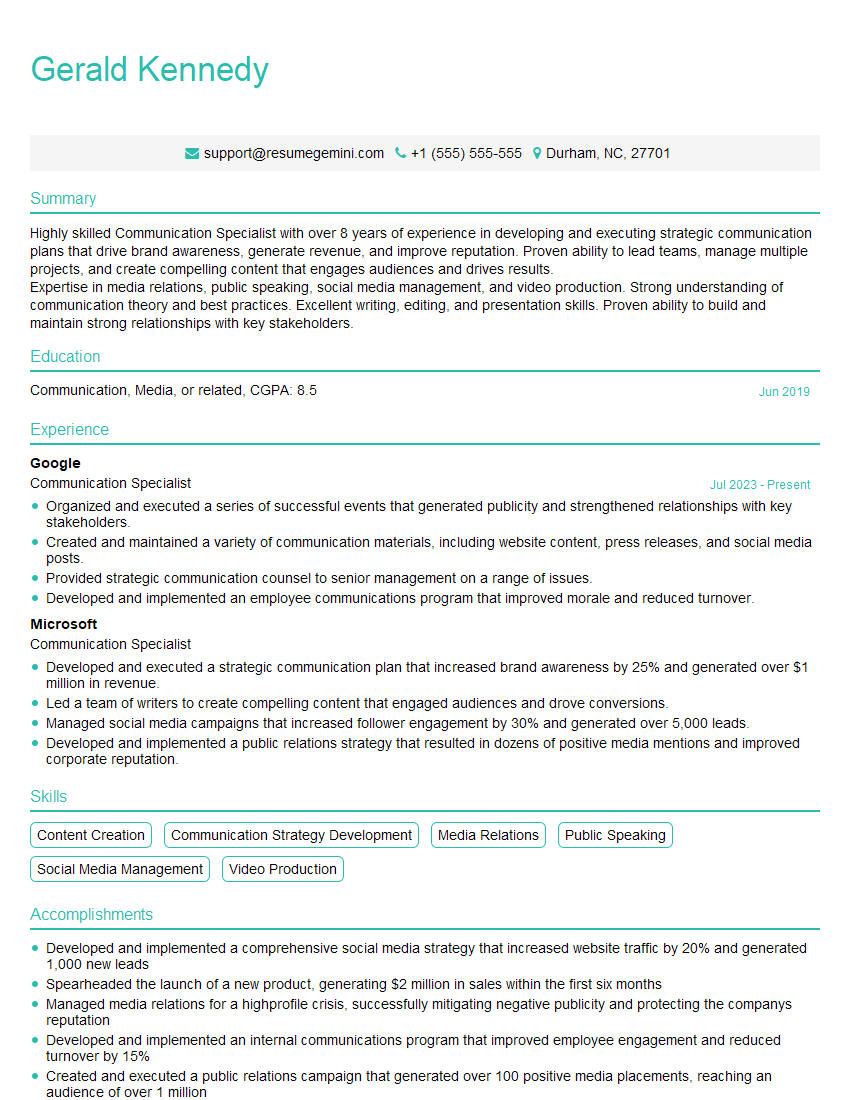
Communication Specialist Resume Sample

Audiologist Resume Sample
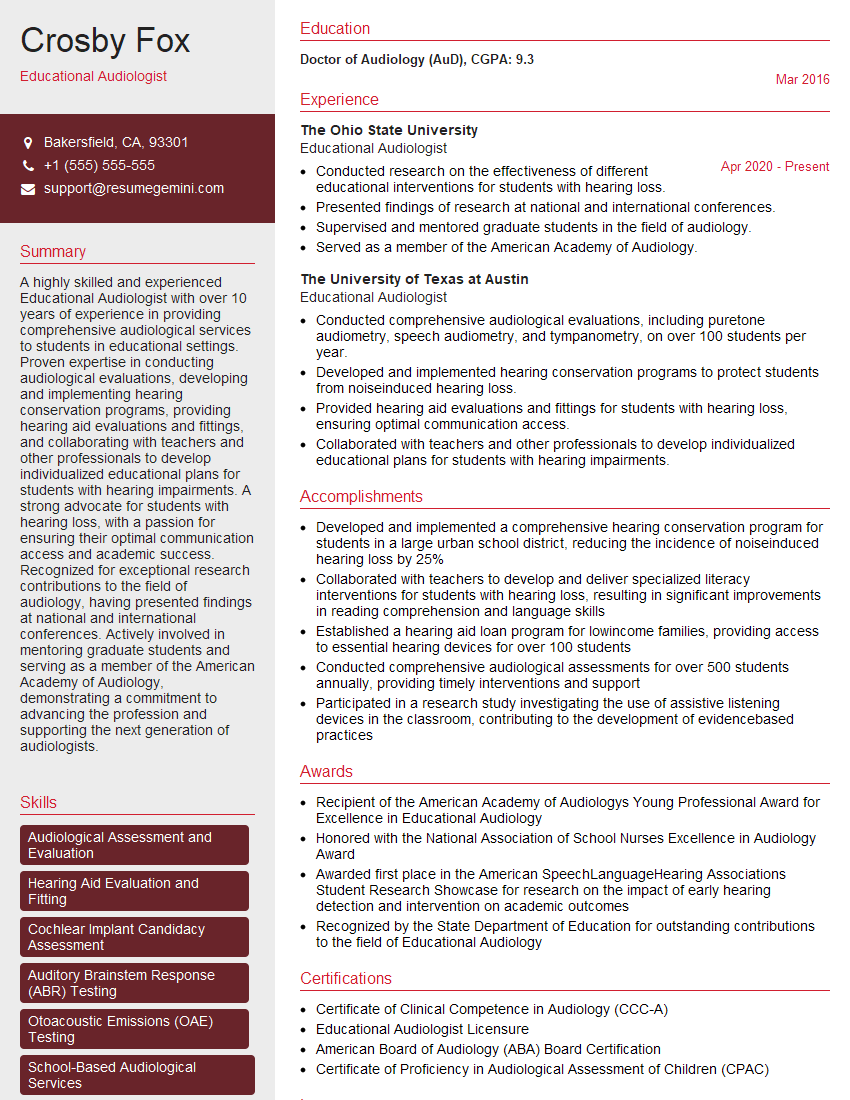
Educational Audiologist Resume Sample
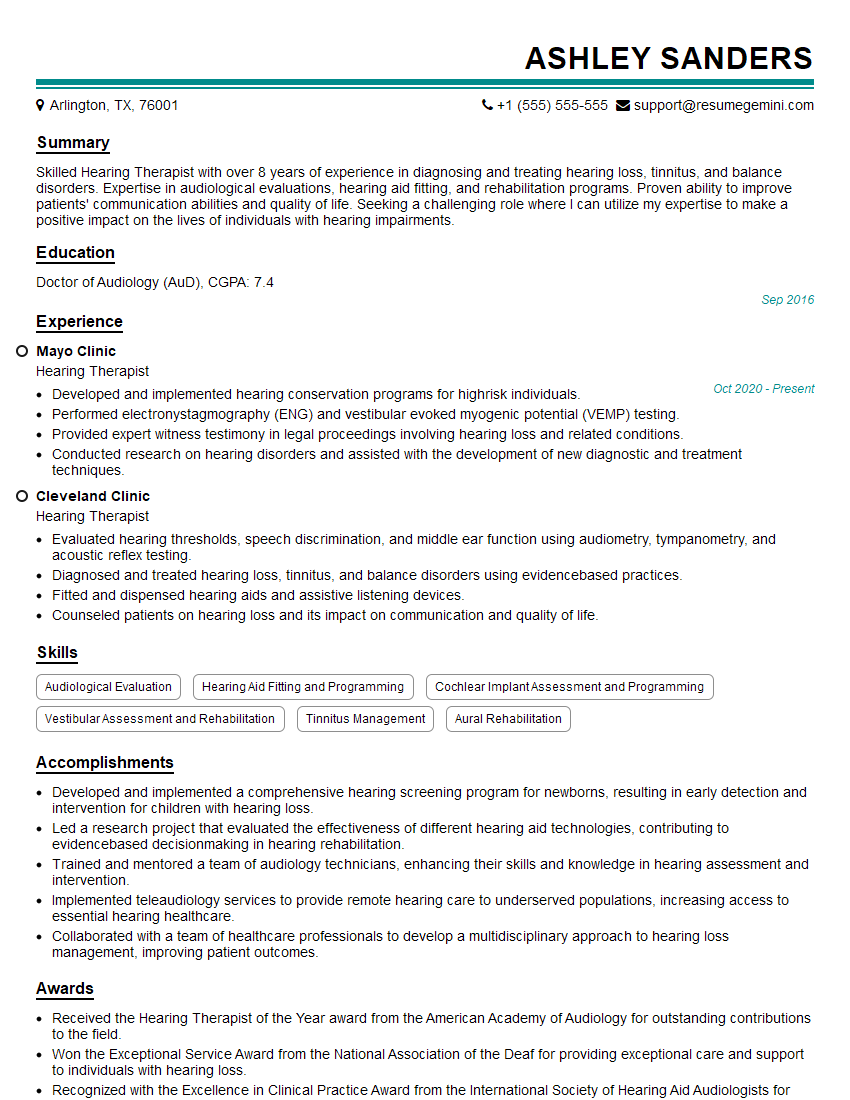
Hearing Therapist Resume Sample
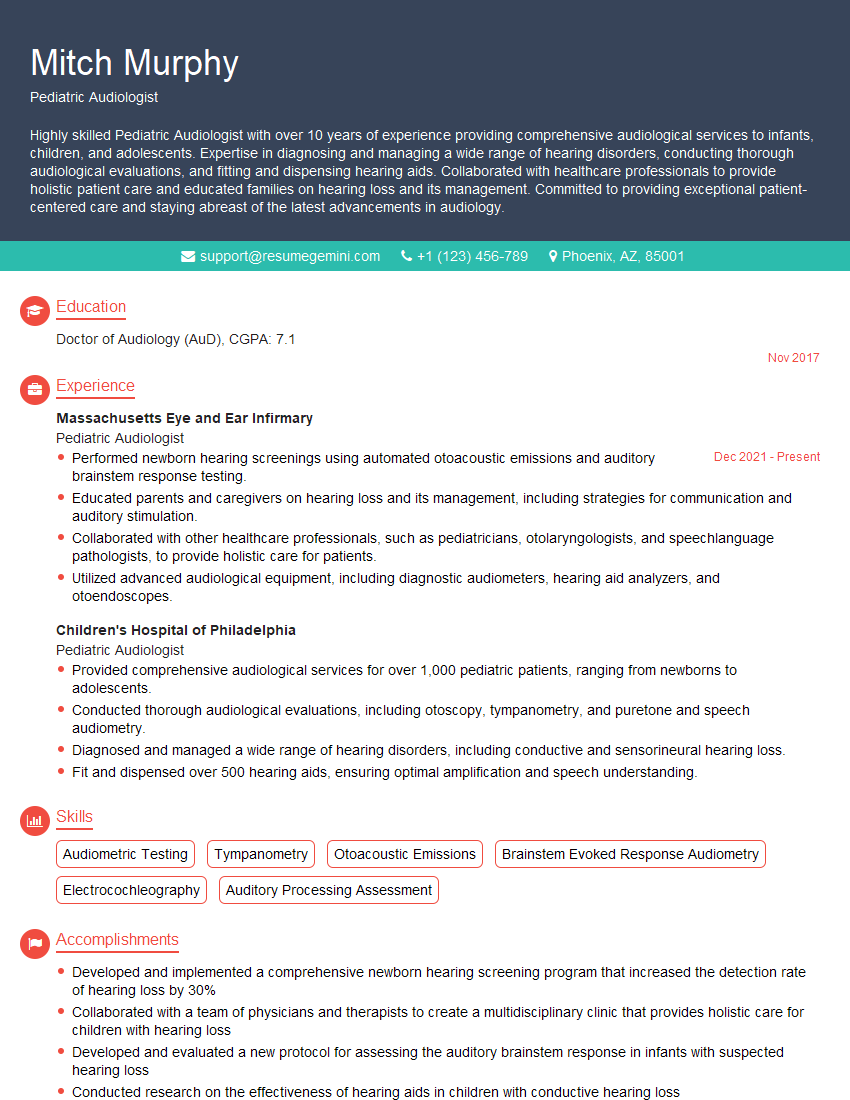
Pediatric Audiologist Resume Sample
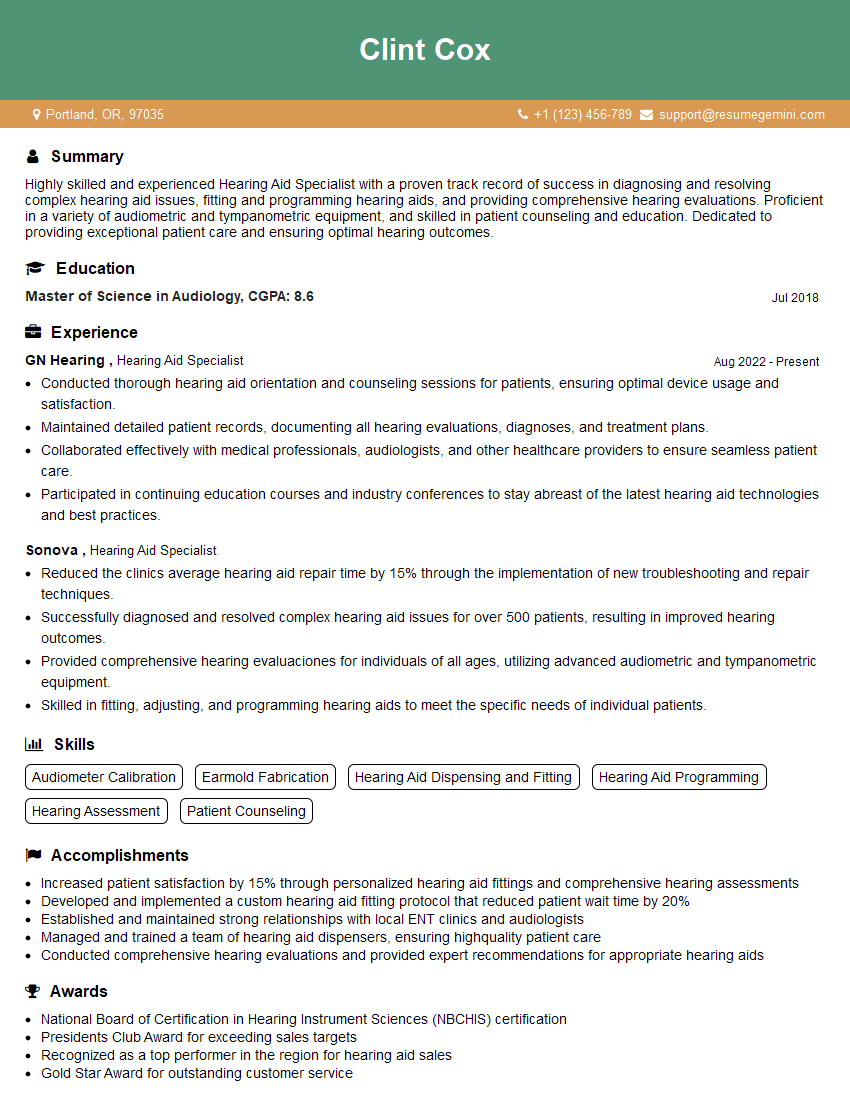
Hearing Aid Specialist Resume Sample
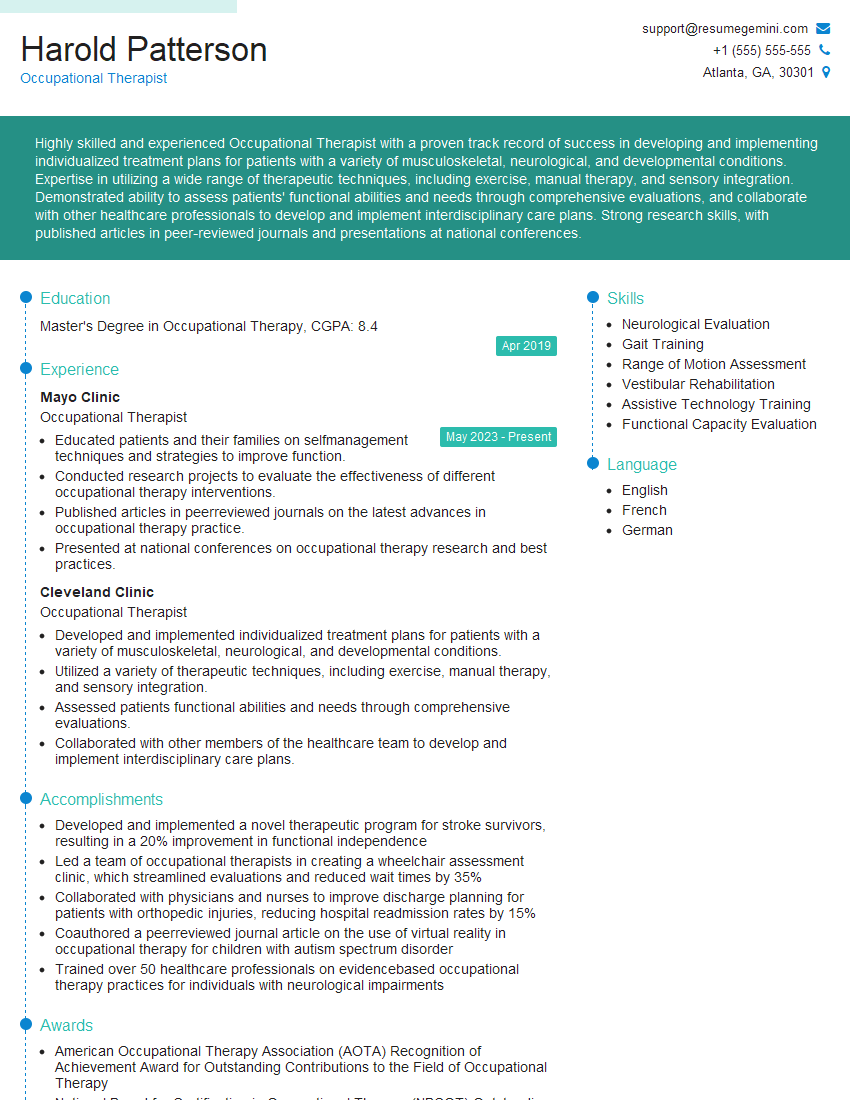
Occupational Therapist Resume Sample
Explore more articles
Users Rating of Our Blogs
Share Your Experience
We value your feedback! Please rate our content and share your thoughts (optional).
What Readers Say About Our Blog
To the interviewgemini.com Webmaster.
Very helpful and content specific questions to help prepare me for my interview!
Thank you
To the interviewgemini.com Webmaster.
This was kind of a unique content I found around the specialized skills. Very helpful questions and good detailed answers.
Very Helpful blog, thank you Interviewgemini team.