Unlock your full potential by mastering the most common Bearing and Seal Replacement interview questions. This blog offers a deep dive into the critical topics, ensuring you’re not only prepared to answer but to excel. With these insights, you’ll approach your interview with clarity and confidence.
Questions Asked in Bearing and Seal Replacement Interview
Q 1. Explain the different types of bearings and their applications.
Bearings are crucial mechanical components that reduce friction and support rotating shafts. There are many types, each suited to different applications. The most common are:
- Ball Bearings: These use small, hard spheres to separate the inner and outer races, enabling smooth, low-friction rotation. They’re excellent for high speeds and light to moderate loads, and are found in everything from bicycles to computer hard drives. Think of marbles rolling between two rings.
- Roller Bearings: These use cylindrical or tapered rollers instead of spheres, providing higher load-carrying capacity than ball bearings, but usually at lower speeds. They’re common in automotive applications, heavy machinery, and conveyor systems. Imagine thicker, cylindrical marbles doing the same job.
- Tapered Roller Bearings: These are designed to handle both radial (sideways) and axial (end) loads. The tapered shape of the rollers allows them to efficiently accommodate these combined forces, making them ideal for applications like wheel hubs in vehicles.
- Thrust Bearings: These are specialized bearings designed primarily to handle axial loads, preventing movement along the shaft’s axis. They’re often used in applications where axial force is dominant, such as in propeller shafts or vertical pumps.
- Plain Bearings (Journal Bearings or Sleeve Bearings): These consist of a shaft rotating within a lubricated sleeve or bushing. They’re simple and cost-effective, but generally have lower load capacity and require more frequent lubrication than rolling element bearings. They are often found in older machinery or applications where minimal friction is paramount.
The choice of bearing depends on the specific application’s load requirements, speed, operating environment (temperature, lubrication), and cost considerations.
Q 2. Describe the various types of seals and their respective functions.
Seals are equally critical in preventing the ingress of contaminants and the egress of lubricant from bearings and other machinery parts. Several types exist:
- Radial Shaft Seals (Lip Seals): These are the most common type, featuring a flexible lip that contacts the shaft to create a seal. They’re relatively simple, inexpensive, and widely used in many applications. Think of a rubber O-ring pressed against a rod.
- Mechanical Seals: These are more complex seals used in high-pressure or high-speed applications where lip seals might fail. They often consist of two faces, one stationary and one rotating, that maintain contact through a spring or other mechanism. They offer superior sealing performance but are more expensive and require precise installation.
- O-Rings: These are simple, torus-shaped seals used to create static seals between components. They are inexpensive and easy to install but are generally not suitable for dynamic applications involving movement.
- Face Seals: These create a seal between two flat faces, often using a flexible elastomer to provide sealing integrity. They are well-suited for high pressures and demanding conditions, commonly found in pumps and valves.
The selection of a seal is determined by factors like the operating pressure, speed, temperature, fluid compatibility, and the level of sealing required.
Q 3. What are the common causes of bearing failure?
Bearing failure can stem from various causes:
- Improper Lubrication: Insufficient or contaminated lubricant leads to increased friction, heat generation, and premature wear.
- Overloading: Exceeding the bearing’s load capacity causes excessive stress and damage to the bearing components.
- Misalignment: Improper shaft alignment introduces additional stresses that shorten bearing life.
- Corrosion: Exposure to moisture or corrosive substances can degrade bearing materials.
- Contamination: Dust, dirt, or other contaminants can act as abrasives, accelerating wear and failure.
- Vibration: Excessive vibration can generate additional stresses and contribute to fatigue failure.
- Improper Installation: Incorrect installation techniques can damage the bearing during the process.
- Fatigue: Repeated stress cycles can lead to material fatigue and eventual fracture. This is often the ultimate cause of failure, but is usually triggered by one or more of the above factors.
Understanding these potential failure modes allows for proactive measures, such as regular lubrication checks, alignment verification, and contamination prevention.
Q 4. How do you diagnose a failed bearing?
Diagnosing a failed bearing often involves a combination of visual inspection, listening for unusual noises, and measuring vibrations.
- Visual Inspection: Look for signs of damage such as cracks, pitting, discoloration, or excessive wear on the bearing surfaces. Check for signs of leakage around seals.
- Sound Analysis: Listen for unusual sounds such as grinding, growling, rumbling, or clicking noises emanating from the bearing. A change in the characteristic sound is a strong indicator of a problem.
- Vibration Analysis: Using vibration monitoring equipment, measure the vibration levels. Increased vibration amplitudes at specific frequencies can pinpoint bearing faults.
- Temperature Measurement: Elevated bearing temperatures indicate increased friction, which could be due to a failing bearing.
In cases of subtle failures, more advanced diagnostic techniques like oil analysis (to detect metallic wear particles) may be necessary.
Q 5. What are the different methods for bearing installation?
Proper bearing installation is critical for ensuring optimal performance and longevity. Several methods exist:
- Hydraulic Installation: This method uses hydraulic pressure to gently press the bearing into its housing, minimizing the risk of damage.
- Press Fit Installation: A mechanical press is used to press the bearing into the housing. Careful control is needed to avoid damaging the bearing.
- Heating the Housing or Cooling the Bearing: Heating the housing or cooling the bearing allows for easier fitment, but must be done carefully to avoid material damage.
- Using a Bearing Installer Tool: Specialized tools are available that facilitate the installation process while minimizing the risk of damage.
The best method depends on the bearing size, type, and the specific application. In all cases, cleanliness and proper tooling are paramount to prevent contamination or damage.
Q 6. What are the critical steps involved in seal replacement?
Seal replacement requires careful attention to detail to ensure a proper seal and prevent leakage. Key steps involve:
- Preparation: Thoroughly clean the sealing surfaces of the housing and shaft, removing any old sealant, debris, or corrosion.
- Installation of New Seal: Install the new seal carefully, ensuring proper orientation and avoiding damage. Use appropriate tools, such as seal installers, to avoid deformation of the seal.
- Lubrication: Apply a suitable lubricant to the sealing lip, ensuring proper contact with the shaft.
- Final Assembly: Reassemble the components, ensuring proper alignment and adequate clamping force.
- Testing: After installation, test the system for leaks under operating conditions. This is crucial to verify the success of the seal replacement.
Proper installation techniques are essential to avoid future leaks and premature seal failure. Always follow manufacturer’s recommendations for seal installation.
Q 7. Explain the importance of proper lubrication for bearings.
Proper lubrication is absolutely critical for bearing performance and longevity. Lubricant provides several key functions:
- Reduces Friction: Lubricant creates a film between the bearing surfaces, minimizing metal-to-metal contact and drastically reducing friction.
- Prevents Wear: By reducing friction, lubrication significantly extends the bearing’s lifespan and reduces wear.
- Cools the Bearing: Lubricant absorbs heat generated by friction, preventing excessive temperature rise and potential damage.
- Protects Against Corrosion: Many lubricants provide a protective barrier against moisture and other corrosive agents.
- Removes Contaminants: Lubricants can help to flush away contaminants that might otherwise damage the bearing surfaces.
The choice of lubricant depends heavily on the bearing type, operating temperature, speed, and the working environment. Using the wrong lubricant or insufficient lubrication is a common cause of premature bearing failure.
Q 8. How do you select the correct bearing and seal for a specific application?
Selecting the right bearing and seal is crucial for optimal equipment performance and longevity. It’s not a one-size-fits-all process; it requires careful consideration of several factors. Think of it like choosing the right shoes – you wouldn’t wear running shoes for hiking!
- Load: What kind of forces will the bearing endure? Radial, axial, or a combination? The load capacity (measured in kN) needs to exceed the expected load. For example, a heavy-duty conveyor belt needs bearings with significantly higher load capacity than a small hand drill.
- Speed: How fast will the shaft rotate? Bearings are rated for specific speeds (measured in RPM). Exceeding the rated speed leads to premature failure. A high-speed motor will need a bearing designed for high-speed operation.
- Operating Environment: Temperature, humidity, and the presence of contaminants (like dust, water, or chemicals) significantly affect bearing and seal selection. A bearing operating in a high-temperature furnace will need materials that can withstand the heat. Similarly, a seal operating underwater needs to be waterproof and corrosion-resistant.
- Shaft Size and Housing Dimensions: The bearing’s bore diameter (the inner diameter) must match the shaft diameter, and the bearing’s outside diameter must fit within the housing. Improper fit leads to improper seating and premature failure.
- Seal Type: The type of seal depends on the application’s need for protection from contaminants. Options include oil seals, lip seals, face seals, and others, each with different characteristics regarding material, pressure resistance, and operating conditions.
Manufacturers provide detailed catalogs and online tools to aid in this selection process. Inputting the relevant parameters allows you to pinpoint the best fit.
Q 9. Describe your experience with different bearing and seal materials.
My experience spans a wide range of bearing and seal materials. The choice of material is determined by the application’s demands. Think of it like choosing the right metal for a construction project: steel for strength, aluminum for lightweight applications, etc.
- Steel: The workhorse; commonly used for its strength, durability, and cost-effectiveness. Different steel alloys offer varying properties for different applications (e.g., stainless steel for corrosion resistance).
- Ceramic: Offers higher hardness and stiffness compared to steel, excellent for high-speed and high-temperature applications. However, it is more brittle and expensive.
- Composite materials: These are becoming increasingly common, offering a balance of properties, like strength and low weight. They can often be custom-tailored for specific applications.
- Seal Materials: Common seal materials include rubber (nitrile, silicone, etc.), polyurethane, PTFE (polytetrafluoroethylene), and various composites. The choice is driven by factors such as temperature range, chemical compatibility, and required durability. A seal for a food-processing machine needs to be food-grade and resistant to cleaning chemicals.
I’ve worked extensively with bearings made from high-speed steel alloys, ceramic bearings for aerospace components, and composite bearings in robotics applications. The selection always requires a careful evaluation of the material properties against the operating conditions.
Q 10. How do you handle difficult bearing and seal replacements?
Difficult bearing and seal replacements often involve components that are seized, corroded, or in hard-to-reach locations. My approach emphasizes meticulous planning and the use of specialized tools. It’s like performing delicate surgery – precision is key.
- Seized Bearings: I would use penetrating oil and gentle heating (with proper safety precautions) to loosen the bearing. Sometimes, specialized bearing pullers or hydraulic presses are required. If the housing is damaged, it might need replacement.
- Corrosion: Thorough cleaning and potentially the use of corrosion inhibitors can help. If significant corrosion has occurred, replacement of the bearing and potentially the housing might be necessary.
- Hard-to-Reach Locations: This might require disassembly of other components, careful planning, and the use of specialized tools like small, flexible pullers or magnetic retrievers.
- Damaged Shafts: If the shaft is damaged, it needs to be repaired or replaced before installing a new bearing. Failure to address shaft damage will lead to bearing failure.
Documentation, including photos and detailed notes, is critical for troubleshooting and future maintenance. For extremely complex situations, I involve experienced colleagues and consult manufacturer’s guidelines.
Q 11. What are the safety precautions associated with bearing and seal replacement?
Safety is paramount during bearing and seal replacement. Neglecting safety measures can lead to serious injury. Consider this like working with electricity – proper precautions are non-negotiable.
- Eye Protection: Always wear safety glasses to protect against flying debris.
- Gloves: Protect your hands from cuts and abrasions.
- Hearing Protection: Some tools are noisy, so hearing protection is important.
- Proper Lifting Techniques: Heavy components require proper lifting techniques to avoid back injuries.
- Lockout/Tagout Procedures: If working on machinery, always implement lockout/tagout procedures to prevent accidental starts.
- Compressed Air Precautions: Never point compressed air at yourself or others.
- Proper Ventilation: If working with solvents or penetrating oils, ensure adequate ventilation to avoid inhaling harmful fumes.
Before starting any work, perform a thorough risk assessment and follow established safety protocols.
Q 12. What tools and equipment are essential for bearing and seal replacement?
The specific tools depend on the application, but a well-equipped mechanic will have a range of tools. It’s like having a well-stocked toolbox for any repair job.
- Bearing Pullers: Various types for different bearing sizes and configurations.
- Bearing Installers: To prevent damage during installation.
- Hydraulic Press: For difficult bearing installations and removals.
- Sockets and Wrenches: To remove and install housing components.
- Screwdrivers: For various fasteners.
- Mallet (Soft-Faced): For gently tapping components into place.
- Dial Indicator: For checking shaft alignment.
- Cleaning Supplies: To remove debris and contaminants.
- Penetrating Oil: To loosen seized components.
Beyond these standard tools, specialized tools might be required depending on the complexity of the application.
Q 13. How do you ensure proper alignment during bearing installation?
Proper alignment during bearing installation is critical to prevent premature bearing wear and failure. Misalignment is like driving a car with misaligned wheels – it leads to uneven wear and potential damage.
I typically use a dial indicator to measure runout and ensure the shaft is perfectly aligned within the housing. The process involves mounting the dial indicator on the housing and rotating the shaft. Any deviation from perfect concentricity indicates misalignment. I then use shims or other alignment techniques to correct the problem before installing the bearing.
For self-aligning bearings, the process is less critical, but the housing still needs to be properly seated to provide the necessary support. In all cases, careful attention to detail is crucial. A small misalignment can have significant consequences.
Q 14. Describe your experience with different types of bearing housing.
My experience encompasses several bearing housing types. Each type offers unique advantages and disadvantages, making the selection dependent on the specific application.
- Pillow Block Bearings: These are self-contained units with a bearing, housing, and mounting base. They are easy to install and are commonly used in applications where space is limited. I’ve used these extensively in conveyor systems.
- Flange Units: These mount directly to a machine’s surface using bolts. They are convenient for applications where a separate mounting base isn’t required. I’ve used these in various machinery with limited space for mounting.
- Cartridge Bearings: These are pre-lubricated and sealed units easily integrated into existing equipment and offer low maintenance solutions. They’re a go-to solution when ease of maintenance is crucial.
- Take-Up Units: These units compensate for shaft elongation in applications where precise alignment is essential. They are often used in high-precision machinery, such as printing presses or textile machines.
Selecting the appropriate housing type depends on factors like load, speed, required alignment, mounting space, and maintenance requirements. I carefully assess these parameters to ensure that the chosen housing is fit for purpose.
Q 15. How do you troubleshoot common bearing and seal problems?
Troubleshooting bearing and seal problems starts with careful observation and systematic investigation. We first identify the symptoms – is the machine making unusual noises (growling, squealing, grinding)? Is there excessive vibration? Is there evidence of leakage? Is performance degrading (reduced speed, increased power consumption)?
- Noise Analysis: A growling sound often indicates a damaged bearing race or roller element. A squealing noise might point to a lubrication issue or a seal problem. Grinding usually means severe damage and imminent failure.
- Vibration Analysis: Increased vibration frequency and amplitude are strong indicators of bearing wear or imbalance. Specialized equipment can help pinpoint the location and severity of the problem.
- Leak Detection: Identifying the source and type of leakage (oil, grease, fluid) helps determine whether the seal is damaged or improperly installed.
- Performance Monitoring: Tracking key performance indicators (KPIs) like speed, torque, and temperature can reveal subtle problems before they escalate.
For example, I once diagnosed a bearing failure in a high-speed centrifuge by analyzing the escalating vibration levels. The initial symptom was a subtle increase in noise, which we tracked using vibration sensors. This allowed for a planned shutdown and replacement, preventing a catastrophic failure.
Career Expert Tips:
- Ace those interviews! Prepare effectively by reviewing the Top 50 Most Common Interview Questions on ResumeGemini.
- Navigate your job search with confidence! Explore a wide range of Career Tips on ResumeGemini. Learn about common challenges and recommendations to overcome them.
- Craft the perfect resume! Master the Art of Resume Writing with ResumeGemini’s guide. Showcase your unique qualifications and achievements effectively.
- Don’t miss out on holiday savings! Build your dream resume with ResumeGemini’s ATS optimized templates.
Q 16. Explain the process of bearing preload adjustment.
Bearing preload adjustment is crucial for optimal performance and lifespan. Preload refers to the axial force applied to a bearing to eliminate internal clearance and maintain contact between rolling elements and raceways. Improper preload can lead to premature wear, increased vibration, and even catastrophic failure.
The process involves using specialized tools to precisely adjust the axial distance between the bearing and its housing. The method varies depending on the bearing type and application. Some common techniques include:
- Adjusting shims: Thin metal shims are inserted between the bearing and housing to fine-tune the preload.
- Using hydraulic or pneumatic preloading: For larger bearings, hydraulic or pneumatic systems can be used to apply the precise preload.
- Utilizing locknuts and adjusting rings: These components allow for controlled tightening and adjustment of the preload.
Proper preload is essential; too little can result in play and increased vibration, while too much can lead to premature wear and increased friction. Precise measurement tools and an understanding of bearing specifications are crucial for successful preload adjustment. I often use dial indicators to measure the axial movement of the shaft.
Q 17. What is your experience with vibration analysis related to bearings?
I have extensive experience using vibration analysis for bearing condition monitoring. This involves using sensors to measure vibration levels and frequency, which provides valuable insight into the condition of the bearings. We can identify various faults like unbalance, misalignment, looseness, and bearing defects.
I’m proficient with different vibration analysis techniques, including:
- Time-waveform analysis: Examines the raw vibration signal to detect impulsive events indicative of bearing damage.
- Frequency spectrum analysis: Provides a detailed breakdown of the vibration energy across various frequencies, revealing characteristic frequencies associated with specific bearing faults. For example, high energy in the high-frequency range often indicates roller element damage.
- Order analysis: Identifies faults related to rotating machinery components by analyzing the vibration at specific rotational speeds (orders).
I’ve successfully used vibration analysis to predict bearing failures in various industrial settings, from pumps and motors to gearboxes and turbines, enabling proactive maintenance and avoiding costly downtime.
Q 18. How do you interpret bearing condition monitoring data?
Interpreting bearing condition monitoring data requires a good understanding of vibration analysis, signal processing, and bearing mechanics. I use several techniques:
- Trend Analysis: Monitoring the changes in vibration levels and frequencies over time allows us to identify developing faults. A gradual increase in vibration amplitude usually indicates wear.
- Frequency Spectrum Analysis: Identifying characteristic frequencies associated with specific bearing defects (e.g., ball pass frequency, outer race frequency) enables precise fault diagnosis.
- Envelope Analysis: This technique is used to detect subtle faults that may be masked by background noise. It highlights high-frequency components indicative of early stage bearing damage.
- Statistical Process Control (SPC): SPC charts are used to track key vibration parameters, setting control limits and identifying when they are exceeded, flagging potential issues.
For instance, I recently used envelope analysis on a large industrial fan to detect early-stage damage in a roller bearing, well before it became a serious issue, preventing an unexpected shutdown.
Q 19. How do you manage bearing and seal inventory?
Effective bearing and seal inventory management is crucial for minimizing downtime and optimizing maintenance costs. My approach involves:
- ABC Analysis: Categorizing bearings and seals based on their criticality and consumption rate (A – high criticality/high consumption, B – medium, C – low). This helps prioritize inventory control for critical components.
- Demand Forecasting: Predicting future demand using historical data and machine learning techniques allows for optimal stock levels.
- Vendor Management: Establishing strong relationships with reliable vendors ensures timely delivery and competitive pricing.
- Regular Inventory Audits: Periodic checks help identify discrepancies and prevent stockouts or excessive inventory.
- Utilizing a CMMS (Computerized Maintenance Management System): A CMMS system assists in tracking inventory, maintenance schedules, and ordering supplies.
By implementing these strategies, I’ve ensured that we always have the right bearings and seals available when needed, while also minimizing storage costs and waste.
Q 20. Describe your experience with predictive maintenance techniques for bearings.
Predictive maintenance for bearings involves using condition monitoring techniques to predict potential failures before they occur. My experience includes:
- Vibration Analysis: As previously discussed, vibration analysis is a core predictive maintenance tool for bearings, allowing us to detect developing faults.
- Oil Analysis: Analyzing lubricant samples for contaminants (metal particles, water) can indicate bearing wear and degradation.
- Thermography: Infrared imaging can detect temperature anomalies in bearings, indicating potential problems like friction or lubrication issues.
- Acoustic Emission Monitoring: Acoustic emission sensors can detect high-frequency sounds generated by defects in the bearing.
For example, in a previous role, we implemented a predictive maintenance program for a large fleet of pumps using vibration analysis. This reduced unplanned downtime by 40% and significantly lowered maintenance costs.
Q 21. What is your experience working with hydraulic or pneumatic systems involving seals?
I possess considerable experience working with hydraulic and pneumatic systems, focusing on seal selection, installation, and troubleshooting. The choice of seal type (O-rings, lip seals, hydraulic seals, etc.) depends on the fluid type, pressure, temperature, and speed.
Common seal-related problems in these systems include:
- Leakage: This can be caused by damaged seals, improper installation, or excessive pressure/temperature.
- Seal extrusion: This occurs when the seal is pushed out of its groove due to excessive pressure.
- Seal wear: This can result from friction, contamination, or inadequate lubrication.
Troubleshooting involves inspecting the seals for damage, checking pressure and temperature levels, and verifying proper installation. I’ve worked on various systems, from small pneumatic actuators to large hydraulic presses, successfully diagnosing and resolving seal-related issues.
For instance, I recently troubleshooted a persistent leak in a high-pressure hydraulic system, discovering a microscopic crack in a seal that had gone undetected through visual inspection alone. Only precise pressure testing and detailed examination revealed the underlying problem. We successfully replaced the faulty seal, restoring the system’s efficiency and safety.
Q 22. How do you handle emergency bearing or seal failures?
Emergency bearing or seal failures require immediate action to prevent catastrophic damage. My approach prioritizes safety and minimizing downtime. First, I’d immediately shut down the affected equipment to prevent further damage. Then, I’d assess the situation – visually inspecting for obvious causes like debris or excessive wear. Depending on the severity, this might involve a quick fix like replacing a simple seal, or a more extensive repair requiring specialized tools and potentially a temporary fix until a proper replacement can be sourced. I’ve encountered situations where a damaged bearing led to a cascade failure, affecting connected components. In one instance, a faulty bearing in a conveyor system caused a belt to snap, halting production. Swift action, involving a temporary bearing replacement while waiting for a new part, minimized downtime to just a few hours.
My emergency procedure always includes thorough documentation of the failure, including photographic evidence and a detailed report on the root cause analysis, helping to prevent future occurrences.
Q 23. What are your skills in using diagnostic tools for bearing and seal issues?
I’m proficient in using a range of diagnostic tools for identifying bearing and seal issues. This includes vibration analysis using accelerometers and spectrum analyzers to detect unusual frequencies indicating bearing damage (like characteristic high-frequency spikes). I also utilize infrared (IR) thermography to detect overheating, a common indicator of friction-related problems in bearings and seals. For more detailed analysis, I use ultrasonic detectors to pinpoint leaks in seals, even those emitting very low-frequency sounds inaudible to the human ear. In addition, I’m experienced with oil analysis, checking for metallic particles that indicate bearing wear and degradation. Finally, I rely on visual inspection, often supplemented with borescopes for hard-to-reach areas, to assess surface conditions and identify any damage.
Q 24. Describe your experience with different types of seal materials and their applications.
My experience encompasses various seal materials, each suited for different applications. For instance, Nitrile (Buna-N) seals are common for their cost-effectiveness and good resistance to oils and fuels, making them ideal for many industrial applications. However, they’re not suitable for high temperatures or certain chemicals. Viton, on the other hand, excels in high-temperature and chemical resistance, frequently used in applications involving aggressive chemicals or elevated operating temperatures. Silicone seals offer good flexibility and temperature resistance, often found in food processing and medical equipment. Finally, PTFE (Teflon) seals stand out for their extremely low friction and chemical inertness, useful where minimal wear and chemical compatibility are paramount, such as in high-purity fluid systems.
Choosing the right material depends on the specific operating conditions, the type of fluid being sealed, and the temperature range. I always consult material compatibility charts to ensure I select the appropriate seal for the job.
Q 25. What are some common causes of seal leakage?
Seal leakage stems from several sources. A common cause is seal damage, resulting from improper installation, wear and tear, or chemical attack. Misalignment of the shaft or housing can also cause excessive stress on the seal, leading to premature failure and leakage. Another major contributor is inadequate lubrication, resulting in increased friction and seal degradation. Furthermore, excessive pressure or temperature beyond the seal’s operating limits can cause deformation and leakage. Finally, material incompatibility between the seal, the shaft, and the fluid being sealed can lead to swelling, degradation, and leakage.
Troubleshooting involves systematic investigation, considering all these factors. I typically start with a visual inspection, checking for obvious damage, then move to more detailed analysis using diagnostic tools like ultrasonic leak detectors and infrared thermography.
Q 26. How do you measure shaft alignment and its impact on bearings?
Shaft alignment is critical for bearing longevity. Improper alignment induces vibrations and excessive loads on bearings, resulting in premature wear and failure. I measure shaft alignment using precision instruments like dial indicators and laser alignment tools. Dial indicators measure radial and axial misalignment, while laser tools provide more comprehensive data, including angular misalignment. These measurements are then compared to manufacturer’s specifications. For example, a large axial misalignment can result in increased axial load on a bearing, leading to rapid wear. Similarly, angular misalignment can cause uneven load distribution across the bearing race, increasing the risk of premature failure. Corrective actions could involve shimming the machine’s base, adjusting coupling alignment or replacing worn components.
Q 27. Describe your experience with different types of shaft sealing technologies.
My experience includes various shaft sealing technologies. Mechanical seals are commonly used in high-pressure, high-speed applications. These seals utilize precision-machined faces that maintain a thin fluid film to prevent leakage. Lip seals (O-rings, radial lip seals) offer a simpler, more cost-effective solution for lower-pressure applications. They rely on a flexible lip to create a contact seal with the shaft. Magnetic seals provide a non-contact sealing solution, ideal for applications where contamination or friction is a concern. Face seals, utilizing flat faces pressed together, offer excellent performance for high-speed applications. The choice depends on factors like pressure, speed, temperature, fluid compatibility, and budget.
Q 28. How do you ensure proper cleaning and preparation before bearing installation?
Proper cleaning and preparation before bearing installation are crucial to prevent premature failure. I meticulously clean all components, including the shaft, housing, and bearing itself, using appropriate solvents and cleaning agents. I avoid using harsh chemicals that could damage the bearing surfaces. This process typically involves degreasing and rinsing, followed by careful drying with lint-free cloths or compressed air. Any existing corrosion or damage must be addressed before installation. I always ensure the shaft is free of burrs, scratches, and other imperfections that could compromise the seal or bearing. Furthermore, I use specialized bearing installation tools to avoid damaging the bearings during installation, applying even pressure to prevent deformation.
Key Topics to Learn for Bearing and Seal Replacement Interview
- Bearing Types and Selection: Understanding different bearing types (ball, roller, tapered, etc.), their applications, and how to select the appropriate bearing for a specific application based on load, speed, and operating conditions.
- Seal Types and Functionality: Familiarization with various seal types (O-rings, lip seals, mechanical seals, etc.), their materials, and how they prevent leakage and contamination. Understanding the principles of sealing and selecting the correct seal for different environments.
- Bearing and Seal Failure Analysis: Identifying common causes of bearing and seal failure (wear, corrosion, lubrication issues, misalignment), and analyzing the root causes to prevent future failures.
- Proper Installation Techniques: Mastering correct installation procedures for bearings and seals, including the use of appropriate tools and techniques to prevent damage and ensure proper function.
- Lubrication and Maintenance: Understanding the importance of proper lubrication for bearing and seal longevity. Knowledge of different lubrication methods and types of lubricants.
- Troubleshooting and Repair: Developing problem-solving skills to diagnose issues related to bearing and seal performance, and implementing effective repair strategies.
- Safety Procedures: Understanding and adhering to safety protocols when working with rotating equipment and handling potentially hazardous materials.
- Industry Standards and Codes: Familiarity with relevant industry standards and codes of practice related to bearing and seal replacement.
- Practical Application: Case Studies: Analyzing real-world case studies of bearing and seal replacement to understand how theoretical concepts are applied in practice.
Next Steps
Mastering bearing and seal replacement is crucial for advancement in many mechanical and industrial fields. It demonstrates a strong foundation in mechanical principles and practical skills highly valued by employers. To maximize your job prospects, creating an ATS-friendly resume is essential. ResumeGemini is a trusted resource to help you build a professional and impactful resume that highlights your skills and experience effectively. Examples of resumes tailored to the Bearing and Seal Replacement field are available to help guide you through this process.

Maintenance Manager Resume Sample

Maintenance Planner Resume Sample
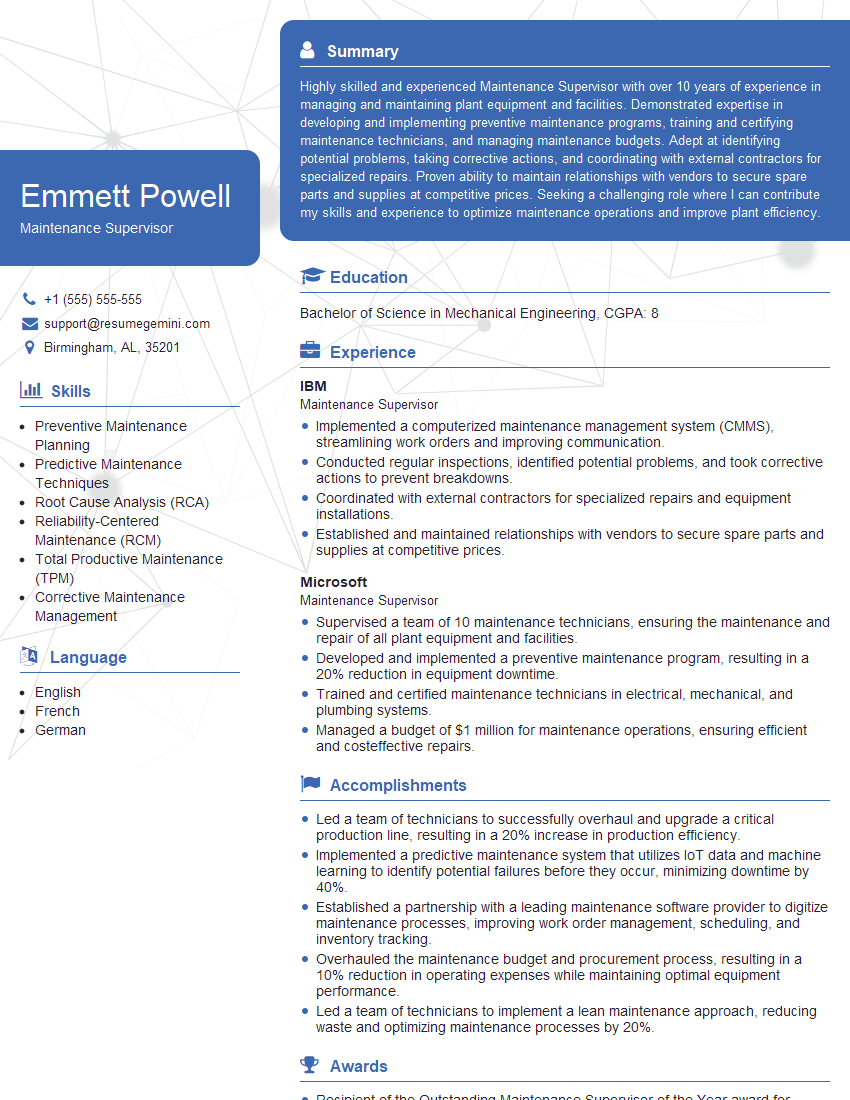
Maintenance Supervisor Resume Sample
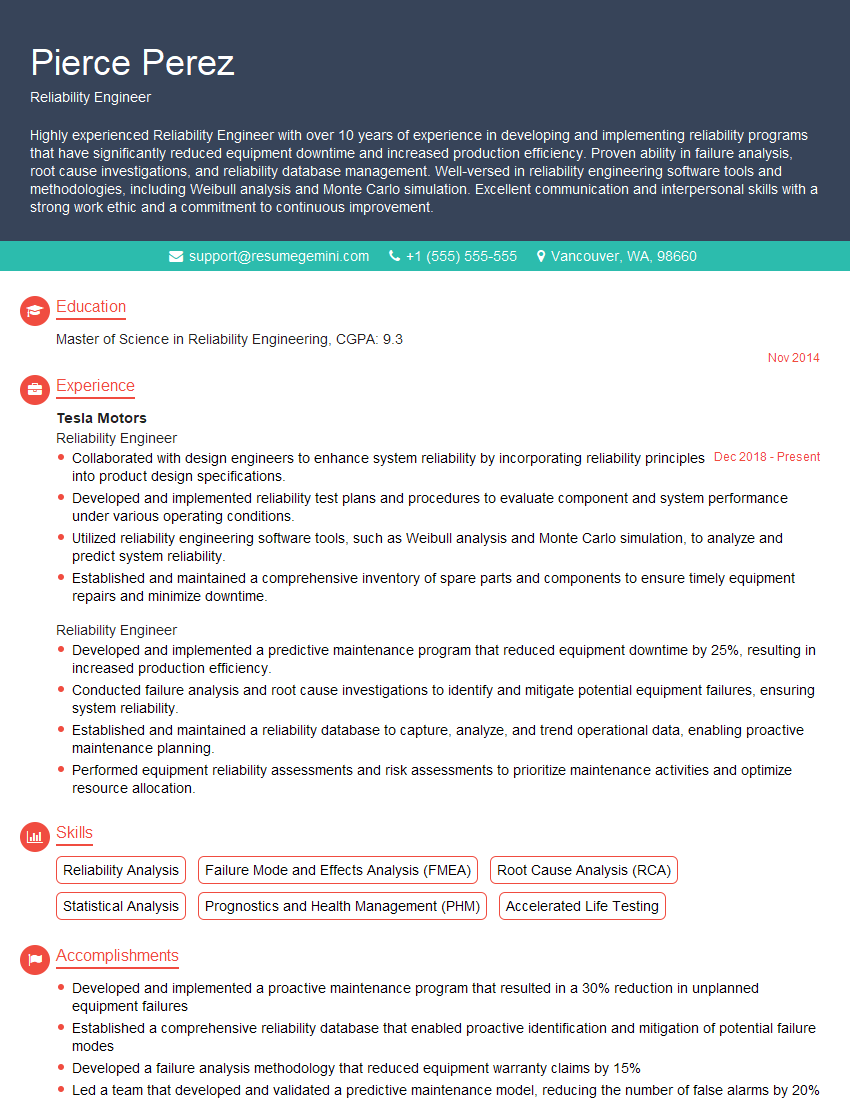
Reliability Engineer Resume Sample
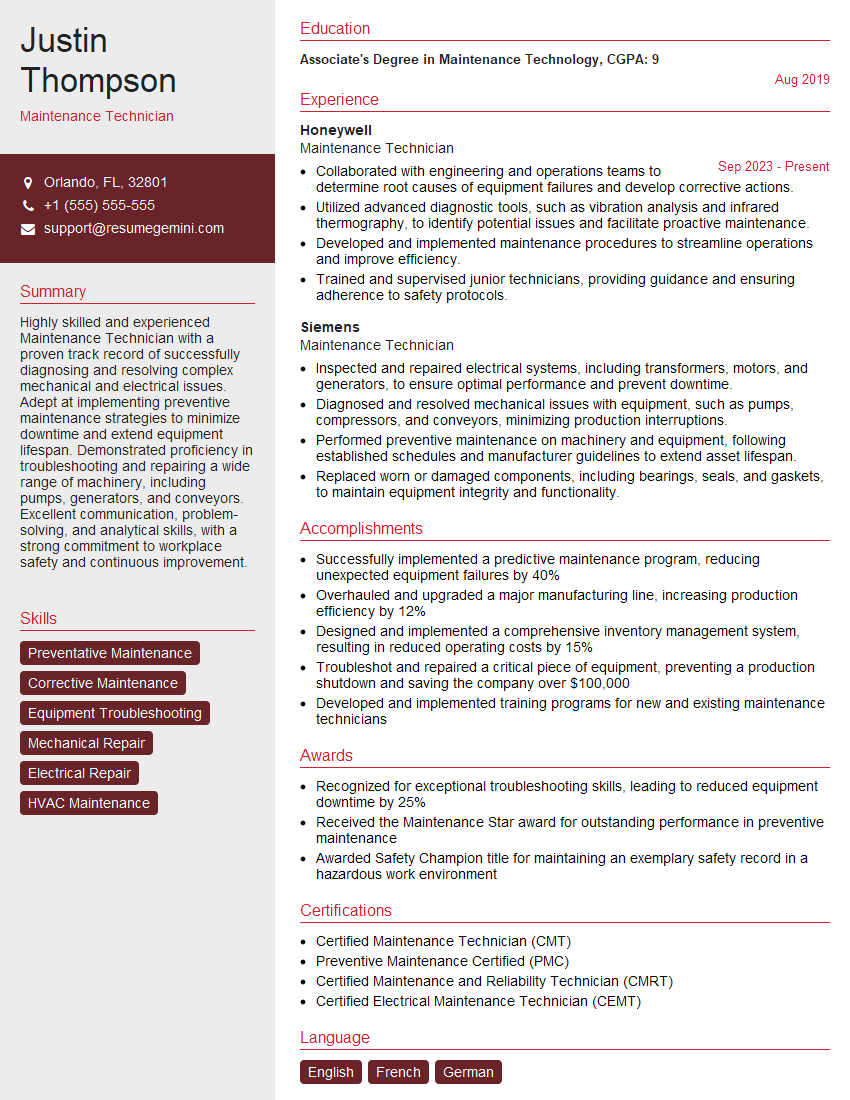
Maintenance Technician Resume Sample

Engineering Technician Resume Sample
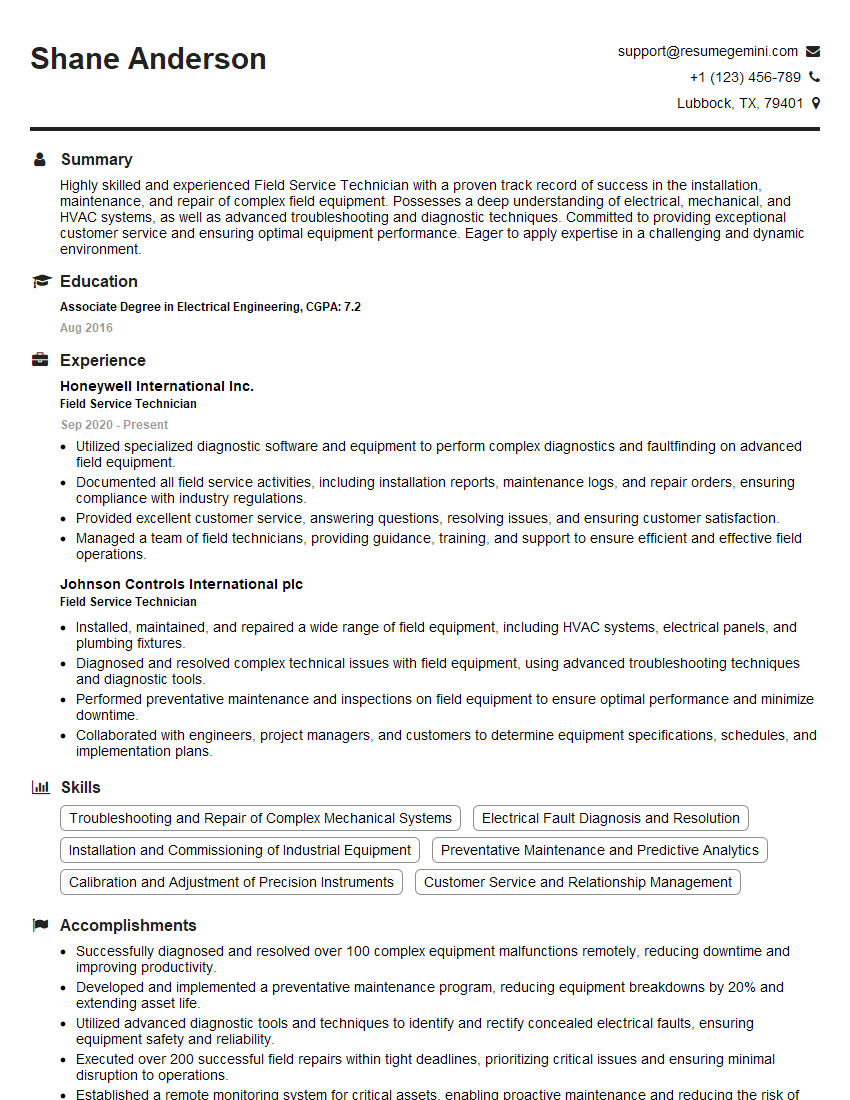
Field Service Technician Resume Sample

Mechanical Technician Resume Sample
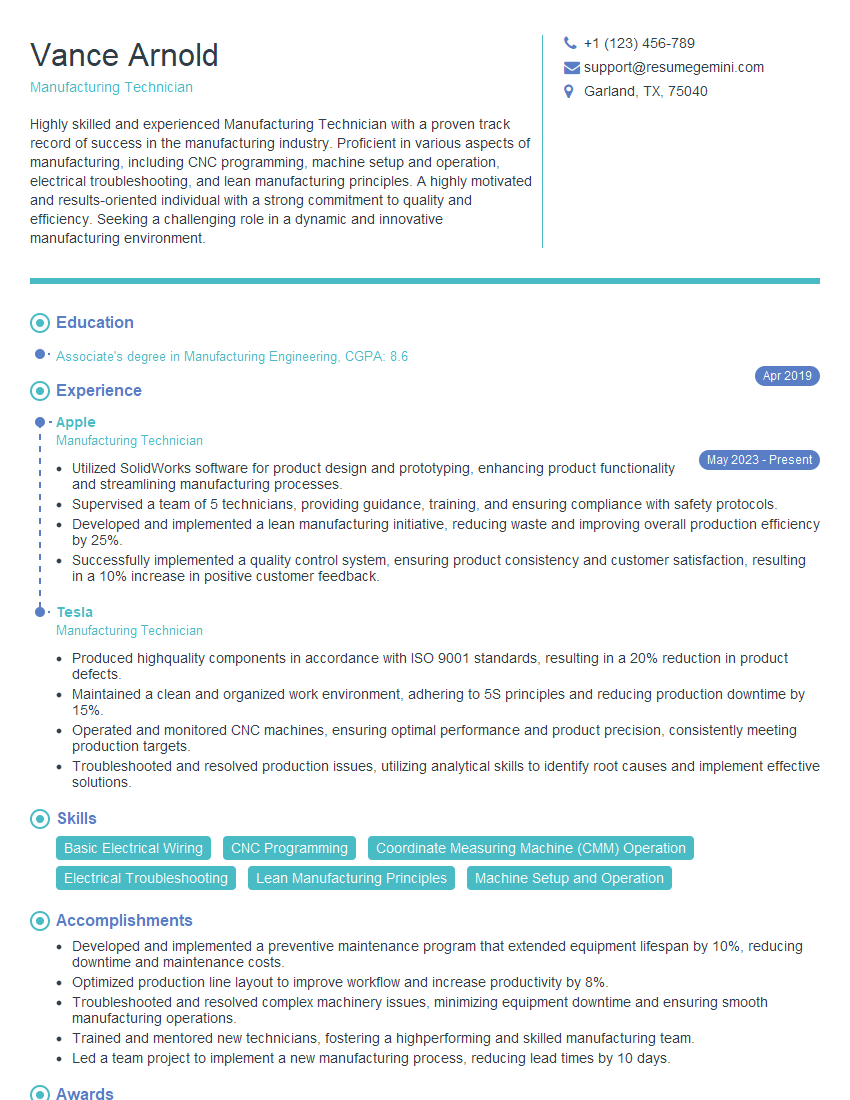
Manufacturing Technician Resume Sample
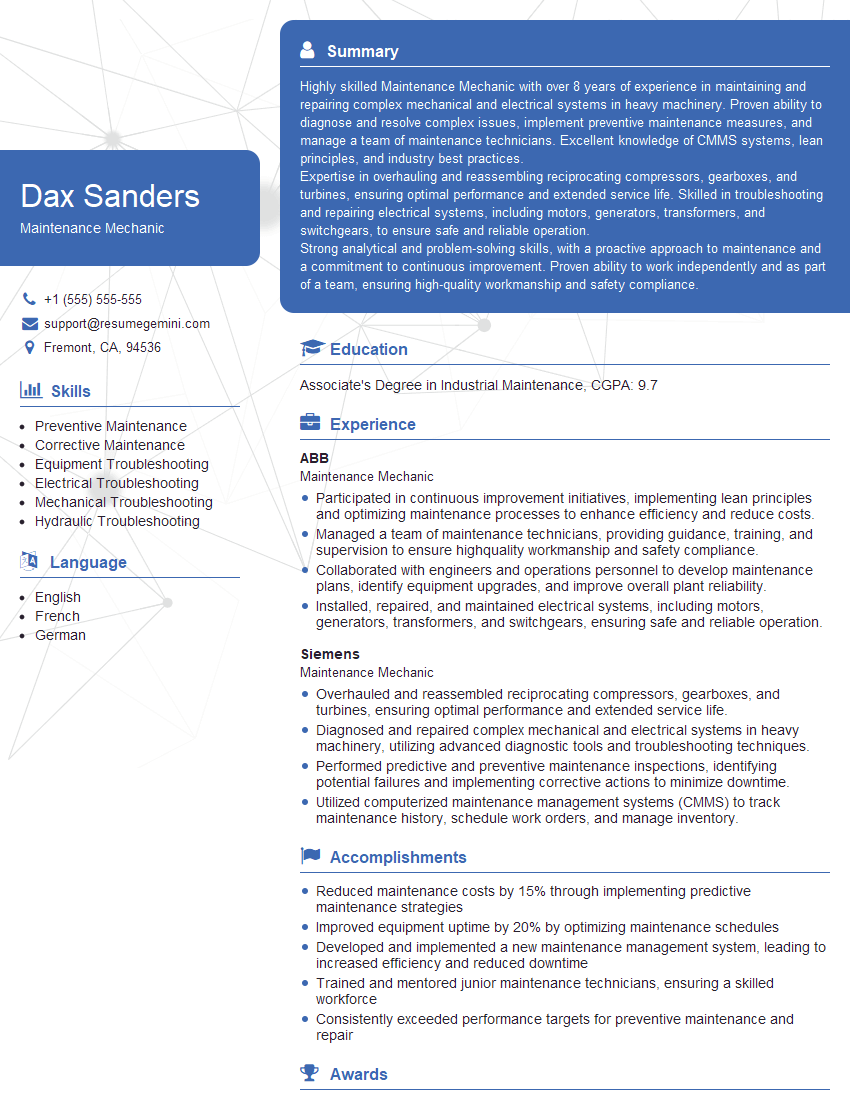
Maintenance Mechanic Resume Sample
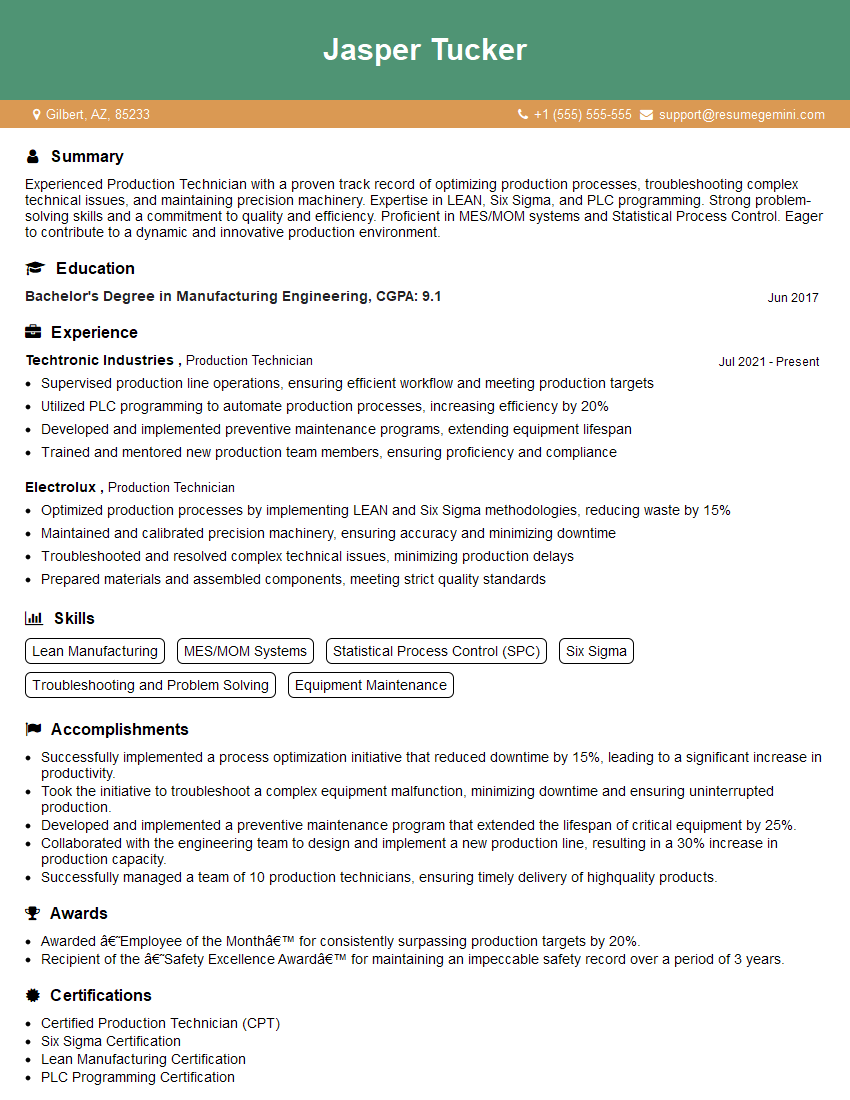
Production Technician Resume Sample
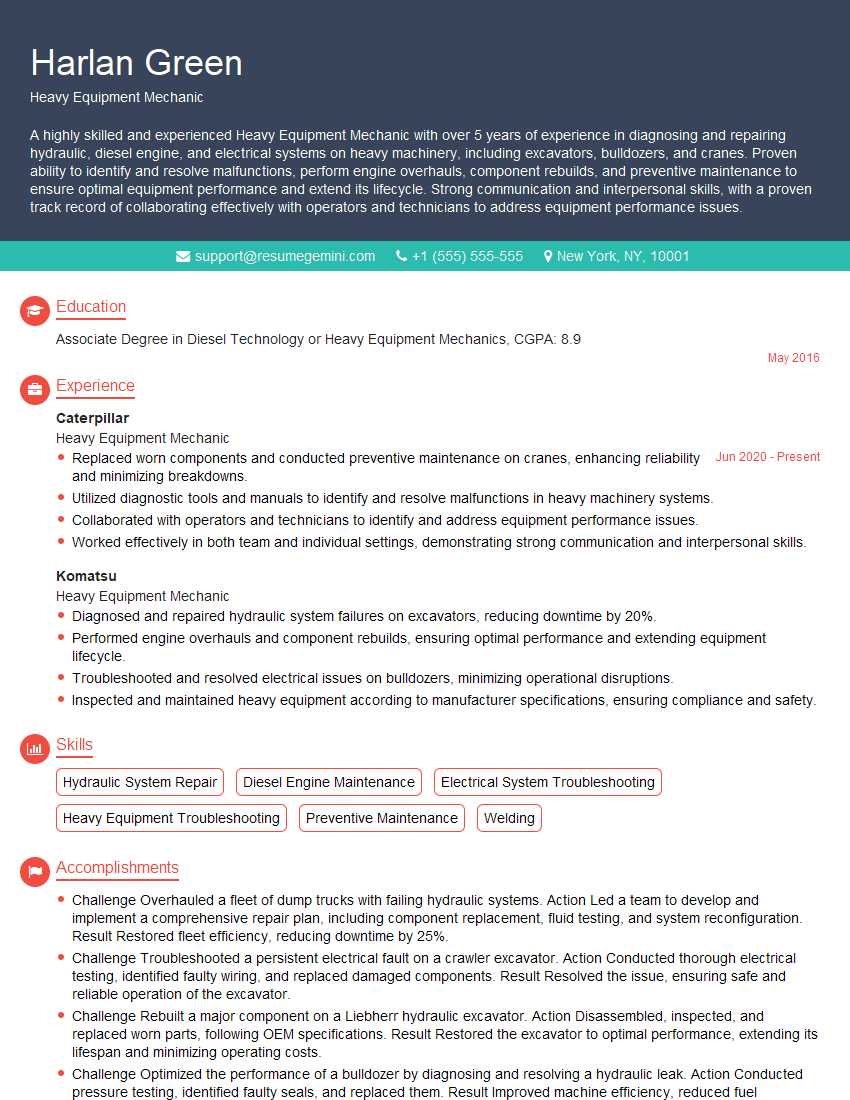
Heavy Equipment Mechanic Resume Sample
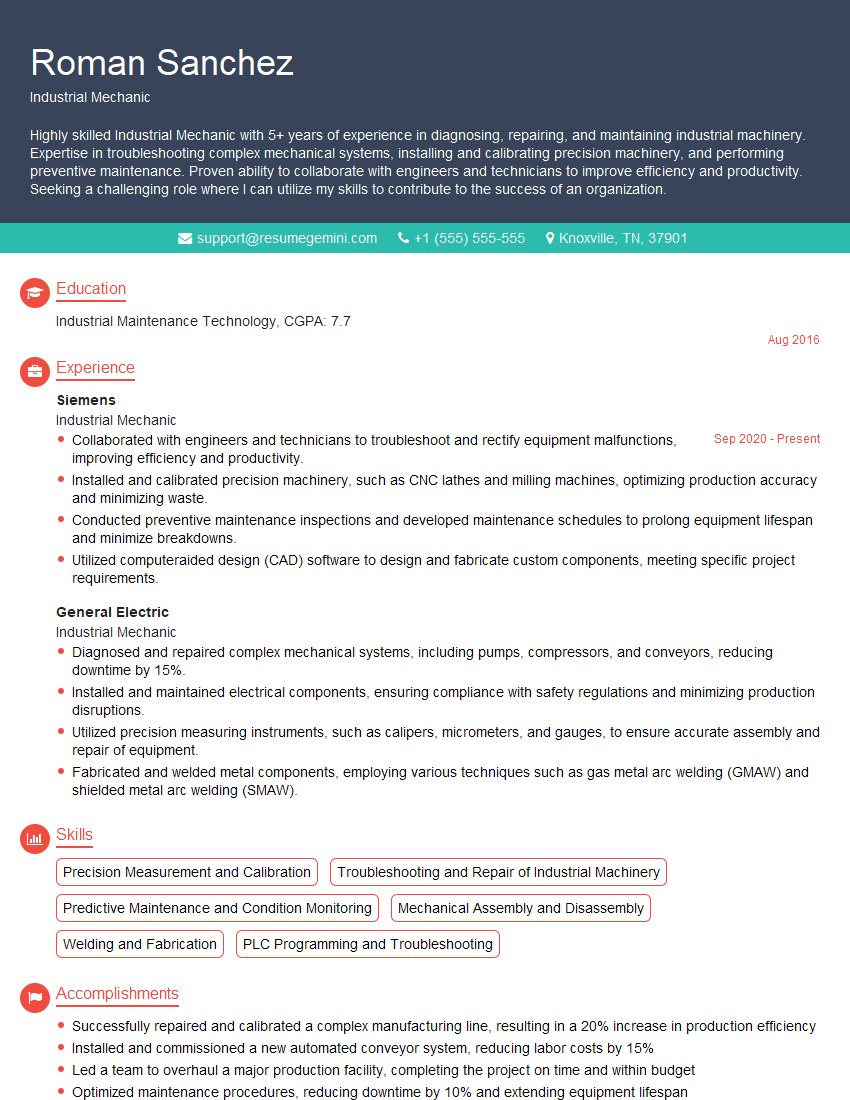
Industrial Mechanic Resume Sample

Millwright Resume Sample

Plant Maintenance Technician Resume Sample
- Maintenance Manager
- Maintenance Planner
- Maintenance Supervisor
- Reliability Engineer
- Maintenance Technician
- Engineering Technician
- Field Service Technician
- Mechanical Technician
- Manufacturing Technician
- Maintenance Mechanic
- Production Technician
- Heavy Equipment Mechanic
- Industrial Mechanic
- Millwright
- Plant Maintenance Technician
Explore more articles
Users Rating of Our Blogs
Share Your Experience
We value your feedback! Please rate our content and share your thoughts (optional).
What Readers Say About Our Blog
To the interviewgemini.com Webmaster.
Very helpful and content specific questions to help prepare me for my interview!
Thank you
To the interviewgemini.com Webmaster.
This was kind of a unique content I found around the specialized skills. Very helpful questions and good detailed answers.
Very Helpful blog, thank you Interviewgemini team.