Cracking a skill-specific interview, like one for Bi-level positive airway pressure (BiPAP) devices, requires understanding the nuances of the role. In this blog, we present the questions you’re most likely to encounter, along with insights into how to answer them effectively. Let’s ensure you’re ready to make a strong impression.
Questions Asked in Bi-level positive airway pressure (BiPAP) devices Interview
Q 1. Explain the difference between CPAP and BiPAP.
Both CPAP (Continuous Positive Airway Pressure) and BiPAP (Bilevel Positive Airway Pressure) are respiratory support therapies that use positive pressure to keep the airway open and prevent apneas (pauses in breathing) during sleep. The key difference lies in the pressure delivery. CPAP delivers a single, constant level of pressure throughout the entire breath cycle. Think of it like a constant stream of air gently keeping your airway open. BiPAP, on the other hand, delivers two different pressure levels: a higher inspiratory pressure (IPAP) during inhalation and a lower expiratory pressure (EPAP) during exhalation. This mimics the natural breathing process more closely, making it easier for some patients to tolerate.
Imagine trying to inflate a balloon. CPAP is like constantly blowing into the balloon with the same force, while BiPAP is like blowing harder to inflate it (IPAP) and then easing off the pressure slightly while still keeping it inflated (EPAP).
Q 2. Describe the mechanism of action of BiPAP in treating sleep apnea.
BiPAP works by providing assistance to both the inspiratory and expiratory phases of breathing. The higher inspiratory pressure (IPAP) helps to overcome airway resistance, making it easier for the patient to inhale. This is particularly beneficial for patients with increased airway resistance due to conditions like COPD or neuromuscular weakness. Simultaneously, the lower expiratory pressure (EPAP) helps to prevent airway collapse during exhalation. By providing this support, BiPAP reduces the work of breathing, improves oxygenation, and reduces the frequency and severity of apneas and hypopneas (shallow breaths) during sleep, ultimately improving sleep quality and reducing daytime sleepiness.
In essence, BiPAP acts as a ‘breathing assistant’ helping the patient breathe more efficiently and comfortably.
Q 3. What are the common indications for BiPAP therapy?
BiPAP is commonly indicated for various conditions characterized by breathing difficulties, including:
- Obstructive sleep apnea (OSA) – especially in patients who cannot tolerate CPAP or require additional respiratory support.
- Central sleep apnea (CSA) – where the brain fails to signal the muscles to breathe.
- Chronic obstructive pulmonary disease (COPD) – to improve ventilation and reduce dyspnea (shortness of breath).
- Heart failure – to reduce respiratory distress and improve oxygenation.
- Neuromuscular disorders – to assist with breathing in patients with weakened respiratory muscles.
- Post-operative respiratory support – to help patients recover from surgery.
The specific indication will be determined by a physician based on the patient’s individual condition and medical history.
Q 4. What are the contraindications for BiPAP therapy?
Contraindications for BiPAP therapy are less common but are important to consider. They include:
- Uncontrolled vomiting or aspiration risk: Patients who frequently vomit or have a high risk of aspirating (inhaling) stomach contents into their lungs should not use BiPAP.
- Claustrophobia or inability to tolerate a mask: The mask is essential for BiPAP therapy, and patients who cannot tolerate it cannot use the device.
- Certain types of pneumothorax (collapsed lung): BiPAP can potentially worsen the condition in some cases of pneumothorax.
- Severe facial deformities or anatomical abnormalities which prevent a proper seal with the mask.
- Uncontrolled hypotension (low blood pressure): In some patients, BiPAP can lower blood pressure further, which can be detrimental.
A thorough assessment of the patient’s overall health is crucial to identify and manage potential contraindications.
Q 5. How do you determine appropriate BiPAP settings for a patient?
Determining appropriate BiPAP settings is a crucial step and requires careful consideration of the patient’s condition, response to therapy, and comfort level. It’s a process that involves titration, which is an iterative adjustment of the pressure settings until optimal parameters are reached. This is typically done by a respiratory therapist or sleep specialist. Initial settings often depend on the severity of the patient’s sleep apnea, the presence of other respiratory conditions, and the patient’s weight and body habitus. Often, starting pressures are set and then monitored for efficacy and side effects, gradually adjusted over time based on patient tolerance and clinical response.
Polysomnography (sleep study) data, along with clinical assessments of the patient’s breathing and oxygenation levels, are used to guide the process. Experienced clinicians utilize established protocols and algorithms to make informed decisions.
Q 6. Explain the significance of IPAP and EPAP settings.
IPAP (Inspiratory Positive Airway Pressure) and EPAP (Expiratory Positive Airway Pressure) are the two key pressure settings in BiPAP therapy. IPAP is the higher pressure delivered during inhalation, assisting the patient in taking a breath. EPAP is the lower pressure maintained during exhalation, preventing airway collapse. The difference between IPAP and EPAP (IPAP-EPAP) represents the pressure support provided to the patient. A larger difference means more assistance, making it easier to breathe.
For example, an IPAP of 14 cm H2O and an EPAP of 4 cm H2O would provide 10 cm H2O of pressure support. The specific settings depend on the patient’s individual needs and are carefully adjusted based on their response to therapy.
Q 7. How do you monitor a patient’s response to BiPAP therapy?
Monitoring a patient’s response to BiPAP therapy is essential to ensure its effectiveness and safety. This involves regular follow-up appointments, adherence monitoring (how often and for how long the patient is using the device), and evaluating for both desired and adverse effects.
- Subjective Assessments: This involves questioning the patient about their daytime sleepiness, fatigue levels, and overall well-being. Improvements in these areas usually suggest that the therapy is working.
- Objective Measurements: Regular monitoring of oxygen saturation (SpO2) levels, respiratory rate, and blood pressure helps determine the effectiveness of BiPAP in improving oxygenation and reducing respiratory effort.
- Sleep Studies (Polysomnography): Follow-up sleep studies can be performed to objectively assess the reduction in apneas and hypopneas after therapy has started. This provides critical data on the therapy’s impact on sleep quality.
- Device Data: Modern BiPAP machines record usage data, such as hours of use, pressure settings, and leak rates. This information provides valuable insights into the patient’s adherence and device performance.
By combining these assessment methods, clinicians can effectively evaluate the efficacy and safety of BiPAP therapy and make necessary adjustments to optimize treatment.
Q 8. Describe common BiPAP complications and their management.
BiPAP, while highly effective for managing respiratory conditions like sleep apnea and COPD, can present several complications. Understanding these is crucial for effective management.
- Skin Irritation and Breakdown: Pressure from the mask can cause redness, sores, and even breakdown of the skin, especially around the bridge of the nose and cheeks. Management: Regular skin checks, proper mask fit, and the use of hypoallergenic skin barriers are key. Consider using different mask types or adjusting the pressure settings if irritation persists.
- Claustrophobia and Anxiety: The feeling of confinement from the mask can trigger anxiety and even panic attacks in some patients. Management: Gradual introduction to the therapy, starting with short durations and gradually increasing the time, can help. Relaxation techniques, cognitive behavioral therapy (CBT), and possibly medication may be necessary.
- Dry Mouth and Nose: The air delivered by the BiPAP can be drying. Management: Using a humidifier with the device, drinking plenty of fluids, and applying saline nasal spray can alleviate this.
- Air Leaks: Leaks around the mask can reduce therapy effectiveness and cause discomfort. Management: Proper mask fitting, using appropriate mask size and type, and checking for any damage to the mask or tubing are crucial. Occasionally, mask liners can improve the seal.
- Gastrointestinal Issues: Some patients experience nausea, bloating, or acid reflux. Management: Adjusting the pressure settings, elevating the head of the bed, and avoiding large meals before bedtime can be helpful. In some cases, medication may be necessary.
Remember, early identification and proactive management of these complications are vital for ensuring patient comfort and treatment success. Close monitoring and patient communication are essential.
Q 9. What are the different modes of BiPAP ventilation?
BiPAP devices offer several ventilation modes, each designed for specific patient needs. The choice of mode depends on the severity of the respiratory condition and individual patient response.
- S/T (Spontaneous/Timed): This is a common mode where the patient initiates each breath, and the BiPAP machine delivers both inspiratory positive airway pressure (IPAP) and expiratory positive airway pressure (EPAP). A timed backup breath is provided if the patient’s respiratory rate falls below a certain threshold.
- Auto-adjusting BiPAP (Auto-BiPAP or APAP): This mode automatically adjusts the IPAP level based on the patient’s breathing pattern. It typically maintains a constant EPAP level. This is helpful for patients with variable breathing needs.
- CPAP: Although technically not a BiPAP mode, many BiPAP machines offer a CPAP mode, which provides a constant positive airway pressure throughout the breathing cycle. This is useful for individuals who need a consistent level of pressure support.
- ASV (Adaptive Servo-Ventilation): This more sophisticated mode continuously monitors and adjusts both the IPAP and EPAP levels based on a sophisticated algorithm reacting to the patient’s respiratory needs. It is often used for more severe respiratory conditions.
Understanding the nuances of each mode is crucial for choosing the most appropriate setting for a patient’s unique needs. This often involves careful titration and monitoring of the patient’s response.
Q 10. How do you troubleshoot common BiPAP equipment problems?
Troubleshooting BiPAP equipment is a key skill for respiratory therapists and healthcare professionals. A systematic approach is essential.
- Check the Power Supply: Ensure the device is properly plugged in and the power outlet is working.
- Examine Tubing and Connections: Look for any kinks, damage, or loose connections in the tubing that connects the machine to the mask.
- Inspect the Mask: Check for any leaks or damage to the mask itself. Try re-applying the mask to ensure a proper seal.
- Verify Pressure Settings: Confirm that the IPAP and EPAP settings are correct and within the prescribed range.
- Check Alarms: Pay close attention to any alarms that the device may be emitting. Alarms frequently indicate low pressure, leaks, or other issues. Consult the device’s manual for alarm interpretation.
- Assess Humidifier (if applicable): If a humidifier is used, ensure it has sufficient water and is functioning properly.
- Contact Manufacturer Support: If problems persist, contact the manufacturer’s technical support for further assistance. They can provide more specific troubleshooting guidance.
Remembering to follow safety precautions and proper handling procedures is vital when troubleshooting BiPAP equipment. Never attempt repairs beyond your training and expertise.
Q 11. Explain the importance of patient education regarding BiPAP use.
Patient education is paramount to successful BiPAP therapy. Without proper understanding and adherence, treatment effectiveness suffers. Think of it like giving someone the keys to a car without teaching them how to drive – it won’t get them where they need to go.
- Mask Use and Care: Patients need to know how to properly apply and remove the mask, clean and maintain it, and recognize when replacement is needed.
- Device Operation: Instructions on turning the device on and off, adjusting settings (with caution and only as instructed), and understanding the alarms are essential.
- Troubleshooting Basic Problems: Patients should be empowered to identify and address minor issues like leaks or mask discomfort.
- Importance of Adherence: Emphasize the crucial role of consistent use for optimal treatment results.
- Recognizing Complications: Patients must be educated on potential complications like skin irritation, claustrophobia, and gastrointestinal issues, and know when to seek medical attention.
- Lifestyle Modifications: Often, lifestyle changes are crucial for successful BiPAP therapy (e.g., weight management, smoking cessation, sleep hygiene improvements).
Effective patient education is best achieved through a combination of verbal instruction, written materials, and potentially video demonstrations. Regular follow-up appointments allow for addressing any questions or concerns.
Q 12. How do you assess patient compliance with BiPAP therapy?
Assessing patient compliance with BiPAP therapy requires a multi-faceted approach. Simple observation isn’t enough; we need objective data.
- Device Data Logging: Modern BiPAP devices often track usage data, including hours of use per night, pressure settings, and leak rates. This provides a quantitative measure of compliance.
- Patient Diaries: Patients can maintain a diary recording their daily usage, any problems encountered, and their overall experience. This subjective information complements objective data.
- Clinical Assessments: Regular follow-up appointments allow for clinical evaluation, including assessment of daytime sleepiness, oxygen saturation levels, and overall respiratory function. These assessments help correlate compliance with clinical outcomes.
- Sleep Studies: Polysomnography (sleep study) can objectively assess the effectiveness of the BiPAP therapy and identify areas where improvement is needed.
- Patient Interviews: Open and honest conversations with the patient can reveal challenges with adherence, such as discomfort, claustrophobia, or practical barriers.
A combination of these methods provides a comprehensive picture of patient compliance and allows for timely intervention if issues arise. The goal is not just to track usage, but to identify and address any obstacles hindering successful therapy.
Q 13. What are the different types of BiPAP interfaces (masks)?
BiPAP masks come in various types, each designed to accommodate different facial structures and preferences. Choosing the right mask is crucial for comfort and effective therapy.
- Nasal Masks: These masks cover only the nose and are a popular choice for those who tolerate nasal breathing well. They are generally lightweight and offer a good field of vision.
- Nasal Pillow Masks: These masks use small pillows that fit snugly inside the nostrils, offering a minimal interface with the face. This is suitable for those sensitive to facial pressure.
- Full Face Masks: These masks cover both the nose and mouth, providing a secure seal and are beneficial for patients who breathe through their mouths or have nasal congestion.
- Oral Masks: These masks cover only the mouth, providing a less restrictive option for those who prefer not to have a mask on their nose.
Each type of mask comes in various sizes and styles. Some masks also offer features like headgear adjustability and exhalation ports to improve comfort and reduce claustrophobia.
Q 14. How do you select the appropriate mask for a patient?
Selecting the appropriate BiPAP mask involves careful consideration of several factors. It’s a collaborative effort between the clinician and the patient.
- Patient Anatomy: The patient’s facial structure, nasal passages, and mouth size influence mask fit and comfort.
- Breathing Pattern: Patients who breathe primarily through their mouths may benefit from a full-face mask, while those with nasal breathing might prefer nasal masks.
- Patient Preferences: Comfort is paramount. The patient’s personal preferences should be considered; some might prefer a lighter mask, while others might value a secure fit above all else.
- Trial and Error: Often, trying different mask types and sizes is necessary to find the best fit. Many providers offer a trial period for mask selection.
- Leak Rate: After mask selection, a proper seal check is performed to minimize air leaks. High leak rates will hinder therapy effectiveness and reduce patient comfort.
The goal is to find a mask that provides a good seal, minimizes leaks, is comfortable for the patient to wear throughout the night, and allows for effective therapy.
Q 15. Describe the process of fitting a patient with a BiPAP mask.
Fitting a BiPAP mask involves several crucial steps to ensure both comfort and effective therapy. First, we assess the patient’s facial structure and any potential skin sensitivities. Then, we select a mask type (e.g., nasal pillows, nasal mask, full-face mask) appropriate for their anatomy and preferences. We explain the different mask types and their respective advantages and disadvantages. Next, we carefully adjust the mask straps to achieve a snug but not overly tight fit. A proper fit minimizes leaks and maximizes therapy efficacy. We check for any red marks or pressure points and readjust accordingly. Finally, we instruct the patient on proper mask placement and removal techniques. We often have them try to talk and see if they can comfortably clear their nose to check for proper fit. Throughout the process, patient comfort and feedback are paramount. For example, with a nasal mask, we would ensure the mask seals comfortably around the bridge of the nose without pinching. If a patient complains of pressure points, we’ll adjust strap placement or try a different size or even a different mask type. The goal is to find a mask that minimizes discomfort while delivering effective treatment.
Career Expert Tips:
- Ace those interviews! Prepare effectively by reviewing the Top 50 Most Common Interview Questions on ResumeGemini.
- Navigate your job search with confidence! Explore a wide range of Career Tips on ResumeGemini. Learn about common challenges and recommendations to overcome them.
- Craft the perfect resume! Master the Art of Resume Writing with ResumeGemini’s guide. Showcase your unique qualifications and achievements effectively.
- Don’t miss out on holiday savings! Build your dream resume with ResumeGemini’s ATS optimized templates.
Q 16. How do you address patient discomfort related to BiPAP therapy?
Addressing patient discomfort is crucial for BiPAP therapy adherence. Common complaints include skin irritation, claustrophobia, and dry mouth. We address skin irritation by ensuring proper mask fit, using hypoallergenic mask liners or moisturizers, and checking for areas of excessive pressure. For claustrophobia, we encourage gradual acclimation to the mask, starting with short treatment periods and gradually increasing them. We reassure the patient and explain the benefits of the therapy. To combat dry mouth, we advise the patient to drink plenty of fluids and use a humidifier with their BiPAP machine. We might also suggest a chin strap to keep the mouth closed at night. For example, if a patient describes feelings of panic when wearing the mask, we start with very short sessions, and we might let them practice just wearing the mask without the machine running. Open communication and regular follow-ups are key to identifying and resolving discomfort issues. We often use a pain scale or similar tools to monitor and objectively track discomfort levels.
Q 17. What are the potential long-term effects of BiPAP therapy?
The long-term effects of BiPAP therapy are generally positive for patients with conditions like sleep apnea and COPD. Improved sleep quality, reduced daytime sleepiness, and better control of blood pressure are common benefits. For sleep apnea patients, consistent BiPAP use often results in a reduced risk of cardiovascular complications, stroke, and type 2 diabetes. However, long-term use can also have potential side effects. These can include skin irritation or pressure sores from the mask, dry mouth or nose, and rarely, air leaks into the lungs, which we must carefully monitor and manage with proper fitting and maintenance. Regular check-ups and monitoring are essential to detect and address any potential complications. It is always important to keep in mind that patient response varies and some patients have better responses than others.
Q 18. How do you manage leaks in a BiPAP system?
Managing leaks in a BiPAP system requires a systematic approach. First, we visually inspect the mask for any obvious gaps or tears. Next, we assess the mask’s fit, checking for proper seal around the face. Loose straps or incorrect mask placement are common culprits. If leaks persist, we might need to adjust the straps, try a different mask size or type, or check for any obstructions in the air tubing. If the problem persists beyond the mask, it is necessary to investigate the machine and its connections to the mask and filter for possible air leaks or equipment malfunctions. We carefully examine all the connections to eliminate problems that may lead to unwanted air leaks. For example, a common leak happens when a patient’s beard interferes with the mask’s seal, which can be easily solved with a beard mask or appropriate adjustments. In some cases, a pressure leak can indicate a more serious problem requiring machine maintenance.
Q 19. How do you interpret BiPAP data and waveforms?
Interpreting BiPAP data and waveforms requires understanding several key parameters. The pressure settings (IPAP and EPAP) indicate the inspiratory and expiratory positive airway pressures. The respiratory rate shows the number of breaths per minute. Leak rates provide insights into mask fit and seal. The waveforms themselves show the pressure changes during inspiration and expiration. A flat waveform suggests a leak, while a sawtooth pattern may indicate airway resistance. Data like average pressure, the number of hours used and flow rates are also critical for assessing treatment efficacy. We look for consistent and regular breathing patterns across the night. Abnormal patterns or unusual values warrant further investigation and potential adjustments to the therapy settings. For instance, a high leak rate consistently could mean a mask adjustment is needed or the patient needs a different size mask. A low respiratory rate could be a sign of a medical issue and needs to be addressed by medical staff.
Q 20. Explain the importance of regular BiPAP machine maintenance.
Regular BiPAP machine maintenance is essential for optimal performance and hygiene. This includes daily cleaning of the mask and tubing with warm soapy water, followed by thorough rinsing and air drying. Replacing filters according to the manufacturer’s instructions is crucial to avoid buildup of bacteria and allergens. We also instruct patients on proper storage and care. Regular checks and potential servicing by a qualified technician is important to guarantee the device remains functional. Failing to maintain these aspects can reduce the efficacy of treatment, impact the lifespan of the machine and may create health risks for the user. For example, neglecting to regularly clean the mask could lead to the build-up of bacteria, causing skin infections or respiratory issues. We use checklists to ensure patients are regularly following the manufacturer’s maintenance instructions and provide follow up and education as needed.
Q 21. How do you handle patient emergencies related to BiPAP therapy?
Handling patient emergencies related to BiPAP therapy requires prompt action and a clear understanding of potential problems. These emergencies could include equipment malfunction, mask dislodgement, or respiratory distress. We equip patients with clear instructions on what to do in such situations, emphasizing the importance of contacting emergency services immediately if necessary. We emphasize the symptoms to look out for in case the patient feels like they are experiencing an emergency. Our training ensures we are prepared to respond to urgent needs, and we carefully monitor for any warning signs that may indicate a potential medical emergency. We also educate patients and family members to appropriately respond to machine alarms and what to do in case of any power outages. For example, patients should know to remove the mask immediately if they are experiencing claustrophobia to the point of panic.
Q 22. What are the differences between various BiPAP manufacturers’ devices?
BiPAP devices from different manufacturers vary in several key aspects, impacting user experience and therapeutic effectiveness. These differences aren’t just about aesthetics; they affect features, functionality, and even the overall patient journey.
- User Interface and Controls: Some manufacturers prioritize intuitive, user-friendly interfaces with large, clear displays and simple button controls, while others might have more complex menus and settings requiring more technical understanding. For example, ResMed’s AutoSet devices are renowned for their ease of use, whereas some Philips Respironics models offer a wider array of customizable settings.
- Data Logging and Reporting Capabilities: The type and amount of data logged can differ significantly. Some devices provide basic information like hours of use and mask pressure, while others offer more detailed data on leak rates, apnea-hypopnea index (AHI), and even respiratory events. The format of data reporting, whether via a SD card, USB connection, or cloud-based platform, also varies.
- Advanced Features: Features like automatic altitude compensation, expiratory pressure relief (EPR), and sophisticated leak compensation systems can differ in their implementation and effectiveness across various brands. Some manufacturers may emphasize certain features over others based on their research and development focus. For instance, some devices excel at humidity delivery, others might offer more advanced diagnostics.
- Mask Compatibility: While most devices use standard mask connections, compatibility with specific mask types and designs may vary, leading to potential differences in comfort and effectiveness.
- Size and Portability: Device size and weight vary considerably. Some are designed for portability and travel, while others are larger and intended for home use primarily.
Ultimately, the ‘best’ manufacturer depends on the individual patient’s needs and preferences. A thorough assessment by a respiratory therapist is crucial to selecting the most appropriate device.
Q 23. Discuss the role of data logging in BiPAP therapy.
Data logging in BiPAP therapy is crucial for monitoring treatment effectiveness, identifying potential problems, and adjusting therapy as needed. Think of it as a detailed record of your breathing while using the device, providing valuable insights for both the patient and healthcare provider.
- Treatment Adherence: Data logs show how consistently the patient is using the device, allowing for early intervention if adherence is low. For example, a sudden drop in usage hours might indicate a problem with the mask fit, discomfort, or another issue requiring attention.
- Therapy Effectiveness: Data on pressure levels, leak rates, and respiratory events (apneas, hypopneas) helps determine whether the therapy is effectively managing the patient’s condition. Trends in these data points can reveal if adjustments to the therapy settings are necessary.
- Early Problem Detection: Unusual patterns in the data may signal developing complications, such as equipment malfunction or changes in the patient’s condition. For example, consistently high leak rates could indicate a poorly fitting mask, whereas a sudden increase in apnea events might suggest a worsening of the underlying sleep disorder.
- Patient Education and Motivation: Providing patients with access to their data, perhaps through user-friendly apps, can increase their understanding of their condition and encourage better adherence to therapy. Visual representations of their progress can be very motivating.
In short, data logging transforms BiPAP therapy from a passive treatment into an active, monitored process that facilitates better patient outcomes.
Q 24. How do you explain complex BiPAP concepts to patients and their families?
Explaining complex BiPAP concepts requires clear, concise language, avoiding medical jargon whenever possible. I always use analogies and visual aids to enhance understanding.
- The ‘Breathing Machine’ Analogy: I explain that BiPAP is like a ‘breathing machine’ that gently helps the lungs inflate and deflate, providing support when needed. This simplifies the concept of positive airway pressure.
- Visual Aids: Diagrams illustrating airflow and pressure changes within the lungs can be very helpful. Simple charts showing how different pressure settings affect breathing can also improve understanding.
- Breaking Down Complex Terms: Instead of using terms like ‘apnea-hypopnea index,’ I explain the concept simply: ‘These numbers tell us how many times your breathing stops or slows down during sleep.’
- Interactive Sessions: Encouraging questions and providing hands-on demonstrations of the device’s components and operation can significantly improve comprehension. I also address concerns and anxieties patients might have openly and honestly.
- Written Materials: Providing patients with easy-to-understand written materials that summarize key concepts and answer common questions reinforces the explanation and serves as a future reference.
I tailor my explanations to each patient’s individual understanding and learning style. This ensures that they feel confident and comfortable using their BiPAP device.
Q 25. Describe your experience with different BiPAP device models.
My experience encompasses a wide range of BiPAP device models from various manufacturers, including ResMed, Philips Respironics, and Fisher & Paykel. This exposure has given me a thorough understanding of the nuances of different designs and features.
- ResMed AutoSet series: I’ve extensively used these devices due to their user-friendly interface and robust data logging capabilities. Their automatic titration features are particularly beneficial for patients requiring individualized pressure settings.
- Philips Respironics V60 series: I’ve worked with these models, appreciating their advanced features such as A-Flex (expiratory pressure relief), but I’ve also observed that their interface can be less intuitive for some patients.
- Fisher & Paykel Icon: This device impressed me with its compact design and quiet operation, making it suitable for patients who value portability and sleep quality.
This hands-on experience with different models allows me to effectively recommend and tailor therapy based on individual patient needs and preferences, considering factors such as the patient’s comfort, their disease severity and the device’s features.
Q 26. How do you ensure proper hygiene and cleaning of BiPAP equipment?
Maintaining proper hygiene and cleaning of BiPAP equipment is crucial to prevent infection and ensure optimal device function. I always stress the importance of regular cleaning to my patients.
- Daily Cleaning: I advise patients to clean their mask and tubing daily with warm water and mild soap. Thorough rinsing is essential to remove all soap residue.
- Weekly Cleaning: The device’s humidifier chamber should be cleaned weekly with warm water and mild soap, or as per manufacturer instructions. Using a device-specific cleaning solution is also advisable.
- Water Chamber Disinfection: Periodic disinfection of the humidifier chamber with a suitable solution is important. Using distilled or sterile water for the humidifier is also crucial to avoid mineral build-up.
- Device Replacement: Tubing and filters need regular replacement according to the manufacturer’s guidelines. A worn-out mask can also affect the seal and comfort and should be replaced as needed.
- Patient Education: I provide patients with detailed written instructions and demonstrate the proper cleaning procedure, emphasizing the importance of hand hygiene before and after cleaning.
Regular cleaning and maintenance are vital not just for preventing infections but also for maintaining the integrity of the equipment and ensuring the long-term effectiveness of the therapy.
Q 27. What safety precautions are necessary when using BiPAP devices?
Safety is paramount when using BiPAP devices. Several precautions are necessary to mitigate potential risks.
- Proper Mask Fit: A poorly fitting mask can cause leaks, discomfort, and skin irritation. Proper fitting and regular adjustments are crucial.
- Power Source: Ensure the device is connected to a stable power source and use surge protectors to prevent power surges from damaging the equipment.
- Electrical Safety: Never use the device near water or in damp environments. Regularly inspect the power cord for any damage.
- Device Maintenance: Regular cleaning and maintenance, including filter replacement, are essential to prevent malfunction and infection.
- Medication Interactions: Certain medications can interact with BiPAP therapy. Patients should inform their physician of all medications they are taking.
- Claustrophobia: Some patients may experience claustrophobia due to the mask. Gradual acclimatization and appropriate counseling can help mitigate this issue.
- Emergency Plan: Patients should be educated about what to do in case of power failure or equipment malfunction.
Thorough patient education on these safety aspects is crucial to minimize the risks associated with BiPAP therapy and ensure the patient’s safety and well-being.
Q 28. What are the ethical considerations in providing BiPAP therapy?
Ethical considerations in providing BiPAP therapy revolve around patient autonomy, informed consent, and equitable access to care.
- Informed Consent: Patients must fully understand the benefits, risks, and alternatives to BiPAP therapy before starting treatment. This includes explaining the potential side effects and the importance of adherence.
- Patient Autonomy: Respecting the patient’s right to refuse treatment or to discontinue therapy at any point is paramount. Coercing patients into treatment is unethical.
- Equitable Access: Ensuring equitable access to BiPAP therapy, regardless of socioeconomic status, is a critical ethical consideration. Healthcare providers should advocate for policies that promote access for all those who need it.
- Data Privacy and Security: Protecting patient data generated by BiPAP devices is crucial. Adherence to data privacy regulations and ensuring data security is essential.
- Resource Allocation: In situations of limited resources, ethical frameworks should guide decisions on how to allocate BiPAP devices and therapy to patients with the greatest need.
By adhering to these ethical principles, we can ensure that BiPAP therapy is delivered responsibly and ethically, maximizing patient benefit while protecting their rights and well-being.
Key Topics to Learn for Bi-level positive airway pressure (BiPAP) devices Interview
- Device Functionality: Understand the mechanics of BiPAP, including how it delivers inspiratory and expiratory pressures, and the difference between IPAP and EPAP settings.
- Patient Selection Criteria: Know the indications and contraindications for BiPAP therapy. Be prepared to discuss patient assessment and the factors influencing appropriate device selection.
- Modes of Ventilation: Familiarize yourself with different BiPAP modes (e.g., S/T, AVAPS) and their clinical applications. Understand how to adjust settings based on patient response.
- Troubleshooting Common Issues: Be prepared to discuss common problems encountered with BiPAP devices, such as leaks, mask discomfort, and patient intolerance. Describe effective problem-solving strategies and solutions.
- Data Interpretation: Understand how to interpret data from BiPAP devices, including pressure waveforms and flow rates. Be able to identify potential issues based on this data.
- Patient Education and Compliance: Discuss the importance of patient education regarding BiPAP use, mask hygiene, and troubleshooting. Explain how to improve patient compliance and adherence to therapy.
- Safety and Monitoring: Understand the safety precautions associated with BiPAP use and the importance of regular monitoring of patients receiving this therapy. Be prepared to discuss potential complications and their management.
- Integration with other Respiratory Therapies: Be familiar with how BiPAP interacts with other respiratory support modalities, such as oxygen therapy and mechanical ventilation.
Next Steps
Mastering BiPAP therapy is crucial for career advancement in respiratory care. A strong understanding of these devices demonstrates expertise and opens doors to more specialized roles and higher earning potential. To maximize your job prospects, create a compelling and ATS-friendly resume that highlights your skills and experience. ResumeGemini is a valuable resource to help you build a professional and effective resume tailored to the specific requirements of BiPAP-related positions. We offer examples of resumes specifically designed for respiratory therapists experienced with BiPAP devices to help guide you in showcasing your qualifications effectively.
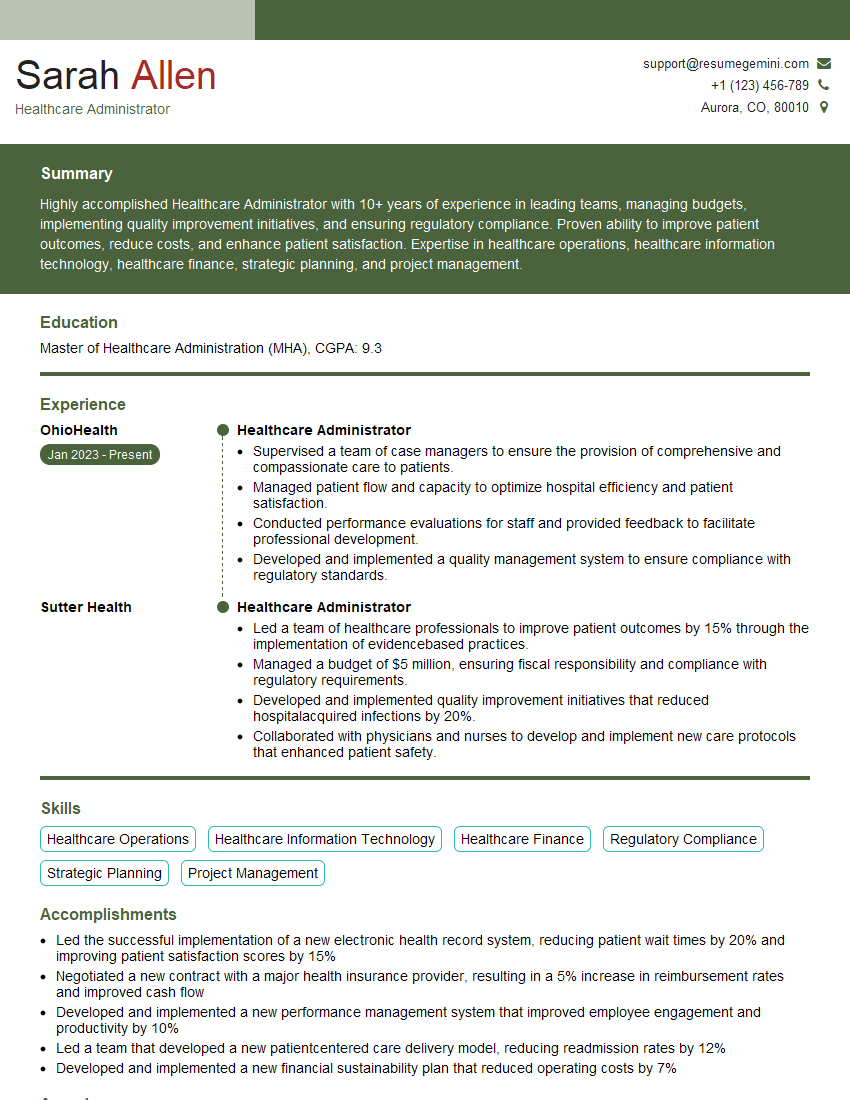
Healthcare Administrator Resume Sample
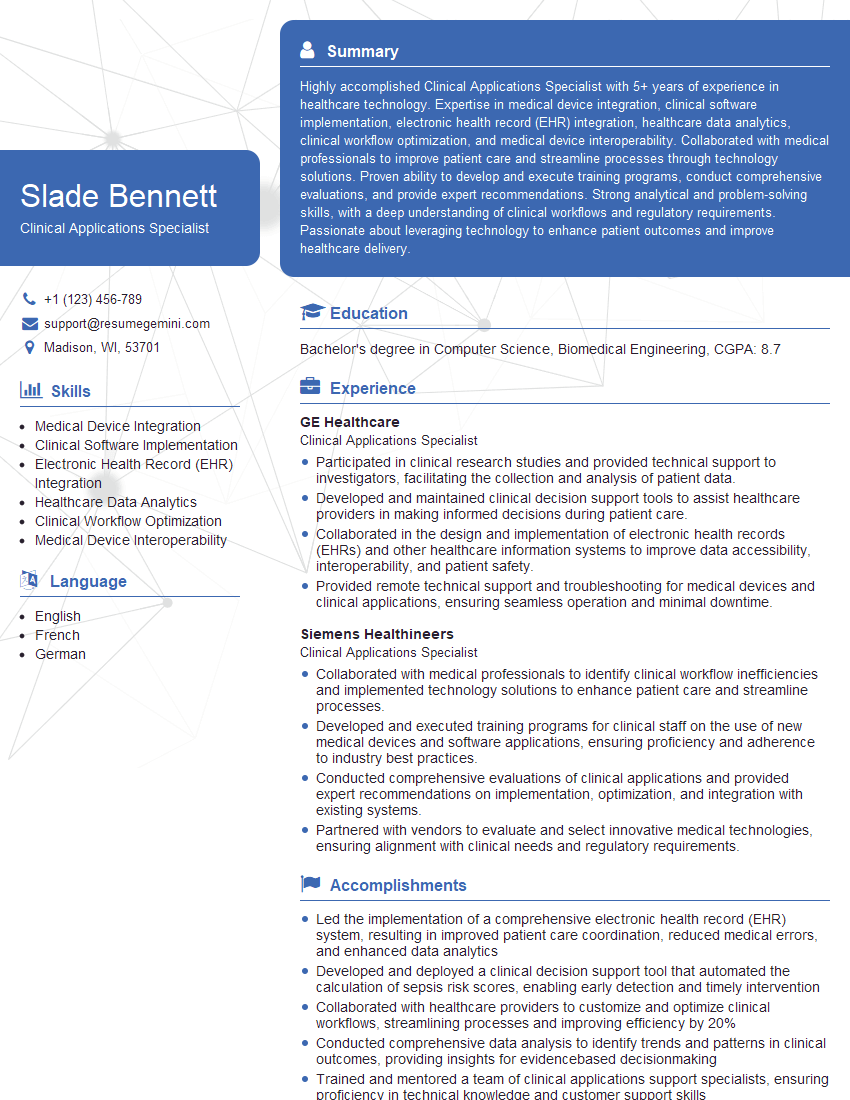
Clinical Applications Specialist Resume Sample
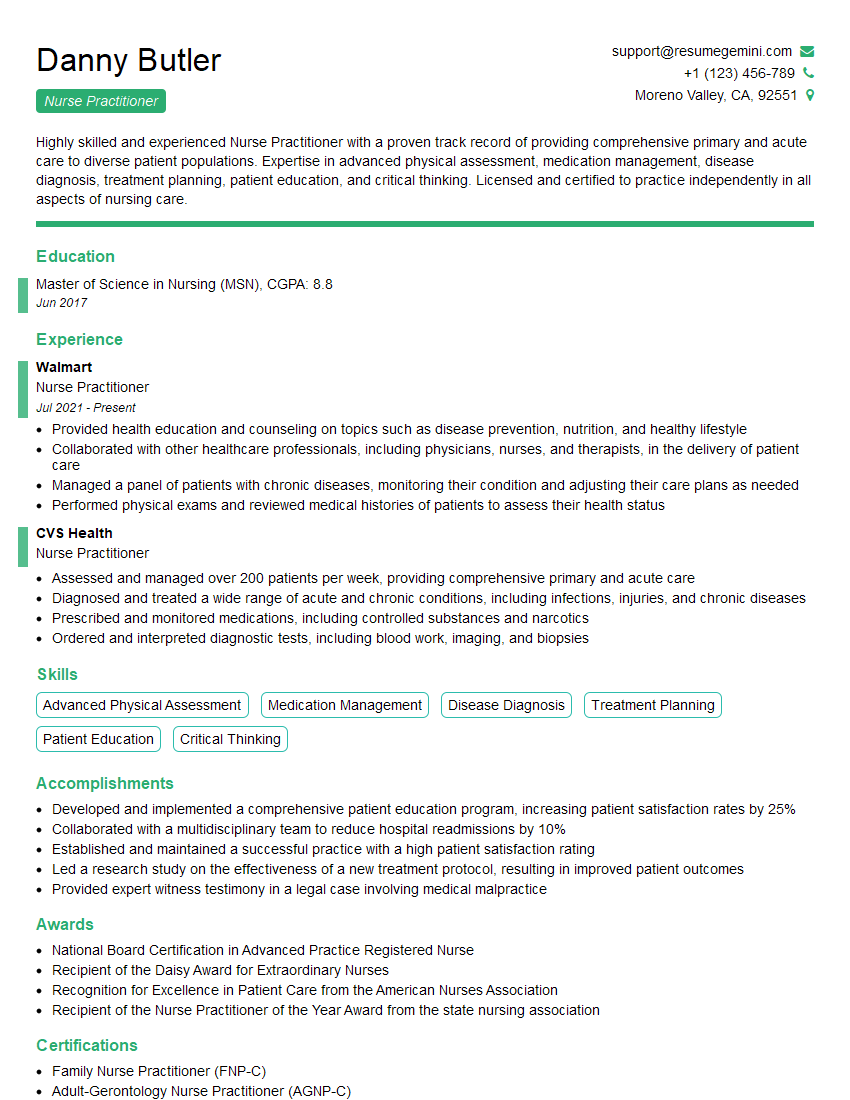
Nurse Practitioner Resume Sample

Physician Assistant Resume Sample
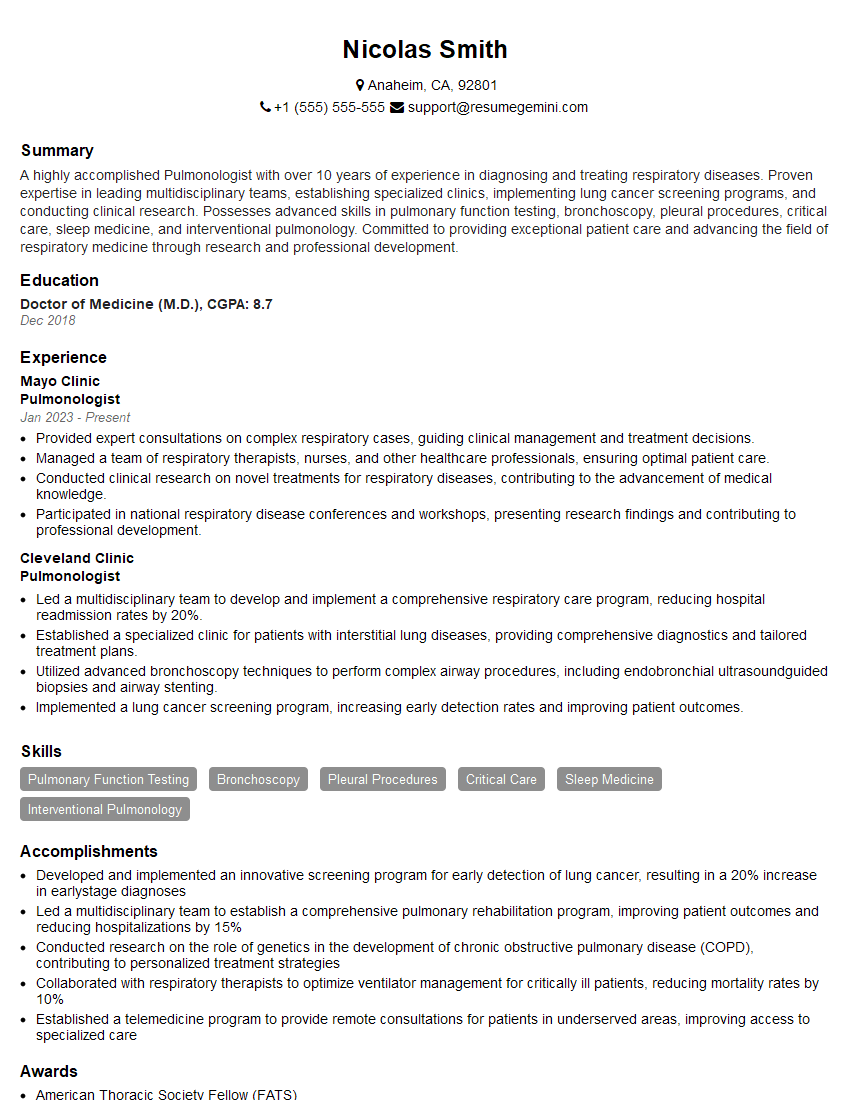
Pulmonologist Resume Sample

Certified Respiratory Therapist (CRT) Resume Sample
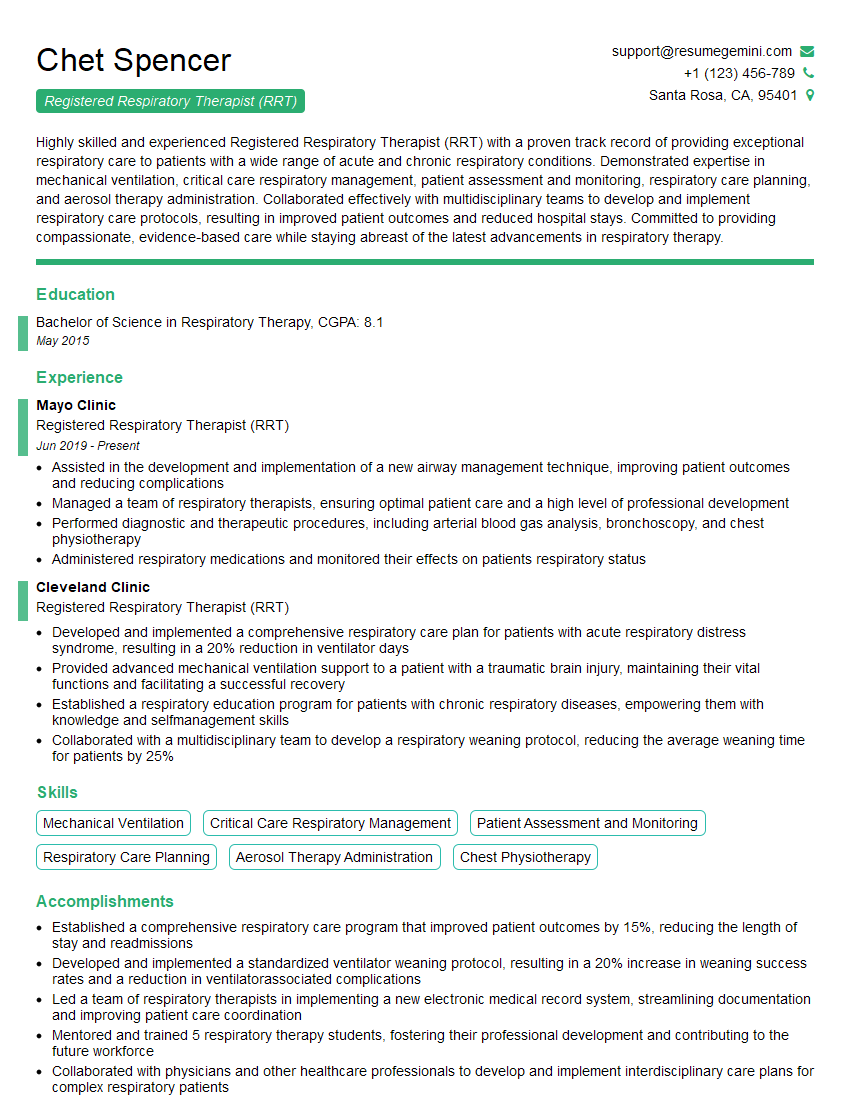
Registered Respiratory Therapist (RRT) Resume Sample
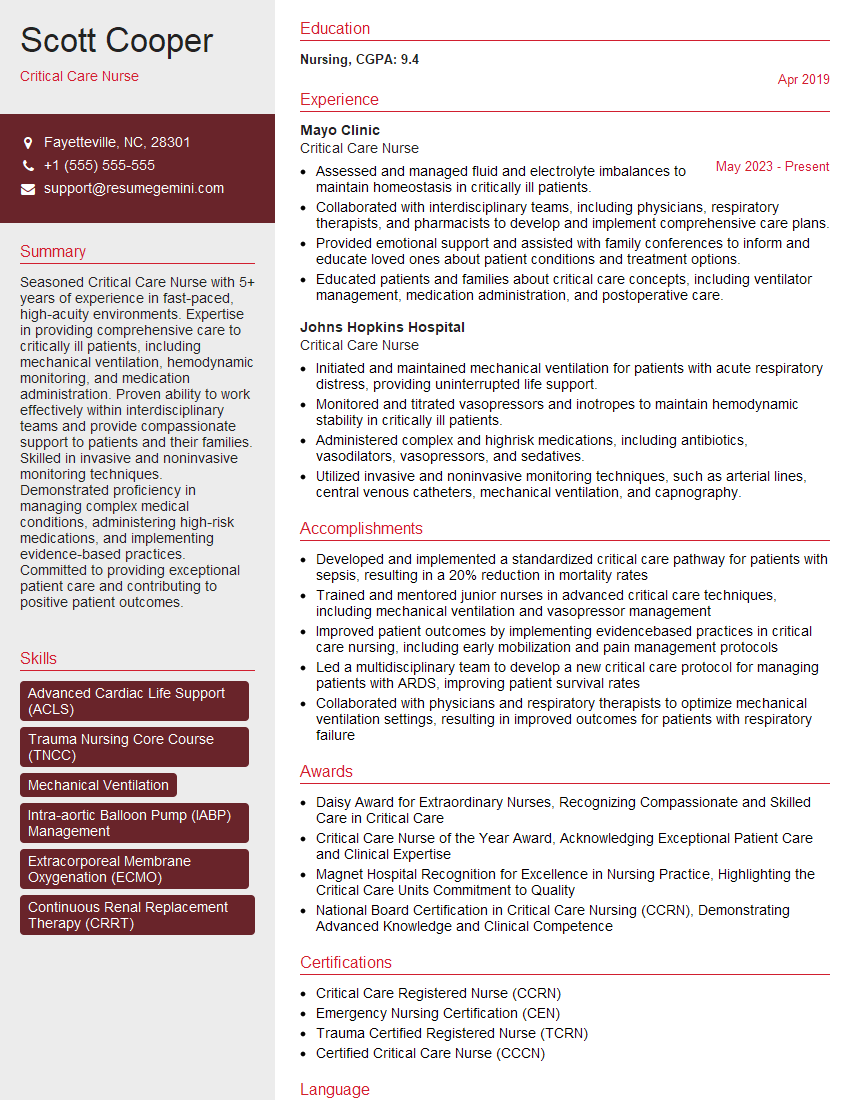
Critical Care Nurse Resume Sample
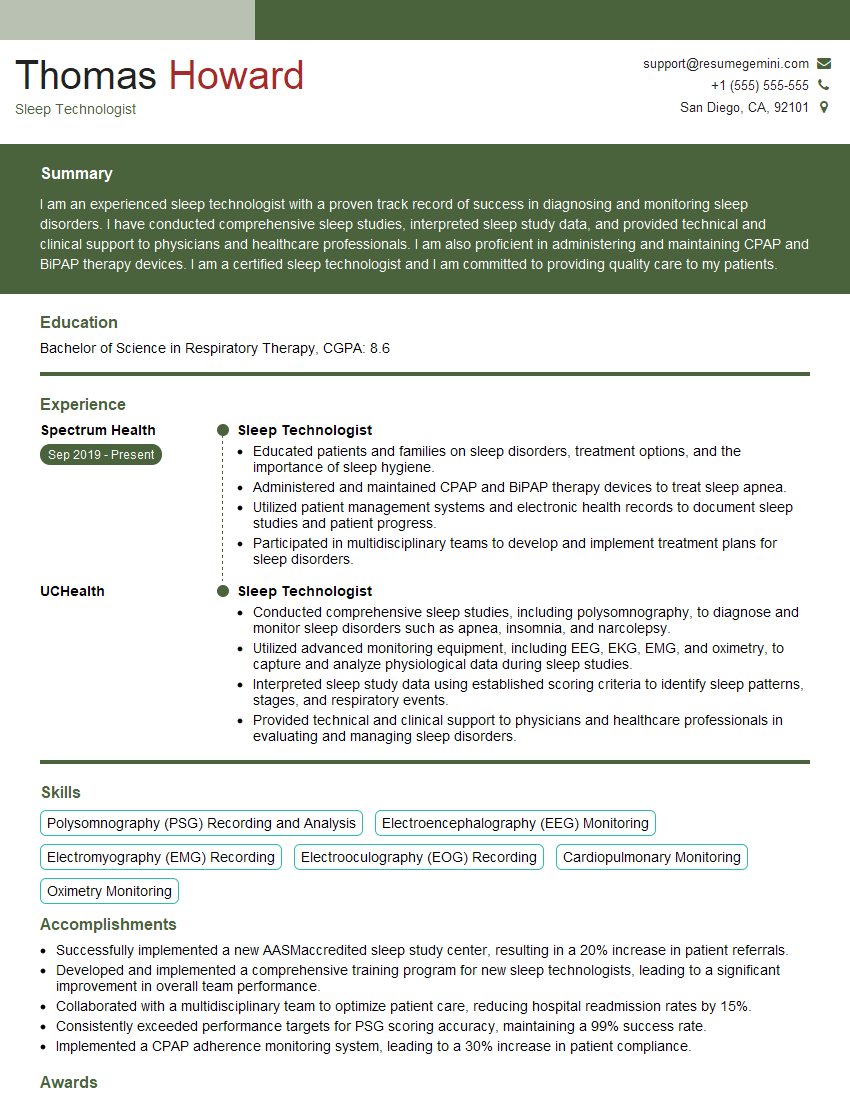
Sleep Technologist Resume Sample
Explore more articles
Users Rating of Our Blogs
Share Your Experience
We value your feedback! Please rate our content and share your thoughts (optional).
What Readers Say About Our Blog
To the interviewgemini.com Webmaster.
Very helpful and content specific questions to help prepare me for my interview!
Thank you
To the interviewgemini.com Webmaster.
This was kind of a unique content I found around the specialized skills. Very helpful questions and good detailed answers.
Very Helpful blog, thank you Interviewgemini team.