Interviews are more than just a Q&A session—they’re a chance to prove your worth. This blog dives into essential Campus Engagement interview questions and expert tips to help you align your answers with what hiring managers are looking for. Start preparing to shine!
Questions Asked in Campus Engagement Interview
Q 1. Describe your experience developing and implementing campus engagement strategies.
Developing and implementing effective campus engagement strategies requires a multifaceted approach that considers the unique needs and interests of the student body. My experience involves a cyclical process: assessment, planning, implementation, evaluation, and refinement.
For example, at my previous institution, we assessed student engagement through surveys and focus groups, revealing a significant desire for more inclusive social events. In response, we planned a series of themed events, implemented marketing campaigns across various channels (social media, email, posters), and actively sought feedback post-event. Analysis of this feedback helped us refine future event planning to better serve the student population. Another example involved partnering with student organizations to host workshops focusing on professional development, resulting in increased student participation in career fairs and improved job placement rates.
- Assessment: Surveys, focus groups, data analysis of existing programs.
- Planning: Defining clear goals and objectives, identifying target audiences, developing a comprehensive communication strategy.
- Implementation: Executing events, programs, and initiatives, utilizing diverse communication channels.
- Evaluation: Gathering feedback through surveys, focus groups, data analysis of program participation, and measuring outcomes against goals.
- Refinement: Adjusting strategies based on evaluation data to improve future engagement.
Q 2. How would you measure the success of a campus engagement program?
Measuring the success of a campus engagement program necessitates a balanced approach incorporating quantitative and qualitative data. We shouldn’t solely focus on attendance numbers, but rather on the impact the program has on students.
Quantitative metrics might include event attendance, survey response rates, participation in workshops, or website traffic related to engagement initiatives. Qualitative data, on the other hand, is crucial for understanding the student experience. This is gathered through feedback surveys, focus groups, and individual interviews where students can share their experiences and perspectives on how the program impacted them. For instance, a high attendance rate at an event is less meaningful than understanding if participants felt the event was valuable and engaging. A comprehensive assessment considers both the reach and the impact of engagement efforts.
Ultimately, success is defined by achieving pre-determined objectives. These objectives should clearly articulate the desired outcomes (e.g., increased student participation in extracurriculars, improved student well-being, enhanced sense of belonging).
Q 3. What metrics do you use to assess student engagement?
Assessing student engagement requires a multi-faceted approach that moves beyond simply tracking attendance. I use a combination of metrics to paint a holistic picture of student involvement and well-being.
- Participation in extracurricular activities: This includes joining clubs, attending events, volunteering, and participating in campus organizations. Tracking membership numbers and event attendance provides quantitative data.
- Academic performance: While not directly related to engagement, a correlation often exists. Students highly engaged in campus life sometimes demonstrate increased academic motivation and better grades. This needs to be analyzed cautiously.
- Student feedback: Surveys, focus groups, and individual interviews provide qualitative insights into students’ satisfaction with campus experiences, their perceived sense of belonging, and areas for improvement.
- Social media engagement: Monitoring social media activity related to campus events and organizations can indicate the level of interest and reach of engagement efforts.
- Retention rates: High retention rates can indicate a positive campus experience and high levels of student engagement.
It’s important to note that these metrics should be interpreted together, not in isolation. A single metric can be misleading, while a comprehensive view provides a clearer understanding of student engagement.
Q 4. Explain your approach to building relationships with student organizations.
Building strong relationships with student organizations is fundamental to effective campus engagement. My approach involves actively listening to their needs, offering support, and creating a collaborative environment. It starts with proactive outreach, attending their meetings, and engaging in open dialogue.
I focus on understanding their goals and challenges, and then tailor my support to meet their specific needs. This might involve providing funding, resources, or guidance on event planning, marketing, and leadership development. I also prioritize creating opportunities for collaboration between different organizations.
Transparency and regular communication are key. I ensure they are informed about relevant university initiatives and opportunities. I also establish clear communication channels for them to voice their concerns or request assistance. Essentially, I aim to be a partner, not just an administrator, working collaboratively to achieve their goals while contributing to the broader campus community.
Q 5. How would you handle a conflict between student groups?
Handling conflicts between student groups requires a fair, impartial, and proactive approach. My strategy involves:
- Facilitation and Mediation: The first step is bringing the involved parties together in a neutral setting to facilitate open communication and help them understand each other’s perspectives.
- Active Listening: I listen carefully to all sides, ensuring each group feels heard and understood before attempting to find a solution.
- Identifying Root Causes: Often, conflicts stem from miscommunication or misunderstandings. Identifying the underlying cause is crucial for resolving the conflict effectively.
- Collaborative Problem-Solving: I work with the groups to develop mutually acceptable solutions that address the concerns of all parties involved. This may involve compromise or finding creative solutions that satisfy everyone’s needs.
- Establishing Clear Guidelines: In some cases, conflicts highlight a need for clearer guidelines or policies. Working with the student government and other relevant stakeholders to establish these can prevent future conflicts.
- Follow-up and Support: After the conflict is resolved, I follow up with the involved parties to ensure the solution is working and to offer any necessary support or guidance.
The goal is not to impose a solution, but to empower the groups to resolve their differences themselves while ensuring a respectful and productive environment.
Q 6. Describe your experience managing a budget for campus events.
Managing a budget for campus events requires careful planning, meticulous tracking, and transparent communication. My experience involves a multi-stage process:
- Budget Development: I work with event organizers to create a detailed budget that includes anticipated expenses (venue rental, catering, marketing, entertainment, staffing etc.) and potential revenue streams (ticket sales, sponsorships).
- Seeking Funding: This involves applying for internal grants or seeking external sponsorships, clearly outlining the event’s goals, impact, and target audience.
- Expense Tracking and Reporting: Throughout the event planning process, I meticulously track all expenses, ensuring that spending stays within budget. Regular financial reports are provided to stakeholders.
- Post-Event Reconciliation: After the event, a thorough reconciliation is conducted to account for all expenses and revenue, and to analyze the event’s financial performance.
- Financial Transparency: I ensure that all financial information is transparent and accessible to event organizers and relevant stakeholders.
By employing these strategies, we are able to host successful events that are both engaging and financially responsible.
Q 7. How do you adapt your engagement strategies for diverse student populations?
Adapting engagement strategies for diverse student populations is critical for creating a truly inclusive and welcoming campus environment. My approach is to:
- Gather Data and Understand Needs: I begin by actively collecting data on the demographics and interests of different student groups. This might involve surveys, focus groups, and community dialogues to understand their unique needs and preferences.
- Culturally Sensitive Programming: I design events and activities that reflect the diverse cultural backgrounds and experiences of students. This might involve collaborating with cultural organizations, incorporating diverse perspectives into programming, and offering events catering to specific cultural or religious holidays and observances.
- Accessibility and Inclusivity: I ensure that all events and activities are accessible to students with disabilities, offering accommodations as needed. I also strive to create inclusive spaces where all students feel welcome and respected, regardless of their background or identity.
- Targeted Outreach: I utilize diverse communication channels to reach different student groups, tailoring messaging to their specific preferences. This might involve partnering with student organizations representing specific groups or using social media platforms that are popular among various demographics.
- Gather Feedback and Iterate: I consistently seek feedback from students about the effectiveness of engagement efforts and adapt strategies accordingly. Continuous improvement is essential to ensuring engagement initiatives are truly inclusive and relevant to all students.
By prioritizing inclusivity, we can ensure that all students feel valued, supported, and engaged in the campus community.
Q 8. How familiar are you with FERPA regulations?
FERPA, the Family Educational Rights and Privacy Act, is incredibly important in my work. It governs the privacy of student education records. I’m intimately familiar with its provisions, understanding that I can’t release student information without their consent or a legally permissible exception, such as a health or safety emergency. This includes things like grades, disciplinary records, and even their participation in campus events unless specific authorization is provided. My experience includes developing and implementing FERPA-compliant communication strategies and training staff on proper FERPA procedures. For example, when planning a student survey, I ensure all processes adhere strictly to FERPA guidelines, guaranteeing anonymity and protecting student privacy. This often involves using anonymized data collection methods or obtaining explicit consent before data collection and use. Non-compliance can lead to severe penalties for the institution, so I prioritize thorough compliance in every aspect of campus engagement planning.
Q 9. What technology platforms have you used to support campus engagement?
I’ve utilized a range of technology platforms to enhance campus engagement. This includes:
- Social Media Management Tools: Platforms like Hootsuite and Buffer have been instrumental in scheduling posts, tracking engagement metrics (likes, shares, comments), and analyzing audience demographics across various social media channels. This allows for targeted messaging and improved communication reach.
- Event Registration and Management Systems: I have extensive experience with platforms such as Eventbrite and CampusGroups, allowing us to easily create and manage event registrations, track attendance, and collect feedback. This improves efficiency and provides valuable data for future planning.
- Student Communication Platforms: Tools like Blackboard and Canvas are not only for academics but are also effective for announcements and quick communication updates regarding campus-wide events and initiatives. They allow for targeted communication based on student enrollment and program involvement.
- Community Building Platforms: I’ve also implemented platforms like Discord or Slack in specific student groups to foster community building beyond traditional methods. This can be particularly useful in specialized clubs and organizations.
Selecting the right technology depends on the specific needs of the engagement strategy, the target audience, and the budget. The key is effective integration and utilization of these tools to maximize their impact on student participation and satisfaction.
Q 10. Describe a time you had to overcome a challenge in a campus engagement initiative.
During a campus-wide sustainability initiative, we faced low student participation in our recycling program. The challenge wasn’t a lack of awareness – we had conducted extensive outreach. The problem was a lack of convenient recycling stations and clear signage. Our initial strategy relied on informative posters and social media campaigns.
To overcome this, I implemented a three-pronged approach: 1) We conducted a campus-wide survey to identify the optimal locations for new recycling stations based on student feedback. 2) We collaborated with the facilities department to install clearly marked and conveniently located recycling bins. 3) We launched a student ambassador program, recruiting students to promote the program and answer questions in high-traffic areas. This resulted in a significant increase in recycling participation within the first semester, demonstrating the importance of addressing logistical challenges and leveraging student input. This experience taught me the value of data-driven decision-making, collaboration across departments, and engaging students directly in the solution.
Q 11. How do you foster a sense of community among students?
Fostering a sense of community involves creating opportunities for students to connect with each other and feel a sense of belonging. This requires a multi-faceted approach:
- Organized Events: Hosting social gatherings, themed events, and competitions creates opportunities for interaction and shared experiences. For example, organizing a campus-wide game night or a volunteer event can help students bond over shared activities.
- Mentorship Programs: Connecting upperclassmen with freshmen through mentorship programs can provide guidance, support, and a sense of community. This helps younger students integrate into campus life more effectively.
- Inclusive Spaces: Creating welcoming and inclusive spaces—physical and virtual—is crucial. This may involve designating specific areas for relaxation and socializing or establishing online communities where students can connect. Regular feedback from students is vital to ensure that these spaces truly meet the diverse needs of the student population.
- Collaboration and Teamwork: Encouraging teamwork and collaboration through group projects, study groups, and volunteer activities allows students to connect and develop relationships based on shared goals.
Ultimately, a strong sense of community isn’t simply created; it’s cultivated through consistent effort, inclusive planning, and responsive adaptation to student feedback.
Q 12. What are your strategies for increasing student participation in campus events?
Increasing student participation in campus events requires a strategic approach that goes beyond simple announcements. My strategies include:
- Targeted Marketing: Using data to identify student interests and preferences allows for customized marketing campaigns and targeted messaging. For example, promoting a career fair to students in their final year will be more successful than a general campus-wide announcement.
- Incentives and Gamification: Offering rewards, raffle prizes, or points-based systems can motivate participation. Gamification can transform routine tasks into engaging experiences, such as awarding points for attending events or completing surveys.
- Student Involvement: Involving students directly in the planning and promotion of events fosters ownership and increases participation. Student feedback on planned events can also be crucial to adapting initiatives for student needs.
- Diverse Event Offerings: Offering a diverse range of events caters to a wider variety of interests and backgrounds, ensuring inclusive programming.
- Convenient Registration and Accessibility: Streamlined online registration processes and considerations for accessibility ensure that participation barriers are minimized. This includes ensuring events are accessible to students with disabilities and providing options for online participation.
Regularly assessing event attendance and collecting feedback helps to refine strategies and optimize future events to better serve students.
Q 13. How do you identify and address the needs of underrepresented student groups?
Addressing the needs of underrepresented student groups is critical for creating a truly inclusive campus environment. This requires a proactive and multifaceted approach:
- Data Collection and Analysis: Regularly collecting demographic data and assessing participation rates of different student groups in campus activities reveals areas for improvement.
- Targeted Outreach and Programming: Developing specific programs and events designed to engage underrepresented students is essential. This requires careful consideration of their unique needs, interests, and cultural backgrounds. For example, creating events specifically for LGBTQ+ students, or students of color, demonstrates proactive inclusion and support.
- Mentorship and Support Systems: Providing peer mentorship or dedicated support services for underrepresented students can create a sense of belonging and provide a safe space.
- Cultural Sensitivity Training: Offering cultural sensitivity training to staff and student leaders ensures events and activities are planned and executed with cultural awareness and respect.
- Collaboration and Partnerships: Building strong relationships with relevant organizations and community groups can provide valuable resources and support for underrepresented students.
Continuous dialogue and feedback from these student groups are essential in creating and maintaining programs that genuinely address their needs and concerns.
Q 14. Describe your experience with crisis communication on campus.
Crisis communication requires a swift, coordinated, and empathetic response. My experience includes developing and implementing emergency communication plans that ensure timely and accurate information is disseminated to the campus community during critical incidents. This involves:
- Establishing Communication Channels: Identifying multiple channels (email, text alerts, social media, website updates) to ensure wide reach during an emergency.
- Pre-prepared Messaging: Developing templates for different crisis scenarios to ensure consistent and accurate messaging. This helps avoid spreading misinformation, which is even more detrimental during stressful events.
- Designated Spokesperson: Identifying a clear spokesperson to manage communication and provide updates to prevent conflicting information.
- Regular Training and Drills: Conducting regular training exercises to ensure the communication plan is effective and all personnel are aware of their roles and responsibilities.
- Post-Incident Evaluation: Conducting a thorough review of communication efforts after a crisis to identify areas for improvement and strengthen the plan. This involves gathering feedback from students, staff, and other stakeholders.
Effective crisis communication builds trust and helps mitigate negative impacts on the campus community during stressful times. Transparency, empathy, and accurate information are crucial components of successful crisis management.
Q 15. How do you balance competing priorities in a fast-paced campus environment?
Balancing competing priorities in a fast-paced campus environment requires a strategic approach. Think of it like conducting an orchestra – each instrument (project, initiative) has its own rhythm and importance. My strategy focuses on three key areas:
- Prioritization using a framework: I utilize methods like the Eisenhower Matrix (urgent/important) to categorize tasks. This helps me focus on high-impact activities first. For example, if a major student event is approaching (urgent and important), I dedicate resources to that before tackling long-term strategic planning (important, but not urgent).
- Effective time management: I use time-blocking techniques, scheduling specific blocks of time for particular tasks. This minimizes distractions and ensures focused work. For instance, I might dedicate Monday mornings to responding to emails and Tuesday afternoons to strategic planning meetings.
- Delegation and teamwork: I empower my team by delegating tasks appropriately, building their skills, and fostering a collaborative environment. This allows me to focus on higher-level strategic decisions, while ensuring that tasks are completed efficiently.
Regularly reviewing and adjusting this strategy based on emerging priorities is crucial. It’s an iterative process, not a static plan. This allows me to be flexible and responsive to the dynamic nature of campus life.
Career Expert Tips:
- Ace those interviews! Prepare effectively by reviewing the Top 50 Most Common Interview Questions on ResumeGemini.
- Navigate your job search with confidence! Explore a wide range of Career Tips on ResumeGemini. Learn about common challenges and recommendations to overcome them.
- Craft the perfect resume! Master the Art of Resume Writing with ResumeGemini’s guide. Showcase your unique qualifications and achievements effectively.
- Don’t miss out on holiday savings! Build your dream resume with ResumeGemini’s ATS optimized templates.
Q 16. What are your strategies for promoting student well-being?
Promoting student well-being is paramount. My strategies are multi-faceted, encompassing holistic support:
- Mental health initiatives: This includes promoting awareness of mental health resources, organizing workshops on stress management and mindfulness, and collaborating with counseling services to provide readily available support. For instance, we’ve successfully implemented a peer support program where trained students help their peers navigate challenges.
- Wellness programs: I encourage participation in physical activities, healthy eating initiatives, and stress-reduction programs. We’ve organized fitness challenges, cooking demonstrations, and yoga classes, fostering a campus culture of well-being.
- Inclusive environment: Creating a safe and inclusive environment is vital. This involves actively addressing issues of diversity, equity, and inclusion, and providing support for students from diverse backgrounds. We achieve this through diversity and inclusion training for staff and student-led initiatives.
- Academic support: Ensuring students have access to academic resources, tutoring, and mentoring is crucial to reduce academic stress and promote success. We’ve partnered with faculty to establish peer tutoring programs and study skill workshops.
Regular feedback from students is essential to tailor these programs effectively. We employ surveys and focus groups to gather input and ensure our efforts are meeting student needs.
Q 17. How do you collaborate with faculty and staff to enhance student engagement?
Collaboration with faculty and staff is essential for impactful student engagement. I believe in building strong, trusting relationships based on mutual respect and shared goals:
- Open communication channels: Regular meetings, email updates, and informal interactions facilitate open communication and information sharing. We’ve established a monthly forum where faculty, staff, and student leaders can discuss campus engagement initiatives.
- Joint planning and implementation: Involving faculty and staff in the planning and implementation of programs ensures buy-in and ownership. For instance, when planning a new student leadership program, I actively involved faculty advisors and staff mentors.
- Shared responsibility: Understanding that student engagement is a shared responsibility fosters a culture of collaboration. We’ve developed a shared calendar system to keep everyone informed of upcoming events and initiatives.
- Recognition and appreciation: Acknowledging contributions of faculty and staff strengthens relationships and motivates continued engagement. We routinely recognize individuals and teams for their contributions to student success.
By fostering this collaborative spirit, we ensure that all efforts are aligned towards a common goal: enhancing the student experience.
Q 18. Describe your experience with assessment and evaluation of campus programs.
Assessment and evaluation are vital for demonstrating the impact of campus engagement programs. My approach involves a multi-pronged strategy:
- Quantitative data: I collect data on program participation rates, student feedback scores (through surveys), and changes in student behaviors or attitudes (e.g., increased involvement in extracurriculars). We use tools like Qualtrics and SurveyMonkey to gather this data.
- Qualitative data: In addition to quantitative measures, I gather qualitative data through focus groups, interviews, and observations to gain a deeper understanding of student experiences and perspectives. This helps provide rich context to the numbers.
- Benchmarking: Comparing our program outcomes to those of similar institutions provides valuable context and identifies areas for improvement. We regularly review best practices in the field.
- Regular reporting: I create regular reports summarizing program performance, highlighting successes and areas for improvement. These reports are shared with stakeholders, including administration, faculty, and staff.
This comprehensive approach ensures a robust evaluation process that informs future program development and enhances our effectiveness.
Q 19. How do you utilize data to inform your campus engagement strategies?
Data is crucial for making informed decisions about campus engagement strategies. I utilize data in several ways:
- Student information systems: Data from student information systems provides insights into demographics, academic performance, and student involvement. This helps us identify at-risk students and tailor support accordingly.
- Social media analytics: Analyzing social media engagement helps understand student preferences and interests. This allows us to refine our communication and outreach strategies. For example, if posts about a particular event generate high engagement, we might replicate that strategy for other events.
- Program evaluation data: Data from program evaluations (surveys, focus groups) informs program improvements and future planning. We use this data to identify areas for enhancement and adjust strategies based on student feedback.
- Predictive analytics: In some cases, we use predictive modeling to anticipate potential challenges and proactively address them. This could involve forecasting student participation in events based on historical data.
By leveraging data effectively, we ensure our strategies are evidence-based and aligned with student needs and preferences.
Q 20. What is your experience with social media engagement strategies in a higher education setting?
Social media is a powerful tool for campus engagement. My strategies focus on building a strong online presence and fostering authentic interaction:
- Platform selection: Choosing the right platforms is key. We focus on platforms popular among our student population, such as Instagram, TikTok, and Facebook. The choice depends on the demographic and their platform usage patterns.
- Content strategy: Creating engaging and relevant content is essential. This includes a mix of photos, videos, stories, and live events, showcasing campus life, student achievements, and upcoming events. We use a content calendar to plan and schedule posts.
- Community building: Social media can foster a sense of community. We actively engage with students through comments, responses, and Q&A sessions, creating a two-way dialogue.
- Targeted advertising: We use targeted advertising to reach specific student segments with relevant messages. For example, we might target first-year students with information about orientation and support services.
- Monitoring and analysis: Regularly monitoring social media engagement metrics (likes, shares, comments) allows us to measure the effectiveness of our strategies and make data-driven adjustments.
Social media engagement is not just about broadcasting information; it’s about building relationships and fostering a sense of belonging.
Q 21. How do you build and maintain relationships with alumni?
Building and maintaining relationships with alumni is crucial for the long-term success of the institution. My approach involves several key strategies:
- Alumni events and networking opportunities: Organizing events like alumni receptions, career fairs, and networking events provides opportunities for alumni to reconnect with the campus and each other.
- Mentorship programs: Connecting current students with alumni mentors provides valuable guidance and support, fostering a sense of community and shared experience.
- Regular communication: Staying in touch with alumni through newsletters, emails, and social media updates keeps them informed about campus happenings and cultivates a sense of continued connection.
- Giving back initiatives: Engaging alumni in philanthropy and fundraising strengthens their connection to the institution and supports future student success. We regularly solicit feedback on how the alumni can contribute more.
- Personalized communication: Tailoring communication to the specific interests and demographics of alumni segments ensures relevance and enhances engagement. For example, we might send different newsletters to alumni based on their field of study or career path.
Strong alumni relationships are a valuable asset, providing support, mentorship, and financial resources to the university.
Q 22. Describe a time you had to manage a large-scale campus event.
Managing a large-scale campus event requires meticulous planning, strong leadership, and effective teamwork. For example, during my time at [University Name], I spearheaded the annual Fall Festival, attracting over 5,000 students. My approach involved several key steps:
- Detailed Planning & Budgeting: We created a comprehensive timeline, assigning tasks to different teams (marketing, logistics, security, volunteers). A detailed budget was crucial, encompassing venue rental, entertainment, food, and marketing materials.
- Team Management & Collaboration: I fostered a collaborative environment, holding regular meetings and utilizing project management tools to track progress and address challenges. Clear communication was paramount, ensuring everyone understood their roles and responsibilities.
- Risk Assessment & Contingency Planning: We anticipated potential issues like inclement weather or low turnout and developed contingency plans. This included securing an indoor backup location and having alternative entertainment options ready.
- Post-Event Evaluation: After the festival, we conducted a thorough evaluation, collecting feedback from students, volunteers, and staff. This helped us identify areas for improvement and refine our processes for future events.
The Fall Festival was a resounding success, exceeding attendance expectations and receiving overwhelmingly positive feedback. The experience solidified my ability to manage complex projects, delegate effectively, and maintain composure under pressure.
Q 23. How do you ensure the sustainability of campus engagement programs?
Sustainability in campus engagement hinges on creating programs that are not only engaging but also impactful and enduring. This requires a multi-faceted approach:
- Community Partnerships: Collaborating with local organizations and businesses creates opportunities for resources and shared expertise, enhancing the program’s longevity.
- Data-Driven Decision Making: Tracking participation rates, student feedback, and program outcomes allows for informed adjustments and optimization. This ensures that resources are allocated effectively and programs remain relevant.
- Mentorship and Training: Developing a strong team of student leaders and volunteers ensures continuity and institutional knowledge transfer. Training these individuals on effective engagement strategies is key.
- Flexible Programming: Adapting programs to reflect evolving student interests and needs is crucial for maintaining relevance and engagement over time. This may involve incorporating new technologies or addressing emerging social issues.
- Resource Diversification: Securing funding from diverse sources (university budget, grants, sponsorships) reduces dependence on single funding streams and increases financial resilience.
For instance, we transitioned a primarily in-person leadership program to a hybrid model, incorporating online modules and virtual workshops, broadening accessibility and extending its reach. This adaptation made the program more sustainable and attractive to a wider range of students.
Q 24. What is your experience with student feedback mechanisms and implementation?
Student feedback is vital for improving campus engagement programs. My experience includes implementing various feedback mechanisms, such as:
- Online Surveys: Utilizing platforms like Qualtrics or SurveyMonkey allows for easy data collection and analysis. We employed targeted surveys to gather feedback on specific events and programs.
- Focus Groups: Facilitating smaller group discussions provides valuable qualitative insights into student perspectives and needs. This allowed us to understand the nuances behind quantitative data.
- Feedback Boxes & Suggestion Forms: Simple, accessible methods for collecting spontaneous feedback are essential for capturing immediate thoughts and concerns.
- Social Media Monitoring: Tracking student comments and conversations on social media platforms offers valuable real-time insights and sentiment analysis.
Implementing feedback requires active listening and a commitment to action. We analyzed the data gathered, identifying recurring themes and prioritizing improvements based on their impact and feasibility. We communicated our responses to student feedback, demonstrating that their voices were valued and heard.
Q 25. How do you leverage technology to improve communication and engagement among students?
Technology plays a critical role in enhancing student communication and engagement. We use various platforms and tools to:
- Social Media Engagement: Utilizing platforms like Instagram, Facebook, and Twitter to disseminate information, promote events, and foster discussions. We curate engaging content, respond to comments promptly, and utilize relevant hashtags to maximize reach.
- Campus-Wide Communication Platforms: Leveraging platforms like Blackboard or Canvas to share announcements, event calendars, and important updates directly with students.
- Mobile Apps: Many universities use dedicated apps providing easy access to campus information, event calendars, and communication channels. These apps often include interactive features and push notifications.
- Student Engagement Platforms: Using platforms specifically designed for student engagement, which allow students to register for events, connect with clubs, and access resources.
- Data Analytics: Tracking website traffic, app usage, and social media engagement metrics helps understand student preferences and optimize communication strategies.
For example, we created a dedicated Instagram account for campus events, significantly increasing student awareness and participation rates. We also implemented an automated email system to send reminders and updates about events, improving attendance and reducing logistical challenges.
Q 26. Explain your understanding of Title IX and its implications for campus engagement.
Title IX prohibits sex-based discrimination in educational programs and activities. In campus engagement, this means ensuring all programs and events are inclusive and accessible to all students, regardless of gender identity or sexual orientation. This requires:
- Inclusive Language and Imagery: Avoiding gender-specific language and using inclusive imagery in all promotional materials and communications.
- Equitable Access: Ensuring all students have equal opportunities to participate in campus activities, addressing potential barriers to access for specific groups.
- Prevention of Harassment and Discrimination: Developing and implementing policies and procedures to address and prevent sexual harassment and discrimination in campus activities and events.
- Training for Staff and Volunteers: Providing training on Title IX compliance and best practices for promoting inclusivity and addressing misconduct.
- Reporting Mechanisms: Establishing clear and accessible reporting mechanisms for students to report incidents of harassment or discrimination.
We actively incorporated Title IX considerations into all our planning processes, ensuring all our programs had clear protocols for addressing potential incidents and creating a safe and inclusive environment for all students.
Q 27. What is your experience with developing and implementing diversity and inclusion initiatives on campus?
Developing and implementing diversity and inclusion initiatives requires a multifaceted approach. My experience includes:
- Assessment of Current Climate: Conducting surveys, focus groups, and climate assessments to understand the current state of diversity and inclusion on campus.
- Goal Setting and Strategic Planning: Developing clear goals and objectives for diversity and inclusion initiatives, incorporating them into broader campus engagement strategies.
- Programming and Events: Organizing events and programs that celebrate diversity, promote intercultural understanding, and address issues of bias and discrimination.
- Recruitment and Training: Recruiting diverse staff and volunteers and providing them with training on cultural competency and inclusive practices.
- Partnership with Campus Organizations: Collaborating with student organizations and campus departments to create a coordinated approach to promoting diversity and inclusion.
- Data Tracking and Evaluation: Tracking the progress of diversity and inclusion initiatives and using data to inform future planning and program improvements.
For example, we partnered with student clubs to organize a series of workshops on cultural sensitivity and inclusive leadership, which were attended by over 100 students and staff. We also incorporated diversity and inclusion into the selection criteria for student leaders and volunteers.
Q 28. How would you address declining student involvement in campus activities?
Addressing declining student involvement requires a systematic approach that involves identifying the root causes and implementing targeted solutions. This often requires:
- Needs Assessment: Conducting surveys and focus groups to understand why students are not participating and what they are looking for in campus activities.
- Program Diversification: Offering a wider variety of activities to cater to different student interests and needs. This might include more online events, smaller group activities, or volunteer opportunities.
- Improved Marketing and Communication: Promoting events and activities more effectively through various channels, including social media, email, and campus signage. Clear and concise communication is crucial.
- Student Involvement in Planning: Involving students in the planning and implementation of events to ensure they are relevant and engaging. This fosters ownership and increases participation.
- Collaboration with Student Organizations: Partnering with student organizations to leverage their networks and expertise to reach more students.
- Accessibility and Inclusivity: Ensuring all events and activities are accessible to students with diverse needs and backgrounds. This includes considering physical accessibility, cultural sensitivities, and scheduling.
For example, we noticed a decline in participation in traditional large-scale events. By offering smaller, more intimate workshops and online events, alongside targeted marketing campaigns on social media, we were able to re-engage a significant portion of the student body.
Key Topics to Learn for Campus Engagement Interview
- Understanding the Campus Landscape: Analyze the unique demographics, interests, and needs of different student populations within a university setting.
- Event Planning & Execution: Develop and implement engaging campus events, considering logistics, budgeting, marketing, and risk management. Practical application: Describe your experience planning and executing a successful event, highlighting challenges overcome and lessons learned.
- Student Engagement Strategies: Explore various approaches to fostering student involvement, such as social media campaigns, mentorship programs, and collaborative projects. Consider the theoretical frameworks behind effective engagement strategies.
- Data Analysis & Reporting: Utilize data to measure the effectiveness of campus engagement initiatives, identify trends, and inform future strategies. This includes understanding key performance indicators (KPIs) and presenting findings clearly.
- Communication & Collaboration: Effectively communicate with students, faculty, staff, and other stakeholders. This includes strong written and verbal communication skills, as well as the ability to collaborate effectively in a team environment.
- Building Relationships & Networking: Develop strong relationships with students and campus organizations to foster a thriving campus community. Consider how you build trust and rapport with diverse groups.
- Crisis Management & Problem Solving: Develop strategies for addressing unexpected challenges and resolving conflicts that may arise during campus events or initiatives. Practical application: describe a situation where you had to solve a problem quickly and effectively.
Next Steps
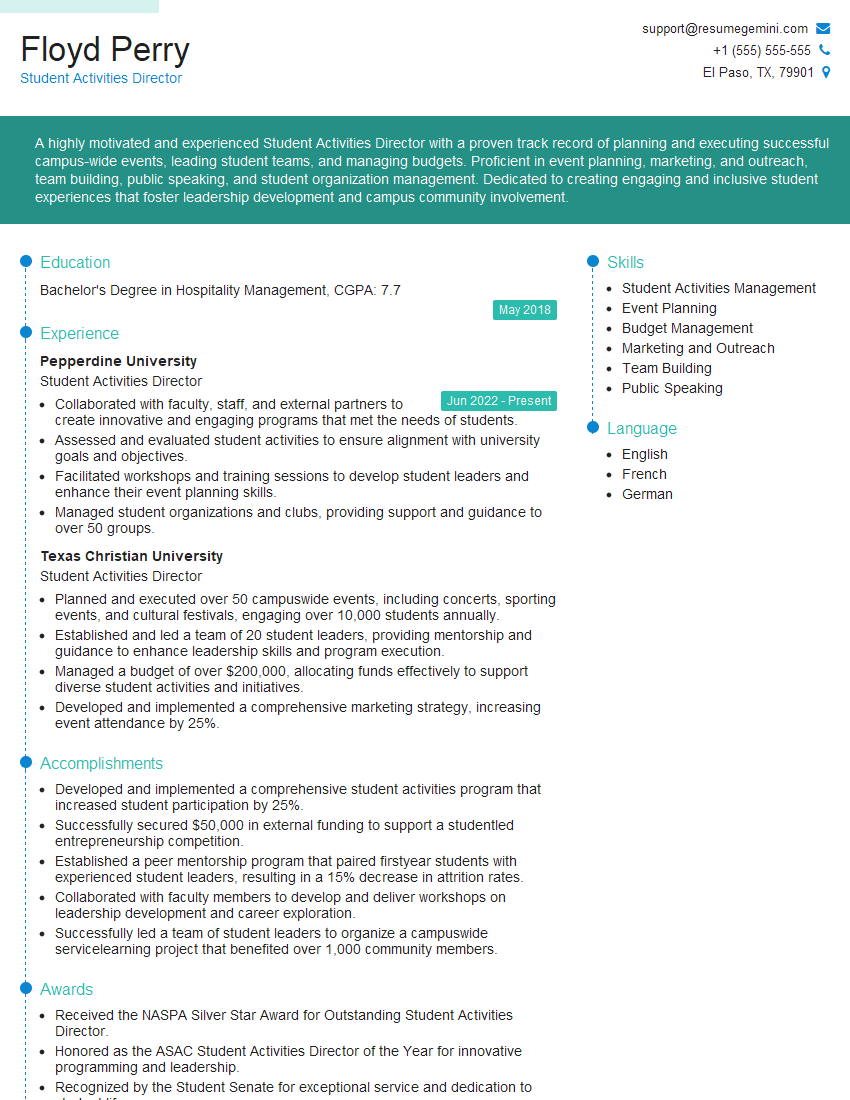
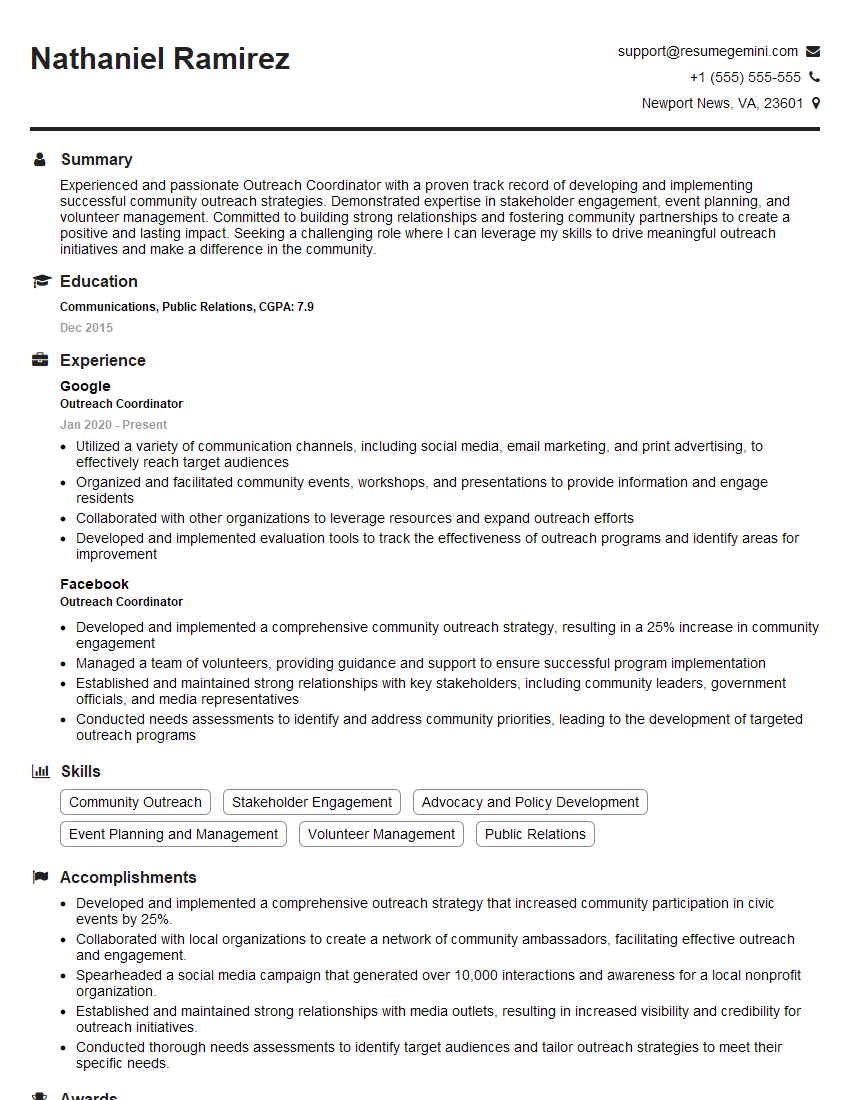
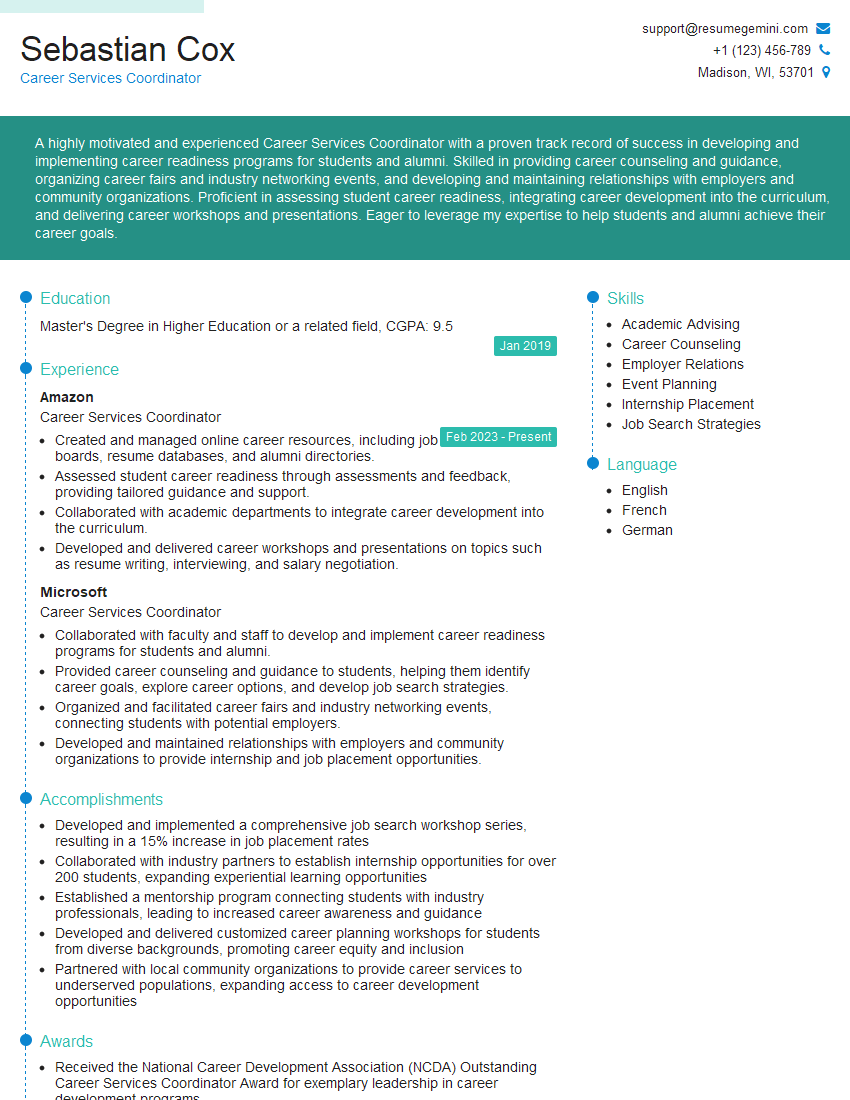
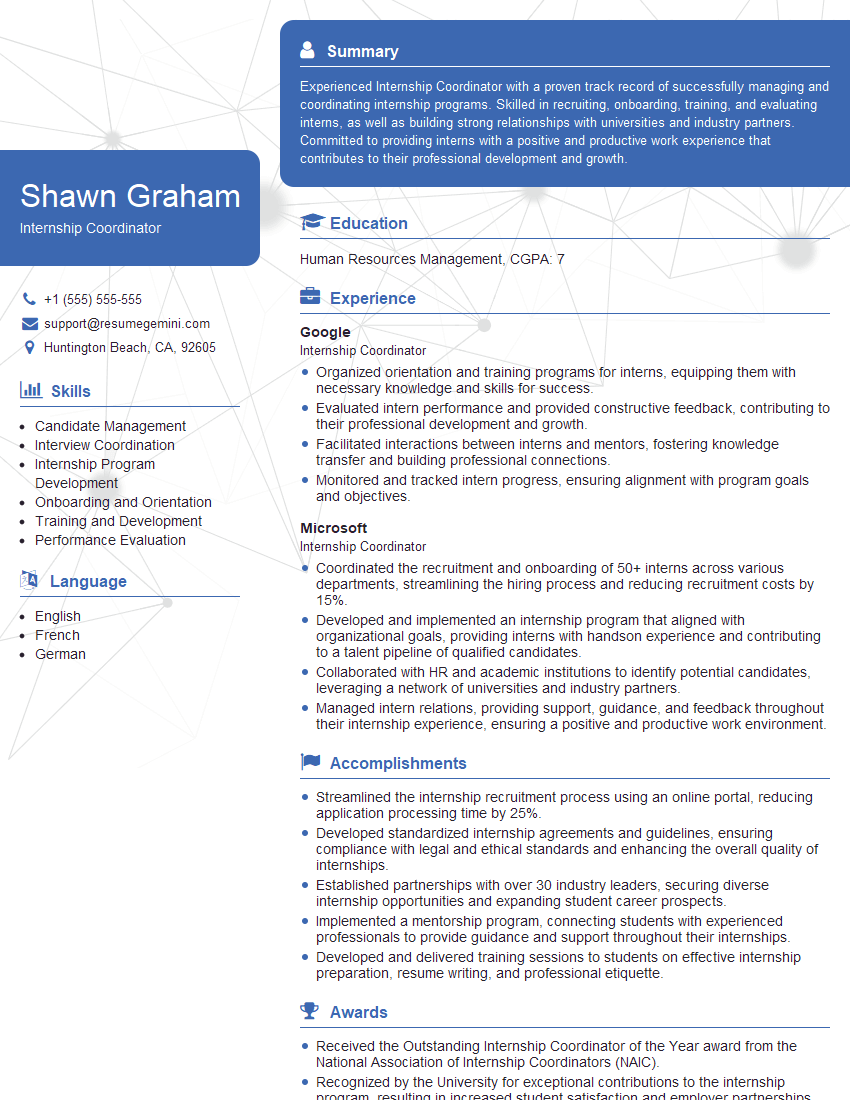
Mastering campus engagement skills opens doors to diverse and rewarding career paths in higher education, student affairs, and beyond. These skills are highly valued by employers across various sectors. To significantly increase your job prospects, invest time in crafting an ATS-friendly resume that showcases your achievements and aligns perfectly with the requirements of your target roles. ResumeGemini is a trusted resource to help you build a professional and impactful resume. We provide examples of resumes tailored to Campus Engagement to guide you through the process. Take advantage of these resources and elevate your job search!
Explore more articles
Users Rating of Our Blogs
Share Your Experience
We value your feedback! Please rate our content and share your thoughts (optional).
What Readers Say About Our Blog
To the interviewgemini.com Webmaster.
Very helpful and content specific questions to help prepare me for my interview!
Thank you
To the interviewgemini.com Webmaster.
This was kind of a unique content I found around the specialized skills. Very helpful questions and good detailed answers.
Very Helpful blog, thank you Interviewgemini team.