Cracking a skill-specific interview, like one for Cardiac Rehabilitation Planning, requires understanding the nuances of the role. In this blog, we present the questions you’re most likely to encounter, along with insights into how to answer them effectively. Let’s ensure you’re ready to make a strong impression.
Questions Asked in Cardiac Rehabilitation Planning Interview
Q 1. Describe the phases of cardiac rehabilitation.
Cardiac rehabilitation is typically divided into three phases, each focusing on different recovery goals and intensities. Think of it like climbing a mountain: Phase I is establishing a base camp, Phase II is ascending, and Phase III is reaching the summit and maintaining your fitness.
- Phase I: Inpatient Rehabilitation (Hospital-based): This phase begins in the hospital after a cardiac event, such as a heart attack or surgery. The focus is on immediate stabilization, monitoring vital signs, early mobilization (getting patients out of bed and moving), patient education about their condition, medication, and lifestyle changes. For example, a patient post-heart surgery might start with simple range-of-motion exercises in bed and progress to short walks within the hospital.
- Phase II: Outpatient Rehabilitation (Supervised): This phase typically starts a few weeks after discharge and takes place in a specialized cardiac rehabilitation center. It involves a more structured exercise program, patient education sessions covering risk factor modification (diet, smoking cessation, stress management), and ongoing monitoring of vital signs. Patients might participate in supervised exercise sessions involving treadmill walking, cycling, and strength training, all carefully monitored by healthcare professionals.
- Phase III: Community-Based Rehabilitation (Maintenance): This phase focuses on long-term maintenance and focuses on integrating exercise into the patient’s daily life. It often involves home-based exercise programs, community exercise classes, and ongoing support from healthcare providers. This might involve encouraging patients to maintain a regular walking routine, participate in group fitness activities, and continue practicing healthy lifestyle choices they learned in earlier phases. It’s about sustaining the progress they’ve made and preventing future cardiac events.
Q 2. What are the key risk factors for cardiovascular disease?
Many risk factors contribute to cardiovascular disease (CVD), and they often interact with each other. Think of them as building blocks that increase the risk of a cardiac event. Some key factors include:
- High Blood Pressure (Hypertension): This puts extra strain on the heart and blood vessels.
- High Cholesterol: High levels of LDL (“bad”) cholesterol contribute to plaque buildup in arteries (atherosclerosis).
- Smoking: Damages blood vessels and increases the risk of blood clots.
- Diabetes: Damages blood vessels and increases the risk of heart disease and stroke.
- Obesity: Linked to high blood pressure, high cholesterol, and diabetes.
- Physical Inactivity: Lack of exercise increases risk across the board.
- Family History: A strong family history of heart disease increases risk.
- Age: Risk increases with age.
- Stress: Chronic stress can negatively impact heart health.
- Unhealthy Diet: A diet high in saturated and trans fats increases cholesterol levels.
It’s important to note that managing these risk factors is crucial in preventing and treating CVD.
Q 3. Explain the role of exercise in cardiac rehabilitation.
Exercise is a cornerstone of cardiac rehabilitation. It helps improve cardiovascular fitness, strengthen the heart muscle, and improve overall function. Imagine the heart as a muscle; just like any other muscle, it gets stronger with regular, appropriate exercise. The type and intensity of exercise are carefully tailored to the individual patient’s condition and capabilities.
- Improved Cardiac Function: Exercise increases the heart’s efficiency, allowing it to pump more blood with less effort.
- Increased Exercise Tolerance: Patients gradually increase their ability to perform physical activities without experiencing chest pain or shortness of breath.
- Improved Blood Lipid Profile: Exercise can help lower LDL cholesterol and raise HDL (“good”) cholesterol.
- Weight Management: Exercise helps burn calories and maintain a healthy weight.
- Improved Blood Sugar Control: Exercise improves insulin sensitivity, beneficial for patients with diabetes.
- Improved Mental Well-being: Exercise releases endorphins, which have mood-boosting effects.
The exercise program is progressively increased in intensity and duration as the patient progresses through rehabilitation phases. It’s vital to monitor patients closely to ensure they exercise within safe limits.
Q 4. How do you monitor patients’ progress during cardiac rehabilitation?
Monitoring patient progress is crucial in cardiac rehabilitation. It involves a multi-faceted approach combining objective and subjective data. Think of it like navigating with a map and compass: you need both to reach your destination safely.
- Continuous Monitoring during Exercise: Heart rate, blood pressure, and oxygen saturation are continuously monitored during exercise sessions to ensure they remain within safe limits. Electrocardiograms (ECGs) may also be used to detect any abnormalities in heart rhythm.
- Graded Exercise Testing (GXT): Periodic GXTs assess the patient’s functional capacity and guide adjustments to the exercise program. This is a standardized test that progressively increases the intensity of exercise until the patient reaches their limit.
- Symptom Monitoring: Patients are taught to recognize and report any symptoms like chest pain, shortness of breath, or dizziness during and after exercise.
- Regular Assessments: Regular assessments evaluate changes in strength, endurance, and functional capacity. This involves questionnaires, functional tests, and discussions about daily activity levels.
- Laboratory Tests: Blood tests (e.g., lipid profile, blood glucose) may be used to monitor the effects of the rehabilitation program on key metabolic parameters.
Data gathered from these monitoring methods helps us to adjust the exercise program, address any complications, and ensure patient safety and optimal progress.
Q 5. What are the common complications associated with cardiac rehabilitation?
While cardiac rehabilitation is generally safe, some complications can occur. It’s important to be vigilant and address any issues promptly.
- Angina (Chest Pain): This is a common complication, usually indicating that the heart isn’t receiving enough oxygen. If angina occurs, exercise intensity should be reduced or stopped.
- Arrhythmias (Irregular Heartbeats): Cardiac rehabilitation may sometimes trigger irregular heartbeats. Continuous monitoring helps to detect and manage these.
- Hypotension (Low Blood Pressure): Excessive blood pressure drop during or after exercise can lead to dizziness or fainting. Careful monitoring and adjustments to the exercise program are necessary.
- Myocardial Infarction (Heart Attack): Although rare, this is a serious complication. Immediate medical attention is required.
- Orthopedic Injuries: Muscle strains, sprains, or joint pain may occur due to overuse or improper exercise technique. Proper exercise form and gradual progression are key to prevention.
A well-structured and carefully monitored cardiac rehabilitation program minimizes these risks.
Q 6. What are the contraindications for cardiac rehabilitation exercise?
Several contraindications exist for cardiac rehabilitation exercise, and it’s crucial to identify these before initiating any program. These contraindications are usually temporary, and the exercise program can be resumed once the condition is resolved.
- Unstable Angina: Chest pain at rest or with minimal exertion indicates instability and warrants delaying exercise.
- Uncontrolled Hypertension: Severely high blood pressure needs to be controlled before starting exercise.
- Severe Arrhythmias: Uncontrolled irregular heartbeats can be dangerous during exercise.
- Severe Aortic Stenosis: This heart valve condition can be exacerbated by exercise.
- Acute Myocarditis or Pericarditis: Inflammation of the heart muscle or pericardium requires rest before starting exercise.
- Uncontrolled Heart Failure: Exercise is contraindicated until symptoms are managed.
- Recent Myocardial Infarction (Within days): Early post-MI, the heart requires rest before starting any rehabilitation program.
Careful assessment by a physician is crucial in determining the suitability of a patient for cardiac rehabilitation and adjusting the program according to their specific condition.
Q 7. How do you adapt exercise programs for patients with different cardiac conditions?
Exercise programs must be individualized to match a patient’s specific cardiac condition and functional capacity. It’s not a one-size-fits-all approach. Think of it like tailoring a suit: different body types require different cuts and adjustments.
- Post-Myocardial Infarction (MI): The program starts slowly, focusing on low-intensity activities and gradually increasing intensity and duration as the patient’s capacity improves. Careful monitoring for angina is essential.
- Post-Coronary Artery Bypass Graft (CABG): Early mobilization is crucial to prevent complications. The program progresses based on the patient’s surgical recovery and wound healing.
- Heart Failure: Exercise programs are designed to improve the patient’s cardiac output and reduce fluid retention. Activities might be interspersed with rest periods to prevent excessive strain.
- Valvular Heart Disease: The exercise program is tailored to the specific valve condition, focusing on activities that don’t unduly stress the affected valve.
- Arrhythmias: The exercise program might need modifications to avoid triggering arrhythmias. This often involves avoiding strenuous activities and closely monitoring heart rhythm during exercise.
Physicians and cardiac rehabilitation specialists work together to design personalized programs considering the patient’s medical history, current condition, functional capacity, and individual preferences. Regular reassessments and adjustments ensure the program remains safe and effective throughout rehabilitation.
Q 8. Explain the importance of patient education in cardiac rehabilitation.
Patient education is the cornerstone of successful cardiac rehabilitation. It empowers individuals to take control of their heart health, fostering long-term behavior changes crucial for preventing future cardiac events. Without proper understanding of their condition, risk factors, and prescribed lifestyle modifications, patients are less likely to adhere to the program and achieve optimal outcomes.
For example, we explain the importance of medication adherence, using visual aids and simple language to clarify the purpose and potential side effects of each drug. We also provide detailed instructions on proper diet, emphasizing portion control and the incorporation of heart-healthy foods. Understanding the link between diet and heart health is vital, and we use interactive sessions and recipes to make it engaging and practical. Similarly, we detail the benefits and techniques of regular exercise, emphasizing the gradual progression and the importance of listening to their bodies. We might use real-life examples of patients who initially struggled but achieved significant improvements through consistent effort.
Q 9. Describe your experience with different types of exercise modalities used in cardiac rehabilitation.
My experience encompasses a wide range of exercise modalities tailored to individual patient needs and capabilities. We begin with a thorough assessment of the patient’s current fitness level and any limitations. This informs our choice of exercises.
- Supervised Treadmill/Cycle Ergometry: This is a mainstay, allowing us to monitor heart rate, blood pressure, and ECG throughout exercise. We gradually increase intensity and duration based on the patient’s response.
- Resistance Training: We use light weights and resistance bands to improve muscle strength and endurance, crucial for daily activities. We emphasize proper form to prevent injury.
- Aquatic Therapy: The buoyancy of water makes exercise gentler on joints, suitable for patients with arthritis or other mobility limitations. It provides a low-impact, cardiovascular workout.
- Home-Based Exercise Programs: We create personalized programs that patients can follow at home, promoting long-term adherence. We provide clear instructions and encourage regular check-ins.
For instance, a patient recovering from a heart attack might start with short sessions of walking on a treadmill, gradually increasing the duration and intensity. Someone with limited mobility might benefit more from aquatic therapy and resistance band exercises.
Q 10. How do you handle patient non-compliance during cardiac rehabilitation?
Non-compliance is a significant challenge. We address it through a multi-faceted approach prioritizing open communication and understanding the underlying reasons for non-adherence.
- Identifying Barriers: We conduct thorough interviews to understand any physical, social, economic, or psychological obstacles preventing program participation. Are there transportation issues? Financial constraints? Lack of support at home?
- Personalized Strategies: We tailor interventions based on the identified barriers. This might involve arranging transportation, connecting patients with community resources, or adjusting the exercise regimen to be more feasible.
- Behavioral Modification Techniques: We might employ goal-setting, reward systems, and motivational interviewing to encourage sustained engagement. Setting achievable, short-term goals can boost confidence and adherence.
- Collaboration with Family/Caregivers: Involving family members or caregivers increases support and accountability. We educate them on the importance of the program and how they can help.
For example, if a patient struggles with fatigue, we might adjust the exercise program to include more rest periods or shorter sessions. If transportation is a barrier, we explore options like telehealth or home-based visits.
Q 11. What are the key elements of a comprehensive cardiac rehabilitation plan?
A comprehensive cardiac rehabilitation plan is multi-dimensional, encompassing exercise training, education, risk factor modification, and psychosocial support.
- Exercise Prescription: Tailored exercise program designed to gradually increase cardiovascular fitness and strength.
- Patient and Family Education: Covers medication management, diet, stress management, and disease understanding.
- Risk Factor Modification: Strategies to manage hypertension, hyperlipidemia, smoking cessation, and weight management.
- Psychosocial Support: Addressing anxiety, depression, and fear related to cardiac events through counseling and support groups.
- Disease Management: Ongoing monitoring of the patient’s progress, including regular assessments of vital signs and cardiac function.
- Discharge Planning: Developing a plan for continued healthy behaviors after program completion, including home exercise programs and follow-up appointments.
Each component is carefully integrated and adjusted based on the individual patient’s progress and needs. We use a team-based approach ensuring holistic care.
Q 12. How do you assess patient readiness for discharge from cardiac rehabilitation?
Assessing readiness for discharge requires a comprehensive evaluation of the patient’s physical, psychological, and social status. It’s not just about completing a set number of sessions but about demonstrating sustained behavioral changes and achieving a level of independence that ensures safe transition to home.
- Physical Capacity: Ability to perform activities of daily living without significant limitations. We evaluate exercise tolerance, functional capacity tests, and vital sign stability.
- Risk Factor Management: Demonstrated ability to manage modifiable risk factors such as diet, exercise, and medication adherence.
- Psychological Well-being: Improved mood, reduced anxiety and depression, and effective coping mechanisms for stress.
- Social Support System: Presence of a strong support network at home that can assist with adherence to recommendations.
- Understanding of Self-Care: Comprehensive knowledge of their condition, medication regimen, and warning signs requiring immediate medical attention.
We might use standardized questionnaires to assess adherence and knowledge. A patient might be deemed ready for discharge if they can independently manage their medications, follow their exercise program, and recognize signs of cardiac distress.
Q 13. Explain the role of interdisciplinary collaboration in cardiac rehabilitation.
Interdisciplinary collaboration is essential for optimal patient outcomes. Cardiac rehabilitation requires the expertise of various healthcare professionals working together seamlessly.
- Physicians (Cardiologists): Provide medical oversight, prescribe medications, and interpret diagnostic tests.
- Nurses: Monitor vital signs, educate patients on medication and self-care, and provide emotional support.
- Exercise Physiologists: Design and supervise exercise programs, monitor progress, and provide individualized instruction.
- Dieticians: Educate patients on healthy eating habits and create personalized meal plans.
- Psychologists/Social Workers: Address psychological and social factors influencing recovery, providing counseling and support.
Regular team meetings allow us to share updates on patient progress, address any challenges, and adjust the rehabilitation plan as needed. For example, a psychologist might collaborate with an exercise physiologist to address a patient’s anxiety about exercising, ensuring a gradual and supportive approach.
Q 14. What are the latest advancements in cardiac rehabilitation techniques and technologies?
Cardiac rehabilitation is constantly evolving. Several advancements are transforming the field:
- Telehealth: Remote monitoring and exercise guidance through wearable sensors and virtual consultations expand access to care for patients in remote areas or with mobility limitations.
- Artificial Intelligence (AI): AI algorithms are being developed to personalize exercise prescription, predict cardiac events, and optimize patient adherence to treatment plans.
- Virtual Reality (VR): Immersive VR technology can enhance engagement in exercise sessions, making them more motivating and enjoyable.
- Wearable Sensors: Continuous monitoring of heart rate, activity levels, and sleep patterns provides valuable data for personalized interventions and timely detection of potential problems.
These advancements promise to increase the effectiveness and accessibility of cardiac rehabilitation, ultimately improving patient outcomes and quality of life. For example, a patient might use a wearable sensor that automatically tracks their daily activity levels and transmits this data to their healthcare team, allowing for prompt intervention if activity levels drop significantly.
Q 15. How do you maintain accurate and up-to-date patient records in cardiac rehabilitation?
Maintaining accurate and up-to-date patient records is paramount in cardiac rehabilitation. It ensures continuity of care, facilitates informed decision-making, and allows for effective tracking of patient progress. We utilize a multi-faceted approach.
- Structured Data Entry: We employ electronic health record (EHR) systems with pre-defined fields for vital signs, exercise data, medication lists, and subjective assessments. This minimizes errors and ensures consistency.
- Regular Data Verification: Each patient’s data is reviewed regularly by a team, including nurses, physiotherapists, and physicians. This helps identify any discrepancies or missing information promptly.
- Secure Data Storage: All patient records are stored securely, complying with HIPAA regulations and internal security protocols. Access is strictly controlled based on role and need-to-know basis.
- Patient Input: We encourage patients to actively participate in record keeping by confirming information and providing feedback. This ensures accuracy and patient engagement.
- Regular Audits: We conduct internal audits to check for compliance with documentation standards and accuracy. This ongoing monitoring is crucial for maintaining data integrity.
For instance, if a patient reports chest pain during an exercise session, this is immediately documented, along with the response taken and any changes made to the exercise plan. This detailed record allows for appropriate follow-up and modification of the rehabilitation plan.
Career Expert Tips:
- Ace those interviews! Prepare effectively by reviewing the Top 50 Most Common Interview Questions on ResumeGemini.
- Navigate your job search with confidence! Explore a wide range of Career Tips on ResumeGemini. Learn about common challenges and recommendations to overcome them.
- Craft the perfect resume! Master the Art of Resume Writing with ResumeGemini’s guide. Showcase your unique qualifications and achievements effectively.
- Don’t miss out on holiday savings! Build your dream resume with ResumeGemini’s ATS optimized templates.
Q 16. Describe your experience with developing and implementing cardiac rehabilitation protocols.
Developing and implementing cardiac rehabilitation protocols requires a meticulous approach, integrating evidence-based practice with the individual needs of the patient.
- Needs Assessment: The process begins with a comprehensive assessment of the patient’s medical history, current health status, and functional capacity. This involves reviewing medical records, conducting physical examinations, and assessing the patient’s lifestyle and preferences.
- Goal Setting: We collaborate with the patient to establish realistic, measurable, achievable, relevant, and time-bound (SMART) goals. These goals focus on improving cardiovascular fitness, managing risk factors, and enhancing quality of life.
- Protocol Design: Based on the assessment and goals, we design a personalized rehabilitation plan that includes supervised exercise programs, patient education, and lifestyle modifications. This protocol is individualized, considering co-morbidities and any limitations.
- Implementation and Monitoring: The protocol is implemented with close monitoring of the patient’s response. Regular assessments, including exercise tolerance tests and review of vital signs, are crucial in adjusting the plan as needed.
- Evaluation and Adjustment: The effectiveness of the protocol is continuously evaluated, and the plan is adjusted based on the patient’s progress and any unforeseen challenges. This iterative process ensures optimal outcomes.
For example, a patient recovering from a myocardial infarction might initially start with low-intensity aerobic exercises, gradually increasing the intensity and duration as tolerated. Their progress is carefully monitored through EKG, blood pressure monitoring, and regular subjective feedback. If they exhibit any adverse effects, the protocol is immediately modified to ensure patient safety.
Q 17. How do you ensure the safety of patients during cardiac rehabilitation exercises?
Patient safety is our top priority during cardiac rehabilitation exercises. We utilize several strategies to mitigate risks:
- Pre-Exercise Screening: A thorough pre-exercise screening is conducted to identify any potential risks or contraindications to exercise. This includes reviewing medical history, obtaining baseline vital signs, and performing an electrocardiogram (ECG) where necessary.
- Supervised Exercise Sessions: All exercise sessions are supervised by qualified healthcare professionals such as exercise physiologists or nurses trained in cardiac rehabilitation. This ensures immediate response to any adverse events.
- Continuous Monitoring: Patients are continuously monitored for vital signs (heart rate, blood pressure, oxygen saturation) during exercise sessions. ECG monitoring is used in certain cases, especially for high-risk individuals.
- Emergency Preparedness: We have established emergency protocols and ensure readily available access to emergency medical services (EMS) and defibrillators. Staff are trained in CPR and emergency response procedures.
- Gradual Progression: Exercises are introduced gradually, starting with low-intensity activities and progressively increasing the intensity and duration based on the patient’s tolerance and response. This minimizes the risk of complications.
- Patient Education: Patients are educated on recognizing symptoms of cardiac complications (e.g., chest pain, shortness of breath, dizziness) and the importance of reporting them immediately.
For instance, if a patient’s blood pressure rises excessively during exercise, the session will be stopped immediately, and the patient’s condition will be assessed. If needed, medical assistance will be sought.
Q 18. How do you address patient concerns and anxieties regarding cardiac rehabilitation?
Addressing patient concerns and anxieties is an integral part of successful cardiac rehabilitation. Many patients experience fear, uncertainty, and apprehension after a cardiac event. We use a compassionate and empathetic approach to foster trust and encourage participation.
- Open Communication: We create a safe space for patients to openly express their concerns and anxieties without judgment. We actively listen, validate their feelings, and answer their questions thoroughly.
- Patient Education: Providing comprehensive education about their condition, the benefits of rehabilitation, and the safety measures in place is crucial in reducing anxiety. We use clear, simple language, avoiding medical jargon.
- Individualized Approach: Recognizing that each patient’s experience is unique, we adapt our communication style and approach to suit their individual needs and personality.
- Psycho-educational Support: For patients with significant anxiety, we may offer psychological support or refer them to mental health professionals specialized in cardiac rehabilitation.
- Positive Reinforcement: We emphasize the positive progress patients make, celebrating their achievements and encouraging them to stay motivated.
- Support Groups: Connecting patients with others undergoing similar experiences can be incredibly valuable, providing a sense of community and shared understanding.
For example, if a patient expresses fear of exertion, we might start with very low-intensity activities and gradually increase the intensity, providing continuous reassurance and monitoring. We may also involve family members in the education and support process.
Q 19. Describe your experience with utilizing electronic health records (EHRs) in cardiac rehabilitation.
Electronic health records (EHRs) are indispensable in modern cardiac rehabilitation. They significantly improve efficiency, communication, and data management.
- Data Integration: EHRs allow for seamless integration of patient data from various sources, including hospital records, physician notes, and laboratory results. This provides a holistic view of the patient’s health status.
- Progress Tracking: EHRs facilitate accurate and efficient tracking of patient progress, including exercise tolerance, vital signs, and medication adherence. This data can be easily visualized using graphs and charts, providing clear insights into the patient’s response to rehabilitation.
- Improved Communication: EHRs enhance communication among the healthcare team, ensuring that everyone has access to the most up-to-date information about the patient. This improves coordination of care and reduces the risk of errors.
- Streamlined Documentation: EHRs simplify documentation processes, reducing administrative burden on the healthcare team. This allows for more time to be spent providing direct patient care.
- Data Analysis and Reporting: EHRs enable the analysis of large datasets to track outcomes, evaluate the effectiveness of different rehabilitation programs, and identify areas for improvement.
For example, using EHRs, we can easily generate reports on patient outcomes, such as changes in exercise capacity, reduction in risk factors, and improvements in quality of life. This data is crucial for evaluating the effectiveness of our programs and making data-driven improvements.
Q 20. How do you manage patients with co-morbidities in cardiac rehabilitation?
Managing patients with co-morbidities in cardiac rehabilitation requires a tailored approach. Co-morbidities, or the presence of multiple diseases or conditions, can significantly influence the rehabilitation plan.
- Comprehensive Assessment: A thorough assessment of all co-morbidities is crucial. This involves reviewing medical records, consulting with other specialists (e.g., pulmonologist, diabetologist), and considering the patient’s overall functional status.
- Individualized Program Design: The rehabilitation plan must be tailored to address the specific needs and limitations imposed by each co-morbidity. For example, a patient with diabetes might require modifications to their diet and exercise plan, while a patient with chronic obstructive pulmonary disease (COPD) might benefit from specialized breathing exercises.
- Collaboration: Close collaboration with other healthcare professionals is essential to ensure coordinated care and prevent adverse interactions between medications or treatment plans.
- Close Monitoring: Patients with co-morbidities often require closer monitoring of vital signs and other parameters to detect any adverse effects of the rehabilitation program promptly.
- Risk Stratification: Patients are carefully risk-stratified based on the severity of their co-morbidities to ensure appropriate levels of supervision and exercise intensity.
For example, a patient with both heart failure and diabetes might benefit from a carefully paced exercise program that balances the need to improve cardiovascular fitness with the management of blood sugar levels. The program would include regular blood glucose monitoring and appropriate dietary adjustments.
Q 21. Explain your understanding of evidence-based practice in cardiac rehabilitation.
Evidence-based practice (EBP) in cardiac rehabilitation means integrating the best available research evidence with clinical expertise and patient values to guide decision-making. It ensures that we provide the most effective and safe care.
- Systematic Reviews and Meta-analyses: We regularly consult peer-reviewed research, focusing on systematic reviews and meta-analyses which synthesize findings from multiple studies. This helps us identify the most robust evidence supporting different rehabilitation approaches.
- Clinical Guidelines: We adhere to established clinical guidelines from organizations such as the American Heart Association and the American College of Cardiology. These guidelines provide evidence-based recommendations for various aspects of cardiac rehabilitation.
- Critical Appraisal of Research: We critically appraise research studies to evaluate their methodology, validity, and applicability to our patient population. We don’t blindly accept all research findings; rather, we focus on high-quality studies.
- Individualized Approach: While evidence-based practice guides our approach, we recognize the importance of individualizing the rehabilitation plan based on the specific characteristics and needs of each patient. The patient’s preferences and values must be considered.
- Continuous Learning: We actively participate in continuing education activities to stay current with the latest research findings and best practices in cardiac rehabilitation.
For example, if new research demonstrates the effectiveness of a particular type of exercise for improving a specific aspect of cardiac recovery, we would incorporate this finding into our protocols, provided the research is robust and applicable to our patient population. We continuously seek to improve our approaches based on the latest scientific evidence.
Q 22. How do you measure the effectiveness of cardiac rehabilitation programs?
Measuring the effectiveness of cardiac rehabilitation (CR) programs involves a multi-faceted approach, going beyond simple attendance rates. We assess effectiveness by tracking improvements across several key areas using both quantitative and qualitative data.
Clinical Outcomes: This is paramount. We measure changes in key physiological parameters such as resting heart rate, blood pressure, exercise capacity (measured by peak oxygen uptake or METs – metabolic equivalents), and cholesterol levels. Improvements in these indicators demonstrate the program’s impact on cardiovascular health. For example, a significant reduction in resting heart rate and an increase in exercise tolerance (e.g., being able to walk for a longer duration on a treadmill test) would signify positive outcomes.
Functional Capacity: We evaluate patients’ ability to perform daily activities. Questionnaires like the Six-Minute Walk Test and self-reported measures assess improvements in activities of daily living (ADLs), such as climbing stairs or carrying groceries. For instance, a patient previously unable to walk a block might now be able to walk several blocks comfortably.
Quality of Life: Patient-reported outcome measures (PROMs) such as the Kansas City Cardiomyopathy Questionnaire (KCCQ) or the Seattle Angina Questionnaire (SAQ) assess improvements in physical, emotional, and social well-being. These questionnaires provide valuable insight into the patient’s perception of their health status and the program’s impact on their overall quality of life.
Risk Factor Modification: We monitor changes in modifiable risk factors like smoking cessation rates, weight management success, and improvements in dietary habits. For instance, a successful smoking cessation program within the CR framework would be a significant indicator of effectiveness.
Readmission Rates: Lower readmission rates to the hospital for cardiac events post-rehabilitation demonstrate the program’s success in reducing the risk of future complications. This is a crucial long-term outcome indicator.
Ultimately, a comprehensive evaluation combines these data points to paint a complete picture of the program’s efficacy. We regularly analyze this data to refine our program and ensure we are delivering the best possible outcomes for our patients.
Q 23. What are the common psychological challenges faced by patients undergoing cardiac rehabilitation?
Cardiac rehabilitation patients often face significant psychological challenges. The experience of a life-threatening event, coupled with lifestyle changes and the prospect of ongoing health management, can be emotionally taxing.
Anxiety and Depression: Fear of recurrence, uncertainty about the future, and the adjustment to physical limitations can lead to significant anxiety and depression. This is particularly true in the initial stages of recovery.
Denial and Resistance: Some patients might resist lifestyle changes, denying the severity of their condition or the need for sustained effort in rehabilitation. This can hinder progress.
Low Self-Esteem and Body Image Issues: Physical limitations and changes in body image can impact self-esteem and body image, leading to feelings of inadequacy and social isolation.
Anger and Frustration: Dealing with the disruption to daily life, restrictions on activities, and the need for ongoing care can cause anger and frustration.
Understanding these challenges is crucial. We address them through a multidisciplinary approach, including psychological support (counseling, support groups), educational sessions on stress management and coping techniques, and fostering a supportive environment within the rehabilitation program. Building a strong therapeutic alliance between the patient and the rehabilitation team is vital in overcoming these emotional barriers.
Q 24. How do you address patient needs related to nutrition and diet in cardiac rehabilitation?
Nutrition plays a pivotal role in cardiac health and recovery. Our approach to dietary management in cardiac rehabilitation is personalized and collaborative, involving registered dietitians.
Individualized Dietary Plans: We assess each patient’s current diet, medical history, and preferences to create personalized dietary plans. These plans typically focus on reducing saturated and trans fats, cholesterol, and sodium intake, while increasing the consumption of fruits, vegetables, and whole grains. For example, we might guide a patient to swap red meat for lean protein sources or replace processed snacks with healthier options.
Weight Management: For patients who are overweight or obese, we incorporate strategies for healthy weight loss, including portion control, regular exercise, and behavior modification techniques. We emphasize gradual, sustainable changes rather than drastic measures.
Sodium Restriction: Sodium restriction is crucial for managing blood pressure, and our dietitians educate patients about hidden sources of sodium in processed foods and provide guidance on low-sodium cooking techniques.
Healthy Cooking Classes and Education: We offer cooking classes and educational sessions on healthy meal preparation and grocery shopping. This practical, hands-on approach empowers patients to make sustainable dietary changes.
Monitoring and Support: Regular monitoring of dietary intake and providing ongoing support and encouragement are essential for success. We often use tools like food diaries and regular check-ins to track progress and address any challenges.
We aim to equip patients with the knowledge and skills necessary to adopt long-term healthy eating habits, significantly improving their cardiac health and quality of life.
Q 25. What are the legal and ethical considerations in cardiac rehabilitation?
Legal and ethical considerations in cardiac rehabilitation are paramount. We adhere strictly to regulations and ethical guidelines to ensure patient safety, privacy, and well-being.
Informed Consent: Patients must provide informed consent before participating in the program. This involves clear explanations of the program’s goals, procedures, risks, and benefits.
Confidentiality: Patient information is strictly confidential, adhering to HIPAA regulations (in the US) or equivalent data protection laws. This includes protecting electronic health records and maintaining patient privacy during group sessions.
Competence and Qualification: All staff involved in cardiac rehabilitation must be appropriately qualified and trained. This ensures the delivery of safe and effective care.
Risk Management: Protocols are in place to manage potential risks, including emergency procedures for situations like chest pain or other complications during exercise. Regular safety checks and equipment maintenance are crucial.
Equity and Access: We strive to provide equitable access to cardiac rehabilitation services, regardless of socioeconomic status, race, or other factors. We address barriers to access, such as transportation or financial constraints.
Professional Boundaries: Maintaining clear professional boundaries between healthcare providers and patients is vital, preventing any potential conflicts of interest or exploitation.
Regular review of our policies and procedures ensures that we continuously meet these legal and ethical standards, promoting a safe and trustworthy environment for our patients.
Q 26. Describe your experience with data analysis and reporting in cardiac rehabilitation.
Data analysis and reporting are integral to the success of our cardiac rehabilitation program. We use various tools and techniques to collect, analyze, and interpret data to track outcomes, identify areas for improvement, and demonstrate program effectiveness.
Data Collection: We employ electronic health records (EHRs) to collect comprehensive data on patient demographics, medical history, exercise capacity, risk factors, and patient-reported outcomes.
Data Analysis: We utilize statistical software (e.g., SPSS, R) to analyze data trends and patterns. This might involve calculating mean values, standard deviations, comparing pre- and post-intervention outcomes, and evaluating correlations between variables. For example, we might analyze the correlation between adherence to the exercise program and improvements in exercise capacity.
Reporting: We produce regular reports for stakeholders, including summaries of program performance indicators, patient outcomes, and trends. These reports are used for internal quality improvement and external accountability, such as demonstrating program effectiveness to funding agencies.
Data Visualization: We use charts, graphs, and tables to visually represent data, making it easier to understand and interpret complex information. This enhances communication with both healthcare professionals and patients.
My experience in data analysis and reporting has allowed me to contribute to evidence-based practice, ensuring that our cardiac rehabilitation program is continuously refined and optimized to achieve the best possible patient outcomes.
Q 27. How would you handle a situation where a patient experiences chest pain during exercise?
Chest pain during exercise is a serious event requiring immediate attention. Our protocol is designed to ensure patient safety and prompt medical intervention.
Immediate Stoppage of Exercise: The first step is to immediately stop the exercise activity. The patient should be assisted to sit or lie down in a comfortable position.
Assessment and Monitoring: Vital signs (heart rate, blood pressure, oxygen saturation) are immediately monitored and recorded. We assess the nature and severity of the chest pain, noting its location, radiation, and any associated symptoms (e.g., shortness of breath, nausea).
Emergency Response: Depending on the severity of the situation, our protocol dictates contacting emergency medical services (EMS) or the on-site physician. Oxygen may be administered if necessary.
ECG (if available): An electrocardiogram (ECG) may be performed to evaluate the heart rhythm and identify any abnormalities.
Medication: Based on the assessment and physician’s orders, appropriate medications (e.g., nitroglycerin) might be administered.
Documentation: A complete record of the event, including the patient’s symptoms, interventions, and response to treatment, is meticulously documented in the patient’s chart.
Follow-up: Following the incident, a thorough follow-up is crucial, including a review of the event with the patient’s physician and adjustments to the rehabilitation program as needed.
Our team is trained in CPR and basic life support, ensuring a prompt and coordinated response to such emergencies.
Q 28. What are your strategies for promoting long-term adherence to cardiac rehabilitation recommendations?
Promoting long-term adherence to cardiac rehabilitation recommendations is crucial for sustained improvement in cardiovascular health and quality of life. Our strategies focus on building patient motivation and providing ongoing support.
Patient-Centered Approach: The program is designed to meet individual needs and preferences, making it relevant and engaging for each patient. We involve patients in setting realistic goals and tailoring the program to their lifestyles.
Goal Setting and Behavior Modification Techniques: We employ techniques such as SMART goal setting (Specific, Measurable, Achievable, Relevant, Time-bound) and behavior modification strategies to help patients establish healthy habits and maintain them over the long term.
Social Support and Group Dynamics: Group-based sessions foster a sense of community and provide peer support. This shared experience can be highly motivating.
Ongoing Monitoring and Support: We provide regular follow-up appointments, phone calls, or telehealth support to track progress, address challenges, and offer encouragement. This continuous support is crucial for maintaining motivation.
Education and Empowerment: We empower patients by providing education on self-management strategies, including medication management, healthy eating, and stress reduction techniques.
Home Exercise Programs: We prescribe home exercise programs to ensure patients continue their physical activity beyond the formal rehabilitation sessions.
Community Resources: We connect patients with local resources and support groups to provide ongoing assistance and community engagement. This helps foster a feeling of belonging and reduces social isolation.
By employing these strategies, we aim to support patients in making sustainable lifestyle changes that will protect their cardiac health and improve their overall quality of life for years to come.
Key Topics to Learn for Cardiac Rehabilitation Planning Interview
- Phase I Cardiac Rehabilitation: Understanding the immediate post-hospitalization phase, including patient assessment, activity limitations, and education on lifestyle modifications. Practical application: Developing a discharge plan for a patient post-myocardial infarction.
- Phase II Cardiac Rehabilitation: Designing and implementing supervised exercise programs, monitoring vital signs, and addressing patient adherence challenges. Practical application: Creating a tailored exercise prescription based on individual patient needs and limitations.
- Phase III Cardiac Rehabilitation: Transitioning patients to independent maintenance programs, promoting long-term lifestyle changes, and addressing risk factors. Practical application: Developing strategies to maintain patient engagement and adherence beyond formal rehabilitation programs.
- Risk Stratification and Patient Assessment: Accurately assessing patient risk factors, including cardiovascular disease history, comorbidities, and functional capacity. Practical application: Interpreting EKG results and exercise stress tests to guide rehabilitation program design.
- Exercise Prescription and Progression: Understanding principles of exercise physiology and their application in cardiac rehabilitation. Practical application: Safely and effectively progressing exercise intensity and duration based on patient response.
- Patient Education and Counseling: Providing clear and concise information on disease management, medication adherence, and lifestyle modifications. Practical application: Developing patient education materials and delivering effective counseling sessions.
- Interdisciplinary Collaboration: Working effectively with physicians, nurses, dieticians, and other healthcare professionals to provide holistic patient care. Practical application: Participating in multidisciplinary team meetings and contributing to comprehensive care plans.
- Data Collection and Program Evaluation: Tracking patient progress, analyzing data, and making evidence-based adjustments to the rehabilitation program. Practical application: Utilizing data to demonstrate the effectiveness of the rehabilitation program and identify areas for improvement.
Next Steps
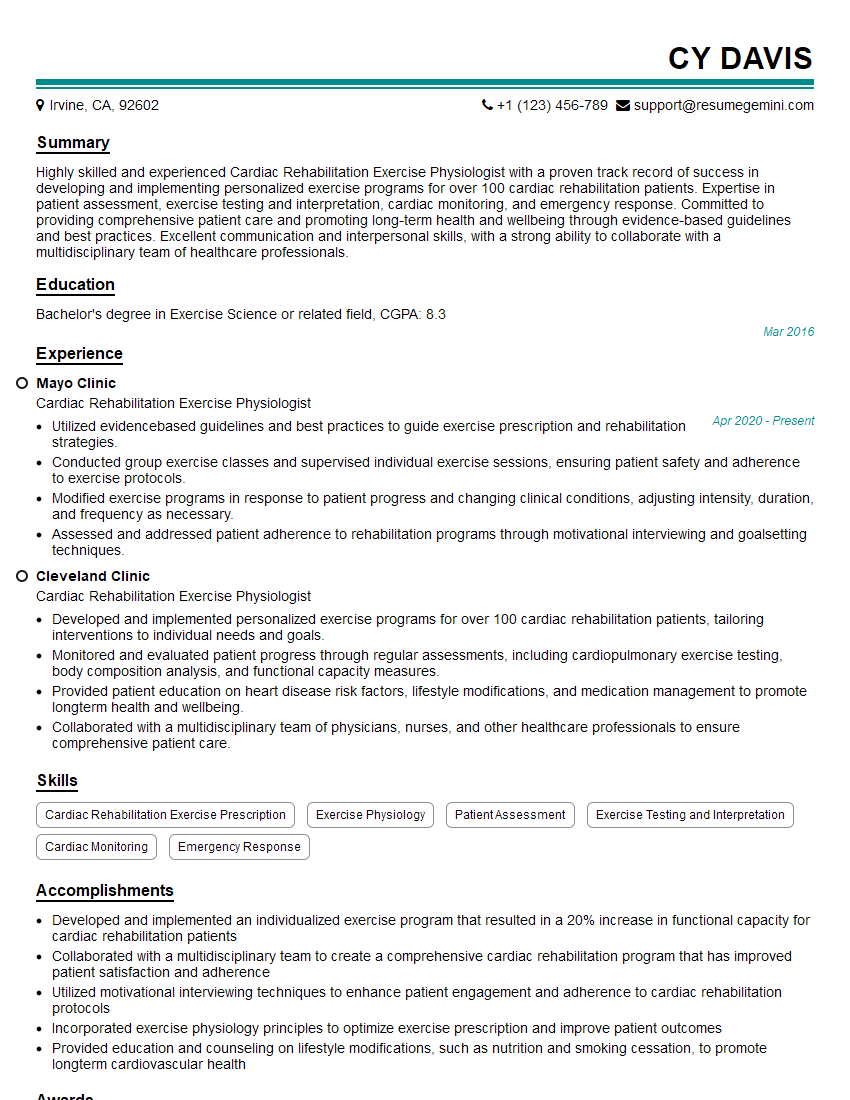
Mastering Cardiac Rehabilitation Planning is crucial for advancing your career in healthcare. A strong understanding of these principles will set you apart from other candidates and demonstrate your commitment to patient well-being. To maximize your job prospects, create an ATS-friendly resume that highlights your relevant skills and experience. ResumeGemini is a trusted resource to help you build a professional and impactful resume. Examples of resumes tailored to Cardiac Rehabilitation Planning are available to guide you.
Explore more articles
Users Rating of Our Blogs
Share Your Experience
We value your feedback! Please rate our content and share your thoughts (optional).
What Readers Say About Our Blog
To the interviewgemini.com Webmaster.
Very helpful and content specific questions to help prepare me for my interview!
Thank you
To the interviewgemini.com Webmaster.
This was kind of a unique content I found around the specialized skills. Very helpful questions and good detailed answers.
Very Helpful blog, thank you Interviewgemini team.