Every successful interview starts with knowing what to expect. In this blog, we’ll take you through the top Catalytic Converter Installation interview questions, breaking them down with expert tips to help you deliver impactful answers. Step into your next interview fully prepared and ready to succeed.
Questions Asked in Catalytic Converter Installation Interview
Q 1. What are the common causes of catalytic converter failure?
Catalytic converter failure is usually a result of gradual wear and tear or sudden damage. Common causes include:
- Age and Mileage: Over time, the catalyst material within the converter degrades, becoming less effective at converting harmful emissions. Think of it like a sponge that’s been squeezed too many times – it eventually loses its ability to absorb.
- Engine Problems: A rich fuel mixture (too much fuel, not enough air) or a malfunctioning oxygen sensor can overload the converter with unburnt hydrocarbons, leading to overheating and failure. Imagine a kitchen fire – too much fuel leads to an uncontrolled reaction.
- Overheating: This can be caused by various factors, including a faulty oxygen sensor, a clogged exhaust system (like a blocked pipe), or even driving in stop-and-go traffic. Sustained high temperatures can melt or damage the catalyst material.
- Physical Damage: Road debris, collisions, or even attempts to steal the converter (due to the precious metals inside) can result in damage to the converter’s casing or internal components. This is a case of blunt force trauma.
- Fuel Contamination: Introduction of contaminants like lead or silicone into the fuel system can poison the catalyst, rendering it ineffective. Think of it as poisoning the sponge, making it unable to function.
Q 2. Describe the process of installing a catalytic converter.
Installing a catalytic converter involves several steps:
- Vehicle Preparation: Securely raise the vehicle and support it on jack stands. Disconnect the battery’s negative terminal for safety.
- Exhaust System Disassembly: Carefully remove the old converter. This often involves disconnecting the exhaust pipes on either side of the converter and potentially removing supporting brackets. Proper tools and careful work are crucial to avoid damaging surrounding components.
- Converter Installation: Position the new catalytic converter in place, ensuring proper alignment with the exhaust pipes. Use new gaskets to ensure a leak-free seal.
- Exhaust System Reassembly: Reconnect the exhaust pipes and tighten all clamps securely. Torque wrenches should be used to avoid over-tightening and potential damage.
- System Check: Inspect for any leaks by visually checking the connections and possibly using a leak detection spray. Lower the vehicle.
- Post-Installation Inspection: Verify the proper installation and functionality. A post-installation test drive is recommended to check for any unusual noises or exhaust smells.
Remember, always refer to the vehicle’s repair manual for specific instructions and torque specifications.
Q 3. How do you identify the correct catalytic converter for a specific vehicle?
Identifying the correct catalytic converter requires careful attention to detail. Here’s how to do it:
- Vehicle Identification Number (VIN): This is the most reliable method. Provide your VIN to a parts supplier or use an online parts catalog that cross-references VINs with compatible converters.
- Year, Make, and Model: You’ll need the exact year, make, and model of your vehicle. Even minor variations in engine type can affect the converter’s specifications.
- Engine Size and Type: The engine’s displacement (e.g., 2.0L, 3.5L) and whether it’s gasoline, diesel, or hybrid are critical factors in choosing the correct converter.
- Federal or California Emissions Standards: Some vehicles must meet stricter California emissions standards. Make sure to choose a converter compliant with your vehicle’s regulations.
- Physical Inspection (Optional): You can visually inspect the old converter for any identifying numbers or markings that may aid in finding a suitable replacement.
Using an online parts catalog is usually the best approach as it filters through all these factors.
Q 4. What safety precautions are necessary when working with catalytic converters?
Working with catalytic converters requires strict adherence to safety procedures. Here are some key precautions:
- Eye Protection: Wear safety glasses to protect your eyes from debris and potential splashes of chemicals.
- Respiratory Protection: Catalytic converters contain precious metals. Some of the dust generated during installation may be harmful if inhaled. Use a respirator.
- Gloves: Wear work gloves to prevent cuts and burns.
- Vehicle Support: Always use jack stands to securely support the vehicle when working underneath.
- Proper Ventilation: Ensure good ventilation to avoid breathing in harmful fumes.
- Disposal: Catalytic converters contain hazardous materials. Dispose of the old converter properly, in accordance with local regulations. Many auto parts stores offer recycling programs.
- Heat Precautions: The exhaust system is hot, even after the engine has been off for a while. Allow sufficient time for cooling before starting any work.
Q 5. Explain the function of a catalytic converter in a vehicle’s exhaust system.
A catalytic converter is a crucial component in a vehicle’s exhaust system. Its primary function is to reduce harmful emissions before they are released into the atmosphere. This is achieved through a chemical process called catalytic oxidation and reduction:
- Oxidation: Unburnt hydrocarbons (HC) and carbon monoxide (CO) react with oxygen (O2) on the catalyst’s surface, converting them into less harmful carbon dioxide (CO2) and water (H2O).
- Reduction: Nitrogen oxides (NOx) are converted into nitrogen (N2) and oxygen (O2).
Essentially, the catalytic converter acts as a chemical filter, cleaning up the exhaust gases before they leave the tailpipe. It’s a vital part of reducing air pollution from vehicles.
Q 6. How do you diagnose a malfunctioning catalytic converter?
Diagnosing a malfunctioning catalytic converter often involves a combination of methods:
- Check Engine Light (CEL): A CEL illuminated with a diagnostic trouble code (DTC) related to the catalytic converter or oxygen sensors is a strong indication of a problem.
- Exhaust Emission Test: A comprehensive emission test will reveal whether the vehicle is exceeding legal limits for harmful emissions. High levels of HC, CO, or NOx indicate a possible catalytic converter failure.
- Visual Inspection: Inspect the converter for physical damage, such as dents or holes. A damaged converter may be visibly deteriorated.
- Exhaust Back Pressure Test: A pressure gauge can measure the back pressure in the exhaust system. Excessive back pressure suggests a blockage in the catalytic converter.
- Oxygen Sensor Readings: Monitoring the oxygen sensor readings can reveal inefficient catalytic conversion. Consistent high readings might point to a blocked converter.
A professional mechanic can perform these tests accurately and diagnose the specific issue.
Q 7. What tools and equipment are required for catalytic converter installation?
The tools and equipment needed for catalytic converter installation vary depending on the vehicle, but generally include:
- Jack and Jack Stands: To safely lift and support the vehicle.
- Wrenches (various sizes): To loosen and tighten bolts and clamps.
- Sockets and Ratchet: For easier access to bolts in tight spaces.
- Torque Wrench: To ensure proper tightening of bolts without over-tightening or stripping threads.
- Exhaust Pipe Flanges and Gaskets: New gaskets should be used to prevent leaks.
- Exhaust Clamps: To secure the exhaust pipes to the converter.
- Leak Detection Spray: To identify any exhaust leaks after installation.
- Safety Glasses and Gloves: For protection.
- Wheel Chocks: For added safety.
- Vehicle Repair Manual: Provides specific instructions and torque specifications for your vehicle.
Specialized tools might also be required depending on the vehicle’s design.
Q 8. What are the different types of catalytic converters?
Catalytic converters are classified primarily by their substrate type and the number of catalytic elements they contain. The substrate is the honeycomb-like structure that maximizes surface area for the chemical reactions to occur. Common substrate types include metallic (more durable and heat resistant) and ceramic (less expensive but more fragile).
- Two-way converters: These older designs reduce only carbon monoxide (CO) and hydrocarbons (HC). They’re rarely seen in modern vehicles.
- Three-way converters: These are the most common type, reducing CO, HC, and nitrogen oxides (NOx). They require a precise air-fuel mixture (close to stoichiometric) to function optimally.
- Oxidizing converters: These focus primarily on oxidizing remaining hydrocarbons and carbon monoxide. They are often used in conjunction with other converters, particularly in diesel applications.
- Diesel oxidation catalysts (DOCs): Specifically designed for diesel engines, these reduce hydrocarbons and carbon monoxide. They sometimes include a particulate filter (DPF) to trap soot.
The choice of converter depends on the engine type, emission standards, and vehicle application. For example, a gasoline-powered car will typically use a three-way converter, while a diesel truck might employ a DOC and DPF.
Q 9. How do you check for leaks after installing a catalytic converter?
Checking for leaks after catalytic converter installation is crucial to ensure its effectiveness and prevent damage. A leak allows exhaust gases to bypass the converter, reducing its efficiency and potentially causing further issues. The process typically involves visual inspection and pressure testing.
- Visual Inspection: Carefully examine all connections, gaskets, and welds for any visible cracks or gaps. Pay close attention to the flanges where the converter connects to the exhaust pipes. Look for soot or discoloration indicating leaks.
- Pressure Testing: This is the most reliable method. A pressure test involves sealing off the exhaust system downstream of the converter and pressurizing it with compressed air. A pressure gauge monitors for any pressure drop, indicating a leak. The exact pressure and hold time will vary depending on the vehicle and manufacturer specifications. Specialized tools are often required for proper pressure testing.
If leaks are detected, they need to be addressed immediately. This may involve tightening clamps, replacing gaskets, or welding repairs, depending on the source of the leak. Proper sealing is essential for both emissions and the long-term integrity of the entire exhaust system.
Q 10. What are the environmental concerns related to catalytic converter failure?
A malfunctioning catalytic converter has significant environmental repercussions due to its role in reducing harmful emissions. A failed converter releases pollutants directly into the atmosphere, contributing to air pollution and harming public health.
- Increased Greenhouse Gases: A failed converter leads to higher emissions of CO2, which contributes to climate change.
- Air Pollution: Unconverted hydrocarbons (HC), carbon monoxide (CO), and nitrogen oxides (NOx) are major air pollutants. These contribute to smog formation, respiratory problems, and acid rain.
- Ozone Depletion: NOx emissions play a role in ground-level ozone formation, a major air pollutant that damages respiratory systems and vegetation.
It’s important to note that even a partially functioning converter still offers some emissions reduction, but a complete failure can substantially increase harmful pollutant levels. Regular vehicle maintenance, including inspections of the converter, is vital for minimizing environmental impact.
Q 11. Explain the importance of proper alignment during catalytic converter installation.
Proper alignment during catalytic converter installation is paramount for optimal performance and longevity. Misalignment can lead to stress on the converter, exhaust leaks, and premature failure. It also affects the flow of exhaust gases, reducing catalytic efficiency.
Alignment involves ensuring the converter is correctly positioned within the exhaust system, with the inlet and outlet flanges matching seamlessly to the pipes. This requires careful attention to detail, often involving the use of alignment tools or jigs. Improper alignment can cause restriction of exhaust flow and excessive vibration, leading to problems. For example, a slightly misaligned converter may create excessive pressure on the converter body, causing damage and even cracking over time.
Accurate alignment also ensures that the catalytic material within the converter isn’t damaged during installation and doesn’t become stressed over the life of the vehicle.
Q 12. Describe how to properly dispose of a used catalytic converter.
Used catalytic converters contain valuable precious metals like platinum, palladium, and rhodium. Improper disposal can lead to environmental contamination and waste of valuable resources. It’s crucial to follow responsible disposal procedures.
- Do not throw it in the trash: This is illegal in most jurisdictions due to the presence of hazardous materials.
- Recycle responsibly: Contact a local auto parts recycler or scrap metal dealer specializing in catalytic converter recycling. They have the proper equipment and processes to safely extract the precious metals and recycle the remaining materials.
- Check for local regulations: Your local government might have specific rules about handling and disposal of hazardous waste, including catalytic converters. These regulations vary, so always check local requirements.
Responsible recycling not only protects the environment but also helps to recover valuable materials, reducing the demand for mining new resources.
Q 13. How do you handle situations where the old catalytic converter is difficult to remove?
Removing a stubborn catalytic converter can be challenging due to rust, corrosion, or seized bolts. Forceful removal can damage surrounding components. A systematic approach is essential.
- Penetrating Oil: Apply a high-quality penetrating oil to all bolts and connections several hours before attempting removal. This helps to loosen corroded parts.
- Appropriate Tools: Use the correct sockets and wrenches. A breaker bar can provide extra leverage. Consider using an impact wrench for stubborn bolts but carefully manage its torque settings to prevent damage.
- Heat Application: A propane torch can help to expand the metal around the bolts, making them easier to remove. However, be extremely cautious to avoid damaging the surrounding parts. Never directly heat a catalytic converter.
- Exhaust Removal: In some cases, it might be necessary to remove a portion of the exhaust system to gain better access and leverage. This is more time-consuming but will greatly ease removal.
- Professional Assistance: If the converter remains stubbornly stuck, consider seeking professional assistance from an experienced mechanic.
Remember, safety is paramount. Always wear appropriate safety glasses and gloves when working on the exhaust system.
Q 14. What are the potential consequences of incorrect catalytic converter installation?
Incorrect catalytic converter installation can lead to a range of problems, affecting both performance and emissions.
- Reduced Catalytic Efficiency: Misalignment, leaks, or improper connection can drastically reduce the converter’s ability to reduce emissions, leading to higher pollutant levels.
- Engine Performance Issues: Restricted exhaust flow due to a poorly installed converter can decrease engine power, increase fuel consumption, and cause stalling or misfires.
- Check Engine Light: A malfunctioning or improperly installed converter usually triggers a check engine light, leading to diagnostic trouble codes (DTCs).
- Premature Converter Failure: Improper installation creates stress and vibrations that can lead to premature cracking, damage to the substrate, and early converter failure.
- Exhaust Leaks: This not only reduces catalytic efficiency but also results in dangerous levels of exhaust fumes entering the cabin.
An improperly installed converter might initially seem to function, but will ultimately create a range of issues over time. Ensuring accurate and secure installation is crucial for optimal performance, safety, and environmental responsibility.
Q 15. What are some common problems encountered during catalytic converter installation?
Catalytic converter installation, while seemingly straightforward, presents several potential challenges. One common issue is difficulty accessing the converter itself. Older vehicles or those with tight undercarriage designs can make removing and reinstalling the converter a real struggle, requiring specialized tools and techniques. Another problem is encountering rusted or seized bolts, making removal extremely difficult and potentially causing damage to surrounding components. Incorrect flange alignment during installation can lead to exhaust leaks. Finally, using the wrong type of converter for the vehicle (incorrect size or type of substrate) can cause fitment problems and impact exhaust efficiency.
- Access Issues: Imagine trying to work on a compact car with limited ground clearance. Removing the old converter can be difficult.
- Seized Fasteners: Rust and corrosion are common enemies, making bolt removal a battle against oxidation.
- Flange Misalignment: A slightly off-kilter flange can cause exhaust leaks, leading to performance issues and noise.
Career Expert Tips:
- Ace those interviews! Prepare effectively by reviewing the Top 50 Most Common Interview Questions on ResumeGemini.
- Navigate your job search with confidence! Explore a wide range of Career Tips on ResumeGemini. Learn about common challenges and recommendations to overcome them.
- Craft the perfect resume! Master the Art of Resume Writing with ResumeGemini’s guide. Showcase your unique qualifications and achievements effectively.
- Don’t miss out on holiday savings! Build your dream resume with ResumeGemini’s ATS optimized templates.
Q 16. How do you ensure the new catalytic converter is securely fastened?
Secure fastening is paramount to prevent exhaust leaks and ensure the converter’s longevity. The process typically involves using new gaskets, ensuring the correct torque specification for all mounting bolts, and verifying proper flange alignment. I always start by cleaning the mating surfaces of both the converter and the exhaust system thoroughly to ensure a good seal. Then, I carefully install the new gasket, ensuring it’s properly seated. Finally, I tighten the bolts in a crisscross pattern, following the manufacturer’s specified torque values. Using a torque wrench is absolutely crucial to prevent over-tightening, which could damage the converter or exhaust system. I always double-check for leaks after installation.
Example Torque Spec: A specific vehicle might require 25 ft-lbs for its catalytic converter mounting bolts. The value would be found in the vehicle's repair manual or a reliable online database.Q 17. How do you verify the correct operation of the catalytic converter after installation?
Verifying correct operation involves a multi-pronged approach. First, a visual inspection for leaks is essential. Next, I use an OBD-II scanner to check for any diagnostic trouble codes (DTCs) related to the catalytic converter or oxygen sensors. The absence of DTCs is a good sign, but not definitive. A more conclusive test involves measuring exhaust gas emissions using a specialized analyzer. The analyzer can compare pre and post-converter readings to assess its effectiveness in reducing harmful pollutants. Finally, a post-installation road test is crucial to monitor vehicle performance – looking for improved engine response and the absence of unusual noise or smells.
Q 18. What are the differences between a direct-fit and universal catalytic converter?
Direct-fit converters are designed as precise replacements for the original catalytic converter. They match the original’s dimensions, mounting points, and other physical characteristics, offering a straightforward ‘plug and play’ installation. Universal converters, on the other hand, are more generic and require some fabrication or modification to fit a specific vehicle. They may need welding or adjustment to perfectly match the vehicle’s exhaust system. The choice depends on availability and the mechanic’s skill set; direct-fit converters offer greater ease and accuracy but might be pricier or have limited availability.
- Direct-Fit: Easy installation, precise fit, often more expensive.
- Universal: Requires fabrication, potentially more affordable, may involve some welding.
Q 19. How do you troubleshoot a check engine light related to the catalytic converter?
Troubleshooting a check engine light related to the catalytic converter begins with retrieving the diagnostic trouble codes (DTCs) using an OBD-II scanner. Common codes related to catalytic converter issues include P0420 (Catalyst System Efficiency Below Threshold Bank 1) and P0430 (Catalyst System Efficiency Below Threshold Bank 2). Once the code is identified, further diagnostics are needed. This might include checking oxygen sensor readings, inspecting the converter for damage (physical damage or blockage), and assessing exhaust gas pressure. If a malfunctioning oxygen sensor is identified, replacing it could be sufficient; however, if the converter is truly at fault, replacement is the primary solution. Sometimes, misfires or fuel-related problems can trigger false catalytic converter codes so these areas should be inspected before assuming the converter is the problem.
Q 20. Describe your experience working with different vehicle makes and models.
Throughout my career, I’ve worked on a wide range of vehicles, from domestic cars like Ford, Chevrolet, and Chrysler to foreign makes such as Honda, Toyota, BMW, and Mercedes-Benz. I’m experienced with both gas and diesel engines, working on everything from compact sedans to full-size trucks and SUVs. Each make and model presents its unique challenges related to access, bolt configurations, and specific converter designs, but my experience allows me to adapt and effectively complete the job. For example, working on a European vehicle often necessitates specific tools and a deep understanding of their design standards, while working on a domestic pickup truck might present issues of access or rust. I’ve developed a systematic approach that enables me to adapt to any vehicle.
Q 21. What is your experience with using diagnostic equipment to assess catalytic converter issues?
I’m proficient in using various diagnostic equipment, including OBD-II scanners, exhaust gas analyzers, and pressure gauges, to identify and resolve catalytic converter problems. OBD-II scanners help detect trouble codes, which indicate potential issues. Exhaust gas analyzers measure the levels of pollutants in the exhaust stream, comparing pre- and post-converter readings to assess its effectiveness. Pressure gauges help pinpoint restrictions or blockages in the exhaust system. The combination of these tools provides a comprehensive evaluation of the catalytic converter’s function and the overall exhaust system’s integrity. For example, if the post-converter readings show only a minor reduction in pollutants compared to the pre-converter readings, it strongly suggests a failing catalytic converter. Combining visual inspection with the data from these tools ensures a thorough and accurate diagnosis.
Q 22. Describe a time you had to troubleshoot a challenging catalytic converter installation.
One particularly challenging installation involved a 2005 Honda Civic with a severely corroded exhaust system. The old catalytic converter was practically fused to the exhaust manifold. Simply trying to unbolt it risked damaging the manifold, leading to a far more expensive repair.
My troubleshooting involved several steps. First, I used penetrating oil liberally and allowed it to soak for several hours. Then, I carefully employed a combination of specialized tools: a reciprocating saw with a fine-tooth blade to carefully cut away the corroded sections connecting the converter to the manifold, and then a combination of wrenches and air tools to carefully loosen and remove the remaining fasteners.
Throughout this process, I prioritized meticulous work to avoid damage. Protecting surrounding parts with heat shields and using the right tools for each step were crucial. It took longer than a standard replacement, but by employing a careful and methodical approach, I successfully removed the old converter without damaging the manifold, allowing for a clean and safe installation of the new unit. The car passed emissions testing with flying colors afterwards.
Q 23. What are the legal requirements regarding catalytic converter installation and repair?
Legal requirements surrounding catalytic converter installation and repair vary by location but generally revolve around environmental protection. Most jurisdictions prohibit the removal or tampering of a properly functioning catalytic converter without a valid reason, such as replacement due to failure.
Installation must typically comply with emission standards established by the relevant governing body (e.g., EPA in the US, similar agencies in other countries). This often involves using a replacement catalytic converter that meets specific performance criteria, often indicated by a compliance label on the converter itself. Improper installation or the use of non-compliant parts can lead to fines and legal repercussions. Shops and mechanics are often required to keep records of parts used and work performed, particularly when dealing with emissions-related repairs.
Q 24. How do you stay updated on the latest technologies and best practices in catalytic converter installation?
Staying current in this field is essential. I regularly attend industry conferences and workshops hosted by organizations like the Automotive Service Association (ASA) and participate in online training courses provided by manufacturers and parts suppliers.
I also subscribe to relevant trade publications and online forums dedicated to automotive repair and emissions technology. These resources provide information on new regulations, advancements in converter design, and best practices for installation and troubleshooting. Keeping up with manufacturer technical service bulletins (TSBs) is also crucial, as they often highlight common issues and best practices specific to different vehicle makes and models.
Q 25. What are your strengths and weaknesses regarding catalytic converter installation?
My strengths include a meticulous attention to detail, a strong understanding of exhaust system mechanics, and proficiency with specialized tools. I pride myself on accurate diagnostic abilities and safe, efficient installation techniques. I can troubleshoot complex problems calmly and systematically.
My weakness, if I had to identify one, would be time management when faced with unexpected complications. While I strive for efficiency, complex issues can sometimes lead to longer than anticipated repair times. To mitigate this, I have improved my diagnostic skills to prevent unexpected problems and I am working on honing my workflow efficiency through ongoing professional development.
Q 26. How do you handle pressure and tight deadlines in a fast-paced automotive repair environment?
The automotive repair environment is inherently fast-paced. Handling pressure and tight deadlines requires effective prioritization, efficient workflow management, and clear communication.
I employ a systematic approach. I begin by assessing the job’s urgency and complexity and breaking down tasks into smaller, manageable steps. I communicate openly with customers and management to provide realistic time estimates and promptly address any unexpected delays. Maintaining a calm and organized workspace, even under pressure, helps me perform consistently, even on the busiest days.
Q 27. Explain your understanding of emissions regulations related to catalytic converters.
Emissions regulations are fundamental to catalytic converter installation and function. Catalytic converters are designed to reduce harmful pollutants in exhaust gases, such as hydrocarbons (HC), carbon monoxide (CO), and nitrogen oxides (NOx).
Regulations set specific limits on the allowable emissions levels for vehicles. These limits vary by vehicle type, year of manufacture, and location. A properly functioning catalytic converter is critical in ensuring a vehicle meets these standards. Installing a non-compliant or improperly functioning converter can result in a vehicle failing emissions testing and potentially incurring penalties.
Understanding these standards is crucial for correctly selecting and installing the appropriate replacement converter, ensuring the vehicle complies with local and national environmental regulations.
Q 28. What is your experience with warranty claims related to catalytic converter installations?
I have handled several warranty claims related to catalytic converter installations. This typically involves meticulously documenting the installation process, including parts used, vehicle details, and any potential contributing factors.
The success of a warranty claim often hinges on clear communication and documentation. If a warranty issue arises (like a premature failure), I collaborate with the parts supplier or manufacturer to determine if the failure was due to a defective part or an issue with the installation process. Thorough record-keeping allows for prompt resolution of disputes and ensures compliance with warranty policies.
Key Topics to Learn for Catalytic Converter Installation Interview
- Understanding Catalytic Converter Function: Thoroughly grasp the chemical processes within a catalytic converter, including oxidation and reduction reactions, and how they contribute to emission control.
- Types of Catalytic Converters: Familiarize yourself with various converter types (two-way, three-way, etc.), their applications, and their differences in design and functionality.
- Diagnostic Procedures: Learn how to diagnose issues related to catalytic converter malfunction, including identifying symptoms and using diagnostic tools effectively.
- Component Identification and Inspection: Be able to identify all parts of the exhaust system and accurately assess the condition of a catalytic converter before and after installation.
- Installation Techniques and Procedures: Master the safe and efficient removal and installation procedures, including proper torque specifications and use of specialized tools.
- Safety Precautions: Understand and follow all safety protocols when handling potentially hazardous materials, such as exhaust gases and used catalytic converters.
- Post-Installation Checks and Verification: Learn how to perform post-installation checks to ensure proper function and leak detection.
- Troubleshooting Common Problems: Develop your ability to troubleshoot common issues encountered during installation, such as leaks, improper fitting, or sensor malfunctions.
- Emission Regulations and Compliance: Understand relevant emission standards and regulations and how they impact catalytic converter selection and installation.
- Environmental Considerations: Familiarize yourself with the proper disposal procedures for used catalytic converters and environmentally responsible practices.
Next Steps
Mastering catalytic converter installation opens doors to exciting career opportunities in automotive repair and maintenance. To maximize your job prospects, a strong, ATS-friendly resume is crucial. ResumeGemini is a trusted resource to help you craft a professional and impactful resume that highlights your skills and experience. We provide examples of resumes tailored to the Catalytic Converter Installation field to help guide you.
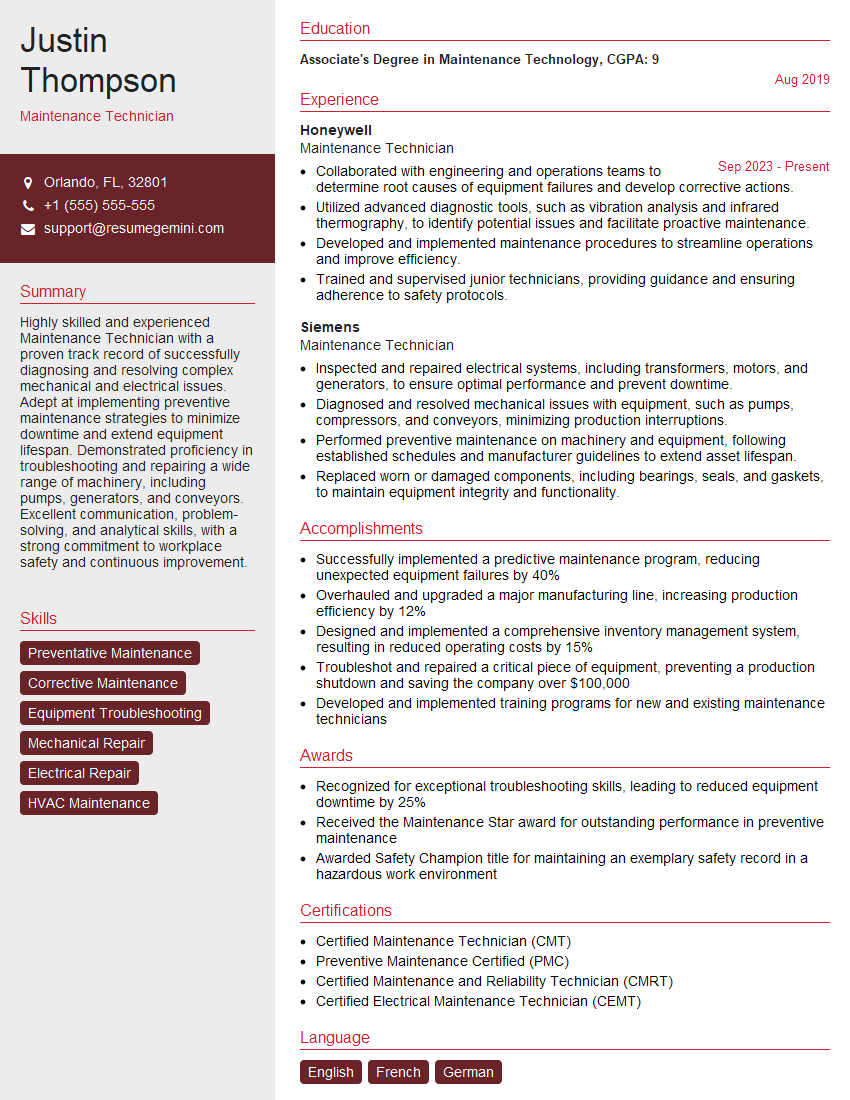
Maintenance Technician Resume Sample
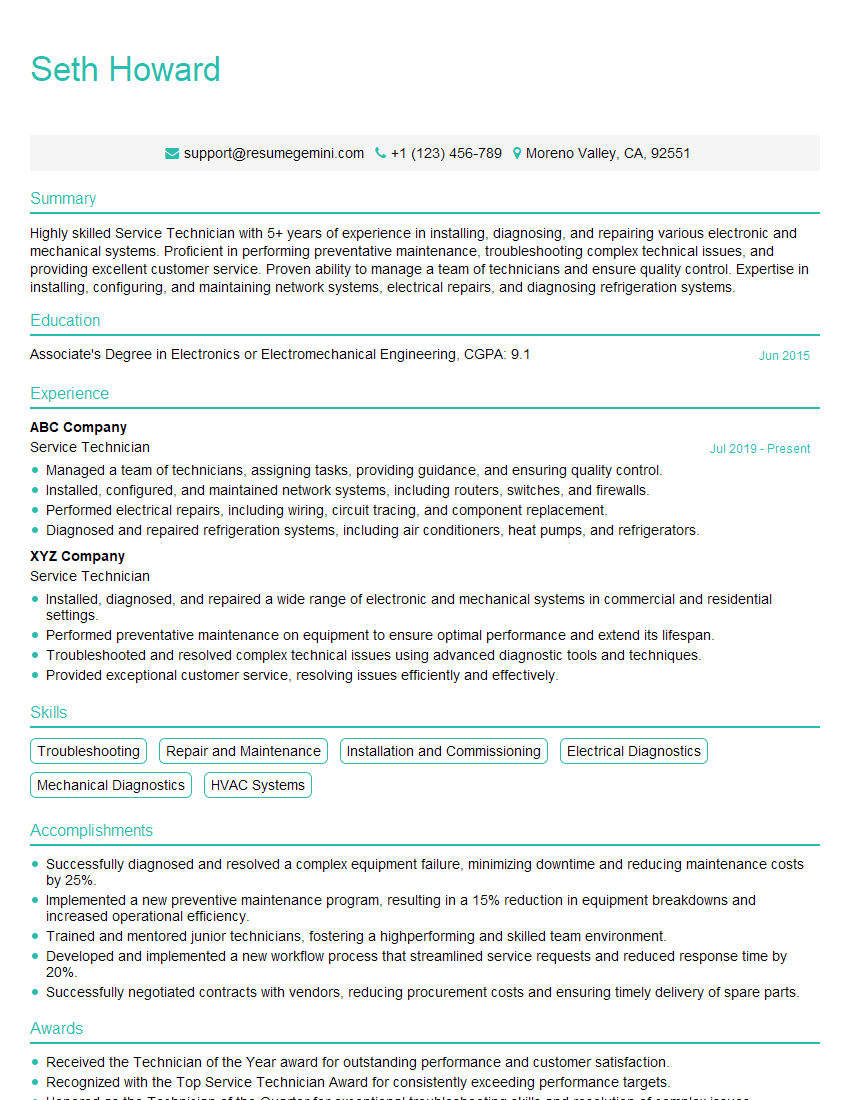
Service Technician Resume Sample

Parts Specialist Resume Sample
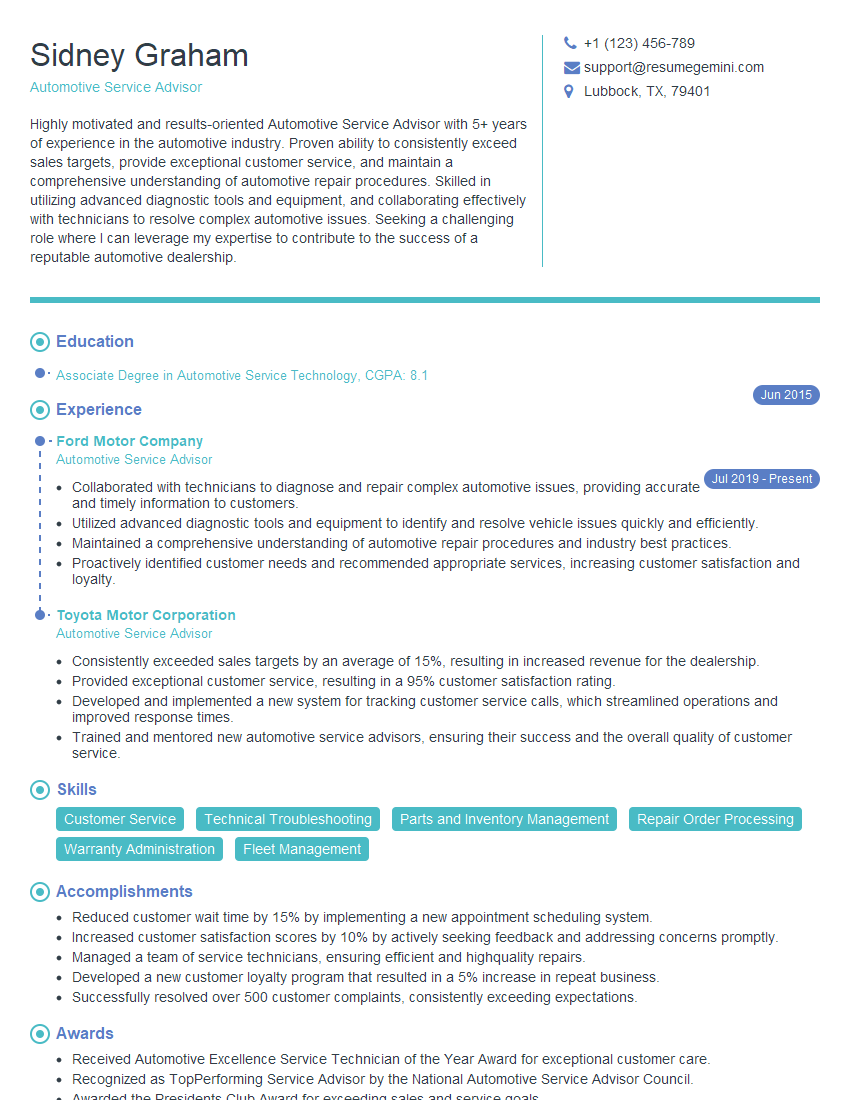
Automotive Service Advisor Resume Sample
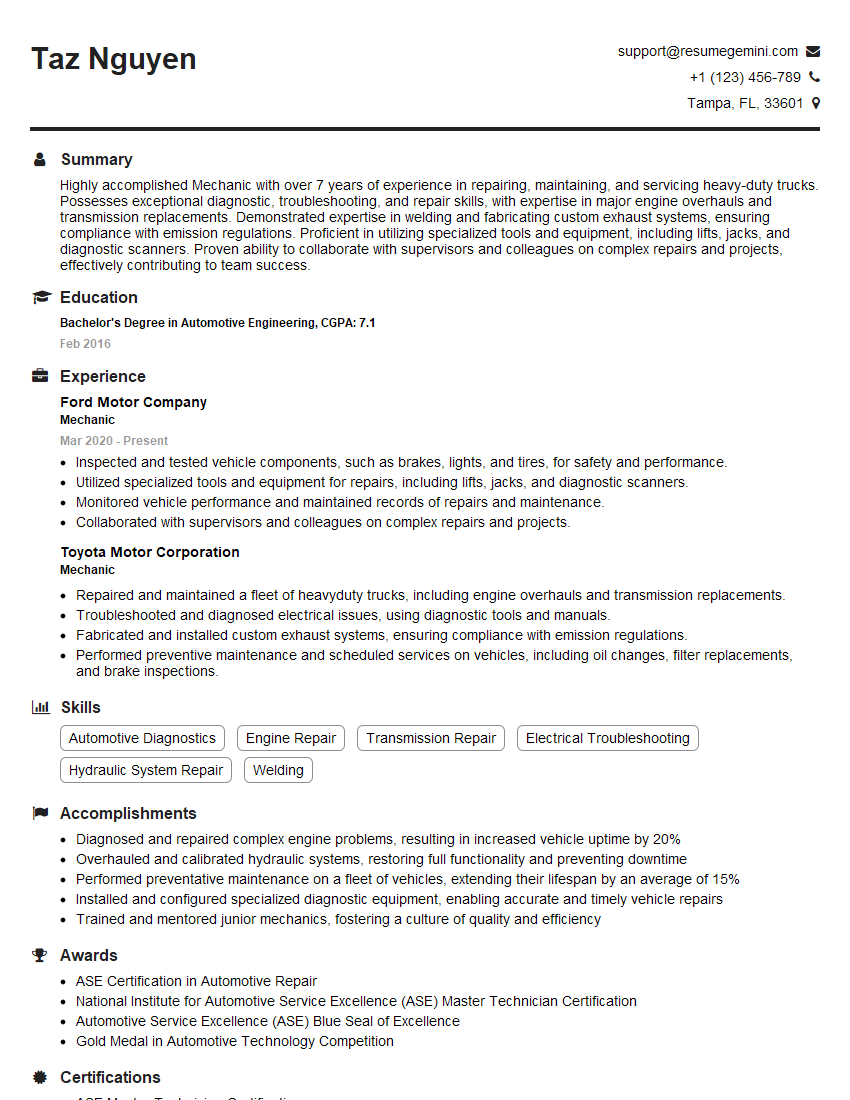
Mechanic Resume Sample
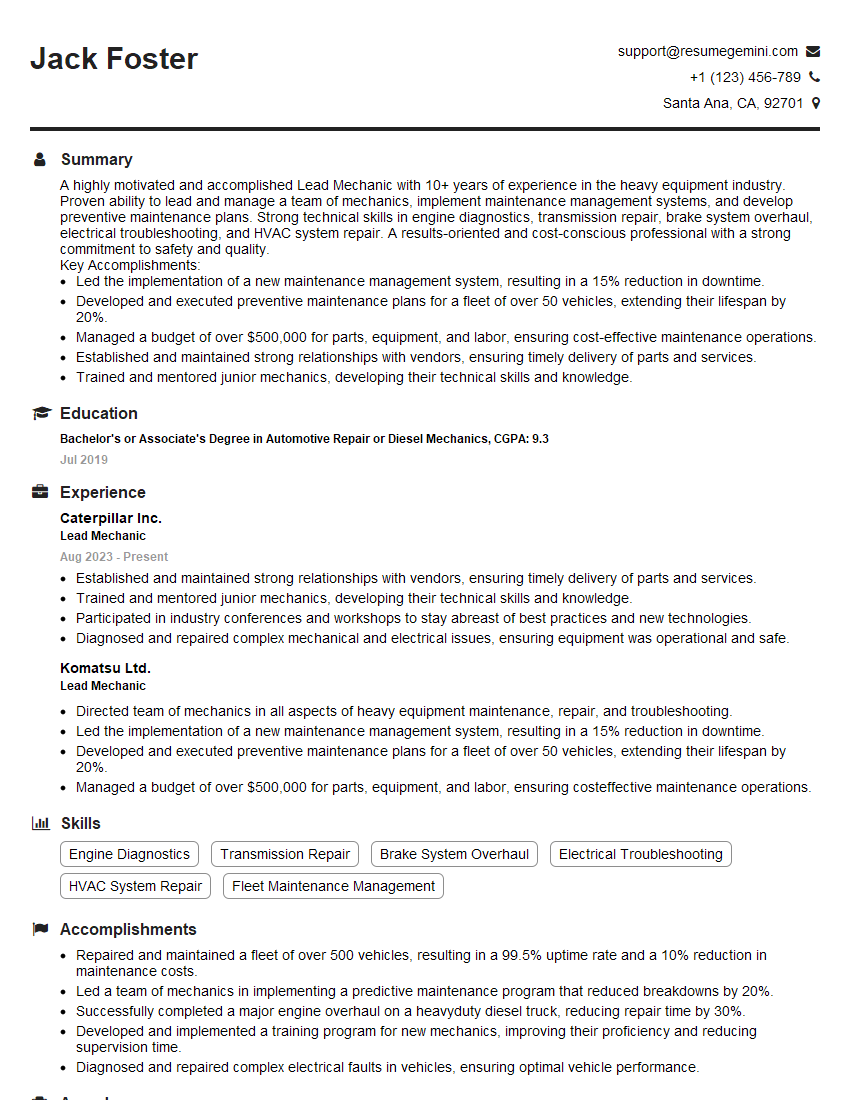
Lead Mechanic Resume Sample
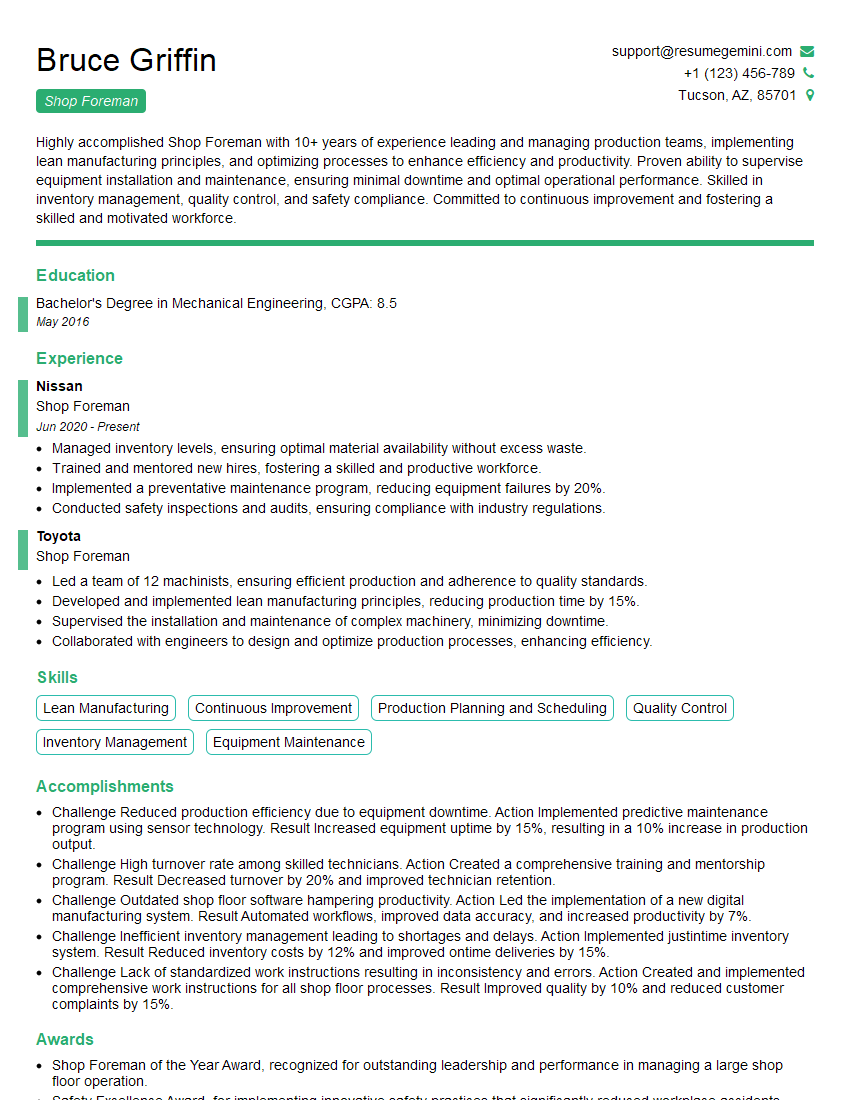
Shop Foreman Resume Sample
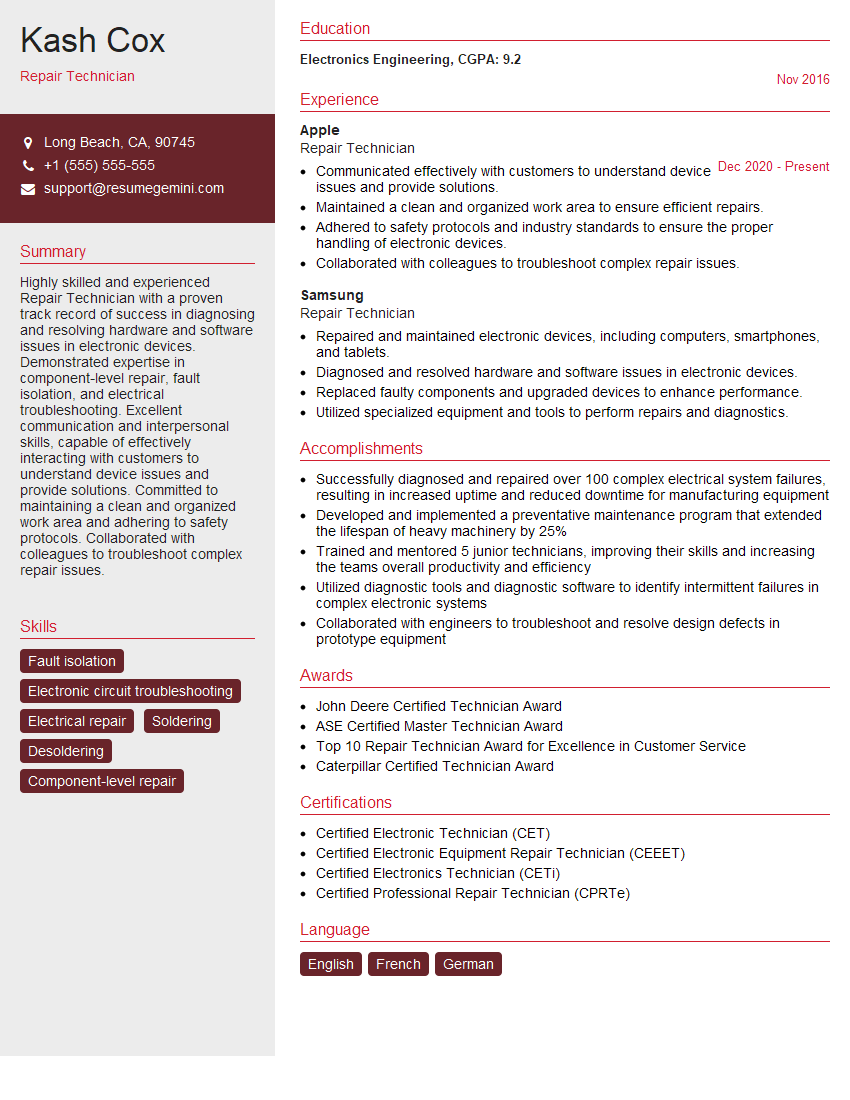
Repair Technician Resume Sample
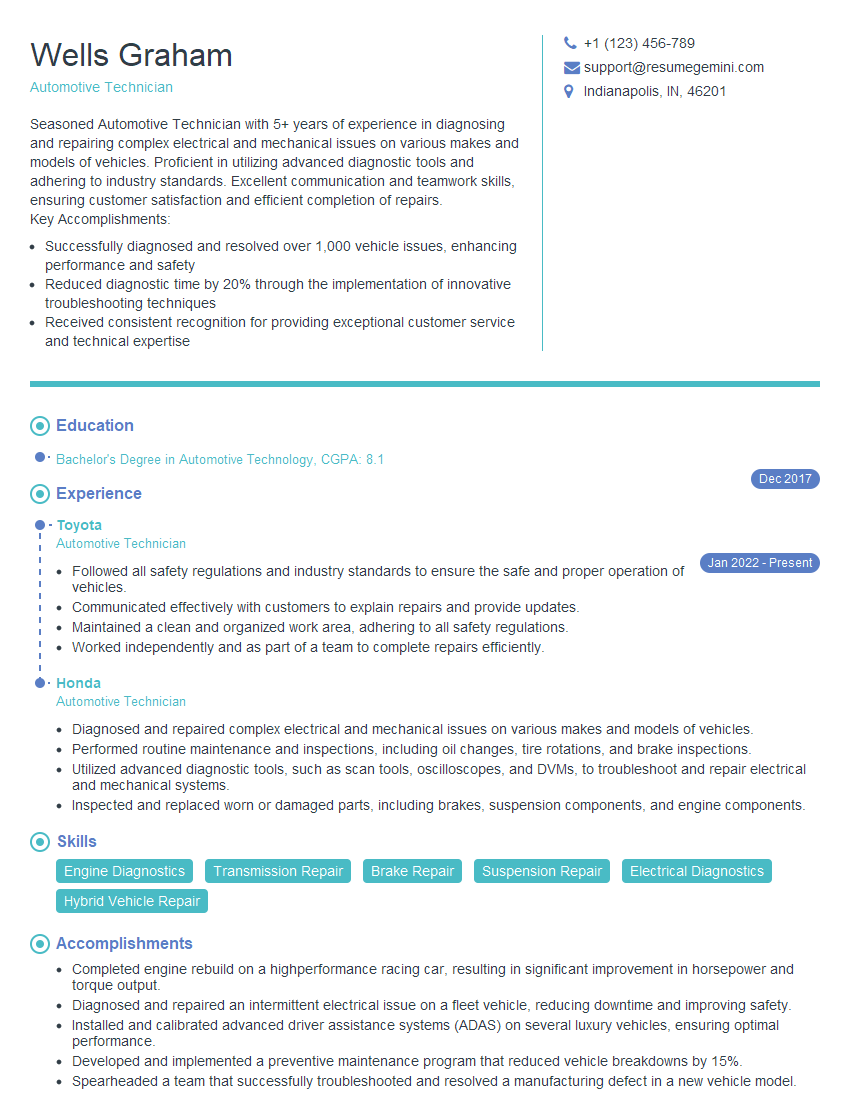
Automotive Technician Resume Sample
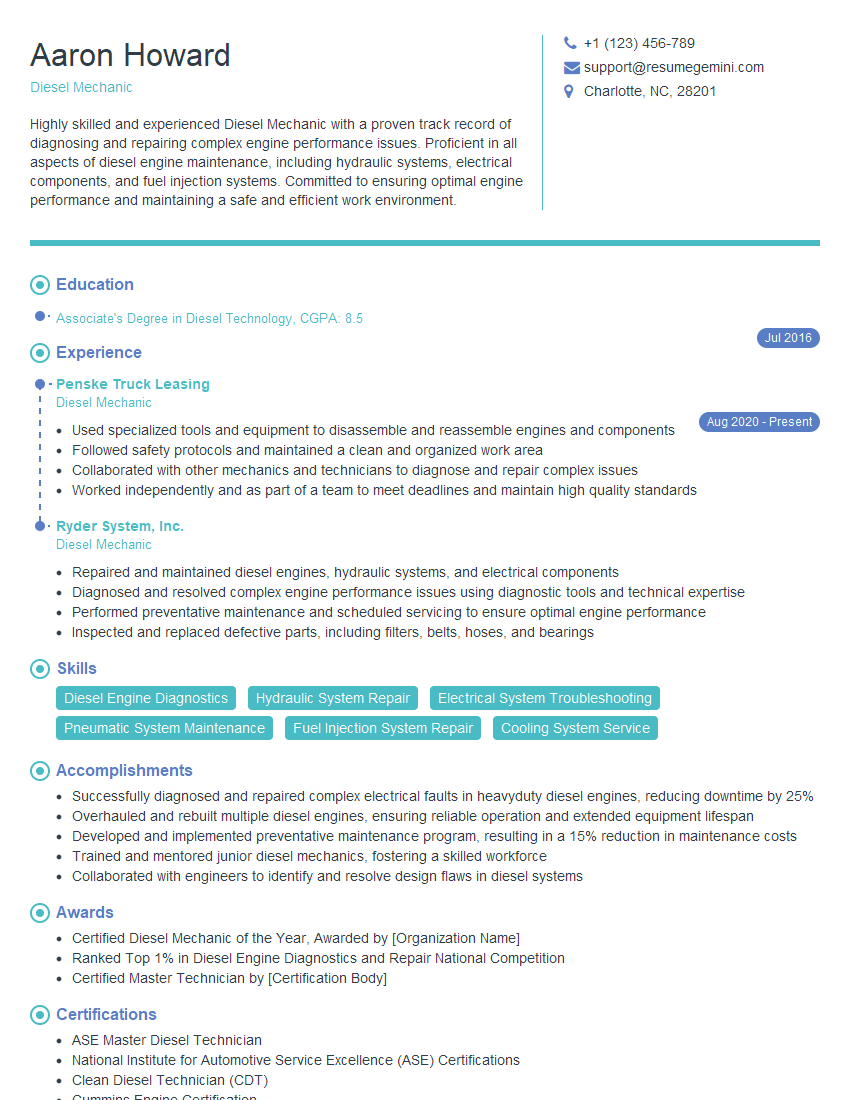
Diesel Mechanic Resume Sample
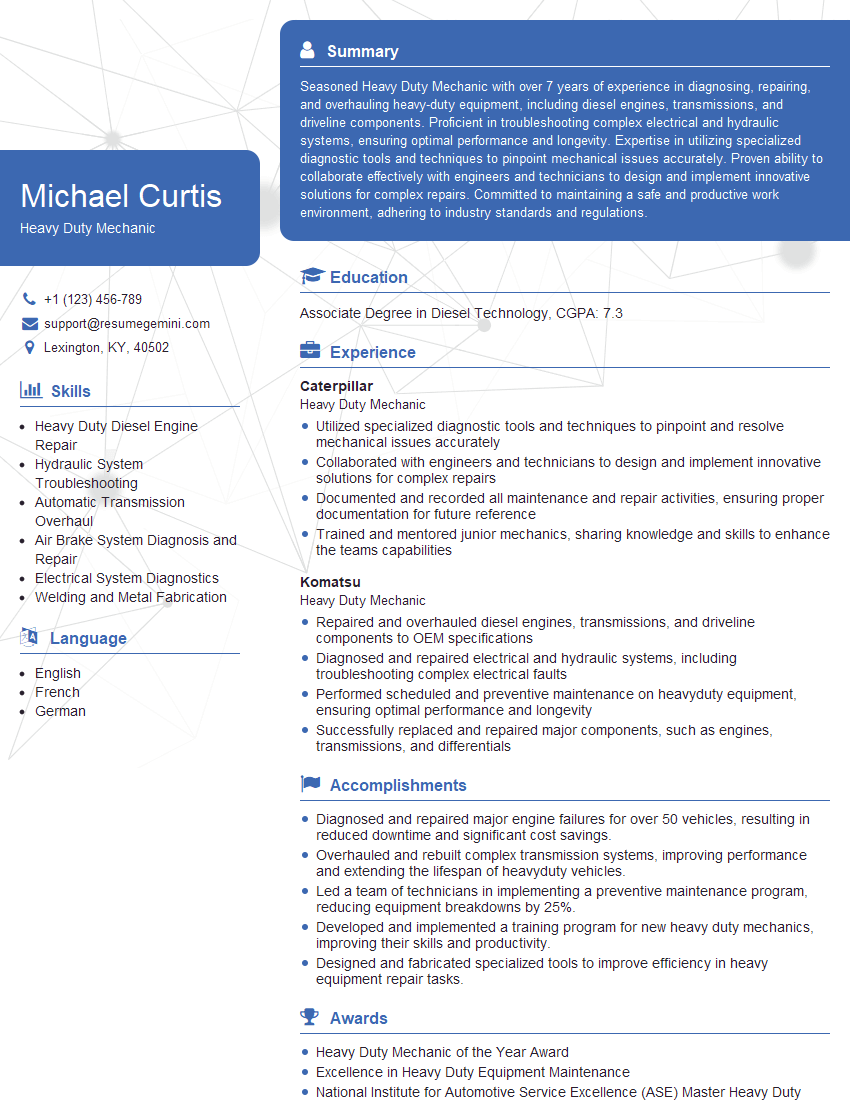
Heavy Duty Mechanic Resume Sample
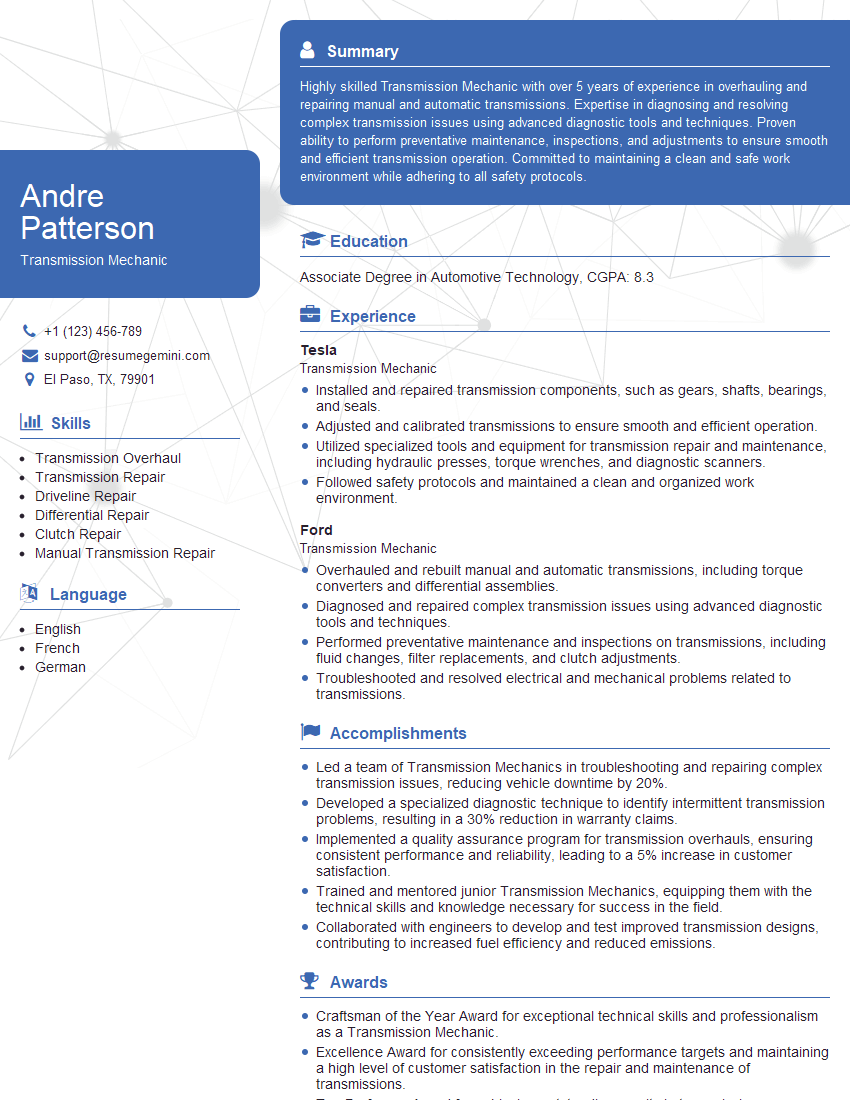
Transmission Mechanic Resume Sample
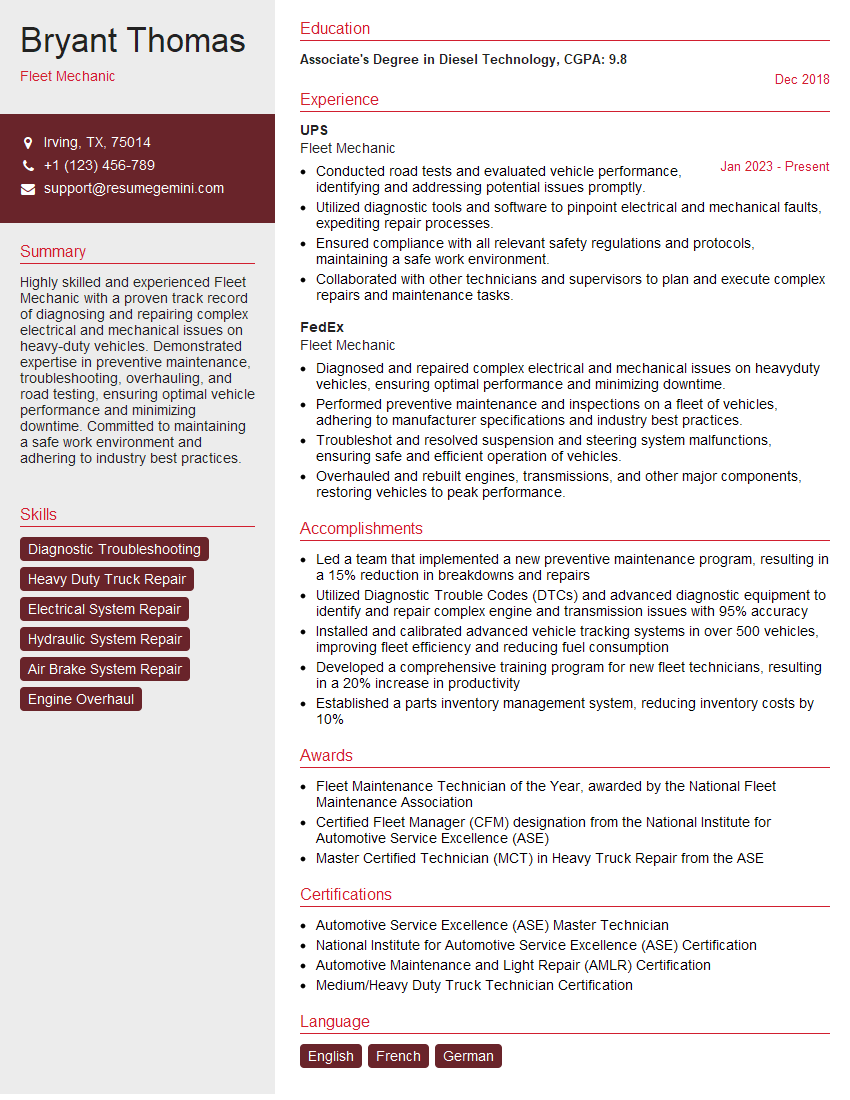
Fleet Mechanic Resume Sample
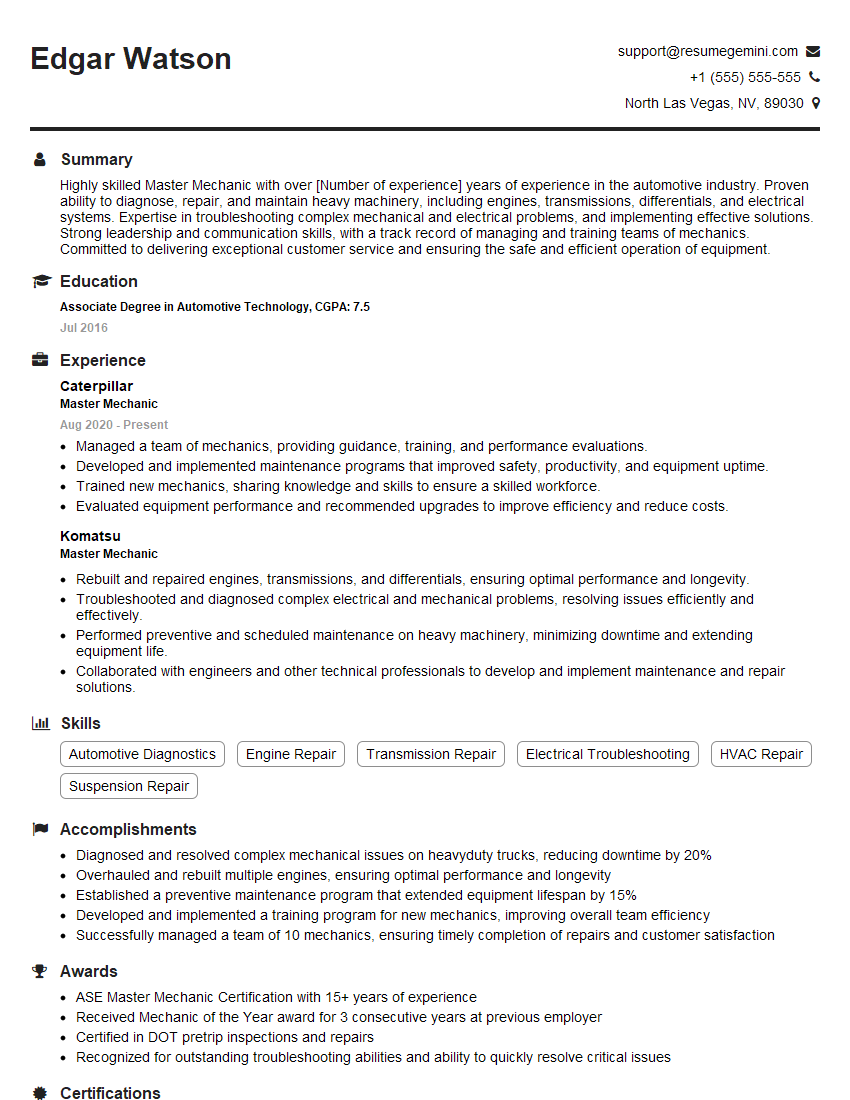
Master Mechanic Resume Sample

Quality Control Inspector Resume Sample
Explore more articles
Users Rating of Our Blogs
Share Your Experience
We value your feedback! Please rate our content and share your thoughts (optional).
What Readers Say About Our Blog
To the interviewgemini.com Webmaster.
Very helpful and content specific questions to help prepare me for my interview!
Thank you
To the interviewgemini.com Webmaster.
This was kind of a unique content I found around the specialized skills. Very helpful questions and good detailed answers.
Very Helpful blog, thank you Interviewgemini team.