The thought of an interview can be nerve-wracking, but the right preparation can make all the difference. Explore this comprehensive guide to Excavation Skills interview questions and gain the confidence you need to showcase your abilities and secure the role.
Questions Asked in Excavation Skills Interview
Q 1. Describe your experience operating different types of excavators.
My experience encompasses a wide range of excavators, from small, compact machines ideal for confined urban spaces to large, powerful excavators used in massive earthmoving projects. I’m proficient in operating both crawler excavators, known for their stability on uneven terrain, and wheeled excavators, which offer greater mobility on paved surfaces. I’ve worked with various attachments as well, including hydraulic breakers for demolition, augers for drilling holes, and various buckets for different material types and excavation depths. For example, on one project, a compact excavator was essential for navigating tight spaces within a residential area, while on another, a large excavator with a specialized rock bucket was critical for efficiently removing bedrock.
My proficiency extends to operating excavators with different control systems, including joysticks and levers, and I am comfortable adapting to new equipment quickly. I consistently prioritize safety and efficiency in my operation, ensuring that all movements are smooth and controlled to prevent damage to the machine and surrounding environment.
Q 2. What safety measures do you implement before starting excavation work?
Safety is paramount. Before commencing any excavation, I always begin with a thorough site survey. This includes identifying potential hazards, such as overhead power lines, buried utilities, unstable ground conditions, and the presence of any existing structures. I then clearly mark the excavation area with appropriate safety signage and barriers to prevent unauthorized access. Next, I obtain and review all relevant site plans and utility locates to understand the precise locations of underground utilities. I ensure the excavation team is fully briefed on the site-specific risks and the emergency procedures. This includes the location of the nearest first aid kit and communication devices. Finally, I would ensure that all personnel have the necessary personal protective equipment (PPE), including hard hats, high-visibility clothing, safety boots, and gloves.
Q 3. How do you identify and mitigate potential underground utility hazards?
Identifying and mitigating underground utility hazards is crucial. We rely on utility locates, which are services that mark the approximate locations of underground pipes, cables, and other utilities. However, these markings are only estimates, and I always implement additional measures, such as hand digging or using a non-destructive method like ground-penetrating radar (GPR) around the marked area before using machinery. This helps pinpoint the precise location of utilities and prevent accidental damage. If unexpected utilities are encountered, I immediately halt excavation work in that area, notify the appropriate authorities and the utility company, and wait for their instruction. I treat all underground utilities as if they were live and dangerous. Safe excavation practices and a cautious approach are paramount.
Q 4. Explain your process for calculating excavation quantities.
Calculating excavation quantities involves a multi-step process. First, I acquire detailed plans and specifications of the excavation project which clearly define the dimensions of the excavation – length, width and depth. If the site isn’t perfectly rectangular, I’ll break it down into smaller, easily calculable sections. I’ll then utilize these dimensions to calculate the volume using appropriate formulas. For a rectangular excavation: Volume = Length x Width x Depth. For more complex shapes, I may use more advanced techniques, possibly involving CAD software or other estimating programs that can accurately model the site’s geometry. Finally, I add a contingency factor to account for unexpected variations in ground conditions or additional material removal. Accurate quantity estimations are essential for material procurement, cost estimation, and project planning.
Q 5. What are the different types of excavation methods and when would you use each?
Several excavation methods exist, each best suited for specific conditions. Trench excavation is used for narrow, deep excavations, such as for laying pipelines or utility lines. Mass excavation involves removing large quantities of earth, often for creating foundations or large-scale earthworks. Cut-and-fill excavation involves removing earth from one area and placing it in another to level the ground. The choice of method depends on factors like the size and depth of the excavation, the soil type, and the presence of underground utilities. For example, on a project with numerous underground cables I would carefully use a trench excavation technique. For building a large car park, mass excavation would be the appropriate approach.
Q 6. How do you ensure the stability of an excavation site?
Maintaining excavation site stability is critical to prevent collapses, which can lead to injury and property damage. This is achieved through a combination of strategies tailored to the soil type and the depth of the excavation. For shallow excavations in stable soil, sloping the sides of the excavation at a safe angle is often sufficient. This angle is determined based on the soil’s properties. For deeper excavations or less stable soil, the use of shoring systems, such as trench boxes or sheet piling, is essential. These systems provide support to the excavation walls and prevent them from collapsing. Regular inspections of the excavation are also crucial to detect any signs of instability and take corrective action immediately. Ground water management, perhaps by using dewatering systems, may also be required depending on the specific site.
Q 7. Describe your experience with trench shoring and safety regulations.
I have extensive experience with various trench shoring methods, including trench boxes, sheet piling, and hydraulic shoring systems. The selection of the appropriate method depends on factors such as the soil type, depth of the trench, and the presence of underground utilities. I am familiar with all relevant safety regulations and standards governing trench safety, including OSHA regulations (or equivalent local standards), which dictate the appropriate shoring requirements based on depth and soil conditions. I meticulously follow all safety procedures when erecting, inspecting, and removing shoring systems. Before starting any excavation work, all personnel involved should receive training on the proper methods and safety practices to ensure a safe and successful project.
Q 8. What are the common causes of excavation accidents and how can they be prevented?
Excavation accidents are unfortunately common, often stemming from a combination of factors. The most frequent causes include cave-ins (due to unstable soil or lack of shoring), struck-by hazards (falling objects or equipment), caught-between incidents (workers trapped between equipment and other objects), and electrocution (hitting underground utilities). Prevention involves a multi-pronged approach.
- Thorough Site Assessment: Before any digging begins, a comprehensive survey must identify potential hazards like underground utilities (gas, electric, water, sewer lines), unstable soil conditions, and the presence of groundwater. Ground-penetrating radar (GPR) is often invaluable here.
- Proper Shoring and Sloping: Depending on soil type and excavation depth, appropriate shoring (e.g., trench boxes, sheet piling) or sloping (cutting back the sides of the excavation at a safe angle) is crucial to prevent cave-ins. This is governed by OSHA regulations and requires expert judgment.
- Safe Excavation Practices: Workers must be trained on safe digging procedures, including using appropriate personal protective equipment (PPE), understanding hand signals, and maintaining a safe distance from the edge of excavations. Regular safety meetings and toolbox talks reinforce these practices.
- Utility Locating: Calling 811 (or your local equivalent) before digging is non-negotiable. This ensures that utility companies can mark the location of underground lines, minimizing the risk of accidental damage.
- Regular Inspections: Daily inspections of the excavation site are essential to identify any signs of instability or hazard development. Immediate action must be taken to address any concerns.
For example, during a recent project, we identified a previously undocumented underground spring using GPR. This prompted us to implement a more complex shoring system than originally planned, preventing a potential catastrophic cave-in.
Q 9. How do you handle unexpected subsurface conditions during excavation?
Encountering unexpected subsurface conditions is a reality in excavation. The key is to have a well-defined plan for handling unforeseen circumstances.
- Immediate Stop Work: Upon discovering unexpected conditions (e.g., unexpected bedrock, unstable soil, buried objects), work must immediately cease in the affected area. This ensures worker safety and prevents further damage.
- Assessment and Investigation: A thorough investigation is needed to determine the nature and extent of the unexpected conditions. This may involve additional testing, such as soil sampling or further GPR scans.
- Revised Plan: Based on the assessment, a revised excavation plan is developed to address the unexpected conditions. This could involve changes to shoring, sloping, or excavation methods. Engineering expertise may be required to determine safe and compliant strategies.
- Communication and Documentation: Communication with the client, engineers, and other relevant parties is crucial. All changes to the plan must be thoroughly documented.
In one instance, we uncovered an unexpectedly large boulder during a residential foundation excavation. We immediately stopped work, contacted the geotechnical engineer, and revised the excavation plan to carefully remove the boulder without compromising the structural integrity of the foundation.
Q 10. Explain your experience with GPS-guided excavation equipment.
My experience with GPS-guided excavation equipment is extensive. I’ve worked with systems that use GPS to guide excavators precisely to the planned excavation lines and grades, improving accuracy and efficiency. This technology is particularly beneficial for projects requiring precise excavation, such as trenching for utilities or laying foundations. The systems typically involve a GPS receiver mounted on the excavator, which communicates with a control unit that guides the operator.
The benefits are numerous: reduced material waste, faster project completion, and improved accuracy, minimizing the need for rework. For example, on a recent pipeline project, using GPS-guided excavation significantly reduced the amount of material we had to remove, leading to cost savings and a reduced environmental footprint.
Q 11. How do you maintain and troubleshoot excavation equipment?
Maintaining and troubleshooting excavation equipment is vital for safety and productivity. It involves a combination of preventative maintenance and prompt attention to any problems.
- Preventative Maintenance Schedules: Regular maintenance schedules are followed, including lubrication, fluid changes, and inspections of key components. This ensures that the equipment is in top condition and minimizes the risk of breakdowns.
- Operator Training: Operators are trained on proper equipment operation and basic troubleshooting. They should be able to perform basic maintenance tasks and identify potential problems early.
- Troubleshooting Procedures: I am proficient in diagnosing and resolving mechanical and electrical issues in excavation equipment. This often involves checking hydraulic systems, electrical wiring, and engine performance. I’m familiar with using diagnostic tools to identify the source of problems.
- Record Keeping: All maintenance activities and repairs are meticulously documented, ensuring a clear history of the equipment’s condition.
For instance, I recently diagnosed a hydraulic leak in an excavator by systematically checking each component of the hydraulic system, eventually identifying a faulty seal. This allowed for a quick and efficient repair, preventing costly downtime.
Q 12. Describe your experience with different types of soil and their impact on excavation.
Different soil types significantly impact excavation methods and safety. Understanding these differences is critical for effective and safe work. For example:
- Clay: Clay soils are cohesive and can be difficult to excavate, often requiring specialized equipment. They can also be prone to landslides, necessitating careful shoring.
- Sandy Soil: Sandy soils are loose and unstable, easily prone to collapse. Proper shoring is essential, and dewatering may be necessary in saturated sandy soils.
- Rocky Soil: Rocky soil requires specialized equipment, such as rock breakers or excavators with powerful hydraulic hammers. Safety precautions must be taken to avoid flying debris.
- Organic Soil: Organic soil is soft and compressible, often requiring careful handling to avoid equipment damage or sinking.
In a project involving expansive clay, we used specialized excavation techniques and implemented a robust shoring system to prevent collapse and ensure worker safety. We also conducted thorough soil testing to understand the soil’s properties and tailor our excavation approach accordingly.
Q 13. What are your skills in reading and interpreting blueprints and site plans?
Reading and interpreting blueprints and site plans is a fundamental skill for any excavation professional. I am proficient in understanding various symbols, notations, and dimensions on these documents. This includes accurately identifying excavation boundaries, utility locations, and other crucial details.
My experience spans a wide range of project types and sizes, from small residential projects to large-scale infrastructure developments. I regularly utilize these plans to guide excavation activities, ensuring that the work is carried out precisely and safely according to design specifications. For instance, in a recent commercial project, I used the blueprints to precisely locate and excavate for foundation footings, ensuring accurate placement to meet structural requirements.
Q 14. How do you ensure compliance with environmental regulations during excavation?
Compliance with environmental regulations during excavation is paramount. This includes understanding and adhering to local, state, and federal regulations pertaining to soil handling, water management, and waste disposal.
- Soil Contamination: If contaminated soil is discovered, it must be handled according to appropriate regulations. This may involve specialized remediation techniques and disposal in designated facilities.
- Erosion and Sediment Control: Proper erosion and sediment control measures must be employed to prevent soil runoff and protect water bodies. This could involve silt fences, straw bales, or other erosion control measures.
- Waste Management: Construction waste, including excavated materials, must be disposed of properly, often in accordance with local waste management plans.
- Water Management: Dewatering operations must be carried out to avoid disrupting surface and groundwater. This often involves the use of pumps and careful monitoring of water quality.
In a recent project near a wetland, we implemented a comprehensive environmental management plan to avoid any potential impact on the ecosystem. This involved careful dewatering, erosion control measures, and proper disposal of excavated material, all in accordance with relevant environmental permits and regulations.
Q 15. What is your experience with different types of excavation tools and attachments?
My experience with excavation tools and attachments is extensive, encompassing a wide range of equipment used in various projects. I’m proficient with excavators of different sizes – from compact machines ideal for tight urban spaces to larger models for large-scale earthmoving. I’m familiar with a variety of attachments, including:
- Buckets: I’ve used standard digging buckets, ditching buckets for trenching, and specialized buckets for handling specific materials like rock or demolition debris.
- Hydraulic Breakers: These are essential for breaking up hard surfaces like rock and concrete. I’m experienced in selecting the appropriate breaker size for the task and operating it safely.
- Grapples: These are used for handling scrap metal, logs, or other bulky materials.
- Augers: For drilling holes for foundations or utility lines – I can operate augers of different diameters and depths.
- Thumbs: These add precision to the excavator, allowing for better material handling and placement.
My expertise extends beyond simply operating the equipment. I understand the nuances of each attachment, their limitations, and how to choose the right tool for the specific job at hand. For example, on a recent project involving rocky terrain, I opted for a heavy-duty breaker and a rock bucket to maximize efficiency and minimize downtime. This saved both time and money for the client.
Career Expert Tips:
- Ace those interviews! Prepare effectively by reviewing the Top 50 Most Common Interview Questions on ResumeGemini.
- Navigate your job search with confidence! Explore a wide range of Career Tips on ResumeGemini. Learn about common challenges and recommendations to overcome them.
- Craft the perfect resume! Master the Art of Resume Writing with ResumeGemini’s guide. Showcase your unique qualifications and achievements effectively.
- Don’t miss out on holiday savings! Build your dream resume with ResumeGemini’s ATS optimized templates.
Q 16. How do you manage a team of excavation workers effectively?
Managing an excavation team effectively requires a blend of strong leadership, communication, and safety awareness. I prioritize fostering a collaborative environment where every team member feels valued and respected. I believe in leading by example, maintaining a high standard of work, and ensuring everyone understands their roles and responsibilities.
My approach focuses on:
- Clear Communication: Daily briefings outline the day’s tasks, safety protocols, and any potential challenges. Open communication channels ensure everyone can voice concerns and offer solutions.
- Safety First: Safety is non-negotiable. Regular safety checks, toolbox talks, and strict adherence to safety regulations are crucial. I proactively identify potential hazards and implement preventative measures.
- Delegation and Training: I effectively delegate tasks based on team members’ skills and experience, providing opportunities for training and skill development to improve team capabilities.
- Motivation and Recognition: Recognizing and appreciating good work boosts morale and productivity. Celebrating milestones and achievements keeps the team motivated and engaged.
For instance, during a particularly challenging project with tight deadlines, I implemented a system for tracking individual progress and rewarding efficiency. This approach boosted morale and resulted in the project being completed ahead of schedule.
Q 17. How do you plan and schedule excavation work to meet deadlines?
Planning and scheduling excavation work involves a systematic approach that takes several factors into account. It begins with a thorough review of the project blueprints, specifications, and soil conditions. I then break down the project into manageable phases, each with a clearly defined timeline.
My planning process includes:
- Site Assessment: This involves a detailed evaluation of the site, including potential hazards, utility locations, and soil composition.
- Sequencing of Tasks: Determining the optimal order of excavation tasks to maximize efficiency and minimize disruptions.
- Resource Allocation: Planning for the required equipment, personnel, and materials based on the project scope.
- Risk Assessment: Identifying and mitigating potential risks, such as unexpected ground conditions or weather delays.
- Progress Monitoring: Regularly monitoring progress against the schedule to identify and address any delays or issues.
A recent project involved excavating for a new building foundation. I developed a detailed schedule that included phases for site clearing, utility relocation, excavation, and backfilling. We used a Gantt chart to track progress and ensured that each phase was completed within the allocated timeframe, leading to the project’s on-time completion.
Q 18. Describe your experience with working in confined spaces during excavation.
Working in confined spaces during excavation requires specialized knowledge, training, and equipment. Safety is paramount in these situations. I have extensive experience working in trenches, shafts, and other confined areas, adhering to strict safety protocols.
My approach includes:
- Confined Space Entry Permits: Always obtaining the necessary permits before entering any confined space.
- Atmospheric Monitoring: Continuously monitoring the air quality for oxygen levels, hazardous gases, and other potential hazards.
- Proper Ventilation: Ensuring adequate ventilation to prevent the buildup of harmful gases.
- Shoring and Support Systems: Implementing appropriate shoring and support systems to prevent cave-ins and collapses.
- Rescue Plans: Having a well-defined rescue plan in place in case of emergencies.
I remember one project where we had to excavate a deep trench near a busy road. We implemented a robust safety plan, including atmospheric monitoring and a comprehensive rescue plan, ensuring the safety of the team throughout the operation.
Q 19. What is your approach to dealing with challenging weather conditions during excavation?
Dealing with challenging weather conditions during excavation requires adaptability and careful planning. My approach focuses on mitigating risks and ensuring the safety of the team and the integrity of the work.
Strategies I employ include:
- Weather Monitoring: Closely monitoring weather forecasts to anticipate potential issues.
- Protective Measures: Implementing appropriate protective measures, such as using covers or temporary shelters to protect equipment and materials.
- Work Adjustments: Modifying work schedules or tasks to minimize exposure to adverse weather conditions. For example, during heavy rain, we might focus on indoor tasks or postpone work until conditions improve.
- Equipment Maintenance: Ensuring that equipment is properly maintained and protected from harsh weather.
During a winter excavation project, we anticipated freezing temperatures and potential ice formation. We implemented measures such as using de-icing agents and adapting the excavation schedule to account for slower progress due to frozen ground. This proactive approach ensured that the project was completed without major delays or safety incidents.
Q 20. How do you monitor the progress of excavation work and maintain quality control?
Monitoring the progress of excavation work and maintaining quality control are crucial for ensuring project success. I employ a multi-faceted approach to track progress and ensure that the work meets the specified quality standards.
My approach includes:
- Regular Inspections: Conducting regular site inspections to monitor progress, identify any potential issues, and ensure adherence to plans and specifications.
- Daily Reporting: Maintaining daily logs that document work progress, quantities of material excavated, and any challenges encountered.
- Quality Checks: Implementing regular quality checks to ensure that the excavation work meets the required standards of accuracy and precision.
- Documentation: Maintaining comprehensive documentation, including photographs and measurements, to track progress and provide a record of the work performed.
For example, on a recent project involving precise excavation for utility lines, we employed laser surveying technology to ensure accuracy and regularly checked measurements against the plans. This meticulous approach prevented costly errors and ensured that the utility lines were installed correctly.
Q 21. How do you communicate effectively with other trades and project stakeholders?
Effective communication with other trades and project stakeholders is essential for successful excavation projects. I prioritize clear, concise, and proactive communication to keep everyone informed and coordinated.
My communication strategy includes:
- Regular Meetings: Holding regular meetings with other trades to coordinate work and address any potential conflicts.
- Clear Documentation: Providing clear and concise documentation of excavation plans, schedules, and any relevant information.
- Open Communication Channels: Maintaining open communication channels to address any questions or concerns promptly.
- Professionalism: Maintaining a professional and respectful demeanor in all interactions.
On a large-scale construction project, I established a system for daily communication updates with other trades, ensuring everyone was aware of the excavation progress and potential impact on their work. This proactive approach minimized delays and improved overall project coordination.
Q 22. Describe a situation where you had to solve a complex excavation problem.
One particularly challenging excavation involved a project in a historic district where we needed to install a new underground utility line. The complication arose from the presence of numerous unknown subsurface utilities and the stringent regulations protecting the historical integrity of the area. We couldn’t use heavy machinery without risking damage to adjacent structures.
To solve this, we employed a phased approach. First, we conducted extensive non-destructive testing, using ground-penetrating radar (GPR) and electromagnetic surveying to map existing utilities with high precision. This allowed us to create a detailed 3D model of the subsurface. Second, we used hand excavation techniques, carefully removing soil in small sections to minimize the risk of damaging existing lines. Finally, we employed trench boxes and shoring systems to support the excavation walls and ensure worker safety. This meticulous approach ensured we completed the project successfully without damaging existing infrastructure or violating historical preservation regulations.
Q 23. What are your skills in using surveying equipment for accurate excavation work?
My proficiency with surveying equipment is crucial for accurate excavation. I’m experienced with total stations, GPS receivers, and laser levels. These tools allow precise measurement of elevations, distances, and angles, which are essential for establishing accurate excavation boundaries and ensuring that depths are consistent with the design specifications.
For instance, using a total station, we can accurately locate and mark out the exact position of utility lines to avoid damage during excavation. Laser levels help ensure the correct depth of trenches are achieved throughout the entire length, preventing over- or under-excavation. The data collected is then used to create detailed as-built drawings, which are crucial for documentation and future reference.
Q 24. How do you ensure proper disposal of excavated materials?
Proper disposal of excavated materials is paramount for environmental protection and regulatory compliance. My approach involves a multi-step process. First, we segregate materials on-site, separating topsoil from subsoil, contaminated soil (if any), and any construction debris. This allows for efficient and environmentally sound disposal.
Topsoil is often stockpiled for later reuse on the site for landscaping. Clean subsoil may be used for backfilling, while contaminated soil must be handled according to local and national regulations, often requiring transport to licensed disposal facilities. We always maintain detailed records of material quantities and disposal locations, and ensure all transportation complies with relevant regulations, including obtaining necessary permits.
Q 25. What is your experience with different types of backfilling techniques?
I have extensive experience with various backfilling techniques, tailored to project specifics. These techniques include compacted backfill, which involves carefully placing and compacting the backfill material in layers to achieve the required density and stability. This is essential for preventing future settlement and ensuring structural integrity.
Another method is select backfill, where specific materials, like granular soils, are used to provide enhanced drainage or load-bearing capacity. For sensitive areas, we often use flowable fill, a mixture of soil and water that conforms to irregular shapes. The choice of technique depends on factors such as soil type, surrounding infrastructure, and project requirements, and my expertise enables me to select and execute the most appropriate method.
Q 26. How do you document and report excavation activities?
Thorough documentation of excavation activities is vital for maintaining records and ensuring accountability. We use a combination of methods for this. Daily logs record progress, weather conditions, any issues encountered, and the quantities of material excavated and disposed of.
Furthermore, we create detailed as-built drawings, showing the actual location of utilities and other subsurface features. These drawings are essential for future construction or maintenance activities. Photographs and video footage are also used to document site conditions, excavation progress, and any unexpected findings. All this information is carefully organized and stored according to company procedures to ensure easy retrieval for audits or future references.
Q 27. How do you prioritize safety during emergency situations on a job site?
Safety is my top priority. In emergency situations, a well-defined response protocol is crucial. My actions would be guided by a combination of immediate action and systematic response.
For instance, if a trench collapse occurs, my immediate actions would involve ensuring the safety of personnel, calling for emergency services, and initiating rescue operations. Subsequently, a thorough investigation will be conducted to determine the cause of the collapse. This investigation will involve reviewing site conditions, excavation practices, and relevant safety regulations. Corrective measures will be implemented, including possible modifications to the excavation plan and additional safety training for the team.
Q 28. Describe your experience with different types of compaction techniques.
My experience encompasses a variety of compaction techniques, each with specific applications. These include vibratory compaction, using plate compactors or rollers for granular soils; impact compaction, employing drop hammers or tampers for cohesive soils; and static compaction, which involves using heavy rollers for large-scale projects.
The selection of the appropriate technique is determined by the soil type, desired density, and project constraints. For example, vibratory compaction is efficient for granular soils, while impact compaction is more suitable for cohesive materials. We always use appropriate monitoring devices such as nuclear density gauges to ensure that the compaction meets specified requirements, preventing future settlement issues.
Key Topics to Learn for Excavation Skills Interview
- Site Safety and Regulations: Understanding OSHA regulations, site hazard identification, and safety protocols for excavation work. Practical application: Demonstrating knowledge of trench shoring techniques and safe excavation practices.
- Excavation Equipment Operation: Proficiency in operating various excavation machinery (e.g., excavators, backhoes, loaders). Practical application: Describing experience with different machine types and attachments, highlighting safe and efficient operation techniques.
- Soil Analysis and Classification: Identifying different soil types and their properties, understanding their impact on excavation methods. Practical application: Explaining how soil conditions influence excavation strategies and equipment selection.
- Blueprint Reading and Site Layout: Interpreting excavation plans, understanding site grading, and accurately marking excavation areas. Practical application: Illustrating experience in accurately following blueprints and coordinating excavation with other site activities.
- Utility Location and Protection: Identifying and protecting underground utilities (e.g., gas lines, electrical cables, water pipes) during excavation. Practical application: Describing methods used for utility location and the procedures followed to ensure safety.
- Problem-Solving and Troubleshooting: Addressing unexpected challenges during excavation (e.g., encountering unexpected obstacles, dealing with unstable soil). Practical application: Sharing examples of problem-solving on previous excavation projects, highlighting quick thinking and effective solutions.
- Environmental Considerations: Understanding environmental regulations and best practices for minimizing environmental impact during excavation. Practical application: Demonstrating awareness of soil erosion control, waste management, and other environmentally responsible practices.
Next Steps
Mastering excavation skills is crucial for career advancement in the construction industry, opening doors to higher-paying roles and increased responsibility. A well-crafted resume is your key to unlocking these opportunities. Creating an ATS-friendly resume ensures your qualifications are effectively highlighted to potential employers. We strongly encourage you to leverage ResumeGemini, a trusted resource for building professional and impactful resumes. ResumeGemini provides examples of resumes tailored to highlight Excavation Skills, helping you showcase your expertise and land your dream job.
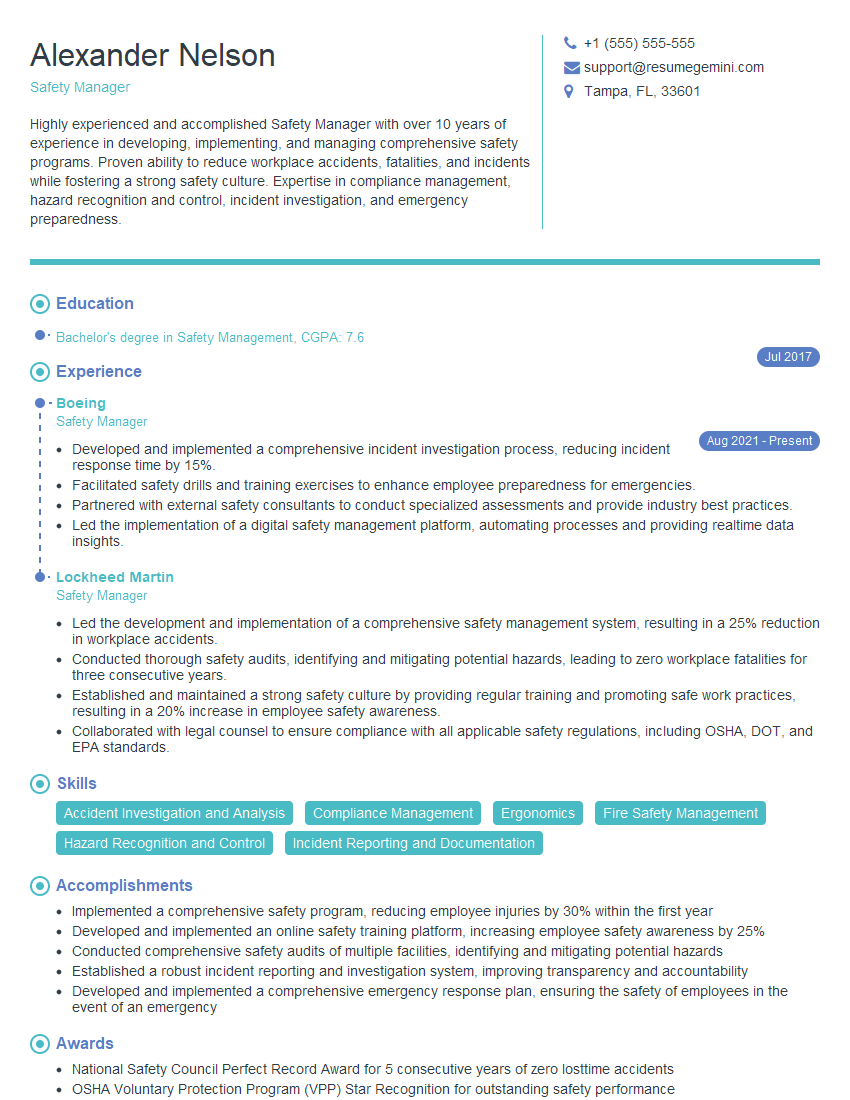
Safety Manager Resume Sample

Site Manager Resume Sample

Construction Superintendent Resume Sample

Project Engineer Resume Sample
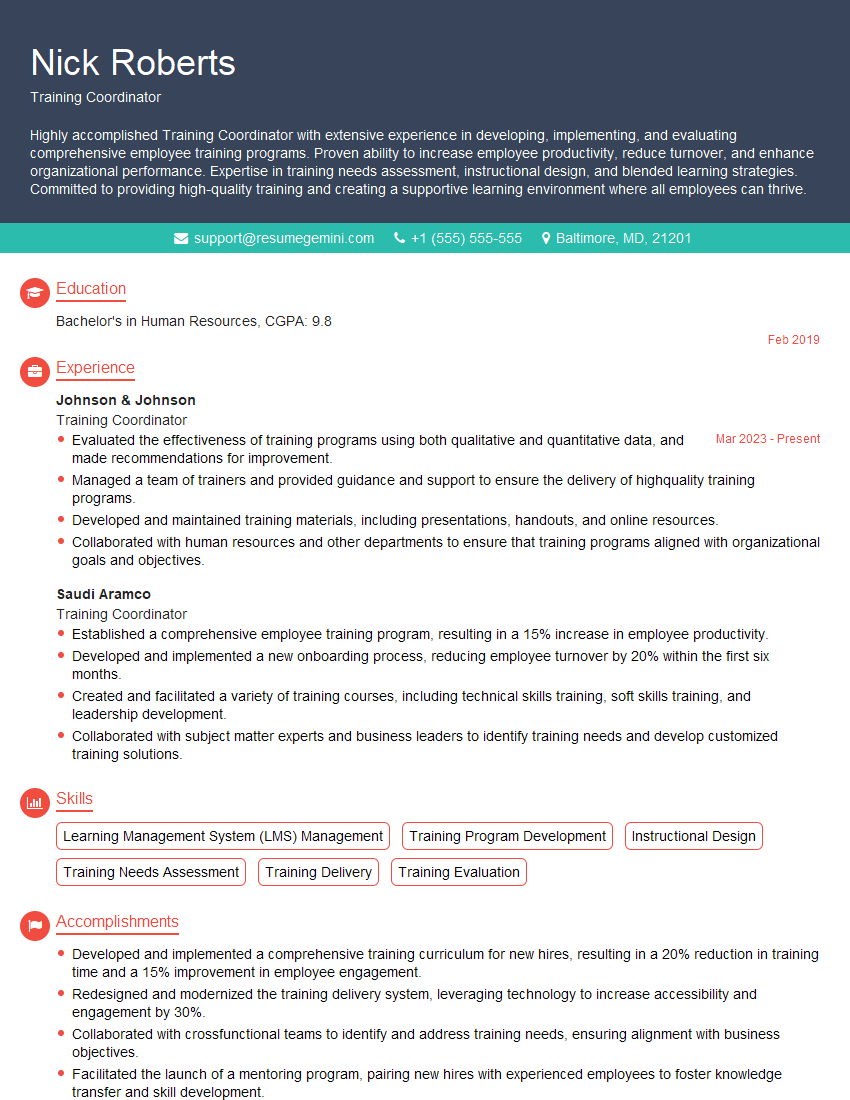
Training Coordinator Resume Sample

Environmental Compliance Officer Resume Sample
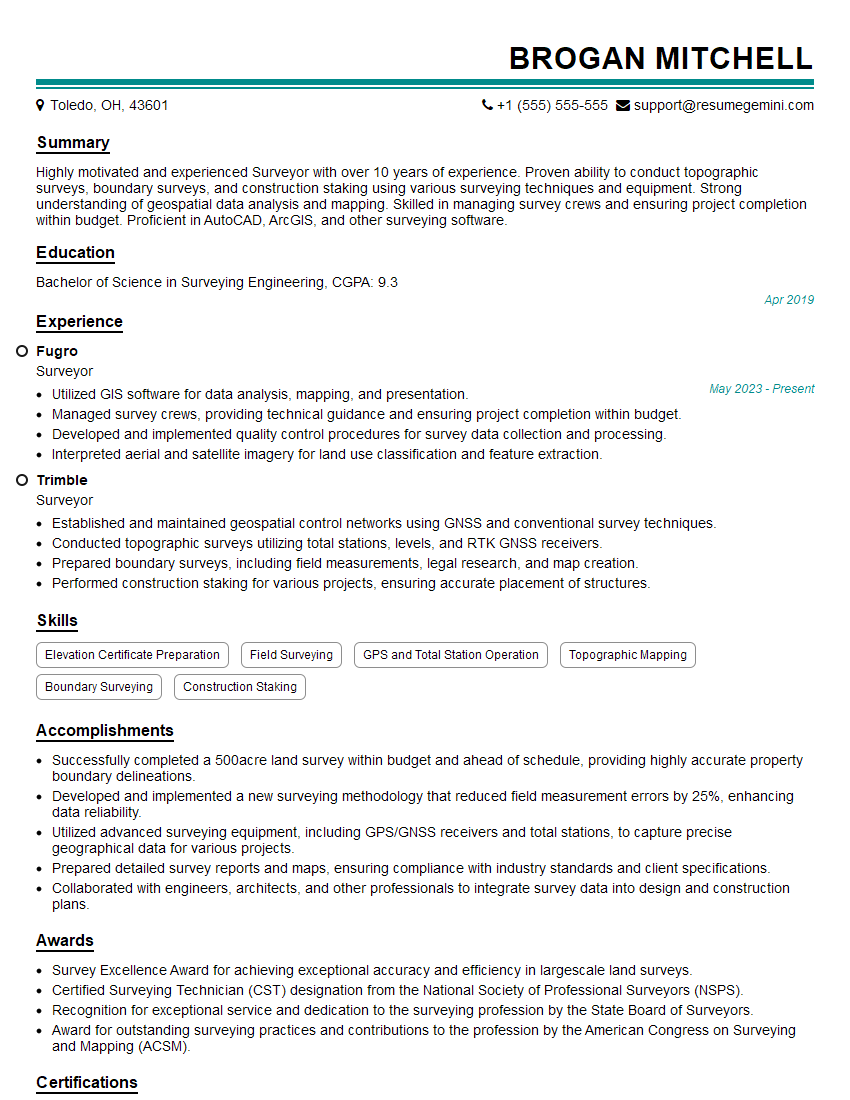
Surveyor Resume Sample

Civil Engineering Technician Resume Sample
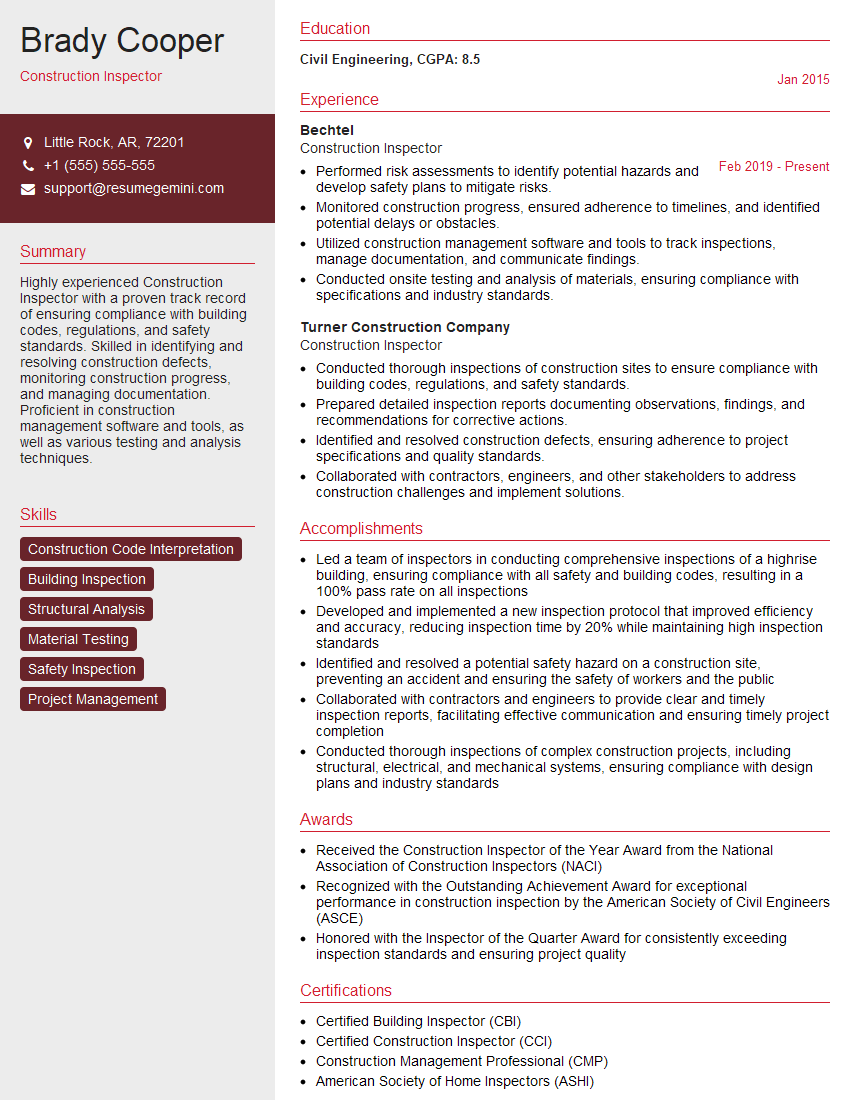
Construction Inspector Resume Sample
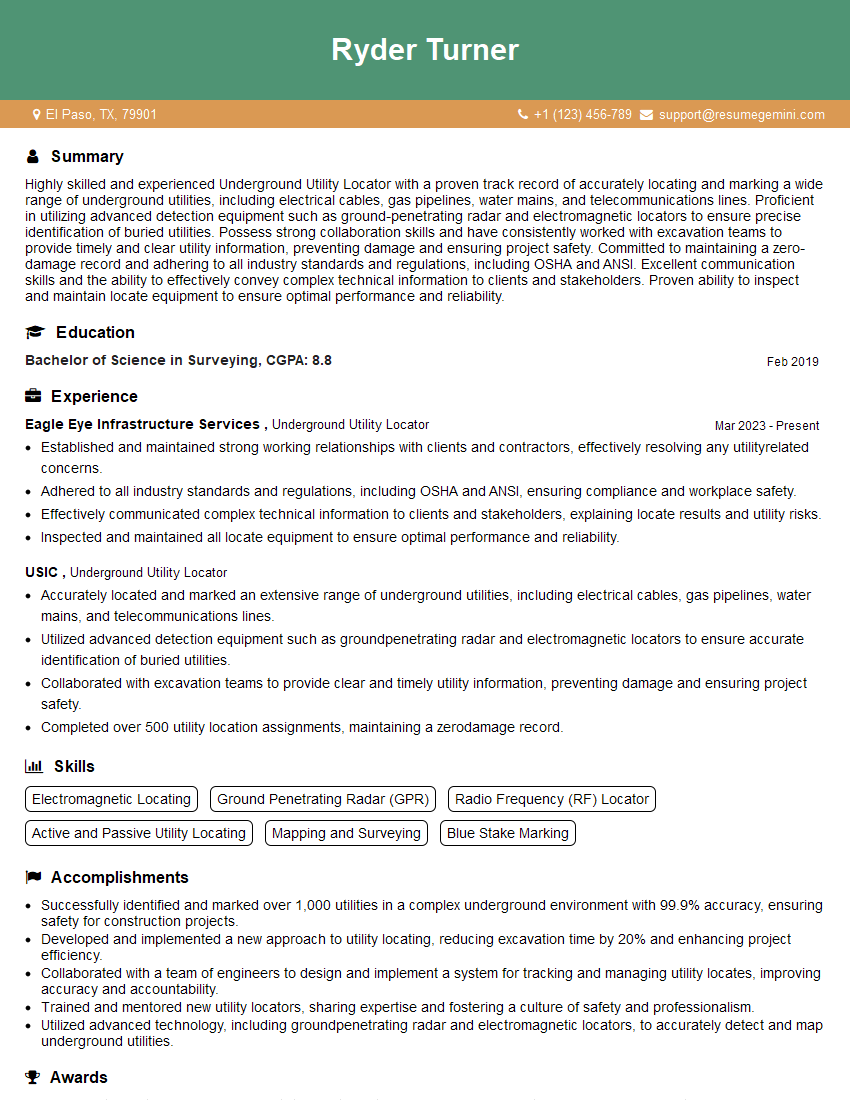
Underground Utility Locator Resume Sample
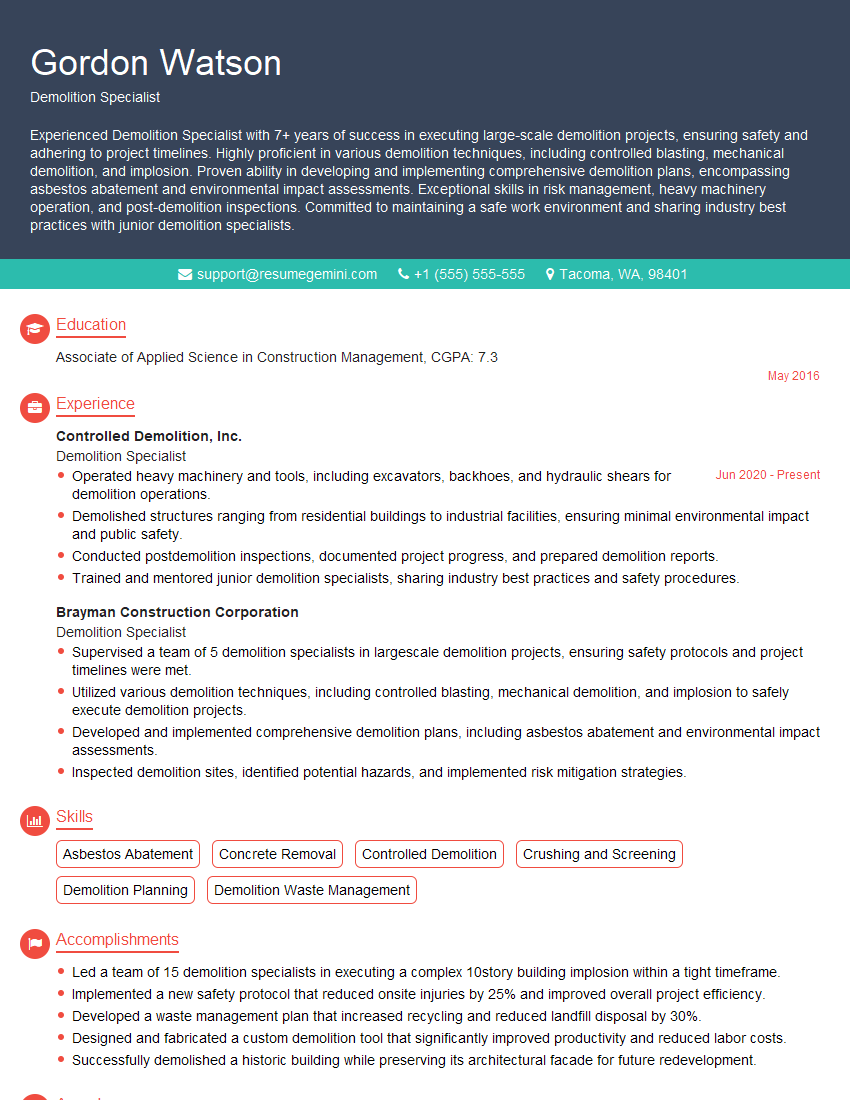
Demolition Specialist Resume Sample

Heavy Equipment Operator Resume Sample
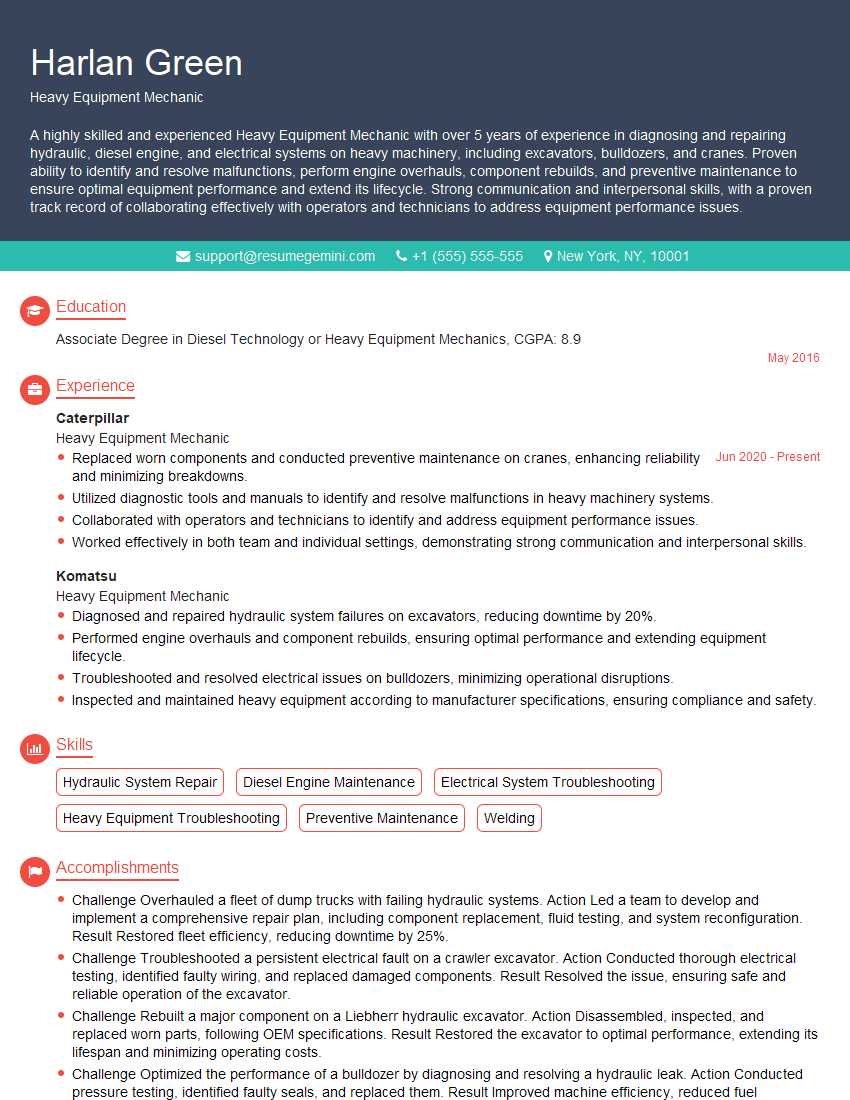
Heavy Equipment Mechanic Resume Sample

Quality Control Inspector Resume Sample
- Safety Manager
- Site Manager
- Construction Superintendent
- Project Engineer
- Training Coordinator
- Environmental Compliance Officer
- Surveyor
- Civil Engineering Technician
- Construction Inspector
- Underground Utility Locator
- Demolition Specialist
- Heavy Equipment Operator
- Heavy Equipment Mechanic
- Quality Control Inspector
Explore more articles
Users Rating of Our Blogs
Share Your Experience
We value your feedback! Please rate our content and share your thoughts (optional).
What Readers Say About Our Blog
To the interviewgemini.com Webmaster.
Very helpful and content specific questions to help prepare me for my interview!
Thank you
To the interviewgemini.com Webmaster.
This was kind of a unique content I found around the specialized skills. Very helpful questions and good detailed answers.
Very Helpful blog, thank you Interviewgemini team.