The thought of an interview can be nerve-wracking, but the right preparation can make all the difference. Explore this comprehensive guide to Cellar Operations interview questions and gain the confidence you need to showcase your abilities and secure the role.
Questions Asked in Cellar Operations Interview
Q 1. Describe your experience with different winemaking techniques.
My experience encompasses a wide range of winemaking techniques, from traditional to modern approaches. I’ve worked extensively with both red and white wine production, employing various methods to achieve specific stylistic goals. For example, in red wine production, I’ve utilized techniques like carbonic maceration, which involves fermenting whole grapes in a carbon dioxide-rich environment, resulting in lighter-bodied, fruitier wines. Conversely, I’ve also employed traditional methods such as extended maceration, which involves leaving the grape skins in contact with the juice for a longer period, extracting more tannins and color for a bolder, more structured wine. In white winemaking, I’m experienced in techniques such as skin contact fermentation (which extracts color and tannins from white grapes), and cold soak, where grapes are chilled before fermentation to preserve aromatics.
I also have experience with different yeast strains, understanding how specific strains impact the final aroma profile. For instance, using a yeast strain known for producing high levels of esters can create a more fruity and floral wine, while a strain known for producing more phenols would result in a more tannic wine. My approach is always tailored to the specific grape variety, vintage, and desired wine style.
Q 2. Explain the process of barrel selection and management.
Barrel selection and management are crucial for wine quality. It begins with selecting the right type of oak – French, American, or other – considering its toast level (light, medium, heavy) which impacts the flavor imparted to the wine. The cooperage’s reputation also plays a critical role; a skilled cooper ensures well-made barrels that won’t leak or impart unwanted flavors. I meticulously inspect each barrel, checking for cracks, leaks, and the overall integrity of the wood. I also consider the barrel’s history – how many times it’s been used, the type of wine previously aged in it, and any potential lingering flavors.
Barrel management involves regular monitoring. I regularly check for leaks and any signs of spoilage or off-flavors. Proper sanitation is paramount, and I use a combination of steam cleaning and sulfur dioxide to ensure cleanliness between uses. During the aging process, I perform regular tastings to monitor the wine’s evolution and adjust the conditions in the cellar, such as temperature and humidity, as needed to ensure optimal aging and prevent excessive evaporation (“the angels’ share”). Using this multi-faceted approach ensures the barrels contribute positively to the wine’s final character rather than negatively impacting its quality.
Q 3. How do you ensure the sanitation and hygiene of cellar equipment?
Sanitation and hygiene are non-negotiable in cellar operations. We employ a rigorous cleaning and sanitizing protocol for all equipment, including tanks, pumps, hoses, and bottling lines. This involves a multi-step process. First, the equipment is thoroughly cleaned with a high-pressure washer to remove any residue. Then, a detergent is used to eliminate organic matter. Finally, a sanitizer, such as a peracetic acid solution or potassium metabisulfite, is applied to eliminate any remaining microorganisms.
We maintain detailed cleaning logs, documenting the date, time, type of cleaner and sanitizer used, and the equipment involved. Regular preventative maintenance on the equipment helps reduce the risk of contamination. For instance, we regularly check and clean pump seals and tank valves to prevent microbial growth. We use specialized cleaning solutions for different types of equipment to avoid damage and ensure effective sanitation. The entire process is carefully monitored to guarantee the highest possible standards of hygiene throughout the winemaking process.
Q 4. What are the common spoilage organisms found in a winery and how do you control them?
Several spoilage organisms can affect wine quality. Common bacteria include Acetobacter, which causes acetic acid production (vinegar), and Lactobacillus, which can cause off-flavors if malolactic fermentation isn’t managed correctly. Yeasts like Brettanomyces can produce unpleasant barnyard or horse blanket aromas. Mold, particularly Penicillium, can contaminate equipment and grapes.
Controlling spoilage begins with meticulous hygiene practices, as mentioned earlier. Regular monitoring of wine parameters, including pH, volatile acidity, and SO2 levels helps detect early signs of spoilage. Proper temperature and humidity control in the cellar minimize microbial growth. In addition to sanitization, we carefully monitor incoming fruit for any signs of rot or infection, ensuring that grapes used are healthy and free from contamination. The use of SO2 plays a vital role in preventing microbial growth during fermentation and aging.
Q 5. Describe your experience with different types of fermentation tanks.
My experience includes working with various fermentation tanks, each with its advantages and disadvantages. I’ve utilized stainless steel tanks, which are widely used due to their inertness, ease of cleaning, and temperature control capabilities. I have also worked with concrete tanks, which offer excellent thermal inertia, leading to slower, more gentle fermentations, often resulting in richer flavors and greater complexity. Finally, I have experience using oak tanks, similar to barrels, but often larger in size, allowing for a degree of oak influence, similar to barrel aging, but in a larger scale.
The choice of tank depends on the wine style, grape variety, and desired outcome. Stainless steel is ideal for preserving fruit-forward characteristics, while concrete and oak tanks can add complexity and structure. For example, I’d likely use stainless steel for a crisp Sauvignon Blanc to maintain its bright acidity and citrus notes, while a richer Chardonnay might benefit from fermentation in oak or concrete to impart subtle nutty or vanilla flavors. The selection is always a carefully considered decision to optimize the final product’s quality.
Q 6. Explain your understanding of malolactic fermentation.
Malolactic fermentation (MLF) is a secondary fermentation where malic acid, a harsh, tart acid, is converted into lactic acid, a softer, more mellow acid. This is often desirable in wines, particularly red wines and certain white wines like Chardonnay. It reduces acidity, adds buttery notes, and contributes to a wine’s mouthfeel and complexity.
The decision to conduct MLF depends on the wine style. For example, it’s commonly used in Chardonnay to create a rounder, creamier texture and to soften the wine’s acidity. However, it might be avoided in wines where high acidity is desired, such as Sauvignon Blanc. MLF is managed through carefully controlling cellar temperature, adding selected Oenococcus oeni bacteria (the bacteria responsible for this fermentation), and monitoring the process to ensure completion without the development of undesirable off-flavors. I monitor the process by regularly tasting and analyzing the wine for malic acid levels. An incomplete or uncontrolled MLF can result in off-flavors in the finished wine.
Q 7. How do you monitor and control cellar temperature and humidity?
Monitoring and controlling cellar temperature and humidity are critical for wine quality and stability. Temperature directly affects fermentation, aging, and the overall development of the wine’s aromas and flavors. Humidity impacts evaporation and the condition of the barrels. We use a combination of methods to maintain optimal conditions.
We employ sophisticated climate control systems including refrigeration units and humidifiers to regulate both temperature and humidity. These systems are carefully monitored using sensors and data loggers that provide real-time readings and historical data. These sensors are strategically positioned throughout the cellar. We also regularly measure the temperature and humidity using handheld instruments as a verification measure. Furthermore, the cellar’s structure itself plays a role—thick walls and insulation help maintain a stable environment. This detailed, multi-pronged approach ensures a consistent cellar environment that is crucial for wine quality and longevity.
Q 8. What are the key indicators of wine quality during the aging process?
Monitoring wine quality during aging is a crucial aspect of cellar operations. It’s a delicate balance of art and science, relying on sensory evaluation and objective measurements. Key indicators include:
- Color and Clarity: Observing changes in hue and the presence of sediment provides insights into the wine’s evolution. For instance, a red wine might deepen in color and clarity, whereas oxidation can lead to browning.
- Aroma and Bouquet: Regularly smelling the wine reveals the development of its aromatic profile. The emergence of complex tertiary aromas, like truffle or leather, is a positive sign in aged wines.
- Taste and Tannins: Tasting the wine assesses its structure, balance, and the evolution of tannins. Over time, harsh tannins typically soften, contributing to a more refined taste.
- pH and Acidity: Regular pH and acidity measurements are vital. Changes in these parameters reflect the wine’s chemical stability and aging potential.
- SO2 Levels: Monitoring sulfur dioxide levels ensures the wine remains protected from oxidation and microbial spoilage. Levels should be optimized for the wine’s stage of aging.
- Visual Inspection: Regularly checking for any signs of spoilage like mold, leaking, or unusual sediment buildup is crucial.
For example, I once noticed a slight haze developing in a batch of Chardonnay. Through meticulous tasting and lab analysis, we identified a slight yeast instability. We corrected this with a fining agent and close monitoring, preserving the wine’s quality.
Q 9. How do you manage inventory in a busy cellar environment?
Managing inventory in a busy cellar demands a robust system combining technology and well-defined processes. We employ a combination of:
- Inventory Management Software: This allows for precise tracking of each bottle, its location, age, and quality status. We use a system that integrates with our bottling and order fulfillment processes. This minimizes errors and ensures efficient stock rotation, maximizing the value of our inventory.
- Barcoding/RFID: Each case and even individual bottles are often barcoded or tagged with RFID, enabling seamless tracking throughout the cellar. This greatly reduces manual counting and the risk of inaccuracies.
- Organized Cellar Layout: A logically organized cellar layout, taking into account temperature, humidity and access, is crucial for efficiency. We prioritize easy access to frequently used bottles and appropriate storage conditions for each wine type. For example, we use specific racking for bottles aged upright and horizontally.
- Regular Stock Takes: Regular physical inventory counts are essential to verify the accuracy of our digital records. Any discrepancies are thoroughly investigated and resolved.
- FIFO (First In, First Out): This is fundamental to managing aging wine and prevent spoilage of older stock. We always prioritize selling and bottling wines that were produced first.
Imagine trying to manage thousands of bottles without a system—it would be chaos! This integrated system ensures we always know what we have, where it is, and when it’s ready.
Q 10. Explain your experience with wine bottling and packaging processes.
My experience encompasses all aspects of wine bottling and packaging. This includes:
- Bottling Line Operation: I’m proficient in operating and maintaining high-speed bottling lines, ensuring consistent fill levels, proper corking or closure, and efficient labeling.
- Quality Control: Stringent quality checks at every stage are vital. This includes inspecting bottles for defects, ensuring consistent fill levels, proper closure, and label placement. Any deviation from standards results in immediate action.
- Packaging: I oversee the entire packaging process, from selecting appropriate packaging materials (boxes, cartons) to palletizing and preparing for shipping. Proper handling is essential to prevent damage during transport.
- Hygiene and Sanitation: Maintaining the highest standards of hygiene and sanitation is paramount. We follow strict protocols for cleaning and sanitizing all equipment to prevent contamination.
- Waste Management: Efficient waste management is crucial, including proper disposal of broken bottles, damaged corks, and labels, complying with all relevant environmental regulations.
For instance, during a recent bottling run, we identified a slight issue with the corking machine. By quickly diagnosing and adjusting the pressure settings, we averted significant losses and maintained the quality of the bottling run.
Q 11. How do you troubleshoot common cellar equipment malfunctions?
Troubleshooting cellar equipment requires a blend of technical knowledge and practical problem-solving skills. My approach involves:
- Identifying the Problem: Carefully observe the malfunction—what’s not working? What are the error messages, if any?
- Checking Basic Issues: Start by checking the obvious—power supply, connections, and fuses. Often, simple issues like a loose wire can cause significant problems.
- Manuals and Documentation: Refer to the equipment’s manual or consult online resources for troubleshooting guides and common error codes.
- Systematic Approach: Work systematically through possible causes. If it’s a temperature control issue, check the sensor, compressor, and thermostat. For bottling line problems, check every stage individually.
- Seeking Expert Help: If the problem persists, don’t hesitate to contact the equipment manufacturer or a qualified technician for professional assistance.
Once, our refrigeration system malfunctioned during a heatwave. By systematically checking the components, I identified a faulty compressor. Quickly arranging for a repair prevented significant wine spoilage.
Q 12. What safety protocols do you follow in the cellar?
Safety is paramount in cellar operations. We adhere to a strict set of protocols, including:
- Personal Protective Equipment (PPE): This includes safety glasses, gloves, and sturdy footwear to protect against broken glass, chemical spills, and potential injuries.
- Emergency Procedures: We have clearly defined emergency procedures for situations like fire, chemical spills, or equipment malfunctions. Regular training ensures everyone knows what to do in case of an emergency.
- Safe Handling of Chemicals: All chemicals, including cleaning agents and sanitizers, are handled with care, following manufacturers’ instructions and adhering to proper safety protocols.
- Forklift Safety: If forklifts are used, operators must be properly trained and licensed, following safety regulations for operating and loading/unloading.
- Electrical Safety: Regular inspections of electrical systems, equipment grounding, and ensuring proper wiring are essential to prevent electrical hazards.
- Fall Protection: Appropriate precautions are taken for working at heights to prevent accidents and injuries.
For example, we conduct regular safety audits and training sessions to reinforce our safety protocols. This proactive approach helps create a safe and efficient work environment.
Q 13. Describe your experience with different types of filtration.
Filtration plays a crucial role in winemaking, impacting clarity, stability, and longevity. I have experience with various filtration techniques:
- Fining: This involves adding clarifying agents (like bentonite clay or egg whites) to remove unwanted particles and improve clarity. This is a gentler approach than many filtration techniques.
- Membrane Filtration: Microfiltration (MF), ultrafiltration (UF), and nanofiltration (NF) use membranes with varying pore sizes to remove specific particles from the wine. MF removes larger particles (yeast, bacteria), while UF and NF remove smaller particles affecting color, stability, or aroma compounds. These are precise and effective.
- Depth Filtration: This utilizes a filter bed (e.g., diatomaceous earth) to remove solids by trapping them within the filter. It’s a cost-effective method, but can affect the wine’s flavor if not carefully managed.
- Cross-flow Filtration: This technique minimizes wine-filter contact time and allows for higher flow rates. It’s useful for large volumes with minimal impact on sensory qualities.
The choice of filtration method depends on the wine style, desired clarity, and the preservation of sensory characteristics. In one instance, we used ultrafiltration to remove specific volatile compounds causing off-flavors in a Sauvignon Blanc, improving its quality without affecting other characteristics.
Q 14. How do you manage wine aging in various types of containers?
Managing wine aging in different containers requires understanding the impact of each container on the wine’s evolution. I have experience with:
- Oak Barrels: Oak barrels impart flavor, tannins, and aroma compounds, influencing the wine’s structure and complexity. The type of oak (French, American), toast level, and barrel size all significantly affect the outcome.
- Stainless Steel Tanks: Stainless steel tanks provide a neutral environment that preserves the wine’s fruit characteristics without significant changes. They are ideal for wines where the fruit character is the primary focus.
- Concrete Tanks: Concrete tanks offer excellent temperature stability and provide a subtle influence on the wine, adding minerality. They are often used for wines seeking greater terroir expression.
- Bottles: Bottles are the final container for aged wines. The choice of bottle color (green, clear, amber) can affect the wine’s exposure to light and its evolution.
The choice of container depends on the wine style, desired aging profile, and the winemaker’s vision. For instance, I’ve overseen the aging of Cabernet Sauvignon in new French oak barrels, which imparted vanilla notes and balanced tannins, contrasting with a Pinot Noir aged in stainless steel, which preserved its bright fruit profile.
Q 15. Explain your understanding of wine stabilization techniques.
Wine stabilization is crucial for preventing undesirable changes in the wine after bottling, ensuring its longevity and quality. It involves several techniques aimed at eliminating or reducing elements that can cause spoilage or unwanted reactions.
- Tartaric Stabilization: This addresses the potential for tartaric acid crystals to form in the bottle, giving the wine a cloudy or gritty appearance. It’s typically achieved through cold stabilization, where the wine is chilled to induce crystallization, followed by filtration to remove the crystals. Imagine chilling a soda; sometimes, crystals will form. This is similar, but on a much larger scale and with careful temperature control.
- Malolactic Stabilization: This prevents unwanted malolactic fermentation, where malic acid is converted to lactic acid by bacteria. While sometimes desirable for flavor development in certain wines (like Chardonnay), in others it can lead to off-flavors. It can be managed by controlling cellar temperature and/or the addition of sulfur dioxide (SO2) to inhibit bacterial growth.
- Protein Stabilization: Certain proteins in wine can cause cloudiness or haze, particularly after bottling. Techniques like bentonite fining—adding a clay to bind with and remove the proteins—are commonly used. This is like using a clarifying agent to remove impurities from a liquid, making it crystal clear.
- Microbial Stabilization: This focuses on eliminating any unwanted yeasts or bacteria that might survive initial fermentation and cause spoilage. This often relies heavily on the use of SO2 which acts as an antimicrobial agent, along with meticulous hygiene practices in the cellar.
Career Expert Tips:
- Ace those interviews! Prepare effectively by reviewing the Top 50 Most Common Interview Questions on ResumeGemini.
- Navigate your job search with confidence! Explore a wide range of Career Tips on ResumeGemini. Learn about common challenges and recommendations to overcome them.
- Craft the perfect resume! Master the Art of Resume Writing with ResumeGemini’s guide. Showcase your unique qualifications and achievements effectively.
- Don’t miss out on holiday savings! Build your dream resume with ResumeGemini’s ATS optimized templates.
Q 16. How do you identify and prevent wine spoilage?
Identifying and preventing wine spoilage requires a keen eye for detail and a proactive approach. Early detection is key.
- Sensory Evaluation: Regularly tasting and smelling the wine allows for the early detection of off-flavors or aromas indicative of spoilage (e.g., vinegar-like smells from acetic acid bacteria, or ‘corked’ notes from TCA). Think of it like a quality control check for a food product.
- Microbial Analysis: Laboratory analysis can identify specific spoilage microorganisms present. This is particularly useful for pinpointing the root cause of a problem.
- Good Cellar Practices: Maintaining impeccable hygiene in the cellar is paramount. This includes regular cleaning and sanitization of equipment, proper racking techniques to minimize oxidation and contamination, and controlling temperature and humidity to create an environment unfavorable for spoilage organisms.
- SO2 Management: Sulfur dioxide is a crucial tool for preventing microbial spoilage. The correct level of SO2 needs to be maintained without negatively affecting the wine’s character. It’s a delicate balance.
- Oxygen Management: Minimizing exposure to oxygen throughout the winemaking process, particularly during storage, is critical. Oxygen can trigger oxidation, leading to undesirable browning and changes in flavor profile.
Q 17. How do you maintain accurate records of cellar operations?
Accurate record-keeping is the backbone of any successful cellar operation. It ensures traceability, facilitates quality control, and helps optimize processes. I use a combination of digital and paper-based systems.
- Inventory Management Software: This tracks all wines in the cellar, noting their origin, variety, vintage, volume, location, and any relevant treatments. This allows for efficient stock management and prevents loss or misplacement.
- Batch Records: Detailed logs documenting every step of the winemaking process for each batch, including fermentation parameters, additions made (e.g., SO2, yeast), racking dates, and sensory evaluations, ensure traceability and aid in troubleshooting.
- Temperature and Humidity Logs: Continuous monitoring and recording of temperature and humidity in the cellar using data loggers ensures that optimal storage conditions are consistently maintained. This data is critical for quality control.
- Laboratory Results: Results from analytical tests (e.g., pH, titratable acidity, SO2 levels) are meticulously recorded and analyzed to assess wine quality and inform future decisions.
This comprehensive approach ensures consistency and supports informed decision-making, which leads to high-quality wine production and efficient cellar management.
Q 18. Describe your experience with different types of yeast strains.
Experience with various yeast strains is fundamental for winemaking, as different strains impart unique characteristics to the wine.
- Saccharomyces cerevisiae: This is the most common yeast used in winemaking. Within this species, numerous strains exist, each with different fermentation profiles (e.g., fermentation rate, tolerance to alcohol, production of esters and other aroma compounds). For example, some strains are better suited for high-alcohol wines, while others excel in producing aromatic white wines. I’ve extensively used strains like EC1118 (known for its high alcohol tolerance) and Lalvin 71B-1122 (a robust strain ideal for many varieties).
- Non-Saccharomyces Yeasts: These yeasts are increasingly used for co-fermentation or pre-fermentation to enhance aromatic complexity. Examples include Torulaspora delbrueckii and Metschnikowia pulcherrima. These can add fruitiness or complexity before the main fermentation with Saccharomyces.
- Strain Selection: Choosing the appropriate yeast strain is crucial and depends on the grape variety, desired wine style, and climate. Consider factors like the grape’s phenolic composition and the desired final alcohol content when selecting a strain.
My experience involves evaluating yeast performance in different conditions, managing fermentation kinetics effectively, and understanding the impact each strain has on the final product. This knowledge informs my decisions and enables me to craft wines that fulfill specific quality targets.
Q 19. Explain the impact of oak on wine aging and flavor development.
Oak significantly impacts wine aging and flavor development, imparting complexity and nuance.
- Flavor Compounds: Oak barrels contribute a spectrum of flavors, including vanilla, coconut, toast, spice, smoke, and cedar. These are imparted through compounds like vanillin and lactones extracted from the wood during aging.
- Tannins: Oak wood contains tannins that interact with the wine’s tannins, influencing the wine’s structure, mouthfeel, and aging potential. They can soften harsh tannins or add structure depending on the oak type and barrel age.
- Oxygen Integration: Oak barrels are permeable, allowing controlled oxygen exchange which influences the wine’s oxidation and evolution. This is crucial for aging red wines and developing desirable complexity.
- Oak Type and Toast Level: The type of oak (French, American, etc.) and the level of toast significantly influence the flavor profile. American oak tends to impart bolder, vanilla-like flavors, while French oak often contributes more subtle nuances.
Careful consideration of oak type, toast level, barrel age, and the length of oak aging is paramount in crafting the desired wine style. For instance, a lighter toast may be preferable for a delicate white wine, while a heavier toast might be used to compliment a robust red.
Q 20. How do you assess the readiness of wine for bottling?
Assessing wine readiness for bottling is a multi-faceted process demanding careful evaluation.
- Sensory Evaluation: The wine’s aroma, flavor profile, and mouthfeel are assessed to ensure it meets the desired quality standards. This involves checking for balance, complexity, and the absence of off-flavors.
- Chemical Analysis: Laboratory tests determine crucial parameters like pH, titratable acidity, volatile acidity, and SO2 levels to ensure stability and prevent spoilage.
- Malolactic Fermentation Completion: If malolactic fermentation is desired, its completion must be verified to prevent undesirable changes after bottling.
- Clarity and Stability: The wine’s clarity is checked for any haze or sediment. Stability tests ensure it won’t cloud or precipitate after bottling.
- Biological Stability: The absence of undesirable microorganisms is confirmed to prevent spoilage during storage.
This holistic approach is critical. Bottling prematurely can compromise quality, while delaying bottling too long can risk undesirable changes or spoilage. It’s about achieving the perfect balance between achieving the desired character and ensuring long-term stability.
Q 21. What is your experience with different types of wine closures?
Wine closures play a vital role in preserving wine quality and are chosen based on the wine’s style, aging potential, and cost considerations.
- Natural Cork: Traditionally used, natural cork offers good oxygen permeability, allowing for slow micro-oxygenation beneficial for aging. However, TCA (2,4,6-trichloroanisole) contamination is a risk, leading to the ‘corked’ taint.
- Synthetic Cork: These offer a TCA-free alternative, providing a consistent closure and reliable seal. They generally have less oxygen permeability than natural cork.
- Screw Caps: Increasingly popular, screw caps provide an airtight seal, effectively preventing oxidation and TCA issues. They are ideal for wines intended for early consumption.
- Glass Stoppers: Primarily used for sparkling wines, glass stoppers offer a secure and elegant closure, preserving the wine’s carbonation and character.
The choice of closure is a critical decision impacting both the wine’s quality and its marketing appeal. The selection aligns with the specific characteristics of the wine and the desired aging profile.
Q 22. Explain your experience with wine analysis and quality control.
Wine analysis and quality control are crucial for ensuring consistent product quality. My experience encompasses various stages, from initial grape analysis to final bottled product evaluation. This involves sensory evaluation (visual, olfactory, gustatory), chemical analysis (measuring pH, acidity, sugar levels, etc.), and microbiological testing (detecting unwanted bacteria or yeast).
For example, during harvest, I’d conduct rapid tests on incoming grapes to determine ripeness and potential issues like rot or disease. This informs decisions on sorting, pressing, and fermentation techniques. Throughout fermentation, regular analysis ensures the process is progressing as planned, identifying and rectifying any deviations from ideal parameters. Finally, pre-bottling analysis checks clarity, stability, and overall quality before release.
I’m proficient in using various analytical instruments, including spectrophotometers, titrators, and microscopes. Data analysis skills are vital to interpret results, identify trends, and implement corrective actions, ensuring the final product meets our high standards. I’ve also played a key role in developing and implementing quality control procedures to minimize defects and maximize consistency.
Q 23. How do you manage a team in a cellar environment?
Managing a cellar team requires strong leadership, communication, and delegation skills. In my experience, I foster a collaborative and supportive environment where each team member feels valued and empowered. Clear communication is paramount, ensuring everyone understands their roles, responsibilities, and the overall goals. I utilize regular team meetings to discuss progress, address challenges, and share best practices.
Delegation involves assigning tasks based on individual skills and experience, providing appropriate training and support where needed. I also prioritize safety, implementing rigorous safety protocols and conducting regular training sessions. Motivating the team involves recognizing and rewarding good work, creating opportunities for professional development, and fostering a culture of continuous improvement. For instance, I once implemented a system of peer mentoring to accelerate the skill development of junior staff, resulting in a significant improvement in team efficiency and morale.
Q 24. Describe your experience with cellar automation and technology.
Cellar automation and technology have significantly improved efficiency and precision in winemaking. My experience includes working with automated systems for temperature control, pumping, and racking. This involves programming and monitoring these systems to ensure optimal fermentation conditions and efficient handling of wine. For example, I’ve used programmable logic controllers (PLCs) to manage temperature in our fermentation tanks, ensuring consistent temperatures throughout the process.
I’m also familiar with various software applications for data logging, inventory management, and quality control. These tools help to track key parameters throughout the winemaking process, providing valuable data for analysis and optimization. The use of sensors and automated systems reduces manual labor, minimizes human error, and allows for better monitoring of the wine’s condition. Furthermore, I’ve actively participated in the implementation of new technologies, ensuring seamless integration into existing cellar operations and maximizing the benefits of automation.
Q 25. Explain your understanding of sustainable cellar practices.
Sustainable cellar practices are crucial for minimizing environmental impact and ensuring the long-term viability of the winery. My understanding encompasses a holistic approach, focusing on water conservation, energy efficiency, waste reduction, and the use of environmentally friendly products. Water conservation involves implementing practices like using recycled water for cleaning and minimizing water usage during various processes.
Energy efficiency is achieved through optimizing equipment usage, using energy-efficient lighting and refrigeration systems, and employing renewable energy sources where feasible. Waste reduction involves minimizing waste generation throughout the entire winemaking process, through strategies like proper waste segregation, recycling, and composting. The selection of sustainable products, such as organic and biodynamic inputs, further contributes to our environmental commitment. For example, I’ve spearheaded initiatives to reduce water usage by 20% through the implementation of a closed-loop water system, substantially lowering our environmental footprint.
Q 26. How do you handle waste management in the cellar?
Waste management in a cellar requires a structured and responsible approach. This starts with proper waste segregation at the source, distinguishing between different waste streams such as organic waste (pomace, grape skins), recyclable materials (glass, cardboard), and hazardous waste (chemicals). We have a dedicated waste management plan outlining procedures for handling each waste stream.
Organic waste is often composted to create valuable soil amendment, reducing landfill waste and providing a sustainable alternative. Recyclable materials are processed according to local regulations. Hazardous waste, including cleaning agents and chemicals, is disposed of according to strict safety guidelines, often through licensed waste management companies. Accurate record-keeping is crucial for tracking waste generation, recycling rates, and overall waste management effectiveness. Regular audits ensure compliance with regulations and identify opportunities for improvement. For example, we’ve partnered with a local composting facility to process our pomace, diverting hundreds of tons of organic waste from landfills annually.
Q 27. Describe your experience with wine blending and fining.
Wine blending and fining are crucial steps in crafting a high-quality wine. Blending involves combining different wines to create a desired profile, balancing acidity, tannins, fruitiness, and other characteristics. My experience includes assessing the quality and characteristics of individual wines, selecting appropriate blends, and conducting trial blends to optimize the final product. I utilize sensory analysis and analytical data to guide the blending process, ensuring the final blend is harmonious and meets specific quality standards.
Fining involves clarifying and stabilizing the wine by removing unwanted particles. This may involve using various fining agents, such as bentonite, egg whites, or PVPP, depending on the specific needs of the wine. The selection and application of fining agents are critical and require detailed knowledge of their effects on the wine. I carefully monitor the fining process to ensure the desired clarity and stability are achieved without negatively impacting the wine’s flavor or aroma profile. For example, I have successfully used a combination of bentonite and PVPP to clarify a red wine, removing excessive tannins while preserving the wine’s fruit character.
Q 28. What is your understanding of wine laws and regulations?
Understanding wine laws and regulations is paramount for ensuring compliance and avoiding legal issues. My knowledge encompasses various aspects, including labeling requirements, alcohol content regulations, and import/export regulations. I’m familiar with the specific regulations governing our region, ensuring all our practices comply with the relevant legislation. This includes proper record-keeping, accurate labeling, and adherence to strict quality control protocols.
Staying updated with evolving regulations is vital, requiring continuous learning and participation in industry events and training. I actively engage with regulatory bodies and industry associations to remain informed about changes and ensure our winery’s compliance. For instance, I’ve been instrumental in updating our labeling processes to reflect changes in the labeling regulations of our target export market, ensuring the seamless and legal export of our products.
Key Topics to Learn for Cellar Operations Interview
- Winemaking Principles: Understanding the fundamental processes of wine production, from grape reception to bottling, is crucial. This includes knowledge of fermentation, oak aging, and blending techniques.
- Cellar Equipment & Technology: Familiarity with various cellar equipment (pumps, tanks, filters, etc.) and their operation is essential. Practical application involves troubleshooting malfunctions and ensuring efficient use of technology to maintain wine quality.
- Inventory Management: Mastering inventory tracking, including accurate record-keeping, stock rotation, and managing levels to meet production demands. Problem-solving involves optimizing storage space and minimizing losses.
- Quality Control & Assurance: Understanding quality control procedures, sensory evaluation techniques, and implementing measures to prevent spoilage and maintain consistency in wine quality. This includes handling potential issues and implementing corrective actions.
- Sanitation & Hygiene: Detailed knowledge of sanitation protocols, cleaning procedures, and hygiene practices to maintain a clean and safe cellar environment. Practical experience involves managing cleaning schedules and preventing contamination.
- Health & Safety Regulations: Understanding and adhering to all relevant health and safety regulations within a cellar environment. This includes proper handling of chemicals and equipment.
- Teamwork & Communication: Effective communication and collaboration with other cellar staff and winemakers is essential for smooth operations. This includes problem-solving as a team and clear reporting.
- Sustainability Practices: Understanding and implementing sustainable practices in cellar operations, such as water conservation and waste reduction, is increasingly important.
Next Steps
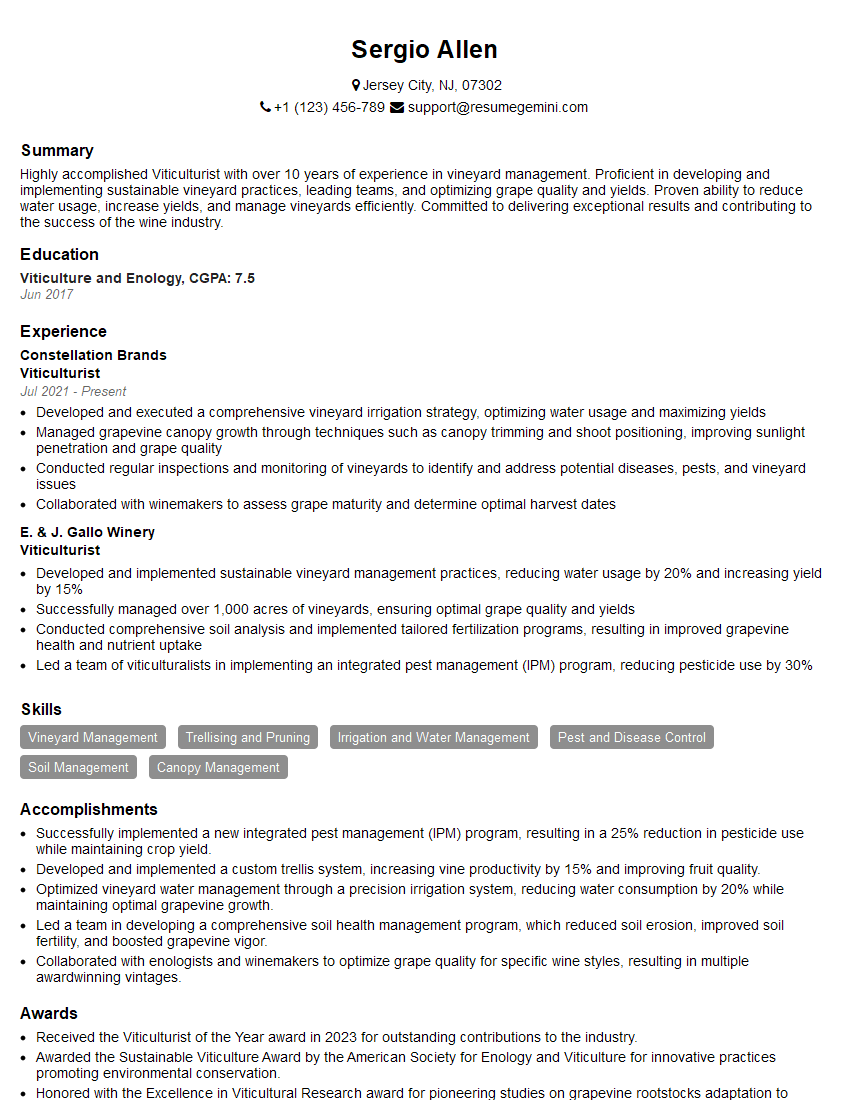
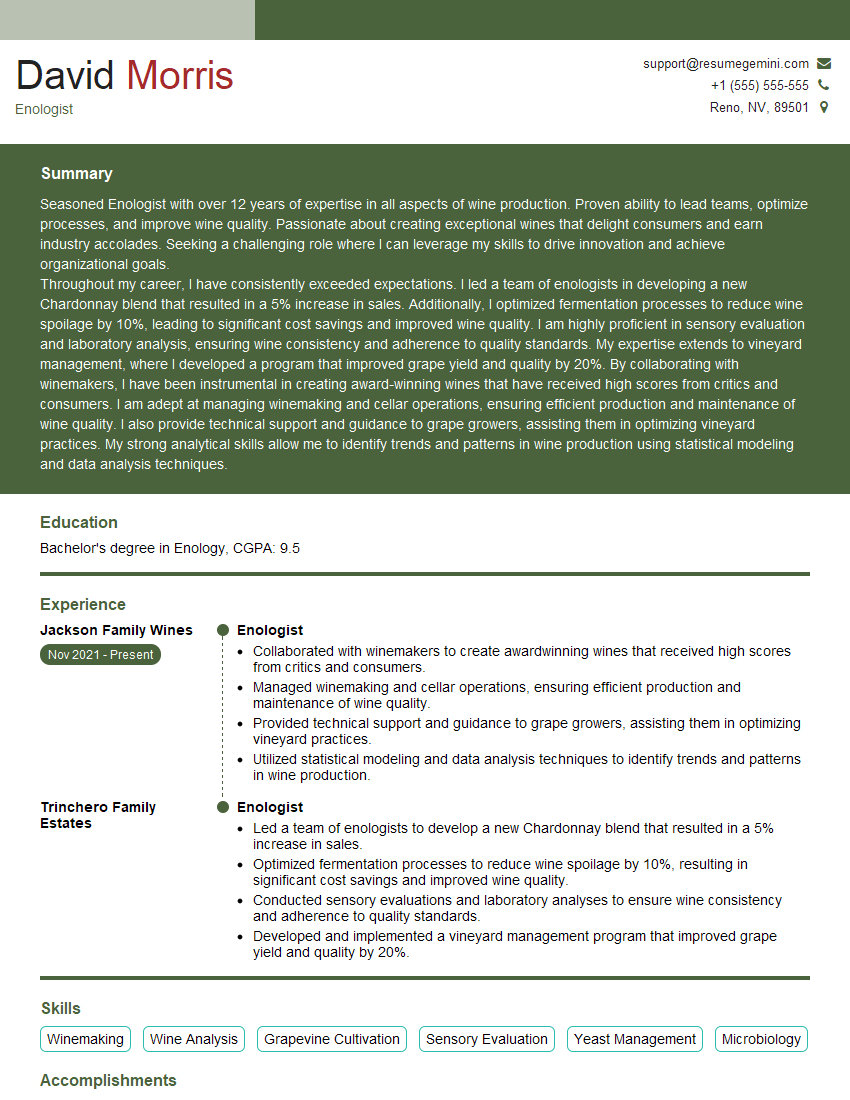
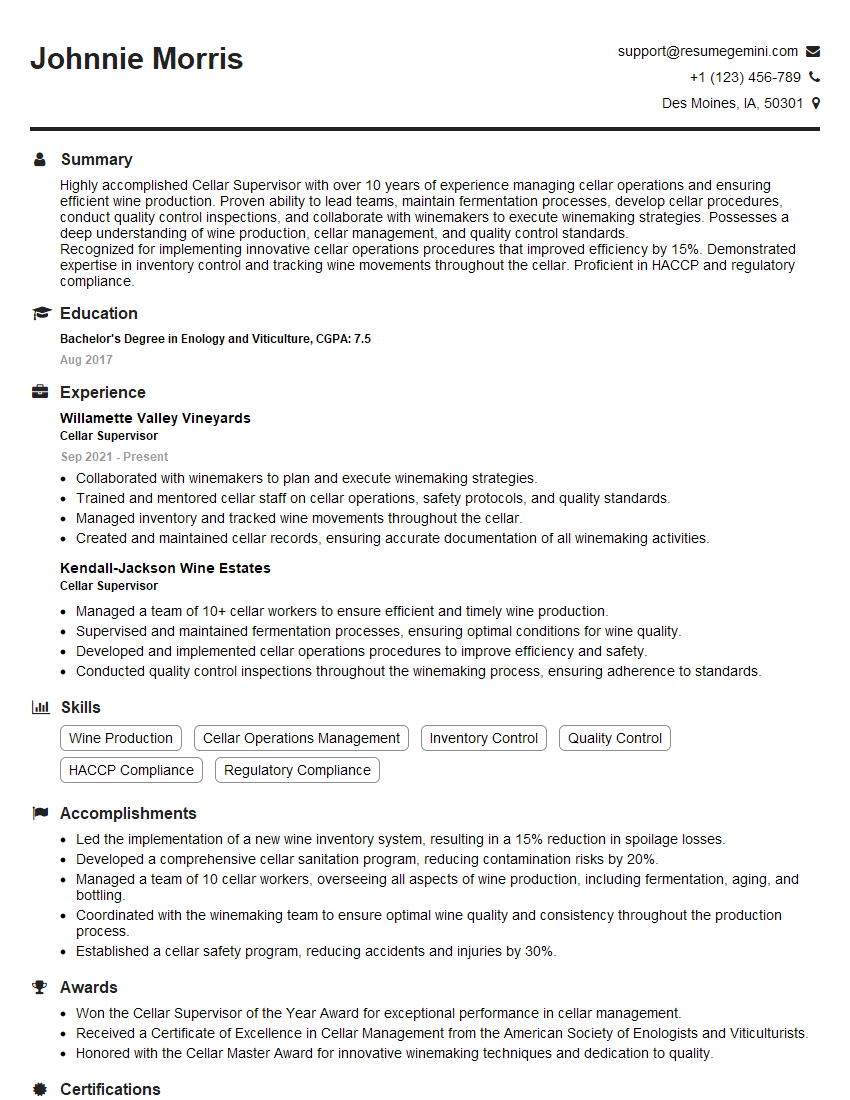
Mastering Cellar Operations is key to advancing your career in the wine industry, opening doors to supervisory roles and increased responsibilities. To maximize your job prospects, creating a strong, ATS-friendly resume is vital. ResumeGemini is a trusted resource to help you build a professional and impactful resume that highlights your skills and experience. Examples of resumes tailored to Cellar Operations are available to guide you. Investing time in crafting a compelling resume will significantly increase your chances of securing your dream position.
Explore more articles
Users Rating of Our Blogs
Share Your Experience
We value your feedback! Please rate our content and share your thoughts (optional).
What Readers Say About Our Blog
To the interviewgemini.com Webmaster.
Very helpful and content specific questions to help prepare me for my interview!
Thank you
To the interviewgemini.com Webmaster.
This was kind of a unique content I found around the specialized skills. Very helpful questions and good detailed answers.
Very Helpful blog, thank you Interviewgemini team.