Interviews are more than just a Q&A session—they’re a chance to prove your worth. This blog dives into essential Chemistry Analysis interview questions and expert tips to help you align your answers with what hiring managers are looking for. Start preparing to shine!
Questions Asked in Chemistry Analysis Interview
Q 1. Explain the principles of chromatography.
Chromatography is a powerful separation technique used in chemistry to separate mixtures of substances into their individual components. Think of it like sorting a box of colorful candies – chromatography helps us neatly organize those candies by color (or, in chemistry, by their different properties).
The fundamental principle lies in the differential distribution of the components of a mixture between two phases: a stationary phase and a mobile phase. The stationary phase is a solid or liquid supported on a solid, while the mobile phase is a liquid or gas that flows over the stationary phase. Components with a higher affinity for the mobile phase will travel faster through the system, while those with a greater affinity for the stationary phase will move more slowly. This difference in movement separates the components.
Imagine pouring water (mobile phase) over a coffee filter (stationary phase) with a mixture of ink. Different colored components of the ink will travel at different speeds due to their different interactions with the filter paper and water, leading to their separation.
Q 2. Describe different types of chromatography and their applications.
Numerous types of chromatography exist, each optimized for specific applications. Here are a few examples:
- Gas Chromatography (GC): Uses a gaseous mobile phase and is ideal for volatile compounds. Applications include analyzing environmental pollutants, determining the composition of perfumes, and identifying drugs in blood samples.
- High-Performance Liquid Chromatography (HPLC): Employs a liquid mobile phase and is versatile, separating a wide range of compounds, including non-volatile and thermally labile ones. It’s extensively used in pharmaceutical analysis, food safety testing, and forensic science.
- Thin-Layer Chromatography (TLC): A simple, inexpensive technique using a thin layer of adsorbent material as the stationary phase. It’s frequently used for quick qualitative analysis, such as monitoring reaction progress or identifying components in a mixture.
- Ion Chromatography (IC): Specifically designed for the separation of ions. This finds applications in water quality analysis, determining the concentration of anions and cations in various samples, and studying ionic compounds.
The choice of chromatography type depends heavily on the nature of the sample (polarity, volatility, etc.) and the analytical goal. For example, GC is excellent for analyzing volatile organic compounds, while HPLC is preferred for analyzing large, non-volatile molecules like proteins.
Q 3. What are the different types of spectroscopy used in chemical analysis?
Spectroscopy is a powerful set of analytical techniques that exploit the interaction of electromagnetic radiation with matter. Different types of spectroscopy analyze different regions of the electromagnetic spectrum and provide complementary information about the sample’s chemical structure and composition.
- Ultraviolet-Visible (UV-Vis) Spectroscopy: Measures the absorption of ultraviolet and visible light. It’s useful for identifying conjugated systems and determining the concentration of substances.
- Infrared (IR) Spectroscopy: Studies the absorption of infrared radiation, providing information about the functional groups present in a molecule. It’s invaluable for structural elucidation.
- Nuclear Magnetic Resonance (NMR) Spectroscopy: Based on the absorption of radio waves by atomic nuclei in a magnetic field. It offers detailed information about the connectivity and environment of atoms within a molecule, making it critical for complex structural determination.
- Mass Spectrometry (MS): (discussed in detail in the next answer) Measures the mass-to-charge ratio of ions, providing information about the molecular weight and fragmentation patterns of compounds.
These are just a few of many spectroscopic techniques; each provides unique insights. Often, multiple techniques are employed in tandem for a comprehensive analysis.
Q 4. Explain the principles of mass spectrometry.
Mass spectrometry is a powerful technique used to determine the mass-to-charge ratio (m/z) of ions. It is like weighing individual molecules, but instead of measuring weight directly, it measures the ratio of mass to charge.
The process generally involves several steps:
- Ionization: The sample is first ionized, meaning electrons are either added or removed to create charged particles. Various ionization methods exist, such as electron ionization (EI) and electrospray ionization (ESI).
- Acceleration: The ions are then accelerated in an electric field.
- Separation: Ions are separated based on their mass-to-charge ratio using a magnetic or electric field. Lighter ions deflect more than heavier ones.
- Detection: The separated ions are detected, generating a mass spectrum which displays the relative abundance of ions as a function of their m/z ratio.
The mass spectrum provides valuable information about the molecular weight and the fragmentation pattern of the molecule, aiding in identification. For instance, a distinct peak at a specific m/z value indicates the presence of a specific ion.
Q 5. How would you identify an unknown compound using spectroscopic techniques?
Identifying an unknown compound using spectroscopic techniques is a systematic process that often involves a combination of techniques. It’s akin to a detective solving a case, piecing together clues to reveal the identity of the suspect.
- Obtain Spectra: Collect data using various spectroscopic methods such as IR, NMR, UV-Vis, and MS.
- Interpret IR Spectrum: Analyze the IR spectrum to identify characteristic functional groups present in the molecule. The presence of specific absorption bands indicates the presence of specific bonds (e.g., C=O, O-H, C-H).
- Analyze NMR Spectrum: The NMR spectrum provides information about the connectivity and environment of atoms within the molecule. The number of signals, their chemical shifts, and splitting patterns reveal the structure.
- Examine UV-Vis Spectrum: The UV-Vis spectrum gives insights into the presence of conjugated systems and helps determine the extent of conjugation.
- Interpret Mass Spectrum: The mass spectrum provides the molecular weight and fragmentation pattern of the molecule, offering clues about the structure.
- Compare with Databases: Compare the obtained spectral data with databases like NIST (National Institute of Standards and Technology) to identify potential matches.
- Structural Elucidation: Combine information from all techniques to propose a plausible structure. This may involve drawing possible structures based on the spectroscopic data and then using additional techniques to confirm the identity of the compound.
Often, a combination of spectroscopic techniques is necessary to completely elucidate the structure of an unknown compound. The integration of the information obtained from these different methods provides a powerful tool for structural identification.
Q 6. Describe the process of preparing a sample for analysis.
Sample preparation is a crucial step in chemical analysis, often determining the quality and reliability of the results. It’s analogous to preparing ingredients before cooking – improper preparation can ruin the dish.
The specific method depends on the analytical technique and the nature of the sample. However, common steps include:
- Sampling: Selecting a representative portion of the sample to analyze is crucial to avoid bias. For instance, if analyzing soil, it’s essential to collect samples from different locations to get a good representation.
- Pre-treatment: This can involve various steps, such as filtration, centrifugation, extraction, or digestion to remove interfering substances or prepare the sample in a suitable form for the analysis. For example, dissolving a solid sample in a solvent before analysis.
- Dilution: Diluting the sample to achieve the required concentration range for the instrument is crucial. This avoids overloading the instrument and ensures accurate results.
- Clean-up: Removing any contaminants or interfering substances from the sample is critical for accurate analysis. This might involve using solid-phase extraction or liquid-liquid extraction.
Proper sample preparation minimizes errors and ensures that the results obtained are accurate and representative of the original sample. Neglecting this step can lead to significant errors and unreliable conclusions.
Q 7. What are the common errors in chemical analysis and how can they be avoided?
Several common errors can occur in chemical analysis, leading to inaccurate or unreliable results. These errors can be broadly classified as systematic errors (consistent deviations) and random errors (unpredictable fluctuations).
- Systematic Errors: These include calibration errors (incorrect instrument calibration), reagent contamination (impurities in chemicals), and method errors (flaws in the analytical procedure).
- Random Errors: These are caused by unpredictable factors, such as temperature fluctuations, operator variations, and inherent limitations of the instrumentation.
Avoiding Errors:
- Proper Calibration: Regularly calibrating instruments using certified standards ensures accurate measurements.
- Reagent Purity: Using high-purity reagents minimizes contamination.
- Method Validation: Thoroughly validating the analytical method ensures its accuracy and reliability.
- Quality Control: Implementing quality control measures, such as using blanks and standards, helps identify and correct errors.
- Proper Technique: Maintaining meticulous laboratory practices and following established procedures reduces errors.
- Data Analysis: Statistical analysis of the data helps identify outliers and assess the uncertainty of the results.
By carefully considering these potential sources of error and implementing appropriate precautions, analysts can significantly improve the accuracy and reliability of their results.
Q 8. How do you ensure the accuracy and precision of your measurements?
Ensuring accurate and precise measurements is paramount in analytical chemistry. Accuracy refers to how close a measurement is to the true value, while precision refers to how close repeated measurements are to each other. We achieve this through a multi-pronged approach:
Calibration: Before any analysis, instruments are meticulously calibrated using certified reference materials (CRMs). This establishes a reliable baseline for our measurements. For instance, a balance is calibrated using standard weights to ensure its readings are accurate. HPLC systems are calibrated using standards to ensure peak area responses are reliable.
Proper Technique: Following established procedures precisely is crucial. This includes proper sample preparation, handling, and execution of the analytical method. A tiny error in sample preparation, like an incomplete extraction, can dramatically impact accuracy. Similarly, inconsistent injection volumes in chromatography affect precision.
Quality Control (QC) Samples: We routinely analyze QC samples alongside unknown samples. These are materials with known concentrations, allowing us to monitor instrument performance and the consistency of the method. Out-of-range QC results trigger investigation and potential corrective action, preventing inaccurate reporting.
Blank Corrections: Blanks, which are samples without the analyte of interest, are used to correct for background interference. This ensures we are only measuring the analyte and not impurities or signals from the matrix.
Instrument Maintenance: Regular preventative maintenance and calibration of instruments are vital to ensure their longevity and reliability. This includes cleaning components, replacing parts as needed, and checking for leaks or malfunctions. Imagine trying to weigh flour with a dirty, broken scale; the results would be unreliable.
Statistical Analysis: We use statistical methods to assess the accuracy and precision of our measurements. Calculations like standard deviation and calculating confidence intervals indicate the uncertainty associated with our results. This gives us a clear picture of the reliability of our data.
Q 9. Explain the concept of limit of detection (LOD) and limit of quantification (LOQ).
The limit of detection (LOD) and limit of quantification (LOQ) are crucial parameters in analytical chemistry, defining the lowest concentration of an analyte that can be reliably detected and quantified, respectively. Think of it like this: LOD tells us if something is *present*, while LOQ tells us how *much* is present.
LOD: The LOD represents the lowest concentration of an analyte that can be distinguished from the background noise with a certain degree of confidence. It’s often expressed as the concentration that produces a signal three times the standard deviation of the blank signal (3σ). A low LOD is desirable, indicating high sensitivity.
LOQ: The LOQ indicates the lowest concentration that can be measured quantitatively with acceptable accuracy and precision. It’s usually set at a higher value than the LOD, often 10 times the standard deviation of the blank (10σ). A low LOQ means we can accurately measure even low concentrations of the analyte.
In practice, if we are measuring trace amounts of pesticide residue in food, a low LOD ensures we can detect even minimal amounts, while a low LOQ ensures we can accurately report the concentration if detected.
Q 10. What is method validation and why is it important?
Method validation is the process of proving that an analytical method is suitable for its intended purpose. It’s not just about getting numbers; it’s about ensuring those numbers are meaningful and reliable. Imagine a doctor relying on an unvalidated blood test – the results could be disastrous. Method validation is critical for:
Ensuring Accuracy and Precision: Validation demonstrates the method’s ability to produce accurate and precise results, minimizing errors.
Compliance: Many industries (pharmaceutical, environmental, food safety) have strict regulations requiring method validation to ensure data integrity and meet quality standards.
Building Confidence: A validated method provides confidence that the data generated is reliable and can be used to make informed decisions.
The process involves a series of experiments to assess various parameters (discussed in the next answer), ultimately demonstrating that the method is fit for purpose.
Q 11. What are the different types of validation parameters?
Several validation parameters are assessed depending on the analytical method and its application. Key parameters include:
Specificity/Selectivity: The ability of the method to measure the analyte of interest without interference from other substances in the sample.
Linearity: The ability of the method to produce a linear response over a given concentration range. We usually assess this by creating a calibration curve and determining the R2 value (coefficient of determination). A higher R2 (closer to 1) indicates better linearity.
Accuracy: How close the measured values are to the true value (often determined using certified reference materials).
Precision: How reproducible the measurements are. This is often expressed as repeatability (within-day variation) and intermediate precision (between-day variation).
Limit of Detection (LOD) and Limit of Quantification (LOQ): As explained previously, these define the lowest concentration that can be detected and quantified.
Range: The concentration range over which the method produces reliable results.
Robustness: The method’s ability to withstand minor variations in experimental conditions without significantly affecting results.
Ruggedness: The method’s ability to withstand major changes in experimental conditions (e.g., different analysts, instruments, laboratories).
Q 12. How do you interpret analytical data?
Interpreting analytical data involves more than just looking at numbers. It requires critical thinking, understanding the context, and applying statistical analysis. Steps include:
Data Review: First, inspect the raw data for any obvious errors, outliers, or inconsistencies. Are there any unexpected peaks in a chromatogram? Are the values within the expected range?
Statistical Analysis: Apply appropriate statistical tests to assess the significance of the results. This might include calculating means, standard deviations, t-tests, or ANOVA, depending on the experimental design. For example, a t-test can be used to compare the mean concentration of a pollutant in two different water samples.
Calibration Curve Analysis: If a calibration curve was used, examine its linearity and accuracy. Are the points closely clustered around the line? Are there any significant deviations that suggest problems with the method?
QC Data Evaluation: Review QC data to assess the reliability of the measurements. Were the QC results within acceptable limits? Did anything unusual occur during the analysis that could have affected the accuracy or precision?
Interpretation in Context: Consider the context of the experiment when interpreting results. Do the findings align with expectations? Are there any potential explanations for unexpected results? Sometimes, unexpected results lead to valuable insights and new discoveries.
Reporting: Finally, report the findings clearly and concisely, including uncertainties, limitations, and any relevant statistical information.
Q 13. Explain the importance of quality control in analytical chemistry.
Quality control (QC) in analytical chemistry is indispensable. It’s a systematic process to ensure the reliability and integrity of the analytical data. It’s not just about finding mistakes; it’s about preventing them. Think of it as a safety net for your results, reducing the chances of errors that could have major consequences.
Accuracy and Precision: QC procedures help monitor and maintain the accuracy and precision of the analytical methods, ensuring that measurements are reliable and consistent.
Error Detection: QC samples (blanks, standards, and replicates) identify random and systematic errors early on, avoiding costly rework and wasted time.
Compliance: Stringent QC practices ensure compliance with regulatory guidelines and industry standards.
Data Integrity: A robust QC system enhances data integrity by providing documented evidence that the analyses were performed correctly and the results are trustworthy.
Troubleshooting: QC failures help pinpoint issues within the analytical process (e.g., contamination, instrument malfunction) enabling effective troubleshooting.
For instance, in a pharmaceutical laboratory, rigorous QC ensures that drug concentrations meet regulatory standards; in environmental monitoring, it confirms the reliability of pollutant levels.
Q 14. Describe your experience with different analytical instruments (e.g., HPLC, GC, UV-Vis).
I have extensive experience with various analytical instruments, including HPLC, GC, and UV-Vis spectrophotometry. I’ll briefly describe my experience with each:
HPLC (High-Performance Liquid Chromatography): I have performed numerous HPLC analyses for diverse applications, including quantification of pharmaceuticals in formulations, analysis of environmental pollutants in water samples, and separation and identification of complex mixtures of organic compounds. My proficiency includes method development, optimization, and troubleshooting. I’m comfortable working with different HPLC columns, detectors (UV-Vis, fluorescence, mass spectrometry), and data analysis software. I’ve had to debug problems like peak tailing and column clogging, which improved my troubleshooting skills considerably.
GC (Gas Chromatography): My GC experience includes analyzing volatile organic compounds (VOCs) in air and water samples. I’m proficient in operating different types of GC detectors (FID, ECD, TCD), selecting appropriate columns, and analyzing data using specialized software. I’ve worked with different injection techniques and optimized GC methods for specific analytes. Method development in GC often involves careful selection of column stationary phases and optimization of the temperature program.
UV-Vis Spectrophotometry: This is a routine tool in my analytical arsenal, used for quantitative analysis of compounds that absorb ultraviolet or visible light. I have experience using UV-Vis spectrophotometers for various applications, including determining the concentration of solutions, measuring reaction kinetics, and characterizing materials. Understanding Beer-Lambert Law is fundamental to successful UV-Vis analysis.
My experience extends beyond the operation of instruments to include method validation, data interpretation, and troubleshooting. I am always keen to learn new techniques and stay updated with the latest advancements in analytical instrumentation.
Q 15. How do you troubleshoot problems with analytical instruments?
Troubleshooting analytical instruments requires a systematic approach. It’s like detective work – you need to gather clues and eliminate possibilities. I begin by carefully examining the instrument’s error messages or unusual readings. This often points to the immediate problem. For instance, a consistently low signal in a spectrophotometer might suggest a lamp issue, a clogged flow cell, or even a problem with the detector.
Next, I check the instrument’s operational parameters – are the settings correct? Is the instrument properly calibrated? Calibration is crucial for accuracy; think of it like zeroing out a scale before weighing something. I’ll then check the instrument’s maintenance log to see if any recent issues were noted or if preventative maintenance is due. If the problem persists, I’ll investigate the sample preparation – were there any errors in the sample handling or preparation that could influence the results?
If the issue is still unresolved, I’ll systematically check the various components of the instrument, such as the pumps, detectors, and other relevant parts. I’ll consult the instrument’s manual for troubleshooting guides and contact the manufacturer’s support team if needed. Documentation throughout the process is essential – recording the steps taken, observations made, and any adjustments performed helps to diagnose and resolve the problem efficiently and avoids repetition.
Career Expert Tips:
- Ace those interviews! Prepare effectively by reviewing the Top 50 Most Common Interview Questions on ResumeGemini.
- Navigate your job search with confidence! Explore a wide range of Career Tips on ResumeGemini. Learn about common challenges and recommendations to overcome them.
- Craft the perfect resume! Master the Art of Resume Writing with ResumeGemini’s guide. Showcase your unique qualifications and achievements effectively.
- Don’t miss out on holiday savings! Build your dream resume with ResumeGemini’s ATS optimized templates.
Q 16. What software packages are you proficient in for data analysis?
I’m proficient in several software packages for data analysis, each suited to different tasks. For chromatography data, I frequently use Empower and Chromeleon; these are industry-standard software packages that provide sophisticated tools for peak integration, quantification, and reporting. For more general data analysis and statistical modeling, I use R and Python. R is particularly useful for statistical analysis, offering a wide array of packages for data manipulation, visualization, and advanced statistical methods. Python, with libraries like NumPy, Pandas, and Scikit-learn, provides a powerful and versatile environment for data cleaning, processing, and machine learning applications in analytical chemistry. I can also utilize Microsoft Excel for basic data analysis, creating graphs and charts for quick data visualization. My experience spans from simple data plotting to complex statistical modeling depending on the analytical problem at hand.
Q 17. Describe your experience with statistical analysis of data.
Statistical analysis is fundamental to my work. I routinely use descriptive statistics, such as calculating means, standard deviations, and ranges, to summarize and interpret data. This helps to understand the distribution of my results. For instance, in quality control testing, a high standard deviation in a set of measurements could indicate a lack of precision in the analytical method. I use inferential statistics to test hypotheses about the data. For example, I might perform a t-test to compare the mean concentrations of a substance in two different samples, or an ANOVA to compare the means of multiple groups. Regression analysis is also frequently employed to model the relationship between different variables, such as relating the absorbance of a sample in a spectrophotometer to its concentration.
Furthermore, I use quality control charts (e.g., Shewhart charts) to monitor the performance of analytical methods over time and identify potential systematic errors or trends. My experience extends to more advanced techniques depending on the analytical problem, such as Principal Component Analysis (PCA) for multivariate data analysis. I always ensure that the statistical methods selected are appropriate for the type of data and the research question being addressed.
Q 18. How do you handle outliers in your data?
Outliers can significantly skew the results of data analysis. The first step is to identify them; visual inspection of data plots (e.g., box plots, scatter plots) can be highly effective. Statistical methods like the Grubbs test can also help identify outliers objectively. Once identified, the next step is crucial: determining the *cause* of the outlier. This is where experience and understanding of the analytical method and sample preparation come into play. Was there a mistake in sample preparation? Was there an instrument malfunction? Was the sample itself unusual?
Simply removing an outlier without understanding why it exists is inappropriate. If a verifiable error is found (e.g., a procedural mistake), that data point is justifiably removed. However, if no error can be established and the outlier is likely genuine, various strategies can be used. Using robust statistical methods (less sensitive to outliers), such as the median instead of the mean, is a common approach. Non-parametric tests are another alternative. Finally, a detailed report should document the presence of outliers, how they were handled, and the justification for the approach chosen.
Q 19. Explain your experience with different analytical techniques, such as titration or gravimetric analysis.
My experience encompasses a broad range of analytical techniques. Titration, a classic quantitative method, is something I regularly use. I am proficient in acid-base titrations, redox titrations, and complexometric titrations. For example, I’ve used acid-base titration to determine the concentration of a solution of acetic acid using a standardized sodium hydroxide solution, and redox titration to determine the amount of iron(II) in a sample using potassium permanganate. Gravimetric analysis, while less frequently used now, is another technique I’m familiar with. I have performed experiments involving precipitation and filtration to determine the mass of a specific component in a sample; for example, determining sulfate concentration by precipitating it as barium sulfate. I’ve also used more sophisticated techniques such as HPLC, GC-MS, and AAS, applying them to diverse analytical problems, including pharmaceutical analysis, environmental monitoring, and materials characterization. Each technique has its own strengths and limitations, and the selection depends heavily on the specific analyte and the matrix in which it’s present.
Q 20. What are the safety procedures you follow in a chemical laboratory?
Safety is paramount in a chemical laboratory. Before beginning any work, I always read and understand the safety data sheets (SDS) for all chemicals involved. I always wear appropriate personal protective equipment (PPE), including lab coats, safety goggles, and gloves. When working with volatile or hazardous chemicals, a fume hood is essential. I’m trained in handling hazardous waste appropriately and am careful to avoid unnecessary risks. This includes working in well-ventilated spaces, properly labeling all chemicals, and following all established safety protocols. I am also trained in emergency procedures, including fire safety and spill response, and know where safety equipment, such as fire extinguishers and eyewash stations, is located. Regularly attending safety training and refresher courses is essential for maintaining a safe work environment.
Q 21. How do you ensure the safety and disposal of chemical waste?
Ensuring the safe disposal of chemical waste is critical. It starts with proper segregation. Different types of waste – organic, inorganic, hazardous, non-hazardous – are placed in clearly labeled containers. This prevents dangerous reactions and simplifies disposal. I strictly adhere to our laboratory’s waste disposal procedures and the regulations set by our governing bodies. Hazardous waste requires special handling and often needs to be sent to licensed disposal facilities. Our lab has detailed protocols for the disposal of specific types of waste. For example, organic solvents are typically collected separately and sent for incineration, while heavy metals are handled according to strict regulations to minimize environmental impact. Proper record-keeping is also essential, documenting the type and quantity of waste disposed of, and ensuring all disposal actions are compliant with environmental regulations.
Q 22. Describe your experience with GLP (Good Laboratory Practice).
Good Laboratory Practice (GLP) is a quality system that ensures the uniformity, consistency, reliability, reproducibility, quality, and integrity of non-clinical laboratory studies. My experience with GLP spans over seven years, encompassing various analytical techniques within pharmaceutical and environmental testing. I’ve been directly involved in all stages of GLP compliance, from initial study design and protocol writing, through sample analysis, data management, and report generation. This includes meticulous documentation of every step, from reagent preparation and instrument calibration to data analysis and archiving. For example, in a recent study analyzing pesticide residues in food samples, adhering to GLP meant rigorous calibration checks of the HPLC (High-Performance Liquid Chromatography) system before each batch of samples, meticulous documentation of instrument settings and maintenance, and using validated analytical methods to ensure accuracy and reliability.
My understanding of GLP principles extends beyond simply following procedures. I actively participate in internal audits and have assisted in the development and implementation of GLP-compliant standard operating procedures (SOPs) for my laboratory. This proactive involvement demonstrates my commitment to maintaining the highest standards of data quality and integrity.
Q 23. How do you maintain accurate laboratory records?
Maintaining accurate laboratory records is paramount in analytical chemistry. My approach centers around a combination of electronic and paper-based systems, ensuring data integrity and traceability. I utilize Laboratory Information Management Systems (LIMS) to track samples, experiments, results, and associated metadata. LIMS helps in generating audit trails, making it easy to trace back changes and identify potential errors. For instance, each sample receives a unique identification number, and all analyses conducted on that sample are linked together in the system.
Alongside LIMS, I maintain detailed laboratory notebooks containing handwritten observations, raw data, and calculations. This provides a readily accessible backup, and allows me to record immediate observations that might not be easily captured in a LIMS. Every entry is dated and signed, following a clear format. Should discrepancies arise, the detailed records in the notebook coupled with the LIMS data allow for a thorough investigation and verification. This meticulous record-keeping ensures that all data is reliable, traceable, and auditable, adhering to GLP principles and regulatory requirements.
Q 24. Explain your experience with different types of chemical reactions.
My experience encompasses a broad range of chemical reactions, both organic and inorganic. I’m proficient in performing various types of reactions, including acid-base reactions, redox reactions, precipitation reactions, and complexation reactions. In organic chemistry, I have extensive experience with reactions such as esterification, Grignard reactions, and various name reactions used in synthesis and functional group transformations. For example, I’ve synthesized complex organic molecules using multi-step reactions involving purification techniques like recrystallization and chromatography. In inorganic chemistry, I’ve worked extensively with reactions involving transition metals, studying their reactivity and coordination chemistry. These reactions are often analyzed using techniques like spectrophotometry and potentiometry.
Each reaction type requires a different approach. Understanding the underlying reaction mechanisms, stoichiometry, and reaction kinetics is crucial for efficient and safe execution. For instance, in conducting redox reactions, careful control of reaction conditions such as temperature, pH, and concentration is vital to ensure the desired outcome and prevent unwanted side reactions. I’ve used this knowledge to troubleshoot and optimize many reaction yields throughout my career.
Q 25. How do you perform quantitative analysis?
Quantitative analysis involves determining the precise amount or concentration of a substance in a sample. My experience includes a wide array of techniques, depending on the analyte and matrix. Common techniques I use include titrations (acid-base, redox, complexometric), gravimetric analysis, spectrophotometry (UV-Vis, Atomic Absorption Spectroscopy – AAS), and chromatography (HPLC, GC).
For example, to determine the concentration of a particular metal ion in a water sample, I would use AAS. This involves preparing a calibration curve using standard solutions of the metal ion and then measuring the absorbance of the sample. The concentration of the unknown sample is determined by interpolation on the calibration curve. Another example involves using titration for determining the concentration of an acid. This involves precisely adding a solution of known concentration (titrant) to the unknown acid until a chemical change (end point) is observed. From the volume of titrant consumed, we can calculate the concentration of the acid. Accuracy and precision are crucial in quantitative analysis; therefore, proper instrument calibration, use of appropriate controls, and careful execution of the chosen method are essential.
Q 26. What is your experience with data interpretation and reporting?
Data interpretation and reporting are integral components of analytical chemistry. My experience involves analyzing large datasets, identifying trends and outliers, and drawing meaningful conclusions. I utilize statistical methods to assess the reliability and precision of the data. This includes calculating mean, standard deviation, and other relevant statistical parameters to evaluate data quality.
For instance, in analyzing chromatography data, I use peak area integration to quantify the amount of each component in a mixture. Then, using statistical analysis, I assess the precision and accuracy of the measurements. Reports I generate are concise, accurate, and clearly communicate the findings of the analysis, including the limitations and uncertainties associated with the results. This clarity is vital for clients or other stakeholders to understand the significance of the data and make informed decisions. I use professional reporting software and adhere to standard reporting formats to ensure consistency and clarity.
Q 27. Describe a time you had to troubleshoot a complex analytical problem.
During a study analyzing trace amounts of organic pollutants in soil samples, I encountered unexpectedly high variability in the results. Initial analysis using GC-MS (Gas Chromatography-Mass Spectrometry) showed inconsistent peak areas for the target analytes, despite rigorous adherence to the established method.
My troubleshooting involved a systematic approach:
- Review of the Method: I carefully reviewed the analytical method for any potential flaws or sources of error.
- Instrument Check: I performed thorough instrument diagnostics, checking for column degradation, detector issues, or leaks in the system.
- Sample Preparation: I investigated the sample preparation procedure, suspecting issues with extraction efficiency or contamination. This involved meticulously checking every step from weighing the soil samples to solvent selection and cleanup.
- Blank Analysis: I ran several blank samples to assess for potential contamination during the sample preparation or analysis phase.
- Standard Solutions: I prepared fresh standard solutions and recalibrated the instrument to ensure the accuracy of the quantification process.
Through this systematic approach, I identified a problem with the extraction solvent—it had become contaminated. Replacing the solvent resolved the issue, resulting in consistent and reliable results. This experience highlighted the importance of a methodical approach to problem-solving in analytical chemistry and the necessity of thorough investigation of all aspects of the analysis process.
Key Topics to Learn for Chemistry Analysis Interview
- Quantitative Analysis: Understanding techniques like titration, spectrophotometry, and chromatography. Consider the principles behind each method and their applications in various industries.
- Qualitative Analysis: Mastering techniques for identifying unknown substances through chemical reactions and instrumental analysis. Practice interpreting results and drawing conclusions.
- Spectroscopy (NMR, IR, Mass Spec): Familiarize yourself with the fundamental principles of different spectroscopic techniques and their use in determining molecular structure and composition. Be ready to discuss practical applications and limitations.
- Data Analysis and Interpretation: Develop strong skills in interpreting analytical data, identifying potential errors, and presenting results clearly and concisely. Practice statistical analysis relevant to chemical data.
- Instrumental Techniques: Gain a working knowledge of common analytical instruments (e.g., GC, HPLC, ICP-OES) including their operational principles, maintenance, and troubleshooting.
- Method Validation and Quality Control: Understand the importance of method validation parameters (accuracy, precision, linearity, etc.) and quality control measures in ensuring reliable analytical results. Be prepared to discuss relevant regulatory guidelines.
- Safety in the Lab: Demonstrate awareness of safety procedures and regulations related to handling chemicals and operating analytical equipment. This is crucial for any analytical chemistry role.
- Problem-Solving and Troubleshooting: Practice approaching analytical challenges systematically. Be prepared to discuss how you would troubleshoot common issues encountered in the lab.
Next Steps
Mastering Chemistry Analysis opens doors to exciting careers in various sectors, including pharmaceuticals, environmental science, and food safety. A strong foundation in these techniques is highly valued by employers. To significantly boost your job prospects, create a compelling and ATS-friendly resume that highlights your skills and experience effectively. ResumeGemini is a trusted resource to help you build a professional resume that stands out. Leverage their expertise and access examples of resumes tailored to Chemistry Analysis positions to showcase your qualifications to potential employers.
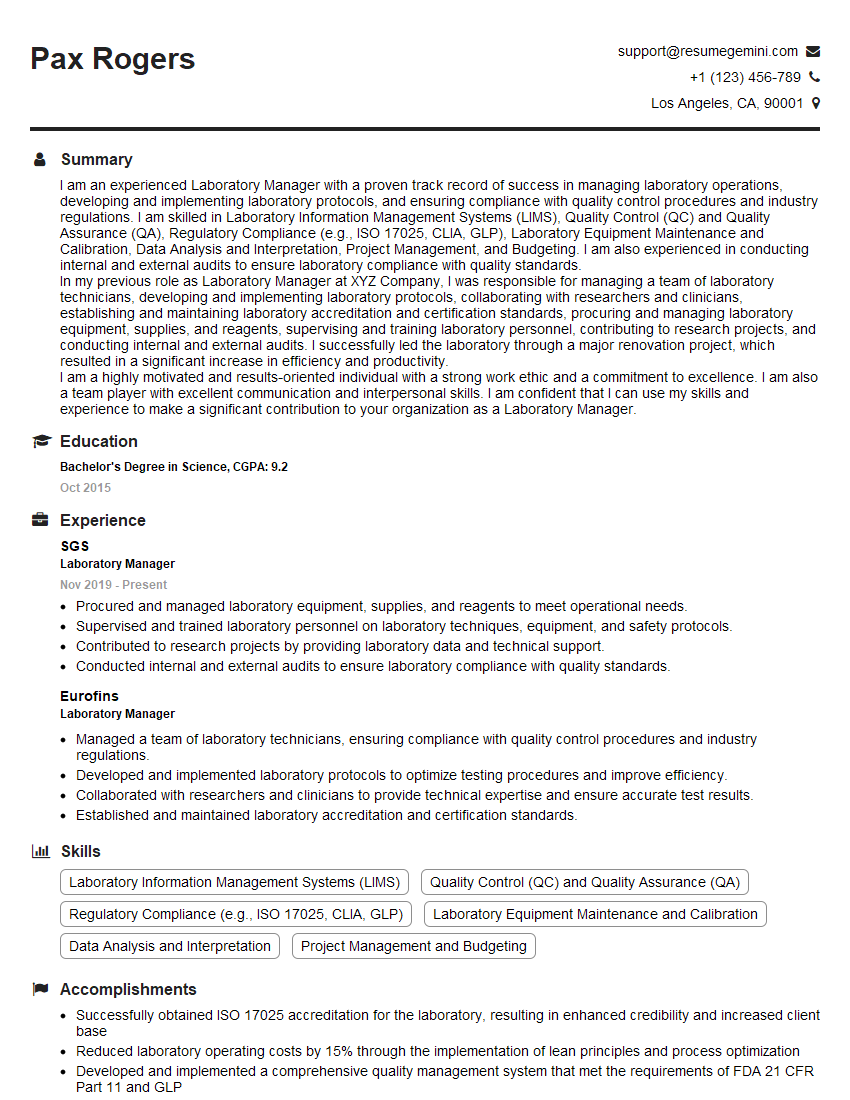
Laboratory Manager Resume Sample
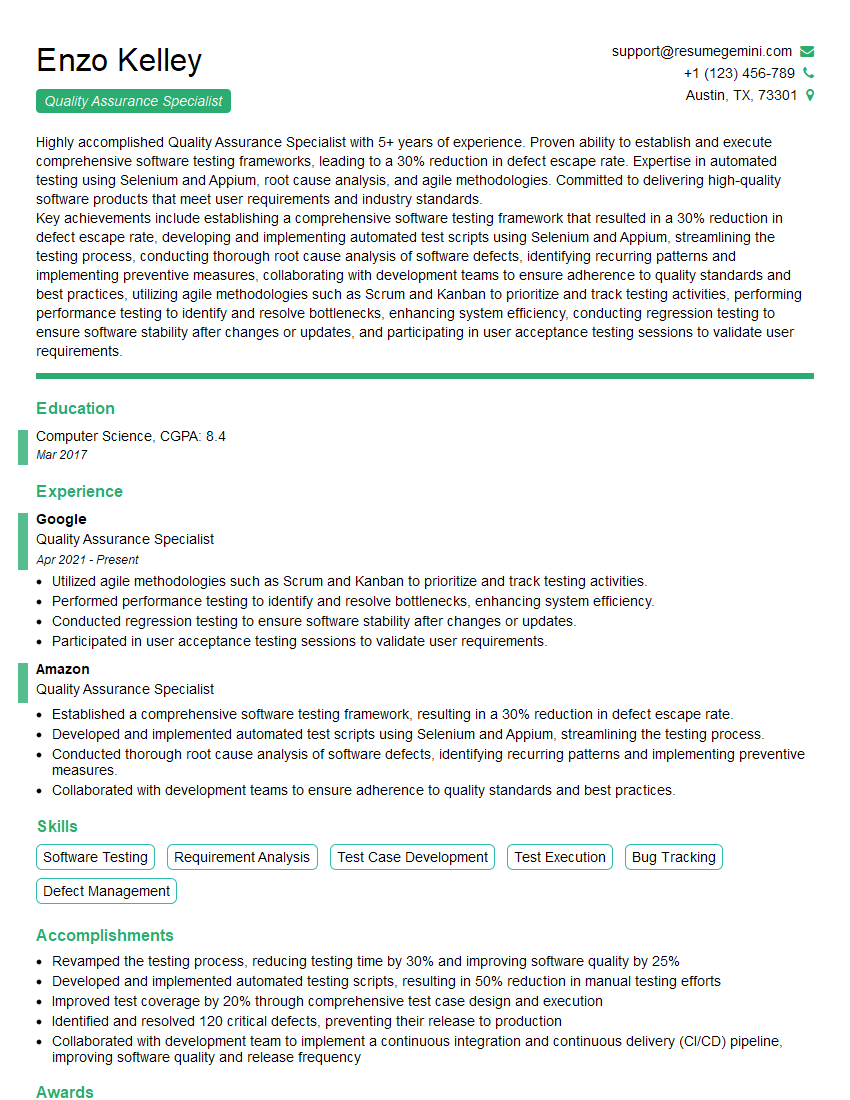
Quality Assurance Specialist Resume Sample
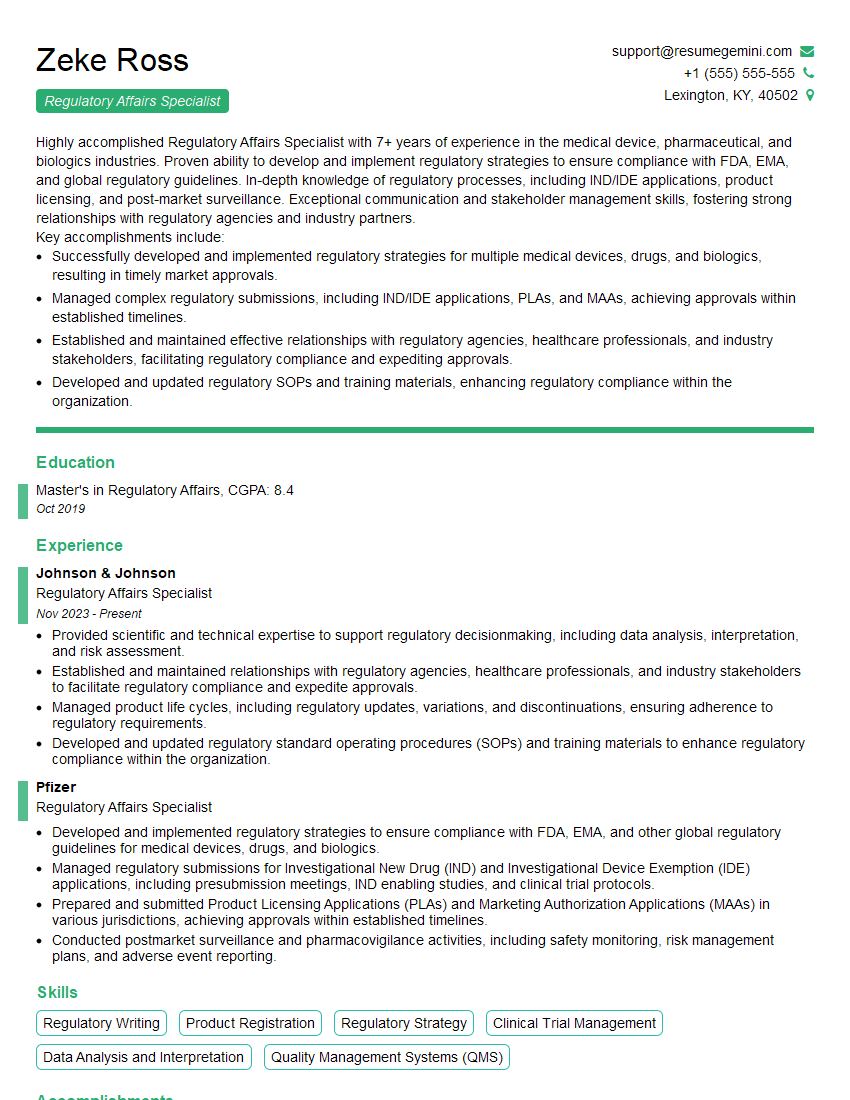
Regulatory Affairs Specialist Resume Sample
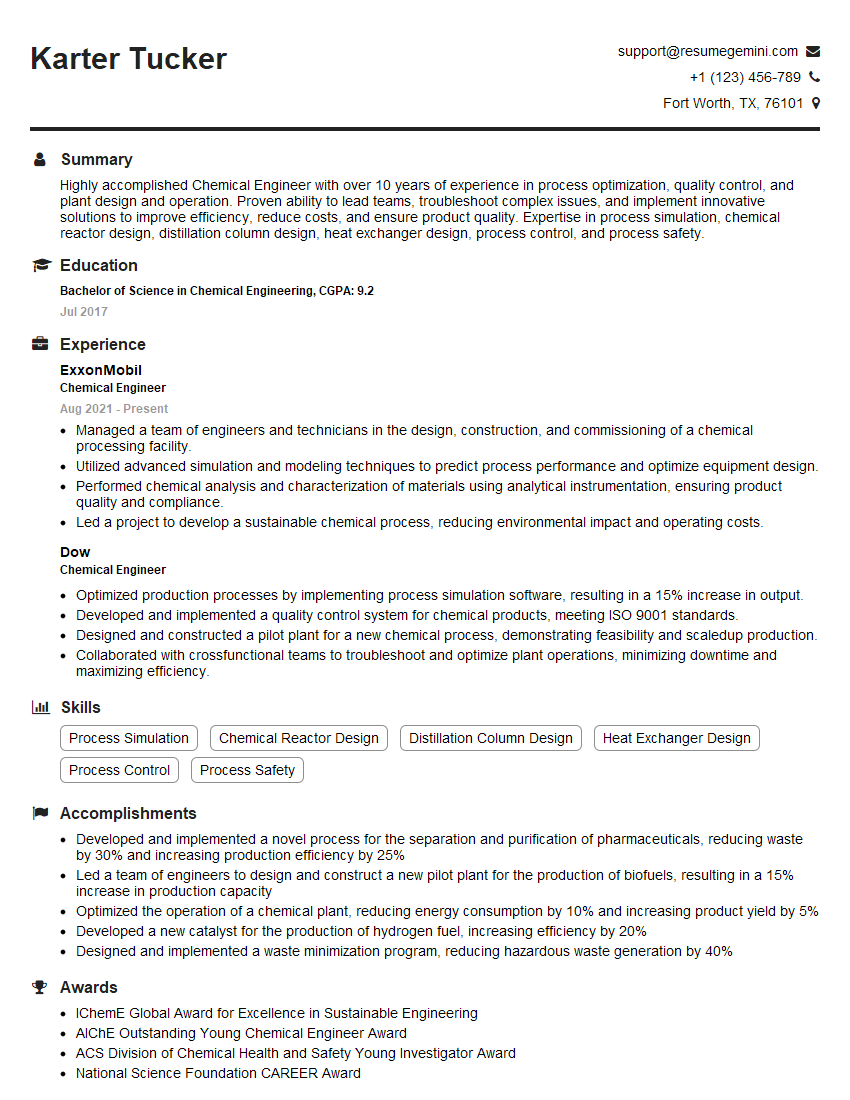
Chemical Engineer Resume Sample

Chemical Process Engineer Resume Sample
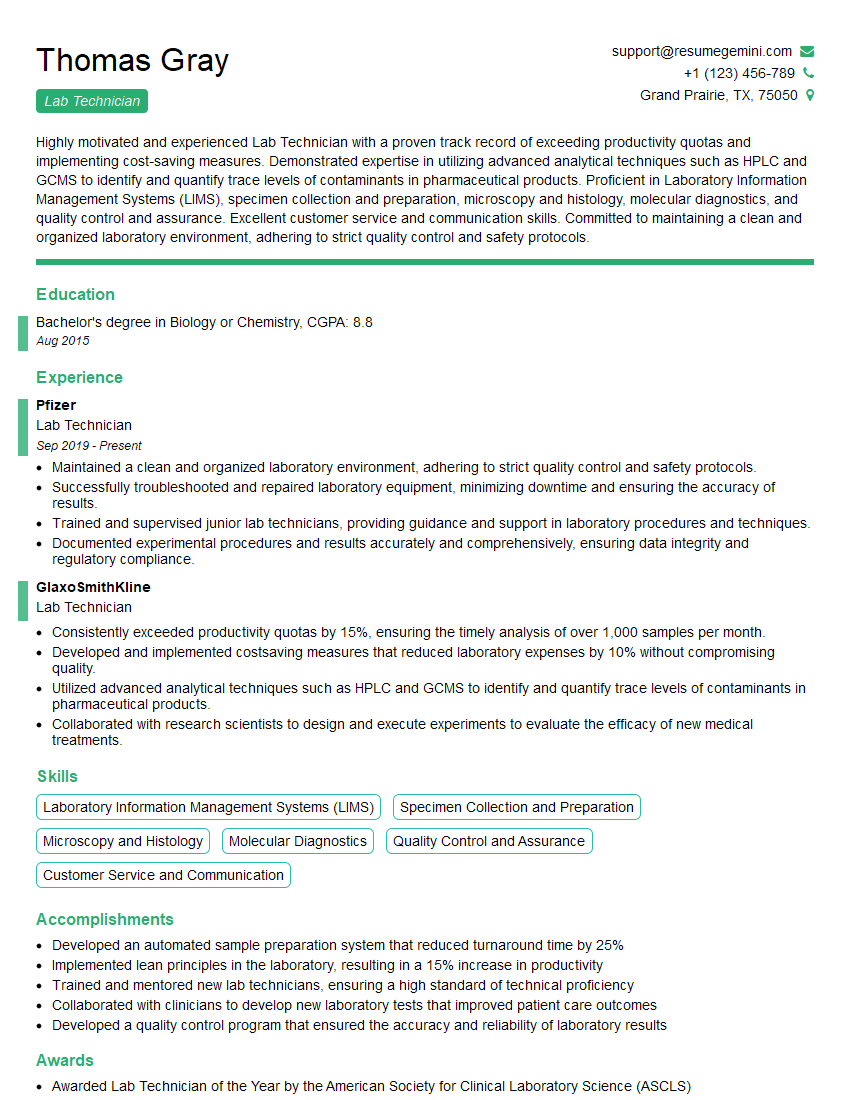
Lab Technician Resume Sample
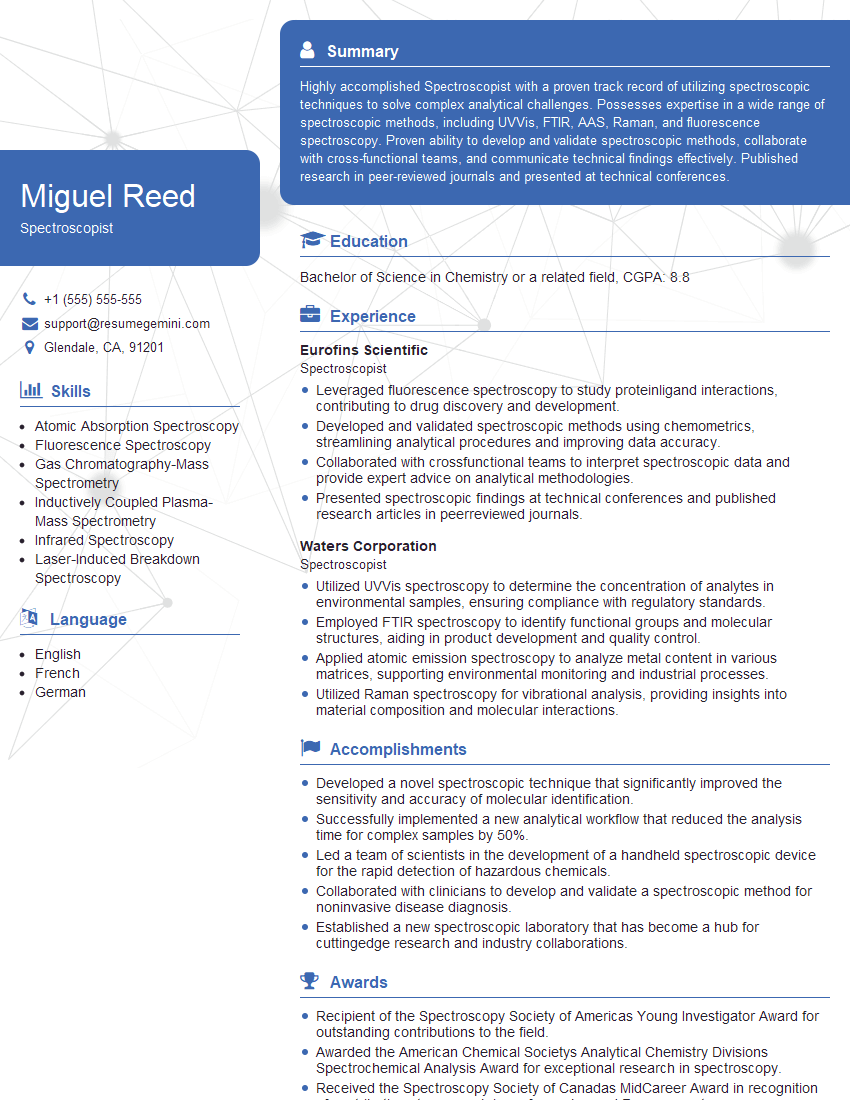
Spectroscopist Resume Sample
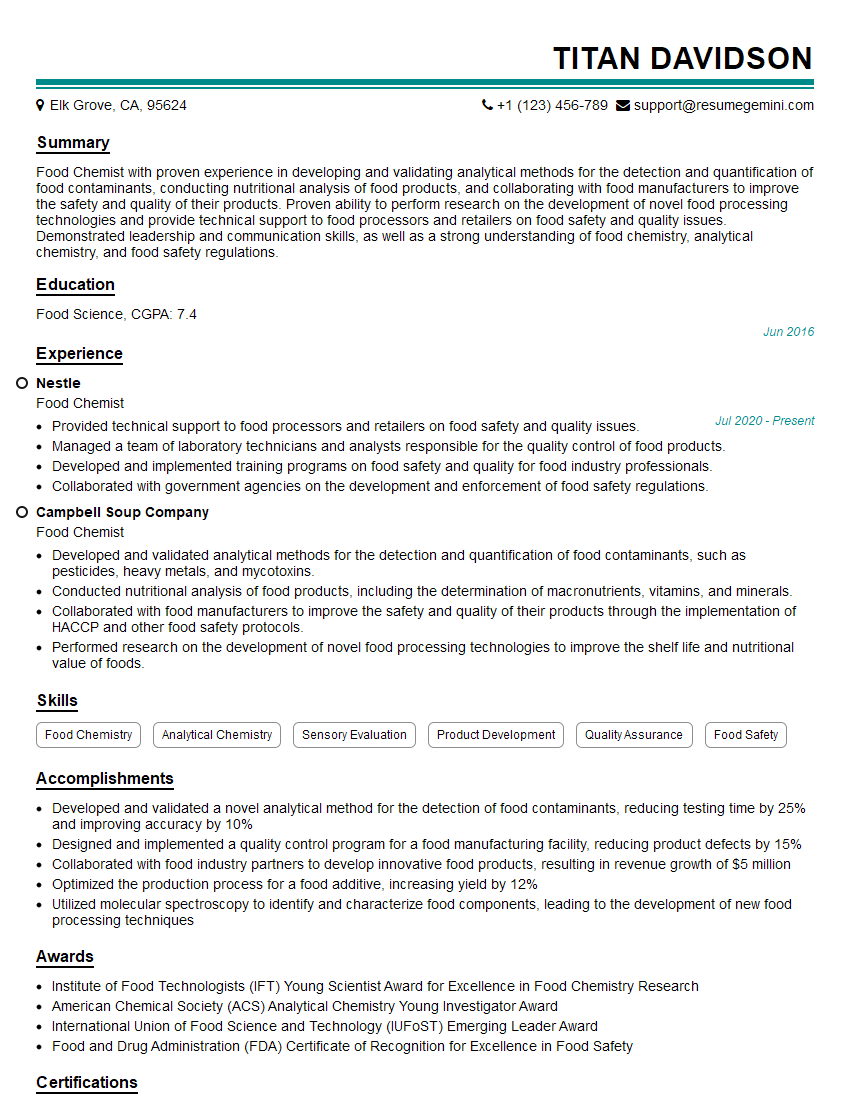
Food Chemist Resume Sample
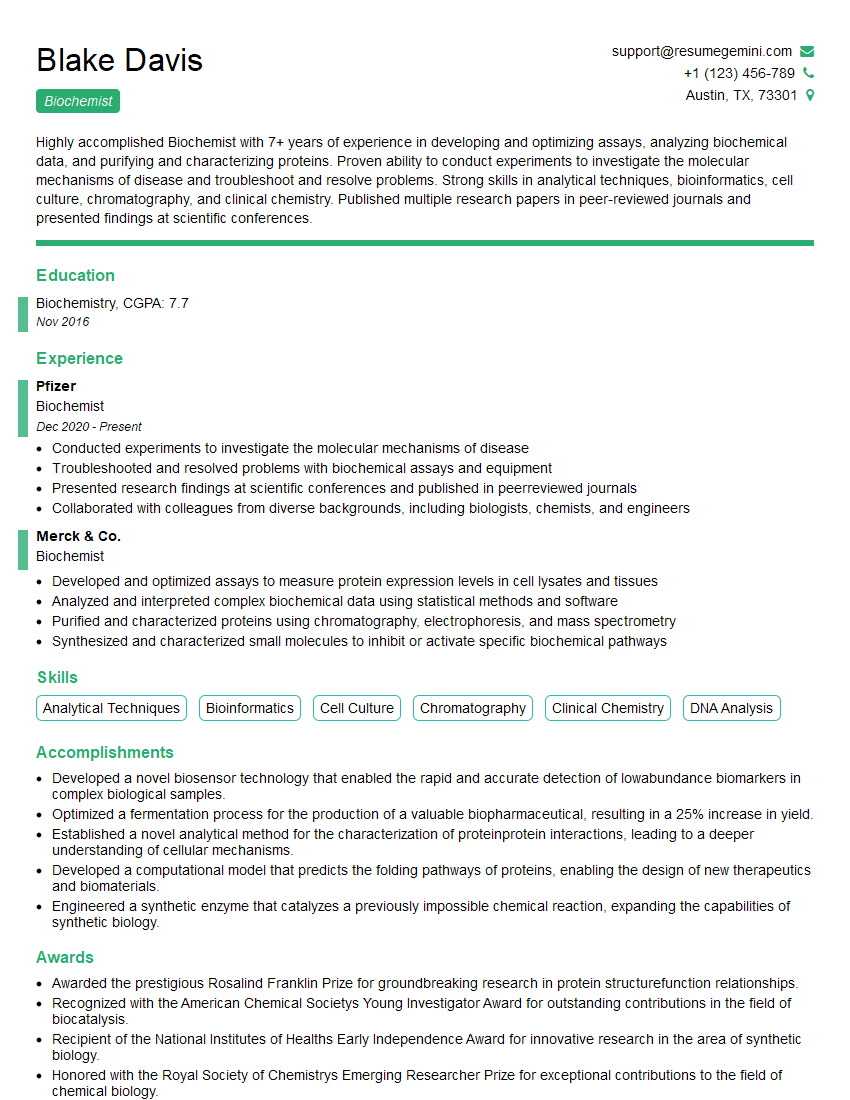
Biochemist Resume Sample

Analytical Chemist Resume Sample
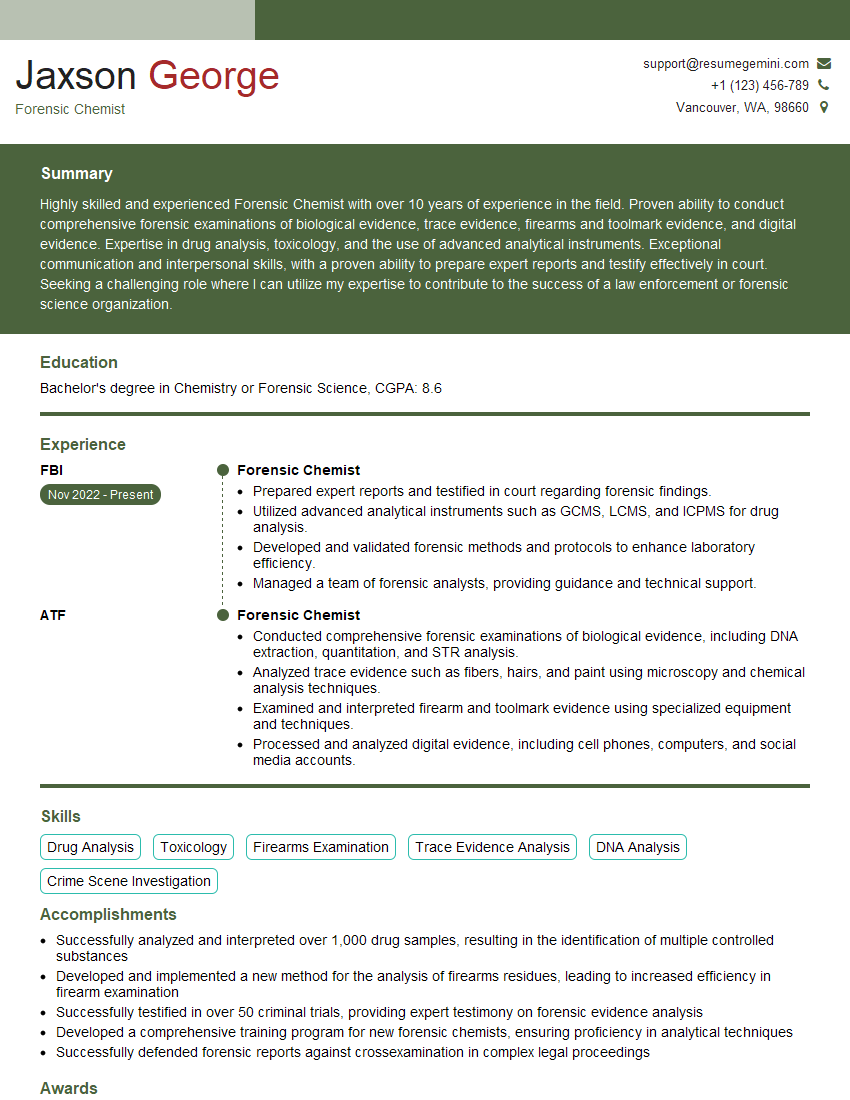
Forensic Chemist Resume Sample
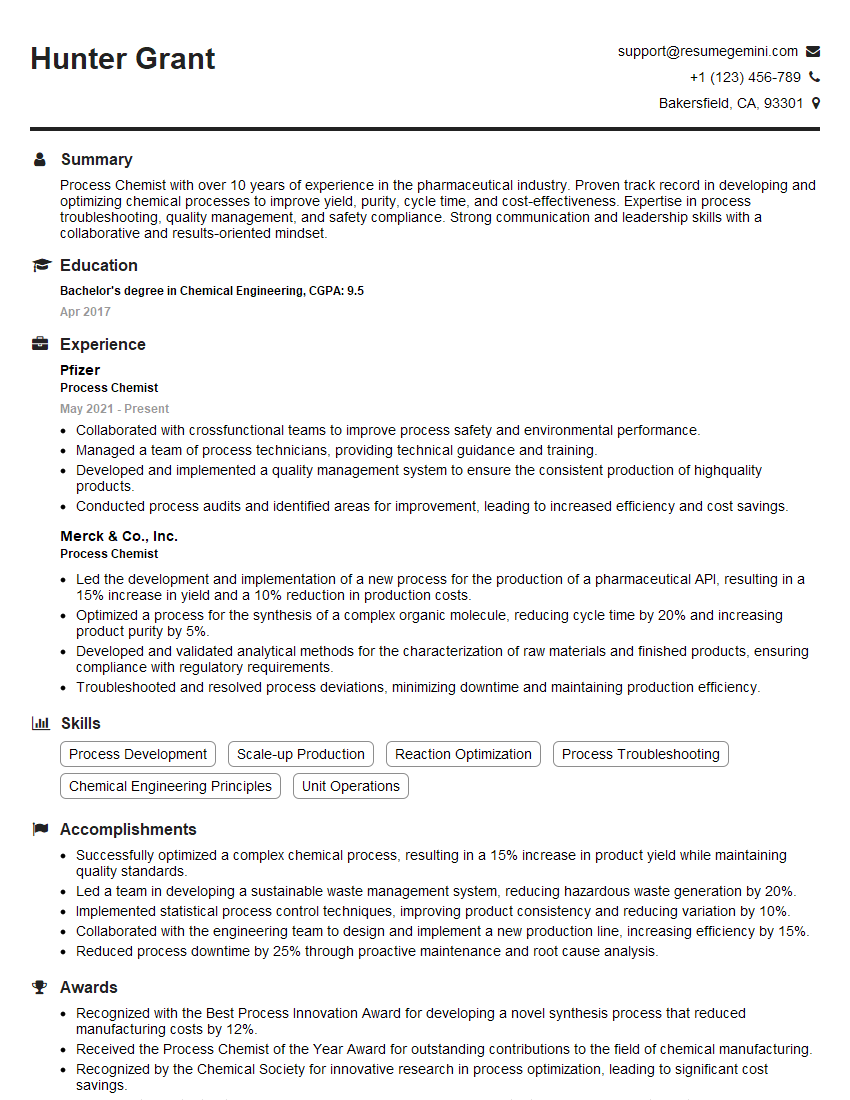
Process Chemist Resume Sample
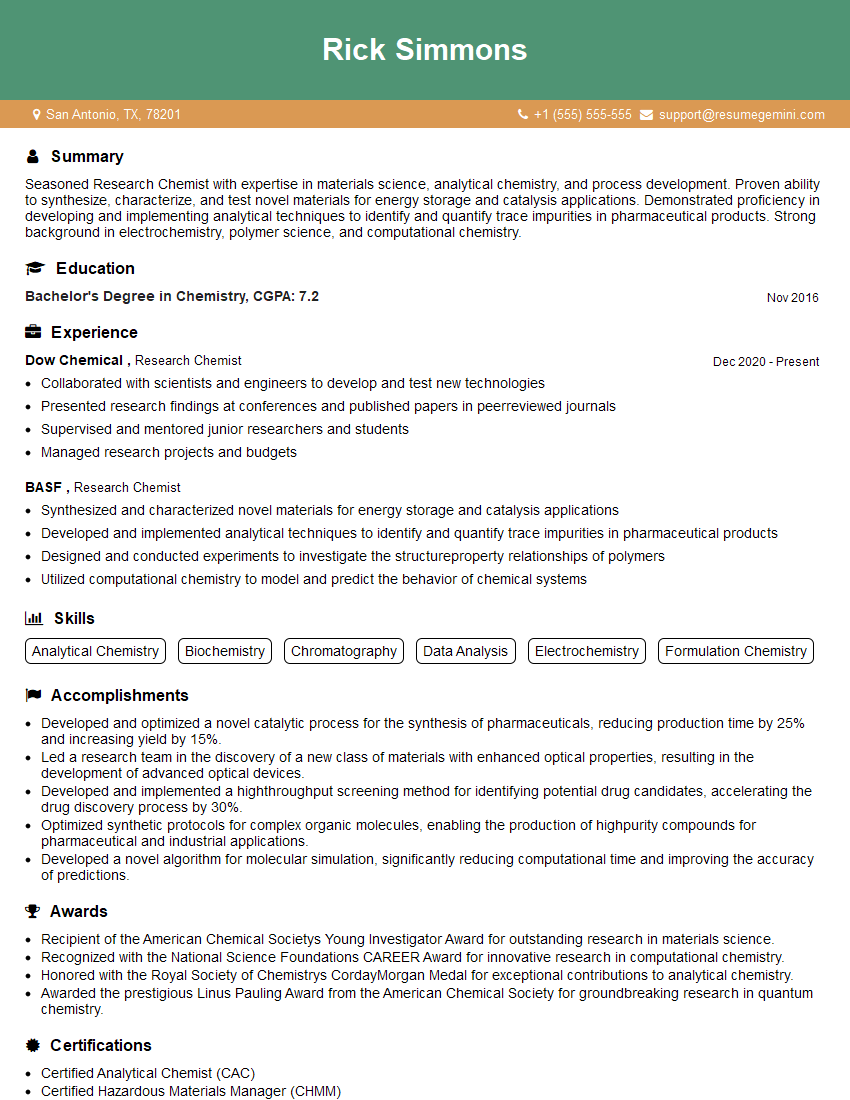
Research Chemist Resume Sample
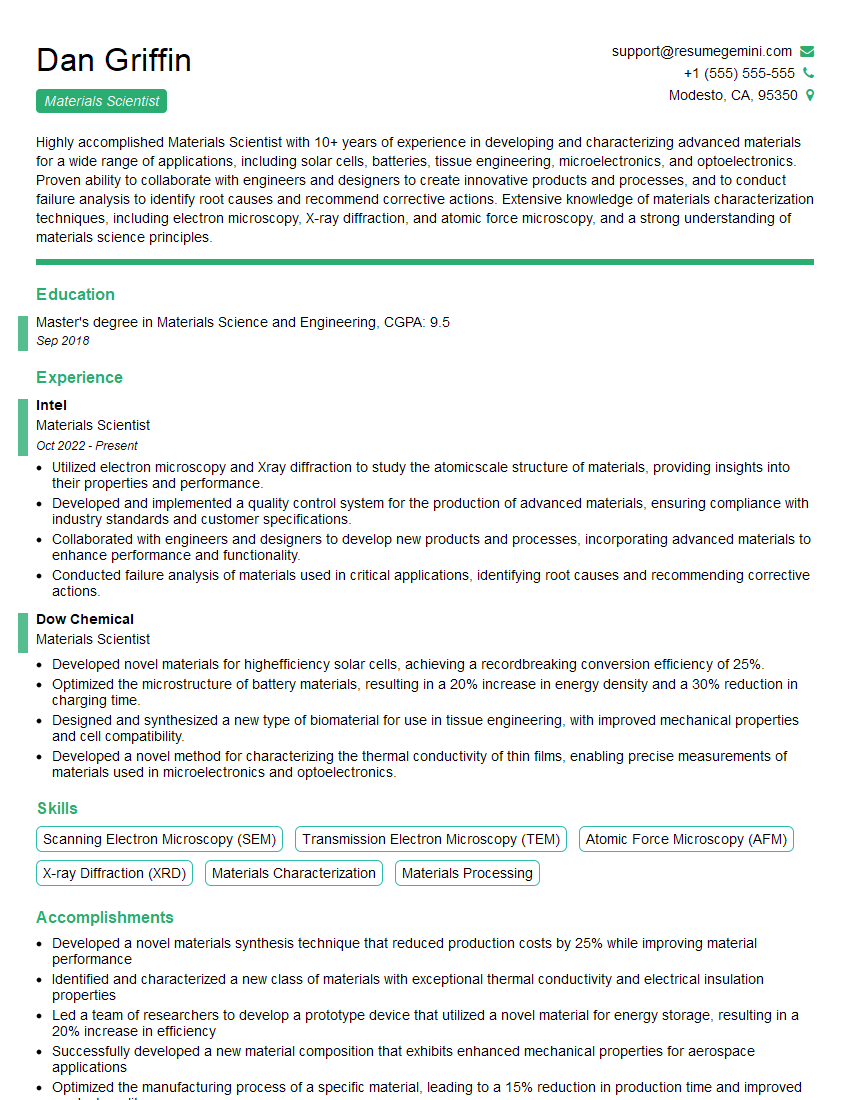
Materials Scientist Resume Sample
Explore more articles
Users Rating of Our Blogs
Share Your Experience
We value your feedback! Please rate our content and share your thoughts (optional).
What Readers Say About Our Blog
To the interviewgemini.com Webmaster.
Very helpful and content specific questions to help prepare me for my interview!
Thank you
To the interviewgemini.com Webmaster.
This was kind of a unique content I found around the specialized skills. Very helpful questions and good detailed answers.
Very Helpful blog, thank you Interviewgemini team.