Interviews are more than just a Q&A session—they’re a chance to prove your worth. This blog dives into essential Clinical Examination and Diagnosis interview questions and expert tips to help you align your answers with what hiring managers are looking for. Start preparing to shine!
Questions Asked in Clinical Examination and Diagnosis Interview
Q 1. Describe your approach to conducting a comprehensive patient history.
Taking a comprehensive patient history is the cornerstone of effective diagnosis. It’s a conversation, not an interrogation, aiming to build a clear picture of the patient’s health concerns. My approach involves a structured yet flexible framework, starting with identifying the chief complaint. Then, I delve into the specifics using the mnemonic SOAP (Subjective, Objective, Assessment, Plan):
- Subjective Data: This is what the patient tells me – their symptoms (e.g., pain location, character, onset, duration, aggravating/relieving factors), medical history (past illnesses, surgeries, allergies, medications), family history (genetic predispositions), social history (lifestyle, occupation, smoking, alcohol consumption), and their personal perspective on the illness. I actively listen, ask clarifying questions, and encourage open communication. For instance, if a patient presents with chest pain, I wouldn’t just ask ‘where does it hurt?’ but also about its quality (‘Is it sharp, dull, burning?’), radiation (‘Does it spread anywhere?’), and associated symptoms (‘Do you feel short of breath or nauseous?’).
- Objective Data: This involves the physical examination and any investigations I order (e.g., blood tests, imaging). It’s crucial to be precise and detailed in documenting these findings. For example, instead of ‘normal heart sounds,’ I would note ‘regular rate and rhythm, S1 and S2 audible without murmurs or extra sounds.’
- Assessment: This is where I synthesize the subjective and objective data to formulate a differential diagnosis (list of possible diagnoses). This involves considering the probability of each diagnosis based on the available evidence.
- Plan: This outlines the investigations I’ll carry out to narrow down the diagnosis and the treatment plan. It’s always a collaborative effort, where I explain my reasoning and involve the patient in decision-making.
Throughout the process, I ensure the patient feels comfortable, understood, and empowered. Building rapport is essential for obtaining accurate and complete information.
Q 2. Explain the components of a thorough physical examination.
A thorough physical examination is a systematic assessment of the body’s various systems. It’s crucial to follow a consistent approach to ensure nothing is missed. My typical examination includes:
- General Appearance: Assessing the patient’s overall state – level of consciousness, distress, hygiene, nutritional status.
- Vital Signs: Measuring temperature, pulse, blood pressure, respiratory rate, and oxygen saturation.
- Skin: Inspecting for color, lesions, moisture, temperature, and texture.
- Head and Neck: Examining the eyes, ears, nose, throat, lymph nodes, and thyroid.
- Respiratory System: Auscultating lung sounds (listening to breath sounds with a stethoscope), assessing respiratory effort, and palpating the chest for tenderness.
- Cardiovascular System: Auscultating heart sounds, palpating the carotid and peripheral pulses, and assessing for edema (swelling).
- Abdomen: Inspecting, auscultating, percussing (tapping), and palpating the abdomen to assess bowel sounds, organ size, and tenderness.
- Neurological System: Assessing mental status, cranial nerves, motor strength, reflexes, sensation, and coordination.
- Musculoskeletal System: Assessing muscle strength, range of motion, and joint stability.
The order and emphasis may vary depending on the patient’s chief complaint. For example, if a patient presents with abdominal pain, I would focus more on the abdominal examination. Each step involves careful observation, palpation, and auscultation as appropriate.
Q 3. How do you differentiate between different types of rashes?
Differentiating between rashes requires a meticulous approach. I consider several key factors:
- Morphology: The shape and appearance of the rash (e.g., macules – flat spots, papules – raised bumps, vesicles – fluid-filled blisters, pustules – pus-filled bumps, plaques – raised, flat-topped lesions).
- Distribution: Where the rash is located on the body (e.g., generalized, localized, linear, annular – ring-shaped).
- Color: The color of the rash (e.g., erythematous – red, purpuric – purplish, blanchable – fades with pressure).
- Texture: The feel of the rash (e.g., smooth, rough, scaly).
- Associated Symptoms: Any accompanying symptoms, such as itching, pain, fever, or malaise.
- Patient History: Medical history, recent travel, contact with allergens or irritants.
For example, a measles rash is typically maculopapular (flat and raised), widespread, and accompanied by fever, while a contact dermatitis rash is usually localized, erythematous, and itchy. A detailed history, along with physical examination, often points toward a probable diagnosis. In some cases, further investigations such as skin biopsy or allergy testing may be needed.
Q 4. What are the key diagnostic criteria for pneumonia?
Diagnosing pneumonia involves a combination of clinical findings, imaging, and laboratory tests. Key diagnostic criteria include:
- Clinical Presentation: The patient typically presents with cough (often productive), fever, shortness of breath, and chest pain. The severity of symptoms can vary widely.
- Physical Examination: Auscultation of the lungs may reveal crackles, wheezes, or diminished breath sounds. There may also be signs of respiratory distress, such as increased respiratory rate or use of accessory muscles.
- Chest X-Ray: This is the most important imaging study, revealing characteristic infiltrates (areas of consolidation) in the lungs. The location and extent of the infiltrate can help determine the severity and type of pneumonia.
- Laboratory Tests: Blood tests may show elevated white blood cell count (indicating infection) and elevated inflammatory markers (CRP, ESR). Sputum analysis can help identify the causative organism (bacteria, virus, or fungus), though it is not always reliable.
The diagnosis often requires a combination of these factors. Atypical pneumonia (e.g., caused by Mycoplasma pneumoniae) may present with milder symptoms and less distinct findings on chest X-ray.
Q 5. Describe the process of interpreting an electrocardiogram (ECG).
Interpreting an electrocardiogram (ECG) involves a systematic approach to analyze the electrical activity of the heart. It’s a complex skill requiring training and experience. My approach involves:
- Rate and Rhythm: Assessing the heart rate and rhythm (regular or irregular). The rate is determined by counting the number of QRS complexes in a 6-second strip.
- P Waves: Analyzing the P waves (representing atrial depolarization), noting their morphology (shape) and presence in relation to the QRS complexes. Absence or abnormal P waves can suggest atrial arrhythmias.
- QRS Complexes: Assessing the QRS complexes (representing ventricular depolarization), noting their duration and morphology. Wide QRS complexes can indicate bundle branch blocks or ventricular arrhythmias.
- ST Segments and T Waves: Analyzing the ST segments and T waves (representing ventricular repolarization). ST segment elevation or depression, along with T wave inversions, can indicate ischemia or infarction (heart attack).
- Intervals: Measuring various intervals, such as PR interval (atrioventricular conduction time) and QT interval (ventricular repolarization time). Abnormal intervals can point toward conduction abnormalities or electrolyte imbalances.
ECG interpretation requires a thorough understanding of cardiac electrophysiology and various cardiac pathologies. It’s not simply reading numbers but understanding the underlying electrical mechanisms. I always correlate ECG findings with the patient’s clinical presentation and other investigations to arrive at a proper diagnosis.
Q 6. How would you assess a patient’s neurological status?
Assessing a patient’s neurological status is crucial in many clinical scenarios. My approach involves a structured assessment, including:
- Level of Consciousness: Assessing alertness and responsiveness using the Glasgow Coma Scale (GCS). This involves evaluating eye opening, verbal response, and motor response.
- Cranial Nerves: Testing the function of each cranial nerve (I-XII) to identify any deficits.
- Motor System: Assessing muscle strength, tone, and coordination in all four limbs. This might include testing reflexes and observing gait.
- Sensory System: Evaluating sensation (touch, pain, temperature, proprioception) in all four limbs.
- Cerebellar Function: Assessing balance, coordination, and fine motor skills.
- Mental Status: Evaluating cognitive function, including orientation, memory, attention, and language.
The depth of the neurological exam depends on the patient’s presentation. For example, if a patient has a stroke, I would focus on the affected side and conduct a more detailed examination. The goal is to pinpoint the location and nature of any neurological deficit.
Q 7. Explain your approach to diagnosing abdominal pain.
Diagnosing abdominal pain requires a careful and systematic approach. I usually begin by establishing the nature and location of the pain, then proceed to a thorough history and physical examination.
- History: This includes details on the onset, character (sharp, cramping, dull), location, radiation, duration, aggravating/relieving factors, associated symptoms (nausea, vomiting, diarrhea, constipation, fever, changes in bowel habits), and past medical history.
- Physical Examination: A detailed abdominal examination is crucial. This involves inspecting for distension, scars, or hernias; auscultating for bowel sounds; percussing for tenderness or dullness; and gently palpating the abdomen to identify areas of tenderness, guarding, or rigidity. I also examine other systems (e.g., cardiovascular, genitourinary) as indicated.
- Investigations: Depending on the findings, I may order blood tests (e.g., complete blood count, liver function tests, amylase/lipase), urine analysis, imaging studies (e.g., abdominal X-ray, CT scan, ultrasound), or endoscopy.
Abdominal pain can have various causes, ranging from simple indigestion to life-threatening conditions like appendicitis or intestinal obstruction. A careful and thorough approach is essential to avoid misdiagnosis and ensure timely intervention.
Q 8. What are the common causes of chest pain, and how would you differentiate them?
Chest pain is a common complaint with a wide range of potential causes, from benign to life-threatening. Differentiating them requires a systematic approach combining patient history, physical examination, and investigations.
- Cardiac Causes: The most serious, including myocardial infarction (heart attack), angina (chest pain due to reduced blood flow), pericarditis (inflammation of the heart sac), and aortic dissection (tear in the aorta). These often present with crushing, squeezing, or pressure-like pain, possibly radiating to the arm, jaw, or back. Associated symptoms like shortness of breath, sweating, nausea, and dizziness are crucial.
- Pulmonary Causes: Pulmonary embolism (blood clot in the lung), pneumonia (lung infection), pneumothorax (collapsed lung), and pleurisy (inflammation of the lung lining) can cause sharp, stabbing, or pleuritic chest pain (worsened by breathing). These may be accompanied by cough, fever, shortness of breath, or abnormal breath sounds.
- Gastrointestinal Causes: Gastroesophageal reflux disease (GERD), esophageal spasm, and peptic ulcers can cause burning, gnawing, or sharp pain often related to eating. The pain is typically in the central chest or epigastrium (upper abdomen).
- Musculoskeletal Causes: Costochondritis (inflammation of the cartilage connecting ribs to the breastbone) and muscle strains cause localized pain often worsened by movement or palpation. This pain is usually sharp and well-localized.
- Other Causes: Anxiety disorders can manifest as chest pain, often described as tightness or pressure. Herpes zoster (shingles) can present with a painful rash along a dermatome. Certain cancers can also cause chest pain.
Differentiation involves carefully listening to the patient’s description of the pain, performing a thorough physical exam (including auscultation of the heart and lungs, palpation for tenderness), and ordering appropriate investigations like ECG, cardiac enzymes, chest X-ray, and possibly CT scan or echocardiogram based on clinical suspicion.
Q 9. Describe your experience with interpreting laboratory results.
Interpreting laboratory results is a crucial aspect of clinical practice. My experience involves not just looking at individual values but understanding their context within the patient’s overall clinical picture. I consider the patient’s age, sex, medical history, presenting complaint, and other diagnostic findings. For instance, an elevated white blood cell count could indicate infection, but the specific type of cells and other clinical findings would help pinpoint the nature and severity of the infection. Similarly, an elevated creatinine level might suggest kidney disease, but I’d need to consider factors like dehydration and medication use before making a diagnosis.
I’m proficient in interpreting a wide range of tests, including complete blood counts (CBC), basic metabolic panels (BMP), liver function tests (LFTs), coagulation studies, cardiac enzymes, and various infectious disease markers. I regularly use electronic health records (EHRs) to access and interpret lab results, and I’m familiar with the reference ranges and potential sources of error associated with each test. My approach involves a critical assessment of the results, comparing them to previous results if available, and correlating them with the patient’s clinical presentation to arrive at a comprehensive interpretation.
Q 10. How do you approach a patient with altered mental status?
A patient with altered mental status presents a diagnostic challenge that requires a systematic and rapid approach. The first step is to assess the ABCs – airway, breathing, and circulation. This is followed by a detailed neurological examination including level of consciousness (using the Glasgow Coma Scale), pupillary response, motor strength, and sensory function. The goal is to rapidly identify life-threatening conditions.
I then focus on identifying the underlying cause using a structured approach: Is it a medical emergency like hypoglycemia, drug overdose, or stroke? Or could it be due to an infection like meningitis or encephalitis? I would obtain vital signs, including oxygen saturation, heart rate, blood pressure, and temperature. Relevant laboratory investigations may include blood glucose level, arterial blood gas analysis, complete blood count, serum electrolytes, toxicology screen, and possibly lumbar puncture depending on the clinical suspicion.
For instance, a patient presenting with altered mental status and a blood glucose of 30 mg/dL would strongly suggest hypoglycemia. Rapid administration of glucose would be the immediate intervention. In contrast, a patient with altered mental status, fever, and neck stiffness might suggest meningitis, necessitating immediate antibiotic therapy and further investigations.
Q 11. How do you manage a patient with a suspected stroke?
Suspected stroke requires immediate action. The cornerstone of management is rapid assessment using the FAST acronym: Facial drooping, Arm weakness, Speech difficulty, and Time to call emergency services. Any positive finding warrants immediate activation of the stroke team and transfer to a stroke center capable of providing thrombolytic therapy (clot-busting medication) if indicated.
The initial steps involve securing the airway and supporting vital functions. A thorough neurological examination is crucial to assess the extent of neurological deficit. Neuroimaging, typically a CT scan of the brain, is needed to differentiate between ischemic (clot-related) and hemorrhagic (bleed-related) stroke. Ischemic stroke patients who meet specific criteria may receive intravenous tissue plasminogen activator (tPA) within a narrow time window (typically within 4.5 hours of symptom onset) to dissolve the clot.
Management also includes supportive care to prevent complications such as aspiration pneumonia, deep vein thrombosis, and pressure sores. Rehabilitation is essential for recovery and functional improvement post-stroke.
Q 12. Explain your understanding of differential diagnosis.
Differential diagnosis is the process of systematically identifying the possible causes of a patient’s symptoms and signs. It’s not about guessing; it’s about using clinical reasoning to generate a list of plausible diagnoses, prioritizing them based on likelihood and severity, and then using further investigations to narrow it down.
The process typically begins with a thorough history and physical examination. For example, a patient with fever, cough, and shortness of breath could have pneumonia, bronchitis, influenza, or even COVID-19. I’d use my knowledge of epidemiology, clinical presentation, and risk factors to create a list of possible diagnoses. Then, I’d use investigations such as a chest X-ray, blood tests, and potentially other imaging or specific viral tests to differentiate between these possibilities.
It’s a crucial step in clinical reasoning because it ensures that all possibilities are considered, preventing misdiagnosis and ensuring appropriate and timely treatment.
Q 13. How do you communicate complex medical information to patients?
Communicating complex medical information requires adapting to the patient’s level of understanding and health literacy. I start by assessing their knowledge and preferred communication style. I use plain language, avoiding jargon and medical terminology as much as possible. Visual aids like diagrams or simple charts can be helpful.
I encourage questions and check for understanding throughout the conversation. I repeat key information and provide written summaries or instructions. For emotionally challenging news, I offer empathy and support, creating a safe space for questions and concerns. I may involve family members or caregivers if appropriate and with the patient’s consent. I believe in patient-centered communication; it’s not just about giving information but also ensuring it’s understood and accepted.
For instance, explaining a complex treatment plan for cancer, I might use a timeline or flowchart to illustrate the different stages and the expected side effects, making it easier for the patient to grasp the information. I might also prepare a written summary they can take home and review.
Q 14. Describe a situation where you had to make a difficult diagnostic decision.
I once encountered a patient with persistent abdominal pain. Initial assessment suggested appendicitis, but the physical exam wasn’t entirely conclusive. Laboratory findings were not definitive either. The differential diagnosis included appendicitis, diverticulitis, and ovarian cysts. Ordering a CT scan helped visualize the abdomen. It initially appeared consistent with appendicitis, but there were also features suggestive of a pelvic abscess.
This presented a diagnostic challenge because an immediate appendectomy could have been risky given the possible abscess, while delaying surgery risked worsening the infection. I consulted with a senior colleague and surgical team, carefully reviewing the imaging and clinical data. We decided on a laparoscopic approach to assess the situation and guide the decision about surgical management. The procedure revealed both a perforated appendix and a pelvic abscess requiring surgical drainage. This case highlighted the importance of comprehensive assessment, collaborative decision-making, and the judicious use of imaging in reaching an accurate diagnosis and managing complex situations.
Q 15. How do you handle uncertainty in diagnosis?
Uncertainty in diagnosis is an unavoidable reality in clinical practice. It’s crucial to acknowledge this and approach it systematically. My approach involves several key steps: First, a thorough and detailed history taking, focusing on the patient’s symptoms, their onset, and any relevant past medical history. Second, a comprehensive physical examination to identify objective signs that support or contradict the initial hypotheses. Third, ordering appropriate investigations, such as blood tests, imaging studies, or specialist consultations, based on the initial findings and differential diagnoses. Fourth, critically analyzing all the collected data, considering both the sensitivity and specificity of each test result. Finally, if uncertainty persists, I advocate for a collaborative approach involving colleagues, seeking second opinions, or referring the patient to specialists for further investigation. For instance, if presented with a patient experiencing chest pain, I would not jump to a conclusion but rather perform a detailed cardiac evaluation, consider alternative diagnoses like musculoskeletal pain or esophageal issues, and utilize ECGs and cardiac enzyme tests to guide my final diagnosis. This careful process ensures patient safety and minimizes the risk of misdiagnosis.
Career Expert Tips:
- Ace those interviews! Prepare effectively by reviewing the Top 50 Most Common Interview Questions on ResumeGemini.
- Navigate your job search with confidence! Explore a wide range of Career Tips on ResumeGemini. Learn about common challenges and recommendations to overcome them.
- Craft the perfect resume! Master the Art of Resume Writing with ResumeGemini’s guide. Showcase your unique qualifications and achievements effectively.
- Don’t miss out on holiday savings! Build your dream resume with ResumeGemini’s ATS optimized templates.
Q 16. What are the ethical considerations in clinical examination?
Ethical considerations in clinical examination are paramount. The foundation is respect for patient autonomy, ensuring informed consent before any procedure. Patients have the right to understand the purpose, process, and potential risks of the examination, enabling them to make an informed decision. Confidentiality is crucial, safeguarding patient information and ensuring that it is only shared with those directly involved in their care. Maintaining professional boundaries is essential, avoiding any conduct that could be interpreted as inappropriate or exploitative. In addition, a clinician should strive for impartiality, providing the same level of care to all patients regardless of their background or personal characteristics. For example, when examining a female patient, it is vital to have a chaperone present to ensure both patient comfort and the physician’s professional conduct. This maintains ethical standards and prevents the possibility of misinterpretations.
Q 17. How do you ensure patient safety during a clinical examination?
Patient safety is my top priority during a clinical examination. This begins with proper hand hygiene and the use of appropriate personal protective equipment (PPE), such as gloves, to minimize the risk of infection transmission. I ensure the examination environment is clean, comfortable, and well-lit. Before initiating any procedure, I explain each step clearly to the patient, encouraging them to ask questions and voice any concerns. I pay close attention to the patient’s comfort level throughout the examination, stopping if they experience discomfort or pain. For procedures requiring exposure of sensitive areas, I always ensure appropriate draping and respect for patient modesty. For instance, before performing a neurological examination involving palpation, I would explain the purpose, expected sensations, and provide the patient with the option to have a chaperone present. Patient feedback is critical – if they express unease, the examination is immediately paused to address their concerns. This approach builds trust and enhances the overall safety of the process.
Q 18. Describe your experience with using diagnostic imaging (X-ray, CT, MRI).
I have extensive experience interpreting and utilizing diagnostic imaging, including X-rays, CT scans, and MRIs. My experience includes reviewing numerous images to aid in diagnosis across various specialties, from identifying fractures on X-rays to detecting internal organ pathologies on CT and MRI scans. I understand the strengths and limitations of each modality. For example, X-rays are excellent for visualizing bone fractures but less useful for soft tissue evaluation. CT scans provide detailed cross-sectional images, aiding in the detection of tumors, while MRI offers superior soft tissue contrast, invaluable for evaluating the brain, spinal cord, and ligaments. My interpretation is guided by correlating the imaging findings with the clinical presentation and other relevant investigations. In a case of suspected appendicitis, for instance, I would utilize an ultrasound initially as a non-invasive method, followed by a CT scan if the findings were inconclusive, to definitively establish the diagnosis before surgical intervention. Understanding the indications, contraindications, and potential risks associated with each modality is crucial for responsible and effective patient care.
Q 19. Explain your understanding of evidence-based medicine in diagnosis.
Evidence-based medicine (EBM) is the cornerstone of modern diagnosis. It emphasizes integrating the best available research evidence with clinical expertise and patient values to make informed decisions. In diagnosis, this means utilizing the most up-to-date scientific studies and clinical guidelines to guide the selection of diagnostic tests, interpretation of results, and development of treatment plans. I routinely access reputable medical databases like PubMed and Cochrane Library to stay informed about the latest research findings on diagnostic accuracy, test sensitivity, and specificity. This approach helps to minimize diagnostic errors and improve patient outcomes. For example, when diagnosing a particular infection, I would consult recent research on the sensitivity and specificity of various diagnostic tests before making a decision on which test to order. This ensures I am providing the most accurate and effective care based on the strongest scientific evidence available.
Q 20. How do you stay updated with the latest advancements in clinical examination and diagnostic techniques?
Staying updated in clinical examination and diagnostic techniques requires a multi-pronged approach. I actively participate in continuing medical education (CME) programs, attending conferences, workshops, and seminars to learn about the latest advancements. I regularly review medical journals and publications, focusing on high-impact journals in my field. Online resources and professional organizations also provide valuable updates and educational materials. Furthermore, I engage in peer-to-peer learning, discussing challenging cases and new techniques with colleagues. Staying abreast of emerging technologies and research is critical; for example, recent advancements in AI-assisted diagnostic tools are transforming the field, and understanding their capabilities and limitations is crucial for effective practice.
Q 21. What are the limitations of physical examination in diagnosis?
While the physical examination is a fundamental component of diagnosis, it has inherent limitations. Subjectivity is a key factor; interpretation of findings can vary between clinicians. The examination may not always detect subtle or early-stage disease, particularly in asymptomatic patients. Certain conditions may not present with readily observable physical signs, requiring further investigations. Furthermore, patient factors such as obesity or poor cooperation can impede the effectiveness of a physical examination. For example, auscultation of the heart may be challenging in a patient with a high body mass index, potentially masking subtle heart murmurs. To overcome these limitations, I always integrate the physical examination with other diagnostic tools like laboratory tests and imaging studies to get a comprehensive picture of the patient’s condition, ensuring a more accurate and complete diagnosis.
Q 22. How do you handle a patient who is reluctant to undergo a clinical examination?
Handling a reluctant patient requires a delicate balance of empathy, respect, and clear communication. It’s crucial to understand the root of their reluctance – fear, discomfort, mistrust, or a previous negative experience.
- Building Rapport: I begin by creating a safe and comfortable environment. A calm demeanor, active listening, and validating their feelings are paramount. I might say something like, ‘I understand you may feel apprehensive, and I want to assure you that your comfort is my priority.’
- Explanation and Education: I clearly explain the purpose of the examination, the steps involved, and how the information will benefit them. Using simple language and avoiding medical jargon is key. I might demonstrate the instruments to alleviate anxiety.
- Respecting Boundaries: If the patient explicitly refuses a particular part of the examination, I respect their decision, documenting this refusal clearly. We explore alternatives or postpone the examination if possible.
- Involving Family/Support: With consent, involving a trusted family member or friend can sometimes ease apprehension.
- Incremental Approach: Instead of a complete examination, I might start with less intrusive steps, building trust and showing that I respect their limits.
For instance, a patient fearful of a pelvic exam might be more comfortable starting with a general abdominal examination first. Gradually building trust allows for a more complete examination later, if the patient agrees.
Q 23. How do you document your clinical findings effectively?
Effective documentation is crucial for continuity of care, legal protection, and efficient communication. My approach uses the SOAP note format (Subjective, Objective, Assessment, Plan), which is widely recognized and provides a structured approach.
- Subjective (S): This captures the patient’s own description of their symptoms, their medical history, and relevant social factors. I use direct quotes whenever possible. Example: ‘Patient reports ‘sharp pain in the right lower quadrant’ for the past 24 hours, radiating to the back.’
- Objective (O): This section focuses on measurable and verifiable findings from the physical examination. I include vital signs (e.g., blood pressure, heart rate, temperature), detailed descriptions of any abnormalities (e.g., ‘palpable mass in the right lower quadrant, 5cm in diameter’), and results of any tests performed (e.g., ‘urinalysis showed positive for leukocytes’).
- Assessment (A): This section states my clinical impressions and diagnostic considerations based on the subjective and objective findings. It might include differential diagnoses (e.g., ‘appendicitis, ovarian cyst, diverticulitis’) with justification.
- Plan (P): This outlines the plan for further investigation or management, including any prescribed medications, diagnostic tests, referrals, and patient education. Example: ‘Ordered CT scan of the abdomen. Prescribed analgesics for pain management. Patient advised to return if symptoms worsen.’
Using clear, concise language, avoiding abbreviations that might not be universally understood, and maintaining accurate timestamps are all essential components of good documentation. If a patient is unclear about something, I clarify their understanding and document that clarification.
Q 24. Describe a time you had to adjust your diagnostic approach based on new information.
I once saw a patient with persistent cough and fatigue, initially suspected to be due to a viral infection. My initial diagnostic approach involved a thorough history, physical examination, and basic blood work. However, the symptoms persisted despite supportive care. New information emerged when the patient mentioned recent travel to a region known for certain fungal infections.
This new information significantly altered my diagnostic approach. I ordered specific serological tests to check for fungal antibodies, which came back positive. The patient’s clinical picture, along with the new test results, led to a diagnosis of Histoplasmosis, a fungal infection contracted through bird or bat droppings. The initial assumption of a simple viral infection was incorrect, and the additional information dramatically changed the treatment plan to antifungal therapy, improving the patient’s outcome substantially.
This experience reinforced the importance of continuously reassessing the patient’s condition, gathering complete information, and maintaining flexibility in my diagnostic approach, adapting as new data emerges. It also highlights the importance of listening carefully to the patient’s concerns, even those that might initially seem unrelated to the presenting complaint.
Q 25. What resources do you utilize to improve your diagnostic skills?
Continuously improving diagnostic skills is crucial in medicine. I utilize a variety of resources to enhance my knowledge and stay current with the latest evidence-based practices.
- Medical Literature: I regularly review peer-reviewed journals like the New England Journal of Medicine, The Lancet, and JAMA to stay updated on the latest research findings and treatment guidelines.
- Continuing Medical Education (CME): I actively participate in CME courses, conferences, and workshops to expand my knowledge and refine my clinical skills. These can range from online modules to in-person seminars focusing on specific areas of medicine.
- Clinical Practice Guidelines: I adhere to and consult nationally and internationally recognized clinical practice guidelines to ensure my diagnostic and treatment plans align with best practices. Examples include those from the CDC and WHO.
- Consultations and Collaboration: I seek consultations from specialists when necessary. Collaboration with colleagues also provides opportunities for learning and sharing experiences.
- Case Studies and Review: Analyzing challenging cases with colleagues, and reviewing my own performance through reflective practice, enhances diagnostic reasoning.
Essentially, a commitment to lifelong learning is paramount for maintaining high standards of care and enhancing diagnostic capabilities.
Q 26. Describe your approach to managing a patient with multiple co-morbidities.
Managing patients with multiple co-morbidities requires a holistic and coordinated approach. It’s not simply treating each condition in isolation; it’s about understanding the interplay between them and developing a comprehensive management plan that addresses all the patient’s needs while minimizing potential adverse interactions.
- Detailed Assessment: A thorough assessment of each comorbidity, including their severity, current management, and potential impact on each other, is the first step. This involves understanding the patient’s entire medical history, medication list, and lifestyle factors.
- Prioritization: I prioritize the conditions that pose the greatest immediate threat to the patient’s health and well-being. Acute conditions typically take precedence over chronic, stable ones.
- Medication Reconciliation: Careful review of the patient’s medication list is essential to identify potential drug interactions or contraindications. Adjustments to medication regimens may be necessary to optimize treatment while minimizing risks.
- Shared Decision Making: I actively involve the patient in the decision-making process, explaining the risks and benefits of various treatment options, and tailoring the approach to their preferences and values.
- Collaboration: Collaboration with other healthcare professionals, including specialists, is often crucial. A multidisciplinary approach ensures comprehensive care and effective coordination.
For example, a patient with diabetes, hypertension, and chronic kidney disease would require careful management of blood sugar, blood pressure, and kidney function. Adjusting medication dosages, monitoring for side effects, and providing lifestyle counseling are crucial aspects of their overall care.
Q 27. How do you prioritize multiple patient needs in a busy clinical setting?
Prioritizing patient needs in a busy setting requires efficient time management and clinical judgment. The ABCDE approach (Airway, Breathing, Circulation, Disability, Exposure) is often applicable, although adaptation is needed in less critical situations.
- Urgent vs. Non-Urgent: I prioritize patients based on the urgency of their needs. Those experiencing life-threatening conditions (e.g., respiratory distress, severe bleeding) require immediate attention. Less urgent cases can be addressed according to their clinical needs and available resources.
- Triaging: Effective triaging, through established protocols, helps to categorize patients based on their urgency and clinical priorities. This can involve assessing symptoms, vital signs, and the potential for deterioration.
- Delegation and Teamwork: When appropriate, I delegate tasks to other qualified healthcare professionals, such as nurses or physician assistants, freeing up my time to focus on patients requiring immediate attention. Effective teamwork is essential in managing multiple patients efficiently.
- Time Management Techniques: Efficient time management techniques such as setting priorities, using checklists, and avoiding unnecessary interruptions help me to maximize my time and manage patient flow effectively.
- Effective Communication: Clear and concise communication with patients, families, and other healthcare team members helps avoid confusion and ensures smooth transitions of care.
For example, in a busy clinic, I might first assess a patient with chest pain, then address a patient with a routine follow-up appointment, while delegating blood pressure checks to nursing staff. Efficient workflow and prioritization are key to providing safe and timely care.
Q 28. Describe your understanding of patient confidentiality and data privacy.
Patient confidentiality and data privacy are paramount to ethical and legal practice. It’s a fundamental principle underpinning the patient-physician relationship and is crucial for building trust. My understanding encompasses legal and ethical obligations concerning the protection of sensitive patient information.
- HIPAA Compliance (or equivalent): I am fully compliant with HIPAA regulations (or equivalent in other jurisdictions) governing the privacy and security of protected health information (PHI). This includes adhering to protocols for accessing, storing, transmitting, and disclosing patient information.
- Confidentiality Procedures: I follow established confidentiality procedures, ensuring that PHI is only disclosed to authorized individuals with a legitimate need to know. This includes appropriate use of electronic health records and secure communication methods.
- Informed Consent: Before sharing any information about a patient, I obtain their informed consent, clearly explaining the purpose of the disclosure and the recipients involved.
- Data Security: I take measures to protect the security of electronic health records, using strong passwords, adhering to data security protocols, and reporting any breaches immediately.
- Ethical Considerations: Beyond legal obligations, I am guided by ethical principles of beneficence and non-maleficence, ensuring that patient information is handled responsibly and with the utmost respect for their privacy.
For instance, I would never discuss a patient’s condition with anyone unrelated to their care without their explicit consent. Even with family members, I would only share information that the patient has authorized me to share. Maintaining patient confidentiality is a cornerstone of my practice.
Key Topics to Learn for Clinical Examination and Diagnosis Interview
- Patient History Taking: Mastering techniques for effective communication, active listening, and eliciting relevant information from patients. This includes understanding the importance of open-ended questions and focused questioning to build a comprehensive history.
- Physical Examination Techniques: Develop proficiency in performing a thorough physical examination, including vital signs assessment, cardiovascular, respiratory, abdominal, and neurological examinations. Practice applying these techniques in a systematic and efficient manner.
- Differential Diagnosis: Learn to systematically formulate differential diagnoses based on patient history and physical examination findings. Understand the process of prioritizing diagnoses based on probability and urgency.
- Interpreting Diagnostic Tests: Gain a solid understanding of how to interpret various diagnostic tests, including laboratory results, imaging studies (X-ray, CT, MRI), and electrocardiograms (ECGs). Practice analyzing data and integrating it with clinical findings.
- Clinical Reasoning and Problem-Solving: Sharpen your clinical reasoning skills by practicing case studies and developing a structured approach to problem-solving. This includes understanding the limitations of diagnostic tests and the importance of evidence-based medicine.
- Ethical and Legal Considerations: Familiarize yourself with relevant ethical guidelines and legal considerations in clinical practice, including patient confidentiality and informed consent.
- Communication and Collaboration: Practice effectively communicating findings and recommendations to colleagues, patients, and their families. Understand the importance of teamwork and collaboration in healthcare settings.
Next Steps
Mastering Clinical Examination and Diagnosis is crucial for advancement in any healthcare career. A strong foundation in these skills demonstrates your competence and readiness for challenging roles. To maximize your job prospects, it’s essential to present your qualifications effectively. Creating an ATS-friendly resume is key to getting your application noticed by recruiters. ResumeGemini is a trusted resource to help you build a professional and impactful resume that highlights your abilities. We offer examples of resumes tailored to Clinical Examination and Diagnosis to help you craft the perfect application. Take the next step towards your dream career – build your best resume with ResumeGemini today!
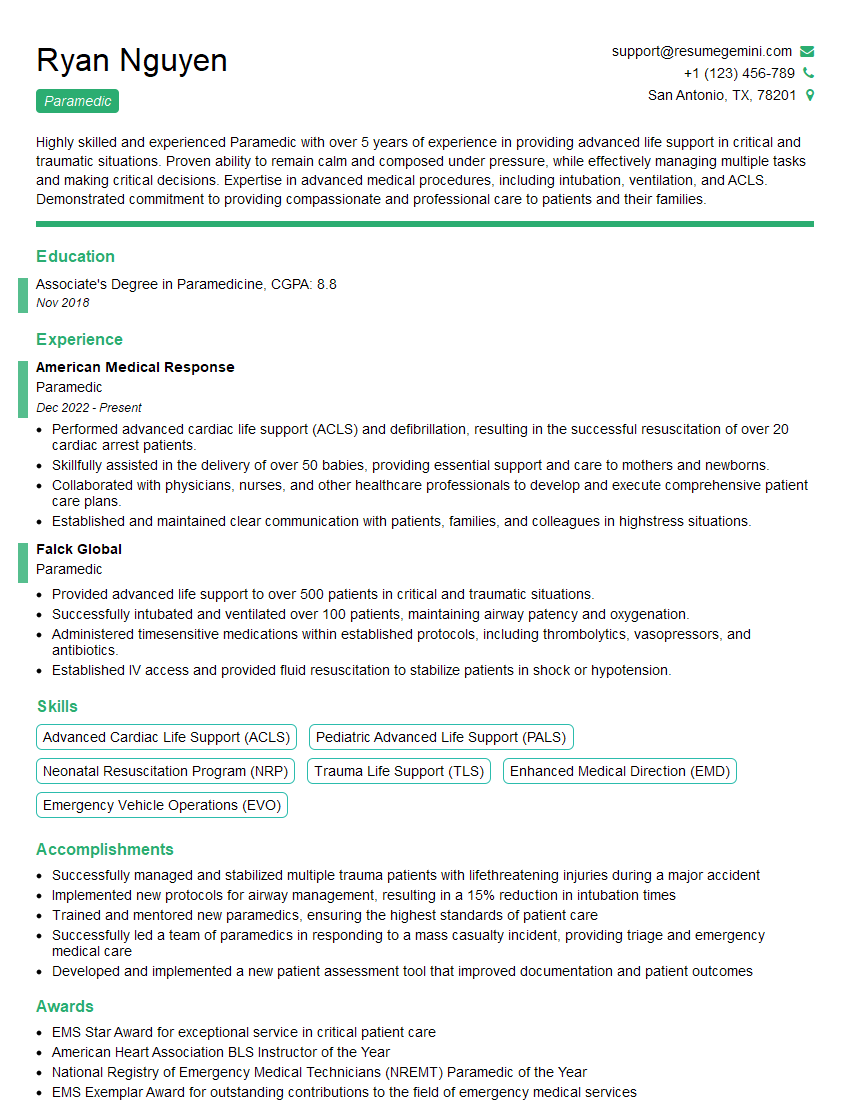
Paramedic Resume Sample
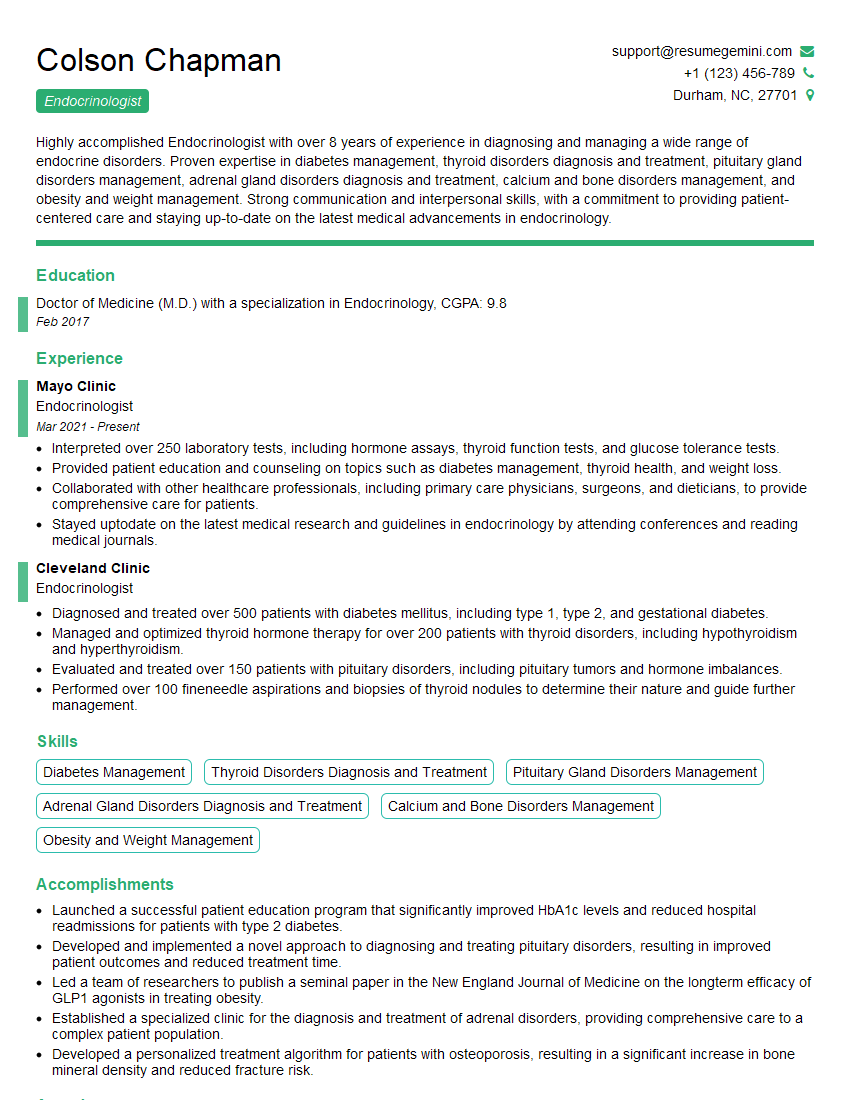
Endocrinologist Resume Sample
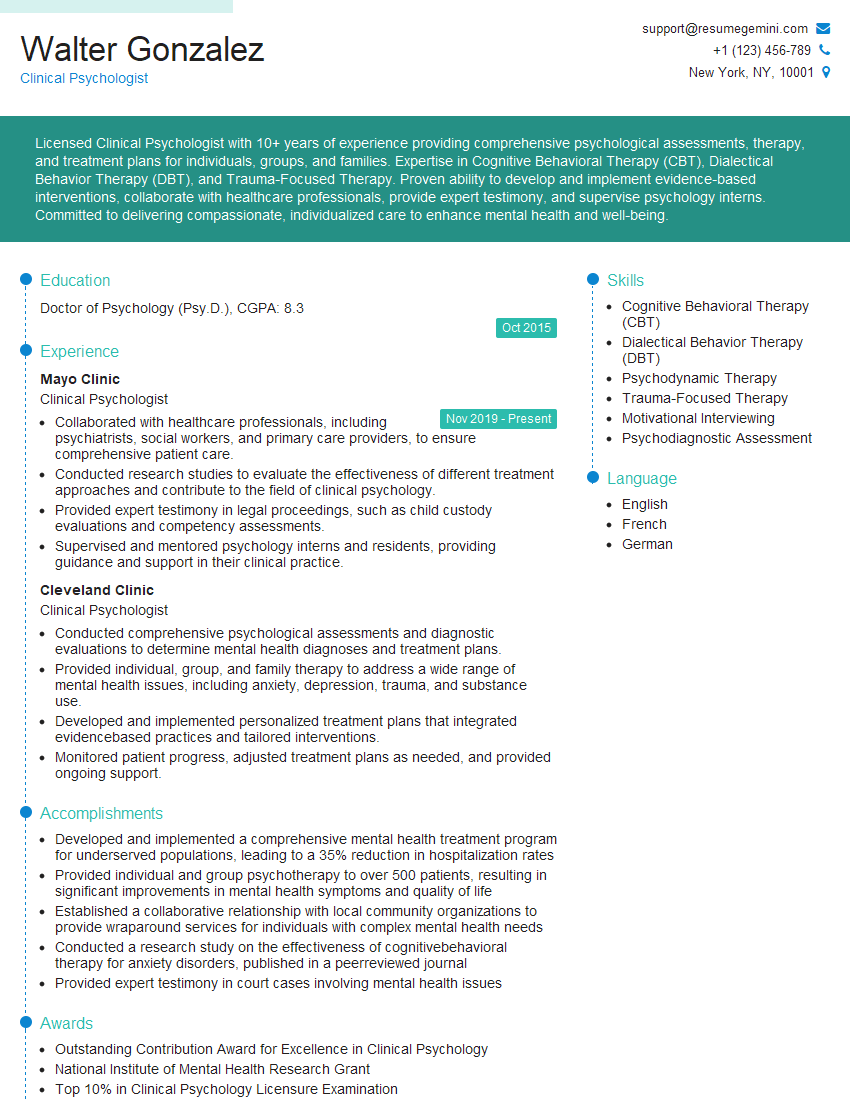
Clinical Psychologist Resume Sample
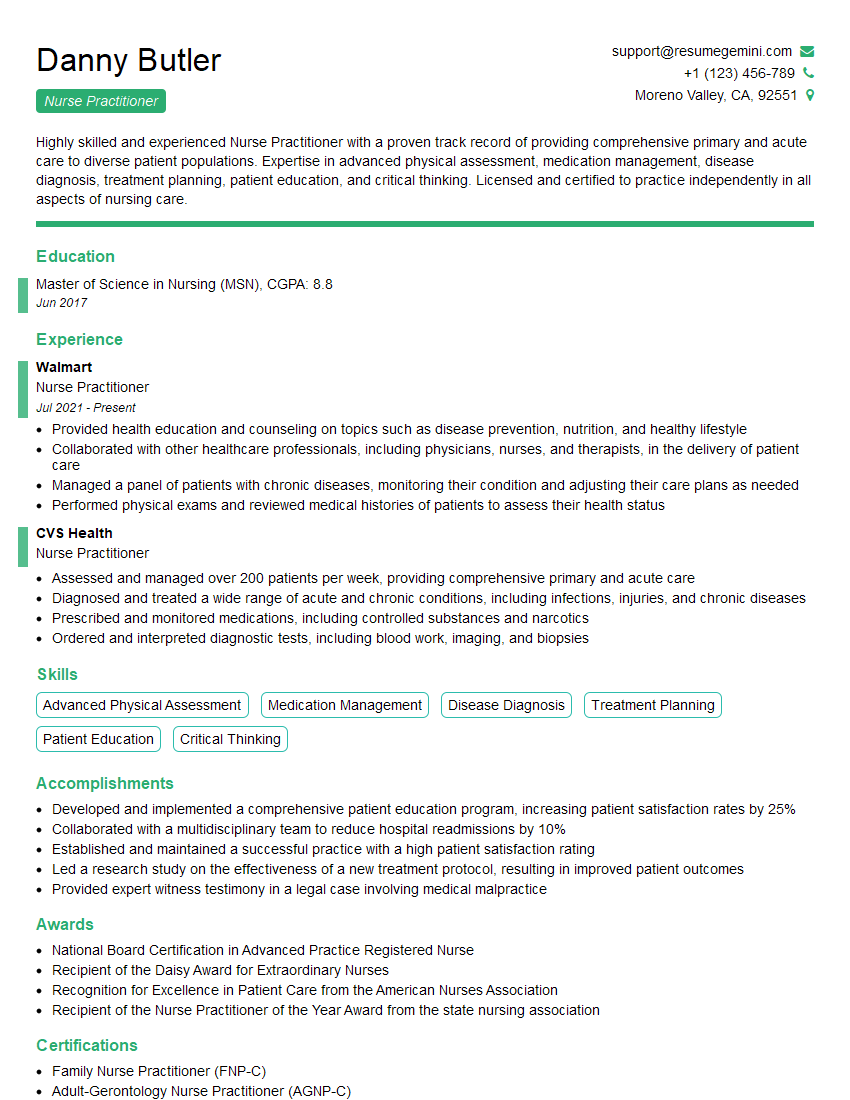
Nurse Practitioner Resume Sample
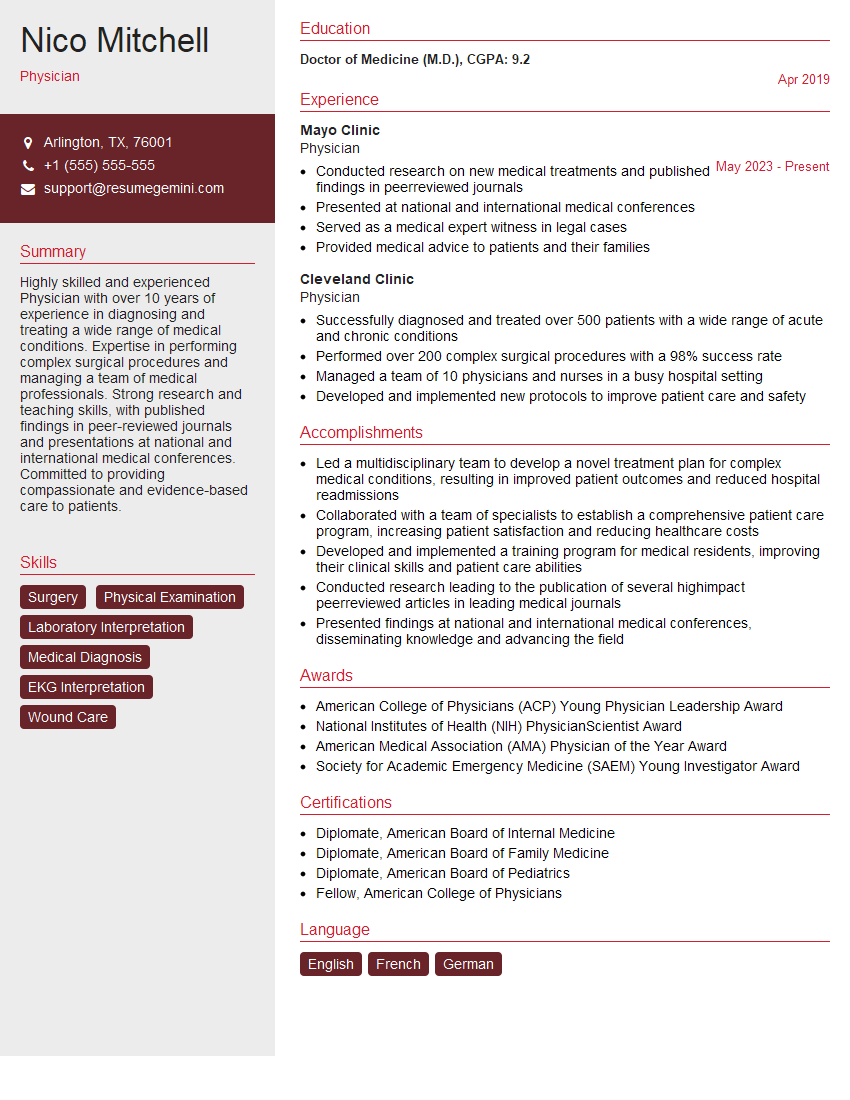
Physician Resume Sample
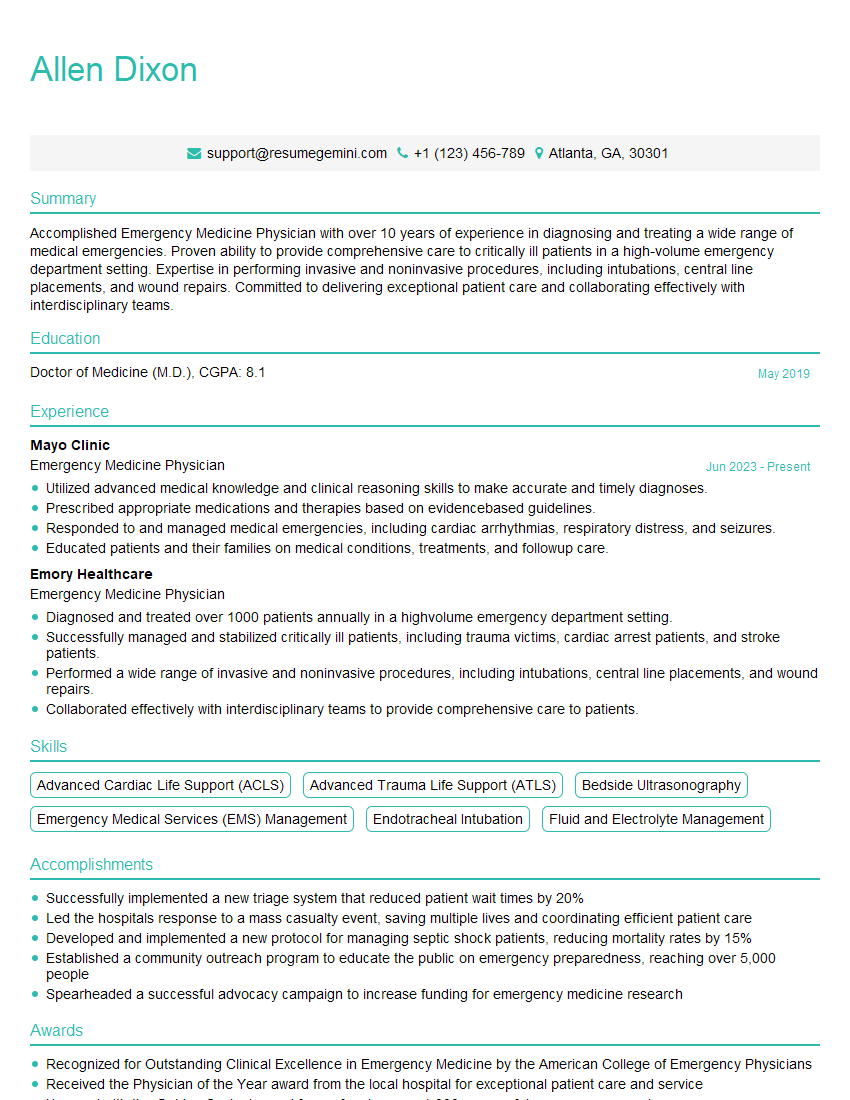
Emergency Medicine Physician Resume Sample
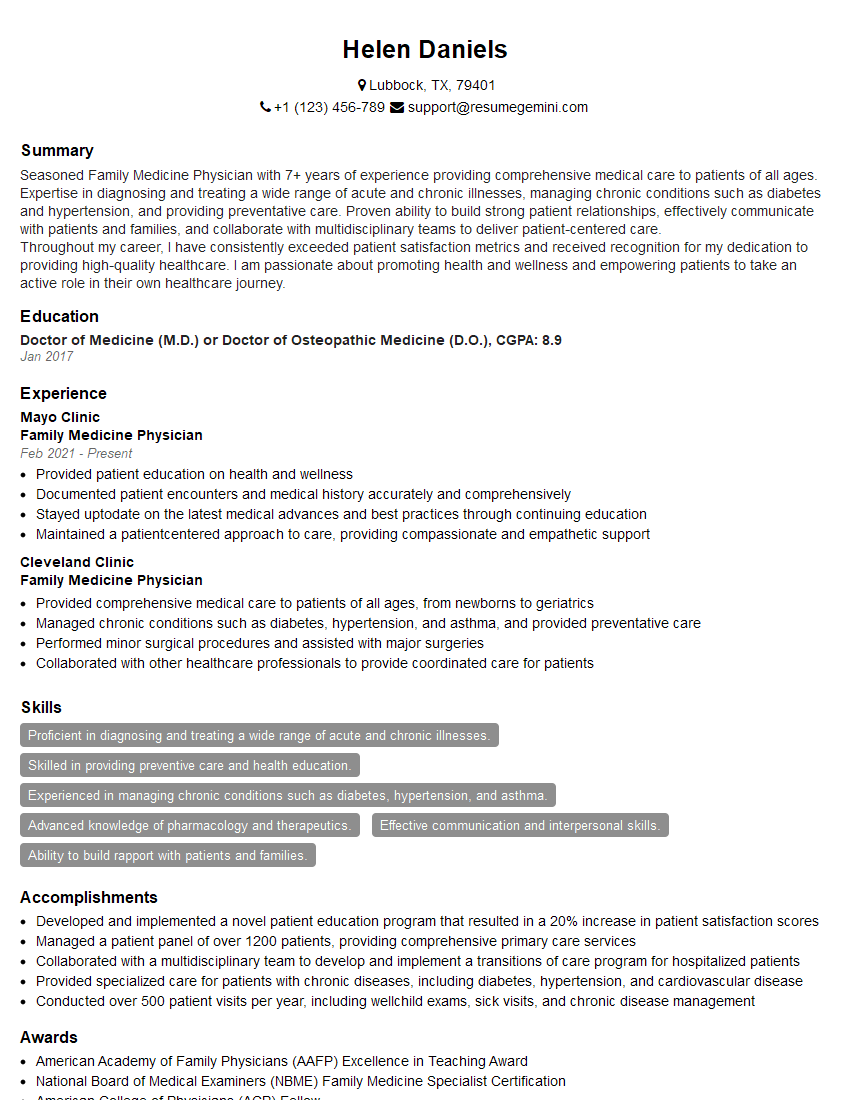
Family Medicine Physician Resume Sample
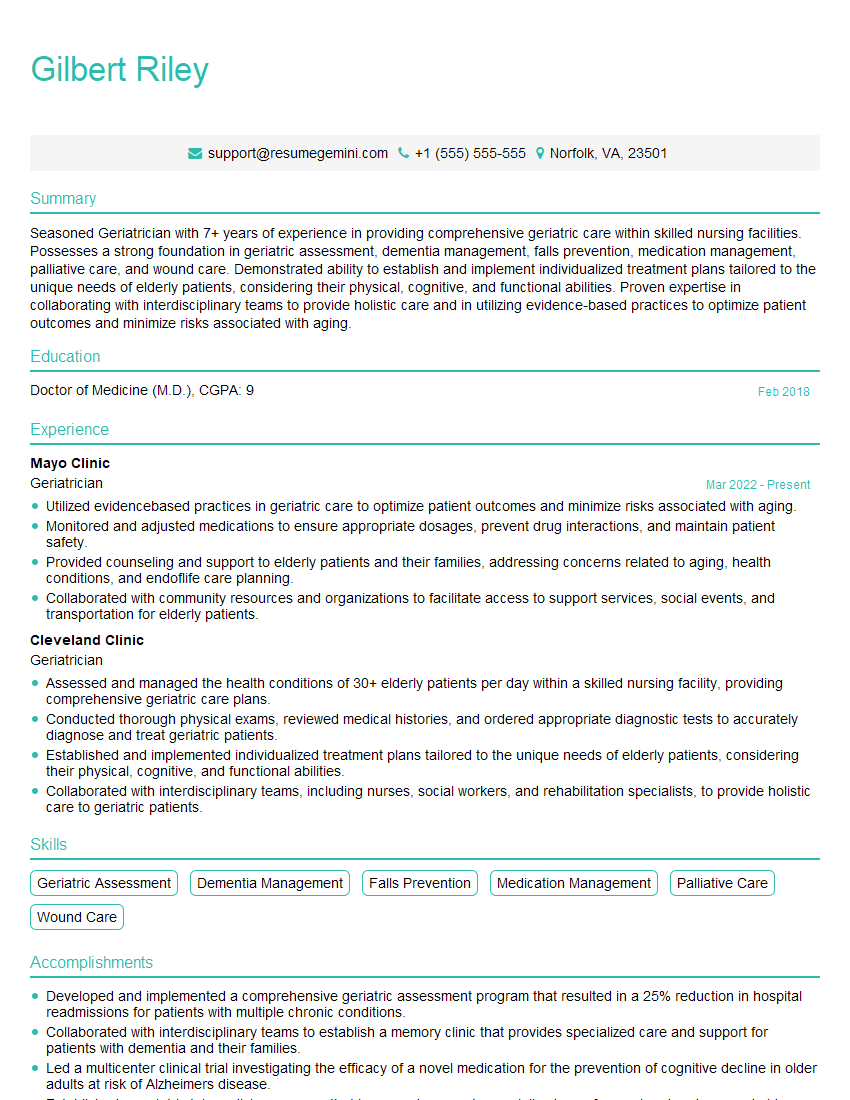
Geriatrician Resume Sample
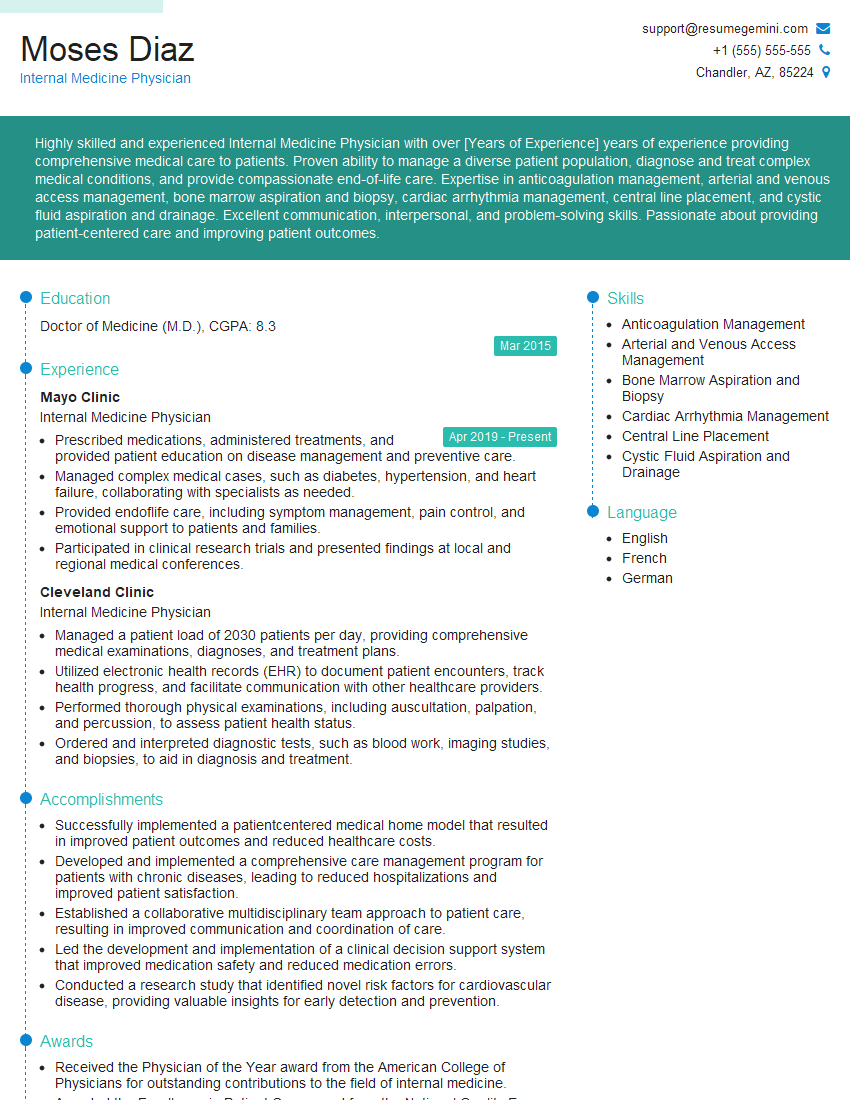
Internal Medicine Physician Resume Sample
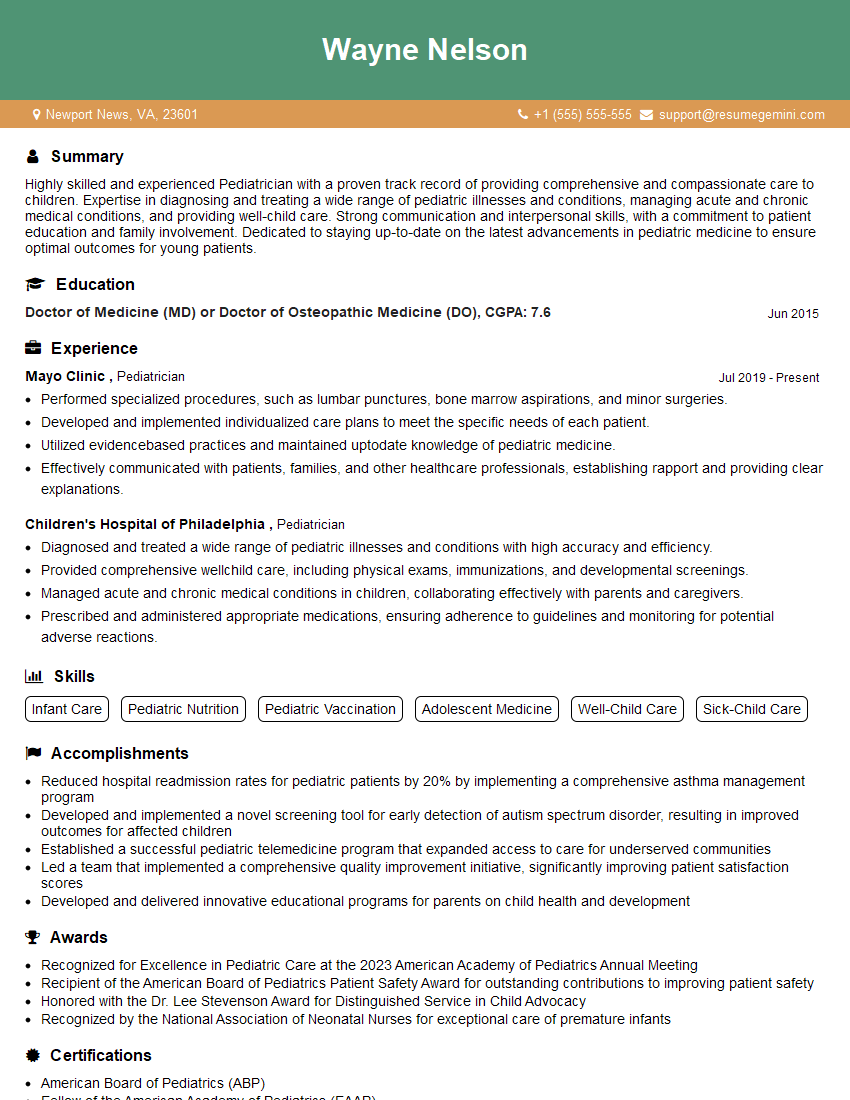
Pediatrician Resume Sample

Physician Assistant Resume Sample
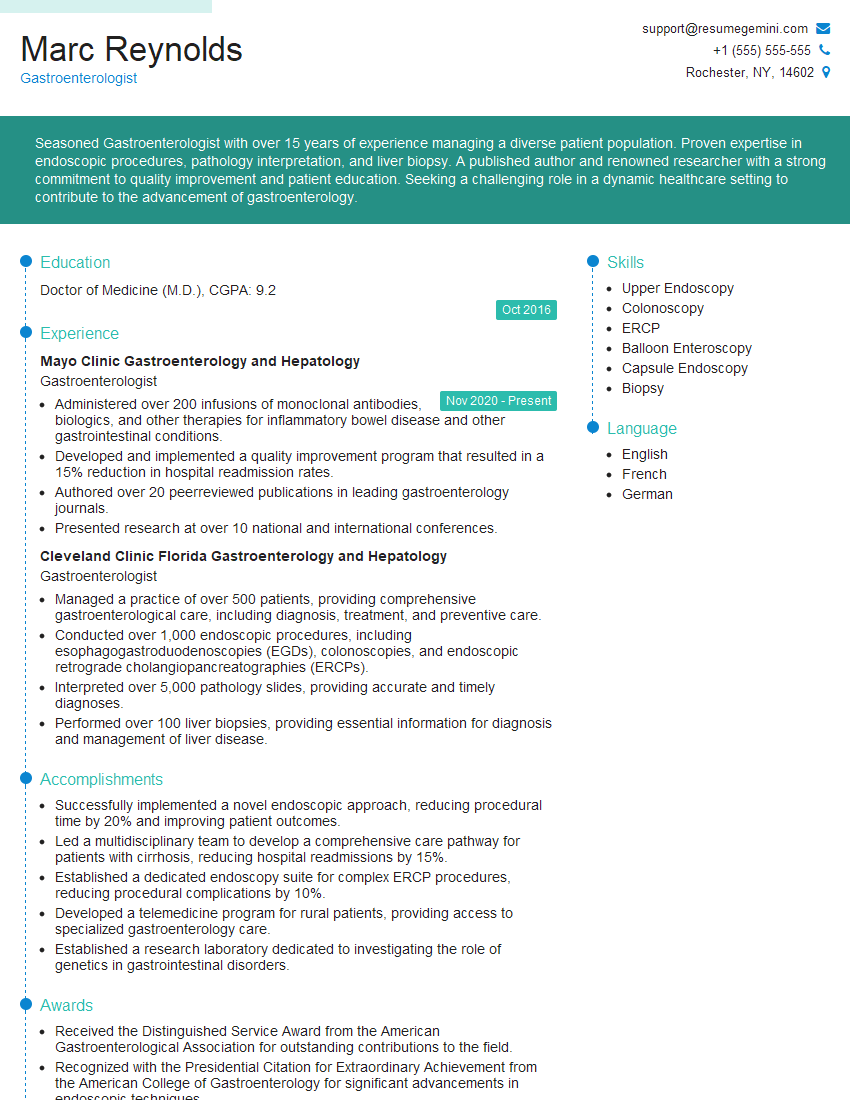
Gastroenterologist Resume Sample
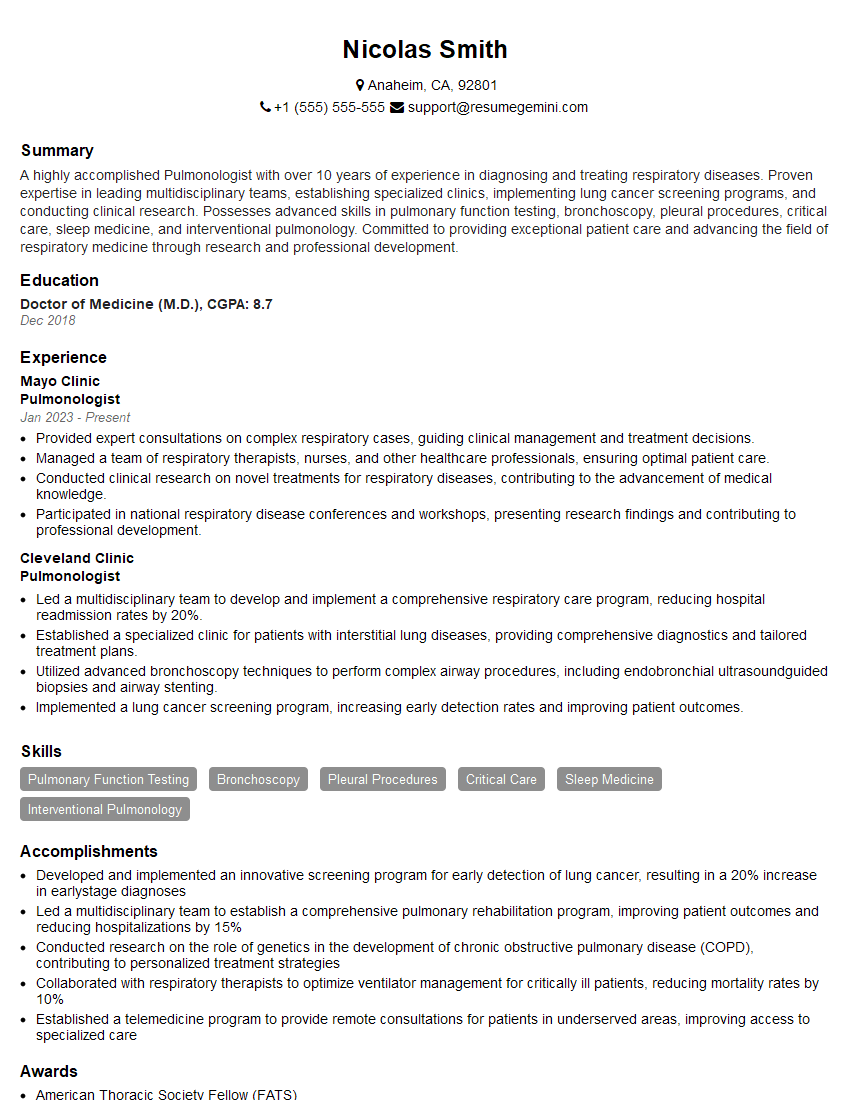
Pulmonologist Resume Sample
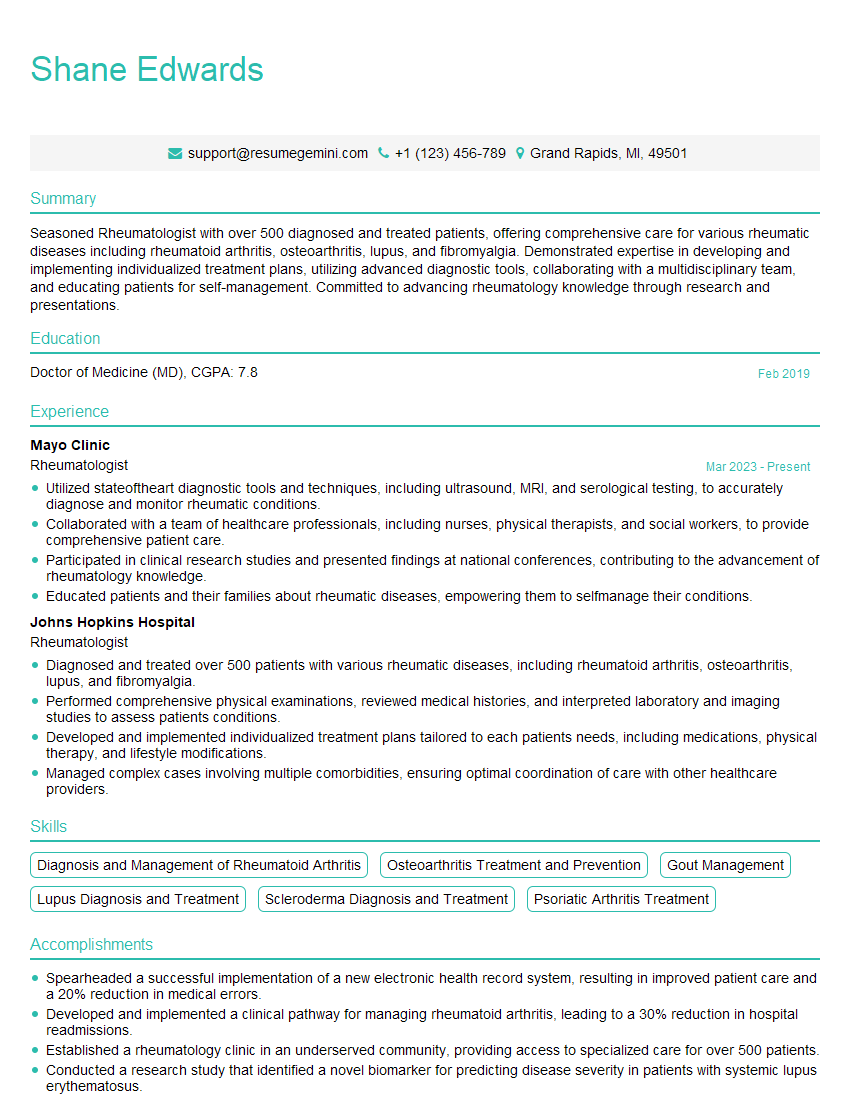
Rheumatologist Resume Sample
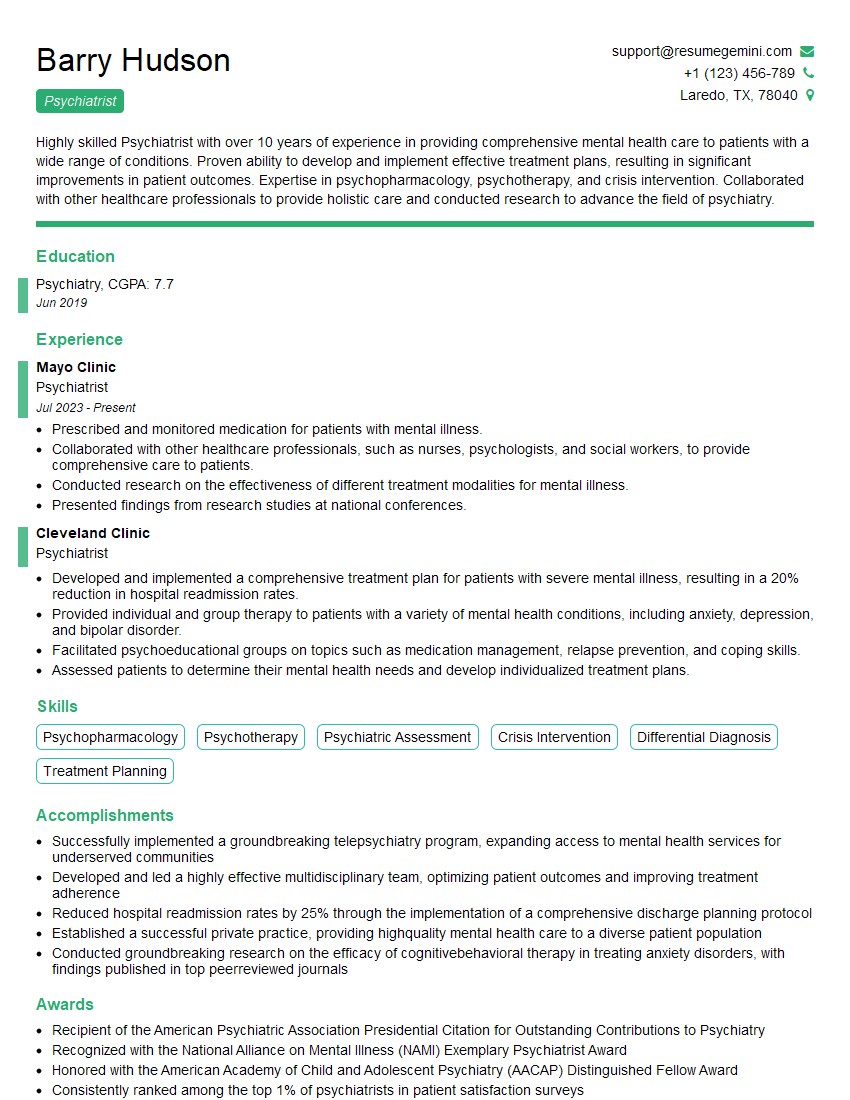
Psychiatrist Resume Sample
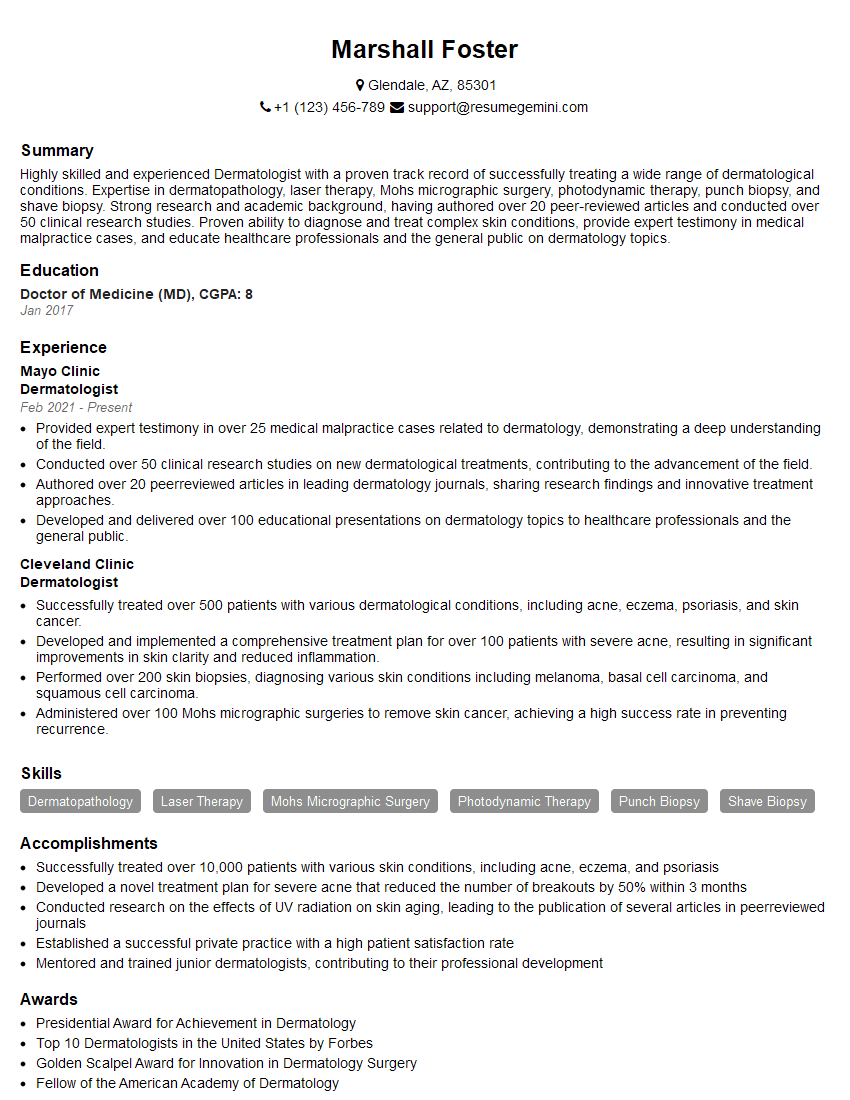
Dermatologist Resume Sample
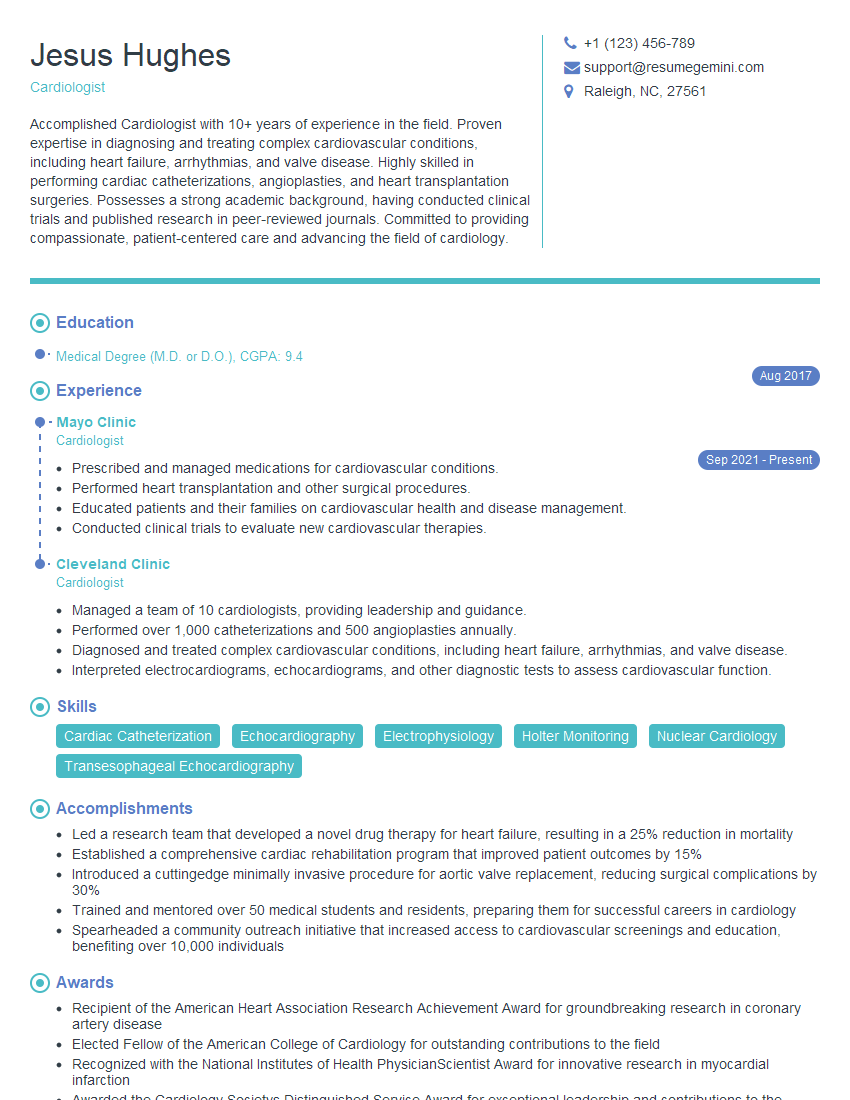
Cardiologist Resume Sample
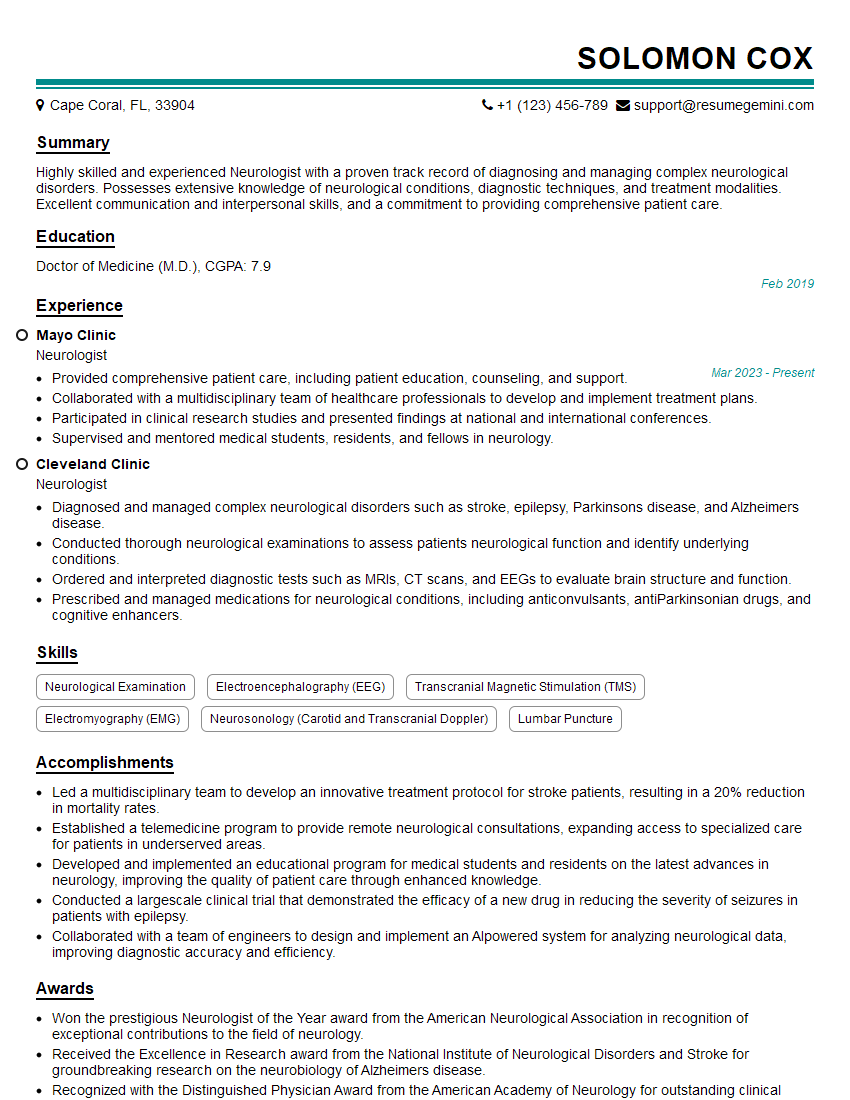
Neurologist Resume Sample
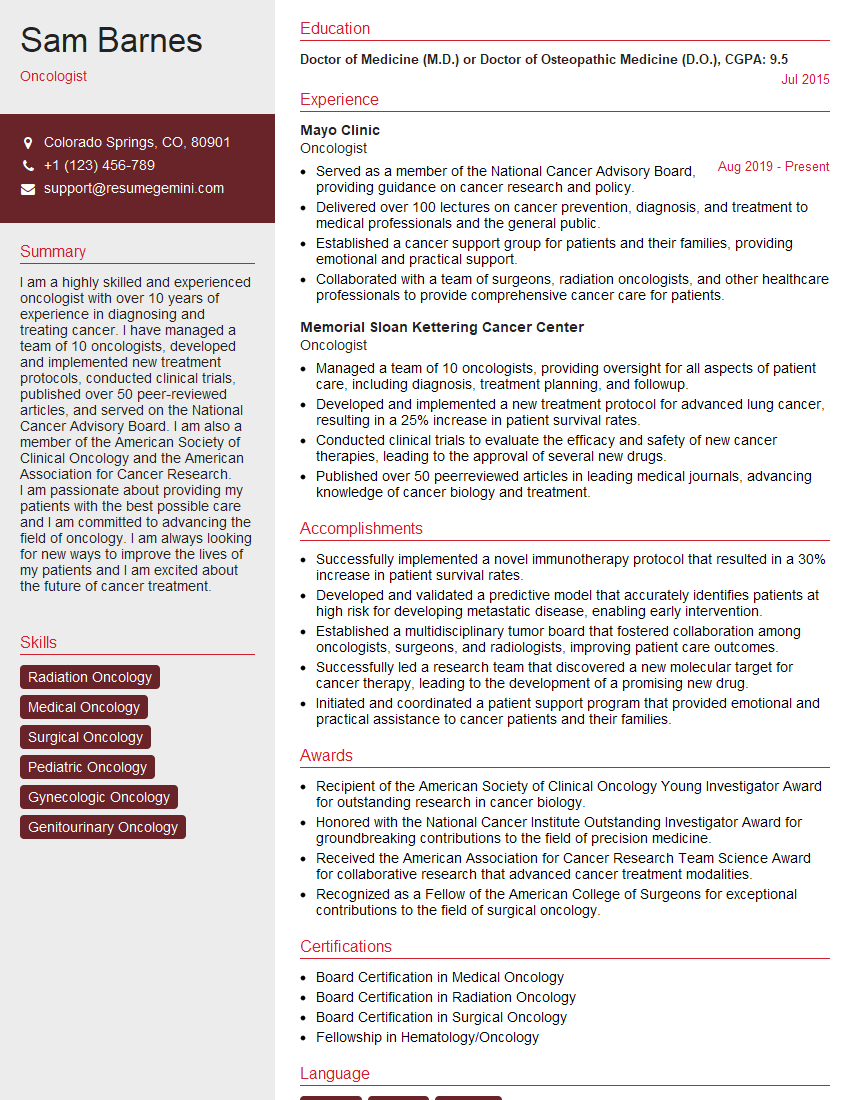
Oncologist Resume Sample
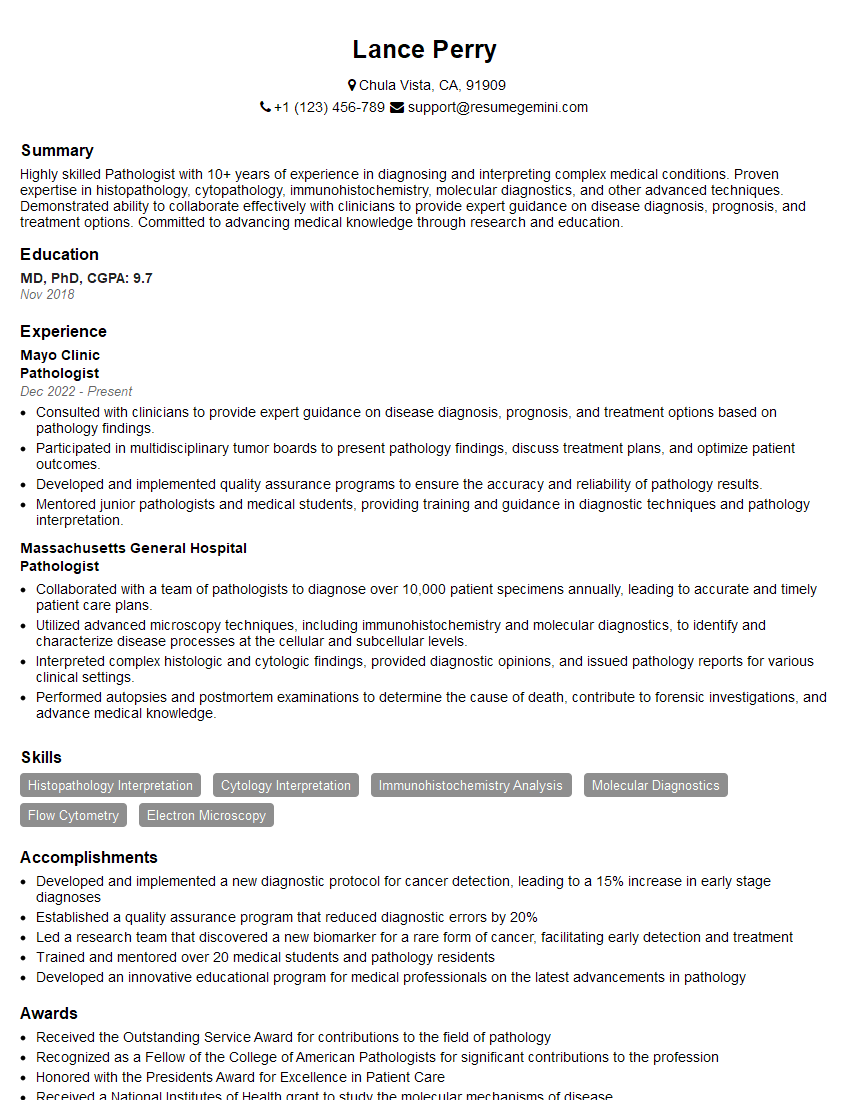
Pathologist Resume Sample
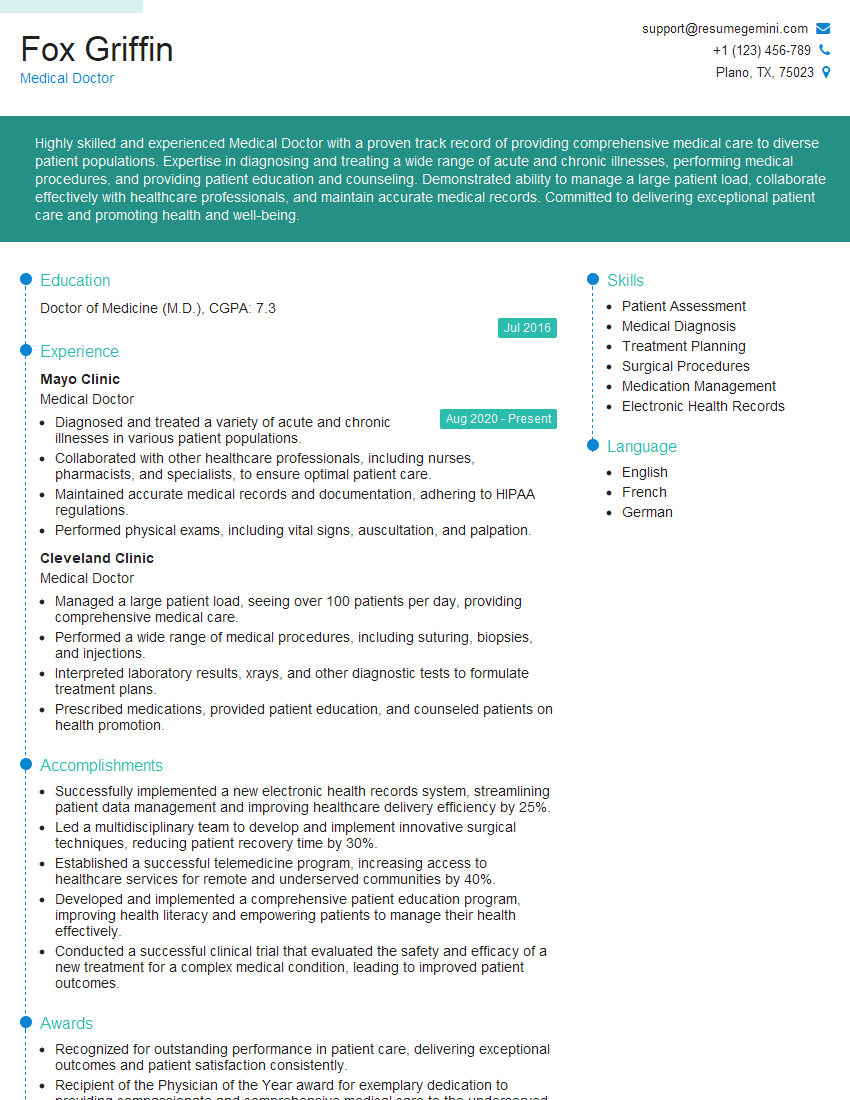
Medical Doctor Resume Sample
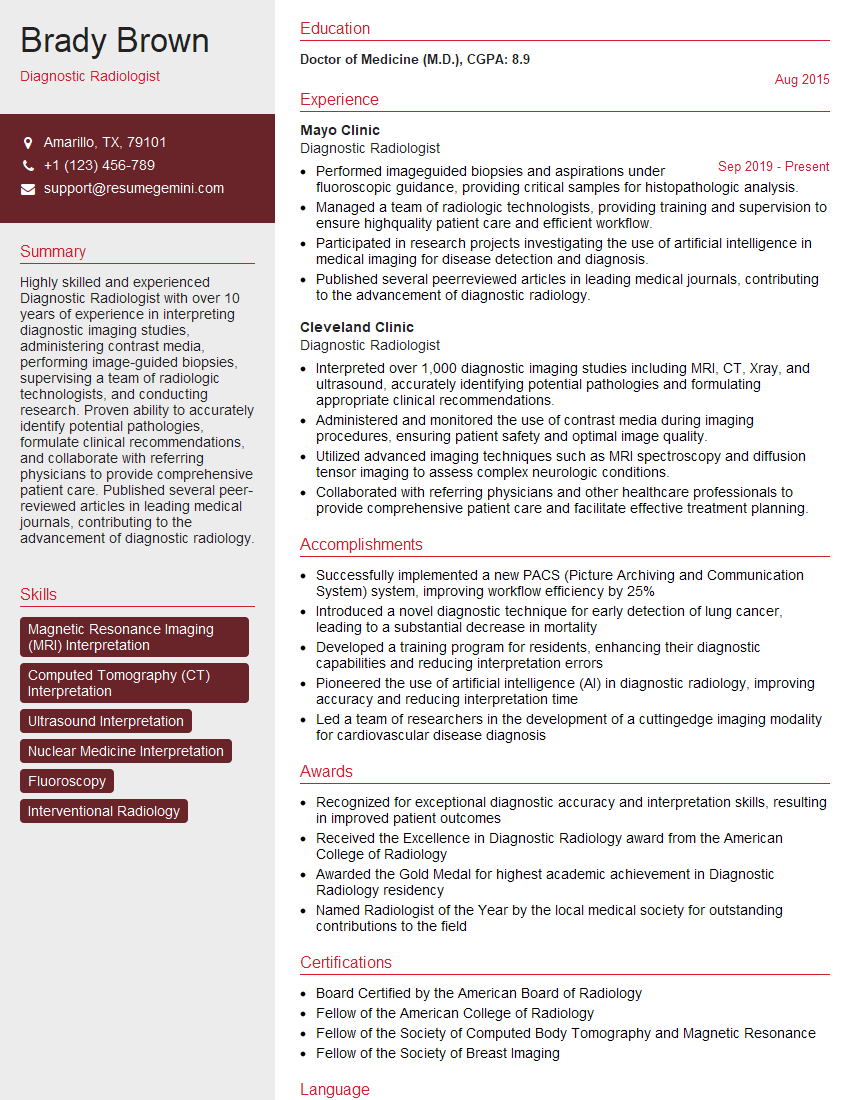
Diagnostic Radiologist Resume Sample
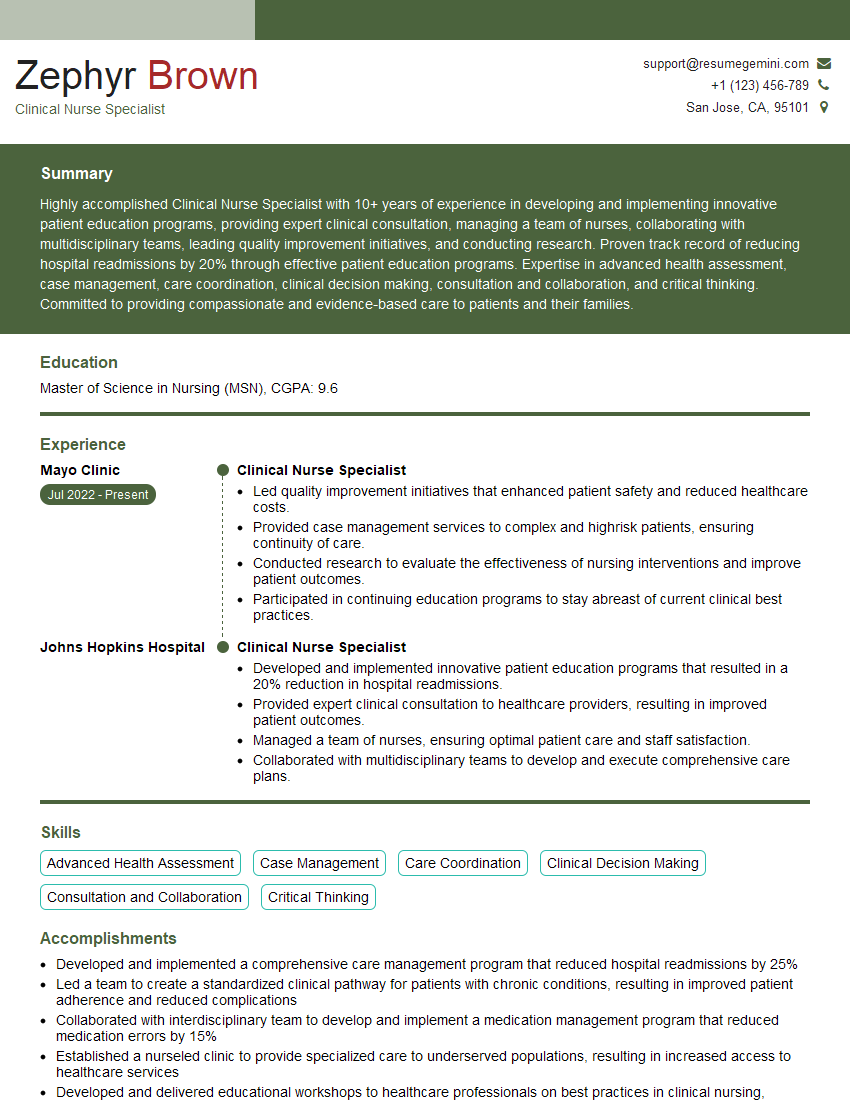
Clinical Nurse Specialist Resume Sample
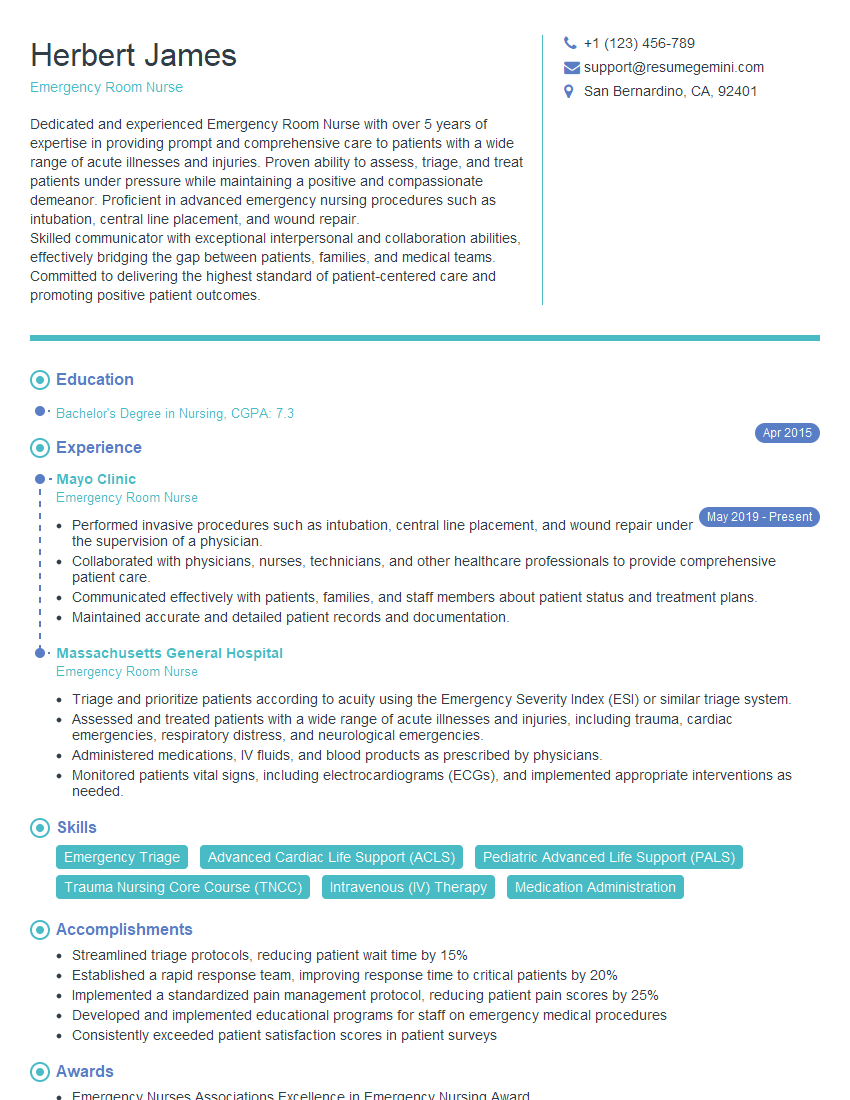
Emergency Room Nurse Resume Sample
- Paramedic
- Endocrinologist
- Clinical Psychologist
- Nurse Practitioner
- Physician
- Emergency Medicine Physician
- Family Medicine Physician
- Geriatrician
- Internal Medicine Physician
- Pediatrician
- Physician Assistant
- Gastroenterologist
- Pulmonologist
- Rheumatologist
- Psychiatrist
- Dermatologist
- Cardiologist
- Neurologist
- Oncologist
- Pathologist
- Medical Doctor
- Diagnostic Radiologist
- Clinical Nurse Specialist
- Emergency Room Nurse
Explore more articles
Users Rating of Our Blogs
Share Your Experience
We value your feedback! Please rate our content and share your thoughts (optional).
What Readers Say About Our Blog
To the interviewgemini.com Webmaster.
Very helpful and content specific questions to help prepare me for my interview!
Thank you
To the interviewgemini.com Webmaster.
This was kind of a unique content I found around the specialized skills. Very helpful questions and good detailed answers.
Very Helpful blog, thank you Interviewgemini team.