Every successful interview starts with knowing what to expect. In this blog, we’ll take you through the top Cognitive Communication Issues interview questions, breaking them down with expert tips to help you deliver impactful answers. Step into your next interview fully prepared and ready to succeed.
Questions Asked in Cognitive Communication Issues Interview
Q 1. Explain the difference between Broca’s and Wernicke’s aphasia.
Broca’s and Wernicke’s aphasias are two major types of aphasia, a language disorder caused by brain damage. They differ significantly in their presentation, impacting different aspects of language processing.
Broca’s aphasia, often called expressive aphasia, affects the ability to produce fluent speech. Individuals with Broca’s aphasia understand language relatively well but struggle to articulate their thoughts. Their speech is often telegraphic, meaning they use short, simple sentences with omitted function words (like articles and prepositions). For example, instead of saying “I went to the store to buy milk,” they might say “Store…milk.” The comprehension is largely intact but the expressive aspect is significantly impaired.
Wernicke’s aphasia, also known as receptive aphasia, primarily affects language comprehension. Individuals with Wernicke’s aphasia can produce fluent speech, often with normal sentence structure and intonation. However, their speech is often nonsensical or contains paraphasias (word substitutions) and neologisms (made-up words). They may not understand what others are saying, despite speaking fluently. For example, they might respond to a question about their day with a rambling, incoherent response that appears grammatically correct but lacks meaning.
In short: Broca’s aphasia is characterized by difficulty producing speech, while Wernicke’s aphasia involves difficulty understanding speech. It’s important to note that these are simplified explanations, and the reality of aphasia is often more nuanced and complex.
Q 2. Describe your experience with assessment tools for cognitive communication disorders.
My experience with assessment tools for cognitive communication disorders is extensive. I routinely utilize a variety of standardized tests and informal assessments, tailoring my approach to each individual’s specific needs and abilities. This includes both formal neuropsychological tests and informal observations of functional communication skills.
Examples of standardized tests I frequently use include the Boston Diagnostic Aphasia Examination (BDAE), Western Aphasia Battery (WAB), and the Cognitive Linguistic Quick Test (CLQT). These tests offer a structured way to assess various aspects of language, cognition, and communication, allowing for quantitative comparisons to normative data.
Beyond formal tests, I heavily rely on informal assessments. This might involve observing the patient’s communication in a natural setting, engaging them in conversational tasks, or evaluating their ability to perform functional activities like following instructions or using a calendar. I find this observational data is crucial for understanding the impact of the cognitive communication disorder on their daily life.
The choice of assessment tools is always individualized. For example, a patient with a mild TBI might only require a brief screening, while a patient with severe aphasia would need a comprehensive evaluation using multiple instruments. The results are integrated to create a holistic profile of the individual’s strengths and weaknesses, guiding therapy planning.
Q 3. What are the common causes of acquired cognitive communication disorders?
Acquired cognitive communication disorders arise from brain damage after birth. Several factors can cause this damage, leading to a wide range of impairments. The most common causes include:
- Stroke (Cerebrovascular Accident): This is a leading cause, disrupting blood flow to the brain and resulting in tissue damage. The location and extent of the damage determine the specific cognitive communication deficits.
- Traumatic Brain Injury (TBI): Impacts from accidents, falls, or assaults can cause widespread or focal brain damage, affecting diverse cognitive functions and communication abilities.
- Brain Tumors: Tumors can compress or infiltrate brain tissue, affecting cognitive and communication processes depending on their location and size.
- Neurodegenerative Diseases: Conditions like Alzheimer’s disease and dementia progressively damage brain cells, leading to a gradual decline in cognitive and communication skills.
- Infections: Encephalitis and other brain infections can cause inflammation and damage, resulting in cognitive and communication impairments.
Understanding the etiology (cause) is crucial for prognosis and treatment planning. For instance, the rehabilitation approach for someone with a stroke will differ significantly from that of someone with Alzheimer’s disease.
Q 4. How do you adapt therapy techniques for individuals with varying cognitive abilities?
Adapting therapy techniques for individuals with varying cognitive abilities is a cornerstone of effective intervention. My approach involves a highly individualized plan that considers the patient’s strengths, weaknesses, and overall cognitive capacity. I utilize a variety of techniques and adjust the complexity based on their performance.
For example, if a patient demonstrates significant cognitive impairment, I might start with very simple tasks, using highly visual cues and repetition. I might break down complex instructions into smaller, manageable steps and provide frequent positive reinforcement. As the patient improves, I gradually increase the complexity of the tasks, introducing more challenging vocabulary, longer sentences, or more abstract concepts.
Errorless learning techniques are often employed for individuals with severe cognitive impairments. This involves providing significant support to prevent errors, allowing them to experience success and build confidence. For patients with milder impairments, a more collaborative and problem-solving approach may be more suitable.
Regular assessment and reassessment are vital to monitor progress and adjust the therapy approach as needed. Flexibility and patience are essential for successful therapy in this population.
Q 5. Discuss your experience with augmentative and alternative communication (AAC) strategies.
Augmentative and Alternative Communication (AAC) strategies are invaluable tools for individuals with significant communication impairments. My experience includes using a wide range of AAC methods, from low-tech to high-tech options.
Low-tech AAC options include picture exchange systems (PECS), communication boards, and simple gestures. These are easily accessible and readily adaptable to various settings. I frequently use PECS with young children or individuals with severe aphasia who are struggling with verbal communication. A communication board can be tailored to the individual’s specific needs and vocabulary.
High-tech AAC options include speech-generating devices (SGDs), tablets with communication apps, and eye-gaze systems. These provide more sophisticated communication opportunities, allowing individuals to generate more complex sentences and participate more fully in conversations. I’ve found SGDs particularly useful for individuals with severe motor impairments who may have difficulty using other AAC methods.
The selection of appropriate AAC strategies depends on several factors including the individual’s cognitive abilities, physical limitations, and communication needs. A thorough assessment of the individual’s communication strengths and weaknesses is essential to determine the best AAC approach and to ensure effective integration into their daily life.
Q 6. Explain your approach to differential diagnosis in cognitive communication disorders.
Differential diagnosis in cognitive communication disorders requires a systematic approach to identify the underlying cause and specific nature of the communication difficulties. This involves carefully ruling out other possible conditions and precisely defining the individual’s specific challenges.
The process begins with a comprehensive history, including the individual’s medical background, the onset and progression of symptoms, and any relevant social and environmental factors. A thorough neurological examination, including cognitive assessments and language testing, is crucial. Imaging studies like MRI or CT scans often help identify structural brain abnormalities.
The assessment helps distinguish between various cognitive communication disorders, such as aphasia, apraxia of speech, dysarthria, and cognitive-linguistic disorders. For example, differentiating between aphasia and apraxia of speech requires careful attention to the nature of speech errors. Aphasia involves language processing deficits, while apraxia of speech affects the motor planning of speech movements. A thorough evaluation, including observation of spontaneous speech and performance on various language tasks, aids in this distinction.
Collaboration with other specialists, such as neurologists, psychiatrists, and occupational therapists, is often necessary for a comprehensive differential diagnosis. This multidisciplinary approach ensures a complete understanding of the individual’s condition and allows for a more targeted and effective intervention plan.
Q 7. Describe your experience working with individuals with traumatic brain injury (TBI).
My experience working with individuals with traumatic brain injury (TBI) spans many years. TBI presents unique challenges because the cognitive and communication deficits can be highly variable, depending on the severity and location of the injury. The recovery process is also often protracted, requiring patience and ongoing support.
I utilize a variety of strategies tailored to the individual’s specific needs and stage of recovery. Early intervention is often critical to maximize functional outcomes. This might involve strategies to improve attention, memory, and executive functions, alongside addressing language and communication impairments. I employ cognitive rehabilitation techniques such as memory strategies, problem-solving training, and metacognitive awareness training.
Communication therapy may focus on improving pragmatic language skills (social use of language), improving verbal expression, and enhancing comprehension. For those with significant cognitive impairments, AAC methods may be incorporated. A common challenge with TBI is the cognitive fatigue that patients experience, therefore pacing and intensity of therapy sessions are carefully adjusted.
Collaboration with the patient’s family and other members of the rehabilitation team is essential to provide a holistic approach. This includes coordinating with occupational therapists, physical therapists, and neuropsychologists to maximize the patient’s overall recovery and participation in daily activities.
Q 8. How do you measure treatment efficacy in cognitive communication therapy?
Measuring treatment efficacy in cognitive communication therapy (CCT) requires a multifaceted approach, combining quantitative and qualitative data. We don’t just look at whether a client can perform a specific task better; we assess the impact on their overall communication and daily life.
Standardized Assessments: We utilize standardized tests like the Boston Diagnostic Aphasia Examination (BDAE) or the Cognitive Linguistic Quick Test (CLQT) before and after treatment. These provide objective measures of change in areas like language comprehension, verbal fluency, and memory.
Functional Measures: We also track improvements in functional communication skills. This could involve observing how effectively a client communicates their needs during mealtimes, engages in conversations, or follows instructions in real-world scenarios. We might use rating scales developed specifically for this purpose to track these functional changes.
Qualitative Data: Client and caregiver feedback is crucial. We regularly interview clients and their families to understand their perceived improvements and challenges. This subjective data adds crucial context to the quantitative findings, offering a richer picture of treatment success.
Outcome Measures Specific to Goals: The specific outcome measures used will depend heavily on the client’s individual goals. For instance, if a primary goal is improved conversational participation, we’ll focus on measures related to conversational turn-taking, topic maintenance, and overall communication effectiveness in a natural setting.
By integrating these different data sources, we create a comprehensive picture of treatment efficacy, ensuring a holistic understanding of the client’s progress and the effectiveness of our interventions.
Q 9. What are some common challenges faced by individuals with cognitive communication disorders?
Individuals with cognitive communication disorders (CCD) face a wide range of challenges that significantly impact their daily lives. These challenges are often intertwined and affect multiple aspects of communication and cognition.
Difficulty with comprehension: Understanding spoken or written language can be severely impaired, leading to misunderstandings and frustration in social and professional settings. This can range from difficulty following simple instructions to struggling to comprehend complex narratives.
Problems with expression: Expressing thoughts and ideas can be challenging, leading to difficulties in initiating and maintaining conversations. This can manifest as word-finding difficulties (anomia), reduced sentence complexity, or difficulty organizing thoughts.
Memory impairments: Difficulties with short-term and long-term memory can impact the ability to learn new information, recall events, and follow instructions. This can severely limit participation in daily tasks.
Attention deficits: Focusing attention and maintaining concentration can be problematic. This can make it challenging to follow conversations, read, or complete tasks requiring sustained attention.
Executive Function Deficits: Difficulty with planning, sequencing, problem-solving, and self-monitoring affects independence and the ability to manage daily routines and responsibilities.
Social Communication Challenges: Difficulties with pragmatics (the social use of language) can lead to misunderstandings and social isolation. This might include problems with turn-taking, understanding non-verbal cues, or maintaining appropriate social distance.
The specific challenges experienced vary widely depending on the underlying cause and severity of the CCD.
Q 10. How do you incorporate family members into the rehabilitation process?
Family members play a vital role in the rehabilitation process for individuals with CCD. Their involvement is essential for successful outcomes and improved quality of life for the client.
Education and Training: We provide family members with education about the specific disorder, its impact, and strategies for communication. This can include information on compensatory techniques, communication strategies, and managing challenging behaviors.
Active Participation in Therapy: We often incorporate family members into therapy sessions, training them to use strategies learned in therapy during daily interactions. This provides valuable practice and support for the client.
Collaboration and Support: Regular communication with family members is crucial. We share progress reports, address their concerns, and seek their input in setting realistic treatment goals.
Emotional Support: We provide emotional support and guidance to family members, acknowledging the challenges of caring for a loved one with a CCD. This may involve connecting them with support groups or other resources.
Caregiver Training: We offer specific training on techniques like prompting, cueing, and communication strategies tailored to the client’s needs and the family’s environment.
By empowering family members with knowledge and skills, we create a supportive environment that maximizes the client’s potential for recovery and improved communication.
Q 11. Describe your experience with swallowing disorders (dysphagia).
While my primary focus is cognitive communication, I have extensive experience collaborating with speech-language pathologists specializing in dysphagia (swallowing disorders). CCD and dysphagia frequently co-occur, especially following stroke or traumatic brain injury. My understanding of dysphagia includes its assessment, the implications for communication, and the coordination of care.
Assessment Collaboration: I collaborate closely with SLPs to ensure a comprehensive assessment of the client’s swallowing abilities. This often involves reviewing videofluoroscopic swallow studies (VFSS) and clinical swallowing evaluations to understand the nature and severity of the dysphagia.
Communication Implications: I understand that dysphagia can significantly impact communication, either directly through reduced oral motor skills or indirectly through fatigue and reduced cognitive stamina. This is a crucial factor in our treatment planning.
Treatment Coordination: We collaboratively design treatment plans that address both communication and swallowing difficulties. For instance, dietary modifications recommended by the SLP might impact the client’s energy levels and ability to participate in cognitive communication therapy. We carefully coordinate these therapies to maximize the client’s progress.
I recognize the vital importance of interdisciplinary teamwork in managing individuals with both CCD and dysphagia, ensuring that their overall needs are effectively addressed.
Q 12. What is your understanding of the impact of cognitive communication disorders on daily living?
CCD’s impact on daily living is profound and far-reaching. It affects nearly every aspect of a person’s life, from the simplest tasks to the most complex social interactions.
Communication Breakdown: Difficulties with comprehension and expression severely limit a person’s ability to participate in conversations, understand instructions, or express their needs. This can lead to social isolation, frustration, and decreased quality of life.
Reduced Independence: Memory problems and executive dysfunction hamper a person’s ability to manage daily routines, perform tasks independently, and maintain personal safety. They might need assistance with activities like dressing, meal preparation, medication management, and financial planning.
Employment Challenges: CCD often leads to difficulty maintaining employment due to impaired communication skills, decreased cognitive abilities, and reduced productivity. This can have serious financial implications.
Social Isolation: The communication challenges inherent in CCD can lead to social withdrawal and isolation. Individuals might avoid social interactions due to fear of misunderstanding or embarrassment.
Increased Caregiver Burden: Family members and caregivers often experience significant emotional, physical, and financial strain. They may need to provide extensive assistance with daily living tasks, which can affect their own well-being.
The overall impact of CCD is highly individualized, but it underscores the critical need for comprehensive assessment and intervention to support clients in maintaining their independence and quality of life.
Q 13. How do you collaborate with other healthcare professionals?
Collaboration with other healthcare professionals is fundamental to providing effective care for individuals with CCD. I regularly work with a multidisciplinary team including:
Neurologists and Physicians: Understanding the underlying medical condition is crucial. I collaborate with physicians to obtain relevant medical history, understand the prognosis, and coordinate treatment plans.
Speech-Language Pathologists (SLPs): As mentioned, collaboration with SLPs specializing in dysphagia is essential. We also work together when addressing language and communication difficulties that fall outside my specific area of expertise.
Occupational Therapists (OTs): OTs focus on improving daily living skills. We coordinate our efforts to address functional communication challenges within the context of broader occupational performance.
Physical Therapists (PTs): Physical impairments can significantly affect communication. I work with PTs to address motor issues that impact speech production or participation in therapy.
Psychologists and Neuropsychologists: Cognitive and emotional factors are often intertwined with communication difficulties. Collaboration with psychologists helps us address emotional adjustment and implement strategies to manage cognitive challenges.
Social Workers: Social workers assist with psychosocial support, access to resources, and coordinating care across various settings.
Regular case conferences and shared documentation are key to effective communication and coordination of care within the team.
Q 14. Describe a challenging case and how you addressed it.
One particularly challenging case involved a 62-year-old man, Mr. Jones, who suffered a severe traumatic brain injury (TBI). He presented with significant cognitive communication impairments, including severe anomia (difficulty finding words), reduced sentence complexity, and significant memory deficits. He also experienced frustration and emotional lability.
The challenge wasn’t just the severity of his impairments, but also his prior history of being a highly verbal and successful businessman. This created a significant emotional burden for him, and he struggled to accept his limitations.
Addressing the challenge involved a multi-pronged approach:
Adaptive Strategies: We focused on teaching him compensatory strategies like using gestures, writing, and drawing to convey his meaning when word-finding failed. We also explored augmentative and alternative communication (AAC) devices to support his expression.
Cognitive Rehabilitation: We used techniques targeting memory and attention deficits, incorporating strategies like memory aids, organizational tools, and spaced retrieval practice.
Emotional Support: I worked closely with a psychologist to help him cope with his frustration and emotional lability. This involved providing emotional support, developing coping mechanisms, and encouraging self-acceptance.
Family Involvement: His wife was actively involved in therapy sessions, learning to use communication strategies at home and providing emotional support.
Gradual Progression: We set realistic goals and celebrated small successes to maintain motivation and build his confidence. We transitioned gradually from structured therapy tasks to more naturalistic communication contexts.
Over time, Mr. Jones showed remarkable progress. While he still experienced some challenges, he learned to use compensatory strategies effectively, improved his emotional regulation, and significantly increased his participation in family activities. This case highlighted the importance of integrating cognitive, emotional, and social aspects of rehabilitation in addressing complex CCD cases.
Q 15. What is your approach to providing culturally competent care?
Culturally competent care recognizes that individuals’ backgrounds, beliefs, and values significantly influence their communication styles and responses to therapy. My approach involves actively seeking to understand each patient’s unique cultural context. This begins with open-ended questions about their background, family dynamics, and communication preferences. I avoid making assumptions and instead actively listen and adapt my therapeutic strategies to align with their cultural norms. For example, a patient from a collectivist culture might prefer family involvement in therapy sessions, which I would gladly accommodate. Similarly, I’m mindful of differing interpretations of nonverbal communication across cultures, ensuring my interactions are respectful and appropriately adjusted. I also continuously seek opportunities for professional development to further enhance my understanding of various cultural perspectives in the field of cognitive communication.
Career Expert Tips:
- Ace those interviews! Prepare effectively by reviewing the Top 50 Most Common Interview Questions on ResumeGemini.
- Navigate your job search with confidence! Explore a wide range of Career Tips on ResumeGemini. Learn about common challenges and recommendations to overcome them.
- Craft the perfect resume! Master the Art of Resume Writing with ResumeGemini’s guide. Showcase your unique qualifications and achievements effectively.
- Don’t miss out on holiday savings! Build your dream resume with ResumeGemini’s ATS optimized templates.
Q 16. How do you maintain up-to-date knowledge in the field of cognitive communication?
Staying current in the rapidly evolving field of cognitive communication requires a multi-pronged approach. I regularly attend professional conferences and workshops, such as those offered by the American Speech-Language-Hearing Association (ASHA), to learn about the latest research and best practices. I actively participate in continuing education courses focusing on new assessment tools, therapeutic techniques, and technological advancements. I subscribe to leading journals in the field, including Aphasiology and Journal of Speech, Language, and Hearing Research, ensuring I remain abreast of published findings. Additionally, I maintain a professional network through collaborations with colleagues, participating in case discussions and sharing insights. This combination of formal education and professional interaction keeps my knowledge current and relevant.
Q 17. What is your experience with evidence-based practice in cognitive communication therapy?
Evidence-based practice is the cornerstone of my therapeutic approach. I systematically search for and critically appraise high-quality research to inform my treatment decisions. This includes reviewing randomized controlled trials, meta-analyses, and systematic reviews to determine the efficacy of specific interventions. For instance, when working with a patient experiencing post-stroke aphasia, I would review evidence supporting various approaches such as constraint-induced language therapy or melodic intonation therapy, selecting the most appropriate method based on the patient’s specific needs and available data. I document my treatment rationale, ensuring transparency and accountability. Regular outcome measures, such as standardized assessments, allow me to track progress and modify interventions as needed, ensuring treatment remains consistent with the best available evidence.
Q 18. Explain your understanding of neuroplasticity and its relevance to rehabilitation.
Neuroplasticity refers to the brain’s remarkable ability to reorganize itself by forming new neural connections throughout life. This is crucial for rehabilitation because it means the brain can adapt and compensate for damage caused by injury or disease. After a stroke, for instance, areas of the brain undamaged by the stroke can take over some functions previously performed by the damaged areas. My therapy aims to stimulate this neuroplasticity. We might use repetitive practice of targeted communication skills, utilizing methods such as constraint-induced language therapy, to strengthen neural pathways and improve function. The principles of neuroplasticity underscore the importance of intensive and consistent therapy, as well as the creation of an enriched environment that promotes neural growth and reorganization. The brain’s capacity for change offers hope and motivates both the patient and therapist during the rehabilitation process.
Q 19. How do you address cognitive fatigue in therapy sessions?
Cognitive fatigue is a common challenge for individuals with cognitive communication impairments. It’s crucial to recognize its impact and adjust therapy accordingly. I structure sessions to incorporate frequent breaks, avoiding prolonged periods of intense cognitive activity. This may involve alternating between tasks requiring different cognitive demands, such as a period of focused language practice followed by a more relaxing activity, like reminiscing or a simple game. I closely monitor the patient for signs of fatigue – reduced attention, decreased accuracy, or increased frustration – and modify the session accordingly. We might shorten the session length, reduce task complexity, or even reschedule for a time of day when the patient typically has higher energy levels. Collaboration with the patient’s family is also important to understand daily routines and energy patterns, allowing for a tailored approach to managing cognitive fatigue.
Q 20. What are some strategies to improve attention and memory in individuals with cognitive impairments?
Improving attention and memory involves a multi-faceted approach that leverages the principles of neuroplasticity. Strategies often focus on enhancing attention through techniques such as attention training exercises, where individuals practice shifting and sustaining focus on specific targets. Memory improvement often utilizes mnemonic devices, such as using visual imagery or creating acronyms to associate information with easily recalled cues. For instance, the method of loci, which involves associating items to be remembered with specific locations in a familiar environment, is a powerful technique. Errorless learning is another valuable strategy, involving gradually increasing task difficulty to avoid frustration and build confidence. Regular engagement in mentally stimulating activities, such as puzzles, reading, or engaging in social interactions, also supports cognitive health and promotes neural connections. Furthermore, the therapeutic relationship fosters motivation and adherence to these strategies.
Q 21. Describe your experience with various assessment tools for language disorders.
My experience encompasses a wide range of assessment tools for language disorders, selected based on the individual’s specific needs and presenting symptoms. For example, I utilize standardized tests like the Boston Diagnostic Aphasia Examination (BDAE) to comprehensively evaluate language skills in individuals with aphasia. The Western Aphasia Battery (WAB) provides another detailed assessment of aphasia subtypes. For individuals with milder cognitive communication difficulties, I might employ tests like the Cognitive Linguistic Quick Test (CLQT) to screen for cognitive-communicative impairments. I also use functional assessments, observing the individual in their natural environment to gauge their ability to perform everyday communication tasks. This holistic approach, utilizing standardized measures alongside observational data, allows for a thorough understanding of the individual’s strengths and weaknesses, guiding the development of individualized and effective intervention strategies.
Q 22. Explain the importance of functional communication in rehabilitation.
Functional communication in rehabilitation focuses on improving an individual’s ability to communicate effectively in everyday life. It’s not just about perfecting grammar or articulation; it’s about enabling them to participate meaningfully in their environment. Instead of solely targeting deficits, we aim to enhance their ability to express needs, wants, and emotions, and to understand information crucial for daily functioning.
For example, a patient struggling with aphasia (language impairment) after a stroke might initially struggle to name objects. A functional approach would prioritize strategies to enable them to communicate their needs – perhaps using gestures, pointing, or alternative communication systems – even if perfect verbal naming isn’t immediately possible. This approach ensures that rehabilitation efforts translate to tangible improvements in the patient’s quality of life.
- Improved Independence: Functional communication helps individuals achieve greater independence in self-care, leisure activities, and social interactions.
- Enhanced Participation: It enables participation in meaningful activities, improving overall well-being and reducing feelings of frustration and isolation.
- Increased Quality of Life: By focusing on practical communication skills, rehabilitation promotes a more fulfilling life.
Q 23. How do you adapt your communication style to meet the needs of individuals with cognitive impairments?
Adapting my communication style hinges on understanding the individual’s cognitive profile and communication strengths and weaknesses. This involves careful observation and assessment, often using standardized tests and informal interactions. I employ several strategies:
- Simplifying Language: Using shorter sentences, concrete vocabulary, and avoiding jargon ensures better comprehension. For someone with word-finding difficulties, I might offer visual cues or use circumlocution (talking around the word).
- Visual Support: I frequently incorporate pictures, gestures, and written prompts to complement verbal communication. Visual schedules and communication boards can significantly improve understanding and participation.
- Patience and Repetition: Cognitive impairments often impact processing speed and memory. I patiently repeat instructions, provide ample time for responses, and avoid interrupting.
- Structured Environment: Minimizing distractions and creating a calm, predictable environment reduces cognitive load and promotes better communication.
- Active Listening: I carefully listen to what the person is trying to communicate, focusing on understanding their message rather than just the precise wording.
For instance, when working with someone with dementia, I would speak clearly and slowly, using simple sentences and frequent pauses. I might use visual aids to remind them of the topic of conversation. With someone with traumatic brain injury, I would focus on clear and concise instructions, utilizing a combination of verbal and visual aids.
Q 24. What is your experience with technology-assisted communication tools?
My experience with technology-assisted communication tools is extensive. I’m proficient in utilizing various augmentative and alternative communication (AAC) systems, including speech-generating devices (SGDs), communication apps, and software programs designed for individuals with cognitive communication disorders. I’ve worked with both high-tech and low-tech options, adapting the technology to individual needs and preferences.
I have experience using apps like Proloquo2Go and TouchChat, as well as various SGDs from manufacturers such as Tobii Dynavox and AssistiveWare. I’m also familiar with the use of apps for visual schedules, reminder systems, and memory aids. I find technology crucial for bridging communication gaps and empowering individuals. For example, I helped a young man with apraxia of speech develop a customized communication board using pictures and symbols, improving his ability to express his needs and desires independently.
Q 25. Describe your experience working with diverse populations.
I have extensive experience working with diverse populations, including individuals from various cultural backgrounds, socioeconomic statuses, and age ranges. This experience has taught me the importance of cultural sensitivity and individualized approaches to treatment. Cultural differences influence communication styles, preferences, and even the way cognitive impairments are expressed.
For example, when working with a patient from a culture where direct eye contact is considered disrespectful, I would adjust my communication style accordingly. Similarly, I adapt my language and strategies to meet the unique needs of children, adolescents, and older adults with cognitive communication disorders, recognizing that their communication patterns and challenges vary across the lifespan.
Understanding diverse perspectives and tailoring my approaches accordingly ensures that my interventions are culturally sensitive, respectful, and effective across diverse populations.
Q 26. What ethical considerations are important in the treatment of cognitive communication disorders?
Ethical considerations are paramount in the treatment of cognitive communication disorders. Several key principles guide my practice:
- Respect for Autonomy: Individuals with cognitive impairments retain the right to make decisions about their own care, even if their capacity is limited. Involving family and caregivers in decision-making is important, but always respecting the individual’s preferences and wishes.
- Beneficence and Non-Maleficence: My actions must aim to benefit the patient and avoid causing harm. Treatment plans should be evidence-based, carefully considered, and implemented with the utmost care.
- Confidentiality: Maintaining the confidentiality of patient information is critical. Strict adherence to professional ethical codes and data protection regulations is essential.
- Justice and Fairness: Ensuring equitable access to high-quality care for all individuals, regardless of background or ability, is a fundamental ethical principle.
- Informed Consent: Patients (or their legal guardians) must be fully informed about the treatment process, risks, and benefits before consenting to treatment.
For instance, if a patient lacks the capacity to provide informed consent, I would involve their legal guardian and ensure that their best interests are prioritized in all decisions.
Q 27. What are your professional goals and how will this position help you achieve them?
My professional goals are centered around advancing the field of cognitive communication rehabilitation and improving the lives of individuals impacted by these disorders. I strive to remain at the forefront of research and best practices. I’m particularly interested in exploring the applications of technology in enhancing communication outcomes, particularly in diverse populations.
This position aligns perfectly with my ambitions. The opportunity to contribute to [Organization Name]’s mission, work with a team of experienced professionals, and access resources to further my research interests would be invaluable in achieving my long-term goals of becoming a recognized expert and leader in cognitive communication rehabilitation.
Q 28. How do you manage your workload and prioritize tasks effectively?
I manage my workload effectively using a combination of organizational strategies and time management techniques. I prioritize tasks based on urgency and importance, often employing a system like the Eisenhower Matrix (urgent/important). I utilize digital tools such as project management software and calendars to schedule appointments, track progress, and set realistic deadlines.
I also prioritize proactive planning and delegate tasks when appropriate. Regularly reviewing my workload helps me identify potential bottlenecks and adjust my schedule accordingly. Maintaining open communication with my colleagues and supervisors allows for timely adjustments and collaboration when facing unexpected challenges.
I believe in maintaining a balanced work-life approach to avoid burnout, ensuring consistent productivity and high-quality care for my patients.
Key Topics to Learn for Cognitive Communication Issues Interview
- Neurological Foundations: Understanding the brain regions and pathways involved in communication and the impact of neurological damage or disorders on cognitive communication.
- Assessment Methods: Familiarize yourself with various assessment tools and techniques used to evaluate cognitive communication deficits, including standardized tests and informal observation methods.
- Intervention Strategies: Explore evidence-based therapeutic approaches for addressing specific cognitive communication impairments, such as aphasia, apraxia, or right hemisphere disorders. Consider the role of compensatory strategies and environmental modifications.
- Differential Diagnosis: Develop your ability to distinguish between various cognitive communication disorders and related conditions, considering overlapping symptoms and co-occurring disorders.
- Case Study Application: Practice applying theoretical knowledge to real-world scenarios. Think critically about how you would assess, diagnose, and treat individuals with diverse cognitive communication challenges.
- Technology and Assistive Devices: Explore the role of technology and assistive devices in improving communication for individuals with cognitive communication disorders. This could include AAC devices, software applications, or other technological aids.
- Cultural and Linguistic Considerations: Understand the influence of cultural and linguistic backgrounds on the presentation and treatment of cognitive communication disorders. Consider the importance of culturally sensitive assessment and intervention.
- Collaboration and Teamwork: Discuss your experience and understanding of the importance of collaboration with other healthcare professionals (e.g., SLPs, neurologists, psychologists) in the comprehensive care of individuals with cognitive communication disorders.
Next Steps
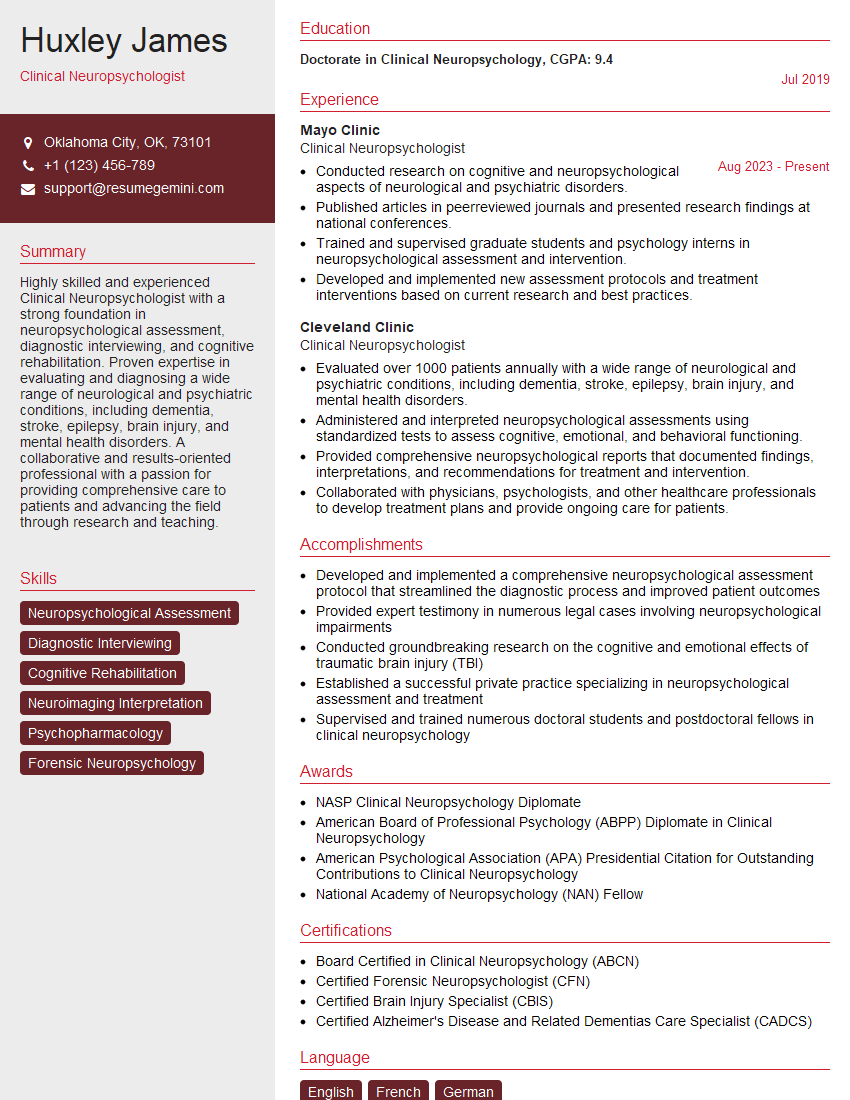
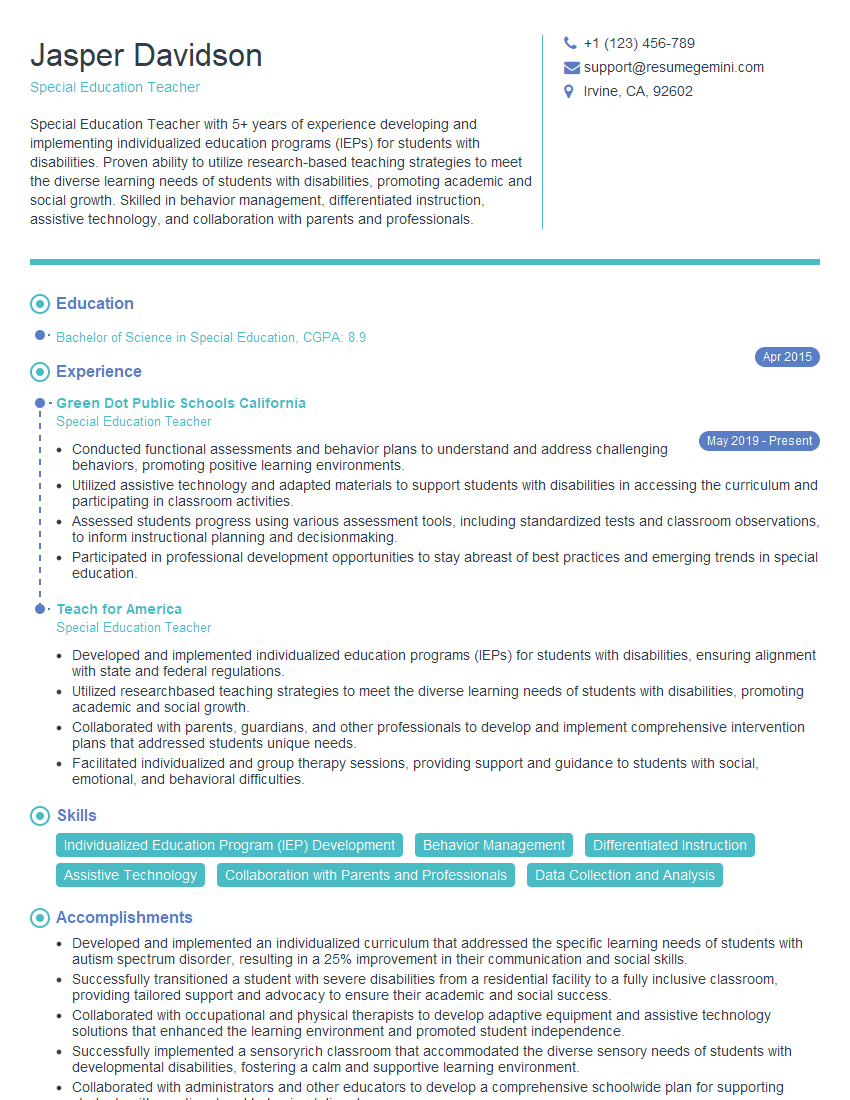
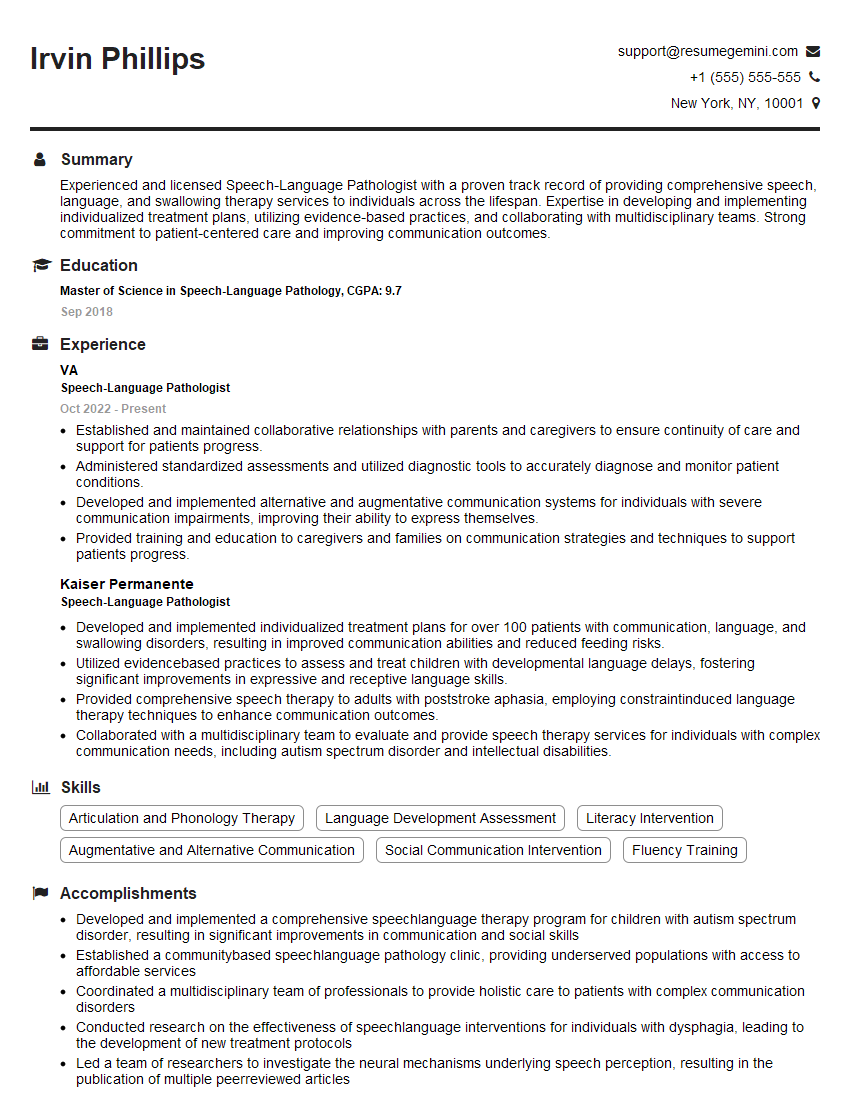
Mastering Cognitive Communication Issues opens doors to rewarding careers offering significant impact on patients’ lives. A strong understanding of these concepts is highly valued by employers. To enhance your job prospects, building an ATS-friendly resume is crucial. ResumeGemini is a trusted resource to help you craft a professional resume that highlights your skills and experience effectively. Examples of resumes tailored to Cognitive Communication Issues are available, showcasing how to present your qualifications in the most compelling way. Invest time in crafting a strong resume – it’s your first impression with potential employers.

Explore more articles
Users Rating of Our Blogs
Share Your Experience
We value your feedback! Please rate our content and share your thoughts (optional).
What Readers Say About Our Blog
To the interviewgemini.com Webmaster.
Very helpful and content specific questions to help prepare me for my interview!
Thank you
To the interviewgemini.com Webmaster.
This was kind of a unique content I found around the specialized skills. Very helpful questions and good detailed answers.
Very Helpful blog, thank you Interviewgemini team.